Top 24 Most Skinny Animals (With Pictures)
In our exploration of the Top 24 Most Skinny Animals (With Pictures), we’re diving into the fascinating adaptations and lifestyles of these lightweight wonders.
Understanding these animals not only broadens our knowledge of biodiversity but also highlights the unique evolutionary paths that lead to their extreme thinness. As you read on, prepare to be amazed by striking images and surprising facts that showcase the wonders of nature’s design.
List of Most Skinny Animals
Below is a list of some of the world’s skinniest animals:
- Gazelle
- Giraffe
- Common House Gecko
- Etruscan Shrew
- Meerkat
- Needlefish
- Fossa
- Stoat
- Great Egret
- Brookesia Micra Chameleon
- Ferrets
- Mako Shark
- Afghan Hound
- Greyhound
- Alpaca
- Whippet
- Carolina Mantis
- Kangaroo
- Red Slender Loris
- Saluki
- Dragonfly
- Spotted Garden Eel
- Stick Bug
- Common Slender Mongoose
Gazelle
- Scientific name: Gazella gazella
- Class: Mammalia
- Diet: Herbivore
Slender, lightweight body: The gazelle epitomizes elegance with its slender, lightweight body, designed for agility and speed in the wild. These remarkable creatures are not just physically graceful; they symbolize survival in the harsh environments of Africa, where predators lurk. Their long legs allow them to cover vast distances at impressive speeds, often reaching up to 60 miles per hour during a sprint.
Long, graceful legs: The gazelle exemplifies elegance in the animal kingdom, boasting long, graceful legs that propel it into the realm of the swiftest grazers. This slender antelope is not just a symbol of beauty but an embodiment of survival, with its lean physique crafted for speed.
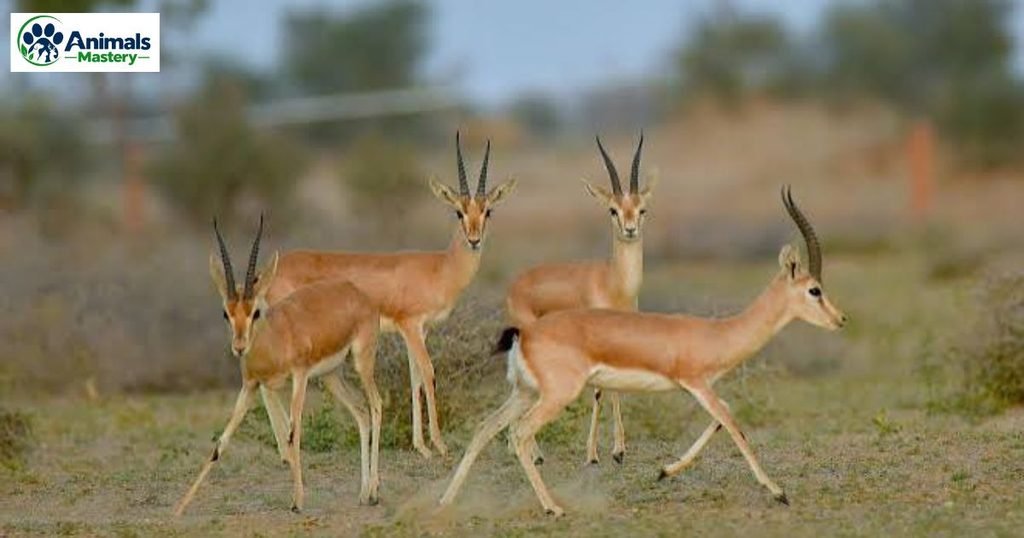
In the face of predators, these animals harness their agility, making unpredictable leaps and quick turns that leave challengers in the dust.
Fast and agile runner: Renowned as a fast and agile runner, these slender creatures possess long, lean limbs that not only enhance their speed but also contribute to their stunningly delicate appearance. Their ability to reach speeds of up to 60 km/h (37 mph) makes them one of nature’s most adept escape artists, allowing them to outrun predators with a combination of agility and endurance.
Giraffe
- Scientific name: Giraffa camelopardalis
- Class: Mammalia
- Diet: Herbivore
Extremely long neck: The giraffe, with its extremely long neck, stands as one of nature’s most striking examples of adaptation and beauty. Unlike other animals, its slender silhouette is not only a matter of aesthetics but a critical survival trait that allows it to reach high foliage, evading ground-level herbivores.
This unique feature, combined with their long legs, creates a physique that elegantly stretches toward the treetops, showcasing nature’s architectural ingenuity.
Tall, slender legs: Giraffes, with their strikingly tall, slender legs, are not just the tallest mammals on Earth; they are natural marvels of evolution. These elegant creatures can reach heights of up to 18 feet, allowing them to feast on leaves high in the treetops, a niche few other animals can occupy.
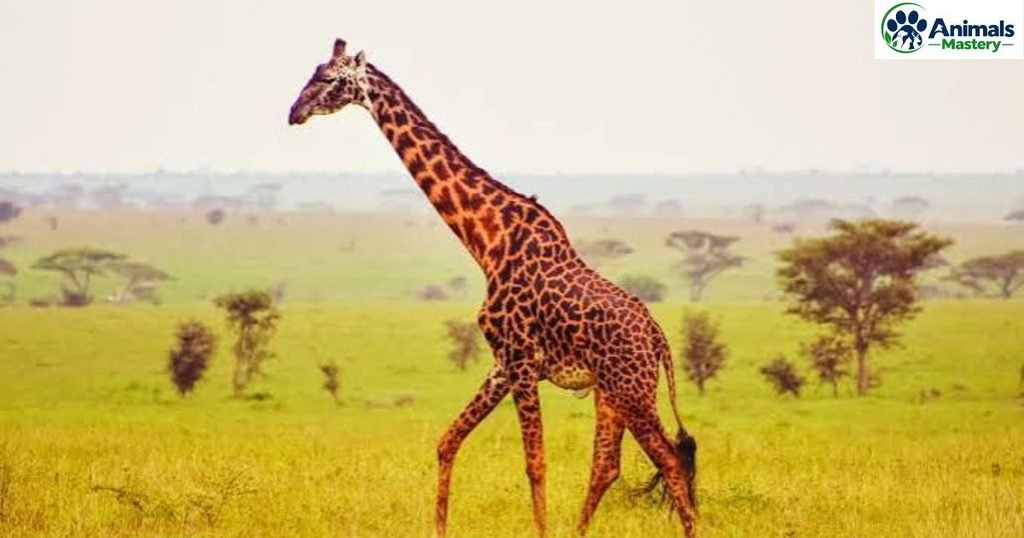
Their unique physiology, including an elongated neck and specialized circulatory system, enables them to maintain balance and access food sources that other herbivores cannot, ensuring their survival in the wild.
Reaches high tree foliage: The giraffe uniquely embodies the essence of elegance in the animal kingdom, with its elongated neck and slender legs enabling it to reach high tree foliage that many other herbivores can only dream of accessing. This impressive adaptation not only feeds its towering stature but also reduces competition for food in a crowded savanna.
While their long necks are iconic, the giraffe’s body is surprisingly lean, accentuating its graceful movement through the African landscape.
Common House Gecko
- Scientific name: Hemidactylus frenatus
- Class: Reptilia
- Diet: Insectivore
Small, slender body: The common house gecko, with its small, slender body, presents a fascinating study in adaptability and survival. Often found clinging to walls and ceilings, these creatures thrive in human habitats, showcasing an intriguing blend of resourcefulness and resilience.
Their agile movements and ability to climb vertical surfaces enable them to hunt nocturnal insects, playing a significant role in controlling pests around homes.
Sticky toe pads: The Common House Gecko, known for its remarkable adaptability, showcases an impressive survival strategy in urban environments. These agile reptiles, with their sticky toe pads, allow them to navigate vertical surfaces and ceilings with ease. Their ability to cling to various surfaces stems from specialized setae on their feet, enhancing their grip and letting them evade predators while hunting insects in dark corners of our homes.
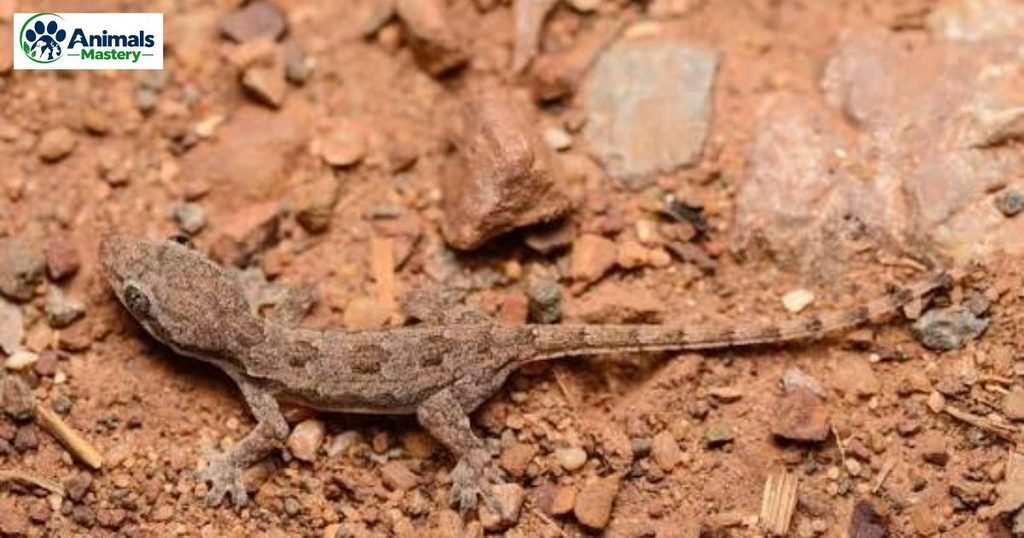
Nocturnal insect hunter: The Common House Gecko, a stealthy nocturnal insect hunter, showcases a remarkable adaptation to urban environments. With its slender body and agile limbs, this small reptile has become a familiar sight in homes across tropical and subtropical regions.
A pest-controller, it plays a pivotal role in maintaining ecological balance by feasting on moths, flies, and ants. Observing these geckos dart across walls at night reveals their incredible speed and dexterity, which are invaluable traits for any effective predator.
Etruscan Shrew
- Scientific name: Suncus etruscus
- Class: Mammalia
- Diet: Insectivore
Tiny, lightweight mammal: The Etruscan shrew, often hailed as the smallest mammal by mass, weighs in at a mere two grams, making it an extraordinary example of nature’s design. This lightweight mammal measures about 3.5 inches in length, topped with a snout that seems exaggerated yet perfectly functional for its insectivorous diet.
Its tiny size enables it to dart through the underbrush with astonishing agility, making it a master of stealth and escape in its Mediterranean habitat.
Extremely fast metabolism: The Etruscan shrew, often overlooked due to its size, is a fascinating creature that embodies the extremes of the animal kingdom. Weighing in at a mere two grams, this tiny mammal showcases one of the fastest metabolisms in the animal world an astonishing capability that drives it to consume nearly its body weight in food every day.
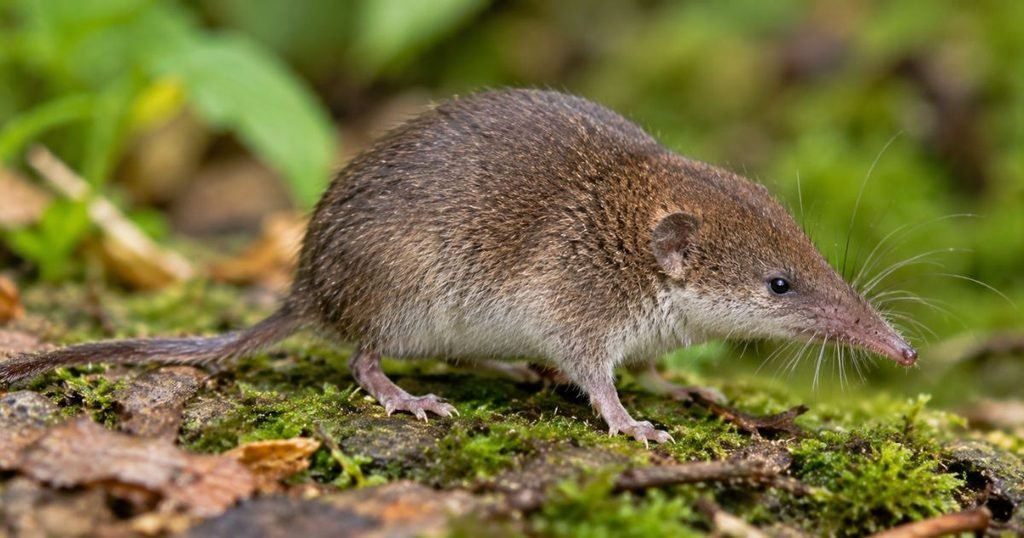
Such a metabolism allows the Etruscan shrew to maintain energy levels needed for its relentless foraging, darting from one spot to another in search of insects, worms, and other small invertebrates.
Feeds frequently on insects: The Etruscan shrew, often heralded as the smallest mammal by mass, epitomizes the wonders of nature’s diversity. This diminutive creature, weighing a mere two grams, boasts an astonishingly high metabolism that necessitates feeding frequently on insects.
Its body is a marvel of efficiency, enabling it to dart through its environment in search of food, with a heart rate that can exceed 1,000 beats per minute, a testament to its frenetic lifestyle.
Meerkat
- Scientific name: Suricata suricatta
- Class: Mammalia
- Diet: Omnivore
Slim, upright body: The meerkat, with its slim, upright body, stands as a fascinating emblem of adaptation in the wild. These social creatures, part of the mongoose family, exhibit a remarkable blend of physical agility and communal intelligence. Their slim bodies enable them to maneuver quickly through their arid habitats in the Kalahari Desert, allowing them to evade predators and search for insects, their primary food source.
Observing a meerkat standing upright on its hind legs, you can’t help but appreciate how their form is not just sleek but strategically designed for optimal vigilance.
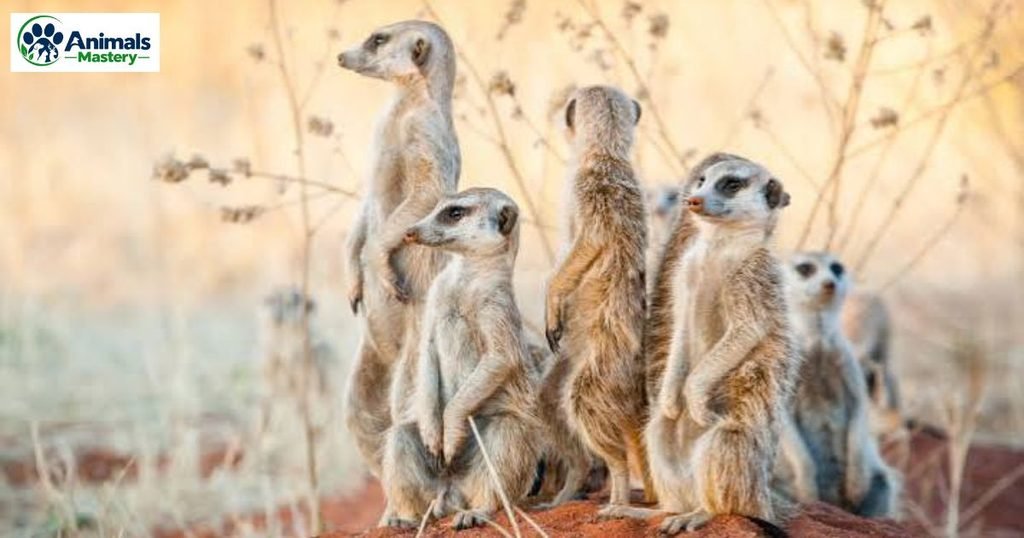
Long, slender tail: Known for their inquisitive nature and social structures, meerkats boast long, slender tails that not only aid in balance but also play a vital role in communication within their clans. When standing sentry, these agile mammals use their tails to maintain a stable posture, allowing them to survey their arid surroundings for potential threats.
Lives in cooperative groups: Meerkats are fascinating creatures that exemplify the beauty of teamwork and social structure in the wild. These slender mammals thrive in the arid landscapes of southern Africa, where they live in cooperative groups known as mobs. Each mob can consist of up to 50 individuals, fostering a tight-knit community that enhances their survival.
Their shared responsibilities like foraging for food and keeping watch for predators illustrate a remarkable symbiosis and the power of unity among these dainty sentinels.
Needlefish
- Scientific name: Belonidae
- Class: Actinopterygii
- Diet: Carnivore
Long, narrow body: Needlefishes are remarkable examples of aquatic elegance, showcasing a long, narrow body that allows them to slice through water with exceptional speed and agility. Often found in tropical and subtropical oceans, these fish employ their streamlined form not only for hunting but also for evading predators.
Their elongated shape enables them to navigate through tightly packed mangroves and coral reefs, adding a layer of adaptability to their lifestyle.
Needle-like jaws: The needlefish stands out in the animal kingdom not only for its remarkable slenderness but also for its striking adaptations. With needle-like jaws that can snap shut with astonishing speed, these fish are expert hunters in both shallow coastal waters and the open ocean.
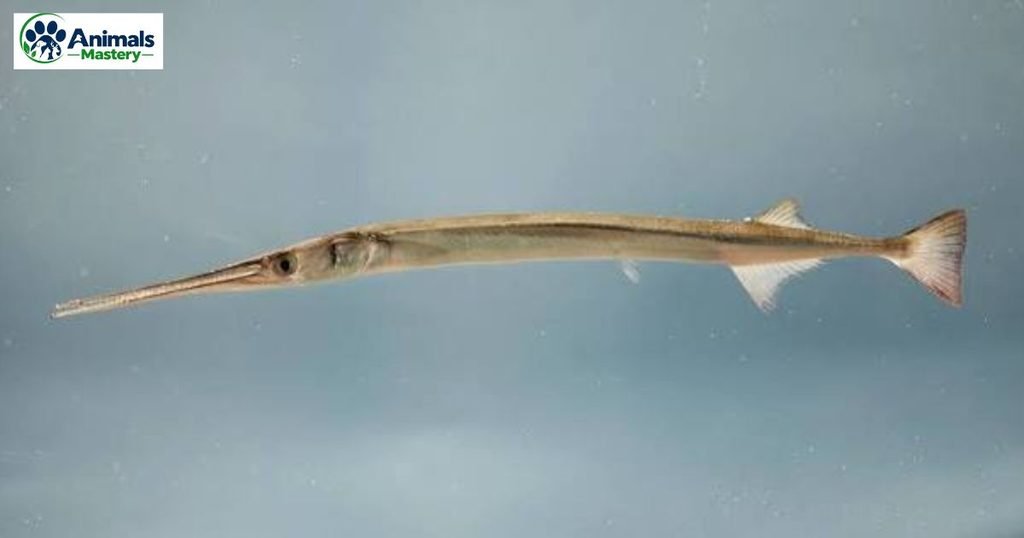
Their elongated bodies, often measuring up to 3 feet in length, make them incredibly agile, allowing them to dart through the water to escape predators or swiftly catch smaller fish. This streamlined shape is a perfect example of evolutionary efficiency, designed for speed and precision in their hunting methods.
Fast surface swimmer: Needlefishing is a fascinating spectacle that captures the essence of agility within the animal kingdom. These slender, elongated creatures glide effortlessly through the water, earning their place as one of the fast surface swimmers among marine life.
With jaws adorned with sharp, needle-like teeth, they utilize their streamlined bodies to outmaneuver prey and evade predators, showcasing an evolutionary masterpiece tailored for survival in their aquatic world.
Fossa
- Scientific name: Cryptoprocta ferox
- Class: Mammalia
- Diet: Carnivore
Long, slender body: The fossa, a remarkable creature native to Madagascar, exemplifies the beauty of a long, slender body perfectly adapted for its environment. This unique predator combines feline grace with a mongoose-like agility, allowing it to traverse treetops with astonishing ease.
Its elongated physique not only aids in climbing but also contributes to its stealthy hunting style, making it an apex predator in its ecosystem.
Flexible climbing ability: With a flexible climbing ability that rivals that of a lemur, the fossa has evolved to navigate the dense forests with grace. Its long, lithe body allows it to leap between trees effortlessly, showcasing agility that is both mesmerizing and efficient for hunting its prey.
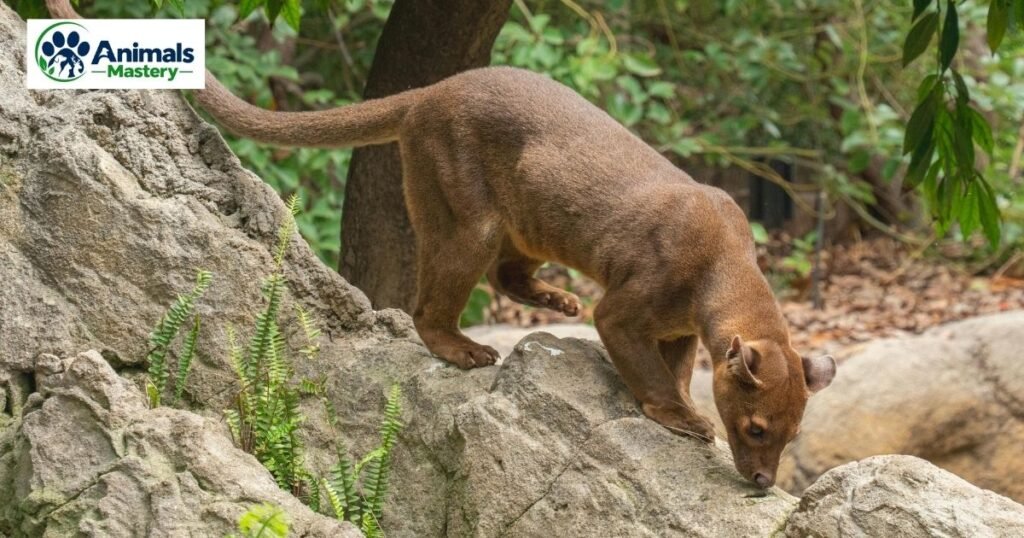
This adaptability is emblematic of the unique ecosystem of Madagascar, where every creature has carved out its niche in the biodiversity hotspot.
Powerful predator: The fossa, Madagascar’s remarkable carnivore, is often likened to a mix of a cat and a mongoose. With its sleek body and elongated limbs, this powerful predator has evolved to navigate the verdant canopies of its island home with agility and precision.
Its design, perfectly suited for climbing, aids in hunting lemurs and small mammals, showcasing how physical adaptations can significantly influence an animal’s role in its ecosystem.
Stoat
- Scientific name: Mustela erminea
- Class: Mammalia
- Diet: Carnivore
Long, slender body: The stoat, a small yet agile mammal, perfectly exemplifies nature’s elegance with its long, slender body. These creatures, also known as ermines in their winter coats, boast an enchanting blend of beauty and effectiveness. Their body structure allows for remarkable speed and agility, making them skilled hunters in various terrains.
The stoat’s thin frame permits it to chase down prey in narrow burrows, showcasing the beauty of adaptation in its long, slender form.
Short legs: With its sleek body and short legs, this agile predator embodies both grace and efficiency. Their slender form allows them to navigate tight spaces and dense underbrush with remarkable ease, making them formidable hunters of small mammals.
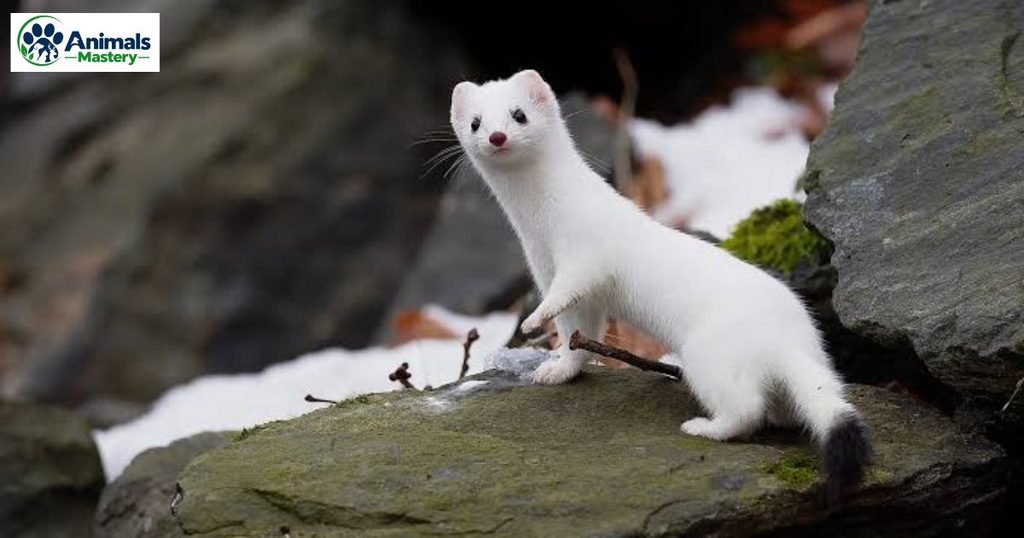
When winter blankets the landscape, the stoat transforms its coat to a dazzling white, offering camouflage amidst the snow, a fascinating adaptation that highlights its survival instincts.
Seasonal coat change: Known for its rich brown summer coat, this agile animal dons a striking white fur in winter, blending seamlessly with snowy landscapes. This seasonal coat change isn’t merely aesthetic; it serves as a crucial survival tactic, providing camouflage against predators while hunting or evading danger.
The stoat’s slender physique, slender tail, and quick movements make it an adept hunter, allowing it to pursue prey much larger than itself, such as rabbits.
Great Egret
- Scientific name: Ardea alba
- Class: Aves
- Diet: Carnivore
Tall, slender bird: The Great Egret embodies elegance as one of nature’s most striking tall, slender birds. With its long neck and elongated legs, it stands gracefully in wetlands, creating a stunning silhouette against the skyline. Beyond its aesthetic appeal, this bird plays a vital role in the ecosystem, acting as a skilled predator that helps maintain the balance of aquatic environments.
Observing a Great Egret in action is a mesmerizing experience; its poised movements and sharp gaze reveal a creature finely adapted for survival.
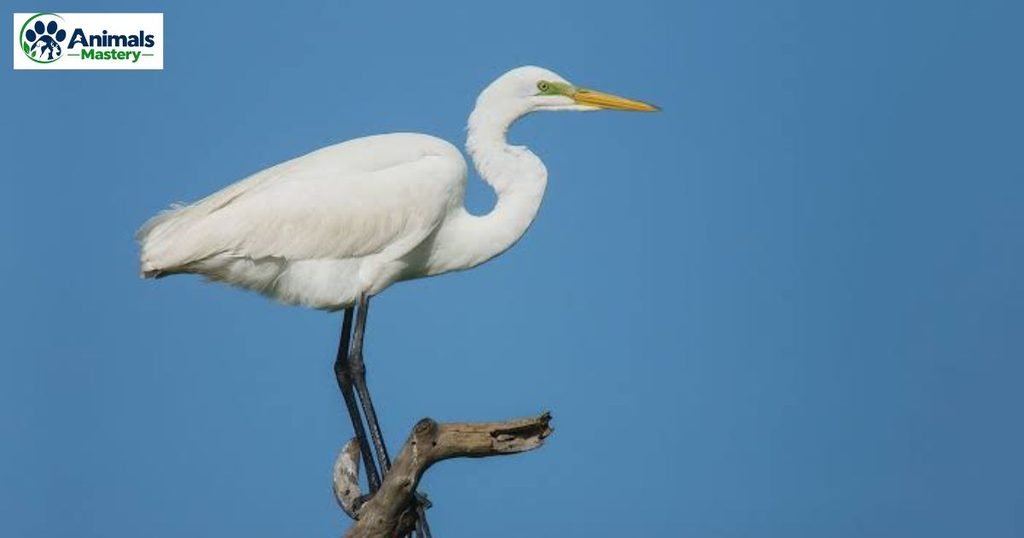
Long neck and legs: The Great Egret, with its stunningly elongated neck and slender legs, is a striking example of nature’s design for both elegance and efficiency. This magnificent bird gracefully wades through shallow waters, using its long limbs to reach for fish and other aquatic prey. The Great Egret showcases a remarkable adaptation, allowing it to blend into its surroundings while maintaining the agility necessary for hunting.
Hunts in shallow water: The Great Egret stands out not only for its striking white plumage but also for its remarkable hunting technique. This elegant bird hunts in shallow water, employing a combination of stillness and speed to catch its prey. With poised grace, it often stands motionless, scanning the aquatic landscape with keen eyes.
When the moment is right, it strikes swiftly, demonstrating a level of precision that makes it a masterful predator among birds.
Brookesia Micra Chameleon
- Scientific name: Brookesia micra
- Class: Reptilia
- Diet: Insectivore
Extremely tiny body: The Brookesia micra chameleon, renowned for its extremely tiny body, captivates the imagination with its astonishing diminutive size. This extraordinary reptile, native to the rainforests of Madagascar, measures just about 13.5 millimeters in length, making it one of the smallest vertebrates on the planet.
The remarkable adaptation of its tiny stature not only helps it evade predators but also allows it to thrive in a unique niche, camouflaging seamlessly among the vibrant foliage of its habitat.
Specialized camouflage: The Brookesia micra chameleon, renowned as one of the world’s tiniest reptiles, exemplifies the art of specialized camouflage. Measuring in at a mere 13.5 millimeters in length, this miniature marvel blends seamlessly into its leaf-littered surroundings, making survival an intricate game of hide and seek.
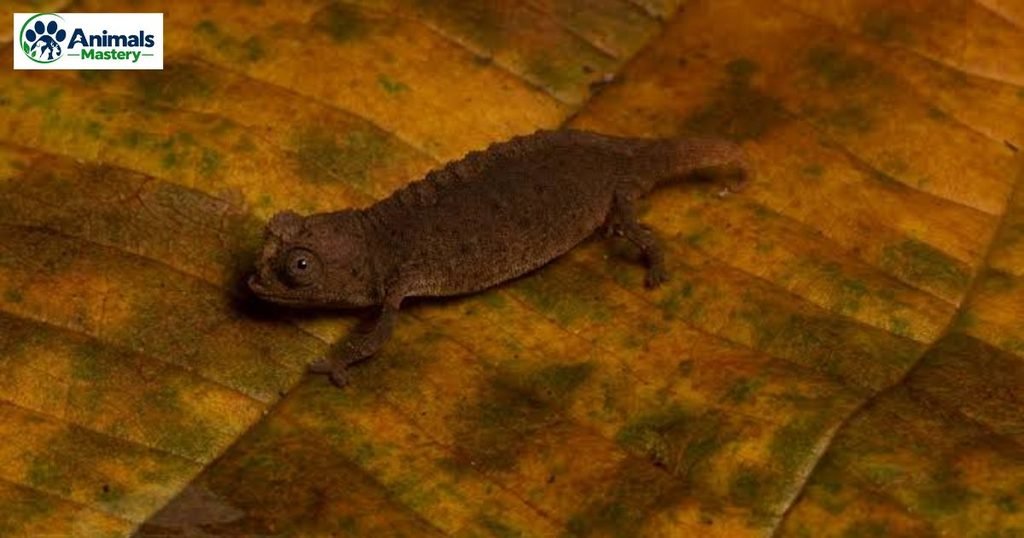
Its vibrant coloration and minute size allow it to evade predators and remain unnoticed by unsuspecting prey.
Native to Madagascar: Brookesia micra chameleon, perhaps the most diminutive of all reptiles, is native to Madagascar and embodies the essence of extreme adaptation. Measuring a mere 13.5 mm from snout to tail, this chameleon not only challenges our perceptions of size but also thrives in the lush, intricate ecosystems of its island home.
Its minuscule stature allows it to navigate the dense foliage, camouflaging seamlessly among leaves and twigs, which helps it evade predators while hunting tiny insects.
Ferrets
- Scientific name: Mustela putorius furo
- Class: Mammalia
- Diet: Carnivore
Long, flexible bodies: Ferrets, with their long, flexible bodies, are a prime example of nature’s efficiency in design. These curious little creatures, members of the weasel family, are known for their playful spirit and boundless energy. Their slim physique allows them to navigate tight spaces and burrows with ease, showcasing an evolutionary advantage that complements their hunting instincts.
As ferrets dart and weave through their environment, it’s fascinating to observe how their slender frames have equipped them for agility and stealth.
Short legs: Ferrets, often overlooked in discussions about pets, excel in agility and charm, boasting short legs that accentuate their long, slender bodies. These playful creatures are not just skilled at squeezing into tight corners but also exhibit an endearing curiosity that makes them captivating companions.
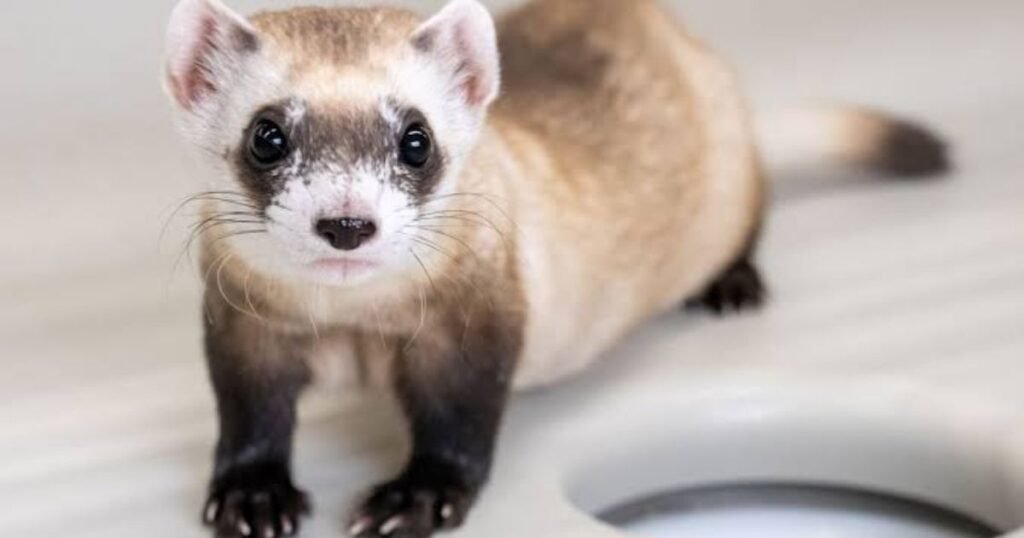
Their unique physique allows them to dart through small spaces, making every environment an adventure.
Skilled burrow explorers: The top 24 most slender animals, ferrets stand out as skilled burrow explorers, showcasing their agility and unique adaptations. These small mustelids are not just known for their elongated bodies but also for their inquisitive nature.
With a penchant for squeezing into tight spaces, ferrets thrive in environments where they can dig and navigate through tunnels, often mimicking their wild ancestors, which were adept at hunting small prey within the earth’s crust.
Mako Shark
- Scientific name: Isurus oxyrinchus
- Class: Chondrichthyes
- Diet: Carnivore
Streamlined body: The Mako Shark, known for its streamlined body, is a pinnacle of agility in the ocean’s depths. This sleek predator can swim at speeds exceeding 40 miles per hour, making it one of the fastest fish in the sea. Its design is an evolutionary masterpiece, allowing it to slice through water with minimal resistance.
The combination of its narrow snout and powerful tail enables remarkable acceleration and maneuverability, giving it an edge over prey and rivals alike.
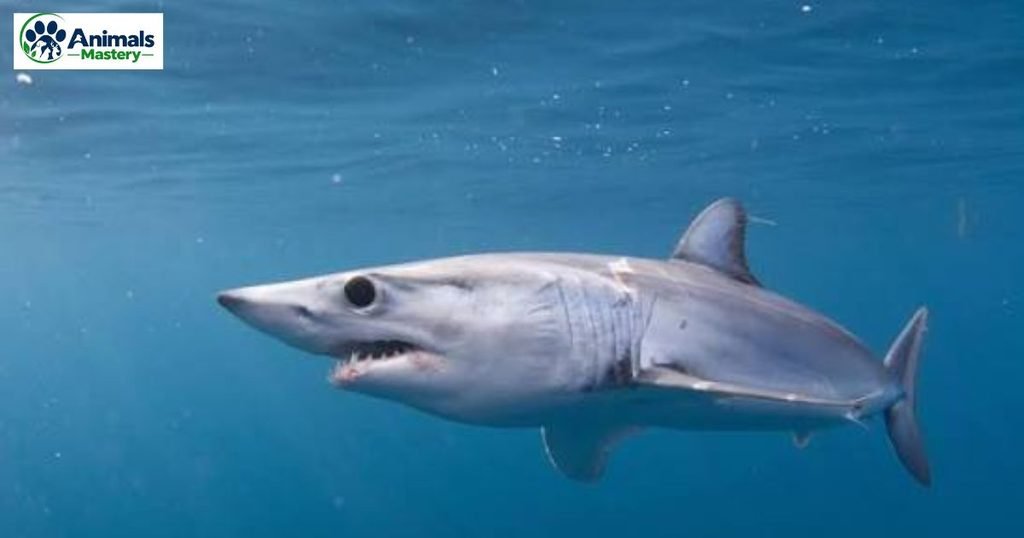
Extremely fast swimmer: The sleekest of the ocean’s inhabitants, the Mako Shark embodies elegance and efficiency. Renowned as one of the most extremely fast swimmers, this formidable predator can dash through the water at speeds reaching up to 60 mph. Its streamlined body is designed for agility, allowing it to navigate with precision while pursuing prey.
The Mako’s unique adaptations, including a specialized layer of skin that reduces drag, make it not just a marvel of nature but also a perfect example of evolutionary art.
Sharp, pointed teeth: The Mako Shark stands out not just for its incredible speed but also for its strikingly sleek physique. With a streamlined body built for agility, this shark glides through the ocean with an elegance that belies its hunting prowess. Its sharp, pointed teeth are perfectly adapted for catching fast-moving prey, making it a top predator in its marine ecosystem.
The juxtaposition of its slender form and lethal dental finesse creates a fascinating dynamic that captivates both scientists and shark enthusiasts alike.
Afghan Hound
- Class: Mammalia
- Diet: Omnivore
Tall, slender build: With their tall, slender build and elegant demeanor, Afghan Hounds are a striking representation of the world’s most slender animals. Once bred for hunting in the rugged terrains of Afghanistan, their lightweight physique is not just for aesthetics; it enhances their agility and speed.
Long, flowing coat: The Afghan Hound stands out not just for its stunning appearance but also for its unique, dignified demeanor. With a long, flowing coat that seems to dance in the wind, the Afghan Hound captures the essence of grace. This breed, known for its slender physique, embodies elegance, evoking images of ancient royalty.
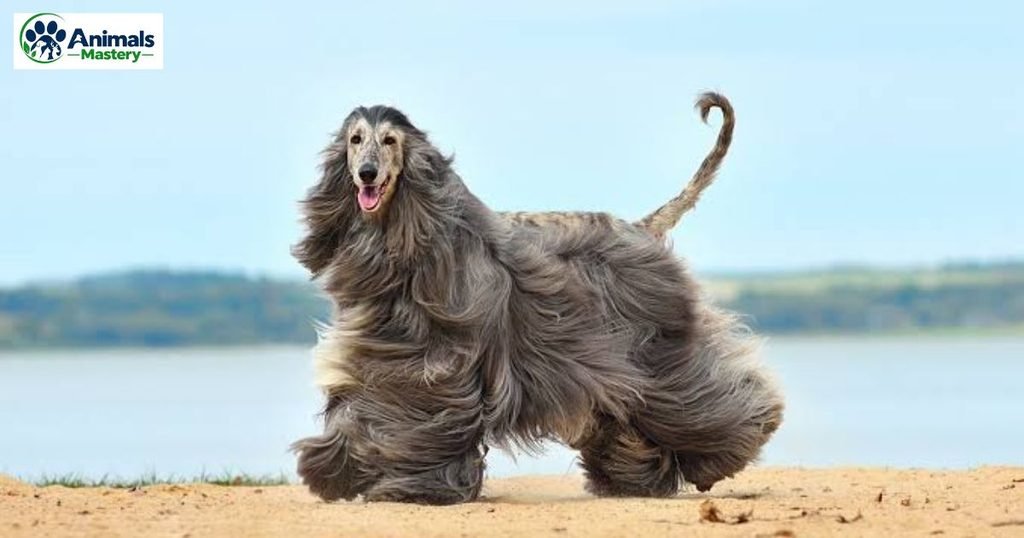
Their thin, aerodynamic body allows them to sprint with remarkable agility, making them excellent companions for active individuals. These dogs are known for their long, flowing coat, which serves as a majestic crown to their already regal appearance, making them stand out among other breeds.
Bred for hunting: Bred for hunting in the rugged terrains of Afghanistan, their lean physique and long legs were essential for chasing down game over vast landscapes. This breed’s svelte frame isn’t merely a visual spectacle; it’s a testament to centuries of selective breeding, highlighting both agility and endurance.
Their flowing, silky fur only adds to their graceful appearance, making them seem almost ethereal as they move.
Greyhound
- Class: Mammalia
- Diet: Omnivore
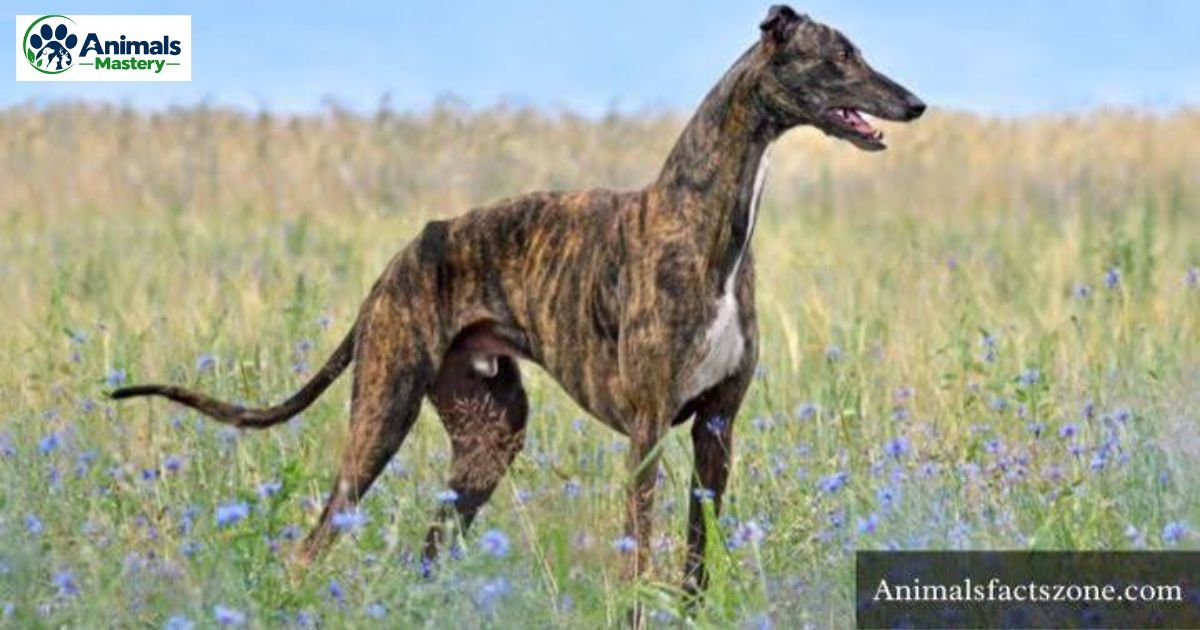
Lean athletic body: The Greyhound, often celebrated for its incredible speed, is a prime example of a creature designed for agility and efficiency. With their lean athletic bodies, these dogs embody the perfect blend of form and function, built for racing but equally loved as companions.
Their sleek silhouette, characterized by a narrow waist and long legs, minimizes wind resistance, enabling them to reach speeds of up to 45 miles per hour.
Long powerful legs: The Greyhound stands out not only for its remarkable speed but also for its graceful physique characterized by long powerful legs and an elegant build that exudes athleticism. These dogs are a prime example of evolution meets purpose; bred for racing, their slim yet muscular frames enable them to reach astonishing speeds of up to 45 miles per hour.
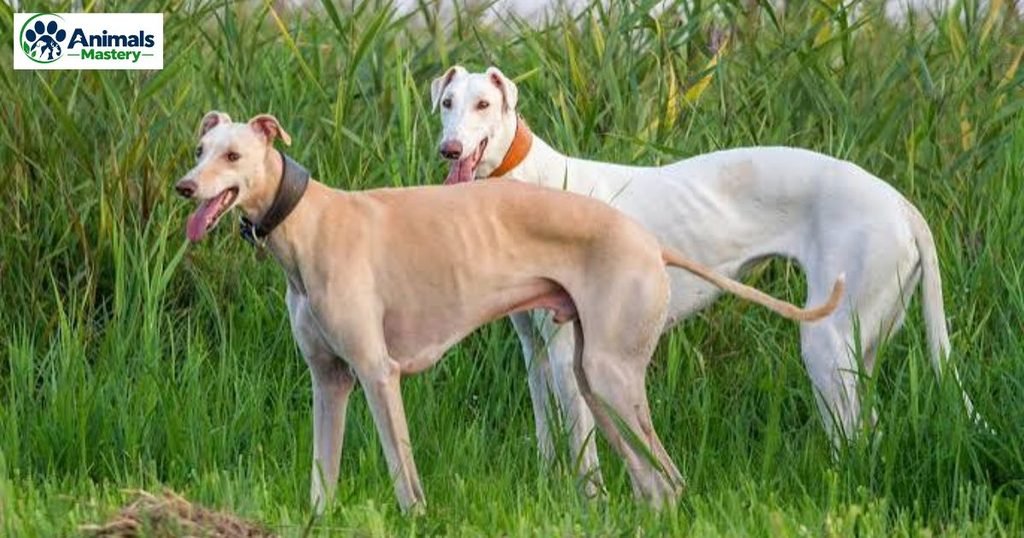
Beyond their racing prowess, Greyhounds embody a unique blend of gentleness and energy, often surprising owners with their calm demeanor at home, despite their sleek, slender appearance.
Exceptional running speed: The Greyhound is not just remarkable for its exceptional running speed but also for its sleek and streamlined body. These elegant dogs possess a unique physique that reduces wind resistance, making them the epitome of efficiency in motion. Their slender frame, characterized by long legs and a narrow waist, not only contributes to their speed but also reflects a fascinating evolutionary adaptation for endurance hunting.
Alpaca
- Scientific name: Vicugna pacos
- Class: Mammalia
- Diet: Herbivore
Slender neck: The alpaca, a native of the Andean mountains, often captivates with its gentle demeanor and exquisite, slender neck. This marvel of evolution has adapted to thrive in high altitudes, where its lightweight frame allows it to navigate rocky terrain effortlessly.
Their slender build make them graceful, and it supports their efficient digestion; alpacas primarily graze on high-nutrient grasses, which complements their delicate physique.
Lightweight body: The alpaca stands out as one of nature’s marvels, characterized by its lightweight body and elegant posture. Originally domesticated in the Andes mountains, these gentle creatures are not only adored for their luxurious fleece but also for their remarkable agility and grace.
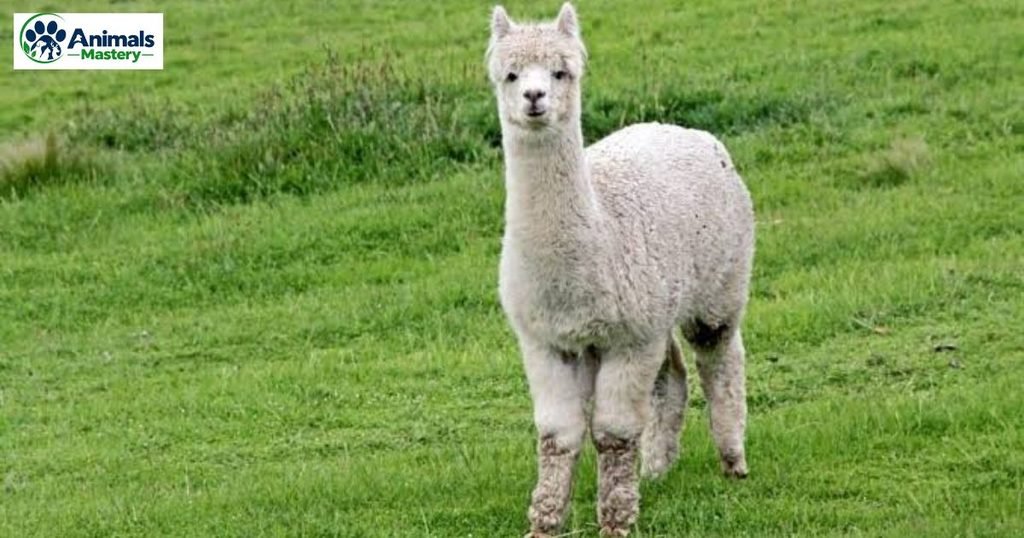
Their slender legs and elongated necks allow them to navigate rugged terrains with ease, making them perfectly adapted to high-altitude environments. Despite their modest stature, they possess a surprisingly robust skeletal structure that supports their agility, allowing them to thrive in harsh conditions where heavier animals might struggle.
Thick insulating fleece: Alpacas, with their thick insulating fleece, are not only adorable but also intriguing in their adaptations to harsh environments. Originating from the Andes mountains, these gentle creatures have evolved a unique body structure that allows them to thrive in cool, high-altitude climates.
Unlike many animals, alpacas maintain a slender physique, which minimizes heat retention, enabling them to stay comfortable even when temperatures drop significantly.
Whippet
- Class: Mammalia
- Diet: Omnivore
Slim, athletic build: The Whippet, a paragon of grace, showcases an awe-inspiring slim physique with an athletic build that belies its gentle demeanor. This breed, often likened to a living homage to speed, possesses a streamlined silhouette that captures the essence of agility.
Long legs: The Whippet stands out among the top 24 skinniest animals, captivating enthusiasts with its elegant frame and long legs. Known for their sleek bodies, these dogs boast a remarkable aerodynamic design, making them superbly efficient sprinters. Their delicate appearance belies incredible strength and agility qualities that make them exceptional in the world of dog racing and lure coursing.
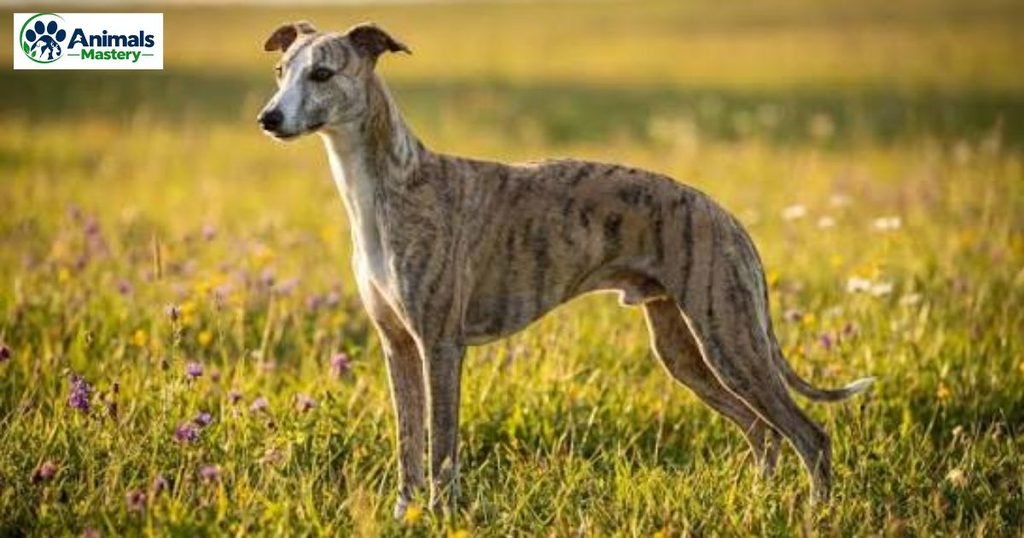
Whippets are also known for their affectionate temperament, often curling up in their owner’s lap despite their slender build. Originating as a racing dog, Whippets boast a muscular structure that allows them to reach impressive speeds yet their elegant frame also invites admiration beyond the racetrack, making them popular companions.
Powerful sprinting ability: The Whippet stands out among the top 24 most skinny animals, not just for its slender frame but also for its impressive agility. With a sleek and muscular build, Whippets are the epitome of elegance, showcasing a powerful sprinting ability that makes them exceptional in dog racing.
Their aerodynamic physique allows them to reach speeds of up to 35 miles per hour, enabling them to outpace their competitors while sporting an almost ethereal grace.
Carolina Mantis
- Scientific name: Stagmomantis carolina
- Class: Insecta
- Diet: Carnivore
Slender insect body: The Carolina Mantis stands out as a prime example of nature’s artistry in creating a slender insect body that is not only efficient for camouflage but also tailored for predation. Its elongated form allows it to blend seamlessly into foliage, making it an expert ambush predator.
When perched on a branch, it resembles a leaf or twig, waiting patiently for unsuspecting prey to wander too close. This remarkable adaptation highlights the dual role of aesthetics and functionality in the animal kingdom.
Long grasping forelegs: The Carolina Mantis, renowned for its elongated, slender form, elegantly showcases nature’s design through its long grasping forelegs, perfect for snatching unsuspecting prey.
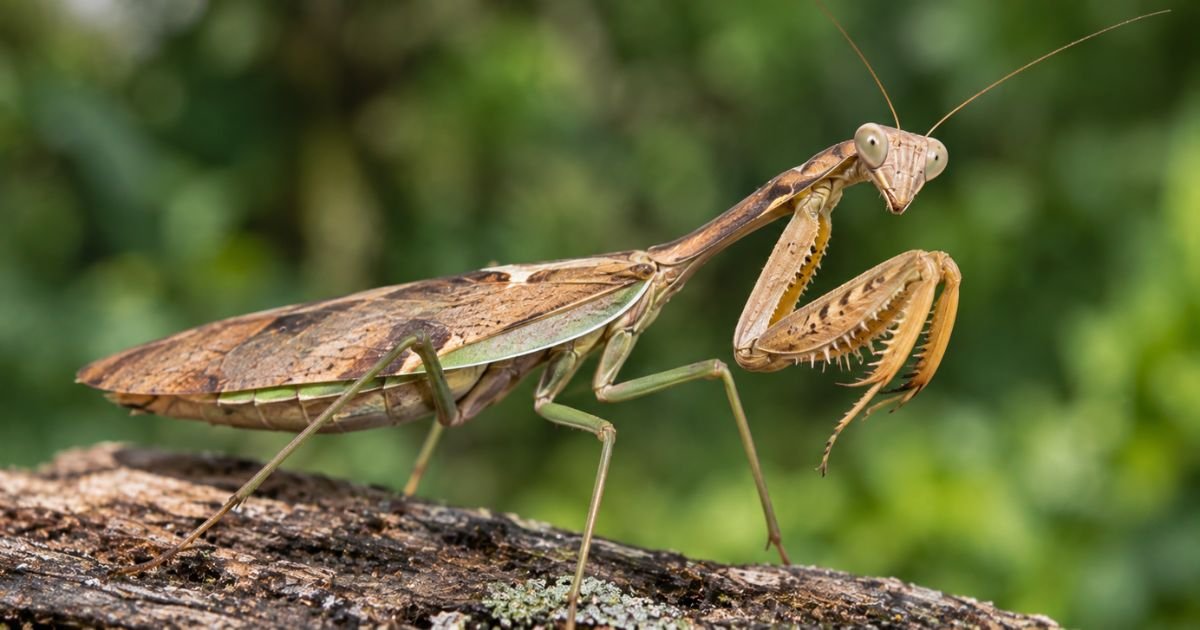
These mantises are not only proficient hunters but also exhibit a remarkable ability to blend seamlessly into their surroundings, using their thin bodies to mimic twigs and branches. This camouflage is a survival tactic, allowing them to remain hidden from both predators and curious onlookers.
Ambush predator: As a master ambush predator, it deftly camouflages itself among foliage, waiting patiently for unsuspecting prey to venture too close. This remarkable technique not only highlights its striking green or brown coloration but also emphasizes the efficiency of its hunting strategy. With its elongated body and triangular head, the mantis is both a visual marvel and a lethal predator, capturing insects with lightning-fast reflexes.
Kangaroo
- Scientific name: Macropus
- Class: Mammalia
- Diet: Herbivore
Long, powerful hind legs: Kangaroos epitomize the balance between grace and strength, thanks to their long, powerful hind legs. These unique limbs not only help them travel at remarkable speeds but also enable impressive leaps that can span over 10 feet in a single bound.
In their native habitats, these agile creatures utilize their excellent muscle composition for efficient movement across rugged terrain, showcasing an evolutionary marvel tailored for survival.
Strong muscular tail: The kangaroo, a quintessential symbol of Australia’s unique wildlife, is fascinating not only for its iconic jump but also for its slender physique. Its strong muscular tail, which can be as long as its body, serves as a powerful counterbalance, allowing the kangaroo to maintain stability while hopping at remarkable speeds.
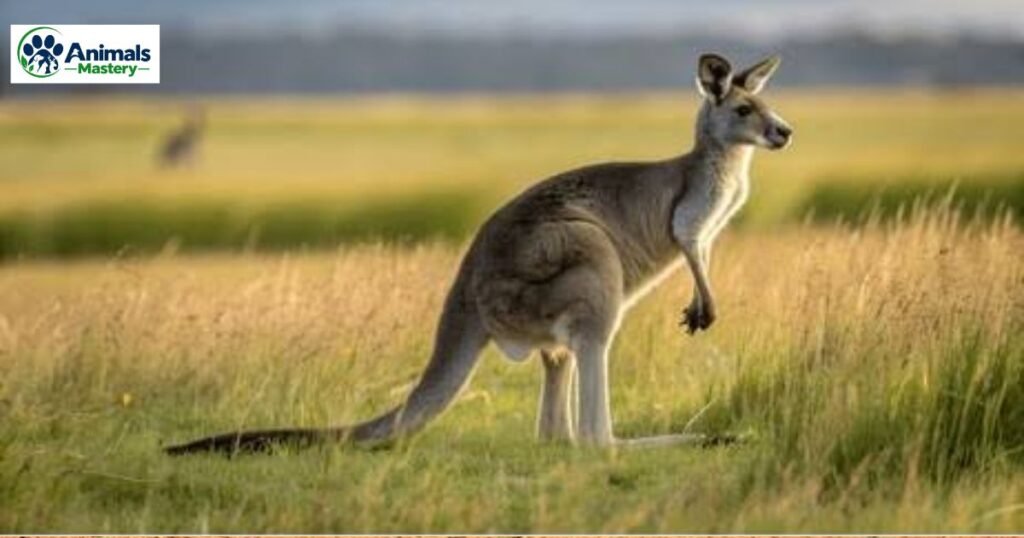
This impressive feature highlights the kangaroo’s evolutionary adaptations, balancing both efficiency and agility in its natural habitat.
Moves by hopping: The kangaroo, an iconic symbol of Australia, is not just known for its distinctive appearance but for its remarkable method of locomotion. Moves by hopping, the kangaroo’s energy-efficient mode of travel allows it to cover vast expanses of land with minimal effort. Each leap can span over three meters, demonstrating an incredible adaptation to the sparse Australian landscape.
Red Slender Loris
- Scientific name: Loris tardigradus
- Class: Mammalia
- Diet: Omnivore
Small, slender body: The Red Slender Loris, with its mesmerizing large eyes and small, slender body, is a prime example of nature’s ingenuity. This petite primate, native to the forests of India and Sri Lanka, has evolved to navigate its arboreal habitat with a grace that belies its size.
The loris’s unique adaptations, such as its ability to move slowly and silently, allow it to stalk prey without being detected, highlighting the advantages of its slight frame. Its agility and slender physique enable it to move stealthily through the trees, a skill that is not just about finding food but also evading predators.
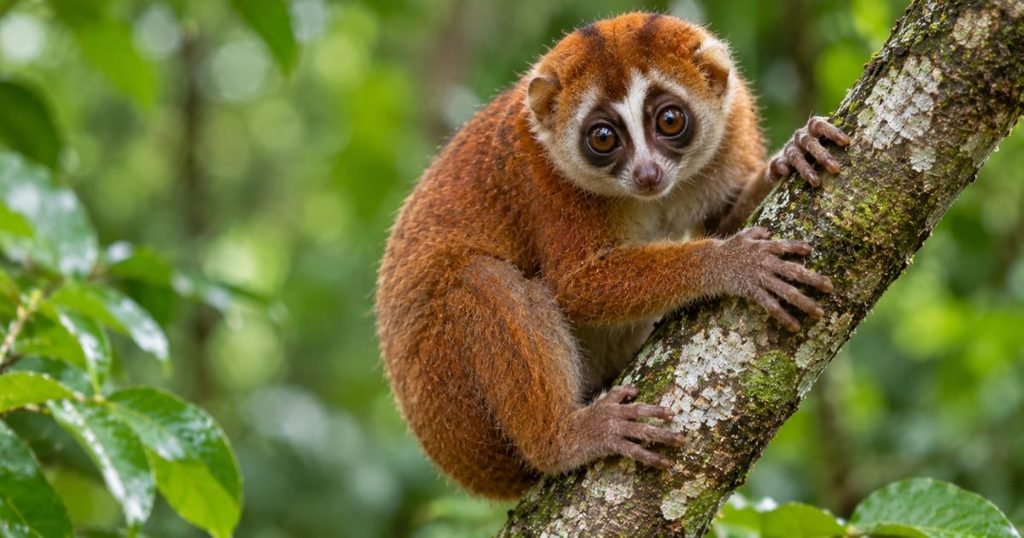
Large forward-facing eyes: The Red Slender Loris, with its long, spindly limbs and delicate frame, is a striking representation of nature’s adaptability. This nocturnal primate sports large forward-facing eyes that provide exceptional night vision, allowing it to navigate its dense forest habitat in search of insects and small fruits.
Nocturnal tree climber: The Red Slender Loris is a fascinating nocturnal tree climber, captivating wildlife enthusiasts with its delicate form and elusive behavior. This small primate, native to the dense forests of Sri Lanka and southern India, boasts an extraordinary adaptability for life in the trees, navigating branches with the grace of a ballerina.
Its large, expressive eyes not only provide exceptional night vision, vital for its nocturnal lifestyle, but also enhance its endearing, almost mysterious presence in the wild.
Saluki
- Class: Mammalia
- Diet: Omnivore
Slim, graceful build: The Saluki, renowned for its slim, graceful build, stands out among the top 24 skinniest animals. This ancient breed, often referred to as the Royal Dog of Egypt, embodies elegance and speed, with a silhouette that seems almost ethereal.
They visually striking, their sleek physique is a testament to their history as hunting companions, bred for endurance and agility across vast desert landscapes.
Long legs: The Saluki, often celebrated for its elegance and grace, stands out among the top 24 skinniest animals thanks to its striking long legs and sleek silhouette. This breed, known as an ancient hunting dog, excels in speed and agility, making it one of the fastest dog breeds over distance.
Its slender frame, designed for an efficient stride, allows the Saluki to cover vast terrains effortlessly, showcasing the beauty of form meeting function.
Exceptional endurance: The Saluki, often referred to as the “Royal Dog of Egypt,” is a striking representation of grace and athleticism among the world’s slender animals. With a sleek, elongated body designed for speed, this breed exemplifies exceptional endurance, able to cover vast distances with minimal exertion.
Their lightweight frame, complemented by long legs and a narrow head, equips them perfectly for a life of chasing prey across the arid landscapes they were originally bred to navigate.
Dragonfly
- Scientific name: Anisoptera
- Class: Insecta
- Diet: Carnivore
Long, slender abdomen: The dragonfly epitomizes elegance in the animal kingdom with its long, slender abdomen and iridescent wings that shimmer in the sunlight. This fascinating insect, often seen darting over ponds and streams, has adapted perfectly to its aquatic life phase as a nymph before transforming into its airborne adult form.
It’s not just their slender physique that captivates, but also their agility and speed, making them one of nature’s most efficient predators.
Four transparent wings: The dragonfly, a marvel of nature, boasts four transparent wings that enable it to dance elegantly through the air. This aerodynamic design is not just for show; it allows dragonflies to achieve remarkable agility and speed, making them exceptional hunters.
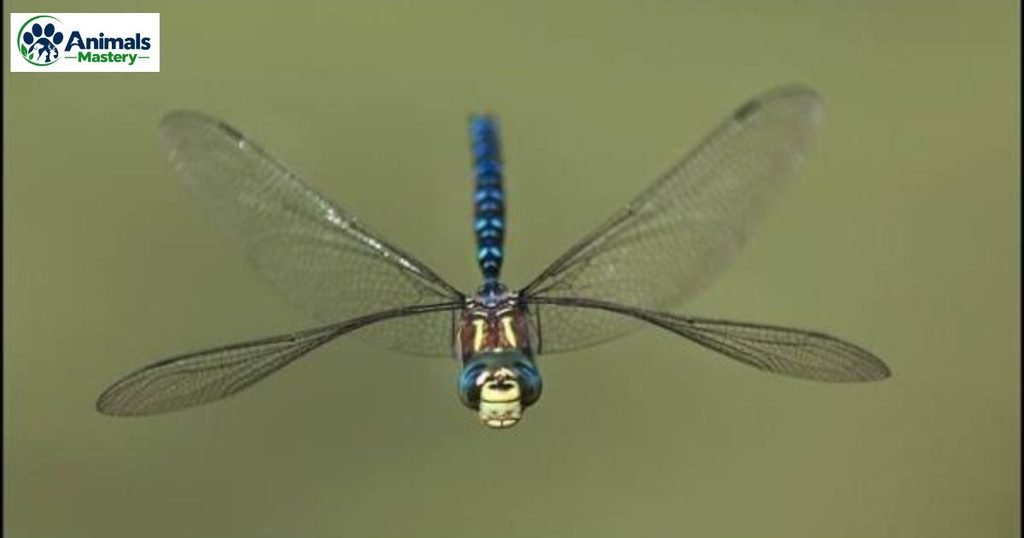
With the ability to hover, fly backward, and even change direction in an instant, these slender insects are often considered the acrobats of the insect world. They can cover impressive distances, all while showcasing their iridescent colors that shimmer in sunlight, a feature that captivates many nature enthusiasts.
Highly agile flyer: The dragonfly, a marvel of nature, holds the title of one of the most extraordinary and slender creatures on Earth. These highly agile flyers are adept at maneuvering through the air with grace and precision, thanks to their unique wing structure.
With a body that can range from a mere inch to over six inches long, dragonflies exhibit a stunning array of colors and patterns, making them a visual treat for nature enthusiasts and photographers alike.
Spotted Garden Eel
- Scientific name: Heteroconger hassi
- Class: Actinopterygii
- Diet: Carnivore
Extremely slender body: The Spotted Garden Eel, with its extremely slender body, thrives in the sandy ocean floors of tropical waters. These fascinating creatures often point their elongated forms upward from burrows, creating a mesmerizing spectacle as they sway gently with the tide.
Lives in sandy burrows: Characterized by its elongated, serpentine body and remarkable ability to thrive in sandy burrows, this slender animal spends much of its time peering shyly from its subterranean home. The eel’s unique adaptations enable it to navigate its environment effectively while evading predators.
These gentle beings often gather in large colonies, creating a mesmerizing spectacle as they sway with the ocean currents, showcasing their vibrant patterns that blend seamlessly into the sandy seafloor.
Feeds from ocean currents: The Spotted Garden Eel, an intriguing inhabitant of sandy ocean floors, showcases not only its signature slimness but also its unique feeding method. These eels thrive in colonies, emerging from their burrows to filter-feed on tiny plankton and other organic matter that drifts by in the ocean currents.
This fascinating feeding strategy is a testament to the adaptability of skinny animals, allowing them to harness resources in their environment efficiently.
Stick Bug
- Scientific name: Phasmatodea
- Class: Insecta
- Diet: Herbivore
Extremely thin body: Stick bugs exemplify nature’s incredible adaptations with their extremely thin bodies, allowing them to blend seamlessly into their surroundings. Often mistaken for twigs or branches, these remarkable creatures leverage their camouflage to evade predators.
Their slender figures are not just for show; the streamlined design aids in their mobility among foliage, making them agile navigators of their ecosystems. Interestingly, some species have evolved to mimic not just sticks, but even leaves and flowers, demonstrating an impressive range of adaptations.
Excellent camouflage: The stick bug, often celebrated for its exceptional camouflage, is a master of disguise in the animal kingdom. Resembling a twig or branch, this slender creature not only evades predators with its life-like appearance but also plays a crucial role in its ecosystem by blending seamlessly into its arboreal habitat.
Resembles plant stems: The stick bug, a master of disguise, seamlessly merges into its surroundings by resembling plant stems. This extraordinary insect epitomizes nature’s ingenuity, employing camouflage not merely as a defense mechanism but also as a strategy to ambush unsuspecting prey.
With some species stretching over ten inches long, their elongated bodies can mimic branches remarkably well, making them difficult for predators to spot.
Common Slender Mongoose
- Scientific name: Galerella sanguinea
- Class: Mammalia
- Diet: Carnivore
Long, slender body: The Common Slender Mongoose, with its long, slender body, is a fascinating creature that embodies elegance and agility. Found primarily in sub-Saharan Africa, this mongoose displays a striking combination of grace and speed as it darts through the underbrush in search of insects and small rodents.
Its elongated form allows it to navigate tight spaces and burrows, making it an adept hunter and a captivating subject for wildlife enthusiasts.
Short legs: This species, typically found in Africa and parts of Asia, thrives in diverse habitats due to its unique morphology. Its short legs contribute to its exceptional agility, allowing it to navigate through dense underbrush with remarkable ease.
This adaptability is vital for both hunting and evading predators, showcasing how evolution shapes physical traits in response to environmental challenges.
Fast ground hunter: The Common Slender Mongoose, a sleek and agile predator, exemplifies the art of survival as a fast ground hunter. These remarkable creatures, known for their elongated bodies and thin limbs, navigate their habitats with grace, making them efficient foragers.
Their slender physique is not just for show; it enhances their speed and agility, allowing them to swiftly pursue small mammals, birds, and insects in their grassy environments.
Wildlife with Remarkable Natural Abilities
- A comb over haircut can give men a refined appearance without making the style look overly formal. The top can be swept neatly to one side while the sides are customized with a taper, fade, or clean finish. This makes the cut easy to personalize for different tastes and occasions.
- Military haircuts for men are built around precision, simplicity, and a distinctly masculine appearance. Their short lengths and structured shapes make them practical choices for men who prefer uncomplicated grooming. These cuts can also be adapted with modern fades and subtle styling details.
- The most muscular animals display impressive physical development that supports their demanding lifestyles. Their strength can be used for powerful movement, protection, competition, and obtaining food. From enormous mammals to tiny powerhouses, muscle plays a fascinating role in survival.
- The thickest skin animals have developed unusually durable outer layers for life in demanding surroundings. This tough covering can provide an added layer of defense against physical damage and environmental stress. It is an impressive example of how animals use their bodies as natural protection.
- The fish with big lips are among the aquatic world’s most eye-catching and unusual-looking creatures. Their enlarged lips can contribute to feeding behaviors and help them interact with their surroundings. Such distinctive facial features give these fish a memorable appearance.
Conclusion
The world is home to some truly remarkable and incredibly skinny animals, each adapted to their unique environments and lifestyles. From the agile cheetah to the mysterious slender loris, these creatures remind us of the diversity of life on our planet.
Their physical adaptations highlight the various survival strategies that have evolved over time. By appreciating these unique traits, we can cultivate a deeper understanding of the delicate balance of ecosystems.
FAQs
1.Why do Sighthounds Like the Greyhound, Whippet, and Saluki Look so Skinny?
These breeds possess aerodynamic bodies with minimal fat designed specifically for explosive speed. Their low weight reduces drag during high-speed chases across open terrain. Furthermore, deep chests hold large hearts and lungs to maximize oxygen intake during sprints.
2. How does the Spotted Garden Eel Maintain its Pencil-Thin Shape?
Their slender frames allow them to slide easily into narrow sand burrows for protection. This thin body also reduces water resistance while they sway in strong ocean currents to catch food. Ultimately, a minimal surface area helps them remain hidden from passing predators.
3. Why is the Etruscan Shrew’s Slender Body so Crucial for its Survival?
An elongated body lets this tiny mammal hunt for insects in microscopic cracks and leaf litter. Because of an ultra-fast metabolism, their bodies store zero fat and burn energy instantly. They must eat constantly just to fuel and sustain their lean frames.
4. How does the Brookesia Micra Chameleon Benefit from being so Thin?
Their twig-like shapes offer perfect, natural camouflage among dead forest leaves on the ground. These tiny, compressed bodies make them nearly invisible to larger predators hunting for a meal. Additionally, low body mass allows them to balance safely on fragile twigs.
Why do Carnivores Like the Fossa and Stoat have Such Long, Lean Shapes?
Tubular bodies allow these active predators to squeeze into tight underground burrows after prey. Their incredibly flexible spines maximize agility for climbing trees and navigating dense tunnels. Finally, lean muscle builds guarantee extreme speed without adding bulky, restrictive weight