Top 20 Fish With Big Lips: The Ultimate Guide (With Pictures)
Fish With Big Lips will introduce you to some of the most fascinating aquatic creatures whose unique lip structures not only captivate the eye but also play crucial roles in their feeding and communication.
These fish can enhance your appreciation for marine biodiversity and the intricate adaptations of ocean life. Dive in and discover which fish made the cut.
List of Fish with Big Lips
Below is the list of animals that have big lips:
- Humphead Wrasse
- Red Snapper
- Sweetlips
- Common Pleco
- Red-Lipped Batfish
- Koi
- Surgeonfish
- Big-Lip Damselfish
- Giant Gourami
- Stonefish
- Asian Sheepshead Wrasse
- Parrotfish
- Angelfish
- Kissing Gourami
- Carp
- Triggerfish
- Piranha
- Sarcastic Fringehead
- Giant Grouper
- Suckermouth Catfish
Humphead Wrasse
Scientific Name: Cheilinus undulatus
The Humphead Wrasse, a vibrant titan of the coral reefs, captivates not only with its stunning coloration but also with its unique feeding strategy. Unlike many fish that simply graze, this remarkable species employs a technique akin to foraging, expertly using its powerful jaws to crack open hard-shelled mollusks and crustaceans. This adaptability highlights their role as keystone species, crucial for maintaining the health of coral ecosystems by controlling prey populations.
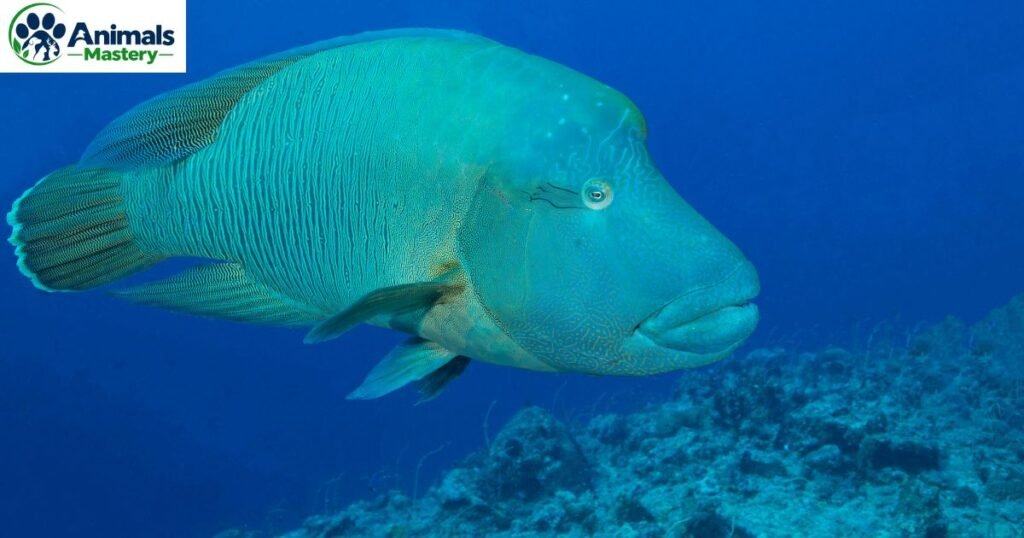
Equally fascinating is the Humphead Wrasse’s social intelligence. These fish exhibit complex behaviors, including forming long-term partnerships and displaying intricate communication methods. They can recognize other individuals, suggesting a level of cognitive ability often reserved for mammals.
Their Conservation Threats: social structures are increasingly threatened by habitat loss and overfishing, raising alarms within conservation circles. As majestic as they are, the survival of the Humphead Wrasse now hinges on collective conservation efforts, reminding us that preserving these intelligent fish is essential for the vibrancy of our oceans.
Red Snapper
Scientific Name: Lutjanus campechanus
Red snapper, a prized catch among fishermen and chefs alike, exhibits a unique feeding adaptation that sets it apart in the underwater world. With a keen ability to ambush prey, these fish utilize their sharp eyesight and swift movements to hunt smaller fish and crustaceans, often hiding in coral reefs for strategic advantage. This hunting method not only showcases their predatory prowess but also underscores their role in maintaining the health of marine ecosystems.
Many may not realize that red snappers are a model of environmental resilience. They thrive in diverse habitats, from rocky structures to sandy bottoms, demonstrating an impressive ability to adapt to varying conditions.
This resilience is increasingly tested by overfishing threats, as their popularity in culinary circles drives unsustainable harvesting practices. Implementing responsible fishing regulations and promoting sustainable aquaculture are crucial steps towards ensuring that future generations can enjoy the bounty of these vibrant fish, while preserving the delicate balance of marine life they help sustain.
Sweetlips
Scientific Name: Plectorhinchus
Sweetlips, with their striking patterns and vibrant hues, are more than just a feast for the eyes. They exhibit a unique feeding strategy that sets them apart from many other reef dwellers. Instead of solely scavenging or foraging, sweetlips have been observed using specific techniques to sustain themselves.
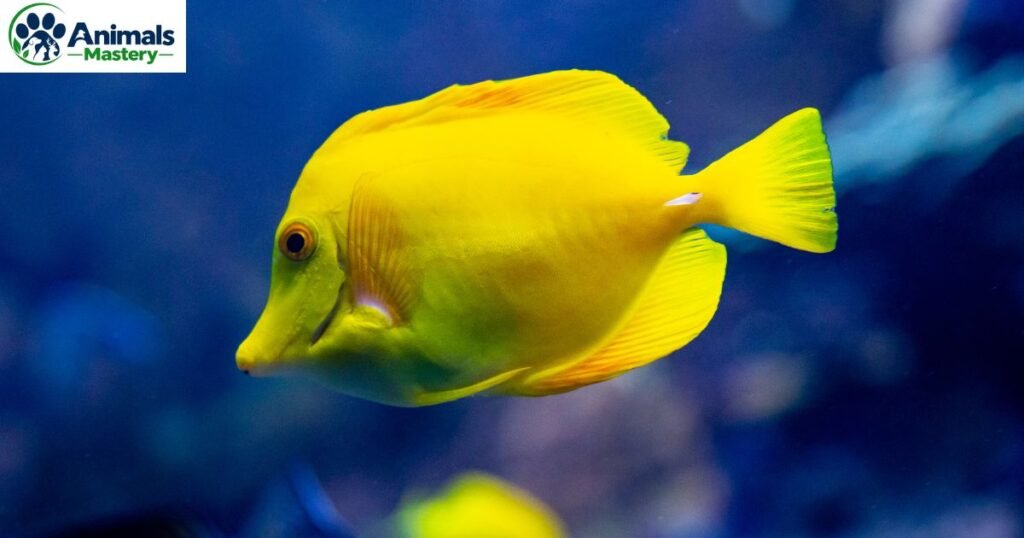
This species also plays a pivotal role in social communication within their environment. Sweetlips engage in various vocalizations, utilizing their unique sounds to convey messages to one another, be it about foraging or potential threats. These vocal interactions contribute to the overall health of the reef ecosystem, as thriving populations are often indicators of reef health.
Common Pleco
Scientific Name: Hypostomus plecostomus
The Common Pleco, known for its Algae-Eating Adaptation, plays a transformative role in maintaining ecological balance in aquariums. This fish not only excels at keeping tanks clean but also thrives on a varied diet that benefits its health. While often seen as a maintenance marvel.
The Large Size & Growth potential of the Common Pleco can take many owners by surprise. They can grow up to 24 inches, which means a spacious environment is essential for their well-being.
Responsible Pet Ownership is crucial when considering a Common Pleco, as many enthusiasts underestimate the space and care these fish require. An appropriate tank setup not only enhances their growth but also encourages natural behavior and fosters a healthy ecosystem.
Their social dynamics and habitat preferences allows owners to create a vibrant community tank that showcases this unique fish while preserving the delicate balance of aquatic life. sea otter are also water species.
Red-Lipped Batfish
Scientific Name: Ogcocephalus darwini
The Red-Lipped Batfish, with its striking and unmistakable vibrant red lips, is not just another fish in the vast ocean.
These peculiar creatures flaunt their unusual oral adornments primarily to attract mates, an iconic feature that has made them a favorite among marine enthusiasts and researchers alike. What makes them truly fascinating, however, is their adaptation to a Benthic Lifestyle, spending most of their time on the ocean floor of the Galápagos Islands, where their unique physical characteristics serve them well.
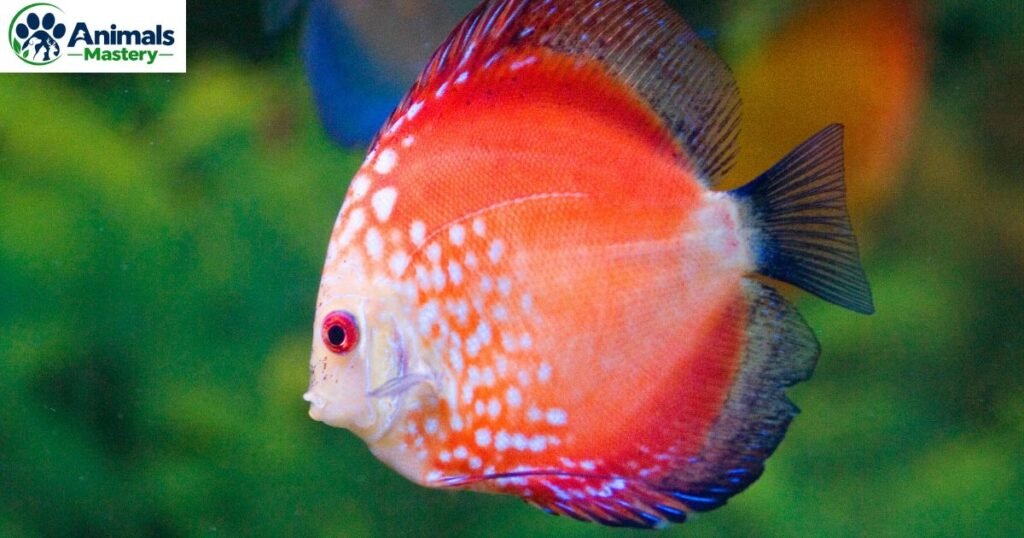
Unlike many fish that glide effortlessly through the water, the Red-Lipped Batfish employs a remarkable method of Walking Locomotion. Their modified fins act almost like legs, allowing them to ‘walk’ across the substrate in search of food, primarily small crustaceans and invertebrates. In an ecosystem where swimming is the norm, the Red-Lipped Batfish stands out, showcasing that beauty and functionality often come in unexpected packages.
Koi
Scientific Name: Cyprinus rubrofuscus
Koi are not just prized for their beauty; they play a vital role in the pond ecosystem that often goes unnoticed. As natural grazers, koi excel in Feeding Adaptation, consuming algae and controlling its growth. This helps maintain water quality, promoting a balanced environment for other aquatic life.
Grazing their diet is diverse, extending beyond algae to include various water insects and plant matter, highlighting their role in supporting the pond’s intricate food web.
koi exhibit fascinating behavioral adaptations in response to seasonal changes. During warmer months, they become more active foragers, actively seeking out algae and detritus to sustain their growth.
Pond Ecosystem Role in colder weather, they slow down, relying on their stored energy, which showcases their resilience and ability to thrive in varying conditions. By incorporating koi into a pond, enthusiasts not only enjoy a stunning display of color but also contribute to the harmonious balance of aquatic life, making them essential players in the health of their ecosystems. Sandhill Crane their long limbs adapting perfectly to the aquatic environment.
Surgeonfish
Scientific Name: Acanthurus
Surgeonfish, with their vibrant colors and sleek shapes, play a vital role in maintaining the health of coral reefs. Their unique feeding adaptations allow them to graze effectively on algae, which can otherwise overgrow and suffocate corals. By nibbling on this algae, surgeonfish help to maintain the delicate balance within their ecosystem, promoting coral growth and overall reef resilience. This grazing behavior is not just a means of survival; it’s a natural form of reef management that underscores their importance in marine biodiversity.
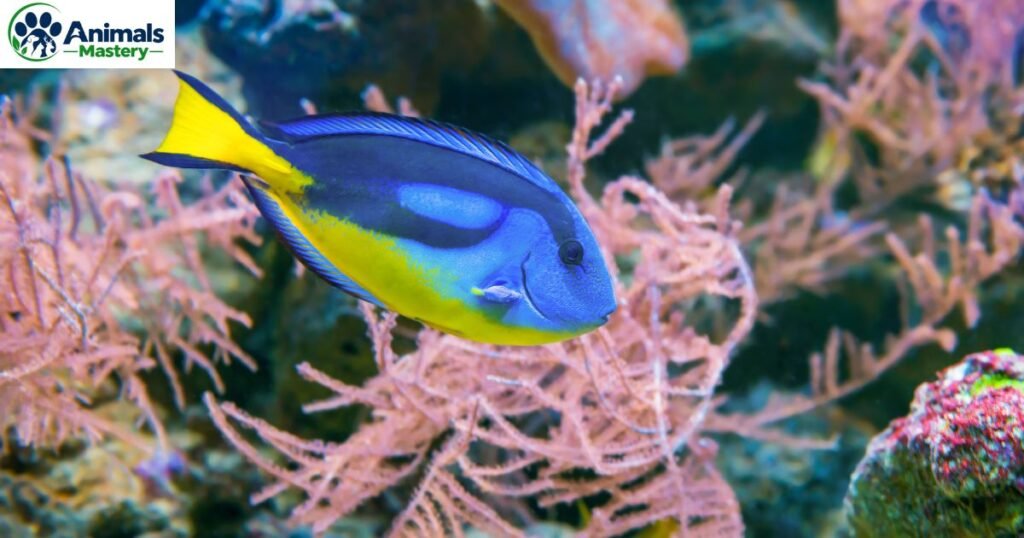
Surgeonfish exhibit fascinating social behaviors that enhance their role in the reef community. They often form schools, which offers safety in numbers and allows them to share foraging territories. This intricate web of interactions not only highlights the surgeonfish’s adaptability but also illustrates how such species are integral to sustaining the vibrancy and diversity of coral reef habitats.
Big-Lip Damselfish
Scientific Name: Cheiloprion labiatus
The Big-Lip Damselfish stands out not just for its vibrant hues, but also for a unique feeding adaptation that closely links its survival to the health of coral reefs. These fish possess specialized lips that enable them to graze on algae with astounding efficiency. By controlling algal growth, Big-Lip Damselfish play a crucial role in maintaining the balance of their ecosystem, ensuring that coral remains unhindered and thriving.
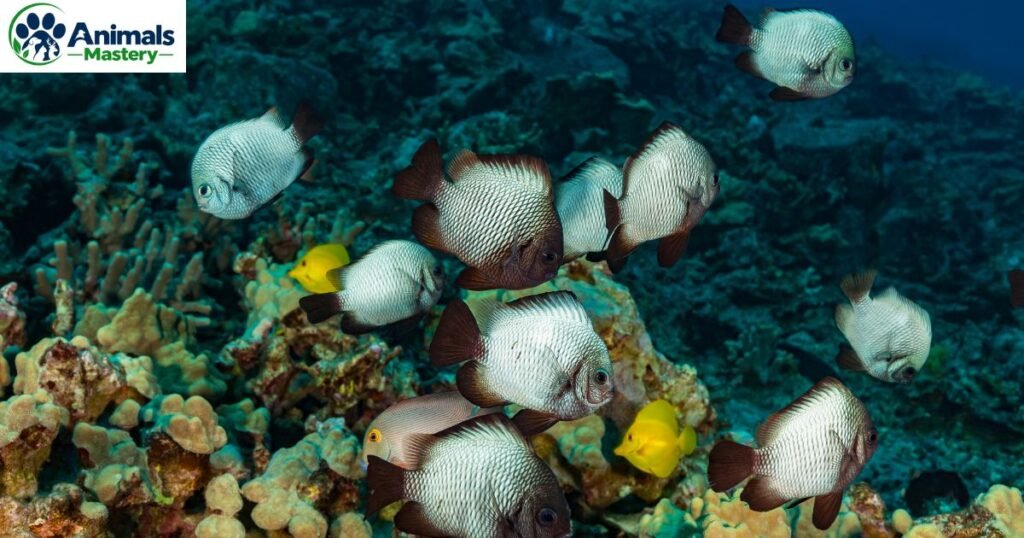
Their social communication is as fascinating as their feeding habits. Big-Lip Damselfish exhibit a range of behaviors to interact with their peers, from intricate body postures to specific color changes that signal aggression or mating readiness. Such communication is vital in densely populated reef environments, allowing individuals to navigate complex social hierarchies while defending their territory.
These dynamics offer insights into the broader implications of fish interactions in coral reef health, emphasizing the interconnectedness of marine species. By studying their behavior, researchers can better appreciate the intricate web of life that sustains coral ecosystems and the vital role that the Big-Lip Damselfish plays within it.
Giant Gourami
Scientific Name: Osphronemus goramy
The Giant Gourami, a captivating freshwater species, stands out not only for its size but also for its interactive behavior. Many fish that shy away from human interaction, the Giant Gourami often displays a curious nature, approaching aquarists without hesitation. This unique trait makes them ideal for aquarium enthusiasts who appreciate a fish that engages with its environment and their caretakers, creating a vibrant centerpiece in home aquariums.
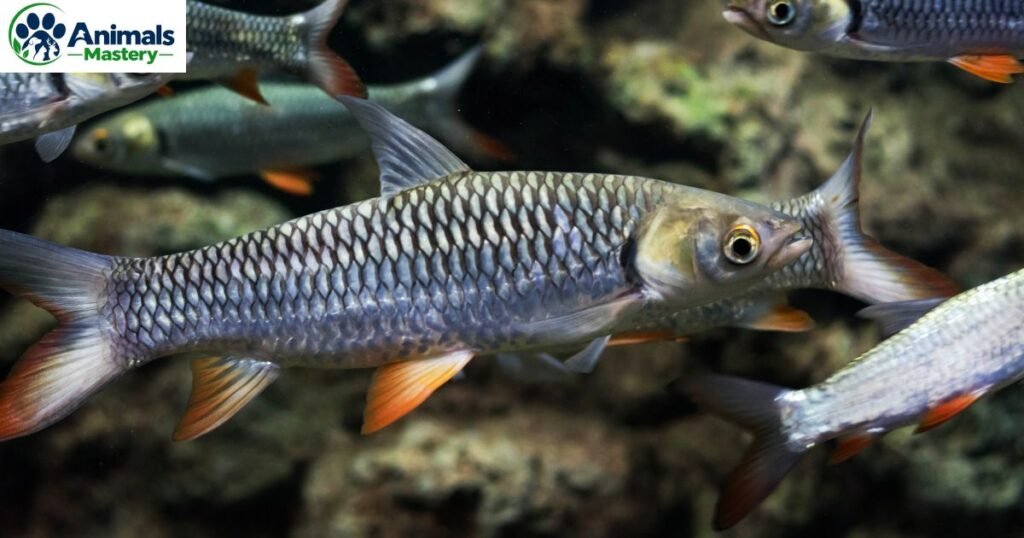
What sets the Giant Gourami apart further is its remarkable air-breathing ability. Most fish that rely solely on gills, this species can gulp air from the surface, enabling it to thrive in oxygen-poor waters. This adaptation not only enhances its survivability in a variety of habitats but also fosters a fascinating dynamic where these fish frequently surface, drawing the observer’s eye.
Stonefish
Scientific Name: Synanceia verrucosa
The stonefish, often dubbed the master of camouflage, epitomizes stealth in the underwater world. Its ability to blend seamlessly with rocky seafloors and coral reefs not only aids in escaping predators but also sets the stage for its predatory prowess. When unsuspecting prey, such as small fish and crustaceans, swim too close, the stonefish springs into action, showcasing not just its patience but also its efficiency as a hunter.
The stonefish apart is its venomous defense mechanism. Equipped with spines that can inject a potent toxin, it deters even the most curious of predators. This venom, one of the deadliest in the marine realm, serves as a formidable warning to those who dare approach. As researchers delve into the complexities of stonefish behavior, they illuminate the delicate balance between being an apex predator and a vulnerable inhabitant of its environment. Their unique adaptations and survival strategies create a fascinating interplay of danger and beauty beneath the waves.
Asian Sheepshead Wrasse
Scientific Name: Semicossyphus reticulatus
The Asian Sheepshead Wrasse, a remarkable species found in the coral reefs of the western Pacific, showcases an intriguing mix of health and mating signals that captivate marine biologists and enthusiasts alike. During the breeding season, males display vibrant colors and perform complex courtship dances, using their radiant hues to attract females, signaling their fitness and genetic health.
These demonstrations are not merely for show; they play a crucial role in the species Evolutionary Resilience, ensuring that only the fittest genes continue to thrive in dynamic aquatic environments.
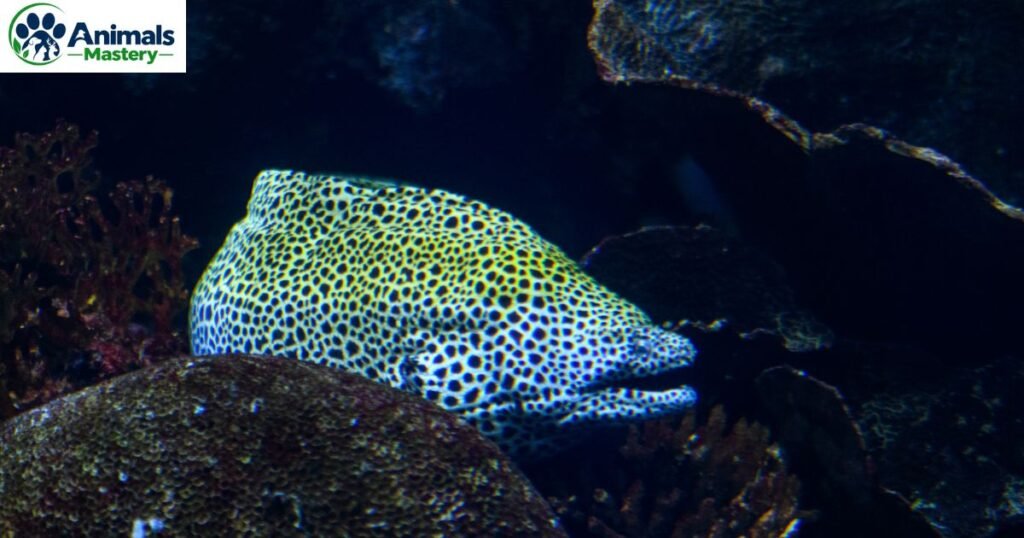
An equally fascinating aspect of the Asian Sheepshead Wrasse is its precision feeding technique. Equipped with powerful, beak-like teeth, it expertly pries open mollusks and crustaceans that other fish struggle to access.
This specialized feeding strategy not only highlights the adaptive nature of the species but also its role in maintaining ecological balance within coral reef ecosystems. As it forages, the wrasse contributes to the health of its habitat, underscoring a symbiotic relationship between the fish and its surroundings that exemplifies the delicate interplay of life in the ocean.
Parrotfish
Scientific Name: Scaridae
Coral Reef Health parrotfish are not only vibrant inhabitants of coral reefs but also vital to their health and sustainability. These remarkable fish play a crucial role in maintaining the balance of marine ecosystems by grazing on algae that can otherwise overwhelm coral structures. Their feeding habits prevent algae overgrowth, allowing corals to thrive.
Sand Production parrotfish contribute to the formation of sandy substrates through their unique digestive process after consuming coral and algae, they excrete sand, supporting beach ecosystems and helping to reshape coastlines.
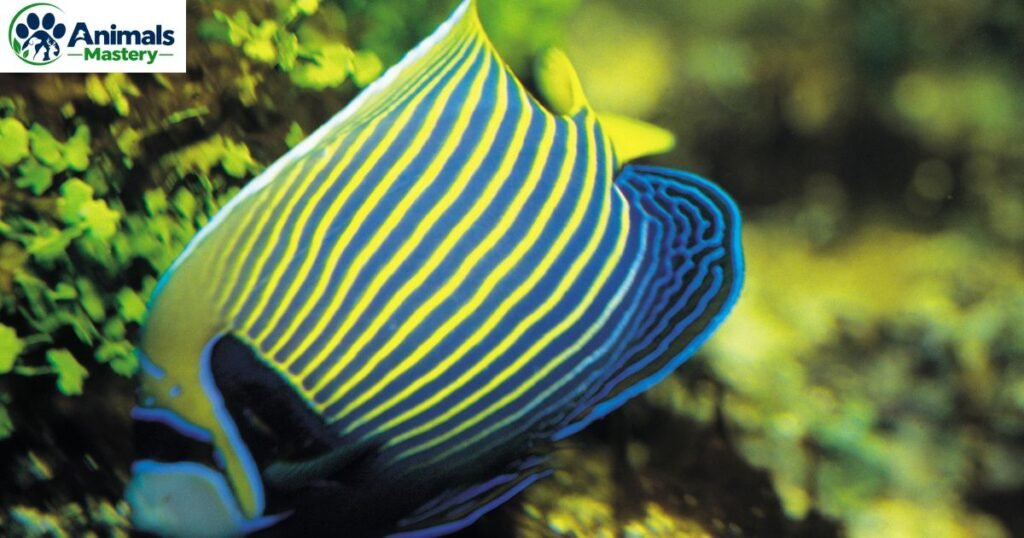
Sex Change Adaptation An intriguing aspect of parrotfish is their remarkable ability to change sex as they mature. This adaptive strategy enhances their social structure and reproductive success, allowing them to adjust their roles within schools based on population dynamics and the availability of partners.
As they transition from females to males, parrotfish display not only physical transformations but also shifts in behavior that underscore their importance in fostering healthy, diverse populations within coral reef environments.
Angelfish
Scientific Name: Pterophyllum
Angelfish are not only visually stunning but also display fascinating social behavior that intrigues both aquarists and researchers alike. In their natural habitats, these elegant creatures often form complex social hierarchies. Their interactions are marked by subtle body language and lip communication, a form of expression that conveys everything from courtship rituals to territorial disputes. These interactions can reveal the nuanced dynamics of their social environment, showcasing their ability to adapt to varying circumstances.
Environmental Adaptability their compelling social structures, angelfish exhibit remarkable adaptability. They can thrive in both freshwater and brackish environments, adjusting their behaviors and reproductive strategies to suit local conditions.
This resilience makes them a favorite among aquarists, who appreciate not just their beauty but also their ability to thrive in diverse setups. The environmental factors that influence their adaptability can lead to more successful care practices and enhance the overall aquarium experience.
Kissing Gourami
Scientific Name: Helostoma temminckii
Kissing Gourami are not just visually captivating; they display a distinctive kissing behavior that intrigued aquarists for years. This unique action, often misunderstood as a romantic gesture, actually serves as a method of establishing dominance among individuals.
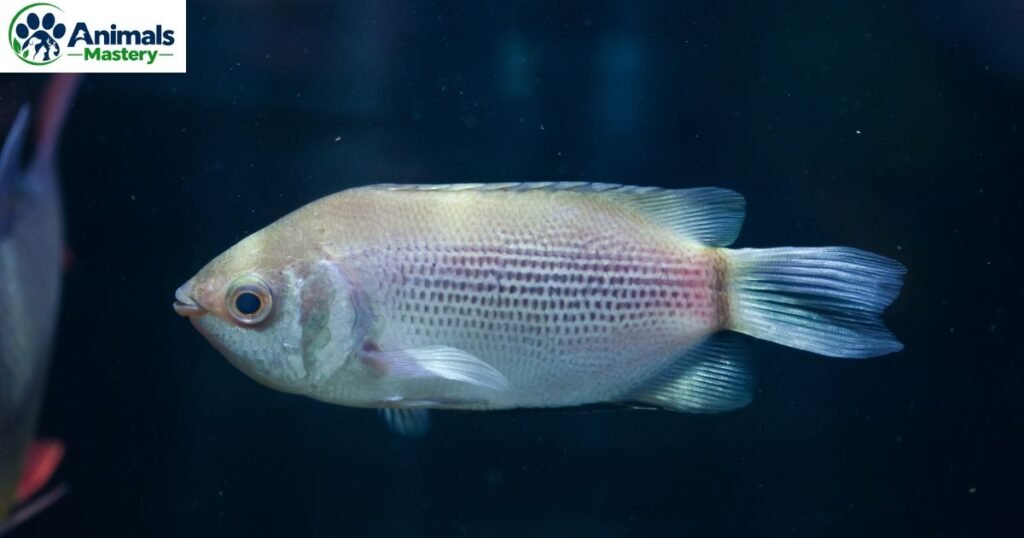
In the wild, these fish engage in gentle pecking, which allows them to communicate social hierarchy without resorting to aggressive displays. Understanding this behavior enriches our appreciation for their complex social interactions and offers a glimpse into their instinctual survival tactics.
Enthusiasts often marvel at the vibrant hues of Kissing Gouramis, but the true charm lies in their personalities. They thrive in community tanks, fostering a rich ecosystem where they build relationships and establish pecking orders.
Carp
Scientific Name: Cyprinus carpio
Carp exhibit a unique feeding adaptation that allows them to thrive in various aquatic environments. Their omnivorous diet to include plant matter, detritus, and small organisms enables them to exploit various food sources, making them versatile survivors. This adaptability not only supports their growth but also positions them as key players in their ecosystems.
In terms of habitat adaptability, carp have been known to thrive in a wide range of conditions, from slow-moving rivers to nutrient-rich lakes. Their ability to tolerate low oxygen levels and altered temperatures showcases their impressive environmental resilience. This adaptability has made them a favored species for aquaculture, yet it also raises concerns about invasiveness in non-native ecosystems.
Triggerfish
Scientific Name: Balistidae
Triggerfish are remarkable marine inhabitants, known for their vibrant colors and unique behaviors. One of the most fascinating aspects of their existence is their territorial behavior. These bold fish stake out their patches of reef with fierce determination, often defending them against larger threats, including human divers. Their assertiveness is not just for show; it plays a crucial role in attracting mates and ensuring their breeding grounds remain undisrupted.
During courtship rituals, triggerfish exhibit a dance of sorts, flaunting their bright hues and displaying intricate movements to capture the attention of potential mates. Males will often build elaborate nests and engage in a variety of behaviors to impress females, from gentle nudges to displays of aggression against intruders. This intricate courtship not only highlights their commitment to reproduction but also provides a glimpse into the social dynamics of their underwater world.
Piranha
Scientific Name: Serrasalmus
Piranhas are often misunderstood creatures, painted as mindless killers in popular culture. However, their true nature is far more fascinating, particularly when one explores their schooling behavior. These fish are highly social, often forming groups that can number in the hundreds. The reasons behind this behavior extend beyond mere safety in numbers; schooling enables them to coordinate their movements with impressive precision.
Their predatory adaptations further enhance their reputation as formidable hunters. Equipped with razor-sharp teeth and powerful jaws, piranhas can slice through flesh with remarkable ease. But they don’t rely solely on brute strength; their keen senses enable them to detect vibrations and smells in the water, allowing them to pinpoint potential meals from a distance. Their foraging strategies can also include scavenging in times of scarcity, showcasing a level of adaptability that underscores their resilience in the diverse ecosystems they inhabit.
Sarcastic Fringehead
Scientific Name: Neoclinus blanchardi
The Sarcastic Fringehead, a peculiar marine fish, showcases a truly bizarre form of dominance display that’s nothing short of captivating. When two males encounter each other, they engage in what can only be described as mouth wrestling. This peculiar behavior involves opening their oversized, colorful mouths wide, creating an almost theatrical showdown.
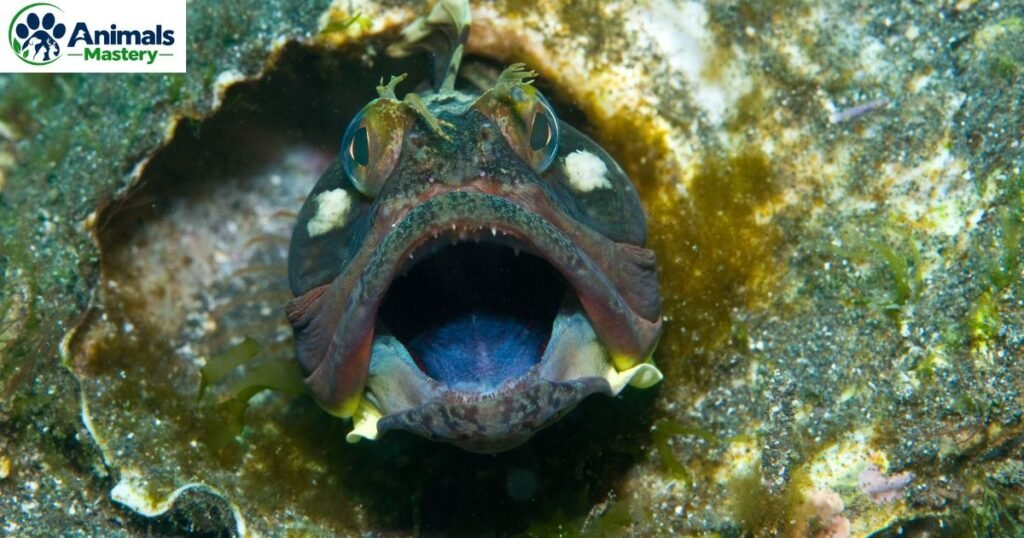
This territorial behavior is not merely a spectacle; it serves a crucial evolutionary purpose. By asserting dominance in such a flamboyant manner, the Sarcastic Fringehead establishes its claim over prime underwater real estate. The winner gets exclusive access to a coveted den, while the loser is forced to retreat, often finding shelter in crevices or hiding spots where it can recover and regroup. Such rituals not only highlight the intricate dynamics of marine life but also underscore the constant struggle for survival and the complexities of underwater ecosystems.
Giant Grouper
Scientific Name: Epinephelus lanceolatus
The Giant Grouper, often regarded as a marine giant, showcases nature’s incredible design with its remarkable size and strength. Weighing up to 800 pounds and measuring over 8 feet in length, these predators dominate their underwater realm. Their powerful suction feeding mechanism is a marvel; with a mere flick of their jaws, they create a vacuum strong enough to draw in smaller fish and even crustaceans, demonstrating not just brute force but also an elegant hunting strategy.
Conservation efforts are paramount, focusing on sustainable fishing practices and habitat protection to ensure that future generations can witness their grandeur. Collaborative initiatives between local communities and global organizations aim to raise awareness about marine biodiversity, emphasizing the need to preserve not only the Giant Grouper but the intricate ecosystems they inhabit.
Suckermouth Catfish
Scientific Name: Hypostomus plecostomus
The Suckermouth Catfish, often recognized for its distinctive, sucker-like mouth, is an intriguing marvel of ecological adaptation. Their unique suction feeding mechanism allows them to thrive in diverse aquatic environments, from murky rivers to tranquil lakes.
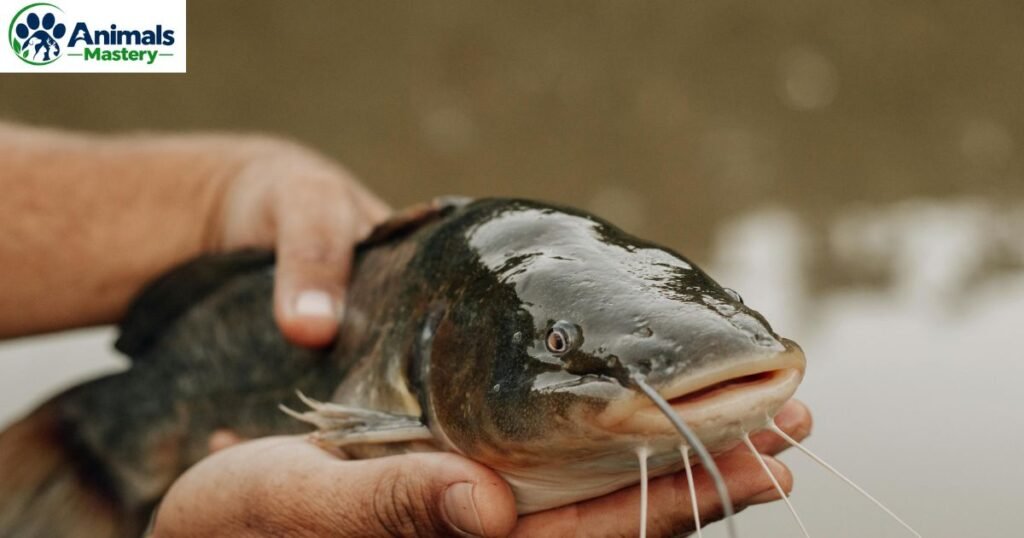
This adaptability not only aids in foraging algae and detritus but also positions them as resilient survivors in fluctuating habitats. Many fish, the Suckermouth Catfish, can withstand varying oxygen levels and temperatures, showcasing a remarkable tolerance that contributes to their survival and proliferation.
This adaptability comes with a caveat: their invasive potential. Originally hailing from South America, they have found their way into various ecosystems worldwide, often disrupting local biodiversity. As they establish themselves in non-native waters, their feeding habits can outcompete native species for food and habitat, leading to ecological imbalances.
The ecological impact of the Suckermouth Catfish is crucial, as it highlights the importance of responsible aquarium practices and the need for heightened awareness regarding the implications of introducing non-native species into local waters.
Conclusion
The diverse range of Fish With Big Lips showcases not only their unique adaptations but also the intriguing beauty of aquatic life. From the playful wrasse to the striking pufferfish, these fish have developed their distinctive lip features for various practical purposes, including foraging and communication.
These fascinating creatures can deepen our appreciation for marine biodiversity and the roles different species play in their ecosystems. We continue to explore our oceans, it is essential to protect these habitats and the captivating wildlife within them.
FAQs
Which fish has huge lips?
One fish known for its notably large lips is the lipstick tang, or bristle mouth parrotfish.
What fish costs 1 million?
The fish most famously associated with a million-dollar price tag is the sturgeon, particularly the albino variety.
Which fish has a big mouth?
One fish known for its notably large mouth is the mouthbrooder species, particularly the Nile perch (Lates niloticus) .