Top 23 Most Chubby Animals (Pictures Included)
In this article delightful world of the Top 23 Most Chubby Animals (Pictures Included) that charm us with their fluffiness and fascinating traits.
Exploring these adorable creatures not only brings joy but also highlights the diversity of nature and its quirky inhabitants. By the end of this journey, you’ll have a new appreciation for these rounded wonders and perhaps some inspiration for embracing our own bodily uniqueness.
List of Most Chubby Animals in The World
Here are some of the chubbiest animals:
- Sea Otter
- Elephant
- Pallas’s Cat
- Giant Panda
- Wombat
- Hippopotamus
- Sea Lion
- Dolphin
- Manatee
- Walrus
- Penguin
- Gaur
- Hamster
- Polar Bear
- Hedgehog
- Guinea Pig
- Red Panda
- Seal
- Persian Cat
- Whale
- Capybara
- Rhinoceros
- Fat-tailed Lemur
Sea Otter
- Scientific Name: Enhydra lutris
- Class: Mammalia
- Diet: Carnivore
Thick fur keeps it warm: Known for their thick fur, which can contain up to a million hair follicles per square inch, sea otters are nature’s ultimate insulators. This dense fur not only keeps them warm in chilly ocean waters but also serves a crucial role in their buoyancy, allowing them to float effortlessly while searching for food.
Each otter is a small ecosystem, capable of consuming up to 25% of its body weight in sea urchins, crabs, and fish daily, proving that these plump creatures are not just cute but also vital to marine health.
Eat sea urchins: Sea otters are not just adorable; they play a crucial role in marine ecosystems by maintaining kelp forests. These fluffy creatures often dine on sea urchins, which, if left unchecked, can devastate kelp habitats.
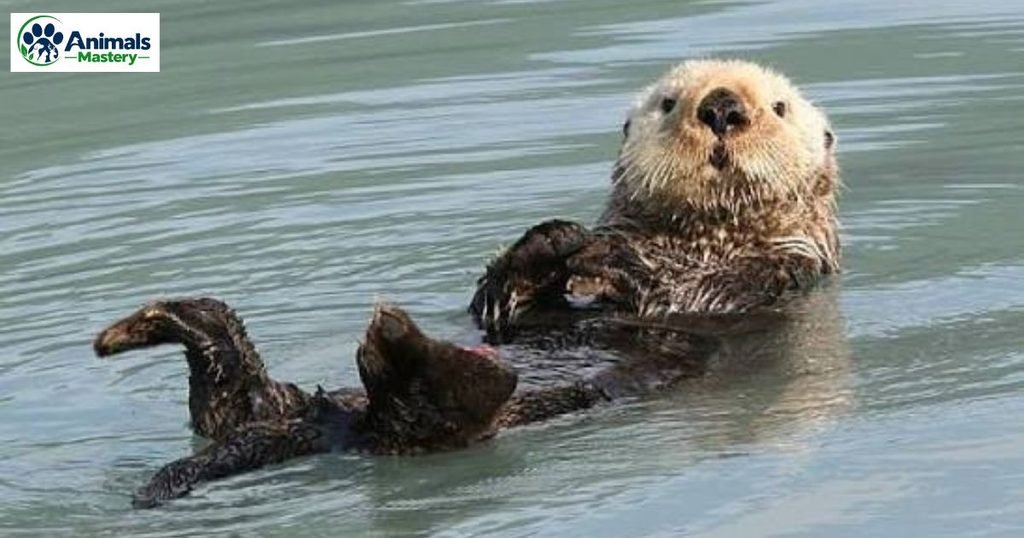
Their remarkable ability to use tools cracking open shells with rocks showcases their intelligence and resourcefulness. Watching a sea otter float on its back, cradling a favorite snack, is a captivating reminder of nature’s whimsy.
Uses tools to open shellfish: Sea otters are not just adorable; they play a crucial role in marine ecosystems, showcasing a level of intelligence that rivals some primates. These fluffy creatures often gather in groups, called rafts, where they float on their backs, using tools like rocks to open shellfish, a behavior that highlights their problem-solving skills and adaptability.
Watching them crack open a stubborn abalone with precision is a delightful reminder of the creativity present in nature.
Elephant
- Scientific Name: Loxodonta
- Class: Mammalia
- Diet: Herbivore
Has a massive body: The elephant, with its massive body and gentle demeanor, embodies a blend of power and grace that captivates animal lovers worldwide. Elephants are not only the largest land mammals, but their unique physical features such as their thick skin and large ears contribute to their endearing chubbiness.
With a body that can weigh up to 14,000 pounds, they rarely go unnoticed! Their sheer bulk enables them to adapt to various environments, from savannahs to forests, showcasing nature’s brilliance in evolution.
Shows strong emotions: Elephants are magnificent creatures that evoke strong emotions in those who encounter them. Their chubby bodies, adorned with thick skin and ample blubber, are not just a visual delight but also a testament to their adaptations in various environments.
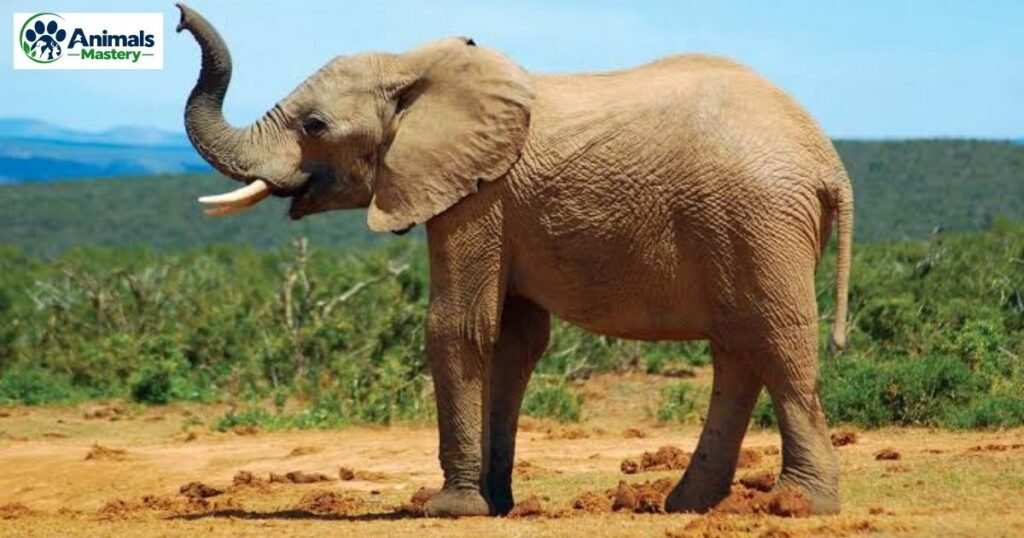
These gentle giants are equipped with incredible memories and complex social structures, often forming tight-knit family units that showcase empathy and loyalty. Observing them interact, one can’t help but feel a sense of wonder as they communicate through rumbles and gestures, underscoring their intelligence and emotional depth.
Lives in family herds: Elephants are nature’s gentle giants, and their chubby physiques are a testament to their robust lifestyles. Living in family herds, these magnificent creatures exhibit a profound sense of community and cooperation.
The matriarch leads the group, and their close-knit social structures help ensure the well-being of each member. This tight familial bond not only aids in raising the young but also provides mutual protection against predators.
Pallas’s Cat
- Scientific Name: Otocolobus manul
- Class: Mammalia
- Diet: Carnivore
Has fluffy fur: Pallas’s Cat, with its irresistibly round face and fluffy fur, is a true testament to the charm of nature’s chubbiest creatures. These magnificent felines, native to the grasslands of Central Asia, have adapted to survive in harsh environments, yet they maintain an endearing appearance that captures hearts.
Their distinctive features, broad cheeks and large, expressive eyes combine to create a delightful contrast to their rocky habitats, often camouflaging them perfectly within their surroundings.
Lives in Central Asia: Pallas’s Cat, also known as the Manul, is a true testament to nature’s charm with its irresistibly round face and stocky body. Found in the rugged grasslands and rocky slopes of Central Asia, this feline exemplifies the perfect blend of cuteness and cunning.
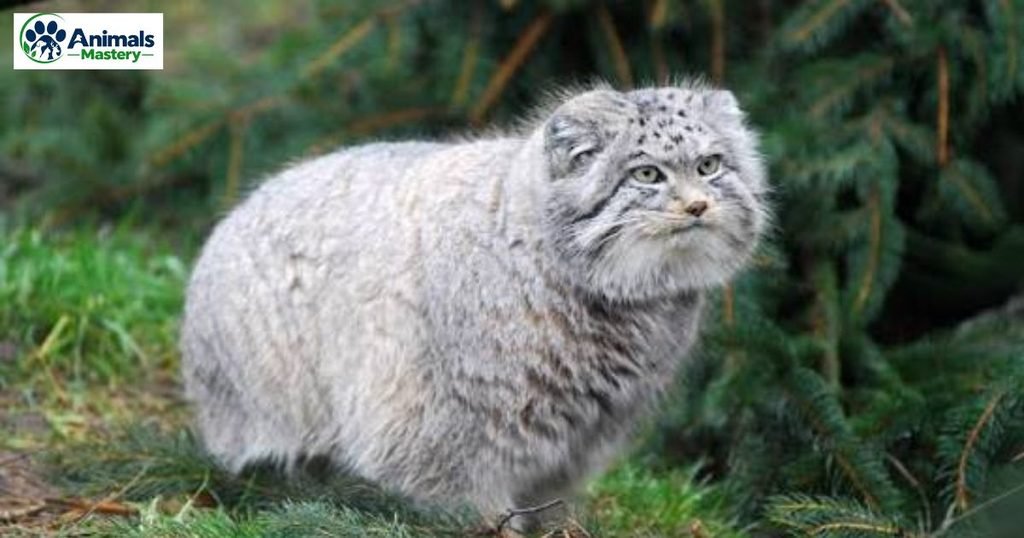
With lush fur that appears almost puffy, it seems as if nature bestowed upon it a permanent, playful fluffiness. The Pallas’s Cat’s large, expressive eyes give it an air of perpetual curiosity, making it one of the most endearing inhabitants of its habitat.
Hunts small prey: With their round faces, fluffy fur, and stout bodies, these felines possess an undeniable charm that endears them to wildlife enthusiasts. Beneath their cuddly exterior lies a fierce predator, expertly hunting small prey in the harsh steppe regions of Central Asia.
Their short legs and wide bodies are perfectly adapted for stalking, allowing them to navigate rocky terrains quietly while on the prowl for rodents and small birds.
Giant Panda
- Scientific Name: Ailuropoda melanoleuca
- Class: Mammalia
- Diet: Herbivore
Has a round body: With its round body and adorable waddling gait, the panda embodies an endearing blend of playfulness and lethargy. While bamboo makes up 99% of their diet, their laziness spending up to 16 hours a day munching on this tough plant contributes to their plump appearance.
Eats mostly bamboo: This black-and-white bear primarily eats bamboo, which constitutes about 99% of its diet. Surprisingly, despite the abundance of this fibrous plant, pandas consume up to 40 pounds of bamboo every day to meet their energy needs.
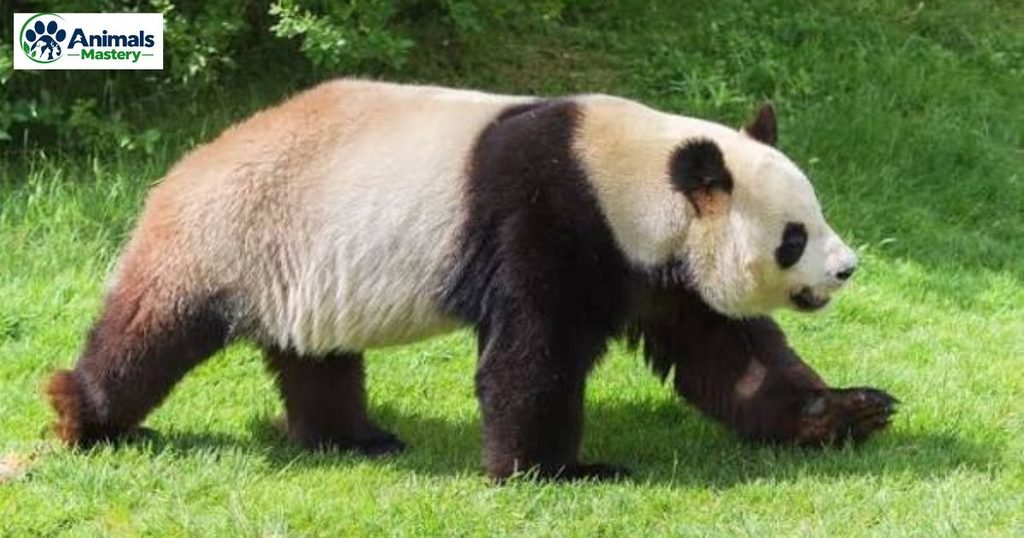
Their unique dietary habits not only influence their adorably plump stature but also play a critical role in their conservation status; pristine bamboo forests are vital for their survival, making habitat preservation essential.
Enjoys playful activities: Weighing up to 300 pounds, these gentle giants enjoy playful activities, often engaging in tumbling and rolling in their natural habitats. Their delightful antics are a reminder of the joy that comes from simply being present, inviting us to appreciate life’s lighter moments.
When you watch a panda frolic, it becomes clear that their rotund figures contribute to their charm, symbolizing the essence of playfulness and relaxation.
Wombat
- Scientific Name: Vombatidae
- Class: Mammalia
- Diet: Herbivore
Has a sturdy body: The wombat, with its sturdy body and charmingly rounded visage, perfectly embodies the adorable chub of the animal kingdom. These marsupials are not just soft and cuddly; their unique adaptations, like their powerful limbs and specialized teeth, allow them to dig extensive burrow systems.
Digs underground burrows: The wombat, an adorably chubby marsupial native to Australia, is a stellar example of how nature embraces roundness. These slow-moving creatures are known for their impressive digging skills, creating extensive underground burrows that provide shelter and protection from predators.
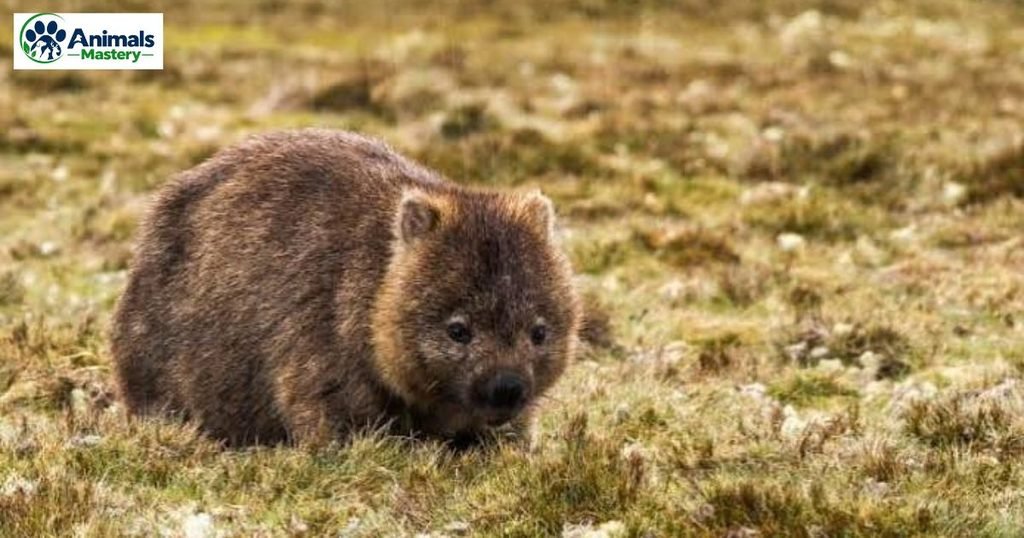
Their stout bodies and cute, mottled fur make them irresistible, but it’s their remarkable adaptations that truly capture the imagination.
Forages at night: Wombats, with their irresistibly plump bodies and adorable faces, represent the enchanting charm of Australia’s unique wildlife. These nocturnal creatures forage at night, munching on grasses, roots, and bark, which contributes to their round, robust physique.
Their burrowing habits not only keep them safe but also create a complex underground home that supports other wildlife, showcasing the wombat’s ecological importance.
Hippopotamus
- Scientific Name: Hippopotamus amphibius
- Class: Mammalia
- Diet: Herbivore
Has a huge body: The hippopotamus, renowned for its massive body, stands out as one of the chubbiest animals on the planet. Weighing between 2,200 to 4,000 pounds, this semi-aquatic mammal’s size is not just for show; it plays a crucial role in their survival.
In the water, their buoyant bodies allow them to glide effortlessly, providing a surprising display of agility despite their bulk. This fascinating duality highlights how nature has equipped them with adaptations that ensure they thrive in their environment.
Lives near rivers: The hippopotamus, often referred to as the heavyweight champion of the animal kingdom, boasts a remarkable presence in the rivers and lakes of sub-Saharan Africa. While they may appear adorably rotund on the surface, these creatures are finely adapted to their watery environments.
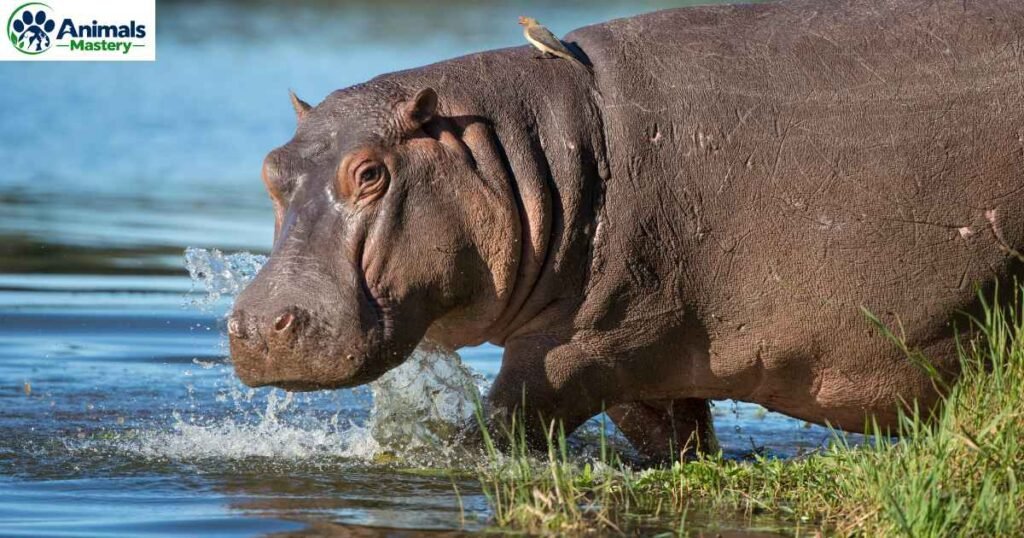
Their chubby bodies are perfectly engineered for buoyancy; they can effortlessly glide through the water while keeping their massive bulk submerged. This enables them to maintain a cool body temperature, crucial for their survival in the heat of the African sun.
Lives in social groups: Ranging from their hefty bodies to their colossal jaws, hippos are often misunderstood creatures. These gentle giants, despite their formidable size, possess a surprisingly delicate side, often found lounging in the water to keep cool under the harsh sun.
Lives in social groups called pods, a typical pod can consist of up to 30 members, showcasing their social nature and strong familial bonds.
Sea Lion
- Scientific Name: Otariinae
- Class: Mammalia
- Diet: Carnivore
Has a rounded body: sea lions stand out with their playful demeanor and strikingly rounded bodies. These marine mammals, often seen basking on sunny rocks, embody a unique chubbiness that captivates both wildlife enthusiasts and casual beachgoers alike.
Blubber keeps it warm: Sea lions, with their charming whiskers and playful nature, embody the essence of chubby animals in the animal kingdom. These marine mammals, often spotted lounging on the rocks, possess a layer of blubber that not only gives them their adorable appearance but also keeps them warm in frigid waters.
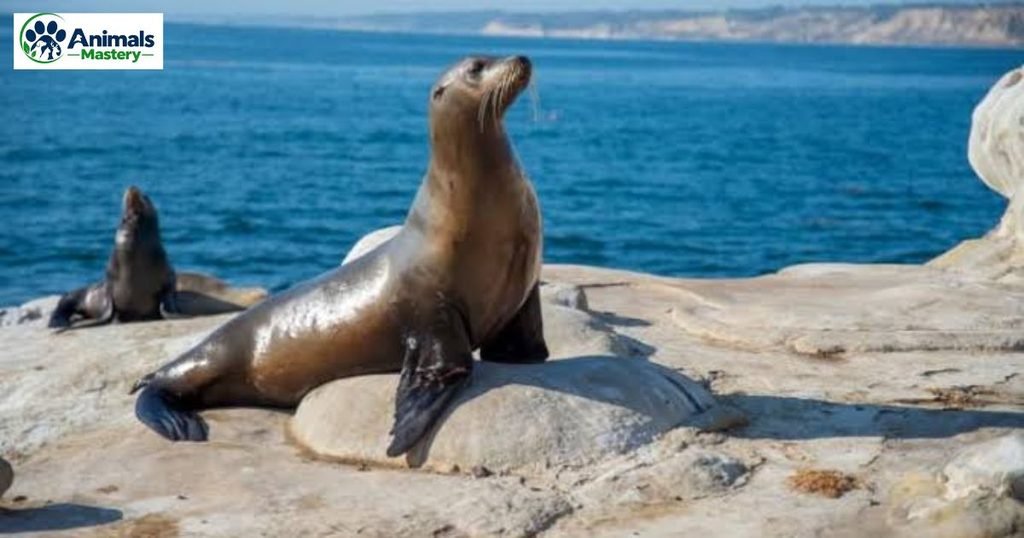
This natural insulation allows them to thrive in harsh environments while also providing a stocky silhouette that delights wildlife enthusiasts and photographers alike.
Moves well in water: Sea lions are a delightful spectacle of the animal kingdom. While many view them solely as charming marine mammals lounging on rocks in the sun, these creatures boast impressive agility, as they move well in water, gliding effortlessly through the waves with a playful grace.
Their blubbery bodies serve not just as insulation against the cold ocean currents but also as a buoyant advantage, allowing them to dive deep and frolic in their underwater playground.
Dolphin
- Scientific Name: Delphinidae
- Class: Mammalia
- Diet: Carnivore
Can have a robust body: Dolphins, often celebrated for their intelligence and playful nature, can also have a robust body. While we typically envision sleek, streamlined creatures gliding effortlessly through the water, some dolphin species exhibit a surprising degree of roundness, contributing to their chubby charm.
This added body mass plays a vital role in their buoyancy, allowing them to maneuver gracefully while conserving energy.
Body fat provides insulation: Dolphins, with their streamlined bodies and playful demeanor, are often celebrated for their elegance in the water. However, beneath that sleek exterior lies an interesting truth: body fat serves a vital purpose for these fascinating marine mammals.

This blubber acts as insulation, allowing dolphins to thrive in various ocean temperatures while enhancing buoyancy.
Thrives in food-rich waters: Dolphins, celebrated for their intelligence and playful demeanor, also shine in the world of chubby animals, particularly those thriving in food-rich waters. These marine mammals exhibit a rounded, robust physique, which is not just adorable but beneficial for their survival. Their blubbery layers offer insulation against cold temperatures and serve as energy reserves during leaner feeding times.
Manatee
- Scientific Name: Trichechus
- Class: Mammalia
- Diet: Herbivore
Has a rounded body: The manatee, often affectionately dubbed the sea cow, is a true testament to the charm of chubby animals. With its rounded body and gentle demeanor, this aquatic herbivore glides gracefully through warm coastal waters, embodying a serene lifestyle that contrasts sharply with the hustle and bustle of modern life.
Their rotund figure, which can reach up to 1,300 pounds, signifies not only abundance but also a harmonious existence with their environment feeding primarily on seagrass; they play a vital role in maintaining healthy underwater ecosystems.
Eats aquatic plants: The manatee, often affectionately dubbed the sea cow, is a prime example of nature’s lovable rotundity. These gentle giants can weigh up to 1,200 pounds, primarily due to their diet of aquatic plants, which they munch on with delight as they glide through warm coastal waters.

Their bulbous bodies are not just an endearing sight; they play a crucial role in maintaining healthy aquatic ecosystems by controlling the growth of seagrass and other vegetation.
Helps maintain seagrass: Manatees, often affectionately dubbed sea cows, are not just adorable; they play a vital role in marine ecosystems by helping maintain seagrass beds. These gentle giants, with their rotund bodies, graze on seagrass, promoting healthy growth and preventing overgrowth that can smother aquatic habitats.
Their leisurely feeding habits contribute to the overall balance of coastal ecosystems, making them crucial players in maintaining biodiversity.
Walrus
- Scientific Name: Odobenus rosmarus
- Class: Mammalia
- Diet: Carnivore
Has thick blubber: The walrus, with its impressive tusks and playful demeanor, is a prime example of nature’s penchant for adorability combined with adaptability. These marine mammals have thick blubber that not only provides insulation from the frigid Arctic waters but also serves as a reserve of energy during times of scarcity.
This blubber can measure up to several inches in thickness, giving the walrus its iconic round shape that captivates both wildlife enthusiasts and casual observers alike.
Lives in Arctic waters: The walrus, a remarkable creature that lives in Arctic waters, showcases nature’s fascinating adaptation to cold environments. With their blubbery bodies, these marine mammals not only embody the essence of chubbiness but also serve a crucial role in their ecosystem.
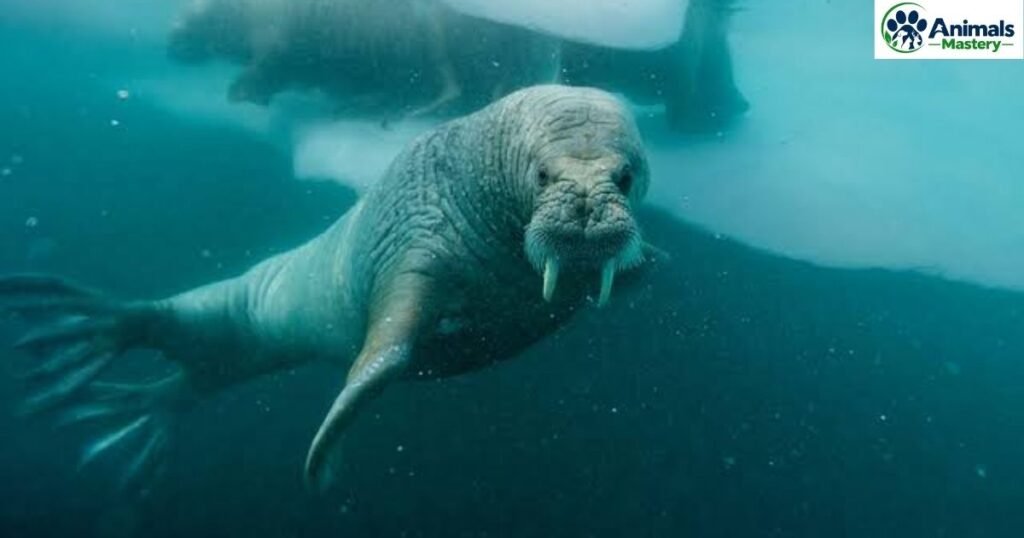
Their thick layer of fat, or blubber, acts as insulation against the frigid temperatures, allowing them to thrive where few other animals can. It’s no wonder they’ve become iconic symbols of the icy tundra.
Forms social groups: The walrus, with its impressive blubbery physique, epitomizes the charm of chubby animals. These large marine mammals, characterized by their lengthy tusks and whiskered faces, often form social groups called pods, where they engage in social interaction and bonding behaviors that are simply delightful to witness.
The ability to gather in such numbers not only highlights their social nature but also serves as a fascinating example of community dynamics in the animal kingdom.
Penguin
- Scientific Name: Spheniscidae
- Class: Aves
- Diet: Carnivore
Has a rounded body: Among the chubby inhabitants of our planet, penguins stand out with their unmistakably rounded bodies and endearing waddles. These flightless birds, often seen sliding on ice or diving into frigid waters, epitomize the charm that comes with a plump figure.
Their fat layers not only keep them insulated in harsh environments but also contribute to their unique and adorable appearance. Observing a penguin parent’s dedication to feeding and nurturing their young showcases an emotional depth that enhances their allure.
Blubber provides warmth: The ranks of the world’s most chubby animals, penguins are undoubtedly charming representatives. Their iconic waddling gait and rotund bodies capture the hearts of many, but there’s more to their shape than mere cuteness.
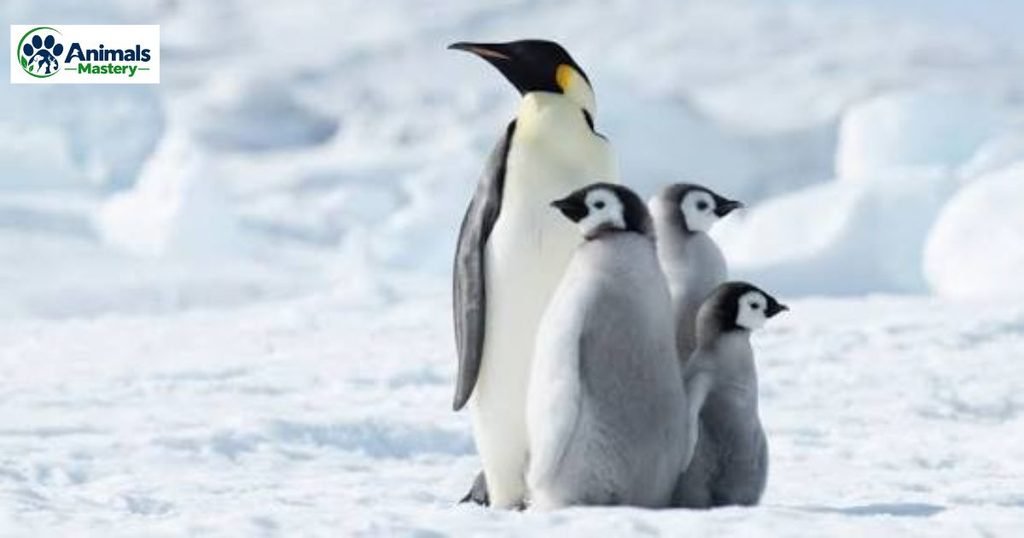
The substantial layer of blubber beneath their feathers provides vital insulation, keeping them warm in the frigid Antarctic waters. This adaptation is a remarkable survival strategy, allowing them to thrive in environments where other creatures might struggle.
Lives in colonies: The most endearing chubby animals, penguins offer a fascinating glimpse into life in the wild, thriving in the harshest climates. These charming birds, known for their distinctive tuxedo-like plumage, live in colonies that can number in the thousands. This communal lifestyle not only provides warmth and protection but also fosters social bonds that contribute to their remarkable survival.
Watching these waddling wonders huddle together while enduring frigid temperatures is a heartwarming sight, revealing their unique adaptation to environment and community.
Gaur
- Scientific Name: Bos gaurus
- Class: Mammalia
- Diet: Herbivore
Has a massive build: The gaur, also known as the Indian bison, exemplifies nature’s knack for creating animals with a massive build. Standing tall at nearly six feet at the shoulder, these giants of the forest are not just imposing due to their stature; their hefty frames and muscular bodies give them a notably chubby appearance.
Despite being classified as wild cattle, gaurs display a fascinating blend of strength and grace, roaming tropical forests across South and Southeast Asia.
Lives in Asian forests: Gaur, also known as the Indian bison, is a striking example of nature’s chubbiest inhabitants, boasting a massive frame that thrives in the lush Asian forests. This remarkable herbivore can weigh up to a ton, with a hefty build marked by a powerful stature and a thick, rounded belly that defies its agility.
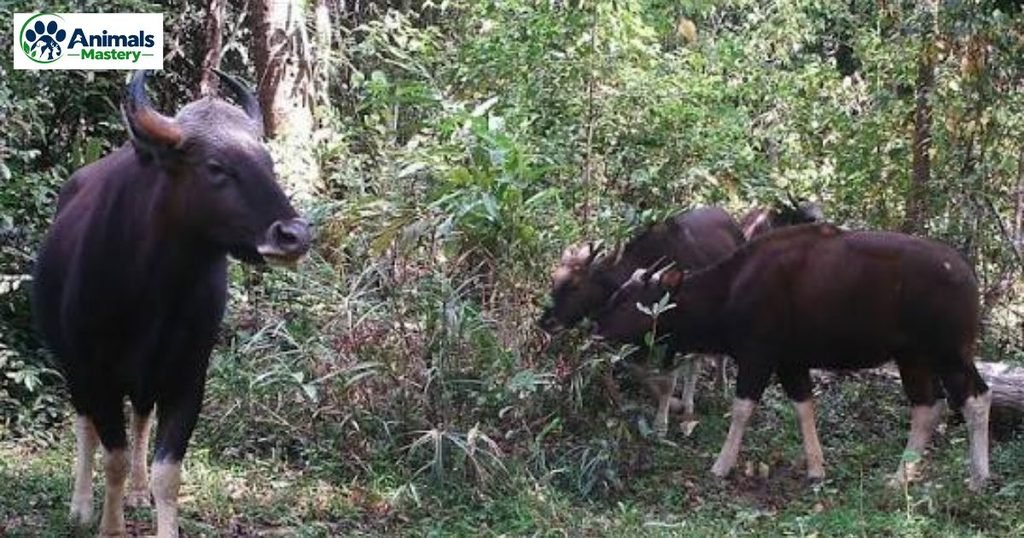
The gaurs’ impressive size, combined with their majestic curved horns, creates a captivating spectacle, especially as they roam in herds across their tropical habitats, often munching on the abundant grasses and shrubs.
Eat grasses and leaves: the enchanting inhabitants of the animal kingdom, the Gaur, or Indian bison, stands out not only for its impressive size but also for its robust physique, which many might consider chubby. These magnificent creatures graze primarily on grasses and leaves, showcasing their adaptability in both forested and grassland habitats.
Their massive bodies, covered in dark brown to black fur, allow them to dominate their environment, often serving as a topic of fascination for wildlife enthusiasts.
Hamster
- Scientific Name: Cricetinae
- Class: Mammalia
- Diet: Omnivore
Has a round body: the hamster deserves special mention for its irresistibly round body and delightful antics. These small rodents, with their plump forms, not only win hearts but also play a significant role in the allure of pet ownership.
Their spherical silhouettes, coupled with their frenetic energy, create a juxtaposition that keeps hamster lovers entranced. They store food in their cheek pouches is both amusing and heartwarming, showcasing the charm of their chubby physiques and their instinctual behaviors.
Stores food in cheeks: One of the most delightful aspects of hamsters is their charming ability to store food in their cheeks, transforming their already adorable faces into the epitome of chubbiness.
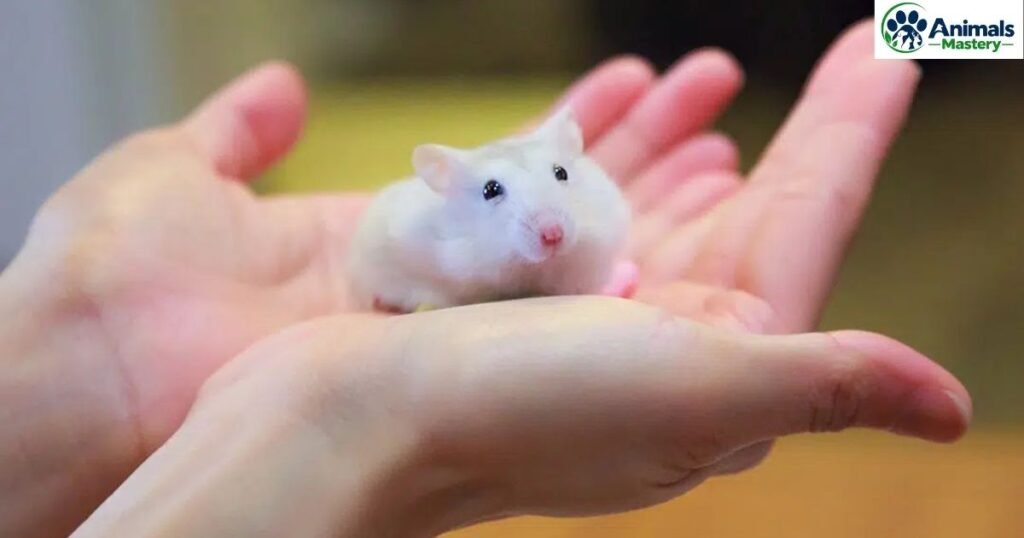
These little creatures have an innate talent for gathering snacks and hoarding them, often making them look rounder and more playful. It’s not just a quirky habit; this behavior speaks to their survival instincts in the wild, where food scarcity can be a real challenge.
Enjoys burrowing: Hamsters are the quintessential chubby champions of the animal kingdom, adored for their rotund bodies and playful personalities. These little furballs enjoy burrowing in their bedding, creating a cozy, nest-like haven that showcases their natural instinct to explore.
Their whimsical antics, whether stuffing cheeks full of food or spinning in a hamster wheel, provide endless entertainment and laughter.
Polar Bear
- Scientific Name: Ursus maritimus
- Class: Mammalia
- Diet: Carnivore
Has thick blubber: The polar bear, one of the most recognizable chubby animals, showcases a remarkable adaptation to its frigid environment with its thick blubber, which can be up to four inches deep. This layer not only insulates the bear against the harsh Arctic temperatures but also serves as an energy reserve during periods when food is scarce.
Their rotund bodies allow for buoyancy while swimming in icy waters, making these majestic giants both agile and efficient hunters of seals.
Lives in the Arctic: The polar bear, an emblem of Arctic life, showcases an impressive layer of blubber that not only insulates against frigid temperatures but also serves as an energy reserve during the harsh winter months.
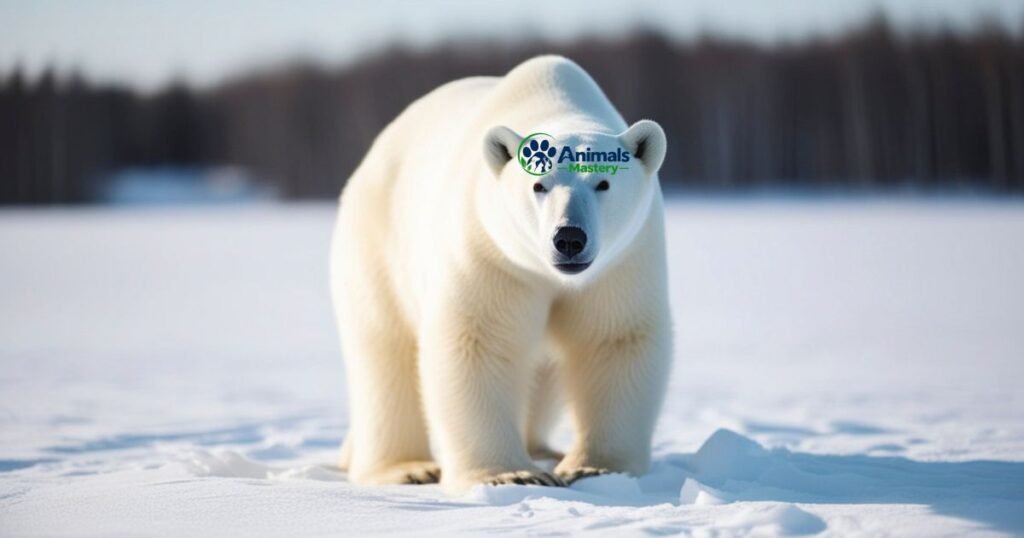
These magnificent creatures are not just the largest land carnivores; their bulk is a fascinating adaptation to an environment where survival hinges on fat storage. As they traverse the icy terrain, these bears exemplify the balance of strength and vulnerability, reminding us of the delicate ecosystem they inhabit.
Hunts seals: This magnificent creature relies on its body fat not only for insulation against the frigid Arctic temperatures but also as an energy reserve during the harsh winter months when food is scarce. Their diet heavily consists of seals, which they expertly hunt, often waiting patiently at seal breathing holes in the ice.
Observing the strategic hunting techniques of polar bears in their natural habitat reveals a blend of raw power and keen intellect, showcasing how these plump giants have adapted to thrive in one of Earth’s most unforgiving environments.
Hedgehog
- Scientific Name: Erinaceinae
- Class: Mammalia
- Diet: Omnivore
Has a plump body: The hedgehog, with its charmingly plump body and adorable quills, captures hearts as one of nature’s most delightful creatures. Often referred to as nature’s little ball of spikes, these nocturnal mammals possess a unique charm thanks to their endearing size and round shape.
When they curl up into a tight ball, it’s not just a defense mechanism; it’s an instinct that highlights their adorably chubby physique, making them irresistibly cute.
Has protective spines: The hedgehog, with its adorable round body and protective spines, makes a delightful entry on the list of the top 23 chubby animals. These little creatures are not only endearing with their soft faces and curled-up postures, but they also play a significant ecological role by helping control pests in gardens.
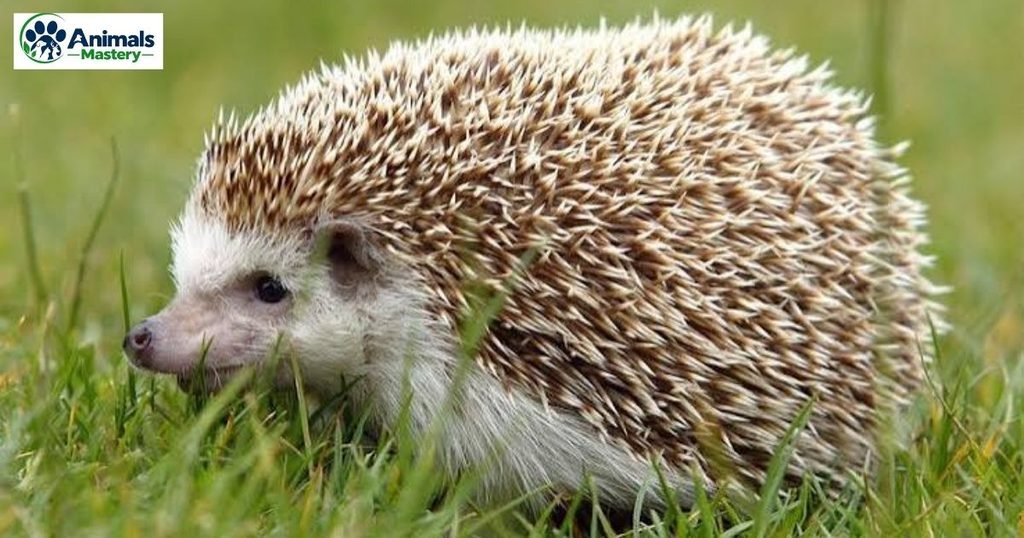
Their unique adaptations, including their spiny coats, provide effective defense against predators, allowing them to thrive in diverse habitats.
Eat insects: Hedgehogs, adorable and spiky, earn a special place in the world of chubby animals due to their delightful, round physiques. Often seen curling up into little balls, these creatures are more than just cute. With their remarkable ability to eat insects, they help control pest populations, contributing to a balanced ecosystem.
Their diet primarily consists of beetles, caterpillars, and other small invertebrates, making them essential little gardeners in our backyards.
Guinea Pig
- Scientific Name: Cavia porcellus
- Class: Mammalia
- Diet: Herbivore
Has a plump body: The top contenders for the title of the chubbiest animals in the world, the guinea pig stands out with its irresistibly plump body and charming demeanor. These small mammals, often referred to as “cavies,” thrive on a diet rich in hay, veggies, and pellets, contributing to their cuddly figure.
Their rotund silhouettes aren’t just cute; they also signify good health and vitality, making them beloved companions in households around the globe.
Comes from South America: The guinea pig, an endearing creature that comes from South America, epitomizes cuteness with its round body and expressive face. Often mistaken for rodents, these social animals are actually part of the Caviidae family.
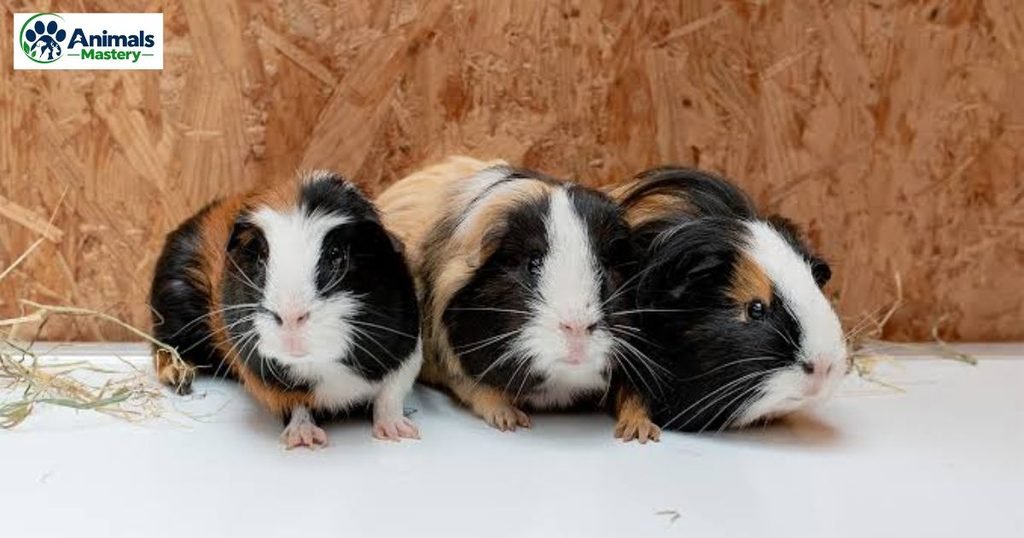
They thrive in group settings, displaying playful antics that resonate with pet lovers around the world. With their distinct squeaks and soft fur, guinea pigs bring joy not only through their plump forms but also their engaging personalities.
Is highly social: Guinea pigs are not only known for their adorable, chubby bodies but also for their highly social nature, making them delightful companions. These pocket-sized furballs thrive in the company of their human caretakers and fellow guinea pigs, developing unique bonds that are often heartwarming to observe.
Their playful personalities and gentle chirps can light up any room, showcasing their ability to express joy and contentment.
Red Panda
- Scientific Name: Ailurus fulgens
- Class: Mammalia
- Diet: Herbivore
Has a rounded body: The red panda, with its unmistakable charm, is a perfect example of the adorable chubby animals on our planet. This enchanting creature has a rounded body, making it look perpetually cuddly, almost like a plush toy come to life. Its thick fur and bushy tail, designed for insulation in its mountain habitat, add to its overall roundness, creating an image that evokes warmth and affection.
Whether lounging in the trees or munching on bamboo, the red panda’s playful behavior showcases its delightful personality, further amplifying its chubbiness.
Eat mainly bamboo: The Red Panda, known for its adorable, chubby appearance, is a delightful highlight among the world’s roundest animals. This charismatic creature, native to the Eastern Himalayas and southwestern China, primarily munches on bamboo, a diet that constitutes up to 95% of its food intake.
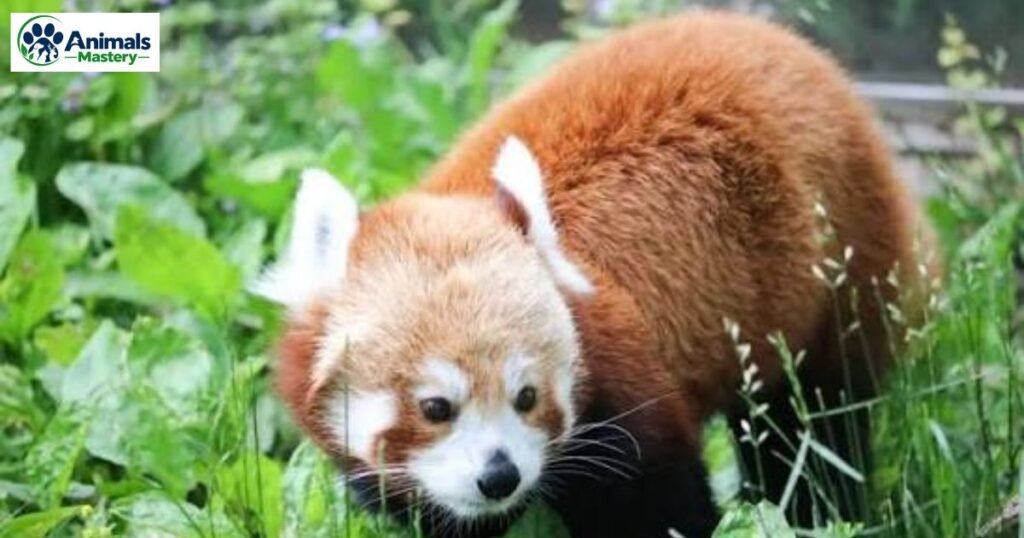
Unlike its larger cousin, the Giant Panda, the Red Panda has a more varied palate, occasionally indulging in fruits, acorns, and small insects, enhancing its whimsical charm.
Climbs trees well: With their adorable round faces and fluffy tails, these creatures are not just cute; they’re also agile climbers. Red pandas thrive in the high-altitude forests of the Himalayas and spend a significant part of their day in the treetops, showcasing their remarkable skill in navigating branches with ease.
This arboreal lifestyle helps them evade predators and allows them to forage for bamboo and other delicacies that contribute to their rounded appearance.
Seal
- Scientific Name: Pinnipedia
- Class: Mammalia
- Diet: Carnivore
Has a round body: Chubby animals radiate an undeniable charm that draws us in. Take the seal, for example; with its round body and playful demeanor, it perfectly encapsulates the joy of life in the ocean. Seals are not just adorable; their unique adaptations for a life spent both on land and in water make them fascinating creatures.
Their blubbery layers serve a dual purpose: providing insulation and energy reserves, making them some of the most resilient mammals in harsh coastal environments.
Blubber provides warmth: With their thick layer of blubber providing warmth in frigid waters, these marine mammals are perfectly adapted to their environment. Their rounded bodies not only make them adorable but also serve a crucial survival function, helping them maintain body heat amidst the chilly currents.
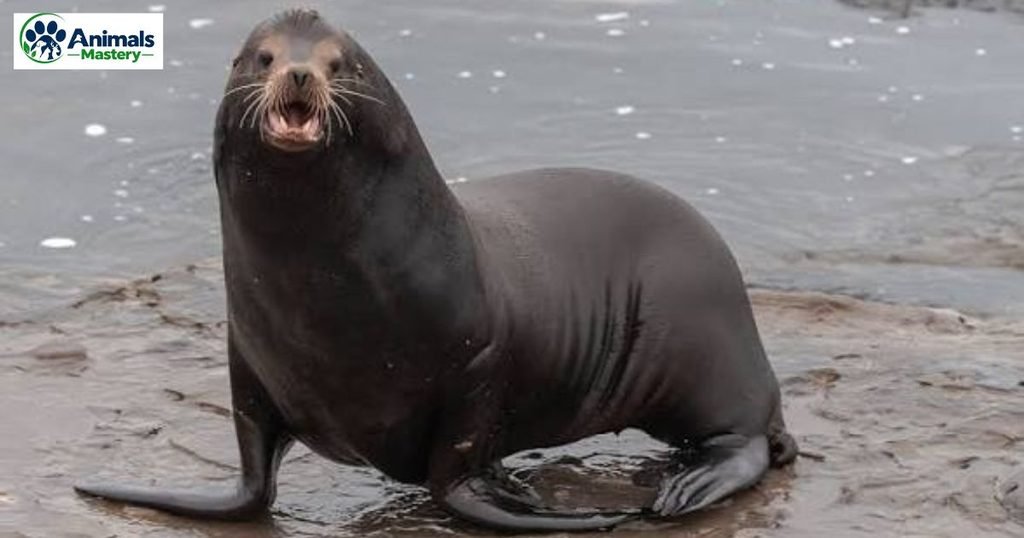
Observing a seal’s playful, blubbery movements on land and sea reveals a delightful juxtaposition between their clumsy antics and graceful swimming skills.
Communicates with sounds: The top contenders in our list of chubby animals, the seal certainly stands out not just for its round physique, but also for its captivating communication skills. These social marine mammals often gather in groups, utilizing a variety of vocalizations to convey everything from greetings to distress signals.
Their range of sounds, which include barks and grunts, adds an endearing layer to their already charming persona.
Persian Cat
- Scientific Name: Felis catus
- Class: Mammalia
- Diet: Carnivore
Has fluffy fur: The Persian cat, with its strikingly round face and plush, fluffy fur, often captures hearts as the epitome of feline indulgence. Known for their calm demeanor and gentle disposition, these chubby companions embody a sense of tranquility that can brighten even the dullest of days.
Their luxuriously thick coats require regular grooming, but the bond formed through these grooming sessions offers a unique way to deepen the relationship between pet and owner.
Has a flat face: The Persian Cat, with its luxurious fur and enchanting personality, embodies the charm of chubby animals. Known for its iconic flat face, this breed captures hearts with its expressive eyes and gentle demeanor.
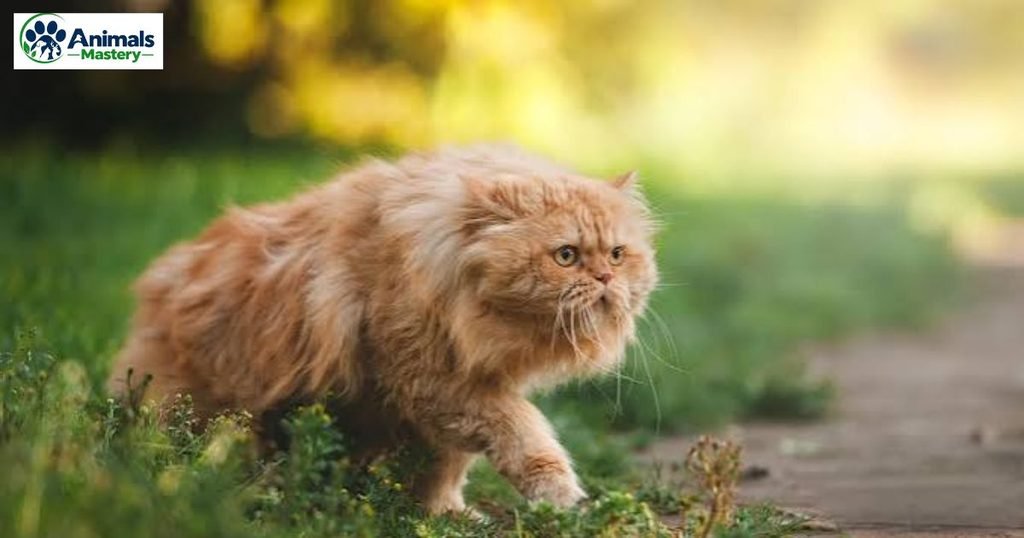
As one of the most beloved pets, the Persian not only offers companionship but also showcases a fascinating genetic evolution, emphasizing beauty and personality over athleticism.
Enjoys relaxing: The Persian cat, with its gloriously fluffy coat and endearing round face, epitomizes the charm of chubby animals that people can’t resist. Known for their calm demeanor, these feline companions enjoy relaxing in sunny spots or nestled in their humans’ laps, embodying a Quintessentially laid-back lifestyle.
Their affectionate nature makes them not just adorable, but also perfect cuddle partners, ensuring they are an irreplaceable part of many households.
Whale
- Scientific Name: Cetacea
- Class: Mammalia
- Diet: Carnivore
Has a massive body: Whales are nature’s gentle giants, boasting a massive body that defies the traditional idea of agility. Their size isn’t merely for show; it plays a crucial role in their survival. The impressive bulk of a blue whale can reach lengths of up to 100 feet and weigh as much as 200 tons.
This sheer mass aids in thermoregulation, allowing them to maintain a stable body temperature in the cold ocean depths.
Blubber provides insulation: Whales epitomize the art of being chubby, embodying a unique blend of grace and heft. With their blubbery bodies, these majestic marine mammals utilize fat not just for their impressive girth but as a vital survival mechanism.

Blubber provides insulation against frigid ocean temperatures, allowing them to thrive in diverse habitats, from the icy Arctic to warmer waters.
Uses complex sounds: The whale reigns supreme, not just for its impressive size but also for its fascinating communication style. Whales use complex sounds to convey messages that resonate across the ocean depths, forming social bonds that are as profound as their girth. Their girth serves a purpose beyond aesthetics; it provides buoyancy, insulation, and energy reserves during migration.
Capybara
- Scientific Name: Hydrochoerus hydrochaeris
- Class: Mammalia
- Diet: Herbivore
Is the largest rodent: The capybara, known as the largest rodent in the world, exudes a charm that’s hard to resist. With its gentle demeanor and social behavior, this lush, water-loving creature instantly captivates anyone who encounters it. In the wild, capybaras are often seen lounging by rivers or lakes, basking in the sun and enjoying the company of their fellow capybara.
Their slightly chubby physique and endearing facial expressions contribute to the allure of these fascinating animals, making them a favorite among wildlife enthusiasts.
Lives near wetlands: The capybara, often dubbed the world’s largest rodent, is a charming embodiment of chubbiness that captures hearts everywhere. Living primarily near wetlands and riverbanks in South America, these social creatures thrive in groups, fostering tight-knit communities that resemble little fluffy colonies.
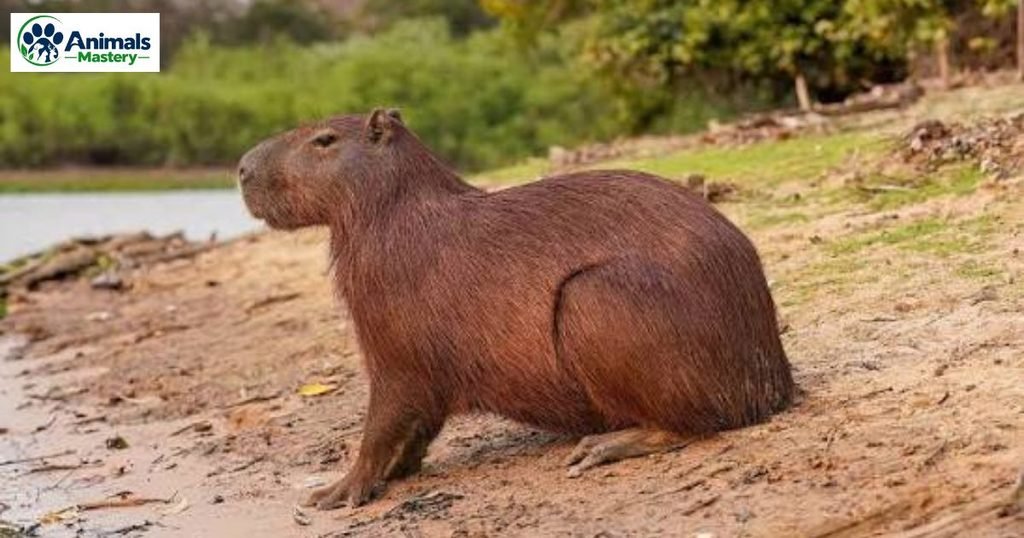
Their semi-aquatic lifestyle not only keeps them cool but also adds an endearing twist to their stout physique, as they gracefully glide through water while displaying their playful nature.
Is highly social: The capybara, often dubbed the world’s largest rodent, exemplifies the charm of chubby animals with its endearing demeanor and sociable nature. Known for their highly social behavior, capybaras thrive in groups, fostering strong bonds with their family members.
Their laid-back disposition makes them a favorite among exotic pet enthusiasts, and their gentle temperament allows them to coexist peacefully with a variety of other species, including birds and even small monkeys.
Rhinoceros
- Scientific Name: Rhinocerotidae
- Class: Mammalia
- Diet: Herbivore
Has a bulky body: The rhinoceros, with its bulky body and hefty frame, exemplifies the charm of chubby creatures in the wild. These magnificent mammals are not just defined by their size; they possess unique personalities that challenge the stereotype of a solitary beast.
For instance, their social structures can be surprisingly complex, especially among species like the white rhino, which often forages in groups, showcasing bonding and cooperation in their search for food.
Can weigh over a ton: The rhinoceros stands out as one of nature’s most fascinating chubby animals, capable of weighing over a ton. This hefty mammal isn’t just about mass; its impressive size serves various ecological functions. For instance, by grazing on vast amounts of vegetation, rhinos play a crucial role in maintaining grasslands, which supports diverse wildlife.
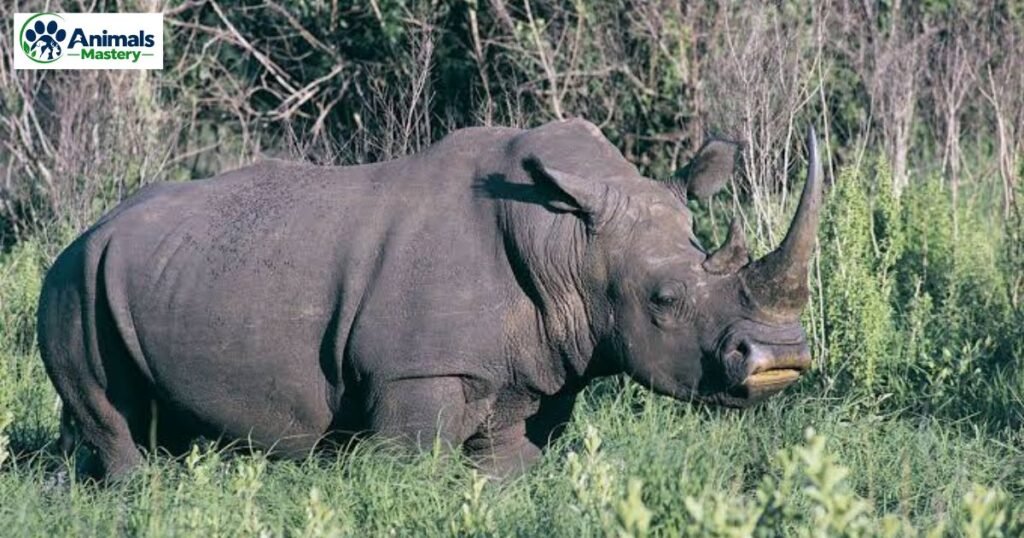
Their bulkiness also provides them with a natural defense mechanism against predators, showcasing how form and function intertwine in the animal kingdom.
Faces habitat threats: the top contenders in the realm of rotund wildlife, the rhinoceros stands out not just for its impressive girth but also for its remarkable presence in diverse habitats. These magnificent creatures boast a unique blend of strength and vulnerability.
Often found grazing in grasslands and savannas, rhinos face significant threats from poaching and habitat loss, primarily driven by human encroachment. Their hefty frames serve as both a symbol of their resilience and a poignant reminder of the urgent conservation efforts needed to protect them.
Fat-Tailed Lemur
- Scientific Name: Cheirogaleus medius
- Class: Mammalia
- Diet: Omnivore
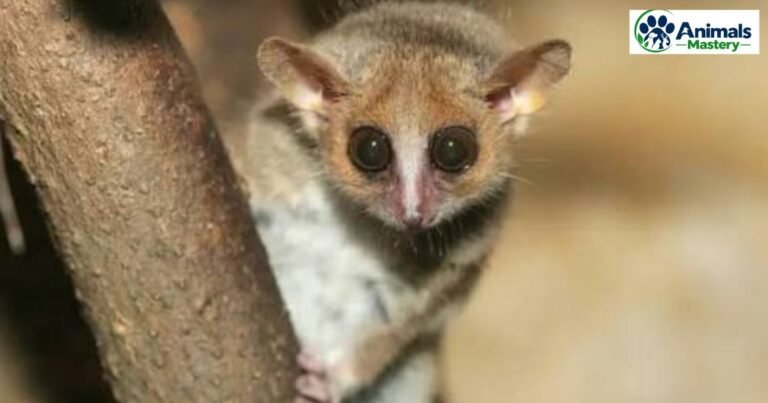
Stores fat in its tail: The Fat-tailed Lemur, a marvel of Madagascar’s unique biodiversity, is particularly fascinating due to its remarkable adaptation of storing fat in its tail. This method of energy storage allows the lemur to thrive in an environment where food can be scarce, especially during the dry season.
Unlike many animals that accumulate fat around the abdomen, these lemurs utilize their long, bushy tails as a reserve, showcasing an extraordinary evolutionary strategy.
Lives in Madagascar: The Fat-tailed Lemur, native to the lush landscapes of Madagascar, stands out not just for its plump physique but also for its remarkable adaptations. This delightful creature stores fat in its uniquely robust tail, allowing it to survive the ups and downs of Madagascar’s seasonal climate.
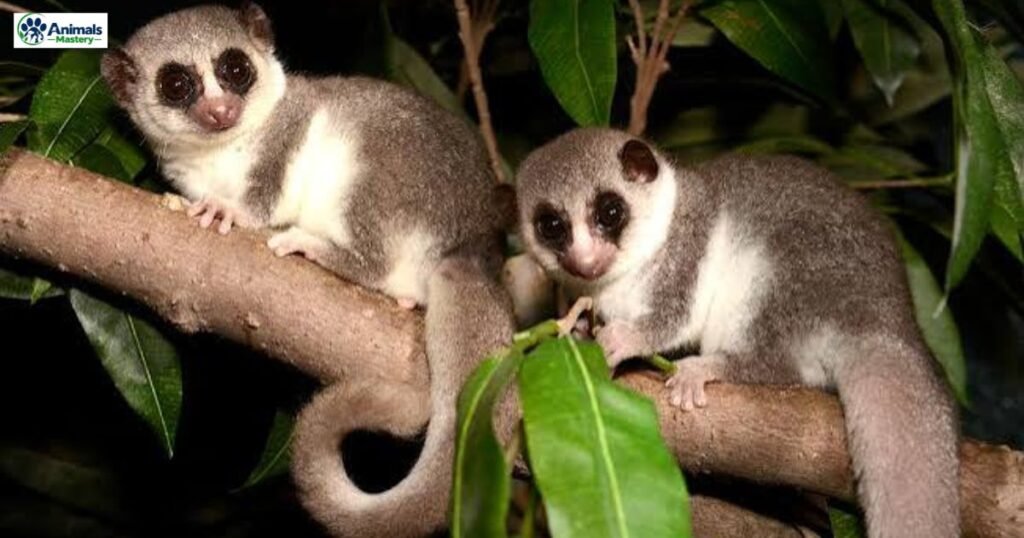
Their fascinating behavior includes a mix of arboreal acrobatics and a surprisingly docile disposition, making them a delightful topic for animal enthusiasts and researchers alike.
Lives in social groups: The Fat-tailed Lemur, a captivating member of Madagascar’s unique wildlife, stands out not only for its chubby appearance but also for its intriguing social structure. These delightful primates live in social groups, which play a crucial role in their survival and wellbeing.
The camaraderie within these groups fosters a nurturing environment where members engage in mutual grooming and vocal communication, strengthening their bonds while navigating the challenges of their lush, forested habitat.
Related Animals and Birds to Explore
- Animals Like Groundhogs: Learn about fascinating Animals Like Groundhogs and the species that share their burrowing habits and physical features.
From marmots to prairie dogs, these creatures have interesting similarities worth discovering.
Explore their lifestyles, habitats, and unique survival traits. - Birds With Long Necks: Discover remarkable Birds with Long Necks and see how their unusual body structure supports feeding and hunting.
Herons, cranes, and storks are excellent examples of these distinctive birds.
Their long necks help them thrive in a variety of natural environments. - Kangroos Smart Animals: Kangroos Smart Animals can learn, remember, and adapt to different situations.
Their behavior and communication reveal some surprising abilities.
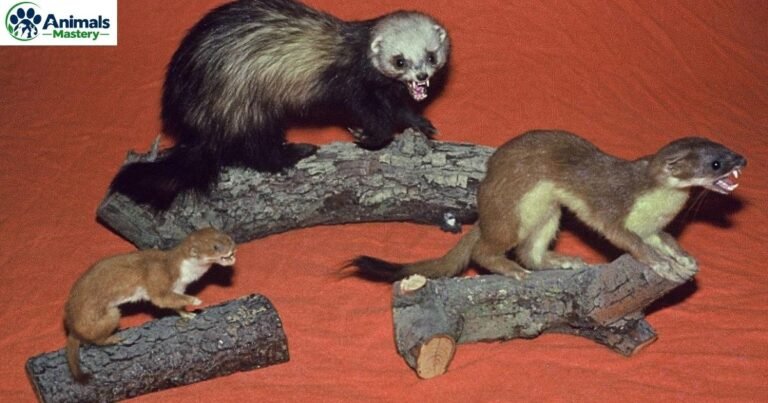
Discover what makes kangaroo intelligence so interesting. - Animals Like Ferrets: Meet intriguing Animals Like Ferrets that resemble these playful mammals in appearance and behavior.
Weasels, mink, and related species share several notable characteristics.
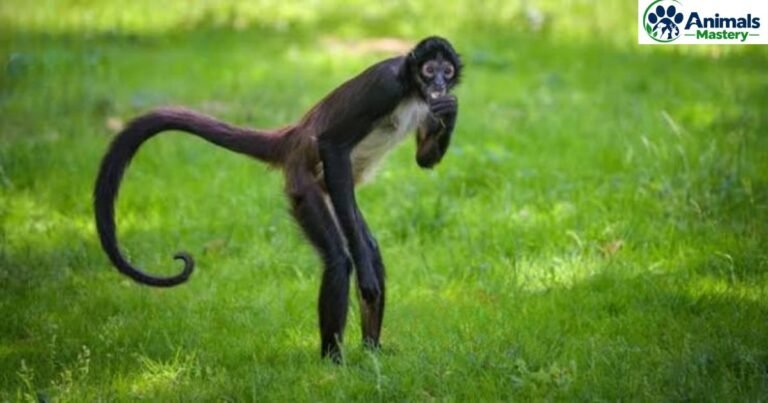
Comparing them reveals the fascinating diversity of small carnivorous mammals. - Animals With Long Tails: Explore Animals with Long Tails and discover the different purposes their tails serve.
Long tails can provide balance, aid movement, or even support communication.
Many mammals and other species have developed these useful adaptations. - Birds That Eat Fish: Discover fascinating Birds that Eat Fish and the specialized ways they capture aquatic prey.
Ospreys, pelicans, kingfishers, and herons are among the skilled fish hunters.
Their feeding techniques demonstrate impressive adaptations to life near water.
Final Thoughts
The world of chubby animals is filled with enchanting examples of nature’s creativity and humor. These delightful creatures, with their captivating shapes and playful behaviors, remind us that beauty comes in all sizes.
The pictures captured in this article offer just a glimpse into their adorable personalities, inviting us to appreciate the whimsy of wildlife. As you ponder over these charming faces, let’s also commit to protecting their natural environments for future generations to enjoy.
FAQs
Why do Marine Mammals like the Walrus and Seal Need a Chubby Appearance?
Marine mammals rely on a thick layer of fat called blubber to insulate their bodies against freezing ocean water. This dense tissue serves as a vital energy reserve during long migrations when food is scarce.
How does the Pallas’s Cat Look so Round Despite Weighing the Same as a House Cat?
The chubby look of the Pallas’s Cat is a physical illusion caused by its exceptionally long, dense fur. This thick coat expands outward to protect the cat from extreme, sub-zero temperatures in high-altitude Asian steppes.
How does the Fat-Tailed Lemur use its Tail to Store Energy?
This lemur uses its tail as a primary storage unit to survive seasonal food shortages and dry periods. It hyper-accumulates fat in this single extremity, causing the tail to swell up to twice its normal size.
Is the Huge Bulk of a Hippopotamus or Rhinoceros Actually Made of Fat?
No, the round shape of these massive land animals comes from dense muscle, heavy bones, and large digestive systems. A hippopotamus actually has very little body fat, but its large stomach is built to process massive amounts of grass.
Why do Small Pets Like Hamsters and Guinea Pigs have Naturally Stout Bodies?
Small rodents have compact, round bodies to reduce surface area, which helps them retain vital body heat. Their wide midsections are also packed with large digestive organs needed to break down tough plant fibers.