Top 25 Scary Animals in The World (With Pictures)
Nature is full of surprises, but some of its most astonishing creations also happen to be downright scary. In our list of the Top 25 Scary Animals in The World (With Pictures), we’ll unveil the most spine-chilling species that inhabit the planet.
This guide will thrill you and enlighten you about the behaviors and characteristics that make these animals so intimidating. It’s going to be a wild ride through the world of the creepy and the crawly.
List of Scary Animals in The World
The following is a list of some of the scariest animals in the world:
- Aye-aye
- Goblin Shark
- Poison Dart Frog
- Japanese Spider Crab
- Solifugae
- Anglerfish
- Blue-Ringed Octopus
- Scorpion
- Shoebill
- Lion
- Fangtooth Fish
- Inland Taipan
- Tiger
- Saltwater Crocodile
- Vampire Squid
- Black Mamba
- Asian Giant Hornet
- Star-Nosed Mole
- Cape Buffalo
- Box Jellyfish
- Great White Shark
- Honey Badger
- Horseshoe Bat
- Potoo
- Cone Snail
Aye-aye
- Scientific Name: Daubentonia madagascariensis
- Class: Mammalia
- Diet: Omnivore
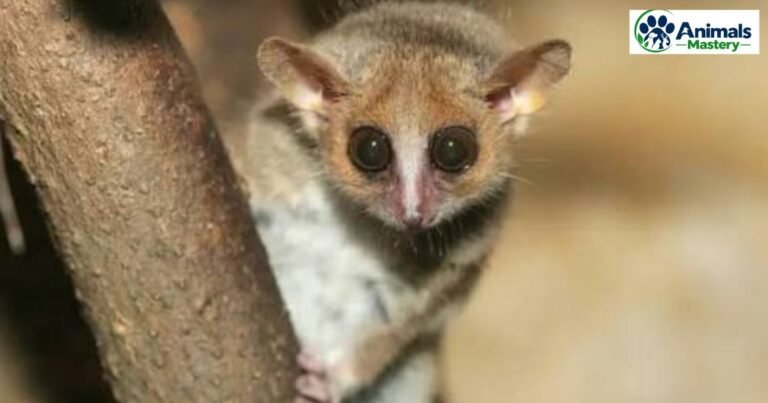
Nocturnal lemur: The aye-aye, a nocturnal lemur native to Madagascar, stands out as one of the most intriguing yet fearsome animals on our planet. With its oversized eyes that reflect a haunting glow in the dark, this creature has evolved uniquely to thrive in its environment.
Its long, skeletal middle finger, used for tapping on trees to locate grubs, can induce chills in anyone who encounters it unexpectedly. This adaptation, often mistaken for witchcraft or bad omens by local cultures, further underscores the eerie mystique surrounding the aye-aye.
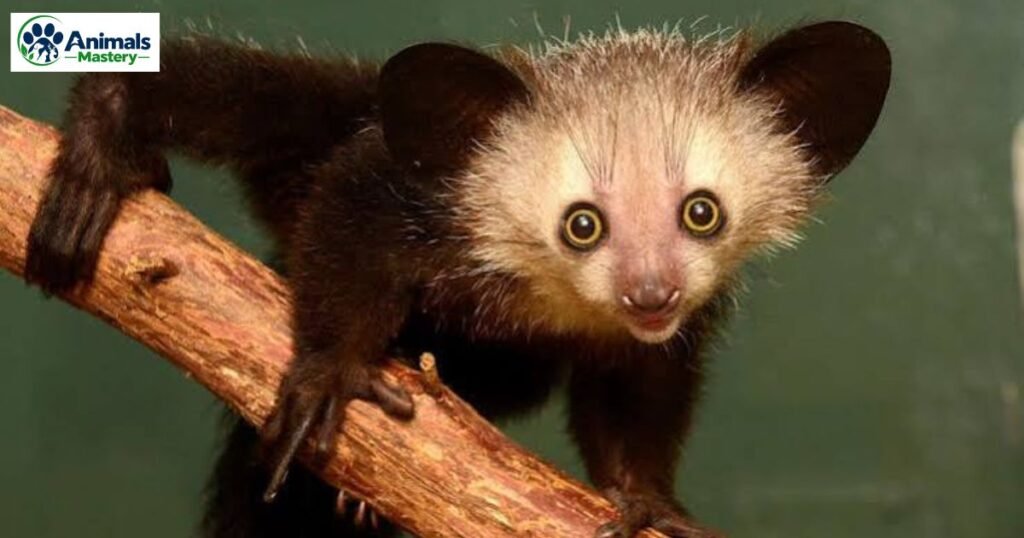
Long middle finger: The aye-aye, a nocturnal primate native to Madagascar, stands out among the world’s scariest animals due to its eerie appearance and chilling foraging technique. With its long middle finger, which can stretch to twice the length of its other fingers, it taps rhythmically on tree bark to locate hidden grubs, a method known as percussive foraging.
This unsettling adaptation not only raises eyebrows but also evokes a sense of the macabre, as the elongated digit resembles something out of a horror film.
Finds hidden grubs: The aye-aye, a peculiar primate native to Madagascar, showcases a striking combination of uncanny features and bizarre behaviors that easily land it among the world’s most terrifying animals. With its large, expressive eyes and elongated middle finger, the aye-aye is often shrouded in superstition, seen by many locals as a harbinger of death.
Goblin Shark
- Scientific Name: Mitsukurina owstoni
- Class: Chondrichthyes
- Diet: Carnivore
Deep-sea shark: The goblin shark, a rare deep-sea shark, is a creature that seems to have swum straight out of a nightmare. With its elongated snout and protruding jaws, it looks less like a predator and more like a character from a horror film, evoking both awe and fear.
This “living fossil,” primarily found in the depths of the ocean, can grow up to 13 feet long, making it both a fascinating and frightful sight when glimpsed in its natural habitat.
Long snout: The Goblin Shark, often dubbed the “living fossil,” possesses a strikingly elongated snout that sets it apart in the vast marine landscape. This peculiar adaptation serves a vital purpose: it enhances the shark’s electroreceptive abilities, allowing it to detect prey even in the depths of the ocean where light scarcely penetrates.
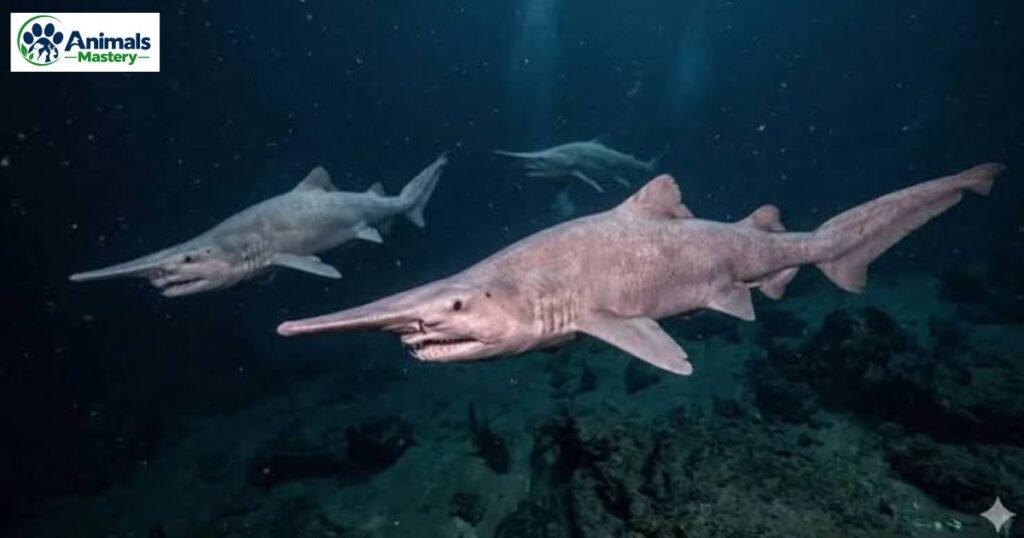
With its flesh-colored skin and unsettlingly protruded jaw lined with needle-like teeth, the Goblin Shark is as intimidating as it is fascinating, a true testament to evolution’s quirks.
Extendable jaws: The Goblin Shark, often dubbed the “living fossil,” boasts an appearance that could haunt the deepest nightmares of the ocean. Its most striking feature, the extendable jaws, enables this rare creature to launch an attack on unsuspecting prey in the blink of an eye.
When extended, these jaws reveal rows of needle-like teeth, resembling an otherworldly predator ready to snap up its next meal. Observing this shark in its natural habitat is a rare treat, as it prefers the depths of the ocean, where light barely penetrates.
Poison Dart Frog
- Scientific Name: Dendrobatidae
- Class: Amphibia
- Diet: Carnivore
Rainforest amphibian: The poison dart frog, a striking resident of the rainforest, captivates both scientists and adventurers alike with its vibrant colors and powerful toxins. While these amphibians are often admired for their beauty, their true allure lies in the chemical arsenal they wield.
Some species can produce enough potent alkaloids to be lethal to predators, a survival strategy that has fascinated researchers.
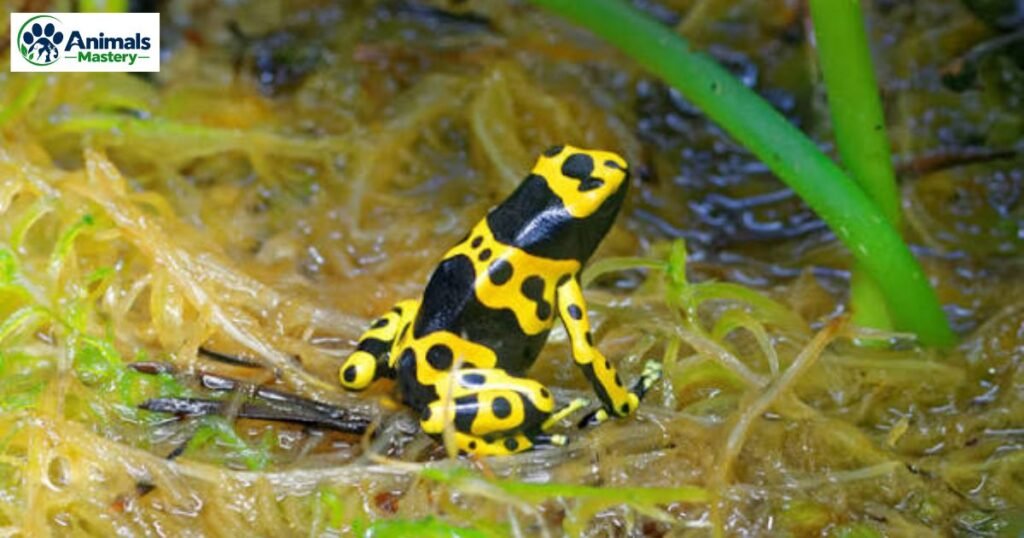
Powerful skin toxins: The Poison Dart Frog is a marvel of nature, renowned for its striking colors and lethal potency. Found mainly in the rainforests of Central and South America, these tiny amphibians owe their vibrant hues to powerful skin toxins that can incapacitate predators in mere moments.
Indigenous tribes historically harvested these toxins to coat their blow darts for hunting, giving the frog its name.
Gets toxins from insects: Found primarily in the rainforests of Central and South America, these small amphibians boast an array of colors, but their stunning hues conceal a lethal secret. Unlike many toxic species that produce their own venom, poison dart frogs acquire their formidable toxins through their diet, primarily consuming ants and other insects.
Japanese Spider Crab
- Scientific Name: Macrocheira kaempferi
- Class: Malacostraca
- Diet: Omnivore
Huge leg span: The Japanese Spider Crab, with its remarkable leg span of up to 12 feet, is a creature that defies our traditional notions of crustaceans. This oceanic behemoth glides through the depths of the Pacific, its long, spindly legs resembling the skeletal grasp of a ghostly arachnid.
While its sheer size may elicit fear, it’s interesting to note that these crabs are relatively docile. Their menacing appearance, often compared to Halloween’s most terrifying monsters, captivates marine enthusiasts and horror aficionados alike.
Deep-water dweller: The Japanese Spider Crab, a true marvel of the deep, is not just an enormous crustacean but also a fascinating example of evolutionary wonder. With a leg span that can reach up to 12 feet, this deep-water dweller can evoke a primal fear in those who encounter it.
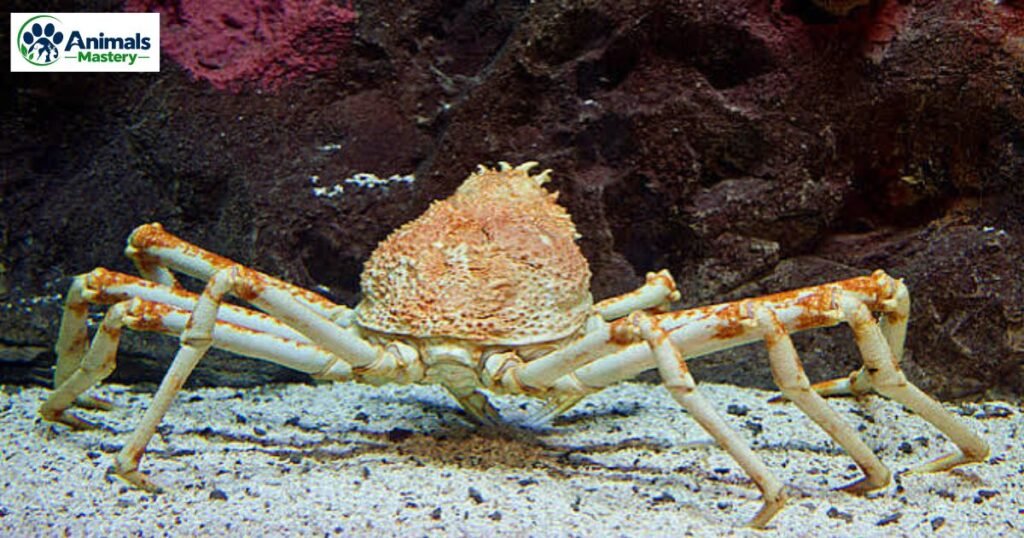
Its long, spindly limbs, resembling skeletal fingers, make it appear as though it has crawled out of a nightmare. Contrary to its fearsome appearance, the Japanese Spider Crab is generally docile, feeding primarily on small mollusks and detritus found on the ocean floor.
Long-lived species: The Japanese Spider Crab, with its impressive leg span that can reach up to 12 feet, is not just a fearsome sight but also a fascinating example of a long-lived species, often living for decades in the depths of the ocean.
Its enormous size, combined with long, spindly legs that resemble the eerie appendages of a nightmare, sets it apart as one of the most daunting marine creatures. While its appearance might be unsettling, this crab plays a crucial role in its ecosystem, showcasing the delicate balance between terror and beauty in the natural world.
Solifugae
- Class: Arachnida
- Diet: Carnivore
Desert arachnid: Among the myriad of terrifying creatures that roam the planet, Solifugae, or camel spiders, stand out as particularly eerie desert arachnids. Often mistaken for spiders due to their eight-legged anatomy, these intriguing predators can grow up to six inches in length.
Their predatory prowess, combined with a unique appearance featuring a large cephalothorax and elongated chelicerae, makes them an unsettling sight for anyone who encounters them in the arid environment.
Extremely fast: Solifugae, or camel spiders, stand out not only for their bizarre appearance but also for their extremely fast speed. Often misconstrued as dangerous due to their fierce looks, these arachnids can scuttle across the desert sands at an astonishing pace, riveting the attention of both researchers and the occasionally horrified onlooker.
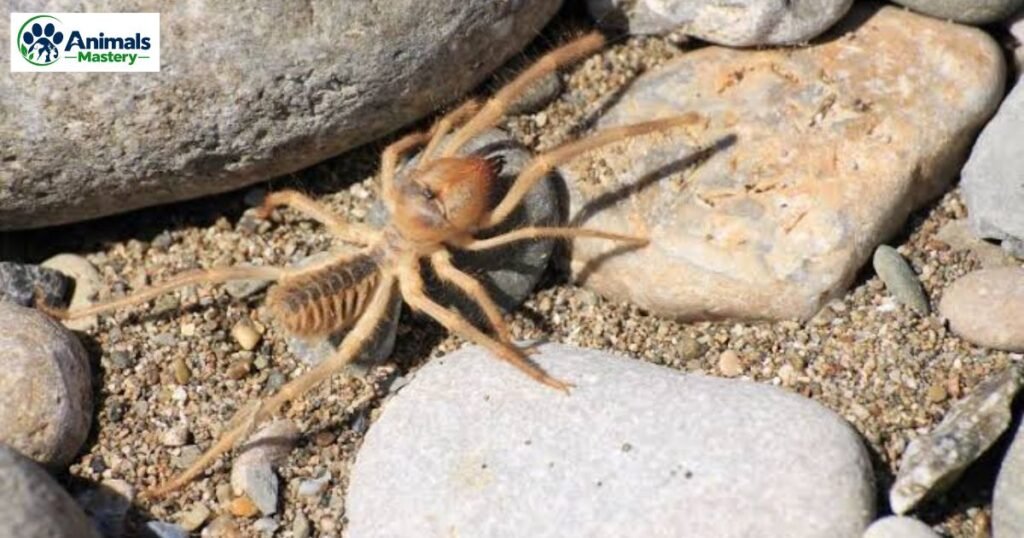
With legs that seem to dance across the terrain, they effortlessly blend into their arid habitats, making them formidable predators of insects and smaller animals.
Night hunter: Solifugae, commonly known as camel spiders, epitomize the terror of the night hunter. These formidable creatures possess an eerie mix of speed and voracity; their swift movements and powerful jaws allow them to dash across desert sands in search of prey, often leaving a lingering mystique of fear in their wake.
Tiny, agile, and equipped with an intimidating array of legs, they’re more than just frightening, they’re an awe-inspiring testament to nature’s evolutionary quirks.
Anglerfish
- Scientific Name: Lophiiformes
- Class: Actinopterygii
- Diet: Carnivore
Glowing lure: The anglerfish is a mesmerizing yet terrifying inhabitant of the deep sea, renowned for its distinctive strategy of survival. One of its most fearsome traits is the glowing lure that dangles from its head, a bioluminescent appendage that serves as a beacon to unsuspecting prey in the dark abyss of the ocean.
This captivating light not only attracts smaller fish but also creates an eerie, almost hypnotic effect, ensnaring its victims in a deadly trap.
Huge mouth: The anglerfish, with its otherworldly appearance and huge mouth, is a true marvel of the deep ocean. These creatures employ a unique method of luring prey; they possess a bioluminescent lure that dangles like a fishing rod from their heads.
As unsuspecting fish approach, mesmerized by the glow, they suddenly find themselves engulfed by the anglerfish’s vast, cavernous mouth.
Deep-sea predator: The anglerfish stands as one of nature’s most mesmerizing yet terrifying deep-sea predators, embodying the eerie beauty of the ocean’s abyss. With its bioluminescent lure, it attracts unsuspecting prey into its gaping maw, which is lined with needle-like teeth designed to ensure that escape is nearly impossible.
This extraordinary adaptation highlights the anglerfish’s role as an apex predator in its dark, unforgiving habitat, where light barely penetrates and survival hinges on cunning and brutality.
Blue-Ringed Octopus
- Scientific Name: Hapalochlaena
- Class: Cephalopoda
- Diet: Carnivore
Bright blue rings: The Blue-Ringed Octopus stands out as one of the ocean’s most striking, yet perilous inhabitants. When threatened, this small cephalopod displays its bright blue rings an unmistakable warning that it’s not to be trifled with. These vibrant patterns serve as a stark contrast to its generally muted appearance, leaving behind a captivating yet chilling visual reminder of nature’s warning systems.
Powerful venom: The Blue-Ringed Octopus is not just mesmerizing in appearance; its powerful venom whisks it to the forefront of the world’s most dangerous creatures. Small yet formidable, this marine marvel boasts vibrant blue rings that serve as a warning and a vivid reminder of its lethal arsenal. Just the size of a golf ball, it carries enough toxin to paralyze multiple humans within minutes.
Paralyzes prey: With vibrant blue rings that appear when it feels threatened, this small but deadly cephalopod captivates divers with its beauty. Beneath this dazzling display lies a lethal weapon: a potent venom that paralyzes prey, ensuring its meal is captured with minimal effort.
Despite its size, which rarely exceeds the length of a human hand, its venom is powerful enough to incapacitate even larger animals.
Scorpion
- Scientific Name: Scorpiones
- Class: Arachnida
- Diet: Carnivore
Ancient arachnid: The scorpion is one of nature’s most captivating yet fearsome ancient arachnids, embodying both beauty and danger. Found in a variety of habitats across the globe, these eight-legged creatures possess a sting that can be lethal to small prey and, in some cases, even humans.
With over 1,500 species, their striking appearance often featuring vibrant colors and intricate patterns hides a lethal secret: venomous fangs and a menacing stinger that can deliver excruciating pain.
Glows under UV: Scorpions are among the top contenders in the realm of scary animals, captivating both fear and fascination. One intriguing fact about these arachnids is their unique ability to glow under ultraviolet light, a phenomenon that not only adds to their mystique but also serves practical purposes in the wild.
This fluorescence, caused by a substance in their exoskeleton, can help scorpions identify each other and may even play a role in deterring predators, as the glow can confuse or startle potential threats.
Controls insect pests: Scorpions, often regarded as one of the most terrifying creatures on the planet, wield a fascinating duality; not only do they inspire fear with their menacing appearance and venomous sting, but they also play a crucial role in the ecosystem.
These arachnids are vital predators that help keep insect populations in check, effectively controlling pest species. By preying on insects like crickets and roaches, scorpions maintain a balance within their habitats that ultimately benefits other wildlife and even humans, who can enjoy healthier environments.
Shoebill
- Scientific Name: Balaeniceps rex
- Class: Aves
- Diet: Carnivore
Giant bill: The shoebill, a fascinating creature that can be found in the swamps of central Africa, commands attention not just for its imposing stature but also its eerie presence. With a giant bill resembling a prehistoric weapon, this bird has earned a spot among the top 25 scary animals in the world. Its gaze, sharp and unwavering, can evoke an unsettling feeling, as if it’s sizing you up for dinner.
This unique bill is not just for show; it’s perfectly adapted for hunting fish and amphibians, slicing through water with surgical precision.
Motionless hunter: Renowned as a motionless hunter, the Shoebill can remain perfectly still for extended periods, blending seamlessly into its swampy environment. This stillness often lulls its prey, primarily lungfish, into a false sense of security, a strategy that underscores nature’s cruel elegance. Standing at over four feet tall, this striking bird showcases a massive, shoe-shaped bill that it uses with chilling precision.
African swamp bird: The shoebill, often described as an African swamp bird, is a hauntingly beautiful creature that captivates and terrifies in equal measure. Standing over four feet tall, its massive, shoe-shaped bill is not just for show; it is a precision tool for hunting in the murky waters of its wetland habitat. This bird’s eerie stare and deliberate movements can chill the spine, reminiscent of a living dinosaur.
Lion
- Scientific Name: Panthera leo
- Class: Mammalia
- Diet: Carnivore
Lives in prides: Lions live in prides, which can consist of several females and their young, along with a few males. This cooperative living enhances their hunting efficiency and protects their territory, making them even more formidable. When you observe a pride working together to snag large prey, it’s hard not to feel a thrill mixed with respect for their raw power.
Lionesses hunt: The top contenders on the list of scary animals, the lion stands out not just for its ferocity but for its fascinating social structure. Lionesses hunt in coordinated groups, showcasing an incredible display of teamwork that maximizes their chances of bringing down large prey.
This cooperative hunting method not only emphasizes their predatory skills but also illustrates the strategic intelligence that these big cats possess, making them a formidable force in the wild.
Powerful roar: The top contenders in the realm of terrifying wildlife, the lion stands out not just for its majestic appearance but also for its incredible power. A lion’s powerful roar can be heard from miles away, serving as both a warning to competitors and a call that resonates through the savannah, instilling primal fear in many other animals.
This deep, resonating sound is not just a means of communication; it’s a demonstration of dominance that can send shivers down the spine of any nearby creature.
Fangtooth Fish
- Scientific Name: Anoplogaster cornuta
- Class: Actinopterygii
- Diet: Carnivore
Huge teeth: The fangtooth fish, with its gigantic teeth and fearsome appearance, certainly earns its place among the world’s scariest creatures. These deep-sea denizens, often found at depths of over 16,000 feet, are not just a spectacle of nature; they’re survivalists of the ocean’s most extreme environments.
Their oversized teeth, which can be up to one inch long, are proportionately the largest of any fish relative to body size making feeding an elaborate dance of danger and adaptation.
Deep-sea fish: The Fangtooth Fish, a true gem of the deep-sea realm, may look like it just swam out of a nightmare, but its adaptations are a marvel of evolutionary engineering. Often found at depths exceeding 6,000 feet, this formidable predator thrives in environments where few creatures dare to venture.
Its disproportionately large, needle-like teeth are not just for show; they are crucial for capturing prey in the darkness of the ocean depths, where visibility is limited and survival depends on stealth and ferocity.
Small body: The Fangtooth Fish epitomizes the eerie beauty of the deep sea, boasting an unnervingly small body that belies its nightmarish appearance. With its gigantic, protruding teeth, this abyssal creature is a testament to the wonders of evolution, having adapted to thrive in one of the planet’s most challenging environments.
These ferocious fangs, which can be more than twice the size of the fish’s body, seem like a weapon designed for a horror movie, yet they play a critical role in capturing prey in the pitch-black depths of the ocean.
Inland Taipan
- Scientific Name: Oxyuranus microlepidotus
- Class: Reptilia
- Diet: Carnivore
Powerful venom: The Inland Taipan, often heralded as the most venomous snake in the world, strikes fear in the hearts of many due to its powerful venom, potent enough to kill a human within 45 minutes. Native to Australia, this reclusive reptile typically shuns human contact, preferring the solitude of its arid habitat.
Australian snake: The Inland Taipan, often dubbed the world’s most venomous snake, resides in the arid regions of Australia. Its venom is so potent that a single bite could incapacitate multiple adult humans, but this elusive serpent prefers solitude over confrontation.
This Australian snake is not just a formidable predator; it also exhibits fascinating behavioral traits, such as remaining hidden in burrows, which significantly reduces encounters with humans.
Excellent camouflage: With venom that’s 50 times more toxic than that of its closest rival, the Eastern Brown Snake, this reptile is a master of stealth. Its excellent camouflage allows it to blend seamlessly into the arid Australian landscape, making it nearly invisible to both prey and predator.
One might argue that its beauty lies in its subtlety; with a muted palette of browns and greens, the Inland Taipan is as enigmatic as it is lethal.
Tiger
- Scientific Name: Panthera tigris
- Class: Mammalia
- Diet: Carnivore
Striped camouflage: Tigers, the majestic top predators of the jungle, often evoke a mix of awe and fear. Their striped camouflage not only enhances their beauty but serves a crucial purpose in their survival. This natural design allows them to blend seamlessly into tall grasses and dense forests, making them stealthy hunters.
Observing a tiger in its natural habitat can be both exhilarating and nerve-wracking. Their powerful presence, combined with an acute sense of stealth, places them firmly on any list of the world’s scariest animals.
Ambush hunter: The tiger stands as one of the most formidable predators on the planet, often regarded as an ambush hunter of unparalleled skill. These apex predators employ stealth and cunning, preferring to stalk their prey through dense jungles and grasslands until the perfect moment to pounce arises.
With their distinctive stripes acting as natural camouflage, tigers blend seamlessly into their surroundings, making them not only masters of the hunt but also symbols of grace and power in the animal kingdom.
Mostly solitary: The top 25 scariest animals in the world, the tiger stands out as a symbol of raw power and stealth. Mostly solitary by nature, these majestic big cats dictate their territory with a mix of grace and lethal efficiency.
Their striking orange coats blend seamlessly with the dense jungles they inhabit, making them formidable hunters that rely on both their keen senses and strength to capture prey. A solitary tiger can consume up to 60 pounds of meat in one sitting.
Saltwater Crocodile
- Scientific Name: Crocodylus porosus
- Class: Reptilia
- Diet: Carnivore
Massive predator: The saltwater crocodile, known scientifically as Crocodylus porosus, reigns as one of the planet’s most formidable massive predators. Found lurking in brackish and saltwater habitats across Southeast Asia and northern Australia, this apex predator can grow up to 23 feet in length and weigh over a ton.
Its unmatched bite force, capable of crushing bone, is considered the strongest among all living reptiles, making it a chilling symbol of raw power in the wild.
Land and water: The saltwater crocodile, often dubbed the ultimate predator, effortlessly navigates both land and water, showcasing an adaptability that few other animals can match. With the ability to measure up to 23 feet and weigh over 2,200 pounds, their sheer size is terrifying enough, but it’s their stealth that makes them truly formidable.
Ambush hunter: The saltwater crocodile, often regarded as a top-tier predator in the animal kingdom, epitomizes the essence of fearsome wildlife. This ambush hunter is a master of camouflage, lurking just beneath the water’s surface, blending seamlessly. With powerful jaws that can crush bone with ease, it is no wonder that the saltwater crocodile is feared by many who venture too close to its territory.
Vampire Squid
- Scientific Name: Vampyroteuthis infernalis
- Class: Cephalopoda
- Diet: Detritivore
Deep-sea creature: The vampire squid (Vampyroteuthis infernalis) reigns supreme among the deep-sea creatures that evoke a unique blend of fear and fascination. With its velvety dark body and large, glowing blue eyes, this enigmatic cephalopod thrives in the abyssal depths where sunlight fails to penetrate.
Unlike its more bloodthirsty cousins, the vampire squid employs bioluminescence and a cloak-like web of skin to create an eerie display, stunning prey and predators alike in a mesmerizing underwater dance.
Bioluminescent: The vampire squid, with its eerie appearance and ghostly bioluminescent capabilities, is a true marvel of the deep sea. This cephalopod, scientifically known as Vampyroteuthis infernalis, navigates the dark depths of the ocean where sunlight barely reaches. Unlike traditional predators, it feeds on detritus organic material that sinks from the upper layers of the ocean.
Eats marine detritus: Among the eerie inhabitants of the deep sea, the vampire squid stands out not just for its ghostly appearance, but also for its unique feeding habits. Unlike its more infamous cousins, the vampire squid doesn’t hunt live prey; instead, it elegantly consumes marine detritus, feasting on the organic matter that drifts down from the upper layers of the ocean.
This diet reflects its fascinating adaptation to its dark, deep-sea environment, where food is scarce, and survival demands innovative strategies.
Black Mamba
- Scientific Name: Dendroaspis polylepis
- Class: Reptilia
- Diet: Carnivore
Extremely fast: The Black Mamba stands out not only for its lethal venom but also for its astonishing speed. This snake is one of the fastest in the world, capable of moving at impressive speeds of up to 12 miles per hour. This agility, combined with its striking coloration and bold demeanor, makes it a formidable predator. When threatened, the Black Mamba won’t hesitate to unleash its venom, capable of causing death within hours if not treated.
Potent venom: The most feared reptiles on the planet, the Black Mamba is a striking example of nature’s lethal artistry. Renowned not only for its stunning dark coloration but also for its extraordinary speed, the Black Mamba can strike with lightning precision, delivering a potent venom that acts within minutes.
This venom can incapacitate prey and poses a severe risk to humans, making encounters with this snake potentially life-threatening. Interestingly, despite its reputation as an aggressive killer, the Black Mamba is primarily reclusive, preferring to avoid human contact when possible.
Avoids humans: The Black Mamba, revered and feared, stands out in the realm of scary animals. This snake, measuring up to 14 feet in length, is not just one of the fastest snakes in the world but also harbors a potent venom that can be lethal within minutes.
Despite its reputation, the Black Mamba generally avoids humans, often opting for flight over confrontation. It prefers the dense bushlands and woodlands of sub-Saharan Africa, where encounters are rare but can be breathtakingly perilous when they do occur.
Asian Giant Hornet
- Scientific Name: Vespa mandarinia
- Class: Insecta
- Diet: Carnivore
Powerful sting: The Asian Giant Hornet, often dubbed the murder hornet, holds a notorious reputation for its powerful sting, capable of causing excruciating pain. Yet, there’s more to this formidable insect than meets the eye. Nestled within its alarming description is a crucial ecological role: these hornets are vital predators, helping to control populations of other insects, particularly honeybees.
Attacks bee colonies: This formidable insect can grow up to two inches long and possesses a venom potent enough to melt human tissue. Its primary impact is felt among local bee populations, as these hornets systematically attack bee colonies, decimating hives and threatening the delicate balance of ecosystems.
A single hornet can take out dozens of bees in mere minutes, drastically reducing the bee populations that are crucial for pollination.
Destroys hives: The Asian Giant Hornet, often dubbed the murder hornet, is a formidable presence in the animal kingdom. With a wingspan of up to three inches, it’s not just its size that captivates; it’s the sheer devastation it can wreak on bee populations.
Once these hornets infiltrate a bee hive, they don’t just feed on the honey, they destroy hives with alarming efficiency, decapitating worker bees in gruesome numbers. A single hornet can kill over 30 bees in just a minute, showcasing nature’s brutal economy of survival.
Star-Nosed Mole
- Scientific Name: Condylura cristata
- Class: Mammalia
- Diet: Carnivore
Star-shaped nose: The Star-Nosed Mole is a marvel of nature that captures both intrigue and terror with its unique star-shaped nose, featuring 22 fleshy appendages. This little creature, often underestimated due to its size, thrives in the wetlands of North America, giving it an unexpectedly sinister appearance.
The star-shaped nose serves not only as an incredible sensory tool, capable of detecting food in mere milliseconds, but also adds to its eerie persona, resembling something straight out of a horror film.
25,000+ receptors: With its unique star-shaped snout, which boasts more than 25,000 tactile receptors, this small mammal defies typical notions of beauty in the animal kingdom. These sensory receptors enable the mole to detect vibrations and smell underwater, making it an exceptional hunter.
Imagine diving into murky waters and instantly sensing your prey; this is the life of the Star-Nosed Mole, turning what seems grotesque into an evolutionary masterpiece.
Extremely fast eater: The Star-Nosed Mole is a bizarre marvel of nature, often overlooked in discussions about fearsome creatures. With its unique star-shaped appendages, this small mammal is equipped with 22 sensitive tentacles, allowing it to forage at an astonishing pace making it one of the most extremely fast eaters among mammals.
These tentacles are not only crucial for its survival in the dark, muddy environments it inhabits but also contribute to an unsettling image that can send shivers down the spine of anyone who catches sight of it.
Cape Buffalo
- Scientific Name: Syncerus caffer
- Class: Mammalia
- Diet: Herbivore
Massive body: The Cape Buffalo, with its massive body and imposing stature, stands out as one of Africa’s most formidable inhabitants. Often underestimated due to their herbivorous diet, these creatures can be surprisingly aggressive when threatened. A single charge from a Cape Buffalo can be enough to send shivers down the spine of even seasoned wildlife enthusiasts.
Huge horns: The Cape Buffalo is an imposing creature, renowned for its massive, curved horns that can span over five feet. These formidable structures are not just for show; they serve as vital tools for dominance in the herd and as powerful weapons against predators. Often referred to as Black Death, these animals can be incredibly unpredictable, especially when they feel threatened.
Protective herds: A group of Cape Buffalo often operates as a tight-knit community, forming protective herds that use their collective strength to fend off predators, including lions and crocodiles. This teamwork is not just a survival tactic; it’s a testament to their social structure, showcasing how collaboration in the animal kingdom can lead to unexpected dominance.
Box Jellyfish
- Class: Cubozoa
- Diet: Carnivore
Powerful venom: The Box Jellyfish, often regarded as one of the ocean’s most formidable predators, wields a powerful venom that can incapacitate even the largest marine creatures. Its delicate, translucent body may appear ethereal, but lurking within are tentacles armed with thousands of specialized stinging cells, capable of delivering an excruciating sting that can lead to cardiac arrest in mere minutes.
Thousands of stinging cells: With a body that can reach up to three feet across, it drifts gracefully through tropical waters, but its appearance is deceiving. Armed with thousands of stinging cells known as nematocysts, each encounter can be both awe-inspiring and life-threatening.
These cells release potent toxins that can paralyze or even kill prey and humans within minutes, making the box jellyfish one of the most feared marine creatures in the world.
Light-sensitive eyes: With its light-sensitive eyes, it navigates the ocean with remarkable precision, making it a formidable predator. These gelatinous beings can detect changes in light and dark, helping them evade threats and stalk prey in their complex aquatic environment.
Their tentacles, which can extend over ten feet, are lined with thousands of specialized cells called nematocysts, ready to deliver a sting that can cause excruciating pain or even death.
Great White Shark
- Scientific Name: Carcharodon carcharias
- Class: Chondrichthyes
- Diet: Carnivore
Up to 20 feet: The Great White Shark, a magnificent predator, can grow up to 20 feet in length, making it one of the ocean’s most formidable inhabitants. These apex predators possess a keen sense of smell, capable of detecting a drop of blood from miles away, which only adds to their fearsome reputation.
Their powerful jaws, lined with hundreds of sharp teeth, can exert an astonishing force, allowing them to tear through flesh with ease.
Serrated teeth: The Great White Shark, a titan of the ocean, embodies both beauty and terror beneath the waves. Renowned for their serrated teeth, these predators have evolved to be apex hunters, capable of tearing through thick blubber with ease. Each tooth is a masterpiece of nature’s design, sharp, triangular, and perfectly suited for its hunting prowess.
Apex predator: The Great White Shark, an apex predator of the ocean, commands both fear and fascination. With their powerful bodies, acute senses, and intricate hunting techniques, these majestic creatures embody the raw essence of the marine food chain.
Often misunderstood, they play a crucial role in maintaining the delicate balance of oceanic ecosystems by preying on weaker species, ensuring healthier fish populations.
Honey Badger
- Scientific Name: Mellivora capensis
- Class: Mammalia
- Diet: Omnivore
Thick skin: The honey badger is a true testament to the saying fearless in the face of danger. With thick skin that can withstand bites and stings, these creatures take aggressive encounters to a whole new level.
Their renowned bravado is matched only by their intelligence; honey badgers are skilled problem solvers, navigating complex situations to secure their next meal whether it be snakes, rodents, or even honey from beehives. This adaptability sets them apart in the animal kingdom, making them not just tough but also cunning.
Fearless nature: Honey badgers epitomize a fearless nature that captivates animal lovers and researchers alike. Known for their audacious spirit, these small yet formidable creatures are unfazed by threats, from venomous snakes to large predators.
Their thick skin and incredible resilience allow them to withstand attacks that would incapacitate many other animals, making them an embodiment of bravery in the animal kingdom.
Clever problem-solver: The honey badger, often underestimated due to its unassuming appearance, deserves its place among the top 25 scary animals in the world for several reasons. Renowned as a clever problem-solver, this small but fierce creature demonstrates remarkable adaptability in its quest for food and survival.
From its impressive intelligence to its fearless demeanor, the honey badger embodies tenacity. It has been observed using tools, such as sticks, to extract honey from beehives, showcasing not just its resourcefulness but also a level of cunning that rivals that of primates.
Horseshoe Bat
- Scientific Name: Rhinolophidae
- Class: Mammalia
- Diet: Insectivore
Uses echolocation: These nocturnal creatures are master navigators, utilizing echolocation to hunt insects and navigate through the darkness with astounding precision. A distinctive horseshoe-shaped nose flute aids in refining their echolocation abilities, allowing them to send out sound waves that bounce off objects, revealing hidden prey and obstacles.
Hunts insects: This bat, named for the peculiar horseshoe-shaped projection on its nose, is not just a fascinating specimen of nature but also a masterful predator. As they flit through the night skies, these creatures showcase remarkable agility, hunting insects with precision that can leave even seasoned entomologists in awe.
Their echolocation abilities allow them to navigate and locate prey in total darkness, transforming the night into their hunting ground.
Night-active: The Horseshoe Bat, with its eerie nocturnal habits, emerges as a striking figure among the world’s most frightening creatures. With their distinct noseleafs resembling bizarre masks, these night-active mammals possess an otherworldly charm that is both captivating and unnerving.
Found in various habitats across the globe, their silent flight and sharp echolocation skills allow them to navigate through the darkness, evoking a sense of mystery.
Potoo
- Scientific Name: Nyctibius
- Class: Aves
- Diet: Carnivore
Eerie eyes: The myriad of creatures that evoke fearsome curiosity, the Potoo stands out not just for its appearance but for its unsettling presence. With its distinct, large, eerie eyes that seem to peer into your soul, this nocturnal bird blends seamlessly into its surroundings, making it a master of camouflage.
Its vocalizations, often described as haunting moans, echo through the stillness of the night, amplifying the chilling aura that surrounds it.
Master of camouflage: The Potoo stands out as the ultimate Master of Camouflage. This nocturnal bird, found in the dense forests of Central and South America, possesses an uncanny ability to blend seamlessly into its environment.
With its mottled plumage resembling tree bark, a Potoo can remain completely still for hours, evading the keen eyes of both predators and prey. Imagine stumbling upon one in the wild; its hauntingly wide eyes and eerie calls add to its unsettling presence.
Haunting calls: The Potoo, a nocturnal bird native to Central and South America, embodies the eerie essence of nature with its haunting calls that echo through the dense forests at night. Often mistaken for a tree branch due to its remarkable camouflage, this elusive bird sits motionless, blending seamlessly with its surroundings until it suddenly takes flight, leaving an unsettling feeling in the air.
Cone Snail
- Scientific Name: Conus
- Class: Gastropoda
- Diet: Carnivore
Potent venom: The cone snail, often overlooked in the realm of dangerous creatures, harbors a potent venom that challenges even the most seasoned adventurers. With its beautifully patterned shell luring curious onlookers, this marine mollusk is a master of disguise, blending artistry with lethal efficiency.
Each species boasts a unique cocktail of neurotoxins, some capable of paralyzing prey within moments, ensuring that dinner is served swiftly and without resistance.
Harpoon-like tooth: Many creatures lurking in the depths of our oceans, the cone snail commands an unsettling presence. With its intricately patterned shell, this seemingly harmless mollusk conceals a lethal weapon: a harpoon-like tooth capable of delivering a potent neurotoxin.
Just imagine a slow-moving predator wielding a biological dart; when a cone snail strikes, it injects venom that can paralyze its prey within moments. It’s a macabre merging of beauty and danger, showing nature’s often paradoxical creativity.
Ambush predator: The Cone Snail, often overshadowed by larger marine threats, is an ambush predator that packs an astonishing punch. Surprisingly beautiful with intricate shell patterns, these creatures are lethal in their stealth. Operating mainly in warm coastal waters, they lie in wait for unsuspecting prey, delivering a venomous harpoon-like tooth that can paralyze fish and even humans within moments.
More Fascinating Animals to Discover
- Learning about Animals That Eat Mice provides insight into the natural balance of ecosystems. Predators play an important role by controlling rodent populations in different habitats. Each species uses its own unique strategy to hunt, catch, and consume mice.
- Several Animals Like Foxes belong to the canine family and live in diverse habitats. They can be found in forests, deserts, grasslands, and even urban environments. Their intelligence and adaptability help them survive in different conditions.
- Ferrets, stoats, minks, and martens are fascinating Animals Like Weasels that share similar physical features. Their long bodies, short legs, and agile movements make them excellent hunters.
Final Thoughts
The animal kingdom is teeming with a diverse array of creatures that can instill fear and admiration in equal measure. From the stealthy predator lurking in the shadows to the venomous beasts that inhabit remote regions, the top 25 scary animals we’ve explored showcase nature’s ability to inspire both awe and dread.
Each of these animals plays a crucial role in their ecosystems, reminding us that even the most fearsome can contribute significantly to the balance of life. As you ponder the fascinating attributes of these fearsome creatures, remember that knowledge is power. Dive deeper into the world of wildlife and consider how understanding these animals can foster respect and conservation efforts.
FAQs
Which Animal on the List is the Most Venomous?
The Inland Taipan is the most venomous snake on Earth and holds the top spot for toxicity. A single bite from this creature contains enough venom to kill one hundred human adults.
What makes the Aye-Aye Look so Creepy?
The aye-aye is a lemur from Madagascar with large glowing eyes and bat-like ears. It has one extremely thin, elongated middle finger used to tap trees and pull out grubs.
Are Deep-Sea Creatures like the Goblin Shark Dangerous to Humans?
Goblin sharks and anglerfish live deep in the ocean where sunlight never reaches. They look terrifying due to protruding jaws, sharp teeth, and glowing lures, but they are too small and deep to hunt humans.
How Dangerous is the Blue-Ringed Octopus?
The blue-ringed octopus is tiny in size but carries a deadly dose of tetrodotoxin in its saliva. This powerful neurotoxin can cause rapid paralysis and suffocation within minutes of a bite.
Which Large Land Animal is Considered the most Unpredictable?
The Cape Buffalo is widely regarded as one of Africa’s most dangerous and unpredictable large mammals. These heavy-horned beasts frequently charge hunters or intruders without warning and refuse to back down.