25 Incredible Animals With Webbed Feet (Facts & Pictures)
Some of nature’s most graceful swimmers are equipped with webbed feet. From the serene lakes to bustling rivers, animals with webbed feet have evolved unique adaptations that allow them to thrive in aquatic environments.
We explores 25 amazing animals with webbed feet, shedding light on their fascinating traits and why they matter in the ecosystem. By the end, you’ll gain a deeper appreciation for these remarkable creatures and their role in our world.
List of Animals With Webbed Feet
Here is the list of animals with webbed feet:
- North American Beaver
- Flying Frog
- Platypus
- Flamingo
- Albatross
- American Bullfrog
- Duck
- River Otter
- Crocodile
- Axolotl
- Puffin
- Antarctic Petrel
- Blue-Footed Booby
- Avocet
- Pelican
- Capybara
- Trumpeter Swan
- Cormorant
- Iguana
- Crab Plover
- Seagull
- Alligator
- Goose
- Loon
- Penguin
North American Beaver
- Scientific Name: Castor canadensis
- Family: Castoridae
- Class: Mammalia
- Diet: Herbivore, feeds on bark, twigs, and aquatic plants
The North American beaver, with its remarkable webbed feet, is a master of aquatic adaptation. These specialized appendages not only enhance its swimming prowess but also enable the beaver to navigate rivers and streams with unmatched agility.

When you watch a beaver glide through the water, it’s evident that these webbed feet serve a dual purpose: they allow for swift movement while also providing stability as they gather materials for their impressive dam-building endeavors.
What sets the beaver apart as a keystone species is its ability to transform landscapes. By constructing intricate dams, North American beavers create wetland habitats that support diverse ecosystems.
These wetlands serve as natural water filters and flood control systems, demonstrating how the beaver’s adaptation goes beyond mere survival; it actively shapes its environment.
Flying Frog
- Scientific Name: Rhacophorus nigropalmatus
- Family: Rhacophoridae
- Class: Amphibia
- Diet: Carnivore, eats insects and small invertebrates
Flying frogs are a mesmerizing example of evolutionary ingenuity, showcasing an array of adaptations that allow them to thrive in their rainforest habitat. With their webbed feet, these amphibians not only facilitate agility in water but also act as essential gliding surfaces when leaping from tree to tree.
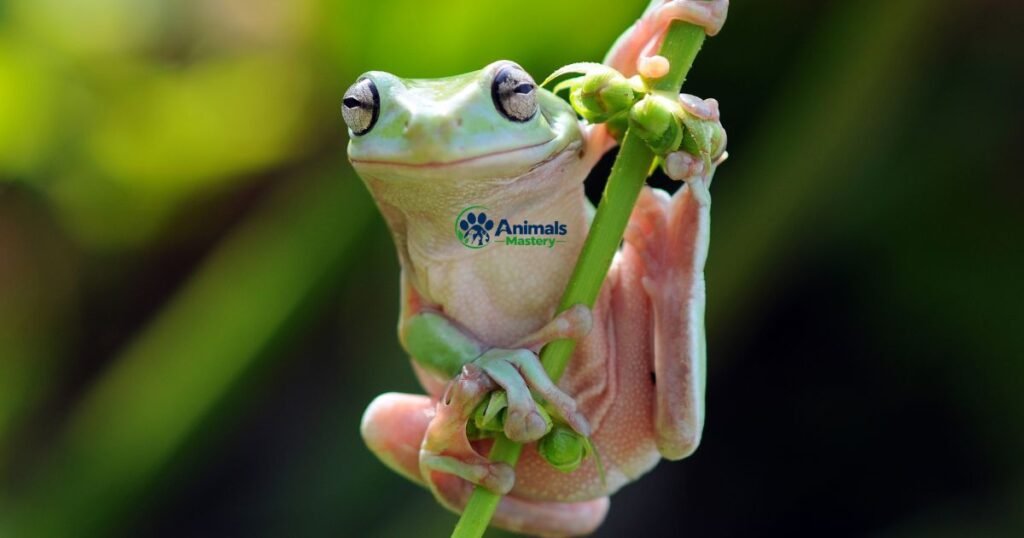
This unique adaptation enables them to glide gracefully through the dense canopy, evading predators while accessing food sources that would otherwise be out of reach.
Camouflage plays a crucial role in their survival, as their vibrant green skin blends seamlessly into the lush foliage of the rainforest. This natural disguise allows them to remain hidden from both predators and unsuspecting prey.
The combination of gliding capability and effective camouflage not only enhances their mobility but also underscores the delicate balance of life in tropical ecosystems.
Platypus
- Scientific Name: Ornithorhynchus anatinus
- Family: Ornithorhynchidae
- Class: Mammalia
- Diet: Carnivore, eats insect larvae, shrimp, and small aquatic invertebrates
The platypus, with its unique combination of features, stands as a marvel of evolutionary adaptation. Its webbed feet are perfectly designed for swimming, allowing this semi-aquatic mammal to glide effortlessly through water.
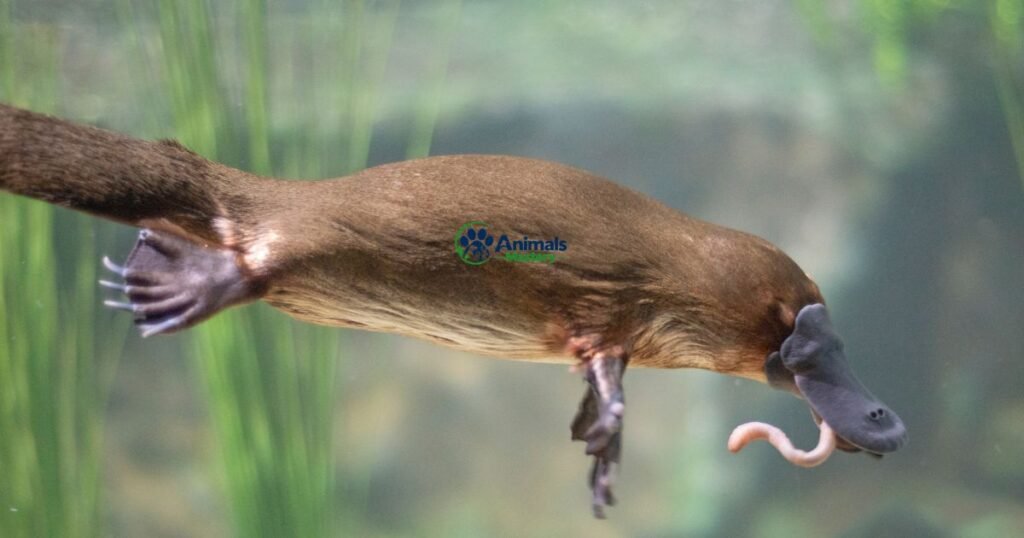
These adaptations not only enhance propulsion but also aid in foraging, as the platypus hunts for prey beneath the surface. When submerged, the webbing collapses, enabling them to retract claws for efficient burrowing and digging in search of food.
What truly sets the platypus apart is its extraordinary ability of electroreception. While swimming, the platypus can detect the electric fields produced by the movements of its prey, making it an adept hunter in murky waters where visibility is low.
This adaptation, combined with its playful nature and peculiar appearance, captures the imagination and challenges our understanding of mammalian traits.
Flamingo
- Scientific Name: Phoenicopterus roseus
- Family: Phoenicopteridae
- Class: Aves
- Diet: Omnivore, eats algae, small crustaceans, and mollusks
Flamingos are a prime example of how webbed feet can enhance a bird’s ability to thrive in their aquatic environment. These distinctive adaptations allow them to navigate the shallow waters of lagoons and wetlands with grace, enabling them to wade deeper where other birds can’t go.
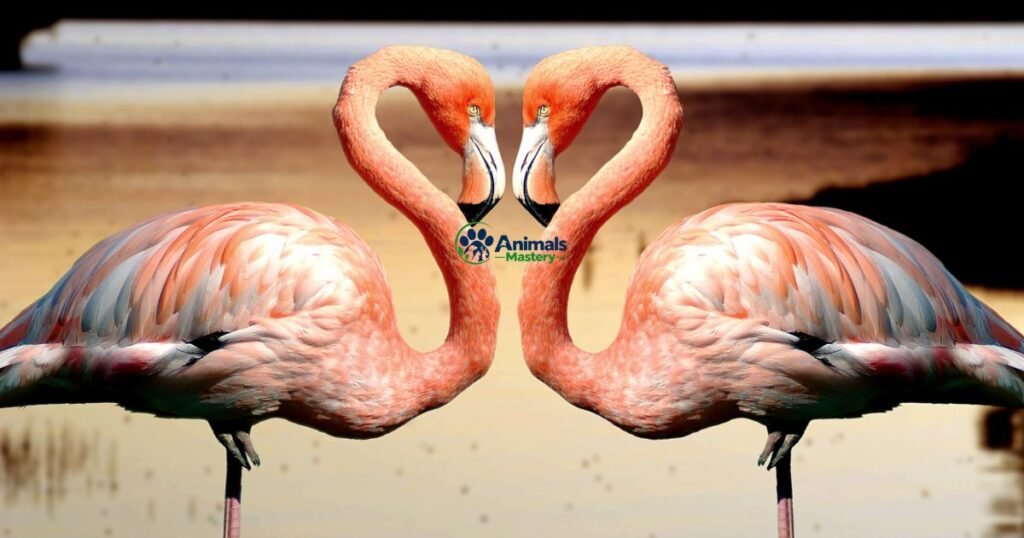
The webbing between their elongated toes not only provides stability in muddy substrates but also enables them to efficiently sift through the sediment while foraging for crustaceans and algae. This unique feeding strategy highlights their evolutionary advantage, allowing them to access food sources that might be unavailable to competitors.
Flamingos exhibit fascinating social behaviors that are closely linked to their physical adaptations. Their impressive flocking instinct is not just for protection but also serves to optimize collective foraging efforts, making the most of their environment. In synchronized movements, they create waves that stir the water and expose more prey, transforming their webbed feet into tools for success.
Albatross
- Scientific Name: Diomedea exulans
- Family: Diomedeidae
- Class: Aves
- Diet: Carnivore, eats squid, fish, and crustaceans
The albatross, a magnificent seabird known for its long wingspan, showcases an incredible adaptation in its webbed feet that enhances its mastery of oceanic life. These unique feet, though not used for swimming like those of ducks or penguins, play a pivotal role in the bird’s takeoff and landing.
The webbing allows the albatross to stabilize itself against ocean winds and navigate the choppy waters with remarkable agility, an essential skill when hunting for squid and fish.
During courtship rituals, albatrosses engage in an elaborate dance, showcasing their physical prowess and aerodynamic grace. The webbed feet, while seemingly secondary in this context, serve as anchors during these displays, allowing the birds to balance and maneuver with elegance.
This unique blend of functionality and beauty underscores how every feature of the albatross is finely tuned to its challenging marine environment, making it a symbol of adaptability in the wild.
American Bullfrog
- Scientific Name: Lithobates catesbeianus
- Family: Ranidae
- Class: Amphibia
- Diet: Carnivore, eats insects, small fish, and other amphibians
The American Bullfrog, a fascinating amphibian found throughout North America, showcases some remarkable evolutionary traits, particularly its webbed feet. These adaptations allow the bullfrog to navigate aquatic environments with ease and precision, enhancing its swimming capabilities.

When you observe these frogs in their natural habitat, you’ll notice how their long, webbed toes effortlessly propel them through water, making them adept hunters. This ability is not just about mobility; it’s a critical predatory behavior enabling them to catch prey such as insects and smaller fish.
The webbing on the American Bullfrog’s feet is a prime example of how amphibians adapt to their environments. By enhancing their swimming efficiency, these frogs can exploit a diverse range of aquatic habitats, from ponds to marshes. Their powerful legs, combined with webbed feet, allow them to execute sudden bursts of speed, making them formidable predators.
This unique combination of adaptations ensures that the American Bullfrog thrives in various ecosystems, utilizing both land and water to optimize its hunting strategy. The interplay of their physical traits and behaviors is a testament to the ingenuity of nature’s design.
Duck
- Scientific Name: Anas platyrhynchos
- Family: Anatidae
- Class: Aves
- Diet: Omnivore, eats aquatic plants, insects, and small invertebrates
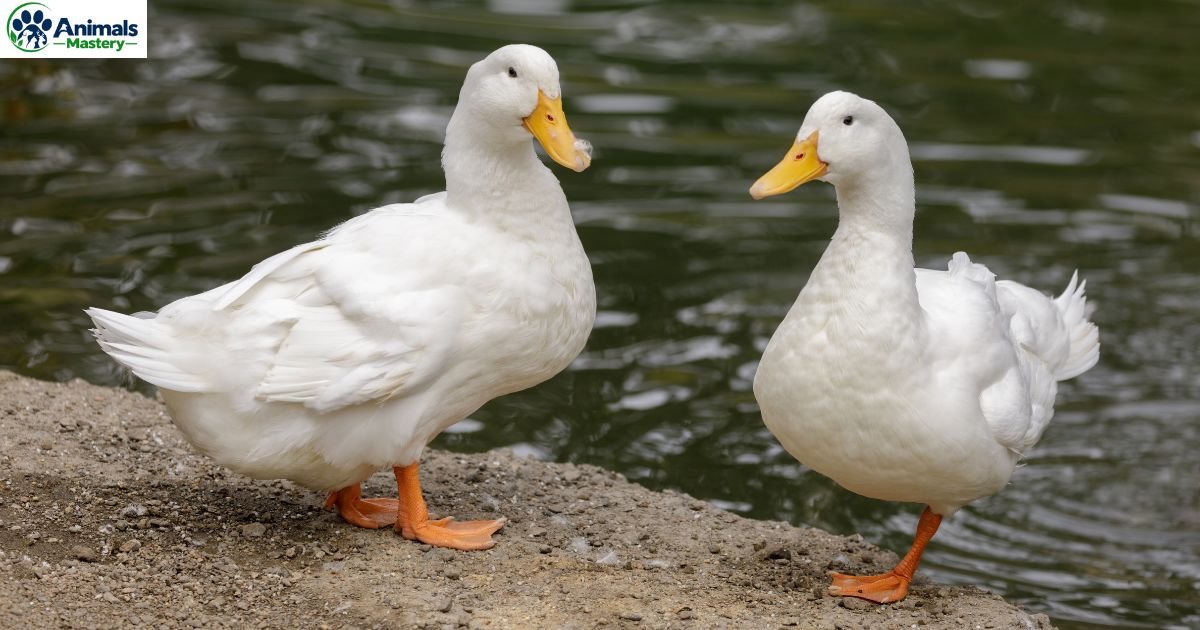
Ducks are a quintessential example of nature’s brilliant adaptations, and their webbed feet are a prime feature that illustrates this. The flippers allow for spectacular maneuverability in water, making them adept swimmers capable of gliding gracefully across lakes and rivers.
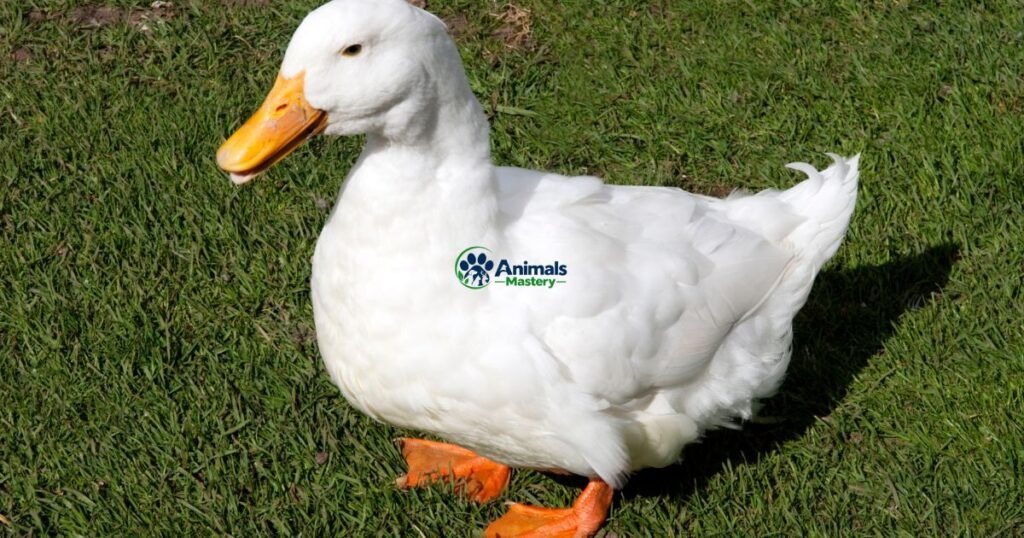
This unique adaptation not only aids in swimming but also plays a crucial role during migration, where energy efficiency is vital. When ducks take to the skies, their webbed feet help maintain balance during landing and takeoff, ensuring a smooth transition between aquatic and aerial habitats.
The structure of these webbed feet reveals their evolutionary journey. Ducks are also meticulous groomers, spending hours preening their feathers to stay waterproof — a habit that places them among some of the cleanest animals in the world. Unlike many terrestrial animals, ducks have evolved to maximize their interaction with aquatic environments.
This design is not merely for recreation; it allows ducks to efficiently forage for food nestled underwater, showcasing a fascinating interplay between anatomy and lifestyle.
River Otter
- Scientific Name: Lontra canadensis
- Family: Mustelidae
- Class: Mammalia
- Diet: Carnivore, eats fish, crayfish, and amphibians
The river otter’s webbed feet are a remarkable adaptation that transforms these playful creatures into highly efficient swimmers. By splaying their toes and utilizing the webbing between them, river otters can rocket through the water with agility and grace, reaching speeds of up to 7 miles per hour.

This physical enhancement not only aids in swift movement but also plays a crucial role in their aquatic hunting strategies, allowing them to catch fish and crustaceans with impressive precision.
Beyond their practical swimming abilities, river otters demonstrate fascinating social behavior that amplifies their hunting success. As members of the Mustelidae family, they share close kinship with several other animals like weasels, known for similar agility and hunting instincts.
Often found in family groups, they employ coordinated techniques when foraging, showing a level of cooperation rarely seen in the animal kingdom.
This social dynamic not only enhances their ability to secure food but also strengthens bonds within families, adding a layer of complexity to their interactions.
Crocodile
- Scientific Name: Crocodylus niloticus
- Family: Crocodylidae
- Class: Reptilia
- Diet: Carnivore, eats fish, birds, and mammals
Crocodiles, often seen basking on riverbanks, possess a fascinating adaptation that enhances their aquatic lifestyle: webbed feet. These unique appendages are not just for show; they serve as powerful paddles that propel these reptiles through water with remarkable efficiency.
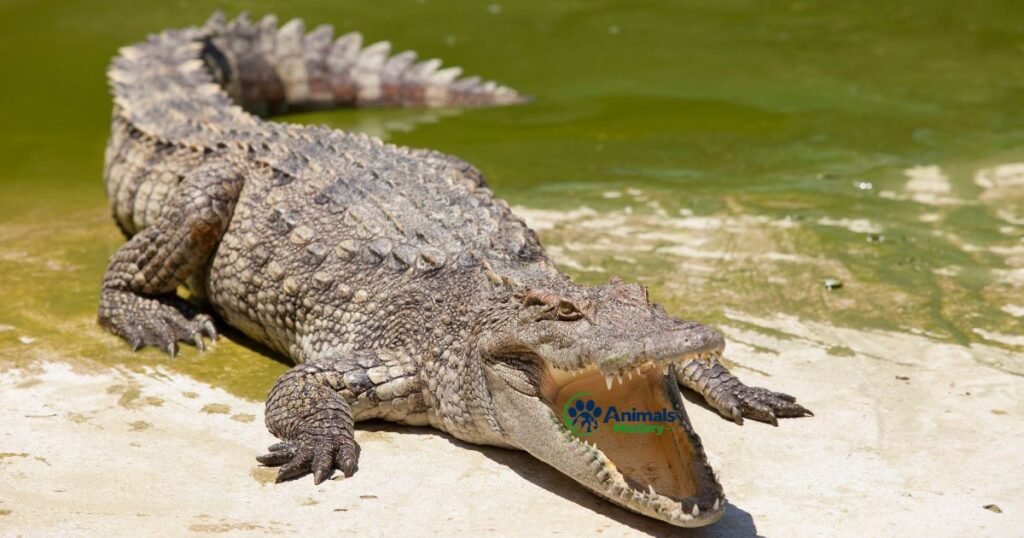
Unlike their terrestrial counterparts, the webbing allows crocodiles to make sharp turns and sudden dashes in pursuit of prey, making them formidable predators both in water and on land.
The evolution of webbed feet plays a crucial role in thermoregulation. By efficiently navigating through various water bodies, crocodiles can quickly escape the sweltering heat of the sun, helping them maintain optimal body temperatures.
This adaptability not only illustrates their prowess in hunting but also underscores their intricate relationship with the ecosystems they inhabit. As climate change and habitat loss threaten these apex predators, understanding such adaptations becomes vital in efforts to conserve their populations and the biodiversity of their aquatic environments.
Axolotl
- Scientific Name: Ambystoma mexicanum
- Family: Ambystomatidae
- Class: Amphibia
- Diet: Carnivore, eats small fish, worms, and insects
The axolotl, a fascinating amphibian endemic to Lake Xochimilco in Mexico, showcases remarkable adaptations that highlight its survival in aquatic habitats. Unlike typical amphibians, which undergo a metamorphosis, axolotls exhibit neoteny, retaining their juvenile features, such as webbed feet, throughout their lives.

These webbed appendages are not mere physical traits; they represent a brilliant evolutionary strategy that enhances their swimming efficiency and maneuverability in murky waters.
Webbed feet allow axolotls to swiftly navigate their environment as they search for food or evade predators. This adaptation is particularly vital in the shallow, vegetation-rich waters of Xochimilco, where agility is essential for survival. The axolotl’s aquatic lifestyle poses unique challenges, requiring them to balance their respiratory needs, which they achieve through both gill and lung respiration.
This dual-method approach, combined with their specialized limbs, underscores the intricate relationship between form and function in nature. The axolotl not only captures the imagination but also serves as a significant topic of study in evolutionary biology, showcasing how life can thrive in seemingly improbable ways.
Puffin
- Scientific Name: Fratercula arctica
- Family: Alcidae
- Class: Aves
- Diet: Carnivore, eats small fish and marine invertebrates
Puffins, with their distinctive beaks and charming personalities, are remarkable examples of aquatic adaptation, particularly due to their webbed feet. These specialized appendages act like paddles, enabling puffins to navigate the waters with surprising agility.

When they dive underwater, their webbed feet help them propel through the currents in pursuit of fish and other marine prey, showcasing a unique blend of grace and strength.
Beyond their impressive swimming abilities, puffins have evolved a remarkable hunting strategy. Their webbed feet not only aid in swimming but also allow for rapid maneuvering while chasing swift fish.
This pursuit often takes them to depths where they can feast on schools of herring or sand eels. Observing puffins engage in underwater hunting is a captivating reminder of nature’s ingenuity, illustrating how even the tiniest adaptations can lead to success in the challenging marine environment.
Antarctic Petrel
- Scientific Name: Thalassoica antarctica
- Family: Procellariidae
- Class: Aves
- Diet: Carnivore, eats krill, fish, and squid
The Antarctic Petrel, a striking seabird of the Southern Ocean, showcases a remarkable example of aquatic adaptation with its webbed feet. These specialized appendages allow the bird to maneuver gracefully across the water’s surface while searching for food, primarily krill and fish.
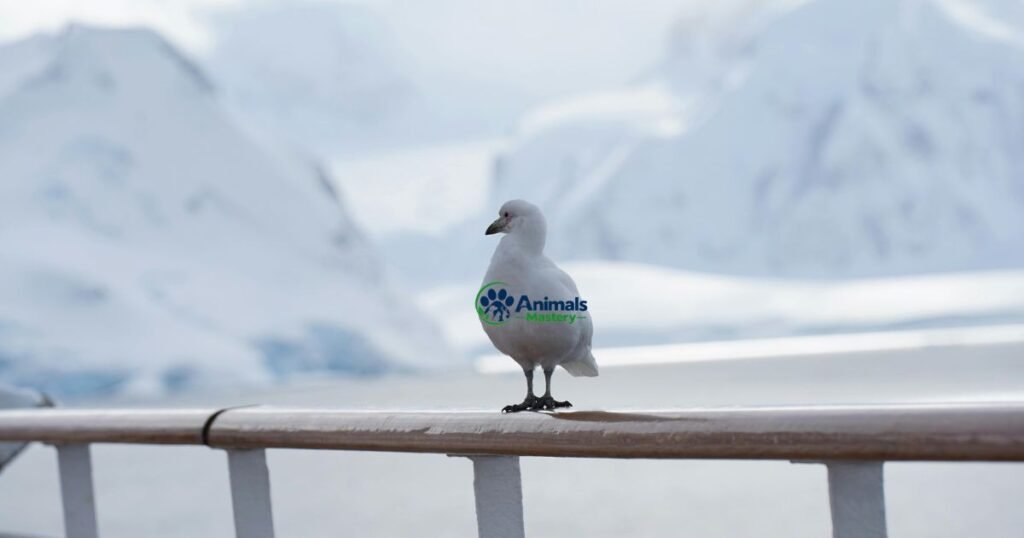
The efficiency of its webbed feet enables the Antarctic Petrel to exploit marine environments that many other birds cannot, illustrating a perfect harmony between form and function in its harsh habitat.
As climate change rapidly alters the Southern Ocean ecosystem, the Antarctic Petrel faces new challenges. Melting ice and shifting ocean currents can affect the availability of its primary food sources, putting pressure on this iconic bird.
Observing how the Antarctic Petrel adapts to these environmental changes provides invaluable insights into the survival mechanisms of species in the face of global warming, highlighting the importance of preserving its delicate habitat. Each glimpse of this adept bird not only reminds us of nature’s resilience but also the urgency to address the impacts of climate change.
Blue-Footed Booby
- Scientific Name: Sula nebouxii
- Family: Sulidae
- Class: Aves
- Diet: Carnivore, eats fish, mainly sardines and anchovies
The Blue-Footed Booby, with its distinctive blue webbed feet, is not just a visual marvel but a fascinating example of evolutionary adaptation. The vibrant blue coloration of its feet plays a crucial role in its courtship display, making these birds particularly memorable.
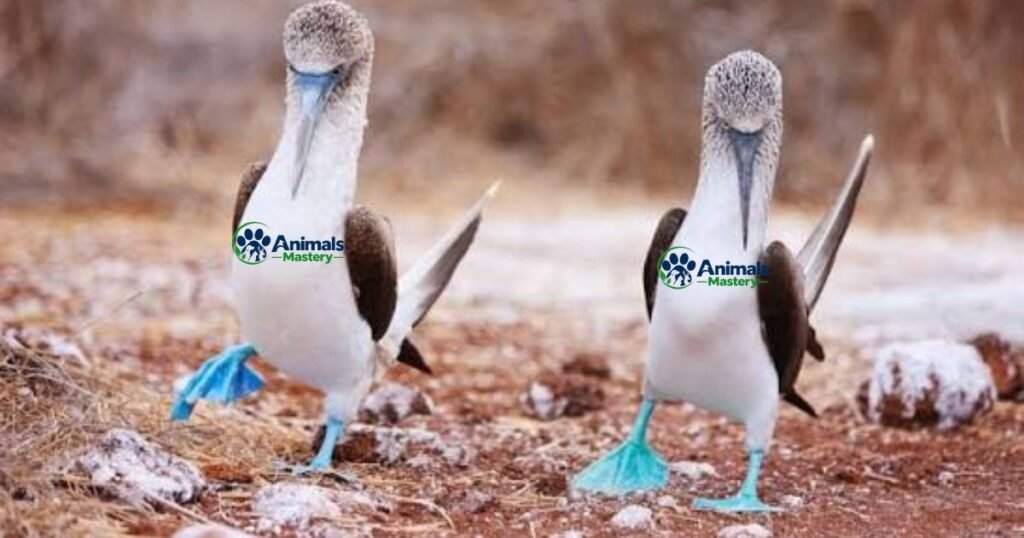
During mating season, males perform elaborate dances, showcasing their striking blue feet to attract females. This unique adaptation signals health and vitality, with the intensity of the blue hue indicating the bird’s fitness, ensuring only the strongest genes are passed on.
Their webbed feet are also perfectly designed for their aquatic lifestyle. When diving into the ocean in pursuit of fish, these birds exhibit remarkable agility. The webbing allows for powerful propulsion, enabling them to reach impressive depths to catch their prey.
Avocet
- Scientific Name: Recurvirostra avosetta
- Family: Recurvirostridae
- Class: Aves
- Diet: Carnivore, eats small crustaceans, insects, and worms
Avocets, with their distinctive upward-curving bills and striking plumage, exemplify the remarkable adaptability of birds to wetland environments. Their webbed feet play a crucial role in their survival, allowing them to navigate through slippery mudflats and shallow waters with grace and efficiency.

This unique adaptation not only aids in maintaining balance as they forage for invertebrates but also enhances their swimming capabilities, providing them an edge in evading predators.
During the breeding season, avocets engage in elaborate courtship displays that captivate observers. These dances often include synchronized movements, as they showcase their elegant form while also reinforcing pair bonds.
The combination of their webbed feet and rhythmic displays illustrates how form and function intertwine in the natural world, creating a mesmerizing spectacle for both mate attraction and survival.
Pelican
- Scientific Name: Pelecanus occidentalis
- Family: Pelecanidae
- Class: Aves
- Diet: Carnivore, eats fish
Pelicans are remarkable creatures that showcase nature’s ingenuity with their distinctive webbed feet, which serve a crucial role in their aquatic lifestyle. These adaptations not only aid in swimming gracefully through the water but also provide stability when taking flight.
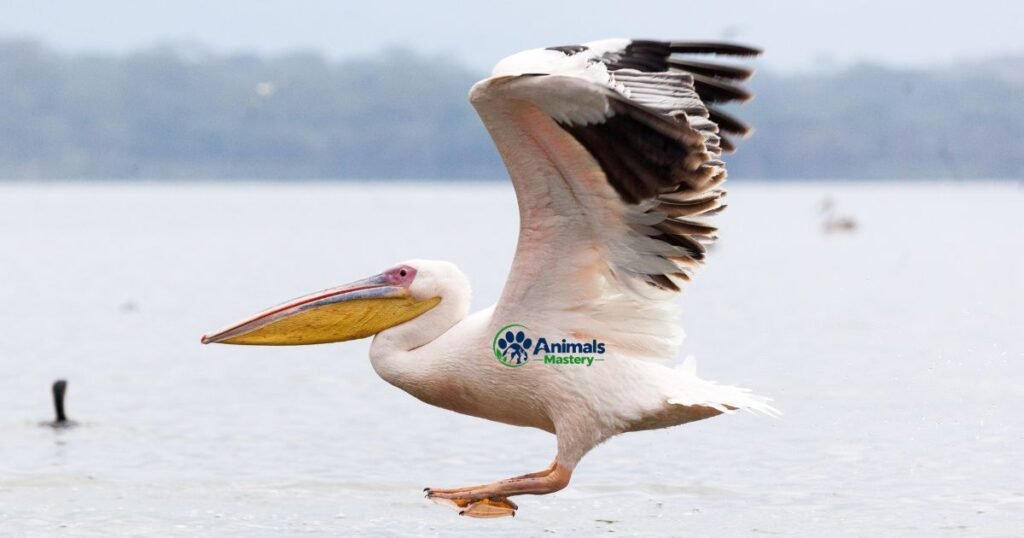
The webbing between their toes allows for powerful propulsion, making them exceptional fish hunters. With their impressive wingspan and keen eyesight, pelicans can spot schools of fish from above, gliding in for a strategic plunge that highlights their hunting prowess.
What sets pelicans apart is their unique throat pouch, a remarkable feature that enhances their feeding strategy. When they dive into the water, this expandable pouch acts as a net, capturing fish and allowing them to filter out excess water. This fascinating technique is often part of a larger social strategy: pelicans are known for their cooperative feeding habits.
Working in tandem, these birds will sometimes drive schools of fish into shallow waters, making it easier for them to catch meals. This intricate interplay between physical adaptations and cooperative behaviors showcases the pelican’s extraordinary ability to thrive in its environment.
Capybara
- Scientific Name: Hydrochoerus hydrochaeris
- Family: Caviidae
- Class: Mammalia
- Diet: Herbivore, feeds on grasses and aquatic plants
Capybaras, often regarded as the world’s largest rodents, are fascinating creatures with a unique adaptation: their webbed feet. As burrow-dwelling rodents, they share some behavioral traits with animals like groundhogs, despite their vastly different sizes and habitats. This feature is not merely a quirk of nature; it plays a crucial role in their fluid lifestyle, particularly when it comes to swimming.
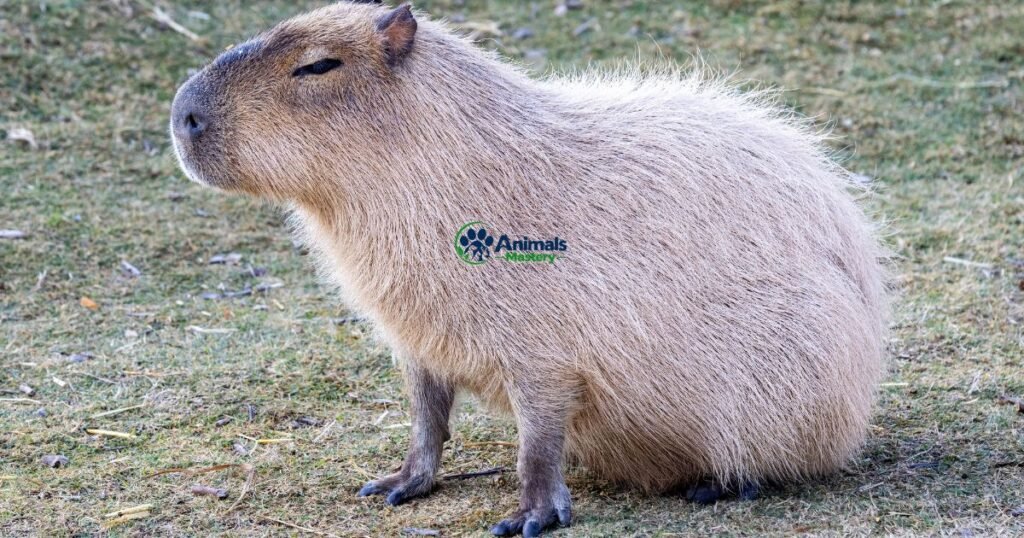
With webbed feet, capybaras can glide effortlessly through water, enhancing their abilities to evade predators and navigate their wetland habitats. Their swimming prowess allows them to escape threats, like jaguars or caimans, while also providing a means to forage for aquatic vegetation.
The social behavior of capybaras adds another layer to their existence. Living in groups of up to 20 individuals, these animals create a dynamic social structure that offers added protection. By swimming together, they can confuse potential predators, creating a mesmerizing splash of fur and movement in the water.
The webbed feet enable not just survival but also a deeper connectivity within their families, showcasing how evolution has tailored their anatomy for both individual and collective advantage. In a world where every adaptation has its purpose, capybaras truly exemplify the dance of survival, leisure, and community in the wild.
Trumpeter Swan
- Scientific Name: Cygnus buccinator
- Family: Anatidae
- Class: Aves
- Diet: Herbivore, feeds on aquatic plants
The Trumpeter Swan, with its striking white plumage and elongated neck, is not just a visually stunning bird but also a marvel of aquatic adaptation. Its webbed feet are a pivotal feature, enabling powerful swimming capabilities that make it a master of foraging in both shallow and deeper waters.
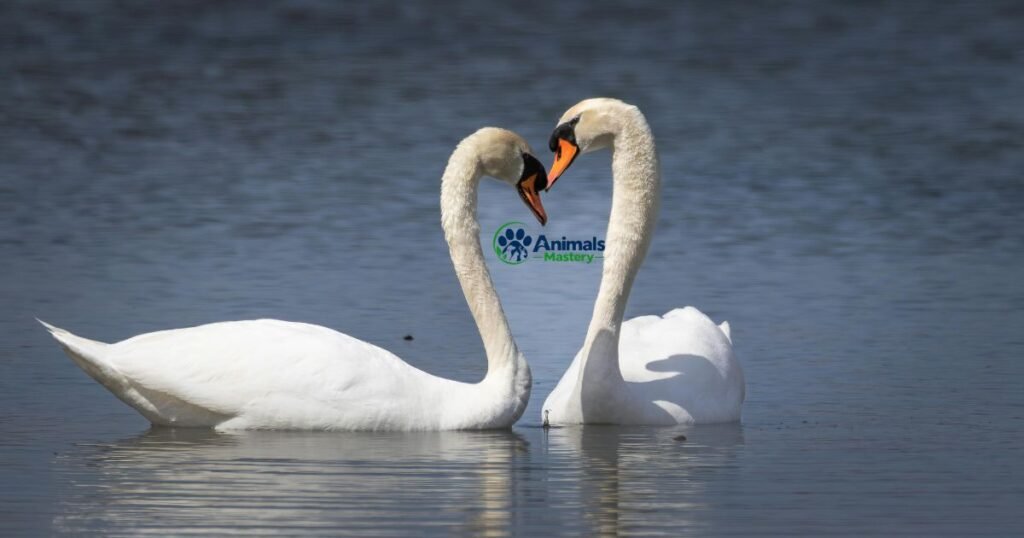
These webbed appendages act like paddles, allowing the swan to glide effortlessly through lakes and rivers as it searches for aquatic vegetation, its primary food source.
The Trumpeter Swan’s foraging techniques showcase its intelligence and adaptability; they often tip their bodies and reach under the water’s surface, using their long necks to access food in areas that other birds might find difficult. This behavior highlights not just their physical adaptations but also their evolutionary strategy to exploit niche environments.
The combination of strong muscles and webbed feet ensures that these swans can navigate through currents and waves, making them resilient swimmers capable of traversing vast distances in search of sustenance. The beauty of the Trumpeter Swan lies not only in its elegance but also in its remarkable ability to thrive in diverse aquatic habitats.
Cormorant
- Scientific Name: Phalacrocorax carbo
- Family: Phalacrocoracidae
- Class: Aves
- Diet: Carnivore, feeds on fish
The cormorant, a fascinating bird known for its striking appearance, boasts remarkable adaptations that make it a master of underwater hunting. With its webbed feet, it glides effortlessly through water, propelling itself with both grace and speed.
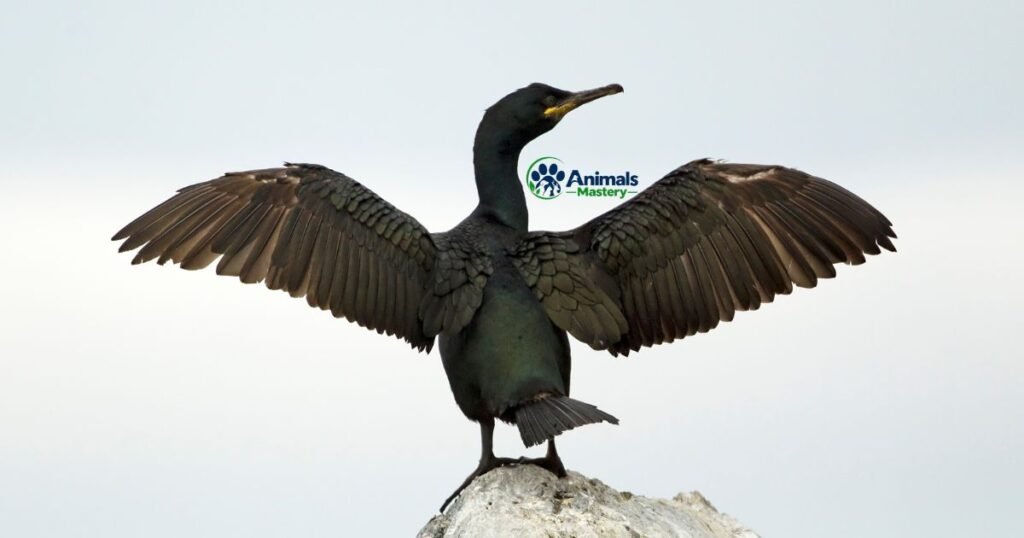
This unique limb structure enhances its swimming ability, allowing cormorants to dive deep to catch fish, often reaching depths of up to 45 meters. Unlike many other birds, the cormorant’s plumage absorbs water, which might seem counterintuitive; however, this adaptation helps it dive without fear of losing buoyancy, making it a skilled predator in its aquatic domain.
During the breeding season, cormorants engage in spectacular courtship displays that captivate observers. Males often flaunt their vibrant throat patches and perform intricate dance-like movements to attract mates, showcasing both fitness and vitality.
These courtship rituals not only highlight the species’ adaptability but also strengthen social bonds within their colonies. As these incredible birds navigate their watery world, the interplay between their physical adaptations and behaviors offers a glimpse into the intricate wonders of evolution in action.
Iguana
- Scientific Name: Iguana iguana
- Family: Iguanidae
- Class: Reptilia
- Diet: Herbivore, feeds on leaves, flowers, and fruit
Iguanas, particularly the Green Iguana, exhibit remarkable adaptations that include webbed feet, aiding their semi-aquatic lifestyle. These unique appendages are not just for show; they serve a crucial purpose in their environment, providing enhanced propulsion as they navigate through water.
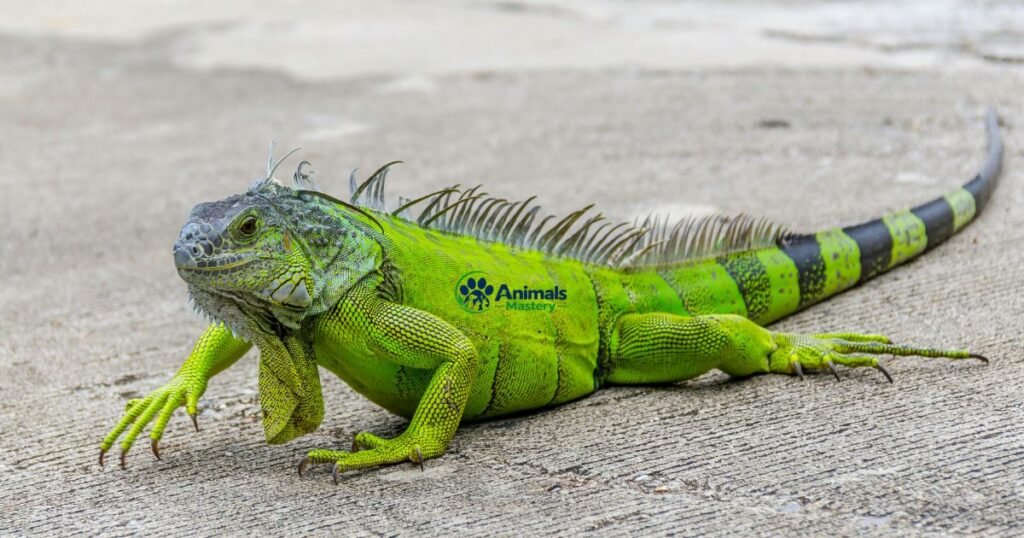
This adaptation allows iguanas to forage for aquatic plants and escape potential predators, a behavior that underlines their flexibility in various habitats.
The webbing between their toes is a fascinating evolutionary response, enhancing their swimming abilities. While many think of iguanas as solely terrestrial creatures, their affinity for water showcases their versatility.
This swimming prowess allows them to traverse rivers and ponds, expanding their search for food while also providing a means of escape. These adaptations highlight the intricate balance between land and water in the lives of iguanas, revealing a captivating tale of survival and evolution.
Crab Plover
- Scientific Name: Dromas ardeola
- Family: Dromadidae
- Class: Aves
- Diet: Carnivore, eats crabs and other crustaceans
The Crab Plover, with its distinctive webbed feet, stands as a remarkable example of coastal adaptation among seabirds. These unique adaptations enable them to navigate the sandy beaches and tidal flats where they hunt crustaceans, their primary food source.

The elongated toes, interconnected by a webbing, not only provide excellent traction on wet surfaces but also allow them to wade effortlessly in shallow waters, optimizing their foraging efficiency.
Nesting behavior in Crab Plovers is equally fascinating, as they exhibit a penchant for burrowing into sandy substrates, often chosen for their proximity to food-rich coastlines. Unlike most plovers, they create elaborate nests in colonies, showcasing an unusual social dimension to their breeding habits.
This combination of specialized hunting techniques and communal nesting strategies highlights the Crab Plover’s remarkable adaptability, making it a vital component of the coastal ecosystem. By understanding this unique bird, we gain insight into how species evolve to thrive in their specific environments, reflecting the intricate connections within nature.
Seagull
- Scientific Name: Larus argentatus
- Family: Laridae
- Class: Aves
- Diet: Omnivore, eats fish, invertebrates, and scavenged food
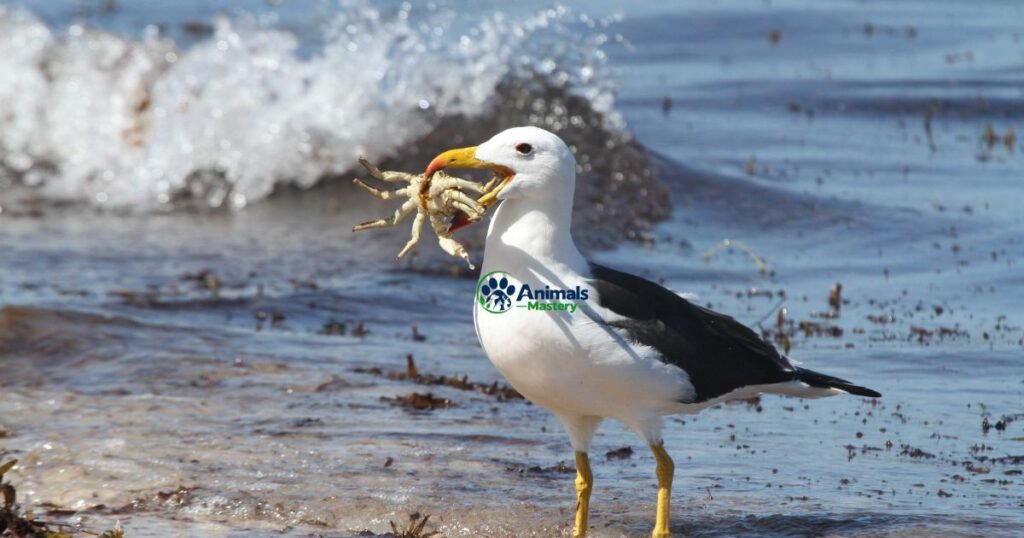
Seagulls, with their remarkable webbed feet, exemplify an exceptional adaptation to their coastal habitat. This unique feature not only enhances their agility in water but also provides the stability needed when traversing slippery surfaces like rocky shorelines and sandy beaches.

The webbing between their toes acts like a paddle, enabling these birds to expertly navigate aquatic environments where food scarcity can be a challenge. It’s fascinating to see how their feet have evolved to optimize foraging behavior, allowing them to dive, swim, and even wade into shallow waters in search of delectable morsels.
Observing seagulls in action reveals their resourcefulness. As opportunistic feeders, they rank among the most adaptable scavenger birds, rarely turning down an easy meal. Beyond scavenging, they display a keen intelligence when foraging, often working in groups to outmaneuver more vulnerable prey.
This social aspect of their hunting strategy underscores the importance of their webbed feet; gallivanting through surf and tide pools, they showcase an intricate dance of cooperation that enhances their survival.
Alligator
- Scientific Name: Alligator mississippiensis
- Family: Alligatoridae
- Class: Reptilia
- Diet: Carnivore, eats fish, birds, and mammals
Alligators, fascinating creatures of the wetlands, showcase an intriguing adaptation with their webbed feet. This feature enhances their swimming efficiency, allowing them to glide seamlessly through murky waters while pursuing prey.
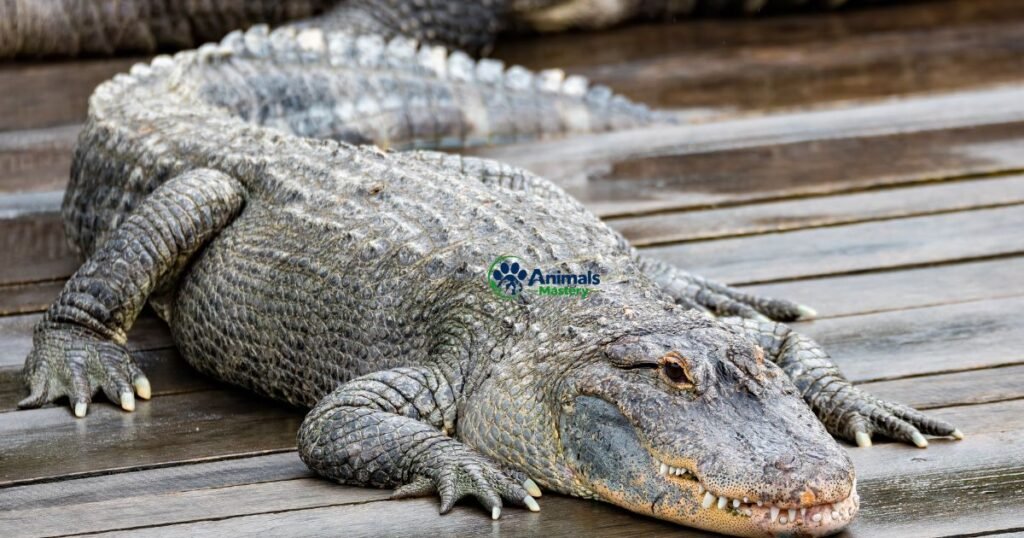
The webbing acts like a natural paddle, giving alligators an edge in stealth hunting, as they can approach unsuspecting prey with minimal splashing or disturbance. Notably, their powerful legs and muscular build enable them not only to excel in aquatic environments but also to transition smoothly to terrestrial locomotion when needed.
The dual functionality of their webbed feet highlights a remarkable evolutionary strategy. While primarily designed for life in the water, these adaptations don’t hinder their mobility on land.
When ashore, alligators can still navigate efficiently, using their strength to conquer diverse terrains. This versatility underscores their role as apex predators, capable of exploiting both aquatic and terrestrial habitats for survival. Such adaptations reflect the incredible interplay between form and function, celebrating the alligator’s unique place in the ecosystem.
Goose
- Scientific Name: Branta canadensis
- Family: Anatidae
- Class: Aves
- Diet: Herbivore, feeds on grasses, grains, and aquatic plants
Geese are fascinating examples of nature’s ingenuity, particularly in their specialized adaptations such as webbed feet. These webbed structures are not just for show; they play a critical role in their swimming abilities, enhancing buoyancy and propulsion in the water.

When you observe a flock of geese gliding smoothly across a pond, it’s a mesmerizing dance of efficiency, showcasing how evolution has finely tuned their anatomy for aquatic foraging and migration.
Geese’s social behavior is intricately linked to their webbed feet. The ability to navigate water with grace allows them to gather in social groups, sharing vital habitats for feeding and resting.
This communal lifestyle not only ensures survival through cooperative foraging but also strengthens bonds within flocks, underscoring the importance of social structures in wildlife. Their webbed feet create a unique synergy between physical adaptation and behavioral dynamics, paving the way for their success in diverse environments.
Loon
- Scientific Name: Gavia immer
- Family: Gaviidae
- Class: Aves
- Diet: Carnivore, eats fish and aquatic invertebrates
The Common Loon, known for its striking black-and-white plumage and haunting calls, showcases an exceptional adaptation with its webbed feet. These specialized appendages are not merely for swimming; they act as powerful paddles, allowing the loon to reach extraordinary depths while hunting for fish.

Capable of diving up to 200 feet in search of prey, the Common Loon is a master in its aquatic domain, demonstrating a remarkable synergy between form and function.
Vocalizations of the Common Loon are as fascinating as its physical adaptations, creating a mystical atmosphere on northern lakes. Their eerie calls, ranging from haunting wails to melodic tremolos, serve vital roles in communication, especially during mating season.
This auditory spectacle is not just a beautiful serenade; it is an essential part of establishing territory and bonding with mates. As these loons glide effortlessly through the water, their webbed feet propel them gracefully, underscoring the incredible evolution of animals that thrive in deep aquatic environments.
Penguin
- Scientific Name: Aptenodytes forsteri
- Family: Spheniscidae
- Class: Aves
- Diet: Carnivore, eats fish, squid, and krill
Penguins, with their striking black and white plumage, are fascinating examples of evolution’s ingenuity. Their webbed feet, specifically adapted for swimming, turn these birds into agile underwater hunters.

Unlike terrestrial animals, penguins utilize their webbed feet much like paddles, propelling themselves through frigid waters with incredible speed and efficiency. This adaptation not only aids in hunting for fish and krill but also provides stability while navigating tumultuous icy environments.
Living in polar regions, penguins have evolved to thrive in extreme climates. Their webbed feet, coupled with a layer of blubber, not only assist in swimming but also contribute to their overall buoyancy and thermal regulation. This unique combination of adaptations helps them dive deep and stay submerged for extended periods, enhancing their hunting capabilities in icy waters where prey can be elusive.
More Fascinating Animal Traits
Flamingos aren’t just known for their webbed feet, their towering legs are just as essential to their wading lifestyle, a trait explored further in our guide to birds with long legs.
Crocodiles, meanwhile, pair their webbed feet with an armored, near-impenetrable hide, placing them among the thickest skin animals in the world.
And while penguins rely on webbing to swim, their upright waddle on land makes them one of the more distinctive animals that walk on two legs.
Each of these creatures is a reminder that a single adaptation, like webbed feet, is rarely the whole story.
Final Thoughts
The fascinating world of animals with webbed feet highlights the incredible adaptability of nature. These unique adaptations not only enhance swimming abilities but also showcase the diverse ecosystems that these creatures inhabit.
From the playful otters to the graceful ducks, each animal with webbed feet contributes to its environment in vital ways.
Understanding their lifestyles and behaviors can inspire greater appreciation for wildlife and conservation efforts. So, the next time you encounter one of these amazing animals, take a moment to marvel at their unique skills and consider how we can protect their habitats.
FAQs
What Animals have Webbed Feet?
Ducks, geese, swans, frogs, otters, beavers, platypuses, and many other water-loving animals have webbed feet that help them swim.
Does a Frog have Webbed Feet?
Yes, many frogs have webbed hind feet. The webbing helps them push against the water and swim more efficiently.
What is a Mammal with Webbed Feet?
The platypus is a well-known mammal with webbed feet. Otters, beavers, and some other semi-aquatic mammals also have webbing between their toes.
Which Breeds Have Webbed Feet?
Among dog breeds, Labrador Retrievers, Newfoundlands, Portuguese Water Dogs, and Chesapeake Bay Retrievers have noticeably webbed feet that aid swimming.
Does a Turtle Have Webbed Feet?
Some turtles have webbed feet, especially freshwater turtles. Sea turtles have flippers rather than typical webbed feet, while tortoises have sturdy, non-webbed feet.