Top 30 Animals Like Weasels: With Pictures and Facts Explained
Animals like weasels are often overlooked, yet they play crucial roles in maintaining balance in their habitats. We will delve into the intriguing characteristics of weasels and their relatives, revealing their importance in the wild.
By the end, you’ll broaden your knowledge of these fascinating creatures and understand the vital contributions they make to the biodiversity of our world.
List of Animals Like Weasels
Here is the list of animals like weasels:
- Stoats
- Sables
- American Badger
- Tayra
- Minks
- Otters
- Fishers
- Zorilla
- European Polecats
- Grisons
- Wolverines
- Ferrets
- Skunks
- Martens
- Badgers
- American Mink
- European Mink
- Siberian Weasel
- Least Weasel
- Long-tailed Weasel
- Colombian Weasel
- Steppe Polecat
- Marbled Polecat
- American Marten
- Yellow-throated Marten
- Nilgiri Marten
- Japanese Marten
- Greater Grison
- Sea Otter
- Giant Otter
Animals Like Weasels—Stoats
Scientific Name: Mustela erminea
Class: Mammalia
Diet: Carnivore
Stoats, often mischaracterized as mere weasels, are fascinating creatures that embody a unique blend of agility and cunning. With their striking brown fur and characteristic black-tipped tails, stoats are not just visually appealing but also possess a remarkable adaptability to various environments.
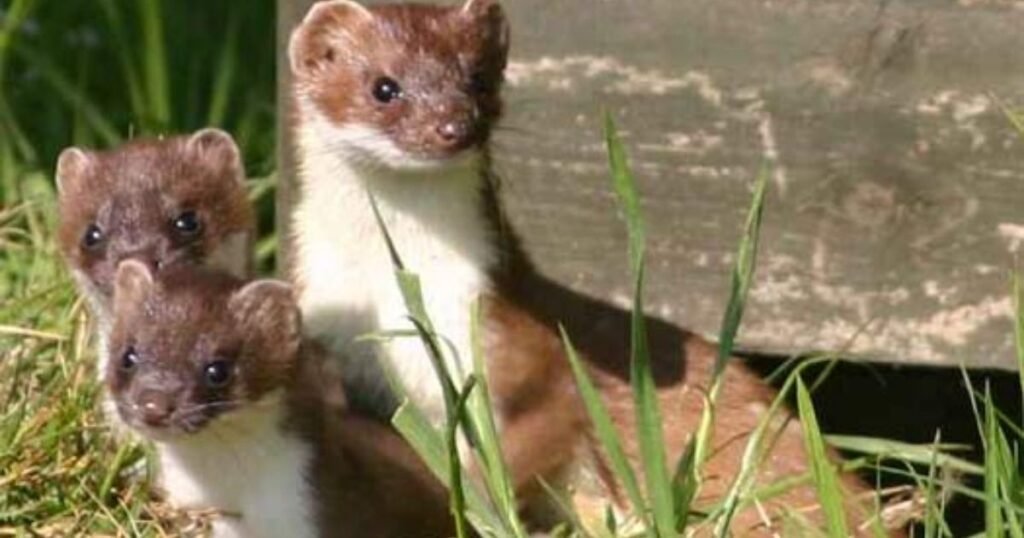
Their hunting skills are exceptional; they can take down prey much larger than themselves, showcasing a bravery that belies their small stature. This fearless approach to survival positions them as apex predators in their habitats, allowing them to thrive even in challenging conditions.
As winter blankets their surroundings, their fur shifts to a stunning white, providing camouflage against the snow. This ability to change not only aids in their survival but also illustrates the animal’s connection to the rhythm of nature.
Sables
Scientific Name: Martes zibellina
Class: Mammalia
Diet: Omnivore
Sables, often mistaken for their weasel cousins, are a striking example of the diversity within the mustelid family. With their luxurious fur and active hunting behaviors, sables are not just aesthetically pleasing; they also play crucial roles in their ecosystems.
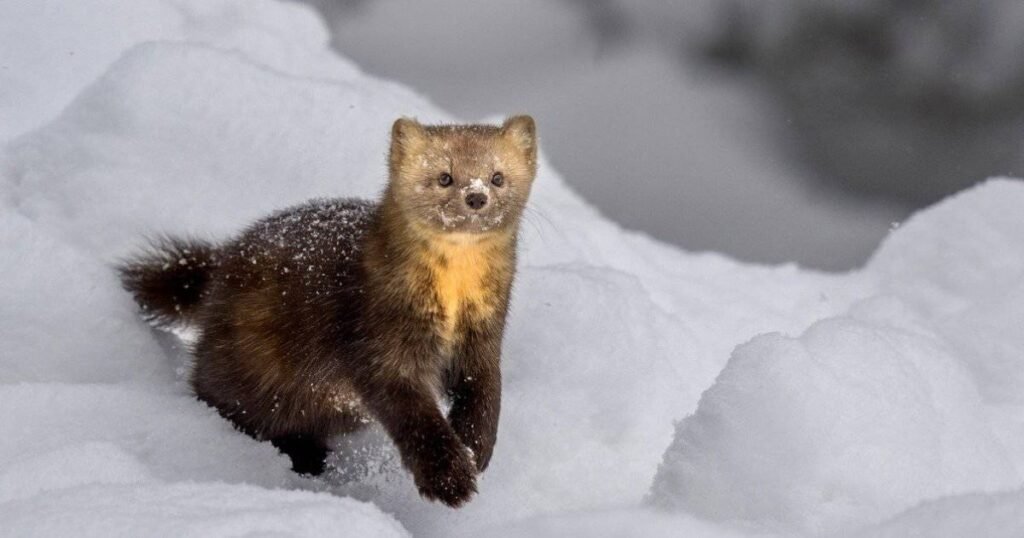
Unlike weasels, which tend to hunt smaller prey like rodents, sables are versatile predators capable of taking down larger animals, showcasing their adaptability. This trait allows them to thrive in various habitats, from dense forests to mountainous regions.
They are skilled climbers and swimmers, utilizing these abilities to escape predators and explore their environments. Their solitary nature contrasts sharply with the social structures of some other mammals, providing insight into the different survival strategies in the wild.
Animals Like Weasels—American Badger
Scientific Name: Taxidea taxus
Class: Mammalia
Diet: Carnivore
The American badger, often overshadowed by more charismatic wildlife, shares intriguing similarities with weasels that are worth exploring. Both belong to the mustelid family, characterized by their sleek bodies and adaptability to various environments.
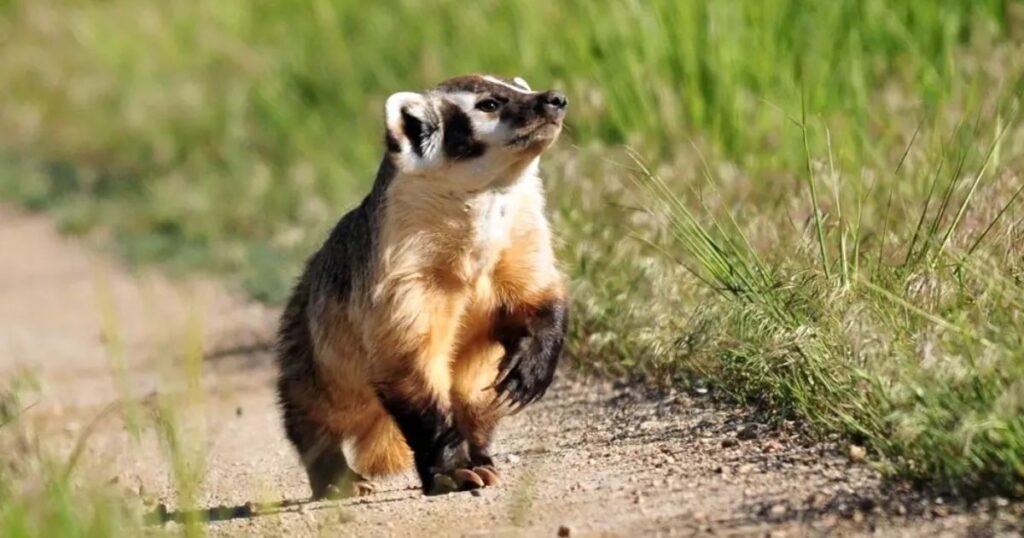
The American badger’s larger size and robust build set it apart, enabling it to dig extensive burrows in search of food. American badgers exhibit fascinating social structures.
They are primarily solitary creatures, but their interactions can reveal a rich tapestry of behavior, from vocalizations to scent-marking that communicates territory. Their tenacity and cunning predatory skills mirror the quick, agile hunting techniques found in weasels, making both animals adept at capturing small mammals.
Tayra
Scientific Name: Eira barbara
Class: Mammalia
Diet: Omnivore
This remarkable creature, native to Central and South America, showcases physical prowess and an intriguing social structure. Unlike their more solitary cousins, Tayras are known for their playful behavior and often interact in small family groups, exhibiting a surprising level of social intelligence that captivates researchers and wildlife enthusiasts alike.
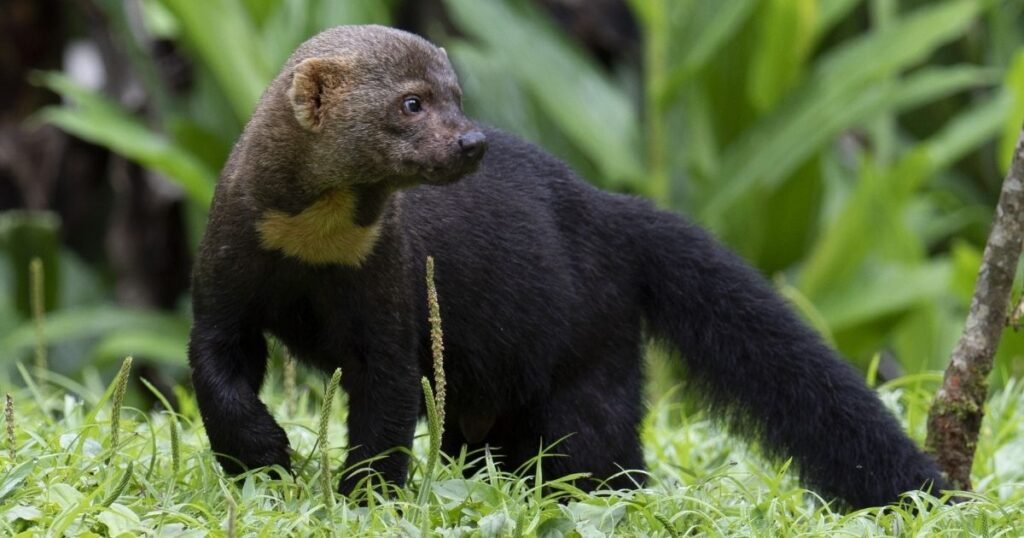
Tayra’s adaptability to diverse habitats, from rainforests to mountainous regions, highlights the remarkable resilience of mustelids. Their diet is equally fascinating; they are omnivorous, feasting on fruits, small mammals, and even insects, which allows them to thrive in various ecosystems.
Observing the Tayra’s agility, whether it’s navigating the dense underbrush or climbing trees, offers a glimpse into the evolutionary tactics of survival, reinforcing the idea that adaptation is key for any species facing changing environments.
Minks
Scientific Name: Neogale vison
Class: Mammalia
Diet: Carnivore
Weasels, along with their larger cousins like minks, are fascinating small mammals that often fly under the radar of wildlife enthusiasts. With their sleek bodies and agile movements, these creatures are perfectly adapted for a life of hunting and foraging.
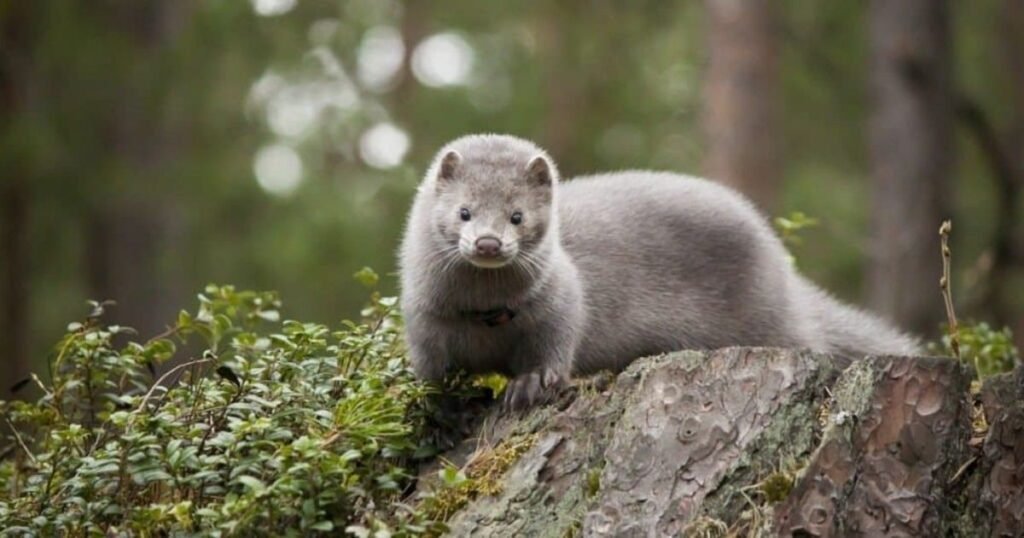
Minks, in particular, showcase remarkable versatility; found in both terrestrial and aquatic habitats, they are equally adept at chasing prey across land as they are in the water. This duality adds an intriguing layer to their survival strategies.
Minks have been observed exhibiting playful behaviors, which reveal a social side that is often overlooked. Their interactions aren’t just about competition; they engage in complex social dynamics that bolster their ability to thrive in the wild.
Otters
Scientific Name: Lutrinae
Class: Mammalia
Diet: Carnivore
They are known for their playful demeanor. Otters also embody the same sleek form and clever adaptability as weasels. Both animals thrive in dynamic environments, using their agility to navigate dense underbrush or swift river currents, demonstrating a shared evolutionary success as skilled hunters.
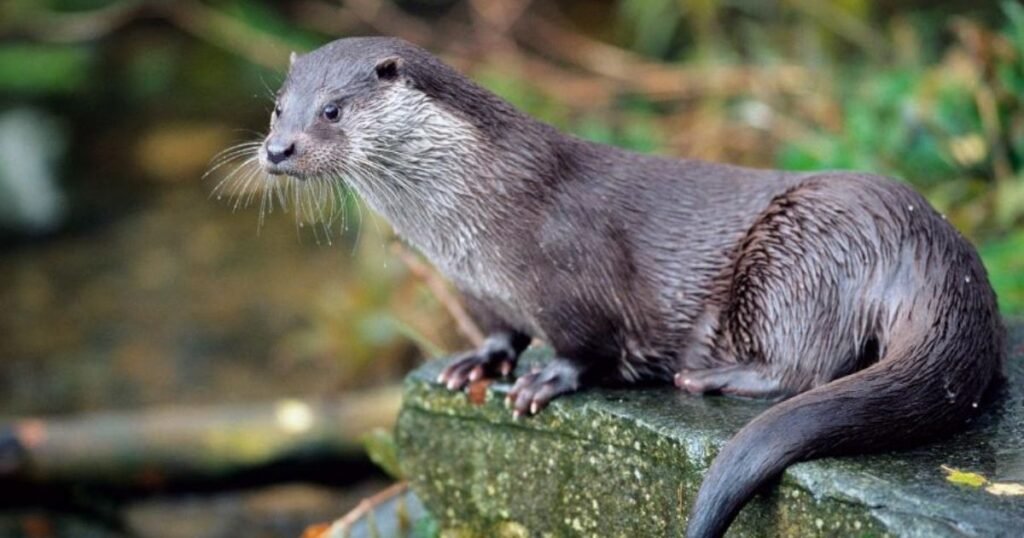
Both weasels and otters possess impressive adaptability. While weasels can thrive in various habitats, from woodlands to farmlands, otters are equally versatile, making their homes in freshwater lakes, rivers, and even coastal regions.
This adaptability is crucial for their survival, particularly in changing ecosystems. Their diet reveals a fascinating parallel: both weasels and otters are opportunistic feeders, with weasels targeting small mammals and birds, while otters feast on fish and crustaceans, sharpening their hunting prowess through diverse diets.
Fishers
Scientific Name: Pekania pennanti
Class: Mammalia
Diet: Carnivore
Fishers, often mistaken for their smaller weasel relatives, are intriguing members of the mustelid family. These elusive creatures are known for their impressive agility and adaptability, capable of navigating diverse terrains from dense forests to mountainous areas.
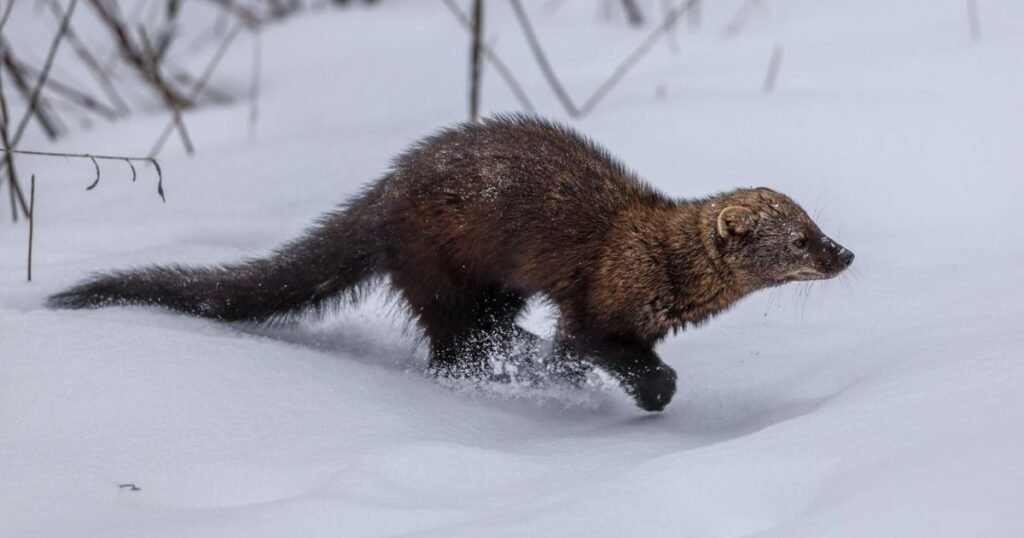
Unlike their weasel cousins, fishers possess a more robust build and a fascinating hunting strategy, primarily preying on porcupines, which showcases their remarkable problem-solving abilities. Their thick fur, once highly sought after, serves a dual purpose, keeping them warm in winter while also providing a sleek camouflage among the shadows of their arboreal habitats.
Their social behavior adds another layer of intrigue; while often solitary, fishers will collaborate during the mating season, giving rise to a brief yet complex social interaction that underscores the importance of cooperation in the animal kingdom.
Animals Like Weasels—Zorilla
Scientific Name: Ictonyx striatus
Class: Mammalia
Diet: Carnivore
In the realm of mustelids, few creatures captivate as much as the zorilla, often overshadowed by its more famous relatives like weasels and otters. This elusive animal, native to sub-Saharan Africa, shares physical traits with weasels but boasts distinct behaviors and ecological roles.
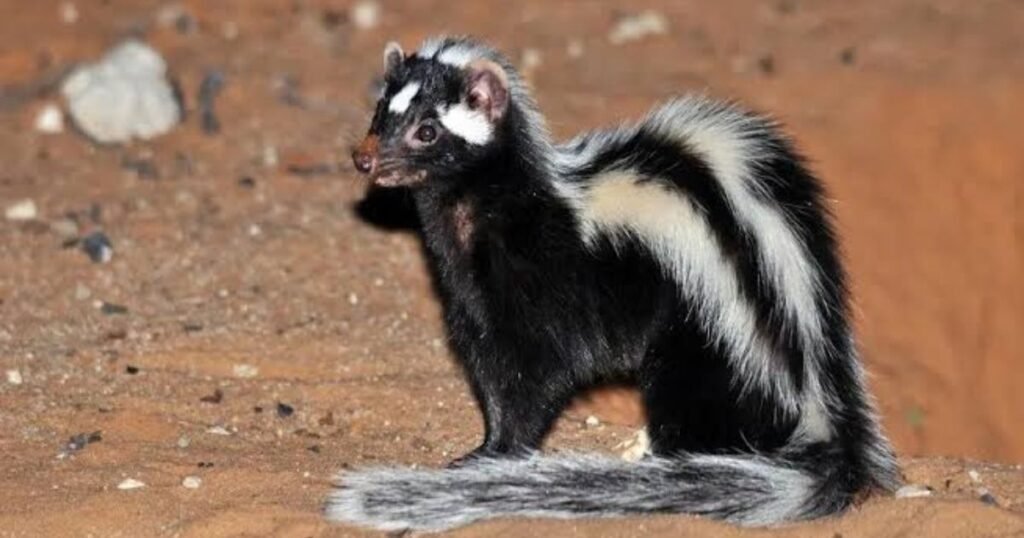
With its striking black and white coat, the zorilla often evokes admiration and curiosity and also carries a fierce reputation, known for a potent spray that rivals that of a skunk. Zorillas offer a glimpse into the complexities of predator-prey dynamics.
Unlike their more solitary weasel cousins, zorillas can occasionally be found in small family units, engaging in social behaviors that provide insights into the social structures of lesser-known wildlife.
European Polecats
Scientific Name: Mustela putorius
Class: Mammalia
Diet: Carnivore
European polecats, often mistaken for weasels, are captivating creatures that reveal the intricate web of nature’s design. Unlike their distant relatives, these nocturnal mammals boast an impressive adaptability that allows them to thrive in diverse habitats, from woodlands to farmlands.
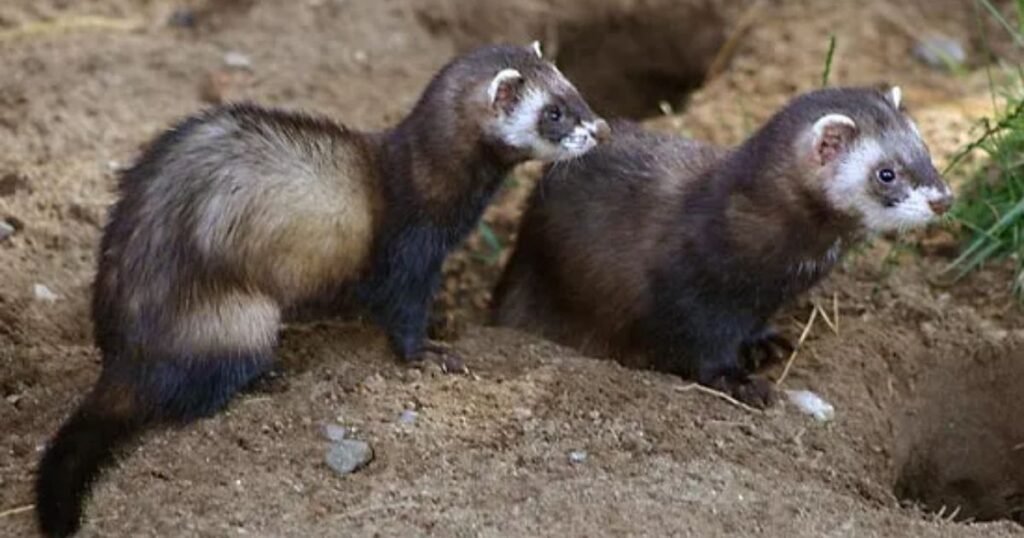
Their sleek, elongated bodies and rich fur are visually striking and functional; they are expertly crafted for stealth and agility, aiding in their role as skilled hunters. It has unique complex social behavior.
They are known to exhibit playful interactions and even form loose social structures, often seen engaging in spirited chases with one another, an intriguing glimpse into their lively personalities. Their diet, which includes small mammals and birds, showcases their ecological importance as both predator and prey, helping to maintain balance in their ecosystems.
Grisons
Scientific Name: Galictis vittata
Class: Mammalia
Diet: Carnivore
Grisons, often overshadowed by their more famous relatives, bring a fascinating charm to the world of mustelids. These agile little creatures, native to the forests and mountains of South America, are not just diminutive versions of weasels; they possess unique adaptations that allow them to thrive in their specific environments.
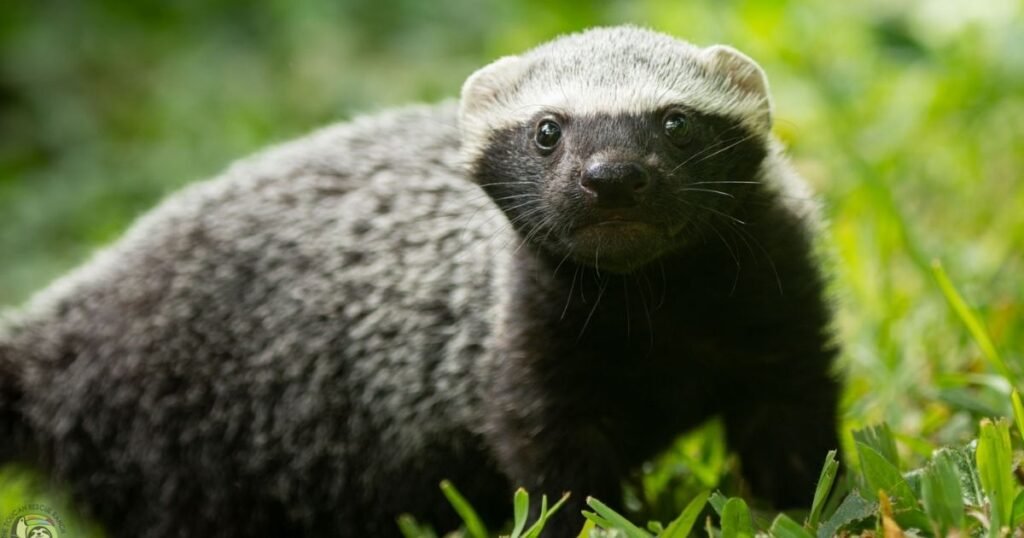
With long, sleek bodies and sharp claws, Grisons are adept hunters, preying on small mammals, birds, and insects, making them crucial players in their ecosystems.
Unlike the generally solitary lifestyle of weasels, grisons often gather in small families or groups, showcasing a rare form of camaraderie among mustelids. Their playful interactions are not just for show; they communicate through a series of vocalizations and body language, fostering teamwork during hunts.
Wolverines
Scientific Name: Gulo gulo
Class: Mammalia
Diet: Carnivore
Weasels, with their agile bodies and sharp instincts, have a fascinating family of relatives, including the formidable wolverine. Often misunderstood due to their fierce reputation, wolverines are not just brutish scavengers; they are strategic hunters adept at navigating harsh environments.
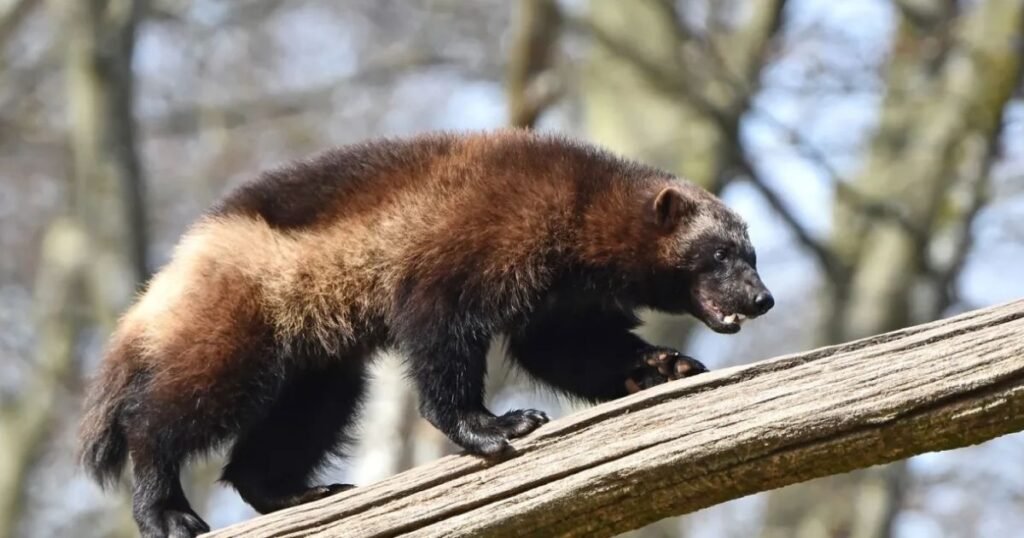
Their thick fur and powerful limbs allow them to traverse snow and ice, showcasing resilience that far exceeds their size. This adventurous spirit is mirrored in their feeding habits, where they exhibit remarkable problem-solving skills to access hard-to-reach food sources, like burying carcasses in the winter.
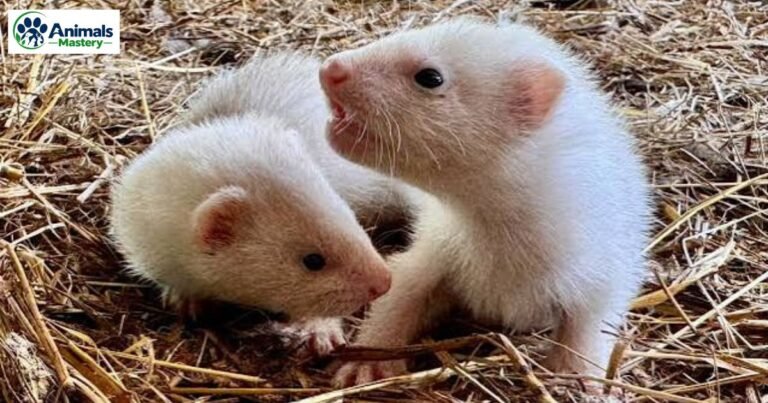
Ferrets
Scientific Name: Mustela furo
Class: Mammalia
Diet: Carnivore
Weasels, along with their closely related counterparts like ferrets, embody a fascinating blend of agility and cunning intelligence. Unlike their more docile domesticated relatives, ferrets exhibit a lively and playful nature, making them endearing companions that often surprise with their clever antics.
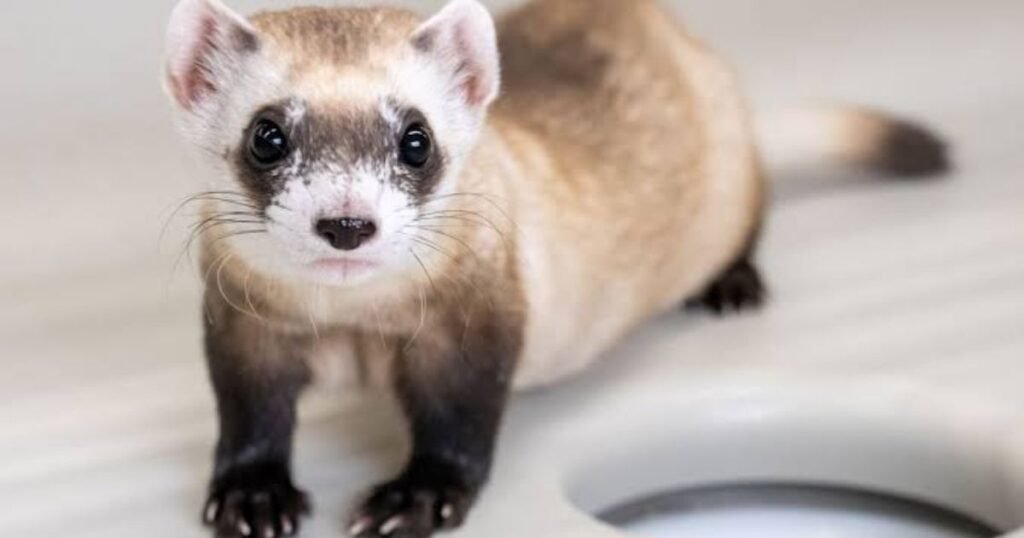
Their natural curiosity drives them to explore every nook and cranny, reflecting the wild instinct of their weasel ancestors. This energetic spirit can sometimes lead to unexpected misadventures, reminding us of their wild heritage and capabilities.
More than just playful pets, ferrets exhibit remarkable social behaviors, thriving in groups much like weasels do in the wild. This social aspect makes them unique; they communicate with a range of vocalizations, from chirps to growls, conveying emotions and establishing bonds.
Skunks
Scientific Name: Mephitidae
Class: Mammalia
Diet: Omnivore
Weasels, with their elongated bodies and agile movements, share their unique ecological niche with a lesser-known but equally intriguing family of animals: skunks. While weasels are often celebrated for their cunning hunting skills, skunks are masters of defense, showcasing an impressive ability to adapt to their environment, utilizing their notorious spray as a deterrent against predators.
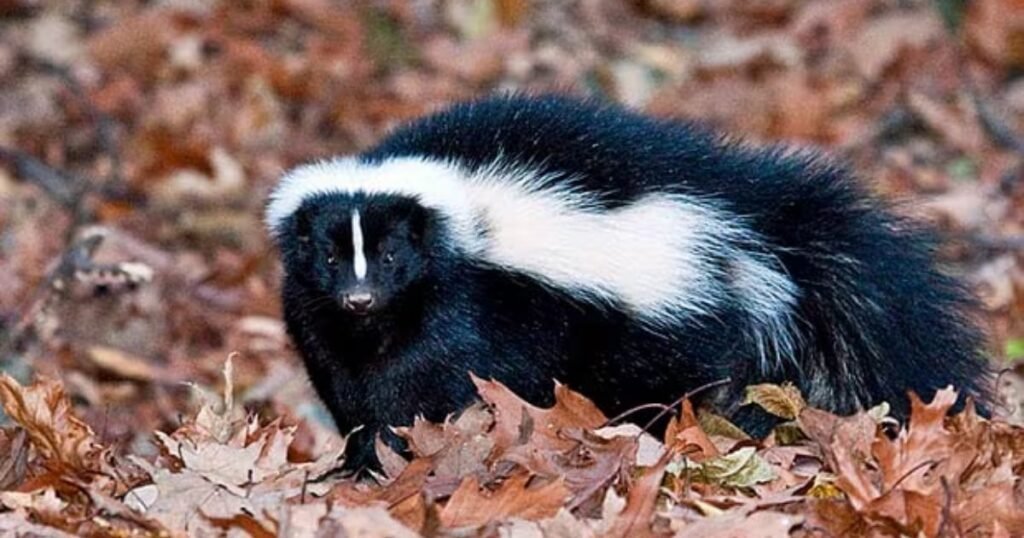
Unlike weasels, which rely on stealth and speed, skunks possess a remarkable chemical arsenal that has existed for millions of years, allowing them to thrive in various habitats despite their relatively small size. Both weasels and skunks exhibit fascinating social behaviors and dietary preferences.
While weasels are solitary hunters, known for their ferocious approach to catching small mammals, skunks tend to be more flexible in their social structures. Some species, like the striped skunk, will live in family groups, sharing foraging responsibilities and even grooming one another.
Animals Like Weasels–Martens
Scientific Name: Martes
Class: Mammalia
Diet: Omnivore
Martens, agile and elusive members of the weasel family, captivate nature enthusiasts with their striking appearance and cunning behaviors. Often cloaked in rich brown fur with distinctive yellowish markings, these creatures offer a glimpse into the hidden world of forest ecosystems.
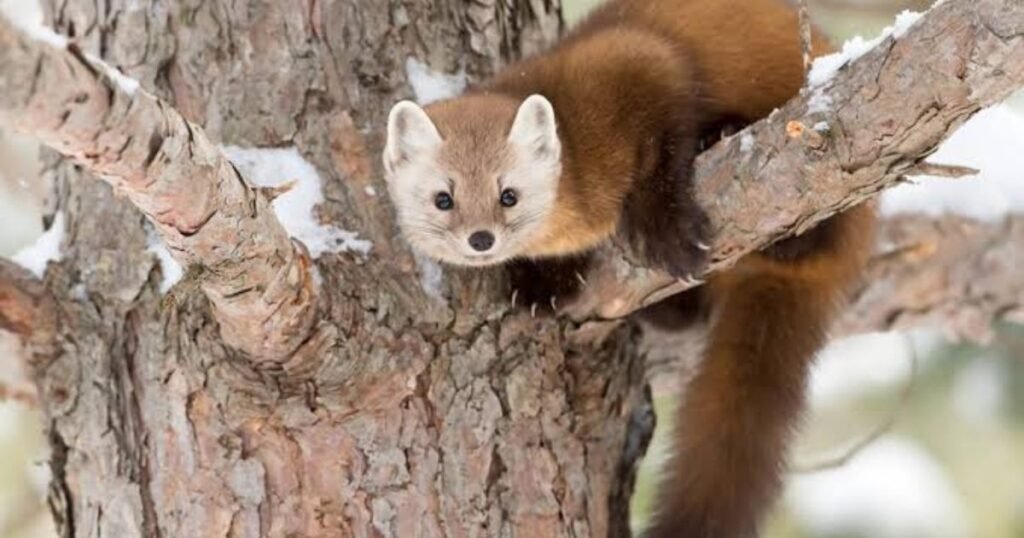
Unlike their more notorious relatives, martens serve as both predator and prey, occupying a vital ecological niche by controlling populations of small rodents and birds while also providing sustenance for larger predators like owls and foxes.
From dense woodlands to mountain ranges, these mammals are adept climbers, often scaling trees with ease to escape threats or search for food. Their diet, which varies seasonally, includes fruits, nuts, and insects, showcasing an impressive versatility that helps them thrive in changing environments.
Badgers
Scientific Name: Meles meles
Class: Mammalia
Diet: Omnivore
Badgers, these agile creatures, epitomize adaptability, thriving in diverse habitats from woodlands to grasslands. Badgers, known for their robust build and social structures, often coexist with weasels, sharing territory yet competing for food.
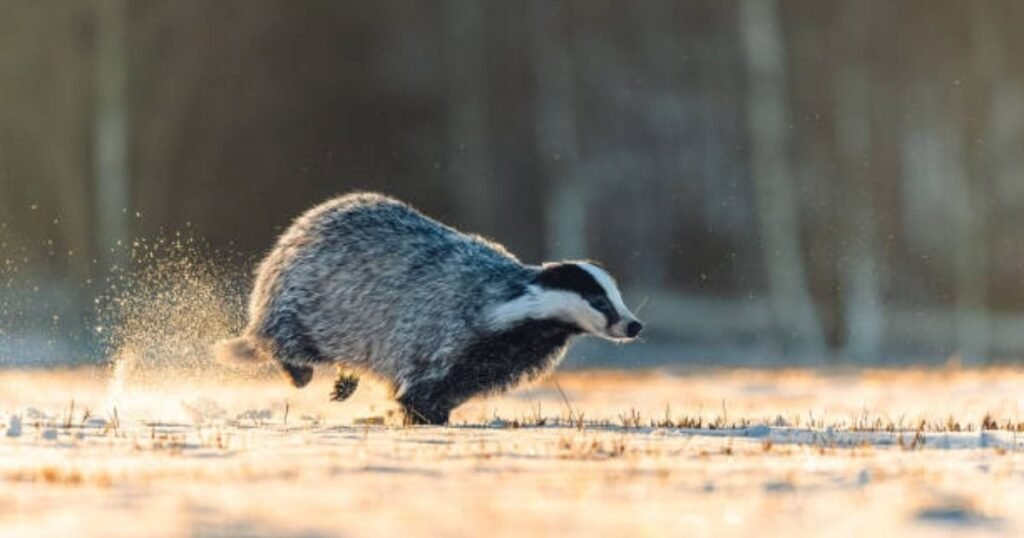
This symbiotic relationship highlights the interplay of strength and agility in the wild, as both animals have evolved to survive through different survival strategies. The weasel’s impressive speed and cunning play a crucial role in its hunting tactics, often allowing it to outmaneuver larger predators.
Badgers rely on their powerful claws and burrowing skills, creating intricate tunnel systems that serve as both homes and hunting grounds. This divergence in their hunting styles enriches their ecosystems and underscores the importance of niche differentiation.
American Mink
Scientific Name: Neogale vison (formerly Neovison vison)
Class: Mammalia
Diet: Carnivore (fish, frogs, crayfish, small mammals, waterfowl)
The American mink, a member of the Mustelidae family, often surprises those who only associate weasels with their more diminutive relatives. These sleek, agile creatures flaunt a luxurious coat that has made them a target for the fur trade, but their ecological role is far more significant.
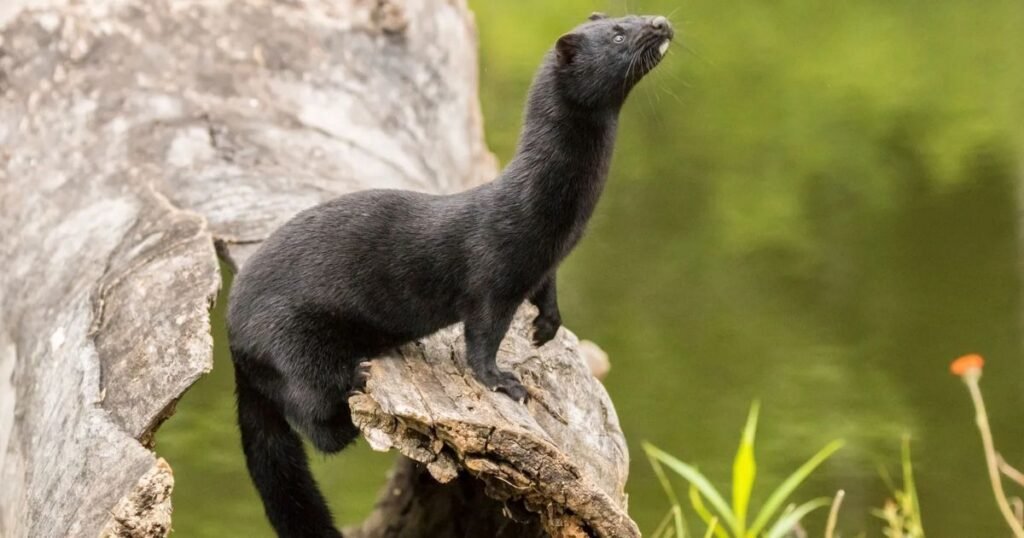
Minks are versatile hunters, showcasing a remarkable ability to adapt to various habitats, from lush wetlands to forested areas. Their predatory skills, combined with a curious nature, allow them to be effective hunters of fish, birds, and small mammals, maintaining a delicate balance in their ecosystems.
Besides their hunting prowess, American minks possess a fascinating social structure. Unlike many solitary mustelids, they can exhibit varying degrees of social interactions, particularly during the breeding season or when raising kits.
European Mink
Scientific Name: Mustela lutreola
Class: Mammalia
Diet: Carnivore (voles, frogs, fish, crustaceans, aquatic insects)
The European mink, an elusive and agile creature, often finds itself overshadowed by the more popular weasel. It plays a crucial role in maintaining the ecological balance of its habitat.
This semi-aquatic mammal prefers the banks of rivers and lakes, demonstrating remarkable swimming skills, a trait that sets it apart from its more terrestrial relatives. Unlike weasels, European minks have a luxurious, dark-brown fur that aids in insulation as they navigate chilly waters and dense forests.
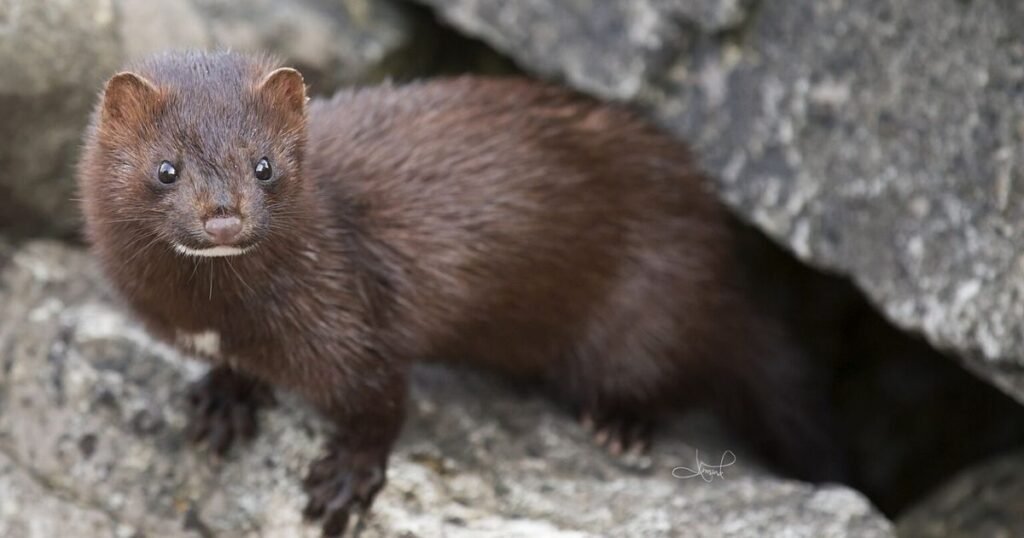
Their hunting strategies reveal a sophisticated understanding of their environment. European minks employ a mix of stealth and speed, targeting small rodents, fish, and even amphibians.
As habitats continue to shrink and pollution rises, the plight of the European mink serves as a poignant reminder of the fragility of biodiversity, highlighting that even the most unassuming animals can hold the key to ecological resilience.
Animals Like Weasels—Siberian Weasel
Scientific Name: Mustela sibirica
Class: Mammalia
Diet: Carnivore (rodents, small mammals, small birds, amphibians, insects)
The Siberian weasel, a lesser-known relative of the more famous weasel, boasts a fascinating blend of adaptability and cunning. These small yet resilient creatures are masters of their environments, thriving in the cold, harsh climates of Siberia.
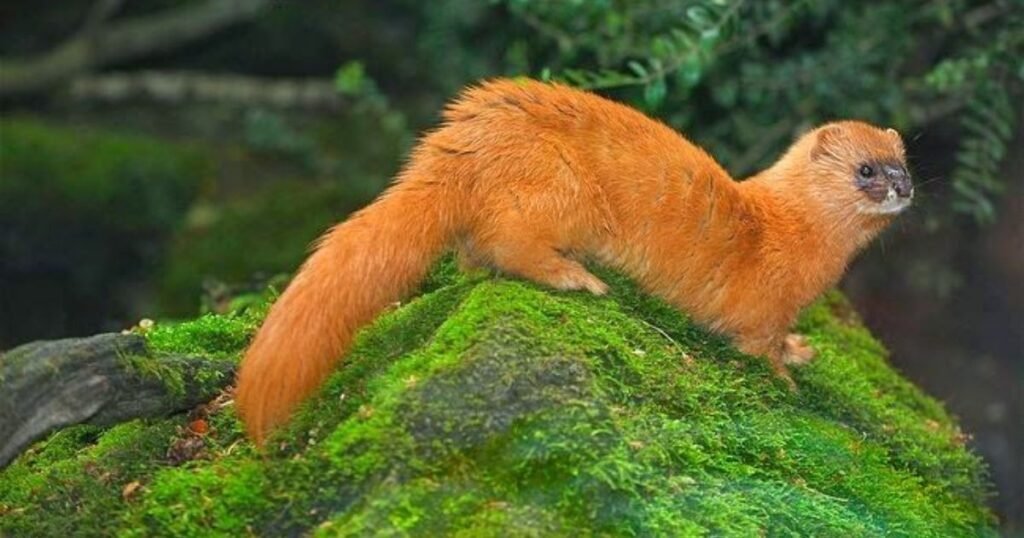
Unlike their more temperate cousins, Siberian weasels have developed thicker fur coats that provide warmth and offer excellent camouflage against the snowy terrain.
The social dynamics of Siberian weasels reflect a balance between solitary living and seasonal companionship. While primarily solitary hunters, they engage in complex social interactions during mating season, which can lead to surprising alliances between males seeking the same female.
Their playful demeanor during these courtship displays highlights an intriguing side of their behavior often overlooked in their more solitary image.
Least Weasel
Scientific Name: Mustela nivalis
Class: Mammalia
Diet: Carnivore (voles, mice, lemmings, small birds, insects)
The Least Weasel, renowned for its striking agility and charming size, embodies a unique blend of predatory prowess and adaptability. Despite being the smallest member of the mustelid family, this little powerhouse often takes on prey many times its size, showcasing remarkable hunting skills.
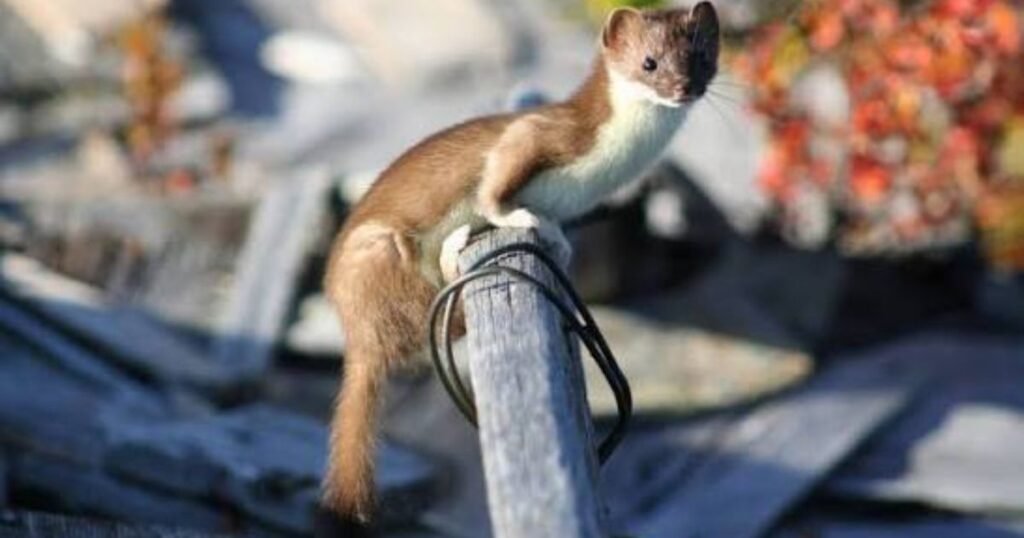
The least weasel is known for its seasonal fur change, alternating between a rich brown in the summer and a stunning white in the winter, allowing it to blend seamlessly into diverse environments. This camouflage isn’t just for show; it’s a crucial survival tactic that highlights the weasel’s resourcefulness in evading both predators and humans alike.
Their tenacity in adapting to various habitats, from grasslands to forest edges, offers fascinating insights into evolutionary resilience. As ecosystems evolve and threaten their natural habitats, the Least Weasel serves as a poignant reminder of the intricate balance within nature and the need to preserve it.
Long-tailed Weasel
Scientific Name: Neogale frenata (formerly Mustela frenata)
Class: Mammalia
Diet: Carnivore (mice, voles, rabbits, gophers, birds)
The long-tailed weasel, with its sleek body and nimble movements, is a prime example of nature’s adaptability. These small carnivores are not just remarkable hunters; they exhibit an intelligence that rivals larger predators.
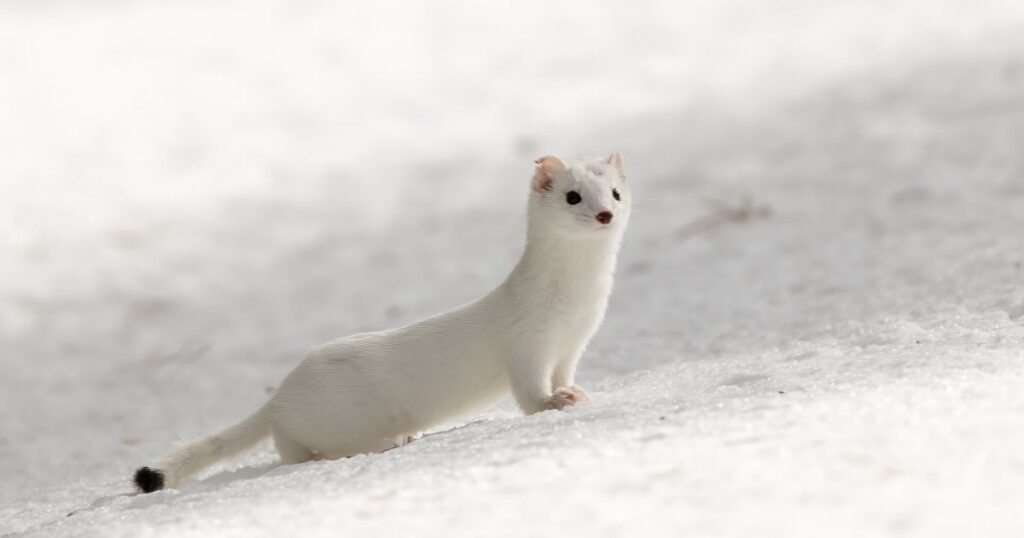
During the day, they often engage in playful antics, using their agility to navigate through thick underbrush and across open fields. Their ability to control their environment, whether it’s a hunt or playing, showcases a keen understanding of their habitat and the animals within it.
Long-tailed weasels embody the spirit of stealth. They can slip into the tiniest crevices to ambush prey, often feasting on rodents, birds, and even insects. Their seasonal fur color transition from rich brown in summer to white in winter further exemplifies their evolutionary strategy to evade predators.
Colombian Weasel
Scientific Name: Neogale felipei (formerly Mustela felipei)
Class: Mammalia
Diet: Carnivore (small mammals, fish, birds)
The Colombian weasel, a lesser-known cousin of its more famous relatives, showcases an intriguing adaptability that captivates wildlife enthusiasts. With its sleek physique and striking fur, this small mammal thrives in the dense forests and grassy plains of Colombia, where it plays a crucial role as both predator and prey.
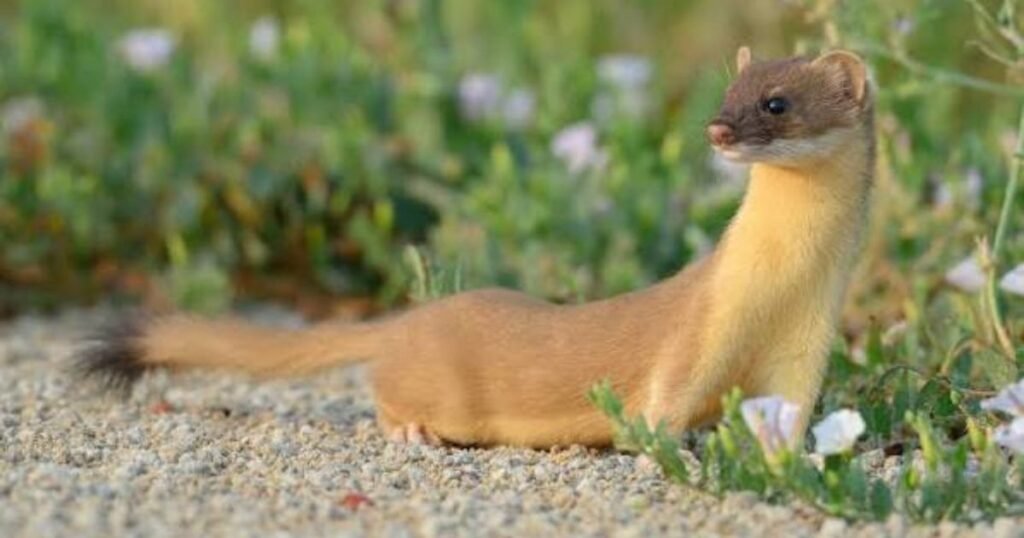
Unlike larger carnivores, the Colombian weasel exhibits remarkable stealth, deftly navigating its environment to ambush small mammals and birds, highlighting nature’s ingenious design for survival.
While many weasel species are solitary, these creatures have been observed forming small family groups, demonstrating cooperative hunting strategies and shared responsibilities in rearing young.
As habitat loss continues to affect our planet, gaining insights into the Colombian weasel’s behavior and habitat can guide conservation initiatives, helping to maintain the fragile equilibrium of its ecosystem.
Steppe Polecat
Scientific Name: Mustela eversmanii
Class: Mammalia
Diet: Carnivore (ground squirrels, pikas, hamsters, rodents)
The steppe polecat, often overshadowed by its more famous cousins, showcases the fascinating adaptability of weasel-like animals. Found primarily in the grasslands of Central Asia, these creatures thrive in environments that challenge most predators.
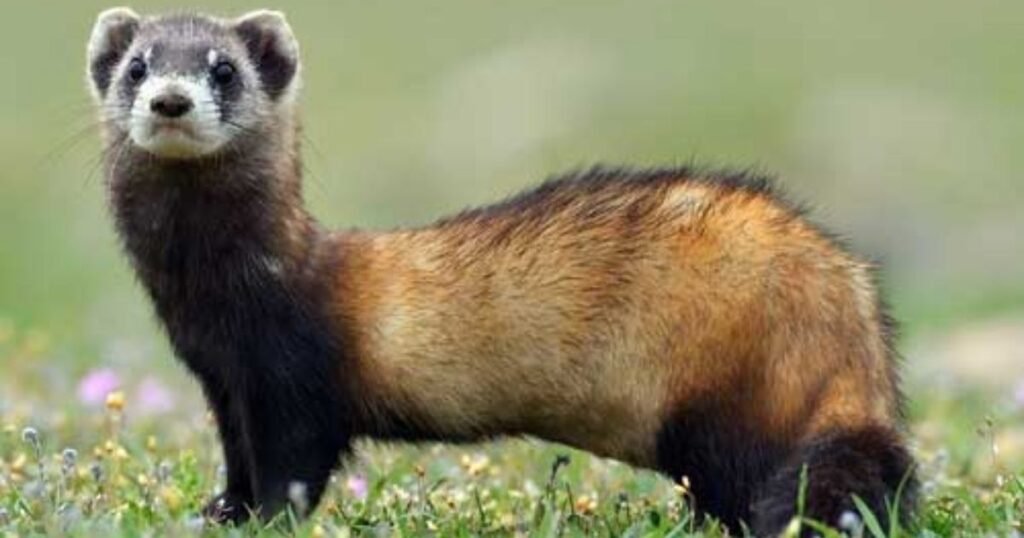
Their sleek bodies and agile movements allow them to navigate through dense underbrush with remarkable ease, unveiling a secretive world where they become expert hunters of small mammals and birds. Unlike many solitary weasel species, these polecats exhibit varying degrees of social behavior, sometimes forming small family groups.
This collaborative approach enhances their hunting efficiency and provides protection against larger predators. Their playful interactions within these groups reveal a level of intelligence often underestimated in smaller mammals, challenging the perception of “loner” animals and highlighting the rich emotional lives they lead.
Animals Like Weasels—Marbled Polecat
Scientific Name: Vormela peregusna
Class: Mammalia
Diet: Carnivore (ground squirrels, voles, mice, lizards, birds)
The marbled polecat, often overshadowed by its more famous relatives, showcases the intriguing diversity within the weasel family. With its striking coat, adorned with an array of rich, contrasting patterns, this creature becomes a living example of nature’s artistry.
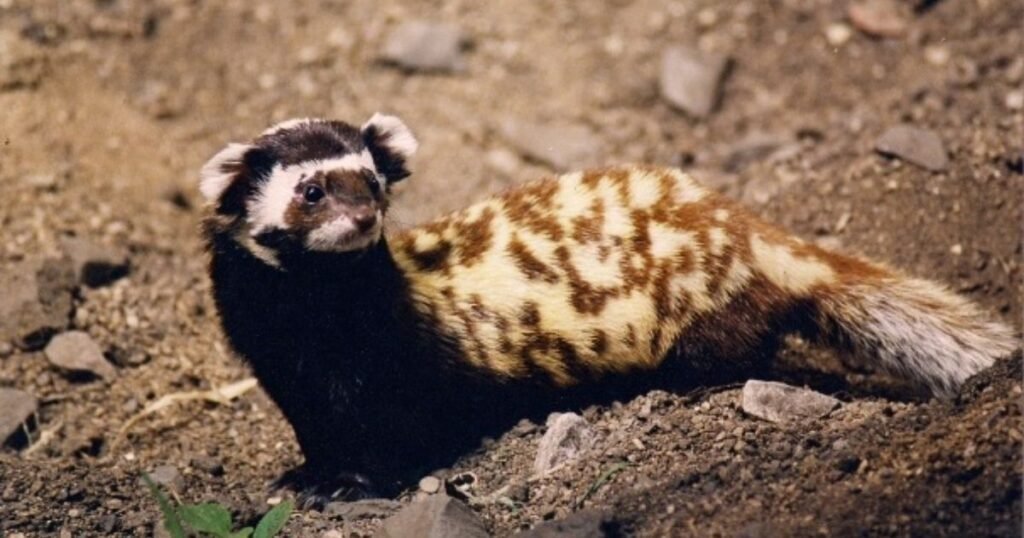
Unlike many of its weasel counterparts that thrive in solitary habitats, the marbled polecat demonstrates a unique social structure, occasionally forming small groups that foster cooperative hunting and communal living, challenging the stereotype of weasels as lone predators.
When threatened, the marbled polecat can emit a pungent odor from its scent glands, an effective deterrent against potential predators. This olfactory defense is just one aspect of its adaptability. The marbled polecat’s preference for diverse habitats, from grasslands to rocky outcrops, illustrates its resilience, as it expertly navigates various terrains in search of small mammals and insects.
American Marten
Scientific Name: Martes americana
Class: Mammalia
Diet: Omnivore/Carnivore (voles, mice, squirrels, birds, fruit, insects)
Few creatures capture the imagination quite like the American marten, a sleek, agile predator that darts through the forest with a blend of cleverness and grace. This small mammal, often mistaken for its distant relatives, exhibits a fascinating adaptability to varying habitats, from dense boreal forests to mixed woodlands.
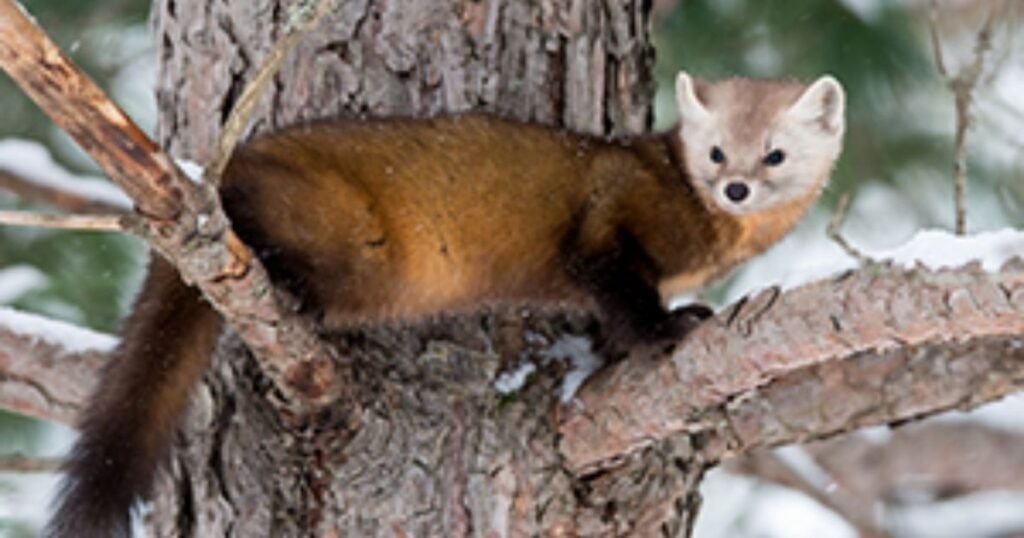
With its rich, chocolate-brown fur and lively demeanor, the American marten enchants wildlife enthusiasts and plays a crucial role in its ecosystem, balancing rodent populations and promoting biodiversity.
Unlike many solitary weasels, these animals can be surprisingly tolerant of one another, especially during the winter months. This social flexibility allows them to thrive in harsh conditions and enhances their chances of survival by enabling cooperative hunting strategies.
Their keen sense of smell and intelligence make them formidable hunters, often targeting squirrels and other small mammals, highlighting their role as key players in the food web.
Yellow-throated Marten
Scientific Name: Martes flavigula
Class: Mammalia
Diet: Omnivore / Carnivore (small deer, rodents, birds, fruit, nectar)
The yellow-throated marten, often overshadowed by its more famous relatives like weasels, showcases a fascinating mix of agility and intelligence. This vibrant creature, with its striking yellow throat and sleek fur, thrives in diverse habitats across Asia, from dense forests to mountainous terrains.
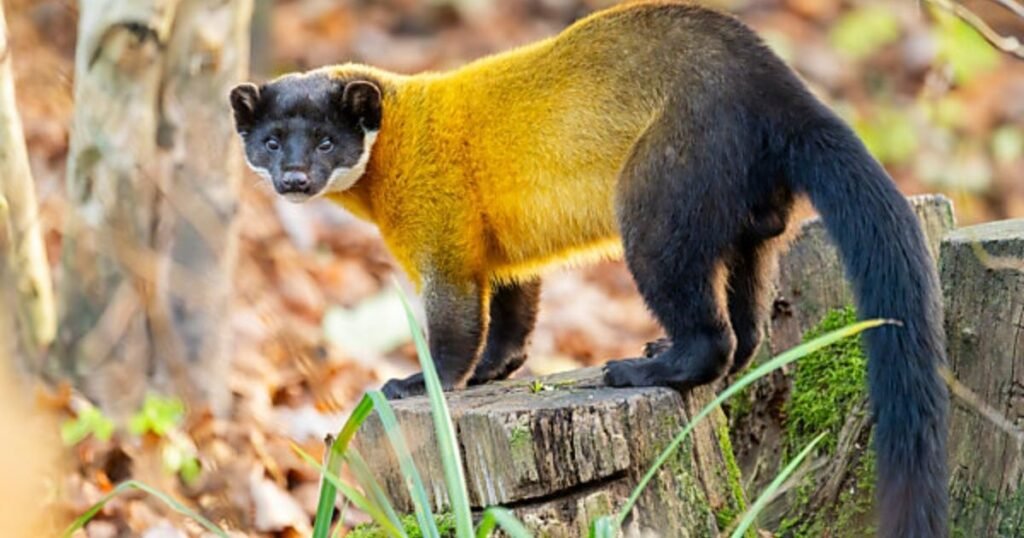
Unlike typical weasels, which are known for their solitary nature, yellow-throated martens often exhibit a curious social behavior, engaging in playful interactions that hint at deeper social structures within their species.
Their adaptability is particularly noteworthy as they navigate varied environments, relying on a diet that shifts from fruits to small mammals, depending on availability. This versatility not only underscores their survival skills but also their role in maintaining ecological balance, as they help control rodent populations.
Nilgiri Marten
Scientific Name: Martes gwatkinsii
Class: Mammalia
Diet: Omnivore / Carnivore (birds, small mammals, insects, fruit, honey)
The Nilgiri Marten, a fascinating member of the weasel family, reveals the diverse adaptations and behaviors found within its kin. This elusive creature, native to the rainforests of the Western Ghats in India, stands out for its striking golden-brown fur and playful nature.
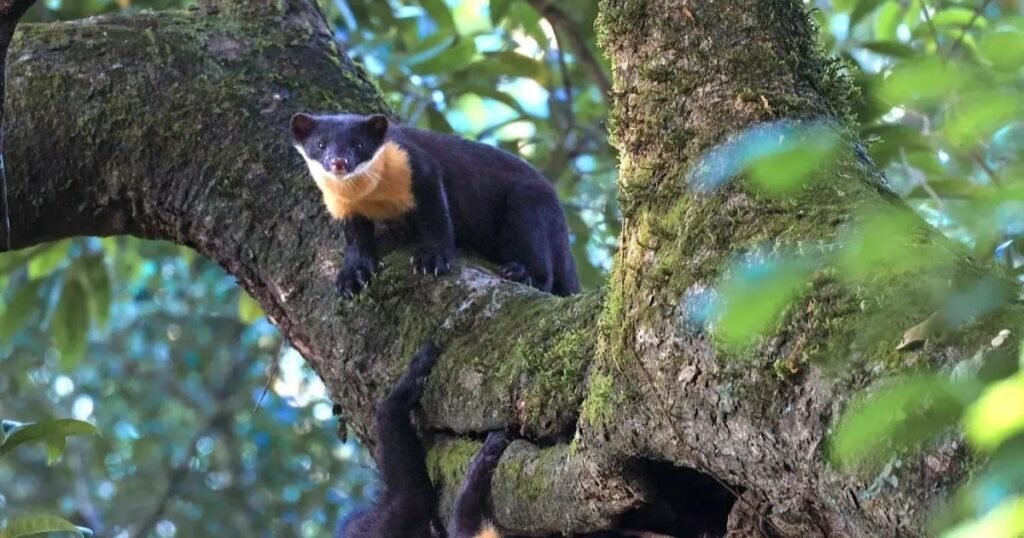
Unlike its more commonly known relatives, the Nilgiri Marten thrives in arboreal environments, showcasing remarkable climbing skills that allow it to navigate the treetops with agility. Observing these animals in their natural habitat can be a reminder of the intricate relationships that bind wildlife to specific ecosystems.
Despite their small size, Nilgiri Martens play a crucial role in their environment as both predators and scavengers, contributing to the balance of their ecosystems. Their diet primarily consists of fruits, small mammals, and birds, illustrating the complex food web in which they exist.
Japanese Marten
Scientific Name: Martes melampus
Class: Mammalia
Diet: Omnivore (small mammals, birds, frogs, fruit, seeds, insects)
The Japanese marten, a lesser-known relative of weasels, captivates enthusiasts with its striking appearance and adaptable nature. These creatures are often mistaken for common ferrets due to their sleek bodies and luxurious fur, but they exhibit unique behaviors that set them apart.
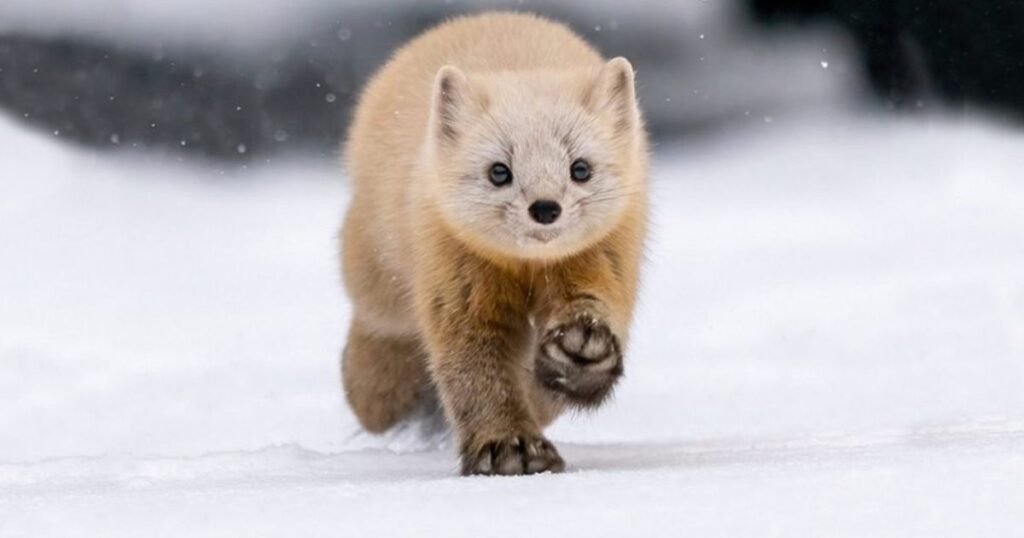
Unlike their more solitary cousins, Japanese martens are known for their playful social interactions, particularly during the breeding season when they engage in elaborate courtship displays that showcase agility and speed.
In terms of habitat, the Japanese marten thrives in diverse environments, from lush forests to mountainous terrains, illustrating its remarkable adaptability. Often active at dawn and dusk, these agile hunters have a fascinating diet that spans from small mammals to fruits, showcasing their omnivorous tendencies.
Animals Like Weasels—Greater Grison
Scientific Name: Galictis vittata
Class: Mammalia
Diet: Carnivore (small mammals, birds, lizards, amphibians, eggs)
The Greater Grison, often overshadowed by its more charismatic relatives in the weasel family, is a fascinating creature that deserves more attention. Large for its kind, the Greater Grison features a striking blend of dark fur and distinctive markings, making it both beautiful and formidable in its natural habitat.
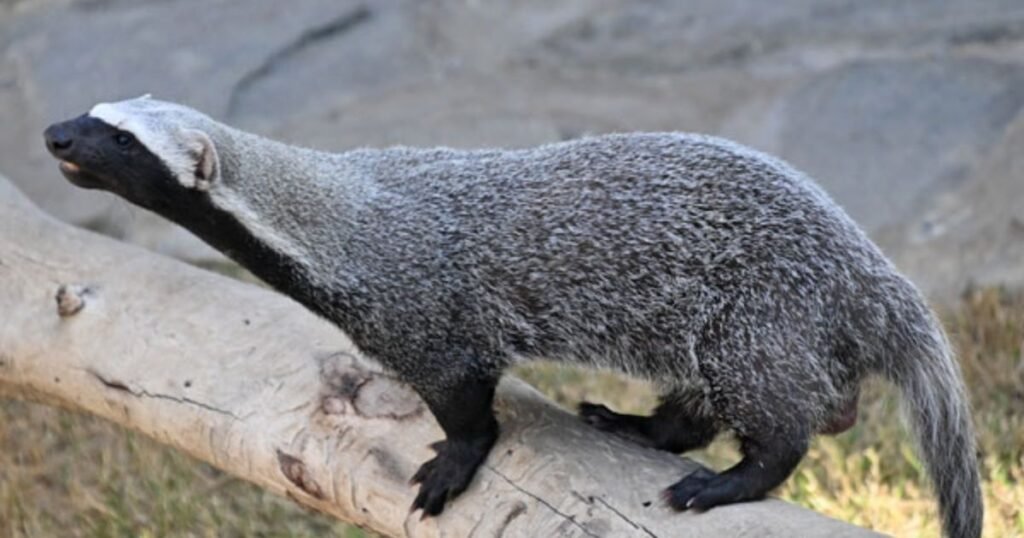
Found primarily in South America, these mammals exhibit behaviors that are surprisingly social for their family; they often hunt cooperatively and even engage in playful interactions with one another, providing a glimpse into a more complex social structure than one might expect from a solitary hunter.
These animals thrive in various environments, from tropical forests to grasslands, showcasing a remarkable ability to adjust their diets and activities to fit their surroundings. In contrast to standard weasels that depend largely on stealth and speed, Greater Grisons leverage their nimble climbing abilities and sharp senses to evade both rivals and threats.
Sea Otter
Scientific Name: Enhydra lutris
Class: Mammalia
Diet: Carnivore / Piscivore (sea urchins, crabs, clams, mussels, squid)
Weasels, with their agile bodies and keen hunting instincts, share more than just a nimble grace with some unexpected animal counterparts, such as the sea otter. While these marine mammals are primarily known for their playful nature and thick fur, they too exhibit remarkable adaptability in their ecosystems.
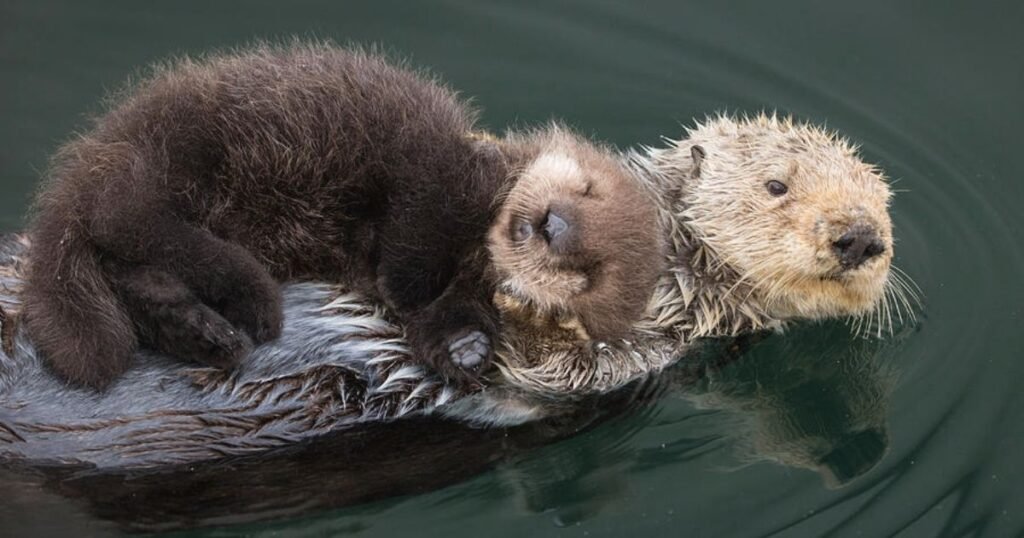
Just as weasels use their speed and stealth to navigate through various terrains, sea otters employ their dexterous paws to forage for food along the ocean floor, showcasing the versatility that exists across animal species.
Both weasels and sea otters thrive on a diet rich in small prey, yet their methods of acquiring food tell a compelling story of ecological niches. Weasels are often seen darting after small mammals or birds, relying on their swift movements to outsmart their targets.
Sea otters, on the other hand, are known to use tools such as rocks to break open shells, showcasing cognitive skills that are rarely linked to smaller land predators.
Related Animal Species and Wildlife Facts
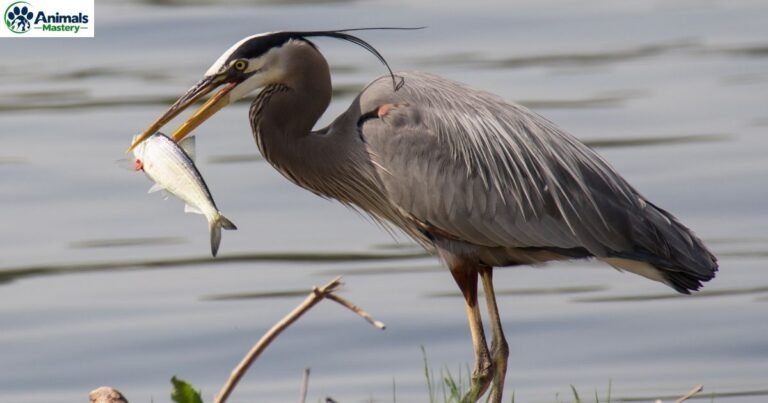
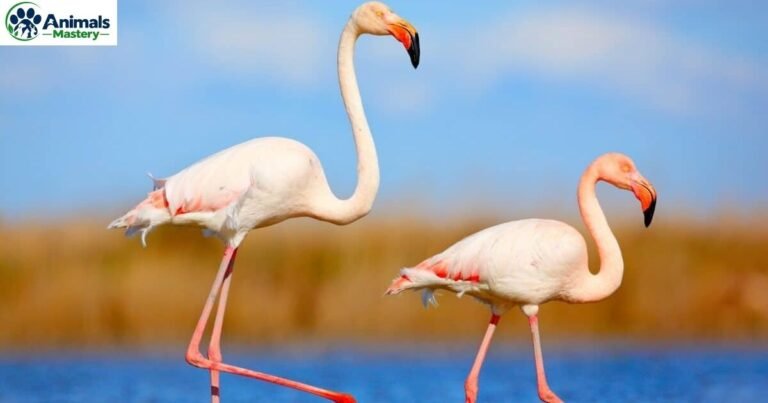
- Birds with long legs include flamingos, herons, egrets, storks, and cranes, all adapted for wading in water. Flamingos use their stilt-like legs to stand in shallow lagoons while filtering food, and herons and egrets stalk fish in marshes with similar height advantages. Storks wade through wetlands with ease, while cranes use their long legs for both hunting and courtship dances. Together, these birds show how leg length aids survival in watery habitats.
- The cleanest animals in the world include cats, rabbits, and elephants, known for their meticulous grooming habits. Cats groom for hours daily, rabbits maintain tidy burrows, and elephants bathe regularly to stay parasite-free. Even pigs avoid soiling their sleeping spaces despite their muddy reputation. These species show that cleanliness in nature can rival human hygiene standards.
- Animals like foxes include coyotes, jackals, wolves, and raccoon dogs, all sharing similar cunning behavior and adaptability. Coyotes and jackals mirror the fox’s opportunistic hunting style, while wolves showcase the same intelligent, social instincts within the canine family. Raccoon dogs, despite their name, resemble foxes in both appearance and nocturnal habits. Together, these species reflect the resourceful nature common among fox-like canids worldwide.
- Animals that eat mice include owls, cats, snakes, and foxes, each helping control rodent populations. Owls hunt silently at night, cats instinctively chase mice, and snakes like rat snakes swallow them whole. Foxes and hawks also prey on mice, spotting or sniffing them out for quick meals. Together, these predators keep mouse populations naturally balanced.
Final Thoughts About Animals Like Weasels
Weasels exemplify the incredible diversity and resilience found in the animal kingdom, showcasing traits that allow them to thrive in various habitats. Their cunning nature and adaptability reflect the complex interplay of survival and ecological balance. As human activities increasingly threaten their environments, it is crucial that we advocate for conservation efforts and habitat protection.
By appreciating and promoting awareness of these little-known mammals, we can foster a greater respect for wildlife as a whole. Let us engage in conversations about wildlife preservation so that we can ensure the survival of such cherished species for generations to come.
FAQs
What animals are similar to weasels?
Animals similar to weasels include ferrets, minks, martens, and otters, all of which belong to the Mustelidae family.
How can I identify a weasel?
Weasels have slender bodies, short legs, and a characteristic long neck. They typically have fur that varies from brown to yellowish, with a white or cream underbelly.
Are weasels good pets?
Weasels can be kept as pets, but they require a lot of space and stimulation. They are active and curious animals, so they need plenty of interactive play.
What do weasels eat?
Weasels are carnivorous and primarily eat small mammals, birds, and eggs. They are skilled hunters that can take down prey larger than themselves.
Where do weasels live?
Weasels inhabit a variety of environments, including forests, grasslands, and neighborhoods worldwide. They prefer areas with plenty of cover for hunting and nesting.
How do weasels hunt?
Weasels are adept hunters, using their speed and stealth to ambush prey. They often hunt at dawn or dusk and can follow scents over long distances.
Are weasels aggressive?
Weasels can be aggressive when threatened, but they typically prefer to flee from larger predators. They are more curious and playful than confrontational.
What is the lifespan of a weasel?
In the wild, weasels generally live 1 to 3 years, but they can live longer in captivity, sometimes reaching up to 10 years with proper care.