Top 16 Animals That Eat Mice: Predators With Images
In the wild, Animals That Eat Mice intricate balance of ecosystems makes this scavenging behavior crucial for controlling mouse populations. Understanding the various animals that eat mice highlights their importance in nature and aids in appreciating the delicate interdependencies within food chains.
List of Animals That Eat Mice
Animals that eat mice include:
- Owls
- Foxes
- Coyotes
- Domestic Cats
- Badgers
- Snakes
- Hawks
- Weasels
- Bobcats
- Bears
- Wolves
- Eagles
- Komodo Dragons
- Raccoons
- Opossums
- Shrews
Owls
- Scientific Name: Strigiformes
- Class: Aves
- Diet: Carnivore
They are often seen as symbols of wisdom and mystery, yet their role in the ecosystem is just as fascinating. These nocturnal hunters possess extraordinary adaptations, from specialized feathers that allow for near-silent flight to acute hearing that can detect prey even under layers of foliage.
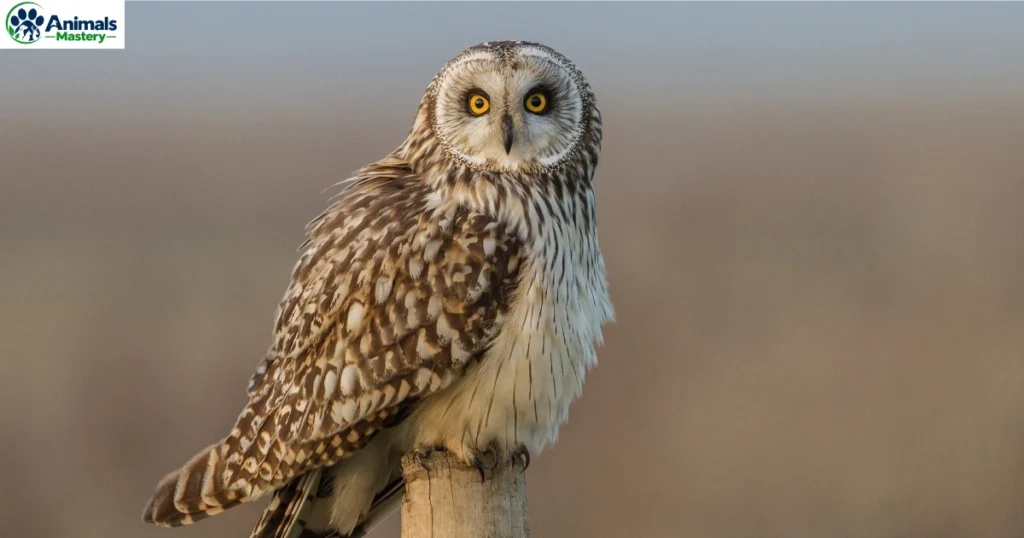
Their unique facial disks are designed to funnel sound, making them efficient predators in the dark, further emphasizing their remarkable evolutionary prowess.
In various cultures, owls evoke a mix of reverence and superstition, a duality that mirrors their enigmatic nature. While some see them as omens, many indigenous societies view them as guardians of the night, representing transition and deeper truths.
Foxes
- Scientific Name: Vulpes vulpes
- Class: Mammalia
- Diet: Omnivore
These agile creatures thrive in diverse habitats, from urban areas to rural landscapes, demonstrating an extraordinary ability to co-exist with human development.
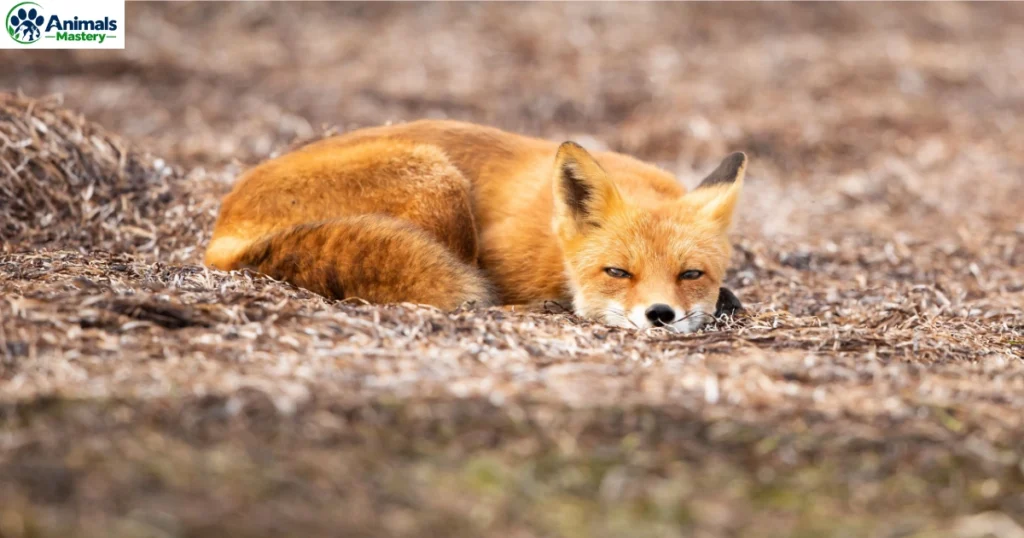
Their diet is a testament to their versatility; foxes are opportunistic feeders, consuming everything from small mammals to fruits and even human refuse. Beyond their resourcefulness, the social behavior of foxes unveils intricate family dynamics.
Unlike many lone hunters in the wild, some species form familial structures to foxes, such as the red fox foster collaboration. They engage in playful interactions, strengthening bonds and enhancing their hunting efficiency.
Coyotes
- Scientific Name: Canis latrans
- Class: Mammalia
- Diet: Omnivore
They are gracefully adapted to diverse environments ranging from urban landscapes to deserts and forests. In cities, they’ve learned to navigate the complexities of human life, often scavenging for food while simultaneously evading traffic and noise.
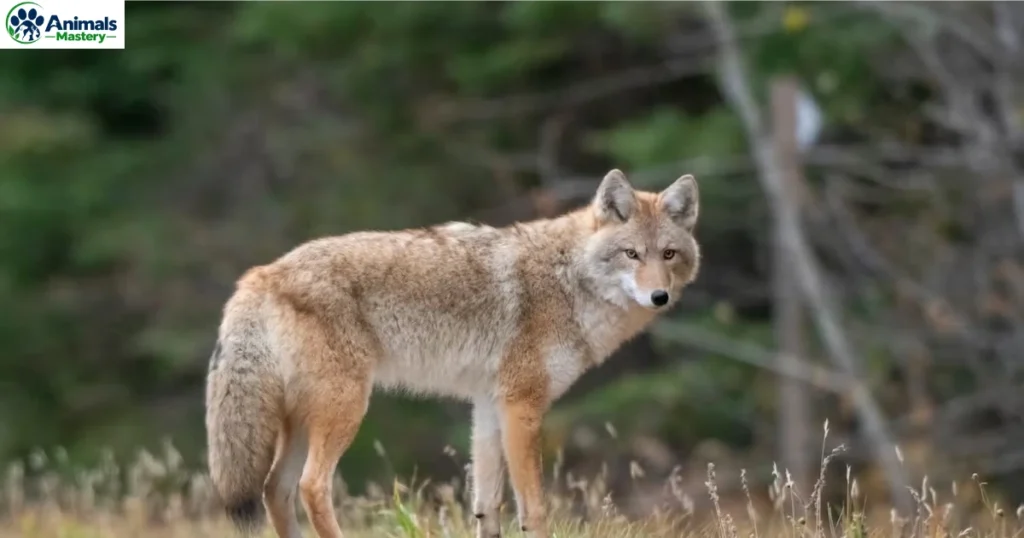
This adaptability raises intriguing questions about coexistence how these cunning creatures incorporate urban ecosystems into their hunting and social behaviors, forming new packs that thrive amidst human activity.
Their vocalizations, often mistaken for mere howling, reveal a rich tapestry of communication that signals everything from territorial claims to familial bonding. Listening closely, one can appreciate the nuances in their calls; different pitches and rhythms serve distinct functions within their social structures.
Domestic Cats
- Scientific Name: Felis catus
- Class: Mammalia
- Diet: Carnivore
They are complex creatures with intricate social structures and unique behavioral traits. Contrary to the common perception of felines as solitary hunters, many cats thrive on social interaction, both with humans and other animals.

This social nature is particularly evident when they engage in playful antics or display their “slow blink” a sign of trust and affection towards their humans. What’s fascinating is how domestic cats retain many traits from their wild ancestors, showcasing instincts that often manifest in their daily lives.
For instance, the way they knead with their paws can be traced back to kittenhood, mimicking the action of nursing. This behavior serves as a comforting mechanism throughout their lives, revealing a deeper emotional layer.
Badgers
- Scientific Name: Meles meles
- Class: Mammalia
- Diet: Omnivore
With their striking black and white striped faces and stout bodies, these mammals have adapted to a variety of environments, from dense woodlands to open grasslands. Their social behaviors is differnet from others; while many think of them as solitary animals, European badgers, in particular, are known for living in extended family groups called “clans.”
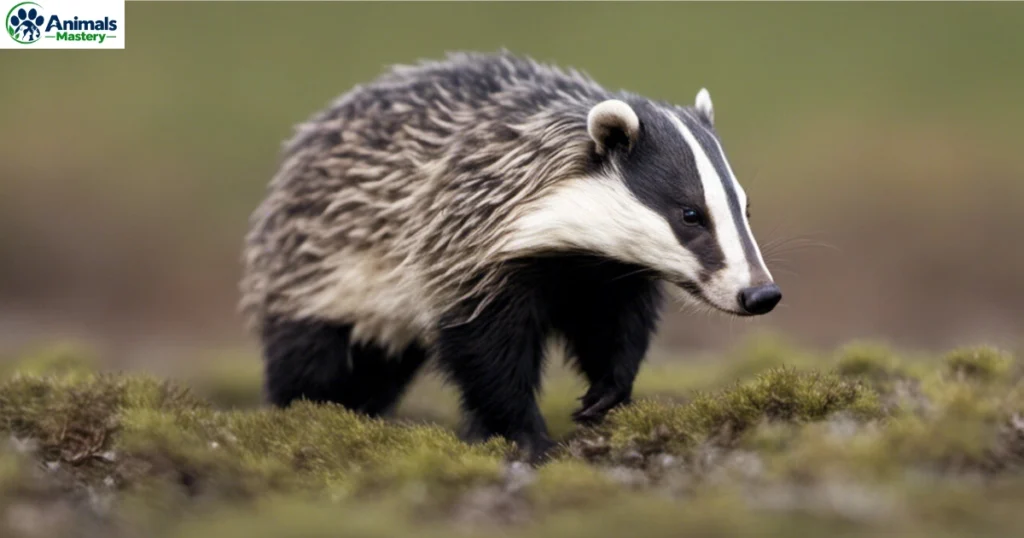
These clans can include multiple generations, showcasing a complex social structure that rivals that of some primate species. Badgers play an essential role in their ecosystems as avid foragers.
Their digging habits aerate the soil and facilitate the growth of various plant species, promoting biodiversity. Interestingly, they often engage in “latrining,” where they regularly use specific areas as latrines, enriching the local soil with their waste.
Snakes
- Scientific Name: Serpentes
- Class: Reptilia
- Diet: Carnivore
With over 3,000 species slithering across diverse habitats, they showcase incredible adaptations, from the vibrant colors of the Coral Snake to the cryptic patterns of the Eastern Diamondback Rattlesnake.
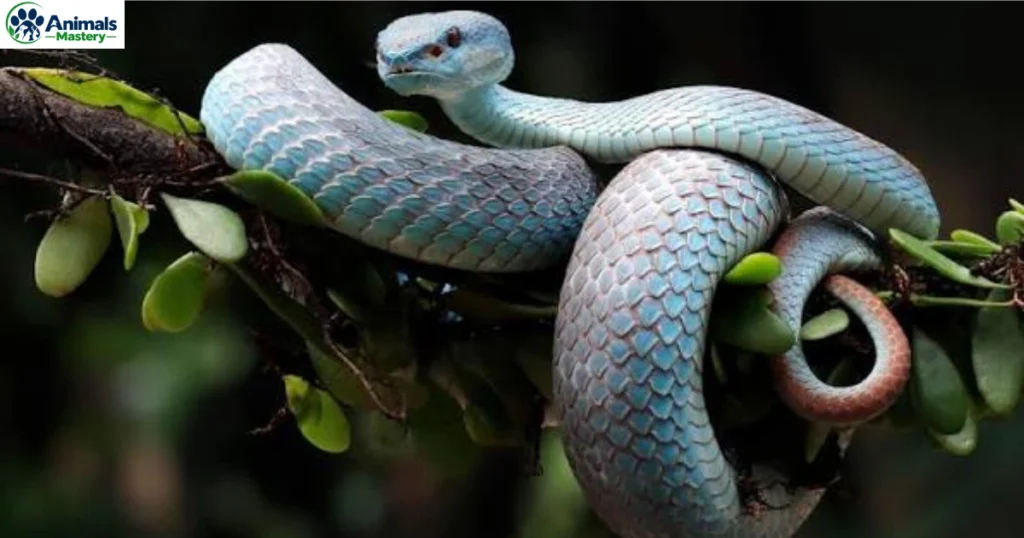
Their ability to sense infrared radiation allows them to hunt warm-blooded prey even in darkness, showcasing an evolutionary marvel that many land predators lack. Snakes possess a unique form of locomotion that allows them to travel efficiently across varied terrains.
From the graceful undulation of the sidewinder on sandy dunes to the brilliant constriction technique employed by pythons, their movement is both a dance of survival and a testament to their evolutionary history.
Hawks
- Scientific Name: Buteo jamaicensis
- Class: Aves
- Diet: Carnivore
These avian predators are the living embodiment of agility and precision, capable of spotting a mouse from impressive distances. Their unique adaptations, such as specialized feathers that allow for silent flight, enable them to approach prey stealthily, making each hunt a masterclass in patience and strategy.
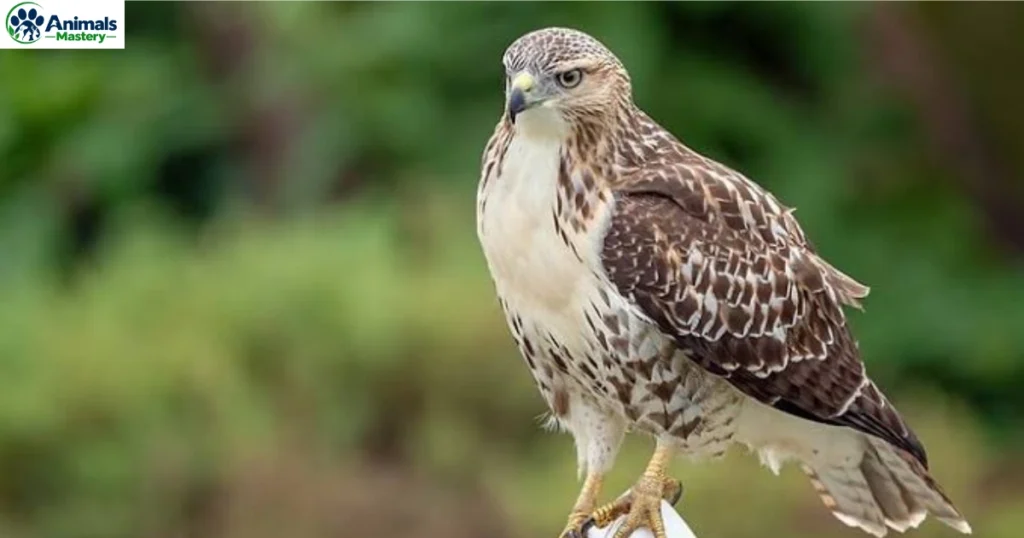
Their diverse hunting techniques is fascinating, which vary by species and environment. While some may dive swiftly from above, others prefer to soar high, using thermals to spot their next meal while conserving energy.
Observing hawks in the wild can reveal insights into local biodiversity, offering a window into the intricate web that sustains life on our planet. With their majestic presence and keen survival instincts, hawks remind us of the beauty and complexity of the natural world around us.
Weasels
- Scientific Name: Mustela
- Class: Mammalia
- Diet: Carnivore
Their sleek bodies, which can measure as little as 6 to 12 inches, are finely tuned for stealth, allowing them to slip through tight spaces and navigate their environments with impressive speed. Weasels are also highly intelligent, displaying problem-solving skills that rival those of larger mammals.
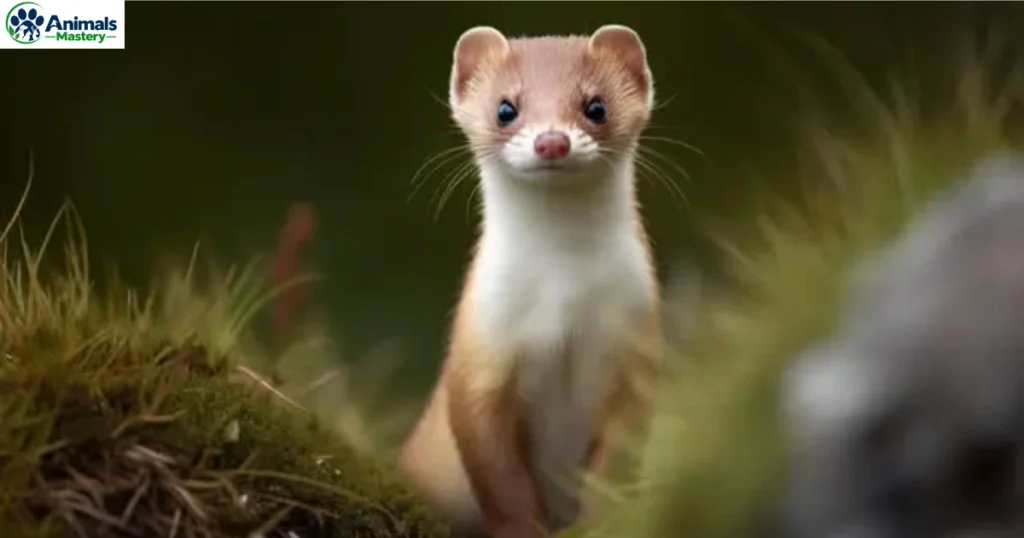
Weasels play a crucial role in maintaining ecological balance. As predators, they regulate rodent populations, ensuring that ecosystems remain healthy and diverse. This vital contribution often goes unnoticed, yet their presence can shift the dynamics of entire habitats.
Interestingly, weasels are also symbolic in various cultures, often representing agility and adaptability traits that resonate strongly in our fast-paced world.
Bobcats
- Scientific Name: Lynx rufus
- Class: Mammalia
- Diet: Carnivore
Their striking tufted ears and short, bobbed tails, are often overshadowed by their larger feline cousins, yet they possess a unique charm that captivates wildlife enthusiasts and casual observers alike. Unlike their more famous relatives, bobcats thrive in diverse habitats from dense forests to arid deserts demonstrating remarkable adaptability that showcases their cunning survival skills.
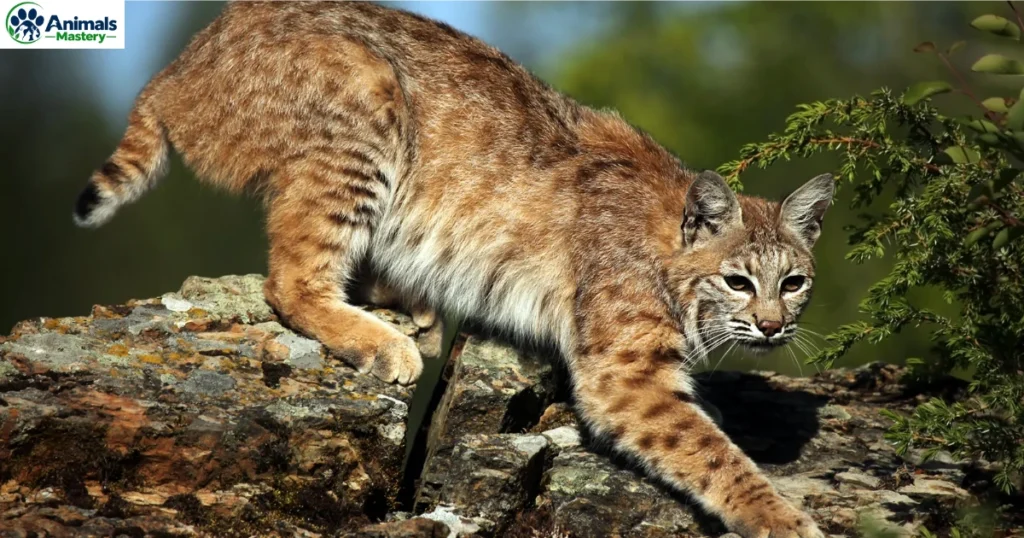
Their ability to remain elusive while being stealthy hunters makes them a fascinating study in the art of ambush, often targeting small deer and rabbits.
By controlling prey populations, they help to sustain healthy ecosystems, yet they often remain misunderstood, with myths painting them as aggressive predators. In reality, these solitary creatures are incredibly territorial but tend to avoid human interaction, preferring the cover of night to roam their domains.
Bears
- Scientific Name: Ursidae
- Class: Mammalia
- Diet: Omnivore
Their adaptability is nothing short of remarkable; for instance, the polar bear has evolved to withstand freezing temperatures and to master the art of swimming long distances in icy waters, showcasing an incredible blend of physical prowess and behavioral adaptability.
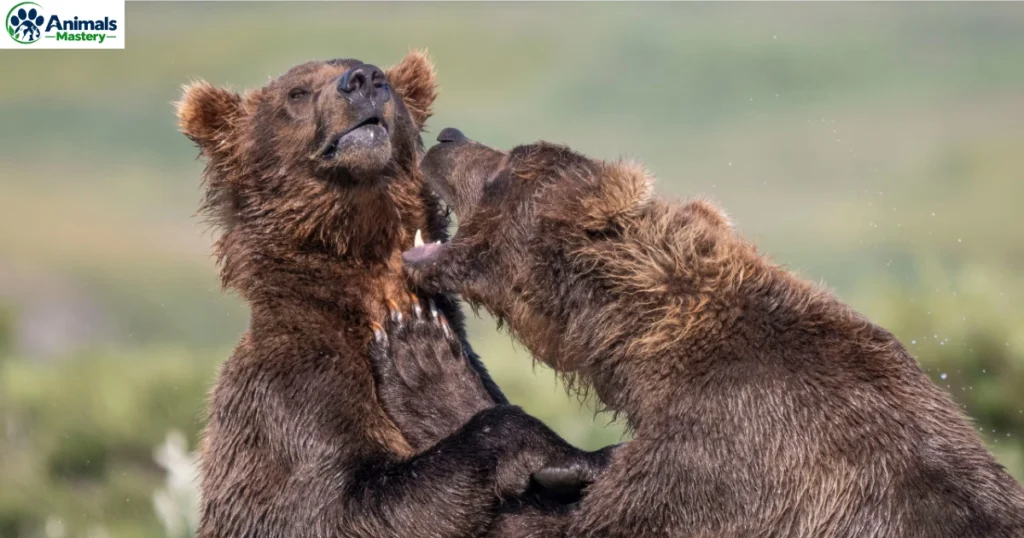
The social dynamics of bears challenge the common perception of them as solitary beings. While many species do enjoy their alone time, cubs learn essential survival skills from their mothers, emphasizing the importance of familial bonds in their early years.
Some bear species, like the giant panda, have also shown surprising adaptability in their reproductive strategies, adjusting mating behaviors in response to habitat loss.
Wolves
- Scientific Name: Canis lupus
- Class: Mammalia
- Diet: Carnivore
Their social structures within packs mirror intricate family dynamics, emphasizing cooperation and loyalty. Each member has a role, from the alpha leading the hunt to the pups learning vital survival skills, showcasing a nuanced understanding of community survival that humans can learn from in their own social interactions.
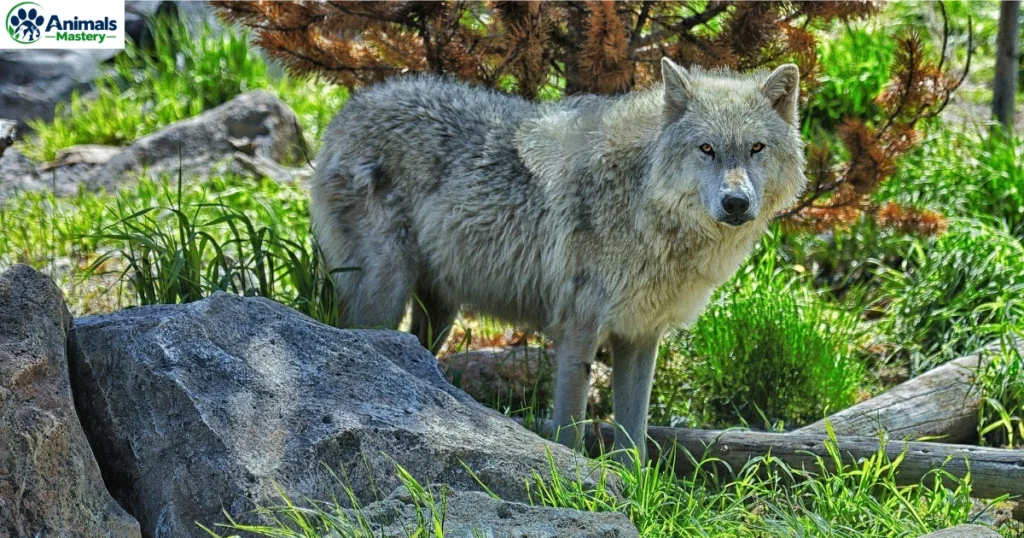
Beyond their predatory prowess, wolves are crucial to ecosystem health. Their presence can dramatically reshape environments, as seen in Yellowstone National Park, where their reintroduction balanced the populations of grazing animals and stimulated greenery growth.
This phenomenon, known as a trophic cascade, highlights the interconnectedness of species and the delicate balance within ecosystems.
Eagles
- Scientific Name: Aquila chrysaetos
- Class: Aves
- Diet: Carnivore
Their keen eyesight allows them to spot potential prey from over two miles away, showcasing an evolutionary advantage that has captivated naturalists and bird enthusiasts alike. This extraordinary vision, combined with their incredible wingspan, enables them to soar effortlessly at heights of 10,000 feet, often climbing higher than most other birds.
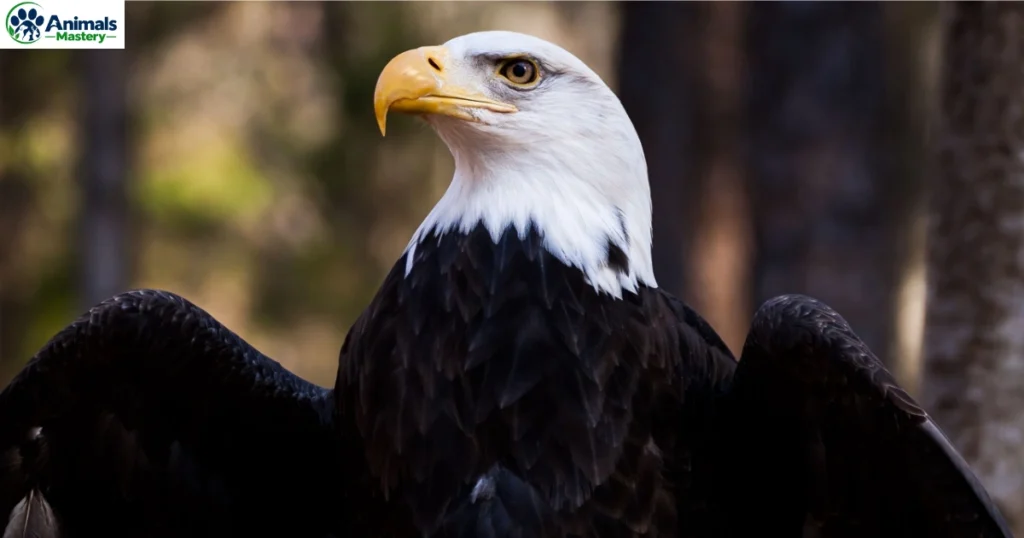
Beyond their physical prowess, eagles are known for their intricate nesting behaviors. They often build massive nests that can weigh up to a ton, using strong branches and materials to create a safe haven for their young.
Interestingly, eagles demonstrate a unique parenting style; both parents share the responsibility of raising their chicks, teaching them to hunt and eventually encouraging them to leave the nest.
Komodo Dragons
- Scientific Name: Varanus komodoensis
- Class: Reptilia
- Diet: Carnivore
Despite their formidable size reaching up to 10 feet in length these apex predators are threatened by habitat loss and climate change.
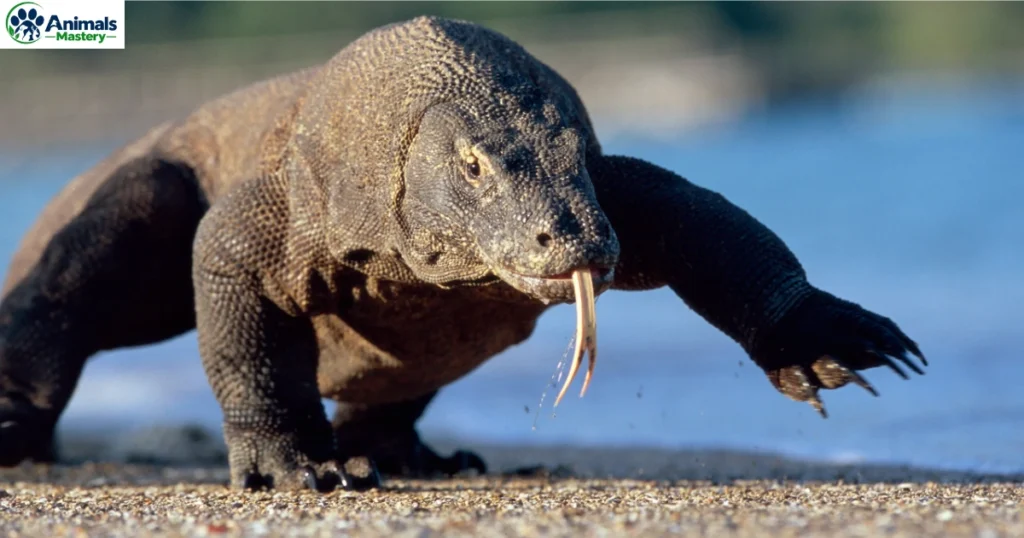
The island of Komodo, part of Indonesia’s Lesser Sunda Islands, serves as an intriguing microcosm of this species’ struggle, where vibrant ecosystems and ancient survival techniques collide with modern environmental challenges.
These reptiles exhibit a unique ambush technique, using their keen sense of smell to track prey over considerable distances. Once within range, they unleash a swift, surprising attack that showcases not just physical strength but also their intricate social structures, with some individuals engaging in cooperative hunting behaviors.
Raccoons
- Scientific Name: Procyon lotor
- Class: Mammalia
- Diet: Omnivore
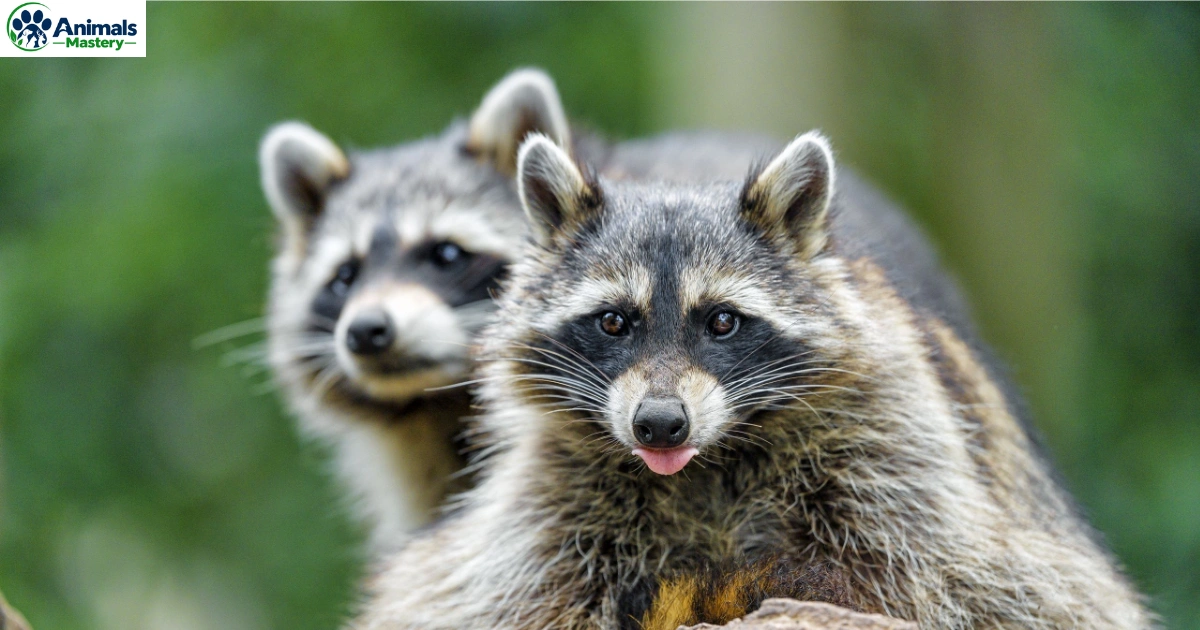
These clever creatures have adapted remarkably well to urban environments, blurring the lines between the wild and the domesticated. Observing their behavior can be a fascinating study in adaptability; raccoons are adept problem solvers, known for figuring out complex mechanisms to access food.
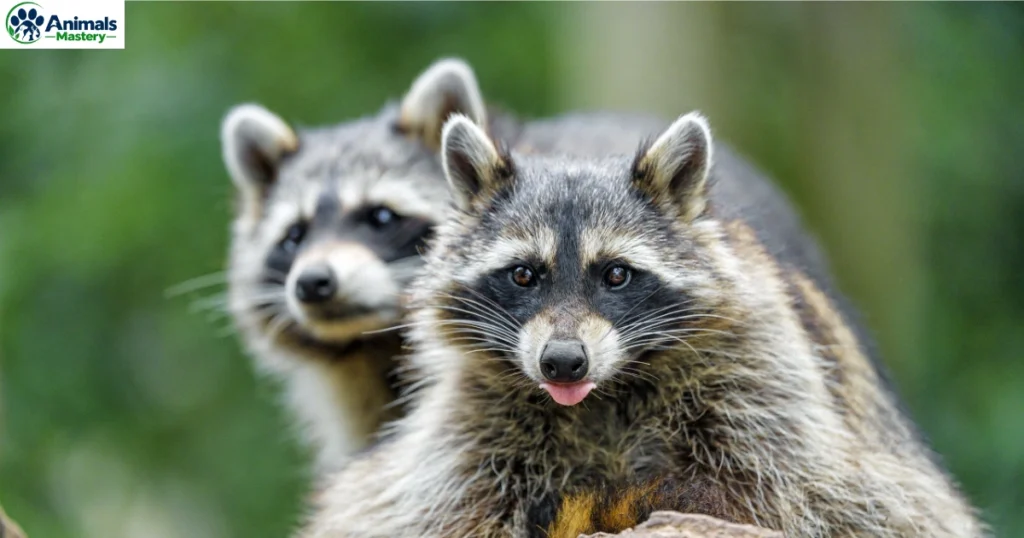
Beyond their cunning antics, raccoons play a vital ecological role as omnivores. Their varied diet of fruits, insects, small animals, and even human refuse makes them critical for seed dispersal and pest control.
The very traits that make them so clever also expose them to potential danger, such as habitat loss and urban wildlife conflict. As urban landscapes encroach on their natural habitats, the challenge lies in finding a balance that allows humans and raccoons to coexist harmoniously.
Opossums
These nocturnal marsupials play a vital role in controlling pests, as they consume vast amounts of ticks and other insects. In fact, research indicates that a single opossum can eat around 5,000 ticks in just one season, greatly reducing the risk of Lyme disease in their habitats.
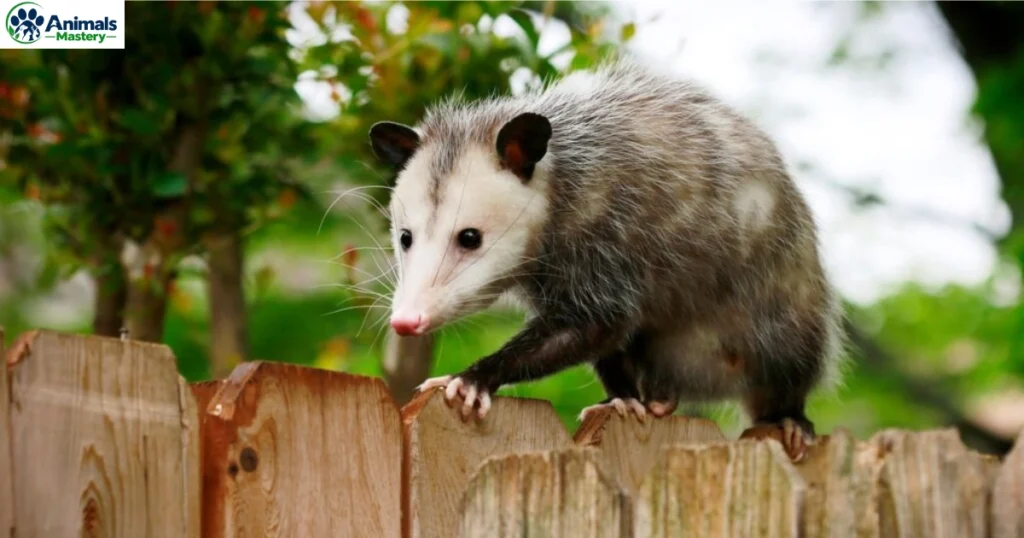
Unlike many mammals, they have a natural resistance to venom from snakes and other poisonous creatures, which allows them to thrive in environments where other wildlife may falter.
Their harmless hissing display, often misinterpreted as aggression, is actually a defense mechanism a clever ruse to ward off potential threats. In celebrating the opossum, we uncover an extraordinary creature that balances nature while challenging our perceptions of what it means to be a “pest.”
Shrews
These tiny mammals possess an insatiable appetite, consuming up to twice their body weight in food each day. Their voracious nature helps control insect populations, making them valuable allies in maintaining the balance of their habitats.
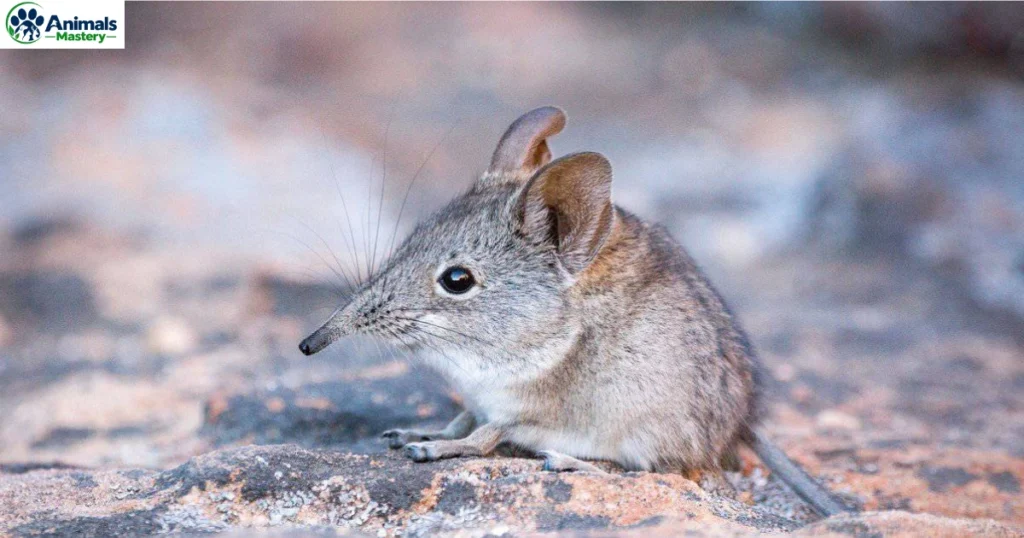
Indeed, shrews are like the unsung heroes of the food web, often found darting across leaf litter or burrowing through soil, contributing quietly yet profoundly to the health of their environment.
With the ability to experience rapid reproduction and intense territorial behavior, they exhibit remarkable adaptability in the face of changing ecosystems.
Conclusion
The intricate web of life showcases the diverse array of Animals That Eat Mice as a vital food source. From swift raptors and cunning felines to elusive serpents and spirited canids, these predators play a crucial role in maintaining ecological balance.
Each species is uniquely adapted for the hunt, demonstrating the ingenuity of nature in its quest for survival. Understanding these relationships can deepen our appreciation for biodiversity and the interconnectedness of ecosystems.
FAQs
What Animal Eats Mice the most?
A variety of animals play significant roles in controlling their populations. Among them, cats are perhaps the most notable. Domestic cats, as well as feral ones, have been hunting mice for millennia, relying on their instinctual behaviors to chase and capture these small rodents.
What Type of Animals do Mice eat?
Mice are primarily omnivorous, which means their diet consists of a variety of foods, including both plant and animal sources. In the wild, they typically consume seeds, grains, fruits, and vegetables.
What is a Mouse’s Worst Enemy?
A mouse’s worst enemy varies depending on its environment, but some of the most significant predators include cats, birds of prey, and snakes.
Which Animals eat Rodents?
Rodents are a major food source for a variety of animals across different ecosystems. Predators such as owls, hawks, and other birds of prey rely heavily on rodents for sustenance.
What Kills Rats and Mice immediately?
Snap traps traps are designed to kill the rodent rapidly upon contact, ensuring a quick and humane death. When setting snap traps, it’s essential to place them along walls or in areas where you’ve seen signs of rodent activity, as mice and rats tend to travel along established pathways.