Top 23 Animals Like Foxes: Similar & Fascinating Species (Images Included)
Animals like foxes that share intriguing similarities in their behaviors, adaptations, and roles within the ecosystem. Understanding these fox-like animals can deepen our appreciation for wildlife diversity and its importance in maintaining a healthy food web.
By the end, you’ll discover unique traits and adaptations that not only set these animals apart but also highlight their crucial roles in the environment.
List of Animals Like Foxes
Animals that resembles like foxes include:
- Red Pandas
- Mole Rats
- Dholes
- Dingoes
- Fennec Foxes
- Coyotes
- Culpeos
- Mountain Lions
- Jackals
- Civets
- Domestic Dogs
- Margays
- Raccoons
- Wolves
- Skunks
- African Wild Dogs
- Cats
- Bat-Eared Foxes
- Bobcats
- Maned Wolves
- Mongooses
- Weasels
- Raccoon Dogs
Red Pandas
- Scientific Name: Ailurus fulgens
- Class: Mammalia
- Diet: Omnivore
They are a symbol of biodiversity that faces an uncertain future. These elusive mammals thrive in the cool, temperate forests of the Himalayas and southwestern China, where they play a crucial role in maintaining the health of their ecosystem.
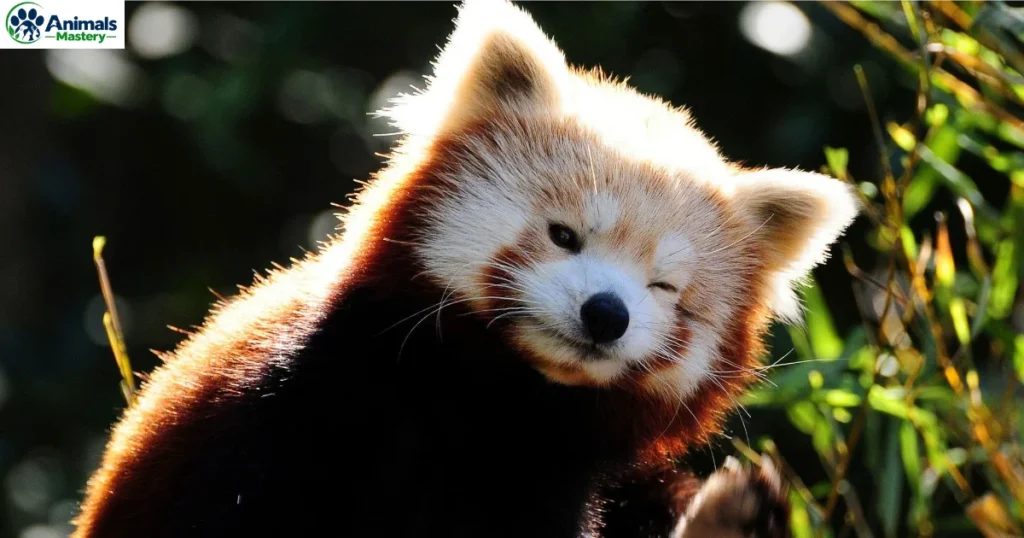
Unlike giant pandas, red pandas belong to their own unique family, Ailuridae, which sets them apart both genetically and behaviorally. Their incredible adaptations, such as a specialized diet consisting primarily of bamboo, highlight their role as agents of ecological balance while underscoring the fragility of their habitat.
Red pandas have a rich vocal repertoire that includes whistles, growls, and even grunts, serving as essential tools for social interactions. They are known to exhibit tree-climbing prowess that not only aids in their foraging but also helps them evade predators.
Mole Rats
- Scientific Name: Heterocephalus glaber
- Class: Mammalia
- Diet: Herbivore
These remarkable rodents, native to East Africa, have evolved a unique social structure reminiscent of bees and ants, living in large colonies where one queen breeds exclusively. Their ability to thrive in harsh, oxygen-deprived underground environments showcases extraordinary adaptations, such as a low metabolic rate and efficient oxygen usage.
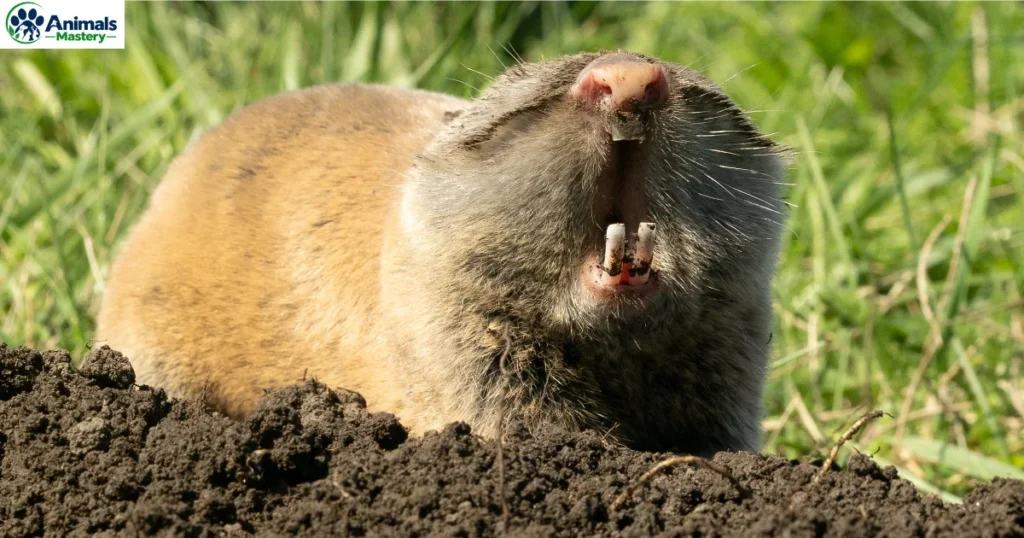
Mole rats exhibit a level of resilience to cancer that has puzzled scientists. Their cells seem to possess unique mechanisms that prevent uncontrolled growth, pointing to potential pathways for cancer research in humans.
Fascinatingly, their longevity, with some individuals living over 30 years, invites further exploration into the aging process and genetic factors that contribute to their extended lifespan.
Dholes
- Scientific Name: Cuon alpinus
- Class: Mammalia
- Diet: Carnivore
Their unique vocalizations include a series of high-pitched calls, which facilitate coordinated hunts and strengthen pack bonds. This social cohesion is crucial, as they rely on teamwork to bring down prey much larger than themselves, such as deer or wild boar.
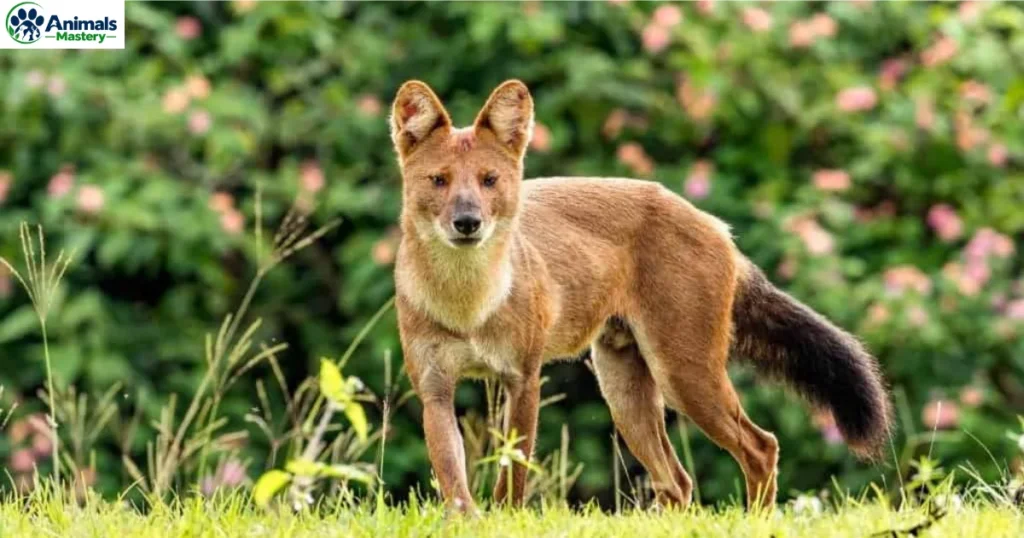
Their striking auburn fur and expressive faces contribute to their aesthetic appeal, yet their evolutionary adaptations are even more fascinating. Dholes possess a highly efficient digestive system that allows them to thrive on diets low in fat, a remarkable trait considering the competitive environments they inhabit.
Despite their fascinating adaptations and social behaviors, dholes are often overlooked in conservation discussions. As their habitats dwindle due to human encroachment, these social pack animals face significant threats, highlighting the urgent need for awareness and protective measures to ensure their survival in the wild.
Dingoes
- Scientific Name: Canis familiaris dingo
- Class: Mammalia
- Diet: Carnivore
They often lauded as Australia’s wild canines, hold a complex and multifaceted role in both the ecosystem and the cultural landscape of the continent. Unlike typical domesticated dogs, dingoes are remarkable for their adaptability; they thrive in diverse habitats ranging from arid deserts to coastal regions.

This versatility has allowed them to become apex predators, playing a crucial role in maintaining ecological balance by controlling populations of prey species such as kangaroos and rabbits.
The arrival of European settlers profoundly impacted their existence, leading to shifting dynamics as dingoes were often vilified and hunted. Yet, in recent years, there’s been a burgeoning movement to re-evaluate their status as integral members of Australia’s ecosystems.
Fennec Foxes
- Scientific Name: Vulpes zerda
- Class: Mammalia
- Diet: Omnivore
With their oversized ears and delicate features, are more than just adorably petite creatures; they are master survivalists of the harsh Sahara Desert. Adapted to extreme temperatures, these ears serve a dual purpose acting as cooling mechanisms to dissipate heat and enhance their acute sense of hearing.
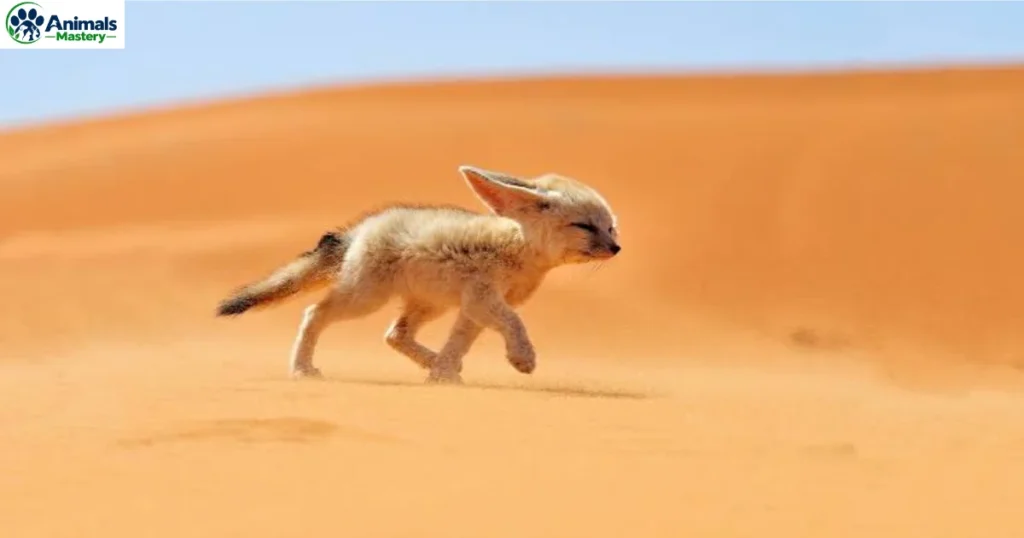
This allows them to detect prey beneath the sandy surface, compelling them to hunt nocturnally when the desert cools down. Their diet is remarkably varied, consisting of insects, small mammals, and even fruit, demonstrating their adaptability in an environment where resources can be scarce.
The social structure of fennec foxes is a compelling aspect often overlooked. They are generally monogamous and live in small family units, making them one of the more socially bonded canids.
Coyotes
- Scientific Name: Canis latrans
- Class: Mammalia
- Diet: Omnivore
These cunning canines have expanded their range across North America, thriving in diverse habitats from urban centers to remote wilderness.
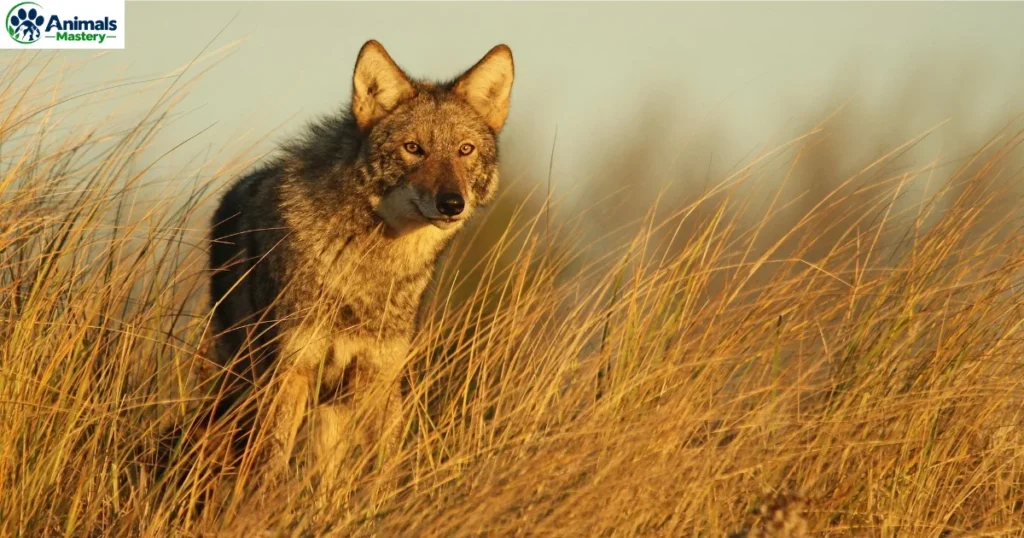
It is fascinating that how they utilize human modifications in their environment to their advantage, scavenging and hunting in ways that few other predators can. Their haunting howls, a chorus of social cohesion, serve not just to communicate but also to establish territory and strengthen bonds within packs.
This often leads to misconceptions and fear, overshadowing the intricate relationships these creatures maintain with their surroundings. Engaging with the realities of coyote behavior can foster a deeper understanding, shifting perceptions from fear to respect for these resilient survivors that remind us of nature’s enduring presence, even in the heart of our cities.
Culpeos
- Scientific Name: Lycalopex culpaeus
- Class: Mammalia
- Diet: Carnivore
These wild canids, native to South America, adapt seamlessly to diverse habitats, from the rugged Patagonian steppe to dense Andean forests. Unlike their domestic counterparts, culpeos showcase a unique adaptability, acting as both predator and prey within their environments, which grants them a pivotal role in maintaining ecological harmony.
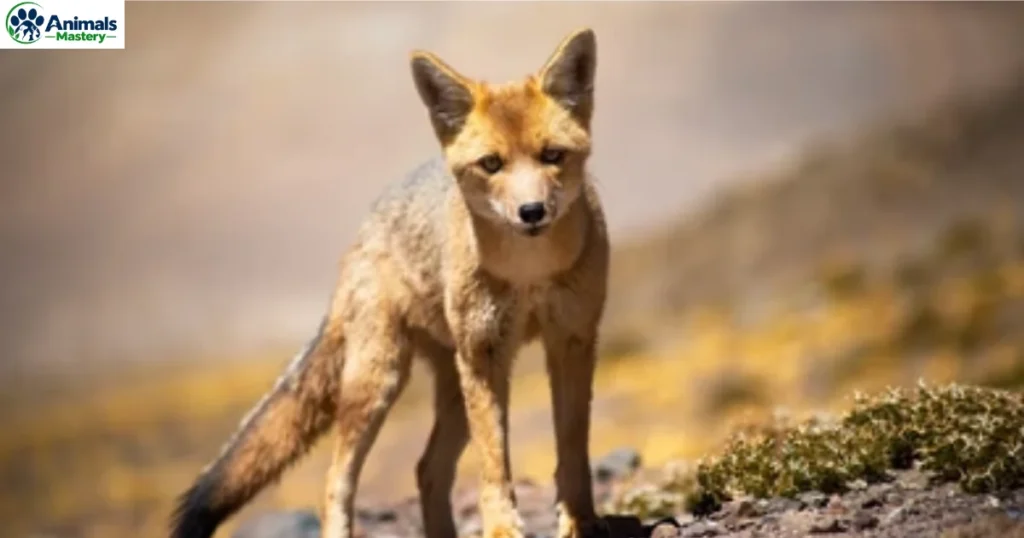
Their diet is remarkably varied, extending beyond typical meat sources to include fruits and insects, which enables them to thrive in challenging conditions. Interestingly, culpeos have developed complex social structures; they often communicate through vocalizations that signify territorial claims or mating calls, adding a layer of depth to their social interactions.
As habitats shift and prey populations fluctuate, these adaptable canids may serve as indicators of environmental health, prompting a reevaluation of conservation strategies.
Mountain Lions
- Scientific Name: Puma concolor
- Class: Mammalia
- Diet: Carnivore
They referred to as the cradle of Taiwanese culture, boasts rich historical narratives, but it’s the enigmatic lions that truly capture the imagination. These stone guardians, known as “shishi,” are more than mere decorations; they embody the spirit of protection and prosperity.

Found at temples and gatekeepers of traditional streets, they convey stories of ancient craftsmanship and spiritual beliefs that have withstood the test of time. Visitors often overlook the intricate details carved into these lions, which reflect a fusion of local folklore and Chinese mythology.
Each lion holds symbolic meanings one might represent strength, while another embodies wisdom creating a multifaceted tapestry of symbolism that invites deeper exploration. Beyond their aesthetic appeal, they serve as cultural touchstones that connect generations with their heritage, fostering a sense of belonging that transcends the hustle and bustle of modern life.
Jackals
- Scientific Name: Canis aureus
- Class: Mammalia
- Diet: Omnivore
They are often overshadowed by their more famous cousins like foxes and wolves, are remarkable survivors in various habitats across Africa, Asia, and parts of Europe. These cunning canids exhibit an impressive adaptability, thriving in deserts, savannas, and even urban environments.
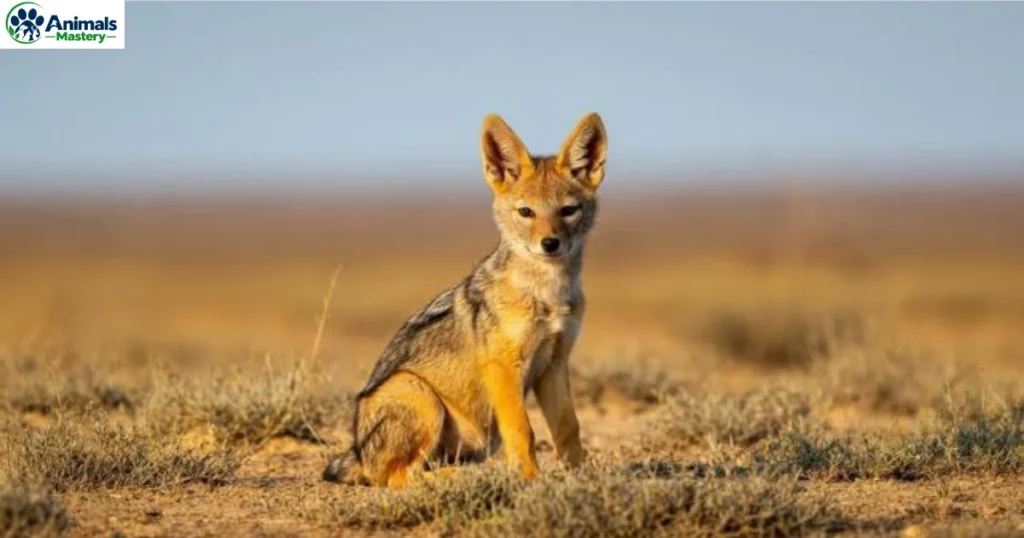
Their unique social structures, characterized by small family groups, allow them to cooperate in hunting and raising their young, showcasing a blend of independence and community spirit that is fascinating.
As opportunistic feeders, they exhibit a remarkable ability to shift their diet based on seasonal availability, turning from hunters of small mammals to scavengers raiding remains left by larger predators.
Civets
- Scientific Name: Civettictis civetta
- Class: Mammalia
- Diet: Omnivore
Civets, often shrouded in mystery, play a fascinating role in the ecosystem. These nocturnal mammals are not just known for their striking appearance; they are key players in seed dispersal, helping to maintain the biodiversity of the forests they inhabit.
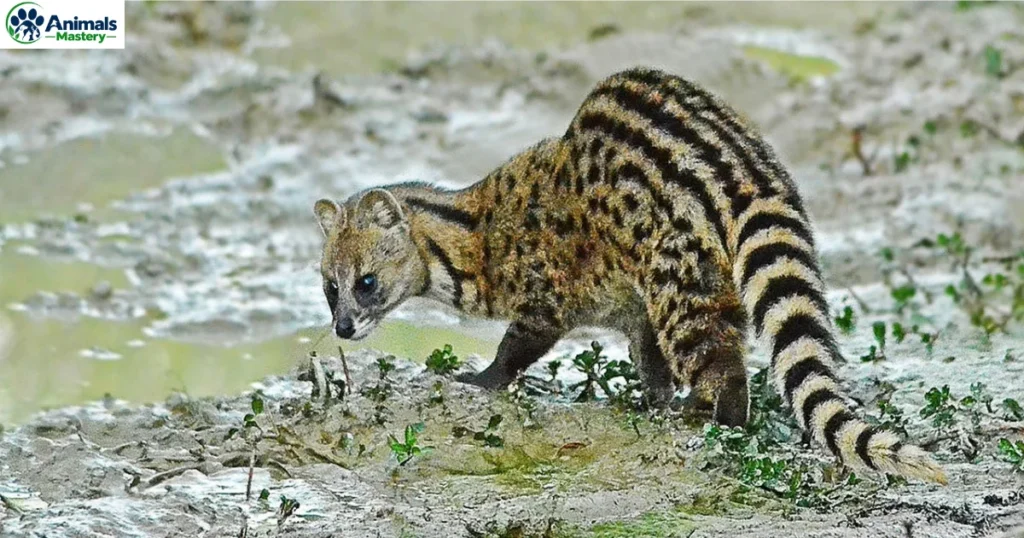
Their diet primarily consists of fruits, making them unexpected gardeners of the wild. As they roam, civets consume various fruits and then, through their digestion, facilitate the growth of new plants, contributing to the lush flora that sustains countless species.
Civets have gained notoriety for another reason their association with the coffee industry, specifically Kopi Luwak. This premium coffee, made from beans excreted by civets, has sparked both intrigue and ethical debates.
Domestic Dogs
- Scientific Name: Canis lupus familiaris
- Class: Mammalia
- Diet: Omnivore
They are integral members of our families and communities. Their remarkable ability to form bonds with humans stems from thousands of years of co-evolution. As pack animals, they thrive on social interaction and emotional connection, which contributes to the deep affection we share.

This innate desire for companionship can inspire mental well-being, enhancing our moods and reducing stress levels simply through the joy of their presence. Beyond their loyalty and love, dogs showcase an impressive array of skills and talents that often go unnoticed.
From scent detection in search and rescue missions to serving as therapy animals in hospitals and rehabilitation centers, their capabilities extend far beyond the living room.
Margays
- Scientific Name: Leopardus wiedii
- Class: Mammalia
- Diet: Carnivore
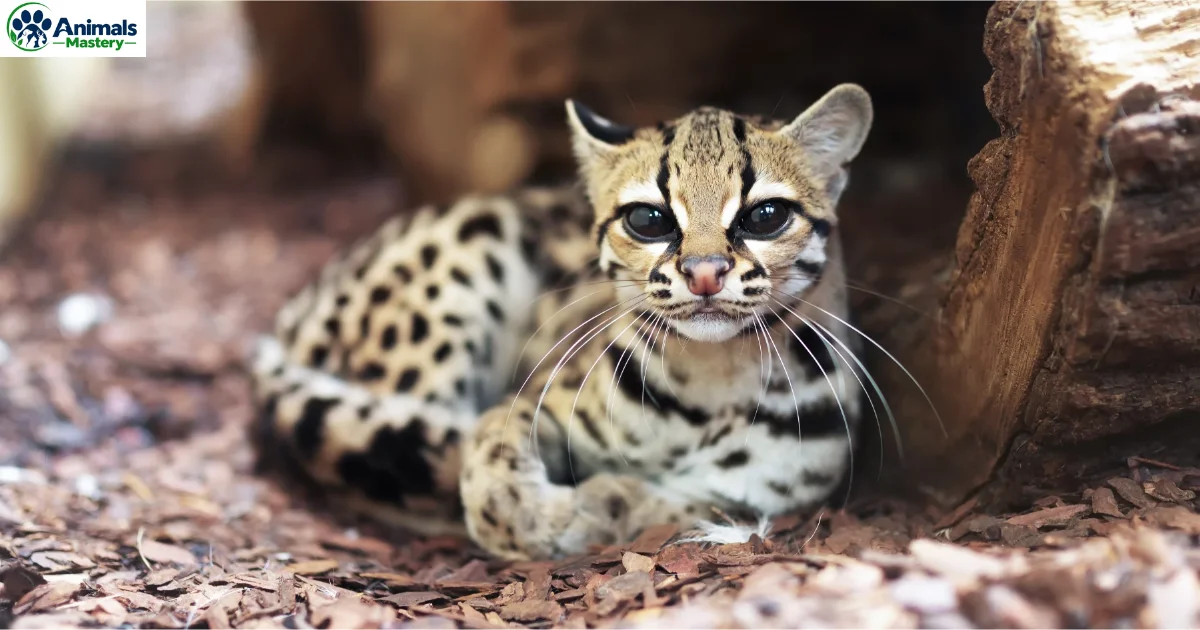
Margays are among the most elusive and enchanting cats of the neotropical forests, often overshadowed by their larger relatives. Their remarkable ability to navigate the treetops with unparalleled grace allows them to exploit a unique ecological niche.
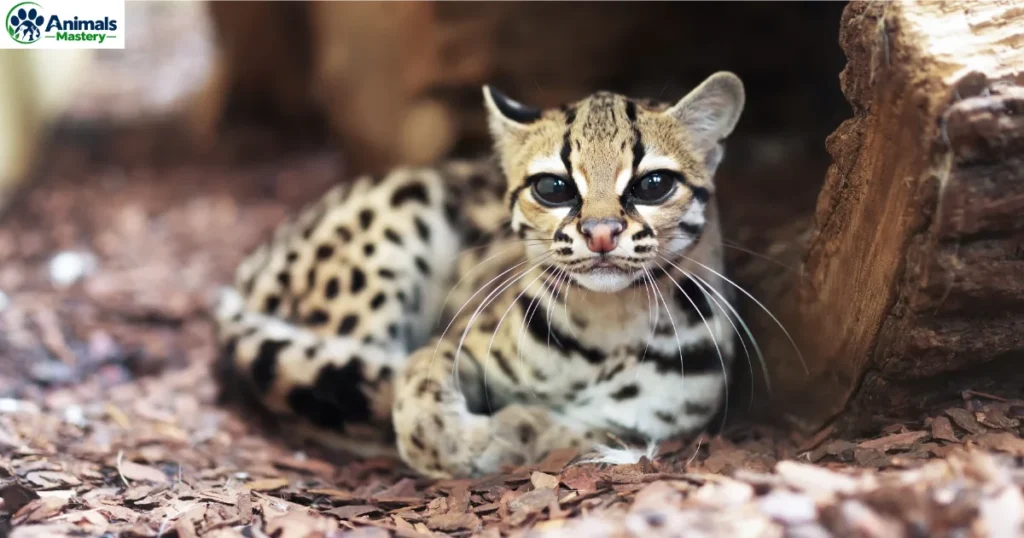
Unlike many big cats, margays can rotate their ankles to descend headfirst from branches, a feat that enhances their hunting prowess and positions them as skilled ambush predators of canopy-dwelling prey.
The high adaptability of margays extends beyond their physical attributes; they exhibit a fascinating behavioral diversity that varies across their range. In some regions, they’ve been observed using tools such as dropping branches or weights to dislodge prey from the trees showcasing their cognitive capabilities.
Raccoons
- Scientific Name: Procyon lotor
- Class: Mammalia
- Diet: Omnivore
These intelligent creatures possess an extraordinary level of problem-solving skills, akin to those found in primates. Studies have shown that raccoons can remember solutions to puzzles for up to three years, showcasing their impressive cognitive flexibility.
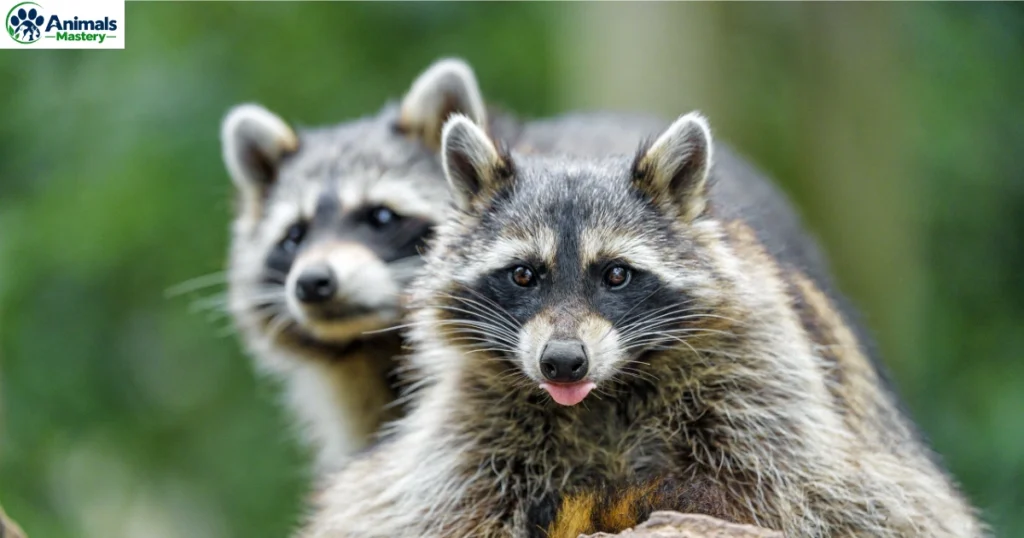
Raccoons serve as unexpected barometers for environmental health. Their foraging habits and diet, which range from fruits and insects to human refuse, reflect the ecological balance of their habitats. As they forage, they play a crucial role in seed dispersal, thereby contributing to the growth of diverse vegetation.
Observing these masked bandits invites us to rethink our perception of wildlife, urging us to appreciate the interconnectedness of all creatures and the ecosystems they inhabit.
Wolves
- Scientific Name: Canis lupus
- Class: Mammalia
- Diet: Carnivore
Within their packs, these animals exhibit intricate communication behaviors, utilizing a range of vocalizations, body language, and even facial expressions to maintain harmony and cooperation.
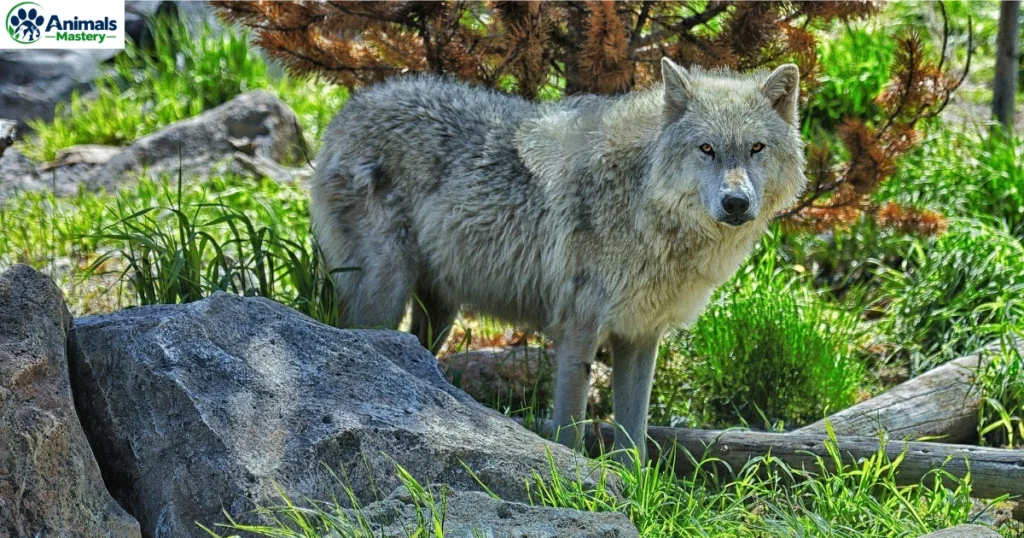
Wolves play a crucial role in their ecosystems, acting as keystone species that help balance populations of prey animals. Their presence can mitigate overgrazing and promote healthier landscapes by allowing vegetation to flourish, which in turn supports a variety of wildlife.
This intricate interdependence highlights the importance of wolves in biodiversity; their conservation is essential not only for their survival but for the overall health of their habitats. As we come to understand more about these majestic creatures, we recognize that protecting them is crucial for the entire ecological web they inhabit.
Skunks
- Scientific Name: Mephitis mephitis
- Class: Mammalia
- Diet: Omnivore
Skunks, often viewed solely as smelly nuisances, are fascinating creatures with remarkable adaptations. Their stunning black and white coats serve as a warning signal and as a means of camouflage in their natural habitats, where they blend into the shadows of overgrowth.
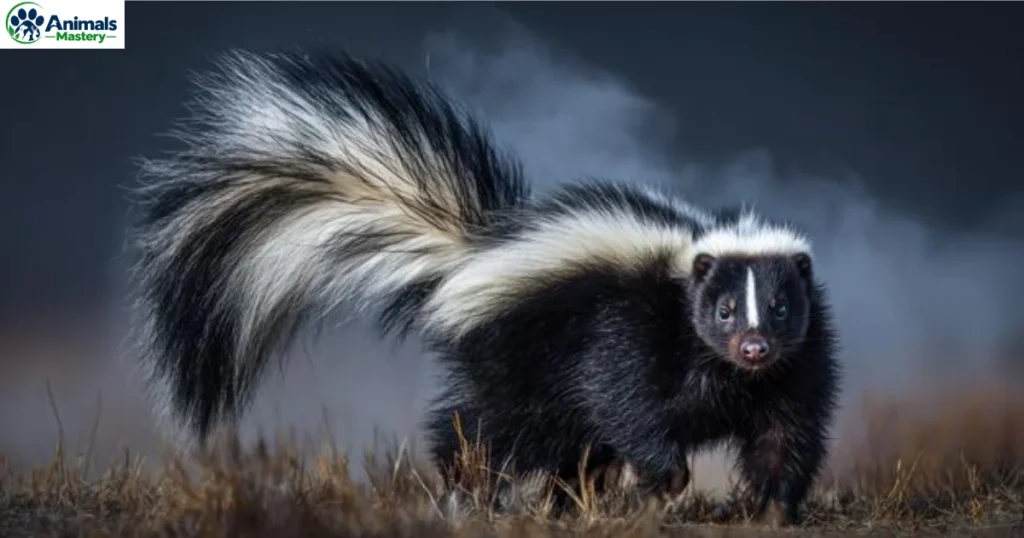
Beyond their infamous defense mechanism, a potent spray that can reach up to 15 feet, skunks possess a nuanced social structure that reflects their intelligence. In fact, they often form family units, displaying cooperative behavior when foraging and caring for young, debunking the myth of the solitary, rogue skunk.
Skunks play a critical ecological role, acting as both predator and prey. Their diet rich in insects, small rodents, and even fruits helps control pest populations, benefiting local ecosystems.
African Wild Dogs
- Scientific Name: Lycaon pictus
- Class: Mammalia
- Diet: Carnivore
It is a fascinating testament to nature’s ingenuity, boasting one of the highest success rates in hunting among land mammals. Their unique social structure is akin to that of a family unit, where a dominant breeding pair leads a cohesive pack that often exceeds fifteen individuals.
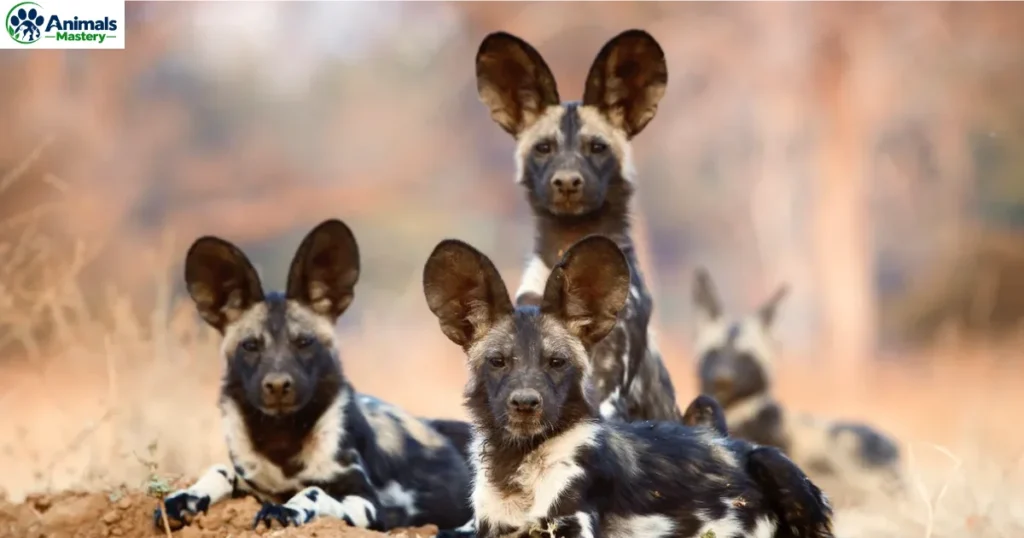
This strong social bond allows them to coordinate complex hunting strategies, utilizing their stamina to chase prey over long distances, which not only showcases their physical prowess but also their remarkable communication skills through vocalizations and body language.
Inspired conservation efforts highlight the vital role they play in their ecosystems as apex predators, helping maintain the balance of wildlife populations. Engaging with local communities and educating them about the ecological importance of protecting these enigmatic creatures is essential, fostering a sense of shared stewardship for the wild dogs that roam their landscapes.
Cats
- Scientific Name: Felis catus
- Class: Mammalia
- Diet: Carnivore
Cats, often revered for their aloof independence, possess a fascinating complexity that captivates their human companions. Beyond their enigmatic behaviors, studies suggest that these felines exhibit an emotional intelligence that rivals that of dogs.

Many cat owners have noticed how their pets can intuitively sense their moods, often curling up beside them during times of stress or sorrow. This instinctive empathy indicates a deeper bond that transcends mere companionship, transforming the feline presence into a source of comfort.
The peculiar rituals of cat life reveal a remarkable adaptability to their environment. Their playful pounces and graceful movements are not just expressions of energy but also vital evolutionary traits that underscore their status as skilled hunters.
Bat-Eared Foxes
- Scientific Name: Otocyon megalotis
- Class: Mammalia
- Diet: Insectivore
They are remarkable survivors of the African savanna. These foxes have adapted to their environment by developing an acute hearing ability, allowing them to detect the faintest sounds of insect activity, particularly the crunchy morsels of harvester termites.
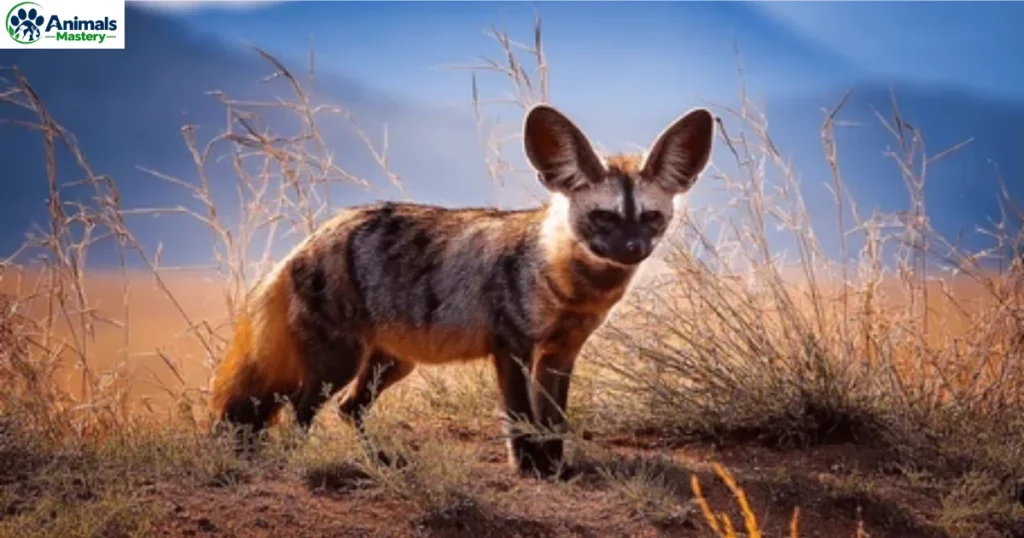
This unique diet makes them crucial players in their ecosystem, helping to control insect populations and maintain ecological balance. Socially, bat-eared foxes are fascinating as well. They often form monogamous pairs and share the responsibility of rearing their young, demonstrating a level of cooperation that adds depth to their behavior.
Unlike many solitary fox species, these canids rely on vocal communication, utilizing a range of barks, growls, and even whines to convey messages within their family groups. Their playful nature and the intricate social dynamics mirror those of more commonly studied mammals, making them a subject of interest for ecologists and animal behaviorists alike.
Bobcats
- Scientific Name: Lynx rufus
- Class: Mammalia
- Diet: Carnivore
Unlike their larger cousins, the lynx, these medium-sized felines are highly adaptable, thriving in diverse habitats, from dense forests to arid deserts. This flexibility allows them to explore urban fringes, where their elusive nature makes sightings rare yet exhilarating for those lucky enough to spot one amidst suburban landscapes.
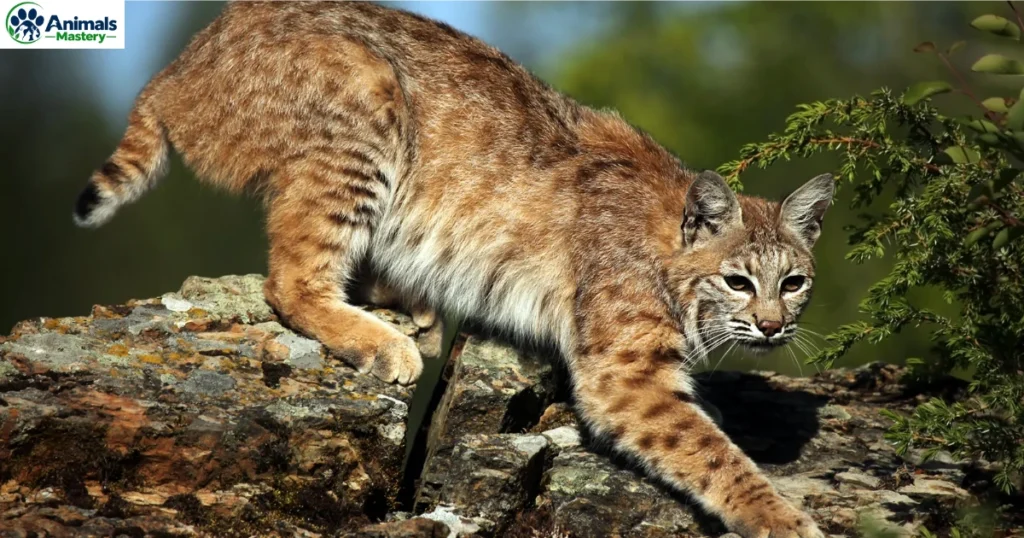
Their hunting prowess is particularly fascinating; bobcats employ a mix of ambush tactics and sheer speed to capture prey ranging from rabbits to deer. Even more astonishing is their solitary lifestyle, which fosters a level of independence that humans can admire each bobcat carves out its own niche, balancing survival with the delicate rhythms of its environment.
Observing these elusive cats prompts a deeper appreciation for the complexities of nature, reminding us that we share our world with remarkable creatures whose daily lives unfold just beyond our sight.
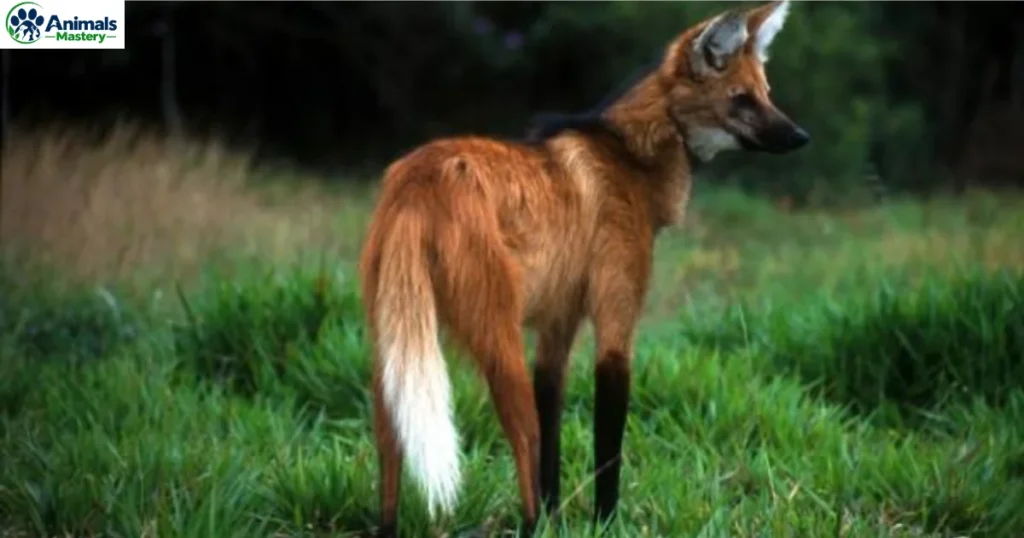
Maned Wolves
- Scientific Name: Chrysocyon brachyurus
- Class: Mammalia
- Diet: Omnivore
Found across North America, these elusive creatures thrive in diverse habitats, from dense forests to arid deserts. Their ability to camouflage among varying landscapes, combined with a diverse diet that includes small mammals and birds, showcases their resourcefulness.
Notably, bobcats have a unique hunting strategy that often involves sneaking up on prey using their keen sense of hearing and exceptional agility — an art form in the animal kingdom.
In contrast, maned wolves present an intriguing blend of canine and wolf traits, with their long legs and distinctive mane providing a striking silhouette against the South American grasslands. Unlike traditional pack hunters, maned wolves are solitary creatures, navigating vast territories in search of their favorite food: the elusive lobeira fruit.
Mongooses
- Scientific Name: Herpestes edwardsi
- Class: Mammalia
- Diet: Carnivore
They are often dismissed as mere pests, these small carnivores play essential roles in their ecosystems, particularly in controlling pest populations. With over 30 species ranging from the tiny Egyptian mongoose to the larger meerkat, each has adapted uniquely to its environment, exhibiting fascinating behaviors that challenge common perceptions.
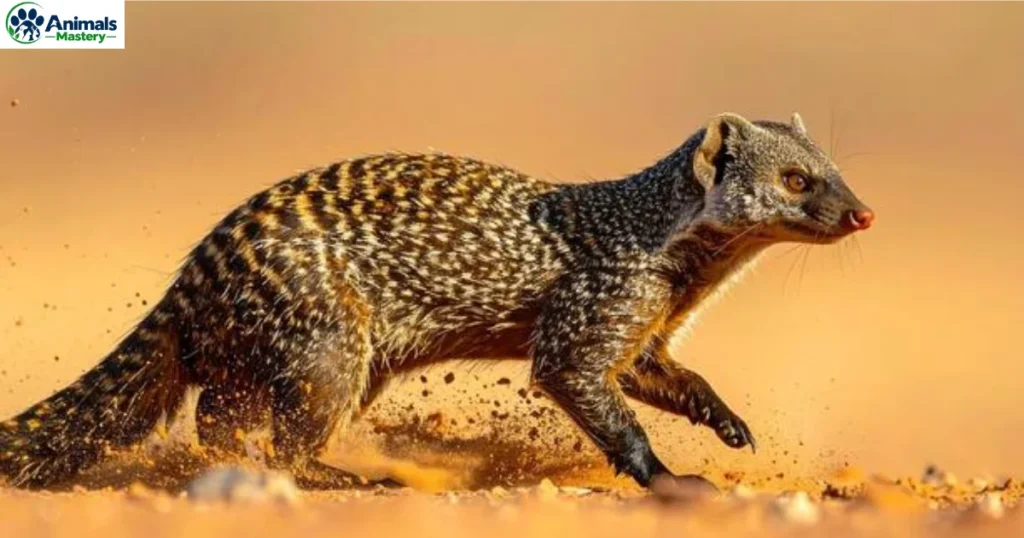
These communities exhibit cooperative behavior that enhances their survival; some members act as sentinels, alerting others to potential threats while the rest forage for food.
This combined effort not only illustrates their adaptability but also emphasizes the importance of social interaction in the animal kingdom, prompting us to reflect on how cooperation shapes survival strategies in nature.
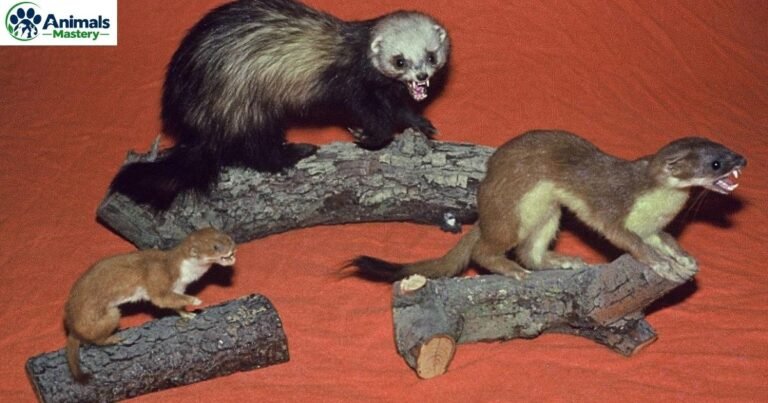
Weasels
- Scientific Name: Mustela nivalis
- Class: Mammalia
- Diet: Carnivore
With their slender bodies and sharp, inquisitive eyes, they navigate their territories with grace and precision. Unlike many mammals, weasels exhibit fascinating characteristics such as a unique hunting strategy; they can take down prey larger than themselves, using their speed and agility to outmaneuver and surprise.
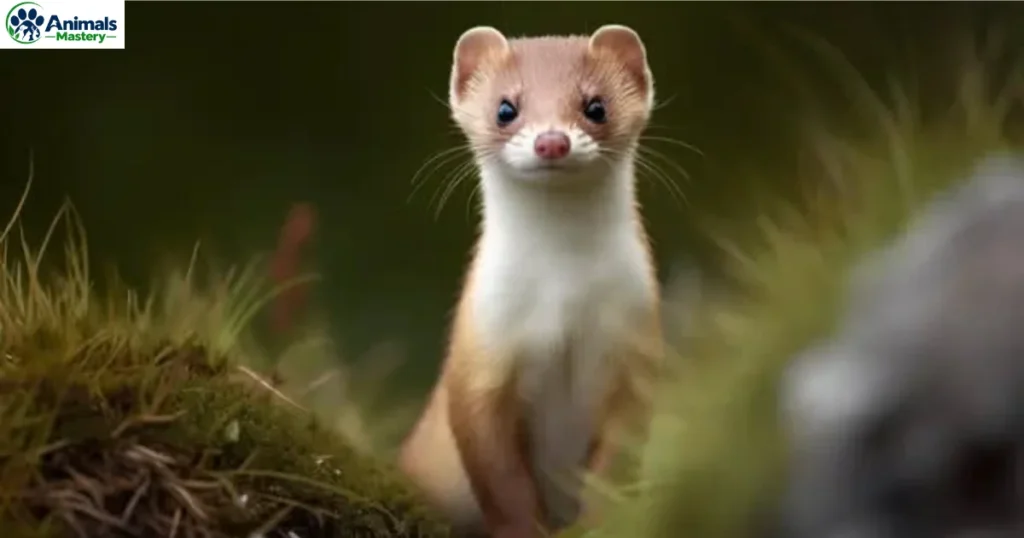
This ability underscores an incredible adaptability that allows them to thrive in diverse habitats, from woodlands to farmlands. Interestingly, weasels possess a remarkable physiological feature: their fur changes color with the seasons, a stunning adaptation that aids in camouflage.
This transformation enhances their survival and reflects the intricate dance between predator and prey in nature. Beyond their hunting prowess, weasels play a crucial role in ecosystems, helping to control rodent populations.
Raccoon Dogs
- Scientific Name: Nyctereutes procyonoides
- Class: Mammalia
- Diet: Omnivore
Raccoon dogs, or Nyctereutes procyonoides, are a fascinating amalgamation of canine and raccoon traits, captivating the curiosity of wildlife enthusiasts. These unique creatures boast distinctive facial markings reminiscent of a raccoon’s mask, but their behavior and ecological niche are more aligned with canines.
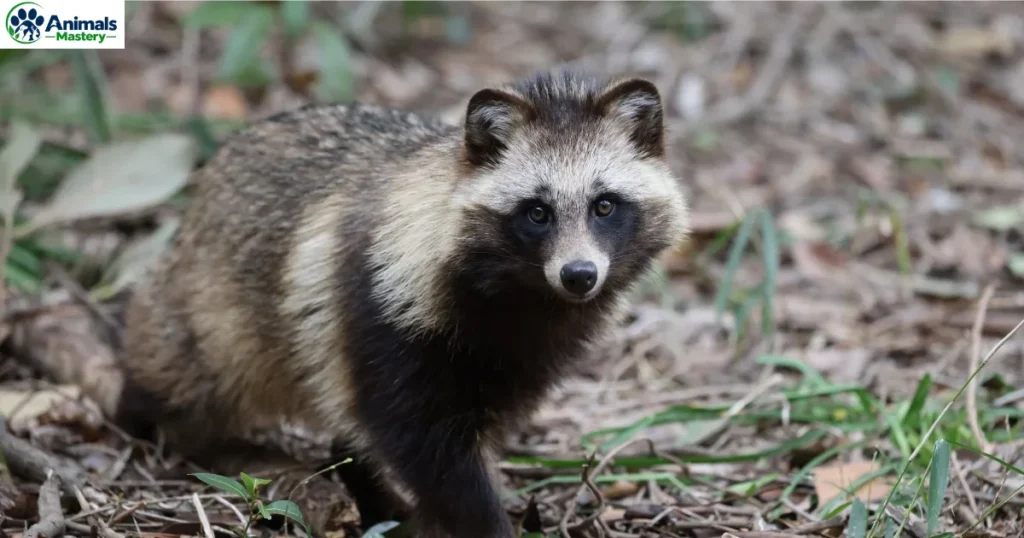
In the wild, raccoon dogs exhibit intriguing habits, such as their ability to climb trees, a skill rarely seen in other dog species, allowing them to escape predators and forage for food more effectively.
Their adaptability to diverse environments from the temperate forests of East Asia to urban habitats illustrates their resilience. Unlike most canids, raccoon dogs possess the ability to enter a state of hibernation during harsh winters, conserving energy while resting in their dens.
Explore Top 16 Animals That Eat Mice: Predators With Images
Conclusion
Foxes are not just fascinating creatures with their cunning behavior and beautiful fur, but they also play a vital role in their ecosystems. Their adaptability allows them to thrive in a variety of environments, making them a remarkable example of nature’s ingenuity.
By understanding and appreciating the role of foxes in the wild, we can foster a deeper connection to the natural world around us. It’s crucial to support conservation efforts that protect their habitats and ensure their survival. Let us take action to preserve the beauty of wildlife, starting with our appreciation for animals like foxes.
FAQs
What are the 5 Wild Animals?
African Elephant, Bengal Tiger, Polar Bear, Great White Shark, Red Fox.
What are the Top 3 Friendliest Animals?
When it comes to friendly animals, dogs often top the list. Known for their loyalty and companionship, dogs have been domesticated for thousands of years and have developed a strong bond with humans.
What are all 37 Species of Foxes?
The list of fox species is indeed fascinating and varied, encompassing a range of habitats and environments. There are 37 recognized species of foxes, primarily classified under the genus *Vulpes*. The most well-known among these is the red fox (*Vulpes vulpes*), which has adapted to numerous habitats worldwide, making it one of the most widespread terrestrial mammals.
What is the no. 1 Cutest Animal?
Determining the cutest animal is highly subjective and varies from person to person. Many people advocate for the quokka as the reigning champion of cuteness. Known as the “world’s happiest animal,” quokkas are small marsupials native to Australia.