Top 15 Cleanest Animals in the World: Facts & Pictures (2026 Guide)
While we often think of cleanliness as a human trait, the world is home to some surprisingly meticulous creatures. We’ll explore the Top 15 Cleanest Animals in The World, highlighting their impressive grooming habits and the ecological significance of their cleanliness.
By understanding these animals, we can gain insights into the importance of hygiene in nature and its impact on our environment.
What Makes an Animal “Clean”?
When we think about the cleanest animals in the world, it’s not just about their physical appearance, but their behavioral traits and habitat choices as well. For instance, dolphins are renowned for their cleanliness, using behavioral techniques to remove parasites through social grooming.
This act highlights a social aspect of cleanliness that many may not consider, how animals engage with each other to maintain health and hygiene. Their playful nature and group dynamics serve as an evolutionary benefit, enabling stronger social bonds while promoting overall well-being.
List of Cleanest Animals in The World
Below is the list of the cleanest animals in the world:
- Cats
- Polar Bears
- Deer
- Rabbits
- Raccoons
- Squirrels
- Sea Otters
- Beavers
- Hamsters
- Ants
- Badgers
- Songbirds
- Birds of Paradise
- Elephants
- Tigers
Cats
- Scientific Name: Felis catus
- Family: Felidae
- Class: Mammalia
- Diet: Carnivore
Cats are captivating creatures, not just for their playful antics but also for their impressive cleanliness rituals. Through meticulous grooming, felines dedicate a significant part of their day to maintaining their fur cleanliness, using their unique hook-like structures on their tongues to effectively remove dirt and loose hair.
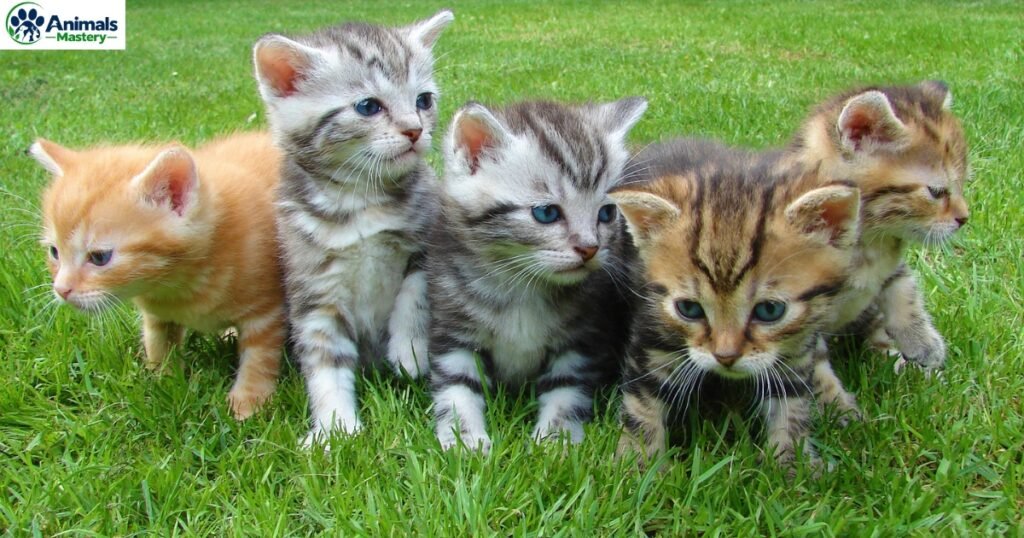
Grooming serves multiple purposes beyond aesthetics. As cats lick their fur, they distribute natural oils that help with fur maintenance and temperature regulation, keeping them comfortable in various environments.
This process also acts as a form of scent-marking, establishing their territory while providing stress relief and enhancing blood circulation.
Polar Bears
- Scientific Name: Ursus maritimus
- Family: Ursidae
- Class: Mammalia
- Diet: Carnivore
Polar bears, the majestic giants of the Arctic, exemplify cleanliness in the wild through their remarkable grooming behaviors. Despite living in one of the harshest habitats on Earth, these mammals possess thick fur and a layer of blubber that insulates them against freezing temperatures and plays a crucial role in their cleanliness.
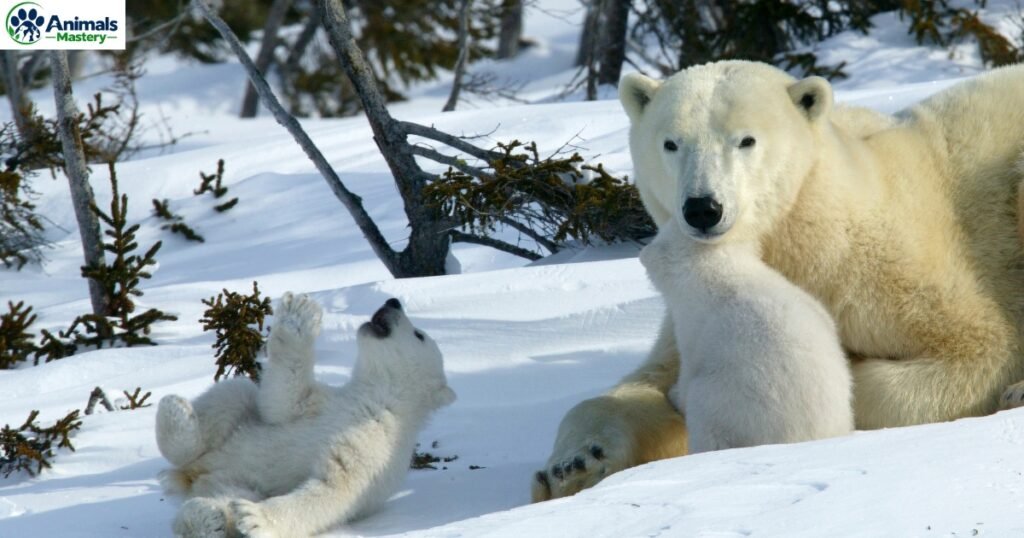
Regular self-grooming helps remove debris from their fur, which can trap heat, and also aids in parasite removal. Their hunting practices reflect an extraordinary adaptation to their environment.
Polar bears primarily consume seals, and their efficiency in the hunt minimizes waste, a testament to their evolutionary adaptation that preserves resources in an Arctic habitat where every calorie counts.
Deer
- Family: Cervidae
- Representative species: Odocoileus virginianus (White-tailed deer)
- Class: Mammalia
- Diet: Herbivore
Deer are champions of cleanliness in the animal kingdom, showcasing fastidious grooming routines that play a critical role in their health and vitality. Their personal hygiene rituals involve licking their coats clean and include behaviors designed to remove parasites, ensuring their fur remains a clean coat.
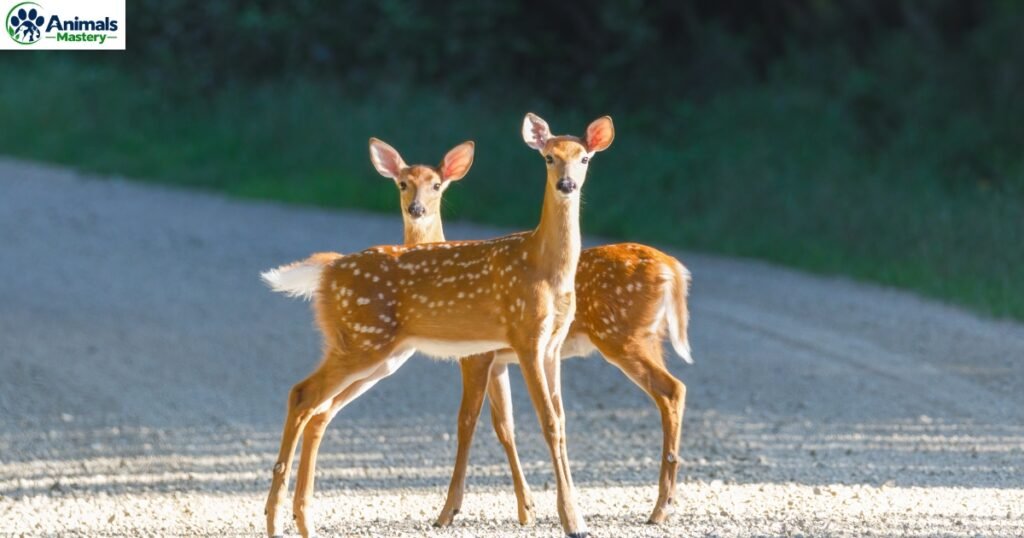
By maintaining their pristine appearance, deer also positively impact their ecosystem. Their selective feeding through browsing on a variety of plants promotes plant diversity, preventing overgrowth and supporting flora health. Their natural behavior in managing vegetation can help reduce the risk of forest fires, highlighting their role in habitat preservation and wildlife ecology.
In a world where every species contributes to the balance of its habitat, the diligence of deer emphasizes the importance of cleanliness and its far-reaching effects.
Rabbits
- Scientific Name: Oryctolagus cuniculus (European rabbit)
- Family: Leporidae
- Class: Mammalia
- Diet: Herbivore
Rabbits are often celebrated not just for their adorable appearance but also for their impressive cleanliness habits. These tidy companions are meticulous about their personal hygiene, engaging in self-grooming rituals that keep their fur free from dirt and debris.
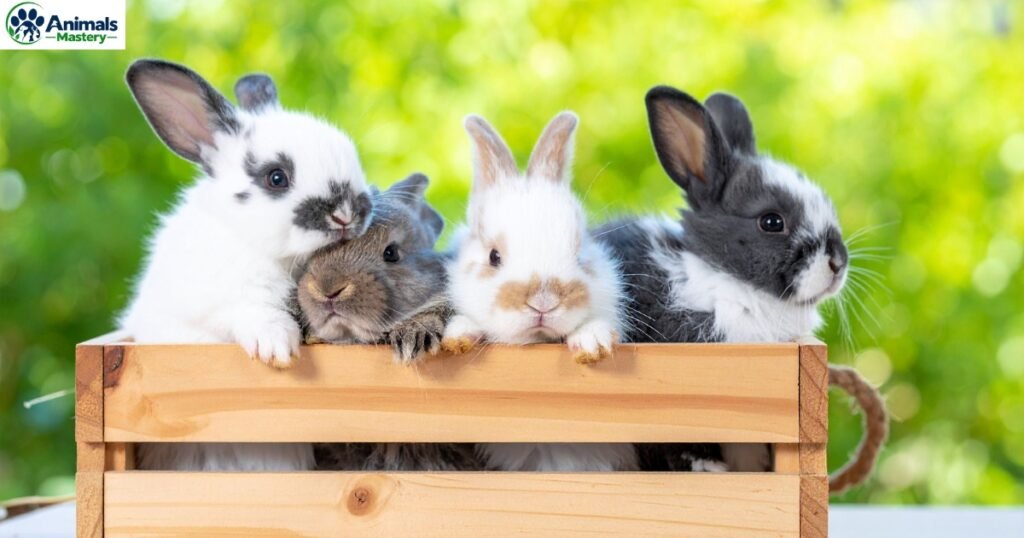
A well-cared-for rabbit regularly devotes time to grooming, ensuring their coat remains soft and healthy while fostering a clean living environment. Rabbits are known for their specific elimination areas, which further enhances their reputation as clean animals.
By designating particular spots for their bathroom needs, rabbits minimize odors and maintain a tidy habitat, making them ideal pets for those concerned about cleanliness. A robust understanding of these behaviors promotes effective care that ensures rabbit welfare, enhancing their quality of life and reducing stress and discomfort in their environment.
Raccoons
- Scientific Name: Procyon lotor
- Family: Procyonidae
- Class: Mammalia
- Diet: Omnivore
Raccoons are often celebrated for their cleverness and for their surprisingly fastidious grooming habits. These nocturnal mammals engage in a unique “washing” behavior, where they douse food in water before consumption, a practice that goes beyond mere enjoyment. Many people find Raccoons similar to foxes.
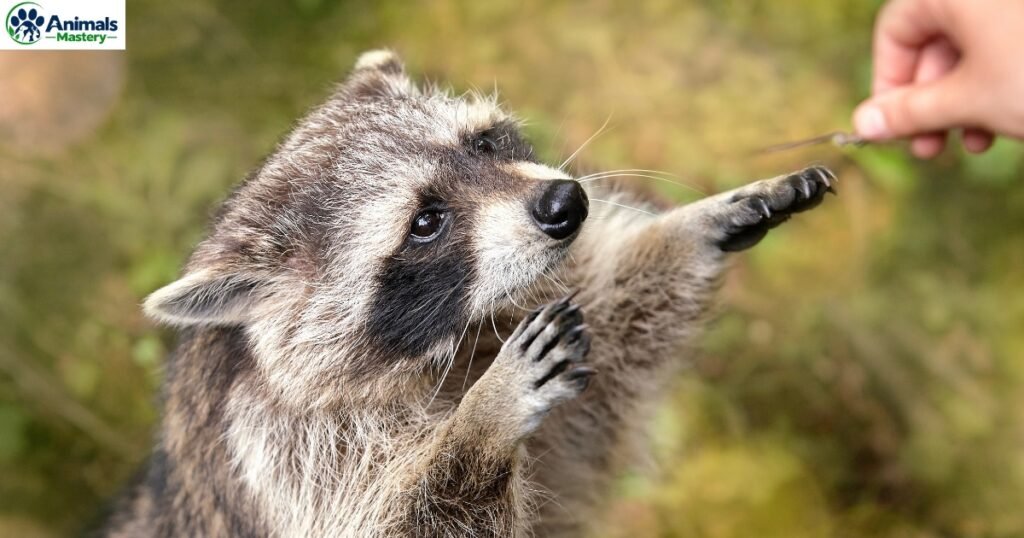
This ritualistic cleansing serves multiple purposes, including fur maintenance and parasite prevention. Their dexterous paws allow for tactile exploration and sensory enrichment, which are crucial in their quest for sustenance.
Their grooming routines are vital for thermoregulation, helping them adapt to varying temperatures in their natural habitats. Raccoons’ self-care habits highlight their adaptability and intelligence; they often dedicate significant time to cleaning their fur, ensuring it remains healthy and insulated.
Squirrels
- Family: Sciuridae
- Representative species: Sciurus carolinensis (Eastern gray squirrel)
- Class: Mammalia
- Diet: Herbivore/Omnivore
Squirrels exhibit fascinating grooming habits that highlight their instinctual drive for cleanliness. Meticulous grooming is essential for maintaining their fur, which in turn aids in body temperature regulation.
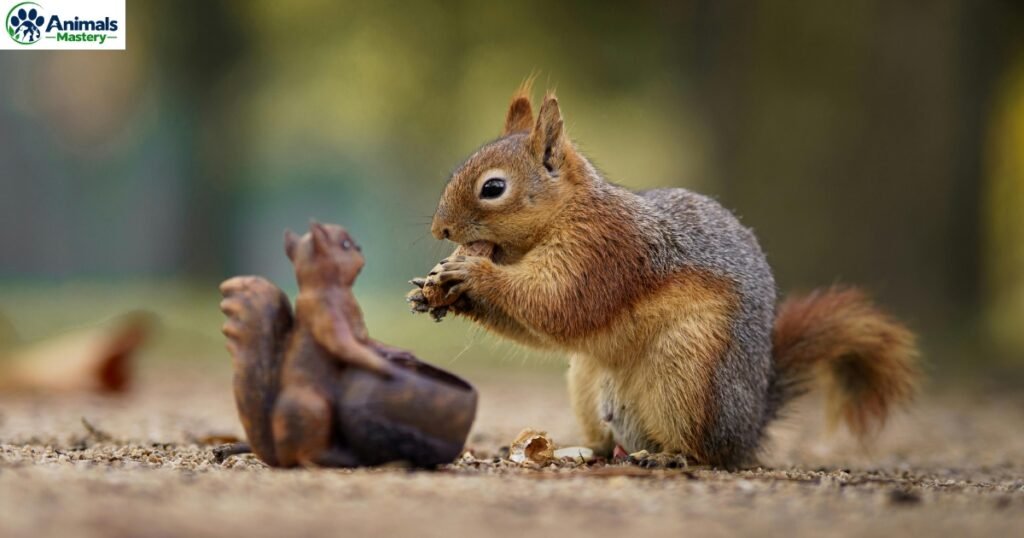
By keeping their fur well-maintained, squirrels improve their moisture resistance and minimize the risk of parasites. Their tails, often regarded as an emblem of their identity, are particularly cared for; tail grooming ensures they remain effective tools for balance and communication, integral to their escape from predators.
Squirrels also demonstrate impressive adaptability through their foraging behavior and clean food storage practices. Burying nuts and seeds in various locations reflects a level of hygiene that ensures their food sources remain uncontaminated, safeguarding against spoilage and disease.
Their careful nest site selection further reinforces their hygiene in the wild, as they often choose locations that minimize exposure to potential hazards.
Sea Otters
- Scientific Name: Enhydra lutris
- Family: Mustelidae
- Class: Mammalia
- Diet: Carnivore
Sea otters are not just adorable marine mammals with a penchant for floating on their backs; they are also champions of cleanliness in the animal kingdom. Their thick fur, comprising over a million hair follicles per square inch, serves not only for insulation against frigid waters but also requires meticulous grooming to maintain its waterproof nature.
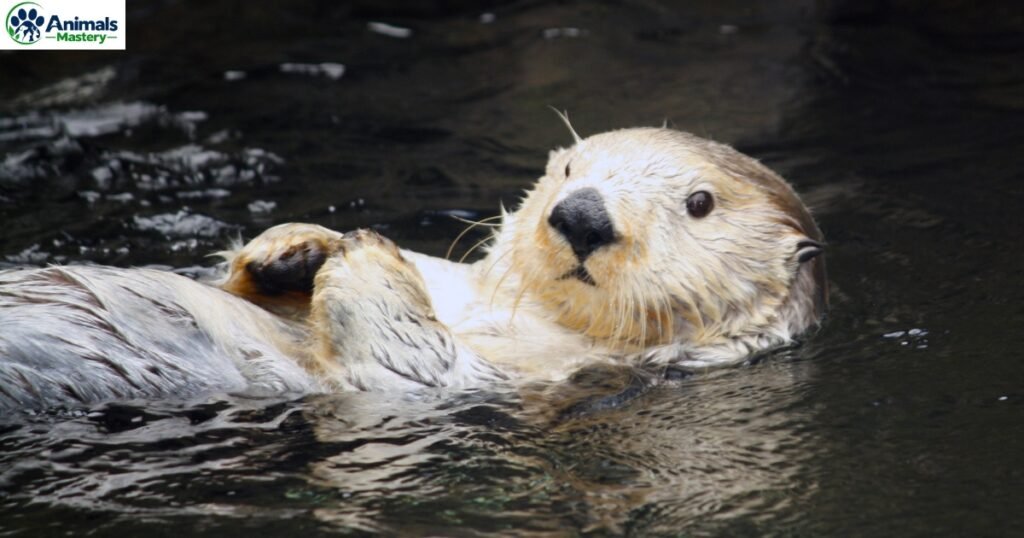
The constant self-grooming ritual is essential for their survival, as clean fur traps air and provides buoyancy, enabling them to stay warm and float effortlessly as they hunt for food.
Their grooming behavior is a fascinating mix of self-care and social bonding. Sea otters often engage in mutual grooming, where individuals help each other clean those hard-to-reach spots, fostering community cooperation among their pods. This emphasis on fur cleanliness enhances their overall well-being, reinforcing social connections that are crucial for their survival.
Beavers
- Scientific Name: Castor canadensis (North American beaver)
- Family: Castoridae
- Class: Mammalia
- Diet: Herbivore
Beavers exemplify an astonishing level of cleanliness, rivaling even the most fastidious species in the animal kingdom. Their grooming behavior is not just a quirk; it’s a survival adaptation that plays a vital role in their ecosystems.
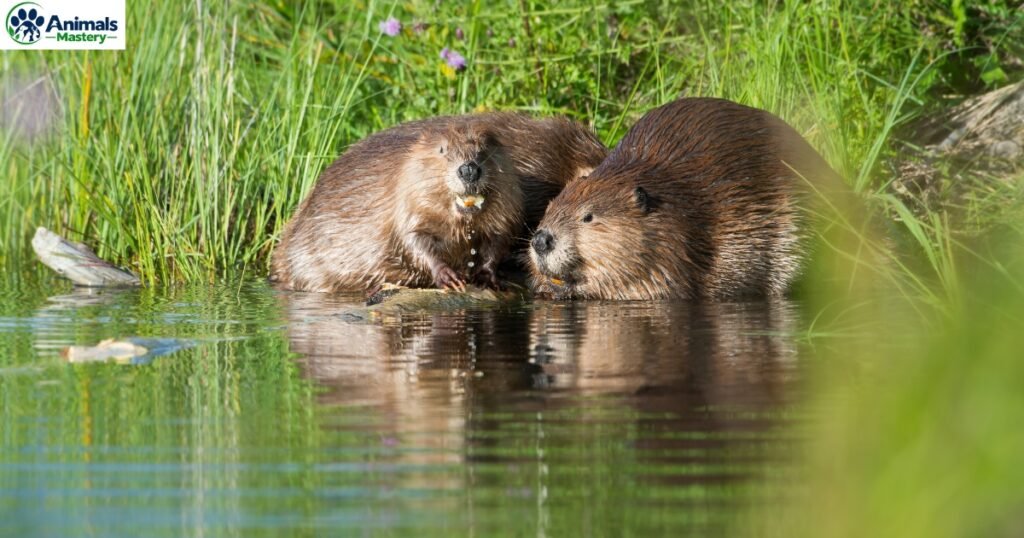
Beavers engage in an intricate self-grooming routine, meticulously washing their sleek coats with their paws to remove dirt and debris. This hygiene practice is essential for maintaining their insulative fur, particularly in chilly waters where they thrive.
Living in aquatic environments, beavers construct elaborate lodges and dams that require regular maintenance to ensure a clean habitat.
The focus on hygiene serves a dual purpose: it aids in the beavers’ health and also ensures that their habitats remain pristine, benefiting other species within their ecosystem. In essence, beavers exemplify how cleanliness can enhance survival while promoting a thriving, balanced habitat.
Hamsters
- Scientific Name: Mesocricetus auratus (Golden/Syrian hamster)
- Family: Cricetidae
- Class: Mammalia
- Diet: Omnivore
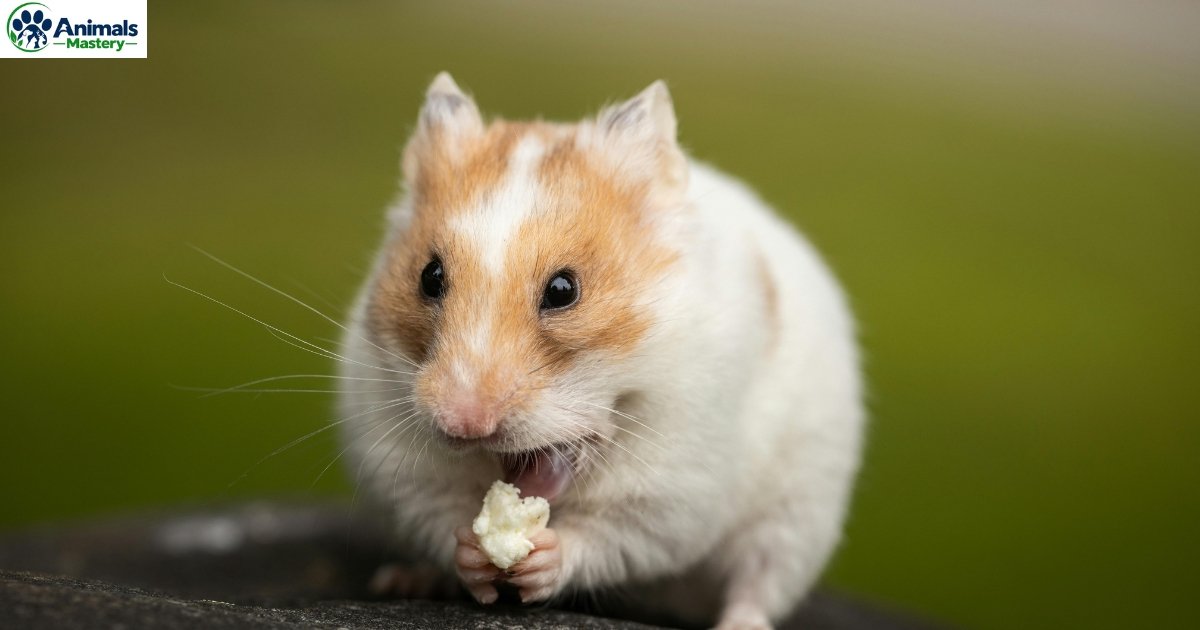
Hamsters are often celebrated for their charming personalities, but their cleanliness is equally impressive. These little rodents exhibit remarkable grooming habits that not only keep their fur pristine but also serve important health purposes.
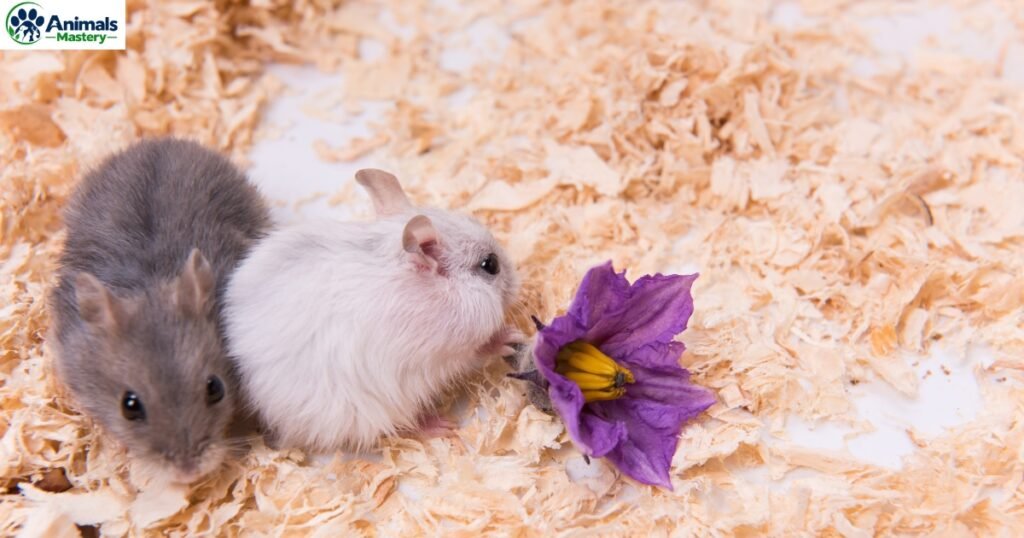
Using their front paws, hamsters meticulously groom their fur, applying natural oils that help maintain a healthy coat and protect against parasites. This self-care routine is crucial, as their fur acts as a barrier against environmental contaminants, ensuring a tidy habitat.
Hamsters are strategic about their living space, displaying a natural instinct for cleanliness. They designate specific areas for food storage, waste elimination, and nesting behavior, effectively organizing their environments.
Ants
- Family: Formicidae
- Class: Insecta
- Diet: Omnivore
Ants exhibit remarkable cleanliness through various grooming behaviors that play a critical role in maintaining colony hygiene. Their self-grooming is not just about personal upkeep; it significantly aids in pathogen prevention and debris removal, fostering a clean environment crucial for the health of their dense colonies.
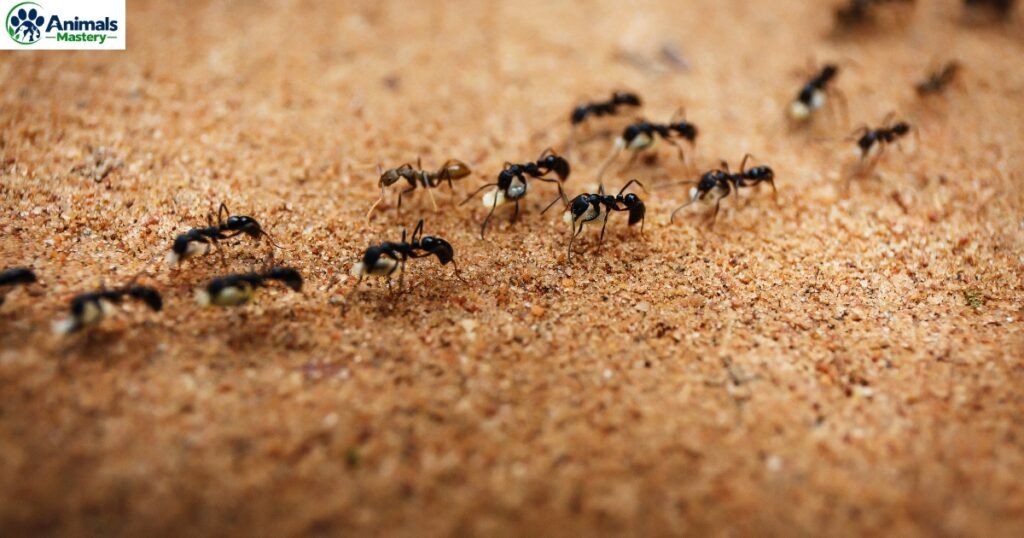
These tiny custodians engage in social grooming, where they meticulously clean their nestmates, strengthening social bonds and enhancing communal hygiene. This cooperative behavior not only aids in the removal of parasites but also fortifies the overall resilience of the colony against diseases.
Grooming chains can be observed during peak foraging times, where one ant cleans another in a continuous, flowing manner. This behavior ensures no individual falls behind in maintaining cleanliness, showcasing the intricate social structure and dynamics at play within the colony.
Ants serve as a fascinating example of animal social behavior, where cleanliness isn’t merely a personal preference but a vital strategy for colony survival.
Badgers
- Scientific Name: Meles meles (European badger)
- Family: Mustelidae
- Class: Mammalia
- Diet: Omnivore
Badgers are fascinating nocturnal mammals, often celebrated not just for their tenacity but their remarkable cleanliness. Their burrow systems, known as setts, showcase an impressive approach to sanitation, as these animals establish designated waste areas away from their living spaces.
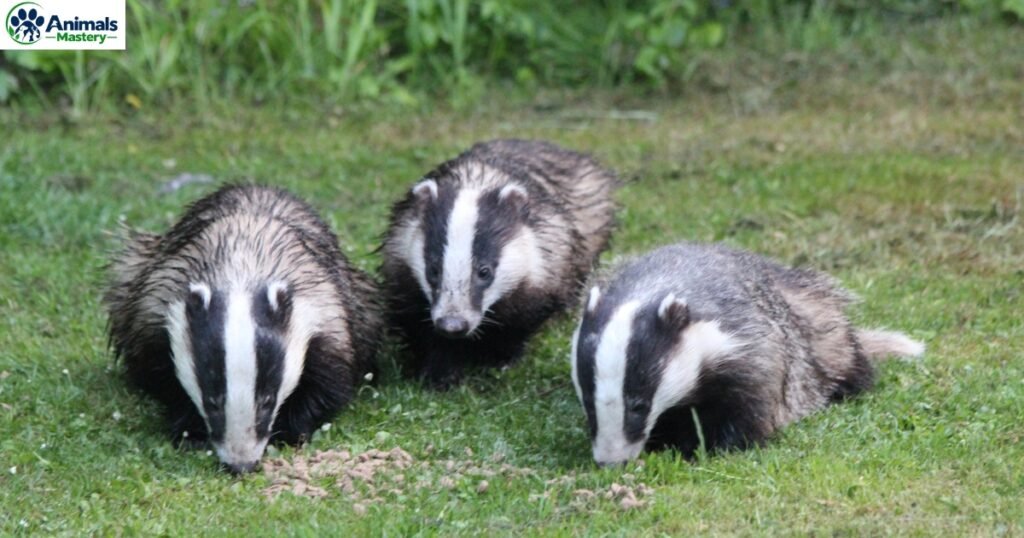
This natural instinct for burrow hygiene helps prevent the spread of parasites and diseases, creating a healthier environment for both themselves and the broader ecosystem they inhabit.
Their grooming behavior is another standout trait, as badgers meticulously clean their fur to maintain hygiene and prevent scent marking that could attract predators. Employing natural herbaceous materials for scent masking, they cleverly camouflage themselves while foraging.
Songbirds
- Suborder: Passeri (Oscines)
- Class: Aves
- Diet: Omnivore
Songbirds exhibit remarkable hygiene habits that go beyond mere survival; their cleanliness is a testament to their complex social structures. Through communal bathing and social grooming, these avian wonders maintain their plumage and reinforce social bonds within their flocks.
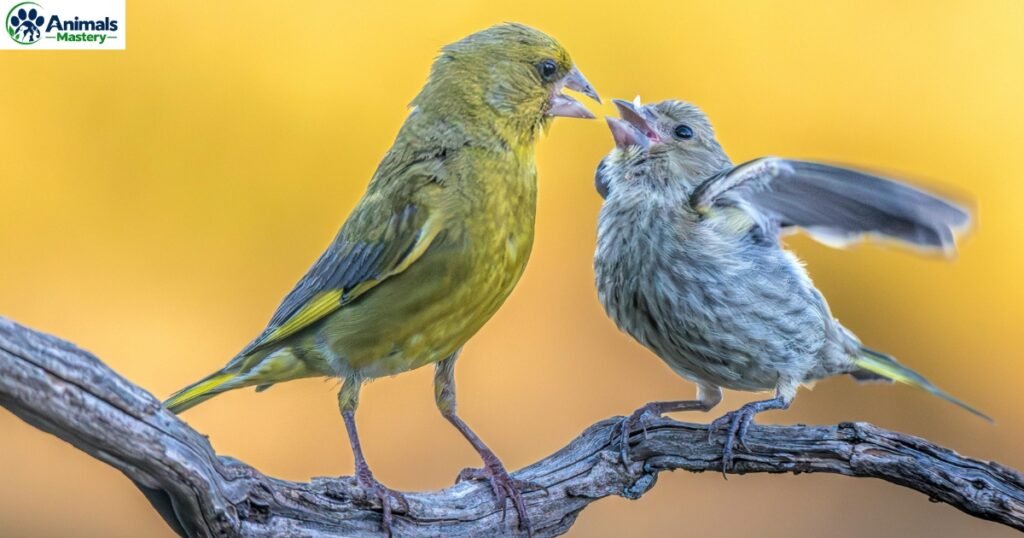
These rituals allow for thorough feather cleaning, ensuring they remove dirt and parasites that could threaten their health. In doing so, songbirds exemplify a resilient survival behavior, reinforcing the idea that cleanliness is integral to their existence.
The use of natural grooming materials showcases their adaptability in the ecosystem. Many songbirds engage with insect-repelling plants and employ plant-based grooming techniques, effectively turning their surroundings into a living toolkit for hygiene.
By supporting each other’s grooming rituals, songbirds display a fascinating blend of self-care and active pest control, highlighting the interconnectedness of their social dynamics and the environment around them.
Birds of Paradise
- Family: Paradisaeidae
- Class: Aves
- Diet: Omnivore
The Birds of Paradise are not just a feast for the eyes with their flamboyant plumage; their dedication to cleanliness plays a pivotal role in their survival and mating success. These avian artists engage in meticulous preening, a grooming behavior essential for maintaining the brilliance of their vibrant feather colors.
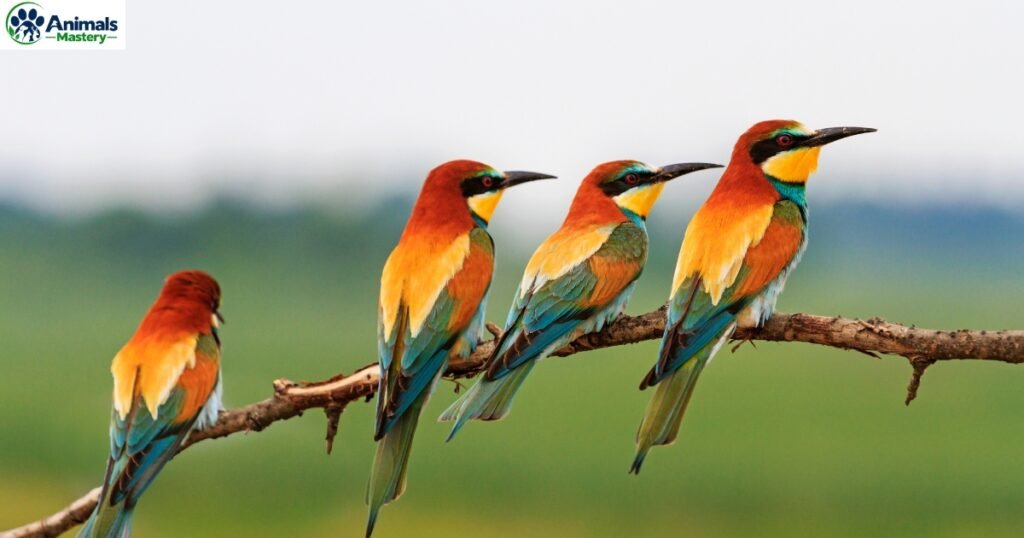
This ritualistic feather grooming keeps their plumage pristine and serves as a means of parasite removal and dead feather maintenance, ensuring optimal aerodynamics for flight performance in the dense rainforest habitats of New Guinea.
Their quest for cleanliness doesn’t stop at self-maintenance. Some species have been observed utilizing insect-repelling plants as natural pest control, showcasing an intriguing link between personal hygiene and ecosystem health. The courtship rituals of these birds often involve elaborate displays, where impeccable feather brilliance catches the attention of potential mates.
Elephants
- Scientific Name: Loxodonta africana (African elephant) / Elephas maximus (Asian elephant)
- Family: Elephantidae
- Class: Mammalia
- Diet: Herbivore
Their social grooming rituals, particularly through mutual grooming, highlight the importance of hygiene among these intelligent mammals.
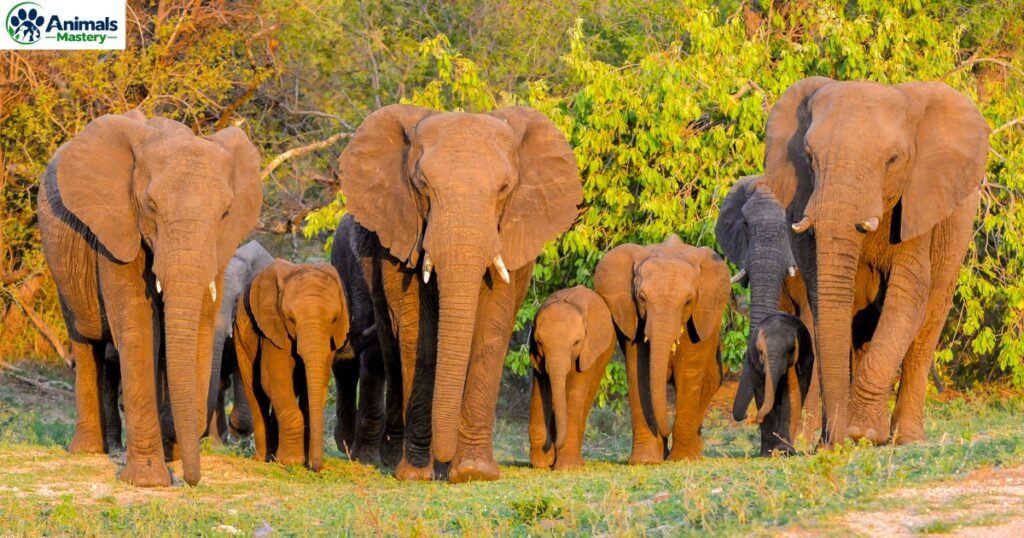
Using their trunks, they engage in meticulous skin cleaning, removing dirt, pests, and dead skin, which is vital for maintaining healthy skin and preventing irritation. This process fosters social bonding, as elephants spend significant time tending to one another, reinforcing their intricate social structures.
Elephants frequently partake in dust bathing, employing natural materials like sand and mud for sun protection and insect defense. This behavior illustrates a deep connection with their natural resources, allowing them to thrive in various habitats while promoting wildlife cleanliness.
With such behaviors, elephants remind us that cleanliness is not just a personal endeavor but a communal practice essential for social cohesion and well-being within their herds.
Tigers
- Scientific Name: Panthera tigris
- Family: Felidae
- Class: Mammalia
- Diet: Carnivore
Tigers are not just magnificent predators; their meticulous grooming habits elevate them to one of the cleanest animals in the world. With a remarkably rough tongue, they engage in self-grooming, effectively removing loose fur and dirt.
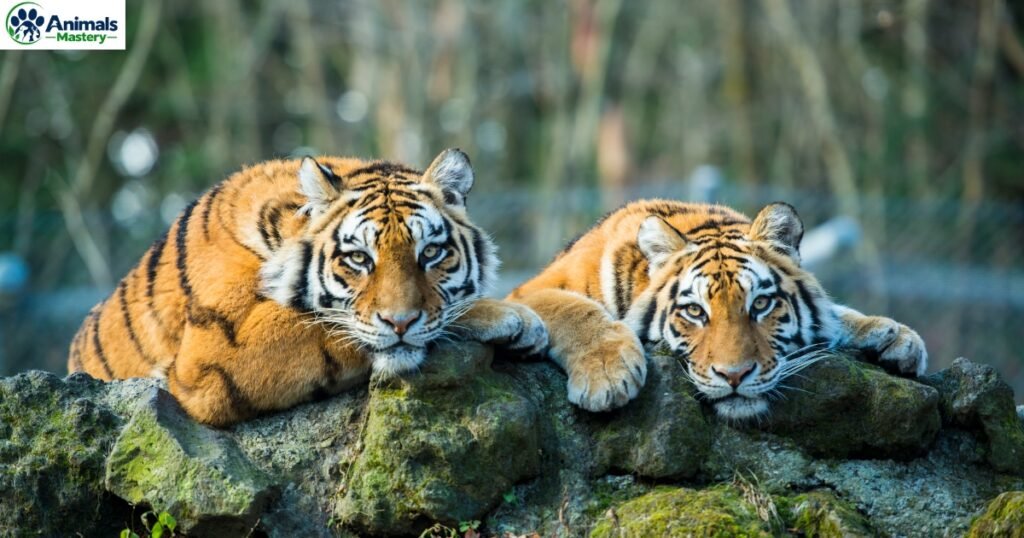
By regulating body temperature through grooming, tigers can stay cool in warmer climates, showcasing an intricate adaptation to their environment.
Beyond individual cleanliness, tigers also exhibit nurturing behavior that extends to their cubs. Maternal care involves teaching these young ones about hygiene, often encouraging them to maintain clean resting and feeding areas. This instinctual drive for hygiene plays a critical role in their survival, as a clean habitat can deter predators and increase overall health.
Common Misconceptions About “Dirty” Animals
The most pervasive misconceptions about “dirty” animals is that they are inherently unclean or carry diseases. Take pigs, for instance. Often labeled as filthy creatures because of their love for mud, pigs are actually quite fastidious.
They wallow to regulate body temperature, not because they enjoy being dirty. In truth, pigs prefer clean environments, and they tend to designate specific areas for eating and sleeping. This behavior contradicts the stereotype of them being “dirty” animals, inviting us to reconsider our assumptions about cleanliness in the animal kingdom.
The common myth surrounds the idea that certain animals, like rats, are synonymous with filth. While it’s true that rats can thrive in unsanitary conditions, they are also highly intelligent and social creatures that form strong community bonds.
Many scientists advocate for rethinking our perceptions, as rats play vital roles in ecosystems, from seed dispersal to disease research. Recognizing their contributions can shift the narrative from “dirty” to complex and essential members of our environment, urging us to appreciate the intricacies of these often-misunderstood animals.
Explore: Top 16 Animals That Eat Mice, Predators With Images
Final Words: Why Cleanliness Matters in the Animal Kingdom
The world is home to a remarkable array of clean animals, each demonstrating unique behaviors that prioritize hygiene in their habitats. From the diligent grooming of the Japanese macaque to the meticulous nesting habits of the weaver bird, these creatures remind us of the importance of cleanliness in the natural world.
Observing these animals not only highlights their fascinating adaptations but also encourages us to reflect on our own practices regarding cleanliness and conservation. As we strive to protect the environments they inhabit, let us also adopt habits that contribute to a cleaner planet.
Frequently Asked Questions
Which Animal is the Most Hygienic?
Cats are the most hygienic animal. Cats are known for their meticulous grooming habits, spending up to 50% of their waking hours cleaning themselves.
What is the Most Unclean Animal?
In many cultures, pigs are often labeled as unclean due to religious beliefs and hygiene concerns. They are known to scavenge and can carry parasites and diseases.
What are the Top 5 Dirtiest Animals?
According to factors like habitat, disease spread, and unpleasant behaviors, the five animals often regarded as the dirtiest are houseflies, rats, cockroaches, pigs (because of their mud-wallowing tendencies), and hippos (due to their waste-marking habits).
Can Domesticated Animals also be Considered Clean?
Some domesticated animals, like cats, are very clean and exhibit grooming behaviors similar to their wild counterparts.
Are Pigs or Humans Cleaner?
When comparing cleanliness between pigs and humans, it’s essential to consider the context and definitions of “clean.” Pigs are often perceived as dirty animals because they wallow in mud.
Humans have developed complex sanitation practices, making modern life relatively clean. However, individual habits can vary widely, and some people may not maintain cleanliness to the same extent.
Which is the Cleanest Pet?
When considering which pet is the cleanest, many people might point to fish as the top choice. Fish require minimal handling and produce no fur or dander, making them an ideal option for allergy sufferers. If you’re looking for a furry companion, cats often rank high in cleanliness as well.
Are Clean Animals always Herbivores?
Not necessarily; while many clean animals are herbivores, some carnivores also maintain cleanliness through grooming behaviors.