
Top 17 Fascinating Animals That Have Manes (Facts & Pictures)
Not all manes belong to the iconic lion. In the animal kingdom, various species showcase this fascinating feature, each with its own unique style and significance.
This article will explore the Top 17 Animals That Have Manes, highlighting their incredible adaptations and the roles these manes play in their respective lives.
By the end, you’ll have a deeper appreciation for these magnificent creatures and the biology behind their striking appearances.
List of Animals That Have Manes
Here is the list of animals that have manes:
- Wildebeest
- Lion
- Sable Antelope
- Bison
- Golden Lion Tamarin
- Gelada Baboon
- Yak
- Zebra
- Maned Sloth
- Horse
- Hyena
- Lion-tailed Macaque
- Bactrian Camel
- Giraffe
- Maned Wolf
- Maned Duck
- Barbary Sheep
Wildebeest
- Scientific Name: Connochaetes taurinus
- Family: Bovidae
- Class: Mammalia
- Diet: Herbivore, feeds on grasses
Wildebeests, often overshadowed by more charismatic megafauna of the African savanna, boast a distinctive mane that serves multiple purposes beyond aesthetics. This mane isn’t just a striking feature; it plays a crucial role in thermoregulation.
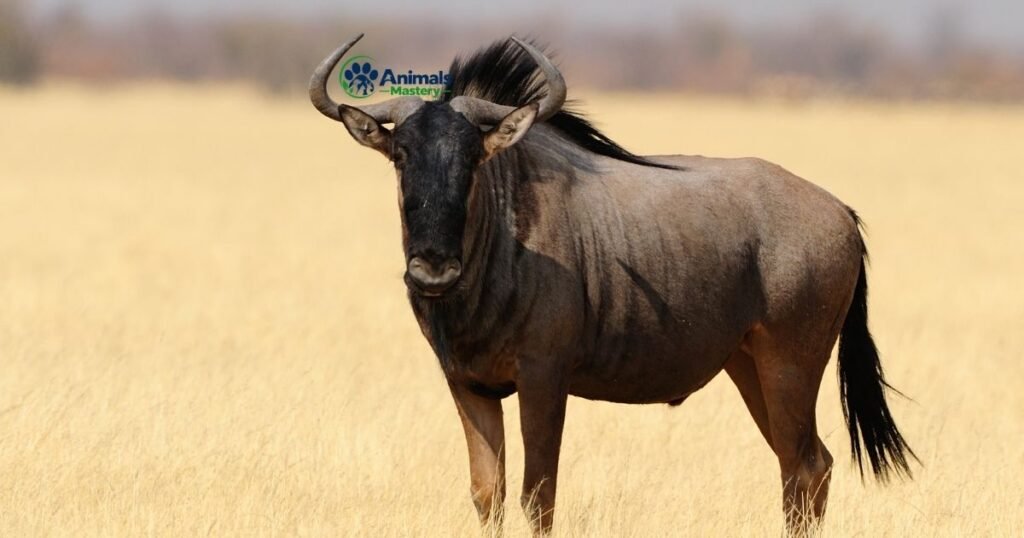
The shaggy hair helps to regulate body temperature, allowing these animals to thrive in the sweltering heat of their environment. By creating a layer of insulation, the mane mitigates extreme temperatures, showcasing an elegant adaptation to the harsh African climate.
Wildebeest exemplify remarkable herd behavior, and their manes contribute to social dynamics within the group. The differing lengths and textures of manes can communicate health status and fitness to potential mates, indicating an individual’s vitality.
As these animals gather in large numbers, their manes become a part of the collective identity, enhancing cohesion and unity among the herd. In celebrating their unique attributes, we uncover the intricate ways nature weaves functionality into the fascinating tapestry of wildlife in the savanna.
Lion
- Scientific Name: Panthera leo
- Family: Felidae
- Class: Mammalia
- Diet: Carnivore, feeds on large mammals such as zebra, wildebeest, and buffalo
The majestic lion’s mane serves as a powerful symbol of strength and vitality, often becoming a focal point in discussions about health and fitness among male lions. Interestingly, the size and fullness of a lion’s mane can indicate a male’s overall health, as a robust mane is often associated with higher levels of testosterone.
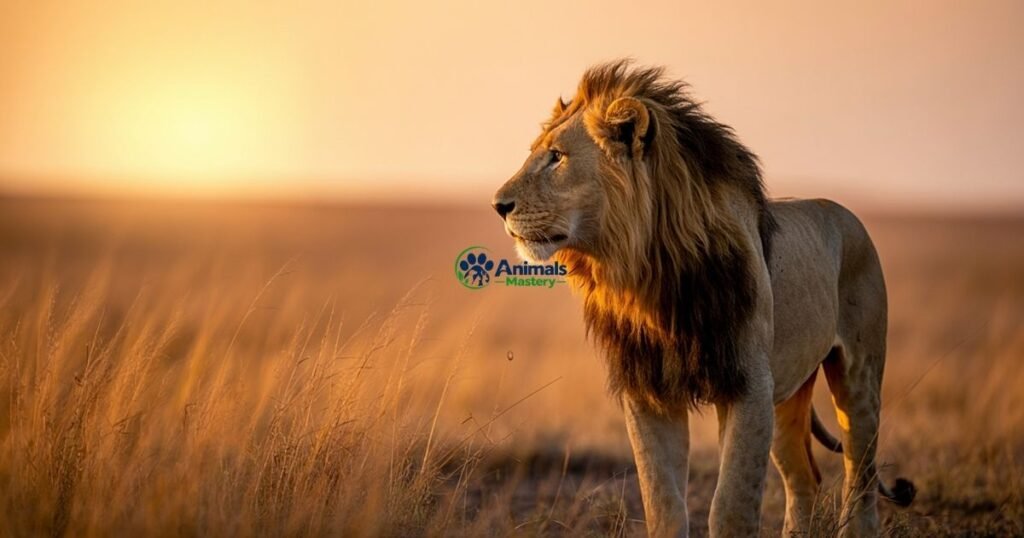
This trait plays a significant role during mating and courtship; females are naturally drawn to males with more impressive manes, perceiving them as better suitors and protectors for their potential young.
The mane’s color and thickness can vary greatly, influenced by environmental factors and genetics. In hotter climates, for example, lions may have shorter manes that allow them to stay cooler, demonstrating nature’s remarkable adaptability.
Those with darker and fuller manes often dominate their territory, reinforcing the idea that a lion’s mane is not just an aesthetic feature but also a key player in the social dynamics of pride life. Consequently, this symbol of regality is deeply intertwined with the survival and reproductive success of these magnificent creatures.
Sable Antelope
- Scientific Name: Hippotragus niger
- Family: Bovidae
- Class: Mammalia
- Diet: Herbivore, feeds on grasses and leaves
The Sable Antelope, with its striking dark coat and impressive horns, stands as one of the most regal animals of the African savanna. Males showcase a majestic mane that accentuates their powerful presence, providing a visual contrast to their glossy fur.

This mane isn’t just for show; it serves as a crucial element in mating displays, with dominant males using it to impress females and deter rivals.
Their stunning appearance is more than skin deep. The benefits of their dark coat extend beyond aesthetics; it helps regulate body temperature in the sweltering heat of the savanna.
As these majestic creatures navigate their territory, the Sable Antelope’s social structure comes into play, relying on their exceptional agility and intelligence to thrive in a landscape that poses constant challenges.
Bison
- Scientific Name: Bison bison
- Family: Bovidae
- Class: Mammalia
- Diet: Herbivore, feeds on grasses and sedges
Bison are often celebrated for their impressive stature and powerful presence, but one of their most striking features is their shaggy mane. This thick fur not only provides insulation against the harsh climates of the plains but also plays a crucial role during the mating season.
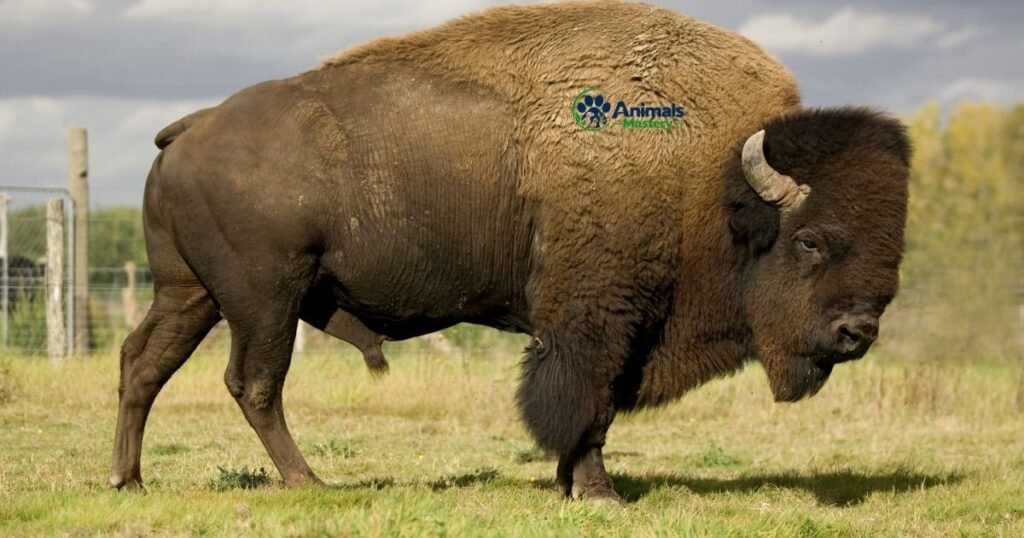
The males, adorned with this prominent mane, display their physical prowess to attract females, engaging in displays of strength that highlight their vitality.
During the breeding season, the bison’s mane becomes even more pronounced, as it’s a visual signal of health and genetic fitness. The shaggy fur often creates an aura of dominance, elevating the male’s status within the herd.
As they roam their vast plains habitat, these magnificent creatures embody the rugged beauty of the American wilderness, reminding us of nature’s resilience and adaptability. Each mane tells a story, woven into the rich tapestry of life that thrives in these open spaces.
Golden Lion Tamarin
- Scientific Name: Leontopithecus rosalia
- Family: Callitrichidae
- Class: Mammalia
- Diet: Omnivore, eats fruit, insects, and small vertebrates
The Golden Lion Tamarin, with its striking golden mane, stands out as a symbol of beauty and resilience in the Atlantic Coastal Forest of Brazil. This small primate, part of the Callitrichidae family, showcases a vibrant coat that not only captures the eye but also plays a crucial role in its social dynamics.

Their distinctive manes serve as a visual cue for communication within their tight-knit family groups, emphasizing the importance of social bonds in the cooperative breeding strategies that define their existence.
The Golden Lion Tamarin is among the world’s endangered species, primarily due to habitat loss and deforestation. Conservation efforts are underway, focusing on habitat restoration and breeding programs that emphasize cooperation not just among tamarins, but also between organizations and communities safeguarding their future.
By fostering awareness and engaging local populations, these initiatives aim to preserve the Golden Mane’s habitat and ensure that future generations can marvel at the beauty of these remarkable creatures in their natural environment.
Gelada Baboon
- Scientific Name: Theropithecus gelada
- Family: Cercopithecidae
- Class: Mammalia
- Diet: Herbivore, feeds mainly on grasses
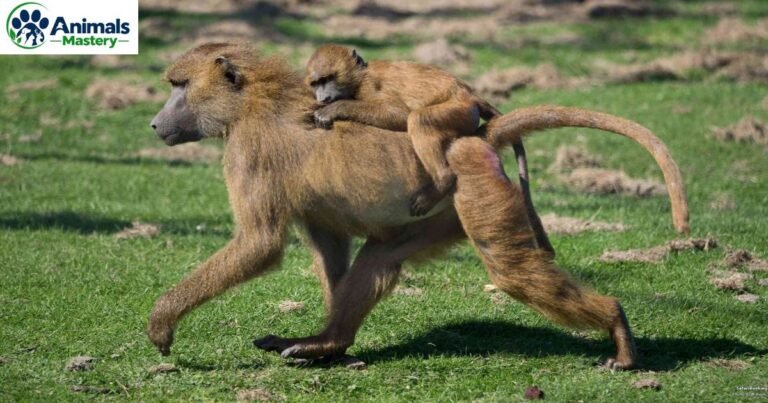
The Gelada baboon, native to the Ethiopian Highlands, boasts a striking mane that sets the males apart in a dramatic display of dominance. This impressive mane, which can grow to remarkable lengths, serves not just as a symbol of physical prowess but also as an indicator of social status within their complex social structure.
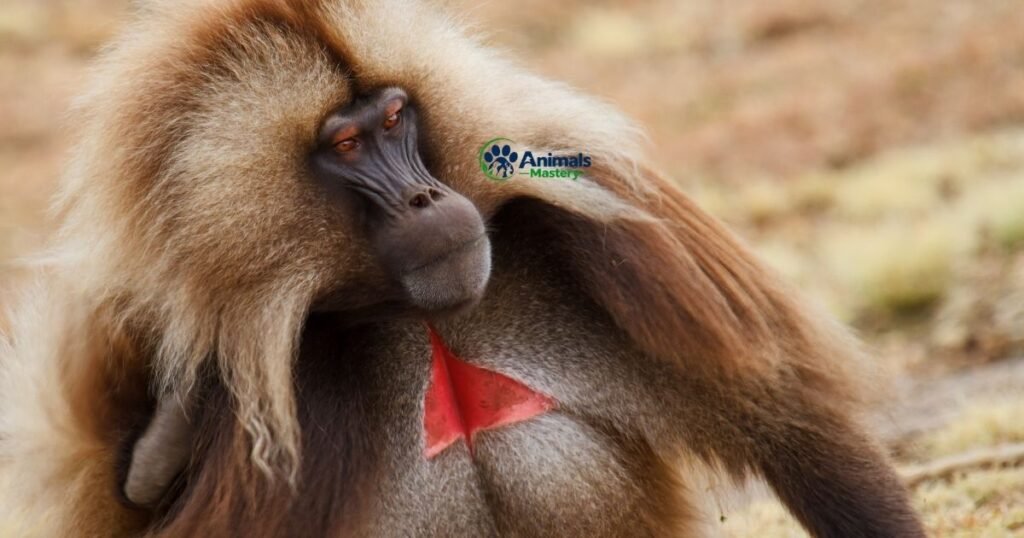
In the intricate world of these primates, the mane can signify a male’s fitness and appeal to potential mates, making it a crucial element during mating season.
The Gelada baboon’s social dynamics are fascinating, as these animals live in large groups where hierarchy is everything. Males with more developed manes often enjoy better access to mates, allowing them to establish themselves as dominant figures within their troops.
This visual cue plays a vital role in maintaining order and stability in the group, as it contributes to the males’ reputation before they even engage in social interactions.
Yak
- Scientific Name: Bos grunniens
- Family: Bovidae
- Class: Mammalia
- Diet: Herbivore, feeds on grasses and shrubs
The yak, a remarkable creature found in the harsh environments of the Himalayas, boasts a dense mane that serves as a crucial adaptation for its frigid habitat. This impressive fur not only provides natural insulation against biting winds but also acts as a barrier against snow, enabling these resilient animals to thrive in temperatures that can plummet well below freezing.
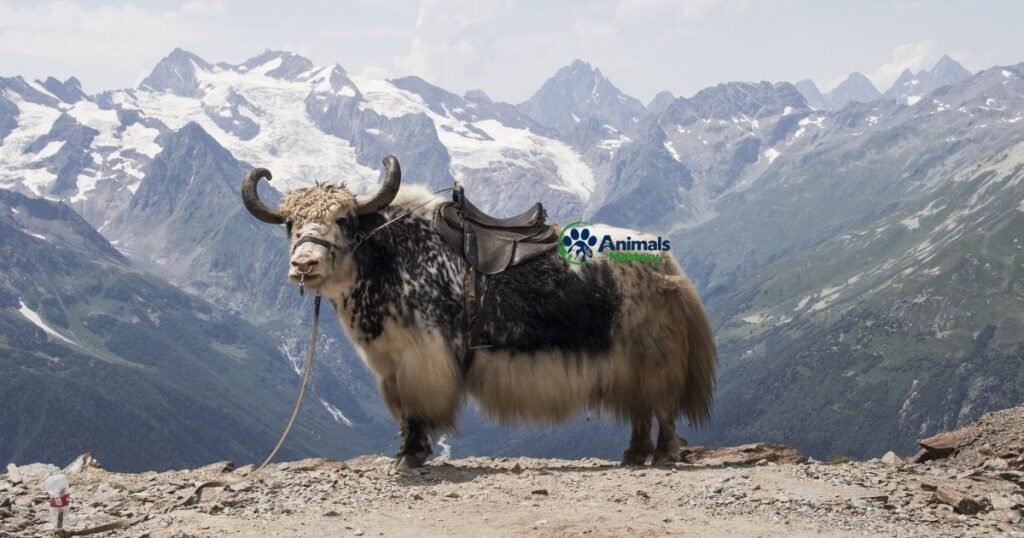
The mane’s thickness is an evolutionary marvel, reflecting the yak’s ability to resist the cold and remain active in high-altitude terrains where few other animals can survive.
The yak’s mane isn’t just functional; it also plays a role in social interactions within herds. These majestic animals often use their manes to express dominance and attract mates, further highlighting the importance of this feature in their life cycle.
Observing yaks in their natural environment reveals a symbiotic relationship between their physical attributes and the rugged landscapes they inhabit, making them a fascinating subject for those intrigued by evolutionary biology and animal behavior.
Zebra
- Scientific Name: Equus quagga
- Family: Equidae
- Class: Mammalia
- Diet: Herbivore, feeds on grasses
The zebra mane, often overlooked in discussions of this iconic creature, plays a crucial role beyond mere aesthetics. The striking black-and-white stripes not only make zebras one of the most recognizable animals in the African savanna but also serve as a vital form of predator defense.
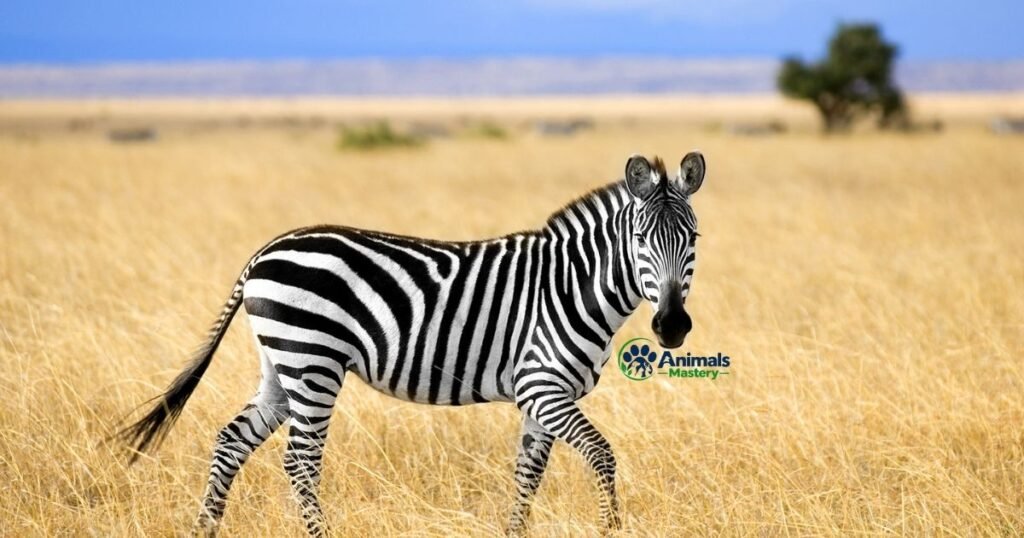
Research has shown that these patterns may confuse predators like lions or hyenas, particularly when zebras move in a herd. As they gallop together, the shifting stripes can create a shimmering effect that disrupts the predator’s focus, increasing their chances of escape.
The herd behavior of zebras is intrinsically linked to their unique mane. Social bonds within a group are strengthened by these distinctive markings, allowing zebras to identify one another quickly. This collective identity is essential for survival in the wild, as it fosters cooperation during migration and feeding.
The zebra’s mane, therefore, is not just an intriguing feature of its appearance but an evolutionarily honed asset that enhances both its defense mechanisms and social structure in the vast African savanna.
Maned Sloth
- Scientific Name: Bradypus torquatus
- Family: Bradypodidae
- Class: Mammalia
- Diet: Herbivore, feeds on leaves
The maned sloth, with its distinctive mane of long, coarse hair, stands out among the lush greenery of its rainforest habitat. This striking feature not only enhances its physical appeal but also plays a vital role in camouflage, blending seamlessly with the dappled light filtering through the trees.

As these unique animals hang languidly in the branches, their manes evoke a sense of mystery, offering an intriguing glimpse into the evolutionary adaptations that aid in their survival.
During mating season, the maned sloth’s mane becomes a visual cue in displays of dominance and fitness, attracting potential mates while signaling strength to rivals.
The vibrant, shaggy coat can be particularly compelling to female sloths, who may choose partners based on the quality of their mane.
Horse
- Scientific Name: Equus caballus
- Family: Equidae
- Class: Mammalia
- Diet: Herbivore, feeds on grasses, hay, and grains
The horse mane serves not just as an aesthetic feature but as a multifaceted asset deeply woven into equine culture. From protecting the neck against environmental elements to playing a role in social dynamics, the mane is essential for horses in the wild and domesticated settings alike.

Its flowing lengths can act as a signal in horse behavior, indicating mood or health, up, sleek, and well-kept often denotes a confident, alert equine, while a tangled mane might hint at neglect or stress, impacting a horse’s well-being.
In equestrian grooming, the care of a horse’s mane can become an intimate ritual, fostering a bond between horse and handler. Regular detangling not only prevents discomfort but also allows owners to check for skin issues or parasites, integrating a grooming session into a holistic care routine.
The artistry in mane styling varies from practical English braids to flowing Western looks, reflecting diverse equestrian cultures and traditions. This unique expression through mane grooming transcends mere aesthetics, enhancing the connection between rider and steed, where every twist and braid tells a story of care, competition, and camaraderie.
Hyena
- Scientific Name: Crocuta crocuta
- Family: Hyaenidae
- Class: Mammalia
- Diet: Carnivore, eats carrion and hunts medium to large mammals
The spotted hyena, often misunderstood and maligned, possesses a distinctive mane that plays a vital role in its social dynamics. This sturdy crest of fur, more than a mere aesthetic trait, is an expressive tool in the complex communication of these matriarchal clans.

As the hierarchical structure predicates dominance, the mane’s visibility can reflect the health and status of its owner, subtly signaling authority to both rivals and allies within the clan.
The hyena’s defensive mane is an impressive feature, evolved for protection against threats. When a hyena feels threatened, it can bristle the mane, creating an intimidating silhouette that deters potential aggressors. This dual purpose of the mane, serving both social and defensive roles, highlights the innovative strategies employed by spotted hyenas in their intricate, cooperative social framework.
As these creatures navigate their environments, their mane stands as a testament to their adaptability and cleverness, reshaping our perception of them from mere scavengers, a role they share with several scavenger birds that also keep ecosystems clean, to highly intelligent, strategic pack animals.
Lion-tailed Macaque
- Scientific Name: Macaca silenus
- Family: Cercopithecidae
- Class: Mammalia
- Diet: Omnivore, eats fruit, seeds, insects, and small vertebrates
The Lion-tailed Macaque, with its striking silvery mane, is a remarkable primate native to the rainforests of the Western Ghats in India. True to its name, it’s also known for its tufted tail, a feature it shares with several other animals with long tails. This unique feature not only enhances its regal appearance but also plays a role in its social interactions.

The macaque’s mane is essential for establishing social hierarchies, with individuals often displaying their manes to assert dominance or attract mates, making them a fascinating study in animal behavior.
Beyond their striking looks, Lion-tailed Macaques are crucial for their habitat’s health. As they move through the dense forest, they engage in seed dispersal, a vital ecological function that helps maintain the biodiversity of their environment.
By consuming various fruits and later excreting the seeds, these macaques facilitate the growth of new plants, ensuring the continued vitality of their rainforest home.
Bactrian Camel
- Scientific Name: Camelus bactrianus
- Family: Camelidae
- Class: Mammalia
- Diet: Herbivore, feeds on grasses, shrubs, and desert vegetation
The Bactrian camel, with its impressive double hump and striking mane, is not just a fascinating spectacle of nature but also a master of cold-weather adaptation. Its tough, weathered hide places it among the more resilient thickest skin animals built to withstand extreme climates.

Found primarily in the rugged terrains of Central Asia, this camel’s thick, shaggy mane serves multiple purposes.
It provides insulation in frigid temperatures while also acting as a shield against biting winds, making it exceptionally well-suited for harsh climates. Unlike their single-humped relatives, Bactrian camels thrive in conditions where temperatures can plummet, illustrating their remarkable evolutionary resilience.
The social behavior of Bactrian camels adds another layer to their unique charm. These animals exhibit a surprisingly intricate social structure, often forming close-knit groups that offer protection and support.
Their mane plays a role in these social interactions; during displays of dominance or courtship, the graceful sway of their hair communicates status and attraction.
Giraffe
- Scientific Name: Giraffa camelopardalis
- Family: Giraffidae
- Class: Mammalia
- Diet: Herbivore, feeds mainly on acacia leaves
In the heart of the African savanna, male giraffes boast a distinctive mane that not only adds to their majestic appearance but plays a crucial role in their social behaviors. This mane is particularly prominent during necking, a unique form of sparring where males engage in combat using their long necks.

This behavior isn’t simply for dominance; it’s a vital part of their mating rituals. The more a male giraffe showcases his strength and resilience through these bouts, the more attractive he becomes to potential mates.
The giraffe’s mane serves as a striking visual cue in a world filled with vibrant wildlife. During courtship, a male’s mane may gain heightened significance, as it can influence the perception of fitness among rival males and inviting females alike.
The giraffe’s ability to exhibit physical prowess while displaying his mane enhances his overall appeal and effectiveness in securing mating rights. Thus, the mane is not just an aesthetic feature; it’s intricately tied to the intricacies of survival and reproduction in the wild.
Maned Wolf
- Scientific Name: Chrysocyon brachyurus
- Family: Canidae
- Class: Mammalia
- Diet: Omnivore, eats small mammals, fruit, and insects
The maned wolf, an intriguing denizen of the South American grasslands, showcases a distinctive mane that sets it apart from other canids. This striking feature isn’t merely for show; it plays a crucial role in their social interactions and territorial displays.

When the maned wolf feels threatened or is asserting dominance, the erect mane can project an imposing silhouette, effectively communicating aggression to potential rivals and predators alike.
The mane takes on importance during courtship displays, where it may serve to attract mates and signal fitness. Unlike many of its relatives, the maned wolf exhibits solitary behavior, often roaming the vast grasslands alone.
This lifestyle allows it to maintain a larger territory, which is essential for hunting the primarily herbivorous prey like fruit and small mammals that populate its environment.
Maned Duck
- Scientific Name: Chenonetta jubata
- Family: Anatidae
- Class: Aves
- Diet: Herbivore, feeds mainly on grasses and herbs
The Maned Duck showcases an intriguing blend of striking appearance and fascinating behavior. These Australian waterfowl are easily recognizable by their unique mane-like feathers, which extend from the back of their heads and give them a regal air.
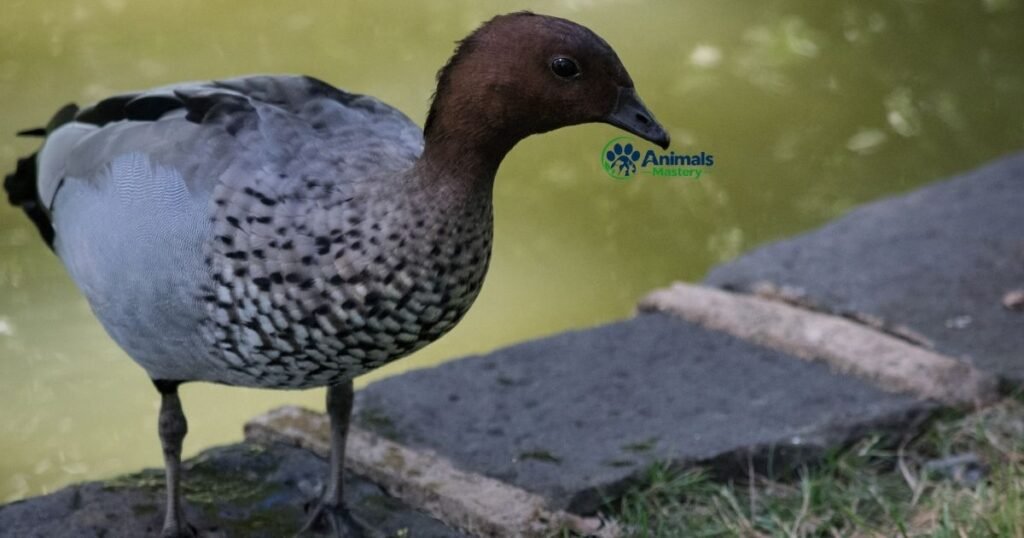
During courtship, males engage in elaborate displays, puffing up their feathers and shaking them dramatically to attract female attention. It’s a performance as much as a display of physical prowess, highlighting the importance of visual cues in their mating rituals.
Beyond their colorful plumage, Maned Ducks possess webbed feet, specially adapted for navigating their aquatic habitats. This feature not only aids in swimming but also allows them to traverse marshy terrains with agility.
Observing these ducks in their natural environment reveals a level of adaptability and grace that often goes unnoticed. Their ability to thrive in diverse wetlands and their charismatic courtship behavior makes the Maned Duck a fascinating subject for bird enthusiasts and nature lovers alike.
Barbary Sheep
- Scientific Name: Ammotragus lervia
- Family: Bovidae
- Class: Mammalia
- Diet: Herbivore, feeds on grasses and shrubs
Barbary sheep, recognized for their impressive mane-like tufts, showcase a fascinating blend of beauty and practicality in their existence. Males sport this distinctive feature, which serves as a striking visual cue in their social hierarchy.

The size and fullness of their mane not only signal maturity but also project dominance, influencing mating opportunities within the herd. In the rugged terrain of the North African mountains, these tufts help males assert their presence, warding off rivals through sheer visual impact.
Beyond their physical characteristics, the Barbary sheep present a rich tapestry of social behavior. These animals often engage in elaborate displays, showcasing their mane as a means to establish rank and stability in their groups.
The interplay of these mane-like tufts not only underscores male dominance but also reflects the intricate dynamics of their social structures, where each sheep’s status can shift with the seasons, mirroring the challenges of survival in their harsh habitat.
More Fascinating Animal Adaptations to Explore
The Gelada baboon’s mane isn’t its only claim to fame, these primates are also remarkably powerful for their size, a trait covered in more detail in our piece on how strong baboons really are.
Bison, too, combine their shaggy mane with sheer physical power, earning them a spot among the most muscular animals in the world.
And while the maned wolf’s mane sets it apart, its long legs and fox-like silhouette place it in good company with other animals like foxes built for life on open grassland.
Together, these traits show how a single feature, like a mane, is often just one piece of a much larger evolutionary puzzle.
Final Thoughts
The fascinating world of animals with manes offers a glimpse into the diversity of nature and the unique adaptations that help species thrive in their environments.
From the majestic lion, often referred to as the king of the jungle, to the striking mane of the horse that symbolizes strength and beauty, each of these animals has its own story to tell.
The manes not only enhance their physical appearance but also play crucial roles in communication and survival. As we continue to explore and appreciate these magnificent creatures, we should also commit to their conservation and protection.
FAQs
What Animals have Manes?
Lions are the best-known animals with manes. Other animals, such as male giraffes, wildebeests, zebras, and some horses, also have mane-like hair.
Do Giraffes have Manes?
Yes. Giraffes have a short, upright mane running along the back of their neck.
Which Animal has a Big Mane?
The male lion has the largest and most prominent mane among living animals.
Can a tiger have a mane?
Tigers do not have true manes, but some male tigers can develop longer, thicker hair around the neck and cheeks.
Do all Lions have a Mane?
No. Male lions usually develop manes, while females do not. Mane size and appearance vary among males.