
Top 15 Remarkable Animals With Long Legs (Facts & Pictures)
The tallest land animal, the giraffe, can reach up to 18 feet in height, thanks in large part to its incredibly long legs.
In this article, we will explore the fascinating world of animals with long legs, delving beyond just the giraffe to discover 14 other amazing creatures that use their unique limb lengths to thrive.
Understanding these animals not only highlights the wonders of evolution but also broadens our appreciation for biodiversity.
List of Animals with Long Legs
Here is the list of animals with long legs:
- Shire Horse
- Giant Sea Spider
- African Elephant
- Ostrich
- Japanese Spider Crab
- Secretary Bird
- Flamingo
- Giant Pacific Octopus
- Red Kangaroo
- Arabian Camel
- Alaskan Moose
- Maned Wolf
- Black-Winged Stilt
- Giraffe
- Gerenuk
Shire Horse
- Scientific Name: Equus caballus
- Family: Equidae
- Class: Mammalia
- Diet: Herbivore, feeds on grasses, hay, and grains
The Shire Horse, renowned for its long legs, epitomizes strength and grace in the equine world. Originally bred for heavy farm work, this large horse breed showcases a remarkable combination of power and gentleness.

Their long legs not only provide the ability to traverse various terrains but also give them a distinctive stature that commands attention. As they move, their elegant strides contrast beautifully with the formidable strength they possess, making them ideal for plowing fields and hauling heavy loads.
Despite their imposing size, Shire Horses are often celebrated for their gentle temperament. This attribute makes them excellent companions for both seasoned equestrians and novices alike.
Their calm demeanor and willingness to work alongside humans create a unique bond, highlighting a harmonious relationship between power and gentleness. As they embark on tasks that demand both strength and patience, the Shire Horse proves to be an invaluable asset on farms, embodying the spirit of hard work coupled with a serene disposition.
Giant Sea Spider
- Scientific Name: Colossendeis colossea
- Family: Colossendeidae
- Class: Pycnogonida
- Diet: Carnivore, eats soft-bodied invertebrates like sea anemones and worms
The giant sea spider, a remarkable member of the arachnid family known as Pycnogonids, showcases an extraordinary adaptation that sets it apart in the marine world. With legs that can extend up to 12 inches, these creatures appear almost alien as they navigate the depths of the ocean floor.
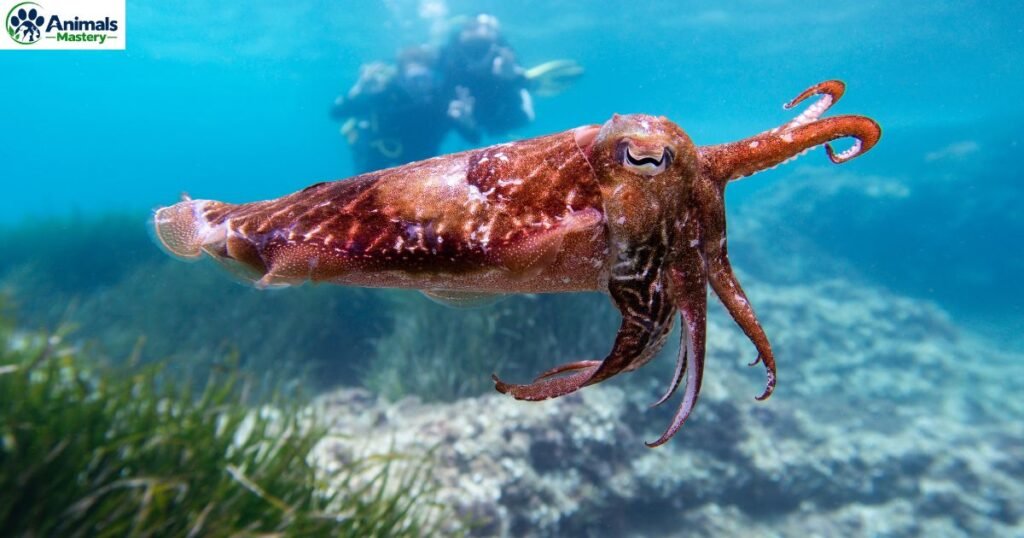
This impressive limb length serves a vital purpose: to adapt to the unique challenges of their environment, allowing them to walk efficiently along the seabed and scavenge for food, primarily soft-bodied invertebrates.
Their long legs aren’t just for show; they play a crucial role in their survival. By allowing the giant sea spider to distribute its weight over a larger area, these lengthy appendages help them traverse soft substrates without sinking.
The elongated limbs enhance their sensory perception, enabling them to detect subtle changes in their environment and find nourishment in the often murky waters of the deep sea.
African Elephant
- Scientific Name: Loxodonta africana
- Family: Elephantidae
- Class: Mammalia
- Diet: Herbivore, feeds on grasses, leaves, bark, and fruit
The African elephant, with its impressive leg length, averaging around 120 cm, exhibits remarkable adaptations that enhance its survival in the vast savanna. Its legs support not just enormous weight but also thick, tough skin, placing it among the thickest skin animals in the world. These long legs not only support its enormous weight but also facilitate efficient movement across varied terrains.
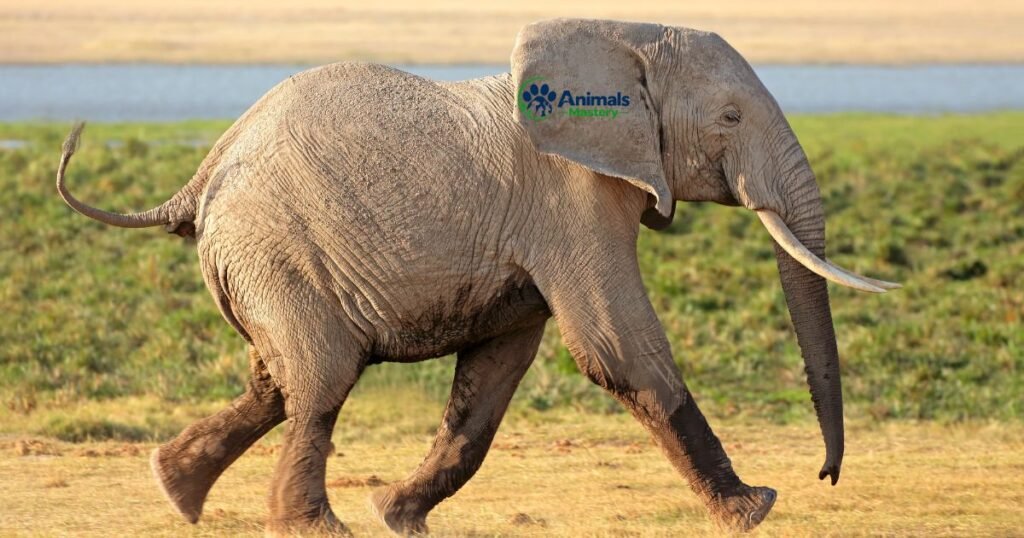
As the largest land mammal on Earth, these elephants utilize their elongated limbs to traverse difficult landscapes, from dense brush to open plains, ensuring they can forage for food while evading potential threats.
Social behavior in African elephants is equally fascinating; their long legs enable them to maintain visual contact within herds, enhancing communication and social bonds. Mothers with calves often rely on their heightened height to spot predators, allowing them to protect their young efficiently.
Ostrich
- Scientific Name: Struthio camelus
- Family: Struthionidae
- Class: Aves
- Diet: Omnivore, mostly plants, occasionally insects
Ostriches are fascinating creatures, renowned for their impressive long legs that play a pivotal role in their survival. Standing upright and relying on two powerful legs for movement, they’re among the most striking examples of animals that walk on two legs. These can reach speeds of up to 45 miles per hour, making them the fastest running birds on the planet.

Their elongated limbs aren’t just for show; they enable swift evasion from predators, allowing ostriches to escape threats with remarkable agility. This speed is crucial in their native habitats, where they often face danger from big cats like lions and leopards.
The long legs of an ostrich also play a significant role in courtship displays, showcasing their beauty and vitality. During mating season, males use spectacular strutting and leg displays to attract females, flaunting their powerful limbs as a symbol of strength.
This unique combination of physical prowess and courtship behavior highlights how evolution has finely tuned their adaptations to aid both survival and reproduction.
Japanese Spider Crab
- Scientific Name: Macrocheira kaempferi
- Family: Inachidae
- Class: Malacostraca
- Diet: Omnivore, eats algae, small invertebrates, and carrion
The Japanese Spider Crab, renowned for its astonishing 3.7-meter leg span, epitomizes marine adaptation at its most extraordinary. This crustacean thrives in the depths of the Pacific Ocean, where its elongated limbs are not just a striking feature but a functional advantage for foraging along the ocean floor.

With their long legs, these crabs can navigate over rocky substrates and coral reefs, an ability that opens up a vast expanse of habitat for scavenging and hunting.
What’s intriguing about the Japanese Spider Crab is its balance of form and function. While their slender, spindly legs may seem delicate, they are remarkably strong, allowing these creatures to traverse the seafloor with agility and grace.
This adaptation is essential for evading predators and seeking out food sources such as mollusks and small fish hidden among the ocean’s crevices. The crab’s unique morphology is a compelling reminder of the evolutionary marvels that exist in our oceans, showcasing how adaptability can lead to becoming a master of one’s environment.
Secretary Bird
- Scientific Name: Sagittarius serpentarius
- Family: Sagittariidae
- Class: Aves
- Diet: Carnivore, eats snakes, insects, and small mammals
The Secretary Bird, with its striking long legs reaching up to 90 cm, stands as an iconic figure of the African savanna. These graceful avians are not just about their impressive stature; their long legs are a functional marvel designed for hunting.
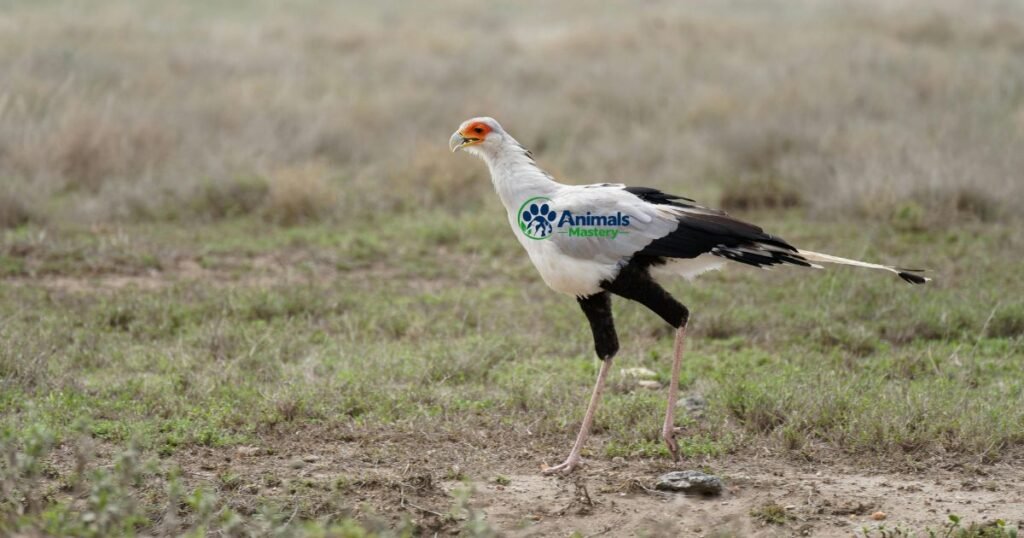
With each step, they showcase agility and precision, enabling them to navigate the often uneven terrain of their environment while hunting snakes and small mammals.
What truly sets the Secretary Bird apart is its powerful kicks. These birds can deliver remarkable strikes that can crush venomous snakes, making them effective predators. Contrary to the image of a delicate creature, the Secretary Bird embodies a fierce tenacity.
As they gracefully traverse the savanna, they remind us that beauty and strength can coexist in the animal kingdom, revealing the intricate balance of nature’s design. Their long limbs are not just for show; they are a testament to evolution’s clever adaptations in the wild.
Flamingo
- Scientific Name: Phoenicopterus roseus
- Family: Phoenicopteridae
- Class: Aves
- Diet: Omnivore, eats algae, small crustaceans, and mollusks
Flamingos are a striking marvel of nature, with their remarkable long legs that can measure up to 120 cm. These elongated limbs aren’t just for show; they are a vital adaptation for wading through shallow waters.
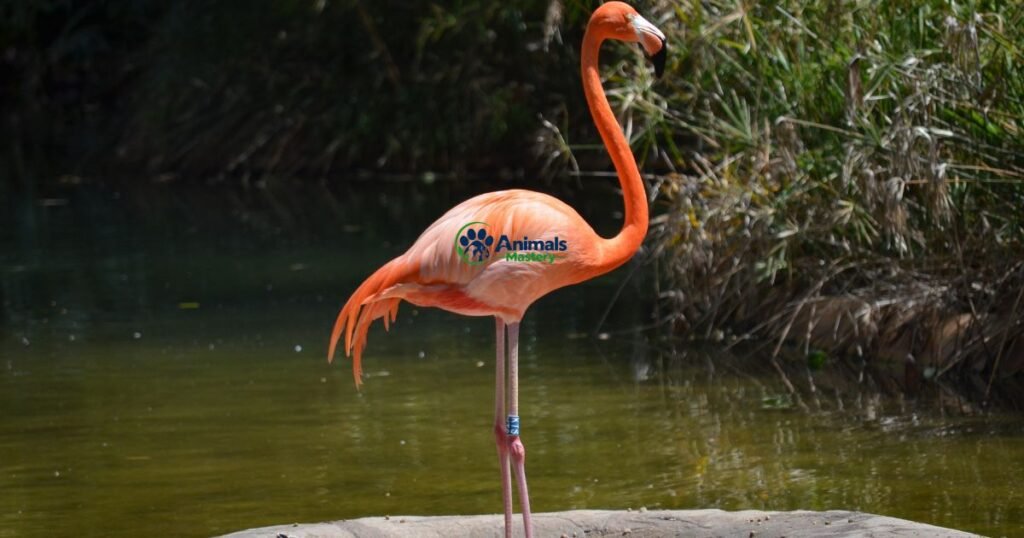
The extra height allows flamingos to access a diverse range of food sources, from tiny crustaceans to microscopic algae, all while maintaining a safe distance from lurking predators below the surface.
As masters of filter feeding, flamingos utilize their unique beaks to sift through sediment and capture nourishment. Their specialized feeding technique is enhanced by their long legs, which enable them to wade further into muddy environments where many other birds can’t venture.
This adaptation not only showcases their evolutionary ingenuity but also highlights the delicate ecosystems they inhabit, reminding us of the intricate balance of nature and the role that every creature plays within it.
Giant Pacific Octopus
- Scientific Name: Enteroctopus dofleini
- Family: Octopodidae
- Class: Cephalopoda
- Diet: Carnivore, eats crustaceans, fish, and mollusks
The Giant Pacific Octopus is a marvel of marine biology, boasting long arms that can span up to 2 meters. These flexible tentacles are not just for show; they are equipped with thousands of sensitive suckers that allow the octopus to explore its environment with exceptional dexterity.
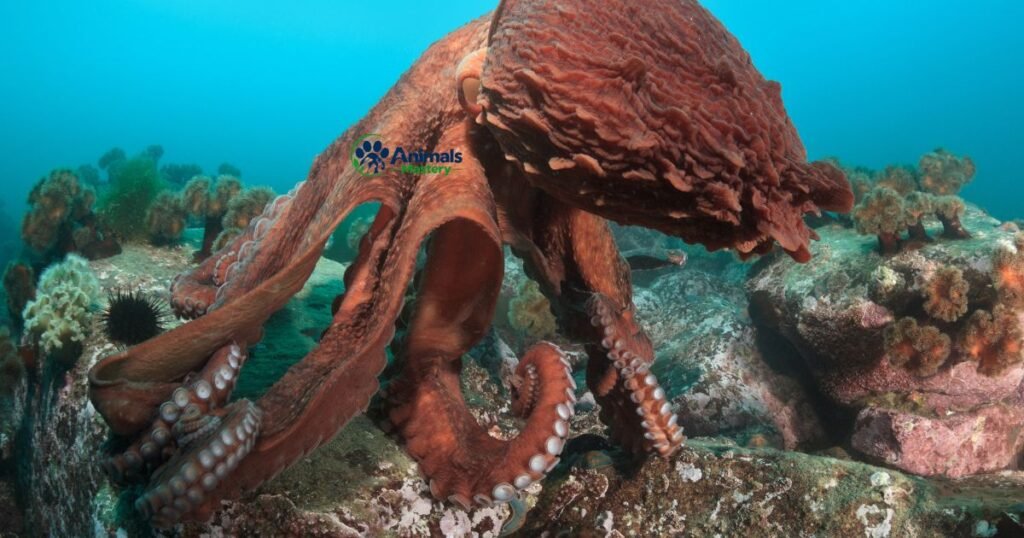
This cephalopod uses its impressive arm length to navigate through rocky crevices and coral reefs, giving it a tactical advantage in both hunting and evading predators.
What makes the intelligence of the Giant Pacific Octopus truly fascinating is its ability to manipulate its environment creatively. With a remarkable problem-solving capability, these octopuses have been observed using tools, such as coconut shells or shells, to create shelters or defend themselves.
Their long arms are essential in these endeavors, providing both reach and precision in their intricate tasks. This combination of flexibility and intelligence not only speaks to their adaptability but also invites deeper exploration of the cognitive abilities present within the ocean’s most enigmatic creatures.
Red Kangaroo
- Scientific Name: Osphranter rufus (also classified as Macropus rufus)
- Family: Macropodidae
- Class: Mammalia
- Diet: Herbivore, feeds on grasses and shrubs
The Red Kangaroo, a true icon of the Australian Outback, captivates with its unique adaptation: long legs measuring up to 120 cm. This impressive leg length is not just for show, it enables the kangaroo to cover vast distances while foraging for food in the arid landscape.

With each powerful leap, these remarkable animals can soar over obstacles and traverse rugged terrains, showcasing an agility and strength that rivals some of the most muscular animals in the wild.
But the Red Kangaroo’s long legs serve more than just mobility; they play a crucial role in social interactions and mating displays. During the breeding season, males will engage in elaborate hopping contests to impress potential mates, emphasizing their size and power.
This natural spectacle is a thrilling reminder of how physical adaptations can influence behavior and survival in the wild.
Arabian Camel
- Scientific Name: Camelus dromedarius
- Family: Camelidae
- Class: Mammalia
- Diet: Herbivore, feeds on grasses, grains, and desert vegetation
The Arabian camel, known for its striking stature and long legs, can reach an impressive leg length of up to 120 cm. These long legs are not merely for show; they serve a critical purpose in the harsh deserts of the Arabian Peninsula.

Elevated limbs allow camels to traverse sandy dunes and rocky terrains with ease, making them adept at navigating their arid environment. The unique structure of their legs also helps in maintaining a cooler body temperature, as they minimize contact with the scorching sand.
The long legs of the Arabian camel play a vital role in its remarkable adaptation strategies. With a higher vantage point, these camels can spot potential predators and locate water sources over vast distances, an essential survival skill in the unforgiving desert landscape.
Their long legs are also equipped with tough, padded feet that provide stability while walking on loose soil, further emphasizing their evolution as one of nature’s most resilient desert dwellers. The Arabian camel is not just a mode of transport; it embodies a perfect blend of form and function, inspiring awe in both scientists and desert nomads alike.
Alaskan Moose
- Scientific Name: Alces alces gigas
- Family: Cervidae
- Class: Mammalia
- Diet: Herbivore, feeds on twigs, bark, and aquatic plants
The Alaskan moose, with its impressive long legs averaging up to 100 cm in length, has evolved remarkable adaptations to thrive in the demanding Alaskan wilderness. These towering giants can navigate deep snow with ease, using their elongated appendages to wade through conditions that would challenge most other animals.

Their long legs not only provide the advantage of accessing food buried beneath the snow but also allow them to move swiftly across the rugged terrain, evading predators and maintaining their territory.
The structural design of the Alaskan moose’s legs reflects an exquisite balance of strength and grace. The muscle composition and joint structures are optimized for both agility and endurance, enabling these majestic creatures to traverse vast distances in search of nourishment and mates.
The sight of an Alaskan moose loping through the crisp, white expanse is a testament to nature’s ingenuity, an embodiment of survival in one of the most unforgiving landscapes on Earth. In the context of climate change and shifting ecosystems, studying the adaptations of the Alaskan moose offers invaluable insights into how wildlife might cope with future challenges.
Maned Wolf
- Scientific Name: Chrysocyon brachyurus
- Family: Canidae
- Class: Mammalia
- Diet: Omnivore, eats small mammals, fruit, and insects
The Maned Wolf, a fascinating inhabitant of the South American savanna, is easily recognizable for its remarkable long legs, which can reach up to 90 cm in length. This distinct feature is not merely for show; it plays a pivotal role in the animal’s survival.
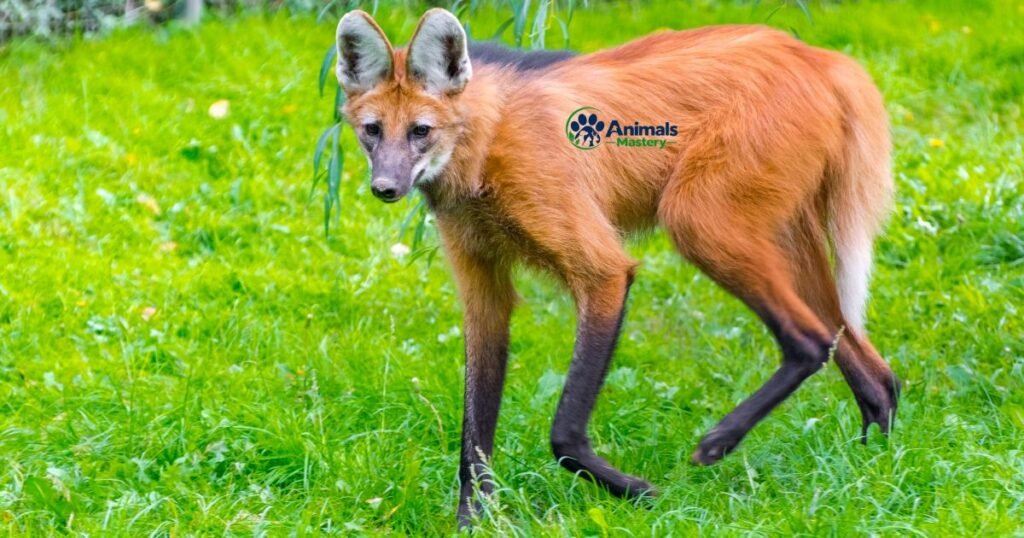
With its towering stature, the Maned Wolf can traverse the tall grasslands, spotting potential predators and prey alike, all while navigating the uneven terrain of its habitat.
These long legs serve as an adaptation to the savanna environment, allowing the Maned Wolf to claim territorial dominance in a landscape where ambush hunters thrive. This height aids in reaching fruits and vegetation that are often out of reach for other smaller animals, broadening its diet.
As nocturnal hunters, their elongated limbs make them agile and efficient, enhancing their capability to stalk and catch smaller creatures under the cover of darkness, while their striking reddish fur helps them blend seamlessly into the golden hues of their surroundings. The Maned Wolf embodies the perfect fusion of form and function in a beautifully balanced ecosystem.
Black-Winged Stilt
- Scientific Name: Himantopus himantopus
- Family: Recurvirostridae
- Class: Aves
- Diet: Carnivore, eats small aquatic invertebrates and insects
The Black-Winged Stilt stands out not just for its striking appearance but also for its impressive adaptations, particularly its long legs, which can reach up to 30 cm in length. These long legs enable the bird to wade gracefully through shallow wetlands, probing the murky depths for delicious invertebrates and small fish.

Observing a Black-Winged Stilt in its natural wetland habitat is like witnessing a masterclass in elegance; they possess a remarkable balance that allows them to navigate various terrains with ease, even in muddy environments.
Beyond their functionality, these long legs also play a crucial role in their mating displays. During courtship, male Black-Winged Stilts perform an intricate dance, showcasing their stunning black wings and elongated limbs. This display not only captivates potential mates but also serves to establish territory among competing males.
The dynamic interactions between these wading birds highlight the fascinating balance of beauty and survival in the harsh realities of their wetland homes, making them a compelling subject for bird watchers and nature enthusiasts alike.
Giraffe
- Scientific Name: Giraffa camelopardalis
- Family: Giraffidae
- Class: Mammalia
- Diet: Herbivore, feeds mainly on acacia leaves
The giraffe, with its strikingly long legs that can reach up to 18 feet in total height, represents a remarkable adaptation to life in the African savanna. These elongated limbs serve more than just the purpose of distance; they are crucial for foraging.

By elevating their heads above the vast grasslands, giraffes can feast on the tender leaves of acacia trees, an advantage that few other herbivores can claim. This unique feeding strategy highlights how their long legs are intricately tied to their survival in a region where competition for food is fierce.
The giraffe’s long-legged stature is not merely functional; it also plays a significant role in social dynamics. Height allows these magnificent animals to spot predators from a distance, giving them a crucial advantage in a landscape where threats lurk among the underbrush.
The impressive height of adult giraffes is a visual statement, signaling health and vitality to potential mates. In these ways, their long legs evolve into more than just physical traits; they are essential to the giraffe’s identity and existence in the wild.
Gerenuk
- Scientific Name: Litocranius walleri
- Family: Bovidae
- Class: Mammalia
- Diet: Herbivore, feeds on leaves, shoots, and shrubs
In the vast expanses of the East African savanna, the gerenuk stands out not just for its striking appearance but for its remarkable adaptations. These elegantly long-legged antelopes have evolved to become masters of bipedal browsing, a fascinating feeding behavior that sets them apart from many of their peers.

By rising onto their hind legs, gerenuks can reach higher foliage, tapping into a niche that allows them to thrive in a habitat where competition for food is fierce, especially during dry periods.
Their long legs are more than just a physical trait; they symbolize a unique survival strategy in an arid environment. This adaptation enables them to access leaves and shrubs that are typically out of reach for other herbivores, helping them exploit food sources that many savanna dwellers cannot.
Explore More Remarkable Animal Adaptations
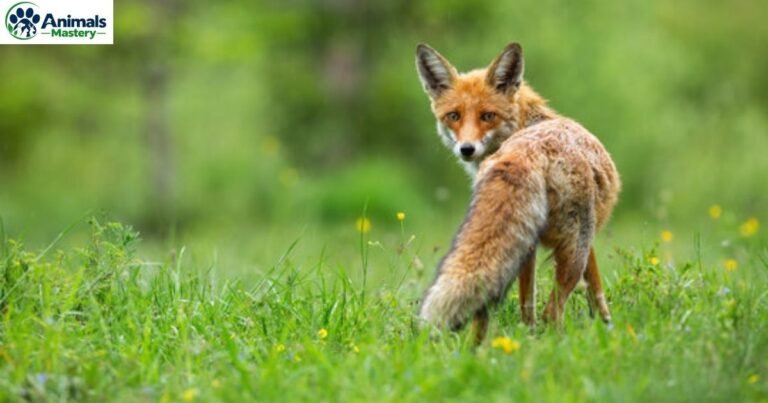
The Maned Wolf’s long legs help it survive on the open savanna, and its fox-like build and reddish coat place it among several other animals like foxes that share a similar silhouette despite belonging to different species.
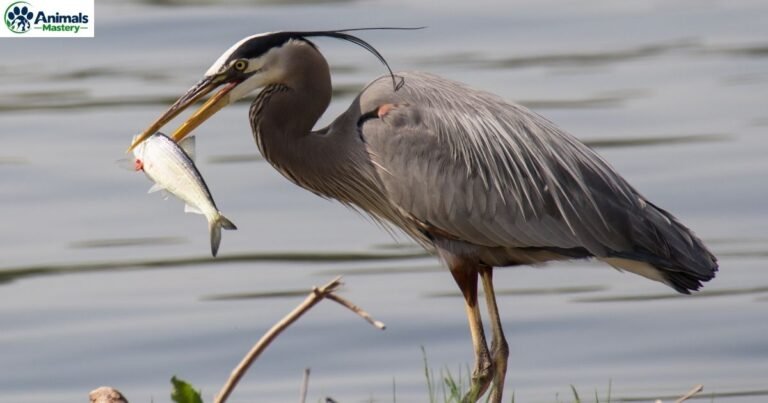
Flamingos aren’t the only birds that rely on height to hunt and wade, dozens of other species are covered in our dedicated guide to birds with long legs.
And the Secretary Bird’s fearsome ability to stomp out venomous prey ties directly into our feature on snakes with triangular heads, several of which fall victim to this striking hunter.
Each of these connections shows how leg length is often just one piece of a much larger survival strategy.
Final Thoughts
The world of animals with long legs is not only fascinating but also showcases the incredible diversity of adaptation in nature. From the graceful giraffes to the agile stilts, these creatures demonstrate how leg length can influence survival, mobility, and hunting strategies.
Each species has evolved unique traits that highlight their environments and lifestyles, making them extraordinary to observe. Whether you’re a nature enthusiast or simply curious, exploring these amazing animals can deepen your appreciation for wildlife.
FAQs
What Animal has the Longest Legs?
The giraffe has the longest legs of any living animal. Its long legs help it reach high vegetation and move quickly across open habitats.
Which Animals have Long Legs?
Animals with long legs include giraffes, ostriches, cranes, herons, kangaroos, flamingos, horses, antelopes, and zebras.
What Animals have Long Feet?
Ostriches, emus, cassowaries, kangaroos, and some wading birds have notably long feet. These feet help with running, balance, or walking through soft ground and water.
What are the Top 10 Tallest Animals?
The giraffe, African elephant, Asian elephant, ostrich, moose, camel, bison, horse, rhinoceros, and emu are among the tallest living land animals. The giraffe is by far the tallest.