
Top 20 Ovoviviparous Animals in the World with Photos and Detailed Descriptions
Discover the captivating realm of ovoviviparous animals in the world, where eggs develop within the mother and hatch just prior to birth. This distinctive reproductive strategy challenges our comprehension of animal biology and plays a vital role in survival tactics across diverse ecosystems. We will delve into the top 20 ovoviviparous animals in the world and reveal their remarkable adaptations and behaviors.
What are ovoviviparous animals?
Ovoviviparous animals in the world are those that reproduce through a unique method where eggs develop and hatch within the mother’s body, leading to live birth. Which lay eggs that develop externally, ovoviviparous species retain the eggs inside them until they are ready to hatch.
This reproductive strategy allows the developing young to benefit from a more protected environment, potentially increasing their chances of survival. Examples of ovoviviparous animals include certain species of sharks, like the hammerhead shark, and some reptiles, such as garter snakes.
List of Ovoviviparous Animals in the World
Below is the list of ovoviviparous animals in the world:
- Garter Snakes
- Seahorses
- Guppies
- Coelacanth
- Vipers
- Flies
- Anacondas
- Frogs
- Chameleons
- Aphids
- Rays
- Sharks
- Slow Worms
- Turtles
- Crocodiles
- Salamanders
- Eels
- Octopuses
- Mantis Shrimp
- Platypuses
Garter Snakes
- Scientific Name: Thamnophis
- Class: Reptilia
- Diet: Carnivore
The garter snake stands out as a remarkable example. These reptiles nurture their developing young within their bodies, giving birth to live young instead of laying eggs. This adaptation not only provides added protection from predators but also allows the offspring to develop in a more regulated environment.
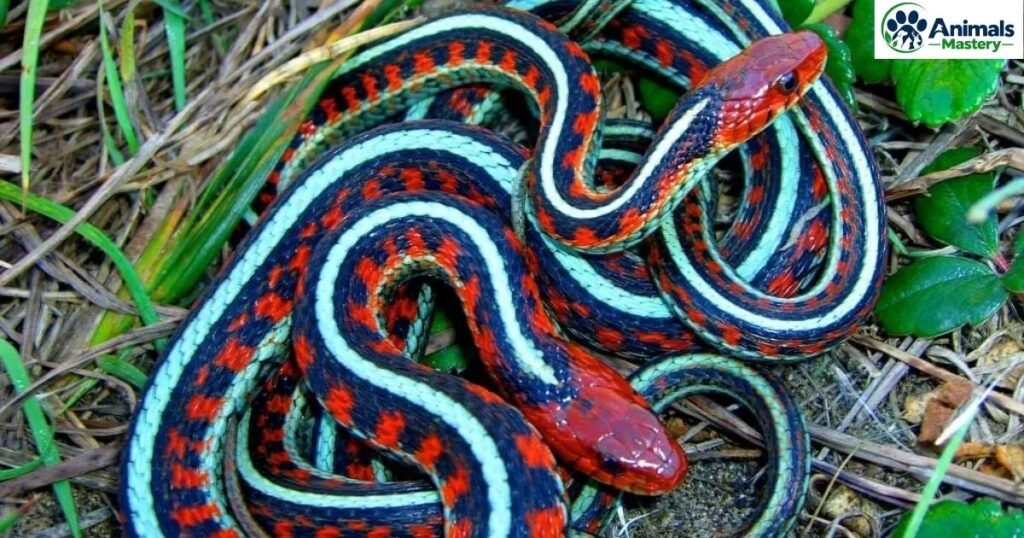
This physiological strategy enables them to extend their breeding season compared to oviparous species, allowing them to populate environments where egg-laying could be less advantageous.
The garter snake’s viviparity plays a critical role in their ecological interactions; it reduces the timing of vulnerability during crucial life stages, thereby increasing their survival odds.
Seahorses
- Scientific Name: Hippocampus
- Class: Actinopterygii
- Diet: Carnivore (zooplankton, small crustaceans, larval fish)
Ovoviviparous animals in the world, like seahorses, exhibit a fascinating reproductive strategy that blends elements of both oviparity and viviparity. Eggs are fertilized internally and remain in the mother’s body until they hatch, allowing for a protective environment that enhances the survival chances of the young.
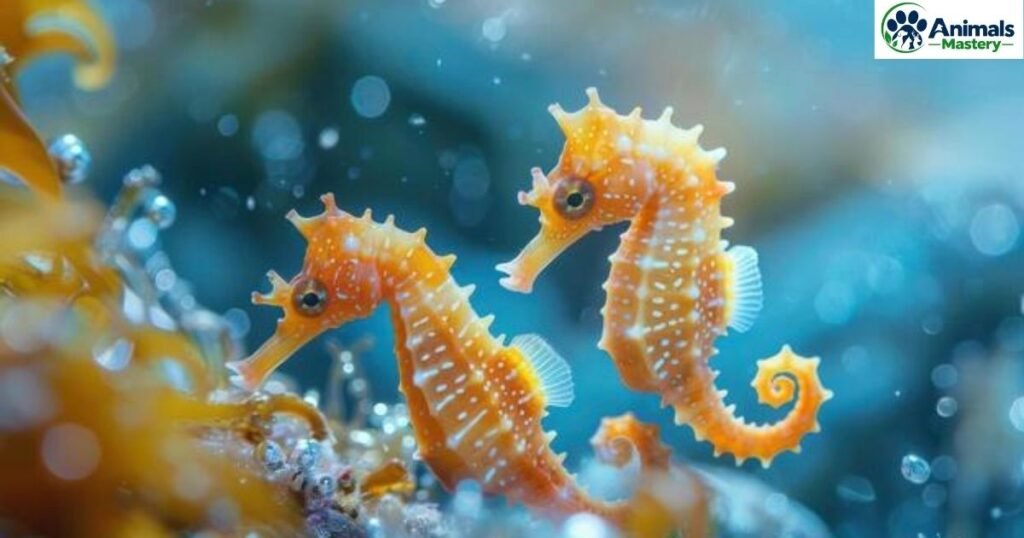
This unique method not only provides a safer development stage but also underscores the intricate relationship between the parents and their offspring. In the case of seahorses, it’s the males that carry the eggs in a specialized brood pouch, turning traditional gender roles on their head.
The nurturing capabilities of male seahorses are particularly captivating, as they regulate parameters like water salinity and oxygen levels within the pouch, ensuring optimal conditions for developing embryos. The success of ovoviviparous reproduction in seahorses serves as a reminder of the diverse strategies in the animal kingdom that evolve in response to ecological pressures.
Guppies
- Scientific Name: Poecilia reticulata
- Class: Actinopterygii
- Diet: Omnivore (algae, plant matter, insect larvae, small crustaceans)
Guppies stand out as a fascinating example. This unique reproductive strategy not only enhances their survival in environments where predators abound but also enables females to produce multiple broods throughout the year.

Female guppies can store sperm for months, giving them the ability to control breeding timelines, which maximizes the chances of successful reproduction in fluctuating habitats.
The guppy’s reproductive method influences social dynamics within their ecosystems. This preference not only enhances genetic diversity but also contributes to the evolutionary arms race witnessed in their visually stunning male counterparts.
Coelacanth
- Scientific Name: Latimeria
- Class: Sarcopterygii
- Diet: Carnivore (deep-sea fish, squid, and cuttlefish)
The coelacanth is an ancient fish that was thought to have vanished 66 million years ago until its rediscovery in 1938 off the coast of South Africa. The coelacanth nurtures its young internally, giving birth to fully formed, tiny versions of itself.

This strategy not only enhances offspring survival rates in treacherous environments but also reflects adaptations to their often unpredictable habitats. In harsh conditions, retaining eggs within the female can provide protection and regulate development, ensuring that the young are born ready to face the world.
The coelacanth, a living fossil, serves as a reminder of the myriad ways life has adapted over millions of years, showcasing that survival often hinges on the most unconventional approaches to reproduction.
Vipers
- Scientific Name: Viperidae
- Class: Reptilia
- Diet: Carnivore (small mammals, birds, lizards, amphibians)
Vipers, a fascinating subset of serpents, exemplify ovoviviparity in the animal kingdom, where life begins within the mother’s body rather than externally.
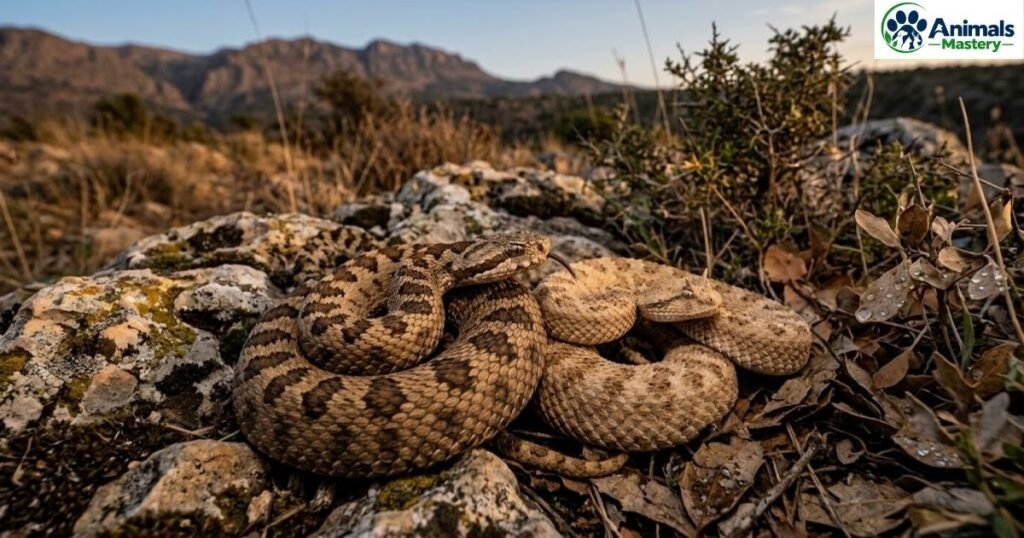
This reproductive strategy not only provides warmth and protection but also ensures that the young are more developed and capable of survival immediately upon birth. Beyond the intriguing reproductive process, ovoviviparous vipers engage in a remarkable ecological dance with their surroundings.
Their young emerge fully formed, often equipped with the same striking patterns and venomous capabilities as their adults, ready to hunt and fend for themselves. This not only mitigates predation risks during early development but also reflects the extraordinary evolutionary strategies these reptiles have honed.
Flies
- Scientific Name: Diptera
- Class: Insecta
- Diet: Omnivore (nectar, decaying organic matter, plant sap, blood depending on species)
Species of flies, while many in the insect world lay eggs that eventually develop into larvae, have adapted their reproductive method to keep their eggs safe from predation and environmental hazards.

This unique approach allows the larvae to emerge fully formed, ready to thrive in their environment almost immediately. This adaptation has significant survival advantages; these youngsters are better prepped for the challenges of their ecosystems.
Exploring these diverse adaptations underscores the incredible ways life can evolve, pushing the boundaries of traditional understanding of reproduction.
Anacondas
- Scientific Name: Eunectes
- Class: Reptilia
- Diet: Carnivore (fish, birds, mammals, reptiles)
Anacondas challenge traditional notions of reproduction by combining characteristics of both oviparous (egg-laying) and viviparous (live-bearing) species. This unique reproductive strategy not only provides the embryos with a safer environment but also protects them from predators, giving them a greater chance of survival right from the moment they are born.

Anacondas exemplify this intriguing method of reproduction. During their breeding season, females engage in a remarkable courtship ritual called the “breeding ball,” where multiple males compete for the opportunity to mate.
After a gestation period that can last up to a year, the female gives birth to a brood of up to 40 live young. This extraordinary capability allows anacondas to thrive in their environments, as they can produce numerous offspring in a single reproductive cycle, greatly enhancing their species’ resilience.
Frogs
- Scientific Name: Anura
- Class: Amphibia
- Diet: Carnivore (insects, spiders, worms, small vertebrates)
Frogs showcase a fascinating reproductive strategy that merges the best of both worlds: the protection of live birth and the efficiency of egg-laying. In these unique amphibians, fertilized eggs develop within the mother’s body, receiving nourishment from the yolk until they hatch.

In ecosystems with high predation rates or fluctuating climates, these adaptable reproductive techniques provide a survival advantage. In certain tropical regions, ovoviviparous frogs can thrive amidst the competition, effectively increasing their chances of producing a viable offspring compared to their egg-laying counterparts.
Chameleons
- Scientific Name: Chamaeleonidae
- Class: Reptilia
- Diet: Insectivore / Carnivore (insects, spiders; larger species eat small birds and lizards)
Chameleons present a fascinating reproductive strategy that intrigues both scientists and wildlife enthusiasts. This method offers a protective environment for the developing embryos, shielding them from predators and environmental threats.
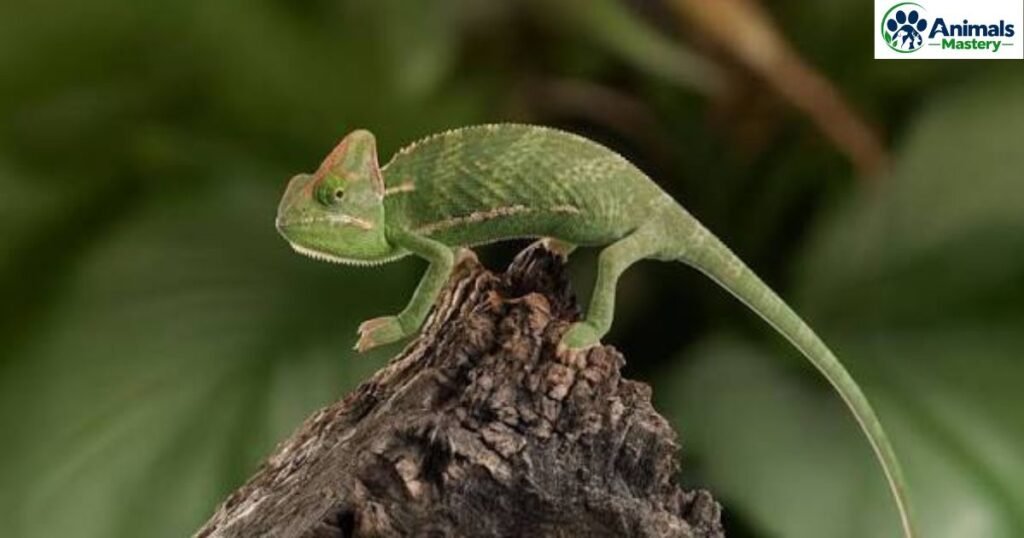
Chameleons, particularly those in harsher climates, have adapted this approach to ensure the survival of their young in unpredictable habitats. The adaptability of chameleons goes beyond just their reproductive methods; their ability to blend into surroundings plays a critical role in both mating and nurturing young.
When it comes time for birthing, females can be observed seeking out hidden spots, ensuring the newborns have the best chance of thriving in their new environment. This intricate behavior underscores the chameleon’s evolutionary success, demonstrating how reproductive strategies influence survival and adaptation in the wild.
Aphids
- Scientific Name: Aphidoidea
- Class: Insecta
- Diet: Herbivore (plant sap)
The aphid, an insect often overshadowed in discussions of reproductive adaptations. While many think of these tiny pests solely in terms of agricultural damage, they showcase an intriguing blend of viviparity and oviparity.

This form of reproduction offers a survival advantage, especially in fluctuating climates where quick adaptation can mean the difference between extinction and survival.
By retaining the eggs within their bodies until they are almost ready to hatch, aphids ensure that their offspring emerge in a nurturing environment, often coinciding with optimal conditions for their growth.
Rays
- Scientific Name: Batoidea
- Class: Chondrichthyes
- Diet: Carnivore (mollusks, crustaceans, small fish, worms)
Rays exhibit a unique reproductive strategy that prioritizes the safety of their embryos while adapting to their aquatic surroundings. This method provides a secure environment, protecting the developing young from predators and harsh conditions, while they receive nourishment from the yolk sac until they can survive on their own.

Rays are how evolutionary traits highlight the adaptability of marine life in different ecological niches. This strategy illustrates the intricate relationships between reproductive methods and survival in the wild, revealing the remarkable innovations of nature in the face of challenges.
Sharks
- Scientific Name: Selachimorpha
- Class: Chondrichthyes
- Diet: Carnivore (fish, marine mammals, squid, crustaceans)
Sharks, particularly species like the hammerhead and the tiger shark, exemplify this remarkable reproductive strategy. Within their wombs, embryos develop with the nutrition provided by the yolk sac, allowing them to grow into fully formed young before emerging into an often hostile marine environment.

The process not only enhances survival rates but also showcases the adaptability of these apex predators. By providing a stable environment during critical developmental stages, sharks mitigate the risks associated with external egg-laying, such as predation or environmental fluctuations.
This unique reproductive method highlights the evolutionary innovations that contribute to their role as vital indicators of ocean health, reminding us of the delicate balance of marine ecosystems and the importance of preserving these extraordinary creatures.
Slow Worms
- Scientific Name: Anguis fragilis
- Class: Reptilia
- Diet: Carnivore / Insectivore (slugs, snails, earthworms, insects)
The slow worm, a legless lizard commonly found throughout Europe, uses this approach, which is particularly advantageous in variable environments, allowing mothers to give birth to live young when conditions are favorable.

The slow worm’s reproductive cycle showcases the adaptability of nature, as it alters the timing of birth based on environmental cues. In cooler climates, the female may retain her eggs longer, ensuring that the hatchlings are robust enough to thrive upon birth.
This adaptation not only increases survival rates but can also influence the local ecosystem, as these serpentine creatures play crucial roles in pest control.
Turtles
- Scientific Name: Testudines
- Class: Reptilia
- Diet: Omnivore (aquatic plants, algae, fish, invertebrates, and jellyfish depending on species)
Turtles present a fascinating reproductive strategy that merges the traits of both oviparous (egg-laying) and viviparous (live-bearing) animals. This adaptation not only offers protection from environmental hazards but also supports the survival of offspring in unpredictable ecosystems.

Turtles exemplify the intricate balance nature strikes between reproductive strategies. Ovoviviparity can be particularly advantageous in harsh climates, enabling species to thrive where laying eggs would present a high risk of predation or temperature extremes.
Crocodiles
- Scientific Name: Crocodylidae
- Class: Reptilia
- Diet: Carnivore (fish, mammals, birds, crustaceans)
Crocodiles utilize an ovoviviparous reproductive strategy, combining elements of both egg-laying and live birth. In this approach, embryos grow within eggs that stay inside the mother until they are ready to hatch. This method is beneficial for crocodiles, especially in challenging environments, as it enhances the survival chances of their offspring.
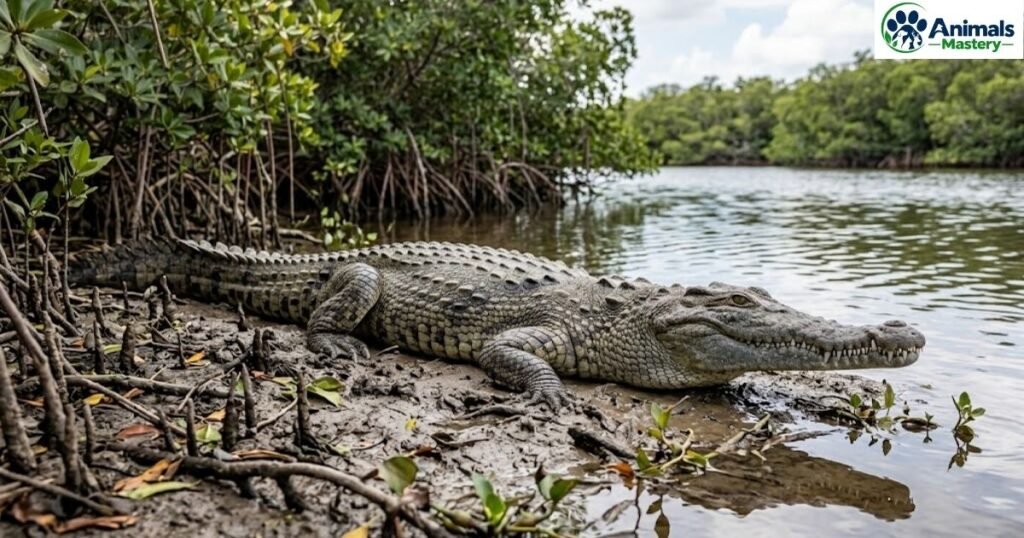
Crocodiles exhibit remarkable parental care, a rarity among reptiles. After the young emerge, mothers often protect them and may even carry them to water in their mouths, demonstrating an instinctual commitment to their offspring’s survival.
Salamanders
- Scientific Name: Urodela
- Class: Amphibia
- Diet: Carnivore (insects, worms, slugs, small invertebrates)
Salamanders have a unique reproductive method that combines egg-laying and live birth. This approach helps them thrive in unpredictable environments by keeping their young safe from predators and temperature changes.
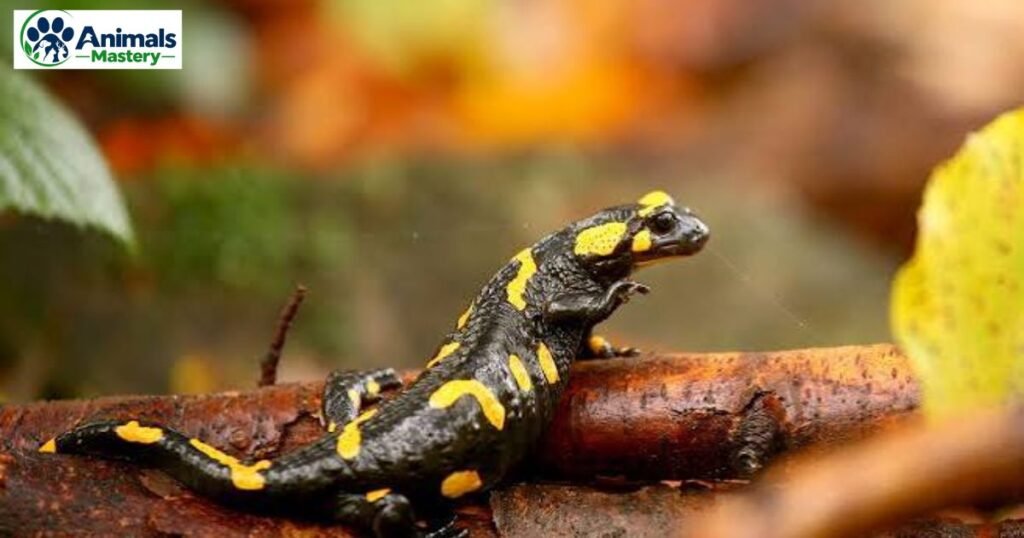
This reproductive method can also influence the ecological roles these salamanders play within their ecosystems. By giving birth to fully developed juveniles, they can quickly adapt to changes in their environment, establishing populations in habitats that might otherwise be inhospitable for elongated larval stages.
The intricate balance of internal development and external challenges showcases the incredible adaptability of salamanders, emphasizing the necessity of preserving their diverse habitats in a rapidly changing world.
Eels
- Scientific Name: Anguilliformes
- Class: Actinopterygii
- Diet: Carnivore (fish, crustaceans, mollusks, worms)
Eels present an intriguing blend of reproduction strategies that defy typical classifications. While many fish lay eggs in open waters where predation is high, ovoviviparous eels protect their developing embryos from threats, ensuring that when they emerge, they are already equipped for the world outside.

Eels illustrate the animal kingdom’s diversity, displaying different reproductive strategies shaped by their environments. For instance, the European eel embarks on a mysterious migration to the Sargasso Sea to spawn in deep waters.
Grasping the life cycle of these intriguing creatures reveals their strength and the fragile ecosystems they inhabit. Examining their unique reproductive methods enhances our understanding of how eels thrive in water.
Octopuses
- Scientific Name: Octopoda
- Class: Cephalopoda
- Diet: Carnivore (crabs, lobsters, shrimp, fish, mollusks)
Octopuses display a fascinating method of caring for their young. Mothers protect their eggs by keeping them in dens and ensuring they receive enough oxygen. In many species, mothers invest all their energy into their offspring, often sacrificing their own lives shortly after hatching, illustrating the depth of maternal commitment in nature.
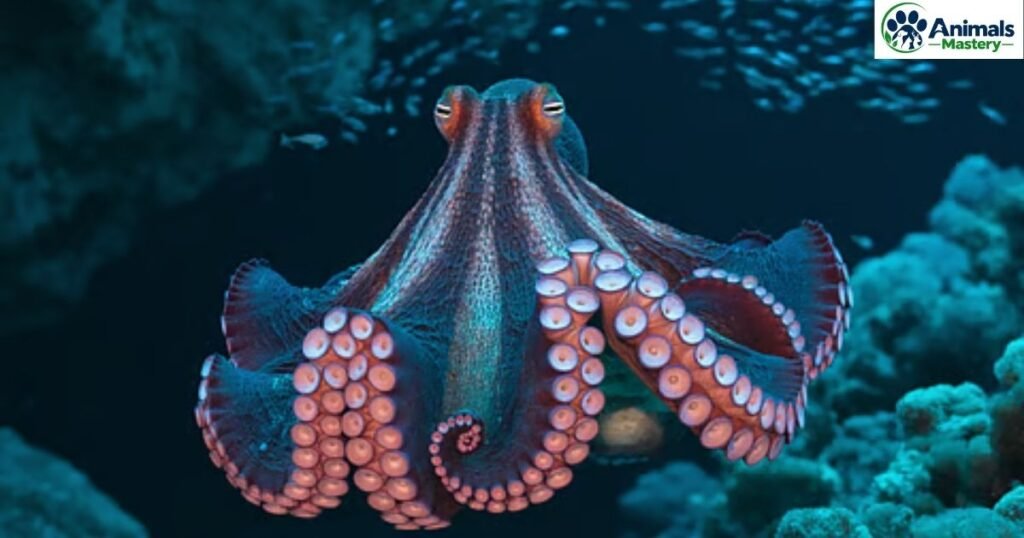
The survival advantage for ovoviviparous species lies in the increased protection of developing young from environmental hazards and predators. In the case of octopuses, this strategy not only enhances juvenile survival rates but also allows for quick adaptation in dynamic marine environments.
Mantis Shrimp
- Scientific Name: Stomatopoda
- Class: Malacostraca
- Diet: Carnivore (crabs, snails, fish, clams)
The mantis shrimp, whose reproductive strategy not only ensures the survival of its offspring but also allows for remarkable flexibility in harsh environments. Mantis shrimp can carry eggs within their bodies until they are ready to hatch, providing a critical buffer against predation and environmental changes.

The mantis shrimp’s vibrant colors and extraordinary perception of light add another layer of intrigue to their reproductive behaviors. With their advanced visual systems, they can detect subtle shifts in their surroundings, which is essential for safeguarding their young.
This unique approach to parenting highlights not just the resilience of these crustaceans but also their evolutionary success in adapting to diverse niches within marine ecosystems.
Platypuses
- Scientific Name: Ornithorhynchus anatinus
- Class: Mammalia
- Diet: Carnivore (annelid worms, insect larvae, freshwater shrimp, crayfish)
The enigmatic platypus showcases a fascinating blend of reproductive strategies that blur the lines between traditional forms of reproduction. This method of reproduction allows for increased protection of the developing embryos from external threats, which is especially crucial in competitive ecosystems.
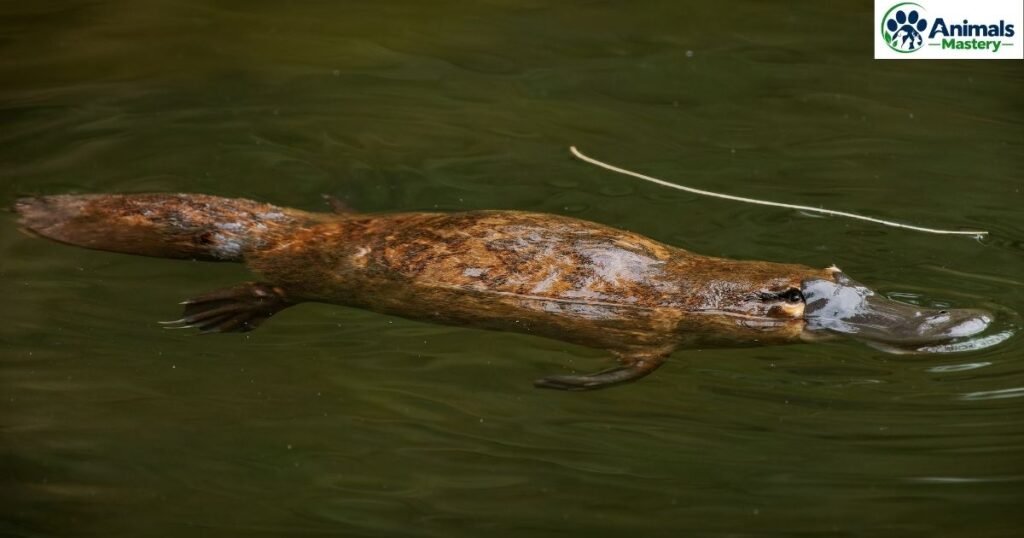
The platypus is one of the few mammals exhibiting this intriguing reproductive trait. While it lays eggs, it also provides maternal care once the young are hatched, nursing them with milk secreted from specialized glands.
This remarkable blend of traits showcases how life on Earth adapts, demonstrating that reproductive methods can vary widely. The platypus not only redefines our understanding of mammalian reproduction but also encourages us to think about the wider effects of evolution in the natural world.
Explore More Fascinating Animals and Their Unique Traits
- Discover the Animals That Eat Mice, from snakes and owls to foxes and wild cats. These natural predators help control mouse populations and maintain balance in their ecosystems.
- Discover the Animals Like Foxes, including coyotes, jackals, wolves, and other fascinating species that share similar features, behaviors, or habitats with foxes.
- Explore the Cleanest Animals in the World, from cats and pigs to birds and other naturally hygienic species. Learn how these animals keep themselves clean and why their grooming habits are so fascinating.
- Discover the Birds With Long Legs, including herons, cranes, storks, and other fascinating species known for their tall, slender legs and unique adaptations.
- Explore the Animals Like Weasels, including ferrets, stoats, martens, and other fascinating species that share similar features, behaviors, or habitats with weasels.
- Discover fascinating Animals With Long Tails, from monkeys and cats to reptiles and other species. Learn how their long tails help with balance, movement, communication, and survival.
- Discover the Thickest-Skinned Animals In The World, including elephants, rhinos, hippos, and other species with tough, protective skin that helps them survive in challenging environments.
- Discover fascinating Animals That Walk On Two Legs, including birds, kangaroos, and other species adapted for upright movement, balance, and efficient travel.
- Discover fascinating Fish With Big Lips, from unique reef species to freshwater fish, and learn how their distinctive lips help them feed, communicate, and survive.
Final Thoughts
The world of ovoviviparous animals reveals a remarkable diversity in the ways life adapts to various environmental challenges. From the ocean depths to terrestrial landscapes, these organisms employ a unique reproductive strategy that enhances their chance of survival and success.
Understanding their life cycles helps us appreciate evolution and the connections between species in their environments. It’s crucial for us to safeguard these remarkable creatures and their homes. By backing conservation initiatives and raising awareness about biodiversity, we can collectively make a positive impact.
FAQs
What does “ovoviviparous” mean?
“Ovoviviparous” refers to a reproductive strategy where embryos develop inside eggs that remain within the mother’s body until they are ready to hatch.
Which animals are ovoviviparous?
Common ovoviviparous animals include certain species of sharks, snakes, and lizards, as well as some insects.
How does ovoviviparity differ from viviparity?
Viviparity involves live birth with direct nutrient transfer from the mother, while ovoviviparity relies on yolk within eggs for nourishment without additional maternal support.
Are there benefits to being ovoviviparous?
Yes, it allows embryos to develop in a safer environment, increasing survival rates, especially in habitats with predators.
Can ovoviviparous animals provide maternal care?
Typically, maternal care in ovoviviparous species is minimal, often limited to the period before the eggs hatch; the young are usually independent immediately after birth.
How do ovoviviparous animals give birth?
They give birth by releasing fully developed young from the body, often resembling miniature adult versions of themselves.
Are ovoviviparous animals more common in specific environments?
They are often found in aquatic environments or habitats with harsh conditions, where the protection of developing young is crucial.
Can ovoviviparous reproduction occur in captivity?
Yes, many ovoviviparous species can reproduce in captivity if their environmental and dietary needs are adequately met.