Top 13 Animals That Sleep The Most (Images Included)
In this article, we’ll present the Top 13 Animals That Sleep The Most , revealing why sleep is essential for these creatures.
You might be surprised to learn that some members of the animal kingdom prioritize snoozing more than we do. Prepare to be amazed by their unusual sleeping patterns and gain insight into the vital role sleep plays in their survival.
List of Animals That Sleep The Most
Here is the list of animals that sleep the most:
- Tiger
- Cat
- Lion
- North American opossum
- Sloth
- Koala
- Brown bat
- Giant armadillo
- Python
- Owl monkey
- Tree shrew
- Squirrel
- European Hedgehog
Tiger
- Scientific Name: Panthera tigris
- Class: Mammalia
- Diet: Carnivore
Sleeps 16 hours: Tigers, the apex predators of the animal kingdom, find themselves among the elite group of creatures that love to indulge in extended slumber. These magnificent cats can sleep up to 16 hours a day, often napping in shaded areas to conserve energy for their nocturnal hunts.
Their sleep habits are not merely a way to recharge; they are also essential for maintaining their hunting prowess and safeguarding their territories from rival tigers.
Saves energy: Tigers are fascinating creatures not only for their strength and beauty but also for their impressive sleeping habits. These majestic predators can snooze for up to 16 hours a day, often seeking refuge in shaded areas during the hottest parts of the day.
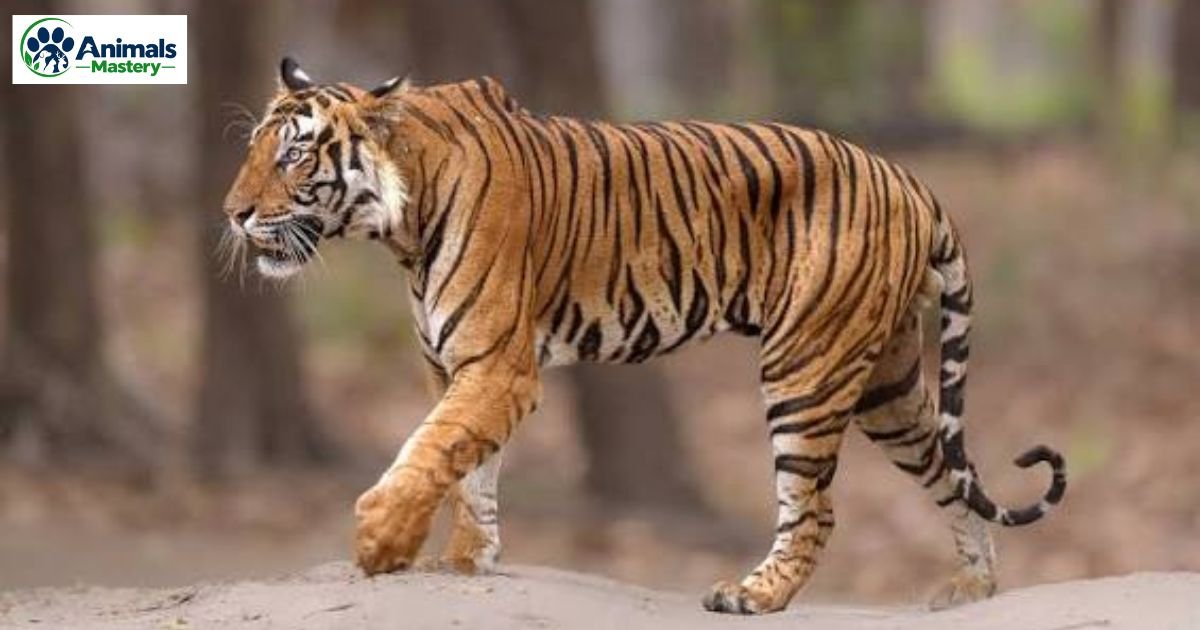
By conserving energy through extensive periods of rest, tigers maximize their hunting efficiency when they are active, allowing them to take down prey more effectively, an adaptation that’s crucial for their survival in the wild.
Twilight activity: The animals known for their extensive sleep patterns, the tiger stands out not just for its majestic presence but also for its intriguing twilight activity. Tigers, being largely solitary hunters, thrive in the coolness of dawn and dusk, enabling them to conserve energy by napping during the heat of the day.
They can sleep anywhere from 16 to 20 hours daily, a strategy that not only enhances their hunting prowess but also aids in avoiding the midday heat and conserving moisture.
Cat
- Scientific Name: Felis catus
- Class: Mammalia
- Diet: Carnivore
Sleeps 12–16 hours: Cats are among the ultimate champions of sleep, often dozing off for a staggering 12–16 hours each day. This extensive snoozing is key to their survival instincts, as it helps them conserve energy for hunting and playing.
Cats’ unique ability to enter a state of deep sleep allows them to be alert and ready to pounce at a moment’s notice, reflecting their wild ancestry. With their cozy purring and playful dreams, observing a cat in slumber offers a serene glimpse into their tranquil world.
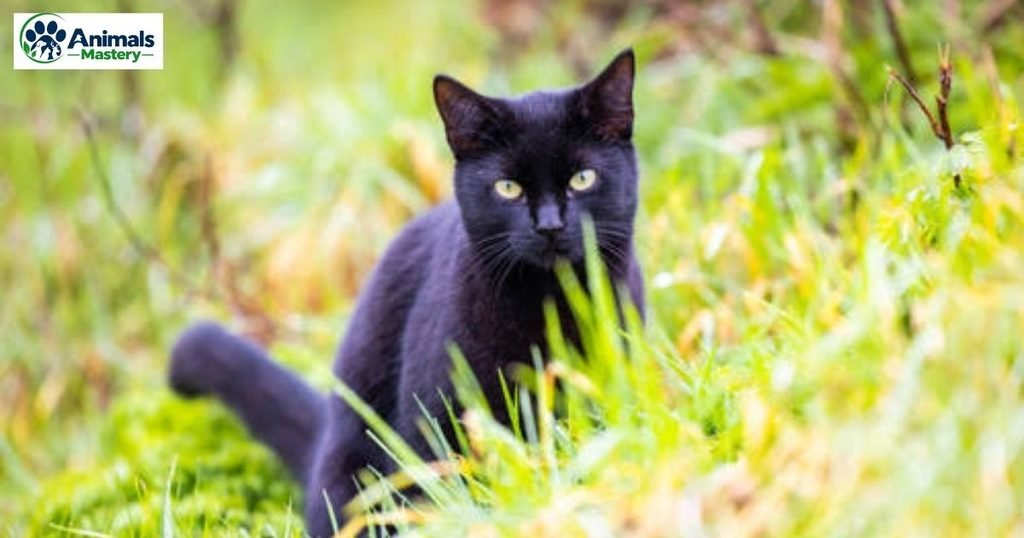
Saves energy: Cats, with their renowned ability to snooze for extended periods, often top the list of the most sleep-prone animals. On average, domestic cats sleep between 12 to 16 hours a day, allowing them to conserve energy for their bursts of playful energy.
This behavior is not just a sign of laziness; rather, it’s a survival strategy rooted in their ancestry as hunters. By preserving their energy throughout the day, cats are always ready to spring into action when the opportunity for a playful chase or a hunt arises.
Light sleeper: Clocking in around 12 to 16 hours of slumber each day, these light sleepers can nap anywhere from cat trees to laps, and they strategically position themselves to maximize comfort. Interestingly, cats also possess an innate ability to remain alert during their snooze; this allows them to spring into action at the first hint of a disturbance, blending their need for rest with their predatory instincts.
Lion
- Scientific Name: Panthera leo
- Class: Mammalia
- Diet: Carnivore
Sleeps 13.5 hours: The lion, a majestic symbol of strength and power, showcases an intriguing side to its remarkable sleep habits. On average, a lion sleeps about 13.5 hours a day, primarily due to its natural predatory lifestyle.
The need for extensive rest allows these apex predators to conserve energy for their hunts, which often occur during cooler times of the day. This significant amount of shut-eye is not merely a luxury; it’s a strategic choice that enhances their chances of survival in the wild.
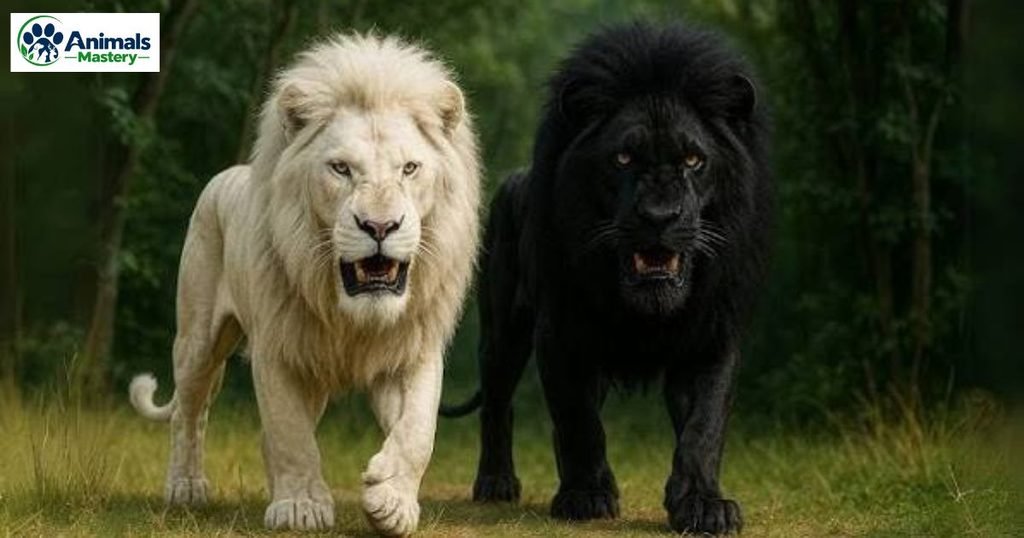
Saves energy: Lions exemplify the art of conserving energy through their extensive sleep habits, clocking in up to 20 hours a day. This behavior is strategic; as apex predators, they rely on their power and sharp instincts when hunting, which often occurs during cooler twilight hours.
Twilight hunter: Lions, often dubbed as the twilight hunters, are fascinating not only for their majestic appearances and social structures but also for their impressive sleep habits. These formidable predators can snooze for up to 20 hours a day, primarily to conserve energy for those fleeting moments when they must spring into action.
Their sleep patterns reflect a blend of instinct and social necessity, as they cluster together in pride to protect one another while resting.
North American opossum
- Scientific Name: Didelphis virginiana
- Class: Mammalia
- Diet: Omnivore
Sleeps 18 hours: The North American opossum is a unique contender in the realm of sleep. These marsupials have a fascinating ability to snooze for up to 18 hours a day, taking advantage of their nocturnal nature. Their sleep patterns allow them to conserve energy and avoid predators, as they are relatively defenseless despite their cunning reputation.
When they’re not curled up in their cozy nests, opossums play an essential role in their ecosystems, controlling insect populations and scavenging for food.
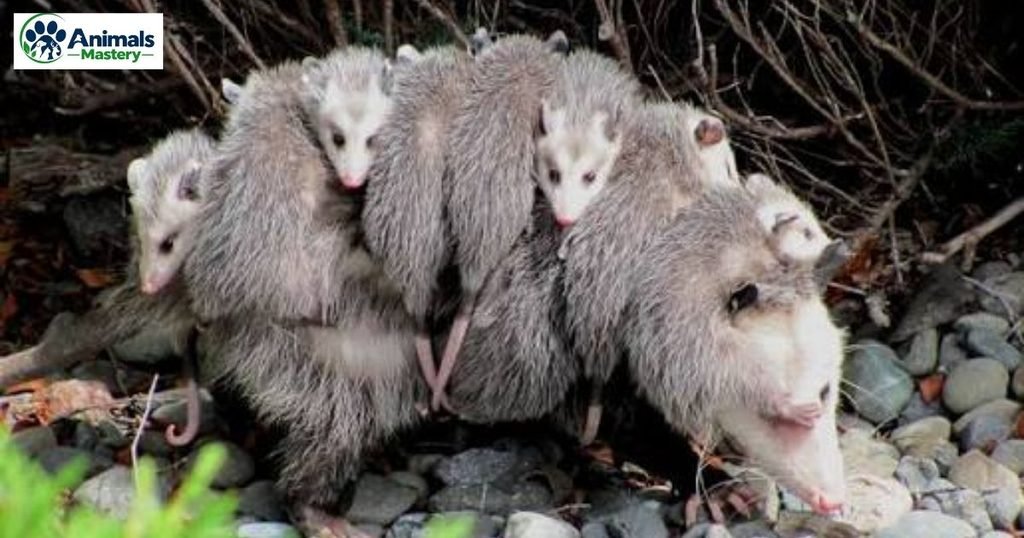
Avoids predators: The North American opossum, often misunderstood, is a fascinating creature that defies common stereotypes. Known for its remarkable ability to play dead when threatened, this nocturnal marsupial truly exemplifies the art of survival.
With a unique strategy to avoid predators, the opossum can even lower its heart rate, making it less appealing to potential threats. This defensive behavior, combined with its penchant for sleeping up to 18 hours a day, showcases how rest is an essential component of its survival strategy.
Plays dead: The North American opossum, often misunderstood, is renowned for its unique defense mechanism playing dead. This intriguing behavior serves as a survival tactic, allowing the opossum to appear unappealing to predators. When frightened, it can collapse and enter a state of temporary paralysis, emitting a foul smell to further deter threats.
Sloth
- Scientific Name: Folivora
- Class: Mammalia
- Diet: Herbivore
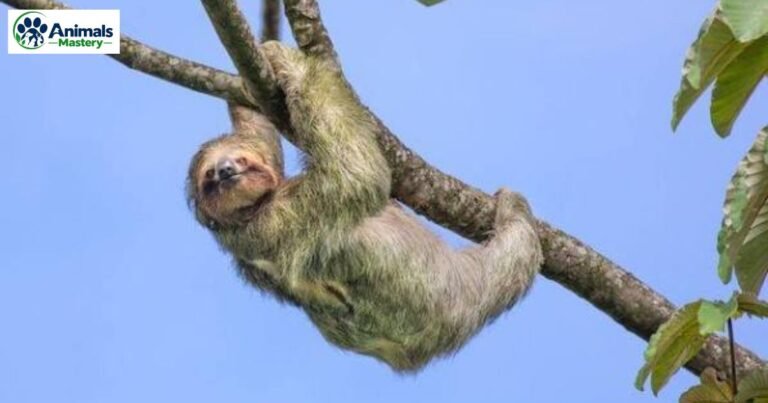
Sleeps 15–20 hours: The sloth, a fascinating creature often associated with languid movements, epitomizes the art of rest. Known to sleep 15–20 hours each day, these slow-moving mammals have adapted their lifestyle around their energy-conserving habits.
Their low metabolic rate not only permits extended sleep but also makes them less reliant on the constant foraging typical of more active animals. With specialized limbs designed for hanging upside-down, sloths can snooze peacefully in the canopy, merging seamlessly with their environment and evading predators.
Conserves energy: The sloth, often revered for its leisurely pace and endearing charm, holds a special title in the animal kingdom: it’s one of the top contenders for the most sleep-loving species. These fascinating creatures can snooze for up to 20 hours a day, a behavior that conserves energy in their low-calorie diets primarily consisting of leaves.
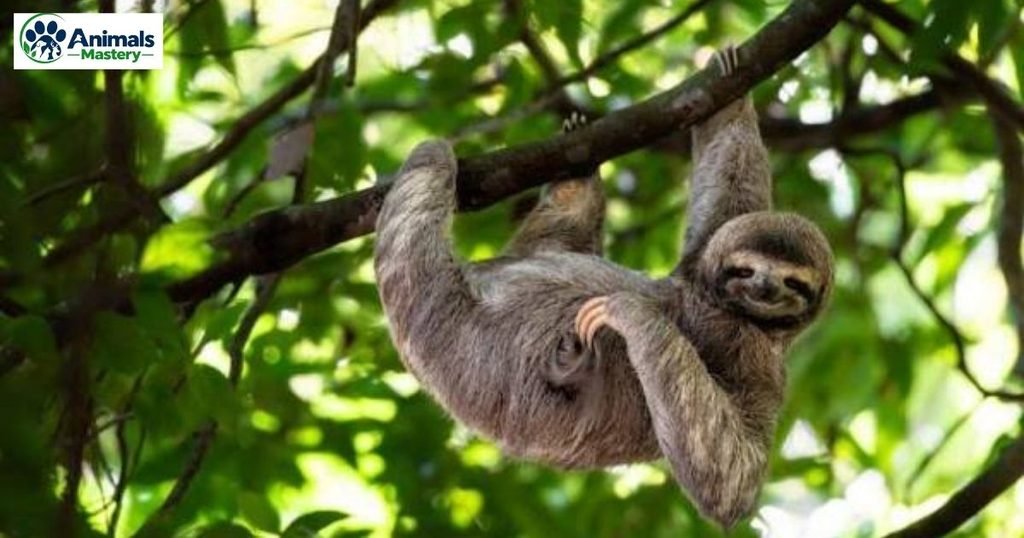
By adopting such a slow lifestyle, sloths not only mitigate the energy needed for foraging but also reduce the risk of predation remaining motionless and camouflaged among the foliage.
Sleeps in trees: The sloth, a true champion of napping, exemplifies the art of relaxation in the animal kingdom. Known for its deliberate movements and captivating charm, this slow-moving creature sleeps an astonishing 15 to 20 hours a day, often nestled within the leafy embrace of trees.
The canopy provides a safe haven from predators and a delicious buffet as they graze on tender leaves. Their unique metabolism, adapted for a low-energy lifestyle, allows them to fully capitalize on their arboreal retreats, converting sunlight’s energy in a leisurely manner.
Koala
- Scientific Name: Phascolarctos cinereus
- Class: Mammalia
- Diet: Herbivore
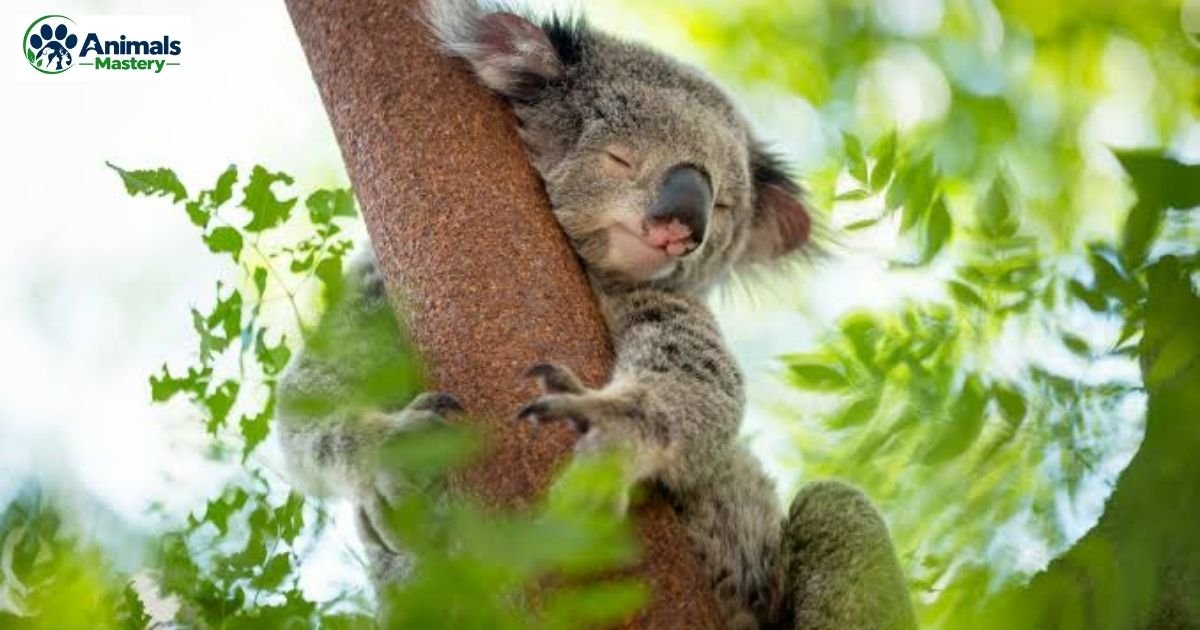
Sleeps 18–22 hours: The koala stands out as one of nature’s ultimate nap connoisseurs, clocking in an impressive 18 to 22 hours of sleep each day. This unique lifestyle is largely a result of their specialized diet consisting mainly of eucalyptus leaves, which are low in calories and high in fibrous content.
Koalas conserve energy by dozing off for the majority of the day, allowing their bodies to effectively digest this difficult-to-process food.
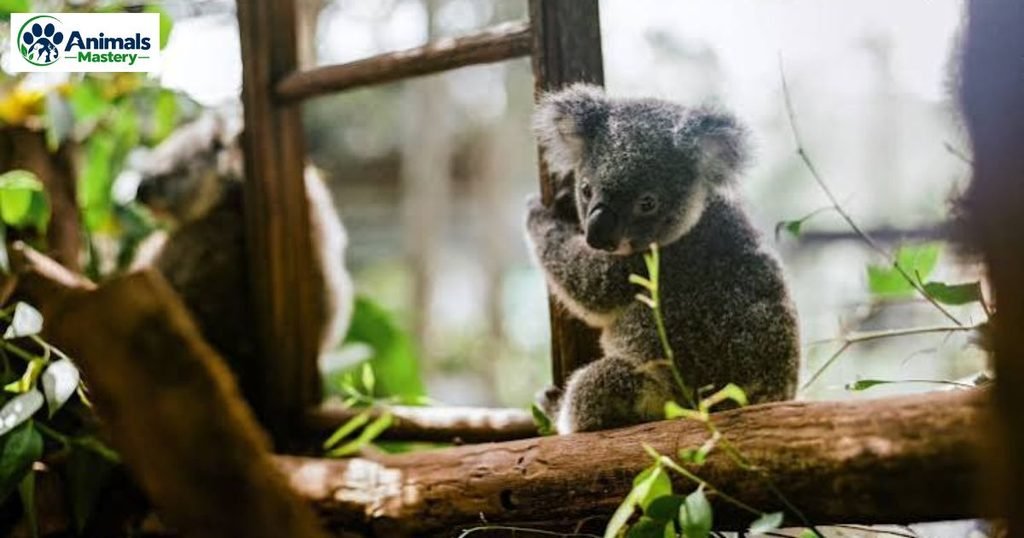
Eats eucalyptus: Koalas, those adorable marsupials native to Australia, are champions of sleep, clocking in an impressive 18 to 22 hours a day. Their choice of diet, primarily eucalyptus leaves, plays a significant role in this snooze-heavy lifestyle. Eucalyptus is low in nutrients and contains toxic compounds that require extensive digestion.
Conserves energy: In the animal kingdom, few creatures are as iconic for their snoozing habits as the koala. These adorable marsupials can spend up to 18 to 22 hours a day sleeping! This extreme napping is not just an indulgence; it’s a crucial survival strategy.
By conserving energy through prolonged periods of rest, koalas allow their bodies to cope with the low-nutrient diet comprised mostly of eucalyptus leaves.
Brown bat
- Scientific Name: Myotis lucifugus
- Class: Mammalia
- Diet: Insectivore
Sleeps 20 hours: The brown bat is a fascinating creature, effortlessly showcasing the extreme of an animal’s sleeping habits. These nocturnal mammals can sleep up to 20 hours a day, primarily in secluded roosts where they hang upside down, often nestled in caves or attics. This extensive rest period is not just about conserving energy; it’s a crucial survival strategy.
By minimizing activity during the day, they reduce their risk of predation and conserve vital resources for their active nocturnal foraging.
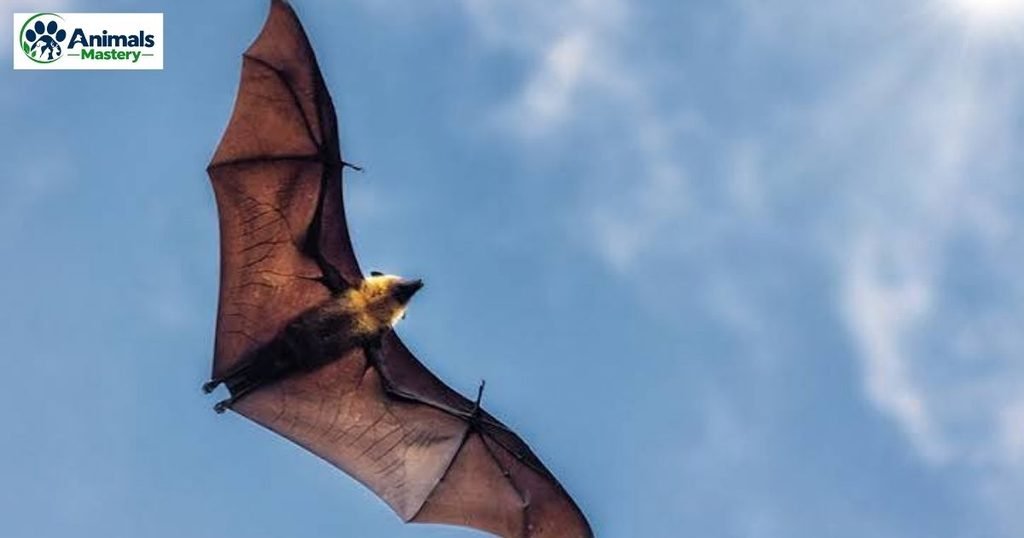
Nighttime forager: The brown bat, an agile nighttime forager, spends an astonishing 20 hours a day asleep, making it one of the top contenders in the animal kingdom’s sleep marathon. These creatures, adept at navigating in the dark, rely on their extensive naps to recharge for their nightly escapades.
Their slumber isn’t just about rest; it also plays a crucial role in their survival, allowing them to conserve energy for those critical hours of foraging when food is scarce.
Adjusts sleep patterns: The brown bat, a fascinating nocturnal creature, offers a unique glimpse into the world of sleep adaptations. These small mammals make the most of their nighttime lifestyle by adjusting sleep patterns significantly based on environmental factors. For example, when hunting for insects on warm summer nights, they might enjoy shorter periods of deep sleep during the day, ensuring they’re alert for their next meal.
Giant armadillo
- Scientific Name: Priodontes maximus
- Class: Mammalia
- Diet: Insectivore
Sleeps 18 hours: The giant armadillo, a fascinating creature native to South America, is an expert snoozer that sleeps an impressive 18 hours a day. This nocturnal animal thrives in its burrow, where it finds solace away from predators and the sweltering heat of the day. Its long, powerful claws aren’t just for digging; they create a secure den that serves as a reliable retreat, making its extensive sleep a key survival strategy.
Rests by day: The giant armadillo, a fascinating creature native to South America, is known for its unique sleeping patterns and lifestyle. These nocturnal mammals spend much of their time hidden away in burrows, resting by day to conserve energy for their nighttime activities.
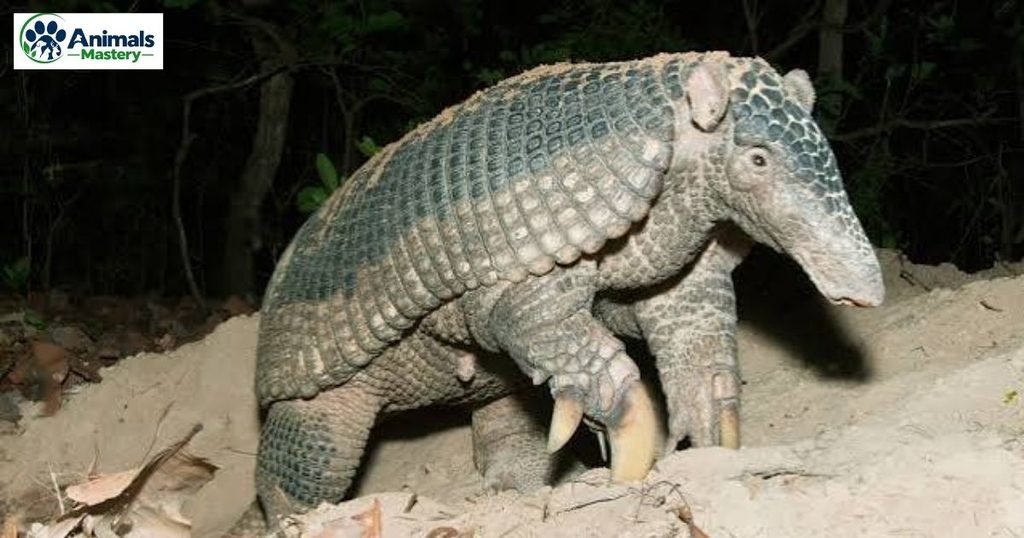
Unlike many other animals, their sleep is characterized by long, uninterrupted bouts, making them one of the heaviest sleepers among mammals.
Forages at night: This nocturnal creature, which forages at night in the vast grasslands and forests of South America, is one of the sleep champions of the wild. With close to 18 hours spent in slumber each day, the giant armadillo exemplifies the delicate balance between energy conservation and survival. Its long, deep sleep allows it to venture out during the cooler night hours when it can hunt for food, such as insects and larvae, with minimal competition.
Python
- Scientific Name: Pythonidae
- Class: Reptilia
- Diet: Carnivore
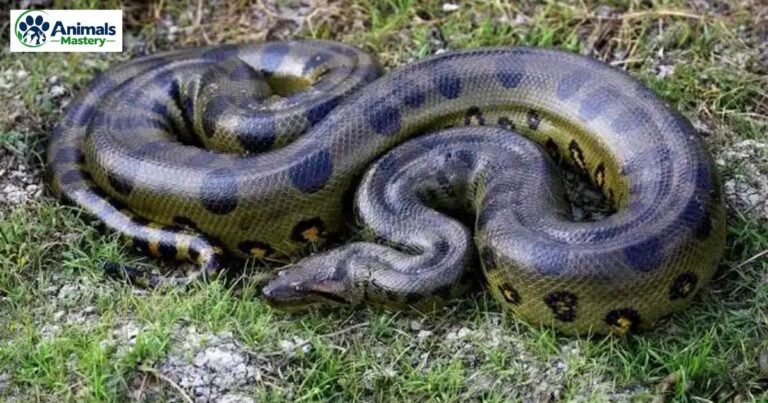
Sleeps 18 hours: Among the myriad of creatures on our planet, certain animals exhibit remarkable sleeping patterns, often snoozing up to 18 hours a day. Take the sloth, for example, which has adapted to a slow-paced lifestyle, sleeping for an average of 15 to 20 hours, primarily to conserve energy while digesting its low-nutrition diet of leaves.
These animals are not just champions of laziness; their unique metabolic adaptations allow for survival in environments where food is scarce.
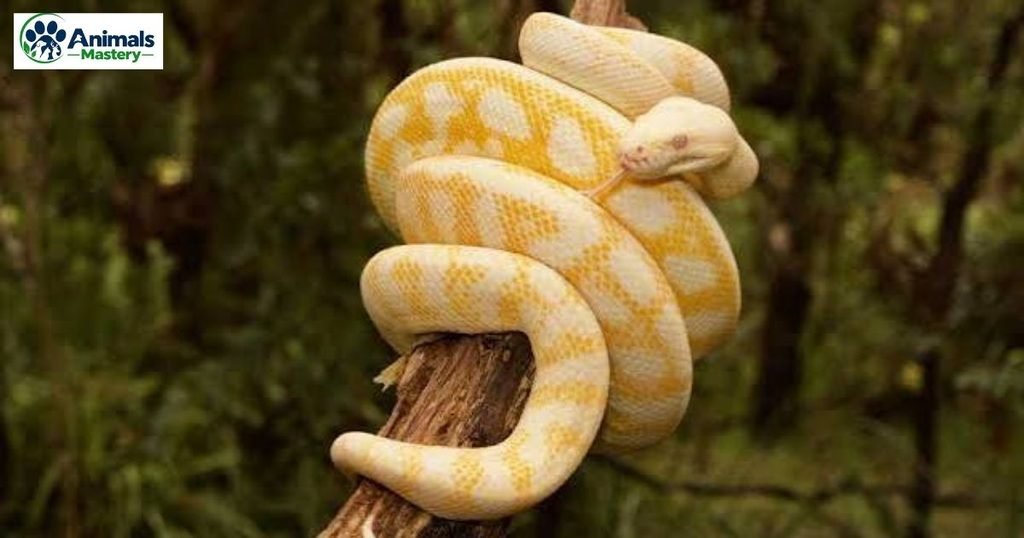
Rests after meals: Among the animal kingdom, sleep patterns are as varied as their habitats. Take the brown bat, for instance; this tiny creature can sleep for up to 20 hours a day. They often find a cozy spot to rest after meals, hanging upside down in caves and avoiding predators while conserving energy for hunting insects at dusk. Their sleep is punctuated by brief periods of wakefulness, allowing them to process information and maintain their social connections.
Conserves energy: In the animal kingdom, sleep serves as a crucial mechanism for survival, enabling many species to conserve energy for daily activities. Take the brown bat, for example, which can snooze for up to 20 hours a day.
This extensive rest is essential not only for energy conservation but also for maintaining their intricate wing muscles used during flight. These little creatures also enter a state of torpor, a form of deep sleep that significantly lowers their metabolic rate, further enhancing their energy-saving efficiency.
Owl monkey
- Scientific Name: Aotus
- Class: Mammalia
- Diet: Omnivore
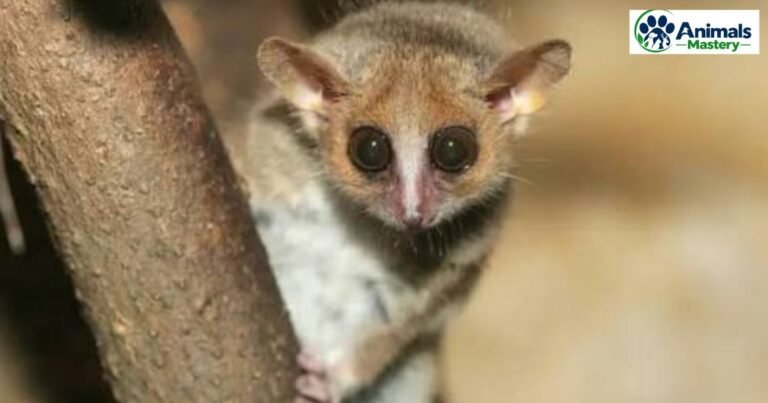
Sleeps 17 hours: The owl monkey, known for its captivating large eyes and nocturnal lifestyle, stands out as one of the ultimate champions of sleep, clocking in an impressive 17 hours each day. This remarkable sleep pattern is intricately tied to its nocturnal behavior, as these monkeys engage in foraging and social activities primarily during the night.
By maximizing their rest during daylight hours, owl monkeys ensure they are energetic and alert when it’s time to embrace the moonlit world.
Nocturnal animal: The owl monkey stands out as a fascinating nocturnal animal, known for its remarkable sleep patterns. These small primates can sleep for up to 20 hours a day, allowing them to conserve energy for their late-night foraging activities. Unlike many other monkeys that are diurnal, owl monkeys have evolved to thrive in the dark, making their long hours of slumber pivotal for survival.
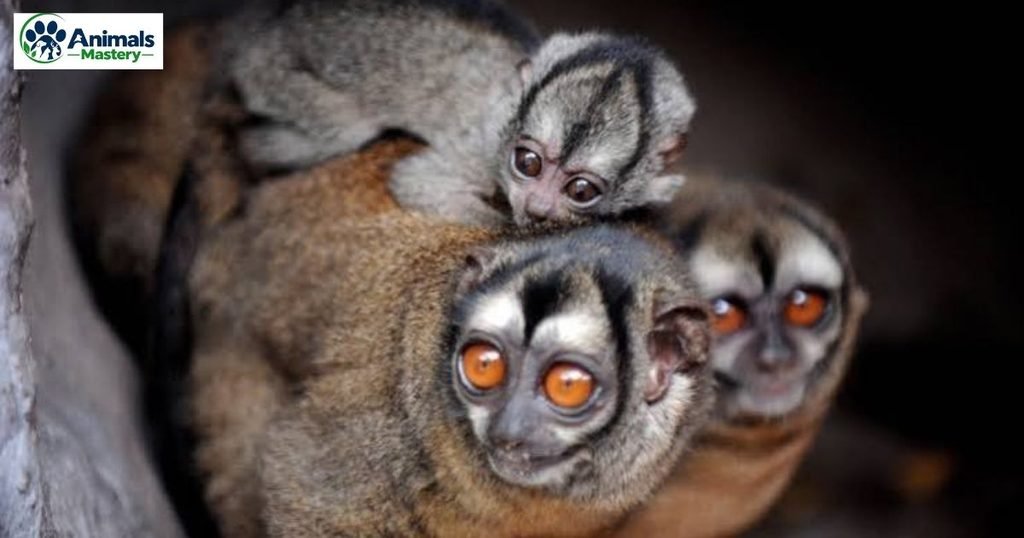
Their unique sleep habits not only support their active nights but also influence their social interactions, as they tend to form tight-knit family units, enhancing both community bonds and nighttime navigation.
Conserves energy: The owl monkey, often dubbed the world’s most sleep-loving primate, showcases a fascinating adaptation to its nocturnal lifestyle. These small, agile creatures are masters of energy conservation, requiring extensive rest to thrive in their dimly lit habitats.
Owl monkeys can sleep up to 17 hours a day, a strategy that not only rejuvenates them but also enables them to be alert during the night when their food sources, primarily fruits and insects, are abundant.
Tree shrew
- Scientific Name: Scandentia
- Class: Mammalia
- Diet: Omnivore
Sleeps 15.8 hours: The tree shrew, a fascinating small mammal, stands out in the animal kingdom for its remarkable sleep habits, clocking in around 15.8 hours of rest each day. This unique creature is often mistaken for a rodent, yet it belongs to its own order, Scandentia, showcasing a lineage that dates back millions of years.
Its extended sleep duration isn’t just about catching z’s; it plays a crucial role in their foraging behavior and metabolic health, allowing these energetic critters to mobilize their incredible agility during waking hours.
Long rest periods: The tree shrew, often overlooked in discussions about sleep habits, is remarkable for its extended rest periods, which can reach up to 14 hours a day. These tiny mammals, native to Southeast Asia, have developed an intriguing strategy for survival: by conserving energy through long rest periods, they can thrive in dense forest environments where food resources are inconsistent.
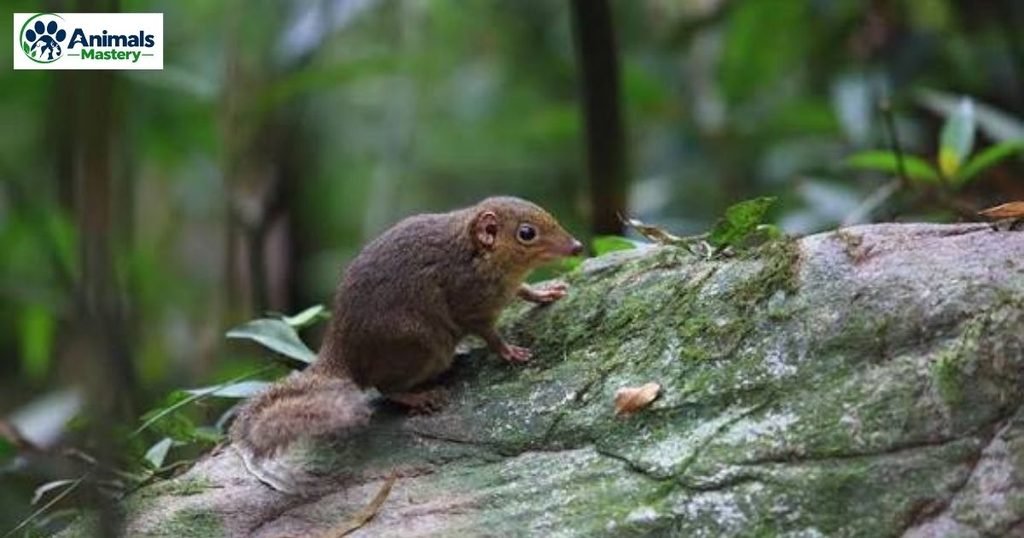
Their unique physiology allows them to enter a state of semi-torpor, which helps them balance the energy expenditure required for foraging and the need to evade predators.
Conserves energy: The tree shrew, often overshadowed by its more popular relatives, stands out in the animal kingdom for its fascinating sleep habits. This small mammal is a master at conserving energy, spending an impressive 14 hours a day in slumber.
By adopting this lifestyle, the tree shrew optimizes its foraging time, allowing it to focus on finding food during its active hours, when it can more effectively hunt insects and forage for fruits.
Squirrel
- Scientific Name: Sciuridae
- Class: Mammalia
- Diet: Omnivore
Sleeps 15 hours: Squirrels, often seen darting across parks and backyards, actually lead surprisingly restful lives. While these energetic creatures seem perpetually in motion, they sneak in impressive amounts of sleep averaging about 15 hours a day! This remarkable sleeping pattern allows them to conserve energy for the acrobatics and foraging they undertake during their active hours.
Squirrels utilize their sleep not only for rest but also as a strategic survival tactic, reducing their chances of encountering predators.
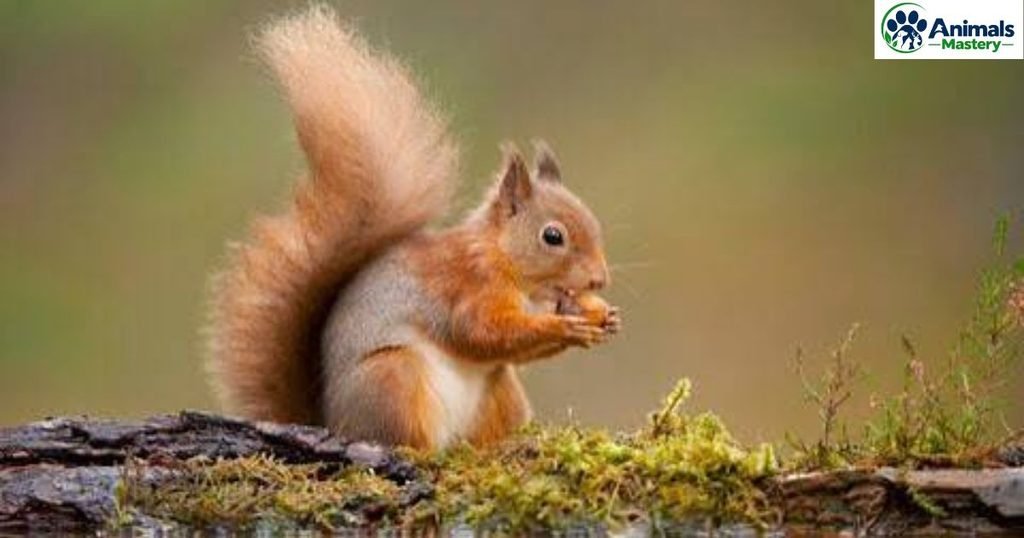
Uses hidden nests: Squirrels are fascinating creatures, particularly when it comes to their sleeping habits. These energetic mammals often find refuge in hidden nests, primarily built in tree hollows or dense foliage, which offer them a safe haven from predators. Surprisingly, squirrels can spend up to 14 hours a day resting or sleeping, especially during colder months when they conserve energy.
Their unique ability to enter a state of torpor, a temporary hibernation-like state, allows them to adjust to fluctuating temperatures and maintain their energy reserves.
Enters torpor: Squirrels might seem like bundles of energy as they dart around trees, gathering nuts and scurrying away from predators, but when the sun sets, they dive into a different world of rest. Many species of squirrels enter a state known as torpor, a temporary hibernation, allowing them to conserve energy during chilly nights.
European Hedgehog
- Scientific Name: Erinaceus europaeus
- Class: Mammalia
- Diet: Omnivore
Sleeps 18 hours: The European Hedgehog, a small nocturnal creature, is renowned for its impressive ability to sleep up to 18 hours a day. This adorable mammal spends much of its time tucked away in dens or under foliage, making it a master of rest and an expert at conserving energy.
During the day, a hedgehog’s quilled exterior serves as a defense mechanism against predators, while at night, they emerge to forage for insects, snails, and other small delights.
Sleeps by day: The European Hedgehog is a fascinating creature that epitomizes the art of slumber, as it sleeps by day and embarks on nightly adventures. Known for its adorable spines and endearing face, this small mammal can snooze up to 18 hours a day, allowing it to conserve energy for foraging under the cover of darkness.
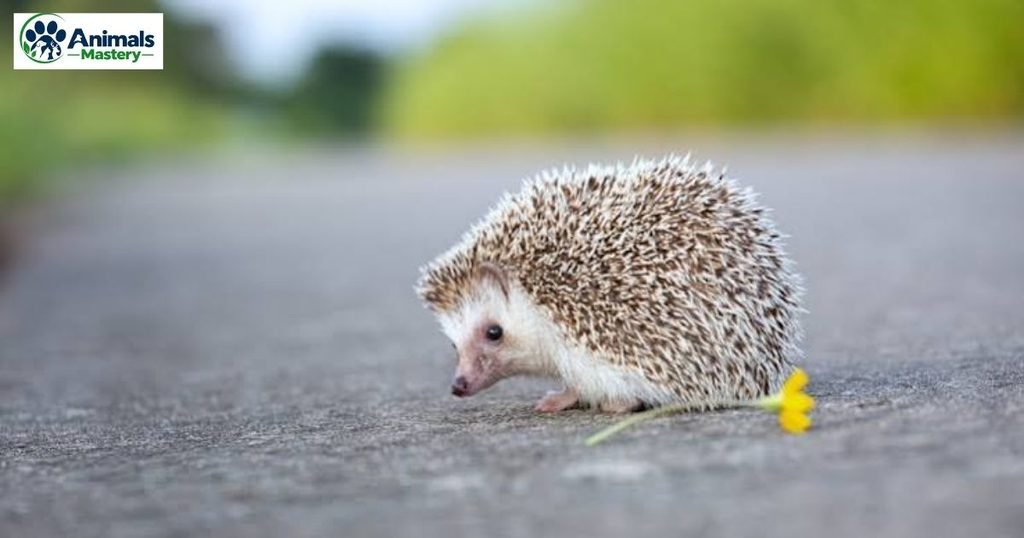
As a nocturnal creature, the hedgehog’s lifestyle exemplifies the delicate balance between survival and rest in the animal kingdom.
Curls for protection: The European hedgehog is truly a marvel of adaptation, particularly when it comes to its sleep patterns. This nocturnal creature can snooze for up to 18 hours a day, coiling up into tight curls for protection during its vulnerable moments.
These curled positions not only serve as a defense mechanism against predators but also help conserve warmth, providing a cozy sanctuary in the wild. When in this state, the hedgehog enters a deep, regenerative sleep that is crucial for its health, especially during the harsh winter months.
Meet Nature’s Most Extraordinary Creatures
- The most muscular animals showcase incredible strength, endurance, and physical power in the natural world. Their powerful bodies help them hunt, defend themselves, climb, run, and survive demanding environments. From enormous mammals to surprisingly strong small creatures, their abilities are truly impressive.
- The thickest skin animals possess remarkable natural protection against injuries and environmental challenges. Their tough skin can act as a strong barrier against bites, scratches, parasites, and harsh conditions. This unusual adaptation can provide valuable protection throughout their lives.
- The animals that walk on two legs include fascinating species with unique forms of bipedal movement. Birds, primates, and several other animals use two legs for walking, running, hopping, or standing. Their specialized body structures allow them to maintain balance while moving upright.
- The fish with big lips stand out for their unusual mouths and distinctive facial features. Their prominent lips may assist with feeding, gathering food, or interacting with their underwater surroundings. These striking characteristics make them particularly memorable aquatic creatures.
- The snakes with triangular heads are recognized for their distinctive head shape and striking appearance. A broad, angular head can be associated with particular body structures and hunting adaptations. Their appearance makes these snakes especially interesting to wildlife enthusiasts.
Final Thoughts
It’s clear that sleep serves as a fundamental aspect of life for various animal species, reflecting their evolutionary strategies and environmental needs. The 13 animals that sleep the most is highlighted in this article demonstrate how sleep can be a key factor in their survival and overall health.
By recognizing the diverse sleeping habits across species, we can begin to appreciate the intricate connection between rest and vitality in nature. This exploration of animal slumber urges us to consider not only the significance of sleep in wildlife but also in our own daily lives.
FAQs
Which Animal from this List Sleeps the Most?
Brown bats and sloths sleep the most among these animals. They can sleep up to 20 hours every single day. This long rest helps their bodies save energy.
Why do Lions and Tigers Sleep up to 20 Hours a Day?
Big cats sleep for long hours to conserve their body energy. Hunting large prey takes a massive amount of physical effort. Resting keeps them strong for their next big hunt.
Do Koalas Sleep More than Sloths?
Koalas sleep about 18 to 22 hours a day, which matches or beats sloths. Eucalyptus leaves give koalas very little daily energy. Sleeping helps their bodies digest this tough food slowly.
Why do Owl Monkeys and Opossums Sleep during the Day?
Owl monkeys and North American opossums are active at night instead of daytime. They sleep through the sunlit hours to hide from dangerous predators. Their bodies are naturally built to live in the dark.
How do Hedgehogs and Squirrels Manage Long Sleep Hours?
European hedgehogs and squirrels sleep 14 to 18 hours daily and sometimes hibernate. This deep rest protects them when seasonal food is hard to find. It is a smart trick for small mammals to survive.