
Top 15 Animals that Look Like Muskrats (With Pictures)
In our exploration of the Top 15 Animals that Look Like Muskrats, you’ll discover a variety of fascinating animals that share similar traits.
Recognizing these look-alikes can deepen your understanding of the ecosystem and make your next hike a lot more interesting. Understanding these animals not only enriches our appreciation for nature but also sharpens our observation skills.
List of Animals that Look Like Muskrats
Here are some animals that look similar to muskrats:
- Nutria
- Beavers
- Porcupines
- Guinea Pigs
- Sea Otters
- Maras
- Mink
- Gophers
- Pacarana
- Marsh Rice Rat
- Agouti
- Capybara
- Water Voles
- Hutia
- Desman
Nutria
- Scientific Name: Myocastor coypus
- Class: Mammalia
- Diet: Herbivore
South American native: Nutria, also known as coypu, are intriguing creatures that often inspire curiosity due to their resemblance to muskrats. Originating as South American natives, these semi-aquatic rodents thrive in marshy environments, where they can be spotted bustling along riverbanks.
Their sleek bodies and webbed feet allow them to navigate water with ease, while their distinctive orange incisors set them apart from their muskrat cousins.
Orange front teeth: Nutria, often mistaken for muskrats, are intriguing creatures with unique features that set them apart. These semi-aquatic rodents sport distinctive orange front teeth, a striking contrast to their otherwise dark, shaggy fur.
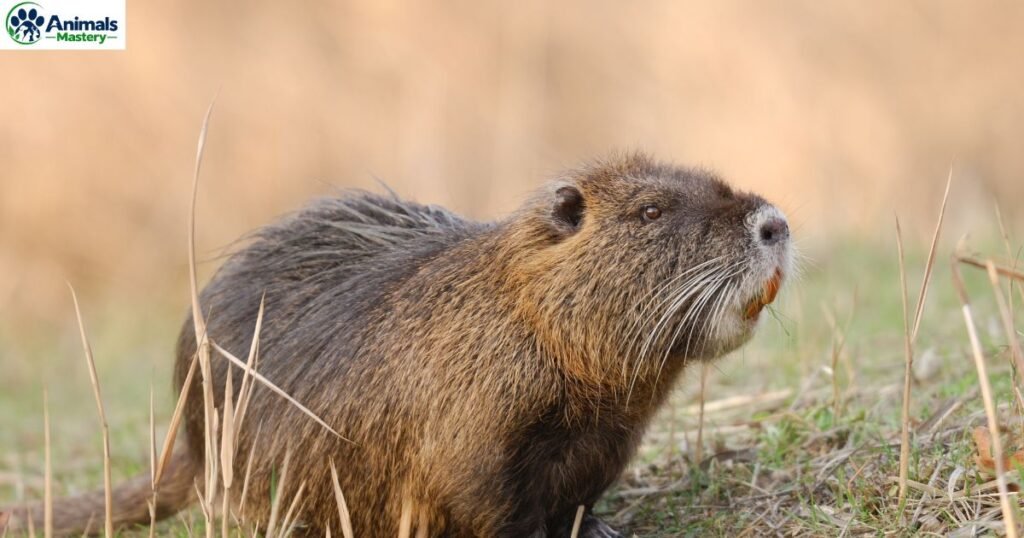
Unlike muskrats, which have a more streamlined body and a distinctly tapered tail, nutria possess a more robust frame and a rounder, thicker tail, making them visually captivating in their own right. Their large size and webbed feet enable them to be proficient swimmers, thriving in wetlands and marshy areas where they forage on aquatic vegetation.
Social foragers: These semi-aquatic rodents are not just known for their distinctive orange incisors and large size; they are also social foragers, often seen in groups as they root around in wetlands and marshes. This communal behavior enhances their ability to find food, leading them to thrive in various habitats across the globe.
Their playful interactions and curious nature offer a glimpse into a complex social structure that rivals even more advanced species.
Beavers
- Scientific Name: Castor canadensis
- Class: Mammalia
- Diet: Herbivore
Build dams: Beavers, renowned for their impressive dam-building skills, often draw comparisons with muskrats due to their similar habitats and semi-aquatic lifestyles. Animals are adept at shaping wetland ecosystems, beavers stand out with their robust bodies and distinctive flat tails, which they utilize not only for communication but also in their ingenious constructions.
Their ability to build dams significantly alters their surroundings, creating ponds that benefit multiple species, thus amplifying their ecological importance.
Flat tails: Though often mistaken for muskrats, beavers stand as their own remarkable species, distinguished by their incredibly flat tails and larger sizes. These industrious creatures are nature’s engineers, using their powerful incisors to fell trees and create intricate dams.
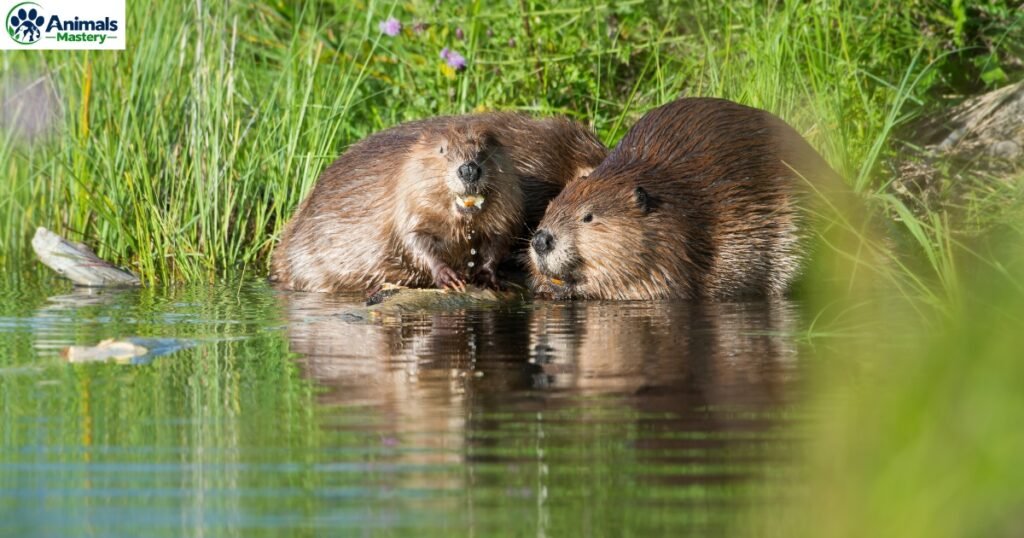
The flat tail serves multiple purposes: it aids in swimming, acts as a rudder, and even functions as a warning sign when striking the surface of the water. While muskrats are more elusive, beavers confidently shape their aquatic ecosystems, demonstrating a profound connection to their habitat.
Create wetlands: Beavers are often mistaken for muskrats due to their similar sizes and habitats, yet their behaviors and impacts on ecosystems are strikingly different. As they gnaw on trees and build intricate dams, beavers transform landscapes and create wetlands that serve as vital ecosystems for numerous species.
These engineered habitats not only provide shelter for aquatic life but also improve water quality by filtering pollutants.
Porcupines
- Scientific Name: Erethizon dorsatum
- Class: Mammalia
- Diet: Herbivore
Near water: Porcupines, often mistaken for their aquatic cousins, muskrats, share habitats near water but engage in surprisingly different lifestyles. While muskrats are semi-aquatic rodents that thrive in marshes and wetlands, porcupines prefer forested areas, where they forage on bark, leaves, and fruits.
Their sharp quills serve as a formidable defense against predators, providing a stark contrast to the muskrat’s more streamlined body, adapted for swimming and burrowing.
Eat bark: Porcupines primarily eat bark, along with leaves and fruits, illustrating their niche within ecosystems as important foragers. Their diet not only showcases their adaptability but also highlights the interdependence of species within their habitats.
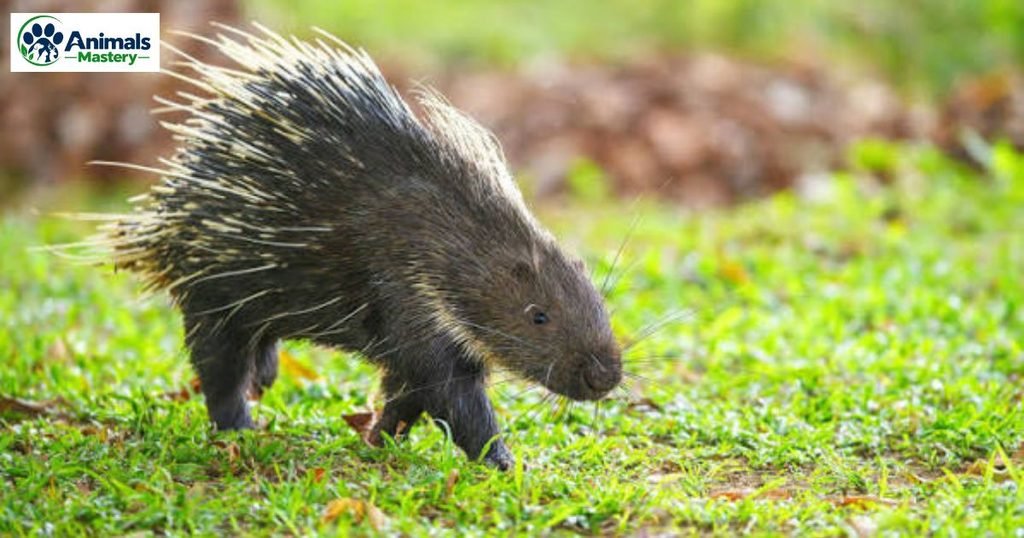
These spiky mammals are excellent foragers, with a diet that consists largely of tree bark, leaves, and even fruit.
Solitary dens: Porcupines, often mistaken for oversized rodents, boast a unique silhouette characterized by their spiky quills, which serve as both armor and a fascinating conversation starter. Unlike the social muskrat that thrives in groups, porcupines prefer the safety of solitary dens, usually nestled high in trees or tucked away in rocky crevices.
This arboreal living allows them to forage mostly at night, nibbling on leaves, bark, and fruits, showcasing their adaptability in various habitats.
Guinea Pigs
- Scientific Name: Cavia porcellus
- Class: Mammalia
- Diet: Herbivore
Stocky bodies: Guinea pigs are delightful creatures that share a striking resemblance to muskrats, particularly with their stocky bodies and endearing features. These small rodents have round, expressive faces, and their compact builds evoke the same charming presence you might find in a muskrat.
Land dwellers: Guinea pigs, often mistaken for small rodents, share striking similarities with muskrats, particularly in their rounded bodies and whiskered faces. These adorable land dwellers bring a burst of life to any home, captivating pet owners with their unique personalities and gentle nature.
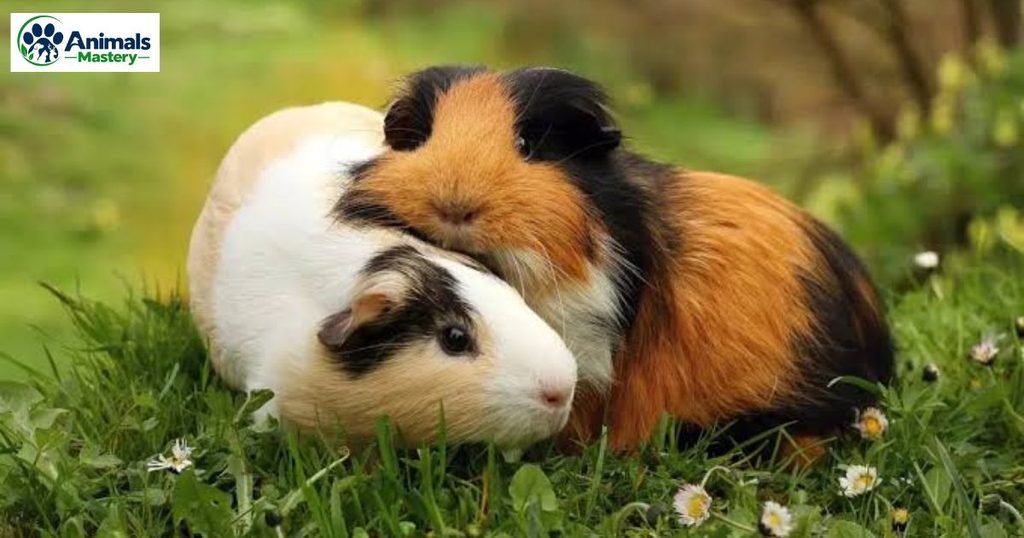
While they might not have the dense fur and aquatic adaptations of muskrats, their playful interactions and soft squeaks can charm anyone who observes them closely.
Social animals: Guinea pigs, often praised for their adorable, chubby faces and lively personalities, belong to a family of social animals that thrive in the company of their peers. Their resemblance to muskrats, with round bodies and small, rounded ears, can be striking at first glance.
Yet, unlike muskrats, which are mostly aquatic and often solitary, guinea pigs form deep social bonds and communicate through a variety of vocalizations, bringing vibrant energy to your home environment.
Sea Otters
- Scientific Name: Enhydra lutris
- Class: Mammalia
- Diet: Carnivore
Aquatic mammals: Sea otters are often mistaken for larger, more robust muskrats due to their playful demeanor and aquatic lifestyles. However, while muskrats are primarily semi-aquatic and often dwell in freshwater, sea otters thrive in marine environments, showcasing a variety of essential skills.
These magnificent aquatic mammals play a crucial role in maintaining the health of kelp forests, as they feast on sea urchins, preventing overgrazing of this vital habitat.
Dense fur: Sea otters, with their dense fur, are often mistaken for muskrats due to their similar shapes and playful demeanor. However, these marine mammals possess unique characteristics that set them apart; their fur isn’t just for warmth it’s a crucial adaptation for their cold aquatic habitats.
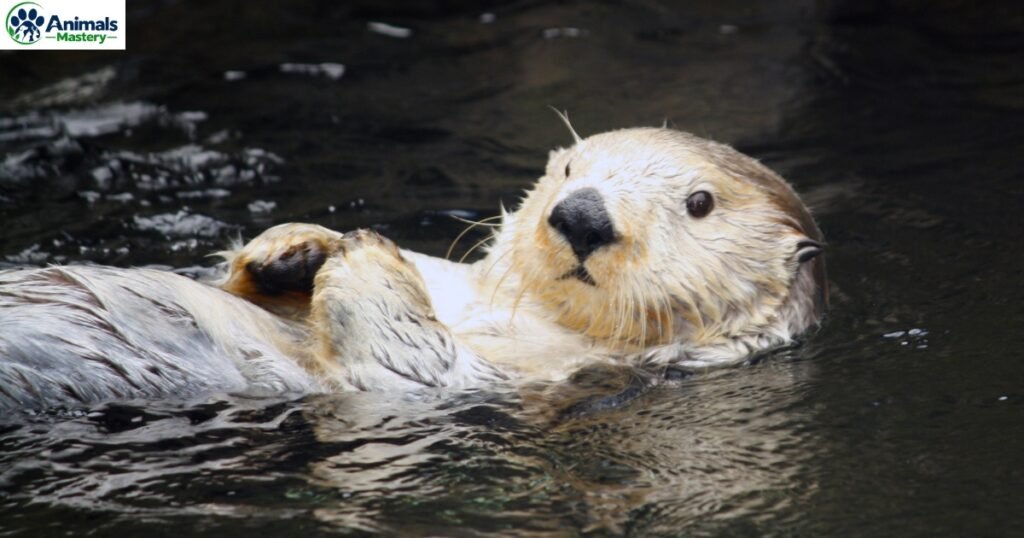
A single sea otter can have up to a million hair follicles per square inch, making it one of the densest furs in the animal kingdom.
Protect kelp forests: Sea otters are often mistaken for muskrats due to their small, rounded bodies and playful demeanor, but their significance in marine ecosystems goes far beyond appearances. As keystone species, sea otters play a crucial role in protecting kelp forests by preying on sea urchins, which, if unchecked, can decimate these underwater habitats.
Without sea otters, the balance of coastal ecosystems would be severely disrupted, leading to significant biodiversity loss.
Maras
- Scientific Name: Dolichotis patagonum
- Class: Mammalia
- Diet: Herbivore
Argentine grasslands: In the heart of the Argentine grasslands, Maras, or Patagonian hares, stand out with their intriguing features that resonate with muskrats, yet they belong to a completely different realm of wildlife. Unlike the typical water-bound muskrat, Maras are terrestrial and adapted for life in dry, open regions.
Their elongated bodies, large ears, and distinctive facial structures create a vivid connection to their aquatic counterparts, prompting one to explore the surprising similarities across species.

Very fast: Maras, often mistaken for muskrats due to their similar body shapes and fur textures, take this resemblance a step further with their unique behavioral traits. Unlike muskrats, which are primarily aquatic and adept swimmers, maras are quick on land and can reach impressive speeds, making them agile foragers.
This speed aids in escaping predators and facilitates their fascinating social interactions, as they communicate in groups through a series of distinctive vocalizations.
Monogamous pairs: . Surprising shared traits, such as their webbed feet and elongated bodies, can be observed in critters ranging from beavers to otters.
Many people may be enchanted by the sight of these animals forming monogamous pairs, often seen working together to build intricate lodges or care for their young, showcasing a tender side rarely captured in wildlife documentaries.
Mink
- Scientific Name: Neogale vison
- Class: Mammalia
- Diet: Carnivore
Excellent swimmers: Minks and muskrats share similar habitats and physical traits, often leading to confusion between the two. However, minks are distinguished by their sleek, elongated bodies and luxurious fur, making them one of nature’s most elegant creatures.
These excellent swimmers are adept at navigating waterways, using their agility to hunt fish, frogs, and small crustaceans. Their playful nature adds a whimsical touch to their aquatic escapades, enchanting those lucky enough to observe them in the wild.
Stealthy hunters: Minks and muskrats share a similar aquatic habitat, but their stealthy hunters’ instincts set them apart. While muskrats are often seen feeding on vegetation and building their signature lodges, minks are agile, carnivorous predators that revel in the thrill of the chase.

Their sleek, elongated bodies, designed for swift movement both on land and in water, give them an edge as they hunt small fish and amphibians.
Carnivorous diet: Minks, often mistaken for muskrats due to their similar elongated bodies and fur textures, take center stage in the animal kingdom with their distinct carnivorous diet. Unlike muskrats, which primarily graze on aquatic plants, minks are agile hunters that feast on small mammals, birds, and fish.
This predatory prowess not only sets them apart but also positions them as key players in various ecosystems, helping to control populations of smaller animals. Imagine encountering a mink gliding through the water, its sleek form effortlessly adapting to both land and aquatic environments a reminder of nature’s versatility.
Gophers
- Scientific Name: Thomomys talpoides
- Class: Mammalia
- Diet: Herbivore
Underground tunnels: Gophers inhabit intricate underground tunnel systems that weave beneath our feet. These fascinating burrowers are master architects, creating expansive networks that not only serve as homes but also play a critical role in aerating soil and dispersing seeds.
While their round bodies and large front teeth might remind you of muskrats, gophers distinctly differ through their habitat preferences, favoring dry land and grassy fields over wetlands.
Food-storing cheeks: Gophers, often mistaken for muskrats, share a quirky trait: their food-storing cheeks. These cheek pouches allow them to hoard seeds and other goodies, making them efficient foragers in their burrowing lifestyle.
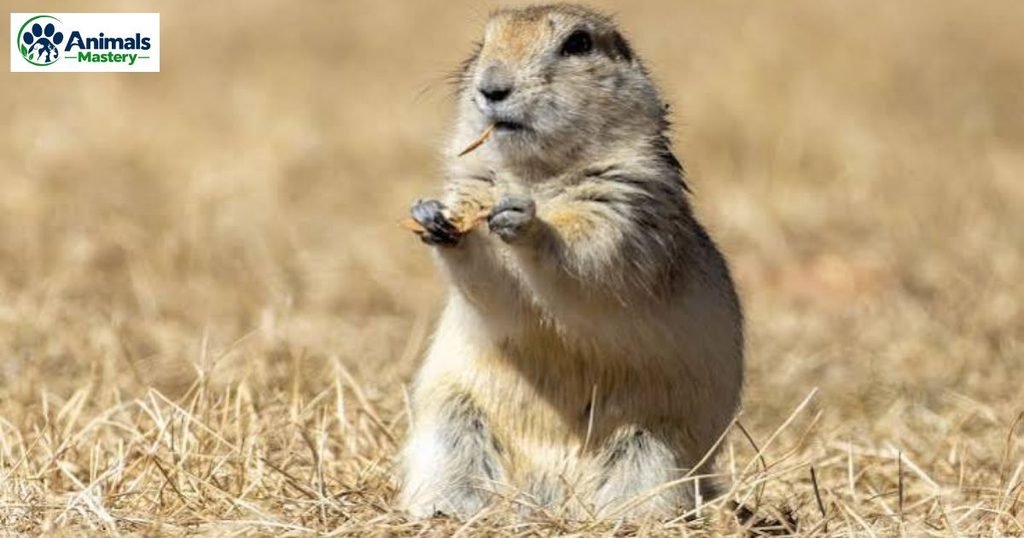
Unlike muskrats, which thrive in aquatic environments, gophers prefer dry, grassy terrains, showcasing nature’s adaptability in niche habitats. Their small eyes and stocky bodies conceal remarkable digging prowess, digging extensive tunnel systems that provide safety and storage.
Territorial behavior: Gophers, often mistaken for muskrats due to their similar size and burrowing habits, exhibit fascinating territorial behavior that sets them apart. Unlike muskrats, which are more aquatic and social creatures, gophers are predominantly land dwellers, fiercely protective of their underground tunnels and food caches.
Observing their interactions can provide a unique glimpse into the subterranean world, where energy is spent on defending their territory rather than engaging with others.
Pacarana
- Scientific Name: Dinomys branickii
- Class: Mammalia
- Diet: Herbivore
Andean forests: The Pacarana, a fascinating rodent native to the Andean forests, often gets mistaken for a muskrat due to its size and stocky build. Unlike the aquatic preferences of muskrats, the Pacarana thrives in dense woodland habitats, feeding primarily on fruits, leaves, and occasionally bark. Its striking fur, a mix of browns and blacks, gives it a unique allure that captures the imagination of wildlife enthusiasts.
Observing the Pacarana in its natural environment offers a glimpse into a world where these creatures navigate the underbrush, highlighting the importance of forest ecosystems in supporting diverse wildlife.

Eat leaves and fruit: the pacarana stands out as a remarkable rodent that, at first glance, could easily be mistaken for a muskrat. With its robust body and short legs, this unique creature thrives in dense forests where it primarily feeds on leaves and fruit.
Unlike muskrats, which are often found near water, the pacarana’s habitat preference highlights the diversity of rodent adaptations in varying environments. Their fascinating dental structure allows them to efficiently chew tough vegetation, showcasing their evolutionary adaptation to a herbivorous diet.
Disperse seeds: The pacarana, a captivating rodent native to South America, often finds itself mistaken for a muskrat due to its robust body and dense fur. Unlike muskrats, which are adept swimmers and often dwell near waterways, pacarana prefer the mountainous rainforests and are known for their impressive climbing skills.
Marsh Rice Rat
- Scientific Name: Oryzomys palustris
- Class: Mammalia
- Diet: Omnivore
Wetland dweller: The Marsh Rice Rat stands out among wetland dwellers, resembling muskrats with its elongated body and sleek fur. Found in the lush, swampy habitats of the southeastern United States, these nimble rodents have adapted uniquely to their environment.
While both species share a love for wetlands, the Marsh Rice Rat’s diet often leans more towards seeds and grains, showcasing an interesting divergence in their foraging strategies.
Skilled climber: The Marsh Rice Rat, a lesser-known cousin of the more familiar muskrat, showcases a fascinating adaptation to its environment. Unlike its semi-aquatic relatives, this agile creature is a skilled climber, often seen navigating through dense marsh foliage and savoring a variety of diets from fruits to small invertebrates.

Their adaptable nature allows them to thrive in diverse habitats, which directly impacts their interaction with other species and the ecosystem as a whole.
Seed disperser: The Marsh Rice Rat, often mistaken for its more famous relative, the muskrat, plays a vital role in its ecosystem as a seed disperser. While they may occupy similar marshy habitats, the Marsh Rice Rat has distinct characteristics, such as a longer tail and a more streamlined body.
These adaptations allow it to navigate dense reeds and grasses with ease, helping to disperse seeds from aquatic plants, which supports biodiversity in its environment.
Agouti
- Scientific Name: Dasyprocta punctata
- Class: Mammalia
- Diet: Herbivore
Tropical forests: In tropical forests, the agouti stands out as a fascinating creature that often draws comparisons to the muskrat. With its sleek body, short legs, and agile movements, the agouti is a point of intrigue for wildlife enthusiasts. These herbivorous rodents play a vital role in their ecosystems, storing seeds and helping facilitate forest regeneration.
Their glossy fur, typically brown or gray, makes them adept at blending into their lush surroundings, much like the muskrat’s ability to disappear into wetland habitats.

Bury seeds: The agouti, a fascinating rodent found primarily in Central and South America, showcases behaviors that link it closely to the ecosystem’s health. Known for burying seeds, agoutis play a crucial role in forest regeneration, as they often forget the locations of their hidden treasures, allowing new plants to sprout.
This unintentional act of reforestation makes them invaluable in their habitats, particularly in rainforests where seed dispersal is vital for biodiversity.
Fast runners: The agouti, often mistaken for a muskrat due to its somewhat similar physique, stands out with its glossy fur and quick movements. These fast runners are native to Central and South America, where they weave through dense vegetation with surprising agility.
While both species share a rodent-like appearance, the agouti’s elongated body and longer legs offer a glimpse of its unique adaptations for life in the wild.
Capybara
- Scientific Name: Hydrochoerus hydrochaeris
- Class: Mammalia
- Diet: Herbivore
South American rodent: Capybaras, the largest South American rodent, are often likened to muskrats due to their semi-aquatic lifestyles and stout bodies. Unlike the elusive muskrat, capybaras exhibit a striking social behavior; they thrive in groups, embodying a communal spirit that enhances their adaptability in the wild.
Their thick, fur-covered bodies, coupled with webbed feet, make them well-suited for both terrestrial and aquatic environments, demonstrating how evolution crafts diverse adaptations even among similar species.

Webbed hind feet: Capybaras, often dubbed the world’s largest rodents, exhibit several features that make them resemble muskrats, particularly their webbed hind feet. This unique adaptation allows both species to navigate aquatic environments with ease, a shared trait that enhances their ability to evade predators and forage for food.
While capybaras can weigh up to 150 pounds, the similarities in body shape and lifestyle often lead to delightful comparisons with their smaller muskrat cousins.
Lives in colonies: Capybaras, often mistaken for oversized muskrats, are fascinating creatures that embody the beauty of social living. These gentle giants thrive in wetland environments and are known for their friendly demeanor, often forming tight-knit communities.
Living in colonies, capybaras establish social hierarchies while foraging for grasses and aquatic plants, displaying a remarkable adaptability that highlights their role in the ecosystem.
Water Voles
- Scientific Name: Arvicola amphibius
- Class: Mammalia
- Diet: Herbivore
Live near waterways: Water voles, often mistaken for muskrats, inhabit lush riverbanks and wetland margins, primarily in Europe and parts of Asia. These charming rodents thrive in habitats rich with vegetation, which not only provides them with food but also shelter from predators.
Their distinctive round bodies and short tails set them apart, but it’s their playful nature that often endears them to observers. Unlike muskrats, which tend to be more solitary, water voles live in intricate burrow systems and are social creatures, forming family units that interact with one another.
Rounded faces: Water voles, often mistaken for muskrats, boast rounded faces that enhance their endearing charm. These small, semi-aquatic mammals are iconic for their robust, stocky bodies and the distinctive way they glide through their wetland habitats.
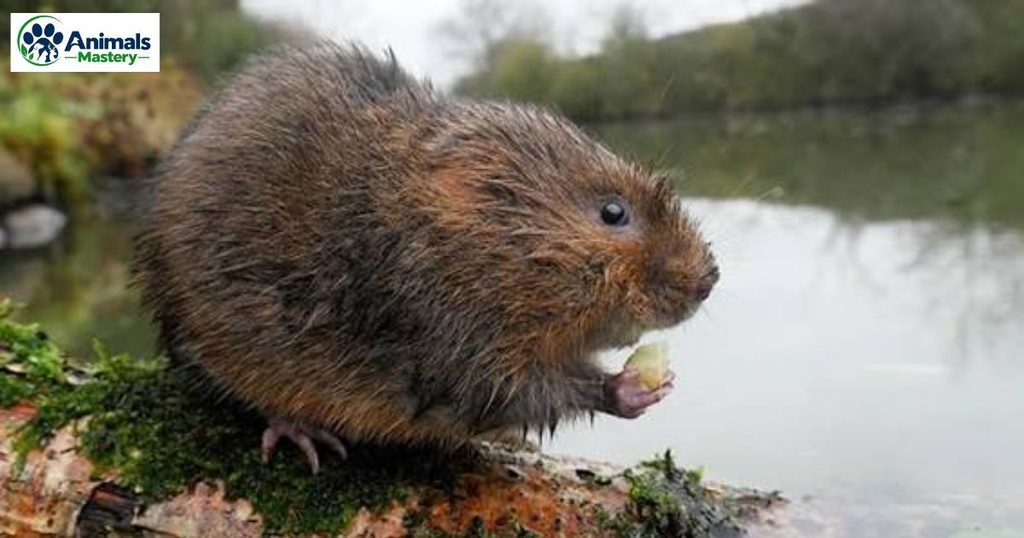
Unlike muskrats, which have a more elongated appearance, water voles possess a more rounded snout and bigger, more expressive eyes that contribute to their adorable demeanor. This facial structure not only makes them look cute but also serves a purpose; larger facial muscles help them chew through tough aquatic vegetation.
Eat vegetation: Water voles are charming little creatures often mistaken for muskrats; both share similar habitats and dietary preferences. However, water voles, with their round faces and distinctive fur, have a unique charm that sets them apart.
These delightful animals primarily thrive on a diet of vegetation feasting on grasses, sedges, and the tender shoots of wetland plants. Their burrows, typically near water bodies, not only serve as homes but also as essential ecosystems, nurturing various aquatic life forms.
Hutia
- Scientific Name: Capromys pilorides
- Class: Mammalia
- Diet: Omnivore
Caribbean native: The Hutia, a Caribbean native rodent, offers a fascinating glimpse into the world of wildlife that resembles muskrats. With their stout bodies and thick fur, Hutias are often mistaken for their aquatic cousins, but they are distinct in their behaviors and habitats.
Found primarily on the islands of Cuba and the Bahamas, these creatures are mostly terrestrial and prefer lush, tropical environments, making them less dependent on waterways compared to muskrats. Their diet primarily consists of leaves, fruit, and bark, highlighting their adaptability to the Caribbean ecosystem.
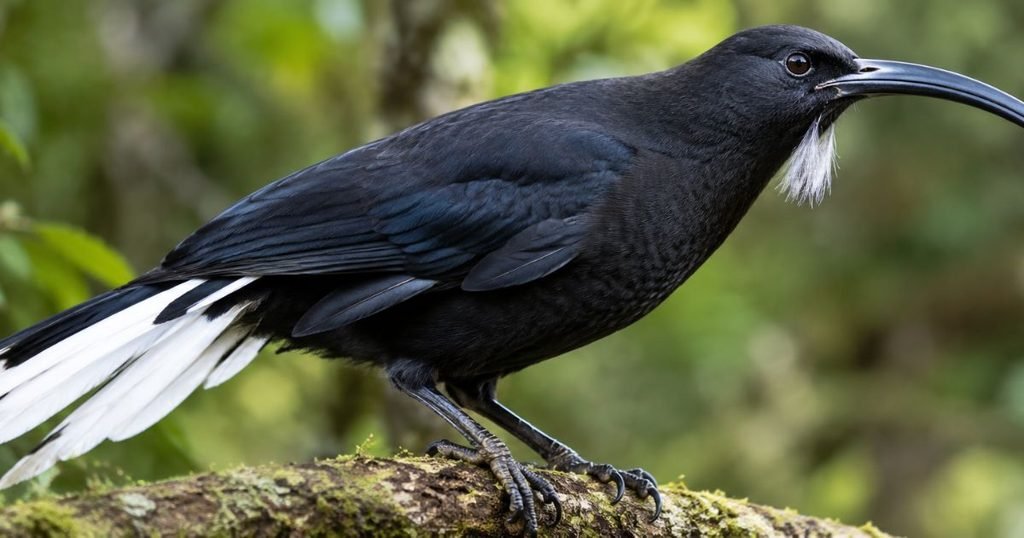
Short-legged rodents: Hutia, often mistaken for muskrats due to their diminutive stature and aquatic tendencies, are fascinating short-legged rodents that inhabit various Caribbean islands. These curious creatures belong to the family Echimys, and their unique adaptations to island life have allowed them to thrive in diverse ecosystems.
While they share some physical similarities with muskrats, such as a robust body and webbed feet, hutias exhibit a distinctive fur pattern that varies significantly among species, showcasing a range of rich browns and grays.
Spread seeds: The hutia boasts a distinct blend of charm and ecological importance. These remarkable creatures are not just adorable; they play a vital role in their habitat by spreading seeds and helping maintain the delicate balance of their ecosystems. Their herbivorous diet leads to the natural dispersal of seeds, fostering plant diversity and sustaining the environments they inhabit.
Desman
- Scientific Name: Galemys pyrenaicus
- Class: Mammalia
- Diet: Carnivore
River dweller: The Desman, an intriguing river dweller, is often overlooked in discussions about muskrat look-alikes. Sporting broad, flattened tails and webbed feet, these semi-aquatic mammals share several traits with their muskrat cousins.
While Desmans primarily inhabit the waters of Eastern Europe and parts of Asia, their unique appearance coupled with a snout reminiscent of a tiny crocodile makes them a fascinating addition to the list of muskrat look-alikes. Their rich fur, paired with a playful demeanor, highlights the diverse adaptations of animals thriving in river ecosystems.
Webbed feet: Among the fascinating creatures often compared to muskrats, the desman stands out due to its unique adaptations for aquatic life. With its elongated body and webbed feet, the desman is adept at navigating through river systems, much like its muskrat cousin.

Unlike muskrats, which primarily inhabit marshes, these semi-aquatic mammals are mostly found in the streams of Eastern Europe, showcasing a more specialized lifestyle that revolves around both water and land.
Eats invertebrates: Desmans, often mistaken for muskrats, have a unique charm that sets them apart. These semi-aquatic mammals possess long, slender bodies and elongated snouts that distinguish them in the animal kingdom. With webbed feet designed for swimming, desmans thrive in rivers and lakes, foraging for invertebrates.
Their diet primarily consists of mollusks and crustaceans, showcasing their adaptability to various aquatic environments. This ability to dive and search for food under rocks highlights their remarkable foraging skills and adds to their allure.
Explore More Animals with Similar Traits
- Ferrets, stoats, and martens are fascinating Animals Like Weasels that share slender bodies and active lifestyles. Their flexible shape allows them to move easily through tight spaces and dense vegetation. These mammals also display impressive hunting skills and quick reflexes.
- While Animals that Look Like Muskrats are known for their stocky bodies and semi-aquatic lifestyle, not all animals share these traits. Explore our guide to the most skinny animals to discover species with remarkably slim builds and learn how their body shapes help them survive in different habitats.
- Many Animals with Long Tails rely on this remarkable feature for balance and movement.
Monkeys may use their tails while climbing, while other species use them for stability. The tail can be an essential tool for surviving in different environments. - If you enjoyed learning about Animals that Look Like Muskrats, explore our guide to animals that sleep the most. You’ll discover fascinating species with unique sleeping habits and learn how different animals have adapted their rest patterns to survive in the wild.
- After learning about Animals that Look Like Muskrats, why not discover a completely different group of wildlife? Explore our guide to examples of reptiles to learn about fascinating cold-blooded species, their unique characteristics, habitats, and how they differ from mammals like muskrats.
- Coyotes, wolves, and jackals are well-known Animals Like Foxes with similar canine features. Their pointed ears, narrow muzzles, and alert appearance often create a fox like resemblance. However, their habitats and social behaviors can be quite different.
Final Thoughts
The intriguing parallels between muskrats and various other animals that look like muskrats is highlight the wonders of evolutionary convergence. Species like the beaver and the water vole remind us that form and function can vary widely while still serving similar purposes in nature.
Understanding these connections allows us to appreciate the complexity of ecosystems and the roles each animal plays within them. Exploring these similarities not only enhances our understanding of animal biology but also deepens our appreciation for nature’s creativity.
FAQs
How can You tell a Nutria Apart from a Muskrat?
Nutria are significantly larger and heavier than muskrats, often weighing up to 12 pounds. They also feature distinctive bright orange front incisors and round, hairless tails. In contrast, muskrats have thinner, vertically flattened tails and are much more streamlined.
Do Beavers and Muskrats belong to the Same Animal Family?
No, beavers and muskrats belong to entirely different taxonomic families of rodents. Beavers are massive, specialized dam-builders in the family Castoridae. Muskrats are smaller, semi-aquatic rodents more closely related to voles and lemmings.
Are Water Voles often Confused with Muskrats?
Yes, European water voles share a very similar dark brown fur and semi-aquatic lifestyle. Then, water voles are much smaller and have shorter, fur-coated tails. Muskrats possess longer, scaly, and laterally flattened tails built for efficient swimming.
What is the Biggest Animal Related to this Look-Alike Group?
The capybara is the largest living rodent on Earth and shares a wetland habitat. They can grow to the size of a small dog, unlike tiny muskrats. Capybaras have barrel-shaped bodies and blunt snouts without a prominent long tail.
Do any Non-Rodents Look Like Muskrats?
American minks and river otters are carnivorous mammals frequently mistaken for muskrats. Minks have long, slender bodies with short legs and hunt in the same wetlands. Otters are larger, highly playful aquatic carnivores with dense, waterproof fur coats