
Amazing Birds with 4 Letters: Featuring 40 Unique Species
Our exploration into birds with 4 letters reveals 40 unique species, each with its own story to tell. This intriguing selection highlights the diversity of avian life while providing striking images for visual inspiration. You’ll leave this article equipped with knowledge that deepens your connection to nature and enhances your birdwatching adventures.
List of Birds With 4 Letters
Below is the compilation of birds with 4 letters:
- Chat
- Coot
- Coua
- Crow
- Dodo
- Dove
- Duck
- Guan
- Baya
- Hawk
- Huia
- Ibis
- Iora
- Kagu
- Kaka
- Kite
- Kiwi
- Knot
- Koel
- Lark
- Loon
- Lory
- Myna
- Nene
- Rail
- Rhea
- Rook
- Ruff
- Shag
- Skua
- Baza
- Sora
- Swan
- Tern
- Tody
- Weka
- Wren
- Teal
- Moor
- Sisk
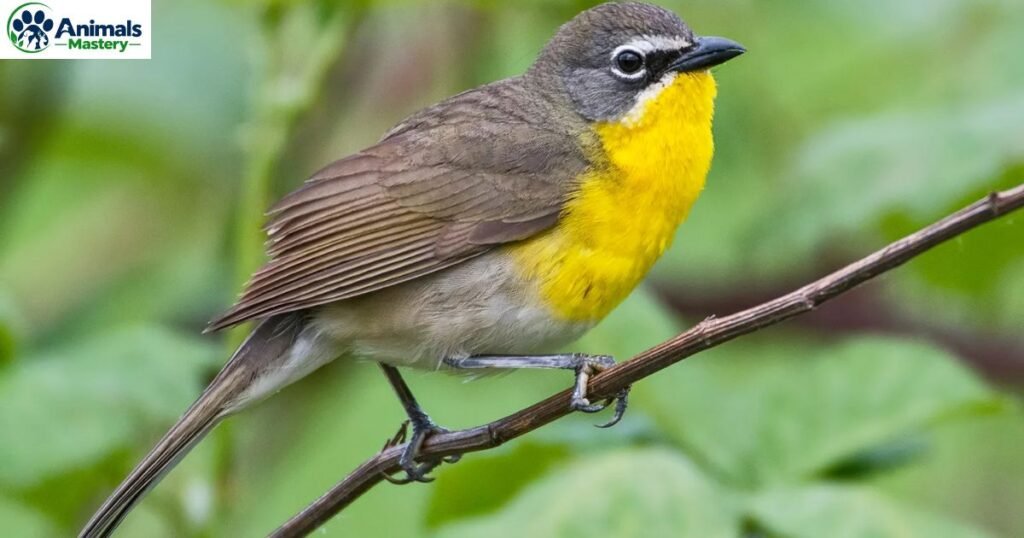
Chat
Scientific Name: Icteria virens
Class: Aves
Diet: Omnivore
The rook, a member of the crow family, exhibits intelligence and adaptability and is often found scavenging in urban areas. Watching these birds engage in complex social behaviors offers a glimpse into a world where communication through caws and displays is key, resembling a natural version of a bustling chat room.
Coot
Scientific Name: Fulica americana
Class: Aves
Diet: Omnivore
The coot, a fascinating bird often overlooked in favor of its more colorful relatives, boasts a unique charm all its own. With striking white facial shields and notably agile swimming abilities, coots glide across freshwater habitats, showcasing a delightful contrast to their otherwise drab appearance.
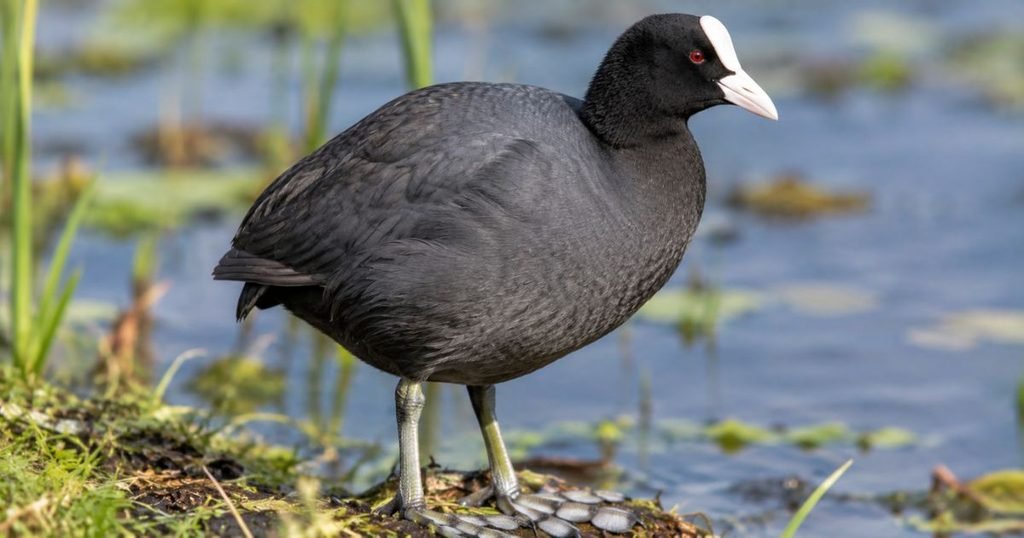
Often found in groups, these birds engage in social behaviors that rival the most boisterous of flocks, providing a captivating glimpse into avian interactions.
Despite their somewhat awkward appearance on land, coots are surprisingly nimble, utilizing their strong feet to navigate through thick vegetation and even dive for aquatic plants. As more enthusiasts take to birdwatching, the coot stands out as a symbol of the beauty found in the everyday, reminding us that even the most unassuming species can provide awe and inspiration.
Coua
Scientific Name: Coua cristata
Class: Aves
Diet: Omnivore
The coua, a flightless bird native to Madagascar. These stunning creatures belong to the cuckoo family and are often celebrated for their vibrant plumage and unique behaviors. The Coua is particularly fascinating for its adaptation to a life on the forest floor, where it hunts for insects and fruits, showcasing a fascinating example of evolution in isolation.
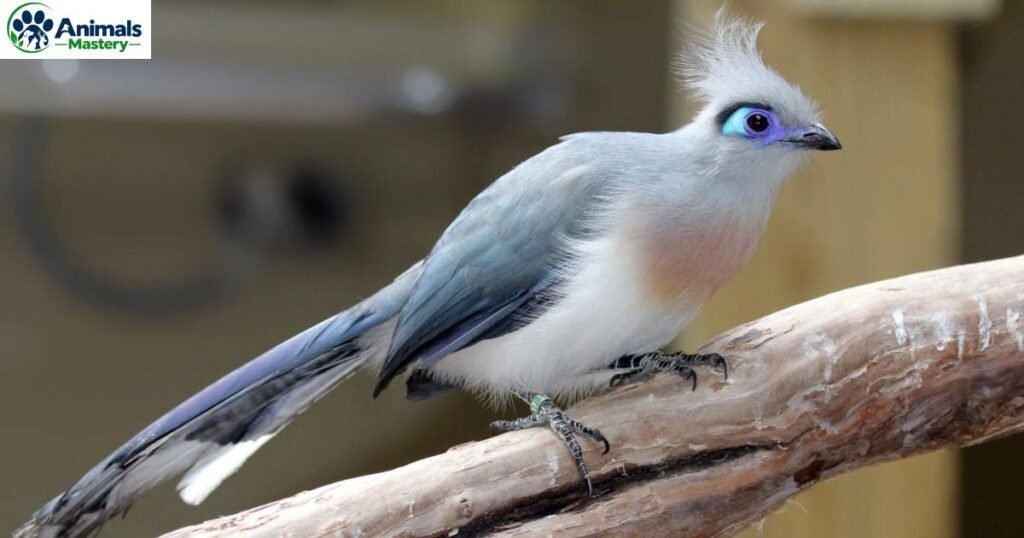
The Coua’s calls resonate through the Madagascan landscape, drawing attention to their distinctive presence and enriching the area’s biodiversity. These birds are crucial for the health of wetland ecosystems, as they help control insect populations and disperse seeds through their foraging habits.
Crow
Scientific Name: Corvus brachyrhynchos
Class: Aves
Diet: Omnivore
The crow stands out not just for its striking black plumage, but for its remarkable intelligence and adaptability. Often misunderstood as mere scavengers, crows possess problem-solving skills that rival those of primates.

They can use tools, recognize faces, and even communicate complex messages among themselves. This cognitive prowess allows them to thrive in diverse environments, from urban landscapes to rural settings, showcasing their versatility.
Crows exhibit fascinating behaviors such as cooperative breeding and social learning. They often work together to fend off predators or to gather food, demonstrating a strong sense of community. Studies have shown that crows can remember human faces, which they associate with positive or negative experiences, allowing them to navigate their surroundings more effectively.
Dodo
Scientific Name: Raphus cucullatus
Class: Aves
Diet: Herbivore
The dodo stands out for its unique characteristics and for its poignant story as a symbol of extinction. This flightless bird, native to Mauritius, lived an untroubled life in its isolated environment until human interaction led to its tragic demise in the late 17th century.
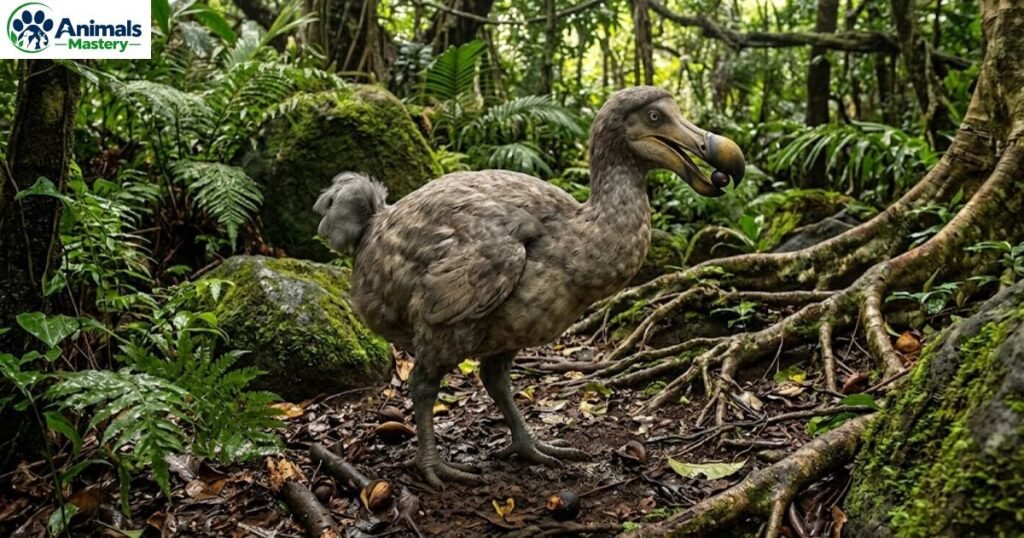
Reflecting on the Dodo’s history invites us to consider how human activity affects biodiversity and the delicate balance of ecosystems. The dodo offers a glimpse into the resilience of flightless birds today. Native to Australia, this large bird thrives in diverse environments and is known for its inquisitive nature.
Dove
Scientific Name: Zenaida macroura
Class: Aves
Diet: Herbivore
The dove, for instance, this gentle bird, symbolizes peace and love, transcending cultural boundaries. In various traditions, doves carry messages of hope, often depicted alongside imagery of new beginnings.

Their cooing calls resonate in urban parks and rural landscapes alike, inviting introspection and serenity. By engaging with these captivating species, we deepen our appreciation for the intricate tapestry of life, where even four-letter names can unlock profound meanings and connections to the natural world.
Duck
Scientific Name: Anas platyrhynchos
Class: Aves
Diet: Omnivore
The duck stands out not just for its quacking calls and aquatic lifestyle and for its adaptability across diverse habitats. These four-lettered wonders can be found waddling through wetlands, gliding in ponds, and even foraging in urban parks.
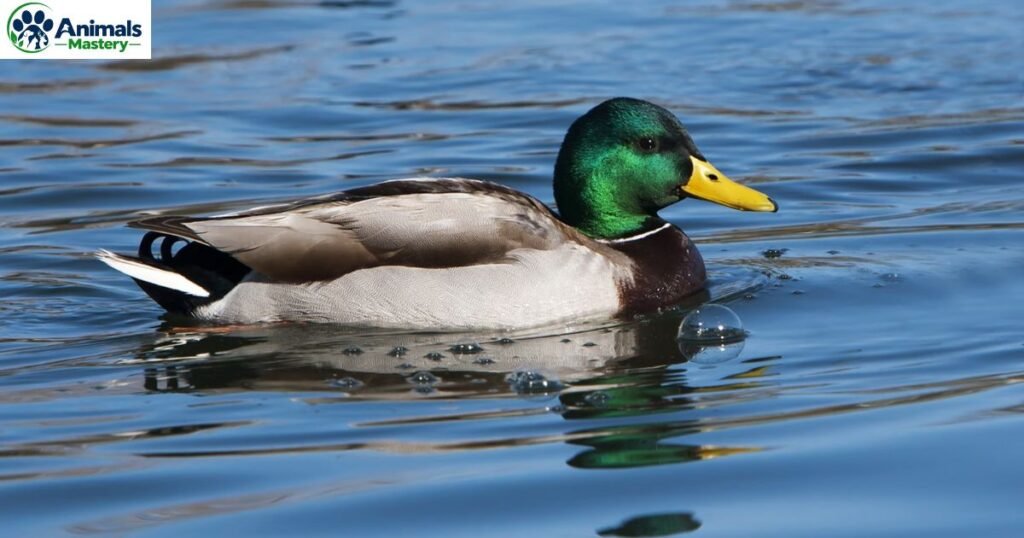
Their unique behaviors, such as dabbling and diving for food, offer a glimpse into their intricate relationships with ecosystems. Ducks are more than just cute; they play crucial roles in maintaining the health of their habitats by helping to control plant growth and recycle nutrients.
Whether it’s the vibrant colors of a mallard or the subtle patterns of a wood duck, each species adds a splash of life and color to the environment, reminding us of the importance of biodiversity.
Guan
Scientific Name: Penelope purpurascens
Class: Aves
Diet: Herbivore
The guan, for instance, is a striking bird primarily found in Central and South America. These ground-dwelling creatures are known for their distinctive features, such as iridescent feathers and vibrant plumage.
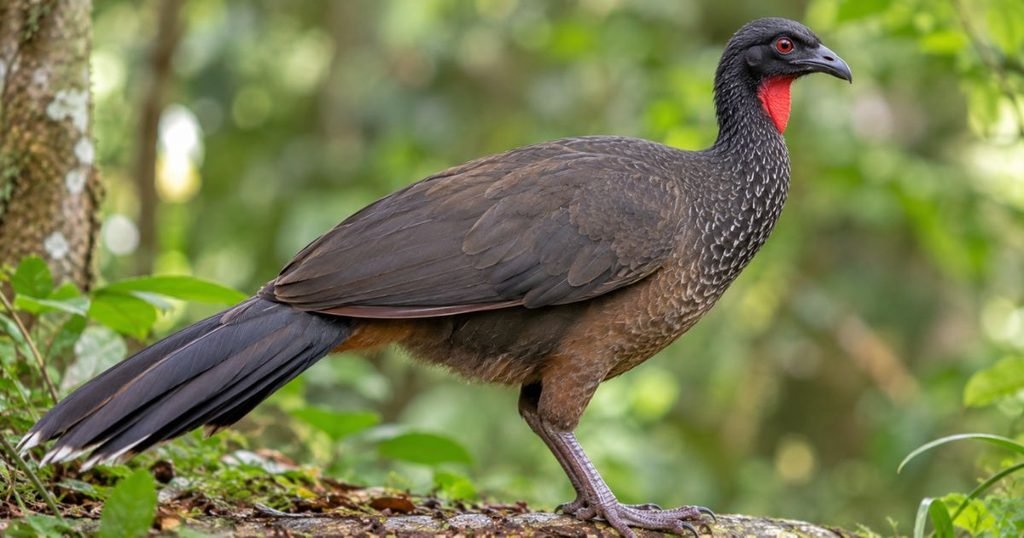
While they are often mistaken for pheasants, guans play a crucial role in their ecosystems as seed dispersers, helping to maintain the health of tropical forests. Each of these birds, whether in the wild or on the farm, offers a unique window into the complex interconnections within nature, reminding us that even the seemingly simple four-letter names can carry rich stories just waiting to be explored.
Baya
Scientific Name: Ploceus philippinus
Class: Aves
Diet: Herbivore
The Baya, this small, vibrant weaver, is native to the Indian subcontinent and showcases a remarkable talent for crafting intricately woven nests. What’s truly fascinating about the Baya is its dedication to construction; males will often build numerous nests to attract females, showcasing their craftsmanship and their social status.

These nests, often hanging from tree branches, are a marvel of natural architecture, blending functionality with aesthetic appeal. Baya birds reflect the rich tapestry of their environment. They thrive in agricultural landscapes, often seen flitting around fields or rooftops, where their striking yellow plumage becomes a lively splash against the backdrop of green.
Hawk
Scientific Name: Buteo jamaicensis
Class: Aves
Diet: Carnivore
The hawk, for instance, this four-letter bird, is more than just a symbol of keen vision and fierce hunting abilities; it serves as a reminder of nature’s intricate balance. Hawks dominate their aerial domain with grace, often becoming the apex predator in their habitat. Watching a hawk soar effortlessly high above provides a humbling perspective on the natural world.

The hawk’s adaptability extends beyond its predatory skills. Different species of hawks inhabit diverse environments, from dense forests to expansive grasslands, showcasing their remarkable versatility. This adaptability drives their evolutionary success, allowing them to thrive even in the face of ecological changes.
Huia
Scientific Name: Heteralocha acutirostris
Class: Aves
Diet: Omnivore
Among the lesser-known avian treasures is the Huia, a striking bird endemic to New Zealand. With its distinctively curved beak and unique sexual dimorphism, the Huia offers a captivating glimpse into the evolutionary adaptations of birds.
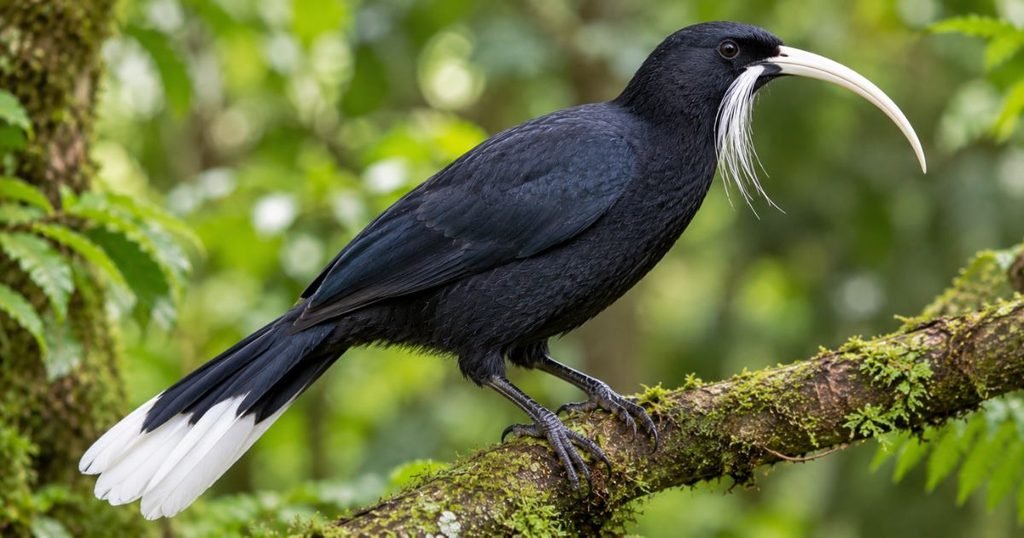
The males sport a shorter, stout bill, while females possess a longer, slender beak, perfectly suited for extracting insects from tree bark. Sadly, this beautiful bird is now extinct, a poignant reminder of the delicate balance between nature and human impact. Apart from the Huia, four-letter bird names often hint at both regional diversity and fascinating characteristics.
Ibis
Scientific Name: Eudocimus albus
Class: Aves
Diet: Carnivore
The ibis, a striking bird with long legs and a distinctively curved bill, has captured the fascination of bird enthusiasts and casual observers alike. These elegant avians are not just a treat for the eyes; their unique foraging behavior, often seen wading through wetlands, showcases their adaptability and resilience.

With their keen eyesight, they sift through mud and shallow waters, revealing an intricate dance between instinct and environment. But the ibis is more than just its physical attributes.
In many cultures, it symbolizes wisdom and knowledge, often associated with deities or mythological figures. This connection adds a layer of intrigue, prompting us to consider the deeper significance of this four-letter bird beyond its ecological role.
Iora
Scientific Name: Aegithina tiphia
Class: Aves
Diet: Carnivore
The Iora is a small passerine known for its stunning plumage and lively demeanor. Found primarily in parts of South Asia, the Iora captivates birdwatchers with its vibrant green and yellow feathers, which seem to shimmer in the sunlight.
These little gems are not just about looks; they play a vital role in their ecosystems, helping with insect control and pollination.

Observing an Iora in its natural habitat reveals its dynamic behavior, often flitting between branches as it hunts for insects.
The bird’s melodious calls add another layer of surprise, harmonizing beautifully with the ambient sounds of the forest. The Iora’s adaptability is noteworthy; it thrives in diverse environments, from lush mangroves to urban gardens.
Kagu
Scientific Name: Rhynochetos jubatus
Class: Aves
Diet: Carnivore
The Kagu, for instance, a flightless bird endemic to New Caledonia, is known for its striking bluish-gray plumage and orange wattles. This mysterious creature often captivates birdwatchers not just for its appearance, and for its elusive nature, spending much of its life hidden in the dense rainforests.

The Kagu is a testament to evolutionary adaptations, having developed keen ground-feeding behaviors. Its diet primarily consists of invertebrates, which it skillfully unearths from the forest floor. This remarkable bird faces threats from habitat loss and invasive species, highlighting the delicate balance of its ecosystem.
Kaka
Scientific Name: Nestor meridionalis
Class: Aves
Diet: Omnivore
The Kaka, a parrot native to New Zealand, exemplifies the fascinating diversity found among birds with four letters in their names. This vibrant green bird, known for its playful personality and social nature, plays a crucial role in its ecosystem as a seed disperser.
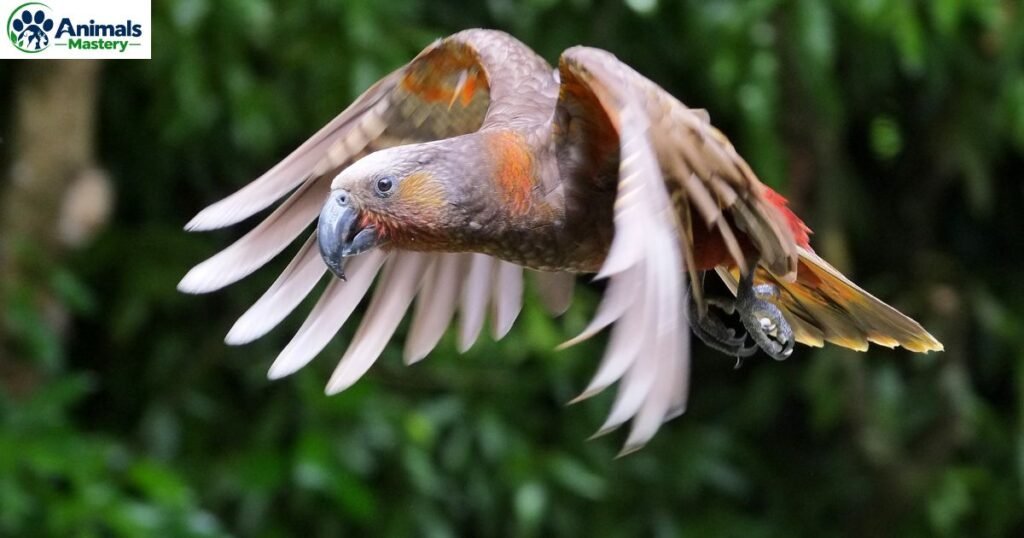
Unlike many parrots, the Kaka thrives in forested areas and has developed unique adaptations, such as a specialized bill that allows it to extract insects and nectar from hard-to-reach places. Kakas also capture the imagination with their melodious calls, which echo through the lush forests they inhabit.
Kite
Scientific Name: Milvus milvus
Class: Aves
Diet: Carnivore
The kite is a bird of prey known for its graceful flight and keen hunting skills. Kites are often seen soaring high in the sky, using thermal currents to glide effortlessly while searching for small mammals or fish to feast upon. Their distinctive forked tails help them maneuver sharply, showcasing agility that many birdwatchers admire.
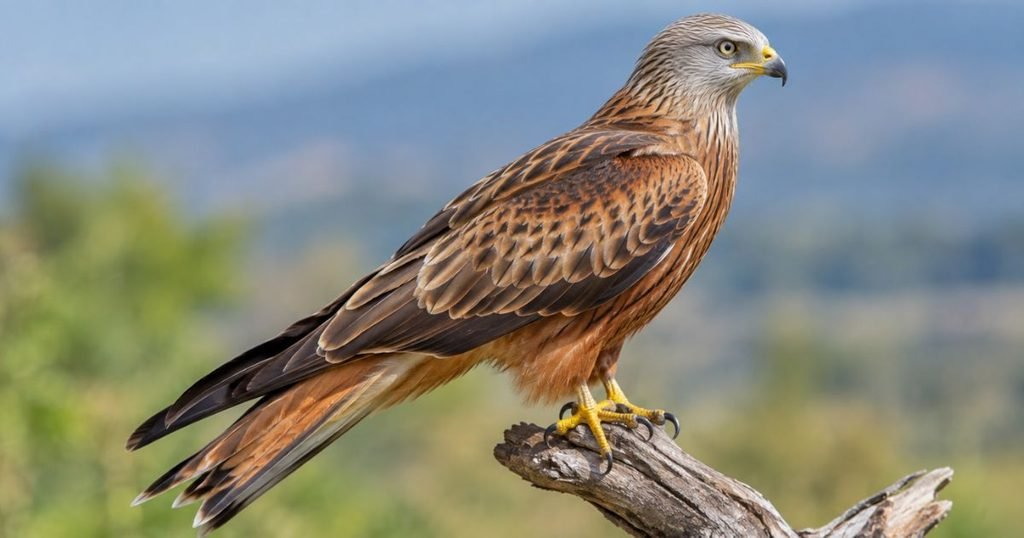
Kites are more than just captivating flyers; they also have varied cultural significance across different regions. In some cultures, they symbolize freedom and ascension, while in others, they represent foresight and intelligence. This duality mirrors the bird’s behavior; they often scavenge and hunt strategically, demonstrating adaptability in different environments.
Kiwi
Scientific Name: Apteryx australis
Class: Aves
Diet: Omnivore
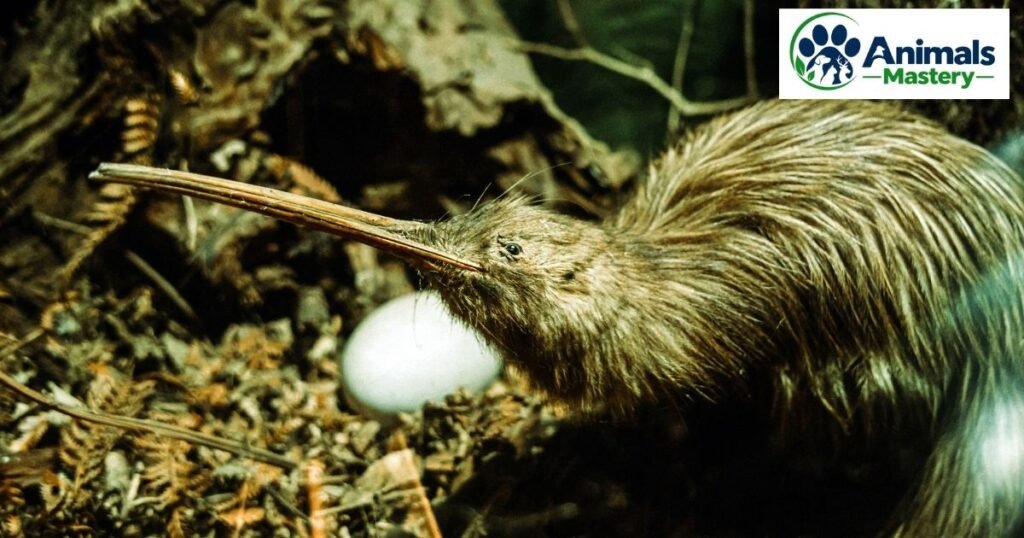
The kiwi, this flightless bird from New Zealand, is not just a national symbol and a remarkable marvel of evolution. With its long beak and sensitive nostrils, the kiwi forages for insects and worms on the forest floor, showcasing how adaptation shapes behavior.
The kiwi’s nocturnal lifestyle adds an air of mystery; the only time you might catch a glimpse is during the night, when it emerges to scavenge and explore.
Knot
Scientific Name: Calidris canutus
Class: Aves
Diet: Carnivore
The knot stands out not just for its striking plumage and for its remarkable migratory patterns. This small shorebird, often seen in flocks, is a master of endurance, traveling thousands of miles between breeding grounds in the Arctic and wintering spots along temperate coasts.

Observing a flock of knots in motion is a mesmerizing spectacle; their synchronized flight creates a natural ballet that showcases the inherent beauty of teamwork in the animal kingdom. The knot serves as a reminder of the delicate balance of our ecosystems.
Koel
Scientific Name: Eudynamys scolopaceus
Class: Aves
Diet: Omnivore
The koel stands out not just for its striking appearance and for its melodious call. Known for its hauntingly beautiful song, the koel is often associated with the arrival of spring in various cultures, symbolizing renewal and hope.

Its distinctive ‘koo-koo’ call echoes through the forests and urban areas alike, captivating both birdwatchers and casual observers. Observing a koel in the wild can be a delightful experience, but it’s often the female that steals the show in terms of behavior.
Female koels are secretive and a bit elusive, preferring to blend into their surroundings while laying eggs in the nests of other birds. This fascinating brood parasitism showcases the complexity of avian relationships and highlights the delicate balance of nature, as each species plays a unique role in its ecosystem.
Lark
Scientific Name: Alauda arvensis
Class: Aves
Diet: Omnivore
The lark, for instance, is a small, ground-dwelling songbird celebrated for its aerial display and melodious tunes. This fascinating creature is not just a symbol of joy; it epitomizes freedom as it soars high and sings, often at dawn, heralding the promise of a new day.
The lark is a reminder of the beauty that often goes unnoticed in the hustle and bustle of daily life, sparking a reflection on nature’s significance in our well-being. Together, they create a symphony of color and sound, enriching their habitats while reminding us of the interconnectedness found in nature.
Loon
Scientific Name: Gavia immer
Class: Aves
Diet: Carnivore
The loon, a striking waterbird known for its distinctive calls, is a fascinating example of avian adaptability. Often found gliding across northern lakes, these birds are remarkable divers, capable of plunging to depths of over 200 feet in search of fish.
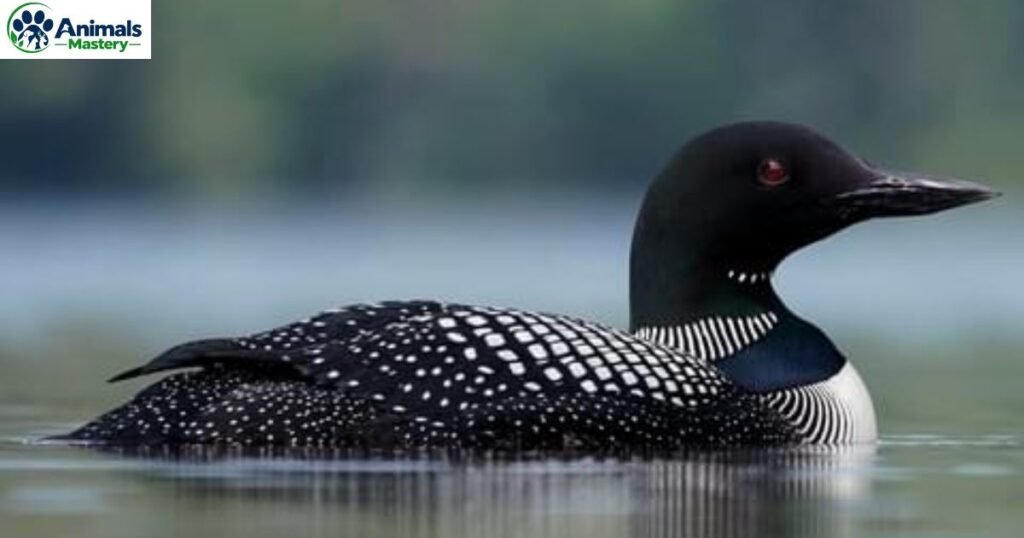
Their solid body structure allows them to swim with incredible agility, making them a formidable hunter beneath the surface. This ability, coupled with their haunting, eerie calls, adds a haunting beauty to the serene landscapes they inhabit.
Aside from their physical prowess, Loons also capture our attention with their intricate courtship rituals. Their unique parenting approach, where both parents share the responsibility of nurturing the chicks, showcases a fascinating social structure that underscores the importance of cooperation in wildlife.
Lory
Scientific Name: Lorius lory
Class: Aves
Diet: Herbivore
From the vibrant lory, known for its striking plumage and playful nature, to the remarkable frog that showcases nature’s artistry through its myriad colors, four-letter birds offer a fascinating glimpse into the diversity of life.
The lory, a type of parrot, captivates with its colorful feathers and with its social behavior, often seen engaging in acrobatic displays while foraging in trees. Their intelligence and vocalizations add depth to their charm, making them popular companions in avian households.
Myna
Scientific Name: Acridotheres tristis
Class: Aves
Diet: Omnivore
The myna, a vibrant bird known for its adaptability, showcases the fascinating interplay between wildlife and urban environments. Found primarily in South Asia, this clever creature has successfully integrated into cities and towns, often seen hopping around open markets or perched on busy streets.

The myna particularly intriguing about the myna is its ability to mimic human sounds and even other bird calls, demonstrating a level of intelligence that rivals that of some mammals. This mimicry aids in communication and enhances its mating rituals, as males often impress potential partners with elaborate vocal displays.
The myna serves as an indicator species for the health of urban ecosystems. Its presence can reveal the richness of a city’s biodiversity, as these birds thrive in environments that support a variety of flora and fauna.
Nene
Scientific Name: Branta sandvicensis
Class: Aves
Diet: Herbivore
The Nene stands out not just for its brevity but for its fascinating story of resilience. Native to the Hawaiian Islands, this delightful goose has adapted uniquely to its volcanic home. Its remarkable ability to traverse rugged terrains showcases not just survival but triumph over adversity.

Often found nesting in high-altitude areas, the Nene’s lifestyle is a testament to evolutionary ingenuity, making it a symbol of hope for conservationists. The nēnē embodies a cultural richness.
By learning about the Nene, we gain insights into the broader themes of ecological sustainability and cultural heritage, reminding us that every creature, no matter how small, has a vital role to play in the tapestry of life.
Rail
Scientific Name: Rallus limicola
Class: Aves
Diet: Omnivore
The rail, a fascinating group often overlooked due to their elusive nature. Rails are typically found in marshy habitats, where their secretive behavior and cryptic plumage allow them to thrive away from the watchful eyes of predators.
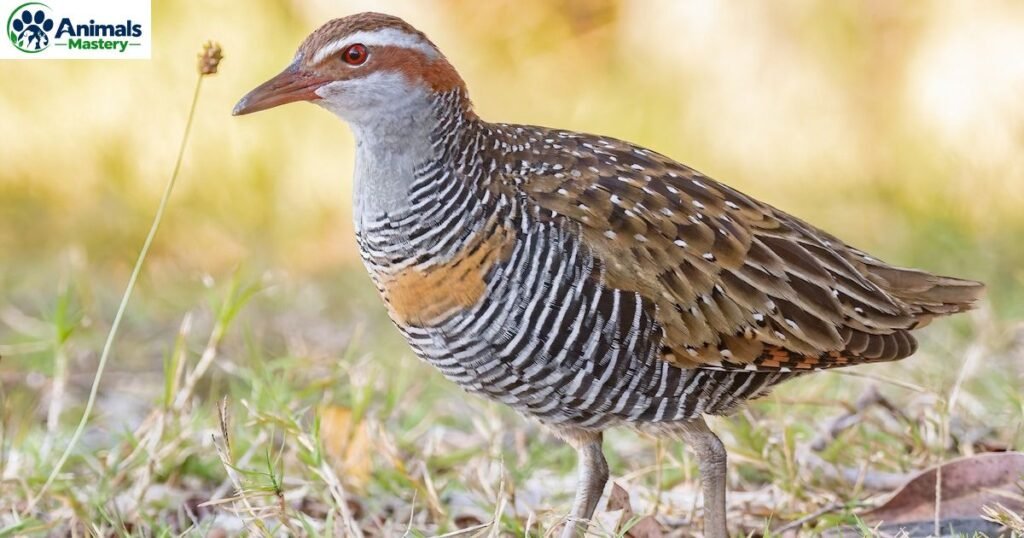
These birds are expert navigators, using a remarkable combination of vocalizations and clever camouflage to communicate and evade danger. A rail in its natural habitat can be a true delight, revealing its striking physicality and its unique adaptations that enhance survival.
Rhea
Scientific Name: Rhea americana
Class: Aves
Diet: Omnivore
The rhea stands out for its unique characteristics and behavior. Native to South America, this flightless bird resembles an ostrich but is significantly lighter and more agile. Rheas are known for their long legs and graceful running abilities, reaching speeds of up to 40 miles per hour.

They thrive in open grasslands and are often seen in flocks, offering a compelling glimpse into the social dynamics of avian life. Rheas play a crucial role in their ecosystem, acting as seed dispersers and thereby promoting plant diversity.
Their diet primarily consists of various seeds, fruits, and insects, highlighting their adaptability and the delicate balance they maintain with their environment.
Rook
Scientific Name: Corvus frugilegus
Class: Aves
Diet: Omnivore
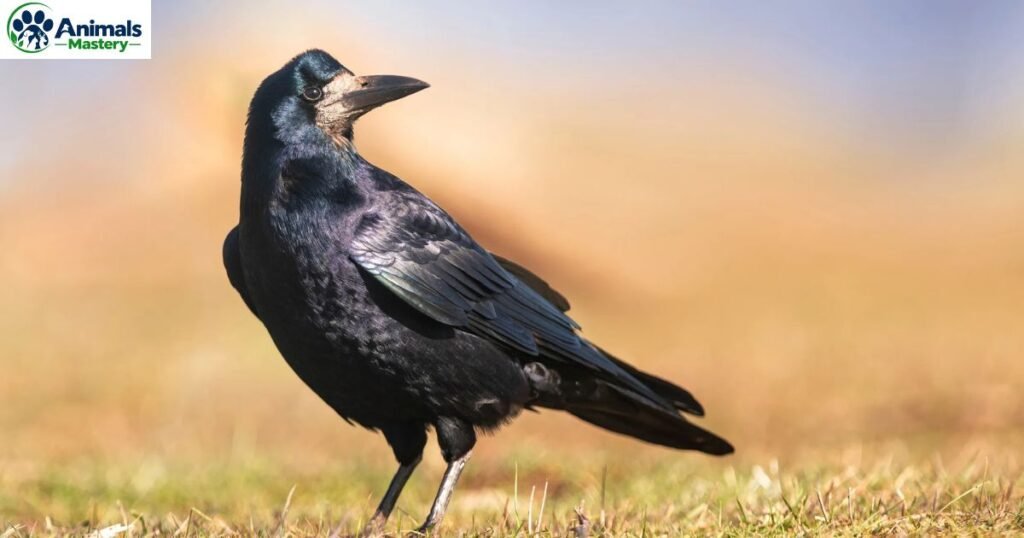
The rook, for instance, is a member of the crow family known for its intelligence and striking appearance. These birds are social creatures, often forming large colonies, which allows them to demonstrate sophisticated social behaviors. A rook in flight, you might notice its distinctive wing shape, which adds to the allure of these clever avians.
Ruff
Scientific Name: Calidris pugnax
Class: Aves
Diet: Carnivore
Ruff birds, known for their striking mating displays, embody the intricate dance of evolution. Males transform into vibrant, ornate creatures during the breeding season, flaunting colorful plumage and unique feather arrangements that attract females.

This seasonal transformation not only highlights physical beauty but also reflects the intense competition among males. The ruff’s behavior during courtship can be mesmerizing as they engage in elaborate performances, showcasing both agility and charm.
Ruffs offer fascinating insights into sexual selection in nature. The varying strategies employed by different males, some opting for flashy displays while others might be more reserved, showcase the complexity of avian relationships.
Shag
Scientific Name: Gulosus aristotelis
Class: Aves
Diet: Carnivore

The shag is standing out as a fascinating example. Known for their strikingly sleek appearance, shags are adept hunters, often seen diving into the water to catch fish. Their ability to glide effortlessly through aquatic environments highlights a unique adaptability, showcasing evolution’s ingenuity within avian species.
The shag is often confused with the cormorant, as they both share similar habitats and behaviors. Their distinct coloration and nesting habits provide a deeper glimpse into avian diversity.
Skua
Scientific Name: Stercorarius skua
Class: Aves
Diet: Carnivore
The skua, formidable seabirds, often found in the icy waters of the Southern Ocean, are notorious for their aggressive behavior. Known for their aerial prowess, Skuas are skilled pirates, routinely stealing fish from other birds.

Their bold, tough demeanor symbolizes resilience in the face of nature’s harshest conditions. Skuas play a vital role in their ecosystem, serving as both predator and scavenger.
This adaptability highlights their importance in maintaining balance within marine environments and raises questions about the future of their habitats in a warming world.
Baza
Scientific Name: Aviceda leuphotes
Class: Aves
Diet: Carnivore
The Baza holds a special place. This elegant bird of prey, found primarily in Southeast Asia, is known for its stunning plumage and remarkable hunting skills. With a wingspan that adds to its majestic appearance, the Baza is not just a visual delight; it’s a master of flight, utilizing thermal updrafts to navigate the sky effortlessly.
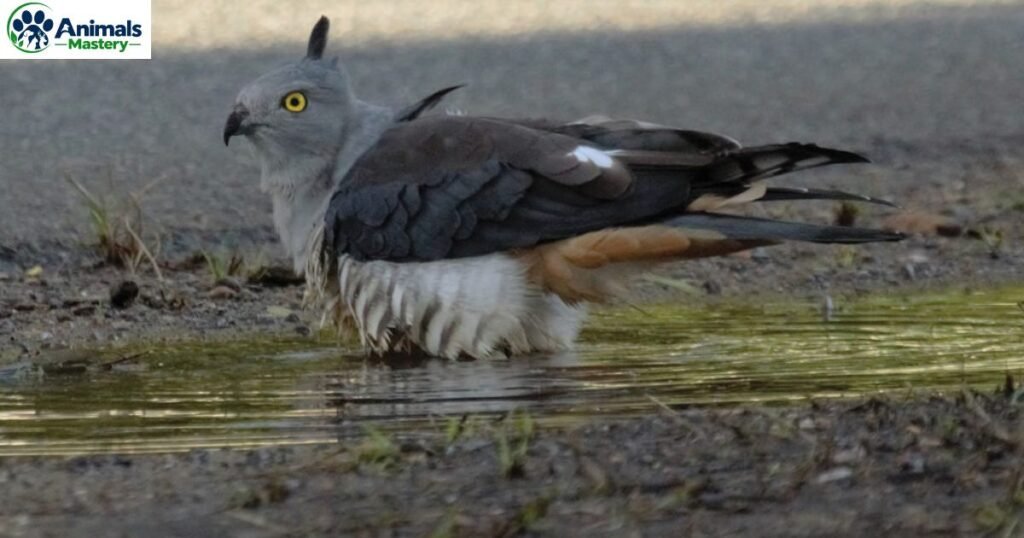
The baza, apart from its unique feeding habits. It has a preference for fruit and insects, showcasing a more diverse diet than one might expect from a bird of prey. This adaptability speaks volumes about the intricate balance of ecosystems, where even a predator can thrive on alternative food sources.
Sora
Scientific Name: Porzana carolina
Class: Aves
Diet: Omnivore
The sora is a small, secretive marsh bird that often goes unnoticed despite its distinctive call. This elusive creature thrives in wetlands, where it forages among the dense vegetation for seeds, insects, and snails.
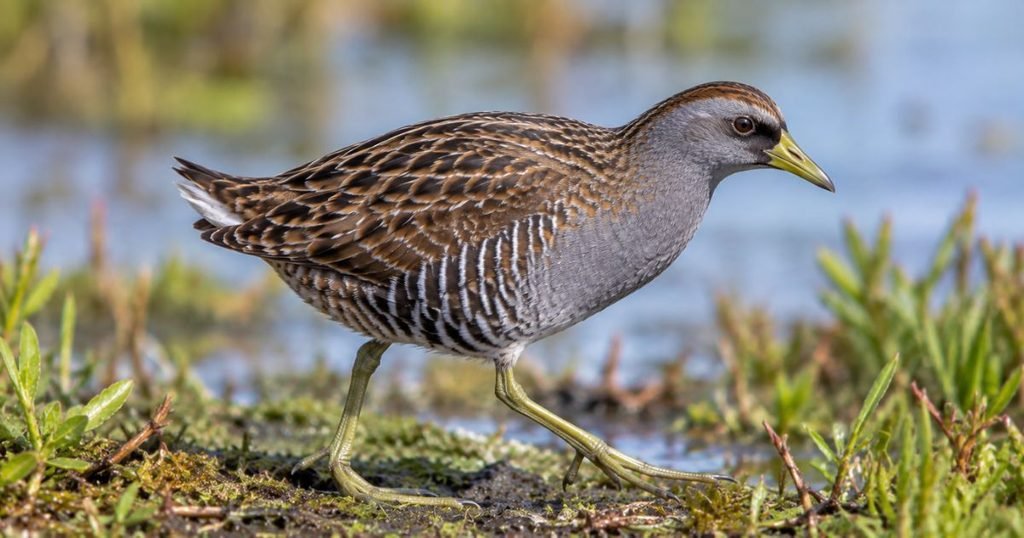
Its unique appearance, featuring a short, stubby bill and a striking gray-brown plumage, allows it to blend seamlessly into its habitat, making it a challenge for birdwatchers. During migration, listening for its whistle-like notes can lead enthusiasts to this charming species.
With their ability to thrive in diverse landscapes, these birds remind us of the importance of preserving open habitats for future generations to enjoy. The sora highlight the richness of avian life that often goes unnoticed, inviting us to explore our natural surroundings with fresh curiosity.
Swan
Scientific Name: Cygnus olor
Class: Aves
Diet: Herbivore
The swan, a striking bird with an elegance that captivates onlookers, is often associated with grace and beauty. These large waterfowl, known for their long necks and stunning plumage, have a profound cultural significance across various societies.
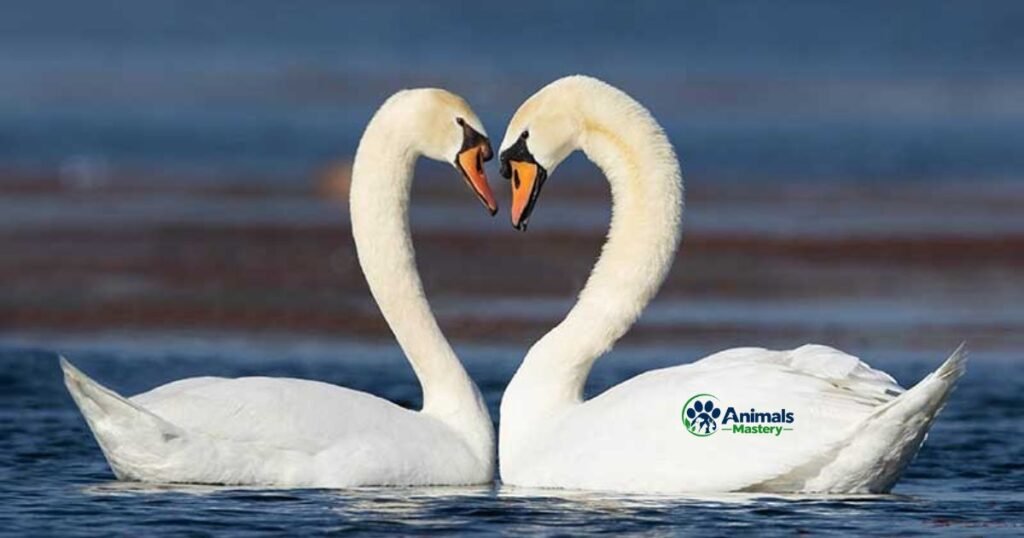
In many cultures, swans symbolize love and fidelity; their lifelong mating practices remind us of loyalty and partnership. Observing a pair gliding serenely across a lake offers not just a visual spectacle and a deep emotional resonance that connects us to nature’s artistry.
Swans exhibit fascinating behaviors that reveal their adaptability and social dynamics. Their strong territorial instincts lead them to defend their nesting areas fiercely. This protective nature isn’t merely a survival tactic; it showcases their commitment to nurturing the next generation.
Tern
Scientific Name: Sterna hirundo
Class: Aves
Diet: Carnivore
Terns are often overlooked in the avian world, yet their elegance and adaptability make them a fascinating subject for bird enthusiasts. These slender, graceful birds can be found in diverse habitats around the globe, from coastal shores to inland lakes.
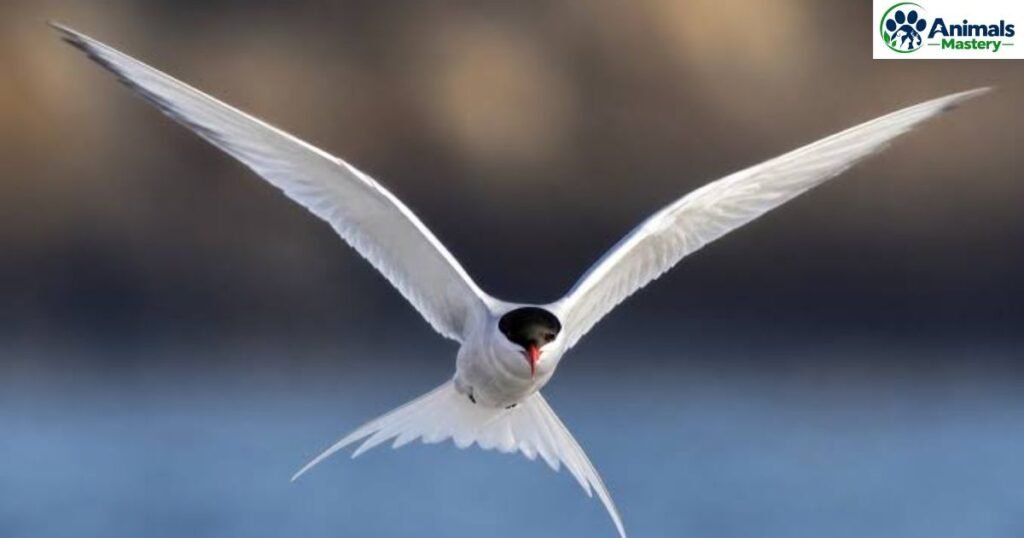
Their agility in flight, characterized by swift movements and acrobatic dives, is a spectacle that highlights their feeding prowess. With their striking black caps and sharp beaks, terns are beautiful but are also master fishers, using their keen eyesight to spot prey from great heights.
Their social behavior during breeding seasons creates a bustling community atmosphere, where each call and chirp adds to the symphony of the shore. Their ability to form strong pair bonds is a noteworthy trait, as many species of terns return to the same nesting sites year after year.
Tody
Scientific Name: Todus subulatus
Class: Aves
Diet: Carnivore
The tody, a small and vibrant creature native to the Caribbean. With its bright green plumage adorned by splashes of red and yellow, the Tody is not just a feast for the eyes but a marvel of adaptation. This bird has evolved to thrive in the dense foliage of its tropical habitat, using its unique, wide bill to snatch insects and berries hidden within the leaves.

A Tody in motion reveals an energetic creature that flits about with a buoyant charm, embodying the spirit of its lush surroundings. The Tody’s social behavior is equally captivating.
Often found in pairs or small family groups, these birds engage in delightful duets, communicating through a series of melodious calls that echo through the trees. The tody illustrates the delicate balance of its ecosystem, as it plays a crucial role in maintaining insect populations while aiding in seed dispersal.
Weka
Scientific Name: Gallirallus australis
Class: Aves
Diet: Omnivore
The weka, a flightless bird native to New Zealand, stands out not just for its unique appearance and for its intriguing behavior. Often seen foraging in the underbrush, this quirky bird is known for its inquisitive nature and remarkable adaptability to various habitats.
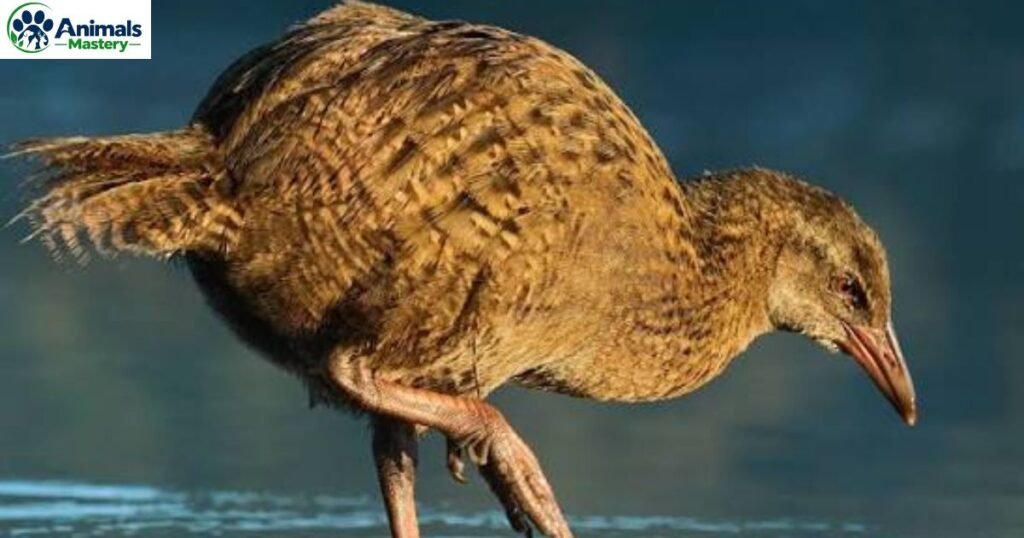
Their distinct calls add a melodic backdrop to the lush landscapes they inhabit, making them a favorite among birdwatchers and nature enthusiasts. The weka navigates the forest floor, and the kookaburra dominates the treetops with its raucous laughter, showcasing nature’s ability to innovate across different niches.
Wren
Scientific Name: Troglodytes troglodytes
Class: Aves
Diet: Carnivore
The wren, a diminutive bird with a big personality, captivates birdwatchers and casual observers alike. This little songbird, often overlooked for its size, boasts a rich vocal repertoire that reverberates through gardens and woodlands.
With their intricate nests tucked into the most unexpected places, wrens remind us of the beauty in the details of nature’s architecture.

Their adaptability to various environments showcases their resilience, making them a symbol of perseverance amidst changing habitats.
The fact that wrens display remarkable behavior during breeding season. Males engage in an energetic display of song and dance, often singing from prominent perches to attract mates. As they flit through underbrush and climb branches with acrobatic ease, their lively antics inject joy into even the dreariest of days.
Teal
Scientific Name: Anas crecca (Common Teal) / Anas carolinensis (Green-winged Teal)
Class: Aves
Diet: Omnivore
The teal, a striking waterfowl, is often overlooked in favor of flashier birds. This unassuming duck showcases a rich palette of teal blues, greens, and browns that seamlessly blend with its wetland habitat.

Teals embark on fascinating journeys across continents, displaying remarkable navigation skills. Their small size and agility make them adept at escaping predators and allow them to thrive in a range of environments, from freshwater lakes to marshy areas.
The teal carries unique adaptations and stories. For instance, the gentle wren fills gardens with melodious tunes, while the bold crow showcases intelligence that rivals many mammals. These brief glimpses highlight the ecological significance of even the smallest birds, reminding us that the beauty of nature often lies in its subtlety.
Moor
Scientific Name: Gallinula chloropus
Class: Aves
Diet: Omnivore
The moor hen, also known as the Eurasian coot, often captures the attention of birdwatchers and nature enthusiasts alike. This unique waterfowl, with its striking dark plumage and distinct white frontal shield, thrives in marshy habitats, making it a staple of wetland ecosystems.

The moor hen as it navigates the reeds provides a glimpse into its world, a blend of grace and adaptability that speaks to the resilience of nature. While the moor hen may not be as celebrated as some of its feathered counterparts, its quirky behaviors and social dynamics reveal a complex life beneath the water’s surface.
Sisk
Scientific Name: Spinus spinus
Class: Aves
Diet: Herbivore / Granivore
The siskin, a small finch often seen flitting about in flocks, is known for its energetic behavior and vibrant yellow plumage. While many birds have striking appearances, the Siskin’s playful antics can steal the show.

Sisk are also known for their melodious songs, which can vary based on their regional dialects. This aspect highlights how even a seemingly small species plays a crucial role in the broader tapestry of nature, contributing to local ecosystems and enriching the soundscape of their habitats.
Their adaptability to diverse environments from densely wooded areas to urban backyards makes them a fascinating subject for birdwatchers and nature enthusiasts alike.
Looking for More Insights on Other Animals
- The most muscular animals, from grizzly bears and gorillas to bison and Belgian Blue cattle, showcase strength shaped by evolution and environment. These most muscular animals highlight nature’s diverse approach to building power for survival and dominance.
- Animals that eat mice range from swift raptors like owls and hawks to cunning hunters like foxes, snakes, and domestic cats. These animals that eat mice play a vital role in controlling rodent populations, keeping ecosystems balanced through their varied and instinctual hunting strategies.
- The cleanest animals in the world, from grooming-obsessed cats to socially bonded elephants, rely on meticulous hygiene habits for health and survival. These cleanest animals in the world show that cleanliness plays a key role in temperature regulation, parasite prevention, and social bonding.
- Animals like weasels, including stoats, minks, martens, and wolverines, share agile bodies and sharp hunting instincts as members of the mustelid family. These animals like weasels thrive across forests, grasslands, and water, helping control rodent populations in the wild.
- Animals that have manes go beyond the iconic lion to include wildebeests, zebras, yaks, and the golden lion tamarin. These animals that have manes use them for insulation, camouflage, and signaling dominance or health, aiding survival and mate selection.
- you enjoyed exploring Birds with 4 Letters, continue your wildlife journey by learning about viviparous animals. From mammals like dogs and cats to larger species such as elephants and whales, these animals give birth to live young and offer fascinating insights into the diversity of animal reproduction.
- Ovoviviparous animals in the world, like sharks, garter snakes, and seahorses, develop eggs inside the mother before hatching into live young. This strategy offers ovoviviparous animals in the world greater protection for their offspring from predators and environmental hazards.
- If you enjoyed discovering Birds with 4 Letters, continue exploring more wildlife collections with our guide to animals that start with F. You’ll find fascinating species, interesting facts, and pictures that make learning about animals through the alphabet more fun and engaging.
- Animals that walk on two legs range from full-time bipeds like ostriches and kangaroos to occasional walkers like gorillas and chimpanzees. This adaptation helps animals that walk on two legs with speed, balance, and survival across diverse habitats worldwide.
Final Thoughts
Exploring the world of birds with 4 letter names reveals a fascinating variety of species, each with its unique characteristics and behaviors. From the playful “Dove” to the agile “Hawk,” these avian wonders contribute significantly to our ecosystems and the beauty of nature.
Their simplicity in name belies the complexity of their lives and the vital roles they play in the environment. As we continue to appreciate and study these birds, we can deepen our understanding of biodiversity and conservation.
FAQs
Why are some Birds Named with just Four Letters?
Bird names often reflect their sounds, characteristics, or behaviors, sometimes leading to shorter names for ease of reference.
Are there Specific Habitats where these Four-Letter birds are commonly found?
Yes, many four-letter birds can be found in a variety of habitats, including forests, wetlands, grasslands, and urban areas.
Do Four-Letter Birds have Unique Characteristics Compared to other Birds?
Not necessarily; four-letter birds can vary widely in size, color, and behavior, just like birds with longer names.
Are Four-Letter Birds more Common than those with Longer Names?
The prevalence of four-letter bird names varies by species and region; there are plenty of both types across various environments.
Is it Easier to Remember the Names of Four-Letter Birds?
For many people, shorter names may be easier to remember, but familiarity and interest can enhance memory of all bird names, regardless of length.