Top 15 Snakes With Triangular Heads: Identification Guide (With Pictures)
In the world of herpetology, these Snakes with Triangular Heads unique adaptations provide insights into the behavior and ecology of various snake species. The fascinating characteristics and functions of snakes with triangular heads, revealing why understanding them is vital for biodiversity and conservation efforts.
List of Snakes with Triangular Heads
Here is the list of snakes with triangular heads:
- Arizona black rattlesnake
- Narrow-headed garter snake
- Gaboon Viper
- Pygmy Rattlesnake
- Eastern diamondback rattlesnake
- Brown water snake
- Fer-de-Lance
- Mojave green
- Cottonmouth
- Hognose Snake
- Panamint Rattlesnake
- Massasauga rattlesnake
- Timber rattlesnake
- Sidewinder
- Eastern copperhead
Arizona black rattlesnake
The Arizona black rattlesnake, with its strikingly dark hues and intricate patterns, is more than just an emblem of the Sonoran Desert; it’s a testament to nature’s evolutionary prowess.
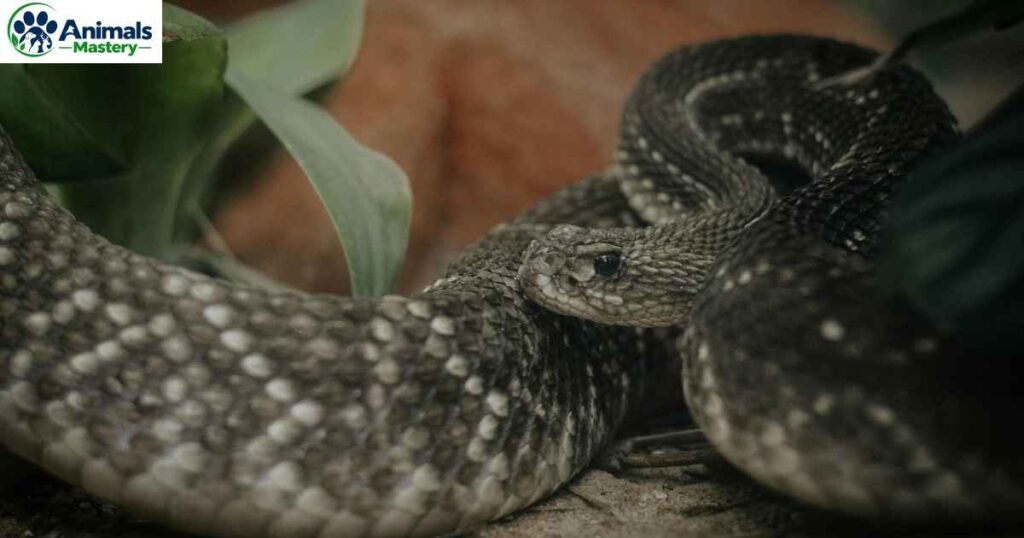
This elusive reptile, which can reach up to four feet in length, utilizes its coloration to blend seamlessly into its rocky surroundings.
This camouflage not only aids in ambush hunting but also provides a crucial defense mechanism against potential predators. Observing one in its natural habitat is a rarity, as their shy demeanor often results in them retreating at the slightest disturbance.
Narrow-headed garter snake
The narrow-headed garter snake, a striking creature that thrives primarily in the streams and wetlands of the southwestern United States, showcases a unique adaptation to its environment.
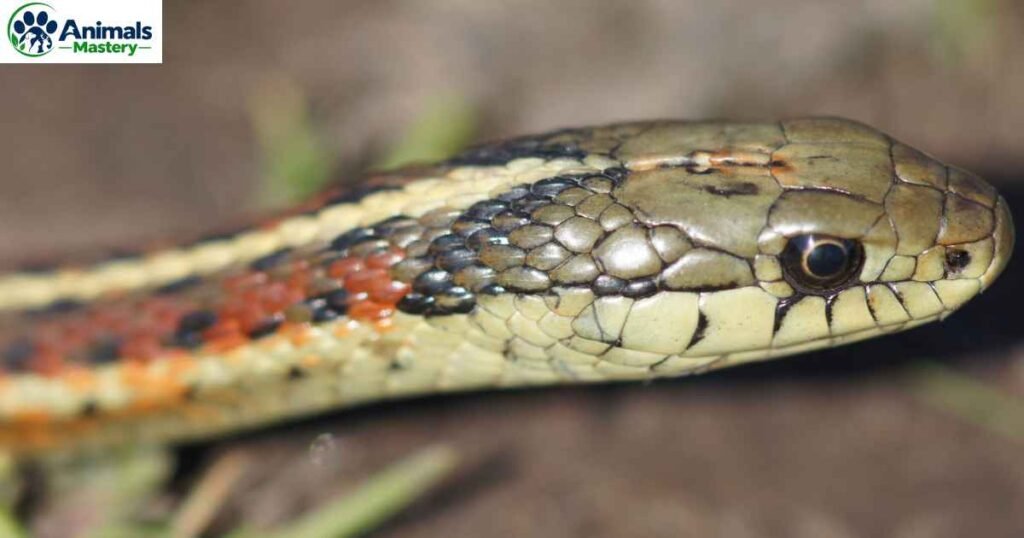
Its slender form allows it to navigate the rocky crevices and vegetation with ease, making it an expert ambush predator. Unlike many snakes that rely on constriction, this snake employs a more opportunistic hunting style, using its speed to capture prey like amphibians and small fish.
Snakes with Triangular Heads – Gaboon Viper
The Gaboon Viper, with its impressive size and striking appearance, stands out among the world’s snake species.
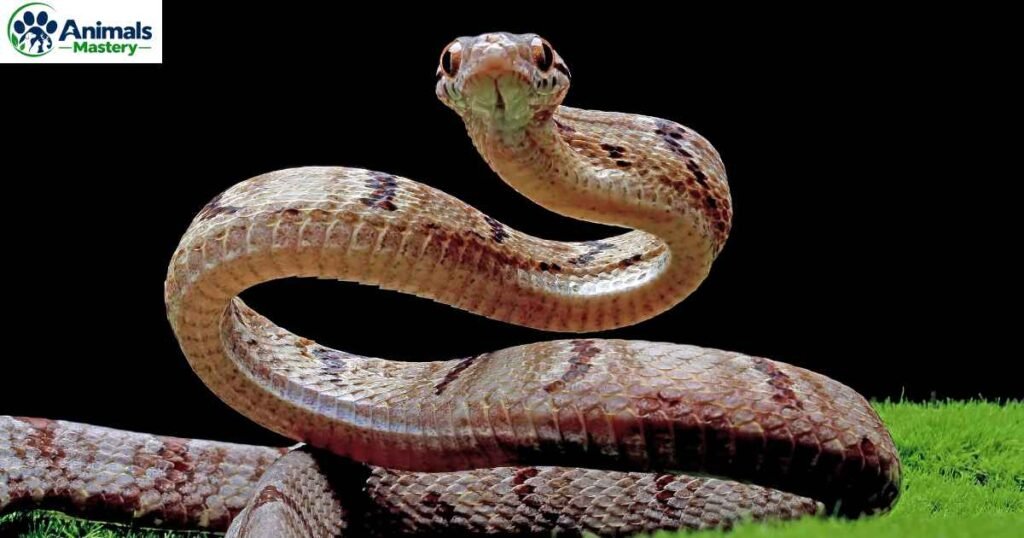
Native to the rainforests and savannas of central and western Africa, it boasts one of the longest fangs of any snake, reaching up to two inches.
This formidable weapon is designed to deliver a potent cocktail of hemotoxic venom, capable of incapacitating prey in moments. Yet, despite its fearsome reputation, the Gaboon Viper is often a master of camouflage, blending seamlessly into its leaf-strewn habitat.
Pygmy Rattlesnake
The Pygmy Rattlesnake, often overshadowed by its larger relatives, shares a fascinating trait: remarkable adaptability.
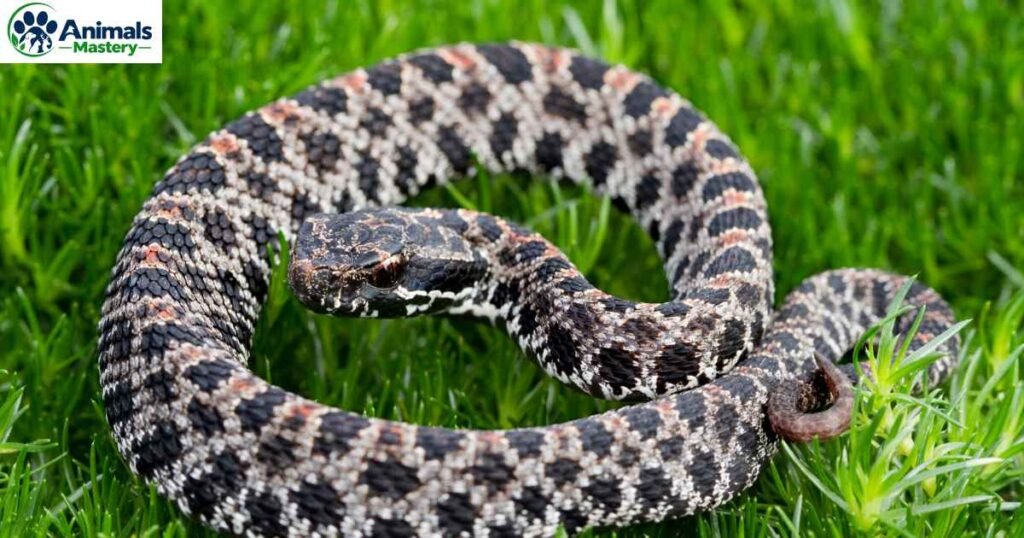
This diminutive serpent, typically measuring just under two feet in length, thrives in a variety of habitats, from the sandy soils of the southeastern U.S. to more complex ecosystems like hardwood forests.
Its cryptic coloration allows it to blend seamlessly into the leaf litter, a strategic advantage that helps it ambush prey while evading predators.
Eastern diamondback rattlesnake
The Eastern diamondback rattlesnake, the largest rattlesnake species in North America, commands attention not just for its impressive size but also for its intricate patterns and behaviors.
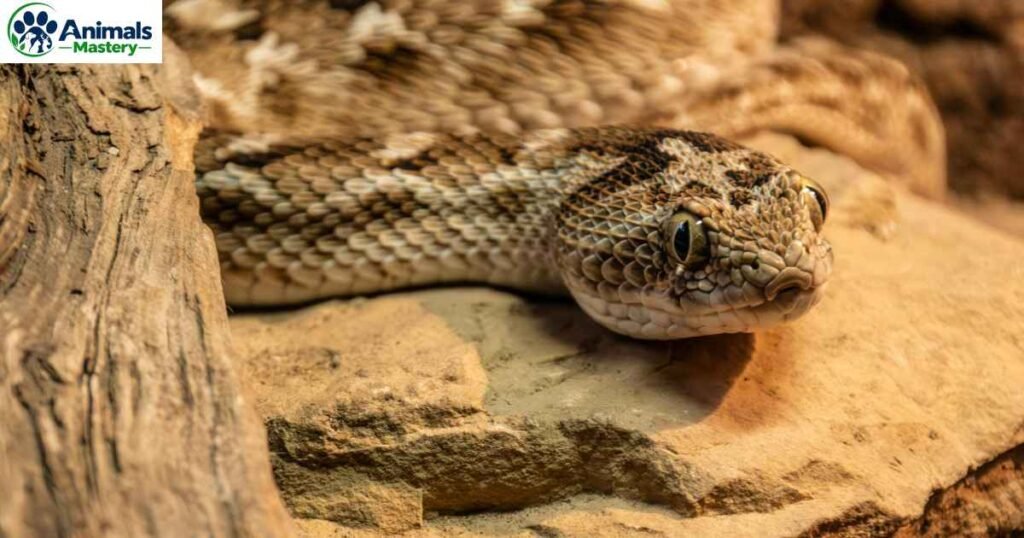
Found predominantly in the southeastern United States, its striking yellow and black diamond patterns serve a dual purpose: effective camouflage within its forest and scrubland habitats and a reminder of the exquisite artistry of nature.
Understanding this species involves appreciating its role in the ecosystem as both predator and prey, maintaining the delicate balance of its surroundings
Brown water snake
The brown water snake, often overshadowed by more glamorous serpents, boasts a remarkable adaptability that makes it a true marvel of its habitat.
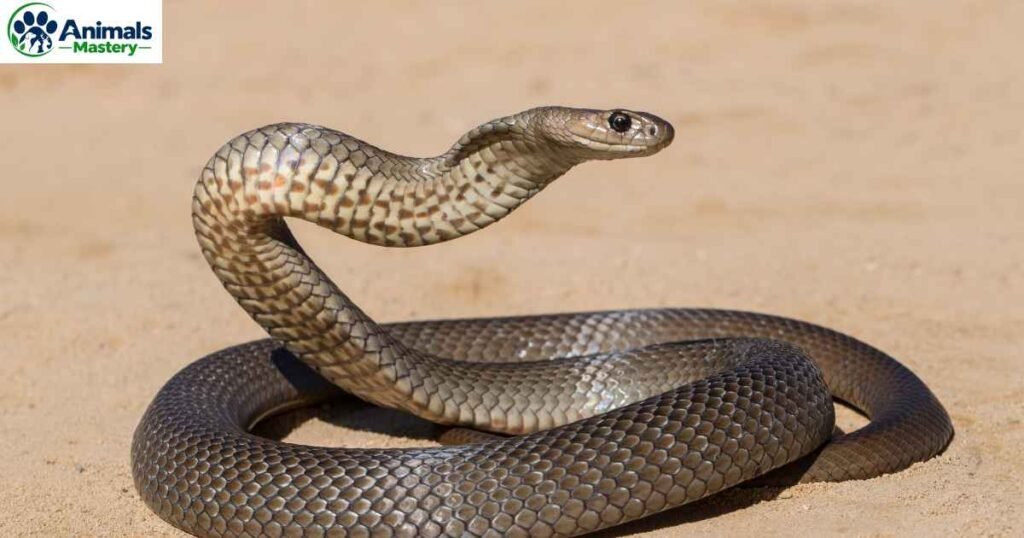
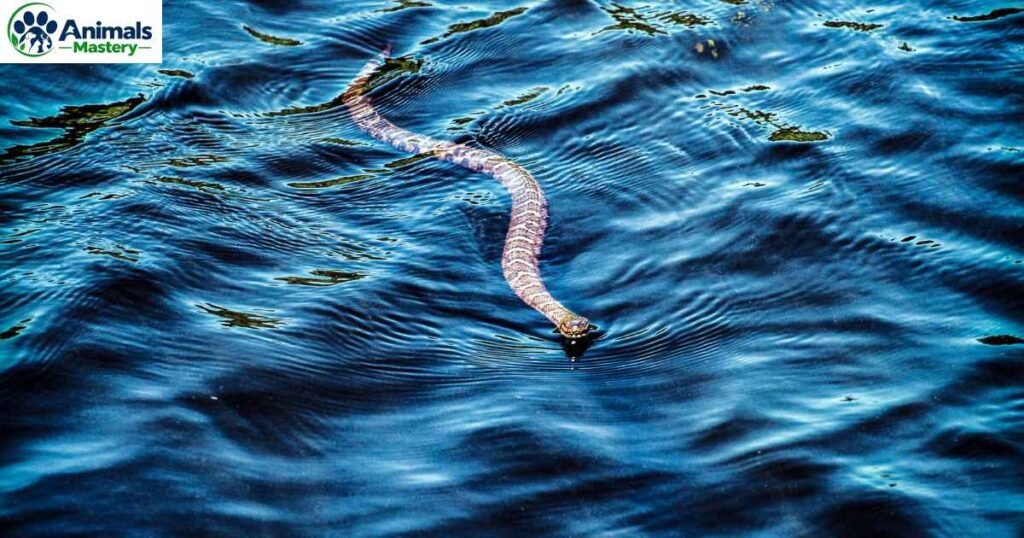
Found in a variety of freshwater environments throughout the southeastern United States, this non-venomous snake plays a vital role in its ecosystem by controlling populations of fish and amphibians.
Their ability to thrive in both stagnant ponds and flowing rivers illustrates a fascinating ecological flexibility, showcasing nature’s ingenuity in survival. What may initially seem like mere camouflage, a blend of browns and tans actually serves a purpose far beyond aesthetics: it’s a sophisticated survival strategy.
Fer-de-Lance
The Fer-de-Lance, or Bothrops asper, is a fascinating yet fearsome snake that commands both respect and intrigue in Central and South America. Known for its striking patterns and potent venom, this species is not just a predator in its ecosystem but also a pivotal player in local folklore.
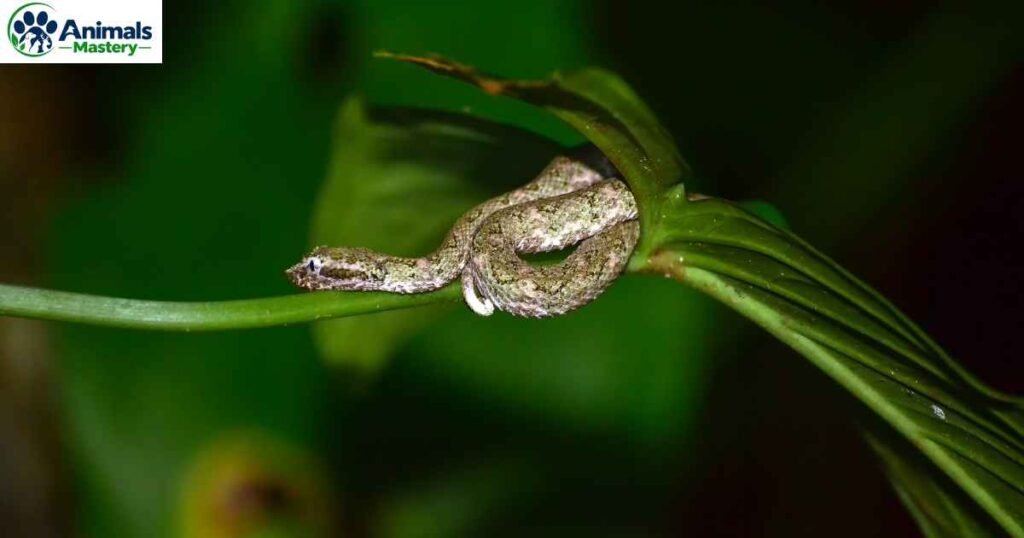
To many communities, the Fer-de-Lance embodies the duality of nature, representing both danger and healing, a reminder of the delicate balance between life and death in the rainforest. Beyond its fearsome reputation, recent studies have unveiled the snake’s remarkable adaptability.
Found in diverse habitats ranging from tropical forests to agricultural fields, the Fer-de-Lance demonstrates a unique ability to thrive alongside human encroachment.
Mojave green
The Fer-de-Lance, or Bothrops asper, is a fascinating yet fearsome snake that commands both respect and intrigue in Central and South America. Known for its striking patterns and potent venom, this species is not just a predator in its ecosystem but also a pivotal player in local folklore.
To many communities, the Fer-de-Lance embodies the duality of nature, representing both danger and healing, a reminder of the delicate balance between life and death in the rainforest. Beyond its fearsome reputation, recent studies have unveiled the snake’s remarkable adaptability.
Found in diverse habitats ranging from tropical forests to agricultural fields, the Fer-de-Lance demonstrates a unique ability to thrive alongside human encroachment.
Cottonmouth
The Fer-de-Lance, or Bothrops asper, is a fascinating yet fearsome snake that commands both respect and intrigue in Central and South America. Known for its striking patterns and potent venom, this species is not just a predator in its ecosystem but also a pivotal player in local folklore.
To many communities, the Fer-de-Lance embodies the duality of nature, representing both danger and healing, a reminder of the delicate balance between life and death in the rainforest.
Beyond its fearsome reputation, recent studies have unveiled the snake’s remarkable adaptability. Found in diverse habitats ranging from tropical forests to agricultural fields, the Fer-de-Lance demonstrates a unique ability to thrive alongside human encroachment.
Hognose Snake
The hognose snake, with its distinctive upturned snout, is not just a striking reptile but a master of theatricality in the animal kingdom.
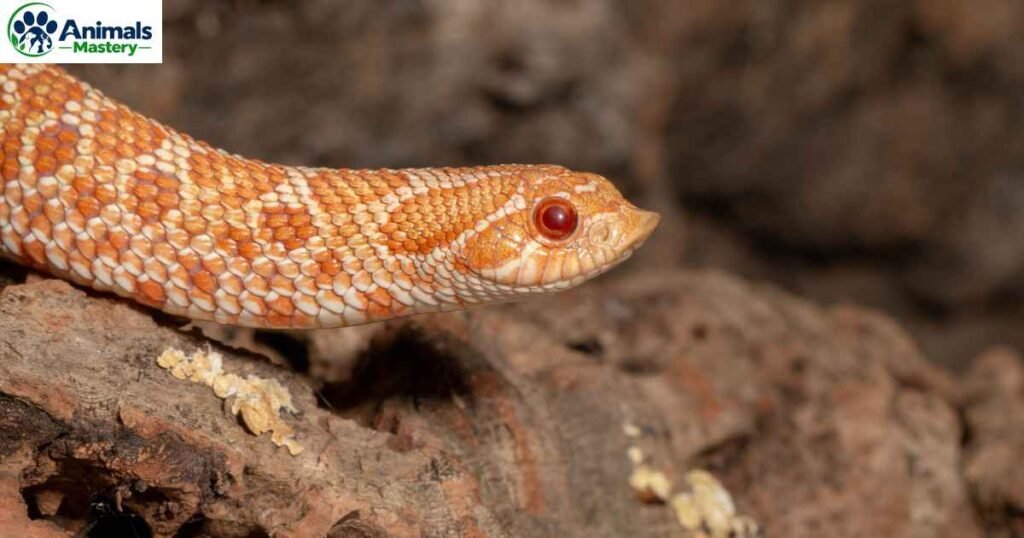
When threatened, rather than resorting to a bite or swift escape, this remarkable snake often plays dead, rolling onto its back and emitting a foul odor to dissuade would-be predators.
This peculiar defense mechanism, combined with its ability to swiftly burrow into the ground, showcases a fascinating blend of adaptability and strategy that leaves onlookers in awe.
Panamint Rattlesnake
The Panamint rattlesnake, a striking endemic species of California’s Death Valley, showcases a perfect blend of beauty and adaptation. Its vibrant coloration, ranging from sandy browns to rich ochres, allows it to seamlessly blend into the arid landscape, making it a master of camouflage.
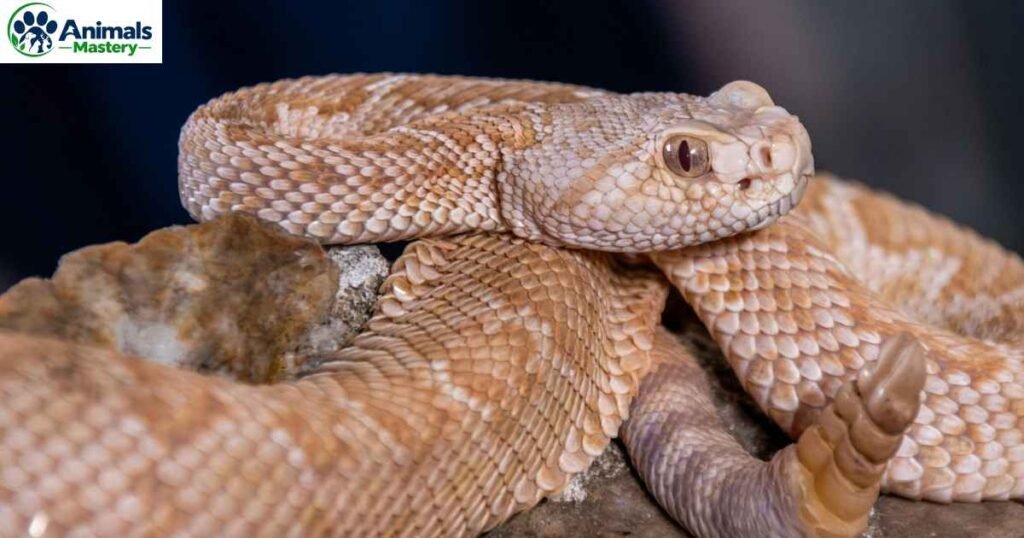
This snake is not just a survival artist; it embodies a unique physiological adaptation that enables it to thrive in some of the hottest habitats on Earth.
Unlike many of its counterparts, the Panamint rattlesnake exhibits a fascinating ability to regulate its body temperature, allowing it to remain active even during the blistering heat of the desert sun.
Massasauga rattlesnake
The Massasauga rattlesnake, often overshadowed by its more notorious relatives, is a fascinating example of adaptability and ecological importance.
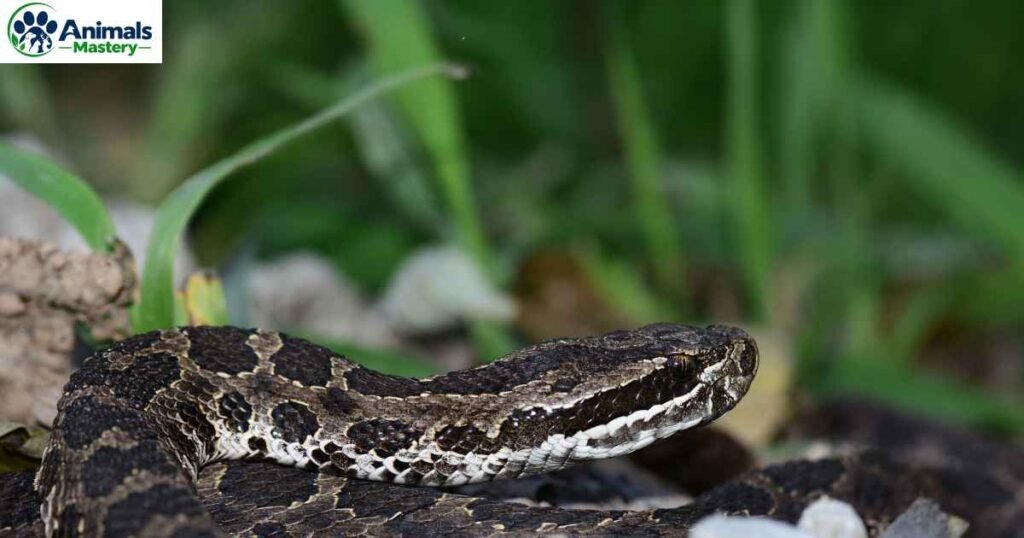
Found primarily in the wetlands and grasslands of the Midwest, these small rattlers play a crucial role in controlling rodent populations, thus maintaining the delicate balance of their environments.
Their secretive nature often leads to a misunderstanding of their behavior; rather than being aggressive, these snakes prefer to remain hidden, using their cryptic coloration to blend seamlessly into their surroundings.
Timber rattlesnake
The timber rattlesnake is not just a formidable predator; it’s a fascinating creature intimately linked to the ecosystems it inhabits.
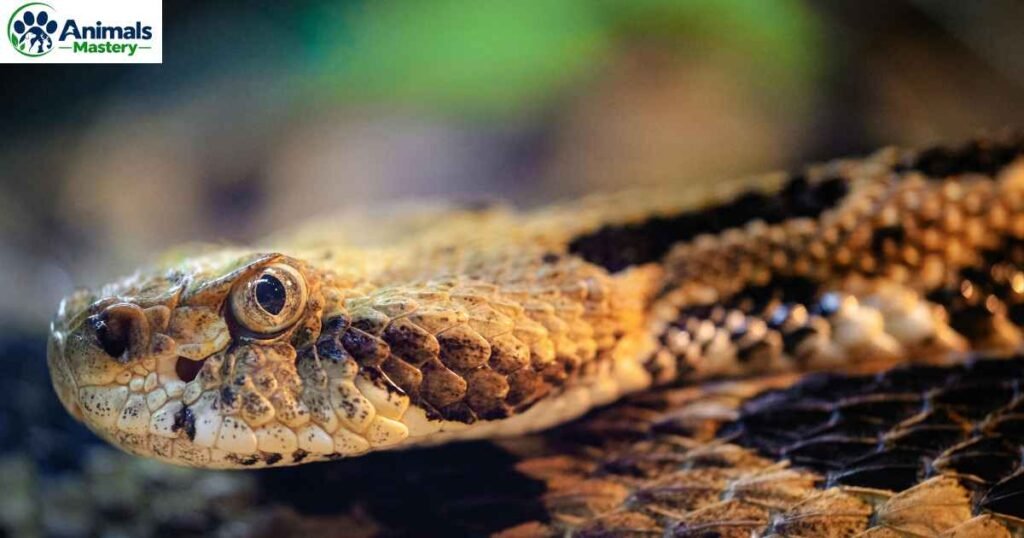
Found primarily in the eastern United States, this snake or plays a crucial role in maintaining the balance of its environment by controlling rodent populations.
Yet, its presence is becoming increasingly rare due to habitat destruction and misconceptions about its behavior. Many view this species solely through the lens of fear, often overlooking its remarkable adaptability and crucial role as an apex predator.
Sidewinder
The Sidewinder, known for its unique lateral movement, is more than just a striking serpent; it embodies a fascinating interplay of adaptation and survival.
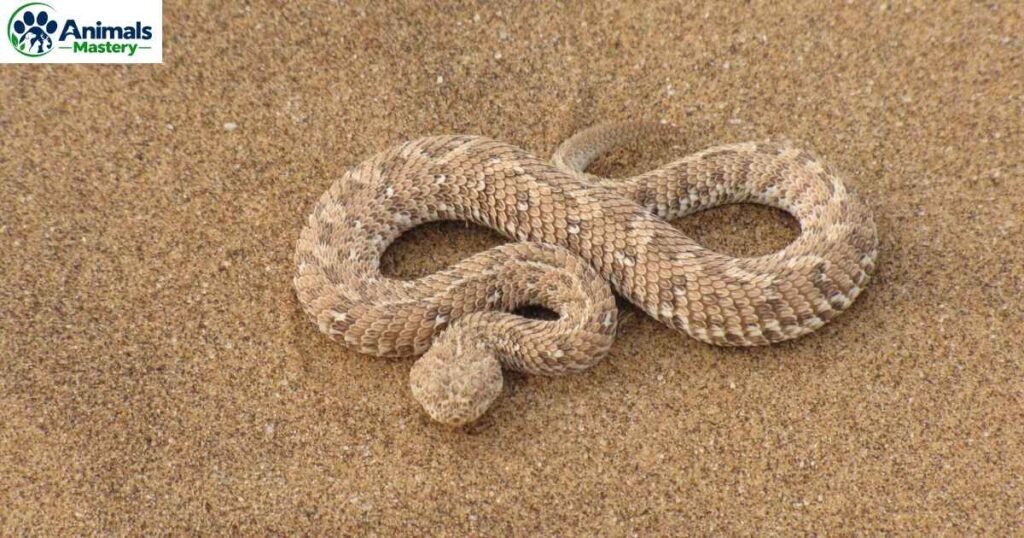
Unlike many of its relatives that glide smoothly across terrain, the Sidewinder has evolved a distinctive method of locomotion, allowing it to traverse the sandy desert floor with minimal contact.
This sidestepping technique not only prevents it from sinking into the loose sand but also minimizes energy expenditure, a crucial factor in the unforgiving desert landscape.
Eastern copperhead
The Eastern copperhead, with its striking orange-brown coloration and distinctive hourglass patterns, is more than just a visually stunning reptile; it plays a pivotal role in its ecosystem.
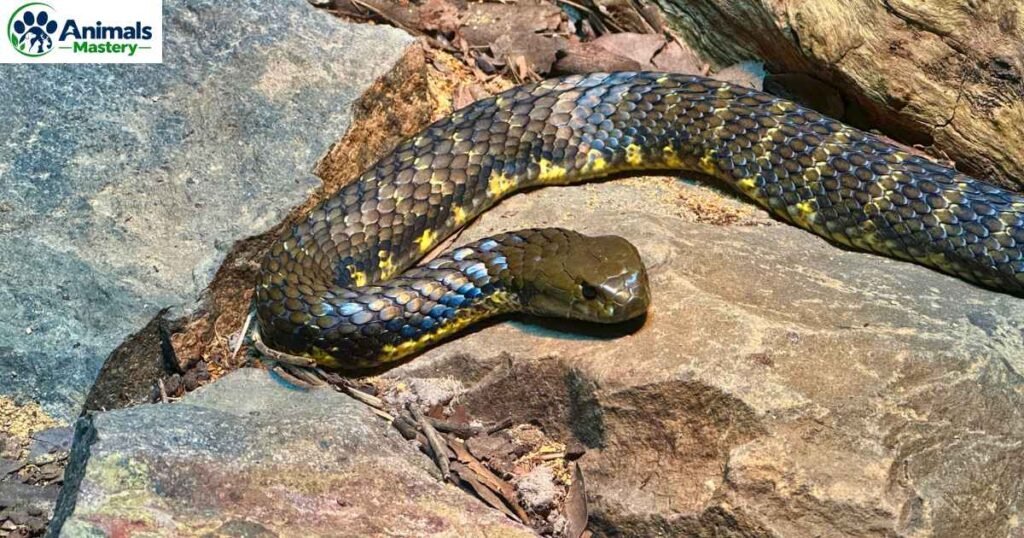
Found primarily in the eastern United States, these venomous snakes are often misjudged as aggressive.
In reality, they are surprisingly laid-back, relying on their cryptic coloration for camouflage, which helps them evade predators rather than confront them. This behavior highlights their crucial role as both predator and prey, maintaining the balance in their habitats.
Explore: Top 17 Thickest Skin Animals In The World
Conclusion
Snakes with triangular heads are not only fascinating creatures but also serve important ecological roles in their respective environments. Their unique head shape is a result of evolutionary adaptations that enhance hunting efficiency and camouflage.
The reptiles can contribute to our broader knowledge of biodiversity and the balance within ecosystems. By appreciating the intricate details of their lives, we can foster a greater respect for wildlife and the need for conservation efforts.
FAQs
What kind of snake has a triangular head shape?
Many venomous snakes, especially vipers, have broad, triangular-shaped heads. Examples include rattlesnakes, copperheads, cottonmouths, and lanceheads. However, some nonvenomous snakes can flatten or widen their heads, making head shape alone unreliable for identification.
Does a triangle head mean a snake is venomous?
No, a triangular head does not automatically mean a snake is venomous. Head shape can be misleading, so a snake should not be handled or identified as safe based only on its appearance.
What is a three-headed snake called?
A snake with three heads is called a tricephalic snake (or tricephalous snake). This is an extremely rare developmental abnormality in which one snake develops three heads.
How poisonous is a golden lancehead?
The golden lancehead (Bothrops insularis) is highly venomous, not “poisonous” in the usual terminology. Its venom can cause serious tissue damage, bleeding, swelling, and potentially life-threatening complications.