Explore Top 27 Examples of Reptiles (With Images)
In this article, we invite you to explore the top 27 Examples of Reptiles (With Images) that showcase the breathtaking diversity of this often-misunderstood animal group. Understanding these creatures not only enhances our appreciation for biodiversity but also sheds light on their ecological roles in our world.
Among the most well-known examples of reptiles are snakes like the cobra and python, which move without limbs and rely on flexible spines to hunt prey. By the end of this article, you’ll gain a deeper understanding of reptiles and perhaps even find your new favorite species among them.
List of Examples of Reptiles
Here is a list of reptiles as examples:
- Leatherback sea turtle
- Gopher tortoise
- Burmese python
- King Cobra
- Nile crocodile
- Corn snake
- Galápagos tortoise
- Eastern coral snake
- Gila monster
- Alligator snapping turtle
- Leopard gecko
- Eastern box turtle
- Black mamba
- Blue tongued skink
- Green iguana
- Horned Lizards
- California kingsnake
- Copperhead
- Red-eared slider
- Veiled chameleon
- American alligator
- Komodo dragon
- Ball python
- Bearded dragon
- Western Diamondback Rattlesnake
- Green anole
- Painted turtle
Leatherback sea turtle
- Scientific Name: Dermochelys coriacea
- Class: Reptilia
- Diet: Carnivore
Largest sea turtle: The leatherback sea turtle, the largest sea turtle species, captivates ocean enthusiasts with its impressive size, reaching up to 2,000 pounds. This gentle giant apart from its hard-shelled relatives is its unique leathery skin; instead of a traditional shell, it possesses a soft carapace that allows for deeper dives, reaching depths of over 4,000 feet.
Leathery shell: The leatherback sea turtle is a remarkable highlight among the vibrant tapestry of reptiles, distinguished by its unique leathery shell that sets it apart from its hard-shelled relatives. Unlike your typical turtles, which boast rigid, bony carapaces, the leatherback’s shell is flexible and can adapt as the turtle navigates through the vast ocean.
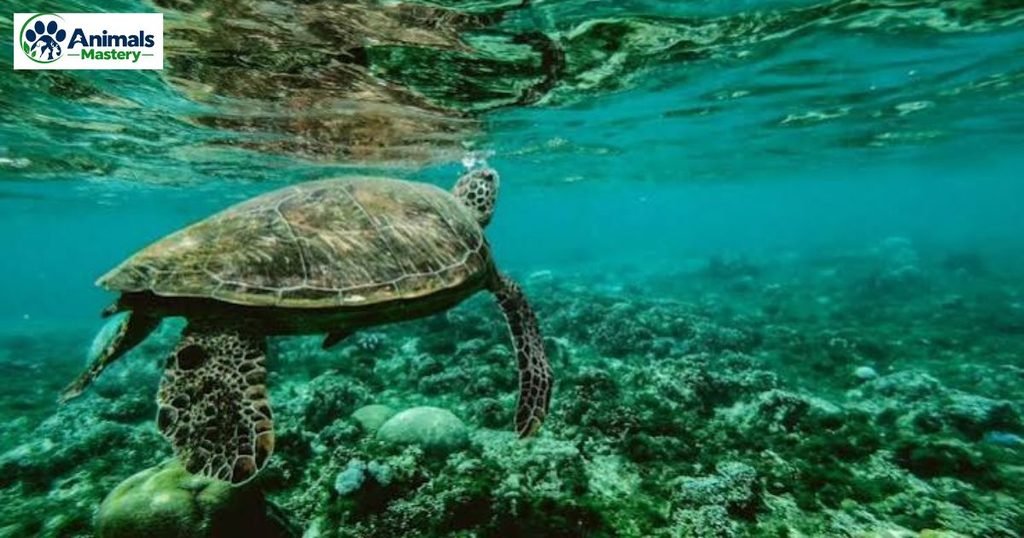
This adaptation enables the leatherback to dive deeper often reaching depths of over 4,000 feet while also regulating its body temperature in cold waters, showcasing an evolutionary marvel.
Eats jellyfish: The leatherback sea turtle, a magnificent inhabitant of our oceans, stands out not only for its impressive size, often weighing over 1,000 pounds, but also for its unique dietary preference jellyfish.
Unlike other turtles that rely on harder-shelled prey, the leatherback has evolved to thrive on these gelatinous creatures, a dietary choice that plays a crucial role in maintaining the marine ecosystem. Their jellyfish consumption helps control jellyfish populations, thereby preventing harmful blooms that can disrupt marine environments.
Gopher tortoise
- Scientific Name: Gopherus polyphemus
- Class: Reptilia
- Diet: Herbivore
Southeast U.S: The gopher tortoise is a remarkable emblem of the Southeast U.S., playing an essential role in its ecosystem. This burrowing reptile not only creates extensive tunnel systems that provide shelter for various other species, including frogs, rabbits, and even snakes, but it also influences the landscape.
By digging out these burrows, gopher tortoises help aerate the soil and facilitate water drainage, promoting a healthier environment for numerous plants and animals.
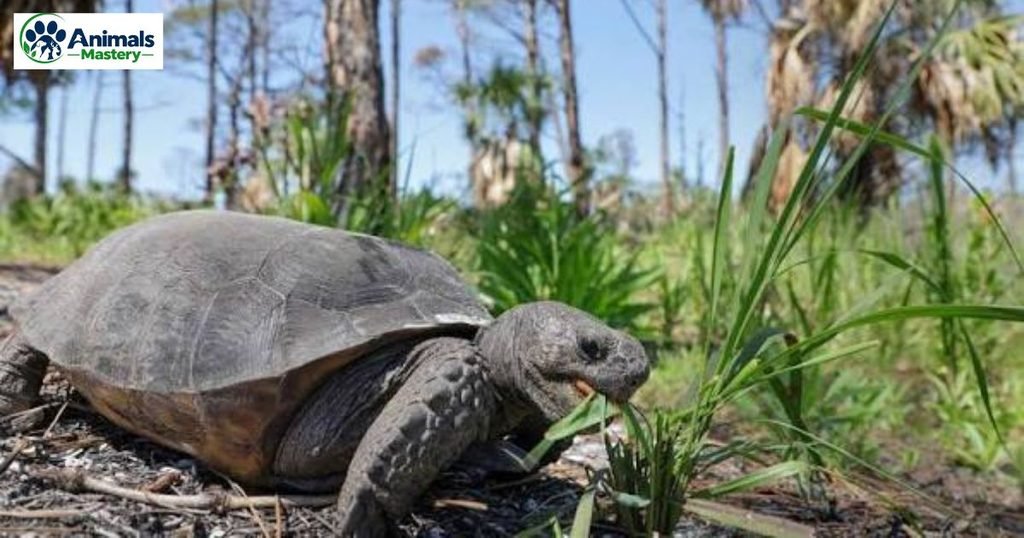
Digs burrows: Gopher tortoises, often considered keystone species in their ecosystems, play a pivotal role by digging extensive burrows that serve as shelters for various other animals. These tortoises can create burrows up to 40 feet long and 10 feet deep, providing refuge for over 350 different species, including snakes, rabbits, and even certain birds.
Helps other species: The gopher tortoise, a keystone species in the southeastern United States, plays an essential role in its ecosystem. By digging expansive burrows, it not only creates shelter for itself but also serves as a refuge for over 360 other species, from small mammals to various insects.
This burrowing activity helps aerate the soil and contributes to the health of the surrounding vegetation, making the gopher tortoise an unsung hero in its habitat.
Burmese python
- Scientific Name: Python bivittatus
- Class: Reptilia
- Diet: Carnivore
Huge snake: The Burmese python is one of the most fascinating reptiles on our planet, captivating enthusiasts and casual observers alike with its sheer size and elegant beauty. Known as one of the largest snakes in the world, this huge snake can reach lengths exceeding 20 feet, making it an awe-inspiring sight in both the wild and captivity.
The Burmese python apart is not just its size but also its impressive patterning, featuring intricate designs that provide excellent camouflage in its native Southeast Asian habitats.
Southeast Asian: The Burmese python, a majestic giant native to Southeast Asia, showcases remarkable adaptations that allow it to thrive in a variety of habitats, from jungles to wetlands. This non-venomous snake can grow up to 23 feet long, making it one of the largest snake species in the world.
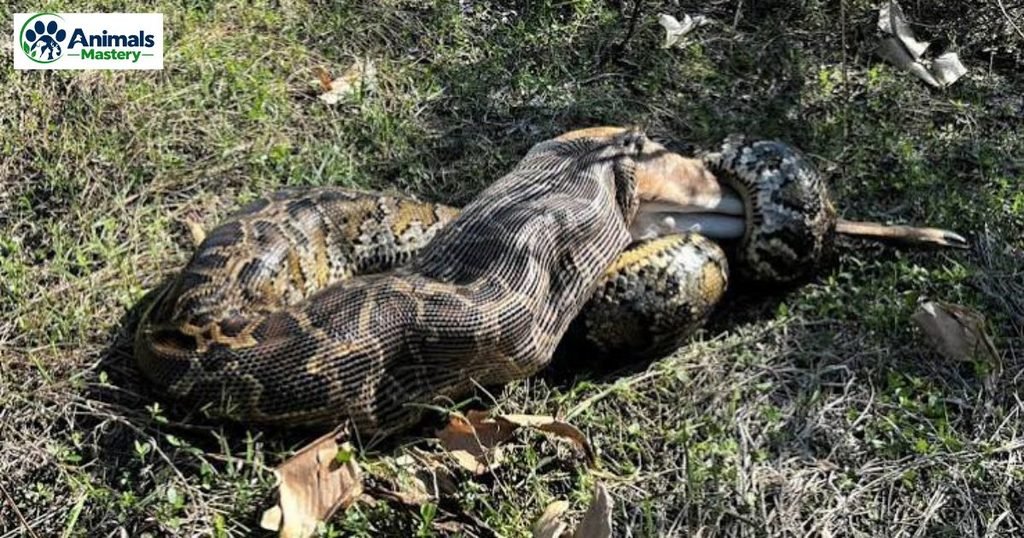
With their intricate patterns, these pythons not only serve as vital apex predators within their ecosystems but also contribute to the intricate web of biodiversity in the regions they inhabit.
Uses constriction: The Burmese python, a remarkable member of the serpent family, showcases the fascinating technique of constriction as a means of subduing its prey. This striking reptile can grow to impressive lengths exceeding 20 feet, making it one of the largest snakes in the world.
When hunting, the Burmese python employs its powerful muscles to wrap around its target, applying pressure until the prey succumbs to an elegant yet ruthless display of nature’s design.
King Cobra
- Scientific Name: Ophiophagus hannah
- Class: Reptilia
- Diet: Carnivore
Longest venomous snake: The King Cobra, renowned as the longest venomous snake in the world, captivates herpetologists and nature enthusiasts alike with its commanding presence and intriguing behaviors. Stretching up to 18 feet, this majestic serpent commands respect not only for its size but also for its sophisticated hunting strategies.
Unlike most snakes that rely solely on ambush tactics, the King Cobra showcases remarkable intelligence, actively pursuing its prey, which primarily consists of other snakes.
Eats snakes: The King Cobra stands as a striking embodiment of nature’s lethal artistry, representing not just the apex of snake evolution but also a critical player in the ecosystem. Known for its ability to eat other snakes, including its own kind, this magnificent serpent showcases intricate social behaviors.
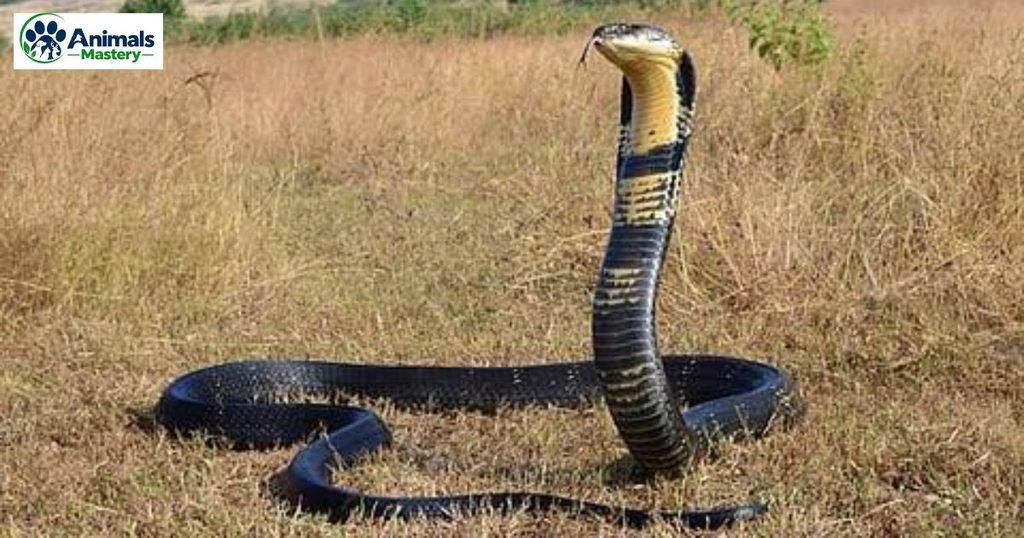
Unlike many reptiles that thrive solely on their environment, the King Cobra uses its acute senses to navigate complex habitats, making it a highly intelligent hunter.
Builds nests: The King Cobra, an iconic reptile, stands out not only for its impressive size but also for its intriguing behaviors. Unlike many snakes, King Cobras are dedicated parents, often found building nests for their eggs. The female carefully gathers leaves and other materials, forming a protective environment that ensures the safety of her offspring.
This nurturing instinct is a remarkable deviation from the typical reptilian behavior, as most snakes abandon their eggs after laying.
Nile crocodile
- Scientific Name: Crocodylus niloticus
- Class: Reptilia
- Diet: Carnivore
Powerful predator: The Nile crocodile stands as one of nature’s most formidable examples of a powerful predator, showcasing the perfect blend of strength and stealth. Native to sub-Saharan Africa, these reptiles have evolved into master hunters, employing a blend of patience and explosive speed to capture their prey.
Particularly fascinating is their ability to remain submerged for extended periods, allowing them to ambush unsuspecting animals approaching the water’s edge, demonstrating both their cunning and adaptability.
Lives in Africa: The Nile crocodile, a formidable predator, captivates with its powerful presence in the waterways of Africa. Known for their impressive size, these reptiles can grow beyond 16 feet and boast a formidable bite force, making them one of the apex predators in their ecosystems.
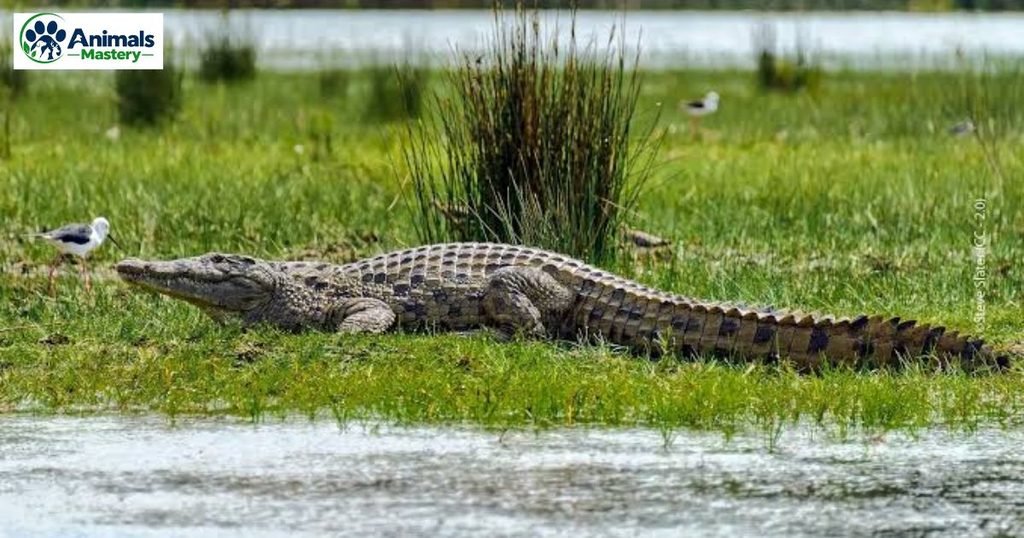
Their ability to remain submerged for hours, waiting patiently for unsuspecting prey, showcases their incredible adaptability and cunning hunting strategies.
Protects young: Unlike many reptiles that abandon their eggs after laying them, the Nile crocodile takes an active role in protecting its young. Mothers can be seen carefully escorting their hatchlings to the water, using their powerful jaws gently yet effectively to ensure safety from predators.
This nurturing behavior highlights an intriguing blend of ferocity and tenderness, revealing that reptiles can possess complex social structures and instincts.
Corn snake
- Scientific Name: Pantherophis guttatus
- Class: Reptilia
- Diet: Carnivore
Southeastern U.S: The corn snake, native to the Southeastern U.S., is a striking example of how adaptability can shape a species. With their vibrant orange and red patterns, these snakes serve as a reminder of the rich biodiversity found in this region.
Unlike many other snakes, corn snakes have a docile temperament, making them popular pets. Their ability to thrive in both wild and captivity showcases the delicate balance of their environment.
Colorful patterns: With their colorful patterns ranging from vibrant oranges to deep reds, these snakes capture the attention of both novice and seasoned reptile enthusiasts. Unlike other species, corn snakes are non-venomous and are famed for their docile temperament, making them a popular choice for pet owners and educators alike.
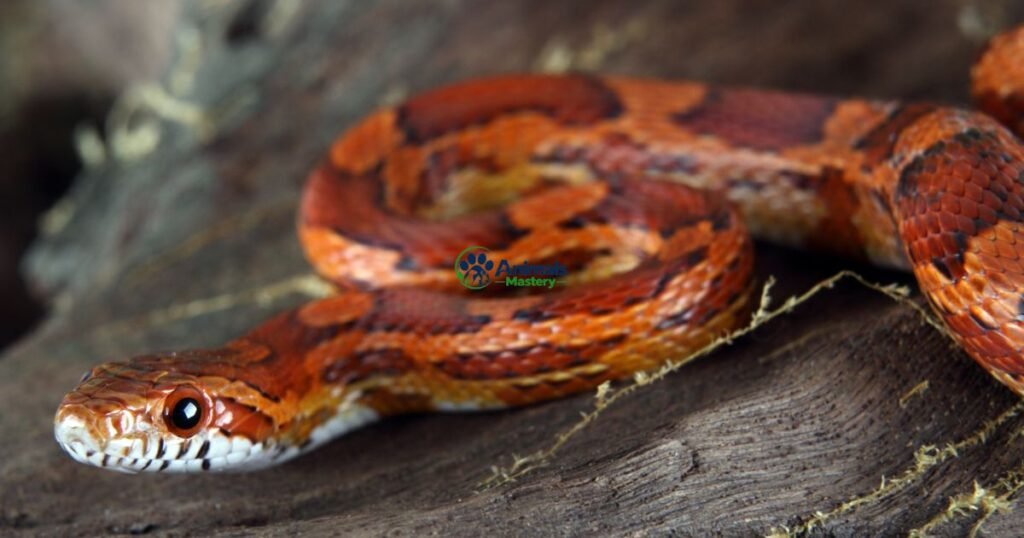
Their unique design mirrors that of their namesake, the maize plant, allowing them to blend seamlessly into their natural habitats.
Docile nature: The corn snake is a favorite among reptile enthusiasts, celebrated for its docile nature and striking appearance. With their vibrant patterns and colors, these snakes bring a burst of personality to any collection.
Their patterns, often resembling maize, not only contribute to their charm but also serve as an effective camouflage in the wild. This adaptability has made them a popular choice for both beginners and seasoned keepers alike.
Galapagos tortoise
- Scientific Name: Chelonoidis niger
- Class: Reptilia
- Diet: Herbivore
Galapagos Islands: One of the most iconic inhabitants of the Galapagos Islands is the Galapagos tortoise, a living testament to the power of evolution and adaptation. These gentle giants can weigh over 900 pounds and live for more than a century, embodying resilience in the face of environmental challenges.
Their unique shells, which vary in shape depending on their island habitat, reflect remarkable evolutionary strategies, showcasing how these tortoises have developed specialized traits to thrive in diverse ecosystems.
Lives over 100 years: The Galapagos tortoise is a fascinating marvel of nature, known for its impressive lifespan that often exceeds 100 years. These gentle giants, some weighing over 500 pounds, are emblematic of the unique biodiversity found in the Galapagos Islands.
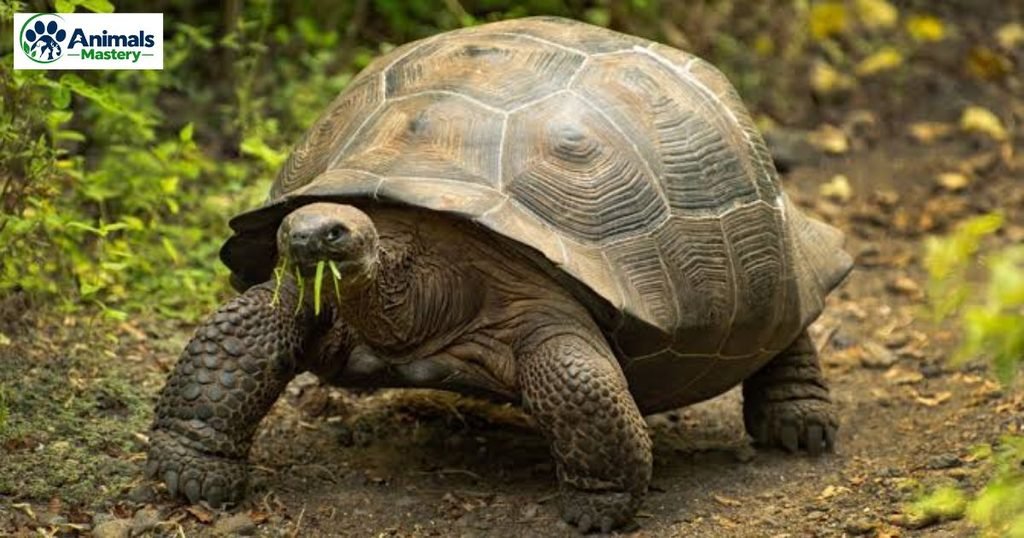
Their slow movements belie a complex social structure and remarkable adaptability. Each subspecies has evolved distinct shell shapes and sizes, perfectly matched to their specific island habitats, an exquisite example of Darwinian evolution in action.
Eats vegetation: The Galapagos tortoise, one of the world’s most iconic reptiles, is a striking example of evolution in action. These gentle giants primarily eat vegetation, feasting on native plants, grasses, and fruits found on their native islands.
Their incredible size allows them to access resources that many other species can’t, highlighting a unique adaptation to their environment. This specialized diet not only fuels their massive bodies but also plays a crucial role in shaping the archipelago’s ecosystem, as their foraging habits help disperse seeds and promote new plant growth.
Eastern coral snake
- Scientific Name: Micrurus fulvius
- Class: Reptilia
- Diet: Carnivore
Colorful bands: The Eastern coral snake, renowned for its strikingly colorful bands of red, yellow, and black, is a captivating example of nature’s artistry. These vivid patterns serve as both a warning to potential predators and a means of camouflage among the leaf litter and underbrush of its southeastern habitats.
Unlike many other snakes, the Eastern coral’s slender body and small, round head contribute to its unique allure, making it a striking subject for photographers and nature enthusiasts alike.
Usually shy: The Eastern coral snake, known for its striking coloration, is often misunderstood due to its reputation as a venomous species. Usually shy, these serpents prefer to avoid confrontation, opting for camouflage in their leaf-littered habitats rather than seeking out human interaction.
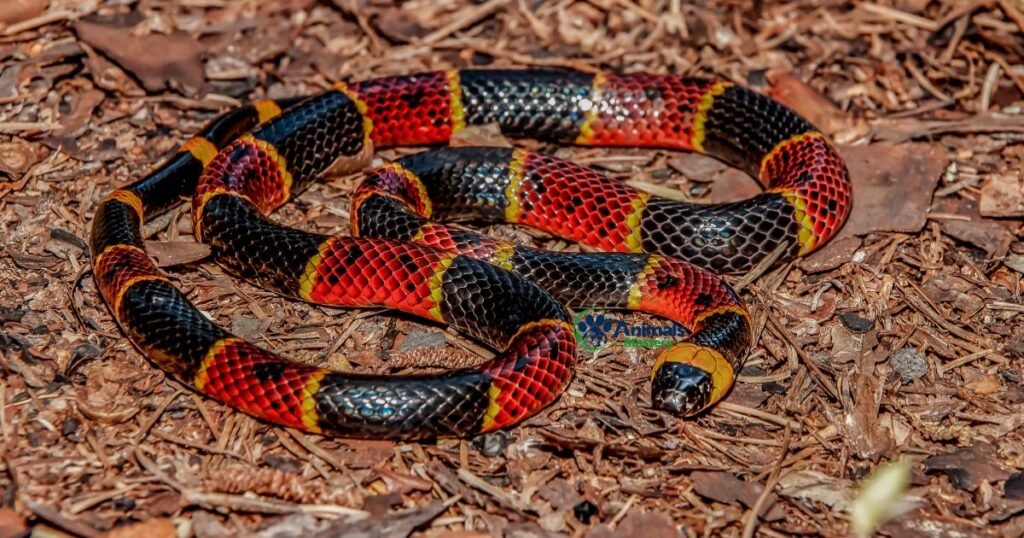
This behavior makes them an elusive presence in the southeastern United States, where they dwell among the underbrush. While they possess potent venom, the threat they pose is often exaggerated; their small mouths make it tricky for them to deliver a bite effectively.
Eats small reptiles: Found primarily in the southeastern United States, this venomous serpent captivates both researchers and reptile enthusiasts alike. Unlike many of its non-venomous look-alikes, the coral snake possesses a potent neurotoxin that can paralyze its prey, contributing to its diet of small reptiles, such as lizards and even smaller snakes.
This predatory behavior not only highlights its role in the ecosystem but also demonstrates the delicate balance of predator and prey relationships.
Gila monster
- Scientific Name: Heloderma suspectum
- Class: Reptilia
- Diet: Carnivore
Desert reptile: The Gila monster, a striking desert reptile native to the Southwestern United States and Mexico, stands out for its vibrant orange and black coloration. This chunky lizard, one of only a few venomous reptiles in the world, possesses a highly specialized diet primarily consisting of the eggs of birds and small mammals.
Its venom, although not lethal to humans, is a remarkable adaptation that allows it to fend off predators and capture prey more efficiently.
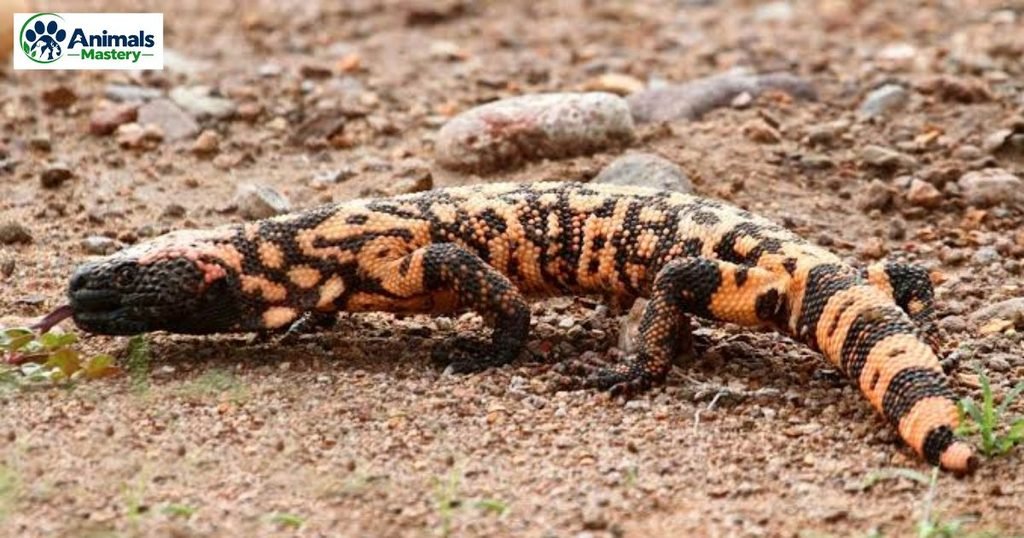
Venomous bite: The Gila monster, one of the few venomous lizards in the world, offers a fascinating glimpse into the incredible diversity of reptiles. Found primarily in the arid environments of the southwestern United States and Mexico, this creature’s signature black and orange patterns are visually striking; and also serve as a warning to potential predators about its venomous bite.
Stores tail fat: Unique for its vivid orange and black coloration, this creature not only captivates with its appearance but also boasts fascinating adaptations. One of its most intriguing traits is its ability to store fat in its thick tail, allowing it to survive long periods without food.
This remarkable efficiency makes the Gila monster a true survivor in the arid environments of the American Southwest.
Alligator snapping turtle
- Scientific Name: Macrochelys temminckii
- Class: Reptilia
- Diet: Carnivore
Freshwater turtle: The Alligator Snapping Turtle, a true marvel of the aquatic realm, stands out as one of the most formidable freshwater turtles on the planet. With its dinosaur-like appearance, characterized by a rugged, spiked shell and powerful jaws, it captures the imagination of nature enthusiasts.
These turtles can weigh up to 250 pounds and possess the remarkable ability to blend seamlessly with their surroundings, thanks to their camouflaged shells, which resemble the bottom of river beds.
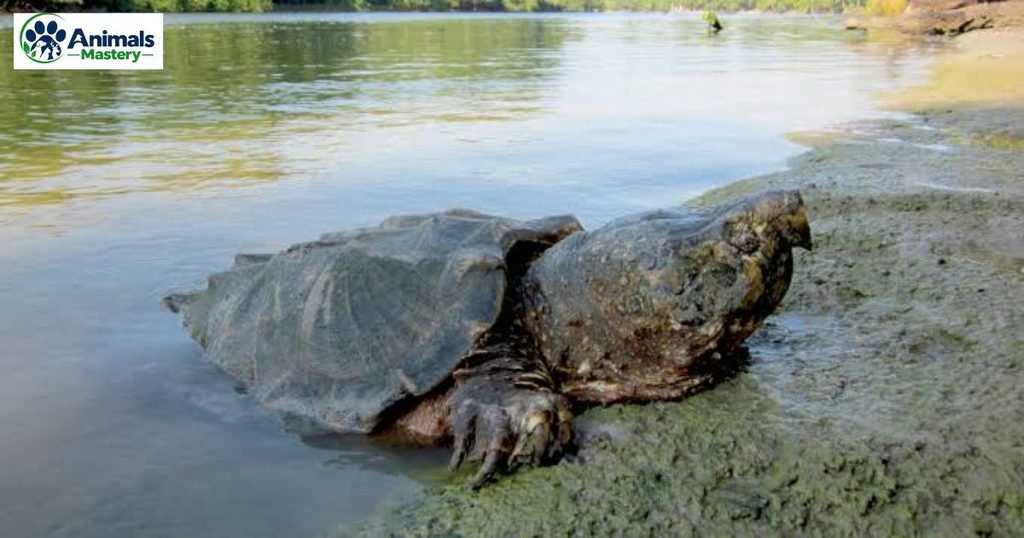
Worm-like tongue: The alligator snapping turtle stands out not just for its formidable size but also for its intriguing hunting technique. This ancient reptile lures prey with its unique, worm-like tongue, which mimics the movement of a wriggling worm beneath the water’s surface.
When unsuspecting fish approaches, the turtle snaps its jaws with remarkable speed and precision, securing a meal that exemplifies nature’s brutal efficiency.
Powerful jaws: With powerful jaws capable of delivering an astonishing bite force, it can easily crush the shells of its prey, which often includes fish, frogs, and even small mammals. Unlike other turtles, this species employs a fascinating technique to lure in unsuspecting prey: it uses a worm-like appendage on its tongue to mimic bait, showcasing a level of cunning often associated with higher predators.
Leopard gecko
- Scientific Name: Eublepharis macularius
- Class: Reptilia
- Diet: Carnivore
Nocturnal lizard: Leopard geckos, known for their striking patterns and vibrant colors, are fascinating nocturnal lizards that appeal to both novice and seasoned reptile enthusiasts. These unique creatures are not just easy to care for; they also exhibit a range of captivating behaviors that make them ideal pets.
Unlike many reptiles, leopard geckos have eyelids, allowing them to blink and moisten their eyes, adding an endearing quality to their demeanor.
Spotted body: Leopard geckos, with their striking spotted bodies, are among the most beloved reptilian pets due to both their captivating appearance and gentle disposition. Their unique patterns serve not only as mesmerizing visual traits but also as a form of camouflage in the wild, helping them evade predators in their natural habitats across the rocky terrains of Asia.
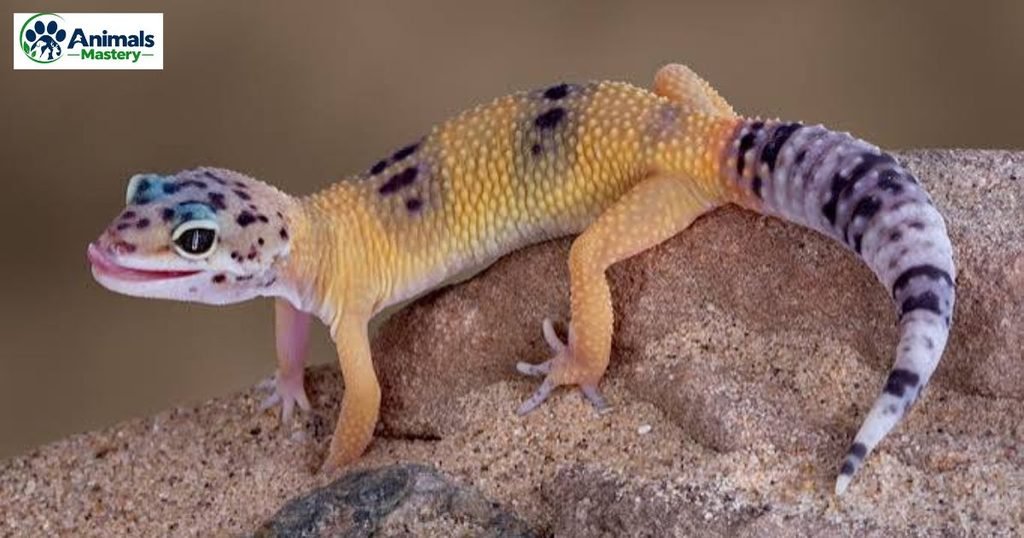
Unlike other lizards, leopard geckos possess movable eyelids and have a distinctive vocalization, making them more interactive companions.
Regrow tail: Leopard geckos, with their vibrant hues and captivating personality, stand out among the diverse world of reptiles. Their ability to regrow their tails not only fascinates enthusiasts but also serves a practical purpose: it acts as a decoy during predator encounters, allowing these resilient creatures to escape.
This remarkable regenerative capability invites us to delve deeper into the adaptive mechanisms of reptiles, highlighting the ongoing evolution of survival strategies in the wild.
Eastern box turtle
- Scientific Name: Terrapene carolina carolina
- Class: Reptilia
- Diet: Omnivore
Domed shell: The Eastern box turtle, a captivating species known for its distinctive domed shell, is a testament to nature’s artistry. This turtle’s hard, beautifully patterned shell not only offers protection but also serves as a sophisticated form of camouflage among the forest floor’s rich tapestry of leaves and soil.
Unlike many reptiles, the Eastern box turtle possesses a hinged plastron, allowing it to completely enclose its body when threatened, making it a fascinating subject for those studying survival adaptations.
Retracts into shell: The Eastern box turtle, an emblem of resilience in the reptile world, showcases a remarkable ability to retract into its shell, providing an exceptional defense mechanism against predators.
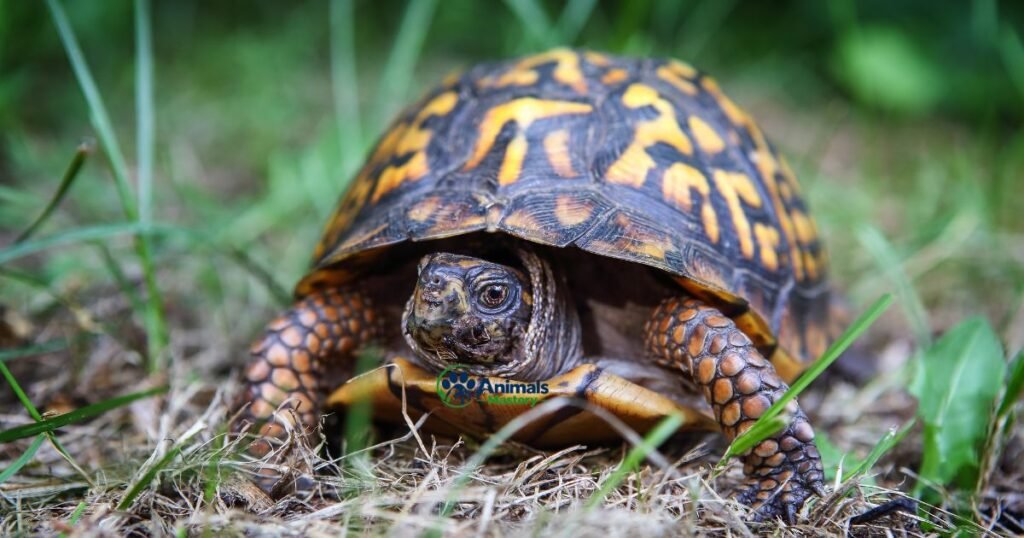
This behavior not only highlights their adaptability but also reflects a deep-seated evolutionary heritage. With a beautifully patterned shell often adorned with vibrant yellows and greens, these turtles serve as a stunning reminder of the intricate artistry present in nature.
Omnivorous diet: The Eastern box turtle is a fascinating member of the reptile family, showcasing not only its captivating shell but also an impressive adaptability to various environments. This species thrives in woodlands, wetlands, and even suburban neighborhoods, demonstrating an omnivorous diet that allows it to feast on a diverse array of foods.
From juicy berries to crunchy insects and even small amphibians, these turtles have an opportunistic approach to their meals, making them resilient in changing habitats.
Black mamba
- Scientific Name: Dendroaspis polylepis
- Class: Reptilia
- Diet: Carnivore
Very fast: The black mamba, renowned as one of the world’s most venomous snakes, is not just noted for its lethal bite but also for its astonishing speed. It can move at a pace of up to 12 miles per hour, making it one of the fastest serpents on the planet.
This remarkable agility allows the black mamba to escape threats quickly and close in on its prey with dexterous precision. Its sleek design, coupled with a keen sense of sight, means that it is not just a fascinating creature but an exceptionally adept predator in its natural habitat.
Potent venom: The black mamba, renowned for its potent venom, is one of the most feared snakes in the reptile kingdom. This sleek, agile serpent stands out not only for its lethal capabilities but also for its striking beauty.
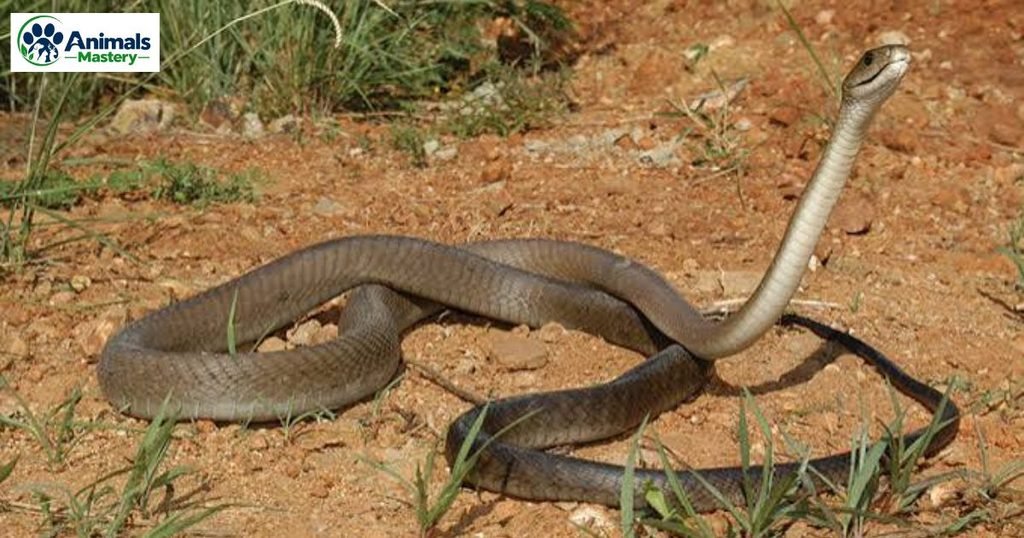
Its glossy black scales can shift shades, reflecting blue and olive tones in sunlight, making it both mesmerizing and menacing. Typically residing in sub-Saharan Africa, the black mamba strikes with remarkable speed, delivering venom that can incapacitate prey within minutes and poses a serious threat to humans.
Usually retreats: The black mamba, often feared for its venom and speed, reveals a more complex behavior than mere aggression. While it is renowned for its lethal capabilities, this adaptable serpent usually retreats when confronted by threats, opting for the safety of its surroundings rather than an immediate attack.
This nuance highlights the black mamba’s role in the ecosystem, acting more as a regulator of prey populations than a relentless predator.
Blue tongued skink
- Scientific Name: Tiliqua scincoides
- Class: Reptilia
- Diet: Omnivore
Blue tongue: The blue-tongued skink, renowned for its striking cerulean-colored tongue, is more than just a fascinating reptile; it serves as a powerful example of adaptive defense mechanisms. When threatened, this lizard displays its vibrant tongue as a warning signal, deterring potential predators who may be captivated by its unusual hue.
Beyond their defensive display, these skinks showcase a variety of personalities, often forming bonds with their owners, making them one of the most beloved reptiles in the pet community.
Uses defense display: The blue-tongued skink, famed for its striking cobalt-blue mouth, offers a unique glimpse into the world of reptilian defense mechanisms. When threatened, this fascinating creature exhibits a remarkable defense display; it opens its mouth wide to showcase its vibrant tongue, which serves as a warning to potential predators.
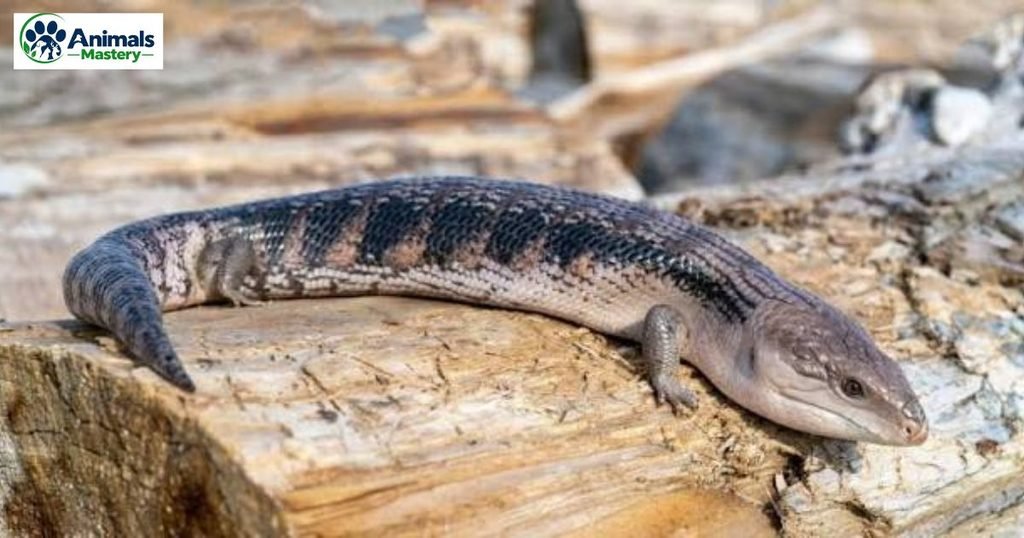
This visual cue not only startles many would-be assailants but also positions the skink as a formidable opponent despite its docile nature.
Omnivorous: With its distinctive blue tongue, this reptile employs a fascinating defense mechanism flashing its vivid tongue to deter predators. What truly sets them apart is their omnivorous diet. Feeding on a mix of plants, insects, and small invertebrates, blue-tongued skinks highlight the adaptability of reptiles in varied environments.
This dietary flexibility allows them to thrive across Australia and New Guinea, making them a focal point in discussions about ecological balance.
Green iguana
- Scientific Name: Iguana iguana
- Class: Reptilia
- Diet: Herbivore
Tree climber: The green iguana stands out as a quintessential example of a tree climber within the reptile kingdom. Known for their vibrant green hue and impressive size, these reptiles have evolved unique adaptations that make them masters of their arboreal habitats.
Their long, powerful limbs and prehensile tails enable remarkable agility as they navigate through the treetops, foraging for a diet rich in leaves, fruits, and flowers.
Prehensile tail: The green iguana, with its vibrant hue and remarkable features, is a fascinating example of reptilian adaptability. One key characteristic that sets this lizard apart is its prehensile tail, which serves as a fifth limb, aiding in balance and mobility as it navigates the lush canopies of its rainforest habitat.
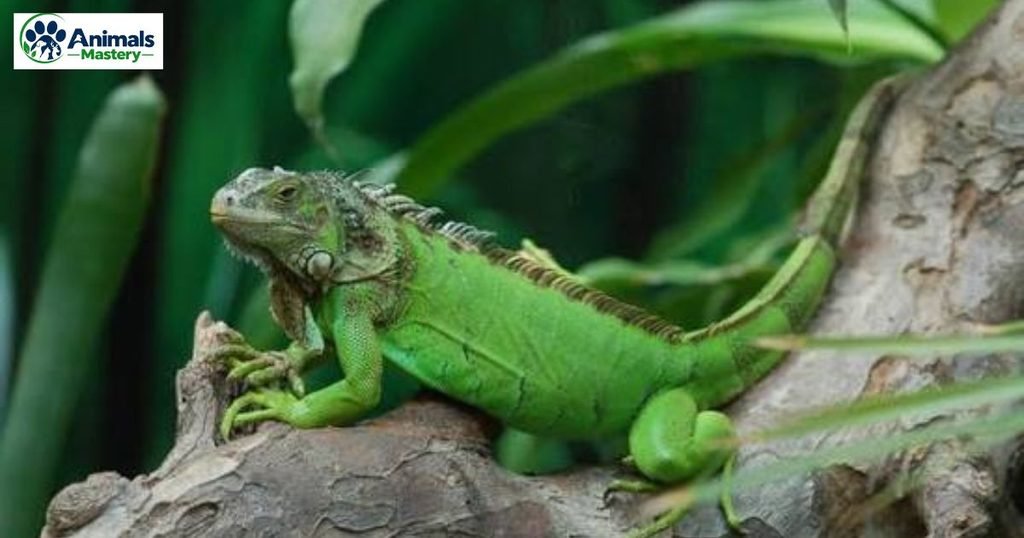
This tail provides support and allows the iguana to grasp branches, showcasing its arboreal lifestyle.
Herbivore: The green iguana is a striking emblem of the reptile kingdom, showcasing vibrant hues and an impressive size that can reach up to five feet in length. These fascinating creatures are primarily herbivores, thriving on a diet rich in leaves, flowers, and fruits, which plays a crucial role in their overall health and vitality.
This plant-based diet supports their growth and contributes to their vivid coloration, a visual feast that captivates reptile enthusiasts and casual observers alike.
Horned Lizards
- Scientific Name: Phrynosoma platyrhinos
- Class: Reptilia
- Diet: Carnivore
Desert dweller: Horned lizards, often referred to as horn toads, are fascinating desert dwellers that have adapted remarkably to their arid environments. These reptiles are masters of camouflage, blending seamlessly into the sandy landscapes where they reside.
With their flat bodies and spiky horns, they not only deter predators but also embody the rugged resilience of life in harsh ecosystems.
Eats ant: Horned lizards, often affectionately dubbed horn toads, showcase a remarkable adaptation in their diet primarily feasting on ants. These fascinating reptiles have evolved to handle the challenges of consuming such tiny, aggressive prey, using their unique body structure and specialized foraging techniques.
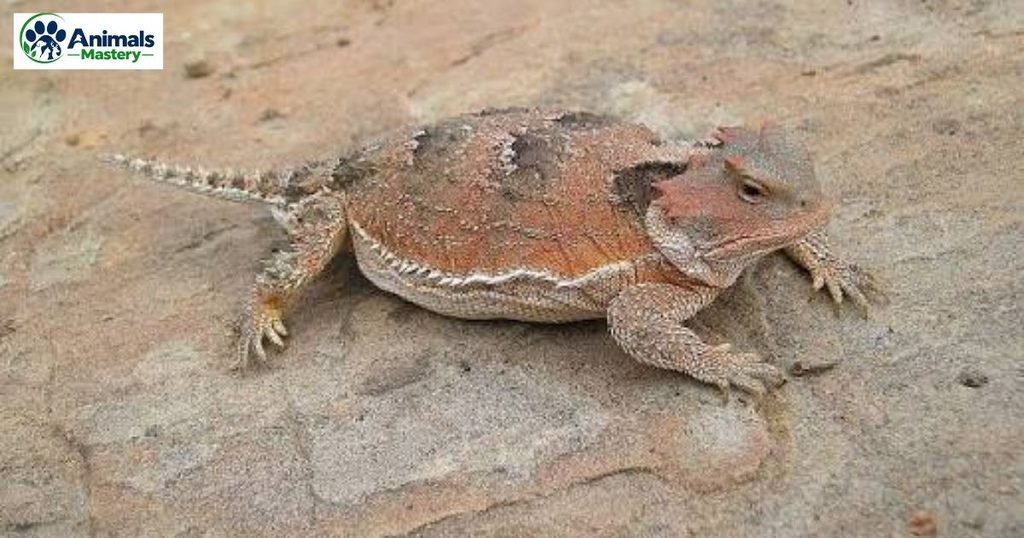
Some species can eat thousands of ants in a day, highlighting an impressive energy-efficient strategy in balancing their nutritional needs.
Unique defenses: Horned lizards, with their distinctive spiky bodies and flattened forms, epitomize the fascinating world of unique defenses in the reptile realm. Found primarily across the deserts of North America, these remarkable creatures have evolved a variety of survival strategies.
One of the most striking is their ability to squirt a stream of blood from their eyes, startling predators and providing a dramatic distraction.
California kingsnake
- Scientific Name: Lampropeltis californiae
- Class: Reptilia
- Diet: Carnivore
Colorful bands: The California kingsnake, a striking representative of the reptile world, captivates with its vibrant, colorful bands that vary among subspecies. These snakes, often adorned in combinations of black, white, and yellow, are not only visually stunning but also play a crucial ecological role as both predator and prey within their habitats.
Their adaptability is remarkable; they’re found across diverse environments, from chaparral to grasslands, demonstrating a unique ability to thrive in both urban and rural settings.
Resists some venom: The California kingsnake stands out not only for its striking patterns but also for its impressive resilience. Known for its ability to resist some venom of smaller snake species, it often serves as both predator and prey in the diverse ecosystems of the American Southwest.
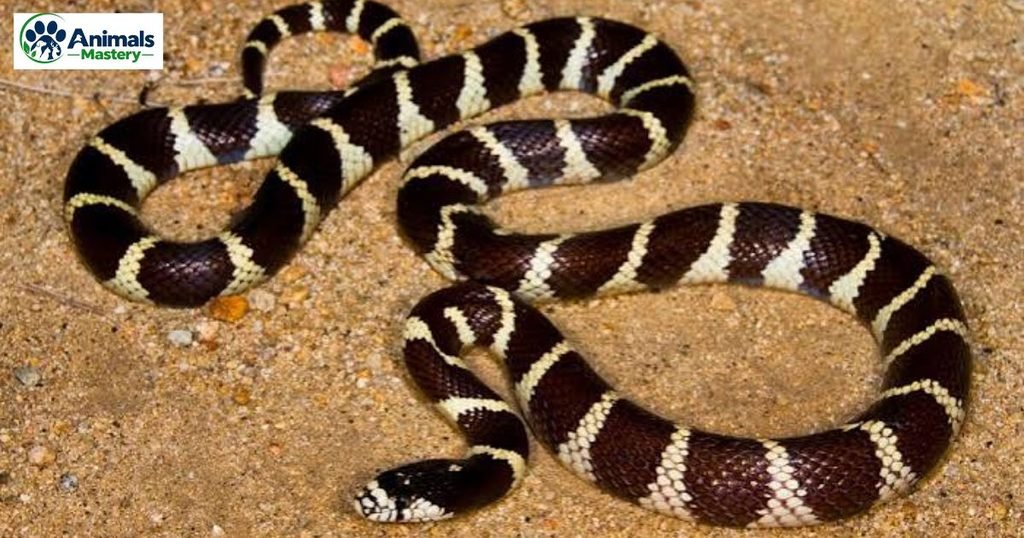
This remarkable adaptability allows the California kingsnake to thrive in various habitats, from arid deserts to lush grasslands, making it an essential player in the local food chain.
Eats snakes: Known for its bold patterns and varied coloration from jet black to vibrant yellow and white stripes this non-venomous snake thrives in diverse habitats across the Golden State. Its most fascinating trait, however, is its dietary preference: it often eats snakes, including other kingsnakes.
This predatory behavior showcases its role in the ecosystem as both a hunter and a scavenger, helping regulate the populations of other snakes.
Copperhead
- Scientific Name: Agkistrodon contortrix
- Class: Reptilia
- Diet: Carnivore
Excellent camouflage: the diverse array of reptiles, the Copperhead stands out not just for its striking appearance but also for its excellent camouflage. This pit viper, native to the eastern United States, has a beautifully patterned body that mimics the fall foliage, allowing it to blend seamlessly into its surroundings.
This natural disguise is a brilliant survival strategy, enabling it to avoid predators and ambush unsuspecting prey.
Basks for warmth: Found primarily in the eastern United States, this pit viper showcases rich tones of copper and brown, allowing it to expertly blend into its surroundings. As it basks for warmth, the Copperhead engages in a fascinating behavior; its cryptic coloration becomes an effective camouflage strategy during the cooler parts of the day.
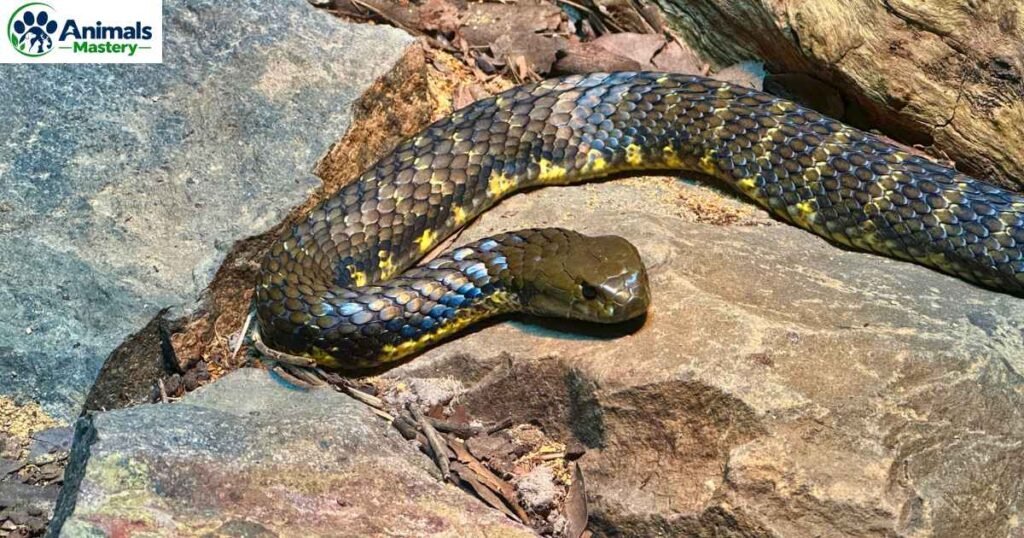
By soaking up the sun, it not only regulates its body temperature but also prepares for the evening’s hunt.
Hunts small animals: Hunts small animals such as rodents and amphibians, blending effortlessly into its leaf-strewn habitat. Unlike many snakes, Copperheads exhibit a unique ambush strategy, coiling low to the ground, perfectly camouflaged against the forest floor, waiting patiently for unsuspecting prey to wander too close.
This hunting technique highlights the intricate relationship between appearance and survival traits that many reptiles share in their evolutionary journey.
Red-eared slider
- Scientific Name: Trachemys scripta elegans
- Class: Reptilia
- Diet: Omnivore
Red ear markings: The red-eared slider is a fascinating example of reptile adaptability and beauty, distinguished by its vibrant red ear markings that contrast sharply with its olive-green shell. These turtles thrive in various environments, from ponds to rivers, showcasing their ability to acclimate to different habitats.
Their remarkable swimming skills and basking behaviors make them a common sight in many water bodies across North America.
Basks in sunlight: Known for its vibrant red markings around the ears, this semi-aquatic turtle is a common sight in ponds, lakes, and rivers across North America. One of the most fascinating behaviors of these turtles is their penchant for basking in sunlight.
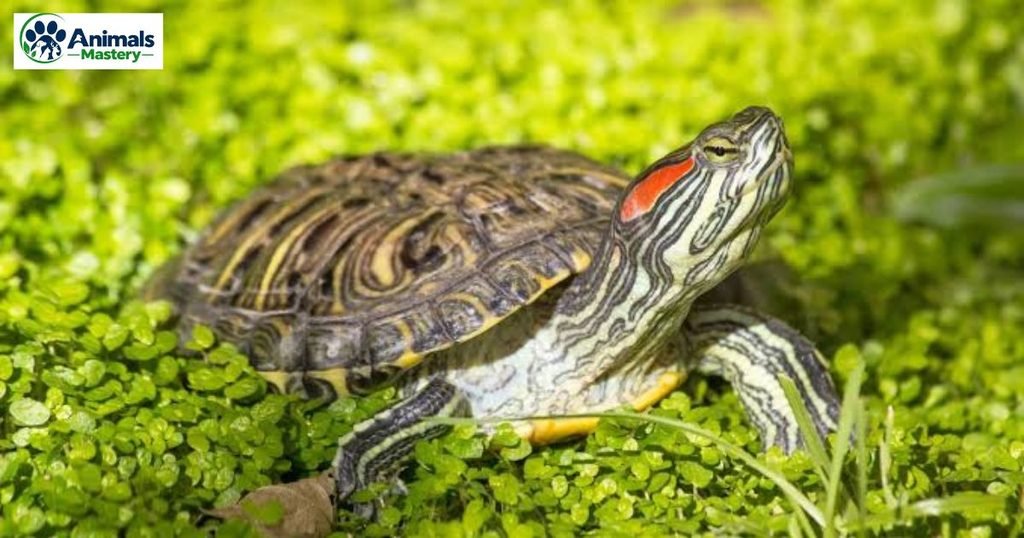
This ritual not only helps them regulate their body temperature but also plays a crucial role in their health, aiding in the synthesis of vitamin D3, essential for strong shell growth. Witnessing a group basking on a sun-warmed rock is a reminder of the intricate balance of ecosystems where these turtles thrive.
Aquatic turtle: The red-eared slider, a popular aquatic turtle, stands out with its vivid colors and distinct red markings behind its eyes. Native to the warm waters of the southern United States, these turtles have found their way into homes and backyards worldwide, both as pets and in wild settings.
Their adaptability to various environments, from ponds to rivers, makes them a fascinating subject of study for reptile enthusiasts and researchers alike.
Veiled chameleon
- Scientific Name: Chamaeleo calyptratus
- Class: Reptilia
- Diet: Omnivore
Changes colors: The veiled chameleon, a fascinating member of the reptile world, stands out for its remarkable ability to change colors. This skill goes beyond mere camouflage; it plays a crucial role in communication and temperature regulation.
When a veiled chameleon feels threatened or is seeking a mate, its skin can shift into vibrant hues, creating a visual spectacle that captivates both observers and potential partners.This dynamic color change is a testament to their unique biology, driven by special pigment cells called chromatophores.
Long sticky tongue: the myriad of reptilian wonders, the veiled chameleon stands out not only for its striking coloration but also for its fascinating feeding mechanism. With a long sticky tongue that can extend up to twice its body length, this remarkable feature allows the chameleon to snatch unsuspecting insects with incredible precision.
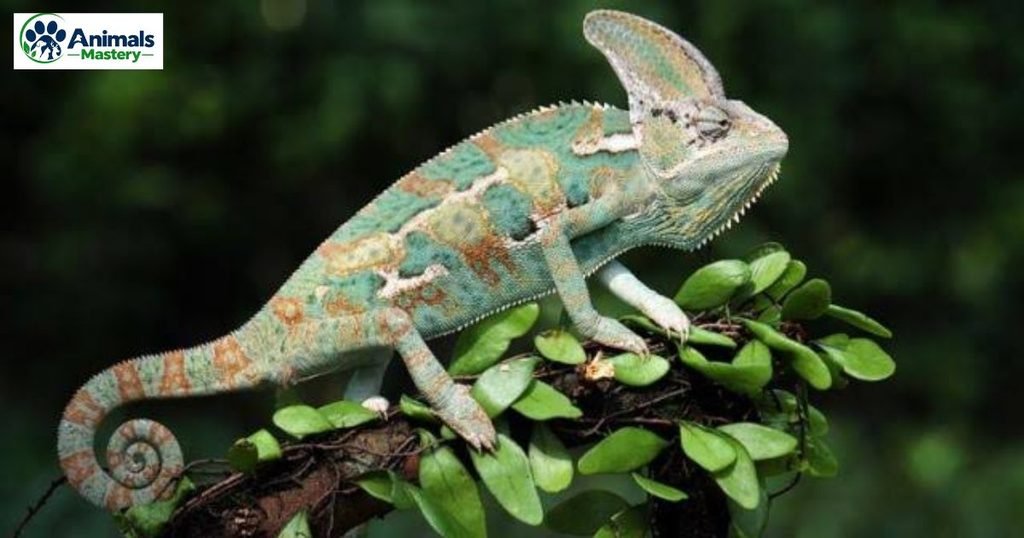
This adaptation isn’t just about capturing food; it showcases the evolution of chameleons as highly specialized hunters, perfectly tailored for their arboreal habitats.
Uses body signals: The veiled chameleon, celebrated for its vivid color changes and unique physical adaptations, showcases the intricate communication methods within the reptile world. Using body signals such as color shifts and the extension of its throat, this fascinating creature conveys emotions and intentions, making it a living canvas of expression.
When threatened, its skin may darken, while bright, vibrant hues often signal readiness for mating or deterring rivals.
American alligator
- Scientific Name: Alligator mississippiensis
- Class: Reptilia
- Diet: Carnivore
Wetland reptile: The American alligator, a quintessential wetland reptile, plays a vital role in its ecosystem, acting as both predator and prey. With their iconic jagged snouts and powerful tails, these formidable creatures can grow up to 13 feet in length.
Found predominantly in the swamps and marshes of the southeastern United States, they are instrumental in maintaining the balance in their aquatic environments.
Creates habitats: The American alligator, a quintessential symbol of the Southeastern United States, plays a crucial role in its ecosystem by creating habitats. When these formidable reptiles create shallow depressions in marshlands they inadvertently form small ponds that serve as essential watering holes for countless species.
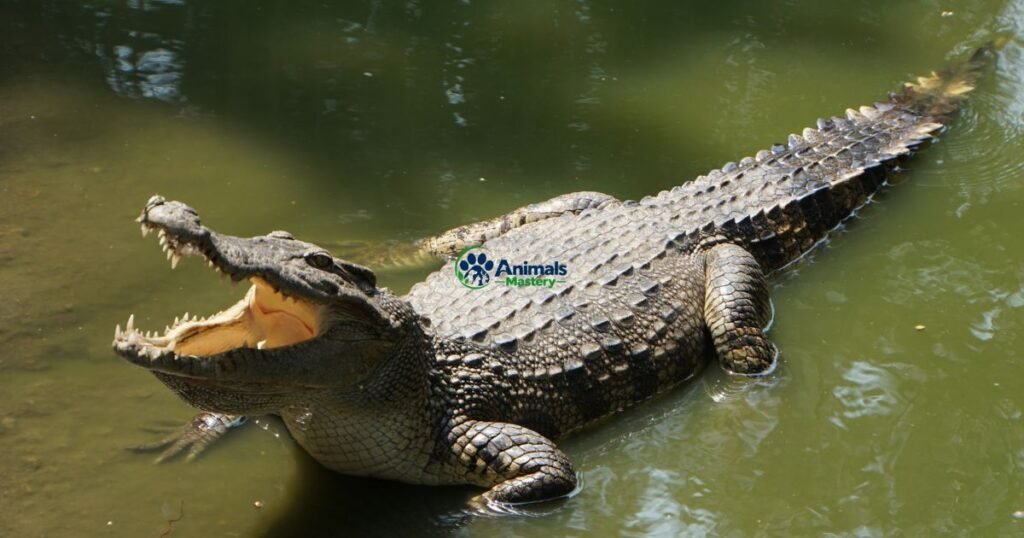
This dynamic behavior not only supports aquatic biodiversity but also enriches the surrounding soil, fostering plant growth that stabilizes the ecosystem.
Protects young: An apex predator apart is its remarkable parental instinct; the mother protects her young with fierce dedication, guarding them against potential threats in their marshy habitats.
This nurturing behavior is particularly striking in reptiles, where maternal care is often minimal. In the case of the American alligator, she even helps her hatchlings reach the water, demonstrating the intricate bond between predator and offspring.
Komodo dragon
- Scientific Name: Varanus komodoensis
- Class: Reptilia
- Diet: Carnivore
Largest lizard: The Komodo dragon, known as the largest lizard on Earth, inspires awe not only for its size reaching lengths of up to 10 feet but also for its intriguing predatory prowess. Found exclusively on the Indonesian islands of Komodo, Rinca, Flores, and Gili Motang, this formidable reptile serves as a powerful reminder of nature’s raw, untamed energy.
With a mouth full of powerful teeth and saliva teeming with antibacterial properties, the Komodo dragon’s hunting strategy is nothing short of fascinating.
Indonesian islands: The Komodo dragon, native to the Indonesian islands of Komodo, Rinca, Flores, and Gili Motang, is not just the largest living lizard but also a fascinating creature steeped in mystery. These formidable reptiles can reach lengths of over ten feet and boast a unique blend of strength and stealth.
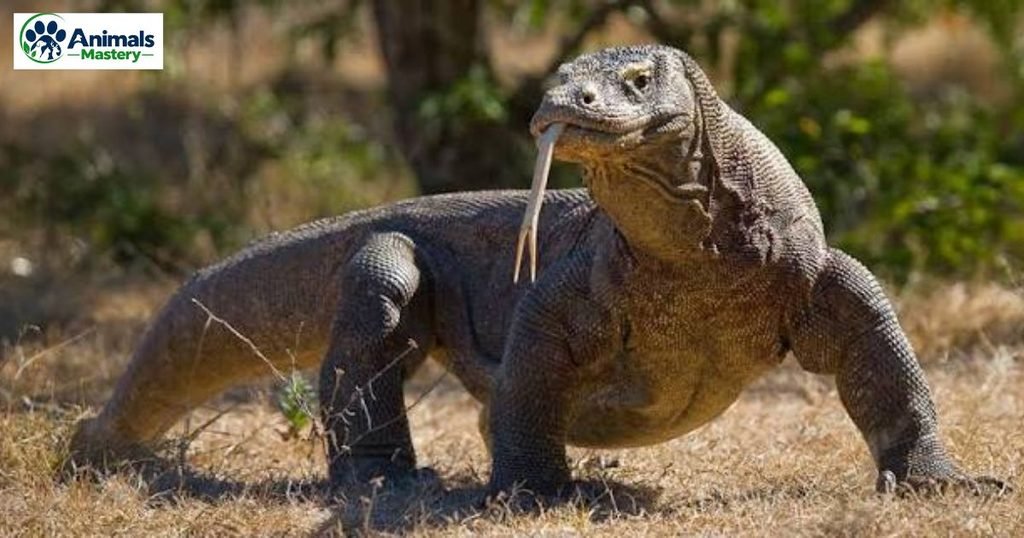
Often depicted in their rugged, arid habitats, their impressive hunting skills are a testament to their predatory prowess; they can deliver a venomous bite that immobilizes prey, showcasing an evolutionary adaptation that few reptiles can claim.
Apex predator: the Komodo dragon stands out as an apex predator, reigning supreme in its native Indonesian islands. These formidable creatures can grow over ten feet long, showcasing a powerful blend of size and speed.
Their tenacity in hunting reveals a sophisticated approach; they rely on both ambush and endurance to subdue prey like deer and wild boar, using their keen sense of smell to track down potential meals from miles away.
Ball python
- Scientific Name: Python regius
- Class: Reptilia
- Diet: Carnivore
Curls into a ball: When it comes to unique behaviors, the ball python stands out for its remarkable ability to curl into a ball when threatened. This fascinating defensive mechanism not only provides protection but also showcases the snake’s adaptability to its environment. By coiling tightly, ball pythons shield their vulnerable head, creating a compact form that can deter potential predators.
This curling behavior isn’t just a survival tactic; it reflects the species’ calm demeanor, making them a favorite among reptile enthusiasts and pet owners alike.
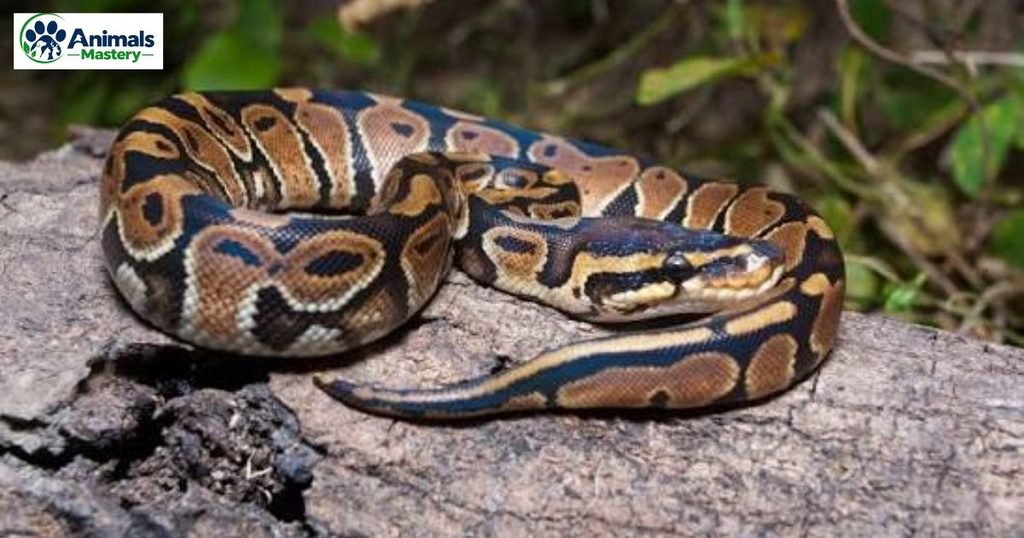
African snake: The Ball Python stands out not just for its captivating appearance, but also for its fascinating history as an African snake. Originating from the grasslands and savannas of West and Central Africa, this constrictor is renowned for its docile temperament, making it a favored companion in the exotic pet world.
Calm nature: Ball pythons are renowned not just for their mesmerizing patterns and colors, but also for their remarkably calm nature. This characteristic makes them a favorite among both novice and experienced reptile enthusiasts. Unlike many other snakes that may exhibit defensive behaviors when handled, ball pythons often respond by curling up in a ball, which is their instinctive method of feeling secure.
This soothing demeanor allows owners to bond deeply with their pets, providing a unique interaction that sets them apart from more temperamental reptiles.
Bearded dragon
- Scientific Name: Pogona vitticeps
- Class: Reptilia
- Diet: Omnivore
Australian lizard: the bearded dragon stands out not just as an Australian lizard but as a captivating companion for many pet enthusiasts. Known for their unique personality, these reptiles exhibit a range of colors and patterns that enhance their visual appeal.
Their ability to bond with humans is something uniquely endearing; they can often be seen basking under the sun or exhibiting their signature arm waving a gesture that reflects their curious demeanor.
Has a beard: The bearded dragon, with its distinctive spiky appearance and charming demeanor, is a captivating example of reptiles. Known scientifically as Pogona, this lizard has a unique feature: when threatened or excited, it expands the flap of skin under its chin, often referred to as its “beard.”
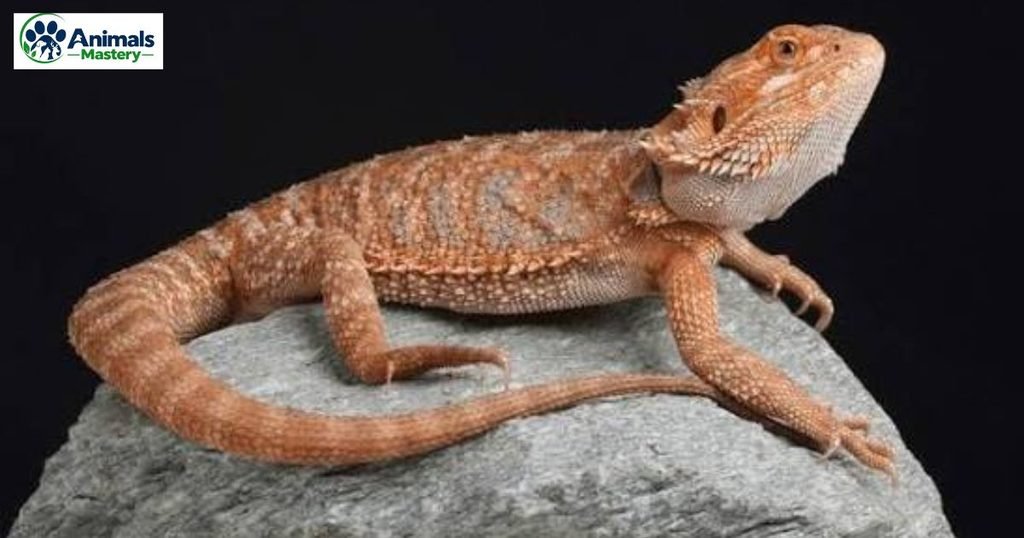
This intriguing behavior not only serves as a display of dominance or intimidation but also enhances its ancient allure.
Eats plants and insects: Bearded dragons are fascinating reptiles, revered not just for their unique appearance but also for their diverse dietary habits. They thrive on a balanced diet that includes a mix of plants and insects, showcasing their adaptability in the wild. This omnivorous diet not only ensures they receive essential nutrients but also makes observing their feeding habits quite entertaining.
Watching a bearded dragon bask in vibrant greens from leafy vegetables while occasionally snapping up crickets or mealworms reveals a complex relationship with their environment and food sources.
Western Diamondback Rattlesnake
- Scientific Name: Crotalus atrox
- Class: Reptilia
- Diet: Carnivore
Diamond patterns: The Western Diamondback Rattlesnake is a striking example of nature’s artistry, featuring distinctive diamond patterns that serve as both camouflage and a warning to potential predators. These intricate designs vary in color from browns to grays, providing an effective means of blending into their arid southwestern habitats.
Beyond their aesthetic appeal, these patterns also play a crucial role in thermoregulation, absorbing heat from their surroundings during the cooler mornings.
Has a rattle: The Western Diamondback Rattlesnake, known for its distinctive rattle at the end of its tail, is a fascinating example of nature’s adaptability and evolutionary craftsmanship. This reptile uses its rattle, a unique evolutionary feature, not just as a warning signal to potential threats but also as a vital tool in predator and prey interactions.
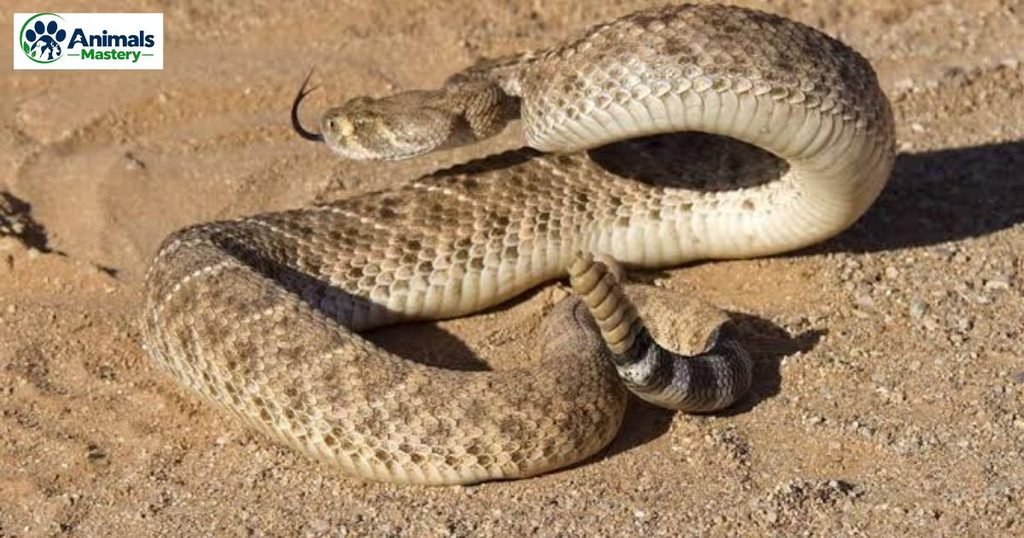
The rattle produces a piercing sound that can instill fear, often serving as a deterrent against larger predators, while its striking diamond-patterned scales provide superb camouflage in the arid landscapes it inhabits.
Controls rodents: The Western Diamondback Rattlesnake, a striking reptile native to the southwestern United States, stands out for its iconic diamond-patterned scales and distinctive rattle. This formidable snake not only captures the imagination with its bold appearance but also plays a crucial ecological role by controlling rodent populations.
In settings where agriculture meets wilderness, the Western Diamondback acts as nature’s pest control, keeping crop-damaging rodents in check, thus maintaining a balance in the ecosystem.
Green anole
- Scientific Name: Anolis carolinensis
- Class: Reptilia
- Diet: Carnivore
Changes color: Famous for its ability to change color from a vibrant green to shades of brown this remarkable trait provides effective camouflage against predators and enhances its communication during mating rituals.
Unlike chameleons, whose color changes are primarily driven by mood and environmental factors, the green anole’s shifts are largely influenced by temperature and background color, showcasing its incredible responsiveness to its surroundings.
Excellent climber: the most fascinating reptile is the green anole, celebrated for its vibrant green coloration and remarkable adaptability. An excellent climber, this agile lizard effortlessly navigates through trees and shrubs, using its specialized toe pads to grip surfaces.
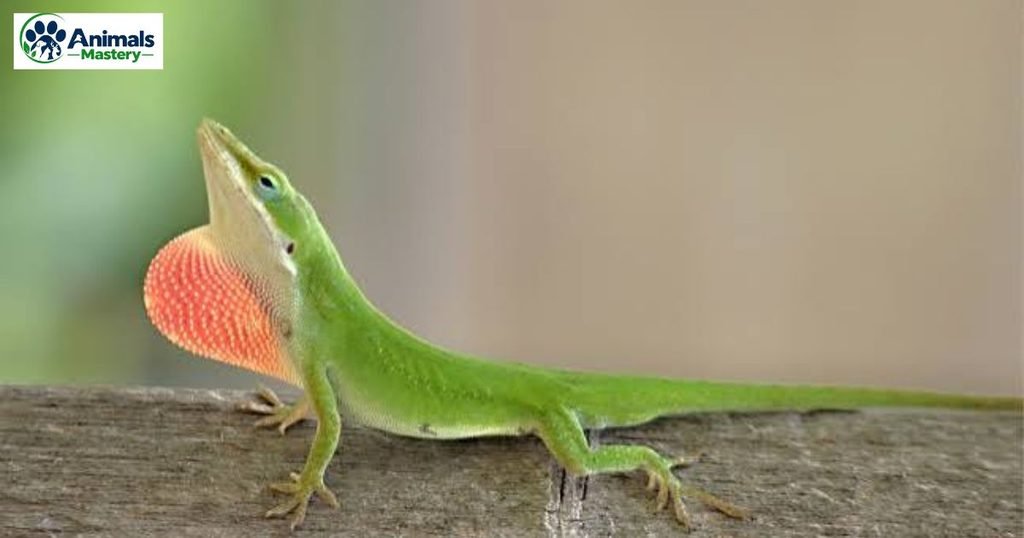
Their ability to change color from bright green to brown aids in camouflage and plays a crucial role in thermoregulation and social signaling during mating displays.
Eat insects: The green anole stands out for its vibrant color and remarkable adaptability. Often seen basking in the sun or darting between branches, this agile lizard has developed a unique ability to change its hue, blending seamlessly into its lush surroundings. These petite reptiles primarily feast on a diet of insects, showcasing the delicate balance of their ecosystem as they help control pest populations.
Their method of capturing prey, which includes quick movements and a sticky tongue, adds an exhilarating component to their hunting technique.
Painted turtle
- Scientific Name: Chrysemys picta
- Class: Reptilia
- Diet: Omnivore
Colorful shell: The painted turtle stands out not only for its delightful demeanor but also for its colorful shell, which showcases vibrant patterns of red, orange, and yellow against a deep black background. This striking appearance serves a purpose beyond aesthetics; it plays a crucial role in camouflage and social signaling among its species.
While basking on logs or swimming gracefully in ponds, these turtles can captivate onlookers, drawing attention not just to their beauty but to their importance in aquatic ecosystems.
Freshwater turtle: The painted turtle, a striking example of a freshwater turtle, captivates observers with its vibrant shell and charming demeanor. Found across North America, these turtles exhibit a fascinating array of colors, from their bright red or orange stripes to the deep olive green of their carapace.
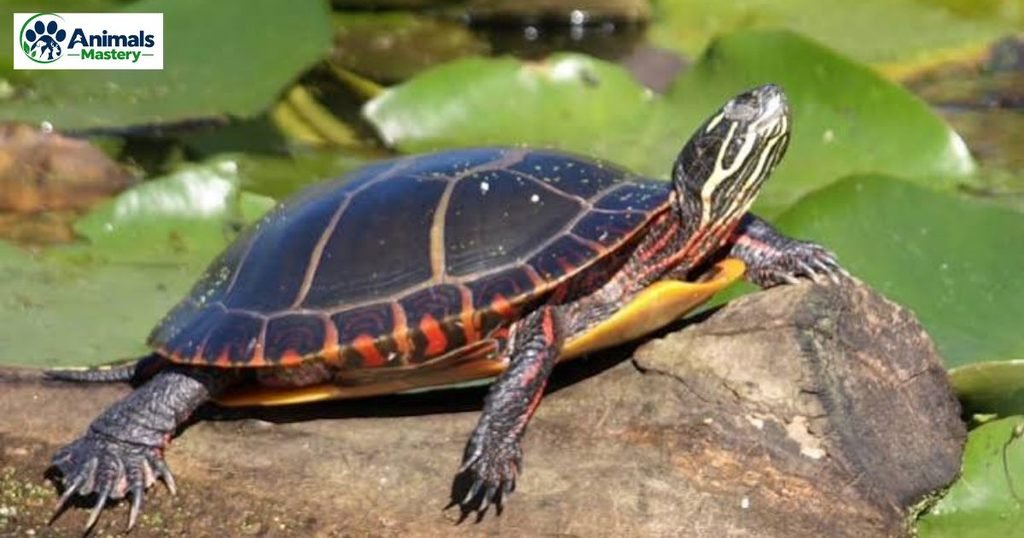
Their adaptability to diverse habitats, including ponds, marshes, and rivers, showcases their resilience and ecological importance. Painted turtles play a crucial role in nutrient cycling, and they also serve as a barometer for the health of freshwater ecosystems.
Basks in sunlight: The painted turtle is a vibrant marvel among reptiles, showcasing a striking array of colors that make it a standout in any habitat. Found basking in sunlight along the banks of ponds and rivers, these turtles enjoy the warmth and display their brilliant carapace patterns, which can include shades of red, yellow, and black.
This basking behavior is more than just indulgence; it plays a crucial role in regulating their body temperature and promoting overall health.
Explore More Fascinating Animals and Birds
- Discover fascinating animals like groundhogs and learn how these burrowing mammals compare in appearance, behavior, and habitat. From marmots to prairie dogs, several species share similar features and lifestyles.
- Explore beautiful birds with long necks and discover how their distinctive body shapes help them survive. Species such as herons, cranes, and storks use their long necks for feeding and hunting. These remarkable birds can be found across wetlands, grasslands, and other diverse habitats.
- You ever wondered if kangaroos smart animals are capable of learning and solving problems. Their communication, memory, and ability to adapt show interesting signs of intelligence.
- Discover interesting animals like ferrets that share their playful nature, body shape, or hunting behavior. Weasels, mink, and other mustelids have several fascinating similarities with ferrets.
- Explore fascinating animals with long tails and discover how their tails help with balance, movement, and communication. From monkeys to big cats, many animals have developed remarkably long tails for different purposes. These adaptations make long-tailed animals especially interesting to observe and study.
- Discover fascinating animals like groundhogs and learn how these burrowing mammals compare in appearance, behavior, and habitat. From marmots to prairie dogs, several species share similar features and lifestyles.
Final Thoughts
The journey through the top 27 examples of reptiles reveals a stunning array of life that has captivated our planet for millions of years. Each example illustrates the remarkable adaptations and survival strategies that make reptiles such a vital part of our ecosystems.
As we celebrate their unique beauty and behaviors, we must also recognize the threats they face in today’s world. By raising awareness and contributing to conservation initiatives, we can play a part in preserving these incredible animals for future generations.
FAQs
Which Reptile on this List Changes its Body Chemistry to Survive Freezing Winter Temperatures?
The painted turtle survives being trapped in frozen mud by using its own shell to prevent metabolic acidosis. Its body releases calcium and magnesium from the shell to neutralize dangerous lactic acid buildup when it runs out of oxygen under ice.
How does the California Kingsnake Safely Hunt Dangerously Venomous Rattlesnakes?
The California kingsnake has natural immunity to pit viper venom, allowing it to hunt venomous snakes safely. It overpowers them using an incredibly strong constriction pressure that halts the prey’s blood flow twice as fast as other constrictors.
What is the Hidden Sensory Purpose behind the Blue-Tongued Skink’s Vibrant Mouth Color?
The blue-tongued skink uses its bright, ultraviolet-reflective tongue as a visual defense mechanism to startle predators. When threatened, a sudden flash of its bright blue tongue mimics dangerous toxicity, causing attackers to hesitate so the harmless skink can escape.
Why is the King Cobra Classified Uniquely among the Snakes on this List?
The king cobra is the only snake listed that constructs an above-ground nest out of leaves for its eggs. The female actively guards this nest for months, displaying rare parental care driven by the natural heat of decomposing vegetation.
How do Desert-Dwelling Horned Lizards Defend Themselves When Regular Camouflage Fails?
Horned lizards can restrict blood flow from their heads to deliberately rupture tiny blood vessels in their eyelids. This allows them to squirt a stream of foul-tasting blood from their eyes up to five feet away to repel predators.