Top 33 Animals That Start With F (With Pictures)
The Top 33 Animals That Start With F, from the formidable falcon to the whimsical fennec fox. Understanding these creatures enriches your knowledge of biodiversity and highlights the incredible diversity of life sharing our planet.
By diving deep into this list, you’ll walk away with surprising insights and fun facts that could make you the star of your next trivia night.
List of Animals That Start With F
Below is the list of animals that start with F:
- Falcon
- Fire Eel
- Frilled Shark
- Fox Terrier
- Fancy Mouse
- Fire-Bellied Toad
- Flea
- Freshwater Crocodile
- Fruit Bat
- Flying Lemur
- False Killer Whale
- Ferret
- Flying Squirrel
- Fiddler Crab
- Fossa
- Fritillary Butterfly
- Flycatcher
- Flamingo
- Formosan Mountain Dog
- Flounder
- Fishing Cat
- Fallow Deer
- Freshwater Jellyfish
- Fairy-Wren
- Flathead Catfish
- Firefly
- French Bulldog
- Fennec Fox
- Fur Seal
- Florida Panther
- Fox
- Frog
- Finch
Falcon
- Scientific Name: Falco
- Class: Aves
- Diet: Carnivore
The falcon, a member of the raptor family, is renowned for its astonishing speed and keen hunting skills, often considered one of the top 33 animals that start with F. With some species capable of diving at speeds over 240 miles per hour, falcons embody the essence of aerial agility.
Their sharp eyesight allows them to spot prey from incredible distances, making them not just formidable hunters but also fascinating creatures to observe in flight.
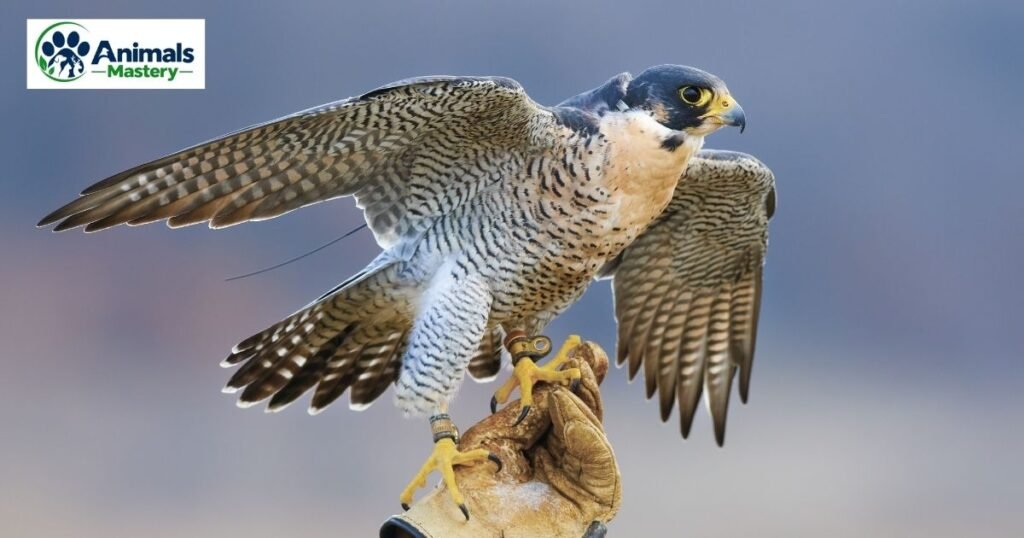
In various cultures, the falcon symbolizes freedom, vision, and power. Its ability to soar high above the ground evokes a sense of liberation, inspiring many to appreciate the beauty of the natural world. Interestingly, the art of falconry, which dates back thousands of years, highlights the special bond between humans and these majestic birds.
This ancient practice is not only about hunting; it’s a celebration of trust, skill, and an understanding of nature that enriches both the falcon and the falconer’s lives.
Fire Eel
- Scientific Name: Mastacembelus erythrotaenia
- Class: Actinopterygii
- Diet: Carnivore
The Fire Eel, a fascinating creature that falls under the category of animals that start with F, is often overlooked in the underwater world. With its vivid coloration, resembling flowing flames, this freshwater fish offers more than just visual appeal.
Found primarily in Southeast Asia’s rivers and swamps, the Fire Eel thrives in a habitat rich with submerged debris and lush vegetation, making it an integral part of its ecosystem. Its unique coloration serves as both a camouflage and a warning to potential predators, demonstrating the intricate balance of survival in nature.

These eels are also known for their intriguing behavior. Unlike many of their aquatic counterparts, Fire Eels display social interactions and even recognize their keepers, often swimming to the glass when approached.
Their diet, consisting of worms and small invertebrates, speaks to their role in controlling populations of other small creatures within their environment. This makes them not just pets, but also a living, breathing piece of biodiversity that invites enthusiasts to learn and engage with the delicate web of life that thrives beneath the water’s surface.
Frilled Shark
- Scientific Name: Chlamydoselachus anguineus
- Class: Chondrichthyes
- Diet: Carnivore
The frilled shark, a striking specimen among the animals that start with F, often evokes both wonder and curiosity due to its ancient lineage. With a body that seems to blend both shark and eel traits, this elusive creature appears like a relic from a bygone era, having existed for over 80 million years.

Its frilled gills, resembling ruffled lace, are not just for aesthetics; they aid in respiration while it glides through the murky depths of the ocean, making it a master of stealth.
Equipped with rows of jagged teeth, it is capable of swallowing prey whole, including fish and squid, in the blink of an eye. Researchers believe its mesmerizing hunting technique may inspire advancements in robotics and materials science, reflecting the potential that lies within nature’s design.
Fox Terrier
- Scientific Name: Canis lupus familiaris
- Class: Mammalia
- Diet: Omnivore
The Fox Terrier, a spirited breed, captivates with its energetic charm and keen intelligence. Originally bred for hunting, these dogs possess an instinctual drive to explore, making them excellent companions for active families or individuals who enjoy outdoor activities.
Their agile physique and playful demeanor not only make them a joy to watch but also a challenge to keep mentally stimulated, as they thrive on tasks and games that engage their sharp minds.

What often goes unnoticed is the Fox Terrier’s strong sense of loyalty and affection toward their human counterparts. While their energetic nature might imply just a playful disposition, they also exhibit a surprisingly gentle side, showcasing a unique balance of robustness and tenderness.
This duality makes them wonderful pets for those ready to embrace a dynamic and loving relationship. Perfect for city dwellers and countryside adventurers alike, the Fox Terrier stands out among animals that start with F, merging agility with an endearing personality that keeps tails wagging and hearts full.
Fancy Mouse
- Scientific Name: Mus musculus
- Class: Mammalia
- Diet: Omnivore
The fancy mouse, a delightful and charming creature, belongs to a broader category of animals that start with F. These tiny rodents have captured the hearts of many due to their diverse colors, patterns, and friendly dispositions.
Beyond being just adorable pets, fancy mice showcase a fascinating range of genetic traits, making them one of the most popular choices for animal enthusiasts and breeders alike.

Unlike their wild cousins, fancy mice have been selectively bred for traits such as coat color and personality. This breeding has given rise to various types, including the breathtaking satin and rex varieties, each boasting unique textures and appearances.
Fancy mice are also incredibly social animals, thriving in pairs or small groups, making them an ideal choice for families or individuals looking for engaging companionship. Their entertaining antics and curious nature offer endless joy, turning any room into a lively space of exploration and interaction.
Fire-Bellied Toad
- Scientific Name: Bombina
- Class: Amphibia
- Diet: Carnivore
The fire-bellied toad, a striking amphibian found in parts of Asia and Europe, is often overlooked among the animals that start with F. Its vibrant orange or red underbelly serves not just as a dazzling display but as a deterrent to predators, signaling toxicity.
This clever adaptation highlights nature’s creativity, emphasizing how appearances can be deceiving; what looks inviting can often be dangerous.

These toads thrive in lush habitats, including forests and wetlands, where they boast impressive vocalizations during the mating season. Male fire-bellied toads engage in a captivating chorus, creating a symphony that resonates through their damp surroundings.
Their fascinating breeding rituals, which involve complex behaviors and colorful displays, offer insights into the intricate relationships of ecosystems that often go unnoticed. By choosing to shed light on such unique animals that start with F, we begin to appreciate the diversity and interconnectedness of life on our planet.
Flea
- Scientific Name: Siphonaptera
- Class: Insecta
- Diet: Carnivore
Fleas may be tiny, but their impact on both pets and humans is significant. These nimble insects exemplify survival skills, having developed a remarkable ability to jump up to 200 times their body length, a feat that makes them one of the most agile animals that start with F.
This incredible adaptability has allowed fleas to thrive in various environments, from warm, cozy homes to the wild. The relationship between fleas and their hosts is a complex dance of dependency.
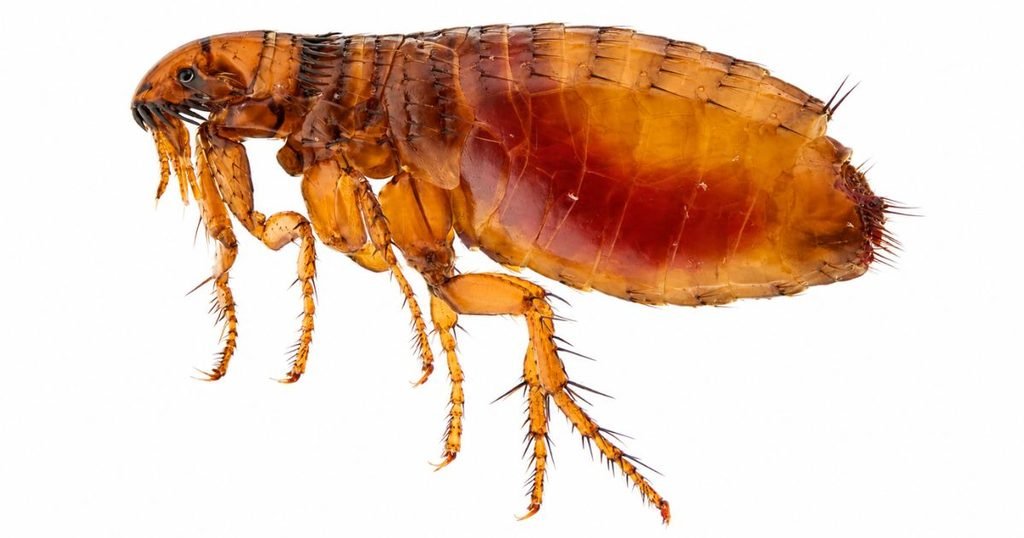
While often considered mere pests, they play a crucial role in the ecosystem, serving as a food source for various animals.
Their life cycle, which transitions through multiple stages from eggs to larvae to adults, offers fascinating insights into the resilience of life in the face of adversity. Understanding fleas can deepen our appreciation for nature’s intricate web, reminding us that even the smallest creatures can stir the biggest effects.
Freshwater Crocodile
- Scientific Name: Crocodylus johnstoni
- Class: Reptilia
- Diet: Carnivore
The freshwater crocodile, often overshadowed by its more notorious relative, the saltwater crocodile, is a fascinating creature that plays a crucial role in its ecosystem. Found predominantly in rivers, lakes, and wetlands across northern Australia and parts of Papua New Guinea, these reptiles offer a blend of elegance and ferocity.
Unlike their more aggressive counterparts, freshwater crocodiles tend to exhibit more cautious behavior, often avoiding collision with humans unless provoked.

One of the most intriguing aspects of the freshwater crocodile is its adaptability to diverse environments. Their diet primarily consists of fish and small mammals, but they are skilled hunters that can modify their hunting techniques based on water conditions and prey availability.
This flexibility not only highlights their intelligence but also their importance as indicators of environmental health. As animals that start with F, these crocodiles remind us of the delicate balance of aquatic ecosystems, reinforcing the necessity for conservation efforts.
Fruit Bat
- Scientific Name: Pteropodidae
- Class: Mammalia
- Diet: Herbivore
Fruit bats, often overshadowed by their more notorious flying mammal cousins, are intriguing creatures that play a vital role in their ecosystems. As key pollinators and seed dispersers, these nocturnal animals contribute significantly to the health of tropical forests, aiding in the regeneration of fruit-bearing trees.
Many plants rely on fruit bats for reproduction, making them essential for biodiversity, a fact that deepens our appreciation for these animals that start with F. Living in large colonies, they demonstrate complex social behaviors, including grooming and vocal communication.

The diversity among fruit bat species showcases a fascinating range of adaptations, from size variations to dietary preferences, illustrating how evolution shapes these creatures in response to their habitats.
Their often-misunderstood nature invites us to explore the delicate balance of ecosystems and the hidden importance of every animal, especially those like the fruit bat that may not initially capture our imagination.
Flying Lemur
- Scientific Name: Cynocephalidae
- Class: Mammalia
- Diet: Herbivore
The flying lemur, a fascinating member of the animal kingdom, truly defies conventional categorization. Despite its name, this creature does not possess the ability to fly; instead, it glides gracefully through the canopy of Southeast Asian forests.
Its extensive membrane, spanning from its neck to its fingertips and trailing to its tail, allows it to soar between trees with breathtaking agility. This unique adaptation not only aids in escaping predators but is also an essential skill for foraging in the lush foliage where their diet consists mainly of leaves and fruits.
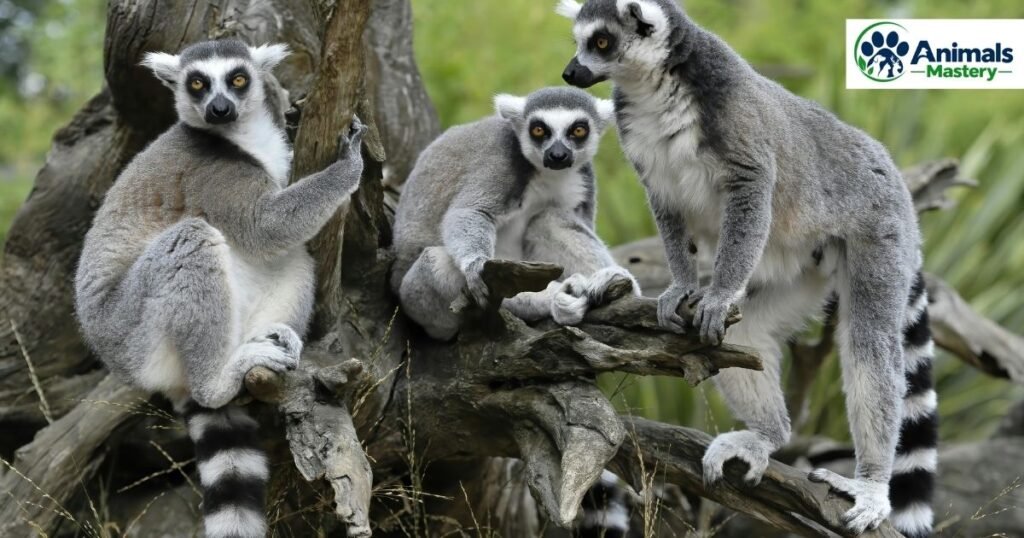
Their physical abilities, flying lemurs play a crucial role in their ecosystem as nocturnal herbivores. By munching on leaves and fruits, they contribute to the process of seed dispersal, promoting biodiversity within their habitats.
The intriguing social structure of these animals further enriches their narrative; they are known for being solitary but are occasionally found engaging in playful interactions with one another. The flying lemur exemplifies how even the quietest creatures, often overlooked among animals that start with F, can weave intricate stories into the tapestry of nature.
False Killer Whale
- Scientific Name: Pseudorca crassidens
- Class: Mammalia
- Diet: Carnivore
The False Killer Whale, a captivating member of the dolphin family, often surprises those unfamiliar with its unique traits. Despite its somewhat misleading name, this cetacean boasts remarkable intelligence and complex social structures.
They are known to form strong bonds within pods, showcasing behaviors reminiscent of those found in more familiar dolphin species. Their affinity for play and social interaction rivals that of the most charismatic marine animals.
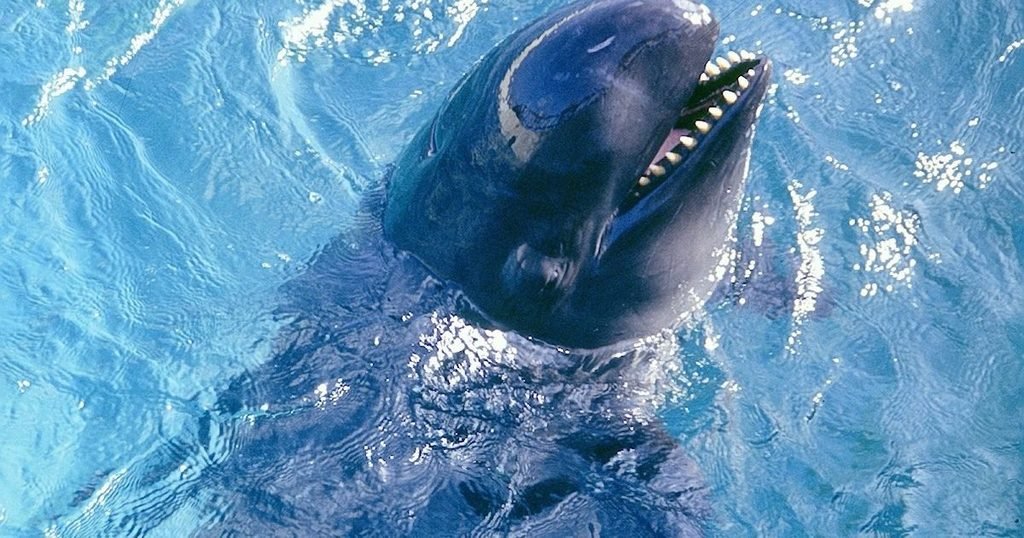
One of the most intriguing aspects of the False Killer Whale is its adaptability, which allows it to thrive in various oceanic environments. With a diet that primarily includes fish and squid, these mammals demonstrate remarkable hunting techniques, often coordinating with one another to effectively outsmart their prey.
Their vocalizations contribute to an intricate communication system, underscoring the sophistication of animals that start with F. Observers have reported instances of False Killer Whales aiding other species, offering a glimpse into the cooperative behavior that defines these enigmatic marine mammals.
Ferret
- Scientific Name: Mustela putorius furo
- Class: Mammalia
- Diet: Carnivore
Ferrets, often overshadowed by more traditional pets like cats and dogs, are fascinating animals that start with F. These playful creatures belong to the weasel family and are known for their curious nature and acrobatic abilities.
Their energetic personalities make them a delight to watch as they dart through tunnels and explore their environment, demonstrating a level of intelligence that can rival that of dogs.

One unique aspect of ferrets is their natural instinct to “dance” when they’re excited, known as the “ferret dance.” This charming behavior, along with their tendency to engage in spirited play fights, captures the heart of anyone who spends time with them.
Beyond their entertaining antics, ferrets have also garnered attention for their potential as emotional support animals, providing companionship with their affectionate, social nature.
Flying Squirrel
- Scientific Name: Pteromyini
- Class: Mammalia
- Diet: Omnivore
Among the fascinating animals that start with F, the flying squirrel stands out for its remarkable adaptations and unique lifestyle. Contrary to what their name might suggest, these charming rodents don’t actually fly; rather, they glide gracefully through the air using a specialized membrane called the patagium, which stretches from their wrists to their ankles.
This extraordinary feature allows them to soar up to 150 feet between trees, effortlessly navigating the forest canopy in search of food and evading predators.

They are primarily nocturnal, flying squirrels possess large, luminous eyes that help them see in low-light conditions, making it easy for them to forage for fruits, nuts, and fungi under the moonlight.
Their diet is not only a testament to their adaptability but also plays a vital role in forest ecosystems, as they help in seed dispersal, promoting biodiversity. Connecting with these fascinating creatures can offer deeper insights into the delicate balance of nature, showcasing how even the smallest animals can have a significant impact on their environment.
Fiddler Crab
- Scientific Name: Uca
- Class: Malacostraca
- Diet: Omnivore
Fiddler crabs, fascinating creatures of the coastal intertidal zones, showcase one of nature’s most intriguing survival strategies. With their distinctively asymmetrical claws one vastly larger than the other these small crustaceans engage in an elaborate display of courtship and territoriality.
The larger claw is not merely for show; it serves multiple purposes, from attracting potential mates to warding off rivals, transforming the sandy shores into a vibrant stage of performance art.

These remarkable animals that start with F are also masters of adaptation, employing their unique habitats to their advantage. Their ability to thrive in harsh environments, where water and land meet, highlights their resilience.
Fiddler crabs communicate through a series of gestures and movements, a dance of sorts that not only strengthens social bonds but also ensures the survival of their species. Observing this interplay of behaviour can provide unique insights into the complex social structures that govern these tiny, yet captivating, creatures.
Fossa
- Scientific Name: Cryptoprocta ferox
- Class: Mammalia
- Diet: Carnivore
The fossa, a lesser-known carnivore native to Madagascar, stands out among animals that start with F due to its unique evolutionary adaptations. Often mistaken for a cat or a small cougar, the fossa is actually more closely related to the mongoose family.
Its lithe body and powerful limbs make it an exceptional climber, adept at navigating the dense forests of Madagascar in pursuit of its primary prey: lemurs. This specialized diet highlights the intricate balance of Madagascar’s ecosystem and the fossa’s crucial role in maintaining it.
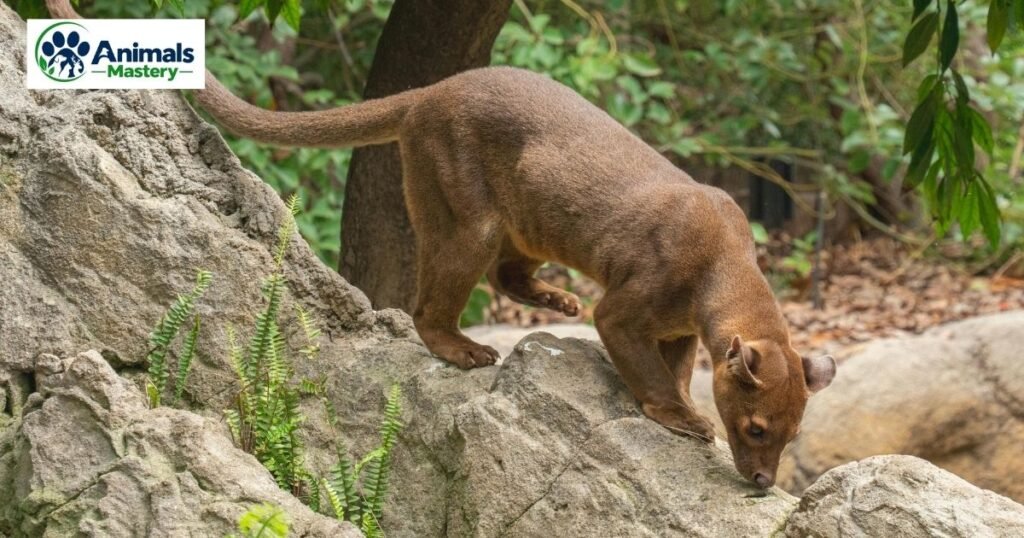
In contrast to the fossa’s prowess, its survival is increasingly at risk due to habitat destruction and poaching. Conservation efforts are underway, yet the fossa remains vulnerable, symbolizing the fragile state of Madagascar’s unique wildlife.
A fossa in the wild is a rare delight, showcasing its elegance and agility; it serves as a reminder of the beauty and diversity present in our planet’s ecosystems. Emphasizing its importance not only sparks interest in this captivating creature but also galvanizes efforts to protect its dwindling habitat.
Fritillary Butterfly
- Scientific Name: Argynnini
- Class: Insecta
- Diet: Herbivore
The Fritillary butterfly, a stunning member of the diverse world of animals that start with F, captivates enthusiasts with its striking patterns and vibrant colors. Found in various habitats, from meadows to woodlands, these butterflies display an intricate dance of orange and black spots that mimic the flickering sunlight filtering through leaves.
Their vivid presence not only enchants observers but also plays a vital role in ecosystems, serving as pollinators that support diverse plant life.

The life cycle of the Fritillary is an awe-inspiring transformation. Starting from a delicate egg, they metamorphose into caterpillars, known for their ability to adapt their diets to available host plants. This adaptability can determine their survival and spread, which highlights their ecological significance.
A Fritillary flutter through a garden isn’t just a visual delight; it represents the interconnectedness of nature, reminding us of the delicate balance within our environments and the importance of conservation efforts to protect these enchanting creatures.
Flycatcher
- Scientific Name: Muscicapidae
- Class: Aves
- Diet: Carnivore
The flycatcher, a nimble avian predator, captures our imagination with its delightful antics and vibrant plumage. These birds, belonging to various families, exhibit a unique hunting technique perching on a branch and darting out to snatch insects mid-air.
As one of the intriguing animals that start with F, flycatchers showcase incredible agility and precision that often leaves birdwatchers in awe.
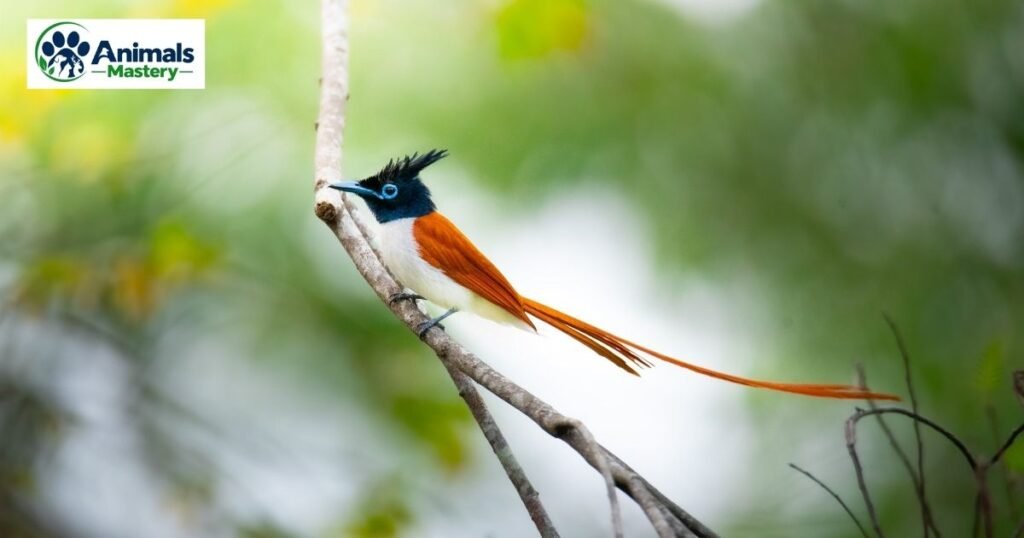
Beyond their hunting prowess, flycatchers are noteworthy for their diverse vocalizations, which range from melodious calls to sharp alarms. This rich tapestry of sounds not only aids in communication but also adds vibrancy to the ecosystems they inhabit.
They remind us of the intricate balance within nature; their presence can indicate healthy insect populations and, by extension, a thriving environment. A flycatcher can transform a mundane moment into a captivating display of wildlife, encouraging us to pause and appreciate the lesser-known marvels of the natural world.
Flamingo Flying
- Scientific Name: Phoenicopteridae
- Class: Aves
- Diet: Omnivore
Flamingos, among the vibrant animals that start with F, are captivating not just for their striking pink feathers but also for their unique behaviors and social structures. These elegant birds are filter feeders, using their specialized bills to sift through mud and water in search of crustaceans and algae, which contribute to their vivid coloration.
Interestingly, their hue isn’t innate; it’s derived from the carotenoid pigments in their diet, creating a living canvas that changes with their feeding habits.Flamingos are known for their complex social interactions.

Living in colonies that can number in the thousands, they engage in elaborate mating dances that consist of synchronized movements and posturing. These displays serve not only to attract partners but also reinforce bonds within the flock, illustrating a fascinating example of social cohesion in the animal kingdom.
As they wade together in shallow waters, their striking formations become visual symphonies, a dance of color and life that captures the essence of their vibrant existence.
Formosan Mountain Dog
- Scientific Name: Canis lupus familiaris
- Class: Mammalia
- Diet: Omnivore
The Formosan Mountain Dog stands out among the animals that start with F, not just for its striking appearance but also for its remarkable resilience and history. Originating from Taiwan, this breed embodies the spirit of survival, having thrived in the rugged mountainous terrain for centuries.
With a lean, athletic build and a sleek, short coat, they carry an air of elegance, perfectly suited for both agility in the wild and companionship in the home.
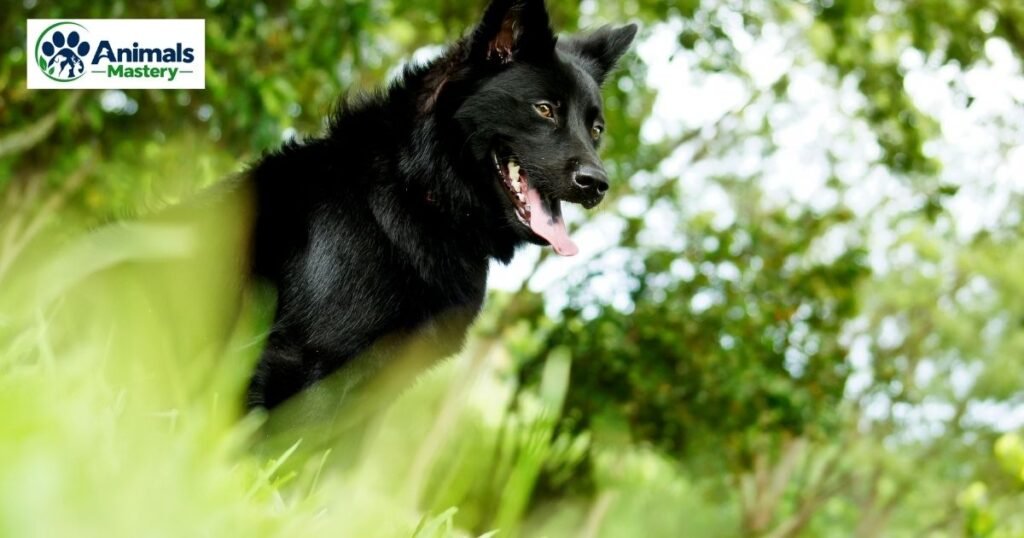
These dogs were revered by indigenous tribes, often regarded as guardians and hunting partners. Their loyalty and intelligence make them exceptional family pets, capable of forming deep connections with their human companions.
As awareness of this lesser-known breed grows, so does the call for responsible breeding and adoption, ensuring that these remarkable dogs find their place in modern homes without losing their storied heritage.
Flounder
- Scientific Name: Pleuronectoidei
- Class: Actinopterygii
- Diet: Carnivore
Flounder are fascinating flatfish that illustrate the wonders of evolution and adaptability among marine creatures. Known for their unique asymmetrical bodies, these fish have both eyes on one side of their flattened heads, allowing them to lie camouflaged on the ocean floor.
This distinctive trait not only aids in their survival against predators but also makes them adept hunters, as they ambush unsuspecting prey. Flounders can change color, blending seamlessly with sandy or muddy seabeds, a remarkable skill among animals that start with F.

Beyond their physical adaptations, flounders demonstrate intriguing social behavior. Often solitary, they can gather in schools during spawning season, showcasing a surprising side to their usually reclusive existence.
Their presence in ecosystems serves as an indicator of environmental health, making them vital to both marine biologists and sustainability advocates. This interplay between adaptation, survival, and ecological significance cements the flounder’s status as more than just a culinary delight; they are a testament to nature’s ingenuity.
Fishing Cat
- Scientific Name: Prionailurus viverrinus
- Class: Mammalia
- Diet: Carnivore
The Fishing Cat, a fascinating member of the feline family, stands out not just for its unique hunting skills but also for its adaptation to a semi-aquatic lifestyle. Unlike most cats that shy away from water, the Fishing Cat actively seeks it out, displaying remarkable swimming abilities to catch its primary prey fish.
This behavior makes it one of the few animals that start with F which exhibits such specialized feeding habits, relying on wetlands, rivers, and marshes for sustenance.

These elusive creatures play a critical role in maintaining healthy aquatic environments. By preying on fish populations, they help regulate species diversity, ensuring that aquatic ecosystems remain vibrant and resilient.
Unfortunately, their natural habitats are under constant threat from urbanization and climate change, making conservation efforts crucial for their survival. The Fishing Cat’s unique characteristics and ecological importance, we are reminded of the interconnectedness of all life forms, urging us to protect the delicate environments they inhabit.
Fallow Deer
- Scientific Name: Dama dama
- Class: Mammalia
- Diet: Herbivore
Fallow deer, among the elegant animals that start with F, offer a fascinating glimpse into the intricate web of natural history and inter-species relationships. Known for their distinct palmate antlers and varied coat patterns, from rich chestnut to mottled white, these creatures are a mesmerizing study in adaptation.
Their ability to change color with the seasons not only enhances their beauty but also serves as a survival mechanism, providing effective camouflage in diverse environments.

Their striking appearance, fallow deer also display intriguing social behaviors. They are known to gather in groups, and their mixed herds often consist of males, females, and young, exhibiting a clear social hierarchy. This herd mentality not only helps in foraging for food but also offers protection against predators, showcasing a remarkable system of communal living.
Their browsing habits play a crucial role in shaping ecosystems, influencing plant diversity and growth in their habitats. Fallow deer in the wild is not just an experience of witnessing grace; it’s an opportunity to reflect on the balance of life and the vital connections that exist within nature.
Freshwater Jellyfish
- Scientific Name: Craspedacusta sowerbii
- Class: Hydrozoa
- Diet: Carnivore
Freshwater jellyfish, often overlooked in discussions about aquatic life, are a fascinating component of freshwater ecosystems. Unlike their marine counterparts, these delicate creatures thrive in lakes, ponds, and slow-moving rivers, showcasing a surprising adaptability to different environments.
Their translucent, umbrella-shaped bells pulsate in a mesmerizing rhythm, a dance that’s as captivating as it is functional, propelling them gracefully through the water while also attracting a variety of tiny prey.
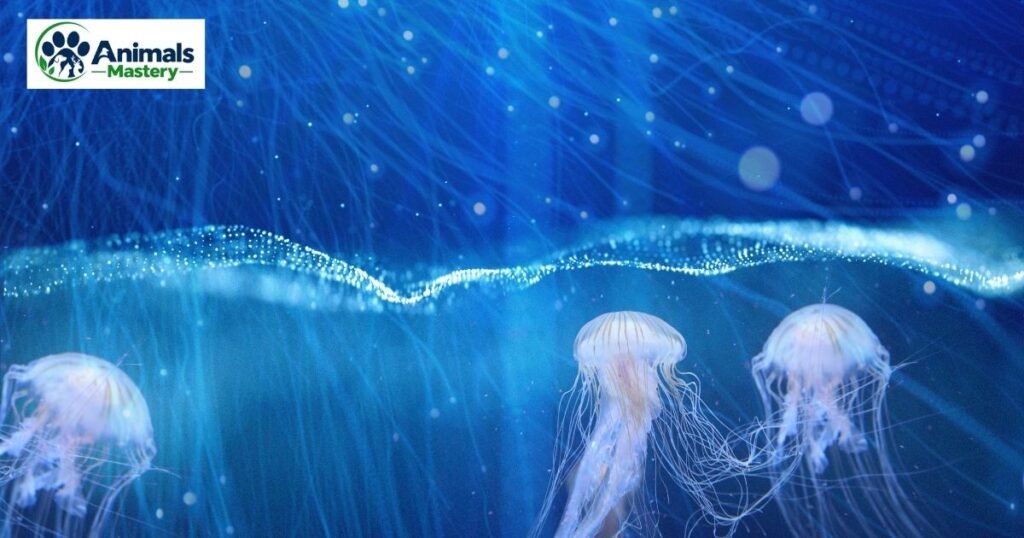
They can reproduce both sexually and asexually, allowing them to flourish even in less-than-ideal conditions. This resilience makes them remarkable survivors in changing ecosystems, providing valuable insights into environmental health.
They often go unnoticed by many, which can lead to an unhealthy dismissal of these animals that start with F. These ethereal beings in their natural habitat can shift our perspective on biodiversity, reminding us that even the smallest creatures play an essential role in the broader tapestry of life.
Fairy-Wren
- Scientific Name: Maluridae
- Class: Aves
- Diet: Carnivore
The fairy-wren, a diminutive gem among animals that start with F, captivates bird-watchers and nature enthusiasts alike with its vibrant plumage and enchanting behavior. Found predominantly in Australia, these birds exhibit a dazzling transformation between sexes, with males donning a brilliant blue and black breeding plumage that contrasts vividly with the earthy tones of their female counterparts.

What sets fairy-wrens apart is their social structure; these charming creatures often live in cooperative breeding groups. In these tight-knit communities, multiple males may assist a single female in raising her brood, a phenomenon that underscores a unique approach to survival.
This cooperative behavior invites a deeper examination of avian social dynamics, prompting questions about the evolutionary advantages of such arrangements. As the fairy-wren flits and flutters through dense foliage, it not only enchants those fortunate enough to witness its antics but also serves as a living testament to the complexities of nature’s design.
Flathead Catfish
- Scientific Name: Pylodictis olivaris
- Class: Actinopterygii
- Diet: Carnivore
Flathead catfish, among the fascinating animals that start with F, are not just remarkable for their size but also for their unique behaviors. These bottom-dwelling giants can grow up to 100 pounds, but it’s their hunting strategies that truly set them apart.
Known for their nocturnal tendencies, flatheads utilize their excellent sense of smell and keen eyesight to ambush prey, primarily focusing on live bait such as smaller fish, frogs, and even small mammals. Their flattened heads aren’t just for aesthetics; they play a crucial role in their ability to maneuver through the murky waters of rivers and lakes.
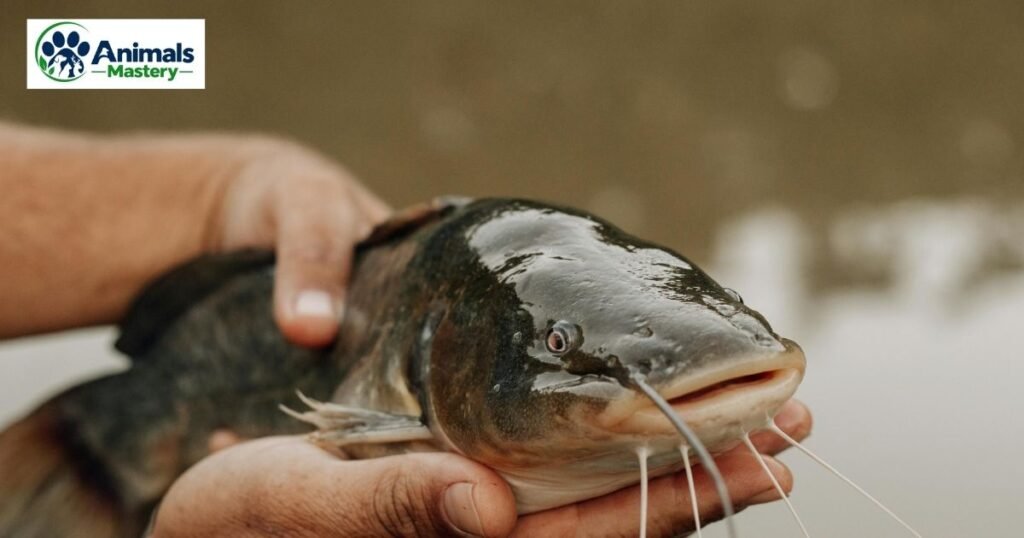
Their impressive hunting skills, flathead catfish possess a fascinating adaptability to different habitats. They thrive in a variety of environments, from fast-flowing rivers to still lakes, often taking refuge among submerged structures that offer both cover and hunting grounds.
This adaptability has raised questions among researchers about how environmental changes affect their populations and locations.
Firefly
- Scientific Name: Lampyridae
- Class: Insecta
- Diet: Carnivore
Fireflies, those enchanting insects often seen flickering in summer evenings, are more than just a charming sight; they represent a fascinating biological phenomenon. As members of the family Lampyridae, these luminous creatures employ bioluminescence for communication, particularly in mating rituals.
The soft glow emitted by fireflies isn’t merely for aesthetics; it’s a complex language of light, with different patterns signaling various intentions. This unique way of interacting showcases the incredible adaptability of animals that start with F, highlighting how evolution shapes behavior and survival strategies.
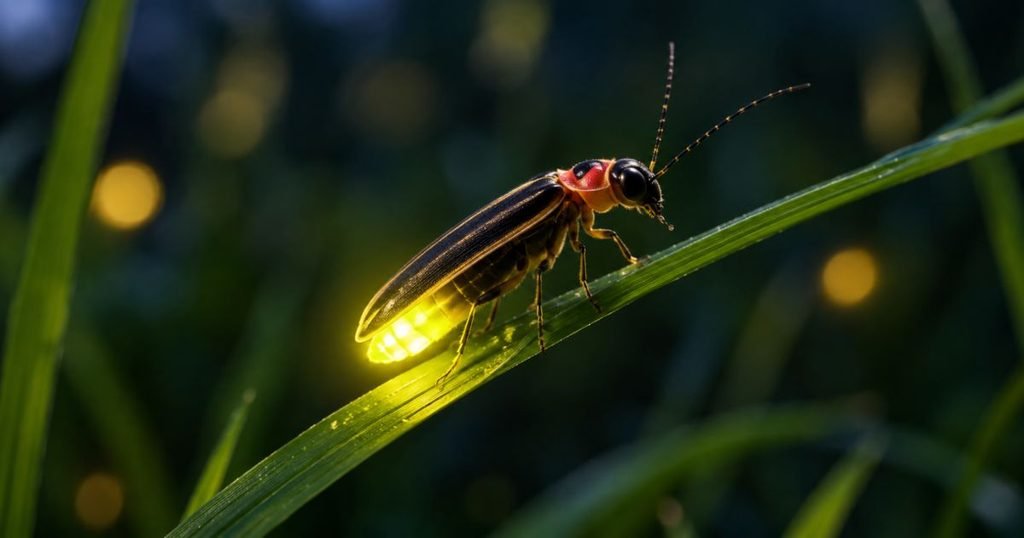
Their romantic glow, fireflies are indicators of environmental health. Their declining populations serve as a warning sign, reflecting broader ecological issues like habitat destruction and light pollution. Protecting fireflies means conserving not just these beautiful insects but the ecosystems they inhabit.
As we admire their twinkling lights, we’re invited to ponder our role in maintaining the balance of nature, reminding us that even the most ephemeral creatures can profoundly impact our world. Embracing the magic of fireflies isn’t just about witnessing their beauty; it’s about fostering a deeper connection to the environment and the myriad of animals that share our planet.
French Bulldog
- Scientific Name: Canis lupus familiaris
- Class: Mammalia
- Diet: Omnivore
The French Bulldog, a beloved breed among urban dwellers, offers a unique blend of charm and adaptability. Known for their distinctive bat-like ears and affectionate nature, these dogs have carved out a niche as companions for busy city life.
Their small stature makes them an ideal choice for apartments, yet they possess a playful spirit that keeps their owners entertained. Despite their compact size, French Bulldogs are known for their robust personalities, often resembling little clowns with their comical antics and stubborn streaks.
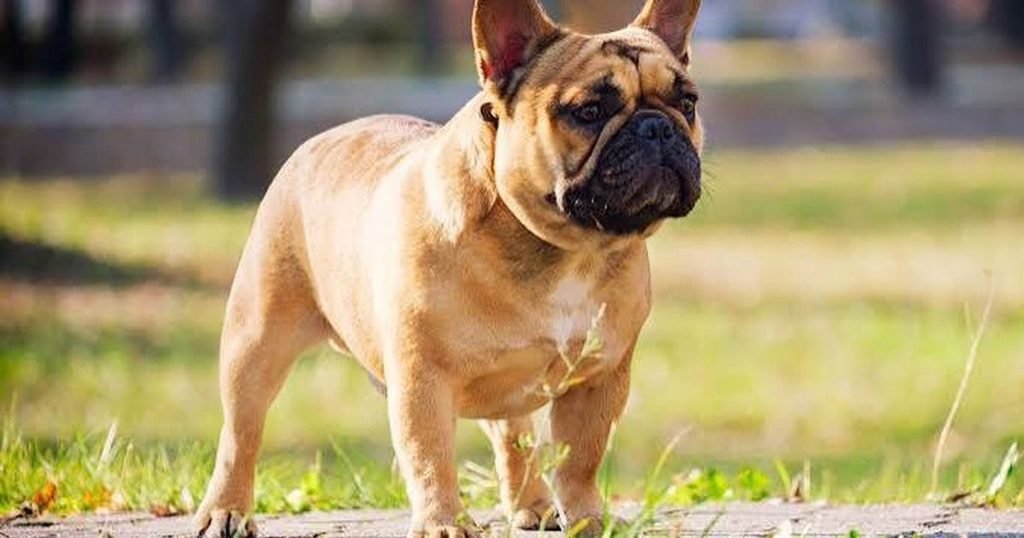
What sets French Bulldogs apart from other animals that start with F, like foxes or ferrets, is their uncanny ability to balance independence with loyalty. They thrive on human interaction, eagerly seeking attention and affection, making them excellent emotional support animals.
Their relatively low exercise needs mean they can happily adapt to a variety of lifestyles while still engaging in lively play sessions. This breed’s endearing quirks and unique temperament make them not just pets but integral family members, capable of brightening even the dullest of days.
Fennec Fox
- Scientific Name: Vulpes zerda
- Class: Mammalia
- Diet: Omnivore
Among the remarkable animals that start with F, the fennec fox stands out not just for its whimsical appearance but also for its unique adaptations. Native to the Sahara Desert, this diminutive fox possesses oversized ears that serve a dual purpose: they help dissipate heat in the scorching desert climate and enhance its acute sense of hearing.

What truly captivates observers is the fennec fox’s playful behavior and social structure. Unlike many solitary fox species, fennec foxes often live in small family groups, fostering a sense of community that is charming to watch. Their curious nature leads them to engage in intricate play, showcasing agility as they leap and bound across the desert terrain.
This social facet not only enriches their lives but also strengthens bonds within the group, revealing a fascinating side to the animal kingdom that challenges the notion of survival solely based on individual prowess.
Fur Seal
- Scientific Name: Otariinae
- Class: Mammalia
- Diet: Carnivore
Fur seals, often overlooked in discussions about marine wildlife, showcase incredible adaptability and social behavior that distinguishes them among animals that start with F. Found predominantly in the icy waters of the Southern Hemisphere, especially around the Antarctic, these mammals are more than just charismatic pinnipeds.
Their thick layers of fur not only serve as insulation in frigid temperatures but also play a critical role in their survival, enabling them to thrive in some of the world’s harshest environments.

Their physical adaptations, fur seals exhibit intriguing social dynamics. During the breeding season, males engage in fierce battles for territory and the attention of females, demonstrating a complex hierarchy that highlights their social structures.
Surprisingly agile, they can dive to impressive depths in search of prey, showcasing their role as hunters in the marine ecosystem. These remarkable animals remind us of the intricate interconnections in nature and the importance of conservation efforts, as their populations face threats from climate change and human activities.
Florida Panther
- Scientific Name: Puma concolor coryi
- Class: Mammalia
- Diet: Carnivore
The Florida Panther, a subspecies of the cougar, is not just an emblem of the state’s wild beauty; it embodies the fragile balance of its ecosystem. With its sleek, tawny coat and striking green eyes, this elusive feline commands both awe and respect.
Unlike many large cats, Florida Panthers exhibit fascinating behaviors tied to their dense, subtropical habitat, often utilizing trees and swamps for hunting and shelter. Their distinct adaptability showcases the resilience of wildlife amidst environmental challenges and urban encroachment.
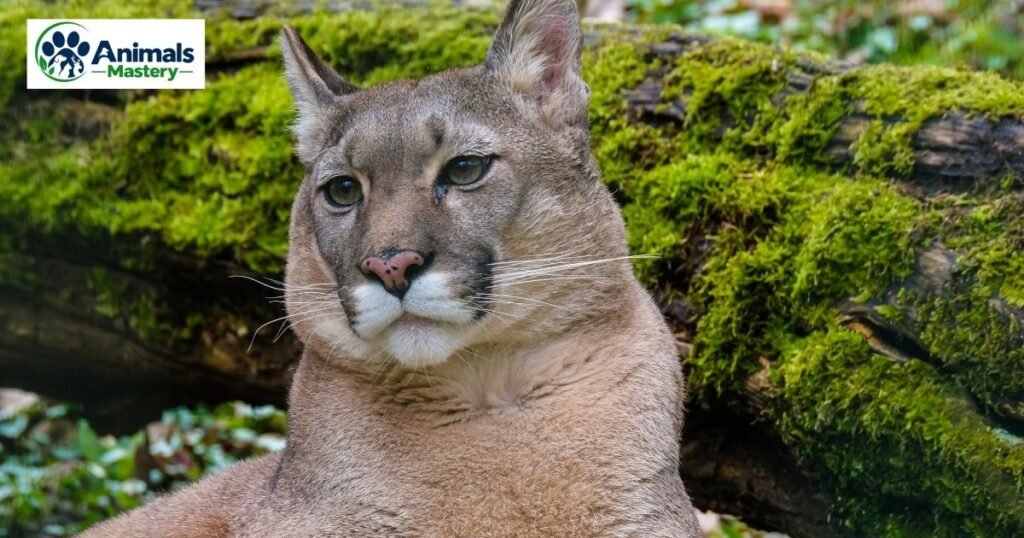
In recent years, conservation efforts have heightened awareness around not only the Florida Panther but also the broader plight of endangered species in America. These magnificent creatures serve as a poignant reminder of the interconnectedness of life, illustrating how one animal’s survival can reflect the health of its entire ecosystem.
As habitats shrink and challenges mount, discussions about habitat restoration and wildlife corridors are more critical than ever. For anyone invested in wildlife conservation, understanding the plight of the Florida Panther offers deep insights into the challenges faced by many animals that start with F, reminding us that our actions today will shape the natural world for generations to come.
Fox
- Scientific Name: Vulpes
- Class: Mammalia
- Diet: Omnivore
The fox, often perceived as a cunning trickster in folklore, holds a deeper significance in ecosystems as a vital predator. With their keen senses and adaptability, foxes play a crucial role in maintaining biodiversity; they help control populations of small mammals and insects, preventing overpopulation and promoting a balanced habitat.
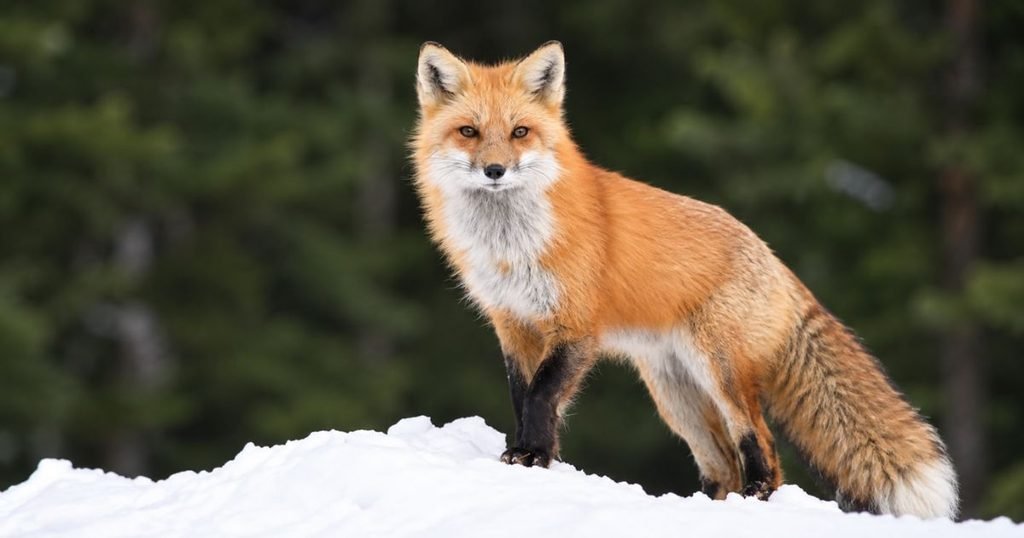
Their ability to thrive in diverse environments from dense forests to urban landscapes highlights their remarkable versatility and resilience. The fox symbolizes agility and cleverness in various cultures. Many indigenous tales portray the fox as a teacher, embodying the wisdom found in adaptability and survival.
This duality of the fox as both a humorous trickster and a wise teacher offers profound lessons on the importance of navigating life’s complexities with both wit and strategy. Observing these enchanting creatures in the wild can inspire a deeper appreciation for the intricate web of life they support, reminding us that every animal, no matter how small, has a vital role to play.
Frog
- Scientific Name: Anura
- Class: Amphibia
- Diet: Carnivore
The frog, often dismissed as a simple amphibian, serves as a fascinating lens into environmental health and biodiversity. Frogs have permeated cultures worldwide, symbolizing transformation and renewal, owing to their remarkable life cycle from tadpole to adult.
This metamorphosis not only captivates storytellers but also underscores the adaptability of these creatures in varying environments. With over 6,000 species, each showcasing unique adaptations from the vibrant poison dart frog to the resilient desert toad these amphibians are marvels of evolution.

Recent studies highlight the alarming decline of frog populations globally, triggered by habitat loss, climate change, and emerging pathogens. These dramatic shifts are not mere numbers; they signal a broader ecological imbalance. Frogs play pivotal roles as both predators and prey in their ecosystems, maintaining the health of insects and other small creatures.
Their sensitive skin is a barometer for environmental toxins, making them crucial indicators of ecological well-being. In our rapidly changing world, understanding and conserving frog populations is essential, not just for the frogs themselves, but for the overall tapestry of life they represent.
Finch
- Scientific Name: Fringillidae
- Class: Aves
- Diet: Omnivore
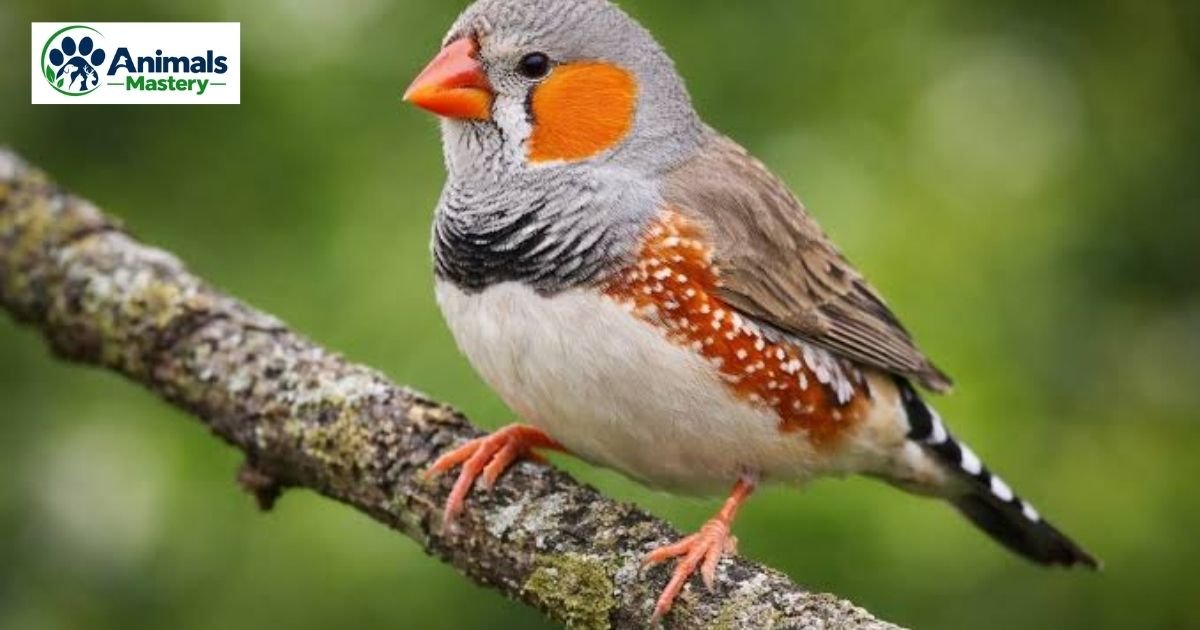
Finches, those delightful little birds that fall under the category of animals that start with F, are a marvel in the avian world. With over 200 species, their diversity is a testament to nature’s creativity. Often seen flitting from branch to branch, finches are not just visually appealing; they play an essential role in seed dispersal, aiding in the propagation of various plants.
Their vibrant colors, from the fiery reds to soothing greens, serve both as camouflage and a display for attracting mates, engaging birdwatchers with their dazzling presence.
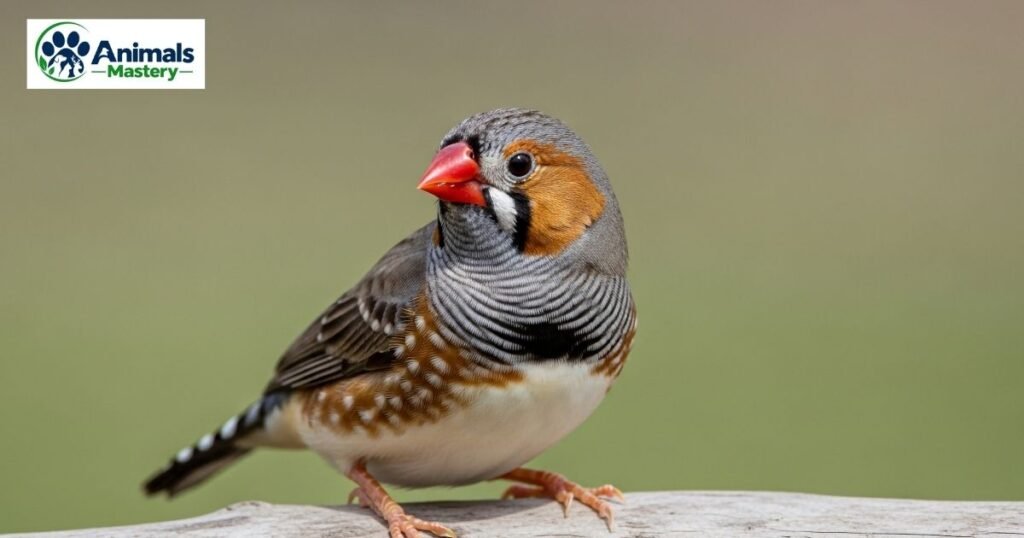
Finches demonstrate fascinating social behavior. Many species thrive in flocks, showcasing complex communication that shifts with their environmental context. Researchers have identified distinct calls that can signal warning or invite mates, providing a glimpse into their intricate social lives.
This adaptability not only enhances their survival odds but also enriches the ecosystems they inhabit. Finches in their natural habitat invites you to appreciate the interconnectedness of all life, reminding us that even the smallest of creatures contribute significantly to our world.
Dive Deeper Into the World of Pets
Top 17 Fascinating Animals That Have Manes : Manes aren’t just about lions; many maned creatures also happen to be impressive hunters or, in some cases, food for other predators. If you’re curious about animals that give birth to live young after hatching eggs internally, check out our guide on ovoviviparous animals.
Top 20 Ovoviviparous Animals in the World : Ovoviviparous animals showcase one of nature’s most unique reproductive strategies, blending traits of both egg-laying and live-birth species. Many of these same creatures also appear in our roundup of scavenger birds, since some ovoviviparous species scavenge for food in the wild.
Animals that start with F, continue exploring the alphabet with our guide to animals that start with the letter C. You’ll discover a variety of fascinating species, fun facts, and interesting characteristics that make learning about wildlife even more enjoyable.
Top 31 Animals With 5 Letters : Animal names can be as diverse as the creatures themselves, and this list of 5-letter animal names includes everything from big cats to birds. Interestingly, several of these short-named animals also appear on our list of scavenger birds and manned animals.
You enjoyed discovering animals that start with F, continue your wildlife journey with our guide to animals that start with Q. It’s packed with interesting species, fun facts, and colorful pictures that make learning the animal alphabet even more enjoyable.
Top 20+ Scavenger Birds in The World : Scavenger birds play a vital role in nature’s cleanup crew, often feeding on carrion that other animals avoid. Some of these birds share space in the wild with maned animals and even a few ovoviviparous species featured in our other guides.
Conclusion
The top 33 Animals That Start With F, it’s clear that this fascinating letter opens the door to a world teeming with variety and intrigue. From the mesmerizing Fennec Fox to the flamboyant Flamingo, these creatures showcase the incredible adaptability and beauty of wildlife.
Each animal on the list plays a vital role in its ecosystem, reminding us of our responsibility to protect these majestic beings and their environments. We hope this article has sparked your curiosity and encouraged you to delve deeper into the lives of these amazing animals.
FAQs
What animal begins with f?
There are several fascinating animals that begin with the letter “F.” One prominent example is the falcon, a bird of prey known for its incredible speed and keen eyesight.
How many animals are in F?
The question “How many animals are in F?” could refer to a variety of contexts, like species names that start with the letter “F.” If we consider common animals, examples include foxes, falcons, frogs, and ferrets.
What’s the cutest animal in the sea?
strong contenders include harbor seal pups with their round eyes and puppy-like faces, tiny camouflaged pygmy seahorses, and the dumbo octopus, whose ear-like fins make it look like it’s “flying” underwater. Since “cute” is subjective, sea otters tend to win by popular vote, largely due to their baby-like features and playful behavior, which trigger a strong instinctive appeal in humans.