Top 15 Animals Like Ferrets You Should Know (With Pictures & Fun Facts)
These playful little creatures have a special knack for capturing our hearts, but they aren’t the only animals that share their delightful qualities. In exploration, Top 15 Animals Like Ferrets (With Images), we’ll explore other fascinating pets that mirror ferrets’ spirited nature.
Whether you’re searching for a new companion or simply curious about similar animals, you’ll discover a variety of intriguing options right here.
List of Animals Like Ferrets
Below is the list of animals like ferrets:
- Mink
- Weasels
- Ringtail
- Genet
- Martens
- Fisher
- Meerkat
- Skunks
- Wolverines
- Civet
- Stoat
- Mongooses
- Polecats
- Otters
- Badgers
Mink
- Scientific Name: Neogale vison
- Class: Mammalia
- Diet: Carnivore
Sleek, agile hunter: Minks, with their sleek fur and agile bodies, are not only captivating fur farmers’ favorites but also intriguing companions in the wild. These agile hunters have adapted remarkably well to their environments, often found along riverbanks or in wetlands, showcasing their adept swimming skills.
Their playful nature and high energy make them somewhat akin to ferrets, yet they retain their wild instincts, making them less suitable as pets.
Hunts fish and rodents: Minks, closely related to ferrets, are agile creatures known for their playful demeanor and sleek fur. These small mammals hunt fish and rodents, showcasing their adaptability in various environments from wetlands to forests.

They are remarkable hunters, and their inquisitive nature makes them engaging companions for those fortunate enough to keep them as pets.
Lives near water: Minks are fascinating creatures that embody the sleek elegance of semi-aquatic mammals, thriving in regions close to water bodies. Their agile bodies and playful demeanor often find them in wetlands and riversides, where they hunt for fish, frogs, and small mammals.
With fur that glistens in the sunlight, minks not only serve as vital components of their ecosystems but also draw admiration for their beauty and adaptability.
Weasels
- Scientific Name: Mustela nivalis
- Class: Mammalia
- Diet: Carnivore
Small, stealthy predators: Weasels, along with their close relatives like ferrets, embody the essence of small, stealthy predators in the animal kingdom. These agile carnivores are often misinterpreted due to their size, but they possess extraordinary abilities for hunting and stealth that rival much larger animals.
With bodies designed for slip-and-slide maneuverability, they expertly navigate dense underbrush and burrows, making them masterful hunters of various small prey. Their social structures vary from solitary existences to communal living, adding depth to their behavioral dynamics.

Seasonal white coat: Weasels, often overlooked in the animal kingdom, share fascinating similarities with ferrets, especially in their adaptability and playful demeanor. These slender, agile creatures are notable for their seasonal white coat, which not only provides excellent camouflage during winter months but also showcases their remarkable evolutionary traits.
This transformation is more than aesthetic; it’s a testament to their survival skills in contrasting environments.
Control rodent populations: Weasels, with their agile bodies and sharp instincts, play a pivotal role in controlling rodent populations, making them valuable allies in maintaining ecological balance. Their remarkable hunting skills are complemented by their curiosity and intelligence, traits shared by several animals that resemble ferrets.
For instance, the playful mongoose not only showcases similar agility but is also known for its fearless encounters with snakes, highlighting the diverse survival strategies among this group.
Ringtail
- Scientific Name: Bassariscus astutus
- Class: Mammalia
- Diet: Omnivore
Long, ringed tail: The creatures that share a resemblance with ferrets, the ringtail stands out with its striking long, ringed tail that not only captivates the eye but also serves vital functions in its life. This agile mammal, native to North America, uses its remarkable tail for balance as it navigates rocky terrains and tree branches.
The ringtail’s playful nature and adaptability echo the spirited antics of ferrets, making it another intriguing companion in the animal kingdom.
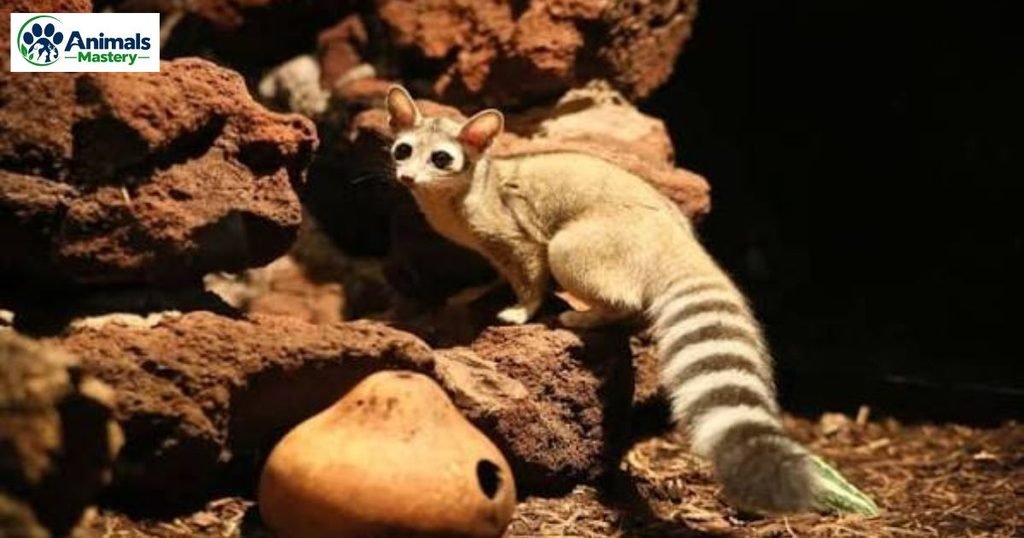
Excellent climber: The ringtail, often mistaken for a raccoon due to its bushy tail and masked face, is an excellent climber that showcases remarkable agility in trees and rocky terrains. With a body that’s sleek and built for climbing, ringtails are adept at navigating their natural habitat, often hunting for insects, fruits, and small mammals.
Their nocturnal lifestyle adds an intriguing layer to their behavior, as they become more active under the cover of night, revealing their playful nature as they explore.
Mostly nocturnal: The ringtail, a member of the raccoon family, captivates with its striking appearance and playful personality. Mostly nocturnal, these agile creatures are adept at climbing, using their long, bushy tails for balance as they navigate rocky terrains.
Genet
- Scientific Name: Genetta genetta
- Class: Mammalia
- Diet: Omnivore
Long, agile body: Genets, often confused with ferrets due to their sleek and agile physiques, offer a fascinating glimpse into the world of small, charismatic mammals. With their long, agile bodies and striking spotted coats, genets not only share physical similarities with ferrets but also boast a playful demeanor that makes them equally enchanting as pets.
Nocturnal explorer: Ferrets are often celebrated for their playful and curious nature, but numerous other animals also fit this vibrant mold of the nocturnal explorer. For instance, the sugar glider, with its ability to glide gracefully between trees, presents an enchanting alternative.

These small marsupials are social creatures, forming tight bonds with their owners and showcasing a playful demeanor akin to ferrets.
Skilled climber: Ferrets are renowned for their playful demeanor and curious nature, but many other animals share similar traits. For instance, the marten is a skilled climber that thrives in forested environments.
With their agile bodies and sharp reflexes, martens can effortlessly navigate trees in search of food, offering a delightful spectacle of natural agility. Their playful antics and social behaviors echo the spirited charm found in ferrets, making them captivating companions in their own right.
Martens
- Scientific Name: Martes martes
- Class: Mammalia
- Diet: Omnivore
Sleek, dense fur: Martens, members of the weasel family, are renowned for their sleek, dense fur that not only captivates the eye but also serves a practical purpose in their often harsh habitats. These agile creatures are adept climbers, showcasing a remarkable adaptability that mirrors the lives of other fascinating animals similar to ferrets.
Each of them shares a unique environment that shapes their behaviors and physical traits, from the playful otter to the elusive wolverine.
Agile tree climbers: Martens, are fascinating members of the Mustelidae family, known for their playful nature and agility. These agile tree climbers showcase remarkable adaptability in their habitats, often found darting through forests where they deftly maneuver branches in pursuit of prey.
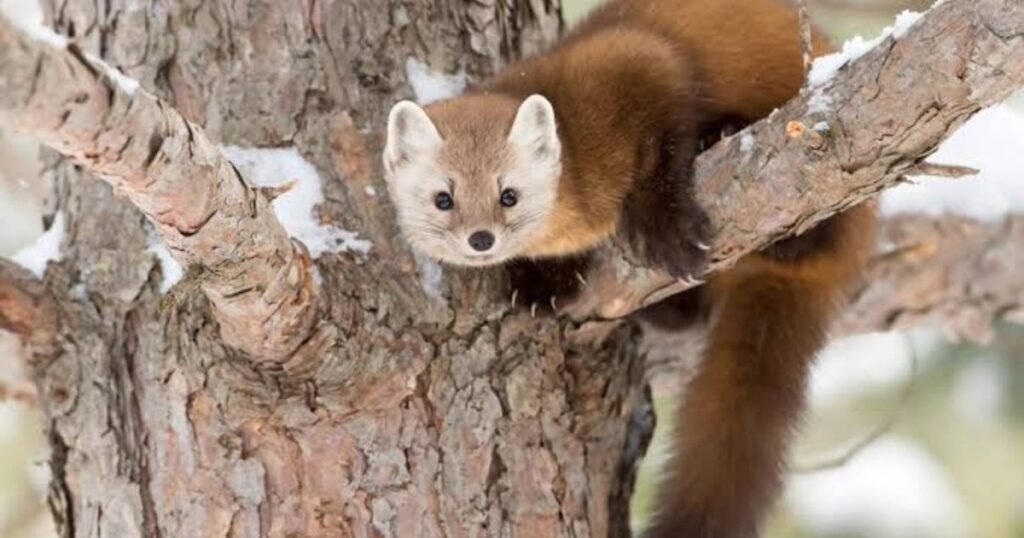
Similar to ferrets, martens have acute senses and are skilled hunters, providing a unique glimpse into the wild’s interconnected ecosystem.
Hunt small prey: Martens, much like ferrets, are part of the Mustelidae family and exhibit a playful yet predatory nature. These agile creatures are adept at hunting small prey, showcasing their versatility in various habitats, from dense forests to suburban backyards.
Their slender bodies and sharp claws allow them to navigate trees with remarkable ease, often preying on birds, rodents, and insects. Observing a marten in action reveals a fascinating interplay of stealth and speed.
Fisher
- Scientific Name: Pekania pennanti
- Class: Mammalia
- Diet: Carnivore
Dark, elongated body: Exploring the diverse world of animals similar to ferrets reveals fascinating creatures with unique adaptations and behaviors. One standout is the fisher, a dark, elongated body mammal found in North America’s forests.
With a knack for agility and a penchant for climbing, fishers are surprisingly adept hunters, often preying on porcupines. Their sleek fur and stealthy nature make them formidable in their habitats, showcasing the delicate balance of predator and prey.
Skilled climber: When exploring the world of animals akin to ferrets, it’s fascinating to consider their unique adaptations and behaviors. Take the fisher, for instance; this skilled climber is not only adept at navigating treetops but also holds a reputation as a fierce predator in its habitat.

Its agility mirrors that of the nimble ferret, showcasing how both creatures thrive in diverse environments. Fishers are known for their ability to hunt porcupines, using their adept climbing skills to access their prey hidden in trees.
Hunts porcupines: The fisher, a member of the weasel family, is often overlooked in discussions about fascinating wildlife, yet it plays a crucial role in its ecosystem. Known for its agility, the fisher hunts porcupines with remarkable skill, despite the quills’ daunting defenses.
This predator uses a clever strategy, targeting the soft underbelly of its spiny prey, showcasing both intelligence and adaptability. Observing the fisher in its natural habitat reveals not only its impressive hunting techniques but also its importance in controlling porcupine populations, ultimately supporting a balanced ecosystem.
Meerkat
- Scientific Name: Suricata suricatta
- Class: Mammalia
- Diet: Carnivore
Lives in family groups: Meerkats, known for their charming upright postures, offer a fascinating glimpse into social dynamics as they thrive in family groups. Living in cohesive troops, these small mammals exhibit an intriguing blend of cooperation and individuality.
Their daily antics such as sentry duty, where one meerkat stands watch while others forage highlight the intricate balance of teamwork crucial for survival in the harsh African deserts.
Uses sentinel guards: Meerkats, with their vibrant social structures and charming antics, are exceptional animals that share intriguing similarities with ferrets. Living in tightly-knit family groups, meerkats employ a fascinating system of sentinel guards, where one member remains vigilant, watching for predators while others forage for food.
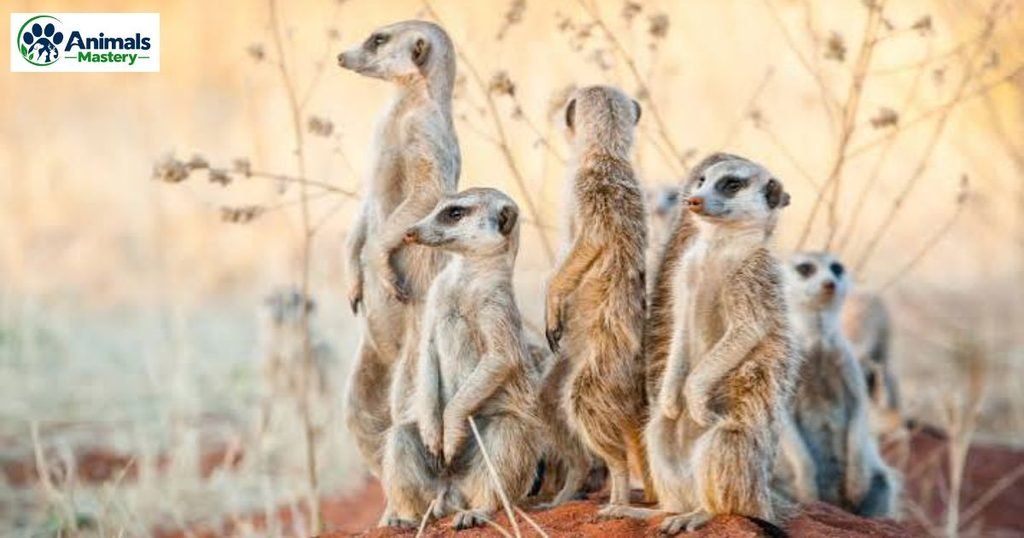
This unique behavior emphasizes the importance of community and cooperation, reflecting a level of intelligence and social complexity that many might not expect from small mammals.
Highly cooperative: Meerkats, often celebrated for their quirky antics and striking appearances, are a prime example of highly cooperative social behavior in the animal kingdom. Living in tight-knit groups called clans, these small mammals exhibit remarkable teamwork when it comes to protection and foraging.
While one or two meerkats stand guard, the rest diligently search for food or play among the sun-soaked sand, showcasing a level of communication and trust that’s both fascinating and heartwarming.
Skunks
- Scientific Name: Mephitis mephitis
- Class: Mammalia
- Diet: Omnivore
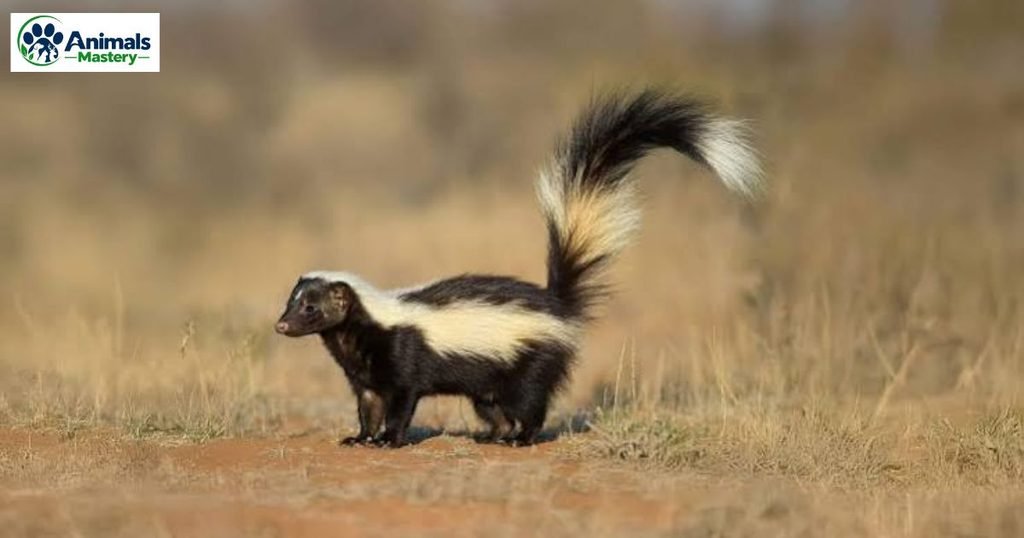
Strong defensive spray: Skunks, often misunderstood, share more similarities with ferrets than one might think. These nocturnal creatures, known for their striking black and white patterns, possess a strong defensive spray that can deter even the most curious predators.
Beneath this pungent defense lies a fascinating social structure and playful behavior that mirror the ferret’s spirited nature.
Curious and playful: Skunks, often misjudged for their infamous scent, share surprising similarities with ferrets in terms of behavior and charming antics. Both are part of the Mustelidae family, which gives them a curious and playful nature that captivates animal lovers.
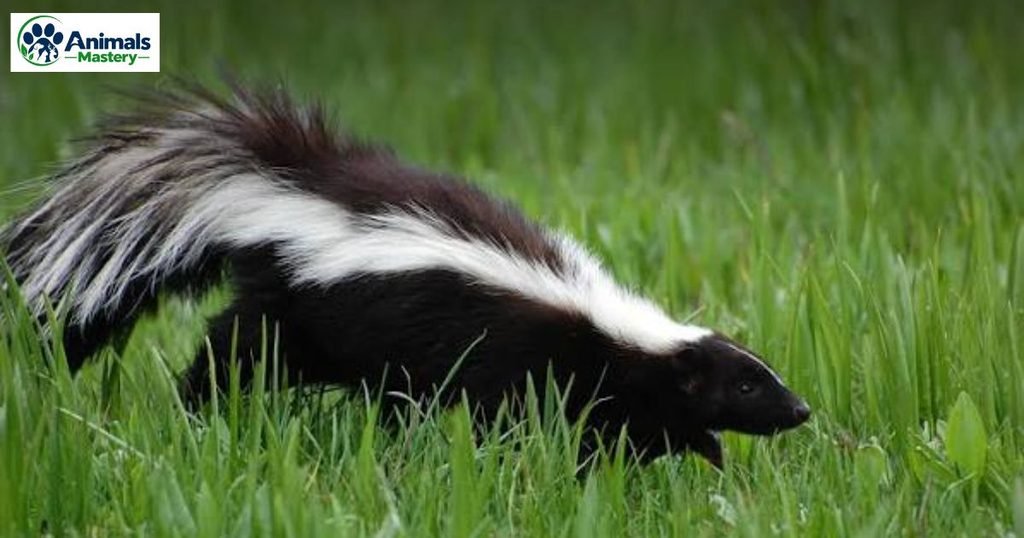
Skunks, much like ferrets, are highly intelligent creatures that thrive on social interaction and enrichment. Their playful antics, from vibrant play-fighting to their unique way of dancing on their hind legs.
Omnivorous diet: Skunks, often overlooked in discussions about unique pets, share intriguing similarities with ferrets. Both species possess an omnivorous diet, allowing them to thrive on a range of foods, from fruits to small insects.
This adaptability influences their care requirements and makes them fascinating to observe in their natural habitats. For example, skunks are known to forage in gardens, delighting in ripe berries and crunchy beetles.
Wolverines
- Scientific Name: Gulo gulo
- Class: Mammalia
- Diet: Carnivore
Powerful and solitary: Wolverines, known for their powerful build and solitary nature, are among the most fascinating members of the weasel family. Despite their relatively small size, these animals exhibit incredible strength, capable of taking down prey much larger than themselves.
Their robust bodies are designed for endurance, allowing them to traverse the harshest terrains in search of food, which ranges from small mammals to carrion.
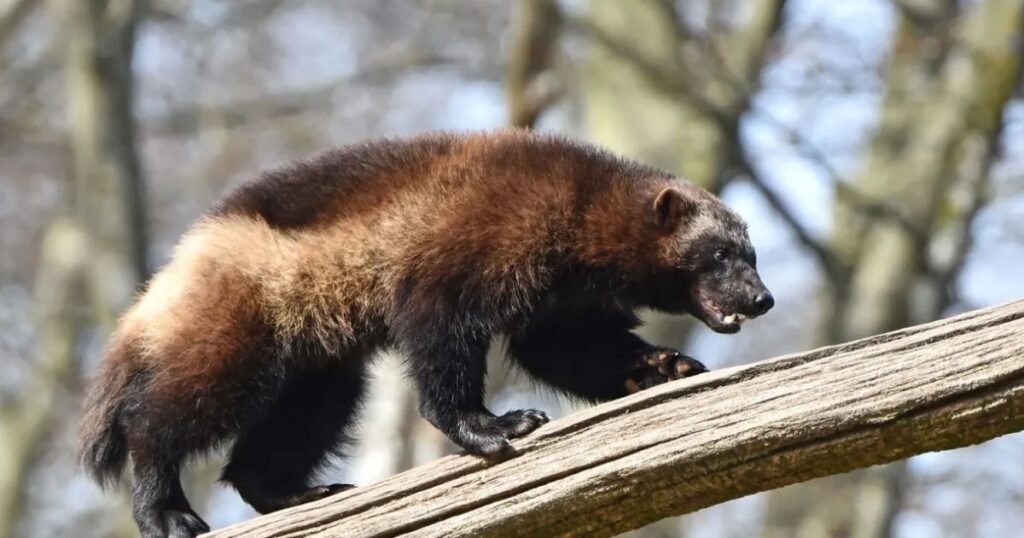
Tough wilderness survivor: Wolverines, often regarded as the tough wilderness survivors of the animal kingdom, embody resilience and fierce tenacity. These stocky creatures, with their thick fur and muscular build, navigate through some of the harshest terrains, showcasing an unparalleled adaptability that few other animals can match.
Unlike ferrets, which are domesticated and playful, wolverines maintain a wild, elusive nature, making them symbols of strength in the face of adversity.
Excellent long-distance traveler: Wolverines, often overshadowed by their larger cousins, are remarkable creatures known for their fierce determination and impressive adaptability. These incredible animals are excellent long-distance travelers, they possess a level of tenacity that can make even the most formidable predators think twice.
They navigate vast, rugged terrains with ease, and their keen sense of smell allows them to locate food sources buried beneath several feet of snow.
Civet
- Scientific Name: Civettictis civetta
- Class: Mammalia
- Diet: Omnivore
Nocturnal mammal: Civets, often overshadowed by their more popular relatives like ferrets, are fascinating nocturnal mammals that belong to the Viverridae family. Renowned for their unique markings and agile bodies, these creatures possess remarkable adaptability, thriving in various habitats from tropical forests to rural farmlands.
Unlike ferrets, which are domesticated and often kept as pets, civets are wild animals, known for their elusive nature and secretive behaviors.
Long, slender body: Civets, known for their long, slender bodies and agile movements, are fascinating creatures that capture the imagination of many animal lovers. Often mistaken for ferrets due to their similar shapes, civets belong to the family Viverridae and display unique traits that set them apart.

These nocturnal mammals are widely distributed across Africa and Asia, often residing in forests and savannas. Their diet primarily consists of fruits, small animals, and insects, showcasing their adaptability in diverse habitats.
Distinctive facial markings: Civets, often overshadowed by their more popular relatives, boast distinctive facial markings that set them apart in the animal kingdom. These small, nocturnal mammals are celebrated for their secretive behavior and elegant grace.
With their slender bodies and long tails, civets possess a unique charm that captivates wildlife enthusiasts. Unlike ferrets, civets primarily thrive in tropical forests, using their keen senses to navigate through dense foliage.
Stoat
- Scientific Name: Mustela erminea
- Class: Mammalia
- Diet: Carnivore
Seasonal coat change: The stoat, often confused with the weasel, is a fascinating creature that showcases one of nature’s most striking adaptations: the seasonal coat change. In winter, their fur transforms into a brilliant white, providing excellent camouflage against the snow, while in summer, it shifts back to a rich brown.
This incredible transformation not only highlights their adaptability but also serves as a reminder of the intricate relationships between animals and their environments.

Agile predator: The stoat, a small but agile predator, is often mistaken for its larger weasel relatives. With its sleek body and short limbs, this remarkable creature showcases extraordinary adaptability, thriving in various habitats, from lush woodlands to mountainous regions. Its striking brown fur, which turns white in winter, provides effective camouflage.
Hunts small mammals: The stoat, a member of the weasel family, captivates wildlife enthusiasts with its sleek body and agile movements. Hunts small mammals like rabbits and rodents with remarkable efficiency, the stoat showcases a blend of adaptability and cunning that makes it a fascinating creature to observe.
Its stunning seasonal fur changes, from a rich brown in summer to a striking white in winter, not only serve as camouflage but also highlight its role in the ecosystem.
Mongooses
- Scientific Name: Herpestes edwardsii
- Class: Mammalia
- Diet: Carnivore
Snake-fighting predator: Mongooses are often revered as snake-fighting predators, showcasing a remarkable resilience and agility that sets them apart in the animal kingdom. With agile bodies and sharp reflexes, these creatures have evolved specialized adaptations that allow them to confront venomous snakes with an almost fearless demeanor.
Their unique ability to withstand snake venom is not just a survival tactic; it reveals a sophisticated immune system fine-tuned over generations of cohabitation with such dangerous foes.
Can tolerate some venom: Mongooses are fascinating creatures, known for their agility and curious nature. These small carnivores are members of the Herpestidae family and have gained notoriety for their fearless encounters with snakes.

Certain mongoose species can tolerate some venom, allowing them to hunt and consume snakes that are deadly to many other animals. This remarkable ability showcases their evolutionary adaptations, making them not only efficient hunters but also a unique focal point in the animal kingdom.
Highly agile: Mongooses are fascinating creatures that belong to the family Herpestidae, known for their highly agile movements and remarkable adaptability. These small mammals, primarily found in Africa and Asia, are skilled hunters, often taking on venomous snakes with speed and precision.
Their social structures vary widely, with some species living in tight-knit groups while others prefer solitary habits, showcasing a remarkable range of behavioral adaptations.
Polecats
- Scientific Name: Mustela putorius
- Class: Mammalia
- Diet: Carnivore
Wild ferret relative: Polecats, wild ferret relatives, are fascinating creatures that often capture the imagination of wildlife enthusiasts. Residing primarily in Europe and parts of Asia, these mammals showcase a blend of agility and charm reminiscent of their domesticated cousins.
With striking coats that range from dark brown to nearly black, they possess a grace that not only aids in their hunting but also enhances their allure in the animal kingdom.
Nocturnal hunter: Polecats, often overshadowed by their domesticated cousins, the ferrets, are fascinating nocturnal hunters in their own right. Known for their sleek bodies and keen senses, these small mustelids are adept at navigating their environments under the cover of darkness.
With their powerful limbs and agile movements, polecats can chase down prey like small rodents and birds, showcasing an impressive blend of stealth and speed.
Skilled burrower: Polecats, often mistaken for ferrets, are fascinating creatures that thrive in various habitats, from woodlands to grasslands. These skilled burrowers are equipped with sharp claws and a strong sense of smell, making them adept at finding shelter in the underground.
Unlike their domesticated relatives, polecats possess a wild spirit, exhibiting playful behaviors that can captivate any observer.
Otters
- Scientific Name: Lutra lutra
- Class: Mammalia
- Diet: Carnivore
Excellent swimmer: Otters, often considered the playful cousins of ferrets, share a captivating blend of charm and intelligence that draws animal lovers in. As excellent swimmers, otters have evolved to thrive in aquatic environments, showcasing remarkable agility and teamwork when hunting for fish or crabs.
Their social nature makes them fascinating to observe; whether they’re sliding down mud banks or using rocks as tools to crack open shellfish, each moment is a reminder of their vibrant personalities.
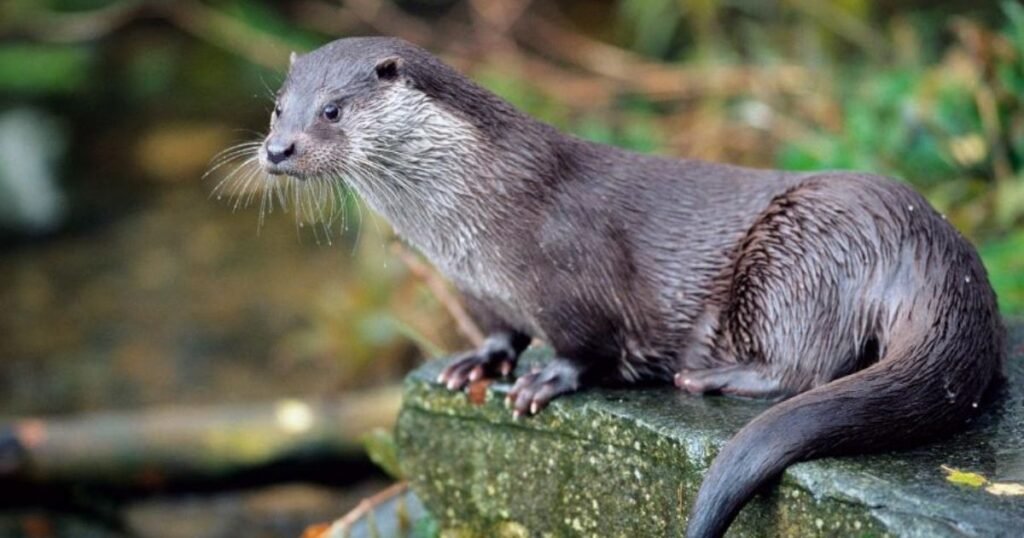
Hunts aquatic prey: Otters are fascinating creatures that thrive in aquatic environments, often seen gracefully navigating rivers and streams. These sleek mammals are not only playful but also highly skilled hunters, employing teamwork to pursue a variety of aquatic prey.
With their dexterous paws, otters can deftly crack open shellfish and catch fish, showcasing a unique mix of intelligence and agility reminiscent of ferrets.
Lives in family groups: Otters are not only adorable but also incredibly social creatures that thrive in family groups, showcasing a unique blend of playfulness and intelligence. These aquatic mammals use complex vocalizations to communicate and have been observed holding hands while sleeping, reinforcing their bond.
Their sleek bodies and webbed feet make them agile swimmers, but it’s their playful antics, such as sliding down mud or snowbanks, that captivate onlookers and underscore their joyful nature.
Badgers
- Scientific Name: Meles meles
- Class: Mammalia
- Diet: Omnivore
Powerful diggers: Badgers are remarkable creatures, often overlooked in favor of their more popular relatives, but their unique behaviors and habitats make them equally fascinating. As powerful diggers, badgers create intricate burrow systems that serve as both homes and hunting grounds.
These underground networks provide shelter from harsh weather and predators, showcasing their engineering skills.
Build underground setts: Badgers are fascinating creatures that often captivate wildlife enthusiasts with their unique behaviors. These nocturnal mammals are not only known for their distinctive black and white markings but also for their impressive ability to build underground setts.

These elaborate burrows serve as both homes and communal areas, spanning extensive networks that can house entire families. Observing badgers as they navigate their habitats offers a glimpse into a complex social structure, driven by cooperation and nurturing instincts.
Nocturnal foragers: Badgers, much like ferrets, are fascinating nocturnal foragers that play a crucial role in their ecosystems. With their stout bodies and distinctive facial markings, these creatures are often underestimated.
They possess a keen sense of smell, enabling them to hunt and scavenge efficiently under the cover of darkness. Their burrowing habits help aerate the soil and create habitats for other species as well, making them essential players in promoting biodiversity.
Dive Deeper Into the Animal Kingdom
- Learning about Animals Like Weasels can help you discover many unique members of the mustelid family. Their sharp senses and flexible bodies give them an advantage when searching for food. Each animal has developed special traits to survive in its natural surroundings.
- Discovering Birds With Long Legs reveals a wonderful variety of shapes, sizes, and behaviors. Some species move slowly and carefully, while others are built for fast running. Their impressive legs are an important feature that helps them thrive in nature.
- Many predators are Animals That Eat Mice, including owls, snakes, cats, and foxes. Mice provide an important food source for numerous animals in different ecosystems. These predators help naturally control mouse populations.
Final Thoughts
The diverse world of animals similar to ferrets reveals the fascinating traits and behaviors shared among these small, playful creatures.
It’s the curious nature of a mongoose or the agile movements of a weasel, each animal brings its own unique charm to the table. These alternatives not only make for great companions but also showcase the richness of the animal kingdom.
FAQs
Are all these Animals Part of the Same Family as Ferrets?
Ferrets belong to the Mustelidae family, which includes many animals on this list like weasels, otters, and badgers. Some animals like meerkats, genets, and civets belong to entirely different mammalian families.
Which Animal on this List is the Closest Relative to the Ferret?
The polecat is the direct wild ancestor of the domestic ferret and shares nearly identical genetics. Stoats and weasels are also extremely close cousins within the exact same Mustelidae family.
Can any of these Ferret-Like Animals be kept as Household Pets?
Most animals on this list are wild predators and illegal or dangerous to keep as domestic pets. Skunks and minks require specialized care, specific permits, or complex enclosures. Only domesticated ferrets and certain legally bred variants make safe house pets.
Do these Animals Release Strong Odors like Skunks?
Skunks are famous for using a powerful, long-range defensive spray against predators. Ferrets, minks, and polecats possess musk glands that produce a distinct, musky body odor.
Are Wolverines and Badgers Dangerous Despite their Size?
Wolverines and badgers are fierce, powerful animals with exceptionally strong jaws and aggressive defense instincts. While they look like stocky cousins of the ferret, they can easily injure humans.