

Dog Health 101: The Hidden Causes of Itchy Skin in Dogs
Watching your dog suffer from itchy skin can be heartbreaking, especially when it seems like nothing can provide relief. From red skin to unsightly skin bumps, these symptoms can stem from a variety of issues, including dog allergies, bug bites, or even serious skin infections.
This article aims to unravel the mysteries behind excessive scratching and red itchy skin in dogs, empowering you with insights on how to protect your dog’s well-being and when to seek veterinary care.
What Causes Red, Itchy Skin in Dogs?
Red, itchy skin in dogs can stem from a variety of sources. Allergies are a primary culprit, dogs can react to environmental triggers.
Food allergies often manifest as skin issues rather than digestive problems. Parasites, especially fleas and mites, often exacerbate skin irritations and dogs with sensitive skin may experience reactions to shampoos or chemicals in their environment .
Understanding the underlying causes of red, itchy skin is essential, as it may signal more than just surface irritation.
Environmental Allergies
Red, itchy skin in dogs can often be a distressing sight for pet owners, and it may stem from a variety of factors. One significant cause is environmental allergies, where your furry friend reacts to pollen, dust mites, or mold spores.
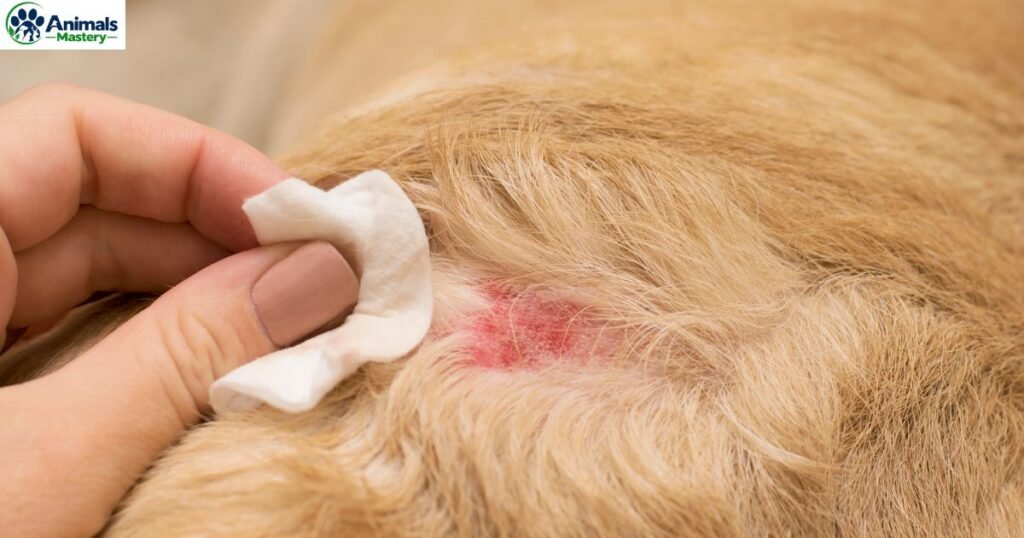
Similar to humans, dogs may develop an allergic response, leading to inflammation and discomfort. Observing your dog’s habits, like excessive scratching or biting at their paws, can provide crucial clues about underlying allergic reactions.
These environmental allergens might interact with your dog’s unique physiology. Some breeds, particularly those with sensitive skin, are genetically predisposed to react more strongly, which can lead to chronic issues like dermatitis.
A crucial point often overlooked is the impact of seasonality; changes in weather can trigger flare-ups at particular times of the year. Creating a safe and clean indoor environment, complete with air filters and regular grooming, can significantly alleviate symptoms.
Food Allergies
Food allergies in dogs can often be the elusive culprit behind red, itchy skin, leaving pet owners searching for answers. Unlike environmental allergens, which can lead to immediate reactions, food allergies might take time to manifest, making them tricky to identify.

Common symptoms include irritated skin, ear infections, vomiting, and diarrhea, all of which can strain the bond between you and your furry friend.
Flea or Insect Bites
Flea bites and insect bites are also culprits behind red, itchy skin in dogs, often leading to intense discomfort. When fleas invade, they don’t just cause immediate irritation; their saliva can trigger a flea allergy in sensitive dogs, turning minor bites into a severe skin reaction.
This can manifest as red bumps, extensive hair loss, and sometimes even skin scabs, creating a cycle of itching and scratching that can lead to secondary skin infections that require antibiotics.
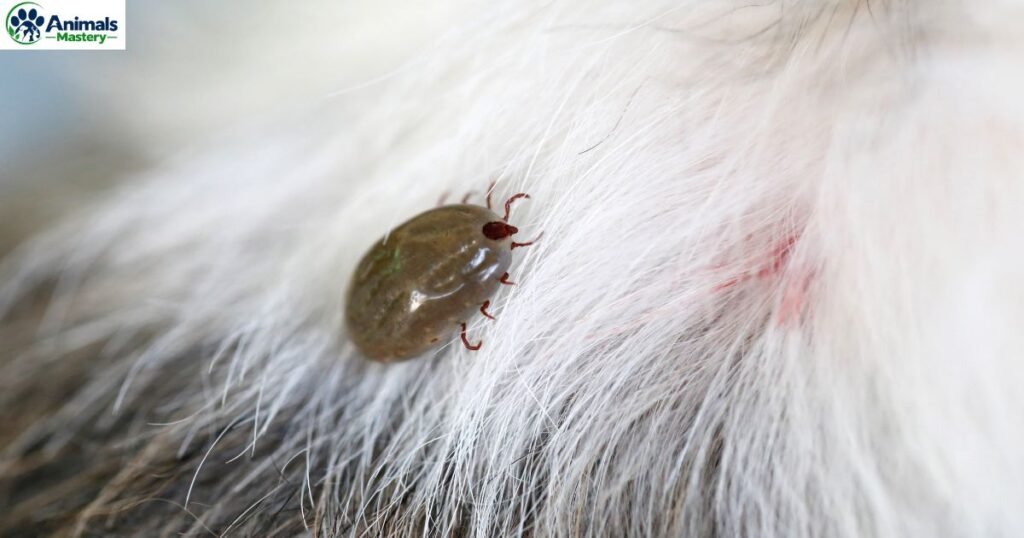
Ticks, spiders, and ants can also instigate similar reactions, but the risk of a flea infestation is notably higher due to their rapid reproduction and resilience. Beyond immediate relief through anti-itch medication, the key is robust flea prevention and treatment strategies to safeguard your furry friend.
Mites
Mites are among the common culprits behind red, itchy skin in dogs, often leading to conditions like demodicosis and scabies.
Demodex mites, typically harmless in small numbers, can proliferate when a dog’s immune system is compromised, causing intense itching, red bumps, and significant hair loss.
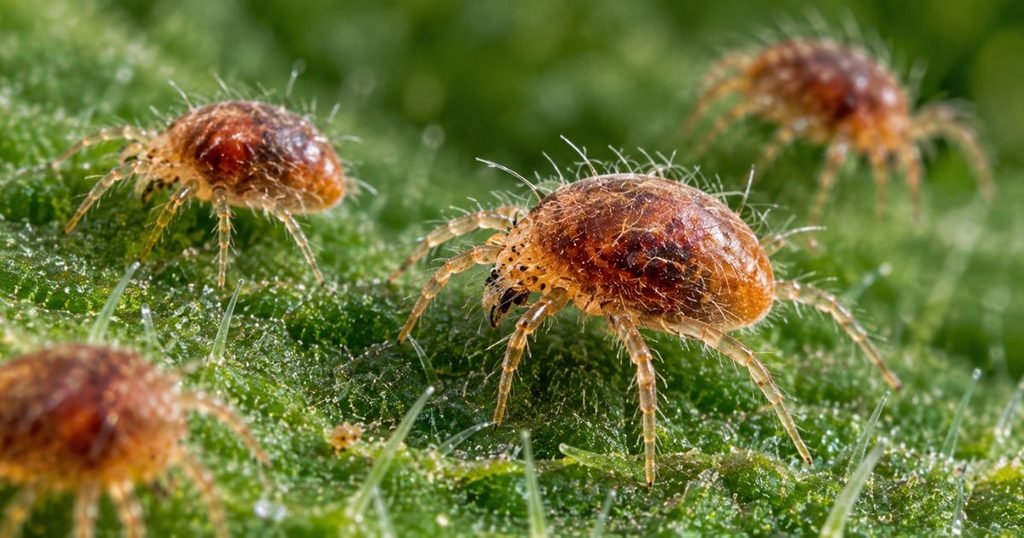
On the other hand, sarcoptic mites, responsible for scabies, create havoc with their relentless burrowing, triggering severe inflammation and skin irritation that affects both the dog and its owners due to their contagious nature.
Hives
Hives, or urticaria, in dogs often manifest as raised, itchy bumps on the skin. These sudden outbreaks typically signal an allergic reaction to something in their environment, be it a new medication, vaccination, or even an insect sting.
When your pup develops hives, it’s not just a cosmetic concern. The distress of those itchy bumps can lead to excessive scratching, which may further irritate the skin and invite infections.

In some cases, hives can escalate into more serious conditions, leading to facial swelling or even trouble breathing. If you notice these symptoms in your dog, it’s crucial to seek emergency care.
For milder cases, veterinarians often prescribe antihistamines or corticosteroids to alleviate discomfort and reduce swelling. Understanding the specific triggers for your dog can be a game-changer in prevention, ensuring their environment remains as safe and comfortable as possible.
Bacterial Skin Infection
A bacterial skin infection can manifest as red, itchy skin in dogs, often characterized by pimple-like bumps or unsightly skin scabs. These infections commonly occur when skin bacteria that are normally present on a dog’s body multiply uncontrollably, taking advantage of any underlying irritations or allergies.

Factors such as an imbalanced diet, environmental stressors, or a weakened immune system can further exacerbate the situation, leading to noticeable hair loss and an uncomfortable rash for your furry friend.
Yeast Overgrowth (Fungal Skin Infection)
Red, itchy skin in dogs can often be traced back to an uncomfortable and persistent yeast overgrowth, a type of fungal skin infection that thrives in warm, moist environments. Areas like the ears, paws, and skin folds become prime targets for this unwelcome invader.
When the delicate balance of yeast is disrupted, it can lead to significant skin irritation, resulting in persistent scratching and discomfort for your furry friend.
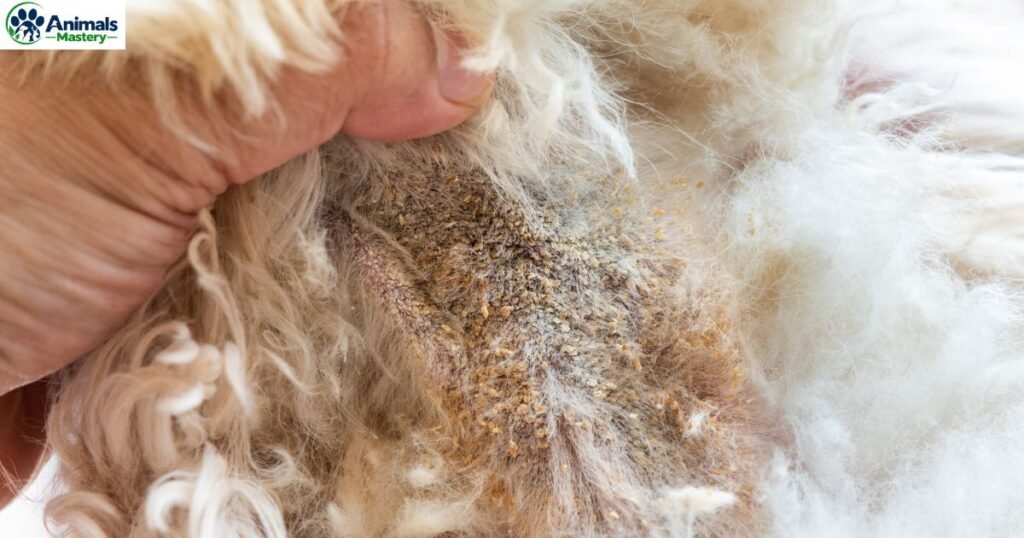
This condition might not just emerge from poor hygiene; it often indicates an underlying issue, such as allergies or hormonal imbalances. Some dogs, particularly those with allergies, are more susceptible to the favorable conditions for yeast proliferation.
While learning about Itchy Skin in Dogs, you may also be interested in understanding other unusual conditions found in the animal world. Explore our guide to animals with Down syndrome to learn what this term means, which animals can have similar genetic conditions, and the facts behind this fascinating topic.
Hot Spots
Hot spots in dogs, often characterized by red, itchy skin, can be a distressing issue for both pets and their owners. These localized areas of inflammation typically arise from excessive licking or scratching, which can create a cycle of skin irritation that exacerbates the problem.
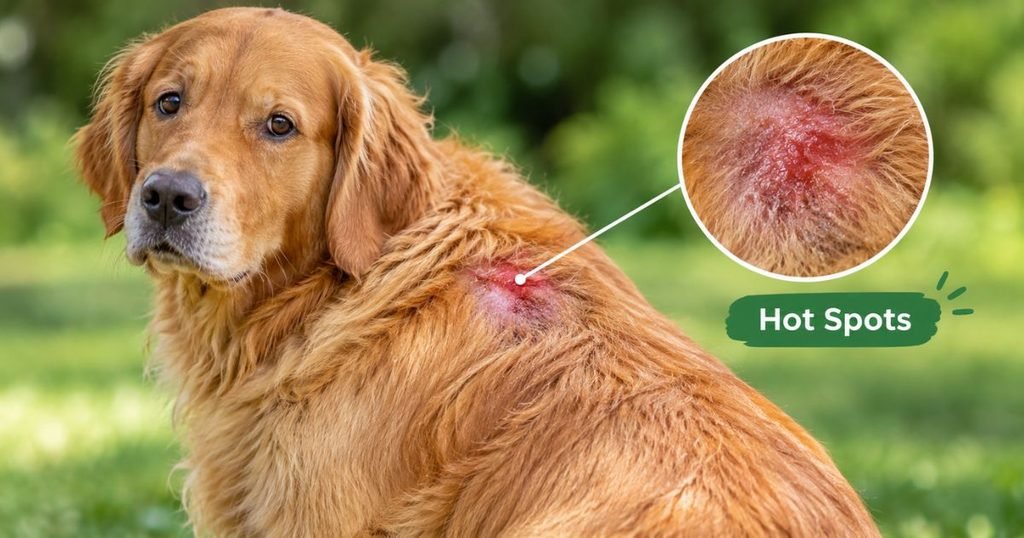
The wet skin associated with hot spots becomes a breeding ground for bacteria, leading to infections and further discomfort. It’s essential to recognize the underlying causes of excessive licking or scratching, which may stem from allergies, insect bites, or even stress.
Mast Cell Tumors
Red, itchy skin in dogs can be alarming, especially when it’s a symptom of mast cell tumors. These cancerous lumps arise from mast cells, which play a crucial role in the immune response.
When these cells become malignant, they can release histamines that swell the skin, leading to noticeable redness and itchiness. As pet owners, understanding these signs is critical, as early detection can significantly improve outcomes.
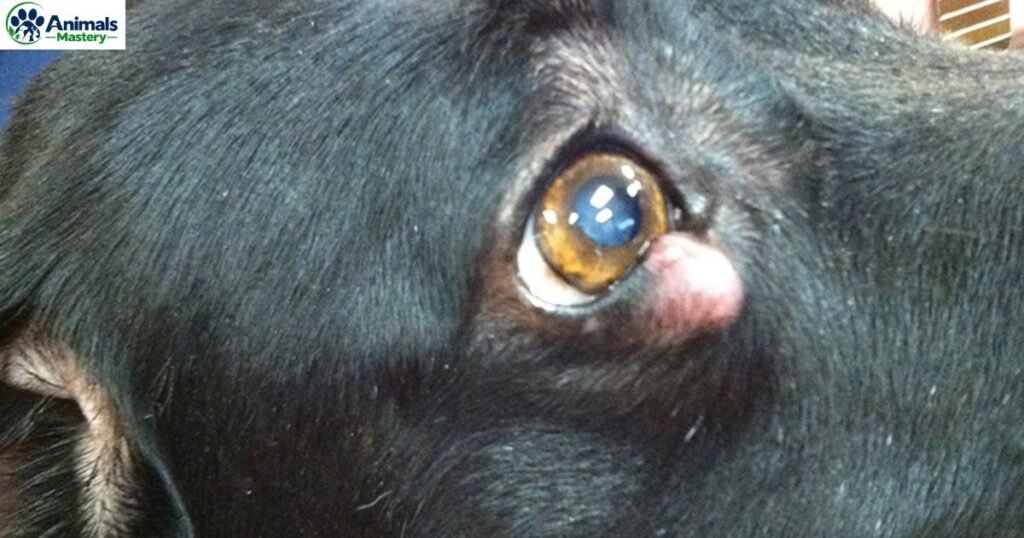
Mast cell tumors can manifest in various forms, with some appearing as small, benign-looking nodules while others may swell dramatically. If a lump is noted, a veterinary cancer specialist can perform a needle sample to assess whether it’s benign or malignant. Prompt action is essential; delaying a veterinary visit may allow the cancer to progress.
Recognizing that not all skin irritations are mere allergies or external parasites can provide you with peace of mind, and potentially save your dog’s life. Understanding the nuances of mast cell tumors empowers pet owners to be vigilant and proactive about their dog’s health.
What Should I do if My Dog has Itchy Skin?
If your Dog is suffering from itchy skin, it’s crucial to address the issue promptly to prevent further skin irritation and discomfort. Start by observing your pet’s behavior and note any specific areas that seem to be particularly bothersome.
Sometimes, the root cause can be as simple as allergies to environmental factors such as pollen or mold, or even dietary sensitivities. Identifying triggers can save you time and help in selecting the right approach for alleviating your dog’s discomfort.

Consider a vet visit if the itching persists. A thorough examination can help pinpoint underlying skin problems, ranging from parasites like fleas to more complex conditions that might require veterinary treatment. Your vet may recommend effective pet medications or prescription-free products designed to soothe and protect your dog’s skin.
Often, a combination of topical therapies, antihistamines, and dietary changes can yield significant improvement. Proactive measures, including regular grooming and maintaining a clean living environment, will go a long way in reducing itchiness and keeping your dog happy and healthy.
Conclusion
In conclusion, excessive scratching and Itchy skin in dogs can be indicative of various underlying issues, ranging from allergies to parasites or skin infections. It’s important for pet owners to observe their dogs closely and take note of any changes in behavior or skin condition.
Early intervention can often lead to more effective treatment and a quicker return to comfort for your furry friend. Regular vet check-ups and proper grooming can also help prevent scratching issues from arising.
FAQs
Is it Normal for My Dog to Scratch so Much?
Yes, it’s quite common for dogs to scratch occasionally, but excessive scratching can indicate underlying issues. Allergies, parasites like fleas or ticks, skin infections, and even stress can cause discomfort leading to this behavior.
How do I Make my Dog Stop Itching?
To help your dog stop itching, start by identifying potential allergens or irritants in their environment. Common culprits include certain foods, pollen, flea bites, or harsh cleaning products. A visit to your veterinarian can determine if allergies or skin infections are the cause and recommend appropriate treatments.
What Foods Cause Dogs to Itch?
Dogs can experience itching due to various foods that may trigger allergies or sensitivities. Common culprits include proteins like beef, chicken, and dairy, as well as grains such as wheat and corn. When a dog’s immune system reacts to these substances, it can lead to skin irritations and constant scratching.
What to Feed a Dog with Itchy Skin?
Feeding a dog with itchy skin can often involve looking for a hypoallergenic diet or limited ingredient options. Many dogs respond well to diets that feature a single protein source, such as lamb or fish, along with a carbohydrate like sweet potatoes or brown rice. This helps eliminate potential allergens and can soothe their skin.
What can I Give my Dog for Allergies and Itching?
If your dog is experiencing allergies and itching, it’s essential to start with a vet visit for a proper diagnosis. Common treatments include antihistamines like Benadryl, but consult your vet for the correct dosage based on your dog’s weight and health condition.
What is the Best Home Remedy for Dog Itching?
One of the most effective home remedies for dog itching is a soothing oatmeal bath. Simply grind plain, uncooked oatmeal into a fine powder and mix it with warm water. Soak your dog for about 10-15 minutes, allowing the oatmeal to alleviate irritation and hydrate the skin.