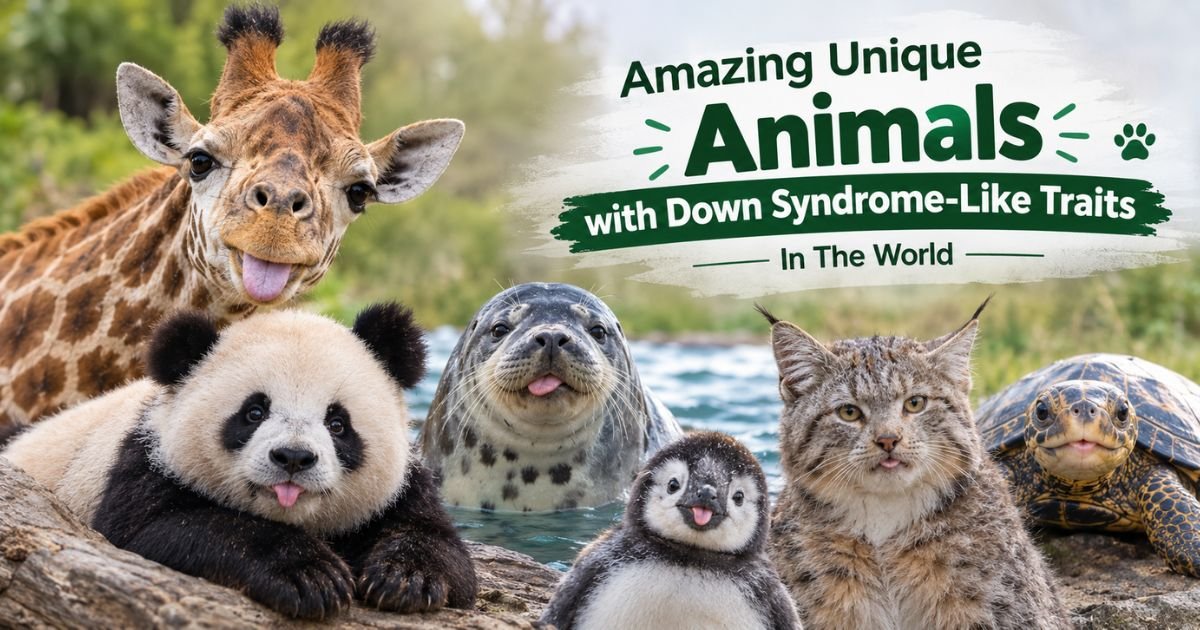
13 Amazing Unique Animals with Down Syndrome-Like Traits In The World
The encountering animals that display delightful quirks akin to Down syndrome traits. This article highlights the top 13 Animals with Down Syndrome-like traits, showcasing their endearing personalities and the valuable lessons they can teach us about acceptance and compassion.
By exploring these fascinating creatures, we aim to foster a deeper understanding of what it means to be different in the animal world. Exploring 13 animals with down syndrome-like traits, we aim to foster a deeper understanding of what it means to be different in the animal world.
Do Animals Really Get Down Syndrome?
The idea of Down syndrome, a genetic condition characterized by an extra chromosome, is specific to humans, but it sparks curiosity about whether animals can exhibit similar traits.
While animals cannot have Down syndrome in the same genetic context, some may display behaviors and physical attributes reminiscent of the condition due to various other genetic anomalies.
For example, certain dogs or cats may exhibit cognitive delays or unusual physical traits, but these are often the result of different chromosomal abnormalities rather than a direct parallel to human Down syndrome.
By observing these animals with down syndrome like traits, we can expand our appreciation for diversity in cognition and behavior across species, challenging us to rethink how we define intelligence and capability in the animal kingdom.
The exploration of these differences deepens our connection to all creatures, inviting a more nuanced perspective on what it means to be ‘different.’
What Causes Down Syndrome-Like Traits in Animals?
Down syndrome-like traits in animals, often referred to as “trisomy” conditions, can emerge from genetic anomalies that disrupt normal development. These traits may manifest in defining characteristics such as unique facial structures, cognitive challenges, or behavioral variations.
The presence of extra chromosomes can lead to similar phenotypic expressions, revealing that genetic complexity isn’t exclusive to humans.Recent studies have highlighted that environmental factors can also play a significant role in these manifestations.
Prenatal exposure to toxins, maternal health, and even nutritional deficits during key developmental windows can exacerbate or mimic syndrome-like characteristics in animals.
List of Animals With Down Syndrome-Like Traits
Here is the list of animals with down syndrome-like traits.
- Kenny the Tiger
- Otto the Kitten
- Beluga Whale
- Down Syndrome in Monkeys
- Down Syndrome in Elephants
- Koala
- Down Syndrome in Giraffes
- Goat
- Down Syndrome in Mice
- Hyenas
- Cow
- Down Syndrome in Dogs
- Horse
Kenny the Tiger
- Scientific name: Panthera tigris
- Family: Felidae
- Class: Mammalia
- Diet: Carnivore
Kenny the Tiger stands as a poignant example of the unique beauty found in the diversity of wildlife genetics. Kenny was a white tiger whose distinctive features, including a shortened snout and facial irregularities, were the result of severe inbreeding within captive white tiger breeding programs, rather than a condition resembling Down syndrome.
His story is often shared online under that label, but experts attribute his traits to the genetic bottlenecking that occurs when closely related white tigers are repeatedly bred to preserve the rare coloring.
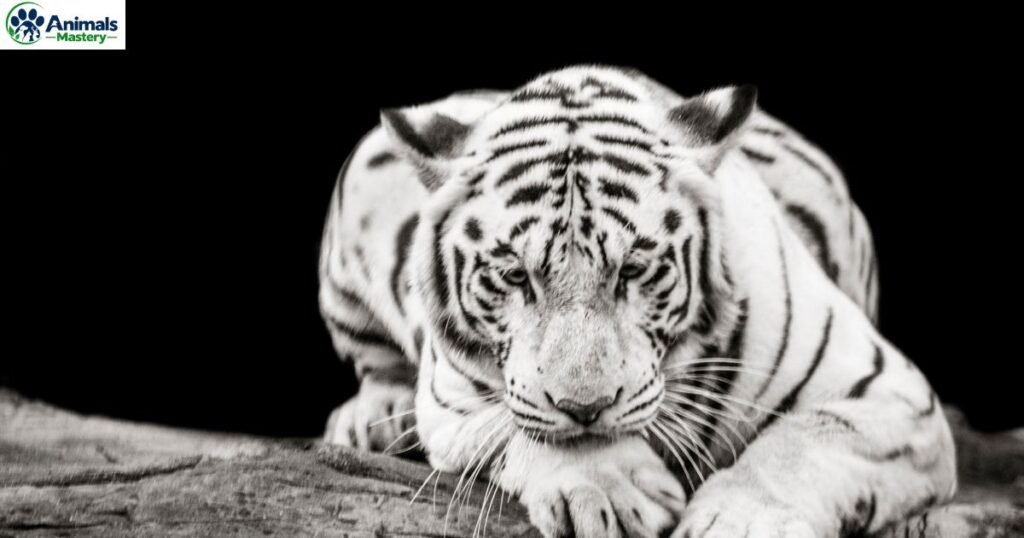
Kenny’s presence highlights a crucial aspect of animal adaptability and the ethical questions surrounding selective breeding; despite his genetic challenges, he thrived at his sanctuary, offering a striking testament to the resilience of life forms and a cautionary tale about the welfare costs of breeding for appearance.
Kenny showcased unusual behavioral patterns that add depth to his personality. His quirks, such as engaging playfully with enrichment tools or exhibiting unusual social behaviors, underscore the importance of inclusivity in nature. Each interaction with Kenny emphasizes resilience despite genetic hardship.
Otto the Kitten
- Scientific name: Felis catus
- Family: Felidae
- Class: Mammalia
- Diet: Carnivore
Otto the kitten stands out not just for his distinctive appearance, characterized by wider-set eyes and an altered body shape, but also for the warmth and playful nature that radiates from him. While he exhibits Down syndrome-like traits, it’s important to appreciate that these unique physical traits contribute to his individuality.
Showcasing the incredible diversity within feline genetics. Each Down syndrome kitten tells a story of resilience and adaptability.
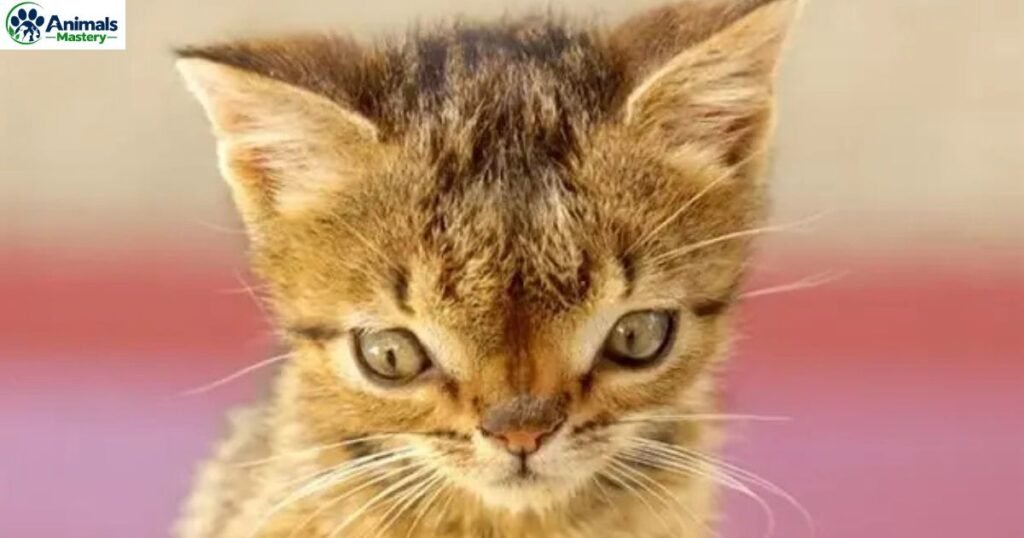
Caring for kittens with Down syndrome-like characteristics often comes with its own set of behavioral challenges, yet it provides an enriching experience for pet owners. Otto’s gentle nature and spirited antics foster a deeper human-animal bond, inviting empathy and understanding in those who care for him.
Beluga Whale With Down Syndrome
- Scientific name: Delphinapterus leucas
- Family: Monodontidae
- Class: Mammalia
- Diet: Carnivore
The phenomenon of Down syndrome-like traits in beluga whales challenges our understanding of animal behavior and communication. While Down syndrome is a human-specific genetic condition, observing similar characteristics in marine mammals prompts us to reevaluate the cognitive abilities and social dynamics within their pods.
These beluga whales may exhibit unique vocalizations, such as distinct clicks and whistles, that reflect their social interactions and emotional expressions.
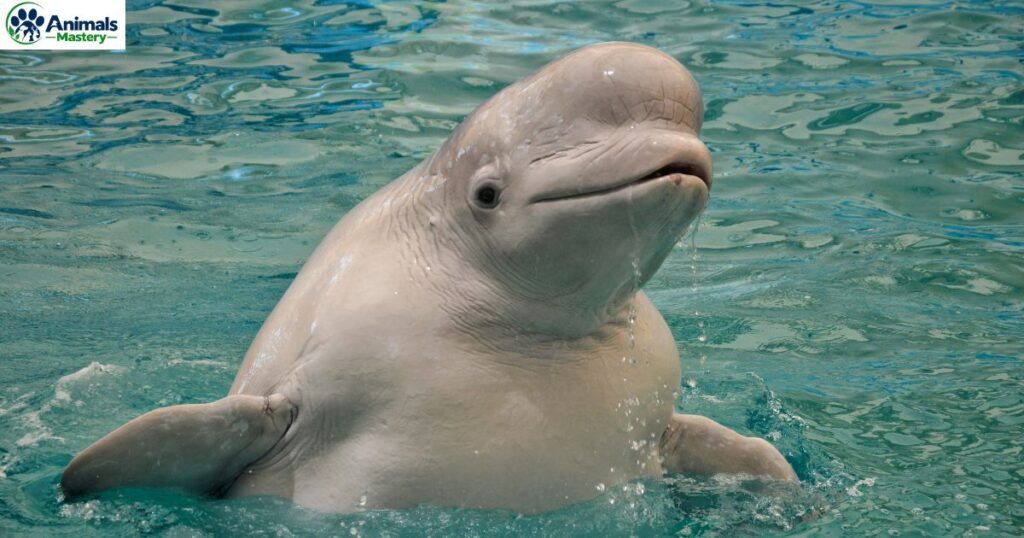
Exploring the social behavior of beluga whales reveals a tapestry of close-knit relationships that flourish in their pods. Their ability to collaborate and bond reflects a sophisticated understanding of social structures, emphasizing the importance of emotional connections in the animal world.
Down Syndrome in Monkeys
- Scientific name: Macaca mulatta (Rhesus Macaque)
- Family: Cercopithecidae / Cebidae
- Class: Mammalia
- Diet: Omnivore
Research into monkeys with Down syndrome-like characteristics unveils fascinating insights into genetic variation and diversity within primate genetics. Rhesus macaques, among the most studied primates in genetic research, can exhibit unique physical features such as altered facial structures, reminiscent of human Down syndrome traits.
leading scientists to explore the implications of genetic research on our understanding of social dynamics among primate groups. The distinct behaviors of monkeys with Down syndrome-like traits present a compelling narrative in comparative genetics.
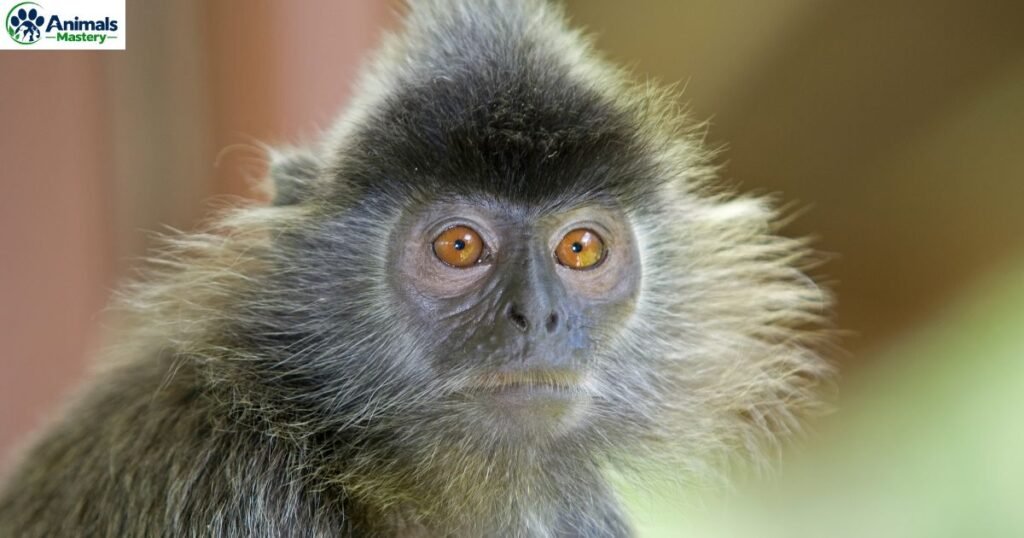
By observing these monkeys, researchers are not only uncovering the biological underpinnings of Down syndrome-like traits but also gaining a deeper understanding of resilience and adaptability in animal health and behavior.
Their social interactions, communication styles, and bonding mechanisms highlight essential aspects of animal cognition, revealing how these traits influence their place within primate social structures.
Down Syndrome in Elephants
- Scientific name: Loxodonta africana (African Elephant)
- Family: Elephantidae
- Class: Mammalia
- Diet: Herbivore
African elephants, along with their Asian relatives (Elephas maximus), can occasionally exhibit distinctive physical traits similar to those seen in humans with Down syndrome, such as altered facial structures and cognitive variations that influence their behavior and social interactions.
Understanding the implications of these genetic variations highlights the complex social structures inherent in elephant herds. The ability to foster strong social bonds and demonstrate empathy among their peers showcases their emotional intelligence and adaptability.
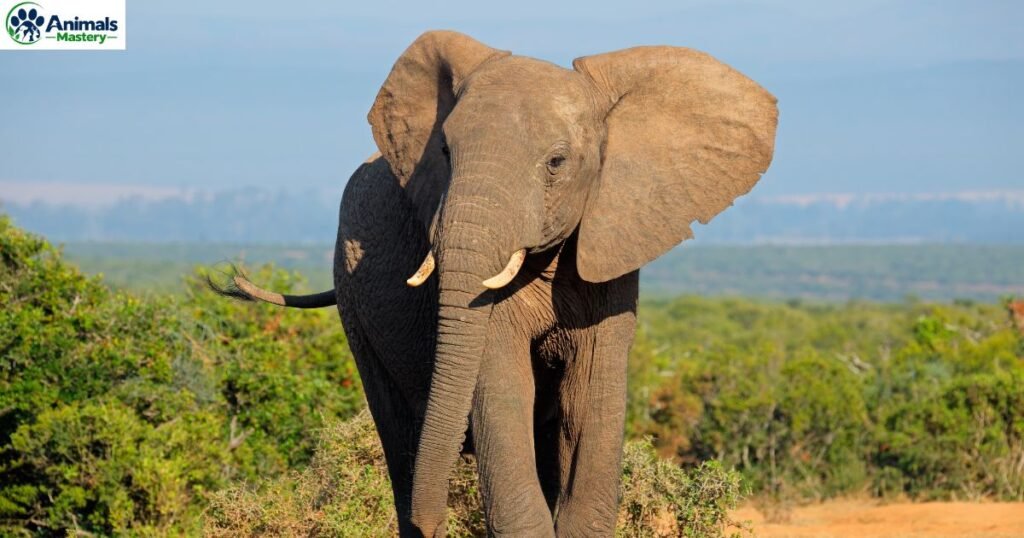
When elephants with Down syndrome-like traits are integrated into their herds, they often enrich the social fabric with their unique characteristics, prompting discussions around animal welfare and the importance of acceptance within animal communities.
Koala
- Scientific name: Phascolarctos cinereus
- Family: Phascolarctidae
- Class: Mammalia
- Diet: Herbivore
Some researchers have observed koalas displaying Down syndrome-like traits, such as unique physical characteristics and altered social behaviors, prompting discussions about their emotional intelligence and capacity for forming strong family bonds.
These observations not only shed light on the koala’s nurturing instinct, particularly in the parent-offspring bond, but also invite a deeper exploration of how inclusive communities can extend beyond humanity.
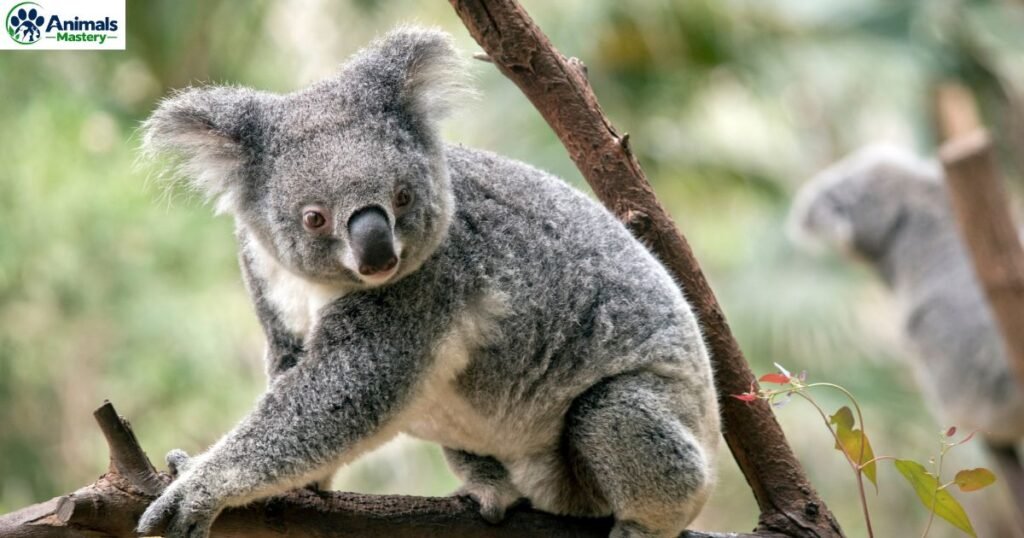
Koala social behavior has been noted for its complexity, reflecting their ability to communicate emotional needs through subtle cues. This spans from playful interactions among young koalas to the deep, unconditional bond between mothers and their joeys.
By studying these dynamics, we gain a greater appreciation for the emotional connections that exist within marsupials, enhancing our understanding of animal emotions and advocating for greater empathy and compassion towards all living beings.
Down Syndrome in Giraffes
- Scientific name: Giraffa camelopardalis
- Family: Giraffidae
- Class: Mammalia
- Diet: Herbivore
While Down syndrome is primarily a human condition, observing giraffes with Down syndrome-like traits reveals the rich tapestry of genetic conditions in animals. These majestic creatures occasionally present unusual physical traits.
such as irregularities in their facial structures or distinctive fur pattern variations that capture the attention of researchers and animal lovers alike. These giraffes often exhibit gentle dispositions, showcasing their social nature despite the physical challenges they may face.
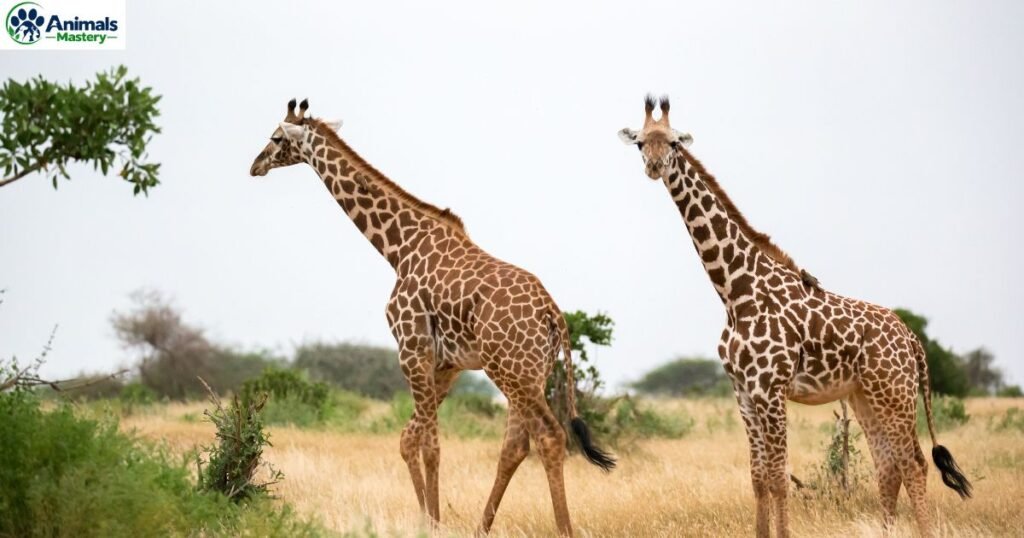
The resilience and adaptation of these animals can serve as an inspiring lesson in acceptance and empathy, highlighting how unique animal characteristics can enrich our interconnected world.
Goat
- Scientific name: Capra aegagrus hircus
- Family: Bovidae
- Class: Mammalia
- Diet: Herbivore
Down syndrome in goats, while not scientifically recognized, can manifest as goats with Down syndrome-like traits that endear them to caretakers and enthusiasts alike. These unique goats often display distinctive physical traits such as stocky builds, shorter limbs, and expressive facial features that set them apart in the herd.
Their behavioral traits can be equally fascinating; many exhibit playful demeanors and a sociable nature, forming strong bonds not just with other goats but also with their human caretakers.
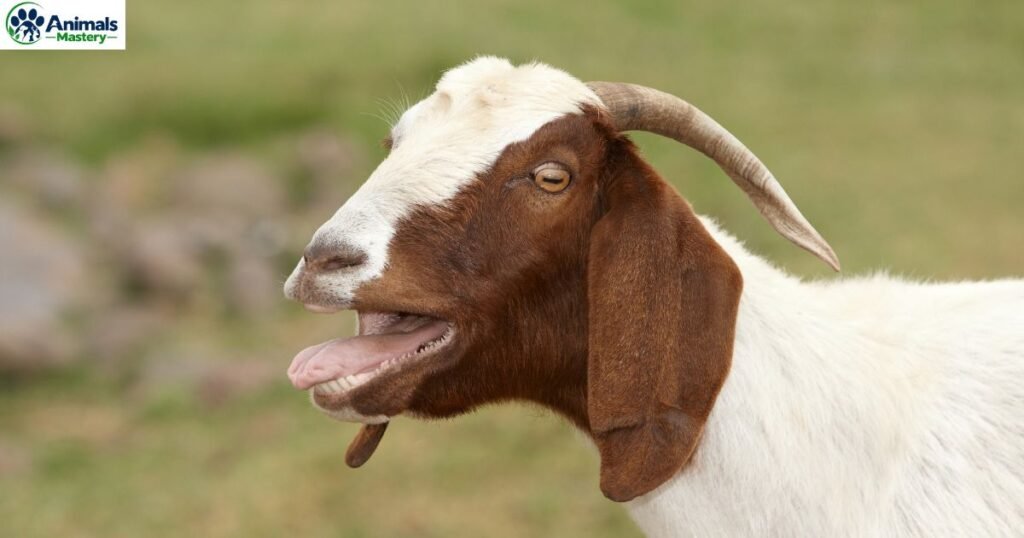
The experience of caring for these goats illuminates the profound empathy and understanding we can cultivate through our interactions with them. Goats with Down syndrome-like characteristics often thrive in environments where compassion and patience are prioritized, showcasing the importance of animal welfare.
Down Syndrome in Mice
- Scientific name: Mus musculus
- Family: Muridae
- Class: Mammalia
- Diet: Omnivore
Recent advances in genetic research have led to the development of mice exhibiting Down syndrome-like traits, providing unique insights into the chromosomal abnormalities associated with this genetic condition.
These model organisms reveal striking parallels in physical characteristics, such as shorter limbs and altered ocular structures, mirroring conditions observed in humans.
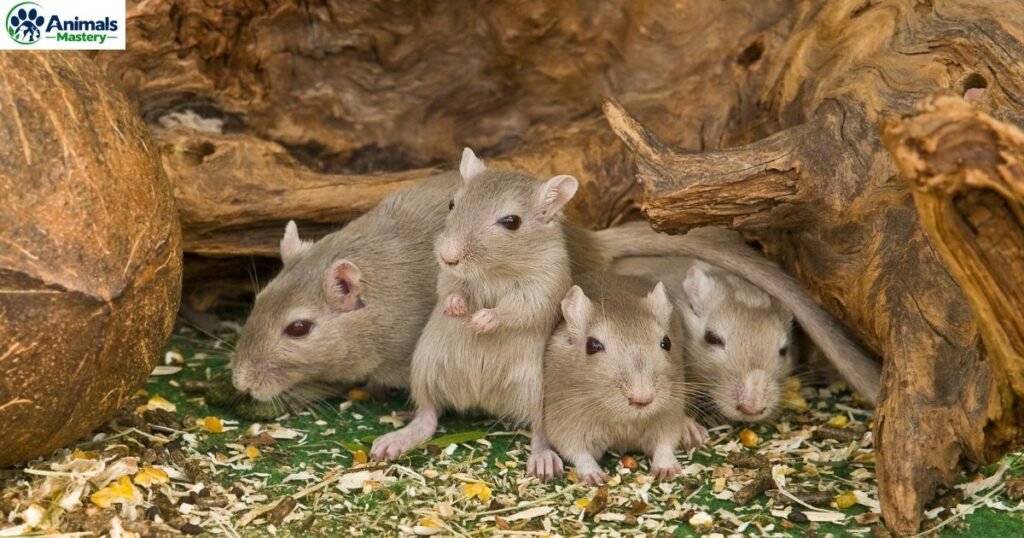
Animal models like these mice enhance our ability to explore the biological pathways influenced by genetic disorders. They serve as invaluable tools in biomedical research, allowing scientists to investigate the effects of specific genetic anomalies on behavior and physiology.
Hyenas
- Scientific name: Crocuta crocuta
- Family: Hyaenidae
- Class: Mammalia
- Diet: Carnivore
Hyenas are often mischaracterized as simple scavengers, but their complex social structures and matriarchal hierarchy reveal a sophisticated world of social dynamics and intelligence. Among these fascinating creatures, there are cases of genetic variation that can lead to animals with down syndrome-like traits, which can significantly influence their pack interactions.
These atypical behaviors, while rare, provide a unique lens through which we can explore animal cognition and emotional intelligence.
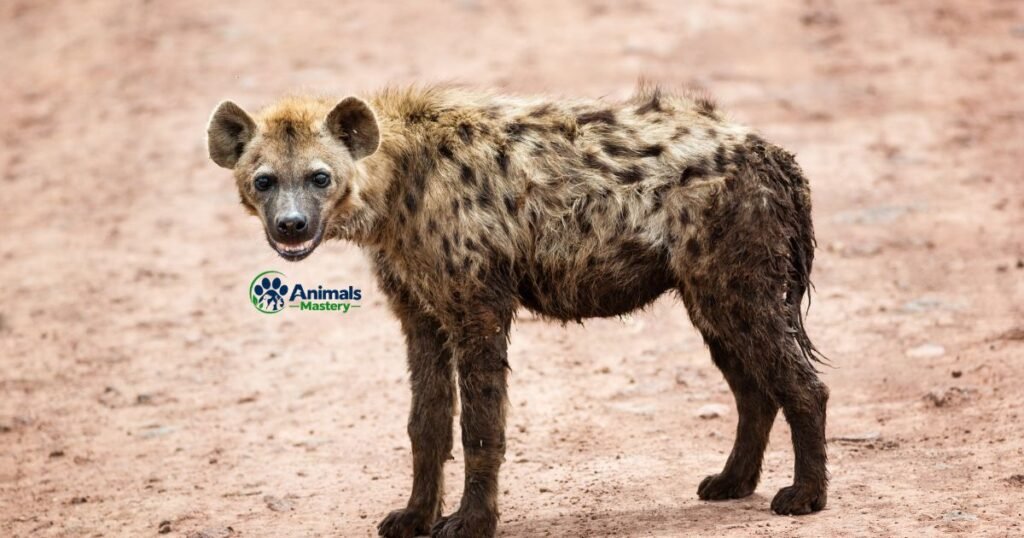
Hyenas with such genetic conditions may exhibit distinctive social interactions that challenge conventional perceptions of their behavioral norms.
Research on hyena social behavior highlights how these outlier individuals can impact pack dynamics. Their unique behavioral traits might alter traditional hunting strategies or influence the group’s communication methods.
Cow
- Scientific name: Bos taurus
- Family: Bovidae
- Class: Mammalia
- Diet: Herbivore
Cows exhibiting Down syndrome-like traits often spark curiosity and compassion among animal lovers and farm sanctuary advocates alike. Their distinctive appearance, characterized by a rounded face and sometimes crossed eyes, invites deeper reflection on the intriguing nuances of animal behavior and appearance.
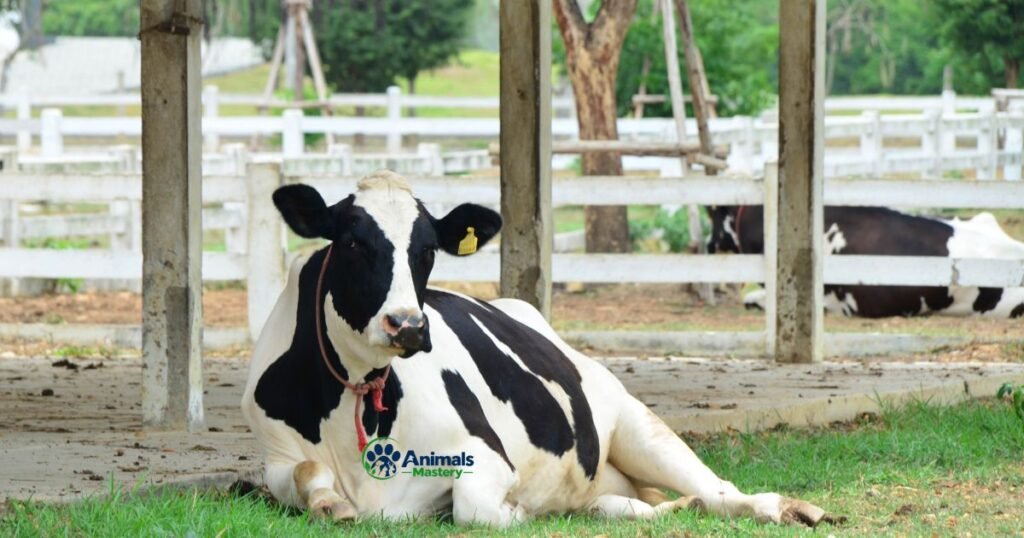
As we observe cows with Down syndrome-like characteristics, we can appreciate the rich tapestry of diversity in the animal kingdom. Each cow’s personality shines through, fostering stronger human-animal bonds that remind us of the importance of compassion in animal welfare.
In animal sanctuaries, where acceptance and care are paramount, these distinctive cows teach us valuable lessons in empathy and the unconditional love found in cross-species interactions.
Down Syndrome in Dogs
- Scientific name: Canis lupus familiaris
- Family: Canidae
- Class: Mammalia
- Diet: Omnivore
Dogs with Down syndrome-like traits present a fascinating glimpse into the realm of canine genetics. Though no verified cases of Down syndrome exist in dogs, some may exhibit distinctive physical characteristics such as a broad face, shorter limbs, or a clumsy gait.
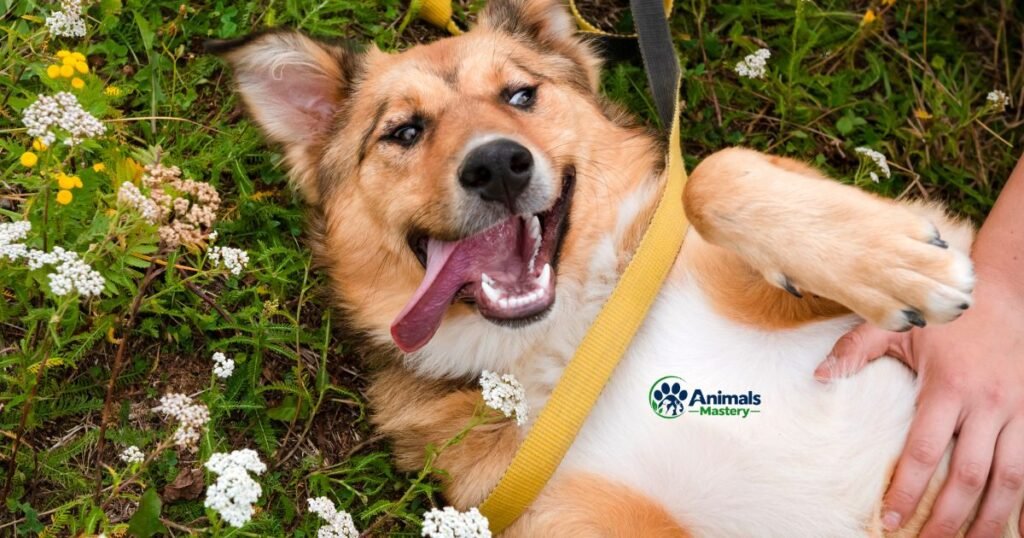
Behavioral characteristics can also vary significantly; some dogs with Down syndrome-like traits may display challenges in training or socialization, while others charm their way into the hearts of all they meet with a joyful spirit.
This invites a broader conversation about inclusivity and acceptance, encouraging animal welfare advocates to celebrate differences rather than stigmatize them.
Horse
- Scientific name: Equus ferus caballus
- Family: Equidae
- Class: Mammalia
- Diet: Herbivore
Horses with Down syndrome, while a rarity, present a unique opportunity to explore the depths of animal individuality and diversity. Characterized by distinct physical traits such as broad heads and round eyes, these equines often display uncoordinated stances that set them apart from their peers.
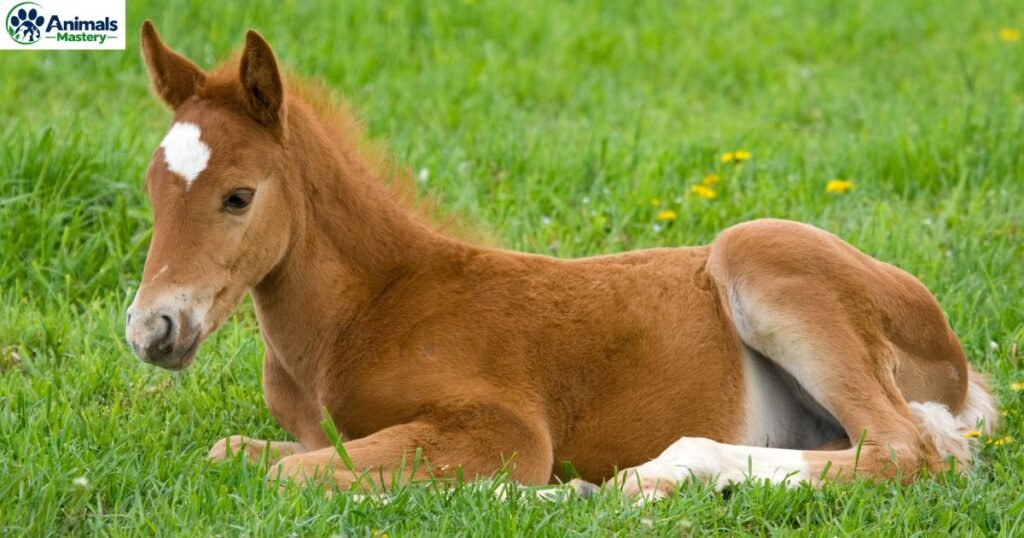
Their gentle nature and resilient spirit can cultivate an extraordinary human-animal bond, offering invaluable lessons in empathy and acceptance. The specialized care is required for these horses, along with customized training methods.
The therapeutic benefits of engaging with horses that have special needs are profound, particularly for children and individuals with disabilities. These therapy animals, often perceived as different, can break down barriers and teach meaningful life lessons rooted in patience and understanding.
More Fascinating Animal Traits Worth Exploring
The animal kingdom is full of unique characteristics that go beyond genetics and appearance. If you’re curious about other standout traits in the wild, you might enjoy learning about the cleanest animals in the world and the surprisingly meticulous grooming habits that keep them healthy.
Fans of clever, adaptable wildlife may also appreciate discovering animals like foxes, a group known for their sharp instincts and striking resemblance to one of nature’s most cunning creatures.
For those interested in predator-prey dynamics, exploring animals that eat mice offers a fascinating look at how different species have evolved specialized hunting strategies.
Conclusion
Animals with Down Syndrome like traits challenge our perceptions of genetic diversity and the spectrum of life.. By studying these unique cases, scientists can draw parallels that may even benefit human health and wellbeing.
It is crucial that we foster an environment where such animals receive the love and care they deserve, regardless of their differences. Let us remain committed to supporting research and advocacy for all animals, ensuring that none are overlooked in our quest for knowledge and compassion.
FAQs
What Animals can have Down Syndrome?
Down syndrome, specifically in humans, is caused by an extra copy of chromosome 21. While other animals can experience genetic abnormalities and conditions similar to Down syndrome, they don’t have the same genetic makeup or chromosomal structures as humans, which means they cannot have “Down syndrome” in the same sense.
Some animals, particularly in species like dogs and cats, can exhibit traits that might seem reminiscent of Down syndrome.
Is There any Down Syndrome in Dogs?
Dogs can exhibit various genetic disorders and developmental issues, Down syndrome as it is understood in humans does not occur in dogs. Down syndrome is specific to humans and is caused by an extra copy of chromosome 21. Dogs have a different chromosomal structure, with 39 pairs of chromosomes, so they cannot have a genetic condition equivalent to Down syndrome.
Is ‘Down syndrome’ in Animals a Myth?
The concept of “Down syndrome” in animals is often considered a myth because the genetic condition, specifically Trisomy 21, is unique to humans.
Can a Dog have Downs Syndrome?
Dogs cannot have Down syndrome in the same way humans do because they have a different chromosomal structure.
What Does it Mean for an Animal to Have Down Syndrome-Like Traits?
When an animal is described as having Down syndrome-like traits, it typically means that it exhibits physical characteristics or behavioral patterns that resemble those seen in humans with Down syndrome. In animals, these traits may manifest as distinctive facial features, developmental delays, or other neurological abnormalities.
Can Animals Actually Have Down Syndrome?
Animals cannot have Down syndrome in the same way that humans do due to the specific genetic characteristics of the condition.
What is a Down Syndrome Cat?
A “Down Syndrome cat” is a colloquial term sometimes used to describe cats that exhibit physical or behavioral traits reminiscent of Down syndrome in humans. While cats cannot actually have Down syndrome, some cats may display unique characteristics, such as a flat face, unusual body shape, or quirky behaviors that make them stand out.