Top 27 Animals With 3 Letters With Images and Facts
We’ll explore a variety of Animals With 3 Letters that fit this unique criterion and uncover intriguing facts about each one. From pets to wildlife, these three-lettered names might surprise you and deepen your appreciation for the animal kingdom.
List of Animals With 3 Letters
Here is the list of animals with 3 letters:
- Gnu
- Pig
- Jay
- Boa
- Bee
- Koi
- Doe
- Eel
- Ant
- Ape
- Ram
- Owl
- Fox
- Yak
- Cat
- Emu
- Dog
- Hen
- Elk
- Gar
- Auk
- Bat
- Cod
- Cow
- Goa
- Rat
- Fly
Gnu
- Scientific Name: Connochaetes
- Class: Mammalia
- Diet: Herbivore
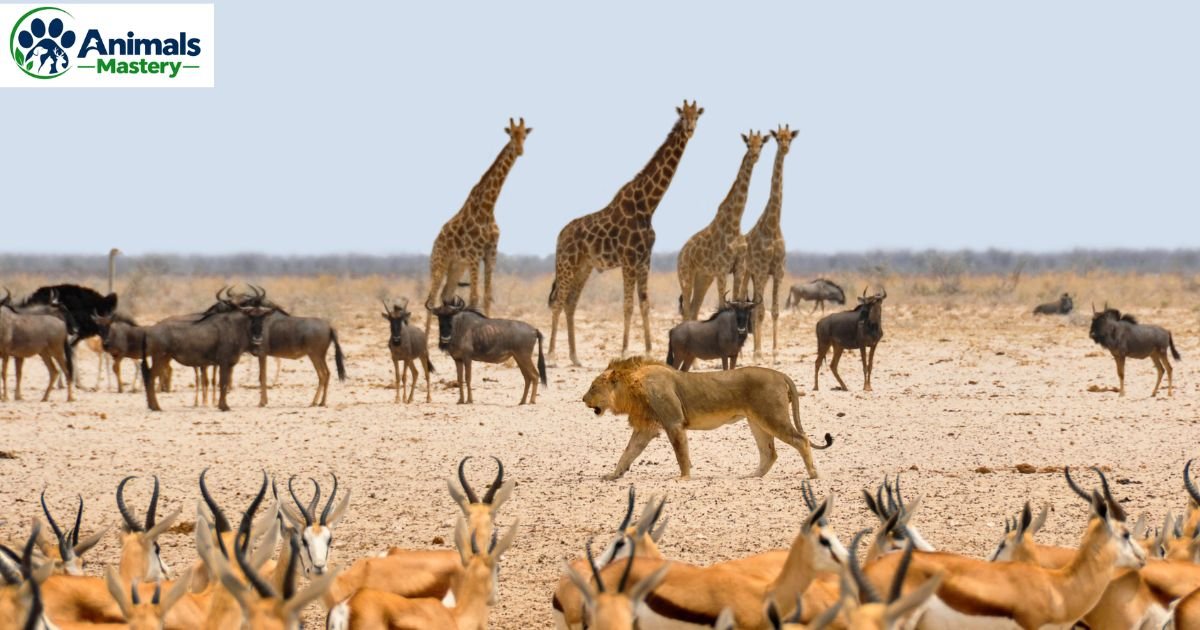
The gnu, often overshadowed by more glamorous wildlife, plays a crucial role in the ecosystem of Africa’s savannas. Known for its remarkable migratory patterns, the gnu travels vast distances in search of fresh grazing grounds, forming part of one of the largest animal migrations on the planet.
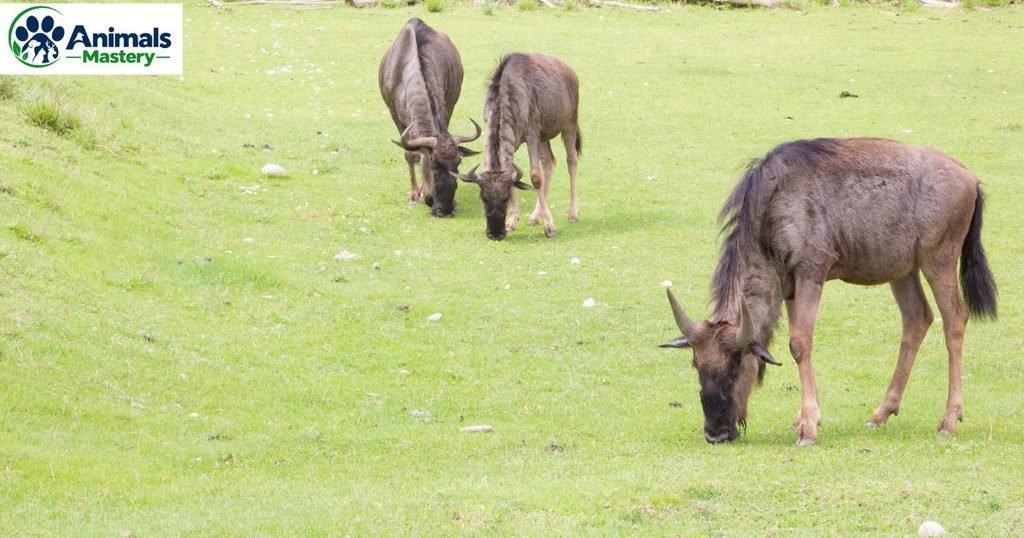
This journey not only highlights their resilience but also showcases the intricate balance of life in their habitat, as they facilitate nutrient cycling through their grazing habits, impacting the flora and fauna around them. The gnu’s social structures offer fascinating insights into animal behavior.
Living in herds, they display intricate communication methods, including vocalizations and body language, crucial for their survival against predators like lions and hyenas. Their camaraderie and coordination during migrations reveal a level of intelligence and adaptability often underestimated.
As climate change continues to reshape ecosystems, understanding the gnu’s role becomes even more vital, showcasing how interconnected and fragile our planet’s web of life truly is.
Pig
- Scientific Name: Sus scrofa scrofa
- Class: Mammalia
- Diet: Omnivore
Pigs are often misunderstood creatures, primarily known for their role in agriculture and the culinary world, but they possess an intelligence that rivals that of dogs and even some primates. Research has shown that pigs can solve complex problems, navigate mazes, and even play video games, showcasing their remarkable cognitive abilities.
This intelligence not only enhances their adaptability but also brings to light a deep emotional richness; pigs can form strong social bonds, exhibit empathy, and show signs of joy and playfulness. In the realm of sustainability, pigs offer an unexpected solution. Their omnivorous diet allows them to help recycle food waste, turning kitchen scraps into valuable protein.
Farmers who practice regenerative agriculture find that pigs can improve soil quality through their natural foraging behavior, aerating the earth as they search for roots and insects. This interplay between pigs and the ecosystem challenges the often one-dimensional view we hold and invites us to consider the broader implications of our food choices and environmental practices.
Jay
- Scientific Name: Garrulus glandarius
- Class: Aves
- Diet: Omnivore
Jay embodies the spirit of modern creativity, seamlessly blending traditional artistry with innovative technology. His recent projects highlight a keen understanding of cultural narratives, drawing inspiration from his roots while pushing the boundaries of contemporary expression.
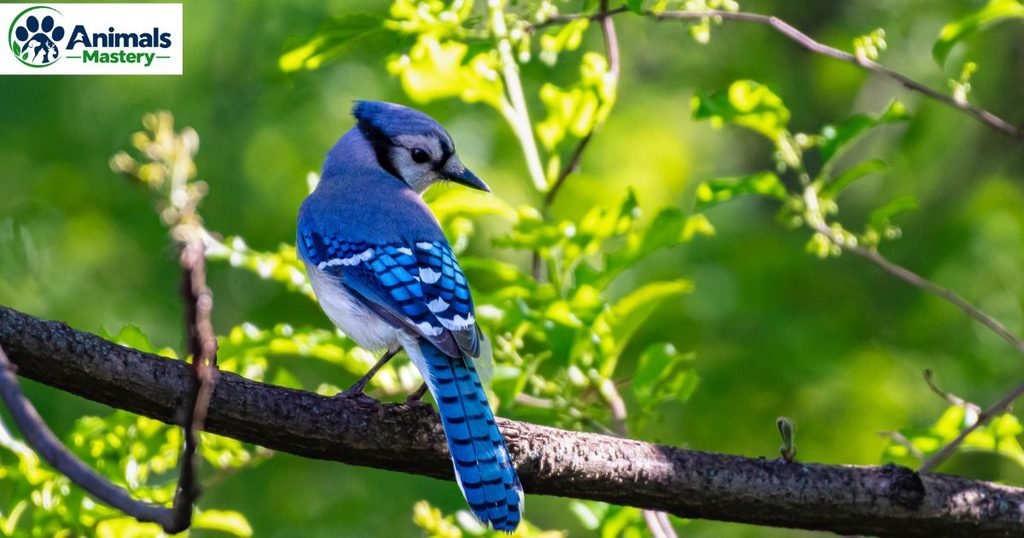
By using augmented reality as a canvas, Jay not only engages the audience in a unique way but also invites them to interact with art on a personal level, transforming passive viewing into an immersive experience.
Jay’s commitment to sustainability is reshaping how art is created and appreciated. He actively incorporates recycled materials into his installations, making a bold statement about environmental stewardship. This approach not only elevates the aesthetic value of his work but also sparks conversations about the importance of mindful consumption in the art world.
Boa
- Class: Reptilia
- Diet: Carnivore
Boas, often overshadowed by their more famous serpent cousins, the pythons, offer a fascinating glimpse into the diverse adaptations of snakes. Unlike pythons, which are primarily found in Asia and Africa, boas inhabit a variety of ecosystems across the Americas.
This geographical spread not only highlights their adaptability but also showcases a range of striking colors and patterns that help them blend into their environments. From the vibrant hues of the red-tailed boa to the more muted tones of the Colombian boa, each species has evolved unique camouflage techniques critical for survival in diverse habitats.
The boa’s reproductive strategy sets them apart in the reptile world. Most species are viviparous, meaning they give birth to live young rather than laying eggs. This trait not only enhances the survival rate of the offspring in cooler climates but also allows the mother to regulate the temperature of her developing young, demonstrating a remarkable adaptation to environmental challenges.
Bee
- Scientific Name: Anthophila
- Class: Insecta
- Diet: Herbivore
Bees are not just pollinators; they are crucial architects of our ecosystems. Beyond their role in producing honey, these industrious insects facilitate the growth of the plants that sustain both wildlife and human agriculture.
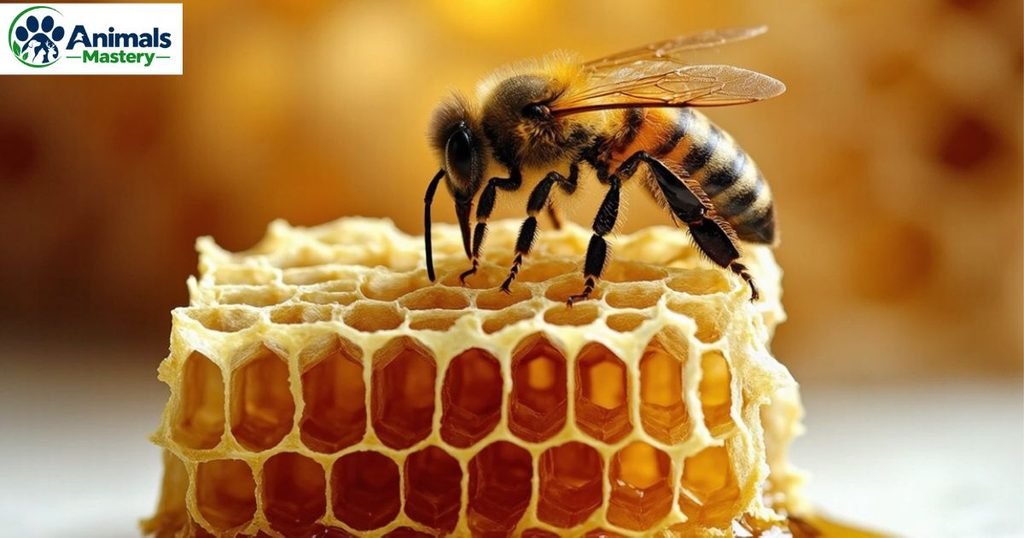
A single bee can visit thousands of flowers in a day, transferring pollen with delicate precision and ensuring genetic diversity among plant species. This intricate dance of pollination significantly contributes to the stability of our food supply, as one out of every three bites we take relies on these tiny yet mighty workers.
Bees possess a social structure that rivals many human communities. They communicate through a series of complex dances, known as the waggle dance, to share information about food sources and hive locations.
Koi
- Scientific Name: Cyprinus rubrofuscus
- Class: Actinopterygii
- Diet: Omnivore
Koi, often celebrated for their vibrant colors and intricate patterns, extend far beyond mere aesthetic appeal. These remarkable fish, believed to symbolize good fortune and perseverance, offer a fascinating insight into the cultural fabric of Japan, where their breeding has evolved into an art form.
Each hue and pattern tells a story, embodying the spirit of the water they inhabit and reflecting the individual care of their handlers, showcasing a unique tapestry of nature and nurture.
But the allure of koi isn’t just skin deep. Observing them can actually foster a sense of mindfulness and tranquility, transforming even the simplest backyard pond into a sanctuary.
Doe
- Scientific Name: Cervinae
- Class: Mammalia
- Diet: Herbivore
Doe, often symbolizing grace and gentleness, embodies a unique blend of vulnerability and strength in the natural world. Observing a doe in her habitat reveals a captivating duality while she may appear timid as she grazes in a sun-dappled clearing, her keen instincts keep her alert to dangers in the surrounding wilderness.
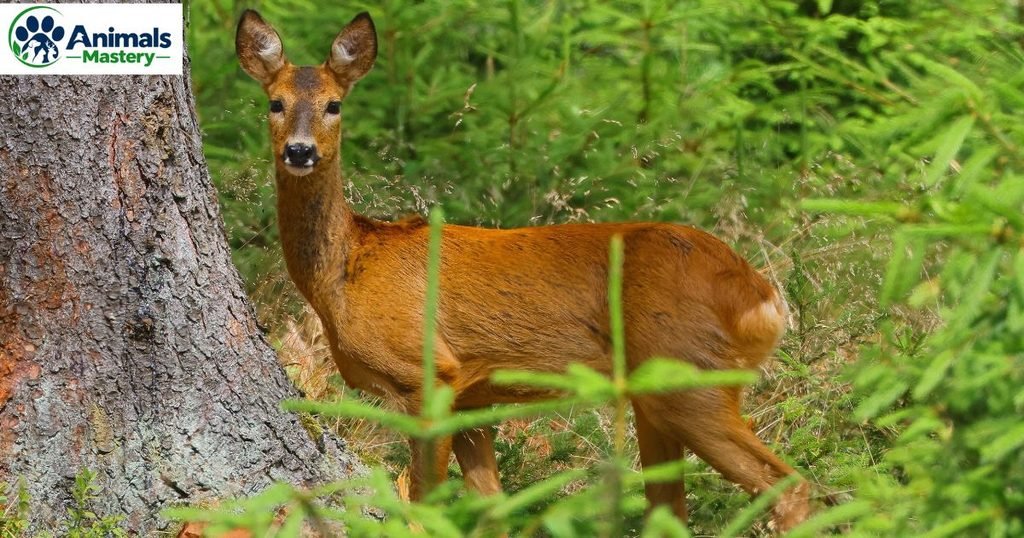
This balance highlights not only her adaptability but also the delicate interplay of survival in ecosystems, where every creature has its role to play. The symbolism of the doe extends beyond nature into various cultures and mythologies. In many traditions, the doe represents fertility and nurturing, often associated with feminine energy.
This archetype emphasizes the importance of intuition and nurturing, reminding us that strength doesn’t always roar; sometimes, it whispers softly, guiding us through life’s complexities. By embracing the doe’s characteristics, we can learn to navigate our own challenges with a sense of calm and poise, cherishing the quiet power that exists within vulnerability.
Eel
- Scientific Name: Anguilliformes
- Class: Actinopterygii
- Diet: Carnivore
Eels, often cloaked in mystery, represent one of nature’s most fascinating enigmas. These fascinating creatures navigate between freshwater and saltwater, displaying an incredible lifecycle that begins in the Sargasso Sea.
Where they spawn before embarking on long migrations. Their ability to slip through the tiniest of crevices and their serpentine form invoke both fascination and unease, lending them an almost mythical reputation across cultures.
Eels play a vital role in various ecosystems, serving as both predator and prey. Their unique biology, including the capacity to breathe through their skin when submerged in low-oxygen environments, showcases nature’s ingenuity.
Ant
- Scientific Name: Formicidae
- Class: Insecta
- Diet: Omnivore
Ants, often overlooked in the grand tapestry of nature, embody some of the most intricate social structures on the planet.
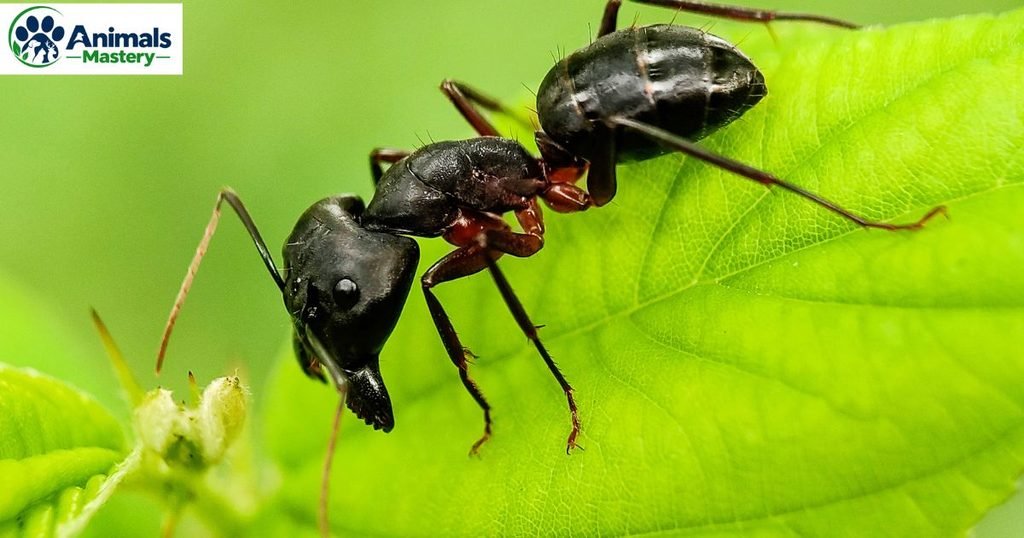
With species numbering in the tens of thousands, their cooperation surpasses that of many complex societies, showcasing an unparalleled level of communal living and division of labor.
Each colony operates like a well-tuned machine, where tasks are distributed among workers, soldiers, and queens, emphasizing the importance of collaboration.
This intricate social behavior raises questions about individuality and sacrifice, as the survival of the colony relies on the selfless acts of its members.
Ape
- Scientific Name: Hominoidea
- Class: Mammalia
- Diet: Omnivore
Ape societies showcase remarkable complexities that challenge our understanding of social structures in the animal kingdom. For instance, the social dynamics of chimpanzees reveal a rich tapestry of alliances, rivalries, and even emotional bonds akin to human relationships.
Observations have shown that these primates engage in impressive problem-solving tasks, often displaying tools and techniques that indicate cultural transmission. This ability to adapt and innovate underlines their cognitive sophistication, prompting scientists to rethink the notion of intelligence.
The emotional depth exhibited by apes can be striking. Recent studies have uncovered that they experience grief, joy, and even empathy, often mourning deceased companions and showing signs of distress when separated from their group.
Ram
- Scientific Name: Ovis aries
- Class: Mammalia
- Diet: Herbivore
Ram, a character intricately woven into the tapestry of Indian mythology, transcends his role as a mere deity to embody the ideals of duty and righteousness. His journey in the Ramayana reflects the eternal struggle between dharma (righteousness) and adharma (unrighteousness).
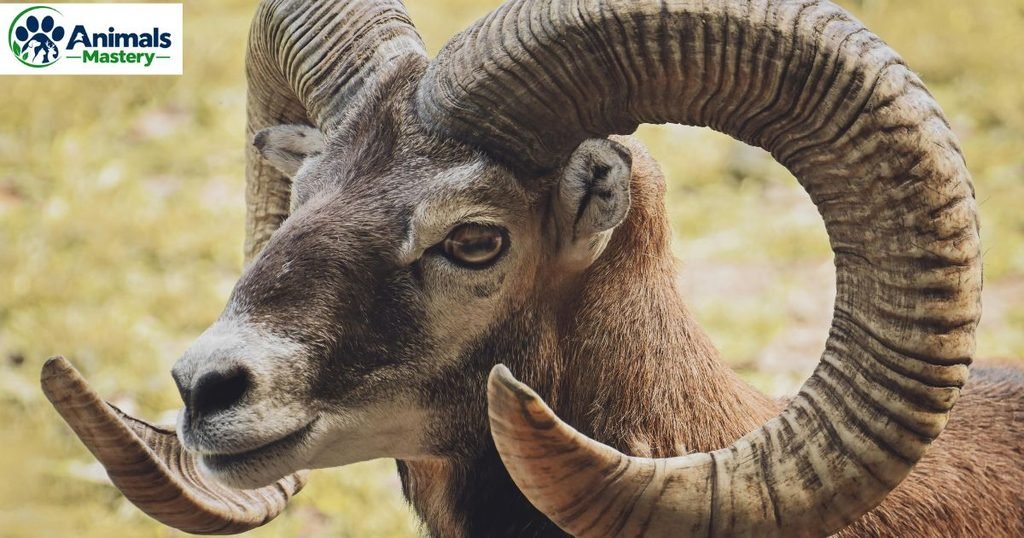
Unlike typical heroes, Ram’s strength lies not only in his martial prowess but in his unwavering moral compass, which compels him to act with integrity even in the face of personal sacrifice. This complexity resonates with many today, reminding us that true heroism often involves navigating ethical dilemmas and standing firm in one’s principles.
Ram’s relationship with his devoted ally Hanuman offers profound insights into loyalty and friendship. Hanuman’s unwavering dedication exemplifies how affection and commitment can bolster one another’s strengths, emphasizing the importance of support systems in our lives.
Owl
- Scientific Name: Strigiformes
- Class: Aves
- Diet: Carnivore
Owls have long been shrouded in mystery and myth, serving as symbols of wisdom across various cultures. Yet, beyond their cultural significance, these nocturnal hunters possess fascinating adaptations that make them masters of the night.
With their astonishing ability to rotate their heads nearly 270 degrees, owls can survey their surroundings while remaining virtually motionless, an incredible skill that aids in both hunting and avoiding predators.
Owls are equipped with specialized feathers that reduce sound during flight, allowing them to swoop silently upon unsuspecting prey. This stealthy approach is complemented by their extraordinary hearing; they can pinpoint a mouse’s faint squeak from over 100 feet away.
Fox
- Scientific Name: Vulpes vulpes
- Class: Mammalia
- Diet: Omnivore
Foxes are often seen as cunning tricksters in folklore, but their intelligence extends far beyond mere myth. These adaptable creatures possess a remarkable ability to thrive in diverse environments, from bustling urban landscapes to remote, forested areas.
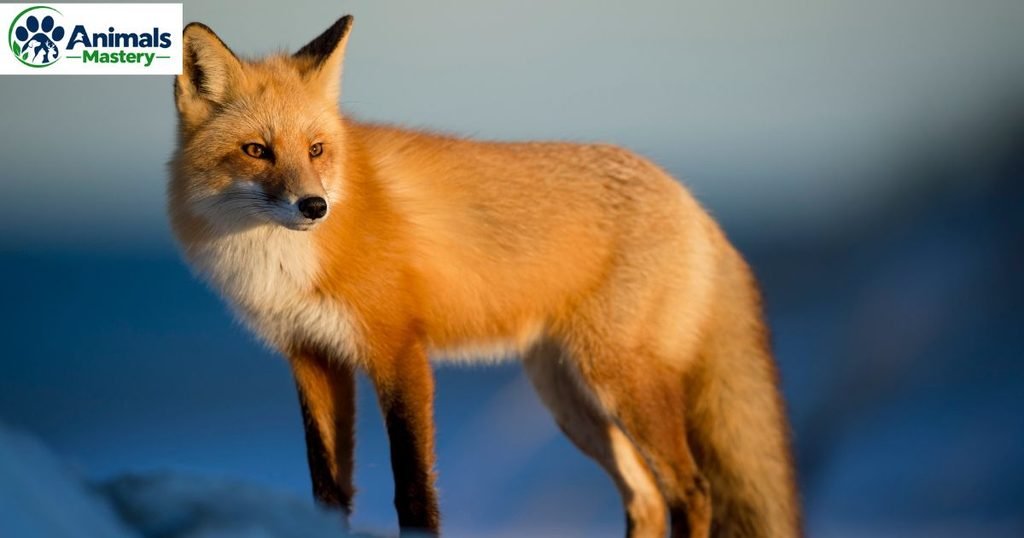
Their keen senses allow them to navigate these settings with ease, often utilizing clever tactics to secure food whether it’s outsmarting a competitor or using social cues to communicate with their kin.
Foxes embody a unique blend of beauty and resilience. Their plush fur, which varies in color from the vibrant reds of the common red fox to the striking silver and black of the arctic variety, serves as both camouflage and a testament to their adaptability.
Yak
- Scientific Name: Bos grunniens
- Class: Mammalia
- Diet: Herbivore
The yak, often associated with the rugged highlands of Central Asia, embodies more than just its furry exterior; it symbolizes resilience in one of the world’s harshest climates. These magnificent creatures are not only vital for the livelihood of Tibetan herders, but they also play a crucial role in the local ecosystem.
Their dense coats protect them from plummeting temperatures, allowing them to thrive at altitudes where few other mammals can. But what strikes most is their gentle nature; despit their formidable size, yaks are known for their calm demeanor, making them invaluable companions for nomadic tribes.
The yak’s contributions extend beyond traditional farming practices. In recent years, there’s been a surge in interest surrounding yak milk and cheese, which are both rich in nutrients and flavors not typically found in more common dairy sources.
Cat
- Scientific Name: Felis catus
- Class: Mammalia
- Diet: Carnivore
Cats are often celebrated as enigmatic companions, embodying a blend of independence and affection that captivates countless households. Unlike dogs, cats possess an innate sense of self-reliance, often pursuing their whims with a playful detachment.
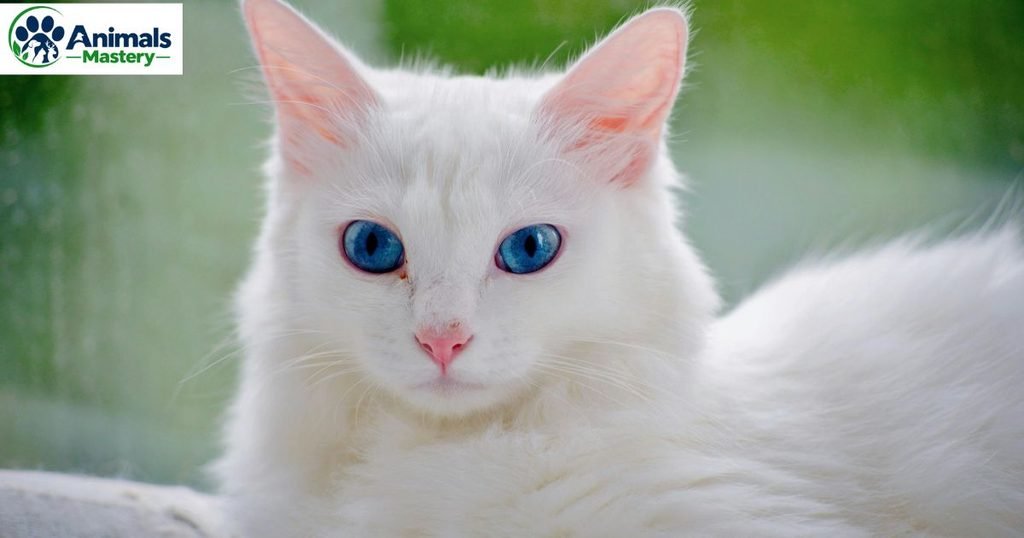
This unique personality trait fosters a fascinating dynamic between cat and owner; they encourage us to embrace our own space while simultaneously weaving themselves into the tapestry of our lives. The mystical qualities of cats extend beyond their behavior. Cultures worldwide have revered them, from ancient Egyptians who considered them sacred to modern-day social media influencers that capture their quirky antics.
This multifaceted appeal lies in their ability to mirror our emotions, providing comfort during tough times while also challenging us to engage in their playful world. The bond formed with a feline friend is a delicate dance a partnership where trust is earned and reciprocated, creating an extraordinary connection that often transcends words.
Emu
- Scientific Name: Dromaius novaehollandiae
- Class: Aves
- Diet: Omnivore
The emu, often overshadowed by its more famous cousin, the ostrich, is a remarkable creature that captures both curiosity and admiration. Native to Australia, these flightless birds can reach up to six feet in height and boast an impressive running speed of nearly 30 miles per hour.
Unlike many other avian species, emus possess a surprisingly unique adaptation: their large, muscular legs are not just for sprinting; they also play a crucial role in navigating the diverse terrains of their sunburnt homeland, from arid deserts to lush forests.
What sets emus apart is their role in the ecosystem as prolific seed dispersers. Their diet primarily consists of fruits, seeds, and insects, and in the process of foraging, emus inadvertently contribute to the health of their environment.
Dog
- Scientific Name: Canis lupus familiaris
- Class: Mammalia
- Diet: Omnivore
Dogs possess an unparalleled ability to sense human emotions, forging an invisible bond that transcends words. Recent studies suggest that dogs can detect subtle changes in our body language and even sense shifts in our mood through physiological cues, such as heart rates and pheromones.
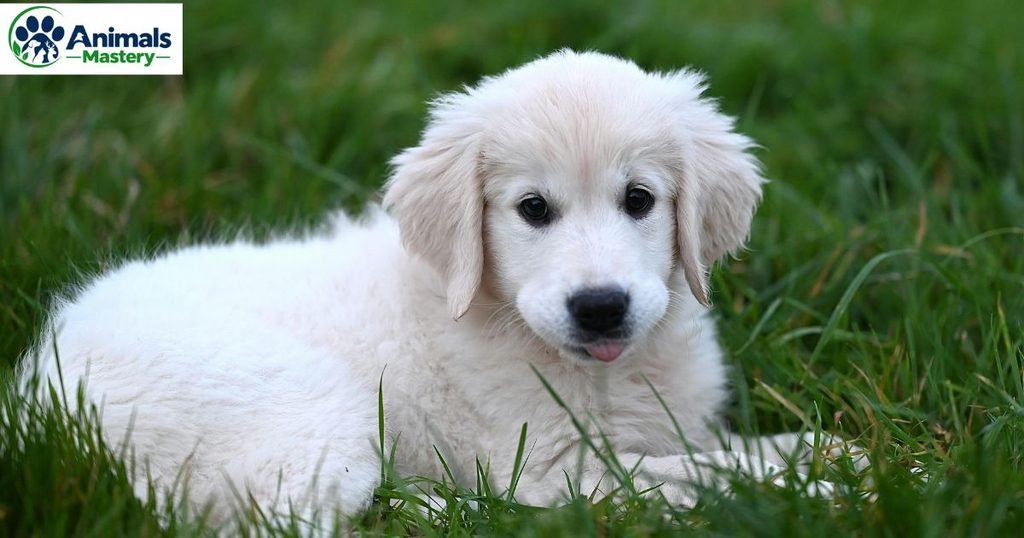
This instinctual empathy allows them to provide not just companionship but genuine emotional support, making them invaluable partners in mental health therapy. The relationship between dogs and humans is symbiotic; while we often think of ourselves as caregivers, it’s essential to recognize the profound impact dogs have on our well-being. Engaging in regular play or walks with a dog not only encourages physical activity but also enriches our social interactions and eases stress.
Their unfiltered joy in the simplest of experiences, a game of fetch or a sunlit afternoon reminds us to embrace the present moment and find happiness in everyday life. In this way, dogs don’t just share our homes; they profoundly influence our hearts and minds.
Hen
- Scientific Name: Gallus gallus domesticus
- Class: Aves
- Diet: Omnivore
The humble hen has transcended its role as mere farm animal to become a symbol of sustainability and community in modern agriculture. With an increasing number of urban dwellers embracing backyard chicken-keeping, hens are redefining green living, not only by providing fresh eggs but also by contributing to composting efforts.
Their ability to forage naturally and convert kitchen scraps into nutrient-rich fertilizer illustrates a remarkable circular economy right in our backyards. Beyond their practical benefits, hens can also foster deeper connections within communities.
Chicken coops can become social hubs where neighbors swap tips on care, breed preferences, or share recipes that highlight their fresh produce. This cooperative spirit revitalizes local bonds, turning what was once a solitary task into a joyful communal experience. Each hen tells a story of resilience and companionship, inviting us to reflect on the intricacies of our food system and the relationships that nourish it.
Elk
- Scientific Name: Cervus canadensis
- Class: Mammalia
- Diet: Herbivore
Elk, often overshadowed by their majestic cousins like moose and deer, are fascinating creatures that play a critical role in their ecosystems. These intelligent animals are not just known for their impressive antlers, which can span up to four feet, but also for their complex social structures.
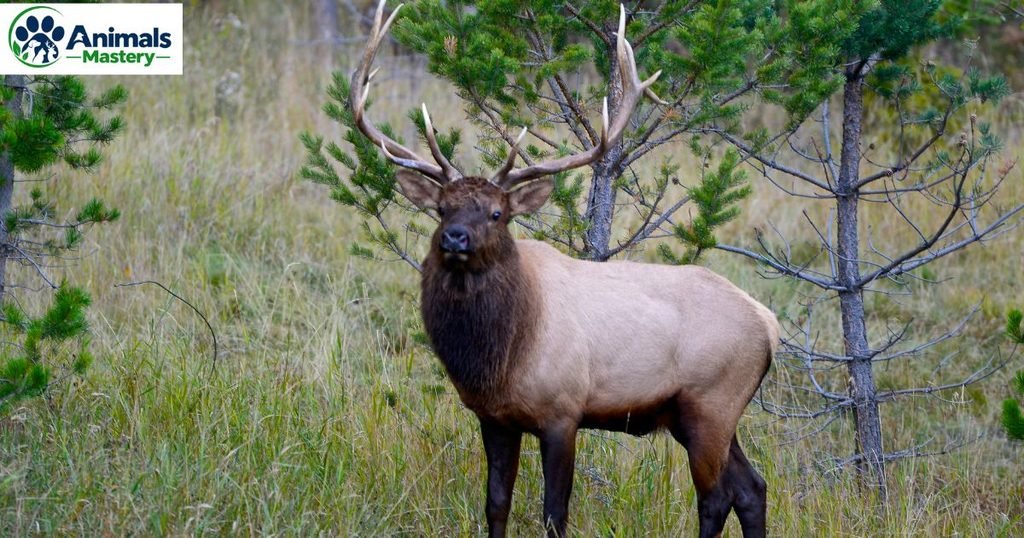
Herds are typically led by a dominant male during rutting season, showcasing dramatic displays of strength and vocal prowess to attract females. This annual ritual not only underscores their physical might but also highlights their intricate communication methods, which include a range of bugles and grunts tailored for different situations.
Beyond their physical attributes, elk have adapted remarkably to their environments, showcasing a resilience that reflects broader ecological trends. As climate changes and habitats shift, these animals exhibit remarkable adaptability, often altering their migratory patterns in search of food and suitable breeding grounds.
Gar
- Scientific Name: Lepisosteidae
- Class: Actinopterygii
- Diet: Carnivore
The gar, a fish often overshadowed by more flamboyant species, possesses an intriguing combination of ancient lineage and modern ecological significance.
With origins tracing back over 200 million years, these living fossils have adapted remarkably, demonstrating an unparalleled resilience. Their unique body structure, characterized by elongated snouts and armor-like scales, not only makes them visually striking, but also provides critical survival adaptations in diverse aquatic environments.
Gars play a vital role in their ecosystems as apex predators. They help maintain the balance of their habitats by controlling populations of smaller fish and prey species.
Auk
- Scientific Name: Alcidae
- Class: Aves
- Diet: Carnivore
The auk, a family of flightless seabirds, offers a fascinating glimpse into the complexities of evolution and adaptation. Once prevalent in both the North Atlantic and Arctic regions, these birds are often overshadowed by their more famous relatives, like the penguin.
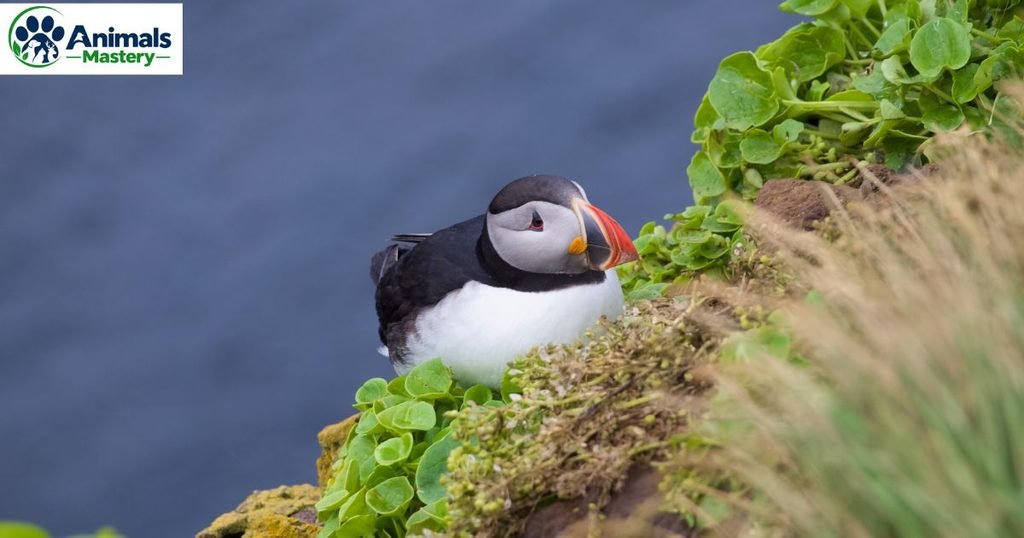
Their distinctive appearance with stout bodies, short wings, and a vibrant beak may evoke curiosity, but it’s the auk’s remarkable lifestyle that sets it apart. These birds are master divers, capable of plunging to substantial depths in pursuit of fish, showcasing not just physical prowess but also a keen ingenuity in adapting to a harsh marine environment.
The story of the auk is tinged with tragedy. The Great Auk, once an iconic symbol of maritime life, fell victim to human exploitation in the 19th century. Its extinction serves as a profound reminder of the fragility of ecosystems and the impact of human activity on biodiversity.
Bat
- Scientific Name: Chiroptera
- Class: Mammalia
- Diet: Omnivore
Bat populations serve as crucial indicators of ecosystem health, due to their role in pest control and pollination. As nocturnal creatures, they undertake a silent ballet of echolocation, navigating through the night sky while feasting on insects that would otherwise plague crops and spread disease.
Some bat species are also key pollinators, facilitating the reproduction of various plants, including economically important crops like bananas and avocados. Beyond their ecological contributions, bats have been the subjects of folklore and myth, often misunderstood and portrayed negatively in popular culture.
Recent research highlights their complex social structures and behaviors, showcasing them as highly intelligent animals that communicate through a variety of sophisticated vocalizations.
Cod
- Scientific Name: Gadus morhua
- Class: Actinopterygii
- Diet: Carnivore
The codfish, often seen as a staple of coastal cuisine, holds a deeper narrative rooted in its ecological and historical significance.
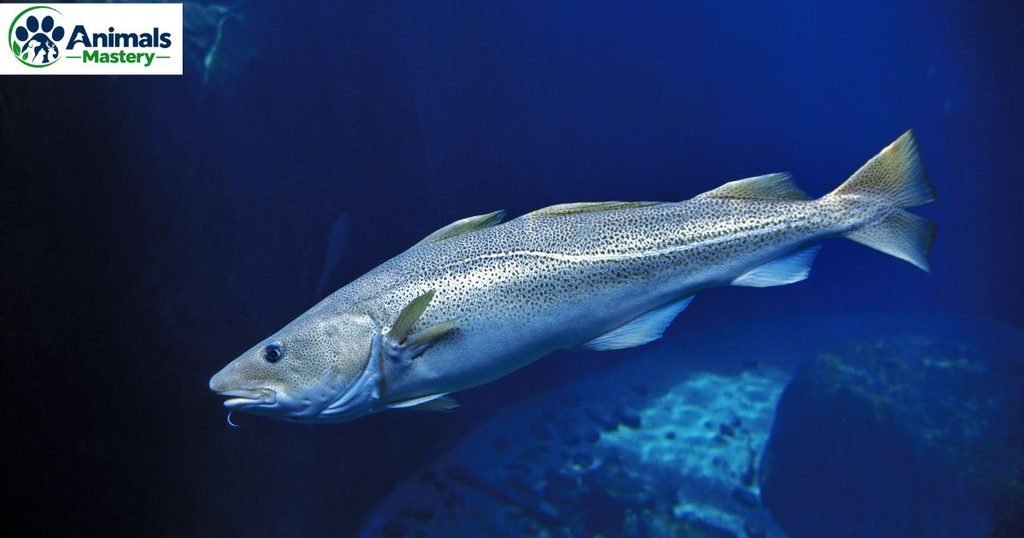
Once the cornerstone of European diets, cod’s abundance in the North Atlantic led to overfishing that alarmingly threatened its populations. Today, sustainable fishing practices and aquaculture innovations are revitalizing this beloved fish, presenting a hopeful future not just for cod, but for marine ecosystems facing unprecedented challenges.
Beyond its culinary appeal, cod is a fascinating study in the intersection of culture and commerce. In regions like Norway and Newfoundland, traditional salt-cured cod, or “bacalhau,” is woven into cultural identities, illustrating how food can become a vessel for heritage.
Cow
- Scientific Name: Bos taurus
- Class: Mammalia
- Diet: Herbivore
Cows are more than just gentle giants grazing in fields; they are complex creatures with rich emotional lives and social structures. Recent studies reveal that cows exhibit impressive cognitive abilities; they can recognize individual faces and even form long-lasting friendships.
Observing these social dynamics unveils a nuanced world within the herd where each bovine has its unique personality, influenced by their environment and companions. The ecological contributions of cows extend beyond dairy and meat production. When managed sustainably, cattle can play a vital role in regenerative agriculture, enhancing soil health and promoting biodiversity.
Their grazing patterns can stimulate plant growth and improve water retention, illustrating that these animals are key players in the fight against climate change. Embracing a holistic view of cows challenges us to consider them not merely as livestock but as integral components of our ecosystems.
Goa
- Scientific Name: Procapra picticaudata
- Class: Mammalia
- Diet: Herbivore
Goa’s allure extends far beyond its pristine beaches and vibrant nightlife; it embodies a rich tapestry of cultures and histories waiting to be explored. Venture beyond the popular tourist spots, and you’ll discover hidden gems like the tranquil village of Chandor, where the remnants of Portuguese architecture speak volumes about the region’s colonial past.
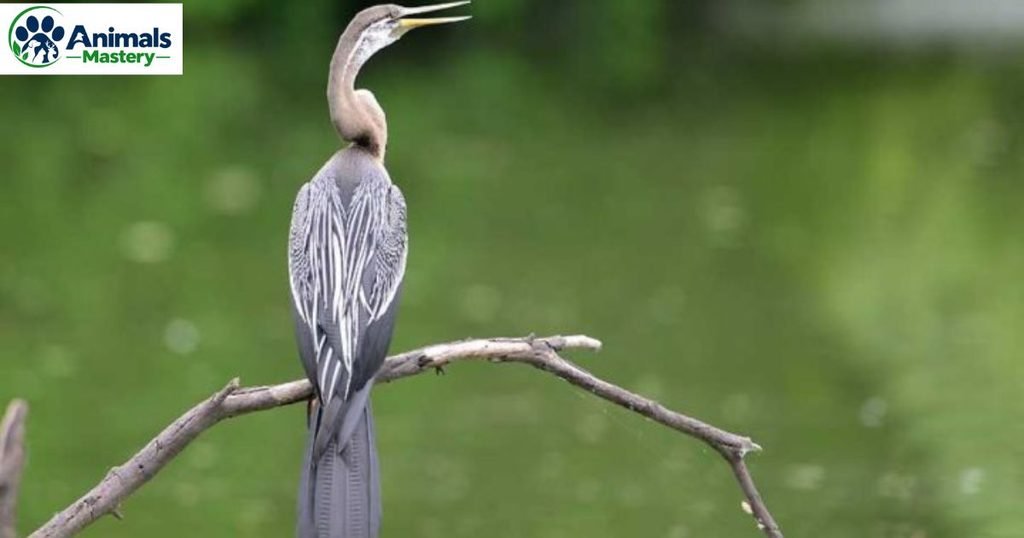
The allure of ancient temples dotting the landscape offers a glimpse into the spiritual heart of this coastal paradise, inviting travelers to engage with local traditions and rituals. For those seeking adventure, Goa has recently become a hub for eco-tourism.
From diving in the stunning waters off Grande Island to trekking through the lush Western Ghats, there’s a world of biodiversity just waiting to be experienced. Sustainable travel initiatives are flourishing, with eco-friendly resorts and community-led projects that allow visitors to contribute positively to the environment.
Rat
- Scientific Name: Rattus
- Class: Mammalia
- Diet: Omnivore
Rats often evoke a mix of fear and disgust, but their remarkable adaptability and intelligence can challenge those perceptions. Known for thriving in diverse environments, from bustling city streets to serene country fields, these creatures exhibit an uncanny ability to solve complex problems.
Research has shown they can navigate intricate mazes and even play games, showcasing cognitive skills that resonate with their mammalian relatives. In many cultures, rats symbolize survival and resilience, presenting a duality that stretches beyond their often-maligned reputation. On one hand, they’re opportunistic scavengers; on the other, they form tightly-knit social groups, demonstrating loyalty and cooperation.
This social structure is evident in their behaviors, where they care for each other and even engage in play, enriching their communities much like humans do. By shifting our perspective, we can appreciate rats not as mere pests but as complex beings, deeply woven into the fabric of urban and rural ecosystems alike.
Fly
- Scientific Name: Diptera
- Class: Insecta
- Diet: Omnivore
To fly is not merely about defying gravity; it embodies the relentless pursuit of freedom and exploration. Birds take to the skies, their wings a testament to evolution’s artistry, while humans, through innovation, have crafted machines that mimic this natural phenomenon.
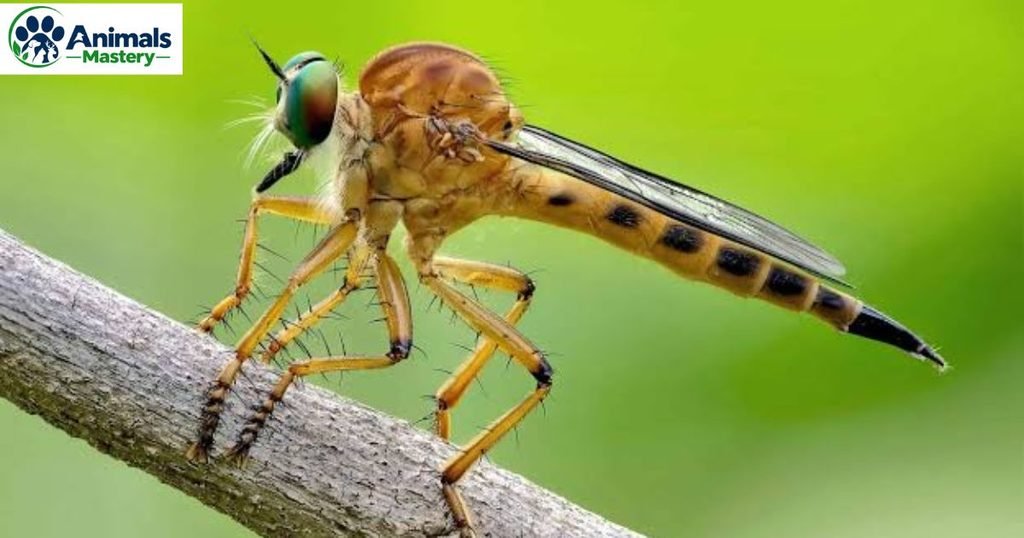
Yet, beyond the physical act of flight, there lies a profound metaphor for breaking barriers both personal and societal. In our daily lives, the urge to “fly” translates into aspirations and dreams that lift us beyond our immediate circumstances. It urges us to envision our potential beyond the confines of routine, inviting us to embrace risk and vulnerability.
In this sense, to fly isn’t only about reaching new heights; it’s also about the courage to leap into the unknown, transcending fears and limitations. As we navigate this journey, we discover that the most transformative flights often occur within the realm of our minds and spirits, pushing us toward a broader horizon.
You May Also Read About: Top 15 Animals that Look Like Muskrats
Conclusion
Exploring Animals With 3 Letters names not only highlights the simplicity of language but also showcases the diversity of the animal kingdom. From cats to foxes, these creatures remind us of the beauty and complexity that exist within our world. Each three-letter animal carries its own unique traits and plays a significant role in its ecosystem.
As we delve into their stories, we gain a deeper appreciation for nature’s wonders. So, the next time you hear a three-letter animal name, take a moment to ponder its significance and the life it represents.
FAQs
What are some 3-letter animals in English?
Some common 3-letter animals in English include cat, dog, and rat. Other examples are bat, fox, and ant, showcasing a variety of creatures from different habitats.
What is a 3-letter mammal?
A 3-letter mammal is the “bat.” Bats belong to the order Chiroptera and are the only mammals capable of sustained flight. They play crucial roles in ecosystems, such as pollinating plants and controlling insect populations.
What is a 3-letter flying animal?
A 3-letter flying animal is a “bat.” Bats are unique mammals known for their ability to fly using their elongated wings, which are actually folds of skin stretched over their long fingers. They play essential roles in ecosystems, including pollination and pest control.
What is a three letter farm animal?
A three-letter farm animal is a “cow.” Cows are commonly raised for their milk, meat, and hides, making them an essential part of agriculture in many parts of the world.