Badgers In Michigan: Interesting Facts You Need to Know
Interesting Facts there Badgers In Michigan, we’ll explore the presence, habitats, and behaviors of these fascinating creatures in the Great Lakes State. Understanding badgers not only enriches your knowledge of local wildlife but also emphasizes the importance of biodiversity. Prepare to delve into some surprising insights that might make you rethink your next nature walk.
Badgers in Michigan
- Diet
- Size, Lifespan and Weight
- Reproduction
- Habitat
- Predators
- Colour
Diet
Diet extends far beyond mere calorie counting; it’s an intricate symphony of nutrients that fuels our bodies and shapes our experiences.
Recent studies have highlighted the gut-brain connection, revealing how the food we consume can significantly impact our mood and mental clarity. By incorporating more whole foods like fruits, vegetables, and fermented products into our diets, we not only nourish our bodies but also elevate our mental well-being.

The concept of intuitive eating is gaining traction as a refreshing alternative to rigid dieting. This approach encourages individuals to listen to their bodies and honor their hunger cues, fostering a more mindful relationship with food.
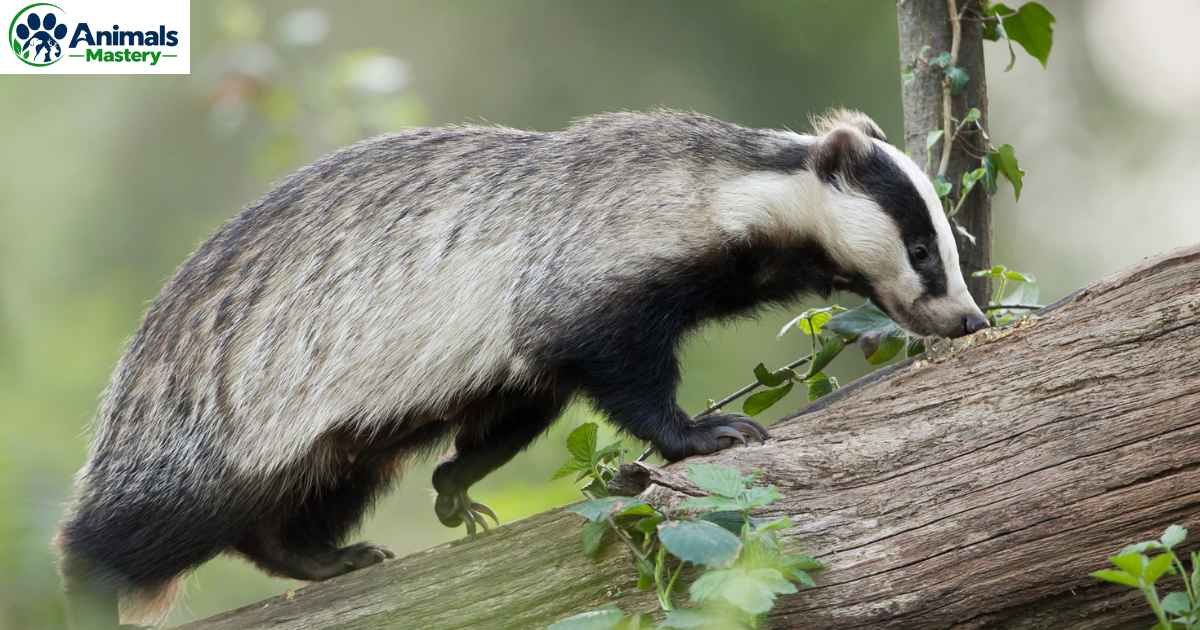
Michigan badgers are solitary mammals known for digging and hunting small prey. By shifting focus from societal ideals of beauty to personal satisfaction and nourishment, we can redefine what it means to eat healthily.
Size, Lifespan and Weight
When considering the size and weight of different species, there’s a fascinating dance between anatomy and environment. Larger animals often evolve to grasp greater resources, commanding their habitats and influencing their ecosystems.
For instance, elephants not only wield their size as a defense mechanism but also shape their environment through foraging, creating pathways and watering holes that benefit countless other species.

Smaller creatures, like certain migratory birds, demonstrate how agility can trump sheer size, allowing them to exploit diverse niches and evade predators. Lifespan serves as another intriguing aspect of this biological narrative. Many large mammals, like whales (Sea Otter) can live for over a century, a longevity that allows them to accumulate wisdom about their vast, watery territories.
Reproduction
Reproduction is often seen as a straightforward biological process, but it bears profound implications for the evolution of species and the diversity of life on Earth. Beyond mere survival, reproduction acts as a canvas for natural selection, where genetic variations can either flourish or falter.
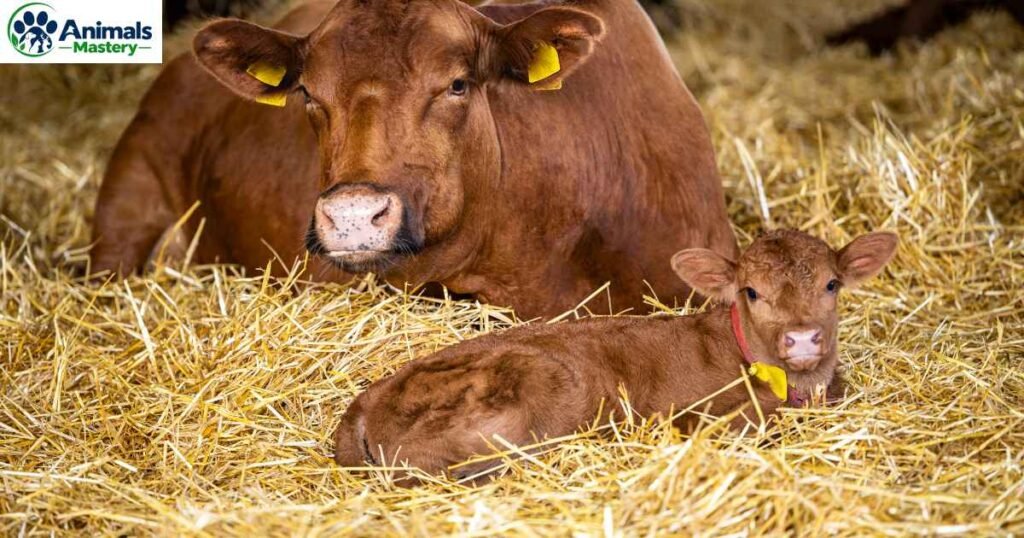
Consider how environmental changes shape reproductive strategies: organisms might adapt by shifting their mating rituals or altering their offspring’s developmental modes, ultimately fostering resilience within evolving ecosystems.
The advent of technology has transformed our understanding of reproduction, particularly in humans. Techniques like in vitro fertilization and genetic engineering challenge the traditional paradigms, raising ethical questions and expanding the definition of family.
Habitat
Habitat is a dynamic tapestry woven from the threads of environmental conditions, biological diversity, and human impact. Each habitat, whether it’s a sun-drenched savanna or a dense rainforest, serves as a vital stage for an intricate ballet of life, where species interact in often unseen ways.

These ecosystems, shaped by climate, geography, and the interplay of flora and fauna, not only sustain their inhabitants but also provide services crucial for human survival, such as clean air, water filtration, and even climate regulation.
As our planet faces unprecedented challenges from urbanization and climate change, the very notion of habitat is evolving. Urban spaces are transforming into hybrid ecosystems, where flora and fauna adapt to the rhythm of city life.
Predators
Predators are often portrayed as the villains of the animal kingdom, but their role is more nuanced than mere brutality. These hunters shape ecosystems, maintaining balance by regulating prey populations.
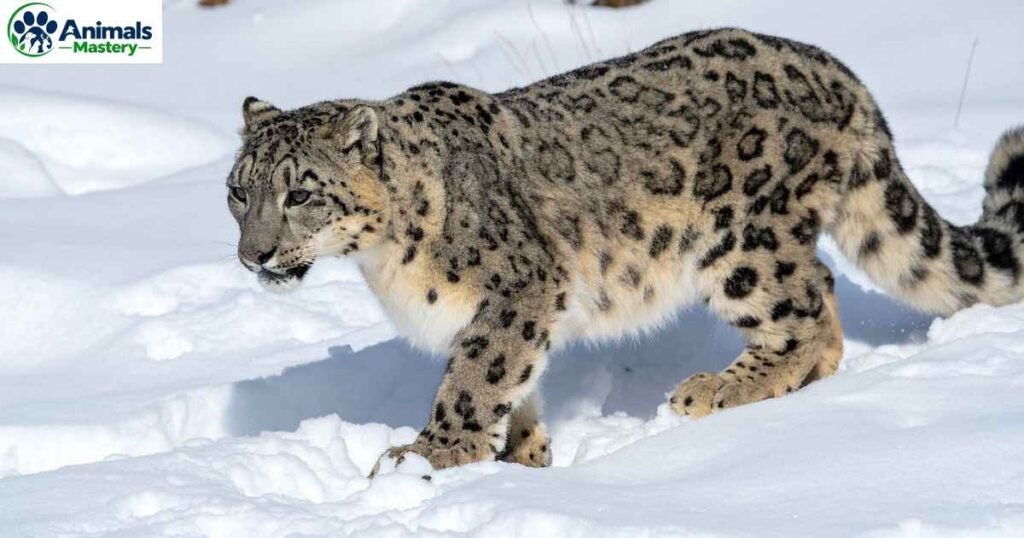
For instance, the presence of wolves in Yellowstone National Park has redefined the landscape, highlighting how apex predators can influence everything from deer movements to plant growth.
Their predation creates a ripple effect, often termed a “trophic cascade,” where the effects of their hunting extend far beyond what might be visible to the naked eye.
Colour
Colour influences our emotions, perceptions, and even decisions in ways that often go unnoticed. Imagine walking into a room painted in deep blue instantly, a sense of calm washes over you. This is not mere coincidence; studies suggest that our brains are wired to respond to different hues in specific ways.
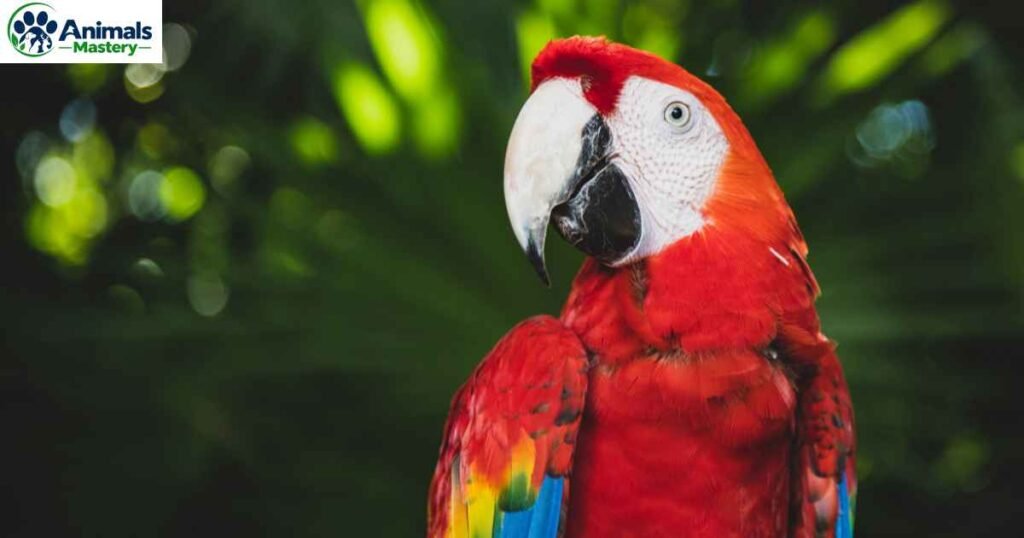
Reds might spark excitement or urgency, while greens often evoke tranquility and balance. Recognizing the psychological impact of colour can transform not only interior design but also branding and marketing strategies.
Conclusion
The presence of badgers in Michigan serves as a testament to the state’s rich biodiversity and the importance of preserving their habitat. These fascinating creatures play a crucial role in maintaining the ecosystem, particularly through their burrowing activities that improve soil aeration and nutrient cycling.
As conservation efforts continue to evolve, raising awareness about Badgers In Michigan and their behaviors can foster a greater understanding of their significance. It is essential for residents to appreciate these animals and support local conservation initiatives that protect their habitats.
FAQs
Where in Michigan do Badgers Live?
Badgers in Michigan primarily inhabit the southern and central regions of the state. They prefer open habitats such as grasslands, fields, and areas with brush or sparse trees, which provide ample foraging opportunities and suitable burrowing sites.
Is it Rare to see a Badgers In Michigan?
Yes, it can be relatively rare to see a badger in the wild. Badgers are primarily nocturnal and tend to be most active during the night, which makes spotting them during the day quite difficult. Additionally, they are known for their secretive behavior and often prefer to stay in their underground burrows or dens.
Are American Badgers Harmless?
American badgers are generally not considered harmless; they are wild animals with strong instincts for self-defense. While they are typically shy and solitary, they can exhibit aggressive behavior if they feel threatened.
Are Badgers Protected in Michigan?
Yes, badgers are protected in Michigan under the state’s wildlife conservation regulations. While they are not listed as endangered or threatened, they are considered a protected species.