Top 39 Animals With 4 Letters (With Images)
Dive into the Top 39 Animals With 4 Letters and uncover a delightful collection of creatures that not only intrigue but also challenge our perception of biodiversity.
This exploration promises to enlighten animal lovers and curious minds alike, giving you fresh insights into familiar and exotic species. Brace yourself for a fun and informative journey through the animal kingdom.
List of Animals With 4 Letters
Here is the list of animals with 4 letters:
- Tick
- Crow
- Toad
- Seal
- Vole
- Wasp
- Bear
- Hawk
- Mole
- Wren
- Bass
- Swan
- Pika
- Crab
- Lion
- Flea
- Wolf
- Ibis
- Kiwi
- Duck
- Clam
- Moth
- Rhea
- Orca
- Newt
- Frog
- Deer
- Tuna
- Worm
- Ibex
- Tang
- Mule
- Lynx
- Puma
- Pike
- Carp
- Hare
- Sole
- Dace
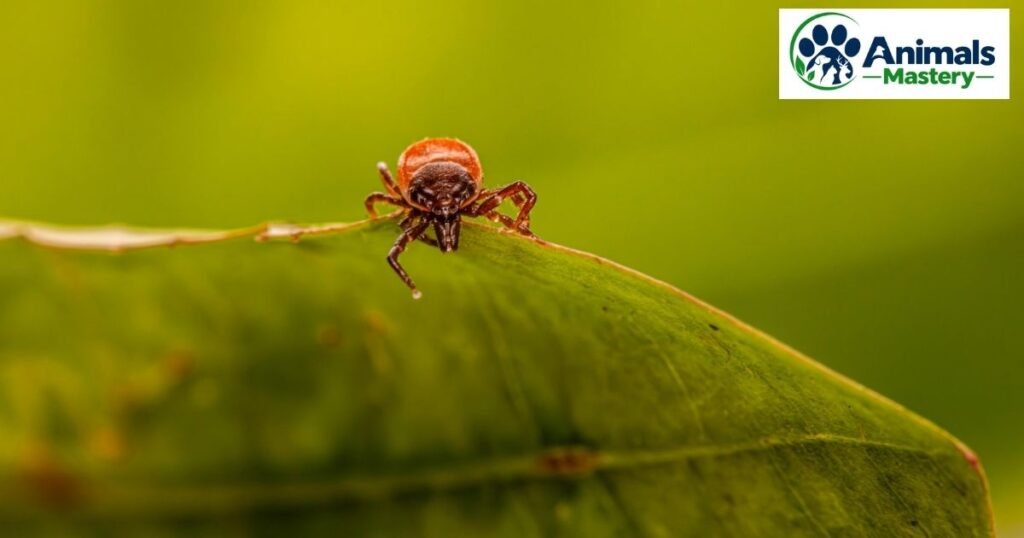
Tick
Scientific Name: Ixodida
Class: Arachnida
Diet: Carnivore
In the intricate tapestry of life, the tick serves as a paradoxical symbol of nature’s resilience and menace. These tiny arachnids, often dismissed as mere nuisances, play a complex role in their ecosystems, acting as both predators and prey.
Their life cycle, marked by precision and timing, prompts a deeper understanding of biological rhythms, reminding us of nature’s intricate dance.
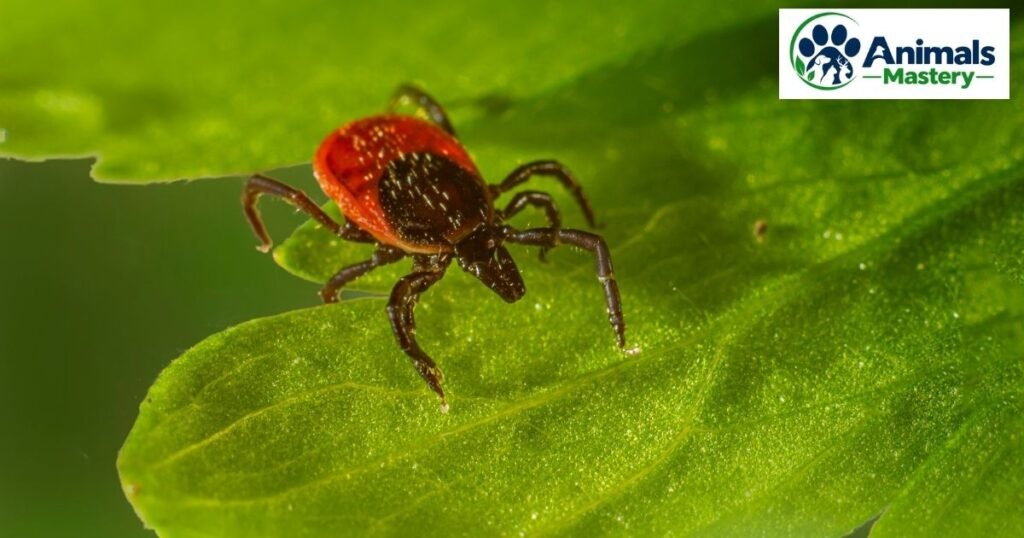
Ticks are vectors of diseases like Lyme disease and Rocky Mountain spotted fever, highlighting a critical intersection of ecology and public health. As habitats shift and weather patterns change, these hardy creatures expand their territories, urging us to rethink our relationship with nature and the unseen threats it may harbor.
With increasing awareness and education, we can transform our fear of ticks into informed action, protecting both ourselves and the delicate balance of our environments.
Crow
Scientific Name: Corvus
Class: Aves
Diet: Omnivore
The crow, often misunderstood, is a symbol of intelligence and adaptability. Researchers have shown that these enigmatic birds possess problem-solving skills comparable to primates. From fashioning tools to navigating complex urban environments, crows exhibit behaviors that challenge traditional notions of animal intelligence.
Their ability to use cars to crack nuts demonstrates a remarkable understanding of cause and effect, showcasing the cleverness that lies beneath their inky feathers.
Social dynamics among crows are equally fascinating. They form intricate social networks and employ a rich vocabulary of calls to communicate with one another. This communal behavior not only highlights their intelligence but also their emotional depth, as they celebrate, mourn, and collaborate.
Observing crows can reveal much about the interconnectedness of life; their antics often serve as reminders of nature’s resilience, teaching us how adaptability can lead to survival in a rapidly changing world.
Toad
Scientific Name: Anura
Class: Amphibia
Diet: Carnivore
Toads are often underrated in the realm of amphibians, overshadowed by their more glamorous cousins, the frogs. However, these squat creatures possess unique adaptations that make them fascinating. Their rugged, bumpy skin is not just a quirky feature; it serves as an effective barrier against dehydration, allowing toads to thrive in diverse environments, from arid landscapes to lush gardens.
This resilience showcases their evolutionary prowess as they navigate the challenges of their habitats.
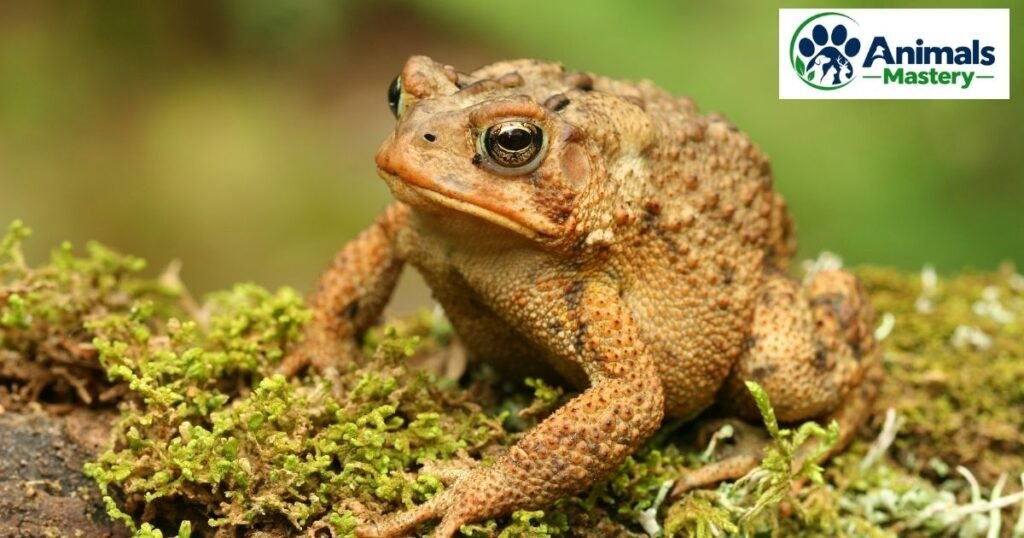
Beyond their physical traits, toads play a crucial role in the ecosystem. As natural pest controllers, they consume vast quantities of insects, keeping populations in check and contributing to agricultural health.
Interestingly, toads also have a remarkable defense mechanism: their skin secretes toxins that can deter potential predators while also providing the basis for certain medicinal compounds.
Seal
Scientific Name: Pinnipedia
Class: Mammalia
Diet: Carnivore
Seals are among the most acrobatic and playful creatures in the ocean, showcasing an astonishing range of behaviors that often captivate human observers. With their streamlined bodies and flippers, they glide through the water with grace, embodying the essence of marine agility.
Whether it’s their robust barks echoing along rocky coastlines or their impressive leaps out of the water, seals remind us of the joyful spontaneity of life in the wild.
But their existence goes beyond mere cuteness; seals play a crucial role in maintaining the balance of marine ecosystems. As both predator and prey, they help regulate fish populations and contribute to the health of seagrass and kelp forests.
Recent studies suggest that seals also impact carbon sequestration in marine environments, as their waste not only nourishes the ocean floor but also promotes robust marine biodiversity.
Vole
Scientific Name: Cricetidae
Class: Mammalia
Diet: Herbivore
Voles are often overlooked in the grand tapestry of wildlife, yet they play a crucial role in their ecosystems. These small, burrowing rodents are typically found in grassy fields and wetlands, where their intricate tunnel systems aerate the soil and facilitate water drainage.
Observing a vole’s habitat reveals a hidden world where these creatures are more than mere foragers; they serve as a vital food source for birds of prey and larger mammals. This interconnectedness invites a reevaluation of how we appreciate even the smallest inhabitants of our ecosystems.
Voles exhibit fascinating social behaviors, forming complex family structures that evidence their adaptability. Some species, like the prairie vole, engage in monogamous relationships, showcasing a surprising level of emotional complexity among rodents.
This has sparked research into their neurological responses, shedding light on the evolutionary roots of partnership and attachment. As the climate changes, understanding the role of voles in their habitats becomes even more urgent, providing insight into how such small creatures might reflect larger environmental shifts and challenges.
Their existence challenges our perception of wildlife, urging us to consider the vital interactions that sustain life in the natural world.
Wasp
Scientific Name: Vespidae
Class: Insecta
Diet: Omnivore
Wasp populations play a critical yet often misunderstood role in our ecosystems. Unlike the popular perception of wasps as mere nuisances at summer picnics, they are vital pollinators and natural pest controllers, targeting harmful insects that threaten crops.
This makes them unsung heroes in maintaining the ecological balance. Recent studies have shown that certain species of wasps can even improve fruit yield by assisting in the pollination process, showcasing their importance beyond just being a perceived pest.
The social structure of wasp colonies is a marvel of nature. Many species exhibit complex behaviors and intricate hierarchies that demonstrate advanced problem-solving capabilities and communication skills. Observations reveal fascinating insights into their interactions, which can sometimes mirror those found in human societies.
While swatting away a wasp might seem like the instinctive reaction during outdoor activities, understanding their crucial role might encourage a more harmonious coexistence with these intriguing insects. Embracing wasps in our environment deepens our appreciation for biodiversity and highlights the interconnectedness of all living beings.
Bear
Scientific Name: Ursidae
Class: Mammalia
Diet: Omnivore
Bears are more than just the rugged, majestic creatures we often visualize in forests and mountains; they symbolize resilience and adaptability in an ever-changing world. For instance, the polar bear, facing the realities of climate change, showcases not only survival instincts but also a rich cultural significance among indigenous peoples.
Their struggle is a poignant reminder of the intricate balance between nature and humanity, prompting urgent conversations about conservation and the impacts of global warming.
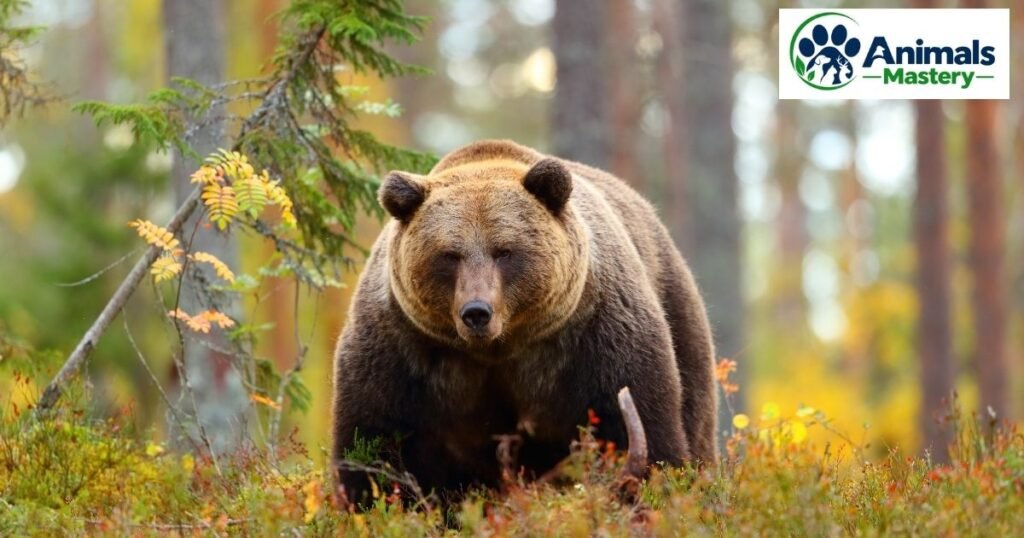
The social dynamics of bears are equally fascinating. While often seen as solitary animals, they exhibit complex behaviors, especially around food sources and mating. A mother bear’s dedication to her cubs, a bond that extends beyond mere survival demonstrates the depth of emotional connections in the animal kingdom.
This nurturing aspect serves as a mirror, inspiring us to reflect on our familial relationships and the importance of community in facing life’s challenges.
Hawk
Scientific Name: Accipitridae
Class: Aves
Diet: Carnivore
The hawk, a symbol of keen observation and agility, dominates the skies with an unmatched grace. With exceptional vision, these raptors can spot their prey from incredible distances, embodying a unique blend of intuition and precision that often goes unnoticed. Observing a hawk in flight is like witnessing a masterclass in dynamics; each flap of its wings is both deliberate and effortless.
Their hunting prowess, hawks offer fascinating insights into ecosystem health. As apex predators, they play a crucial role in maintaining balance within their habitats by controlling populations of rodents and other small animals.
This intricate web of life showcases the interconnectedness between different species, highlighting the importance of preserving natural environments where hawks thrive. Engaging with these magnificent creatures can inspire a deeper understanding of wildlife conservation and the delicate dance of nature’s ecosystems.
Bald Eagles, Hawks and bald eagles are both powerful birds of prey, known for their sharp vision, strong talons, and impressive hunting abilities.
Mole
Scientific Name: Talpidae
Class: Mammalia
Diet: Carnivore
Moles, often seen as mere skin blemishes, can tell us fascinating stories about our biology and individuality. Each mole’s unique shape and color can reflect genetic history, revealing clues about heritage and predispositions.
Beyond aesthetics, moles serve as a reminder of our skin’s complex relationship with sunlight and environmental factors, highlighting the importance of sun protection and regular dermatological check-ups.
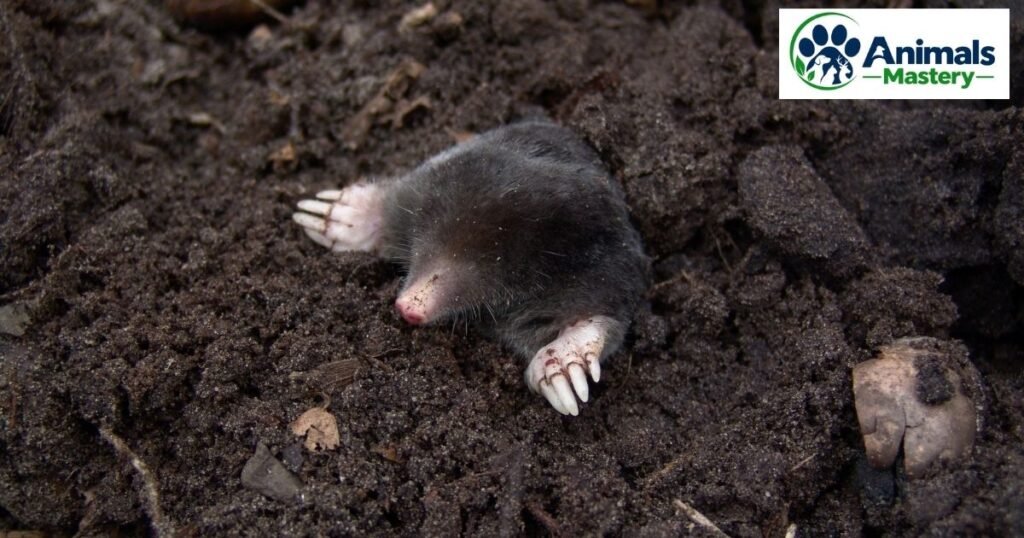
The presence of moles can be linked to creativity and personality traits. In some cultures, moles have been seen as marks of good luck or signs of a vivid character, suggesting that these tiny features may carry cultural significance beyond their physical appearance.
Regularly observing changes in moles can also foster a deeper connection with our bodies, encouraging mindfulness about overall health.
Wren
Scientific Name: Troglodytidae
Class: Aves
Diet: Carnivore
Wren, a name synonymous with both grace and resilience, evokes images of a small bird that thrives across diverse landscapes. This agile creature embodies the spirit of adaptability, effortlessly weaving through the complexities of its environment.
Observing a wren fluttering with boundless energy reminds us that strength often lies in unexpected places, challenging the notion that size dictates ability.
Its physical presence, the wren, carries deep cultural significance. In folklore, it symbolizes creativity and resourcefulness, often inspiring tales in various traditions. The wren’s song, a vibrant melody that fills the air, becomes a metaphor for finding one’s voice amidst the noise of life.
This connection between nature and personal expression encourages us to embrace our unique narratives, resonating with the essence of transformation and renewal.
Bass
Scientific Name: Micropterus
Class: Actinopterygii
Diet: Carnivore
Basses are not just the backbone of many musical genres; they also have a fascinating ecological role. These deep-bodied fish are often found in freshwater lakes and rivers, where their presence helps maintain the health of aquatic ecosystems.
By preying on smaller fish and invertebrates, bass contribute to a balanced food chain, ensuring that local habitats thrive. Understanding their behavior and preferred environments can empower anglers and nature enthusiasts alike to appreciate their importance beyond the fishing line.
Perch, Bass and perch are both freshwater fish that are commonly found in lakes, rivers, and ponds.
Swan
Scientific Name: Cygnus
Class: Aves
Diet: Herbivore
Swan, with their graceful movements and striking plumage, have long been symbols of beauty and elegance across various cultures. Their deeper significance extends beyond mere aesthetics. In many traditions, swans represent transformation and fidelity.
The idyllic image of a swan gliding across a serene lake can evoke feelings of tranquility, yet beneath their calm surface lies a complex social structure often overlooked. Their tight-knit family bonds showcase an extraordinary level of care, particularly when raising cygnets, highlighting their nurturing instincts.
Swans in their natural habitat offer unique insights into environmental health. These birds thrive in clean, well-maintained waterways, serving as indicators of ecological balance. Their presence can signify a flourishing ecosystem, fostering a deeper appreciation for wetland conservation.
Pika
Scientific Name: Ochotona
Class: Mammalia
Diet: Herbivore
In the enchanting world of Animals With 4 Letters, few creatures capture the imagination quite like the pika. Nestled high in the mountains of Asia and North America, these small, herbivorous mammals serve as a stunning reminder of the delicate balance within our ecosystems.
Pikas belong to the family Ochotonidae and are close relatives of rabbits, yet they exhibit distinct behaviors that set them apart. Unlike their more widely known relatives, pikas don’t hibernate; instead, they gather and store plants in the summer to survive the harsh winters.
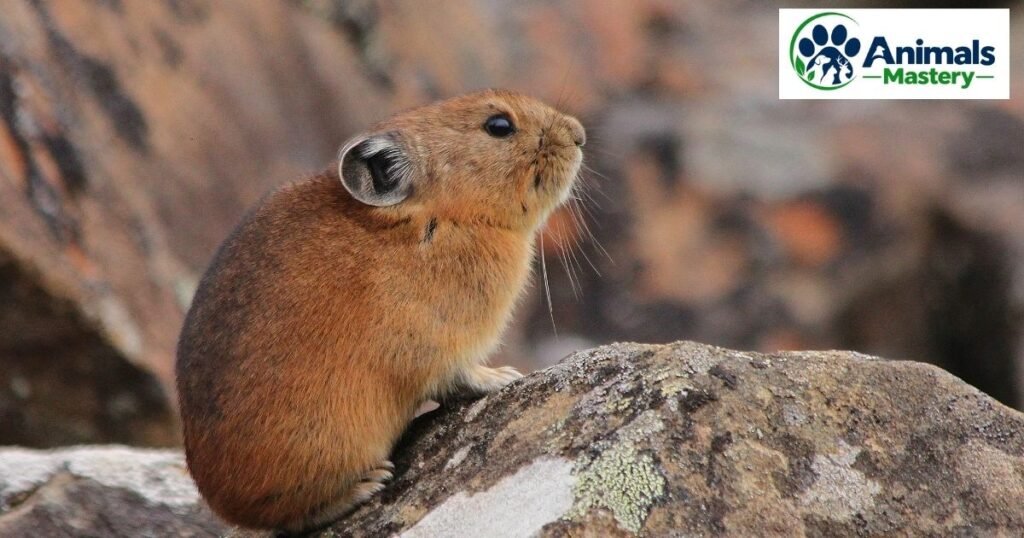
Their charming, round bodies and melodic calls have earned them a special place in the hearts of nature enthusiasts. However, pikas are more than just adorable; they are vital indicators of climate change.
Crab
Scientific Name: Brachyura
Class: Malacostraca
Diet: Omnivore
Crabs, fascinating creatures that fall under the umbrella of animals with 4 letters, showcase an impressive array of adaptations that allow them to thrive in diverse environments. Found in oceans, freshwaters, and even on land, these crustaceans are not just masters of camouflage but also exhibit remarkable social behaviors.
Some species engage in elaborate courtship displays, using their claws to attract mates, an intricate dance that highlights their vibrant personalities.
Beyond their captivating social interactions, crabs play crucial roles in marine ecosystems. As scavengers, they help clean up debris and maintain the health of their habitats, contributing to the delicate balance of underwater life.
The variety among crab species is mind-boggling: from the iconic blue crabs that grace our plates to the diminutive pea crabs that dwell in the shells of mollusks.
Lion
Scientific Name: Panthera Leo
Class: Mammalia
Diet: Carnivore
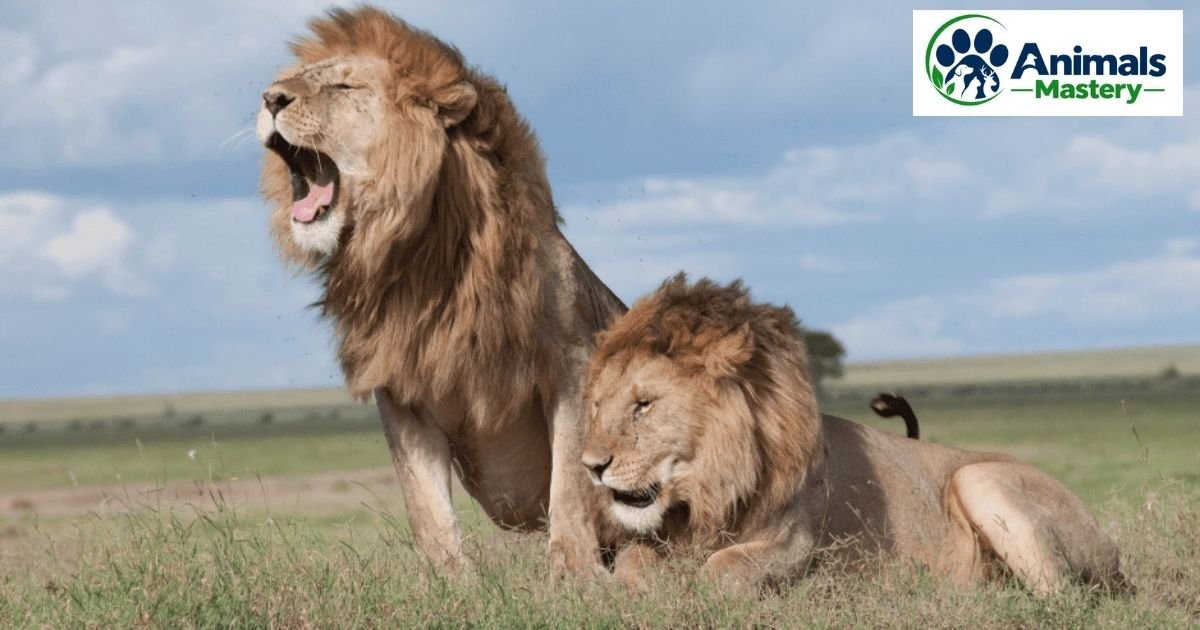
The lion, a majestic animal with just four letters in its name, embodies power and grace in the animal kingdom. Often referred to as the “king of the jungle,” lions are not actually confined to dense forest areas; instead, they thrive on the savannas and grasslands of Africa.
Their social structure sets them apart from many other big cats, as they live in prides that are intricately woven with relationships and hierarchies, showcasing a level of social intelligence not commonly found in animals with four letters.
These apex predators balance raw power with vulnerability. Lions face numerous threats, from poaching to habitat loss, highlighting the fragility of their existence. In recent years, efforts to conserve their populations have evolved to include community-based initiatives, recognizing that human involvement is crucial for the survival of these magnificent creatures.
Flea
Scientific Name: Siphonaptera
Class: Insecta
Diet: Carnivore
Fleas, those minuscule yet mighty insects, are fascinating creatures that often go unnoticed. Despite their size, these blood-sucking parasites have adapted intricately to their environments, showcasing a remarkable resilience.
With a lifespan of about three months, a single female flea can lay up to 50 eggs per day, leading to rapid infestations that can perplex even the best pet owners.
Their ability to leap distances up to 200 times their body length is not just a charming fact; it’s a survival mechanism that has helped them thrive alongside various animals, including dogs and cats. Fleas are more than just nuisances; they play a role in the ecosystem as well. They serve as a food source for various animals, contributing to the food web.
Wolf
Scientific Name: Canis Lupus
Class: Mammalia
Diet: Carnivore
Wolves, revered as symbols of wilderness and instinct, embody both majesty and complexity. These intelligent creatures are not just apex predators; they function as social animals that thrive in tightly-knit packs, showcasing a sophisticated communication system marked by howls and body language.
Each member plays a vital role, highlighting the balance of cooperation and hierarchy within their community.
wolves are often misunderstood, labeled as savage beasts in folklore and popular media. Yet, studies reveal their social structure mirrors that of human communities; there’s extensive care for pups and a strong emphasis on teamwork during hunts.
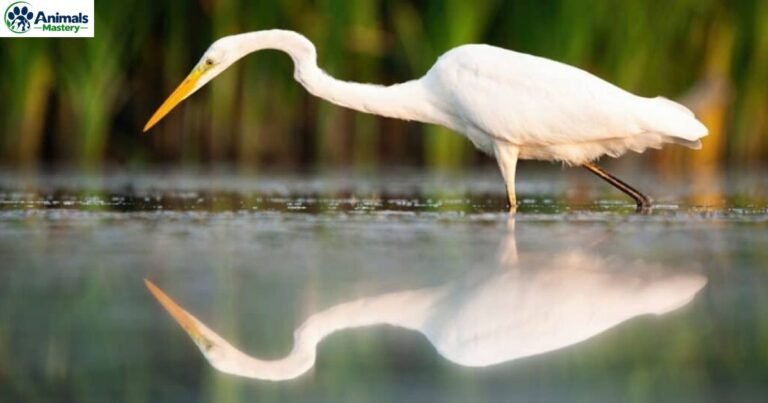
Ibis
Scientific Name: Threskiornithinae
Class: Aves
Diet: Carnivore
The Ibis, a fascinating creature with its distinctive long beak and striking profile, is a remarkable member of the animal kingdom often overlooked in discussions about Animals With 4 Letters. Found in wetlands and marshy areas, these birds boast a social charm, often congregating in large flocks.
Their foraging habits reveal a unique behavior; they probe the mud for hidden crustaceans and other small invertebrates, showcasing their adaptability to diverse environments.
Beyond their physical characteristics, ibises carry rich cultural significance across various civilizations. Ancient Egyptian art frequently depicted these elegant birds, symbolizing wisdom and the divine, linking them to the god Thoth.
This connection highlights Ibis’s role as not just a creature of the wild but a significant figure in mythology, sparking intrigue and admiration through the ages..
Kiwi
Scientific Name: Apteryx
Class: Aves
Diet: Omnivore
Kiwis, flightless birds native to New Zealand, are as intriguing as their name suggests. With their unique brown, fuzzy feathers and long, slender beaks, these nocturnal creatures are often compared to Animals With 4 Letters, such as “frog” or “wolf,” yet they possess an eccentric charm all their own.
Unlike most birds, kiwis lay the largest eggs relative to their body size, making them a fascinating topic for evolutionary biology.
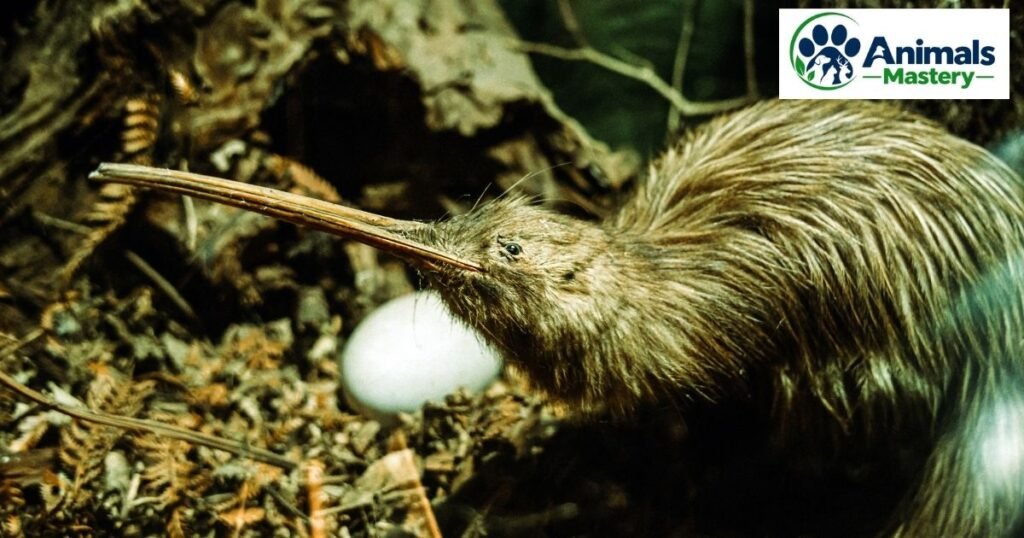
In their dense, forested habitats, kiwis play a vital ecological role, acting as natural tillers of the soil as they forage for insects and worms. Their keen sense of smell, a rarity among birds, allows them to locate food underground and showcases their adaptation skills.
Duck
Scientific Name: Anatidae
Class: Aves
Diet: Omnivore
Duck is a fascinating creature that epitomizes the charm of Animals With 4 Letters. With their vibrant plumage and distinctive quacks, ducks are not only delightful to watch but also showcase an incredible range of adaptability. These birds thrive in diverse environments from serene ponds to bustling city parks demonstrating their versatility and social nature.
Their intriguing behaviors, ducks exhibit a unique form of communication among each other, employing complex vocalizations and body language to convey information. Their migratory patterns reveal a deep connection to the changing seasons, as they traverse vast distances guided by instinct and environmental cues.
Clam
Scientific Name: Bivalvia
Class: Bivalvia
Diet: Herbivore
Clams, fascinating animals with four letters, offer a unique glimpse into the life beneath the waves. Often overlooked in discussions of marine life, these bivalves play a crucial role in their ecosystems, filtering water and providing nourishment for various species. Their ability to bury themselves in sand or mud not only protects them from predators but also contributes to the overall health of the ocean floor, promoting biodiversity by creating habitats for other creatures.
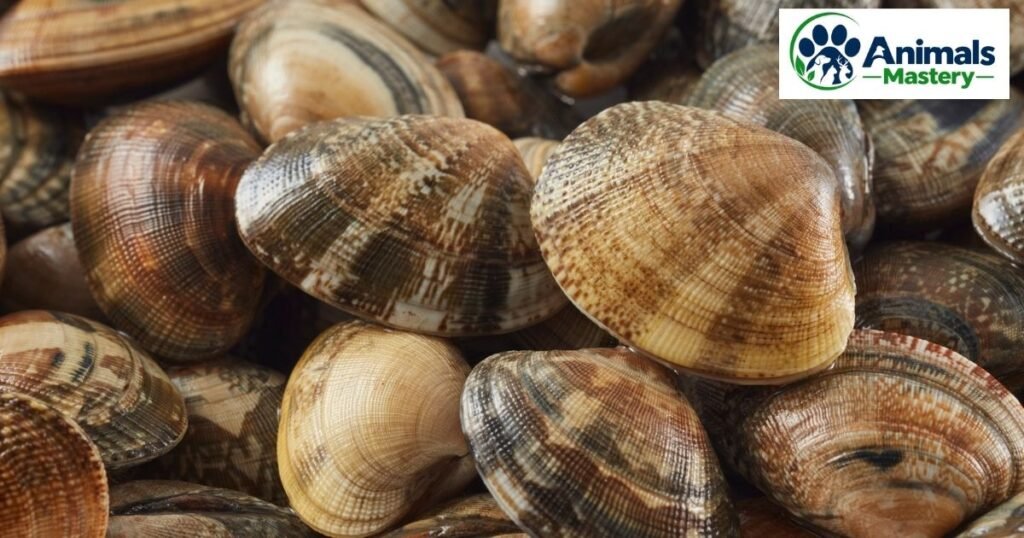
Clams possess a remarkable ability to thrive in both salt and freshwater environments, showcasing their adaptability. The varied types, from the small, sweet littleneck to the larger, meaty chowder clams, highlight the diversity within this unassuming group.
Moth
Scientific Name: Lepidoptera
Class: Insecta
Diet: Herbivore
Moths, often overshadowed by their flashier butterfly cousins, exhibit an extraordinary range of behaviors and adaptations that challenge our perceptions of beauty in the animal kingdom. These four-letter animals possess an incredible ability to navigate using the moon and stars, an instinctual skill that has evolved over millions of years.
Despite their nocturnal nature, moths reveal a world of vibrant and intricate patterns when illuminated, transforming their seemingly mundane appearances into captivating art.
Perhaps one of the most fascinating aspects of moths is their interaction with ecosystems. As pollinators, they play an essential role in the lifecycle of many plants, contributing to biodiversity in subtle yet powerful ways. Certain species exhibit an uncanny ability to mimic their surroundings, crafting illusions that serve as effective defenses against predators.
Rhea
Scientific Name: Rhea
Class: Aves
Diet: Omnivore
Rhea, a large, flightless bird native to South America, offers a fascinating glimpse into the diverse world of animals with four letters in their names. Resembling ostriches yet uniquely tailored to their habitat, they thrive in open grasslands and savannas, showcasing an adaptive lifestyle. Their long legs and swift running abilities make them skilled at evading predators, a testament to nature’s innovation.
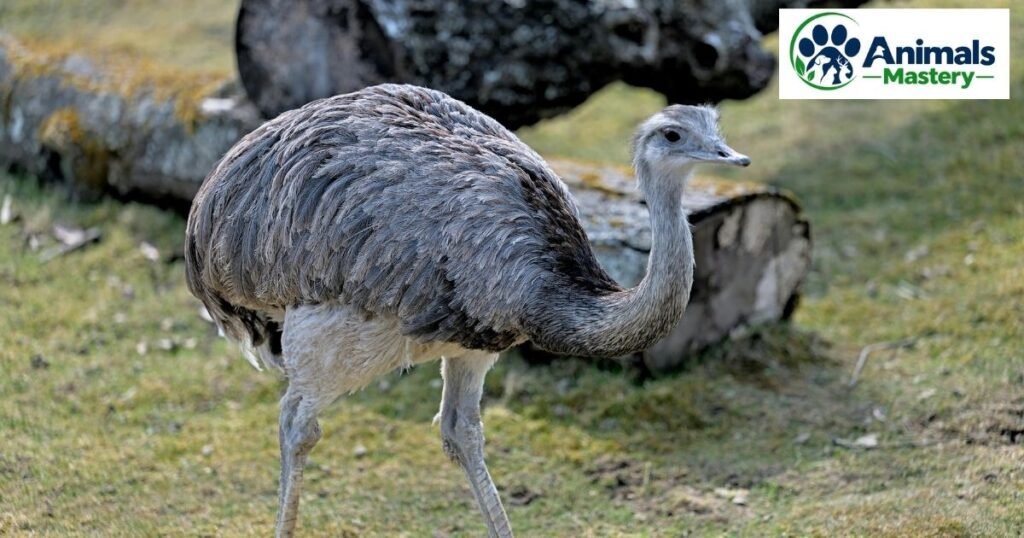
They have more than just physical prowess; they also exhibit intriguing social behaviors. Often seen in small groups, they engage in elaborate courtship displays that involve vocalizations and intricate movements.
Orca
Scientific Name: Orcinus Orca
Class: Mammalia
Diet: Carnivore
The orca, or killer whale, stands out as one of the ocean’s most captivating and intelligent mammals. Remarkably social, orcas often travel in matriarchal pods, showcasing complex family ties and communication skills that rival those of human societies.
Their diverse vocalizations, ranging from clicks to whistles, not only facilitate hunting but also strengthen social bonds within the pod. This intricate social fabric reflects the innate need for connection, reminding us of the value of community in our own lives.
Their social dynamics, orcas are apex predators, known for their sophisticated hunting techniques. They demonstrate a remarkable adaptability that leads to different hunting methods across various populations; some specialize in stunning seals with powerful tail slaps, while others utilize cooperative hunting strategies to trap fish.
Newt
Scientific Name: Pleurodelinae
Class: Amphibia
Diet: Carnivore
Newts, enchanting amphibians that often get overshadowed by their more glamorous counterparts, are a fascinating study in adaptability and ecological importance. These animals with four letters have a remarkable metamorphic life cycle, transitioning from aquatic larvae to terrestrial adults, which showcases their unique adaptability to diverse habitats.
As they thrive in both water and on land, newts are pivotal in maintaining the balance of their ecosystems, consuming vast amounts of invertebrates while also serving as prey for a variety of predators.
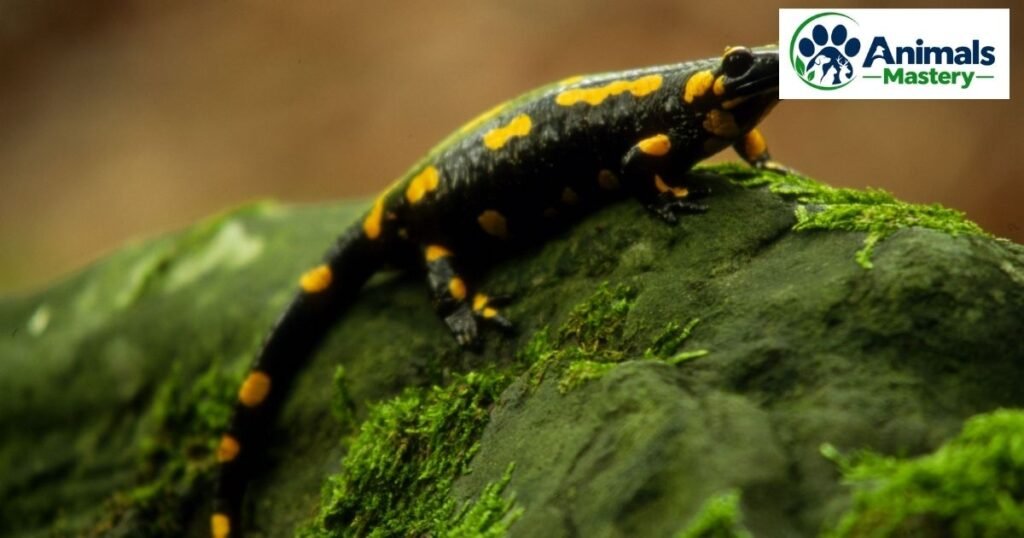
Newts possess an extraordinary ability to regenerate lost limbs and even parts of their heart, a trait that captivates biologists and raises questions about potential applications in regenerative medicine for humans. Their vibrant colors, often a warning signal of toxicity, also highlight their role in the wider narrative of evolution and biodiversity.
As we face global environmental challenges, these four-letter animals remind us of the intricate connections within nature, urging us to protect their habitats and, by extension, our own health.
Frog
Scientific Name: Anura
Class: Amphibia
Diet: Carnivore
Frogs, often overlooked in the animal kingdom, play a crucial role in our ecosystems. As amphibians with a unique life cycle, they transition from aquatic tadpoles to terrestrial adults, showcasing nature’s versatility. This metamorphic journey not only reflects adaptation but also serves as a vital indicator of environmental health.
When you think of animals with 4 letters, frogs might not spring to mind immediately, yet they embody a fascinating blend of simplicity and complexity.
Their scientific significance, frogs are cultural symbols in various societies, representing transformation, fertility, and even good luck. Their diverse vocalizations create a symphony of sounds, with some species using calls to attract mates and establish territory.
Deer
Scientific Name: Cervidae
Class: Mammalia
Diet: Herbivore
Deer, an elegant emblem of the wild, navigate their habitats with an extraordinary blend of grace and instinct. These Animals With 4 Letters are not just visually striking; they are also social creatures that communicate through a complex interplay of body language and vocalizations.
From the gentle bleats of fawns to the assertive grunts of bucks during mating season, their sounds convey emotions ranging from distress to dominance, providing a rich tapestry of interactions that belies their quiet demeanor.
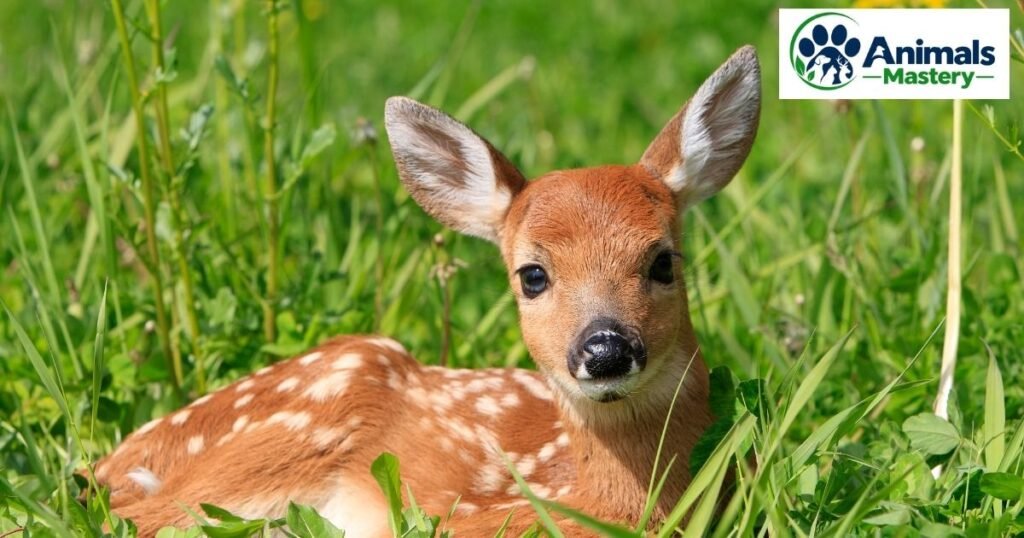
Deer have evolved remarkable strategies for survival beyond mere agility. Their acute sense of smell allows them to detect potential threats from great distances, while their stunning camouflage makes it easier to blend into their surroundings.
This innate ability to remain hidden is crucial, especially during hunting seasons or in areas where human encroachment disrupts their natural habitats.
Tuna
Scientific Name: Thunnus
Class: Actinopterygii
Diet: Carnivore
Tuna, one of the most remarkable animals with four letters, embodies both elegance and power in the ocean’s depths. This extraordinary fish is not just a high-speed swimmer; it plays a crucial role in marine ecosystems, serving as both predator and prey.
With the ability to regulate its body temperature, tuna can thrive in both cold and warm waters, showcasing a unique adaptation that allows it to hunt in diverse environments.
Beyond its ecological significance, the cultural and economic impacts of tuna are substantial. It’s a staple in cuisines around the world from sushi to pasta dishes and its popularity has sparked debates around sustainable fishing practices.
As consumers become more conscious of their seafood choices, some regions have begun to implement innovative management strategies to protect tuna populations.
Worm
Scientific Name: Lumbricina
Class: Clitellata
Diet: Herbivore
Worms, often overlooked in the grand tapestry of the animal kingdom, are fascinating creatures that play a critical role in maintaining ecological balance. These slimy invertebrates, which fall under the category of animals with 4 letters, are essential for soil health.
They aerate the earth with their burrowing and break down organic matter, transforming it into nutrient-rich compost. This natural recycling process not only nourishes plants but also fosters a thriving ecosystem beneath our feet.
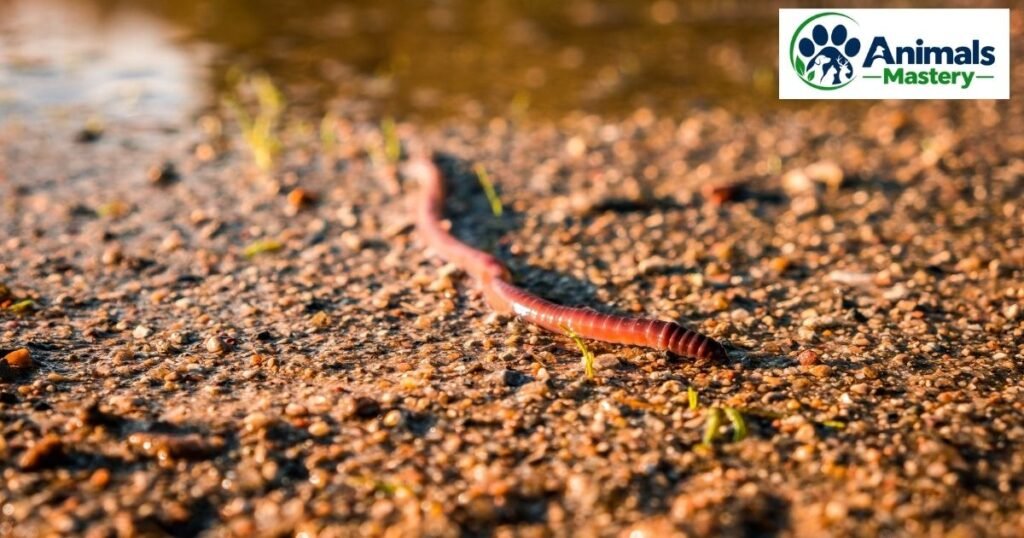
Their biological makeup offers clues about resilience and adaptation. While they may lack the complex sensory systems of other animals, worms demonstrate an impressive ability to survive in diverse environments, from forest floors to agricultural lands. Research has even illustrated their role in combating soil pollution, showcasing their potential as natural cleansers.
Ibex
Scientific Name: Capra
Class: Mammalia
Diet: Herbivore
Ibex are remarkable animals that stand out among the category of Animals With 4 Letters. These majestic goats, found in the mountainous regions of Europe, Asia, and North Africa, are celebrated for their incredible agility and impressive horn structures, often growing to lengths of up to 4 feet.
Their adaptability to steep terrains not only showcases their physical prowess but also highlights their evolutionary resilience, allowing them to thrive in sometimes harsh climates.
What adds to the fascination is their social structure; ibexes often live in herds, providing a mix of camaraderie and protection against predators. This social behavior not only strengthens their survival instinct but also fosters intricate social dynamics, where younger ibex learn from the older members.
Tang
Scientific Name: Acanthuridae
Class: Actinopterygii
Diet: Herbivore
Tang, often associated with vibrant marine life, represents more than just a captivating color or culinary ingredient. Think of its unexpected connections to animals with 4 letters, like crabs and eels, which grace the reefs where tangs swim.
These creatures share their habitat, creating a dynamic ecosystem where each plays a crucial role. By observing tangs darting through coral, one can appreciate the intricate web of life in which even the smallest animal contributes to the harmony of the ocean.
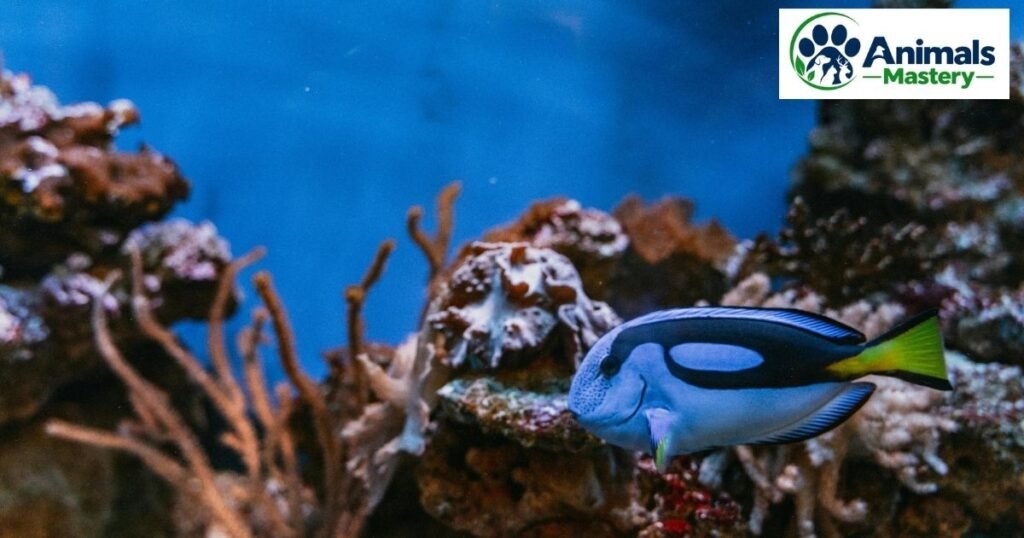
Tangs exhibit fascinating behaviors that go beyond their playful appearance. They are social creatures, often seen forming schools, highlighting the importance of community for survival. This instinctive cooperation mirrors that of larger animals like lions or wolves, demonstrating that even the smallest beings in the sea can teach us about unity and collaboration.
As we dive deeper into marine biology, the tang emerges not just as a colorful fish, but as a symbol of resilience and interconnectedness within its watery realm.
Mule
Scientific Name: Equus Asinus x Equus Caballus
Class: Mammalia
Diet: Herbivore
Mules, often seen as the steadfast workhorses of agriculture, showcase a fascinating blend of strength and intelligence. As hybrids of horses and donkeys, these animals come with unique traits that make them incredibly versatile. With their remarkable stamina and sure-footedness, mules thrive in challenging terrains, from rocky mountains to dusty trails.
This adaptability not only makes them invaluable for agricultural work but also for recreational activities such as trail riding and packing in remote areas.
These animals are not just strong; they have a keen sense of self-preservation, allowing them to assess situations before acting. This instinct often earns them a reputation for stubbornness, but in truth, they’re simply weighing their options.
Their intelligence means that with the right training, they can develop a strong bond with their handlers, responding to commands with a level of understanding that’s reminiscent of dogs.
Lynx
Scientific Name: Lynx
Class: Mammalia
Diet: Carnivore
Lynx, those enigmatic cats native to the forests and mountains of Europe, Asia, and North America, embody a unique blend of beauty and stealth. These animals with 4 letters possess striking tufted ears and mesmerizing blue eyes, which set them apart in the animal kingdom.
Their keen eyesight and acute hearing make them exceptional hunters, able to detect prey in the dimmest of light, often hunting under the cover of twilight.
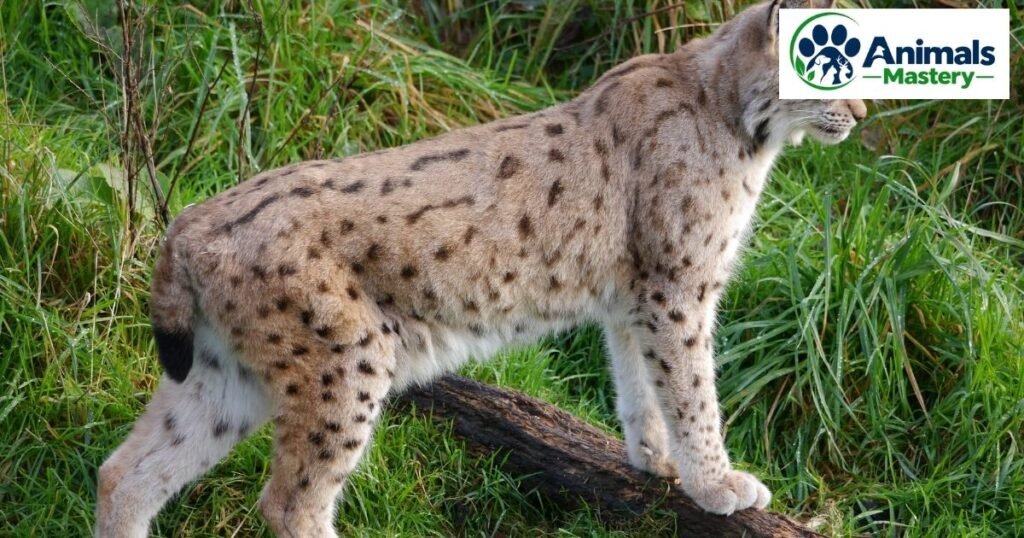
Lynx are not just solitary predators; they play a crucial role in their ecosystems. By keeping prey populations in check, they help maintain the balance of their habitats. Interestingly, the social structures of lynx can vary widely depending on the region and available resources, showcasing their adaptability.
Puma
Scientific Name: Puma Concolor
Class: Mammalia
Diet: Carnivore
Puma, a fascinating creature that roams the expansive wilderness of the Americas, is part of the small group of animals with 4 letters in their name. Often referred to as cougars or mountain lions, these formidable felines are remarkable not just for their athletic prowess but also for their adaptability in diverse environments from the rugged Rocky Mountains to the arid deserts.
Their stealth and agility make them apex predators, skillfully hunting prey that ranges from deer to small mammals.Beyond their sheer physicality, pumas hold a symbolic significance in various cultures. In Native American traditions, they represent courage and power, frequently appearing in folklore as guardians of the mountains.
This resilience encourages us to reflect on the balance between nature and urban development, raising crucial questions about wildlife conservation in a rapidly changing world. As we explore the essence of this majestic animal, we uncover deeper connections between humanity and the natural world that demand our attention and respect.
Pike
Scientific Name: Esox
Class: Actinopterygii
Diet: Carnivore
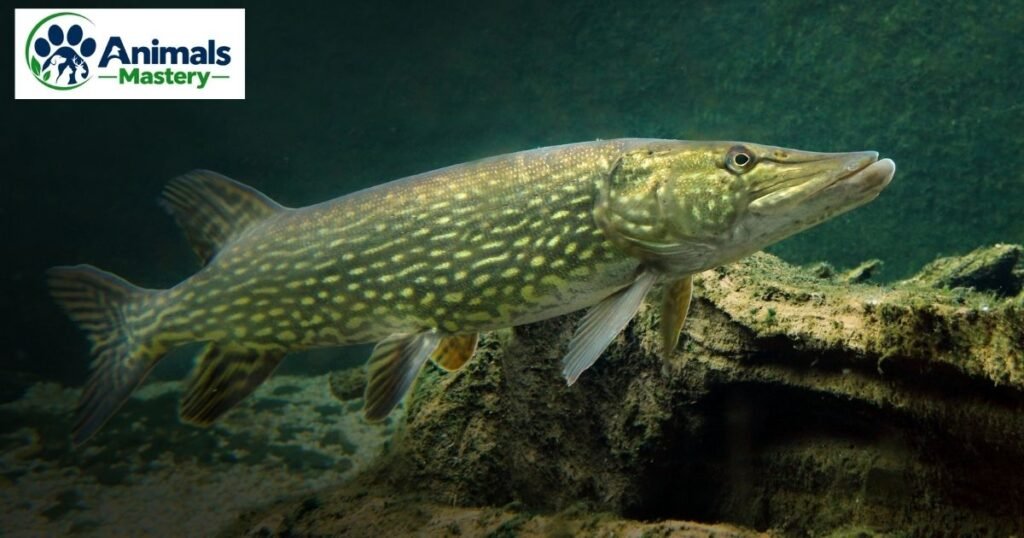
Pike, a fascinating freshwater fish, stands as a prime example of nature’s predatory efficiency. With their elongated bodies and sharp teeth, these creatures are designed for stealth and speed, ambushing smaller fish with unmatched precision.
Their tracking ability and keen eyesight make them skilled hunters, often lurking in the shadows of aquatic vegetation, waiting for the perfect moment to strike. Many animals with 4 letters, pikes possess a unique adaptability, thriving in diverse habitats, from murky lakes to fast-flowing rivers.
One intriguing aspect of pike behavior is their seasonal patterns. During spawning in the spring, they migrate to shallow waters, showcasing their complex social interactions and territorial disputes. Anglers often find them challenging yet rewarding to catch, as pike can put up a vigorous fight.
This connection between pike and sport fishing underscores the ecological importance of maintaining healthy populations while appreciating the thrill of the chase.
Carp
Scientific Name: Cyprinus Carpio
Class: Actinopterygii
Diet: Omnivore
Carp are often misunderstood fish, frequently seen as mere pond inhabitants or the bane of pristine waterways. However, these resilient creatures have a remarkable versatility that goes beyond their humble reputation.
Known for their adaptability, they thrive in a range of environments, from slow-moving rivers to muddy swamps, showcasing a biological prowess that allows them to flourish where many other species cannot.
Carp also play a pivotal role in local ecosystems, particularly as a food source for larger predators. Cultural ties to carp are rich and varied; in many parts of the world, these fish are celebrated as symbols of strength and perseverance.
From ornate koi in Japanese gardens to traditional holiday dishes in Eastern Europe, carp transcend their oft-dismissed status, inviting us to look deeper into their significance in both nature and culture. Embracing the carp invites a broader appreciation for biodiversity and a chance to rethink our relationship with the aquatic world.
Hare
Scientific Name: Lepus
Class: Mammalia
Diet: Herbivore
The hare, a remarkable member of the animals with 4 letters, often captivates our imagination with its swift movements and distinct long ears. Unlike the common rabbit, hares are built for speed, showcasing an astounding ability to flee from predators.
Their powerful hind legs propel them through fields and forests, allowing them to cover vast distances in mere moments, a strategy finely tuned by nature for survival.
These creatures are not just quick; they possess an intriguing social structure and behavior. Hares often engage in playful “boxing” displays, a unique courtship ritual that showcases their agility and strength.
This behavior serves a dual purpose, both attracting mates and establishing territory within their habitat. Through their fascinating adaptations and behaviors, hares continue to inspire admiration and curiosity, affirming their place in our world as more than just a fleeting shadow.
Sole
Scientific Name: Soleidae
Class: Actinopterygii
Diet: Carnivore
Sole, a word often associated with the fish renowned for its delicate flavor, also resonates with the vibrancy of the ocean and its myriad creatures, evoking thoughts of the diverse animals with four letters that share these aquatic realms. When we think of “sole,” we might picture the flat, soft-bodied fish gliding along the sandy seafloor.
Yet, it symbolizes something deeper, a connection to nature’s simplicity and elegance. This understated fish invites us to explore the hidden ecosystems beneath the waves, reminding us of the crucial role these smaller inhabitants, from crabs to eels, play in the aquatic food chain.
In a world teeming with life, the diversity of animals with four letters often surprises us. Each creature, whether it’s the agile “seal,” the elusive “frog,” or the diligent “crab,” demonstrates unique adaptations that allow them to thrive in their environments.
These four-letter titles encapsulate vast narratives of survival, resilience, and the intricate dance of life in ecosystems worldwide. Embracing the richness of these creatures encourages a greater appreciation for biodiversity, challenging us to explore and protect the delicate balances that sustain life both on land and beneath ocean waves.
Dace
Scientific Name: Leuciscus Leuciscus
Class: Actinopterygii
Diet: Carnivore
Dace, a fascinating member of the cyprinid family, often goes unnoticed in the grand tapestry of freshwater ecosystems. These sleek, silvery fish thrive in rivers and streams, presenting an elegant silhouette that can easily be mistaken for their more popular cousins.
What sets dace apart is their remarkable adaptability, allowing them to navigate varying water conditions and temperatures with ease.
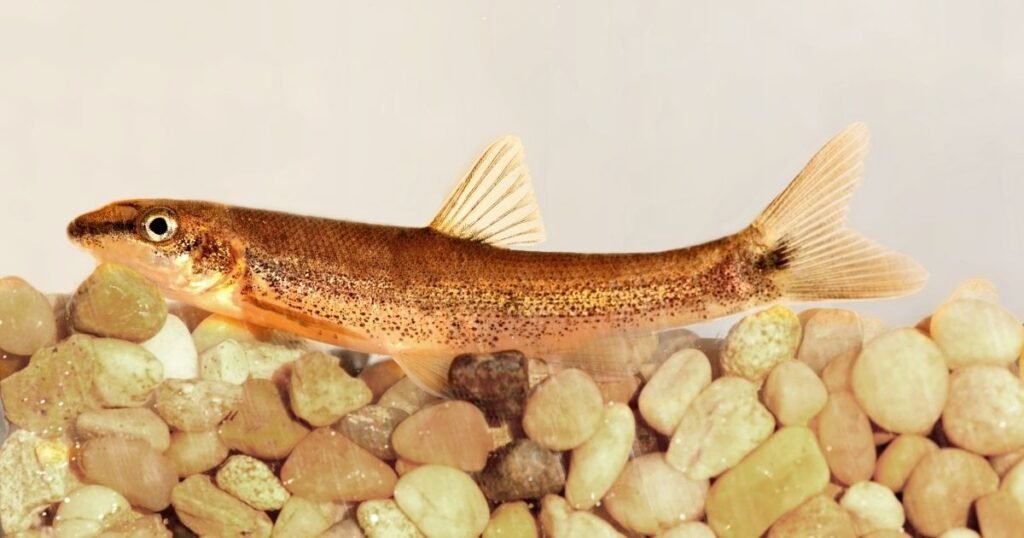
Their ecological importance, dace also reveals intriguing social behaviors. Often schooling in groups, they exhibit coordinated movements that not only enhance their protection from predators but also underscore the complex dynamic present in nature’s smaller gatherings.
These interactions, one can gain insights into the social structures of lesser-known creatures, prompting a deeper appreciation for biodiversity.
For those interested in mesmerizing aquatic life, the dace stands out as a compelling example of survival and adaptation, embodying the hidden wonders of the animal kingdom that deserve our attention.
Conclusion
The diverse world of Animals With 4 Letters is a fascinating reflection of nature’s simplicity and complexity. From the agile “wolf” that roams the wild to the charming “frog” that graces our ponds, these creatures showcase the variety life has to offer.
Each animal not only holds its unique ecological role but also contributes to the rich tapestry of biodiversity.These four-letter wonders, we deepen our appreciation for wildlife and the environments they inhabit.
So, whether you find yourself captivated by their behaviors or intrigued by their habitats, take a moment to learn more about these incredible animals and their significance in our world.
FAQs
What are Cool Names for Animals?
When it comes to naming animals, creativity can bring out their unique characteristics and personalities. For a dog or cat, names like “Marley,” “Gizmo,” or “Finn” offer a playful touch, while something like “Nimbus” or “Echo” can evoke a sense of mystery and whimsy.
What is an Animal that has Four Letters?
One common animal with four letters is “wolf.” Wolves are fascinating creatures known for their social behavior and pack dynamics.
What is the Cutest Animal Name?
The title of “cutest animal name” could go to many contenders, but “quokka” often steals the spotlight.
What Animal is 4FT?
There are several animals that can reach about 4 feet in length, depending on the species and context. Many adult domestic dogs, such as Greyhounds or Labrador Retrievers, can be around 4 feet long from nose to tail.