Top 23 Amazing Birds With 6 Letters (With Images)
We’ll explore a variety of these remarkable avian creatures, shedding light on their unique characteristics and habitats. Understanding these birds with 6 letters not only sharpens your ornithological knowledge.
Also enriches your appreciation for the diversity of wildlife around us. Join us as we dive into intriguing facts and tips on how to spot these feathered friends in the wild!
List of Birds With 6 Letters
Here is a list of birds with exactly 6 letters:
- Pigeon
- Osprey
- Toucan
- Falcon
- Shrike
- Gannet
- Magpie
- Plover
- Thrush
- Puffin
- Godwit
- Condor
- Avocet
- Petrel
- Grouse
- Jacana
- Cuckoo
- Parrot
- Kakapo
- Trogon
- Chukar
- Phoebe
- Towhee
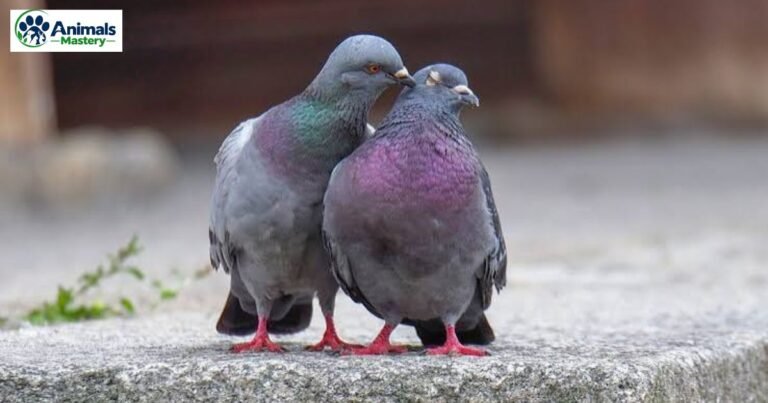
Pigeon
- Scientific Name: Columbidae
- Class: Aves
- Diet: Omnivore
Pigeons are often underestimated, seen merely as urban nuisances. However, their remarkable adaptability and intelligence reveal a deeper narrative.

Studies show that these birds can recognize themselves in mirrors, showcasing a level of self-awareness that is rare in the animal kingdom. This capability invites us to reconsider our perceptions of them as mindless scavengers.
Beyond their cognitive prowess, pigeons have played pivotal roles in cultural history and communication. From ancient Rome, where they served as messengers, to modern-day racing events, their loyalty and navigational skills have fascinated many.
Osprey
- Scientific Name: Pandion haliaetus
- Class: Aves
- Diet: Carnivore
Ospreys are remarkable birds with six letters in their name, known for their distinctive hunting prowess and striking plumage.
Found near bodies of water worldwide, they have adapted to a fish-centric diet, showcasing remarkable diving skills that can reach depths of over three feet. Their keen eyesight allows them to spot prey from high above, and the way they plunge into water appears almost choreographed, a testament to their evolutionary mastery.
In habitat conservation, ospreys play a crucial role as indicators of ecosystem health. Their presence often signals robust aquatic life, making them essential in monitoring environmental changes.
Toucan
- Scientific Name: Ramphastidae
- Class: Aves
- Diet: Omnivore
The toucan, an iconic bird, captivates with its vibrant plumage and strikingly large bill. This unique adaptation isn’t just for show; the bill helps regulate body temperature and allows the toucan to reach fruit hidden in dense foliage.

The colorful beak plays a crucial role in attracting mates and deterring predators, showcasing nature’s blend of beauty and functionality.
Toucans are social creatures, often seen in small flocks that foster a sense of community. They communicate through a series of hoots, croaks, and grunts, adding a vocal dimension to their already mesmerizing presence.
Falcon
- Scientific Name: Falco
- Class: Aves
- Diet: Carnivore
The falcon, a member of the diverse and fascinating family of birds with 6 letters, embodies speed and precision like no other.
Renowned for their incredible hunting prowess, these raptors can dive at speeds exceeding 240 mph, making them the fastest creatures on the planet. Their unique adaptations, such as specialized eyesight and aerodynamic bodies, allow them to spot prey from great distances, showcasing nature’s engineering marvel.
Beyond their astonishing speed, falcons symbolize resilience and adaptability. Found in various habitats across the globe, they thrive in urban landscapes as deftly as they do in remote wilderness areas. This versatility highlights not just their survival instincts but also their ability to coexist alongside humans, raising intriguing questions about urban wildlife and conservation efforts.
Shrike
- Scientific Name: Laniidae
- Class: Aves
- Diet: Carnivore
The shrike, a remarkable bird with a distinctive predatory behavior, stands out among the avian species with its six-letter name. Often referred to as the “butcher bird,” the shrike’s penchant for impaling its prey, small rodents and insects on thorns or barbed wire, sets it apart in the avian world.

This macabre display not only serves as a food cache but also as a chilling reminder of the circle of life in nature. What makes the shrike particularly fascinating is its unique hunting technique. While many birds rely on speed or stealth, the shrike combines both with an astute level of strategy.
Gannet
- Scientific Name: Morus
- Class: Aves
- Diet: Carnivore
The gannet, with its striking white plumage and sharp, aerodynamic form, effortlessly embodies the grace of the sea.These remarkable seabirds are often seen diving headfirst into the ocean, reaching speeds of up to 60 miles per hour as they plunge for fish.
What is particularly fascinating about their foraging behavior is their unique ability to spot prey from great heights, with impressive visual acuity that allows them to detect fish swimming beneath the water’s surface.
This precision design of sharp beaks and long wings creates an image of a predator perfectly adapted to its maritime environment. Beyond their captivating hunting techniques, gannets also illustrate complex social structures, often nesting in large colonies that showcase intricate social hierarchies and cooperative breeding practices.
Magpie
- Scientific Name: Pica pica
- Class: Aves
- Diet: Omnivore
Magpies, often viewed as mere pests or simple scavengers, are actually remarkable creatures deeply woven into various cultures and ecosystems. This duality reflects their complex role in nature as both scavengers helping to clean up waste and clever foragers exhibiting problem-solving skills that rival those of primates.

With their dazzling black-and-white plumage and sharp intelligence, they symbolize both good omens and mischief across different traditions. For instance, in some cultures, the sight of a solitary magpie is linked to bad luck, whereas seeing two symbolizes joy.
Magpies have been shown to possess self-awareness, demonstrated in mirror tests where they recognize themselves as a trait shared by only a few species, including great apes and elephants.
Plover
- Scientific Name: Charadriinae
- Class: Aves
- Diet: Carnivore
The plover, a small shorebird, captures the imagination not just with its charming appearance but also with its remarkable behavior. These agile birds are often spotted on beaches and mudflats, darting along the shoreline in search of food.
Their distinctive calls and intricate courtship displays reveal a social complexity that is often overlooked, showcasing a vibrant community dynamic during nesting seasons. One fascinating aspect of plover behavior is their strategic nesting choice.
Many species, like the Piping Plover, prefer to lay their eggs on open sand or gravel, a choice that seems risky but is instinctively designed to reduce predation. Their cryptic egg coloration blends seamlessly with the surrounding environment, a clever evolutionary adaptation that speaks to the delicate balance of survival in coastal ecosystems.
Thrush
- Scientific Name: Turdidae
- Class: Aves
- Diet: Omnivore
Thrush, often overshadowed by its more common counterpart, candidiasis, offers a fascinating glimpse into the intricate balance of microorganisms within our bodies. While most people associate it strictly with discomfort or infection, recent studies reveal the complex interplay between thrush and our immune response.

The presence of Candida fungus is typically benign until a disruption occurs, be it from antibiotics, hormonal changes, or stress, turning it into a formidable adversary.
What’s compelling is the emerging evidence linking oral thrush to broader health issues, including metabolic disorders and autoimmune conditions. This connection signifies that thrush isn’t merely a localized problem; it might serve as an alarming signal of systemic imbalance.
Puffin
- Scientific Name: Fratercula
- Class: Aves
- Diet: Carnivore
Puffins, often dubbed the “clowns of the sea,” possess a unique charm that goes beyond their striking appearance and vibrant beaks.These seabirds are not only adept flyers but also remarkable divers, plunging up to 200 feet underwater to catch fish.
This duality of existence soaring gracefully above and diving deep beneath the waves mirrors a delicate balance between air and sea, inviting us to reflect on our own connections to nature.
Beyond their playful antics, puffins are fascinating indicators of marine ecosystem health. As they rely heavily on fish populations for sustenance, changes in their numbers can signal shifts in oceanic conditions, such as overfishing or climate change.
Godwit
- Scientific Name: Limosa
- Class: Aves
- Diet: Carnivore
The godwit, a remarkable shorebird, captures attention with its extraordinary migration patterns. These avian marvels embark on some of the longest non-stop flights in the animal kingdom, traversing thousands of miles from breeding grounds in the Arctic to wintering sites in New Zealand and Australia.

The Bar-tailed Godwit holds the record for the longest non-stop flight, covering over 12,000 kilometers (approximately 7,500 miles) in just a few days. This feat pushes the boundaries of endurance, showcasing not only their physical resilience but also the evolutionary advantages behind their navigation instincts.
Beyond their impressive journeys, godwits serve as vital indicators of ecosystem health. By foraging in coastal habitats, these birds help maintain the delicate balance of wetlands, contributing to the biodiversity that supports other species.
Condor
- Scientific Name: Cathartidae
- Class: Aves
- Diet: Carnivore
The condor, a magnificent bird often mistaken for a relic of the past, embodies resilience and grace in the modern world. With an impressive wingspan that can reach over ten feet, these majestic birds soar gracefully through the skies, often at altitudes exceeding 15,000 feet.
But it’s not just their size that captivates; it’s their critical role in ecosystems as scavengers, helping to clean up carrion and limit the spread of disease. This unique ecological niche highlights the interconnectedness of biodiversity, emphasizing how even a single species can have far-reaching effects on environmental health.
Yet, the condor’s survival is a poignant reminder of the fragility of nature. Once nearly driven to extinction, ongoing conservation efforts have slowly revived their populations, showcasing the success of human intervention when guided by a genuine commitment to biodiversity.
Avocet
- Scientific Name: Cathartidae
- Class: Aves
- Diet: Carnivore
The avocet, with its striking long legs and upward-curving bill, is a visual delight that captivates birdwatchers and nature enthusiasts alike. Found in wetland habitats around the world, these elegant shorebirds are more than just a pretty sight; they play a crucial role in maintaining the ecological balance of their environments.

Their unique feeding technique sweeping their bills side to side in shallow waters allows them to target small invertebrates while also aerating the sediment, benefiting the ecosystem. What sets avocets apart is not only their beauty but also their fascinating social behavior. The avocet, with its striking long legs and upward-curving bill, is a visual delight that captivates birdwatchers and nature enthusiasts alike.
Found in wetland habitats around the world, these elegant shorebirds are more than just a pretty sight; they play a crucial role in maintaining the ecological balance of their environments. Their unique feeding technique sweeping their bills side to side in shallow waters allows them to target small invertebrates while also aerating the sediment, benefiting the ecosystem.
Petrel
- Scientific Name: Procellariiformes
- Class: Aves
- Diet: Carnivore
Petrels, those enigmatic seabirds of the family Procellariidae, are often overlooked gems of the avian world, gracing the high seas with their refined grace and incredible endurance.
Renowned for their remarkable ability to glide vast distances without flapping their wings, these birds harness the power of ocean winds, a testament to their aerodynamic design and profound adaptation to life over water.
Observing a petrel in flight is like watching nature’s poetry in motion; they can traverse thousands of miles between breeding grounds, embodying a spirit of wanderlust and resilience that is both awe-inspiring and humbling.
Grouse
- Scientific Name: Tetraoninae
- Class: Aves
- Diet: Omnivore
Grouse, with their striking plumage and intriguing behaviors, are a testament to the wonders of avian adaptation. Found in diverse habitats from dense forests to open moorlands, these ground-dwelling birds embody a unique blend of resilience and elegance.

Their vocal mating displays, particularly the raucous calls of male grouse during the breeding season, create a symphony of survival that resonates across their habitats. Observing these behaviors not only highlights the grouse’s role in the ecosystem but also invites deeper reflections on how intertwined every species is with its environment.
Jacana
- Scientific Name: Jacanidae
- Class: Aves
- Diet: Carnivore
The Jacana, often dubbed the “Jesus bird” for its remarkable ability to walk on water, captivates with its unique adaptations. These striking waterbirds boast long, slender legs and large feet, designed perfectly for navigating floating vegetation.
Their distinctive, brightly colored plumage not only serves as a visual spectacle but also plays a crucial role in their mating rituals, with males presenting vibrant displays to attract females.
Observing a male Jacana tenderly caring for chicks while deftly balancing on lily pads reveals the complexity of their social structures, where shared parenting becomes key to survival.
Cuckoo
- Scientific Name: Cuculidae
- Class: Aves
- Diet: Omnivore
The cuckoo bird is renowned not only for its distinctive call but also for its fascinating, albeit controversial, reproductive strategy known as brood parasitism.By laying its eggs in the nests of other bird species, the cuckoo cleverly sidesteps the challenges of childcare.

This behavior raises intriguing questions about the dynamics of avian relationships: do the unsuspecting host parents ever recognize the deceit, and how do they cope with the intruder once the cuckoo chick hatches?
Some host species have evolved remarkable adaptations in response to cuckoo parasitism. Certain birds, for example, have developed the ability to recognize a cuckoo egg among their own and will reject it, a testament to the resilience of nature’s evolutionary arms race.
Parrot
- Scientific Name: Psittaciformes
- Class: Aves
- Diet: Omnivore
Parrots, often celebrated for their vibrant plumage and remarkable vocal abilities, are more than just colorful companions; they are intelligent beings that exhibit complex social structures and emotional depth.
Their ability to mimic human speech and other sounds is not merely a party trick; it’s a testament to their acute cognitive skills and the sophisticated social nature that mirrors our own.
In the wild, parrots communicate through a variety of calls, using sound to convey emotions and maintain relationships within their flocks. This capacity for vocal mimicry invites us to consider the ways in which they interpret their surroundings and how they express their needs, desires, and even their personalities.
Kakapo
- Scientific Name: Strigops habroptila
- Class: Aves
- Diet: Herbivore
The Kakapo, an extraordinary nocturnal parrot native to New Zealand, embodies a unique blend of charm and vulnerability.With its vibrant green plumage and distinctive owl-like face, this flightless bird has captured the hearts of conservationists and bird enthusiasts alike.

What sets the Kakapo apart is its intriguing breeding strategy; the species engages in a lekking behavior, where males gather to showcase their impressive courtship displays, creating a mesmerizing spectacle for female choice.
This fascinating social behavior, however, has not shielded the Kakapo from the brink of extinction, as habitat destruction and invasive species have dramatically reduced its population.
Trogon
- Scientific Name: Trogon spp.
- Class: Aves
- Diet: Fruits, insects, and small invertebrates.
The Trogon, with its iridescent plumage and strikingly vivid colors, epitomizes the beauty of avian diversity found in tropical rainforests.
Often spotted lounging on low branches, these birds have an alluring presence that captivates bird watchers and nature lovers alike.
Their unique ability to seamlessly blend into their surroundings belies their vibrant hues, serving as both a camouflage and an invitation to marvel at their splendor.
Chukar
- Scientific Name: Alectoris chukar
- Class: Aves
- Diet: Seeds, grains, grasses, and insects.
Chukars, those strikingly beautiful birds with their distinctive, bold markings, aren’t just a feast for the eyes; they encapsulate a fascinating tale of adaptability and survival.

Originally hailing from the rugged terrains of Central Asia, these plucky gamebirds have found their way into diverse ecosystems across North America, thriving in the rocky hills and sagebrush of the West.
Their ability to thrive in such varied climates speaks to their resilience, revealing a complex relationship with their environment that goes beyond mere survival. Observing a chukar in its natural habitat provides a captivating glimpse into the intricate web of life where every rustle of grass tells a story of perseverance.
Phoebe
- Scientific Name: Sayornis spp.
- Class: Aves
- Diet: Insects, spiders, and small fruits.
Phoebe, often overshadowed by brighter celestial bodies, holds a mysterious charm that captivates both astronomers and casual stargazers alike. This enigmatic moon of Saturn boasts a rugged landscape peppered with craters, hinting at a tumultuous history shaped by cosmic encounters.
Yet, what truly sets Phoebe apart is its intriguing composition; thought to be a captured object from the Kuiper Belt, it offers a tangible glimpse into the early solar system and its formation.
Recent studies suggest that Phoebe’s Dark surface material could contain organic compounds, prompting speculation about the moon’s potential role in the origins of life. As researchers analyze its icy, dusty exterior, they’re learning more about the complicated processes that govern planetary bodies in our solar system.
Towhee
- Scientific Name: Pipilo spp.
- Class: Aves
- Diet: Seeds, insects, berries, and small invertebrates.
Towhees, often overshadowed by their more colorful avian counterparts, boast a distinct charm that invites closer inspection.

With their striking plumage, often a rich combination of blacks, browns, and whites, they exist not just as mere background birds, but as unique contributors to the symphony of backyard ecosystems.
Observing their foraging behavior is a lesson in patience; they often scratch and shuffle through leaf litter for seeds and insects, showcasing an endearing elaborate dance that reveals their meticulous nature.
Top 15 Animals Like Ferrets
Conclusion
The world of birds with 6 letters is both diverse and captivating, showcasing an array of species that intrigue birdwatchers and enthusiasts alike. From the striking beauty of the magpie to the quick movements of the titmice, these avian wonders enrich our natural environment.
Each bird not only adds color and life to our surroundings but also plays a vital role in maintaining ecological balance. By learning about and appreciating the various birds around us, we foster a deeper connection to nature and our ecosystems. So, grab your binoculars and get ready to explore. There’s a whole world of six-letter birds waiting to be discovered!
FAQs
What are Some 6-Letter Bird Names?
Some examples of 6-letter bird names include “finch,” “parakeet,” and “crowned.” These birds showcase a variety of types, from songbirds to tropical species, highlighting the diversity in avian life.
What is a 6-Letter Word for a Bird?
A 6-letter word for a bird is ” Parrot.” These colorful and intelligent birds are known for their ability to mimic sounds and speech, making them popular pets around the world. They have vibrant plumage and often inhabit tropical and subtropical regions.
What is a 6-Letter Bird of Prey?
A 6-letter bird of prey is a “falcon.” These birds are known for their incredible speed and sharp hunting skills, making them formidable predators in the bird world. Falcons are often recognized for their slender bodies and pointed wings, which aid in agile flight.
What is an Animal with 6 Letters in its Name?
One example of an animal with six letters in its name is “raccoon.” These nocturnal mammals are known for their distinctive facial markings and dexterous front paws, which allow them to manipulate objects and open containers.