Top 18 Animals That Walk On Two Legs (With Images)
Imagine a world where animals that walk on two legs, gracefully navigating their surroundings much like humans. This intriguing behavior is more common than you might think, and understanding it gives us insight into adaptation and survival.
In this comprehensive guide, we explore the Top 18 Animals That Walk On Two Legs (With Images), highlighting their unique characteristics and behaviors. By the end, you’ll have a newfound appreciation for these remarkable creatures and the diverse ways they thrive.
List of Animals That Walk On Two Legs
Here’s a list of some remarkable bipedal animals found across the world.
- Kangaroo
- Wallaby
- Basilisk Lizard
- Ostriches
- Emus
- Gorillas
- Penguins
- Chickens
- Turkeys
- Chimpanzees
- Flamingos
- Ducks
- Kangaroo Rat
- Gibbons
- Geese
- Parrots
- Orangutans
- Humans
Kangaroo
- Scientific name: Macropus
- Class: Mammalia
- Diet: Herbivore
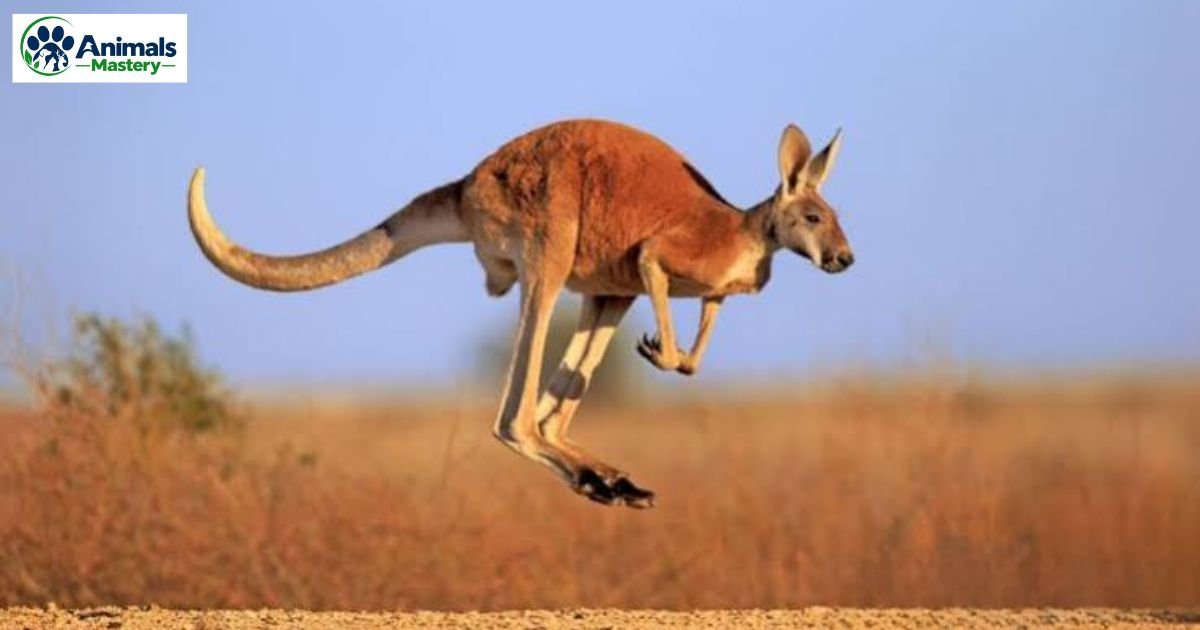
Powerful Hoppers: Kangaroos, often dubbed the powerful hoppers, are fascinating creatures that have evolved uniquely to thrive in their Australian habitats. Their strong hind legs not only enable them to travel long distances efficiently but also provide an impressive means of defense.
When threatened, these marsupials can leap up to 10 feet in the air and cover over 30 feet in a single bound, a spectacle that showcases their impressive muscular prowess and agility.
Strong Tail: The kangaroo stands out not just for its unique method of locomotion but also for its remarkable adaptations that allow it to thrive in the Australian wilderness. These marsupials are renowned for their powerful hind legs, which enable them to cover vast distances while efficiently conserving energy.
Many don’t realize is that their strong tail plays a dual role: it acts as a balance aid while hopping and serves as a third limb when moving slowly, especially during foraging or grooming.
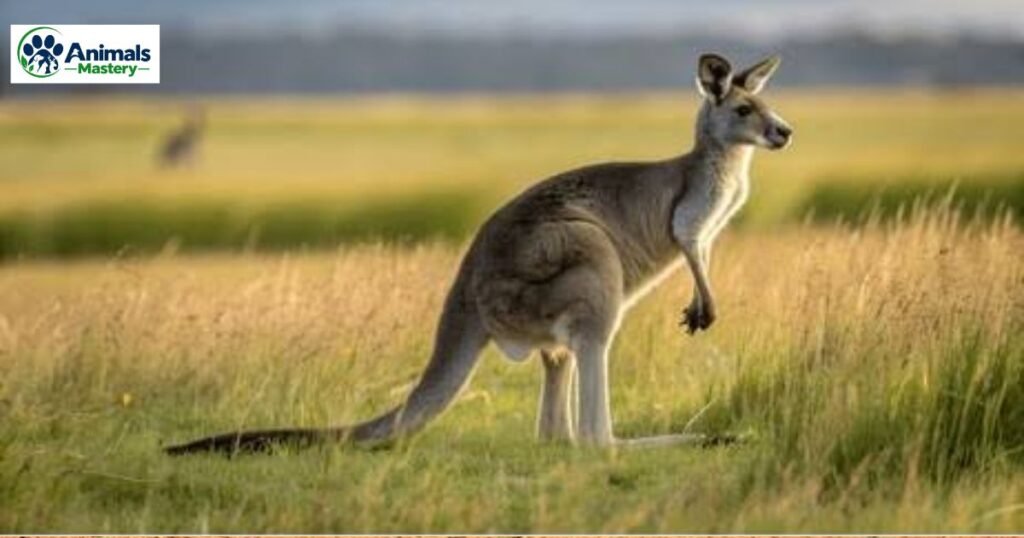
Energy Efficient: Kangaroos, with their powerful hind legs, epitomize energy efficiency in locomotion. These marsupials employ a unique mode of hopping, utilizing elastic tendons that store and release energy with each leap.
This adaptation allows them to cover vast distances in search of food while conserving energy, making them perfectly suited for their arid Australian habitats.
Adapted to Australia: Kangaroos are not just a symbol of Australia; they are a fascinating example of nature’s adaptations. These incredible marsupials have evolved to traverse the rugged terrains of their homeland with ease.
They use their powerful hind legs not only for bounding across vast distances but also for balance when standing upright. This unique form of locomotion allows them to survey their environment, a crucial skill for spotting predators and finding mates.
Basilisk Lizard
- Scientific name: Basiliscus basiliscus
- Class: Reptilia
- Diet: Omnivore
Runs on Water: The Basilisk lizard, often dubbed the “Jesus Christ lizard,” has earned its title not just for its biblical flair but for its astonishing ability to run on water. This remarkable reptile uses its long toes, specialized flaps of skin, and rapid leg movements to create small air pockets beneath its feet, allowing it to sprint across the surface of water for up to 15 feet.
Imagine the sheer thrill of witnessing this spectacle in its natural habitat, where the lizard’s vibrant green body reflects the sunlight as it races over the shimmering surface, effortlessly evading predators.
Powerful Hind Legs: It is renowned for its remarkable ability to sprint across water, showcasing the incredible strength of its powerful hind legs. This adaptation allows it to evade predators in its native Central and South American habitats.
When the Basilisk feels threatened, it accelerates, using its hind legs to propel itself over water’s surface with surprising agility, creating the illusion of walking on water, a phenomenon that continues to fascinate both scientists and nature enthusiasts alike.
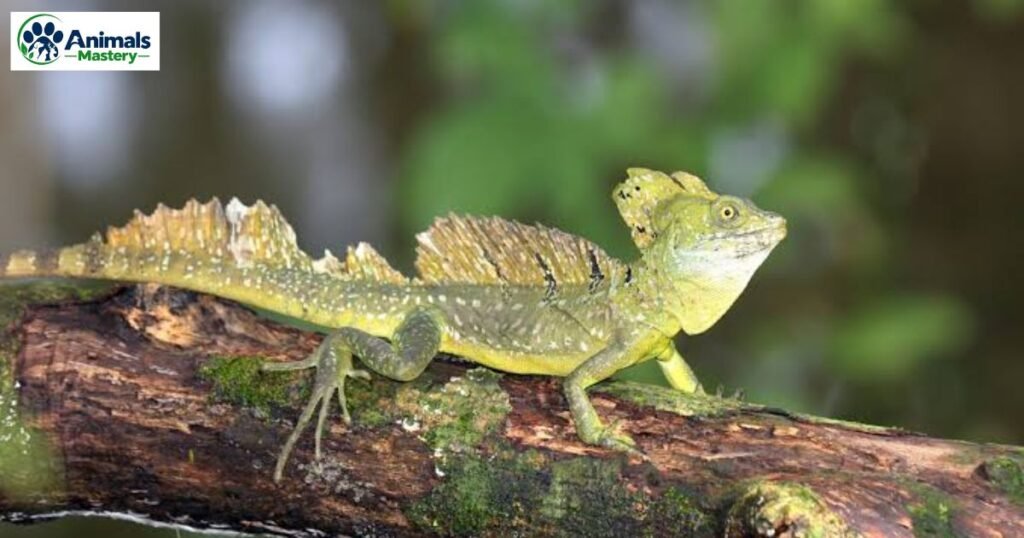
Specialized Toes: The Basilisk lizard, also known as the Jesus Christ lizard, is a fascinating creature renowned for its incredible ability to walk on water. With specialized toes that boast unique adaptations, these lizards can sprint across the surface of ponds and streams, creating an astonishing spectacle.
The large, flared toe pads enhance their surface area, allowing them to displace enough water to support their weight, defying nature’s conventional laws. This agile movement isn’t just a party trick; it’s a survival mechanism that helps them evade predators while showcasing the beauty of evolutionary ingenuity.
Predator Escape: Among the fascinating creatures that walk on two legs, the Basilisk Lizard stands out for its remarkable ability to run across water, a trait that has earned it the nickname Jesus Christ Lizard. When threatened by predators, this agile reptile employs its unique adaptation, rapidly flapping its long toes to create a surface tension that supports its weight, allowing it to escape with astonishing speed.
This extraordinary escape mechanism not only aids in evading predators but also showcases the incredible evolutionary strategies that animals develop for survival.
Wallaby
- Class: Mammalia
- Diet: Herbivore
Bipedal Movement: The wallaby stands out with its unique combination of agility and charm. Known for its powerful hind legs, this marsupial can traverse a variety of terrains with surprising speed. Observers are often captivated by the wallaby’s ability to bound forward, a behavior that showcases its physical prowess and highlights the evolutionary adaptations that have allowed it to thrive in diverse environments.
This remarkable mode of locomotion not only aids in escaping predators but also helps wallabies efficiently cover vast distances in search of food.
Powerful Tail: The wallaby, exemplifies the duality of nature with its ability to seamlessly transition between bipedalism and its signature hopping gait. These marsupials, closely related to kangaroos, possess a powerful tail that acts as a counterbalance, providing stability while they navigate their environment.
This adaptation allows them to rise on their hind legs to survey their territory or engage in playful antics, an endearing sight for wildlife enthusiasts.
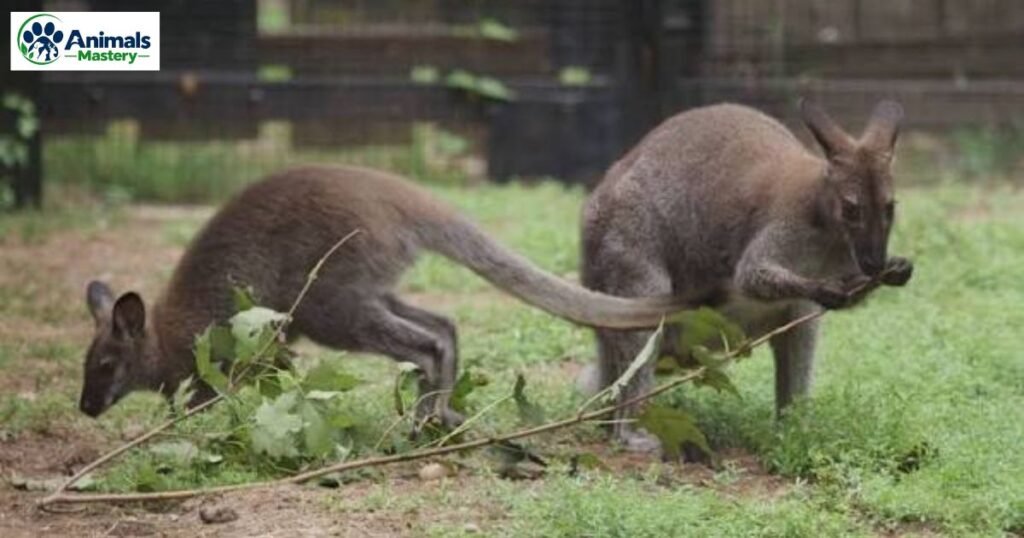
Social Communication: Wallabies, often overshadowed by their larger kangaroo cousins, are captivating creatures that exhibit a unique blend of agility and social communication. As they navigate their habitats with remarkable grace, these marsupials use bipedalism not just for movement but also as a mode for engaging with each other.
Their upright stance plays a crucial role in social interactions, allowing them to survey their surroundings and convey body language that reflects their emotions and intentions.
Habitat Adaptability: Wallabies are a remarkable example of habitat adaptability. These marsupials thrive in diverse environments, from the open grasslands of Australia to the dense forests of Tasmania. Their bipedal locomotion makes them efficient jumpers and allows them to cover significant ground in search of food, all while evading predators.
Observing a wallaby in its natural habitat, gracefully moving on two legs, provides insight into the evolutionary advantages of such a unique mode of travel.
Ostriches
- Scientific name: Struthio camelus
- Class: Aves
- Diet: Omnivore
World’s Largest Bird: Ostriches, the world’s largest birds, are remarkable not just for their size but also for their impressive adaptations to terrestrial life. Towering at up to nine feet tall, these flightless wonders are designed for speed; they can run up to 45 miles per hour, making them the fastest two-legged animal on the planet.
Their long, powerful legs not only support their towering frames but also allow for incredible agility in the wild, enabling them to evade predators with remarkable ease.
Powerful Legs: Ostriches are remarkable creatures, renowned for their powerful legs that enable them to reach impressive speeds of up to 45 miles per hour. These flightless birds leverage their long, strong limbs not just for running but also for self-defense; their kicks can be fatal to predators. Interestingly, ostriches can maintain a steady pace, showcasing an extraordinary endurance that allows them to thrive in the expansive African savannas.
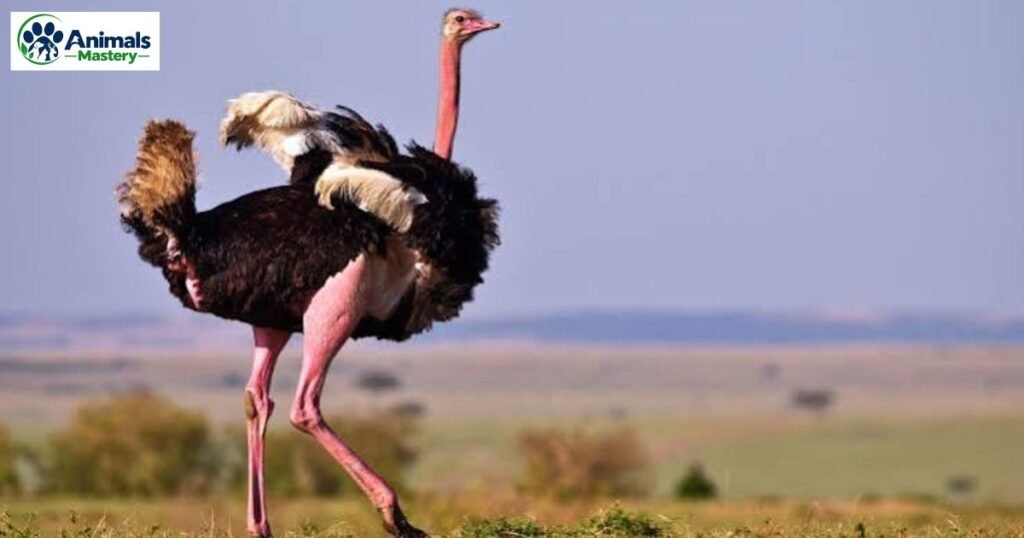
High-Speed Sprinting: Ostriches are not just the largest birds on the planet; they are also extraordinary athletes of the animal kingdom, renowned for their high-speed sprinting capabilities. Reaching speeds of up to 45 miles per hour, these flightless birds can outpace most of their predators over short distances.
Their long, powerful legs are perfectly adapted for running, allowing them to cover significant ground with each stride, making them the ultimate escape artists on the African savannah.
Excellent Vision: Ostriches are remarkable flightless birds that dominate the savannahs with their impressive two-legged stride and exceptional vision. Their keen eyesight allows them to spot predators from great distances, making them formidable survivors in the wild.
Unlike many animals, ostriches utilize their long legs not just for running capable of reaching speeds up to 45 miles per hour but also for swift, agile changes in direction, which are crucial for evading danger.
Emus
- Scientific name: Dromaius novaehollandiae
- Class: Aves
- Diet: Omnivore
Second-Largest Living Bird: Emus, the second-largest living bird, boasts an incredible ability to walk and run on two legs, making them fascinating creatures to observe. Unlike ostriches, which dominate the African landscapes, emus are native to Australia and thrive in diverse habitats, from woodlands to grasslands.
Their long, powerful legs enable them to maintain impressive speeds of up to 30 miles per hour, making them adept at escaping predators and traversing vast distances in search of food and water.
Powerful Legs: Emus are fascinating creatures that not only showcase the wonders of evolution but also exemplify the effectiveness of bipedal locomotion in the animal kingdom. These incredible birds, native to Australia, possess powerful legs that allow them to run at speeds of up to 30 miles per hour.
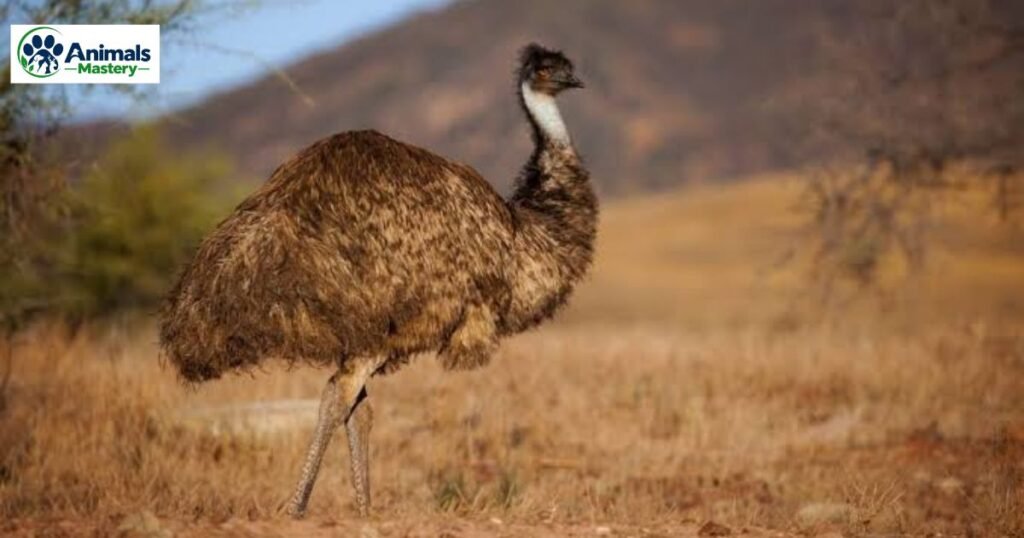
Fast Runners: Among the remarkable animals that navigate the world on two legs, emus stand out not just for their height but also for their incredible speed. These flightless birds, native to Australia, can sprint at speeds of up to 30 miles per hour, making them some of the fastest runners in the avian kingdom.
Their long, powerful legs are perfectly designed for both speed and endurance, allowing them to cover vast distances in search of food and water. This ability is essential in the arid environments where they thrive, showcasing how evolution shapes physical traits for survival.
Highly Adaptable: Highly adaptable, these large flightless birds roam the Australian outback, showcasing an extraordinary ability to thrive in diverse environments, from arid deserts to lush grasslands. Their long legs allow them not only to swiftly cover great distances but also to evade predators, employing a unique running style that combines speed with agility.
Many other birds, emus display remarkable social structures, often forming flocks that navigate their surroundings together, demonstrating both communal safety and shared resources.
Gorillas
- Class: Mammalia
- Diet: Herbivore
Occasional Bipedalism: Gorillas, though predominantly quadrupedal, exhibit what scientists call occasional bipedalism. This fascinating behavior allows them to stand upright for short periods, usually when they need to survey their surroundings or reach for higher foliage. The instances of gorillas walking on two legs highlight their anatomical flexibility, showcasing a remarkable evolutionary adaptation.
Observing these gentle giants in this rare posture not only captures their power but also draws intriguing parallels to human movement, hinting at a shared ancestry.
Powerful Build: Gorillas exemplify the powerful build often associated with larger primates, but their bipedal abilities reveal a fascinating adaptability. While they predominantly move on all fours, these magnificent creatures can effortlessly rise on their hind legs for short distances, showcasing their remarkable strength and balance.
This behavior isn’t just a quirky trait; it serves crucial functions, such as foraging for high foliage or displaying dominance in social settings.
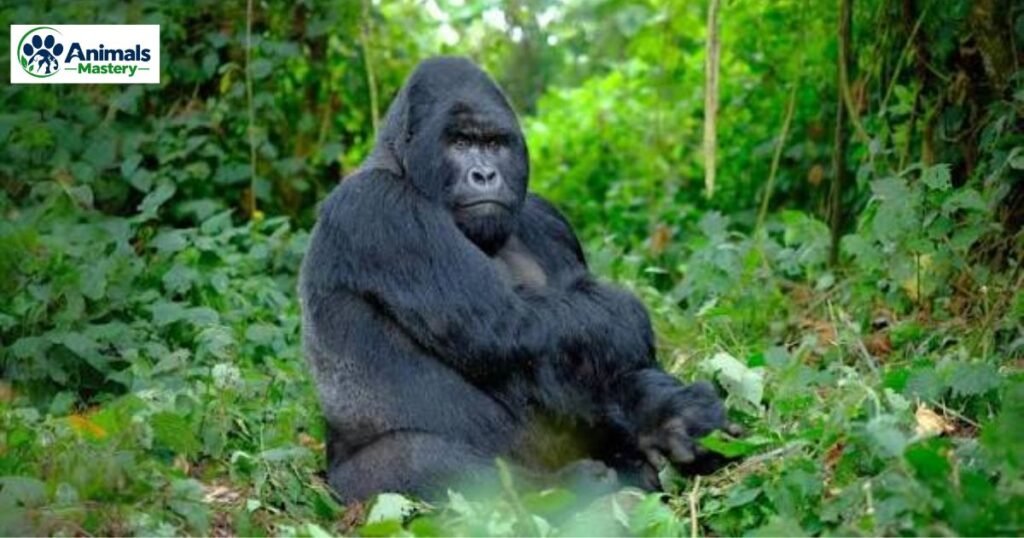
Social Communication: Gorillas, our closest relatives, are not just known for their impressive size and strength but also for their fascinating social communication skills. In their natural habitats, they exhibit complex forms of interaction, from nuanced facial expressions to vocalizations that convey different emotions.
Research has shown that these interactions are crucial for maintaining their social structures and bonds, emphasizing the importance of community in their daily lives. Observing a troop of gorillas can be a powerful reminder of the intricate social networks we often take for granted.
Exploratory Behavior: Gorillas, with their impressive stature and social complexity, exhibit remarkable exploratory behavior that sets them apart in the animal kingdom. Although they primarily walk on all fours, young gorillas often engage in bipedal movement, especially when playing or mimicking human actions.
This temporary shift allows them to access higher foliage and navigate their environment in novel ways, showcasing their adaptability and intelligence.
Penguins
- Scientific name: Spheniscidae
- Class: Aves
- Diet: Carnivore
Flightless Birds: Among the most endearing flightless birds, penguins are not just adorable waddler; they are extraordinary survivors of harsh climates. With their sleek, streamlined bodies and distinctive tuxedo-like coloration, these charming creatures have adapted to some of the planet’s most frigid landscapes.
Their unique upright posture, combined with their social structure, showcases a remarkable blend of functionality and camaraderie. Observing a colony of penguins huddled together for warmth reveals a fascinating insight into community and cooperation.
Efficient Waddle: penguins stand out not just for their distinctive appearance but also for their remarkable adaptations. Their efficient waddle, a charming yet functional gait, allows them to conserve energy while traversing the icy landscapes of Antarctica.
This waddling motion, although seemingly comical, is an evolutionary masterpiece: it reduces the risk of falling on slippery surfaces, ensuring these flightless birds can navigate their harsh environment with agility and grace.
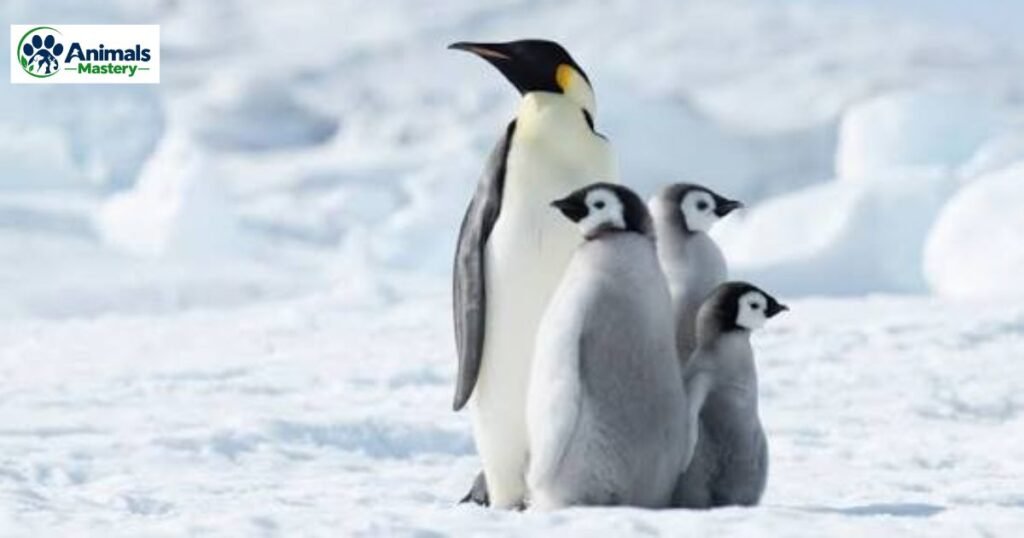
Excellent Swimmers: penguins stand out not only for their charming waddles but also for their exceptional swimming abilities. These flightless birds, primarily native to the Southern Hemisphere, have adapted to life in the water with a streamlined body and powerful flippers, enabling them to become excellent swimmers.
While they may seem clumsy on land, their agility underwater allows them to reach impressive speeds, often surpassing 15 miles per hour. This duality of movement showcases a fascinating evolutionary balance between terrestrial awkwardness and aquatic grace.
Strong Social Bonds: Penguins are fascinating not just for their iconic waddle but also for their strong social bonds. These flightless birds thrive in the harsh conditions of the Antarctic, showcasing remarkable adaptations for survival. Living in large colonies, they rely on teamwork for everything from hunting to nurturing their young, often forming lifelong partnerships.
It’s this close-knit social structure that allows them to navigate the challenges of their environment, showcasing an incredible level of cooperation rarely seen in the animal kingdom.
Chickens
- Scientific name: Gallus gallus domesticus
- Class: Aves
- Diet: Omnivore
Bipedal Birds: Chickens, often underestimated in the animal kingdom, are remarkable bipedal birds with a surprising range of behaviors and adaptations. These feisty fowls don’t just walk; they exhibit intricate social dynamics within their flocks, a phenomenon often overlooked.
With their keen instincts, chickens communicate using an impressive array of vocalizations, and they can even recognize up to 100 different individuals. This social intelligence makes them fascinating subjects for those interested in animal behavior.
Agile Movement: Chickens can often be overlooked in discussions about bipedal animals, yet they exhibit a fascinating blend of agility and adaptability. With their unique skeletal structure, chickens are not only capable of agile movement but also demonstrate remarkable balance as they navigate their environments.
Whether darting across a farmyard or navigating through underbrush, these birds show that two-legged locomotion doesn’t always imply a leisurely stroll.
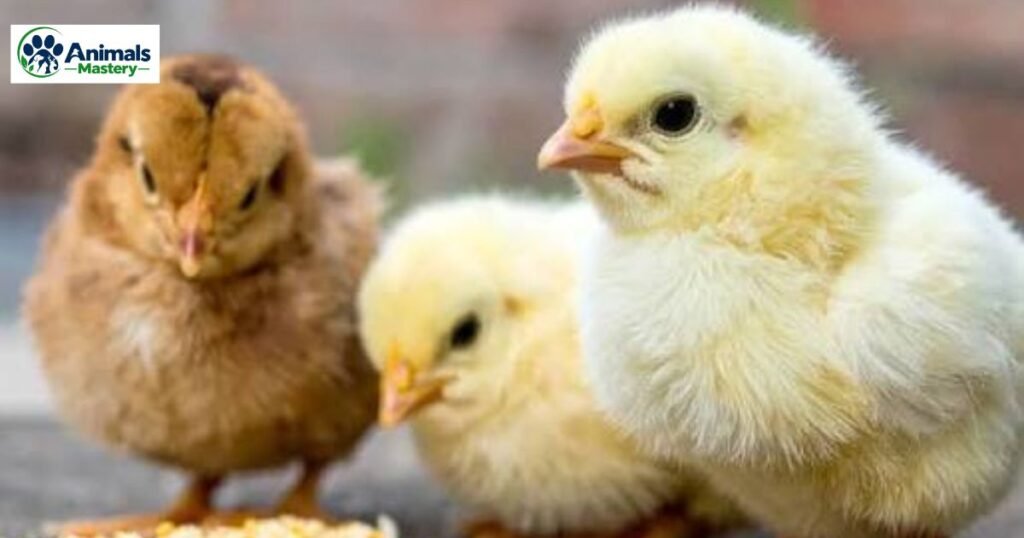
Social Displays: Chickens are fascinating creatures, often overlooked for their intelligence and complex social behaviors. Beyond their delectable eggs and tender meat, these birds engage in intricate social displays that rival those of more charismatic animals.
The dynamics within a flock reveal a range of emotional expressions; pecking order isn’t just about dominance; it’s a sophisticated dance of communication that includes vocalizations and body language. Observing a group of chickens interact can unveil a rich tapestry of friendships and rivalries, challenging the stereotype of them being merely mindless farm animals.
Body-Language Communication: Chickens are fascinating creatures that illustrate the complexities of body-language communication among animals. Their upright stance allows them to observe their surroundings more effectively, showcasing a unique blend of curiosity and social interaction.
When chickens engage with one another, their postures, wing movements, and even clucking patterns convey a rich tapestry of emotions, from excitement to aggression. Observing a group of chickens can reveal a dynamic social structure, where body language plays a critical role in establishing hierarchy and camaraderie.
Turkeys
- Scientific name: Meleagris gallopavo
- Class: Aves
- Diet: Omnivore
Fast Runners: Turkeys are fascinating creatures that not only grace our dinner tables but also showcase impressive adaptations among the animal kingdom. As fast runners, they can reach speeds of up to 25 miles per hour on land, demonstrating agility that belies their plump appearance.
When alarmed, these birds can quickly take to the sky, using their wings for short bursts of flight, which is crucial for escaping predators. This remarkable ability to switch between running and flying emphasizes their evolutionary agility, making them one of nature’s formidable survivors.
Strong Legs: With their strong legs, these birds are not only adept at traversing various terrains but also display intriguing social behaviors. Turkeys can run at speeds of up to 20 to 25 miles per hour, a surprising talent that complements their ground-dwelling lifestyle.
Their powerful legs support a unique locomotion style, enabling them to sprint and take flight when necessary, making them a dynamic part of their ecosystem.
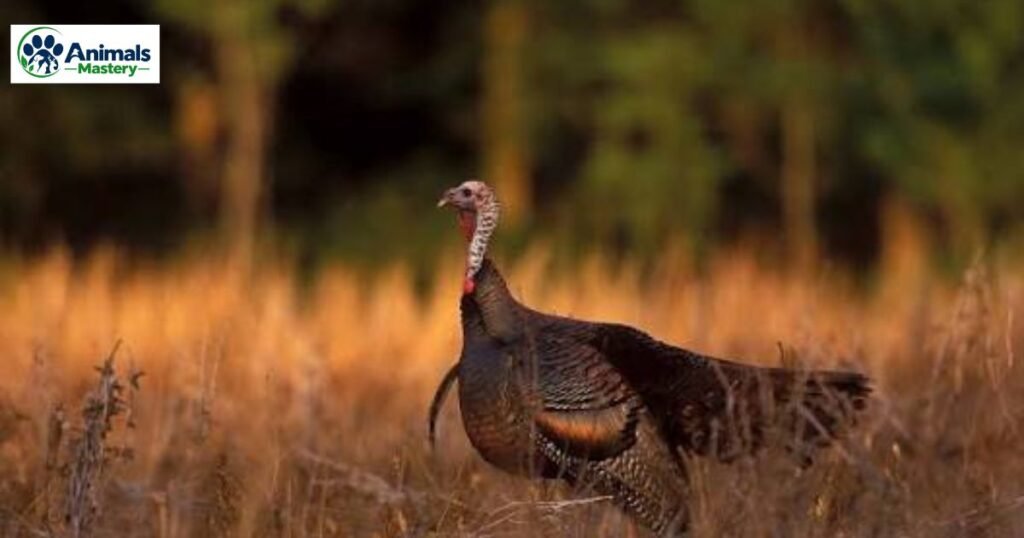
Bipedal Movement: Bipedal movement is a fascinating evolutionary trait that not only defines how certain animals navigate their environments but also offers insights into their adaptations and survival strategies. Turkeys, for instance, are remarkable in their use of two legs, employing a unique gait that helps them swiftly pivot and take flight when threatened.
With their broad bodies and intricate feather patterns, these birds have adapted to both terrestrial and aerial environments, showcasing the versatility of bipedalism.
Courtship Displays: Turkeys are among the most fascinating two-legged animals, especially during their vibrant courtship displays. Male turkeys, or toms, puff out their feathers and strut around, showcasing their plumage to attract hens. This impressive display isn’t just for show; it serves as a crucial tool for survival and reproduction.
Observing a tom’s elaborate movements can be both mesmerizing and educational, highlighting evolutionary adaptations that enhance their mating success.
Chimpanzees
- Scientific name: Pan troglodytes
- Class: Mammalia
- Diet: Omnivore
Bipedal Ability: Chimpanzees exemplify remarkable bipedal ability, showcasing a unique blend of agility and learned behavior. While not as efficient on two legs as humans, their occasional upright stance serves various purposes, from reaching for food in trees to displaying social dominance.
Observing chimpanzees in the wild reveals their adaptability; they shift between quadrupedal and bipedal movement seamlessly, depending on the terrain and situation.
Intelligent Adaptation: Chimpanzees are remarkable creatures that showcase an intelligent adaptation that blurs the lines between human and animal behavior. Often seen engaging in bipedal locomotion, these primates demonstrate an impressive ability to walk on two legs, especially when navigating through their complex habitats or during foraging activities.
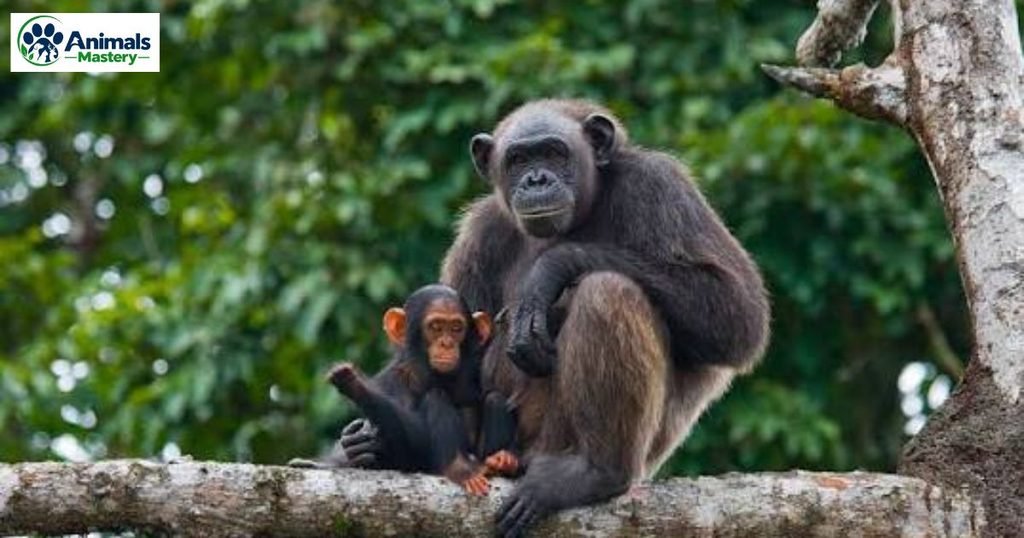
This adaptation not only aids in scouting for food but also allows them to display social behaviors, such as grooming and communication, enhancing their social bonds.
Strong Balance: Chimpanzees, often regarded as our closest relatives in the animal kingdom, are fascinating creatures that showcase remarkable abilities, including their adeptness at walking on two legs. While they typically move on all fours, their strong balance allows them to stand upright for short distances, especially when navigating their environment or reaching for food.
This bipedal movement isn’t just a display of physical prowess; it offers insights into their social behaviors and interactions. For example, when chimps occasionally walk on two legs, it can indicate confidence or assertiveness within their social groups.
Social Communication: Chimpanzees are fascinating creatures that showcase social communication skills, often using gestures, facial expressions, and vocalizations to convey complex emotions and ideas.
As part of their social structure, they display a unique form of bipedalism, particularly when they’re navigating their environment or interacting with others. This ability not only allows them to reach for food but also to engage in intricate social interactions, reinforcing bonds within their groups.
Flamingos
- Scientific name: Phoenicopterus
- Class: Aves
- Diet: Omnivore
Long Legs: Flamingos are fascinating creatures, not just for their vibrant pink plumage but also for their adaptations. With long legs perfectly designed for wading through shallow waters, they can expertly sift through mud to find their favorite foods, such as algae and crustaceans. This unique feeding method, combined with their graceful posture, makes flamingos one of the most iconic examples of bipedal wildlife.
Efficient Feeding: Flamingos are a fascinating example of evolution’s ingenuity, showcasing how bipedalism can enhance efficient feeding strategies in the animal kingdom. Their long legs allow them to wade gracefully into shallow waters, where they sweep their beaks through the sediment.
This unique feeding technique helps them filter out tiny organisms, maximizing their caloric intake while minimizing energy expenditure. Observing them cluster in large groups, you can’t help but marvel at their synchronized movements, a stunning display of elegance that underscores their adaptive advantages.
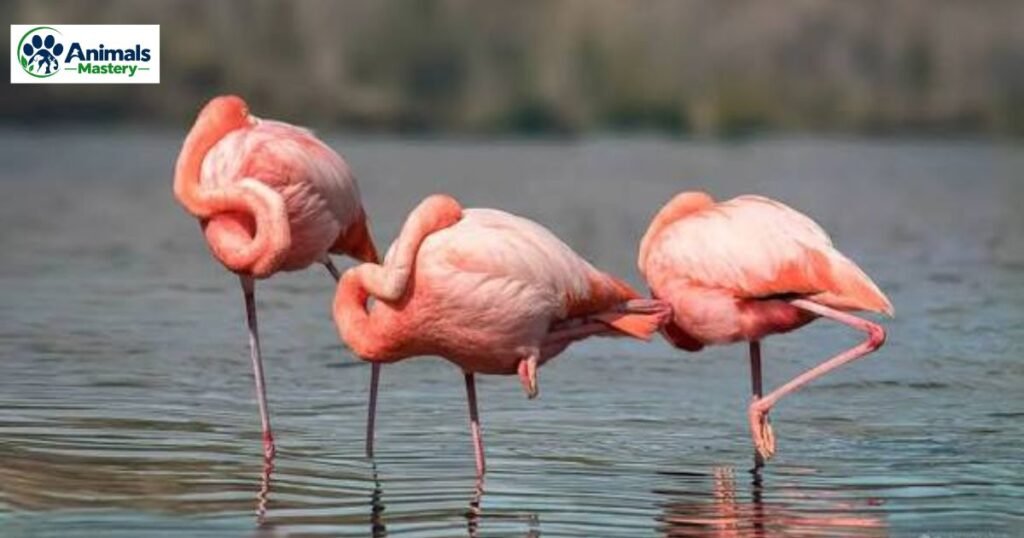
Synchronized Movement: Often seen standing on one leg, these elegant birds have adapted their one-legged stance for thermoregulation, conserving body heat while resting in chilly waters.
When they move, their synchronized movement is mesmerizing, especially during mating rituals where they perform a flawless display of coordinated steps, creating a stunning visual spectacle against the backdrop of their habitat.
Strong Social Bonds: Flamingos are not just iconic for their vibrant pink feathers but also for their fascinating social behavior. These elegant birds thrive in large colonies, where they form strong social bonds with one another. This communal lifestyle enhances their survival, as flocking together helps protect against predators and facilitates effective foraging for food.
Observing flamingos engage in synchronized movements during courtship displays reveals the depth of their social interactions; these rituals strengthen relationships and reinforce the cohesion of their groups.
Ducks
- Class: Aves
- Diet: Omnivore
Bipedal Movement: Ducks are fascinating examples of bipedal movement in the animal kingdom. While many might associate these charming creatures with swimming or flying, their ability to walk and run on two legs is a unique adaptation that supports their foraging habits on land.
These graceful waddler not only exhibit superb agility as they traverse various terrains, but they also showcase social behaviors through their upright stance, often seen quacking in coordinated chatter as they flock together.
Strong Leg Muscles: Ducks are remarkable among the avian species not just for their ability to glide effortlessly on water but also for their unique bipedal locomotion. These vibrant creatures possess strong leg muscles that allow them to waddle gracefully across land, showcasing a level of agility that belies their seemingly awkward stance.
Watching a duck traverse from water to grass emphasizes their adaptability: their webbed feet are engineered for swimming, yet their legs are equally equipped for walking, making them true masters of two realms.
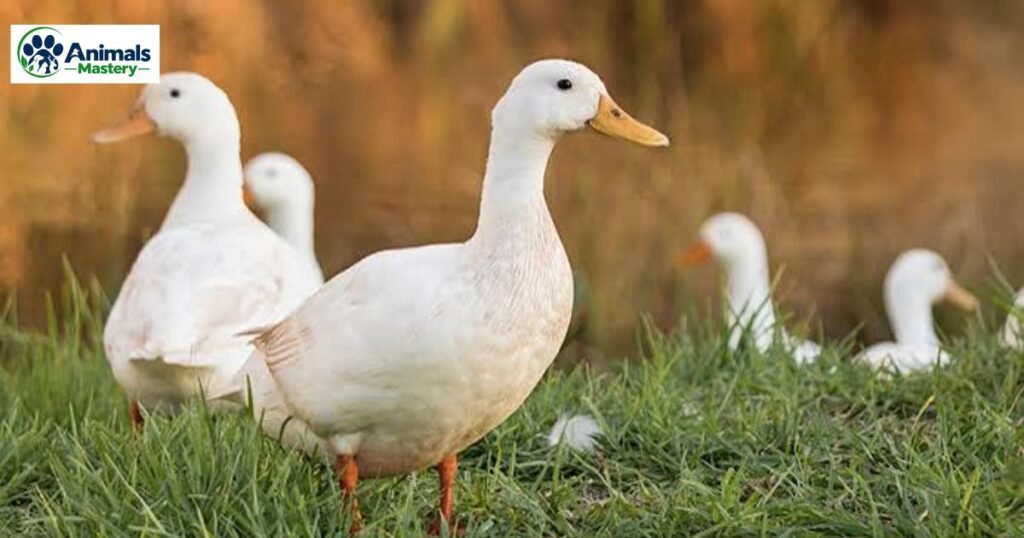
Excellent Balance: Ducks are fascinating creatures, showcasing an excellent balance as they waddle gracefully on two legs. Their ability to navigate both land and water highlights their versatility and adaptability. Equipped with strong legs and a unique body structure, ducks can effortlessly shift their center of gravity, allowing them to perform energetic movements while maintaining poise.
This remarkable evolution is not merely for show; it’s essential for foraging on land and swimming efficiently in their aquatic habitats.
Land Adaptability: Ducks exemplify remarkable land adaptability among animals that walk on two legs. While their aquatic elegance is often celebrated, these versatile birds also thrive on land, exhibiting a unique gait that combines purpose and charm.
Whether waddling around a pond or foraging for food, ducks showcase an impressive ability to adapt to varied environments, making them a compelling subject in the study of terrestrial locomotion.
Kangaroo Rat
- Scientific name: Dipodomys
- Class: Mammalia
- Diet: Herbivore
Powerful Hind Legs: The Kangaroo Rat is a remarkable testament to evolutionary adaptation, showcasing some of the most powerful hind legs in the animal kingdom. These remarkable creatures can leap up to 10 times their body length in a single bound, enabling them to escape predators in the harsh desert environments they inhabit.
Many rodents, which are primarily terrestrial, the Kangaroo Rat employs a unique bipedal locomotion, allowing it to navigate sand dunes with a grace that seems almost effortless. Their long, tufted tails serve not only as a counterbalance during these acrobatic jumps but also play a role in communication and agility.
Kangaroo-Like Movement: The kangaroo rat is a fascinating creature that embodies the essence of agility and adaptation, showcasing a unique form of locomotion reminiscent of its namesake. This small rodent, found primarily in arid regions of North America, employs a remarkable kangaroo-like movement that allows it to bound swiftly across the desert floor.
With powerful hind legs, it can leap distances up to nine times its body length, making it an expert evader of predators. This adaptation not only aids in escape but also conserves energy while navigating its often harsh environment.
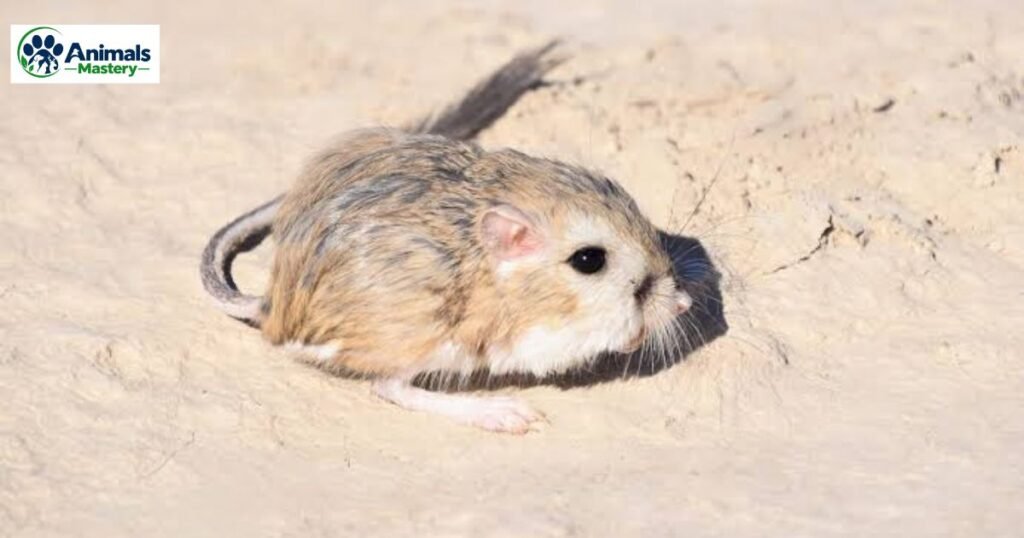
Desert Adaptation: The kangaroo rat is a remarkable example of desert adaptation, showcasing an ability to thrive in arid environments. With its elongated hind legs and powerful physique, this nocturnal creature can leap over three meters in a single bound, a skill that not only aids in escaping predators but also conserves energy in a habitat where resources are scarce.
Its unique methods for survival include obtaining moisture directly from the seeds it consumes, eliminating the need for water in an environment that can be mercilessly dry.
Water Conservation: The kangaroo rat stands out not just for its unique locomotion but also for its extraordinary adaptations to arid environments. Adapted to life in the deserts of North America, this small rodent has evolved a fascinating mechanism that allows it to conserve water more efficiently than many other mammals.
By absorbing moisture from the seeds it consumes, the kangaroo rat can survive without drinking water for extended periods, showcasing nature’s ingenuity in water conservation.
Gibbons
- Scientific name: Hylobatidae
- Class: Mammalia
- Diet: Omnivore
Bipedal Walking: Gibbons exemplify the agility and grace of bipedal walking in the animal kingdom. Unlike many primates, these small apes have mastered the art of moving on two legs, using their long arms for balance and navigation through the forest canopy.
This adaptation not only aids in foraging but also showcases their incredible dexterity, allowing them to swing effortlessly between branches. Observing gibbons in motion reveals their unique locomotion, as they often alternate between bipedal walking and brachiation, highlighting their versatile movement strategies.
Brachiation Experts: Gibbons, often referred to as the brachiation experts of the animal kingdom, showcase a unique adaptation that allows them to effortlessly swing from branch to branch with their long arms.
Unlike many terrestrial bipedal creatures, these agile primates can walk bipedally for short distances, demonstrating a fluidity in movement that is both mesmerizing and efficient. Their mode of locomotion, which combines brachiation and short bursts of bipedalism, highlights an evolutionary bridge between arboreal and terrestrial living.
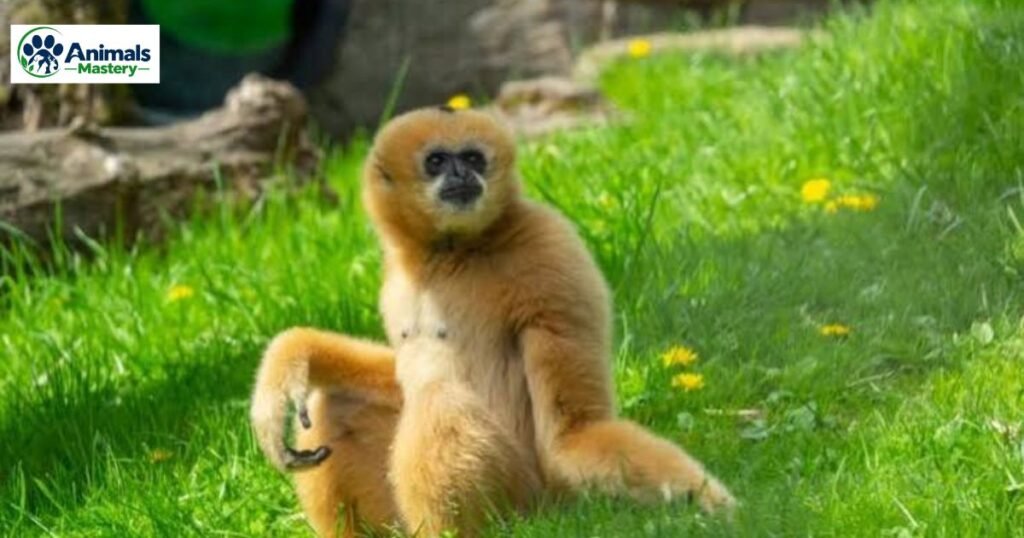
Powerful Vocalization: Gibbons are fascinating primates that not only master the art of bipedalism but also showcase one of nature’s most powerful vocalizations. Their unique mode of locomotion, swinging gracefully from branch to branch using their long arms, allows them to move bipedally on rare occasions, especially when navigating the forest floor.
This adaptability is crucial for their survival in the dense jungles of Southeast Asia, where quick maneuvers and agility often determine a gibbon’s safety from predators.
Strong Social Bonds: Gibbons, often referred to as the acrobats of the forest, symbolize not just agility but also the strength of social bonds within their communities. Living in the treetops of Southeast Asia, these fascinating primates utilize bipedalism to swing effortlessly from branch to branch, showcasing a unique blend of evolutionary adaptation and social cohesion.
Their loud, melodic calls are more than a mating display; they serve as a way to reinforce group membership and territorial claims, highlighting the importance of communication in maintaining strong social bonds.
Geese
- Class: Aves
- Diet: Herbivore
Bipedal Walking: Geese are fascinating creatures, particularly when we explore the marvels of bipedal walking in the animal kingdom. These waterfowl, often seen waddling gracefully on land, not only exhibit remarkable agility but also showcase a surprising level of coordination. Their bipedal movement allows them to navigate diverse terrains, whether foraging for food or migrating thousands of miles.
Witnessing a flock effortlessly transition from water to land highlights not just their adaptability, but also the intricate mechanics of their legs, designed for both propulsion and balance.
Strong Family Bonds: Geese are fascinating creatures, renowned not just for their distinctive honking but also for their strong family bonds. These social birds exhibit remarkable loyalty and cooperation within their flocks, often seen migrating together in a V-formation that maximizes their energy efficiency.
This communal aspect of their lives extends to parenting, with both parents actively involved in caring for their goslings, teaching them essential survival skills. The sight of a mother goose fiercely protecting her young can evoke a deep appreciation for these often-underestimated birds.
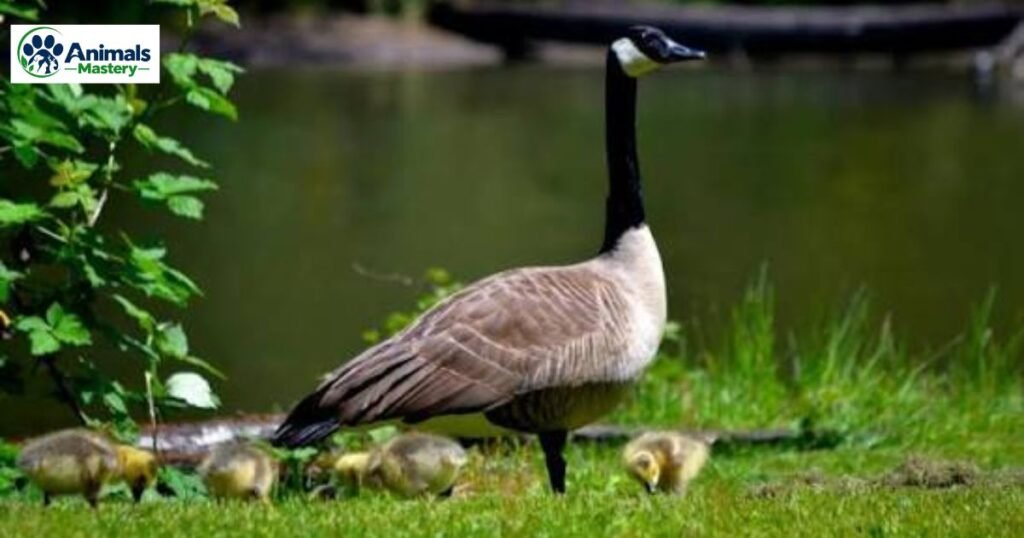
Migratory Experts: Geese are fascinating creatures, particularly known for their migratory behavior. As migratory experts, these birds navigate thousands of miles with impressive precision, often flying in a V-formation that conserves energy and enhances communication.
This distinctive flying pattern not only showcases their remarkable teamwork but also emphasizes their unique adaptations to travel long distances. As they traverse diverse landscapes, geese play vital ecological roles, dispersing seeds and influencing local ecosystems.
Synchronized Movement: Geese are remarkable creatures, not just for their graceful flight but for their impressive synchronized movement on the ground. When a flock of geese waddles together, their coordinated steps create a mesmerizing spectacle, as if they’re executing a well-rehearsed dance.
This synchronization is essential for maintaining group cohesion, especially when navigating their habitat. The sight of these elegant birds waddling in unison serves as a reminder of the intricate social structures found in the animal kingdom.
Parrots
- Scientific name: Psittaciformes
- Class: Aves
- Diet: Herbivore
Bipedal Movement: Parrots, with their vibrant feathers and intelligence, are fascinating examples of animals that exhibit bipedal movement. While most people typically associate walking on two legs with mammals, these avian wonders showcase how diverse the evolution of bipedalism can be.
Observing a parrot shuffle along branches, they utilize their strong feet in a unique way, often using their beaks and wings for balance, which highlights a dynamic form of mobility that isn’t solely reliant on typical walking.
Zygodactyl Feet: Parrots are among the most fascinating two-legged animals, known not just for their vibrant plumage but also for their impressive adaptability. With zygodactyl feet characterized by two toes facing forward and two backward these birds have evolved to excel in climbing and grasping.
This unique foot structure enables them to deftly navigate their arboreal habitats, allowing for a remarkable range of motion and a secure grip on branches while foraging for fruits and seeds.
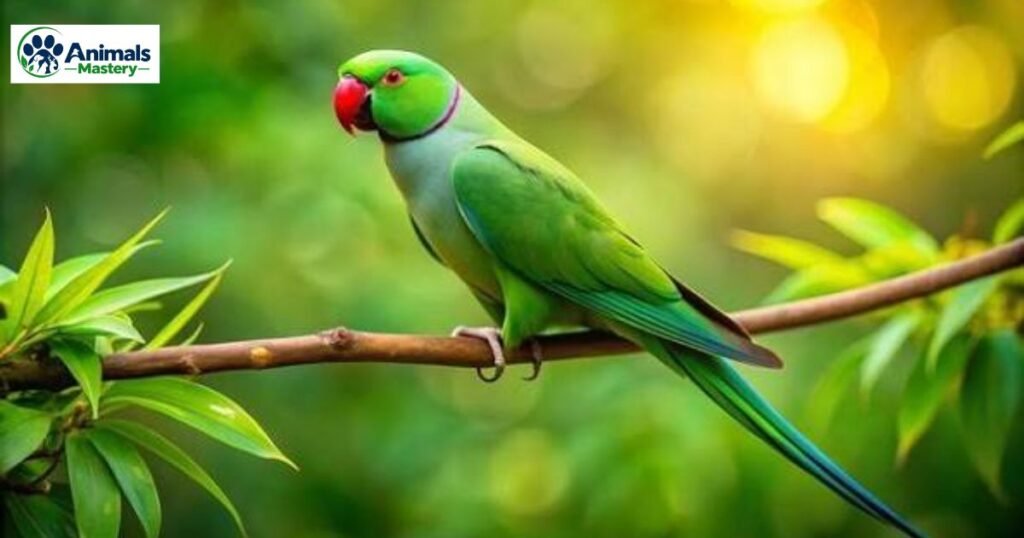
High Intelligence: Parrots, renowned for their vibrant colors and captivating ability to mimic human speech, are not just a delight to behold; they exhibit remarkable high intelligence on par with some primates. Their cognitive skills allow them to solve complex puzzles and interact socially, making them not only enchanting pets but also fascinating subjects for studies on animal behavior.
In fact, many species, like the African Grey, are known to possess the ability to understand abstract concepts, showcasing their profound cognitive capabilities.
Social Interaction: Parrots are remarkable not just for their vibrant colors and ability to mimic human speech, but also for their unique social interaction habits. In the wild, these intelligent creatures thrive in flocks, relying on complex communication and social structures. Their upright stance walking on two legs plays a crucial role in their interactions, allowing them to navigate their environment adeptly while maintaining close contact with their companions.
This bipedal movement, combined with their expressive beaks and feet, enhances their ability to engage with one another, whether for grooming, foraging, or simply socializing.
Orangutans
- Class: Mammalia
- Diet: Omnivore
Occasional Bipedalism: Orangutans, known for their impressive intelligence and social structures, often exhibit what is termed “occasional bipedalism.” In the dense rainforests of Borneo and Sumatra, these incredible creatures can occasionally be seen walking upright, especially when they want to reach out for fruits or navigate through their complex arboreal environments.
This remarkable ability highlights their adaptability; while primarily arboreal, their occasional bipedalism not only aids in foraging but also provides insight into their cognitive skills.
Excellent Adaptability: Orangutans exemplify excellent adaptability, showcasing their remarkable ability to navigate both arboreal and terrestrial environments. These intelligent primates often use their powerful limbs not just for climbing trees but also for manipulating objects, demonstrating resourcefulness in their food-seeking behaviors.
Their semi-bipedal gait allows them to traverse the forest floor when needed, marking them as versatile survivors in the ever-changing landscape of their tropical habitats.
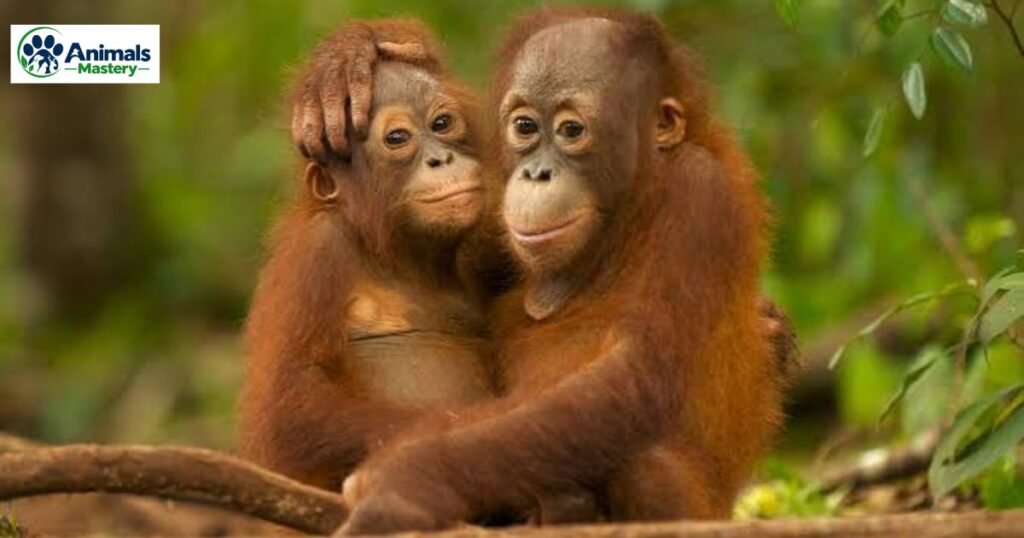
Strong Intelligence: Orangutans, often dubbed the people of the forest, are remarkable creatures that showcase strong intelligence and extraordinary adaptability. Their ability to use tools, solve complex problems, and even communicate through modified gestures highlights a cognitive sophistication that rivals our own.
These incredible apes not only walk on two legs when necessary, but their remarkable agility allows them to navigate the treetops in search of food and shelter, all while demonstrating a profound understanding of their environment.
Arboreal Lifestyle: Orangutans are extraordinary primates that embody an arboreal lifestyle, showcasing their ability to navigate the treetops with grace and agility. These intelligent beings can often be seen swinging effortlessly from branch to branch, but they possess a unique trait that sets them apart: their occasional bipedal movement.
While predominantly using their long arms for swinging, orangutans can stand upright to grasp food or survey their surroundings, allowing them to utilize both their upper and lower limbs skillfully.
Humans
- Scientific name: Homo sapiens
- Class: Mammalia
- Diet: Omnivore
Full-Time Bipedalism: The array of creatures that grace our planet, a select group showcases the remarkable adaptation of full-time bipedalism. While humans have mastered this trait, several fascinating animals also traverse their environments on two legs.
Unlike many mammals that alternate between walking on four legs and standing upright, these avian species demonstrate the elegance and grace of full-time bipedalism, allowing them to escape predators swiftly.
Freed Hands: The fascinating realm of bipedalism extends beyond just humans, showcasing an incredible lineup of animals that adeptly navigate their environments on two legs. This evolutionary trait not only provides them mobility but also allows them to evade predators more efficiently, highlighting the adaptive significance of bipedal movement in various ecosystems.

Advanced Tool Use: The fascinating array of bipedal creatures, some have evolved unique adaptations that showcase their remarkable intelligence and advanced tool use. For instance, certain species of birds, like the kea and crows, have exhibited not only the ability to walk on two legs but also the capability to use tools to solve complex problems.
This behavior challenges our understanding of intelligence and blurs the lines between humans and animals, inviting a deeper appreciation of their cognitive abilities.
Wide Field of View: The astonishing array of creatures that have adapted to life on two legs, some showcase remarkable agility and intelligence. For instance, the striking capabilities of penguins highlight their unique evolutionary path.
Balancing their bodies on two feet while navigating icy terrains, they possess a wide field of view that aids in spotting predators and locating mates, all while maintaining their charming waddling gait.
Explore More Wildlife Wonders
- The fascinating world of Animals with Long Tails includes creatures from forests, deserts, and open grasslands. Some use their tails to stay steady while climbing, while others use them for protection. Their specialized tails are valuable tools that support survival in the wild.
- The variety of Birds With Long Legs shows how different species adapt to their surroundings. While some patiently stand in water to catch prey, others travel quickly across dry ground. Their powerful legs play an essential role in movement, feeding, and survival.
- Several Cleanest Animals in The World also display surprisingly organized habits around their living areas. Keeping resting places, nests, or feeding spaces relatively clean can be beneficial for survival. Such behaviors reveal the diverse ways animals manage cleanliness in nature.
Final Thoughts
The fascinating world of bipedal animals showcases a unique adaptation that allows these species to navigate their environments in extraordinary ways. From the playful antics of kangaroos to the resourcefulness of birds, each animal demonstrates the versatility and importance of walking on two legs. This remarkable ability not only aids in locomotion but also provides advantages for foraging, mating, and evading predators.
The diversity of animals that walk on two legs opens our eyes to the wonders of evolution and adaptation in the animal kingdom. Each species discussed not only showcases unique anatomical features but also highlights the various ways in which bipedalism can be advantageous for survival.
FAQS
Which Animals Walk on two Legs all the Time?
Only humans and birds walk on two legs all the time as their main way to move. Kangaroos and some rodents also hop on two legs every time they move. Their bodies are built just for this style of moving.
Do any Mammals besides Humans and Kangaroos Walk on two Legs?
Yes, some animals like tree kangaroos and long-eared jerboas walk or hop on two legs. Chimpanzees and bears can also walk on two legs for a short time. They usually do this when they need to reach food or carry items.
Why do some Four-Legged Animals Stand or Walk on two Legs?
Animals like meerkats and prairie dogs stand on two legs to look far out for danger. Chimpanzees do it to carry heavy food or look bigger to enemies. This rare action helps them survive in the wild.
Are Dinosaurs Part of the Two-Legged Animal Group?
Yes, many meat-eating dinosaurs like the T-Rex walked on two legs to run fast and hunt. These animals are called bipeds. Birds are the living relatives of these ancient two-legged dinosaurs.
How do Two-Legged Animals keep their Balance?
They use their heavy tails or special hip bones to balance their weight. A bird uses its wings and tail feathers to stay steady. Kangaroos use a thick tail like a third leg when they stop.