Birds with Long Necks: Top 15 Species (with Pictures & Fun Facts)
Long necks in birds might seem like a quirky feature, but they serve crucial roles in survival and foraging. In our list of the Top 15 Birds With Long Necks, we will introduce you to remarkable species that redefine elegance and functionality in the avian world.
From the wetlands to grasslands, these birds possess unique traits that help them thrive. Dive into this article to not only appreciate their beauty but also understand their vital contributions to our ecosystem.
List of Birds With Long Necks
Below is the list of birds with long necks:
- Great Egret
- Anhinga
- Giant Ibis
- Marabou Stork
- Ostrich
- Swan
- Whooping Crane
- Emu
- Roseate Spoonbill
- Goliath Heron
- Cormorant
- Greater Flamingo
- Cassowary
- Goose
- Black-necked Stork
Great Egret
- Scientific Name: Ardea alba
- Family: Ardeidae
- Class: Aves
- Diet: Carnivore, feeds on fish, amphibians, and small aquatic prey
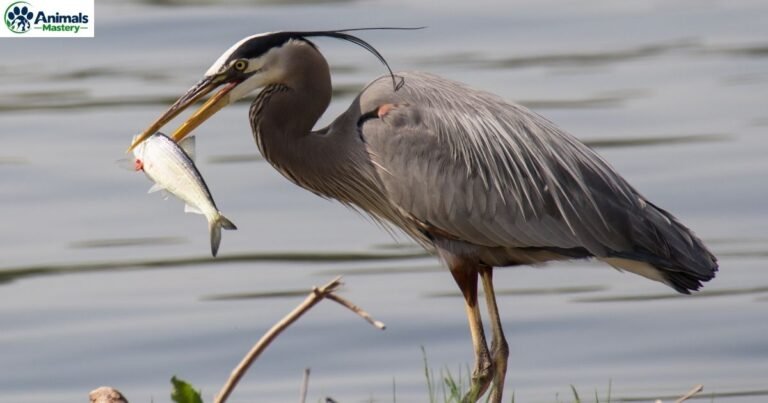
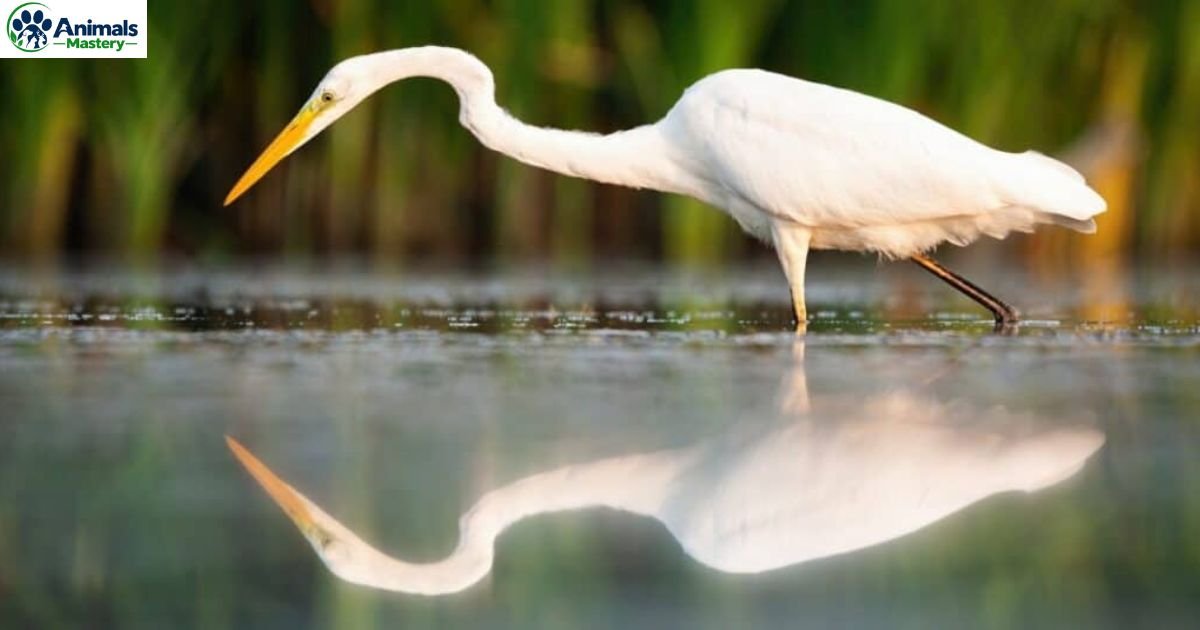
The Great Egret, with its striking elongated neck, is a symbol of grace and adaptability in wetland habitats. This bird’s long neck is not just a stunning feature; it serves a practical purpose during foraging. As it wades through shallow waters, the Great Egret uses its neck to reach into nooks and crannies to snatch up fish and other aquatic delicacies, showcasing its remarkable hunting skills.

Mating rituals among Great Egrets are equally fascinating, with their long necks playing a critical role in courtship displays. During the breeding season, males engage in elaborate dances, stretching and arching their necks to attract females.
This visual spectacle is as much about demonstrating physical fitness as it is about aesthetic appeal, ensuring that only the strongest mates pass on their genes. Observing these rituals in action offers a captivating glimpse into the intricate balance of beauty and survival within nature’s tapestry.
Anhinga
- Scientific Name: Anhinga anhinga
- Family: Anhingidae
- Class: Aves
- Diet: Carnivore, spears fish underwater with its sharp bill
Anhingas, often referred to as snakebirds due to their elongated necks and streamlined bodies, are fascinating aquatic hunters. These remarkable birds are typically found in freshwater and coastal habitats, where their unique hunting technique shines.

Unlike many waterfowl, Anhingas dive underwater to spear fish with their pointed bills, using their long necks to navigate with speed and precision. This hunting style not only showcases their adaptability but also highlights a remarkable evolutionary trait that distinguishes them in their environment.
During mating season, the Anhinga’s long neck becomes a focal point in their elaborate displays. Males puff out their chests and extend their necks dramatically, showcasing their glossy plumage to attract potential mates. This ritual is as much about visual appeal as it is about demonstrating health and vitality, crucial for reproductive success in the wild.
Giant Ibis
- Scientific Name: Thaumatibis gigantea
- Family: Threskiornithidae
- Class: Aves
- Diet: Omnivore, eats invertebrates, small vertebrates, and seeds
With their striking long necks, Giant Ibises are not only a spectacle of nature but also play a crucial role in their wetland habitats. These magnificent birds excel at foraging, using their elongated necks to reach into muddy waters in search of invertebrates, frogs, and plant matter.

This unique adaptation allows them to exploit a niche that many other birds cannot, helping to maintain the delicate balance of their ecosystems.
The mating rituals of the Giant Ibis are equally captivating, often involving elaborate displays that emphasize their impressive stature. During courtship, males puff up their plumage and perform synchronized flying displays, which are essential for attracting potential mates.
Marabou Stork
- Scientific Name: Leptoptilos crumeniferus
- Family: Ciconiidae
- Class: Aves
- Diet: Scavenger and carnivore, eats carrion, fish, and small animals
The Marabou Stork, with its impressively long neck, is not just a striking figure in the skies of Sub-Saharan Africa; it plays a crucial role in the ecosystem’s balance. These formidable birds, often dubbed “nature’s clean-up crew,” are masters of scavenging.

Their diet primarily consists of carrion, making them vital for waste management in their habitats. By consuming dead animals, they help prevent the spread of disease, showcasing the interconnectedness of their existence with other species.
The Marabou Stork’s long neck allows it to access food sources that many other scavengers cannot reach. It can effortlessly probe into carcasses or sift through vegetation, ensuring that waste is promptly dealt with. This unique adaptation not only highlights the stork’s survival skills but also reinforces its position as a key player in maintaining the delicate balance of its ecosystem.
Ostrich
- Scientific Name: Struthio camelus
- Family: Struthionidae
- Class: Aves
- Diet: Omnivore, mostly plants, occasionally insects
In the realm of avian giants, the ostrich stands out not just as the world’s largest bird but also for its fascinating adaptations. With its long neck, the ostrich boasts an impressive vantage point, allowing it to survey vast stretches of the African savanna.

This long neck isn’t just for show; it plays a vital role in their social behavior. By keeping an eye out for predators, ostriches can alert their flock, showcasing a remarkable cooperation among these sociable creatures.
But the ostrich’s attributes don’t end there. Capable of reaching astonishing speeds of up to 45 mph, these flightless wonders redefine agility. While many assume long-legged birds are clumsy, the ostrich’s ability to sprint with such velocity paints a different picture.
Their long necks gracefully balance their powerful bodies, making them not only effective runners but also integral members of their ecosystems.
Swan
- Scientific Name: Cygnus buccinator
- Family: Anatidae
- Class: Aves
- Diet: Herbivore, feeds on aquatic plants
Swans, with their graceful long necks, epitomize elegance in aquatic environments. These magnificent birds are not only visually stunning but also exhibit unique foraging behaviors that utilize their elongated necks to reach underwater vegetation.
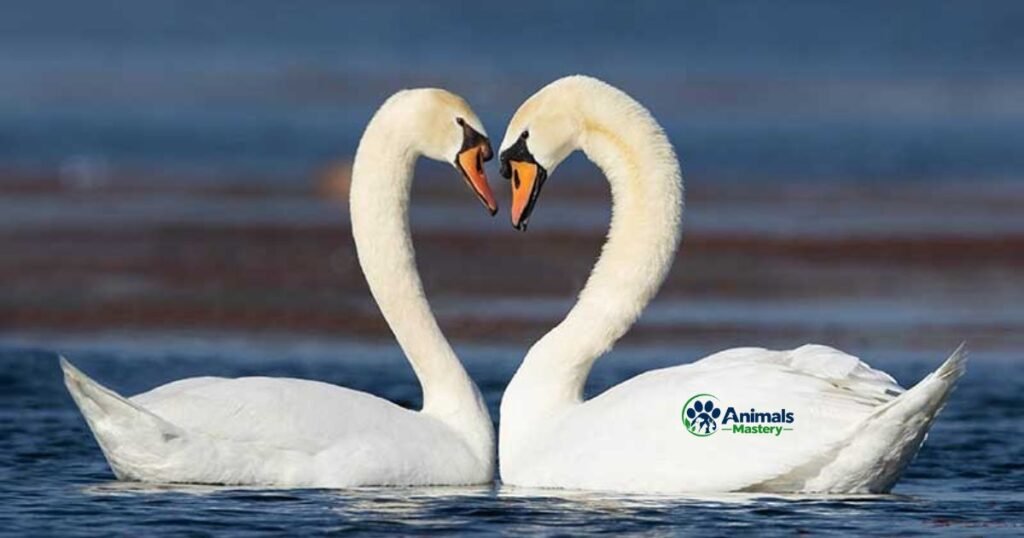
This adaptation allows them to access a diverse diet, contributing to their role in maintaining the health of aquatic ecosystems. Observing a swan dipping its neck beneath the water’s surface showcases the delicate balance of nature and the importance of every species in the food web.
Courtship displays among swans, characterized by synchronized swimming and elaborate neck movements, strengthen their social bonds and reflect their monogamous nature. These displays often involve beautiful choreography in which both partners showcase their physical prowess and emotional connection.
Whooping Crane
- Scientific Name: Grus americana
- Family: Gruidae
- Class: Aves
- Diet: Omnivore, eats aquatic invertebrates, small vertebrates, and grains
The Whooping Crane, with its striking long neck and impressive wingspan, is not only a marvel of nature but also a poignant symbol in the realm of wildlife conservation. These majestic birds, reaching heights of over five feet, have endured a harrowing journey toward recovery after facing near extinction in the mid-20th century.

Their graceful necks allow them to traverse wetlands in search of food, showcasing an adaptability that speaks to their resilience.
As these cranes migrate over vast distances, they become living testaments to the fragility of ecosystems. Their wintering habitats, particularly in areas like Florida and Texas, are under threat from habitat loss due to urban development and climate change.
Effective conservation strategies are essential not only for the Whooping Crane but for the biodiversity of wetlands that sustain them.
Emu
- Scientific Name: Dromaius novaehollandiae
- Family: Dromaiidae
- Class: Aves
- Diet: Omnivore, eats plants, seeds, and insects
The emu, Australia’s iconic flightless bird, captures attention not just for its size but for its remarkably long neck. This elongated feature is more than a mere aesthetic; it plays a crucial role in the bird’s adaptability to various environments across the continent.

With their long necks, emus can forage for food high in bushes and even reach fruits that other ground-dwelling species cannot. This versatility enables them to thrive in diverse habitats, from arid deserts to lush grasslands.
Male emus showcase fascinating behaviors during the incubation process, often taking on a nurturing role that contrasts with many other species. Once the female lays her eggs, the male meticulously sits on them for about eight weeks, ensuring the eggs are kept warm and protected.
This commitment showcases the deep bond and investment in the next generation, with the long neck not only aiding in their foraging but also in providing the proper care needed during this critical time. The emu’s ability to adapt to changing landscapes continues to be a testament to its resilience and evolutionary success in the wilds of Australia.
Roseate Spoonbill
- Scientific Name: Platalea ajaja
- Family: Threskiornithidae
- Class: Aves
- Diet: Carnivore, eats small fish, crustaceans, and insects
In the shimmering wetlands, the Roseate Spoonbill stands out with its striking pink feathers and unique spoon-shaped bill, making it a captivating subject for bird enthusiasts and photographers alike.

This stunning bird utilizes its bill to forage effectively in shallow waters, sweeping it from side to side to uncover hidden crustaceans and aquatic invertebrates. This foraging behavior not only showcases its adaptability but also highlights the ecological balance that wetlands provide, making them essential habitats for a diverse range of species.
Conservation efforts are crucial for the continued survival of the Roseate Spoonbill, as they are indicators of wetland health. Their reliance on pristine environments for foraging means that protecting these habitats safeguards not just the spoonbills but an entire ecosystem filled with rich biodiversity.
Goliath Heron
- Scientific Name: Ardea goliath
- Family: Ardeidae
- Class: Aves
- Diet: Carnivore, eats fish, frogs, and small reptiles
The Goliath Heron, a true titan among avian species, boasts an impressive long neck that sets it apart as a master of stealth in the wetlands of Sub-Saharan Africa. Renowned for its remarkable hunting abilities, this majestic bird utilizes its elongated neck to blend seamlessly into its surroundings, allowing it to ambush unsuspecting fish and amphibians.

Beyond its formidable hunting skills, the Goliath Heron offers a fascinating glimpse into the delicate balance of wetland ecosystems. Its presence indicates a healthy habitat, where aquatic life flourishes and biodiversity thrives.
Observing this bird in action, its elongated neck stretching to snatch prey, highlights the exquisite adaptations that have evolved over millennia. The Goliath Heron embodies an unspoken elegance, reminding us of the intricate connections within nature and the importance of preserving these vital wetland environments.
Cormorant
- Scientific Name: Phalacrocorax carbo
- Family: Phalacrocoracidae
- Class: Aves
- Diet: Carnivore, feeds on fish
The cormorant, with its elongated neck, is a master of underwater hunting. This unique adaptation allows it to maneuver with surprising agility, diving deep to catch fish.
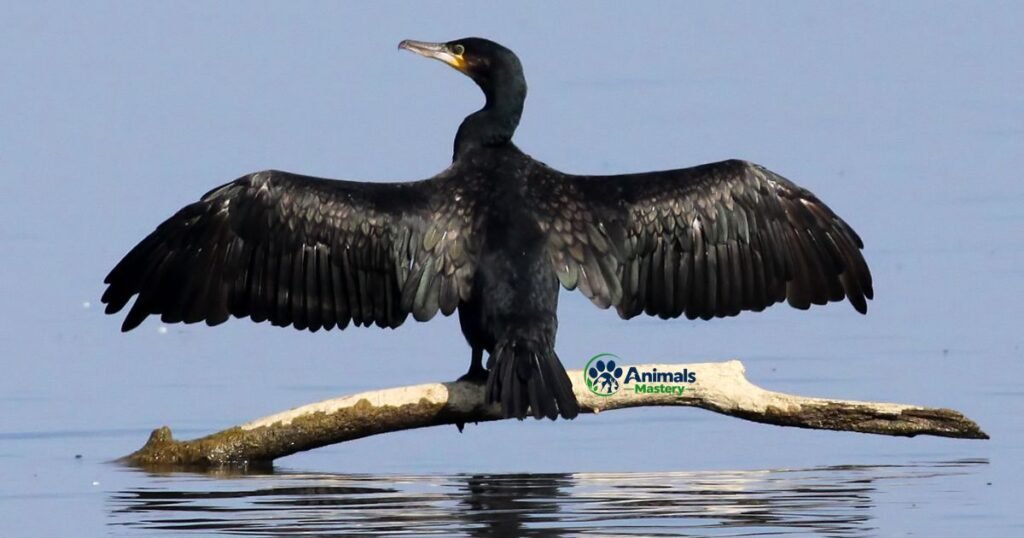
Unlike many aquatic birds, cormorants can swim with their bodies submerged, using their long necks to reach prey hidden among rocks and vegetation.
Cormorants exhibit fascinating social behavior. Often seen in groups, they engage in synchronized diving, a strategy that increases their chances of a successful catch. These birds communicate through a range of vocalizations, strengthening their social bonds within the flock.
Their interactions reveal not only a hierarchy among individuals but also the complex dynamics of survival in their challenging environments. The cormorant’s social nature adds another layer to its already captivating profile as a powerhouse of the aquatic world.
Greater Flamingo
- Scientific Name: Phoenicopterus roseus
- Family: Phoenicopteridae
- Class: Aves
- Diet: Omnivore, eats algae, small crustaceans, and mollusks
The Greater Flamingo, a vibrant ambassador of wetlands, boasts an elongated neck that serves a crucial purpose in its survival. This remarkable adaptation allows these birds to excel in filter feeding, a technique that extracts tiny organisms from the water while wading through shallow marshes.

As their long necks dip into the aquatic environment, the flamingos skillfully sift through mud and silt, showcasing an intricate dance of motion that’s both mesmerizing and functional.
What’s particularly fascinating is the role of carotenoids in the flamingo’s diet, which contributes to their striking pink plumage. These pigments, derived from the algae and crustaceans they consume, not only enhance their color but also indicate their health and vitality.
In large colonies, the social dynamics and cooperative behavior observed during feeding highlight their communal strength, a dazzling display of nature’s artistry and survival strategy.
Cassowary
- Scientific Name: Casuarius casuarius
- Family: Casuariidae
- Class: Aves
- Diet: Omnivore, mainly fallen fruit, some fungi and insects
The cassowary, often referred to as a “living dinosaur,” boasts an impressive long neck that not only contributes to its striking appearance but also serves vital ecological functions. This prehistoric-looking bird, native to the dense rainforests of New Guinea and nearby islands, plays a crucial role in seed dispersal.
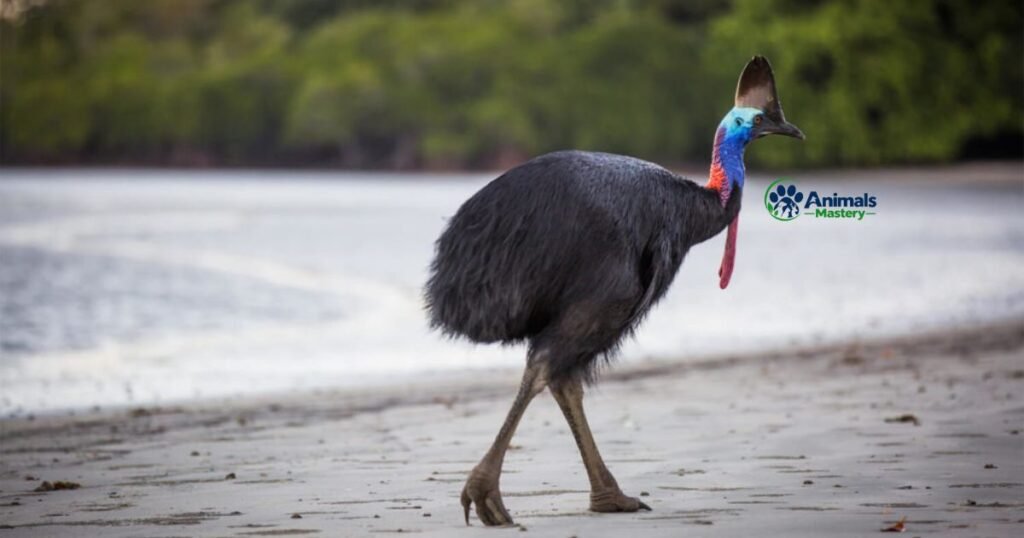
As these birds consume a variety of fruits, including the large, fibrous seeds from towering trees, they wander through the undergrowth, leaving behind a trail of germinated plants that help sustain the lush biodiversity of their habitat.
Adaptation is key to the cassowary’s survival in this rich ecosystem. Their long necks enhance their ability to reach high-hanging fruits, while their unique casque, a helmet-like structure atop their head, adds both protection and a distinctive flair.
This remarkable bird’s powerful legs also allow it to navigate through dense thickets effortlessly, a necessity for a creature that can weigh up to 130 pounds.
Goose
- Scientific Name: Branta canadensis
- Family: Anatidae
- Class: Aves
- Diet: Herbivore, feeds on grasses, grains, and aquatic plants
Geese are fascinating creatures, particularly with their elongated necks that serve as tools for both foraging and communication. This specific adaptation allows them to reach food in shallow waters and stretch towards the vegetation that might otherwise be inaccessible.
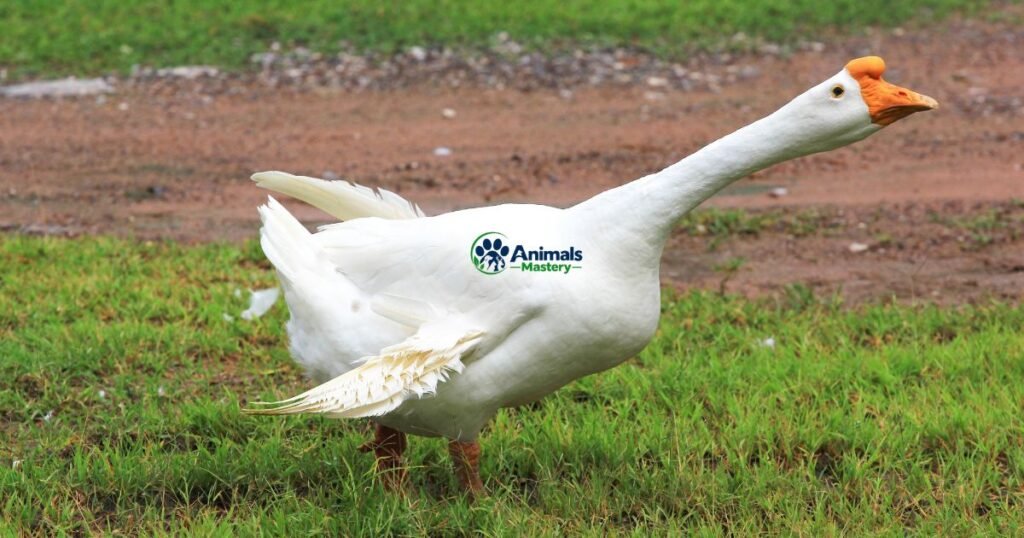
With their necks, they elegantly navigate aquatic environments, foraging for aquatic plants and insects, showcasing their specialized feeding behavior.
The social interactions within a flock can be just as captivating. The elongated neck of a goose is not just a physical trait; it plays a crucial role in non-verbal communication.
Through a series of neck positions and movements, geese signal everything from alarm to contentment, reinforcing the bonds within their flocks. This intricate mode of communication emphasizes the importance of social structure in their lives, where each goose contributes to the harmony and safety of the group.
Black-necked Stork
- Scientific Name: Ephippiorhynchus asiaticus
- Family: Ciconiidae
- Class: Aves
- Diet: Carnivore, eats fish, crustaceans, and reptiles
The Black-necked Stork, with its striking silhouette and remarkable long neck, epitomizes elegance in the avian world. Found predominantly in wetland habitats across Asia and parts of Australia, this stork is not just a visual delight; it also showcases incredible adaptability.
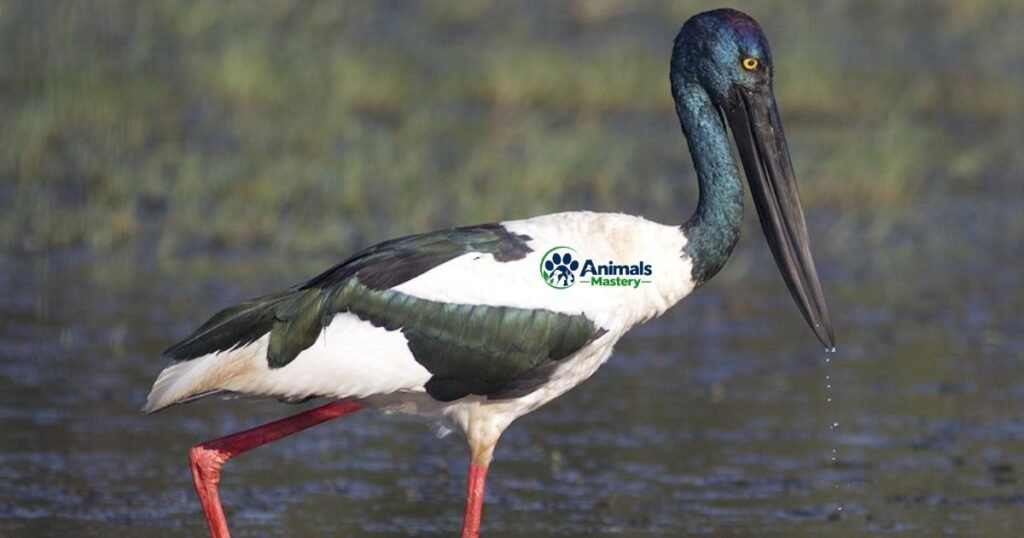
Its long neck allows it to forage efficiently, effortlessly reaching into deeper waters that many other birds can only dream of exploring. This unique trait not only enhances its feeding capabilities but also positions it as a top predator in its ecosystem.
One of the most captivating aspects of the Black-necked Stork is its solo hunting technique. Unlike many storks that congregate in flocks, this species often prefers to hunt alone, showcasing its confidence and skill.
With keen eyesight and precise movements, it stalks through the shallow waters, expertly spotting fish and other aquatic prey. Observing this bird in action reveals a narrative of patience and strategy, making every hunt a display of both agility and intent.
More Fascinating Creatures to Discover
Long necks aren’t the only physical trait that helps animals thrive in the wild, many species have evolved equally remarkable features to survive and forage.
If you enjoyed learning about these elegant birds, you might also like discovering the Birds With Long Legs that use their stilt-like limbs to wade through wetlands much like the herons and storks above.
Long body parts aren’t limited to necks and legs either, check out the Animals With Long Tails that rely on their tails for balance, communication, and defense.
For more surprising creature comparisons, take a look at the Animals Like Groundhogs that share similar burrowing habits.
Explore the Cleanest Animals in the World to see how different species maintain their health in the wild.
Final Words
The top 15 birds with long necks showcase not only their striking appearances but also the remarkable adaptations that define their survival. Each species brings its own set of characteristics and behaviors that highlight the beauty and complexity of avian life.
Whether it’s the graceful movements of the heron or the endearing interactions of the emu, these birds captivate our attention and spark our curiosity. By studying these magnificent creatures, we can better understand biodiversity and the need for conservation efforts.
Let’s commit to protecting their habitats and ensuring that these extraordinary birds continue to grace our skies for generations to come.
FAQs
Which is the Longest Neck Bird in the World?
The longest neck bird in the world is the ostrich. Native to Africa, these large flightless birds can have necks that extend up to 1.7 meters (about 5.5 feet) in length.
What are the Birds with the Long Necks Called?
Birds with long necks are typically referred to as “wading birds” or “long-necked birds.” This category includes a variety of species, such as herons, cranes, and storks. These birds are adapted for life in wetlands, marshes, and shallow waters, where their lengthy necks help them reach down into the water for fish, amphibians, and other prey.
What Kind of Bird is White with a Long Neck?
A bird that is commonly recognized for its white plumage and long neck is the swan. Swans are large waterfowl known for their graceful appearance and elegant gliding on lakes and rivers. The mute swan, in particular, is one of the most familiar species, characterized by its striking white feathers and distinctive orange beak.
What defines a Bird as having a Long Neck?
A bird is considered to have a long neck if its neck is significantly elongated compared to its body size, allowing for unique feeding and foraging behaviors.
Why do some Birds have Longer Necks than others?
Long necks can help birds reach food, improve their ability to see predators, and assist in mating displays, enhancing survival and reproductive success.
Are Long-Necked Birds Found in Specific Habitats?
Yes, many long-necked birds thrive in wetlands, marshes, and open spaces where they can easily forage for food like fish or vegetation.
Do Long-Necked Birds Migrate?
Some long-necked species, like certain cranes and herons, do migrate, while others may remain in the same region year-round.
Can Long-Necked Birds be kept as Pets?
Most long-necked birds are wild species and not suited for domestication or as pets. They require specific habitats and diets to thrive.
How do Long-Necked Birds use their Necks in Feeding?
They use their long necks to reach prey or vegetation that is out of reach, often wading into water or stretching high into trees.
Are there any Conservation concerns for Long-Necked Birds?
Yes, habitat loss, pollution, and climate change can threaten long-necked bird populations, making conservation efforts important.