Animals With Bushy Tails: Discover the 20 Most Fascinating Creatures
The 20 most fascinating animals with bushy tails, showcasing their beauty and biological significance. These tailed wonders are not just a feast for the eyes and play crucial roles in their habitats. By the end of your reading, you’ll want to share these delightful facts and find yourself looking for these incredible animals in the wild.
List of Animals with Bushy Tails
Here is the rewritten list with 3 more animals added:
- Chinchilla
- Striped Skunk
- Red Panda
- Fisher
- Ringtail
- Giant Anteater
- Bushy-Tailed Mongoose
- Coyote
- Tayra
- Binturong
- Bushy-Tailed Woodrat
- North American Porcupine
- Squirrel
- Fox
- Maned Wolf
- Raccoon
- Ring-Tailed Lemur
- Arctic Fox
- Wolverine
- Pine Marten
Chinchilla
- Scientific Name: Chinchilla lanigera (or Chinchilla chinchilla)
- Class: Mammalia
- Diet: Herbivore (grasses, seeds, roots)
The chinchilla, often celebrated for its incredibly soft and bushy tail, embodies the essence of cuteness in the animal kingdom. For other small mammals, their bushy tails serve a dual purpose: they do provide balance as chinchillas leap and climb through their rocky habitats, but they also play a role in communication.
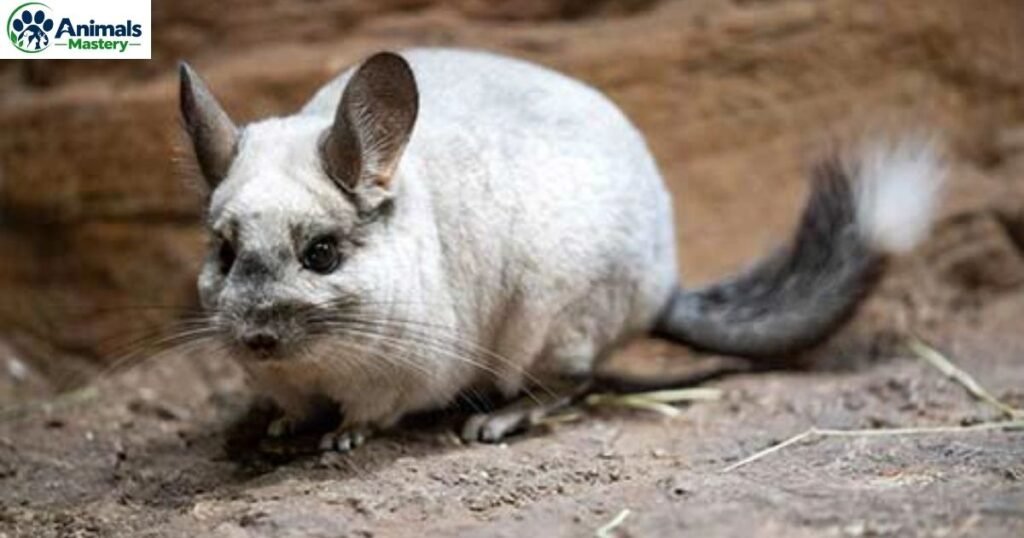
When agitated or excited, a chinchilla might flick its tail, conveying emotions to its companions in a silent yet expressive manner. The chinchilla’s tail is a testament to its adaptation to a high-altitude lifestyle.
Originating from the rugged Andes Mountains, these small creatures navigate steep terrains with agility, using their tails to help with stabilization. This unique evolutionary trait highlights the intersection of anatomy and environment, showcasing how even the fluffiest tails can hold significant functionality.
Striped Skunk
- Scientific Name: Mephitis mephitis
- Class: Mammalia
- Diet: Omnivore (insects, small rodents, berries, eggs)
The striped skunk is often underestimated in the animal kingdom, but its bushy tail serves more than just an aesthetic purpose. This bushy appendage acts as a crucial tool for communication, aiding in social interactions among skunks.
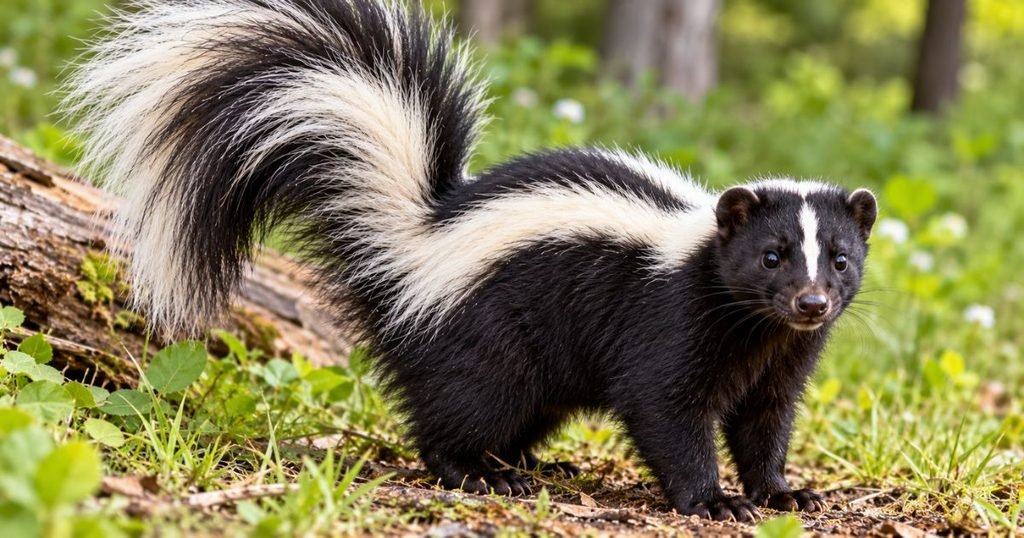
When feeling threatened, a skunk will raise its tail, alerting other skunks of potential danger. Interestingly, these tails can also aid in scaring off predators; the sight of a bushy tail held high can be both a warning and a spectacle.
The striped skunk’s tail plays a vital role in thermoregulation. When curled up, a skunk can use its luxurious fur to minimize heat loss during cooler nights, showcasing nature’s ingenious designs. This dual functionality emphasizes how attributes we might consider mere decorations often serve life-preserving purposes.
Red Panda
- Scientific Name: Ailurus fulgens
- Class: Mammalia
- Diet: Herbivore/Frugivore (mainly bamboo shoots and leaves, fruit, and acorns)
The red panda, with its captivating, bushy tail, is a marvel of adaptation and beauty. This unique creature, often mistaken for a raccoon due to its similar markings, is actually more closely related to the giant panda.
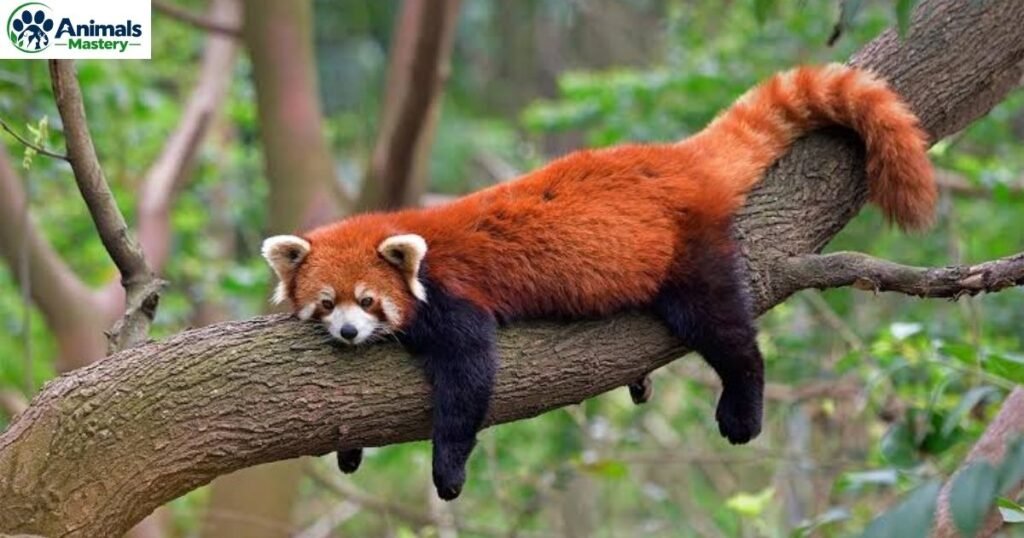
The red panda’s tail serves multiple purposes; it’s a tool for balance as they navigate the high branches of their forest homes and a bushy blanket to keep them warm in their chilly mountainous habitats.
A red panda’s tail can be nearly as long as its body, adorned with vivid rust and white stripes. This striking feature aids in communication vital in the dense foliage, where visual cues are limited. When they climb, this bushy appendage acts like a counterweight, allowing them to maneuver with surprising agility.
Fisher
- Scientific Name: Pekania pennanti
- Class: Mammalia
- Diet: Carnivore (porcupines, hares, rodents, birds, carrion)
The Fisher, often overshadowed by more famous wildlife, boasts a remarkably bushy tail that’s not just for show; it serves critical functions in the wild. These agile carnivores, found primarily in the northern forests of North America, utilize their bushy tails for balance as they navigate the treetops and hunt down prey.
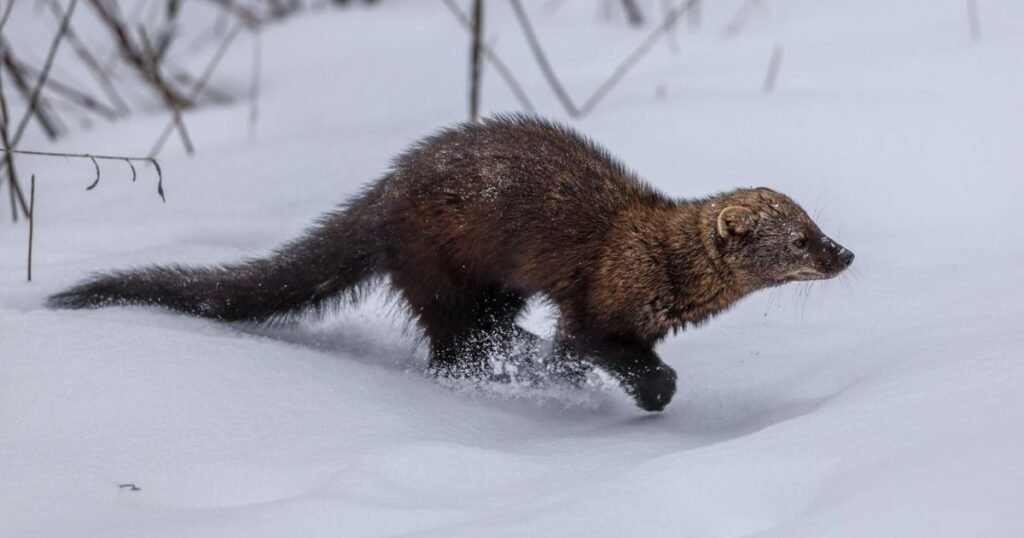
The tail can also aid in communication, acting like a flag to signal other Fishers during the mating season, showcasing vivid displays of fluffiness that can captivate any onlooker.
The fisher’s bushy tail is a testament to its adaptability in a changing environment. As the climate shifts, the fur’s density and insulation properties provide them with protection against harsh winter conditions. This remarkable adaptation highlights Fisher’s resilience, playing a key role in its survival strategy.
Ringtail
- Scientific Name: Bassariscus astutus
- Class: Mammalia
- Diet: Omnivore (rodents, insects, birds, fruits, berries)
The ringtail, often overshadowed by more flamboyant creatures, boasts a surprisingly charming presence in the animal kingdom. With its famous long, bushy tail adorned with alternating stripes, this nocturnal marsupial is a true marvel of adaptation.
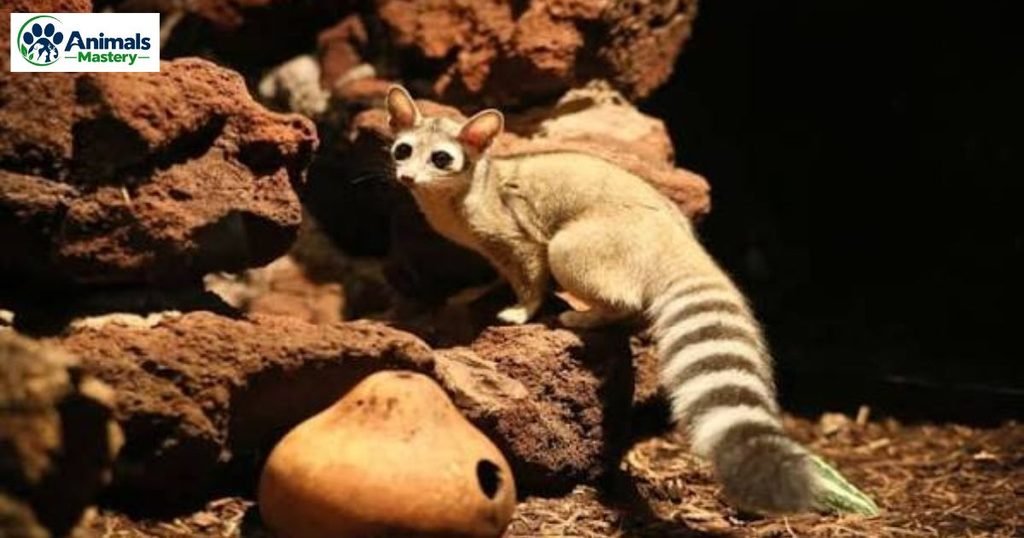
While many might associate fluffiness solely with pets or farm animals, the ringtail’s tail serves multiple vital functions, from aiding in balance as it gracefully navigates tree branches to serving as a warm blanket during chilly nights.
One fascinating aspect of the ringtail is its remarkable climbing ability, which allows it to access fruits, insects, and small animals that other predators might miss. Its agile nature, combined with a bushy tail that acts as a rudder, enables the ringtail to deftly maneuver through the rugged landscapes of its habitat.
Giant Anteater
- Scientific Name: Myrmecophaga tridactyla
- Class: Mammalia
- Diet: Insectivore (ants and termites)
The giant anteater, with its distinctive elongated snout and strikingly bushy tail, captivates animal enthusiasts and casual observers alike. This tail, often overlooked in discussions about the species, serves multiple purposes beyond mere aesthetics.
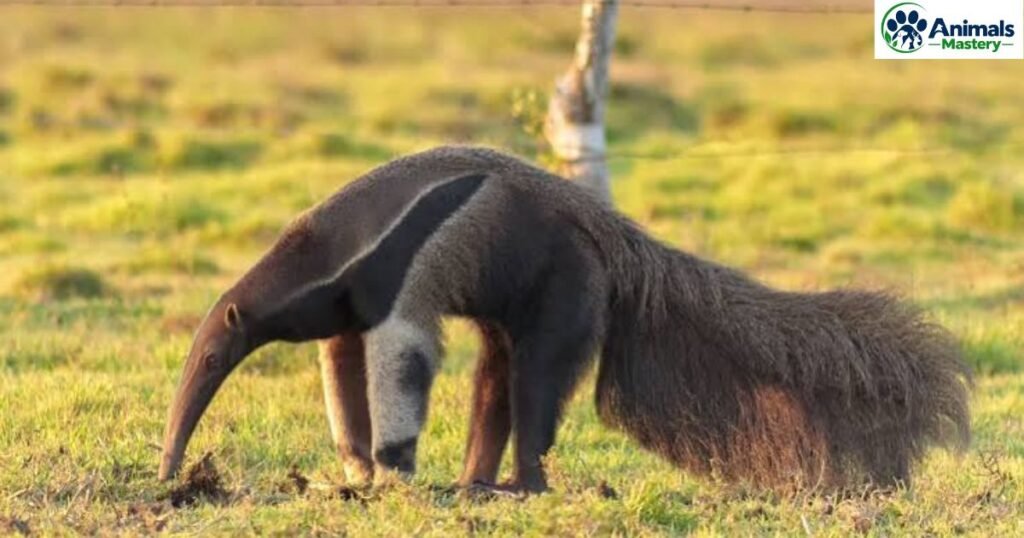
Does it help the anteater maintain balance while foraging through dense underbrush, or can it also function as a heat-regulating umbrella, providing shade from the sweltering sun?
The giant anteater’s bushy tail plays a vital role in communication. When threatened, they often raise their tails to appear more formidable, a clever tactic to deter potential predators. This unique adaptation reflects a blend of both practicality and artistry found in nature, where survival is intertwined with beauty.
Bushy-Tailed Mongoose
- Scientific Name: Bdeogale crassicauda
- Class: Mammalia
- Diet: Insectivore/Carnivore (termites, ants, beetles, small vertebrates)
The bushy-tailed mongoose, with its strikingly bushy tail, is not just a delightful sight in the wild and a testament to nature’s unique adaptations. This creature’s bushy appendage serves multiple purposes, from aiding in balance during agile movements to acting as a communication tool among its peers.
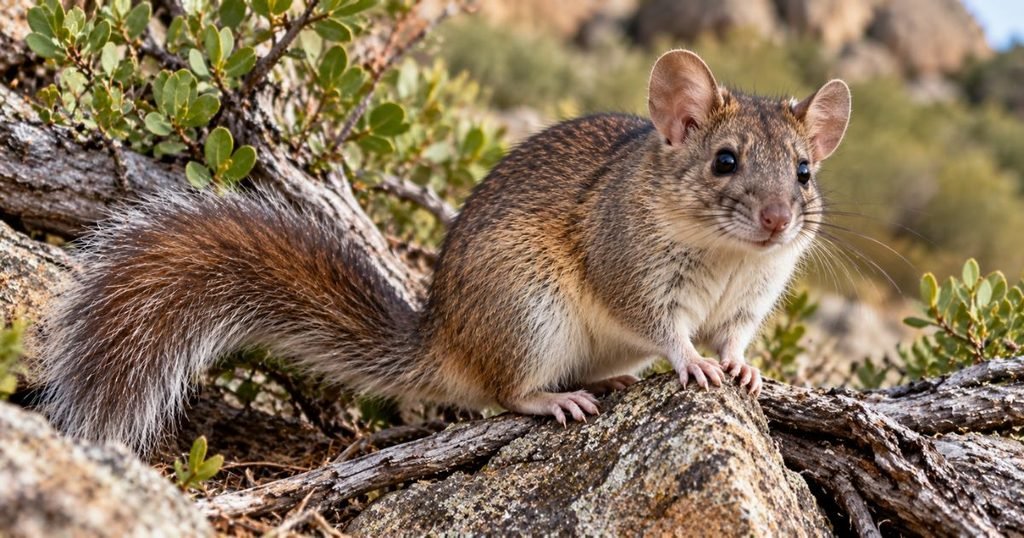
When threatened, the mongoose can elevate its tail, showcasing its stunning fur to signal alarm or deter potential predators. The bushy tail plays a vital role in the mongoose’s social dynamics. These animals are known to engage in playful antics, and their bushy tails often become part of this behavior, adding an element of fun to their interactions.
Coyote
- Scientific Name: Canis latrans
- Class: Mammalia
- Diet: Omnivore/Carnivore (rabbits, rodents, deer, fruit, carrion)
The coyote, often underestimated as just another canid, possesses a surprisingly bushy tail that plays a crucial role in its daily antics and survival strategy. Beyond mere aesthetics, this bushy appendage serves several practical functions: it aids in balance during agile maneuvers and acts as a signaling tool for communication.
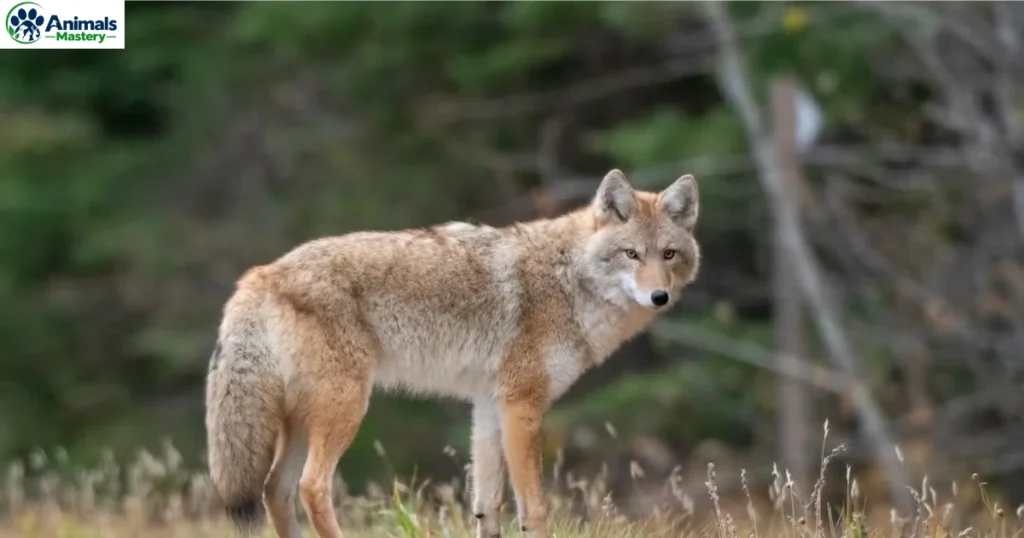
When a coyote raises its bushy tail while running, it resembles a vivid flag, enabling pack members to maintain visual contact during their high-speed pursuits across the open plains. The coyote’s bushy tail can also be a defense mechanism. When threatened, a coyote may fluff up its tail to appear larger and more formidable to potential predators.
This adaptation underscores the duality of nature, where beauty intertwines with survival instincts. In a world where many animals rely on speed or brute strength, the coyote demonstrates that sometimes, a well-tailored bushy tail can turn the tide.
Tayra
- Scientific Name: Eira barbara
- Class: Mammalia
- Diet: Omnivore (small mammals, birds, fruit, honey)
The tayra, a lesser-known member of the weasel family, boasts a captivating bushy tail that can mesmerize anyone lucky enough to spot one in the wild. This remarkable feature enhances its agility as it bounds through treetops and serves a practical purpose in communication.
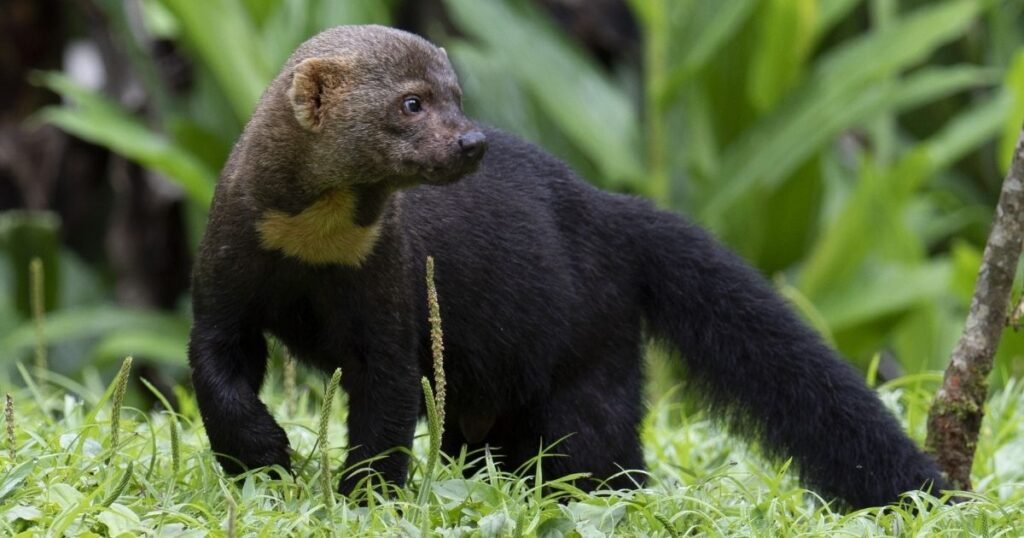
When the Tayra feels threatened or is signaling to its family, it can elevate its bushy tail, creating a striking visual cue in the dense canopies of Central and South America. The Tayra’s bushy tail plays a vital role in its survival. It stabilizes the animal during swift leaps between branches, allowing it to navigate the intricate arboreal maze with ease.
As an omnivore, the Tayra balances its diet with various fruits, insects, and small vertebrates. The fruits that it forages often drop to the forest floor, enabling other creatures to benefit from its foraging habits, a unique example of a species contributing to its ecosystem’s dynamics.
Read More About: Animals Like Weasels
Binturong
- Scientific Name: Arctictis binturong
- Class: Mammalia
- Diet: Omnivore (figs, fruits, small rodents, birds, fish)
The binturong, often whimsically referred to as the “bearcat,” boasts a bushy tail that is as expressive as it is functional. This enchanting creature, native to the rainforests of Southeast Asia, employs its tail not just for balance while navigating tree branches but also as an essential tool for communication.
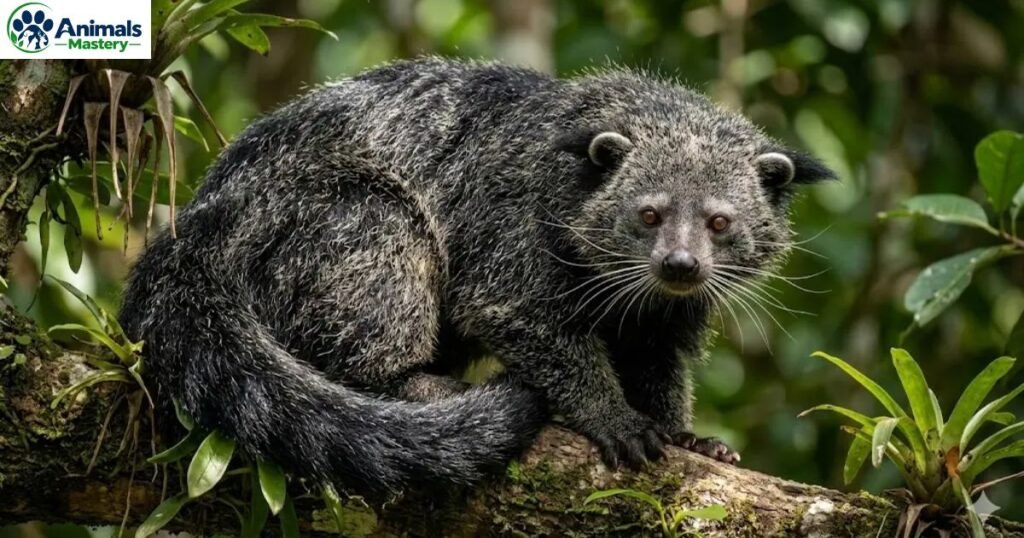
Its long, bushy appendage serves as a tactile sensor, aiding in the exploration of its leafy environment. Imagine a stealthy acrobat, seamlessly gliding from branch to branch, with that bushy tail enhancing its agility and grace. The binturong’s tail is almost as long as its body, showcasing a fascinating adaptation that sets it apart from other carnivores.
This charismatic animal also has a unique scent reminiscent of popcorn, which is attributed to the secretion from its skin. The aroma plays an unexpected role in social interactions, helping them mark territory and attract mates.
Bushy-Tailed Woodrat
- Scientific Name: Neotoma cinerea
- Class: Mammalia
- Diet: Herbivore (twigs, leaves, needles, seeds, fungi)
The bushy-tailed woodrat, often overlooked in favor of flashier wildlife, is a fascinating example of nature’s ingenuity. With its long, bushy tail capable of providing balance and communication, this creature thrives in arid environments, where survival is a constant challenge.
Its tail isn’t just a bushy appendage; it serves as a lifeline, helping the woodrat navigate rocky terrains and evade predators. As it scurries through desert landscapes, the tail becomes a vital tool for expressing emotions and warning others of danger.
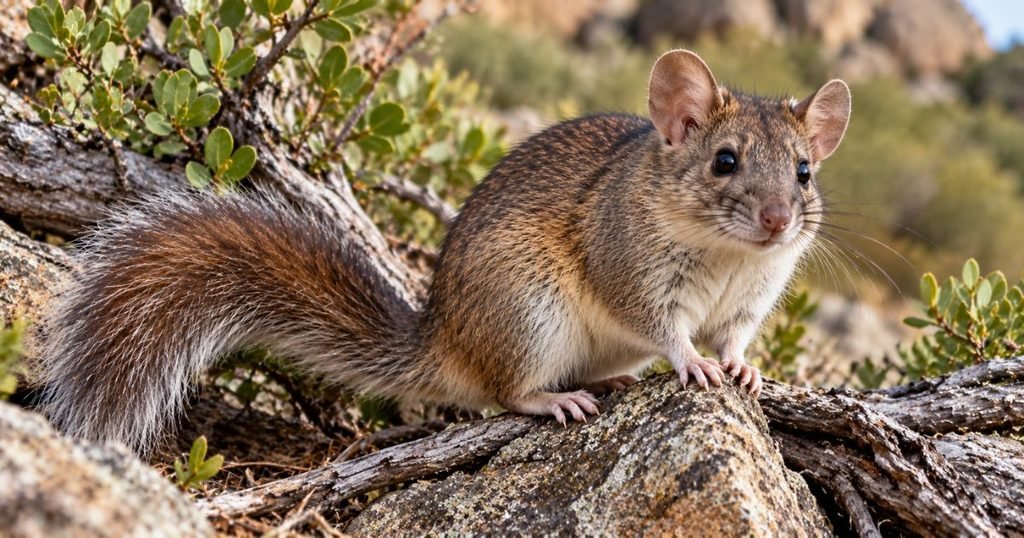
These woodrats are known for their unique behavior of building elaborate nests, or “middens,” crafted from a diverse range of materials. A closer look at their habitats reveals an intriguing aspect of their lives: they are meticulous planners, often hoarding food and materials for future use. The Bushy-Tailed Woodrat exemplifies nature’s balance and hidden ecological marvels.
North American Porcupine
- Scientific Name: Erethizon dorsatum
- Class: Mammalia
- Diet: Herbivore (tree bark, leaves, needles, twigs)
The North American porcupine might not be the first creature that comes to mind when you think of animals with bushy tails, yet this intriguing rodent challenges conventional notions of beauty in the animal kingdom. Its tail, while not bushy in the traditional sense, is covered in coarse quills that can create an unexpected visual allure.
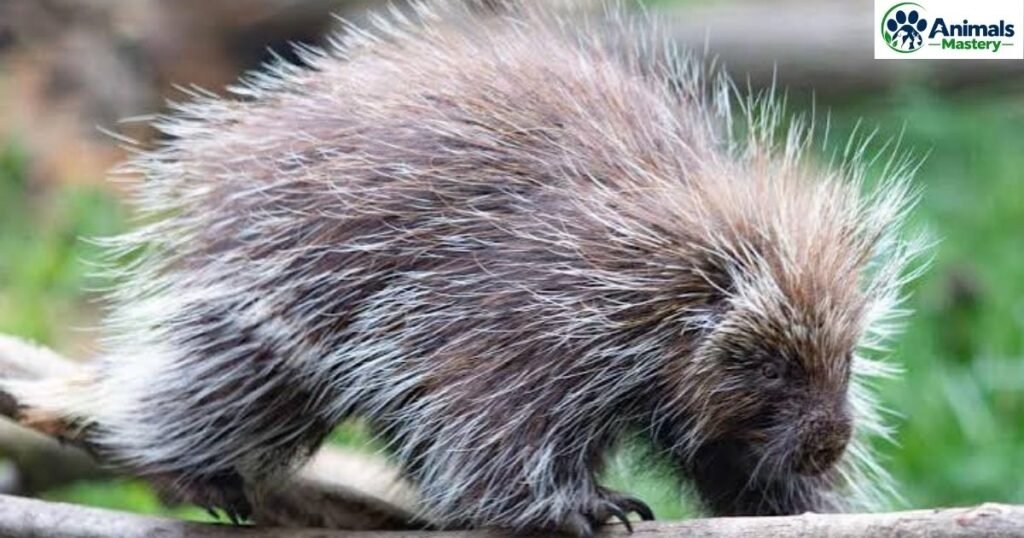
These quills serve as a remarkable defense mechanism, protecting the porcupine from predators while also adding to the tail’s unique charm, displaying a rugged yet fascinating aesthetic. Porcupines use their muscular tails for balance, showcasing an elegant agility that belies their hefty bodies.
As they navigate the treetops, their tails become almost like a flag, swaying gracefully behind them, turning functional anatomy into a subtle dance. This ability to thrive in their arboreal habitats reveals much about their adaptability and resourcefulness, inviting admiration not just for their appearance but for their remarkable lifestyles.
Also Read About: Animals that Look Like Muskrats
Squirrel (Tree Squirrel / Eastern Gray Squirrel)
- Scientific Name: Sciurus carolinensis (Family: Sciuridae)
- Class: Mammalia
- Diet: Herbivore/Omnivore (nuts, seeds, acorns, fungi, buds)
The Eastern Gray Squirrel, with its iconic bushy tail, is more than just a delightful sight in parks and backyards; this bushy appendage serves multiple fascinating purposes. It does provide balance as these agile creatures navigate the treetops, but it also acts as an essential tool for communication.
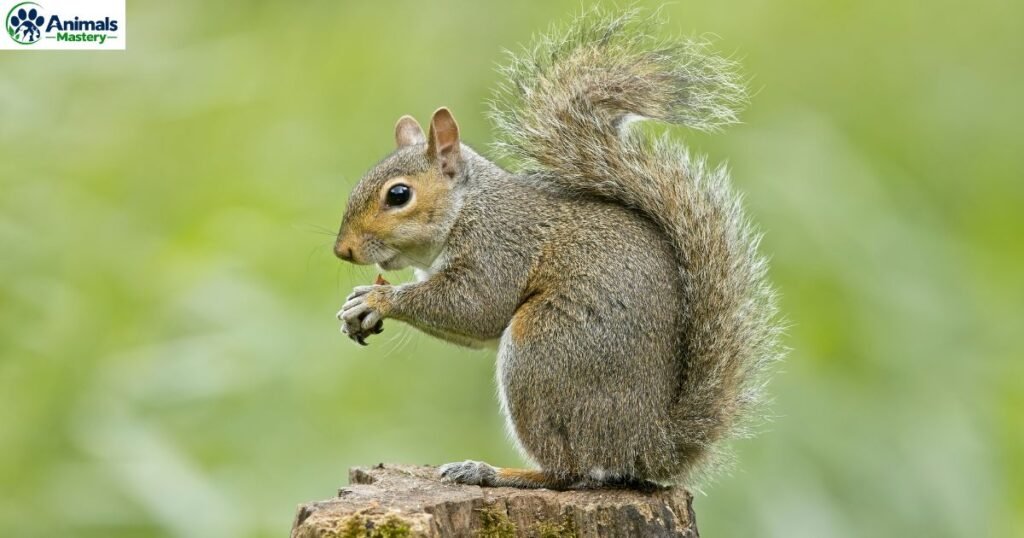
When a squirrel twitches its bushy tail, it signals a range of messages to peers, from warning others of potential predators to inviting them to play. Observing these interactions offers a rare glimpse into their social dynamics, revealing the intricate language of body movements that thrive beneath our trees.
The thick, bushy tail serves as a vital insulation layer during colder months, helping Eastern gray squirrels conserve body heat while they nest. This evolutionary adaptation enhances their survival and contributes to the ecosystem, as they inadvertently plant the seeds for new trees while burying their food.
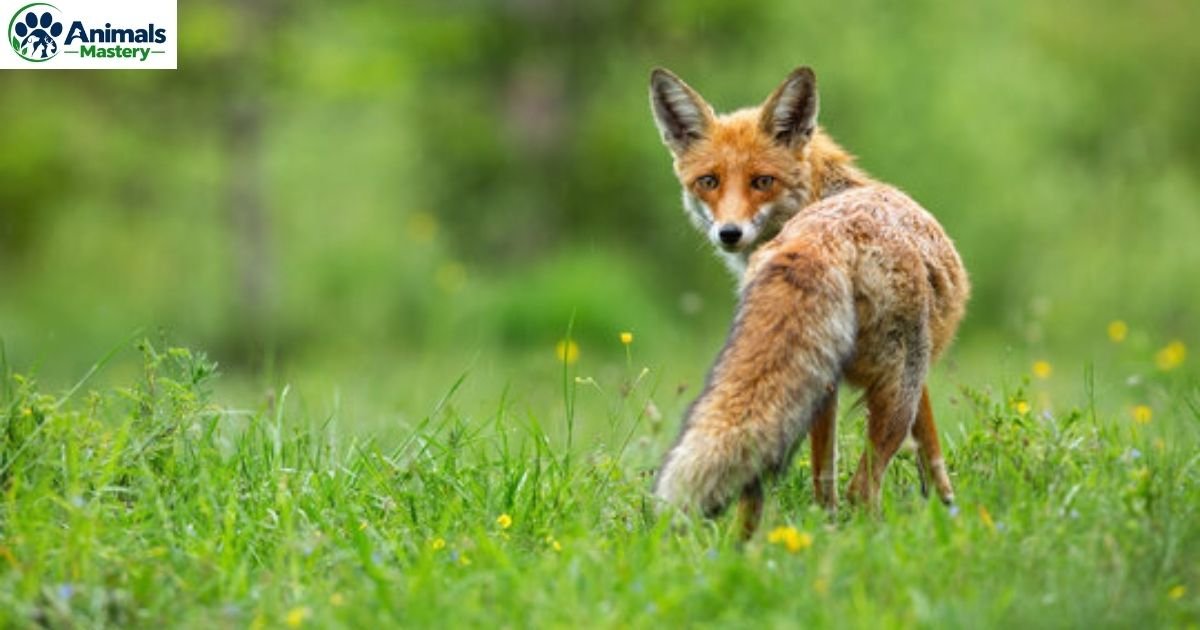
Fox (Red Fox)
- Scientific Name: Vulpes vulpes
- Class: Mammalia
- Diet: Omnivore (rodents, rabbits, insects, fruits, berries)
The red fox, with its luxurious, bushy tail, is not just a symbol of cunning in folklore but a fascinating creature embodying survival and adaptability. This bushy appendage serves multiple purposes, from maintaining balance during agile leaps to providing warmth in colder seasons.
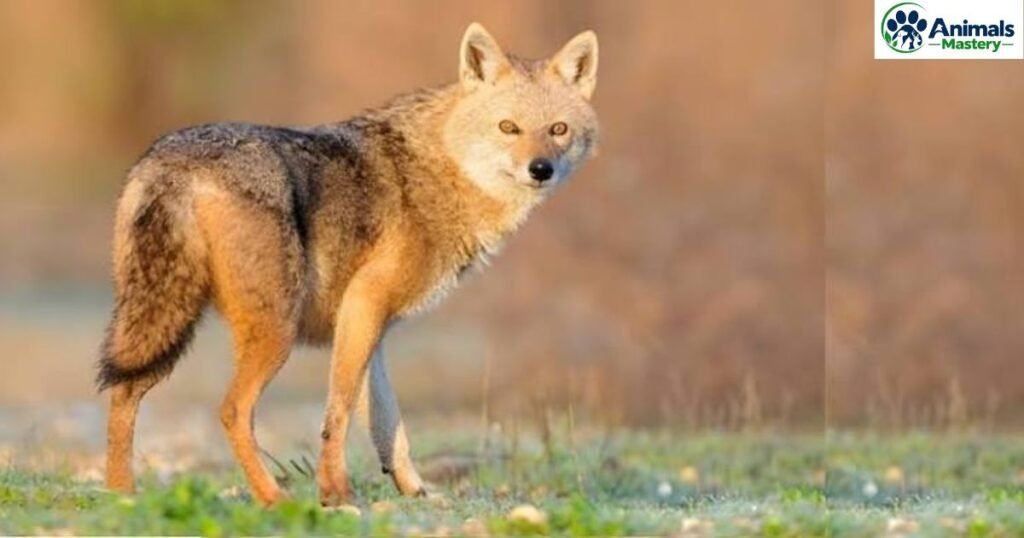
It’s a striking feature that captures the imagination, but its function transcends aesthetics; the tail is also a tool for communication, helping foxes express their emotions and intentions within their social structures. The red fox’s bushy tail enhances its hunting prowess.
When foxes hunt, they often use their tails to stabilize while navigating uneven terrain, allowing them to execute swift, graceful movements. The tail helps them blend in with their surroundings, as it mimics the underbrush and allows them to ambush prey more effectively.
Maned Wolf
- Scientific Name: Chrysocyon brachyurus
- Class: Mammalia
- Diet: Omnivore (lobeira fruit, small mammals, birds, insects)
The maned wolf stands out not just for its striking appearance but also for its extravagant, bushy tail. This peculiar canine is not a true wolf but rather an enchanting blend of fox and wolf characteristics.
The maned wolf’s tail serves as a visual treat and plays a crucial role in communication; it is a key element in displaying emotions and alertness to other animals in the dense South American grasslands. With a length that can rival that of its body, the bushy tail becomes a dynamic canvass for signaling intentions.
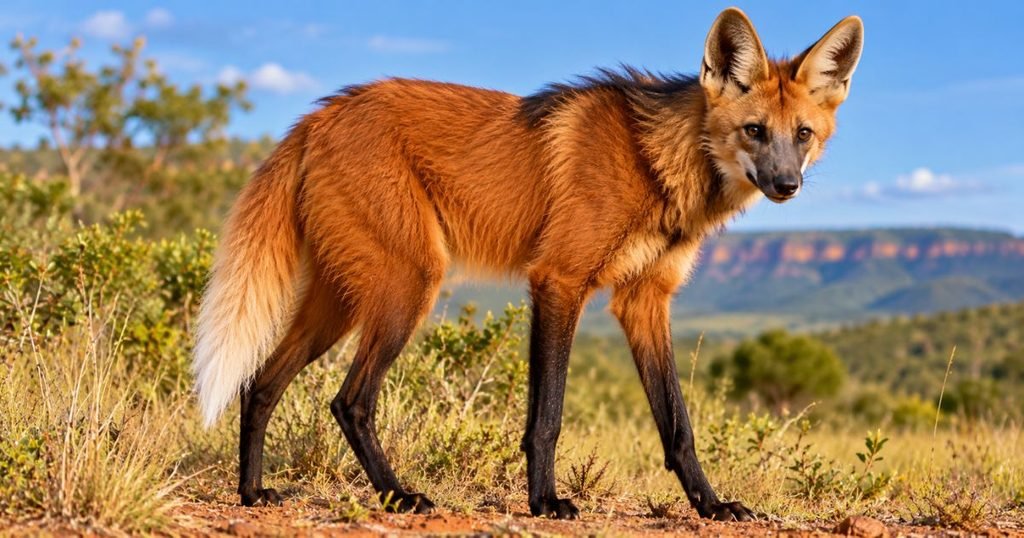
When threatened, the maned wolf will lift its tail high, showcasing an impressive plume that can be a deterrent against potential predators. These tails are not just for show; they help maintain balance while navigating through tall grasses, illustrating the seamless blend of beauty and functionality in nature.
Raccoon
- Scientific Name: Procyon lotor
- Class: Mammalia
- Diet: Omnivore (crayfish, insects, eggs, fruits, nuts, small rodents)
The raccoon stands out not just for its bushy appendage but for its undeniable charm and intelligence. Often mistaken for mere scavengers, these masked bandits are incredibly adaptive, using their dexterous paws to open jars, unlock cages, and even manipulate complex food puzzles.
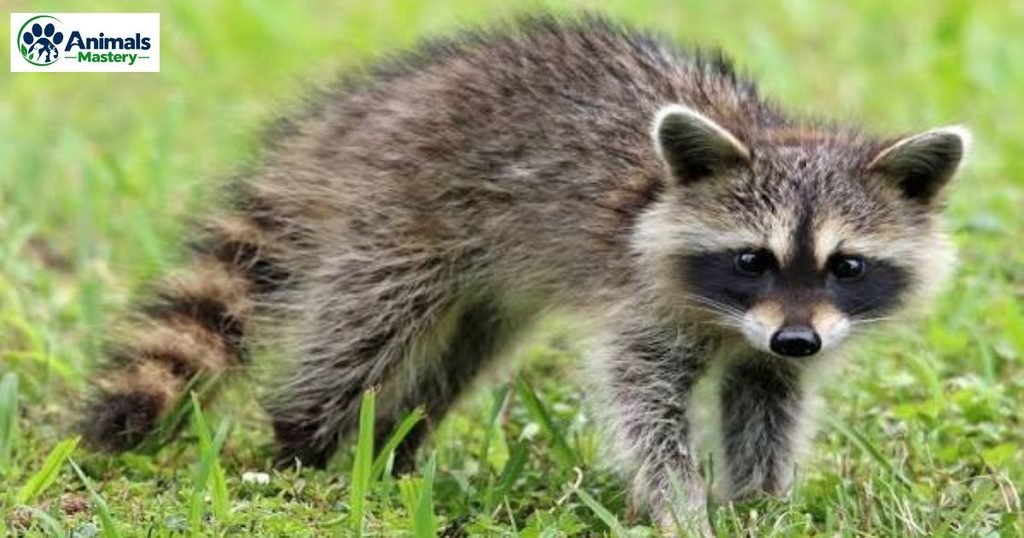
Their bushy tails serve as more than just a whimsical feature; they’re essential for balance as raccoons navigate urban landscapes and cling to branches in their natural woodland habitats. Raccoon tails also play a role in their social dynamics.
The black rings adorning their tails can signal individuality among raccoon communities, helping them recognize one another. This visual cue can be crucial in social interactions, as they often engage in cooperative behaviors for foraging.
Ring-Tailed Lemur
- Scientific Name: Lemur catta
- Class: Mammalia
- Diet: Herbivore/Frugivore (fruit, leaves, flowers, sap)
The ring-tailed lemur, for example. Known for their striking black-and-white striped tails, these social creatures use their bushy appendages for communication and balance. Their tails help maintain stability while leaping through the treetops and can even send visual signals to fellow lemurs, establishing a vibrant form of social interaction in their tight-knit groups.
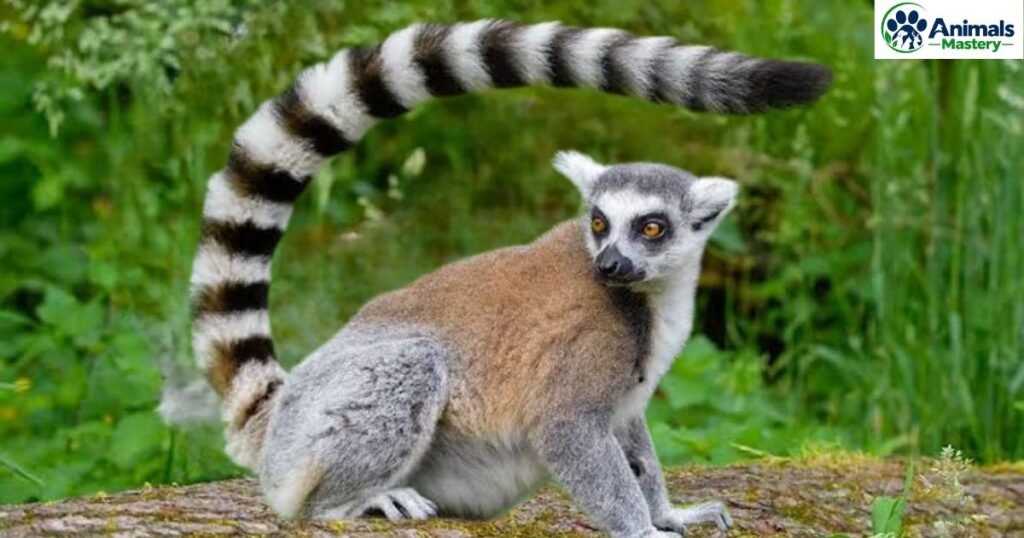
The bushy tail of the ring-tailed lemur can act as a sunshade while they lounge in the canopy, allowing them to regulate their body temperature. This multifunctional tail is not just for show; it exemplifies how nature adapts form to function. As these captivating primates navigate their world with flair, the importance of their bushy tails transcends aesthetics, revealing an intricate dance between survival and social bonding.
Arctic Fox
- Scientific Name: Vulpes lagopus
- Class: Mammalia
- Diet: Carnivore (lemmings, voles, birds, fish, seal carrion)
The Arctic fox is a master of adaptation, sporting a stunning bushy tail that serves multiple purposes beyond mere aesthetics. This tail, often as long as its body, acts as a warm blanket in harsh winter conditions, wrapping around the fox for insulation against frigid temperatures.
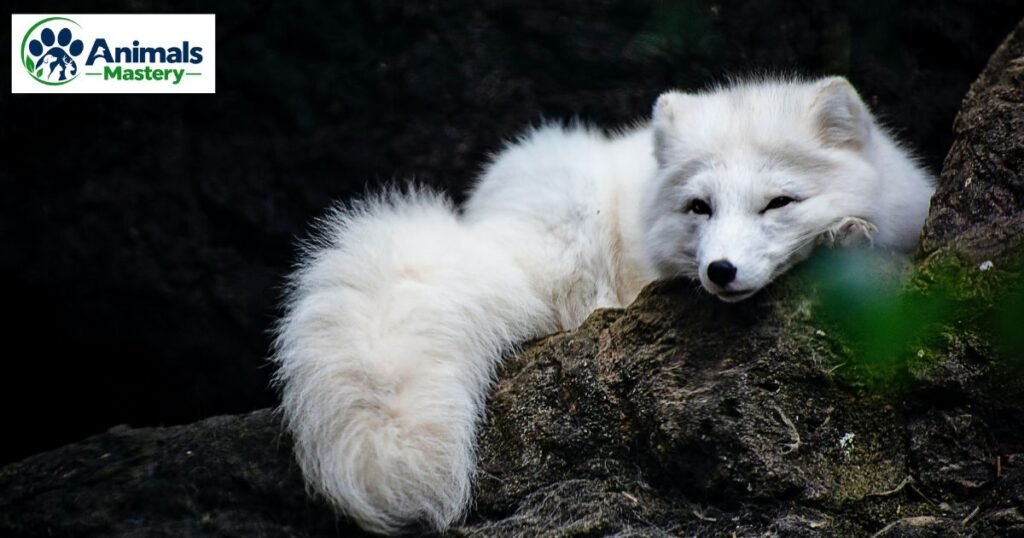
It functions as a critical tool for balance and agility when navigating the icy terrain, allowing these clever animals to hunt effectively for small mammals and birds. But the allure of bushy tails is not unique to the Arctic fox.
This captivating feature is a testament to how nature equips creatures with remarkable adaptations, weaving functionality and beauty into their design. The charm of bushy tails extends beyond their appearance, revealing intricate stories of survival and communication in the animal kingdom.
Wolverine
- Scientific Name: Gulo gulo
- Class: Mammalia
- Diet: Carnivore (carrion, small to medium mammals, birds)
The wolverine, often overshadowed by its ferocious reputation, boasts a surprisingly bushy tail that serves as a tool for balance while navigating snow-covered terrains and as a communication device. When threatened, it can use its tail to appear larger, deterring potential predators.
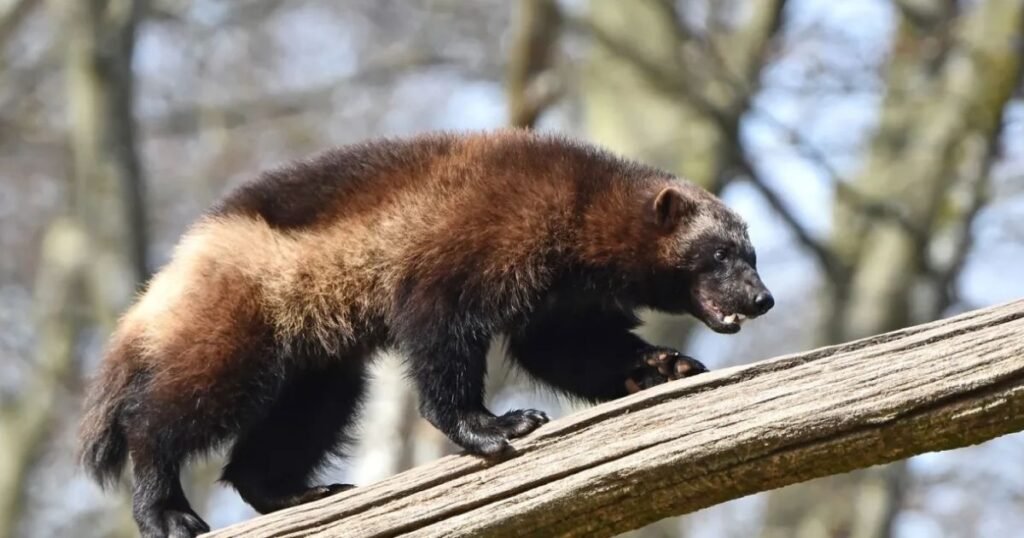
This multifaceted use underscores the adaptability of animals, proving that even features we may perceive as purely decorative can have vital survival functions. The allure of bushy tails isn’t limited to just wolverines; numerous creatures flaunt their voluminous tails for various reasons, including warmth, mating displays, and even social signals.
The opossum’s bushy appendage acts as a stabilizer while navigating the treetops, showcasing nature’s ingenuity in design. Each bushy tail tells an evolving story of adaptation and survival, inviting us to appreciate the evolutionary marvels present in the animal kingdom.
Pine Marten
- Scientific Name: Martes martes
- Class: Mammalia
- Diet: Omnivore (small mammals, birds, eggs, insects, berries)
The pine marten stands out for its stunning appearance and for its fascinating behaviors. This elusive creature, often found in the woodlands of Europe, sports a luxurious tail that can be as long as its body, aiding in balance as it navigates through trees.
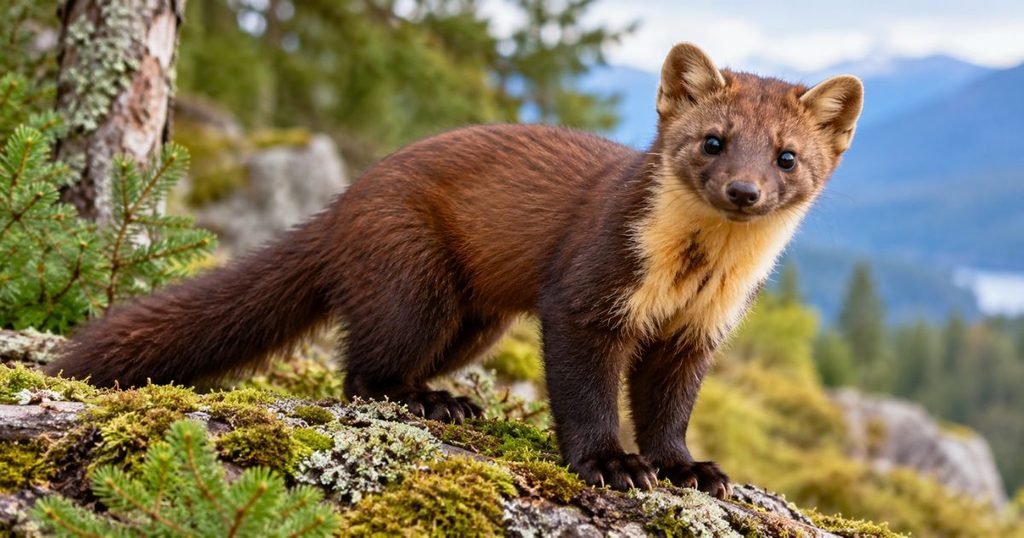
These marsupials are not just admired for their physical traits; their adaptability to various habitats speaks to their resourcefulness. Like its relatives, this agile hunter uses its bushy tail as a rudder, allowing for nimble maneuvers when pursuing prey.
This tail also plays a role in communication, as it helps the Pine Marten express feelings of contentment or alarm. The interplay between its physical characteristics and behavioral traits offers a captivating glimpse into the life of this remarkable creature, highlighting the interconnectedness of form and function in the animal kingdom.
Discover Wildlife
Many Animals With Bushy Tails are mammals that give birth to live young. Explore our guide to viviparous animals to learn how these fascinating species reproduce and care for their offspring.
Curious about unusual animal traits beyond Animals With Bushy Tails? Our guide to animals with Down syndrome explains the science behind rare genetic conditions and clears up common misconceptions.
Some Animals With Bushy Tails rely on their tails for communication, balance, and defense. Continue with our guide to anxious animals to discover how different species react to stress and adapt to their surroundings.
If you enjoy educational animal lists like Animals With Bushy Tails, check out our collection of animals with 9 letters to discover more fascinating species while testing your wildlife knowledge.
Although many Animals With Bushy Tails are mammals, reptiles have their own remarkable adaptations. Visit our guide to examples of reptiles to explore the characteristics and habitats of these cold-blooded creatures.
Keep exploring the animal kingdom with our guide to birds with 4 letters. You’ll find interesting bird species, fun facts, and colorful pictures perfect for wildlife enthusiasts.
Interested in learning more about animal care? Explore our guide to dental disease in cats for expert information on symptoms, prevention, and maintaining your cat’s oral health.
If you’re fascinated by Animals With Bushy Tails, you’ll also enjoy our guide to animals that look like muskrats. Compare these similar-looking mammals and learn how their habitats, behaviors, and physical features differ.
Many bushy-tailed mammals are known for their intelligence and adaptability. Read our article on Are Kangaroos Smart Animals to discover how animals use problem-solving, communication, and survival skills to thrive in the wild.
Final Thoughts
Ultimately, the allure of animals with bushy tails lies in their unique adaptations and behaviors. These tails enhance their physical capabilities and contribute to their charm, making them unforgettable to those who observe them.
From the agility of a raccoon to the elegance of a snowshoe hare, each species brings its own story to life. By fostering a connection with these extraordinary animals, we can encourage wildlife preservation and respect for their habitats. Let us celebrate the furry-tailed wonders of nature and inspire others to protect them for generations to come.
FAQs
What Types of Animals are Featured on your Website?
We showcase a variety of animals known for their bushy tails, including species like squirrels, foxes, and certain breeds of cats and dogs.
Are Bushy Tails an Adaptation for these Animals?
Yes, bushy tails serve various purposes such as balance, warmth, and communication with other animals.
Why do some Animals have Bushier Tails than Others?
Animal bushiness can depend on the animal’s habitat and lifestyle; for instance, woodland creatures often have thicker fur for insulation.
Are Bushy-Tailed Animals Good Pets?
Many bushy-tailed animals can make great pets, but it’s essential to research each breed’s specific needs and characteristics.
Do you have Educational Resources Available for Kids?
Yes! We offer fun facts, games, and printable activities related to animals with bushytails, perfect for kids and classrooms.