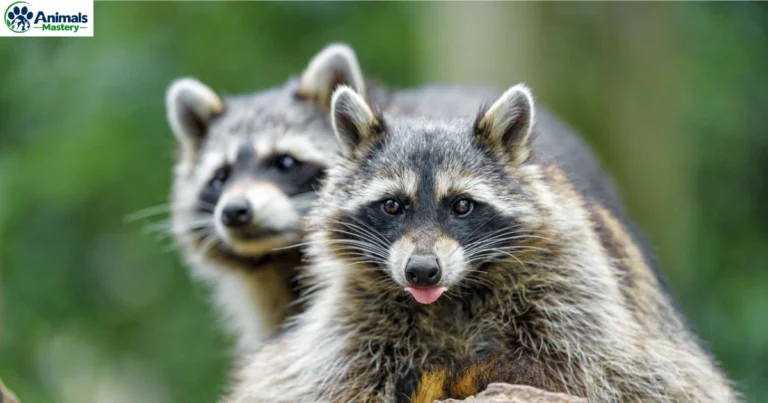

Top 17 Animals Like Raccoons (With Pictures)
In Top 17 Animals Like Raccoons (With Pictures), we’ll delve into a lively assortment of animals that mirror the raccoon’s crafty characteristics.
You’ll uncover the unexpected similarities among these creatures, providing you with not just knowledge but a new perspective on wildlife. Expect an engaging exploration with striking visuals to make your adventure through this diverse animal world even more enjoyable.
List of Animals Like Raccoons
From their appearance to their behavior, these creatures have fascinating traits in common with raccoons. Here are several animals that share similarities with raccoons:
- Cacomistle
- Kinkajous
- Ringtails
- Coati
- Common Genet
- Northern Olingo
- Wolverine
- Fox
- Japanese Raccoon Dog
- Olinguitos
- Fisher
- Burmese Ferret-Badger
- Red Panda
- Marten
- Skunks
- Palm Civet
- Badger
Cacomistle
- Scientific Name: Bassariscus sumichrasti
- Diet: Omnivorous; eats fruits, insects, small animals, eggs, and other plant matter.
- Class: Mammalia; cacomistles are small, nocturnal mammals in the raccoon family, Procyonidae.
Raccoon-Like Appearance: The cacomistle, often mistaken for a raccoon due to its striking resemblance, boasts a unique charm of its own. With a raccoon-like appearance characterized by its mask-like facial markings and bushy tail, the cacomistle captures the imagination of wildlife enthusiasts.
Nocturnal Tree-Dweller: This nocturnal tree-dweller is predominantly found in the forests and habitats of Central and South America, where it adeptly navigates the canopy in search of food. Found in the forests of Central America, this small, playful creature captivates with its large, expressive eyes and a bushy tail adorned with distinctive stripes.
Their nocturnal habits paint a vivid picture of life after dark, revealing a world teeming with movement and sound, often overlooked by daytime dwellers.

Skilled Foragers: Its agile limbs and keen senses make it a skilled forager, often feasting on fruits, insects, and small vertebrates. Beyond their resemblance to raccoons, cacomistles exhibit behaviors that showcase their adaptability. The skilled foragers possess a unique combination of agility and curiosity, allowing them to thrive in diverse environments, from arid deserts to lush forests.
Flexible Diet: The cacomistle, a small member of the raccoon family, showcases a fascinating example of adaptation with its flexible diet. Found predominantly in the forests and shrublands of Central and South America, this creature swaps dietary preferences with the seasons.
In addition to fruits and insects, cacomistles have been known to feast on small mammals and birds, making them opportunistic foragers just like their raccoon relatives. This dietary versatility allows them to thrive in diverse environments, giving them an edge in survival.
Kinkajous
- Scientific Name: Potos flavus
- Diet: Primarily fruits, nectar, flowers, and honey, with occasional insects and small animals.
- Class: Mammalia; kinkajous are arboreal mammals belonging to the raccoon family, Procyonidae.
Nocturnal Mammals: Kinkajous, often dubbed the “honey bears,” are one of the most charming nocturnal mammals, possessing an endearing mix of playfulness and curiosity. These tree-dwelling creatures, native to Central and South America, share a playful spirit reminiscent of raccoons and are known for their long, prehensile tails that aid in navigating their arboreal habitats.
Their large, expressive eyes and soft, fur-covered bodies make them irresistibly cute, drawing comparisons to both raccoons and house cats in terms of personality.
Prehensile Tail: Kinkajous, often dubbed the “honey bear,” are a fascinating addition to the family of animals reminiscent of raccoons. With their adorable, round faces and large, expressive eyes, these nocturnal creatures are more than just cute; they possess a prehensile tail, which is a remarkable adaptation for their arboreal lifestyle.
This agile tail acts as a fifth limb, allowing kinkajous to navigate the dense canopies of Central and South American forests with astonishing dexterity.

Fruit & Honey Lovers: Kinkajous, often dubbed honey bears, are fascinating mammals that share a playful spirit akin to that of raccoons. These nocturnal creatures thrive in the tropical forests of Central and South America, where they feast on fruit and honey, showcasing their remarkable agility as they navigate the canopy.
With their prehensile tails and dexterous paws, kinkajous are adept at foraging, using their keen sense of smell to locate ripe fruit and hidden beehives.
Forest Helpers: Kinkajous, often mistaken for raccoons due to their playful behavior and round, expressive faces, are fascinating forest helpers native to the rainforests of Central and South America.
These nocturnal mammals are not just adorable; they play a vital role in their ecosystems by aiding in seed dispersal and pollination, helping to maintain the lush biodiversity of their habitats.
Social & Vocal: Kinkajous, often overshadowed by their raccoon relatives, are remarkable creatures that thrive in the lush canopies of Central and South America. These social and vocal mammals possess an endearing charm, often engaging in playful antics that highlight their intelligence.
Unlike raccoons that are primarily nocturnal scavengers, kinkajous are frugivores, relying heavily on a diet of fruits and nectar, which makes them essential pollinators in their ecosystems.
Ringtails
- Scientific Name: Bassariscus astutus
- Diet: Omnivorous; feeds on insects, rodents, birds, reptiles, fruits, and other plant material.
- Class: Mammalia; ringtails are nocturnal members of the raccoon family, Procyonidae.
Expert Climbers: Ringtails, often mistaken for small raccoons due to their striking resemblance and playful nature, are fascinating creatures that thrive in various environments across the Southwest U.S. and Mexico.
These agile animals are expert climbers, often seen deftly maneuvering through trees and rocky terrains in search of food. Their diet primarily consists of fruits, insects, and small rodents, showcasing their adaptable feeding habits.
Signature Ringed Tail: Ringtails, often overshadowed by their more famous raccoon relatives, are intriguing creatures in their own right. Known for their distinctive signature ringed tail, these small mammals sport a striking appearance that adds to their charm and plays a crucial role in their social interactions and balance. Unlike raccoons, ringtails have a more cat-like posture and agile physique, making them exceptional climbers.

Nighttime Hunters: Ringtails, often mistaken for raccoons due to their striking facial markings and bushy tails, are fascinating nocturnal creatures that epitomize the allure of nighttime hunters. These agile climbers possess an innate curiosity, making them adept at foraging through a diverse range of habitats.
Unlike their more familiar relatives, ringtails thrive in arid environments, showcasing their adaptability and resourcefulness in hunting insects, small rodents, and fruit.
Playful & Adaptable: Ringtails, often mistaken for raccoons, boast an intriguing mix of playful antics and adaptable behaviors that set them apart in the animal kingdom. With their bushy tails and curious expressions, these creatures are not just nocturnal mischief-makers; they have developed impressive skills for navigating diverse environments, from rocky terrains to urban landscapes.
Their versatility mirrors that of several other animals on our list, such as the feisty opossum and the agile coati, both renowned for their cleverness and resourcefulness in adapting to various habitats.
Coati
- Scientific Name: Nasua nasua
- Diet: Omnivorous; eats fruits, insects, eggs, small vertebrates, roots, and other foods.
- Class: Mammalia; coatis are long-nosed relatives of raccoons in the family Procyonidae.
Highly Social Animals: Coatis, like their raccoon relatives, are highly social animals that thrive in groups, often seen foraging together in the lush forests of Central and South America. Their playful nature and curious demeanor make them captivating to observe, as they use their sharp snouts to rummage through the underbrush in search of insects, fruits, and small animals.
Unlike raccoons, coatis exhibit a unique social structure; they are led by a dominant female, which fosters a strong sense of community among them. This matriarchal society allows for cooperative foraging, enhancing their chances of finding food and navigating potential threats.
Excellent Climbers: Coatis are fascinating creatures that share many traits with raccoons, making them a captivating subject for wildlife enthusiasts. Known for their elongated snouts and social behavior, these animals are excellent climbers, often seen navigating trees in search of food.
Their prehensile tails add to their agility, allowing them to balance as they forage among branches, a sight that showcases their playful nature and dexterous abilities. Coatis are generally found in groups, demonstrating a level of social structure similar to raccoons, which thrive in familial units.
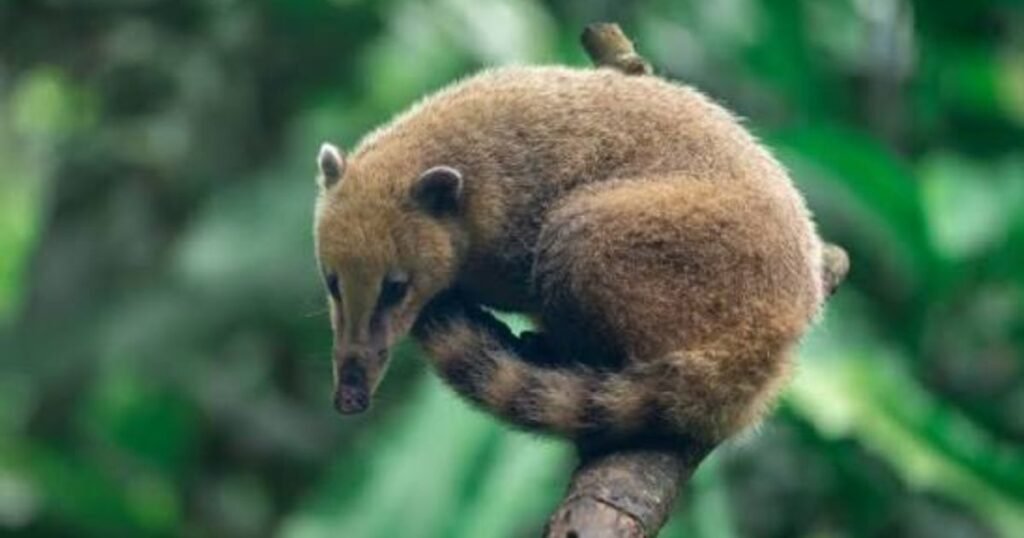
Powerful Foragers: Coatis, often mistaken for their raccoon relatives, are truly fascinating creatures. These powerful foragers display remarkable social behaviors, often living in extended family groups. With their long snouts, they expertly dig through leaf litter and soil in search of insects, fruits, and small invertebrates, demonstrating the versatility and intelligence that echo the raccoon’s renowned adaptability.
Remarkably Adaptable: Coatis, often overshadowed by their raccoon relatives, are remarkably adaptable creatures that thrive in diverse habitats ranging from tropical jungles to arid deserts. With their elongated snouts and dexterous paws, they are skilled foragers, rummaging through leaf litter and crevices to uncover hidden insects and fruits. Unlike raccoons, coatis exhibit a distinct social structure, living in bands led by a dominant female.
Common Genet
- Scientific Name: Genetta genetta
- Diet: Mainly small mammals, birds, reptiles, amphibians, insects, and occasionally fruits.
- Class: Mammalia; the common genet is a slender carnivorous mammal in the family Viverridae.
Stealthy Night Hunter: The raccoon may be the quintessential stealthy night hunter, but there are many other fascinating animals that share similar traits. For instance, the opossum, often dismissed as a common pest, is an extraordinary survivor. Its ability to play dead is not just a quirky trait; it’s a survival tactic that has evolved over eons, allowing it to escape predators in a visually shocking manner.
Excellent Climber: The Common Genet, with its sleek body and stunning spotted coat, is often compared to raccoons due to its dexterous movements and foraging habits. This remarkable creature is an excellent climber, utilizing its sharp claws and flexible limbs to navigate through treetops in search of food.
Much like raccoons, genets are known for their inquisitive nature and adaptability to various environments, making them fascinating subjects for wildlife enthusiasts.

Solitary & Territorial: The Common Genet, with its sleek body and long, ringed tail, often intrigues those familiar with raccoons. While both creatures exhibit solitary and territorial behaviors, the Common Genet’s hunting style sets it apart.
This agile mammal, predominantly found in Africa, is a master of stealth, often using its climbing ability to navigate trees and hunt for birds or small mammals. Its striking coat, marked with spots and stripes, provides perfect camouflage amidst the foliage, allowing it to stalk prey while evading larger predators.
Important Ecosystem Role: Common Genets, often mistaken for small leopards, are fascinating creatures that share several traits with raccoons, such as their dexterous paws and omnivorous diets. These sleek, nocturnal animals are important ecological players, controlling insect and small mammal populations in their habitats.
Their adaptability allows them to thrive in diverse environments from forests to urban areas, much like raccoons do, navigating human spaces with surprising agility.
Northern Olingo
- Scientific Name: Bassaricyon gabbii
- Diet: Mostly fruits, with additional insects, nectar, and small amounts of animal matter.
- Class: Mammalia; northern olingos are nocturnal tree-dwelling relatives of raccoons in Procyonidae.
Nocturnal Tree-Dweller: The Northern Olingo, a delightful nocturnal tree-dweller, resembles a raccoon in appearance and in its playful, inquisitive nature. Native to Central and South America, these small mammals thrive in forested habitats, showcasing remarkable agility as they deftly maneuver through the canopy.
Their large, expressive eyes are perfectly suited for their nighttime escapades, allowing them to locate fruits, insects, and other delicacies that make up their diverse diet. As a bonus, their bushy tails add to their charm, making them one of the most endearing creatures in the raccoon family tree.
Remarkable Agility: The Northern Olingo stands out in the animal kingdom with its remarkable agility, skillfully navigating the treetops of Central and South America. This nocturnal mammal, closely related to raccoons, possesses a slender body and a long, prehensile tail, allowing it to deftly maneuver among branches while foraging for fruits and insects.

Social & Vocal: The Northern Olingo, a charismatic member of the raccoon family, captivates wildlife enthusiasts with its social nature and vocalizations. Found in the lush canopies of Central and South America, these nocturnal creatures exhibit fascinating behaviors that mirror those of their raccoon cousins.
They form tight social bonds within their groups, and they also use a range of vocalizations to communicate, enhancing the complexity of their interactions. Observing an Olingo as it navigates through the trees with agility is an enchanting experience, reminiscent of raccoons rustling through urban environments, searching for food.
Adaptable Wildlife: The Northern Olingo, a lesser-known relative of raccoons, showcases the beauty of adaptable wildlife in the dense canopies of Central America. With their large eyes and bushy tails, these nocturnal creatures are expert foragers, often scuttling through trees in search of fruits and insects.
Their ability to thrive in various habitats, from lush rainforests to more fragmented landscapes, speaks to their remarkable adaptability. Like raccoons, Northern Olingos exhibit an extraordinary level of dexterity in their paws, allowing them to manipulate objects and discover hidden food sources.
Wolverine
- Scientific Name: Gulo gulo
- Diet: Carnivorous and opportunistic; eats carrion, small mammals, birds, and occasionally berries and other plant foods.
- Class: Mammalia; wolverines are powerful members of the weasel family, Mustelidae.
Built for Extreme Cold: Wolverines, with their stocky bodies and fierce demeanor, are fascinating creatures designed to thrive in extreme cold environments. Unlike the playful raccoons known for their dexterous paws and nocturnal antics, wolverines are solitary hunters, equipped with powerful jaws and sharp claws that allow them to tackle prey much larger than themselves.
Their thick fur provides insulation against frigid temperatures, making them perfectly adapted to the harsh, snowy landscapes of the Arctic and subarctic regions.
Exceptional Scavengers: Animals like the wolverine share this penchant for scavenging, each with its own unique spin on survival. For instance, the hyena, often misunderstood, utilizes its powerful jaws to crack open bones and extract nutrient-rich marrow, making it an archetype of resilience and ingenuity in the wild.
Similarly, the mix of intelligence and dexterity in animals like crows highlights their exceptional ability to find and utilize resources, further illustrating the vast spectrum of life that thrives on scavenging. This interconnectedness of scavengers reflects a finely tuned ecosystem where survival often hinges on ingenuity.

Food-Caching Experts: Much like raccoons, which cleverly hide their seasonal bounty, wolverines take advantage of their environment, demonstrating remarkable adaptability. Their fur-lined feet act as natural snowshoes, allowing them to traverse remote terrains with ease, paralleling the clever dexterity of raccoons as they navigate urban landscapes.
Solitary & Resourceful: Much like raccoons, embody the spirit of being both solitary and resourceful. These ferocious creatures are not just scavengers; they are skilled hunters, often taking down prey much larger than themselves.
Their thick fur and robust build allow them to thrive in harsh, cold environments, showcasing an adaptability that resonates with the urban resourcefulness displayed by raccoons. While raccoons often rummage through human refuse, wolverines utilize their keen sense of smell to uncover hidden food sources, be it carrion or cached prey.
Fox
- Scientific Name: Vulpes vulpes (Red Fox)
- Diet: Omnivorous; commonly eats rodents, rabbits, birds, insects, fruits, and other available foods.
- Class: Mammalia; red foxes are members of the dog family, Canidae.
Highly Adaptable: Foxes, much like their raccoon relatives, are highly adaptable creatures that thrive in diverse environments, from urban areas to rural landscapes. With their keen senses and playful nature, these mammals are not only master scavengers but also remarkable hunters.
Their bushy tails and cunning eyes give them a distinct advantage, enabling them to navigate challenges in search of food and shelter. The cleverness of foxes often draws comparisons to raccoons, as both have developed unique problem-solving skills that allow them to outsmart their environment.
Clever Hunters: Foxes, often celebrated for their cunning nature, share several traits with raccoons, making them equally intriguing in the animal kingdom. Both species exhibit remarkable adaptability, allowing them to thrive in diverse environments, from urban landscapes to dense forests.
With their sharp senses and clever hunting techniques, foxes are adept at foraging for food, often targeting small mammals, fruits, and insects, mirroring the opportunistic diets of raccoons. This versatility not only aids their survival but also highlights their role as essential players in their ecosystems.

Strong Family Bonds: Foxes, much like raccoons, exhibit remarkable adaptability and intelligence that truly captivates wildlife enthusiasts. Considered clever and resourceful creatures, foxes exemplify strong family bonds within their social structures. They often work together to care for their young, demonstrating a unique parental cooperation that allows them to thrive in various environments, from urban areas to dense forests.
This familial behavior mirrors that of raccoons, which are known for their playful interactions and close-knit group dynamics.
Important Urban Wildlife: Foxes share a unique bond with urban environments, much like raccoons, as they adapt effortlessly to city life. With their curious nature and cunning intelligence, these members of the Canidae family can often be spotted scavenging through trash bins or trotting along suburban streets. Their playful antics and striking fiery coats make them a favorite among wildlife enthusiasts, showcasing the resilience of important urban wildlife as they navigate the challenges of human habitats.
As urbanization continues to rise, understanding the behaviors and habitats of these remarkable animals is essential; it not only enriches our appreciation for biodiversity but also encourages sustainable practices that benefit both wildlife and humans alike.
Japanese Raccoon Dog
- Scientific Name: Nyctereutes procyonoides viverrinus
- Diet: Omnivorous; eats fruits, insects, amphibians, small animals, fish, and other available foods.
- Class: Mammalia; the Japanese raccoon dog is a canid and is not a true raccoon.
Japanese Native: The Japanese raccoon dog, known as tanuki, is a fascinating creature that holds a special place in Japanese culture and folklore. Unlike true raccoons, tanukis boast a unique blend of characteristics that make them a symbol of transformation and trickery in myth.
With their playful demeanor and dog-like features, these animals adapt remarkably well to urban settings, showcasing their resilience as a Japanese native species. While tanukis are intriguing in their own right, they also invite comparisons to other animals that share similar traits.
Omnivorous Forager: This creature embodies the charm of an omnivorous forager. Unlike traditional raccoons, Tanukis possess unique traits that set them apart; their distinct facial markings and bushy tails evoke an air of mystique.
In Japanese folklore, they are often depicted as shape-shifters, which adds a rich layer of cultural symbolism. Just like their raccoon relatives, Tanukis thrive in diverse environments, showcasing adaptability in their foraging habits that range from fruits to small invertebrates.

Important Ecosystem Role: The Japanese Raccoon Dog, or tanuki, plays an essential role in its ecosystem, acting as both predator and prey within its habitat. Their opportunistic feeding habits contribute to controlling populations of smaller mammals and insects, promoting a balanced environment.
These unique canids, often misidentified as raccoons, have a diverse diet ranging from fruits to small vertebrates, showcasing their adaptability. Learning about these fascinating creatures not only highlights their captivating traits but also underscores their roles in various ecosystems.
Cultural Icon: The Japanese Raccoon Dog, or tanuki, holds a unique place in Japanese folklore as a cultural icon symbolizing transformation and mischief. Its playful nature often leads it to be portrayed as a shape-shifter in stories, blending the line between the animal world and mystical realms.
Unlike the raccoon, which is known for its dexterous hands and foraging skills, the tanuki boasts its own set of characteristics, like its distinctive howl and a playful demeanor that has captured the hearts of many throughout centuries.
Olinguitos
- Scientific Name: Bassaricyon neblina
- Diet: Primarily fruits, with some insects, nectar, and other small food items.
- Class: Mammalia; olinguitos are small arboreal mammals belonging to the raccoon family, Procyonidae.
Cloud-Forest Specialist: Olinguitos, lesser-known relatives of the raccoon, are a true gem of the cloud forests in South America. These adorable mammals, with their soft, thick fur and expressive faces, are nocturnal foragers that primarily feast on fruits, nectar, and insects.
Their elusive behavior makes them a fascinating subject for wildlife enthusiasts and researchers alike. The olinguito’s presence indicates a thriving cloud forest, making them an important indicator species for conservation efforts.
Nocturnal Tree Dwellers: Olinguitos are fascinating nocturnal tree dwellers native to the cloud forests of Colombia and Ecuador. With their fluffy fur and adorable faces, they capture the hearts of anyone lucky enough to glimpse them.
Their nocturnal habits mean they are often seen at night, gracefully navigating the upper canopy of trees where they forage for fruit and insects. The world’s small mammal populations face mounting pressures from habitat loss, and olinguitos serve as a reminder of the delicate balance of ecosystems.

Fruit-Loving Diet: Olinguitos, often overshadowed by their raccoon cousins, are fascinating creatures found in the cloud forests of South America. These small, nocturnal mammals thrive on a fruit-loving diet, predominantly feasting on ripe fruits, berries, and insects.
This diet not only plays a crucial role in seed dispersal, but it also positions olinguitos as vital players in their ecosystem. Their adorable, teddy-bear-like appearance, complete with large, expressive eyes and fluffy fur, has captured the fascination of wildlife enthusiasts and researchers alike.
Recently Discovered Species: The olinguito, a recently discovered species, has captured the curiosity of animal lovers and scientists alike. Resembling a small raccoon, this adorable creature hails from the cloud forests of Colombia and Ecuador, showcasing a fascinating blend of traits that make it unique in the raccoon family.
With its soft, plush fur and oversized, expressive eyes, the olinguito endears itself to observers, but it is also a remarkable example of how biodiversity still thrives in hidden corners of our planet.
Fisher
- Scientific Name: Pekania pennanti
- Diet: Carnivorous; feeds on rodents, rabbits, birds, squirrels, and other small animals.
- Class: Mammalia; fishers are agile members of the weasel family, Mustelidae.
Expert Forest Hunters: Fisher are not the only curious creatures making their mark in the wild. Like raccoons, several animals exhibit remarkable adaptability and intelligence, carving out unique niches in their ecosystems.
Among these forest-dwelling experts, we find creatures such as the opossum, the only marsupial in North America, which employs an impressive range of survival tactics including playing dead and an exceptional resilience to venomous snake bites. Their secretive nature allows them to thrive in the shadows, much like raccoons who cleverly navigate urban environments.
Porcupine Specialist: Fisher, a member of the weasel family, may captivate your attention with their striking resemblance to a raccoon, but their unique behaviors and ecological roles set them apart. Known for their agility in climbing and hunting, fishers are specialized predators of porcupines, displaying remarkable tenacity and skill.
Their ability to navigate dense forests and rugged terrains enables them to utilize their sharp claws and agile bodies to not only hunt but also evade larger predators.

Mostly Solitary: Fisher cats, often confused with domesticated felines, belong to the weasel family and are primarily solitary hunters, known for their stealth and agility. Unlike the social gatherings of raccoons, fishers thrive in their lone excursions, scaling trees and weaving through dense forests in search of prey.
Their remarkable climbing skills allow them to pursue squirrels and other small mammals, showcasing a predator’s efficiency devoid of the need for companions.
Important Forest Role: Fisher, members of the weasel family, are often overshadowed by their more charming counterparts like raccoons, yet they play a significant role in forest ecosystems. These agile and elusive mammals thrive in densely wooded areas, where their hunting prowess helps regulate populations of small mammals, particularly invasive species.
Their presence can maintain a balanced ecosystem, ensuring that native species can thrive, showcasing how each creature contributes to the health of the forest in its unique way.
Burmese Ferret-Badger
- Scientific Name: Melogale personata
- Diet: Omnivorous; eats insects, worms, small vertebrates, fruits, and other plant material.
- Class: Mammalia; it is a small mustelid related to badgers, otters, and weasels.
Southeast Asian Native: The Burmese Ferret-Badger is a fascinating creature that exemplifies the rich biodiversity of Southeast Asia. This nocturnal mammal, with its distinct facial markings and sleek body, exhibits behaviors remarkably similar to raccoons, such as foraging for food and using its dexterous paws to manipulate objects.
Unlike raccoons, the ferret-badger’s lifestyle is even more secretive, primarily inhabiting dense forests where it takes advantage of its excellent climbing skills to navigate the treetops in search of fruits, insects, and small vertebrates.
Skilled Foragers: The Burmese ferret-badger, often overshadowed by its more famous relatives, is a remarkable creature that showcases the fascinating adaptability within the animal kingdom. This skilled forager belongs to the family of mustelids and is characterized by its elongated body and striking markings, which help it navigate the dense montane forests of Southeast Asia.
Unlike raccoons, which are notorious for their dexterous paws and urban escapades, the Burmese ferret-badger employs a blend of stealth and cunning to uncover its prey, typically involving insects, small vertebrates, and roots.

Distinctive Appearance: The Burmese Ferret-Badger is a gem among the lesser-known members of the mustelid family, captivating wildlife enthusiasts with its distinctive appearance. Sporting a combination of a sleek body and a uniquely textured coat, this creature boasts a striking pattern that oscillates between gray and brown tones.
Its small, rounded ears and elongated snout may remind you of a cross between a raccoon and a ferret, yet it’s the ferret-badger’s curious demeanor that truly sets it apart.
Social Communication: The Burmese Ferret-Badger is a lesser-known gem among creatures reminiscent of raccoons. With their unique social communication patterns, these animals display intriguing behaviors that highlight their complex relationships within their communities.
Unlike raccoons, which often forage alone, Burmese Ferret-Badgers exhibit a more gregarious nature, using a series of vocalizations and body language to establish bonds and navigate social hierarchies. This fascinating aspect of their lives opens a window into the deep-rooted instincts that govern their interactions, fostering cooperation in foraging and parental care.
Red Panda
- Scientific Name: Ailurus fulgens
- Diet: Mainly bamboo, supplemented with fruits, insects, eggs, and small animals.
- Class: Mammalia; red pandas belong to their own family, Ailuridae, and are not closely related to giant pandas.
Specialized Grasping Ability: Red pandas, often overshadowed by their more popular relatives, share intriguing traits with raccoons and other playful critters. With their specialized grasping ability, red pandas can skillfully manipulate bamboo, their primary food source, much like how raccoons use their dexterous paws to forage for food. This unique feature not only aids in their survival but also showcases their adaptability in a changing environment.
Twilight Activity: Red pandas may share a habitat with raccoons in the twilight of the day, as both creatures exhibit fascinating nocturnal behaviors. This charming, tree-dwelling herbivore captivates observers with its playful antics and striking red fur, distinguishing itself from its distant relatives.
While raccoons are notorious for their dexterous paws and scavenging lifestyle, red pandas exhibit a more solitary and elusive nature, often curling up in tree branches to nap during the day and emerging at dusk to explore their surroundings.
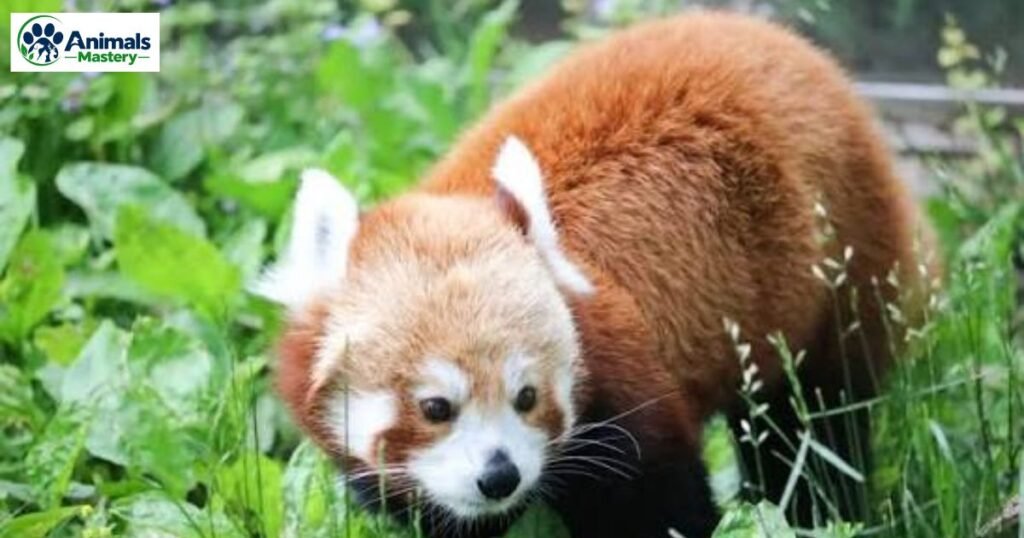
Expert Tree Climbers: The red panda, often overshadowed by its raccoon cousin, is a remarkable creature that thrives in the high-altitude forests of the Himalayas and southwestern China. These expert tree climbers possess a unique adaptation: their flexible wrists allow them to grasp branches effortlessly, a trait that has earned them the nickname fire fox.
With their striking rust-colored fur and playful demeanor, red pandas not only charm wildlife enthusiasts but also play a crucial role in their ecosystems by dispersing seeds and maintaining forest health.
Bamboo Specialists: Red pandas, often overshadowed by their raccoon counterparts, are captivating creatures that play a crucial role in their ecosystem. As bamboo specialists, they thrive primarily on a diet of bamboo, expertly navigating the dense forests of the Himalayas. This unique feeding habit highlights their adaptability and underscores the importance of bamboo in maintaining ecological balance.
Marten
- Scientific Name: Martes martes (Pine Marten)
- Diet: Omnivorous; eats small mammals, birds, insects, eggs, fruits, berries, and other foods.
- Class: Mammalia; pine martens are slender, tree-climbing members of the weasel family, Mustelidae.
Exceptional Tree Climbers: The marten, a small yet agile member of the weasel family, shares many traits with raccoons, including a mischievous disposition and an adaptability to various environments. These exceptional tree climbers are often found in dense forests, where their slender bodies and sharp claws make it easy to navigate the branches in search of food, such as small mammals, birds, and even fruits.
Martens apart is their strikingly beautiful fur ranging from golden to deep brown which not only offers camouflage but also insulation during colder months.
Forest Health Indicators: Marten, often overlooked, plays a unique role in its ecosystem, similar to raccoons in adaptability and resourcefulness. These agile creatures are not just cute and curious; they serve as important forest health indicators.
By monitoring marten populations, researchers can glean insights into the overall health of forest ecosystems, as their presence often signals robust prey availability and habitat quality.

Seasonally Flexible Diet: Marten, a member of the weasel family, shares a fascinating adaptability with raccoons through its seasonally flexible diet. While raccoons are often seen rummaging through urban refuse, martens navigate diverse habitats, from dense forests to mountainous regions, showcasing their resourcefulness.
These agile creatures feast on small mammals, birds, and fruits, tailoring their diet to whatever is plentiful in their surroundings.
Highly Adaptable Hunters: Marten and its animal counterparts exemplify the fascinating adaptability of nature. Like raccoons, martens are highly adaptable hunters, showcasing remarkable skills in various environments.
With their agile bodies and keen sense of sight, these small carnivores thrive in forests, decimating small mammals and birds while also being opportunistic foragers. This versatility not only enhances their chances of survival but also makes them critical players in their ecosystems.
Skunks
- Scientific Name: Mephitis mephitis (Striped Skunk)
- Diet: Omnivorous; feeds on insects, grubs, small animals, eggs, fruits, and other plant material.
- Class: Mammalia; striped skunks belong to the family Mephitidae and are famous for their defensive scent.
Natural Pest Controllers: Shanks, those clever and curious creatures, are often compared to raccoons not just for their antics but also for their roles as natural pest controllers. Much like raccoons, many animals possess unique traits that make them vital to our ecosystems. For instance, the opossum is often underestimated due to its somewhat awkward appearance.
The skunk, with its iconic black-and-white markings, is more than just a fragrant creature to avoid. These animals play a crucial role in controlling insect populations, munching on beetles, and caterpillars, thus helping maintain a balance in gardens and woodlands.
Excellent Foragers: Shunks, often affectionately compared to their raccoon cousins, excel as excellent foragers. These adaptable mammals, though less known, are equally skilled at rummaging through various terrains.
Their dexterous paws allow them to explore their environment and unearth hidden food sources, making them fascinating subjects of observation. These creatures not only demonstrate the versatility of foraging behaviors but also highlight how diverse ecosystems support a wide range of scavenging patterns.
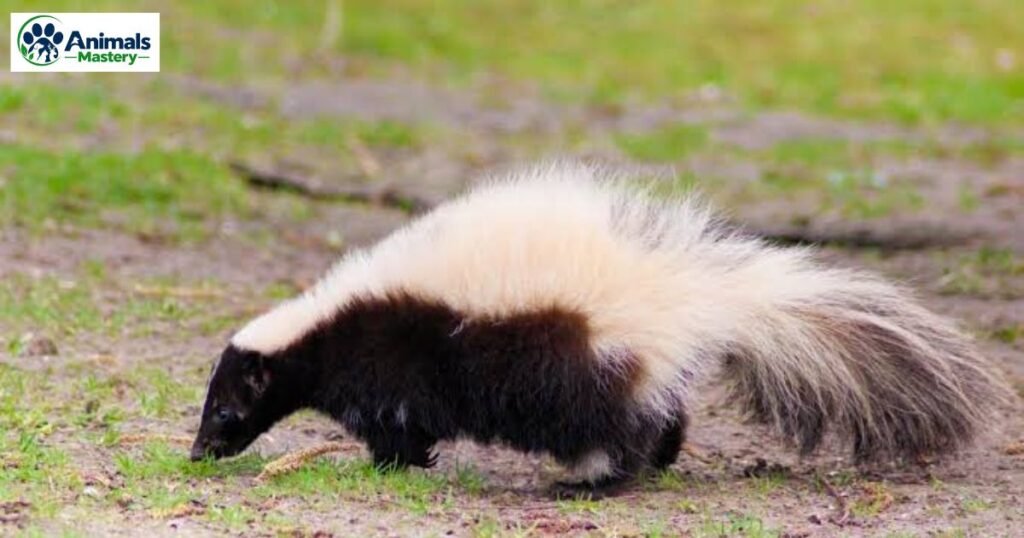
Powerful Defense: Shunks, often confused with their raccoon relatives, belong to a family of clever and adaptable creatures that fascinate wildlife enthusiasts. Their robust survival skills are complemented by a powerful defense mechanism: a distinct odor they can emit to deter predators. This unique attribute, alongside their nimble fingers and sharp intelligence, allows them to thrive in various environments, often foraging in urban areas much like raccoons.
Curious & Adaptable: Shunks, often regarded as the playful cousins of raccoons, exhibit remarkable adaptability and curiosity that make them fascinating creatures. These nocturnal scavengers, like their raccoon relatives, thrive in diverse environments, skillfully maneuvering through urban landscapes and dense forests alike.
Their dexterous paws and intelligent nature allow them to explore and manipulate their surroundings, showcasing an innate resourcefulness that captivates nature enthusiasts.
Palm Civet
- Scientific Name: Paradoxurus hermaphroditus
- Diet: Omnivorous; commonly eats fruits, berries, insects, small animals, and other available foods.
- Class: Mammalia; Asian palm civets are members of the civet family, Viverridae.
Nocturnal Foragers: The palm civet, often overshadowed in discussions about fascinating wildlife, shares intriguing traits with raccoons. As nocturnal foragers, these small mammals thrive in dense tropical forests, complementing the diverse ecosystem with their unique role as fruit and pest eaters.
They contribute to seed dispersal, helping to maintain the health of their habitats, but they also possess a keen sense of smell that rivals even that of raccoons. This sensory prowess allows them to navigate their environment effectively, making them adept at locating ripe fruits and small prey.
Highly Adaptable: The palm civet, often overshadowed by its raccoon-like peers, stands out as a highly adaptable creature thriving in diverse habitats across Southeast Asia. Known for its distinctive markings and nocturnal habits, this charming mammal plays a crucial role in its ecosystem by dispersing seeds through its diet of fruits.
The palm civet apart is its unique digestive system, allowing it to consume both ripe and unripe coffee cherries, leading to its significant role in the coffee industry as a source of the exotic civet coffee.

Important Seed Dispersers: The Palm Civet, often mistaken for a feline, is a fascinating creature that holds an essential role in its ecosystem. Found primarily in tropical regions of Asia, this nocturnal mammal is not just charming with its cat-like appearance; it plays a crucial part as an important seed disperser.
By consuming an array of fruits, the Palm Civet helps propagate various plant species, ensuring biodiversity and the health of its habitat. This symbiotic relationship highlights the vital contributions of wildlife to environmental sustainability.
Kopi Luwak Connection: The Palm Civet is often overlooked in discussions about fascinating wildlife, yet it shares intriguing similarities with raccoons, particularly in its foraging habits and adaptability to urban environments. Known for its role in the production of Kopi Luwak, the civet’s unique digestive process amplifies the flavor of coffee beans, crafting a beverage that has garnered global intrigue.
This connection between the Palm Civet and gourmet coffee is a testament to nature’s complexity and raises questions about the sustainability of such practices and the well-being of these creatures in the wild.
Badger
- Scientific Name: Meles meles
- Diet: Omnivorous; eats earthworms, insects, small mammals, fruits, roots, and other foods.
- Class: Mammalia; Eurasian badgers are stocky members of the weasel family, Mustelidae.
Powerful Diggers: Badgers are fascinating creatures that share a unique place in the animal kingdom, much like raccoons. Known as powerful diggers, these tenacious animals use their strong forelimbs to excavate elaborate burrow systems, providing them refuge from predators and harsh weather.
Their distinctive facial markings and stocky bodies make them instantly recognizable, and they possess a feisty nature that endears them to wildlife enthusiasts.
Built for Harsh Conditions: Badgers, much like raccoons, are fascinating creatures finely adapted to thrive in diverse environments. With their stocky bodies and thick fur, badgers are built for harsh conditions, enabling them to burrow into the ground and create complex underground homes.
These nocturnal foragers exhibit remarkable digging abilities, often uncovering hidden treasures like roots, insects, and small mammals. Their tenacity and resourcefulness echo the adaptable spirit of raccoons, making them highly skilled survivors in various habitats.

Social Communities: Badgers, known for their distinctive black and white markings, are fascinating members of the animal kingdom that thrive in closely-knit social communities. Unlike the more solitary raccoon, badgers often form clans that work together to dig elaborate burrow systems, showcasing their remarkable cooperation and social structures.
Observing their interactions offers a glimpse into the complexities of their relationships, where teamwork proves essential for survival in the wild.
Highly Adaptable: The creatures that navigate the twilight hours, the badger stands out as an incredibly adaptable character. With its sturdy body and striking black-and-white facial markings, badgers have developed astonishing skills to thrive in various habitats, from grasslands to forests.
Their burrowing habits not only highlight their tenacity but also provide ecosystem services, aerating the soil and creating homes for other wildlife. This bustling underground world adds to the richness of their environment, making them a keystone species reminiscent of the raccoon in their resourcefulness.
Keep Discovering Amazing Animals
- The group of Animals Like Weasels includes species adapted to forests, grasslands, and even waterways. Some are excellent climbers, while others are skilled swimmers or underground hunters. These differences make this group of mammals incredibly diverse and interesting.
- Many Birds With Long Legs depend on their height when looking for food in shallow water.
Their legs allow them to walk through marshes and shorelines while searching for prey. This useful adaptation supports their feeding and daily activities. - The world of Animals Like Foxes includes adaptable species that live across many types of habitats. Some prefer dense forests, while others survive in dry deserts or wide grasslands. Their ability to adjust to changing environments makes them remarkable wild animals.
Final Thoughts
To wrap up, the charming characteristics of raccoons can be found in various other species that also capture our hearts and intrigue our minds. From the agile weasel to the sociable capuchin monkey, these animals remind us of the playful and adaptive nature of wildlife.
Each shared trait invites us to admire the evolutionary marvels that exist all around us. Understanding these connections fosters a greater appreciation for biodiversity and the ecosystems we share. Explore the wild world further and celebrate the countless amazing animals that inhabit our planet.
FAQs
Are all Animals that Look like Raccoons Related to them?
No. While species like coatis and ringtails belong to the family Procyonidae, others like the Tanuki (canid) or Red Panda (Ailuridae) developed similar looks via convergent evolution.
Which Animal is the Absolute Closest Relative to the Raccoon?
The ringtail and cacomistle (genus Bassariscus) share the most immediate common evolutionary branch with true raccoons.
Do Raccoon Lookalikes Live in the Same Habitats?
Many prefer forests or rocky areas, but unlike urban-adapted raccoons, species like olingos or olinguitos strictly stay hidden in high tree canopies.
Can you Keep these Raccoon-Like Animals as Pets?
Most are wild animals with specialized dietary, social, or legal restrictions; even keeping close relatives like coatis or kinkajous requires exotic animal permits and specialized care.
Are Raccoon Lookalikes Dangerous to Humans?
Generally no, unless cornered, handled, or defending their young, though animals like badgers and wolverines possess powerful bites and defensive instincts.