
Top 25 Most Quiet Animals (With Pictures)
In our increasingly noisy environment, understanding the habits of the Most Quiet Animals can reveal the hidden complexities of nature’s communication methods.
From elusive mammals to silent birds, these animals have adapted unique ways to thrive without drawing attention to themselves. Join us as we explore their stories and discover why their stealthy existence is crucial for ecological balance.
List of Most Quiet Animals
Quiet Animals List:
- Sloths
- Llamas
- Rabbits
- Worms
- Deer
- Giraffes
- Octopuses
- Manatees
- Lizards
- Spiders
- Jellyfish
- Hedgehogs
- Owls
- Eels
- Butterflies
- Starfish
- Snakes
- Turtles
- Snow Leopards
- Goldfish
- Snails
- Koalas
- Sharks
- Crabs
- Bats
Sloths
- Scientific name: Folivora
- Class: Mammalia
- Diet: Herbivore
Sloths, often perceived as the embodiment of laziness, possess an intricate lifestyle that belies their leisurely reputation. This evolutionary adaptation not only conserves energy but also minimizes the need for foraging, allowing them to blend seamlessly into their rainforest habitats.
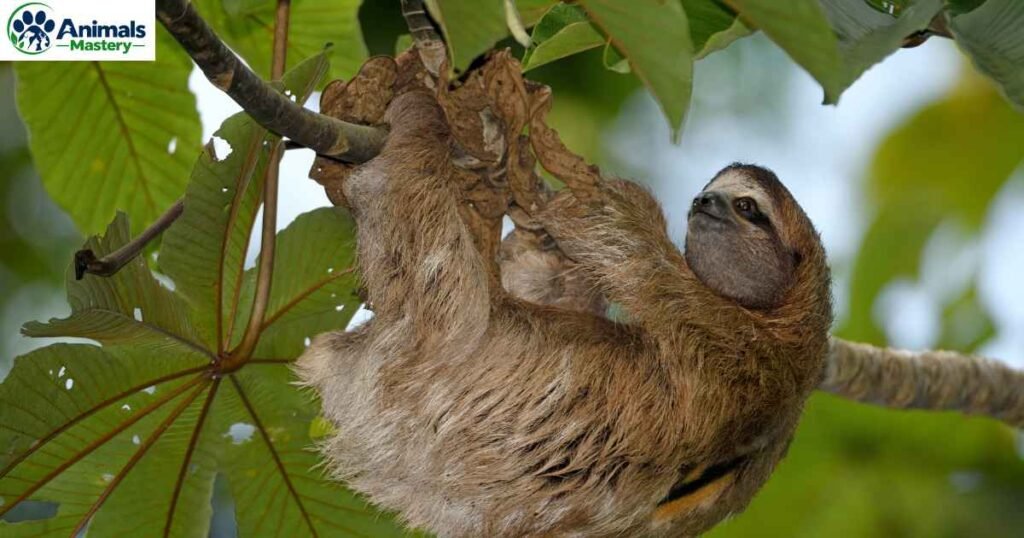
While they may move at a languid pace, this languor is a well-crafted survival strategy. Their slow metabolism enables them to thrive on a diet primarily consisting of leaves, which are low in energy.
Llamas
- Scientific name: Lama glama
- Class: Mammalia
- Diet: Herbivore
Llamas, often overshadowed by their slightly fluffier cousins, the alpacas, have an intriguing charm that goes beyond their quirky appearance.
Known for their impressive strength and gentle demeanor, llamas are not just adorable sights in pastoral landscapes; they are Most Quiet Animals and also profoundly intelligent animals capable of forming deep bonds with their human handlers.
Their unique communication style, which includes a range of vocalizations from hums to alarm calls, allows them to express emotions and alert their herds to potential dangers, showcasing a level of social sophistication that might surprise many. These are the quietest animal in the world.
Rabbits
- Scientific name: Oryctolagus cuniculus
- Class: Mammalia
- Diet: Herbivore
Rabbits, with their twitching noses and large, expressive eyes, are not only beloved pets but also fascinating creatures steeped in cultural symbolism.

In many cultures, they represent fertility and rebirth, a nod to their noteworthy reproductive capabilities. Beyond their role as symbols, these animals exhibit remarkable social behaviors.
For instance, wild rabbits form intricate social structures, communicating through a complex combination of body language, thumping, and vocalizations, which can reveal much about their social dynamics.
Worms
- Scientific name: Lumbricus terrestris
- Class: Clitellata
- Diet: Detritivore
Worms, often overlooked in the grand tapestry of nature, serve vital roles that extend far beyond their humble appearance.
These remarkable creatures are champions of soil health, facilitating aeration and nutrient distribution as they burrow through the earth.
Their castings, rich in organic material, enhance soil fertility, breaking down complex substances into accessible nutrients for plants. This natural composting process not only supports agriculture but also plays a crucial role in the ecosystem’s sustainability.
Deer
- Scientific name: Cervidae
- Class: Mammalia
- Diet: Herbivore
Deer are often seen as tranquil creatures, embodying the grace of the wild, yet their role in ecosystems goes far beyond mere aesthetics. This intricate relationship helps maintain habitats for countless other species, showcasing deer as silent stewards of biodiversity.

As herbivores, they shape the landscapes they inhabit by influencing plant growth and diversity. By browsing on young saplings and shrubs, they prevent overgrowth and encourage a healthy balance in forest ecosystems.
Giraffes
- Scientific name: Giraffa camelopardalis
- Class: Mammalia
- Diet: Herbivore
Giraffes, those iconic long-necked mammals, showcase an extraordinary adaptation in their evolution that goes beyond mere height.
Their unique stature allows them to access foliage high up in acacia trees, but it also plays a surprising role in social interactions.
When male giraffes engage in “necking” an intricate ritual involving swinging their necks and heads to establish dominance they are not just fighting for territory; they are also reinforcing social bonds and hierarchies within their groups.
Octopuses
- Scientific name: Octopus vulgaris
- Class: Cephalopoda
- Diet: Carnivore
Octopuses are not just masters of disguise; they are also incredibly intelligent creatures, capable of using tools and solving complex puzzles.

In studies, they’ve demonstrated behaviors that suggest a level of problem-solving previously only attributed to mammals, showing an ability to learn through observation.
Imagine an octopus unscrewing a jar to access food, demonstrating not only dexterity but also an understanding of cause and effect in their environment.
Manatees
- Scientific name: Trichechus
- Class: Mammalia
- Diet: Herbivore
Manatees, often referred to as sea cows, are gentle giants that inhabit warm coastal waters, thriving in the rivers and estuaries of Florida and the Caribbean.
But their serene appearance and slow-moving nature mask a noteworthy adaptability. These herbivorous mammals can consume up to 100 pounds of aquatic vegetation daily, playing a crucial role in maintaining healthy ecosystems.
By grazing on seagrass and other plant life, they help prevent overgrowth, promoting biodiversity in their marine habitats.
Lizards
- Scientific name: Lacertilia
- Class: Reptilia
- Diet: Mostly insectivore / omnivore
Lizards are not just the sunbathers of the reptile world; they are a diverse and fascinating group of creatures that showcase remarkable adaptations. This adaptability reveals the intricate connections between environment and evolutionary traits, demonstrating how life continuously evolves in response to its surroundings.

With over 6,000 species, these cold-blooded marvels display an incredible range of colors, sizes, and behaviors. Some, like the chameleon, possess the unique ability to change color, not only for camouflage but also to communicate and regulate their body temperature.
Spiders
- Scientific name: Araneae
- Class: Arachnida
- Diet: Carnivore
Spiders, often unfairly maligned, are fascinating architects of nature, crafting intricate webs that showcase both artistry and engineering prowess.
Each thread spun is a testament to their evolutionary journey, with species adapting unique hunting techniques and web designs to suit diverse environments.
For instance, the orb-weaver’s circular webs capture unsuspecting prey with remarkable efficiency, while the aggressive house spider employs stealth rather than silk, stalking its victims in the shadows.
Jellyfish
- Scientific name: Scyphozoa
- Class: Scyphozoa
- Diet: Carnivore
Jellyfish, with their ethereal, gelatinous bodies, embody the ocean’s whimsical artistry. These ancient creatures, dating back over 500 million years, have remarkable survival adaptations that continue to intrigue scientists.
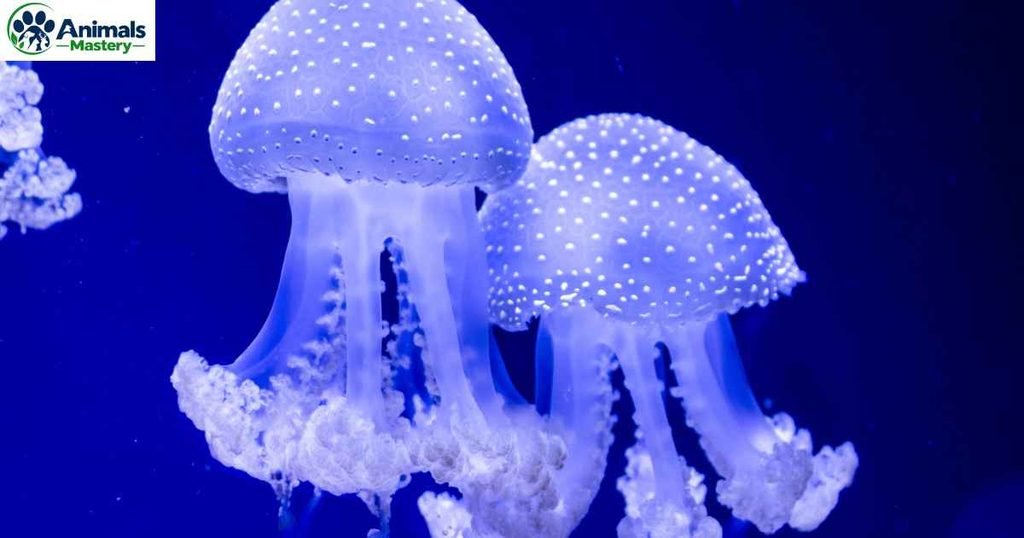
For instance, certain species possess bioluminescence, creating a mesmerizing display of light that not only astounds observers but also serves crucial ecological functions, from predator deterrence to luring in prey.
Their simplistic structure, essentially drifting blobs of muscle and gelatin, challenges our understanding of consciousness and intelligence, prompting questions about the nature of life itself.
Hedgehogs
- Scientific name: Erinaceus europaeus
- Class: Mammalia
- Diet: Omnivore
Hedgehogs are marvels of adaptability, thriving in diverse environments from suburban gardens to rural landscapes.
With their unique spiny armor, they serve as living examples of evolutionary ingenuity, allowing them to deter predators while also introducing us to the fascinating world of nocturnal foraging habits.
These small mammals are not just foragers; they are important environmental stewards, controlling insect populations and contributing to the health of their ecosystems. Their diet is eclectic, ranging from insects to fruits, showcasing their flexibility and resourcefulness.
Owls
- Scientific name: Strigiformes
- Class: Aves
- Diet: Carnivore
Owls, often shrouded in mystery, are fascinating creatures that embody the duality of wisdom and enigma. Their nocturnal lifestyle showcases an extraordinary adaptation to darkness, with eyes uniquely designed for low-light vision, allowing them to hunt with pinpoint accuracy.

Beyond physical attributes, the cultural significance of owls across various civilizations highlights their role as symbols of knowledge and intuition. In many Indigenous cultures, they are seen not only as protectors but also as harbingers of change, urging us to pay attention to the unseen elements of our environment.
Eels
- Scientific name: Anguilla anguilla
- Class: Actinopterygii
- Diet: Carnivore
Eels, particularly the elusive European eel Anguilla anguilla, have long intrigued scientists, biologists, and culinary enthusiasts alike.
These fascinating creatures embark on a transformative migration journey from their spawning grounds in the Sargasso Sea to rivers and estuaries across Europe.
One of the most captivating aspects of their lifecycle is the mysterious metamorphosis they undergo, transitioning from transparent larval forms known as leptocephali to their distinctive adult appearance. Despite extensive research, the precise details of their reproduction and the dangers they face during this journey remain largely shrouded in mystery.
Butterflies
- Scientific name: Lepidoptera
- Class: Insecta
- Diet: Herbivore
Butterflies are not just stunning creatures flitting through gardens; they are vital indicators of a healthy ecosystem. These delicate insects undergo a remarkable transformation known as complete metamorphosis, which symbolizes renewal and change.

This process mirrors the innate human desire for growth, reminding us that beauty often emerges from periods of vulnerability and struggle. In many cultures, butterflies are seen as messengers from beyond, bridging the gap between our world and the spiritual realm, evoking awe and reverence.
Starfish
- Scientific name: Asteroidea
- Class: Asteroidea
- Diet: Carnivore
Starfish (Angelfish) or sea stars as they are more accurately called, possess an enchanting capacity for regeneration that has fascinated scientists and nature lovers alike.
When a starfish loses an arm, it can gracefully grow a new one, a process that takes several months.
This remarkable ability not only serves as a defense mechanism against predators but also raises intriguing questions about the potential for regenerative medicine in humans, a field that is currently exploring similar pathways.
Snakes
- Scientific name: Serpentes
- Class: Reptilia
- Diet: Carnivore
Snakes are often portrayed as fearsome predators, but their contributions to ecosystems are equally fascinating. In the world of herpetology, these Snakes with Triangular Heads unique adaptations provide insights into the behavior and ecology of various snake species.
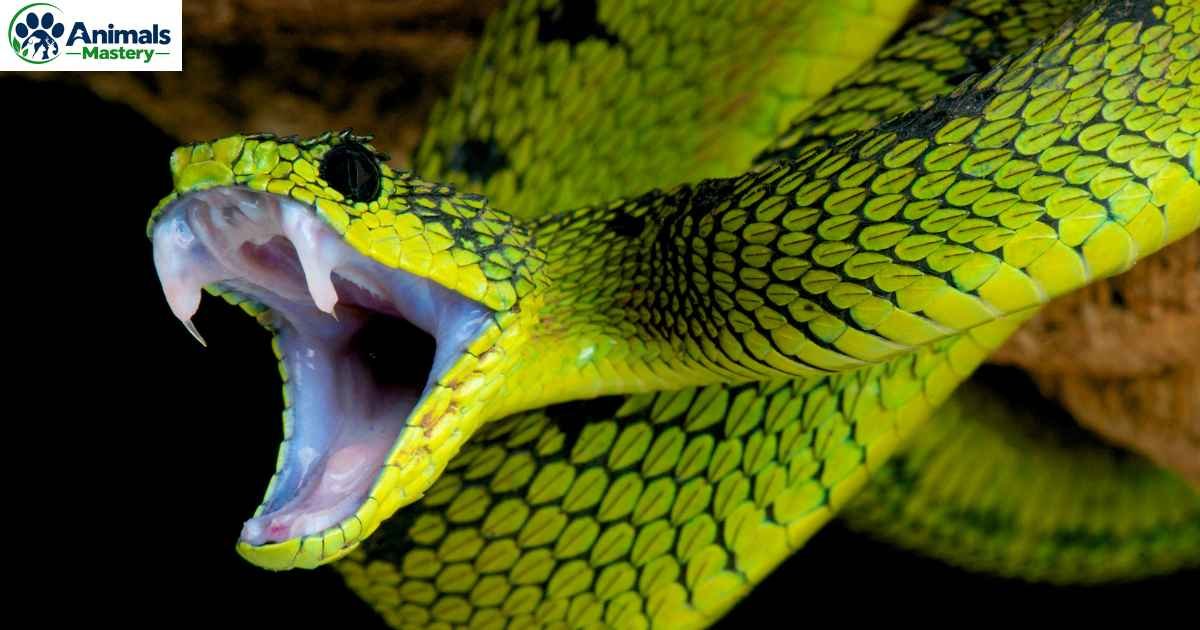
These legless wonders play a critical role in maintaining the balance of nature. By controlling populations of rodents and other small mammals, snakes prevent overgrazing and promote healthier vegetation.
In doing so, they indirectly support larger animals and even help sustain agricultural practices, making them unsung heroes of biodiversity.
Turtles
- Scientific name: Testudines
- Class: Reptilia
- Diet: Omnivore / herbivore
Turtles are fascinating creatures that embody resilience and longevity, often living for decades, and in some cases, even over a century.
Their unique shells, which serve as both a shield and a home, are a marvel of evolutionary design, showcasing nature’s ingenuity. Each turtle species, from the vibrant sea turtles gliding through coral reefs to the unassuming box turtles found in wooded areas, plays a critical role in their ecosystems.
Sea turtles, for instance, help maintain healthy seagrass beds and coral reefs, acting as essential contributors to marine biodiversity.
Snow leopards
- Scientific name: Panthera uncia
- Class: Mammalia
- Diet: Carnivore
Snow leopards, the elusive phantoms of the Himalayas, are not only remarkable for their stunning beauty but also for their unique adaptations to harsh mountain environments.Their thick fur, long tail, and specialized paws allow them to navigate treacherous terrain with grace and agility.

These solitary cats rely on their keen eyesight and acute sense of hearing to hunt prey like ibex and blue sheep, often stalking silently through the rugged landscape before launching a powerful leap. Interestingly, they are known for their strong social bonds, often sharing their kills with fellow leopards, which brings a surprising dimension to their solitary reputation.
Goldfish
- Scientific name: Carassius auratus
- Class: Actinopterygii
- Diet: Omnivore
Goldfish, often seen as simple pets, boast an intriguing complexity that many don’t appreciate. Unlike their one-dimensional reputation, these vibrant creatures possess unique personalities akin to other cherished companions.
Studies reveal that goldfish can recognize their owners and even respond to stimuli, showcasing a level of intelligence that often goes unnoticed.
Their ability to learn tricks through positive reinforcement illustrates a deeper cognitive capacity, making them more than just passive observers in their aquatic worlds.
Snails
- Scientific name: Gastropoda
- Class: Gastropoda
- Diet: Herbivore / detritivore
Snails, often overlooked in the grand tapestry of nature, are remarkable creatures with an intriguing blend of biology and behavior.

Did you know they possess both male and female reproductive organs? This duality allows snails to be wonderfully adaptable in varied environments, as they can mate with any other snail they encounter.
Their slow movement might suggest vulnerability, but this pace allows them to evade predators through a blend of camouflage and stealth, often taking advantage of their slime trails.
Koalas
- Scientific name: Phascolarctos cinereus
- Class: Mammalia
- Diet: Herbivore
Koalas, often dubbed Australia’s iconic marsupials, possess a fascinating blend of uniqueness and vulnerability that captivates nature enthusiasts worldwide.
Beyond their adorable appearance and sleepy disposition, these creatures are exquisitely specialized to thrive in eucalyptus forests. Remarkably, their diet consists primarily of eucalyptus leaves, which are toxic to most animals.
This stringent dietary choice has honed their digestive adaptations, showcasing nature’s ingenuity; koalas possess a highly developed cecum that ferments and breaks down the toxins, allowing them to extract essential nutrients efficiently.
Sharks
- Scientific name: Selachimorpha
- Class: Chondrichthyes
- Diet: Carnivore
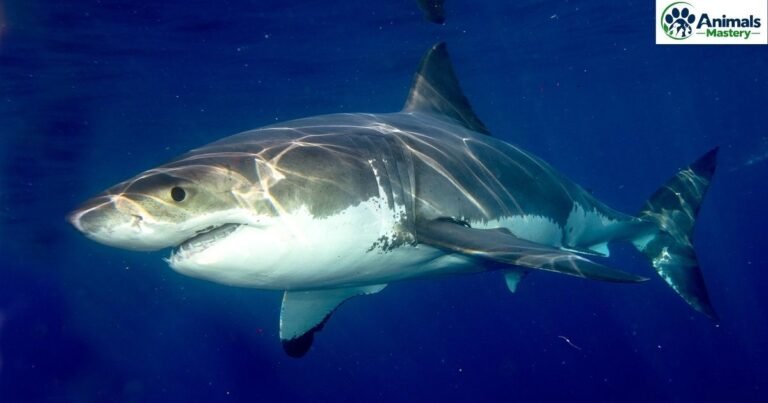
Sharks, often portrayed as the ocean’s apex predators, play a critical role in maintaining the delicate balance of marine ecosystems. Their presence influences the behavior and population dynamics of species lower in the food chain, ultimately fostering biodiversity.

Recent studies suggest that these majestic creatures have complex social structures, with certain species displaying unique behaviors like cooperative hunting. This challenges the stereotype of sharks as solitary hunters, showcasing their intelligence and adaptability in a changing environment.
Crabs
- Scientific name: Brachyura
- Class: Malacostraca
- Diet: Omnivore
Crabs are not only remarkable for their unusual shapes and colors but also for their diverse adaptations to various environments.
From the delicate blue crab of the Atlantic coast to the vibrant red king crab found in frigid Arctic waters, these creatures exhibit an astonishing range of physiological traits.
Some species, like the cunning coconut crab, have evolved the ability to climb trees, showcasing an unexpected versatility that challenges our perceptions of sea life. This surprising terrestrial ability allows them to forage for coconuts, adding a unique twist to their diet and lifestyle.
Bats
- Scientific name: Chiroptera
- Class: Mammalia
- Diet: Insectivore / frugivore
Bats, often misunderstood as mere pests, are remarkable creatures that play essential roles in our ecosystems. Their echolocation abilities allow them to navigate and hunt in complete darkness, a skill that has fascinated scientists and inspired technological advancements in sonar and navigation tools.

With over 1,400 species, they exhibit an incredible diversity in size, habitat, and behavior. From the tiny bumblebee bat, weighing less than a penny, to the majestic flying foxes with wingspans over six feet, bats embody evolutionary ingenuity.
Top 15 Animals Like Groundhogs You Should Know About
Conclusion
The world of the Most Quiet Animals reveals a fascinating array of species that have evolved unique adaptations to thrive in silence. From the elusive sloth to the stealthy owl, these creatures demonstrate that being quiet can be an advantageous survival strategy.
Their muted lifestyles not only help them avoid predators but also enhance their hunting skills. By studying these animals, we gain insights into the importance of sound in the animal kingdom and how silence Most Quiet Animals can be equally powerful.
FAQs
What are the top 3 Most Quiet Animals in the World?
The top 3 quiet animals are Sloths, Tortoises, and Owls. These animals are generally very quiet and use little vocal communication compared with many other animals.
What Most Quiet Animals?
When it comes to quiet animals, the sloth certainly stands out. Known for their slow movements and deliberate lifestyle, sloths are predominantly silent creatures.
Which Animal is a Silent Killer?
When considering animals that qualify as “silent killers,“ several come to mind, but one of the most notable is the venomous box jellyfish. Found primarily in the waters of the Pacific and Indian Oceans, this elusive creature can deliver a sting that is both excruciating and potentially lethal.
Which Animal is very Silent?
When it comes to silence in the animal kingdom, the owl is often a top contender. Owls are known for their ability to fly almost silently due to the unique structure of their feathers.