
27 Captivating Animals That Start With C (Facts & Images)
Some of the most captivating creatures on our planet begin with the letter “C”. From the clever crow to the cute cats, the world of animals that start with C is as diverse as it is fascinating.
We’ll explore 27 captivating animals that start with C, showcasing their unique traits and relevance to our ecosystems. Get ready to discover not just interesting facts but also the vital roles these animals play in maintaining ecological balance.
List of Animals That Start With C
Below is the list of animals that start with C:
- Capybara
- Cobra
- Chameleon
- Cheetah
- Crocodile
- Cat
- Chimpanzee
- Coyote
- California Condor
- Cockatoo
- Common octopus
- Cougar
- Colossal squid
- California grizzly bear
- Chipmunk
- Chinchilla
- Caribou
- Common Snapping Turtle
- Crow
- Cane toad
- Copperhead
- Caracal
- Cockatiel
- Common Raven
- Corn Snake
- Crane
- Chicken
Capybara
- Scientific Name: Hydrochoerus hydrochaeris
- Family: Caviidae
- Class: Mammalia
- Diet: Herbivore, feeds on grasses and aquatic plants
The capybara, known as the largest rodent in the world, boasts a unique charm that captures the hearts of many. These remarkable creatures, native to South America, are not only impressive in size, typically weighing between 77 and 146 pounds, but they also exhibit fascinating social behaviors.
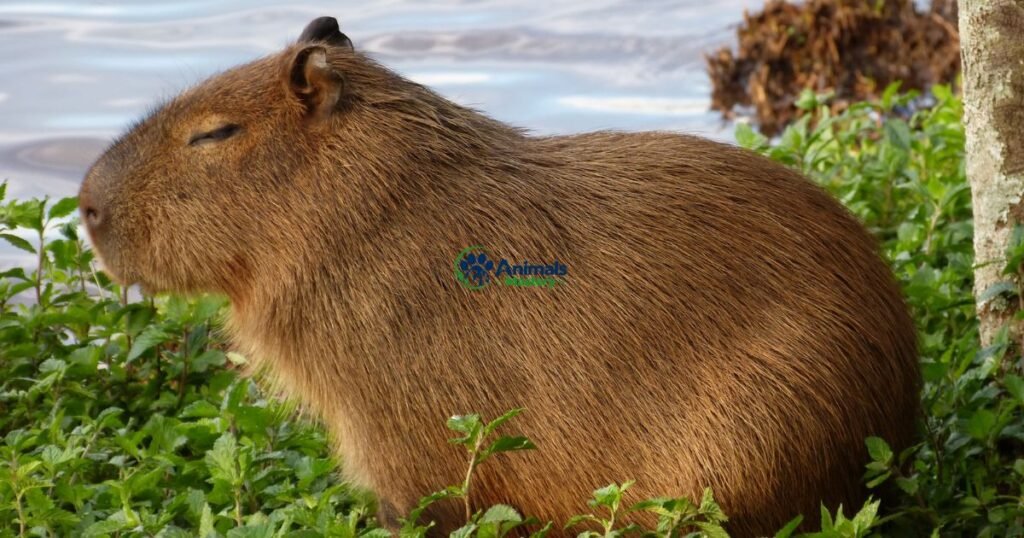
Living in groups of 10 to 20 individuals, capybaras thrive on social interaction, forming strong bonds and displaying cooperative behaviors that enhance their survival.
One of the capybara’s most striking features is its webbed feet, which make them exceptional swimmers, placing them alongside dozens of other animals with webbed feet built for aquatic life. As semi-aquatic mammals, they often spend much of their day lounging in water to regulate their body temperature and evade predators.
This affinity for the water not only aids in their daily activities but also reinforces their social structures, as these rodents can frequently be seen grazing near riverbanks or even sharing space with other species, such as birds and monkeys.
Cobra
- Scientific Name: Naja naja
- Family: Elapidae
- Class: Reptilia
- Diet: Carnivore, eats rodents, birds, and other snakes
Cobra behavior is both intriguing and complex, marked by their iconic hood display, which serves as both a warning and a mating ritual. When threatened, these venomous snakes puff out their necks, creating a striking visual spectacle that can deter predators and competitors alike.
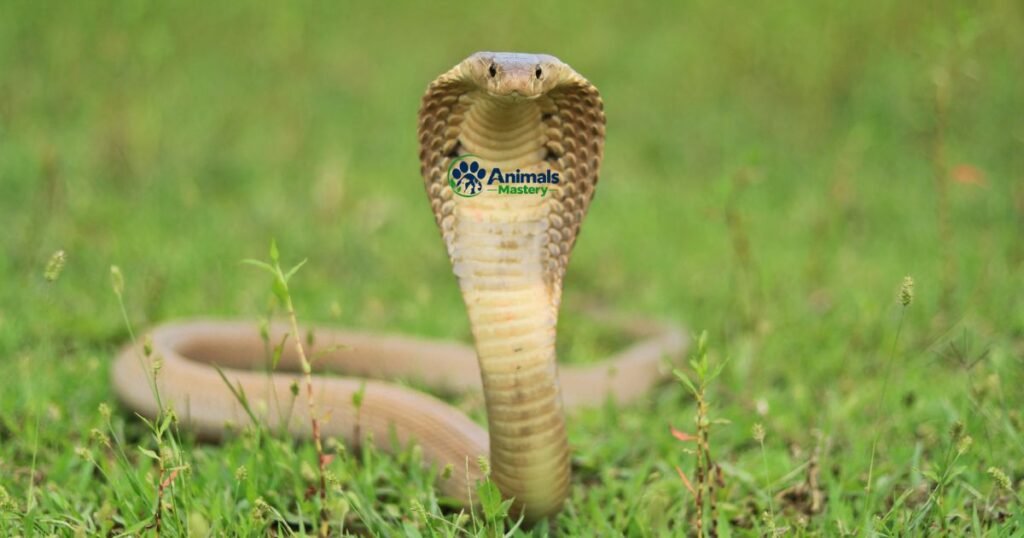
This display not only enhances their imposing presence but also plays a crucial role in their survival strategy, relying on visual signals rather than just venom to handle conflicts.
Cobras are masters of camouflage, often blending seamlessly into their habitats, whether it’s the dry deserts or the lush jungles they inhabit. This ability to remain hidden while still being highly mobile allows them to ambush prey effectively.
Their choice of resting spots and hunting grounds often reflects a balance between visibility and concealment, showcasing their remarkable adaptability as reptiles.
Chameleon
- Scientific Name: Chamaeleo calyptratus
- Family: Chamaeleonidae
- Class: Reptilia
- Diet: Carnivore, eats insects and small invertebrates
Chameleons are renowned for their remarkable color-changing abilities, which serve not only for camouflage but also for communication and temperature regulation. This stunning transformation is orchestrated by specialized cells known as chromatophores that expand and contract, revealing an array of hues in response to their emotions, surroundings, or even social signals.
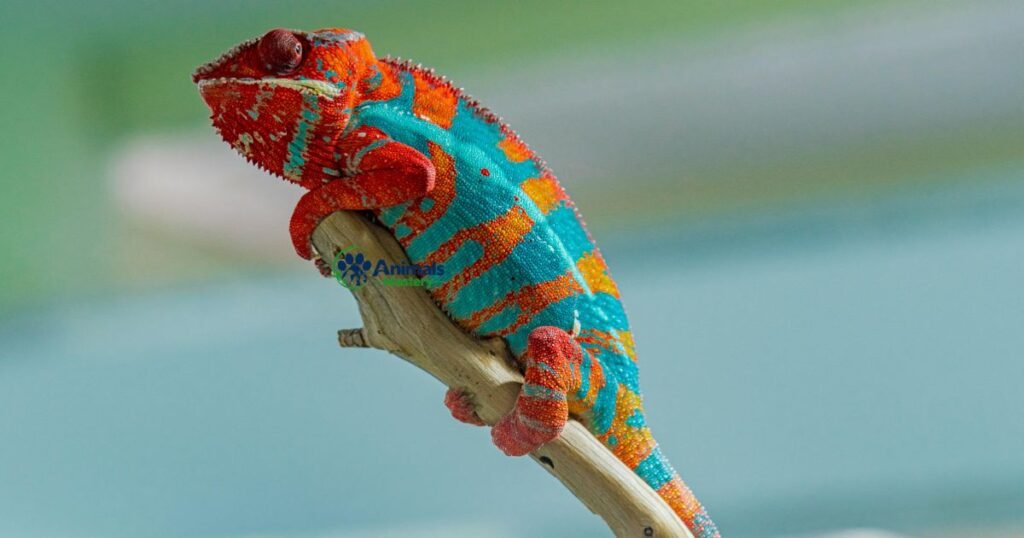
What sets chameleons apart is also their extraordinary independent eye movement. Each eye can rotate in different directions, allowing them to simultaneously scrutinize their surroundings for potential threats or prey without moving their heads.
This unique trait is complemented by their zygodactylous feet, which feature two toes that face forward and two that point backward, providing a firm grip as they navigate branches in search of insects.
Their prehensile tails act as a balancing tool, anchoring them securely while they traverse their arboreal habitats. These creatures are masterful adaptations of nature, showcasing an intricate blend of evolution and survival instinct that captivates anyone fortunate enough to observe them.
Cheetah
- Scientific Name: Acinonyx jubatus
- Family: Felidae
- Class: Mammalia
- Diet: Carnivore, eats small to medium-sized ungulates like gazelles
The cheetah, renowned as the fastest land animal, embodies speed with its incredible ability to reach up to 75 miles per hour in short bursts. This remarkable velocity is attributed to its unique high-speed adaptations, including a lightweight frame, large nasal passages for increased oxygen intake, and specialized leg muscles.
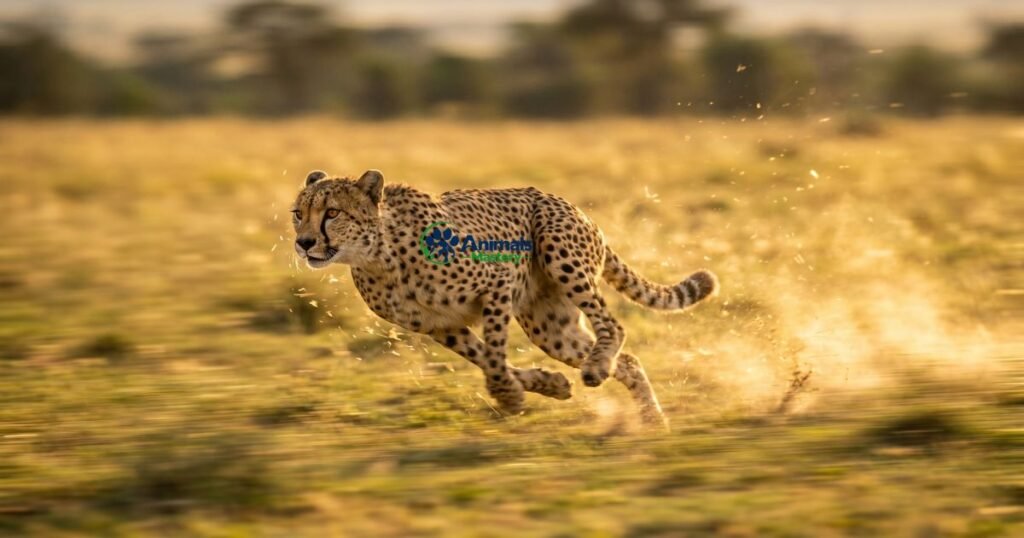
Unlike other big cats, cheetahs rely on bursts of speed rather than endurance, making their hunting strategy a thrilling spectacle in the wild.
This incredible agility comes with challenges. The cheetah’s reliance on speed limits its social structure; they often hunt alone or in small groups, which can affect their survival and reproductive success. With current conservation status raising alarms, habitat loss and human-wildlife conflict threaten their future.
Understanding these magnificent creatures and their struggles can inspire us to take action in preserving their environments and supporting conservation efforts. Embracing the cheetah’s place in the ecosystem enriches our appreciation for wildlife and underscores the importance of safeguarding such extraordinary animals.
Crocodile
- Scientific Name: Crocodylus niloticus
- Family: Crocodylidae
- Class: Reptilia
- Diet: Carnivore, eats fish, birds, and mammals
Crocodiles, ancient reptiles that have existed for over 200 million years, are fascinating survivors of the age of dinosaurs. Known for their formidable jaws and stealthy hunting skills, these creatures have adapted to a variety of environments, from freshwater rivers to coastal saltwater regions.
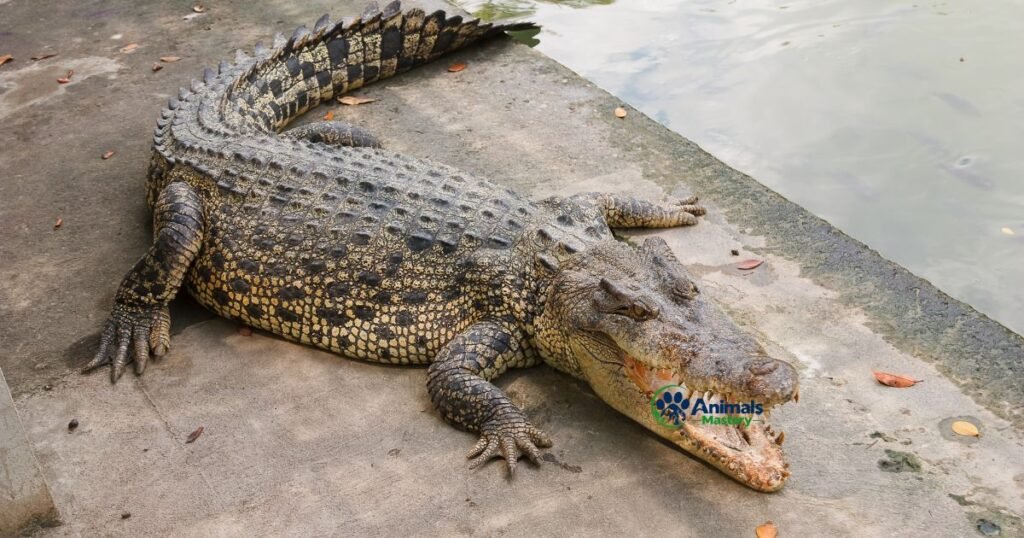
One of the remarkable features of crocodiles is their salt glands, which help them regulate salt intake, allowing them to thrive in brackish habitats.
Beyond their predatory prowess, crocodiles are also surprisingly nurturing. They exhibit maternal care through their unique nesting behavior, where females not only construct nests from vegetation but also vigilantly protect their eggs. Once the hatchlings emerge, mothers often carry them to water, showcasing a gentler side to these otherwise fearsome predators.
This duality highlights the complexity of crocodilian life, defying common misconceptions that they are only ruthless hunters. Through their evolutionary resilience and unexpected parental instincts, crocodiles continue to captivate the imagination of those who study them.
Cat
- Scientific Name: Felis catus
- Family: Felidae
- Class: Mammalia
- Diet: Carnivore, typically fed commercial cat food (meat-based)
Cats, the enigmatic members of the feline family, exhibit a fascinating range of communication methods that often leave their human companions intrigued. One of the most charming behaviors is purring, a soothing sound that conveys not just contentment but can also signify anxiety or pain.
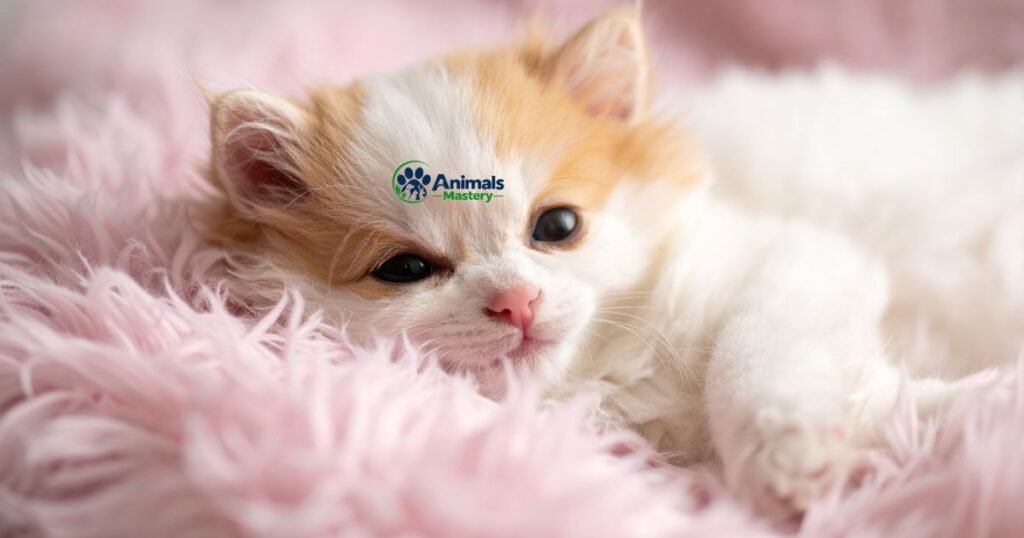
This multifaceted vocalization showcases the depth of feline emotional expression, revealing cats as not just independent creatures but also sensitive beings who seek connection and understanding.
Another captivating aspect of feline behavior is slow blinking, often referred to as a “cat kiss.” This gesture is a profound expression of trust and affection, allowing cats to convey their feelings without uttering a single sound. When a cat uses this slow blink, it’s as if they’re sharing a secret moment with their human, fostering a deeper bond.
Observing these subtle yet powerful behaviors invites us to appreciate the complexities of the feline world, as each interaction reveals layers of personality and emotion that go beyond their solitary reputation.
Chimpanzee
- Scientific Name: Pan troglodytes
- Family: Hominidae
- Class: Mammalia
- Diet: Omnivore, eats fruit, leaves, insects, and occasionally meat
Chimpanzees, our closest living relatives, share an astonishing 98% of human DNA, underscoring the deep evolutionary ties between our species. This genetic closeness goes beyond mere biology; it reflects in their complex social behaviors and emotional intelligence.
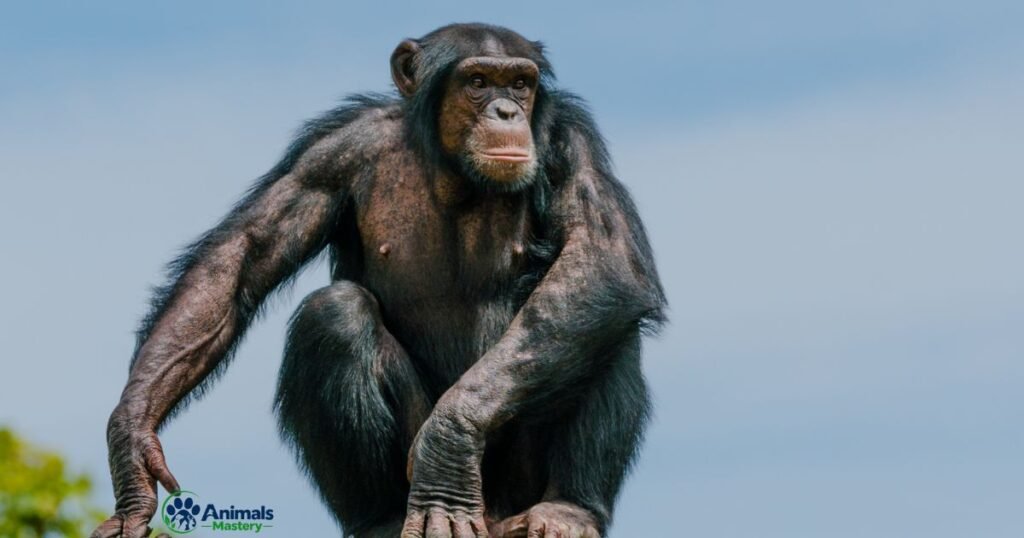
In the wild, chimpanzees exhibit intricate social dynamics, forming lifelong bonds and even engaging in conflict resolution, demonstrating a level of empathy that often makes us reconsider what it means to be social.
One of the most captivating aspects of chimpanzee life is their remarkable tool use. From using sticks to extract termites to crafting leaves for drinking water, their ability to manipulate their environment showcases not only intelligence but also innovation.
This behavior sheds light on the cognitive parallels between chimpanzees and humans, prompting questions about the origins of technology and our own capabilities.
Coyote
- Scientific Name: Canis latrans
- Family: Canidae
- Class: Mammalia
- Diet: Omnivore, eats small mammals, fruit, and carrion
Coyotes exemplify remarkable adaptability, thriving in diverse habitats, from deserts to urban sprawls, a trait shared by many other animals like foxes, their close canid relatives. As urban wildlife, they have adapted to live alongside humans, often making their home in parks, golf courses, and even backyards.
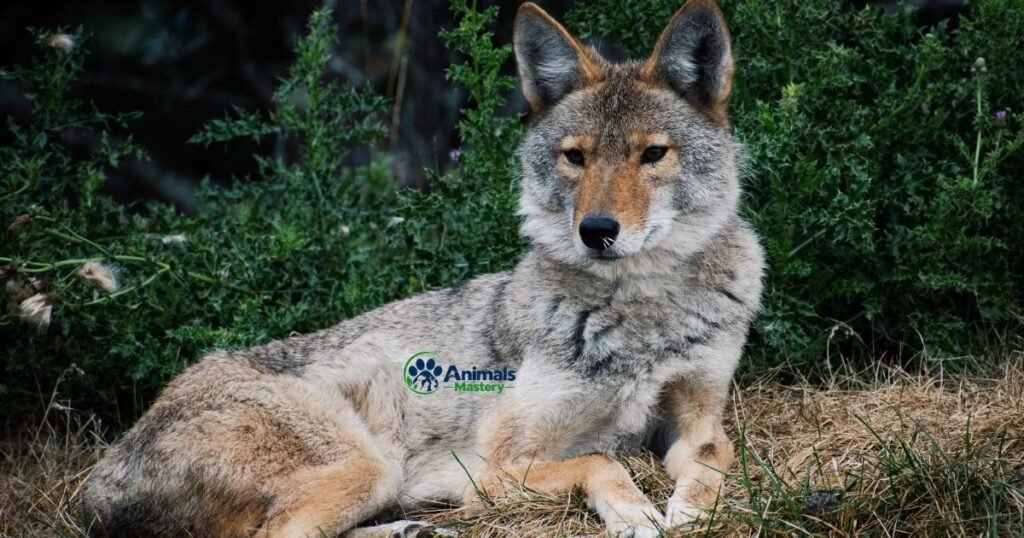
This flexibility not only highlights their resilience but also showcases their intelligent foraging strategies. While many might perceive them as solitary hunters, coyotes also exhibit intriguing social behavior, often forming small packs that enhance their hunting efficiency and territorial defense.
Another fascinating aspect of coyotes is their vocal communication. Beyond the famous howls, these creatures utilize a range of sounds, barks, yips, and even growls, to convey messages within their pack and to warn off intruders. This rich acoustic language not only facilitates group cohesion but also plays a vital role in their survival.
Observing a howl might evoke romantic imagery of wilderness nights, but the reality is that each sound carries purpose, reflecting the complexity of their social structure. In an ever-evolving world dominated by urbanization, coyotes serve as a poignant reminder of nature’s resilience and adaptability.
California Condor
- Scientific Name: Gymnogyps californianus
- Family: Cathartidae
- Class: Aves
- Diet: Scavenger, eats carrion
The California Condor stands out not only for its impressive wingspan, stretching nearly ten feet, but also for its remarkable journey from the brink of extinction to a symbol of conservation success.
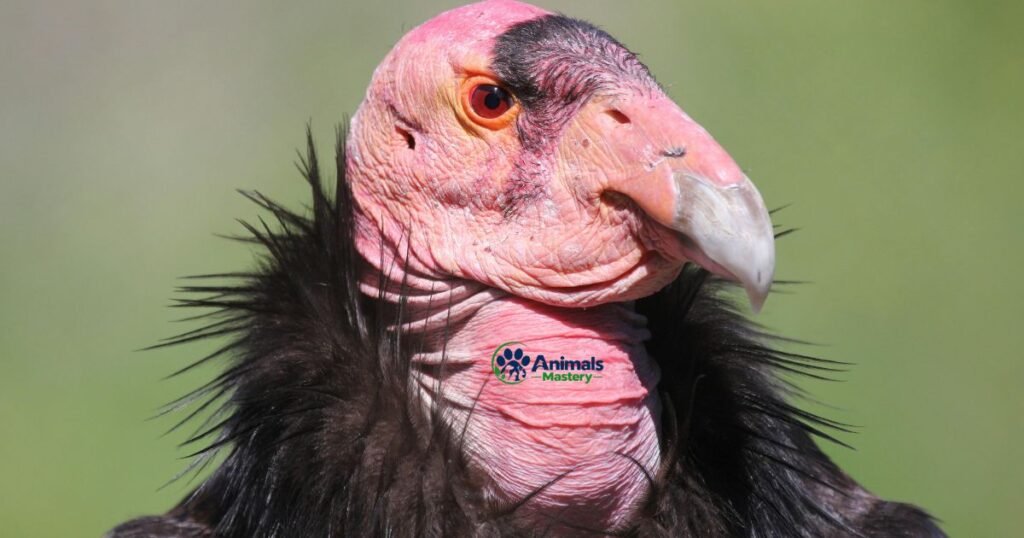
This endangered bird, primarily found in the mountainous regions of California and parts of Arizona, thrives in open, rugged landscapes where it can soar effortlessly, scanning the ground for carrion. As a scavenger, its diet primarily consists of the remains of large mammals, playing a crucial role in the ecosystem by helping to keep nature clean.
Conservation efforts have been nothing short of heroic, involving captive breeding programs that have reintroduced these majestic birds back into the wild. The population has rebounded from just 27 individuals in the 1980s to over 500 today, though the journey is fraught with challenges such as habitat loss and lead poisoning from ingested ammunition.
Each California Condor release into the wild not only signifies hope for the species but also serves as a reminder of the collective responsibility we share in protecting our planet’s flora and fauna. With continued awareness and action, these magnificent birds might one day thrive without the fragile safety net of conservation programs.
Cockatoo
- Scientific Name: Cacatua galerita
- Family: Cacatuidae
- Class: Aves
- Diet: Herbivore, feeds on seeds, nuts, fruit, and roots
Cockatoos, with their striking crests and vibrant personalities, exemplify the intricate social behavior seen in avian species. These birds are not just visually captivating; they showcase remarkable vocal communication skills that enable them to express a range of emotions.
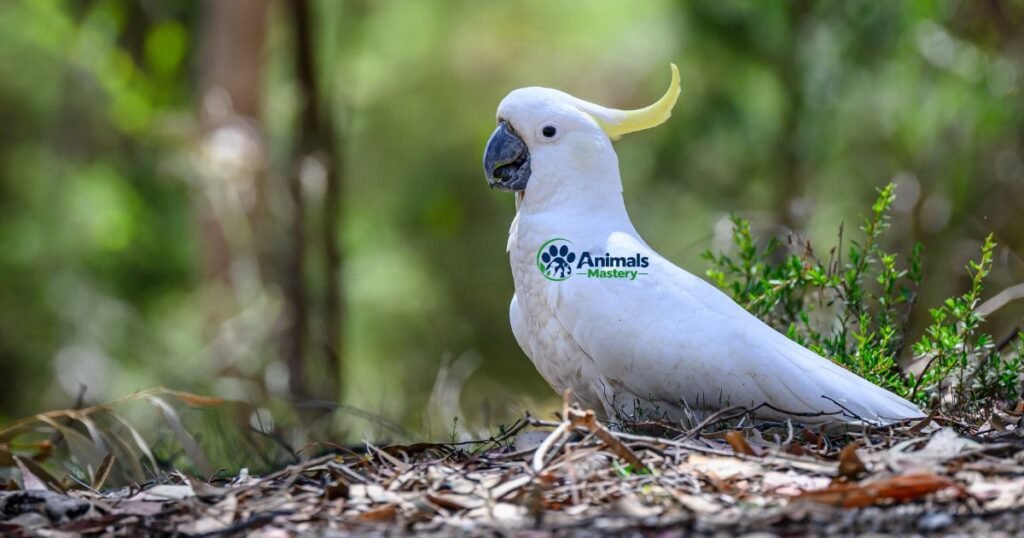
Beyond simple calls, cockatoos engage in complex vocal mimicry, imitating natural sounds and even human voices, which strengthens their social bonds within flocks and enhances their interactions with us humans.
Cockatoos are renowned for their tool use, showcasing intelligence that rivals that of some primates. Whether it’s using sticks to extract food or manipulating objects within their environment, their ability to innovate tools highlights their problem-solving skills.
This behavior not only illustrates their cognitive complexity but also promotes learning within their social groups as younger birds observe and emulate their elders. Cockatoos truly embody the fascinating blend of intelligence, sociality, and adaptability, making them one of nature’s most intriguing avian wonders.
Common Octopus
- Scientific Name: Octopus vulgaris
- Family: Octopodidae
- Class: Cephalopoda
- Diet: Carnivore, eats crustaceans, mollusks, and small fish
The Common Octopus, renowned for its incredible ability to camouflage, showcases a remarkable mastery of color and texture change. This cephalopod can blend into its surroundings with astonishing effectiveness, using specialized skin cells called chromatophores.
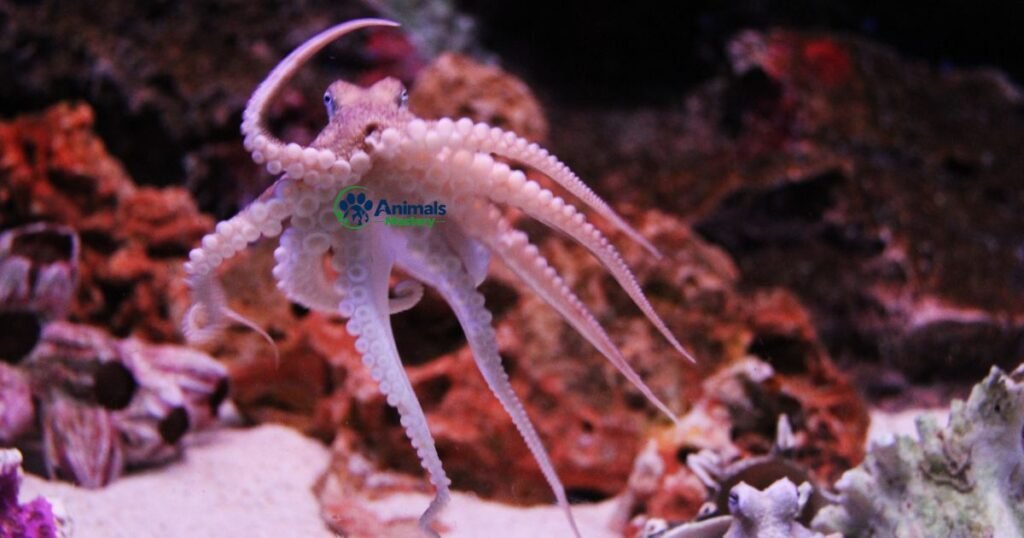
As it navigates coral reefs and rocky substrates, it can switch from vibrant hues to muted tones, making it nearly invisible to both predators and prey. This remarkable skill not only aids in survival but also emphasizes the depth of the octopus’s evolutionary adaptations, underscoring the intricate relationship between camouflage and marine life.
Beyond their striking appearance, Common Octopuses are celebrated for their problem-solving skills and intelligence. Their advanced nervous system allows them to learn from experiences and manipulate their environment with surprising dexterity.
Observing an octopus use tools or navigate complex mazes provides a glimpse into a mind that is both curious and innovative. This intelligence raises fascinating questions about the cognitive abilities of invertebrates, positioning the common octopus as a true marvel of the ocean’s depths.
Cougar
- Scientific Name: Puma concolor
- Family: Felidae
- Class: Mammalia
- Diet: Carnivore, eats deer and other medium-sized mammals
The cougar, often referred to as the mountain lion, stands as a remarkable example of adaptability in the animal kingdom. Thriving in diverse habitats, from the rugged mountains of North America to arid deserts, the cougar’s ability to traverse various terrains speaks volumes about its evolutionary success.
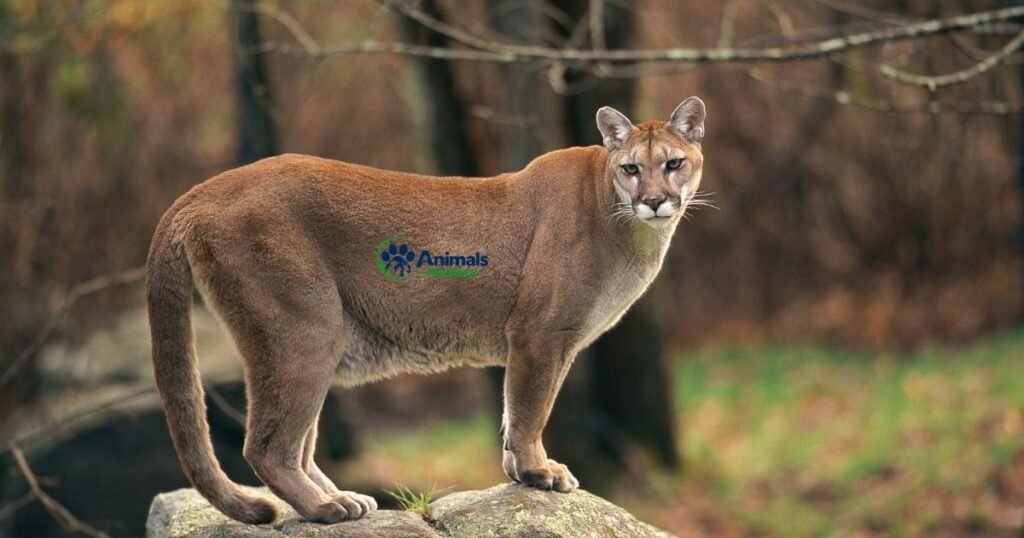
As an apex predator, it plays a crucial role in maintaining balance within its ecosystem, controlling populations of herbivores and ensuring a healthy ecosystem dynamic.
One of the most intriguing aspects of the cougar’s behavior is its solitary nature. Unlike many big cats that operate in social groups, the cougar is predominantly a lone hunter, relying on stealth and agility to stalk prey. This solitary behavior not only minimizes competition for resources but also enhances its efficiency as a hunter.
Understanding the life of a cougar invites deeper appreciation for the intricate web of life in their habitats, revealing how each species, no matter how solitary, contributes to the rich tapestry of nature.
Colossal Squid
- Scientific Name: Mesonychoteuthis hamiltoni
- Family: Cranchiidae
- Class: Cephalopoda
- Diet: Carnivore, eats fish and other squid
The colossal squid, a true marvel of the deep sea, captivates not just with its size but also its remarkable adaptations. As one of the largest invertebrates on the planet, it can grow up to a staggering 14 meters (46 feet) long, with eyes that are among the largest in the animal kingdom, some say they can be as wide as soccer balls!
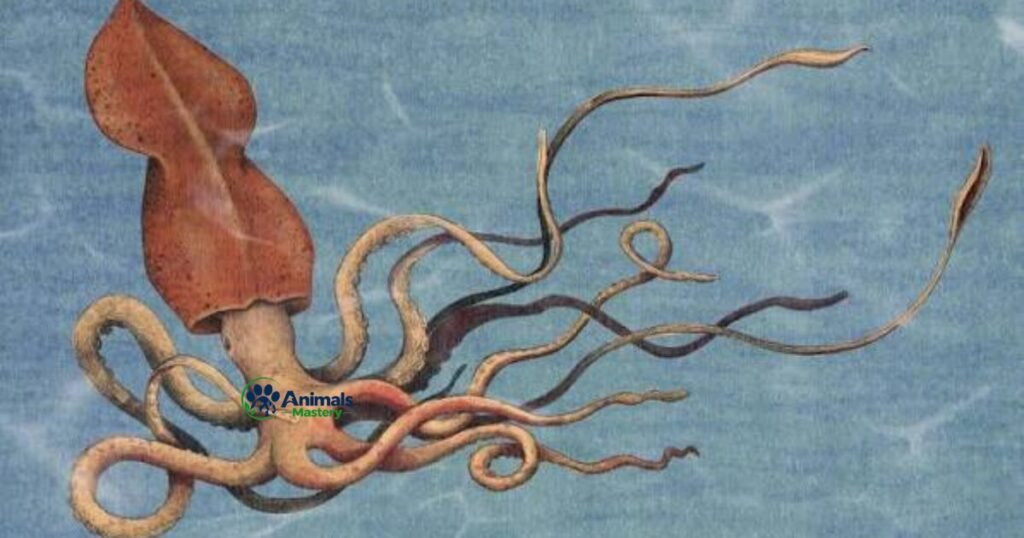
This deep-sea creature is not just a spectacle; it plays a crucial role in the fragile balance of the oceanic food web.
Bioluminescence adds an enchanting layer to the colossal squid’s survival strategy. Emitting light not only aids in communication but also helps it evade predators, including the elusive sperm whale, proving that even the ocean’s giants must constantly navigate the predator-prey relationship.
Its tentacles, equipped with specialized suckers and hooks, enable it to capture prey with incredible efficiency, showcasing nature’s ingenuity in design. These adaptations illustrate how evolution favors even the darkest corners of our planet, reminding us that the deep sea still holds countless secrets yet to be uncovered.
California Grizzly Bear
- Scientific Name: Ursus arctos californicus
- Family: Ursidae
- Class: Mammalia
- Diet: Omnivore, ate berries, fish, roots, and small mammals
The California Grizzly Bear, an iconic symbol of the state’s wildlife, holds a unique place in history as an extinct animal. Once roaming the foothills and mountains of California, these majestic creatures were not just apex predators; their omnivorous diet included a variety of plants, insects, and small mammals, showcasing their adaptability to the diverse ecological tapestry of the region.
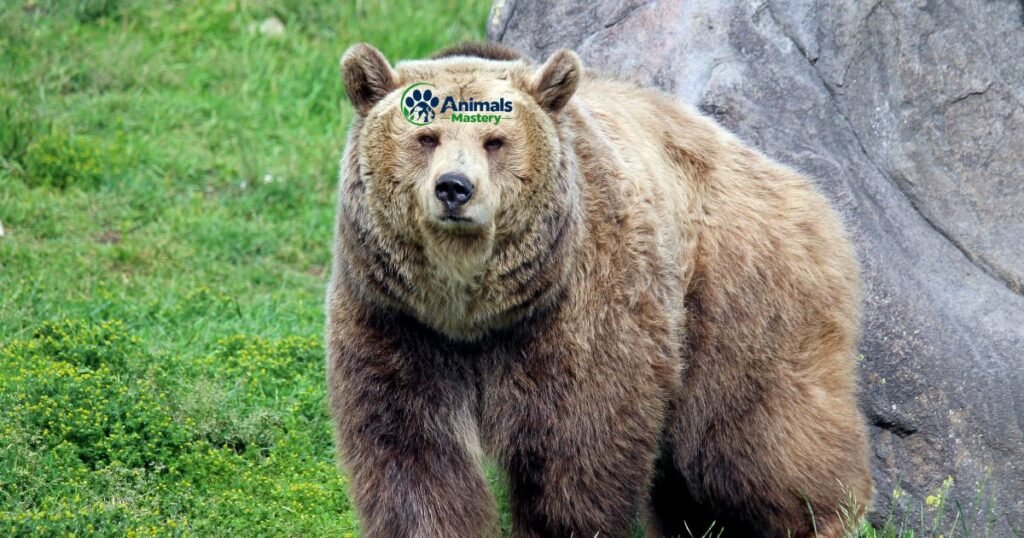
This dietary flexibility allowed them to thrive in California’s varying landscapes, from coastal regions to rugged mountain terrains.
What truly sets the California Grizzly apart is its exceptional sense of smell, which is estimated to be about 2,100 times stronger than that of humans. This acute olfactory ability was vital for locating food, navigating its environment, and even detecting potential threats.
The heartbreaking reality of the California Grizzly’s extinction serves as a poignant reminder of the fragility of wildlife and the profound impact of human activities on natural habitats.
Chipmunk
- Scientific Name: Tamias striatus
- Family: Sciuridae
- Class: Mammalia
- Diet: Omnivore, eats seeds, nuts, fruit, and insects
Chipmunks are fascinating little creatures known for their distinctive cheek pouches, which are like nature’s own snack bags. These pouches allow chipmunks to gather and store food efficiently, hoarding seeds and nuts to sustain themselves through harsher seasons.
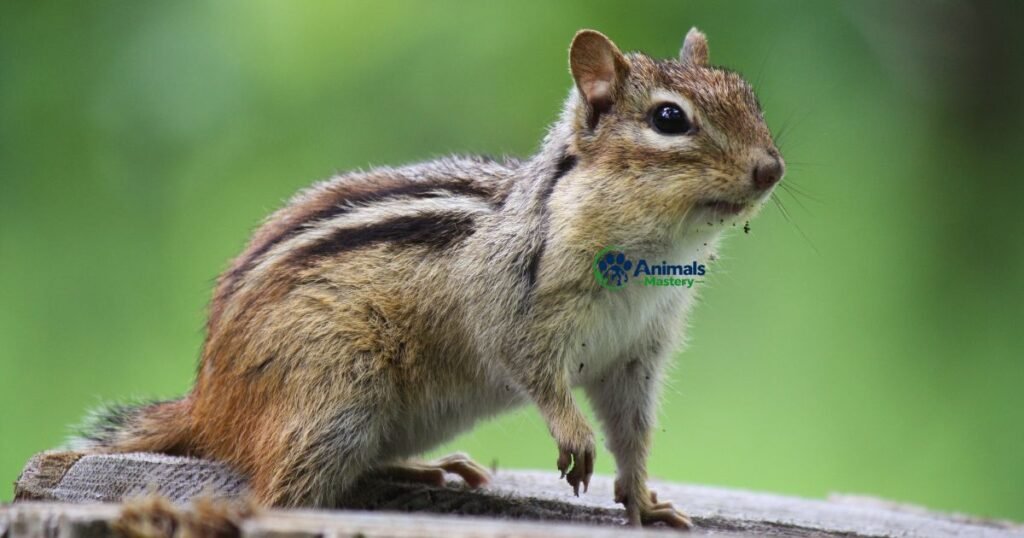
This behavior not only helps them survive but also plays a crucial role in their ecosystems as they inadvertently assist in seed dispersal, promoting forest regeneration and biodiversity.
Their intricate burrow systems, often featuring hidden chambers and multiple entrances, serve as both a refuge and a pantry. These underground homes protect them from predators and harsh weather, illustrating the chipmunk’s remarkable adaptability.
Observing chipmunks in their natural habitat reveals a world of bustling activity, as they scurry about, foraging for food while expertly dodging potential threats. With their playful antics and vital roles in nature, chipmunks are not only a joy to watch but also an essential part of our ecological landscape.
Chinchilla
- Scientific Name: Chinchilla lanigera
- Family: Chinchillidae
- Class: Mammalia
- Diet: Herbivore, feeds on grasses, seeds, and plant matter
Chinchillas, native to the Andes Mountains of South America, are fascinating creatures known for their incredibly dense fur, which is among the softest in the animal kingdom. This unique coat serves as an adaptation to the harsh climate of their high-altitude habitat, allowing them to endure fluctuating temperatures.
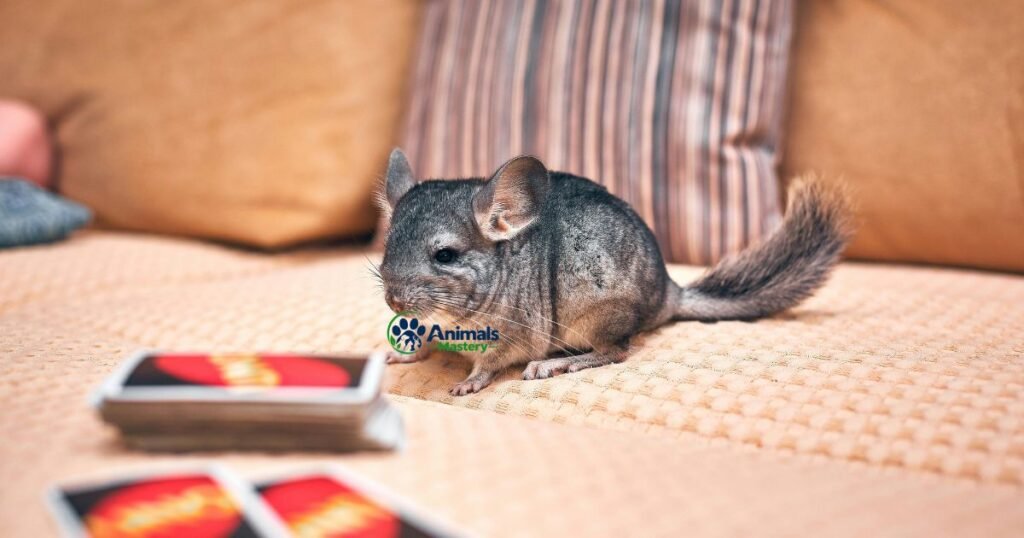
Unlike other animals that groom themselves with water, chinchillas rely on dust baths to maintain their luxurious fur. This unique method is so effective at removing dirt and oils that it rivals the grooming habits of some of the cleanest animals in the world, all while avoiding the moisture damage that water-based grooming can cause.
Beyond their remarkable grooming habits, chinchillas also exhibit captivating social behavior. In the wild, they live in colonies, leveraging their social structures for protection and companionship. This sociability makes them delightful pets but also requires owners to understand their need for interaction, whether it’s with other chinchillas or their human caregivers.
Caribou
- Scientific Name: Rangifer tarandus
- Family: Cervidae
- Class: Mammalia
- Diet: Herbivore, feeds on lichens, grasses, and shrubs
Caribou, with their majestic antlers and remarkable seasonal migration patterns, are a fascinating symbol of the Arctic wilderness. Each year, these remarkable animals embark on one of the longest migrations of any terrestrial mammal, journeying hundreds of miles in search of better grazing grounds.
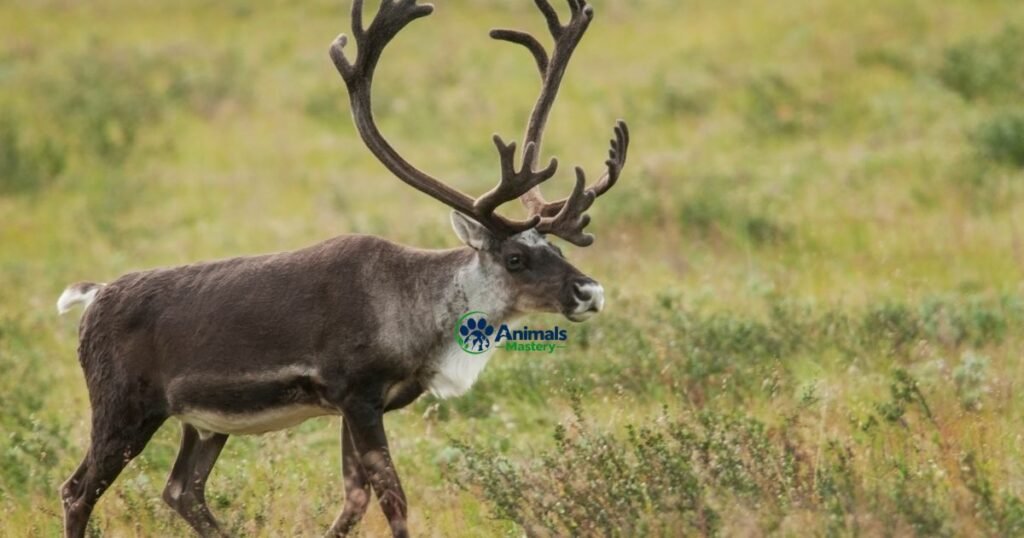
Their diet primarily consists of lichen, a nutrient-rich food source that becomes essential during the harsh winter months when other vegetation is scarce. This unique eating habit not only sustains them but also showcases their adaptability in extreme environments.
Their hooves are another intriguing aspect of their adaptation, perfectly evolved for their rugged habitat. The wide, splayed structure allows them to traverse deep snow and soft tundra with ease, acting like natural snowshoes.
During migrations, caribou often form large herds, providing safety in numbers and enhancing their chances of finding food along the way. As climate change alters their seasonal patterns, understanding caribou behavior becomes increasingly vital, offering insights into the broader ecosystem dynamics and the ongoing challenges these majestic creatures face in a rapidly changing world.
Common Snapping Turtle
- Scientific Name: Chelydra serpentina
- Family: Chelydridae
- Class: Reptilia
- Diet: Omnivore, eats fish, amphibians, plants, and carrion
The Common Snapping Turtle, known for its powerful jaws and distinctive appearance, thrives in freshwater ecosystems across North America. Recognized by its rugged shell and elongated neck, this formidable reptile is more than just a passive inhabitant of ponds and rivers.
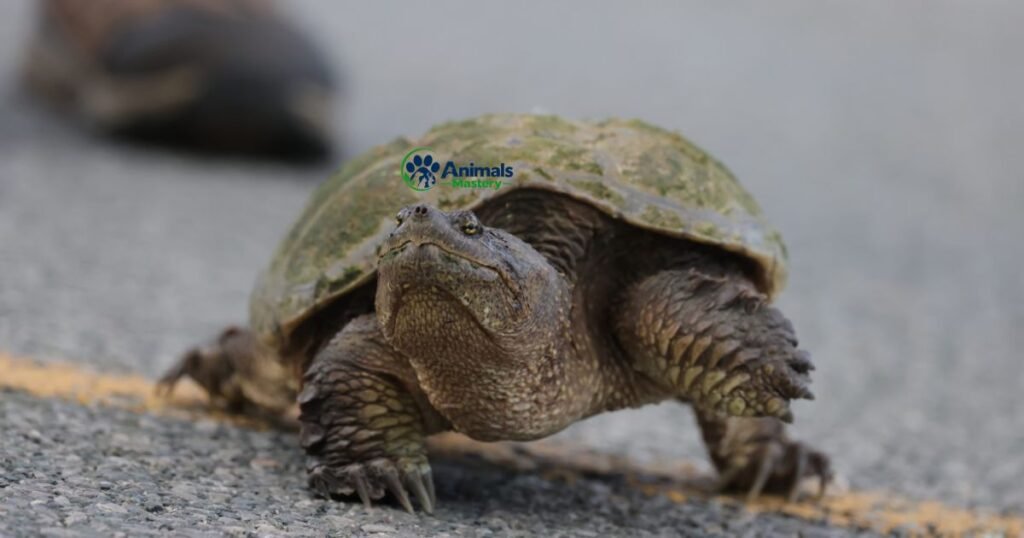
With powerful jaws capable of exerting a remarkable grip, the snapping turtle is an adept scavenger, playing a crucial role in maintaining the balance of its habitat. Its diet, diverse and opportunistic, includes everything from aquatic plants to small fish, showcasing its adaptability in varying conditions.
What sets the Common Snapping Turtle apart is its impressive swimming ability; it uses its strong limbs to propel itself gracefully through water. While many might view it as a slow-moving creature, beneath the surface, it can maneuver with surprising agility when needed.
These turtles possess an interesting behavioral trait: they can remain submerged for hours, even days, allowing them to evade predators and hunt effectively.
Crow
- Scientific Name: Corvus brachyrhynchos
- Family: Corvidae
- Class: Aves
- Diet: Omnivore, eats insects, seeds, carrion, and small animals
Crows are often underestimated for their size, but these remarkable birds are among the most intelligent creatures on the planet. Their problem-solving skills are unparalleled in the avian world; they can figure out complex puzzles and even use tools to access food.
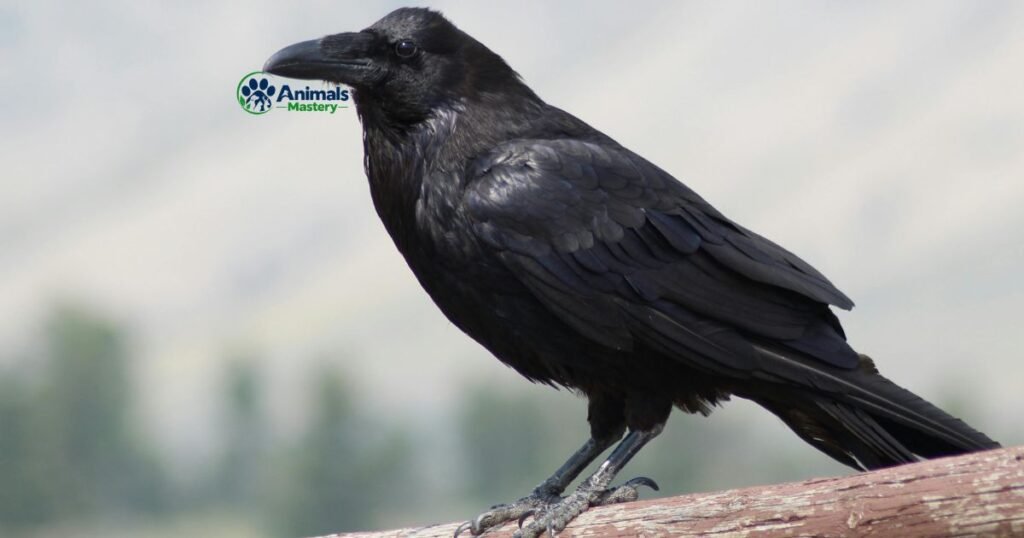
Researchers have documented crows bending wires into hooks to retrieve food from hard-to-reach places, showcasing not just their ingenuity but also a deep understanding of cause and effect.
Another fascinating aspect of crows is their ability to recognize human faces. They can remember individuals who have posed a threat to them and will even warn other crows of this danger. This human face recognition isn’t merely a survival tactic; it signifies a level of social intelligence that allows them to navigate human environments effectively.
By observing and adapting to the behaviors of those around them, crows exemplify the profound interplay between intelligence and survival, reinforcing their status as one of nature’s most captivating problem solvers.
Cane Toad
- Scientific Name: Rhinella marina
- Family: Bufonidae
- Class: Amphibia
- Diet: Carnivore, eats insects, small mammals, and other amphibians
The Cane Toad, an amphibian originally hailing from Central and South America, has made a notorious name for itself as an invasive species in various regions, including Australia and the Caribbean. This hardy creature is renowned for its toxic skin, which produces bufotenin, an alkaloid that can be fatal to predators.
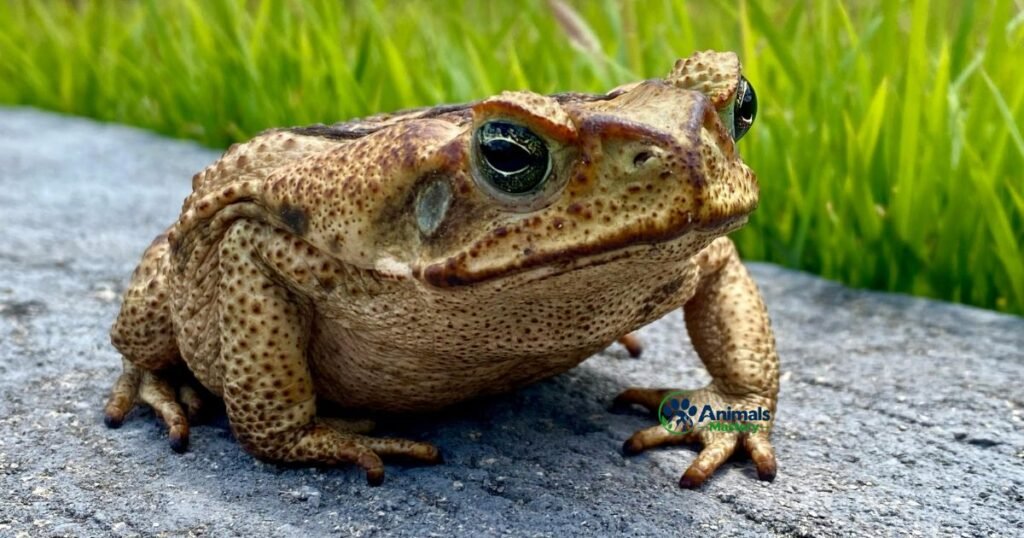
While some native species might initially avoid these toads due to their toxicity, the rapid reproduction of Cane Toads can ultimately lead to a severe and disruptive ecological impact. A single female can lay up to 30,000 eggs in a breeding season, outpacing many native amphibian populations and altering the balance of local ecosystems.
Cane Toads have demonstrated a remarkable adaptability to various environments, which only amplifies their threat. Their presence often pushes out native species and leads to declines in populations of smaller amphibians, birds, and even mammals. Conservationists and researchers are now grappling with innovative control strategies to manage these prolific breeders, as traditional methods often fall short.
The Cane Toad serves as a compelling case study in biodiversity, illustrating how one species can dramatically alter ecological landscapes, urging us to consider the far-reaching impacts of human-induced species introductions.
Copperhead
- Scientific Name: Agkistrodon contortrix
- Family: Viperidae
- Class: Reptilia
- Diet: Carnivore, eats rodents, small birds, and amphibians
The Copperhead snake, a fascinating member of the pit viper family, is renowned for its strikingly effective camouflage. With its unique coppery-toned skin adorned with hourglass patterns, this venomous snake masterfully blends into its surroundings, particularly within the leaf-littered forests of North America.
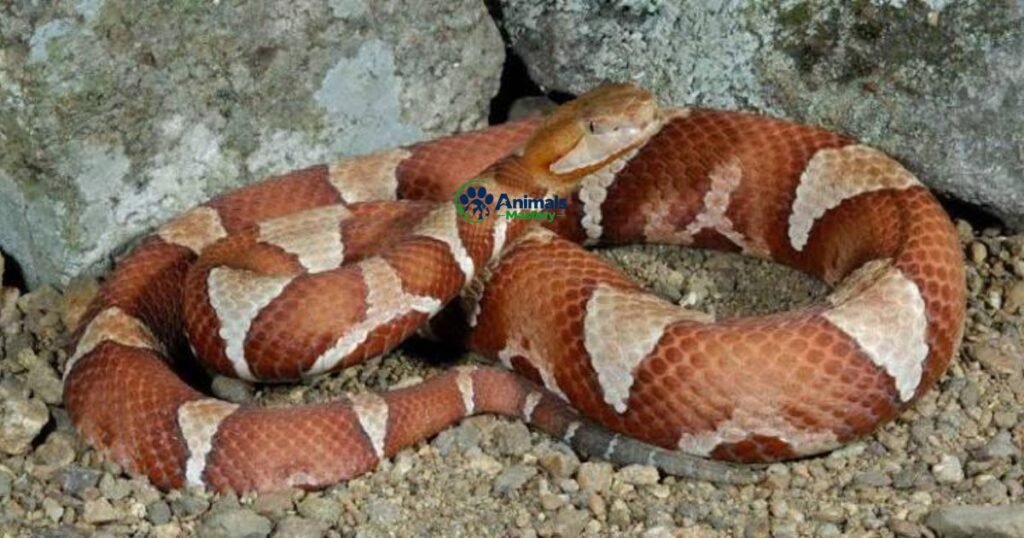
This remarkable adaptation not only helps it avoid predators but also enhances its ability to ambush unsuspecting prey.
While often viewed with trepidation due to its venomous nature, the Copperhead is less aggressive than many assume. It exhibits an intriguing form of parental care, an unusual trait for snakes.
Female Copperheads tend to their young, offering a glimpse into the complex social behaviors that these reptiles can display. Understanding these nuances invites a deeper appreciation for the roles that such misunderstood creatures play in their ecosystems, reminding us that even the most feared animals have critical ecological niches and fascinating behavioral patterns.
Caracal
- Scientific Name: Caracal caracal
- Family: Felidae
- Class: Mammalia
- Diet: Carnivore, eats birds, rodents, and small antelope
The caracal, often overshadowed by more popular big cats, boasts unique features that make it a fascinating subject of study. Recognized by its striking tufted ears, the caracal can communicate effectively through intricate vocalizations, enhancing its social interactions.
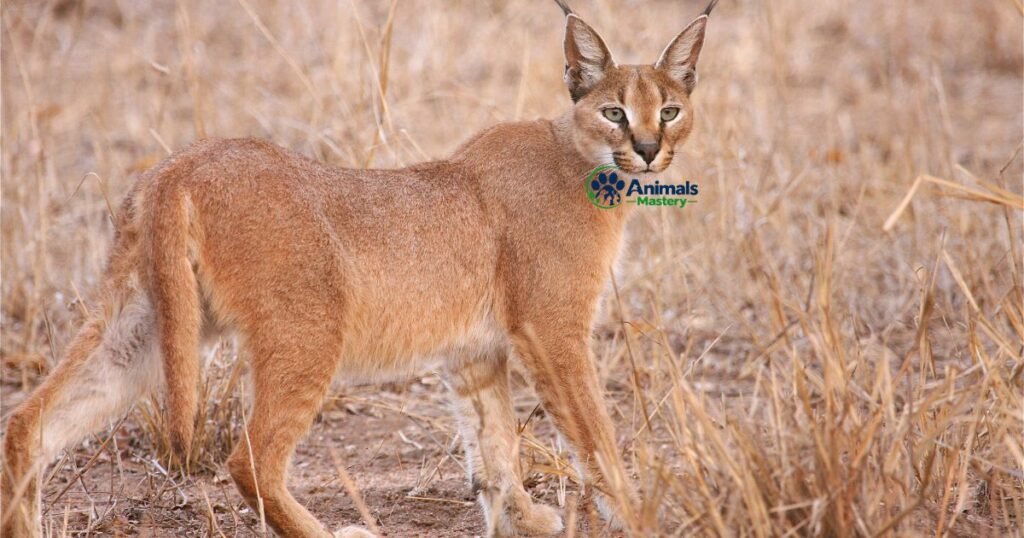
These distinctive ear tufts not only serve a purpose in communication but also help amplify sound, making it easier for this agile predator to hunt nocturnally.
Adaptability is a cornerstone of the caracal’s survival, allowing it to thrive in a variety of habitats, ranging from savannas to arid mountains. This feline is renowned for its impressive jumping ability, capable of leaping over three meters high to catch birds mid-flight, showcasing not just strength, but also remarkable agility.
Its keen senses and expert hunting techniques enable it to dominate its territory, proving that even lesser-known animals can hold incredible secrets and skills just waiting to be explored.
Cockatiel
- Scientific Name: Nymphicus hollandicus
- Family: Cacatuidae
- Class: Aves
- Diet: Herbivore, feeds on seeds, grains, and fruit
Cockatiels are truly fascinating creatures, renowned for their impressive sound mimicry skills. These small parrots can replicate a variety of sounds, from whistles to snippets of human speech, in addition to their cheerful chirps.
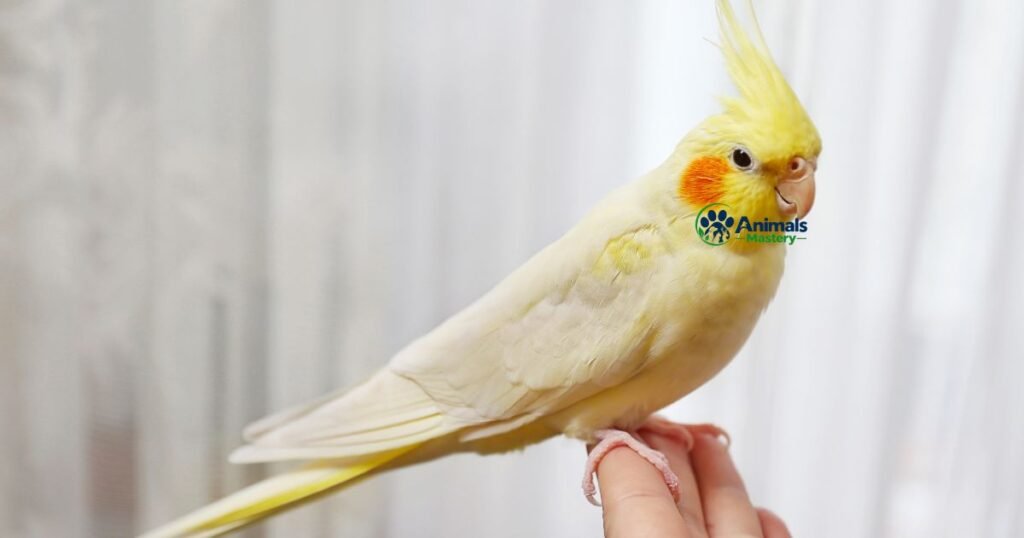
Their distinct crests, which can be raised or flattened based on their mood, serve as a visual cue to their social behavior. When a cockatiel’s crest stands tall, it often signals excitement or curiosity, highlighting their emotional intelligence and ability to interact meaningfully with their environment.
Socially, cockatiels thrive on companionship, often forming deep bonds with their human caretakers as well as with other birds. Their playful personalities and penchant for socializing make them engaging pets, as they enjoy a good game of hide-and-seek or a gentle head scratch.
Beyond their charming presence, they exhibit a range of emotions, making them not just pets but true companions. By understanding their nuanced behaviors and vocalizations, you can foster a more enriching relationship with these lively feathered friends.
Common Raven
- Scientific Name: Corvus corax
- Family: Corvidae
- Class: Aves
- Diet: Omnivore, eats carrion, insects, small animals, and food scraps
Common ravens are astonishing creatures renowned for their exceptional intelligence, often considered one of the smartest birds on the planet. Their problem-solving skills are nothing short of remarkable; studies have demonstrated their ability to devise intricate strategies for acquiring food, showcasing a cognitive complexity that rivals some primates.
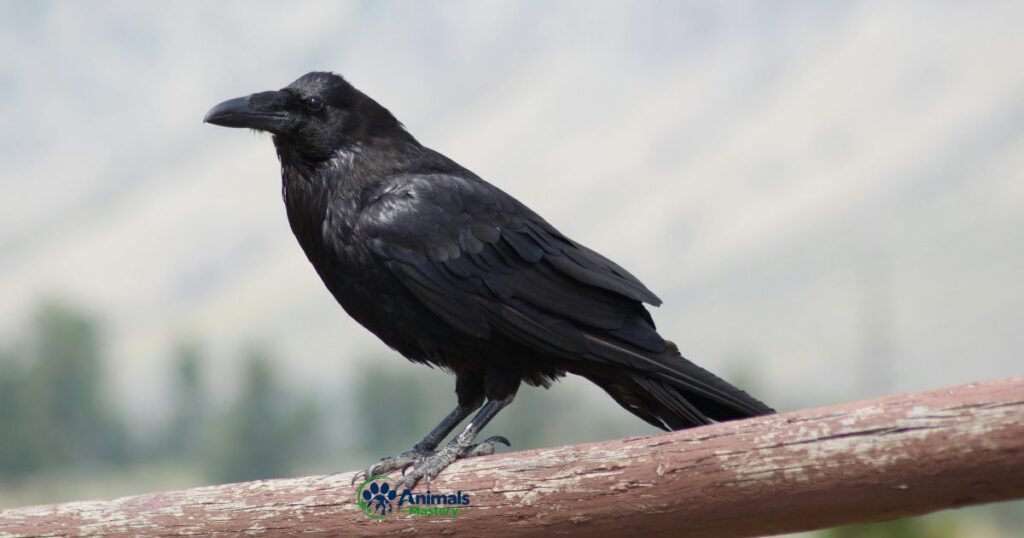
This resourcefulness is complemented by their impressive tool use; whether crafting hooks from twigs or dropping stones into containers to access water, these birds exemplify innovative behavior in the wild.
Beyond their physical abilities, common ravens excel in vocal mimicry, impressively imitating sounds from their environment, including human voices and other wildlife calls. This adaptability aids in communication, allowing them to convey messages about threats or food sources with varied tones and sounds.
Observing the interactions between common ravens and their surroundings reveals a deeper understanding of their social networks; they often engage in playful antics that forge strong bonds within their community.
The common raven is not just a bird; it’s a marvel of nature that exemplifies cognitive skills that spark curiosity and awe among those who study their behavior.
Corn Snake
- Scientific Name: Pantherophis guttatus
- Family: Colubridae
- Class: Reptilia
- Diet: Carnivore, eats rodents and small birds
The corn snake, a fascinating member of the colubrid family, boasts a stunning array of colorful patterns that make it a visual delight for reptile enthusiasts. From vibrant oranges and yellows to deep browns, their scales often mimic the hues of the fields and forests they inhabit.
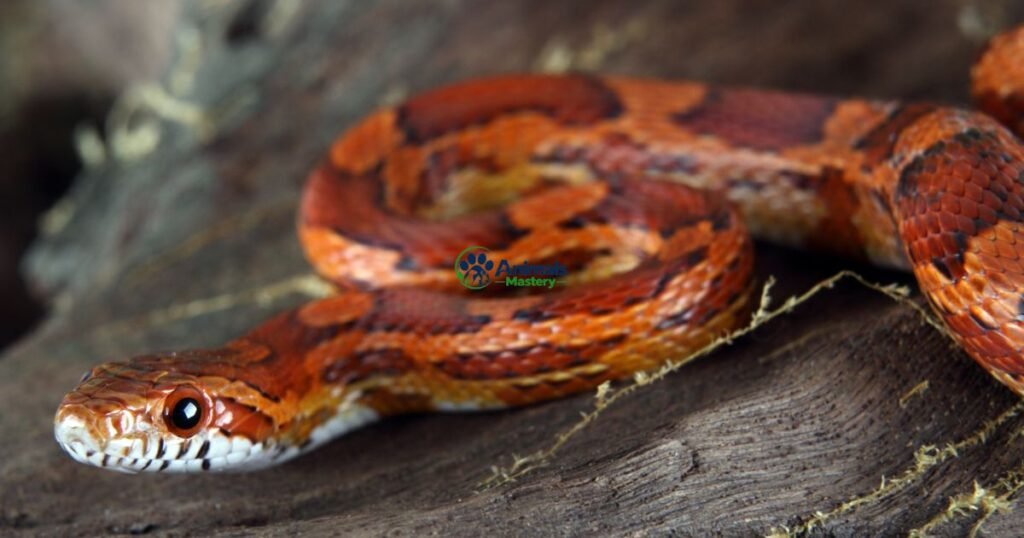
This impressive camouflage not only enhances their beauty but also serves as a crucial survival mechanism in the wild, allowing them to blend seamlessly with their environment while hunting for small mammals and birds.
One of the corn snake’s most remarkable traits is its adaptability. Found primarily throughout the southeastern United States, these snakes thrive in a variety of habitats, from pine forests to abandoned agricultural fields. Their ability to adjust to different surroundings is a testament to their resilience.
Corn snakes are known for their climbing ability, often seen perched on branches in search of prey. This skill, combined with their docile behavior, makes them a favorite among reptile keepers.
Unlike many snakes, they exhibit a friendly disposition, readily accepting handling, which makes them ideal companions for both experienced herpetologists and novice snake owners alike.
Crane
- Scientific Name: Grus americana
- Family: Gruidae
- Class: Aves
- Diet: Omnivore, eats aquatic invertebrates, small vertebrates, and grains
Cranes are among the most fascinating birds, renowned not just for their beauty but also for their intricate courtship dances. During mating season, pairs often engage in elaborate performances that include leaps, bows, and synchronized movements, showcasing their bonds and signaling readiness to mate.
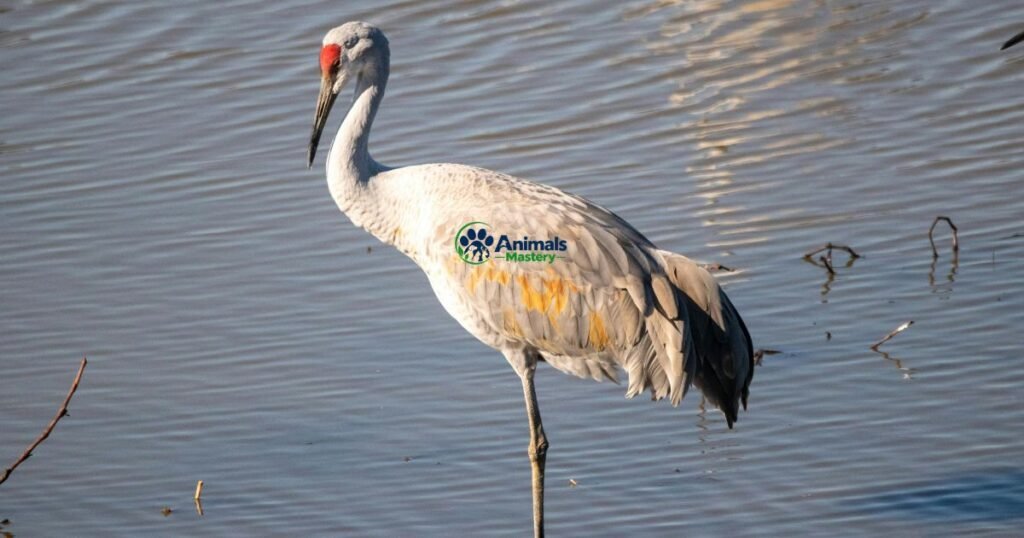
This ritual, full of grace and elegance, is not only a crucial part of their reproductive cycle but also a captivating spectacle that has inspired numerous cultures and forms of art.
These remarkable birds thrive in diverse wetland habitats, ranging from marshes to lake shores. Their adaptability is evident in their foraging behavior; cranes primarily feed on grains, seeds, and small animals, often using their long legs, a defining trait among many birds with long legs, to probe the mud for hidden treasures.
As migratory birds, they undertake lengthy journeys between breeding and wintering grounds, displaying exceptional navigational skills. This migration is a testament to their resilience, as they travel thousands of miles, often in striking V-formations, which reduce air resistance and conserve energy.
Chicken
- Scientific Name: Gallus gallus domesticus
- Family: Phasianidae
- Class: Aves
- Diet: Omnivore, eats seeds, insects, and small invertebrates
Chickens are often underestimated creatures, known primarily for their role on farms. These birds exhibit a fascinating social hierarchy that rivals that of many mammals. Within their flocks, chickens establish a pecking order, where the dominant individuals gain first access to food and mating opportunities.
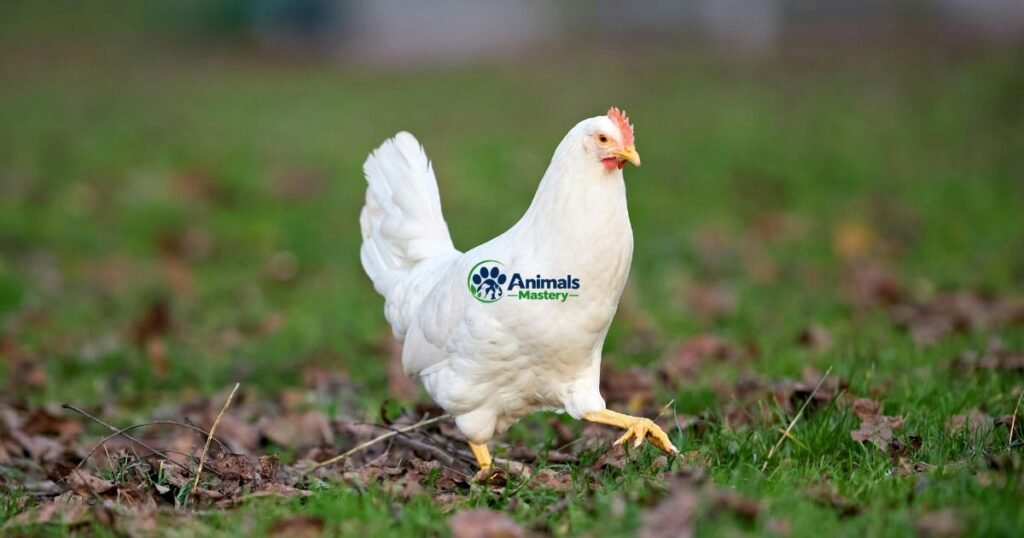
This intricate system influences their behavior, as they navigate the social nuances of their group, showcasing a complex set of relationships that can be surprisingly intricate.
Chickens have impressive communication skills, with over 30 distinct vocalizations to convey various messages. From alarm calls to contented clucks, their vocal interactions enhance their social dynamics, fostering cohesion within the flock. Beyond their immediate relationships, chickens exhibit remarkable memory, allowing them to recognize each other and retain knowledge about their environment.
This cognitive ability enables them to form lasting bonds and navigate challenges within their complex habitats. Engaging with chickens reveals not only their communal lifestyles but also the depth of their intelligence and social structures, reminding us that there’s much more to these birds than meets the eye.
More Fascinating Animal Traits to Explore
The Copperhead’s unmistakable head shape places it firmly among the snakes with triangular heads, a feature that helps it strike prey with deadly precision.
Crocodiles, too, carry a distinguishing trait beyond their ancient lineage, their armored, near-impenetrable hide ranks them among the thickest skin animals in the world.
And the California Condor’s role as nature’s cleanup crew places it in the company of other remarkable scavenger birds that keep ecosystems healthy.
Each of these animals reminds us that a single defining feature often opens the door to a much bigger story.
Final Thoughts
The 27 amazing animals that start with C highlight the rich tapestry of biodiversity on Earth. Each species, whether it’s the cunning coyote or the charming chameleon, plays a crucial role in their respective habitats and contributes to the ecological balance.
These facts and images reveal not just their physical attributes but also their behaviors and interactions within the animal kingdom. As we become more aware of these creatures, it encourages a sense of responsibility towards their conservation.
FAQs
What Animals Begin with C?
Common animals that begin with C include cat, camel, cow, cheetah, chimpanzee, crocodile, crab, cobra, cougar, and coyote.
What Mammals Begin with C?
Mammals tarting with C include cat, camel, cow, cheetah, chimpanzee, cougar, coyote, capybara, caribou, and chinchilla.
What Sea Animals Start with C?
Sea animals that start with C include crab, clam, cod, clownfish, coral, cuttlefish, conger eel, and common dolphin.
What Animal Represents C?
A cat is one of the most common animals used to represent the letter C, especially in children’s alphabet learning.
What Animals Start with C in Spanish?
Spanish animal names beginning with C include caballo (horse), cabra (goat), camello (camel), cangrejo (crab), canguro (kangaroo), cocodrilo (crocodile), and conejo (rabbit).