
Top 11 Amazing Birds With 3 Letters (With Pictures)
In top 11 Birds With 3 Letters, we’re diving into a diverse selection of birds that all share this unique naming trait. From vibrant songbirds to elusive raptors, these incredible species reflect the beauty and complexity of avian life.
We uncover each bird’s unique characteristics, enriching your understanding of the natural world. Your curiosity guides you, and who knows what amazing sightings await.
List of Birds With 3 Letters
Here is the list of birds with 3 letters:
- Ani
- Auk
- Emu
- Jay
- Kea
- Moa
- Owl
- Tit
- Tūī
- Dun
- Daw
Ani
- Scientific Name: Crotophaga ani
- Class: Aves
- Diet: Omnivore
Ani represents a profound blend of culture, history, and artistry, often overlooked in discussions about global heritage. Renowned for its striking architectural ruins, this ancient city not only showcases the craftsmanship of its time but also serves as a testament to the resilience of civilizations.
The crumbling churches and storied streets whisper tales of a vibrant past, inviting visitors to reflect on the intricate tapestry of human experience.

Exploring Ani is like peeling back layers of time; each structure tells a story of innovation, conquest, and the passage of traditions. The stunning landscape that surrounds the city serves as a reminder of nature’s dominance and the impermanence of human endeavors. Reflecting on this juxtaposition can spark conversations about our current trajectory.
Limpkin, If you enjoyed learning about the Ani, these fascinating birds are also worth exploring Limpkin.
Auk
- Scientific Name: Alcidae
- Class: Aves
- Diet: Carnivore
Delving into the world of the Auk reveals a fascinating blend of avian adaptation and extinction. Once prevalent across the North Atlantic, the Auk was renowned for its striking features, think of the Great Auk, a flightless bird celebrated for its robust stature and unique plumage.
Its adept diving skills allowed it to thrive in the frigid waters, showcasing how specialization can lead to both success and vulnerability in the face of changing environments.
The story of the Auk also serves as a cautionary tale of humanity’s impact on wildlife. Overhunting and habitat degradation led to the Great Auk’s disappearance by the mid-19th century, echoing a pattern seen in other species today.
Reflecting on this, we gain fresh insight into the interconnectedness of ecosystems; the loss of a single species can ripple through the ecological web. The legacy of the Auk reminds us that every species, no matter how seemingly small or inconspicuous, plays a pivotal role in our world’s biodiversity.
Emu
- Scientific Name: Dromaius novaehollandiae
- Class: Aves
- Diet: Omnivore
The emu, Australia’s iconic flightless bird, stands as a fascinating testament to evolutionary adaptability. With its long neck and powerful legs, it can reach speeds of up to 30 miles per hour, making it one of the fastest-running birds in the world.
Unlike its ostrich cousin, the emu possesses unique feather structures that provide insulation and water resistance, allowing it to thrive in diverse habitats from arid deserts to verdant grasslands.

Beyond its impressive speed and resilience, the emu plays a pivotal role in its ecosystem as a seed disperser, aiding in plant regeneration across the Australian landscape. Their diet, consisting mainly of seeds and fruits, contributes significantly to the health of native flora, ensuring a balanced environment.
Emus have a nuanced social structure, often forming strong bonds within small groups, which enhances their survival through collective vigilance against predators.Ostrich, If you enjoyed learning about the Emu, you may also be interested in the Ostrich.
Jay
- Scientific Name: Garrulus glandarius
- Class: Aves
- Diet: Omnivore
Jay embodies the spirit of perseverance and curiosity that many of us strive for. In a world often plagued by distractions and superficial connections, Jay stands out as someone who relentlessly pursues personal growth. This isn’t just about achievement; it’s about the continuous journey of self-discovery.
Through travel, learning new skills, or engaging in meaningful conversations, Jay thrives in environments that stimulate the mind and foster genuine relationships.
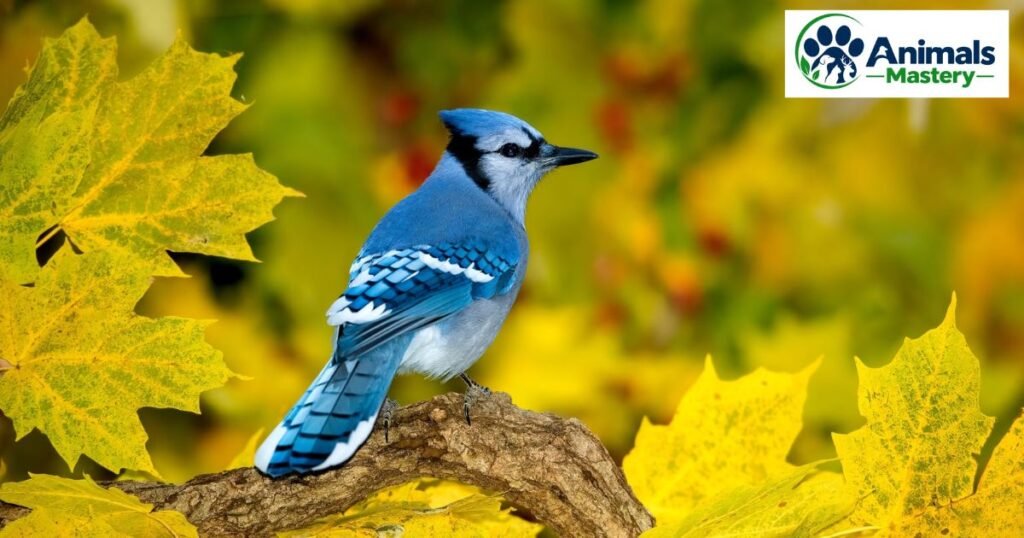
Jay’s approach to challenges is refreshingly optimistic. Rather than viewing setbacks as failures, they see them as opportunities to learn and evolve. This mindset not only enhances personal resilience but also inspires those around them to adopt a similar outlook.
By embracing vulnerability and sharing experiences, Jay creates a ripple effect of motivation and innovation within their community. Jay represents a beacon of authenticity in an era that often prioritizes superficiality over substance.
Kea
- Scientific Name: Nestor notabilis
- Class: Aves
- Diet: Omnivore
The Kea, a large, intelligent parrot native to New Zealand, continues to captivate ornithologists and nature enthusiasts alike with its remarkably playful behavior. Renowned for its problem-solving skills, this vibrant green bird often engages in complex activities, such as manipulating objects and exploring its mountainous habitat.
Their inquisitive nature doesn’t stop at mere curiosity; Keas are known for their ability to mimic sounds, including human voices and other birds, showcasing their intricate social dynamics and communication skills.
The ecological role of the Kea is equally intriguing. As a playful and industrious species, they contribute to their environment by investigating the bark of trees and turning over rocks, facilitating the dispersal of seeds and maintaining healthy ecosystems.
This enchanting bird faces significant threats from habitat loss and human interference. Kea’s challenges are crucial not just for preservation efforts but also for appreciating the delicate balance of the ecosystems they inhabit..
Moa
- Scientific Name: Dinornithiformes
- Class: Aves
- Diet: Herbivore
Moa, the towering flightless bird that once roamed New Zealand, has become an emblem of extinction and a powerful reminder of ecological balance. These colossal creatures, some standing over 12 feet tall, vanished in the 15th century due to a combination of human hunting and habitat destruction.
Their legacy lingers in the rich Māori culture, where Moa bones were transformed into tools and ornaments, symbolizing a deep connection between the land and its people.
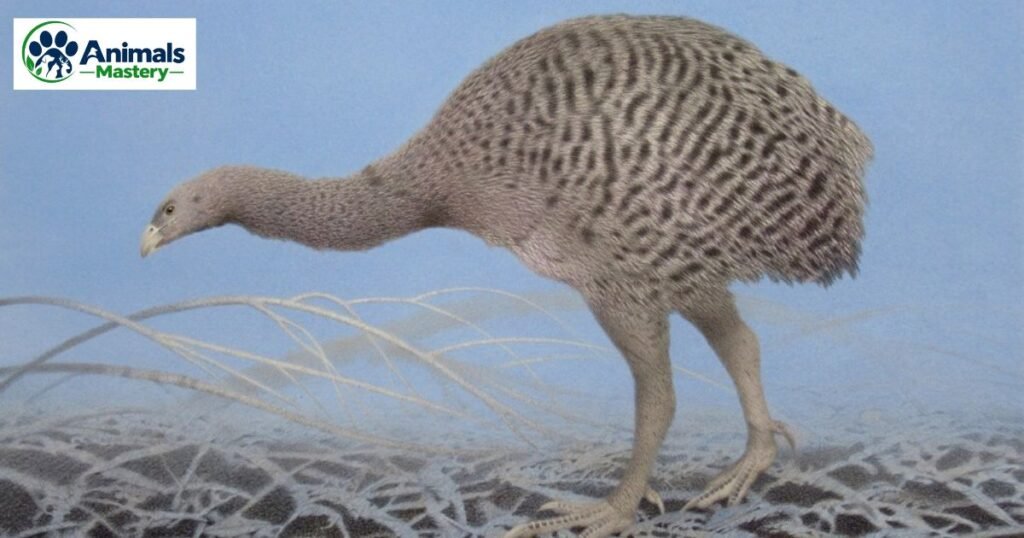
Their historical significance, the Moa prompts vital conversations about conservation and the fragility of ecosystems. With the extinction of this once-magnificent bird, it becomes clear that the loss of Moa isn’t just a relic of the past; it serves as a cautionary tale for modern biodiversity challenges.
Owl
- Scientific Name: Strigiformes
- Class: Aves
- Diet: Carnivore
Owl, often celebrated for its mystical allure and nocturnal prowess, embodies more than just the archetype of wisdom in various cultures. With their exceptional night vision, these enigmatic birds navigate the darkness with unparalleled grace, a skill that allows them to be effective hunters and vital nocturnal predators.
The unique structure of their eyes, adapted for low light, also hints at a surreal twist of evolution: they can see a broader spectrum of colors compared to humans, revealing a hidden world teeming with life when the sun sets.
Owls possess a remarkable ability to silent flight, thanks to specialized feather structures that minimize turbulence. This adaptation not only enhances their hunting efficiency but also weaves them into the intricate tapestry of ecosystems where they play a crucial role in controlling populations of rodents and insects.
As guardians of the night, owls challenge our perception of nature’s balance, inviting us to appreciate the hidden interconnections in the animal kingdom. Owls, If you enjoyed learning about the Owl, you may also enjoy exploring these fascinating Owls.
Snakes, If you’re interested in the Owl, you may also enjoy learning about Snakes and their role in the natural food chain.
Tit
- Scientific Name: Paridae
- Class: Aves
- Diet: Omnivore
The tit, a small songbird belonging to the family Paridae, is often overlooked in the shadow of its more colorful avian counterparts. However, these charming birds, with their striking plumage and playful personalities, exhibit a remarkable adaptability. Observing their behavior, you’ll find them flitting from branch to branch, often in mixed flocks, showcasing a sense of community and cooperation.

Its role in ecosystems extends beyond mere aesthetics; they are vital seed dispersers and pest controllers. Their knack for acrobatics, especially when foraging for insects or seeds, is a testament to their evolutionary prowess. Engaging with these birds in your garden can enrich your outdoor experience, as they contribute to a natural balance while providing endless entertainment.
By creating a bird-friendly habitat, you not only invite these delightful creatures into your space but also align yourself with the larger narrative of biodiversity and ecological health.
Tūī
- Scientific Name: Prosthemadera novaeseelandiae
- Class: Aves
- Diet: Omnivore
Tūī, a majestic bird native to New Zealand, is often celebrated for its remarkable iridescent plumage and melodious song. Beyond its striking appearance, the Tūī serves as a symbol of cultural significance for the Māori, weaving its way into legends and traditional narratives that highlight the deep interconnection between nature and spirituality.
As a pollinator, it plays a crucial role in maintaining the health of native flora, particularly thriving in ecosystems where native flowering plants flourish.This shift invites contemplation on how urbanization may influence wildlife behavior, raising questions about coexistence and the importance of preserving green spaces.
The Tūī’s adaptability extends beyond its ecological role; it has also showcased remarkable resilience in urban environments. As cities expand, this clever bird has found a niche, often seen bustling about parks and gardens, taking advantage of human-altered landscapes.
Dun
- Scientific Name: Calidris alpina
- Class: Aves
- Diet: Carnivore
Dun, often associated with a sense of vast, open landscapes, evokes imagery of rolling hills and sprawling fields that stretch as far as the eye can see. This name can represent both a geographic feature and an emotional landscape, where the tranquility of nature collides with the complexities of human experience.
It’s a reminder of the connection between our surroundings and our inner lives, encouraging a mindfulness that many today seek amid the chaos of modern living.
Embracing the essence of Dun means understanding the subtleties hidden within simplicity. It invites us to explore not just the physical terrains that bear this name, but also the metaphorical “duns” in our lives, the quiet moments that allow for reflection and growth.
In a world driven by constant activity, reclaiming these moments can lead to profound self-discovery and inspiration. This idea encourages us to venture beyond the bustle, finding beauty in stillness and thriving in the spaces often overlooked.
Daw
- Scientific Name: Corvus monedula
- Class: Aves
- Diet: Omnivore
Daw, short for digital audio workstation, has revolutionized the way music is created and produced. Gone are the days when high-quality recording required extensive physical equipment and a professional studio. Musicians and producers can transform their living rooms into vibrant creative spaces, harnessing the power of software that provides an incredible array of tools.
From layered sound samples to sophisticated mixing capabilities, the versatility offered by modern DAWs empowers both seasoned artists and aspiring musicians.

The collaborative potential of DAWs has reshaped the music landscape. Artists from different corners of the globe can contribute to a single project in real-time, breaking down logistical barriers and fostering a more diverse sonic palette. This democratization of music production means that unique styles and genres can flourish, enriching the industry as a whole.
Conclusion
The top 11 Birds With 3 Letters is a delightful way to appreciate the richness of avian diversity. Each bird, with its distinct features and behaviors, serves as a reminder of nature’s incredible variety. From the energetic Wren to the striking Emu, these birds stand out not just for their names but also for their unique contributions to ecosystems.
As you embark on your next birdwatching adventure, consider how many of these captivating species you can observe firsthand. Your curiosity guides you, and who knows what amazing sightings await.
FAQs
What is a Big Bird With 3 Letters?
A big bird with three letters is emu. Emus are large, flightless birds native to Australia and are known for their long necks, towering height reaching up to about 6 feet and distinctive, shaggy feathers.
What is the Legendary Bird Clue with 3 Letters?
The legendary bird you’re referring to with 3 letters is likely Hoo, short for Hoot, which can signify an owl, often portrayed as a wise creature in various myths and legends.
What is Another Word for Jewel that is 3 Letters?
A three-letter word that can be used as a synonym for jewel is gem. Gems are typically precious or semi-precious stones that are cut and polished for use in jewelry, signifying beauty and value.
What is the 3-Letter Word for an Extinct Bird?
The three-letter word for an extinct bird is Dodo. The Dodo was a flightless bird native to Mauritius, known for its distinctive appearance and inability to escape predators.