Top 23 Amazing Animals With 10 Letters (Facts & Pictures)
If you think all animal names are short and sweet, think again! The realm of animals includes a surprising variety of names that stretch to ten letters, reflecting the complexity of our planet’s wildlife.
Join us as we delve into the Top 23 Animals With 10 Letters, where you’ll discover a mixture of fascinating facts and stunning creatures. This exploration will not only pique your curiosity but also inspire a newfound respect for the diversity within the animal kingdom.
List of Animals With 10 Letters
Here is the list of animals with 10 letters in the world:
- Leatherback
- Budgerigar
- Timberwolf
- Bloodhound
- Copperhead
- Chinchilla
- Rhinoceros
- Woodpecker
- Cottontail
- Salamander
- Springbuck
- Angwantibo
- Abyssinian
- Coatimundi
- Wildebeest
- Pomeranian
- Jaguarundi
- Cuttlefish
- Rottweiler
- Chimpanzee
- Shrewmouse
- Bottlenose
- Kingfisher
Leatherback
- Scientific Name: Dermochelys coriacea
- Family: Dermochelyidae
- Class: Reptilia
- Diet: Carnivore, feeds mainly on jellyfish
The Leatherback Sea Turtle, a marvel of evolution, is distinguished by its unique leathery shell, setting it apart from its more rigid-shelled relatives. This remarkable adaptation allows it to dive deeper and swim longer, navigating the ocean’s depths with grace and agility.

Capable of plunging to depths of over 4,000 feet, the Leatherback exhibits an extraordinary ability to withstand cold temperatures, thanks to a unique metabolism that retains body heat. This makes it one of the most fascinating creatures of the ocean.
Feeding primarily on jellyfish, these turtles play a crucial role in maintaining the balance of marine ecosystems. Their jellyfish diet helps regulate populations of these gelatinous invertebrates, contributing to the health of the ocean. Unfortunately, as climate change and pollution threaten their habitats, Leatherbacks face immense challenges.
Highlighting their plight serves as a reminder of how interconnected our ocean ecosystems are, where the survival of one species can significantly impact the broader marine environment. Protecting the Leatherback is essential not just for their survival but for the overall vitality of our oceans.
Budgerigar
- Scientific Name: Melopsittacus undulatus
- Family: Psittaculidae
- Class: Aves
- Diet: Herbivore, feeds on seeds and grasses
Budgerigars, commonly known as Budgies, are fascinating little birds that pack a big personality into their vibrant feathers. Renowned for their social behavior, these parrots thrive in the company of their own kind, often forming strong bonds with both their flock and their human caregivers.

Unlike some solitary species, Budgerigars engage in playful antics and vocal exchanges, making them a living testament to the value of companionship in the animal kingdom.
One of the most captivating aspects of Budgerigars is their remarkable ability to mimic sounds and speech. This mimicry isn’t just a party trick; it reflects their advanced communication skills and intelligence.
In their native habitats, these birds utilize a complex system of chirps and whistles to convey messages and alert their peers to potential dangers. Through consistent interaction, Budgies can even learn to imitate human speech, demonstrating their keen adaptability and cognitive capabilities.
Timberwolf
- Scientific Name: Canis lupus
- Family: Canidae
- Class: Mammalia
- Diet: Carnivore, feeds on deer, elk, and other mammals
The timberwolf, also known as the gray wolf, is a fascinating creature that embodies the intricate dynamics of pack behavior. These social mammals thrive in tight-knit groups, showcasing remarkable communication and cooperation as they hunt and protect their territory.

Such pack dynamics not only enhance their hunting skills but also play a crucial role in maintaining the ecosystem balance. By managing prey populations, timberwolves contribute to healthier habitats, ensuring that various species flourish.
The timberwolf’s presence is a testament to the importance of conservation. As apex predators, their decline can lead to an overpopulation of herbivores, which can, in turn, devastate plant life and disrupt entire ecosystems. Efforts to protect these majestic animals are not just about preserving a species; they’re about safeguarding the natural order of our environment.
Bloodhound
- Scientific Name: Canis lupus familiaris
- Family: Canidae
- Class: Mammalia
- Diet: Omnivore, typically fed commercial dog food (meat-based)
The Bloodhound, with its remarkable sense of smell, stands out as a canine detective in the animal kingdom. Known for their incredible olfactory abilities, these dogs can detect scents that are days or even weeks old, making them invaluable in search and rescue operations.

Their unique trait lies not just in the number of scent receptors they possess but in their ability to follow a trail with laser focus, often leading search teams to missing persons or fugitives.
What sets Bloodhounds apart is their unparalleled commitment during scent tracking. Unlike many other breeds, they can determine the age of a scent and stay on track, regardless of distractions. This tenacity in their work has earned them a legendary status in law enforcement and rescue missions.
With a history steeped in tracking and ‘scent history,’ Bloodhounds have proven time and again that their loyalty and expertise can bridge the gap between despair and hope for families in crisis.
Copperhead
- Scientific Name: Agkistrodon contortrix
- Family: Viperidae
- Class: Reptilia
- Diet: Carnivore, eats rodents, small birds, and amphibians
The copperhead, a striking venomous snake, is often recognized for its distinctive hourglass patterns that provide remarkable camouflage among the leaf litter of its forest habitat. This active ambush predator plays a crucial role in maintaining ecosystem balance by controlling populations of small mammals and insects.
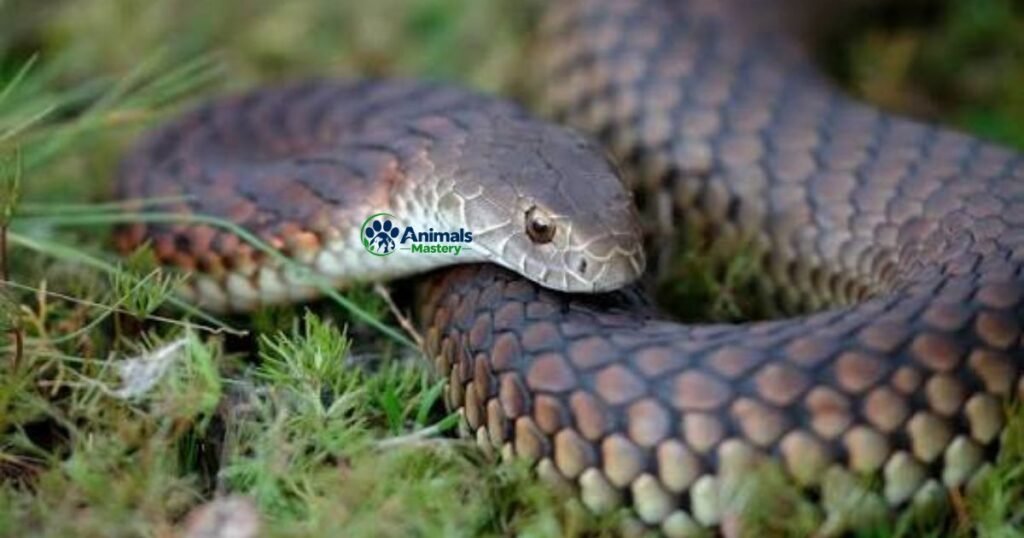
While many may fear its bite, understanding the copperhead’s ecological significance invites a greater appreciation for its role in nature.
Beyond their lethal reputation, copperheads exhibit fascinating behavioral adaptations. They tend to rely heavily on their natural camouflage, rendering them nearly invisible to both prey and predators. This stealthy approach not only makes them effective hunters but also allows them to avoid unnecessary confrontations with larger threats.
Chinchilla
- Scientific Name: Chinchilla lanigera
- Family: Chinchillidae
- Class: Mammalia
- Diet: Herbivore, feeds on grasses, seeds, and plant matter
Chinchillas, with their velvety soft fur that has made them a favorite among pet lovers, originate from the high altitudes of the Andes Mountains. This unique coat, which can be up to 30 times denser than human hair, serves a vital purpose: insulating them against the cold climate of their natural habitat.
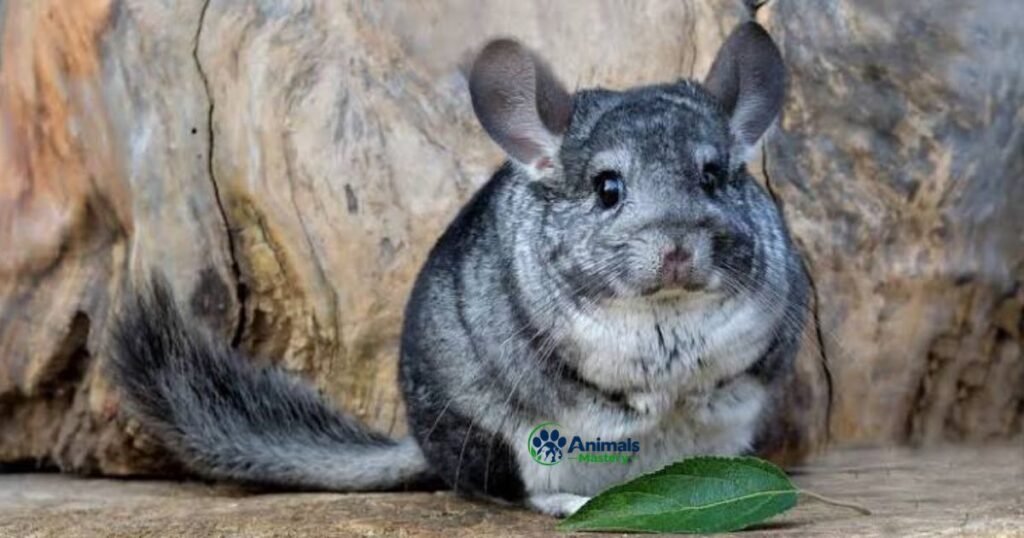
Their fur has evolved not only for warmth but also as a defense mechanism, making these creatures both intriguing and captivating in their adaptations.
One of the most fascinating aspects of chinchillas is their nocturnal behavior. Active during the night, these small rodents engage in playful activities, which are essential for their socialization and exercise.
In the wild, they thrive in the rocky crevices of their mountainous homes. They also enjoy dust baths, a quirky, yet crucial, part of their grooming routine. By rolling in fine dust, chinchillas clean their fur and maintain their impeccable coat, preventing moisture buildup that could lead to skin issues.
Rhinoceros
- Scientific Name: Ceratotherium simum
- Family: Rhinocerotidae
- Class: Mammalia
- Diet: Herbivore, feeds on grasses
The rhinoceros, often celebrated for its imposing stature and unique keratin horns, plays a vital role in its ecosystem as a herbivore. These majestic creatures typically roam the savannas and grasslands of Africa and parts of Asia, thriving in their natural habitats while contributing to the balance of their environment.

Their feeding habits not only shape the landscape by maintaining grasslands but also benefit other species by creating spaces for diverse plant growth, demonstrating an intricate relationship with the ecosystem.
The social structure of rhinoceroses is as captivating as their physical prowess. While some species exhibit solitary behavior, others, like the white rhinoceros, form small groups called “crashes.”
These social interactions provide essential bonding opportunities, helping them navigate threats and raising their young in a protective environment. Despite their resilience, rhinoceroses face significant challenges due to poaching and habitat loss, making conservation efforts crucial.
Woodpecker
- Scientific Name: Dryobates pubescens
- Family: Picidae
- Class: Aves
- Diet: Omnivore, eats insects, larvae, seeds, and berries
Woodpeckers are extraordinary birds that showcase remarkable adaptations, making them vital players in our forest ecosystems. One standout feature is their specialized tongue, which can extend up to several inches beyond their beaks.

This unique adaptation allows them to probe deep into tree bark, extracting insects and larvae that are often hidden from plain sight. With their long, sticky tongues, woodpeckers don’t just feed themselves but also help control pest populations, ensuring the health of the trees they inhabit.
Another fascinating aspect of woodpecker anatomy is their skull adaptation. Their brains are cushioned by a spongy bone structure, allowing them to endure the relentless pecking against hard surfaces. This evolutionary trait protects them while they create nesting cavities, a crucial contribution to the ecosystem, as these holes provide shelter for various other species once abandoned.
Cottontail
- Scientific Name: Sylvilagus floridanus
- Family: Leporidae
- Class: Mammalia
- Diet: Herbivore, feeds on grasses, clover, and vegetables
Cottontails are fascinating creatures that epitomize the delicate balance of the food chain in various ecosystems. These fluffy, nimble rabbits exhibit remarkable adaptability, thriving in diverse habitats, from lush forests to arid fields.

Their keen eyesight and acute hearing serve as vital survival mechanisms, allowing them to detect predators early and evade danger.
Breeding strategy is another compelling aspect of cottontail behavior. With the ability to produce multiple litters each year, they play a crucial role in maintaining population dynamics within their habitat.
This strategy not only supports their species but also provides a consistent food source for larger predators, reinforcing their integral position in the ecosystem.
Salamander
- Scientific Name: Ambystoma maculatum
- Family: Ambystomatidae
- Class: Amphibia
- Diet: Carnivore, eats insects, worms, and small invertebrates
Salamanders, fascinating amphibians often overlooked in the animal kingdom, exemplify nature’s ingenuity. One of their most intriguing features is neoteny, which allows some species to retain juvenile traits throughout adulthood.
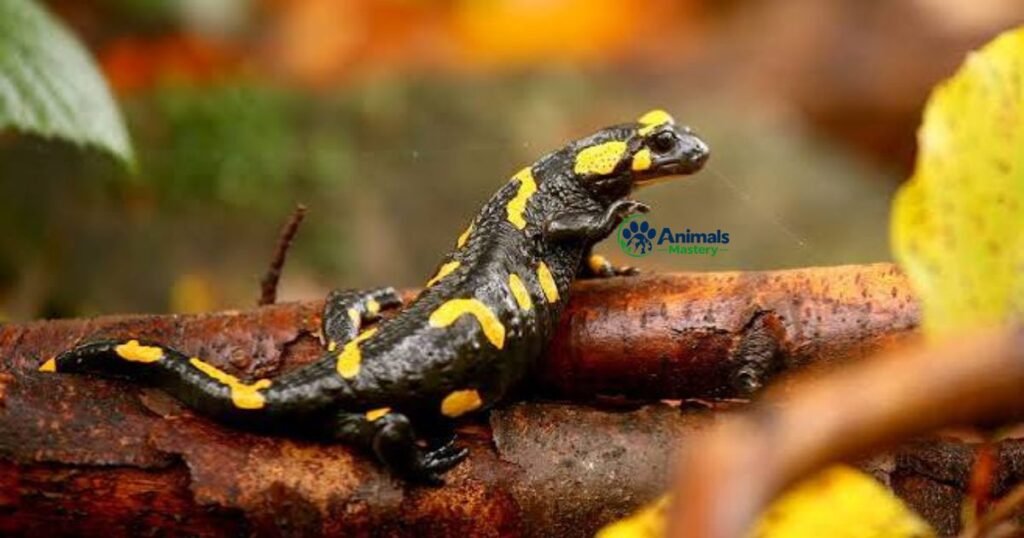
This means that certain salamanders do not undergo the typical metamorphosis that most amphibians experience. Instead, they remain in a larval state, maintaining their gills and aquatic lifestyle even as adults, showcasing an extraordinary evolutionary adaptation.
Another remarkable attribute of salamanders is their ability to regenerate lost limbs and even parts of their heart and eyes. This regeneration sets them apart in the animal world, offering insights into potential medical advancements for humans.
Many salamander species possess toxic secretions that serve as a defense mechanism against predators. This toxicity not only protects them in the wild but also raises fascinating questions about the evolutionary benefits of chemical defenses in amphibians.
Springbuck
- Scientific Name: Antidorcas marsupialis
- Family: Bovidae
- Class: Mammalia
- Diet: Herbivore, feeds on grasses and shrubs
The springbuck, a fascinating antelope native to southern Africa, captivates onlookers with its unique behavior known as pronking. This acrobatic display involves the springbuck leaping high into the air, showcasing its extraordinary agility.

While it may appear playful, pronking serves a crucial purpose in predator evasion, allowing the springbuck to confuse and startle any potential threats. By leaping high and twisting mid-air, they not only demonstrate their physical prowess but also signal to fellow herd members the presence of danger.
These graceful animals have adapted impeccably to their arid environments, thriving in regions where water is scarce. Their survival strategies include seeking out moisture-rich vegetation and developing a remarkable ability to tolerate heat stress. Herd behavior plays a vital role in their adaptation, fostering a sense of security among group members, which enhances their chances of survival.
Angwantibo
- Scientific Name: Arctocebus calabarensis
- Family: Lorisidae
- Class: Mammalia
- Diet: Omnivore, eats insects, fruit, and small animals
The Angwantibo, a striking nocturnal primate native to the dense, emerald canopies of Central and West African rainforests, showcases fascinating social behavior that challenges traditional views on primate interactions.

Known for their unique adaptations, these creatures are not just masters of camouflage but also exemplify complex social structures that facilitate communication among their peers. Their vocalizations and distinctive body language convey emotions ranging from alarm to affection, emphasizing the importance of community in their survival.
Sadly, the Angwantibo faces significant threats due to habitat destruction and illegal wildlife trade. Conservation efforts are crucial not only for their survival but also for maintaining the delicate balance of the rainforest ecosystem they inhabit. By protecting the Angwantibo’s habitat, we ensure the safeguarding of countless other species reliant on the same environment.
Abyssinian
- Scientific Name: Felis catus
- Family: Felidae
- Class: Mammalia
- Diet: Carnivore, typically fed commercial cat food (meat-based)
The Abyssinian Cat stands out not just for its striking looks but for its fascinating personality. With a unique ticked coat, where each hair is banded with different colors, these cats almost seem to shimmer in the light.

This coat is not only beautiful but also a reflection of their vibrant character; it serves to camouflage them in the wild, showcasing a lineage that speaks to their evolutionary adaptability.
What truly sets the Abyssinian apart is its impressive intelligence and problem-solving skills. These cats are known to engage their owners in interactive play, often displaying an eagerness to learn new tricks. Their playful nature makes them a delightful addition to any home, turning ordinary moments into extraordinary memories.
Coatimundi
- Scientific Name: Nasua narica
- Family: Procyonidae
- Class: Mammalia
- Diet: Omnivore, eats fruit, insects, and small vertebrates
Coatimundis, often referred to as coatis, showcase remarkable social behavior that sets them apart in the animal kingdom. Living in groups called bands, which can number up to 30 individuals, these adaptable creatures are noted for their cohesive dynamics.
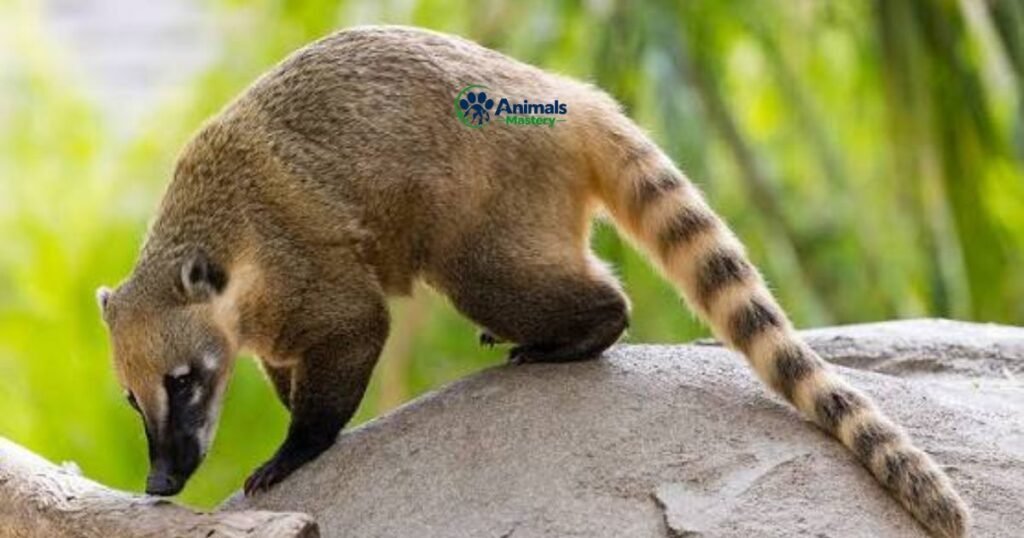
This social structure allows them to forage for food effectively and fend off predators. Their ability to communicate through various vocalizations, like whistles and grunts, highlights their sophisticated interactions and strengthens group bonds.
Coatis possess a level of intelligence that is truly fascinating. They exhibit problem-solving skills and can use their dexterous snouts to manipulate objects, showcasing their cognitive prowess. This adaptability not only aids in their search for food, ranging from insects to fruits, but also demonstrates their resilience in various environments, from humid rainforests to arid scrublands.
Wildebeest
- Scientific Name: Connochaetes taurinus
- Family: Bovidae
- Class: Mammalia
- Diet: Herbivore, feeds on grasses
The wildebeest, a remarkable creature of the African savanna, exemplifies the intricate balance of the grassland ecosystem. Known for their massive migratory patterns, these animals undertake one of nature’s most breathtaking journeys, traversing the Serengeti in search of nutrient-rich grasses.
This migration is not just a survival tactic; it also plays a crucial role in maintaining the health of the grasslands, as their grazing encourages new growth and supports a diverse range of flora and fauna.

Wildebeest are social animals that rely heavily on herd behavior for protection and sustenance. Herds can number in the thousands, creating a dynamic community where individuals benefit from collective vigilance against predators.
The breeding competition among males during the migration season adds a layer of drama to their lives. Stronger males dominate territories and attract more females, which not only influences genetic diversity but also shapes the overall stability of the population.
Pomeranian
- Scientific Name: Canis lupus familiaris
- Family: Canidae
- Class: Mammalia
- Diet: Omnivore, typically fed commercial dog food (meat-based)
The Pomeranian is a marvel of dog breeding, blending cuteness with intelligence in a compact package. Despite their small size, these fluffy companions often exhibit a fearless personality that belies their stature.

Their bold demeanor allows them to tackle challenges head-on, making them curious adventurers eager to explore the world around them. This inquisitive nature encourages owners to engage in varied activities, transforming daily walks into exciting expeditions filled with new scents and sights.
Social behavior is another striking feature of Pomeranians. They thrive on interaction, eagerly forming bonds not only with their families but also with other pets and strangers alike. This sociability underscores their ability to adapt to different environments, whether it be a bustling household or a quiet apartment.
Coupled with their keen intelligence, Pomeranians are often quick learners, mastering tricks and commands while enthusiastically seeking socialization experiences. Their vibrant disposition ensures they are not just pets but lively companions, enriching our lives with their unending zest for life.
Jaguarundi
- Scientific Name: Herpailurus yagouaroundi
- Family: Felidae
- Class: Mammalia
- Diet: Carnivore, eats small mammals, birds, and reptiles
The Jaguarundi, an elusive feline, captivates wildlife enthusiasts with its unique blend of characteristics. Unlike many of its larger relatives, this agile cat is primarily diurnal, showcasing a fascinating adaptability to daylight hunting.

Its ability to shift behavior based on environmental factors allows it to thrive in diverse habitats, from dense forests to open grasslands. While its sleek body and short legs may not command the same attention as a majestic lion, the Jaguarundi’s remarkable agility and stealth make it a master of its domain.
Equally intriguing are the Jaguarundi’s vocalizations; these cats produce a range of sounds that reflect their social structure and communication needs. From melodious chirps to deep growls, their vocal repertoire is a testament to their complex social interactions, often overlooked in discussions of feline communication.
Cuttlefish
- Scientific Name: Sepia officinalis
- Family: Sepiidae
- Class: Cephalopoda
- Diet: Carnivore, eats crustaceans, fish, and mollusks
Cuttlefish are truly remarkable creatures, celebrated not only for their unique appearance but also for their extraordinary abilities. These cephalopods possess specialized cells called chromatophores, allowing them to change color rapidly.

This intricate system doesn’t just serve for communication; it’s a masterclass in camouflage, enabling cuttlefish to seamlessly blend in with their surroundings to evade predators. Imagine witnessing a cuttlefish perched on a rock, transitioning from a vibrant blue to a mottled brown as it adjusts to its environment, it’s nature’s own magic show.
Beyond their impressive physical adaptations, cuttlefish also display an astonishing level of intelligence. Research indicates these animals exhibit problem-solving skills and can navigate complex mazes, showcasing a level of cognitive ability that rivals some mammals.
Their social behaviors, often characterized by intricate displays during mating rituals, reveal a nuanced understanding of interaction and communication.
Rottweiler
- Scientific Name: Canis lupus familiaris
- Family: Canidae
- Class: Mammalia
- Diet: Omnivore, typically fed commercial dog food (meat-based)
The Rottweiler, often recognized for its muscular build and striking appearance, is so much more than just a guard dog. This breed boasts remarkable intelligence, ranking among the top-tier canines in terms of trainability.

Their ability to pick up commands quickly makes them not only suitable for protection but also for various roles including therapy and search and rescue. However, the strength of a Rottweiler lies not solely in its physical prowess, but also in its emotional intelligence, establishing a profound bond with its human companions.
Beyond their reputation as fierce protectors, Rottweilers exhibit a nurturing side that often surprises newcomers. This breed is known for its protective instincts, which extend beyond mere guarding.
Their loyalty and sensitivity to human emotions make them exceptional companions for families, often forming deep connections with each member. Rottweilers require both physical exercise and mental stimulation, ensuring their intelligence is harnessed positively. This balance is key to cultivating a well-adjusted Rottweiler who thrives both as a protector and a beloved family member.
Chimpanzee
- Scientific Name: Pan troglodytes
- Family: Hominidae
- Class: Mammalia
- Diet: Omnivore, eats fruit, leaves, insects, and occasionally meat
Chimpanzees, often hailed as one of our closest relatives in the animal kingdom, exhibit remarkable traits that shed light on human evolution. Their capacity for social intelligence is startling; they communicate through a complex system of gestures, vocalizations, and facial expressions, showcasing emotional depth that mirrors our own.

Observing a chimpanzee group, one can witness a social structure rich in relationships, hierarchies, and cooperative behavior, which challenges traditional notions of human uniqueness.
The ability of chimpanzees to use tools adds another layer to their intricate behaviors. From cracking nuts with stones to using sticks to fish for termites, these primates demonstrate a level of problem-solving and creativity that has implications for understanding the dawn of human technology. This tool use is not merely instinctual; it is learned and shared within communities, highlighting the importance of culture and education in non-human species.
The future of these intelligent beings hangs in the balance as conservation efforts struggle against habitat loss and poaching. Protecting chimpanzees is not just about saving a species; it’s about preserving a vital link to our past and understanding the evolutionary narratives we share.
Shrewmouse
- Scientific Name: Sorex minutus
- Family: Soricidae
- Class: Mammalia
- Diet: Carnivore, eats insects and invertebrates
The shrewmouse, a fascinating member of the small mammal family, may not be as well-known as its larger counterparts, but its ecological role is significant. With an insectivorous diet, these creatures are nature’s pest control agents, contributing to a balanced ecosystem by regulating insect populations.

Their ability to consume vast quantities of insects in a single night highlights their importance in maintaining the health of their habitats.
What sets shrewmice apart is their exceptional sensory adaptations. Equipped with highly developed olfactory senses, they navigate their environment with remarkable accuracy, detecting prey and potential threats.
This acute sense of smell is not just for survival; it plays a crucial role in their social behavior. Shrewmice use scent marking to communicate with others, establishing territories and forming complex social structures that enhance their adaptability in varied environments.
Bottlenose
- Scientific Name: Tursiops truncatus
- Family: Delphinidae
- Class: Mammalia
- Diet: Carnivore, eats fish and squid
Bottlenose dolphins, with their sleek and agile forms, are not just aquatic acrobats; they are also masters of communication. These intelligent beings employ a complex system of clicks, whistles, and body language to convey messages, establishing intricate social bonds within their pods.

This rich tapestry of communication highlights their advanced social intelligence, allowing them to cooperate during hunting and navigate their environment effectively.
What sets bottlenose dolphins apart is their impressive ability to use tools, showcasing a level of problem-solving rarely seen in the animal kingdom. These remarkable creatures have been observed using marine sponges to protect their snouts while foraging on the seafloor.
This behavior not only demonstrates their ingenuity but also hints at a deeper sense of empathy, as dolphins often teach this skill to their young, ensuring the survival of their species through shared knowledge.
Kingfisher
- Scientific Name: Alcedo atthis
- Family: Alcedinidae
- Class: Aves
- Diet: Carnivore, eats fish and aquatic insects
Kingfishers are true marvels of nature, known for their vibrant plumage that dazzles onlookers. These remarkable birds boast an array of colors, from electric blues to fiery oranges, making them a favorite among wildlife photographers and birdwatching enthusiasts.
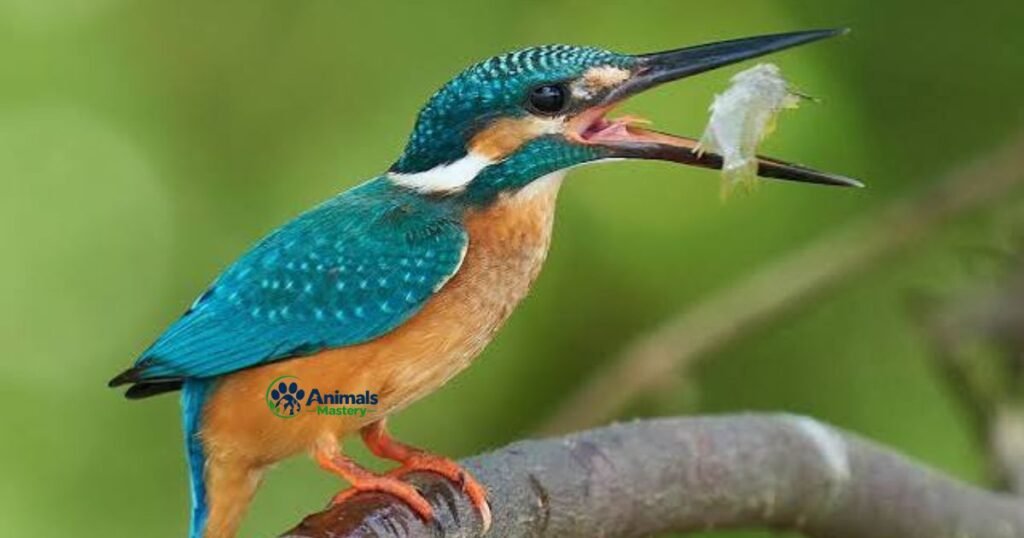
Their striking appearance isn’t just for show; it plays a crucial role in their habitat, allowing them to camouflage among the shimmering waters and vibrant foliage where they hunt.
What sets kingfishers apart is not only their aesthetic beauty but their precision hunting techniques. With extraordinary eyesight, they can spot fish from great heights, diving with breathtaking accuracy to snag their prey. This ability showcases their adaptability, as kingfishers flourish in various environments, from tranquil rivers to bustling coastal areas.
More Fascinating Animals Worth Exploring
Ten-letter names aren’t the only quirky way to look at the animal kingdom. The Rhinoceros on this list is famous for more than its horn, its armor-like hide places it among the thickest skin animals in the world.
Similarly, agile hunters like the jaguarundi and coatimundi rely on their long, balancing tails to navigate trees and uneven terrain with ease, a feature shared by many species featured in our roundup of animals with long tails.
The copperhead’s unmistakable head shape places it among the snakes with triangular heads, a trait that helps it strike prey with precision.
The timberwolf’s pack instincts and lean build echo the traits found throughout our feature on animals like foxes, fellow canids built for cooperative hunting.
Exploring these related traits offers an even deeper appreciation for how animals evolve specialized features to survive and thrive in their environments.
Final Thoughts
Exploring the world of animals with ten letters reveals a fascinating diversity that showcases nature’s creativity. From the majestic “Crocodiles” to the unique “Rhinoceros,” each creature offers something special, whether in appearance or behavior.
These animals remind us of the intricate web of life and the importance of biodiversity. As we continue to learn about these remarkable species, we are encouraged to appreciate and protect their habitats. So, take a moment to delve deeper into the animal kingdom and discover more about the extraordinary creatures that inhabit our planet!
FAQs
What Animals have 10 Letters?
There are several fascinating animals that have exactly ten letters in their names. One notable example is the “chimpanzee,” a highly intelligent primate known for its complex social behaviors and ability to use tools. Another interesting animal is the “armadillo,” a unique mammal recognized for its distinctive armored shell and playful behavior.
What are 10 Letter Names?
Ten-letter names are those that consist of exactly ten characters, which can include letters, hyphens, or apostrophes. These names often have a rhythmic and melodic quality, making them stand out. Some popular examples of ten-letter names include “Alexander,” “Charlotte,” and “Elizabeth.”
What are Some Examples of Animals with 10 Letters?
Examples include “Rhinoceros,” “Caterpillar,” and “Sardinefish.”
Are all the Animals Featured in the List Living Species?
Yes, all animals in our list are currently living species found in various habitats around the world.
Is there Detailed Information Available for Each Animal?
Yes, each animal entry includes fascinating facts, habitat information, and conservation status.
Why Focus Specifically on Animals with 10 Letters?
The focus on 10-letter animals provides a fun challenge and an engaging way to explore unique species.