
Discover the 31 Amazing Animals with 9 Letters (Including Images)
Animals With 9 Letters opens a world of surprising diversity and captures the imagination with each unique creature. You will gain insights into their habitats and characteristics, but you’ll also enjoy fascinating imagery accompanying each entry. Join us as we unveil this captivating collection that highlights some of nature’s most intriguing animals!
List of animals with 9 letters
Below is the compilation of animals with 9 letters:
- Bullshark
- Armadillo
- Crocodile
- Mousedeer
- Albatross
- Centipede
- Dachshund
- Binturong
- Pademelon
- Tarantula
- Woodlouse
- Alligator
- Butterfly
- Cockroach
- Millipede
- Bandicoot
- Greyhound
- Chameleon
- Cockatiel
- Springbok
- Chihuahua
- Orangutan
- Barracuda
- Dalmatian
- Cormorant
- Dragonfly
- Cassowary
- Angelfish
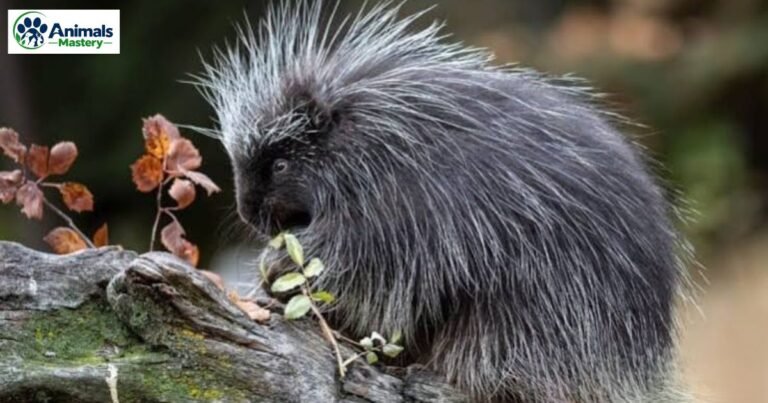
- Porcupine
- Jellyfish
- Wolverine
Bullshark
Scientific Name: Carcharhinus leucas
Class: Chondrichthyes
Diet: Carnivore
The bullshark, for instance. This formidable predator can thrive in both salt and freshwater, making it one of the most versatile shark species.

Its oceanic relatives, the bullshark, can navigate rivers and estuaries, demonstrating a remarkable resilience that enables it to venture far inland.
This adaptability expands its hunting territory and allows it to inhabit diverse ecosystems, from coastal waters to freshwater rivers.
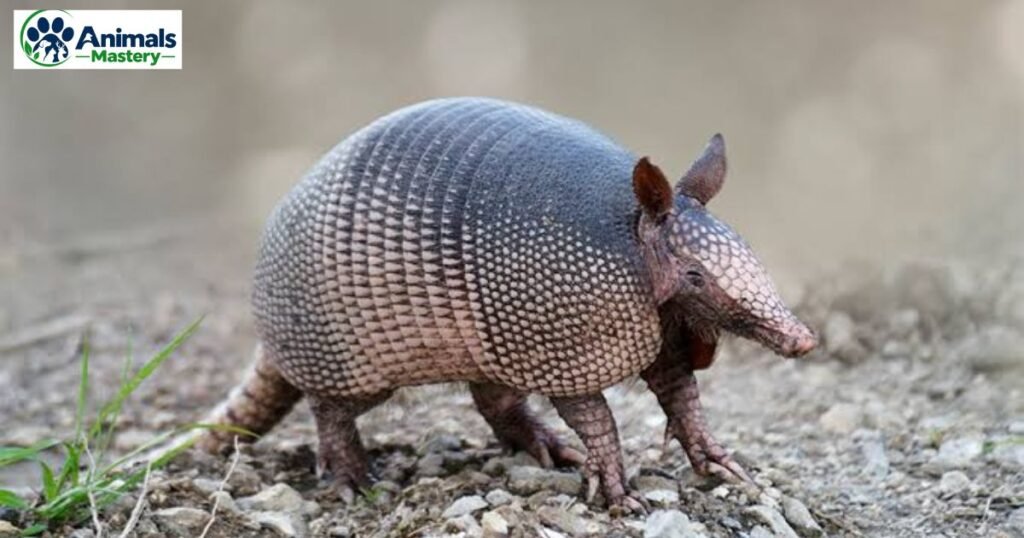
Armadillo
Scientific Name: Dasypodidae (Family) / Dasypus novemcinctus (Nine-banded armadillo)
Class: Mammalia
Diet: Omnivore / Insectivore
The armadillo is a unique inhabitant of the Americas known for its distinctive armor-like shell. These intriguing mammals have a nocturnal lifestyle, often rooting around for insects, grubs, and plants. Their ability to curl up into a tight ball serves as a defense mechanism against predators and showcases their evolutionary adaptations.
Crocodile
Scientific Name: Crocodylidae (Family)
Class: Reptilia
Diet: Carnivore
Crocodiles, those ancient reptiles that have roamed the Earth for millions of years, are a prime example of survival in the wild. With their powerful jaws and armored bodies, they epitomize the raw power of nature.
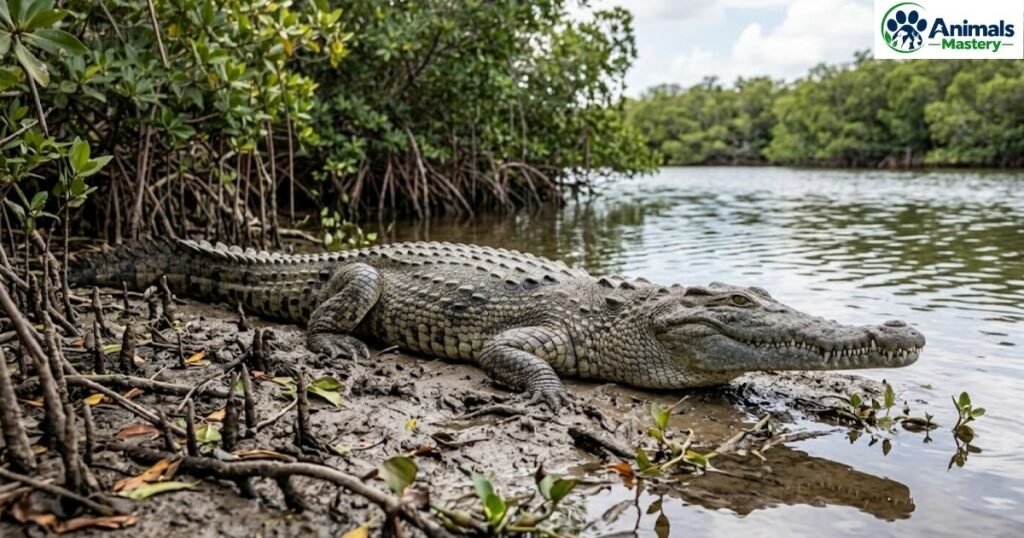
Their evolutionary traits have remained remarkably consistent over time, highlighting their adaptability to changing environments. They thrive in both freshwater and saltwater habitats, showcasing an incredible versatility that few other animals can match.
The juxtaposition of crocodiles adapted to their respective environments yet living vastly different lives invites us to reflect on the diverse evolutionary pathways that shape the animal kingdom.
Mousedeer
Scientific Name: Tragulidae (Family)
Class: Mammalia
Diet: Herbivore
Mousedeer are intriguing creatures that often fly under the radar of many animal enthusiasts. Despite their name, these small, timid mammals found primarily in Southeast Asia are not true deer; rather, they belong to the family Tragulidae.
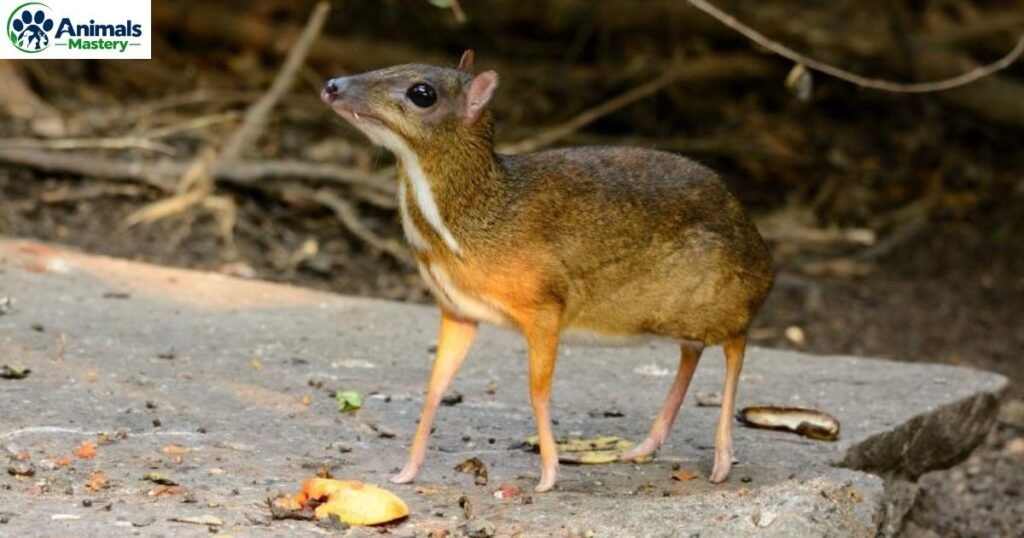
Their unique blend of features includes a small stature, elongated limbs, and a distinctive ability to navigate dense forests, thriving in environments that many larger animals cannot easily access. This allows them to play a crucial role in their ecosystems as seed dispersers, promoting the growth of a variety of plant species.
Mousedeer are also notable for their reproductive strategies. The gestation period for these animals is shorter than that of many other mammals, often yielding newborns that are remarkably well-developed and capable of standing shortly after birth.
Albatross
Scientific Name: Diomedeidae (Family)
Class: Aves
Diet: Carnivore
One fascinating creature that fits the bill is the albatross. This majestic bird is known for its incredible wingspan, which can reach up to 12 feet. With this impressive anatomical feature, albatrosses can glide for hours without flapping their wings, a unique adaptation that allows them to travel vast distances across the ocean.
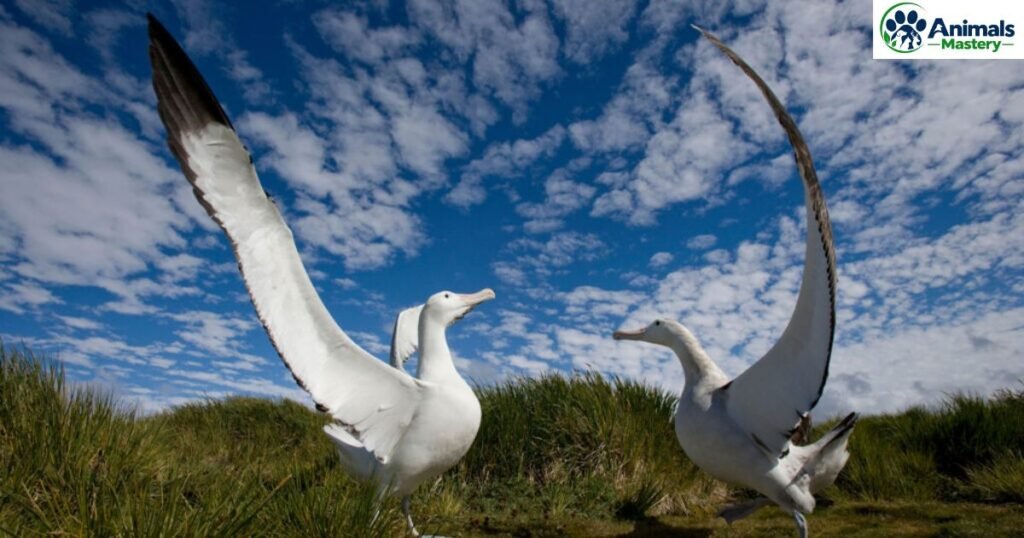
They are also renowned for their long monogamous relationships, often pairing for life and engaging in elaborate courtship dances that showcase their grace and coordination. The albatross illuminates the diverse ways animals adapt and thrive in their respective habitats, inviting us to reflect on the interconnectedness of life on Earth.
Centipede
Scientific Name: Chilopoda (Class)
Class: Chilopoda
Diet: Carnivore
The centipede stands out not just for its striking appearance and for its intriguing biology. Known for their elongated bodies and multiple legs, centipedes are often misunderstood creatures that play a crucial role in their ecosystems.
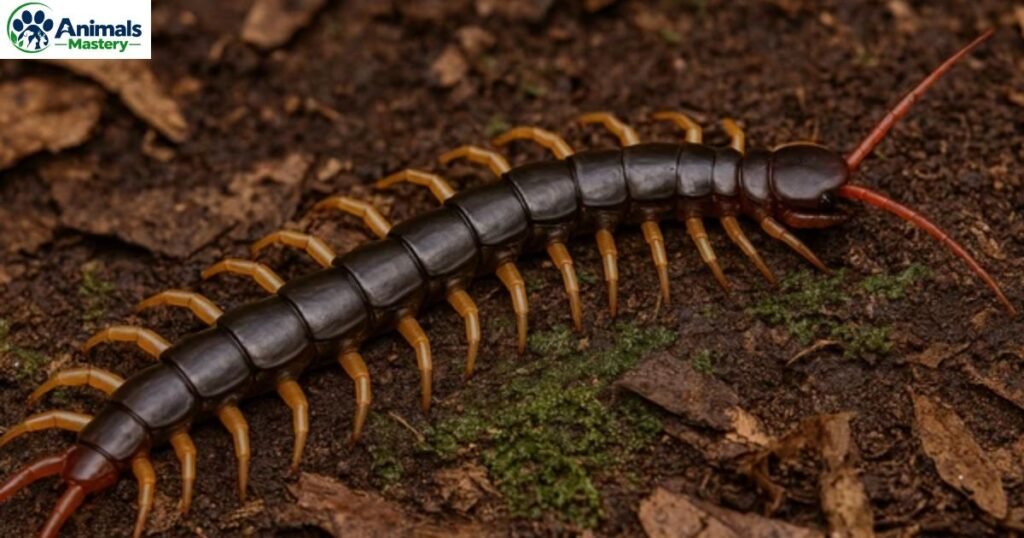
With a body structure comprising multiple segments, each housing a pair of legs, these arthropods can bewilder anyone at first glance. Contrary to their name, centipedes can have anywhere from 15 to over 300 legs, depending on the species, which adds to their charm and complexity.
Centipedes are predators, primarily feeding on insects and small arthropods. Their venomous bite, a feature of their anatomy, can incapacitate prey, allowing them to thrive in various environments, from damp forest floors to arid deserts.
Dachshund
Scientific Name: Canis lupus familiaris
Class: Mammalia
Diet: Omnivore
The Dachshund stands out as a beloved breed with a unique history. Originally bred in Germany to hunt badgers, these long-bodied canines embody both playful spirit and determination. Known affectionately as “wiener dogs” due to their elongated shape, Dachshunds are not just cute; their lively personality and loyalty make them cherished companions.

Imagine their little legs propelling that long body forward as they bound across a park, full of energy and curiosity, reminding us that joy can come in distinct shapes and sizes. The Dachshund shows the incredible diversity in the animal kingdom, encouraging us to embrace and celebrate the richness of life in all its forms.
Binturong
Scientific Name: Arctictis binturong
Class: Mammalia
Diet: Omnivore
The binturong stands out as a fascinating creature often overshadowed by more well-known wildlife. Known as the “bearcat” despite being neither a bear nor a cat, this rainforest dweller is native to Southeast Asia.
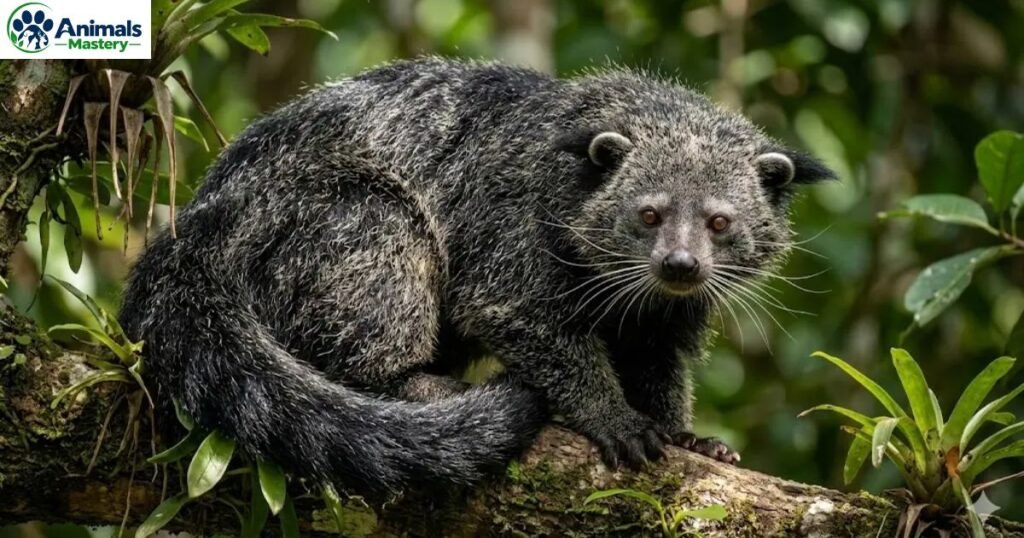
With its distinctive appearance, complete with a prehensile tail and intriguing facial features, the Binturong offers a unique glimpse into the biodiversity of its habitat.
It’s renowned for its scent, reminiscent of buttered popcorn, which it releases from its glands to communicate and mark territory. This quirky olfactory characteristic contributes to the Binturong’s role in seed dispersal, making it a crucial player in its ecosystem.
Pademelon
Scientific Name: Thylogale (Genus)
Class: Mammalia
Diet: Herbivore
The pademelon stands out as a lesser-known gem of the marsupial family. This small, herbivorous creature, native to Australia and New Guinea, camouflages itself well within the dense underbrush of its forest habitat.
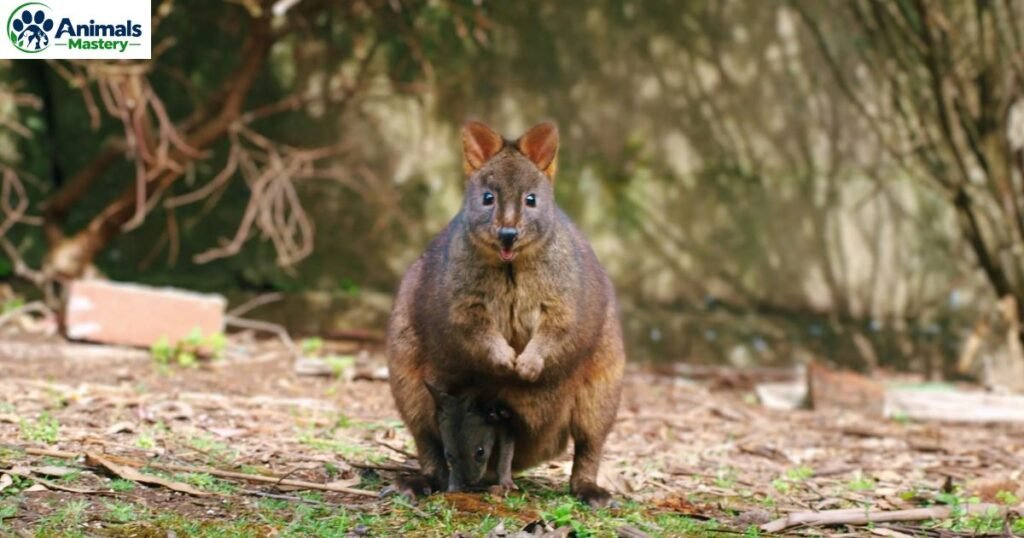
With its compact build and shy demeanor, the pademelon often goes unnoticed, preferring the cover of twilight and dawn to frolic and forage for grasses and leaves.
Watching a pademelon bound through its environment is a striking reminder of nature’s diversity, emphasized by its unique adaptations for survival in densely vegetated areas.
Tarantula
Scientific Name: Theraphosidae (Family)
Class: Arachnida
Diet: Carnivore
The tarantula stands out not just for its sheer size and fascinating behavior and as a compelling example of the diverse world of eight-legged creatures. With their diverse habitats spanning deserts, rainforests, and even urban landscapes, these arachnids showcase an incredible adaptability that mesmerizes many nature enthusiasts.
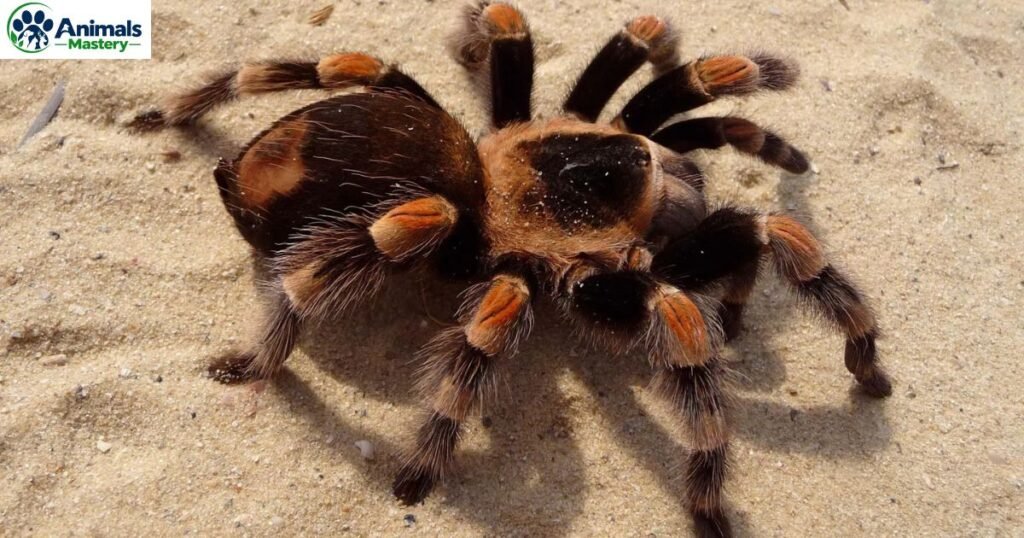
Despite their fearsome reputation, tarantulas play an essential role in their ecosystems, controlling pest populations and contributing to the balance of their environments.
Woodlouse
Scientific Name: Oniscidea (Suborder)
Class: Malacostraca
Diet: Detritivore / Herbivore
The woodlouse, often dismissed as mere pests in gardens, these fascinating creatures belong to a group of crustaceans closely related to shrimp and crabs.
Contrary to what many might think, these tiny, pill-like animals play a crucial role in decomposing organic matter, returning nutrients to the soil. A woodlouse’s unique adaptations, such as its ability to absorb moisture through its gills, reveal a sophisticated survival strategy finely tuned to its environment.
Alligator
Scientific Name: Alligator (Genus)
Class: Reptilia
Diet: Carnivore
The alligator, a creature that evokes both awe and respect. Characterized by its powerful jaws and armored body, the alligator plays a crucial role in its ecosystem as a top predator, helping to maintain the balance of aquatic environments.
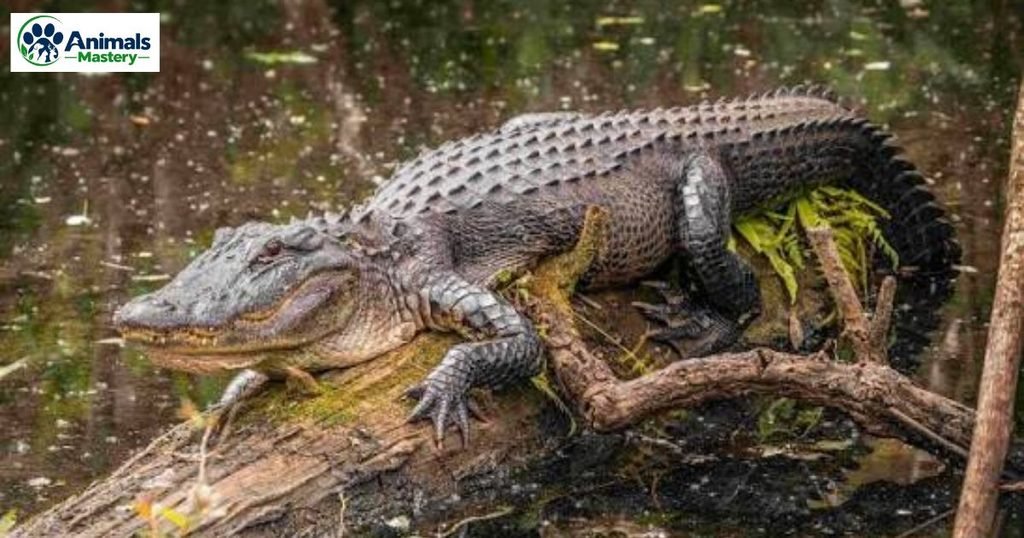
Beyond their fearsome reputation, these reptiles exhibit complex behaviors, such as motherly care for their young, a testament to their adaptability and intelligence that often goes overlooked.
Butterfly
Scientific Name: Rhopalocera (Lepidoptera clade)
Class: Insecta
Diet: Herbivore (Nectarivore)
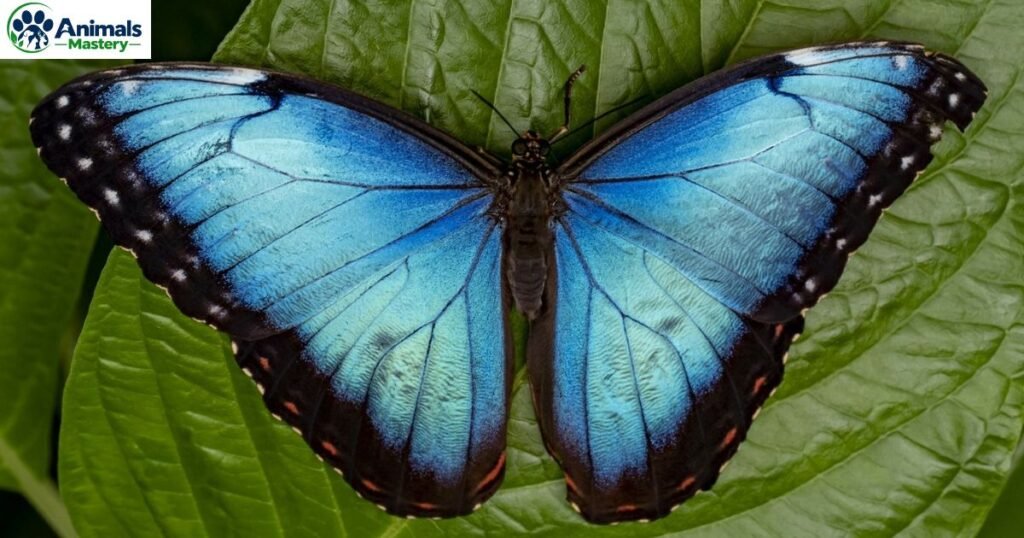
The butterfly, for example, is one of these delicate creatures that symbolize transformation and beauty, fluttering through gardens and forests. Their intricate patterns and vibrant colors captivate the human eye and play crucial roles in pollination, contributing to ecosystem health.
Cockroach
Scientific Name: Blattodea (Order)
Class: Insecta
Diet: Omnivore
The cockroach often surfaces as one of the most resilient animals on the planet. This 9-letter marvel is more than just a pest; it’s a biological wonder that has survived over 300 million years of evolution.
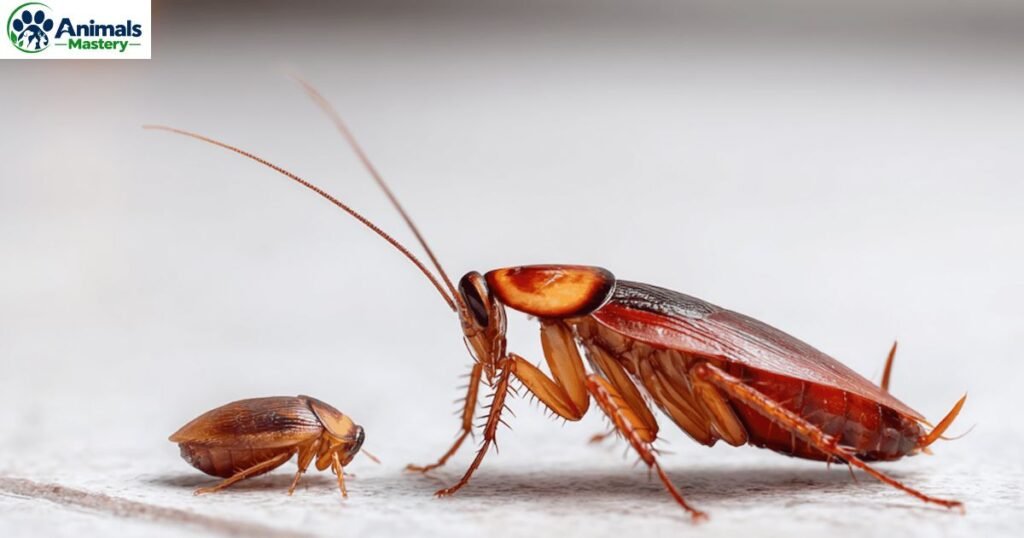
Cockroaches possess remarkable adaptability, thriving in diverse environments, from tropical jungles to urban settings. Their ability to endure extreme conditions, including radiation, highlights their evolutionary prowess, making them a subject of awe for both scientists and curious minds alike.
Millipede
Scientific Name: Diplopoda (Class)
Class: Diplopoda
Diet: Detritivore / Herbivore
The millipede stands out as a fascinating creature with a unique life story. With its elongated body segmented into numerous sections, a millipede can boast hundreds of legs, making it appear almost like a living piece of art.
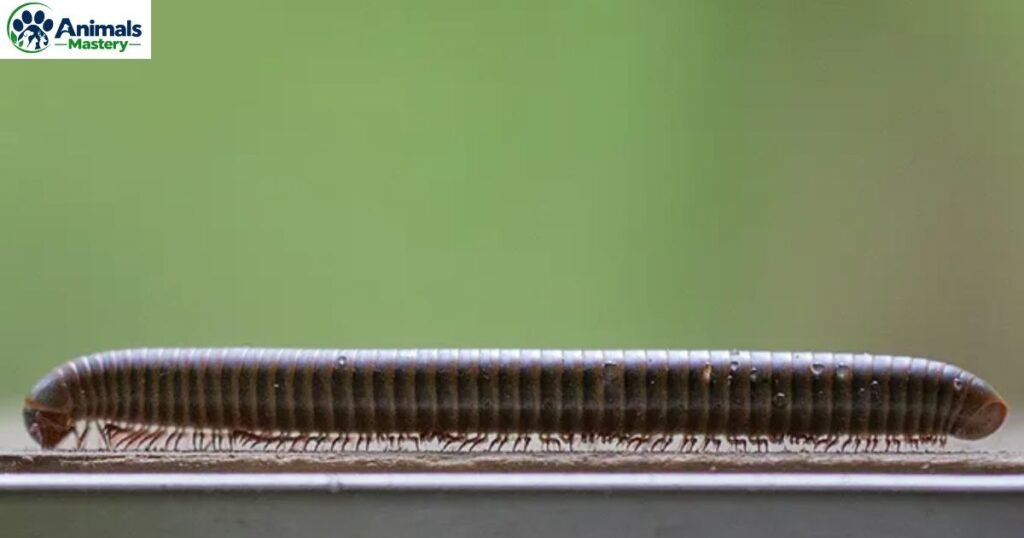
Contrary to popular belief, these remarkable arthropods aren’t harmful; instead, they serve an essential role in their ecosystems by decomposing organic matter, thus enriching the soil. Observing a millipede in its natural habitat offers a glimpse into the intricate interdependencies of life.
Bandicoot
Scientific Name: Peramelemorphia (Order) / Peramelidae (Family)
Class: Mammalia
Diet: Omnivore
The bandicoot, an intriguing marsupial native to Australia and New Guinea, showcases the beauty of biodiversity in our ecosystems. With its distinctive elongated snout and robust build, this nocturnal creature is often overlooked in the grand narrative of wildlife.
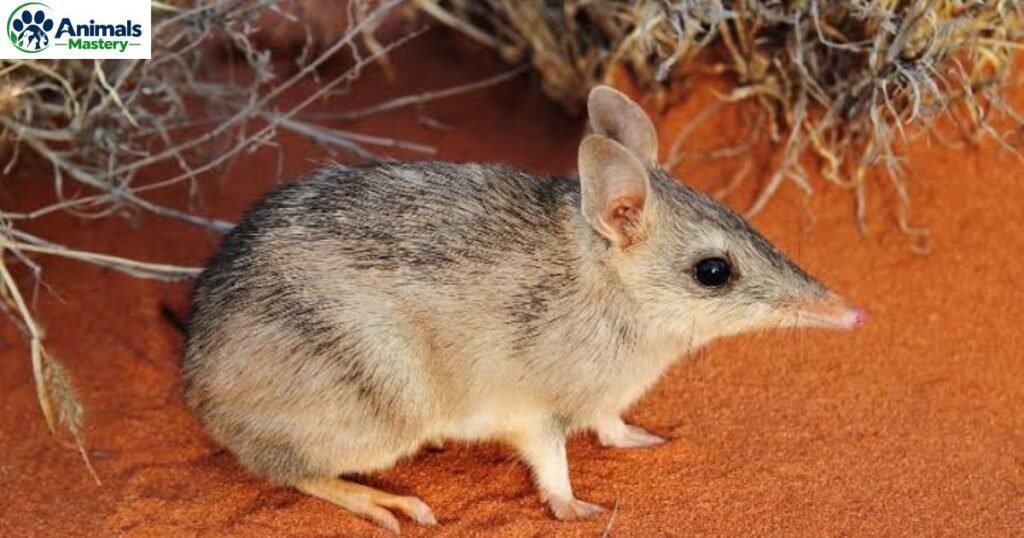
Bandicoots play a crucial role in their environment, as they are adept at digging and foraging, helping to aerate the soil and disperse seeds. Their diet primarily consists of insects, small invertebrates, and plant matter, making them essential players in maintaining ecological balance.
The plight of the bandicoot is a growing concern, as habitat destruction and predation by introduced species threaten their populations. By fostering awareness and understanding of the bandicoot’s role in the ecosystem, we can inspire action to preserve this unique marsupial and the delicate environments in which they thrive.
Greyhound
Scientific Name: Canis lupus familiaris
Class: Mammalia
Diet: Omnivore
The Greyhound is celebrated for its incredible speed and gentle temperament. These elegant dogs were originally bred for hunting and coursing, making them one of the fastest dog breeds, capable of reaching speeds up to 45 miles per hour in short bursts.
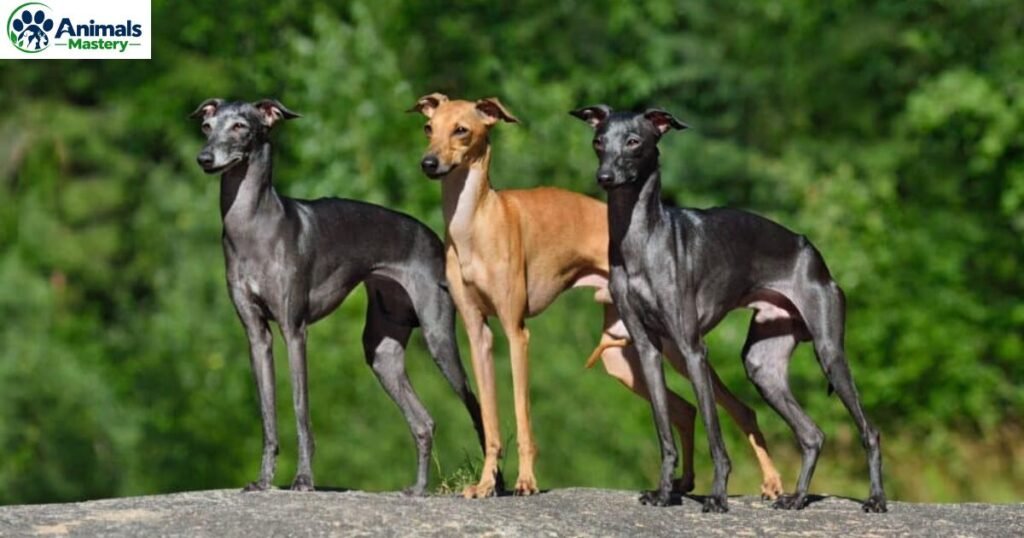
Despite their racing prowess, Greyhounds are known for being couch potatoes when at home, often spending hours lounging around after a quick sprint.
Chameleon
Scientific Name: Chamaeleonidae (Family)
Class: Reptilia
Diet: Insectivore / Carnivore
The chameleon stands out for its splendid color-changing abilities and for its unique lifestyle. With nine letters to its name, this reptile exemplifies nature’s ingenuity.
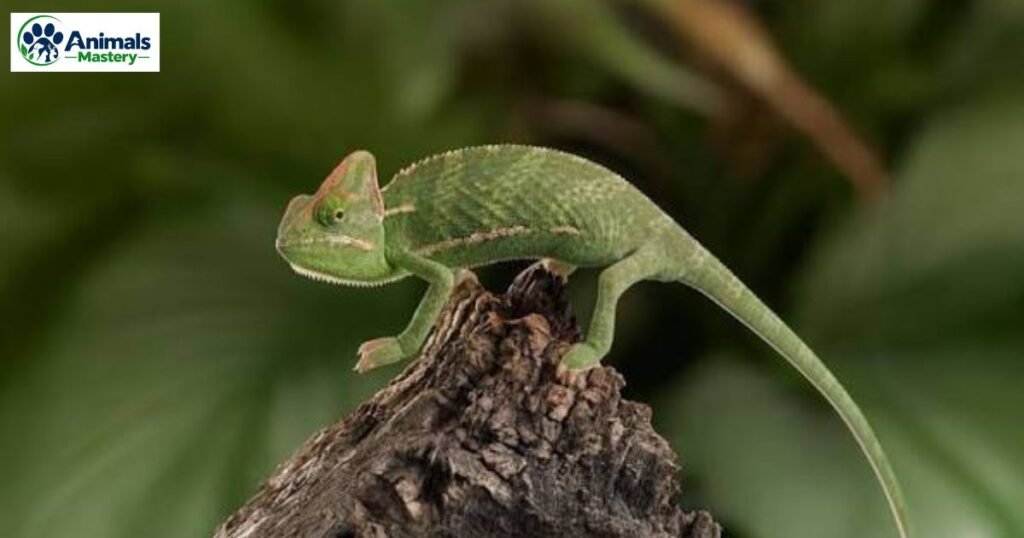
Chameleons use their vibrant hues for communication and camouflage, adapting to their surroundings in an astonishing display of biological artistry. Their specialized tongues can extend to catch prey, showcasing a remarkable adaptation that highlights the sophisticated mechanics of their anatomy.
Cockatiel
Scientific Name: Nymphicus hollandicus
Class: Aves
Diet: Herbivore (Granivore)
The cockatiel, a charming species of parrot originally native to Australia, encapsulates the beauty and versatility of avian life. With their striking crests and vibrant plumage, these birds are visually appealing and boast impressive social skills.
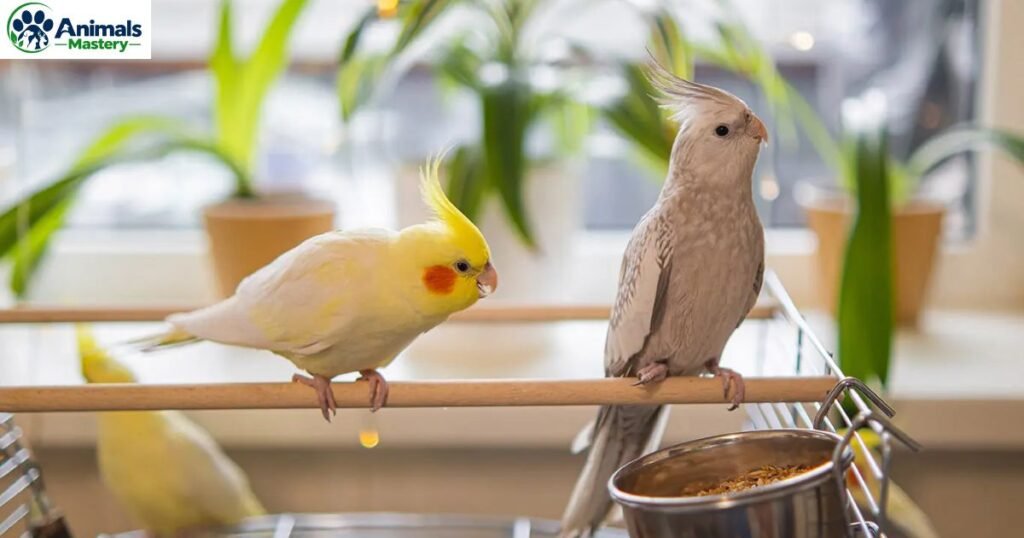
Their ability to mimic sounds and melodies engages bird enthusiasts, making them a popular choice for both novice and experienced bird owners alike. Cockatiels have a unique way of forming social bonds. They often display affection through a series of whistles and head-bobbing, showcasing their playful nature.
Springbok
Scientific Name: Antidorcas marsupialis
Class: Mammalia
Diet: Herbivore
The Springbok epitomizes the beauty of adaptability in the animal kingdom. This graceful antelope, native to southern Africa, is not just a visual delight with its sleek body and distinctive leaping capability. The Springbok performs a behavior called “stotting,” launching itself high into the air.
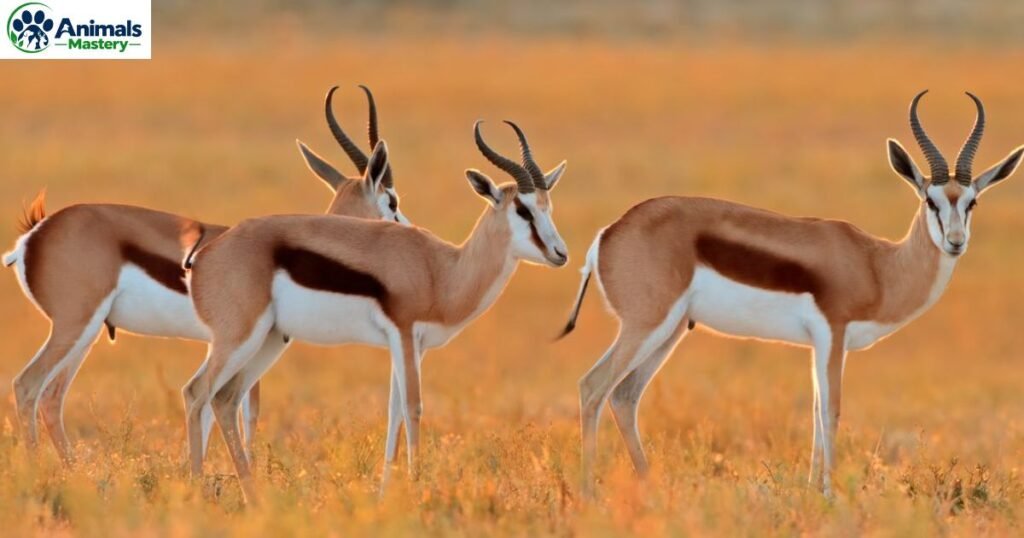
This explosive display confuses predators and showcases its physical prowess, making it a fascinating subject for wildlife enthusiasts. The Springbok’s name derives from the Afrikaans words for “spring” and “buck,” reflecting its bouncy nature and the common term for a male antelope.
The animal is also a symbol of South Africa, often seen on sports teams and associated with national pride. This serves as a reminder that each creature plays a unique role in its ecosystem while also becoming a part of cultural narratives. Springboks remind us of the intricate connections between wildlife and human culture.
Chihuahua
Scientific Name: Canis lupus familiaris
Class: Mammalia
Diet: Omnivore
The Chihuahua is a breed often associated with being small but mighty. These little dogs pack a surprising amount of personality into their compact frames. Known for their loyalty and sometimes feisty demeanor, Chihuahuas may be pint-sized, but they have an enormous capacity for love and companionship.
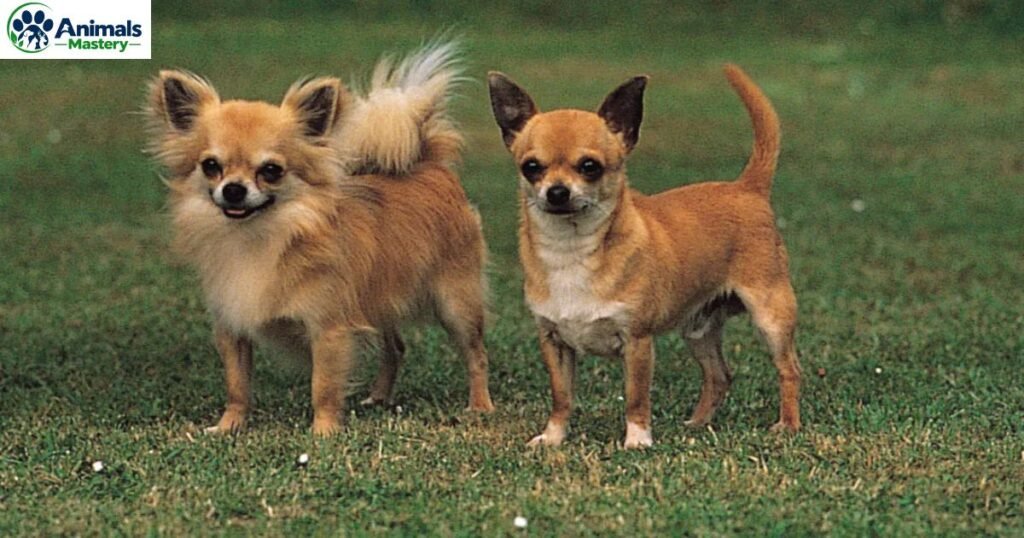
Their unique traits, such as a keen sense of vigilance and an affectionate nature towards their owners, make them beloved pets worldwide. The Chihuahua, though vastly different, exemplifies the rich tapestry of life on our planet, reminding us of the beauty and complexity of the animal world.
Orangutan
Scientific Name: Pongo (Genus)
Class: Mammalia
Diet: Frugivore / Herbivore
The orangutan stands out as a prime example. These incredible primates, native to the rainforests of Borneo and Sumatra, aren’t just known for their distinctive red hair and intelligent expressions; they are also crucial for biodiversity in their ecosystems.
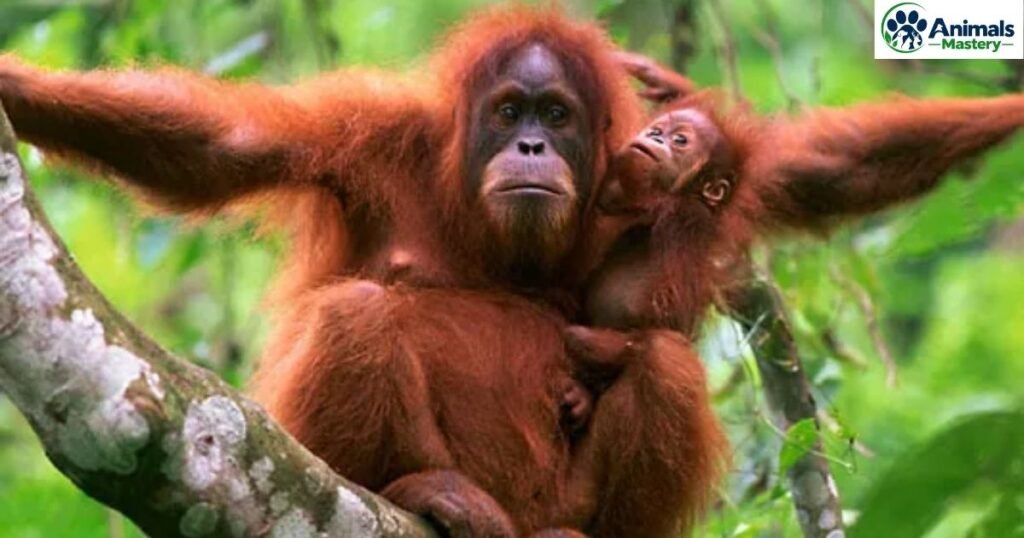
As effective seed dispersers, orangutans help to maintain the health of their forest habitats. Their ability to use tools, such as sticks for extracting termites, highlights their remarkable problem-solving skills and adaptability.
The social structures of orangutan communities deserve attention. This unique social behavior reflects their deep connection to their environment, as they roam vast territories in search of food. Sadly, habitat destruction poses a significant threat to their survival, emphasizing the need for conservation efforts.
Barracuda
Scientific Name: Sphyraena (Genus)
Class: Actinopterygii
Diet: Carnivore
The barracuda, a sleek predator of the ocean, dazzles with its streamlined body and razor-sharp teeth. Often found in tropical and subtropical waters, these fish are not just remarkable for their speed and for their role in marine ecosystems.
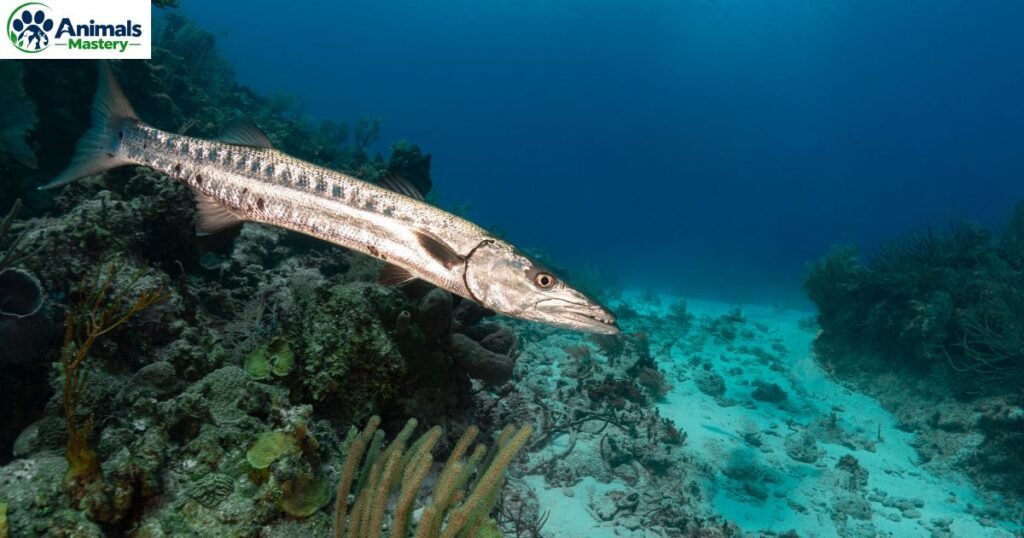
Their keen eyesight enables them to spot prey from significant distances, making them experts in the art of surprise. This agility and predatory instinct position the barracuda as a key player in controlling the populations of smaller fish, helping maintain ecological balance.
The barracuda stands out for its hunting prowess and for its fascinating social behaviors. Studying barracudas can also reveal insights about the health of coral reef ecosystems, as their presence often indicates a thriving aquatic environment.
Dalmatian
Scientific Name: Canis lupus familiaris
Class: Mammalia
Diet: Omnivore
The Dalmatian, a breed renowned for its striking coat of black or liver spots against a white backdrop, has a rich history that dates back to the Roman Empire. Beyond their aesthetic appeal, Dalmatians are celebrated for their role as carriage dogs, once protecting horses and their drivers.

This unique history adds layers to their personality; they are energetic and intelligent, thriving on physical activity and mental stimulation. Dalmatians are known for their playful yet strong-willed nature, making early training essential. Their loyalty and determination make them not just companions, and excellent working dogs in various capacities.
Cormorant
Scientific Name: Phalacrocoracidae (Family) / Phalacrocorax (Genus)
Class: Aves
Diet: Carnivore (Piscivore)
The cormorant stands out as an extraordinary diving bird. With its striking dark feathers and streamlined body, it is perfectly designed for underwater foraging. These birds can dive up to 45 meters, showcasing a remarkable adaptation to life in aquatic environments.
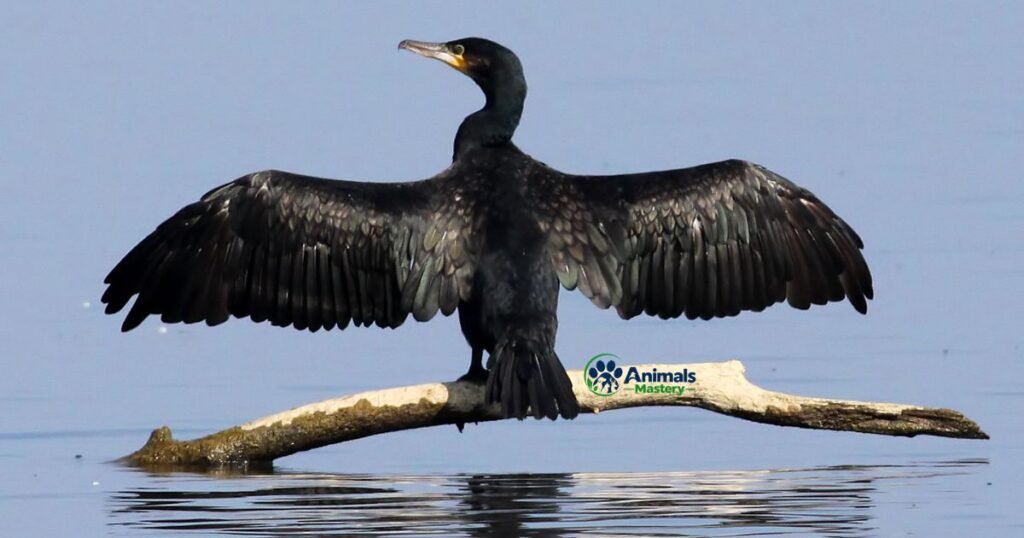
Watching a cormorant surface, shake off the water, and spread its wings to dry is a reminder of nature’s elegance and efficiency. Cormorants play a vital role in their ecosystems, controlling fish populations while serving as indicators of environmental health.
Cormorants have a unique hunting technique: they often fish in groups, using coordinated efforts to drive schools of fish into tight spaces for easier capture. This behavior highlights their intelligence and offers a glimpse into the complex social structures that exist among animal species.
Dragonfly
Scientific Name: Anisoptera (Infraorder)
Class: Insecta
Diet: Carnivore
The dragonfly stands out not just for its ethereal beauty, and for its remarkable biology. With its slender body and iridescent wings, the dragonfly isn’t just a stunning sight; it’s a masterful predator. Capable of flying in all directions, these insects exhibit agility few can match, making them lethal hunters in the world of insects.
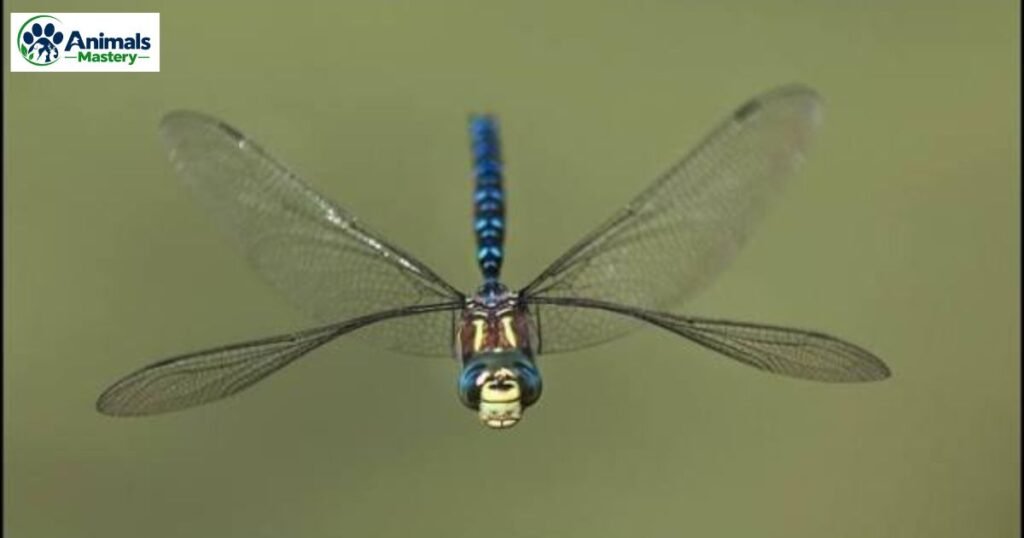
They can consume their weight in mosquitoes, effectively controlling pest populations while remaining a vital part of their ecosystems. Dragonflies play an integral role in the health of aquatic environments.
Their presence often signals a balanced ecosystem, making them important allies in environmental monitoring. The lifecycle of dragonflies from a nymph to an adult encompasses a captivating transformation, symbolizing change and resilience.
Cassowary
Scientific Name: Casuarius (Genus)
Class: Aves
Diet: Frugivore / Omnivore
The cassowary is a striking example of the wonders of evolution, standing tall as one of the heaviest birds on Earth. With its vibrant blue and black plumage and a prominent casque atop its head, this flightless bird captivates the imagination.
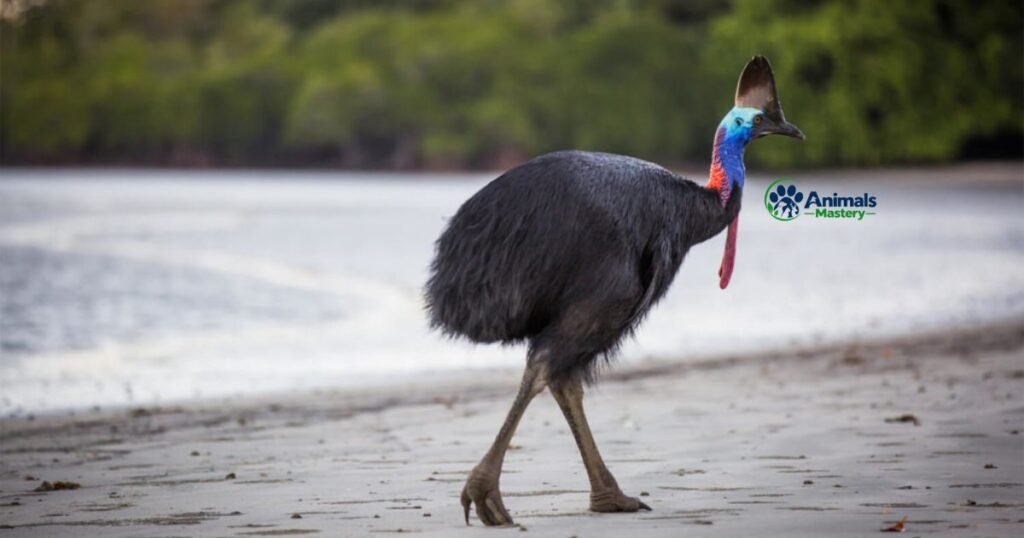
Despite its sometimes fearsome reputation, the cassowary plays a crucial role in its ecosystem as a seed disperser, connecting the vibrant flora of its rainforest habitat. The cassowary, an animal with nine letters, showcases the diversity of life on our planet.
Angelfish
Scientific Name: Pterophyllum (Freshwater) / Pomacanthidae (Marine)
Class: Actinopterygii
Diet: Omnivore
The angelfish stands out as a stunning example of aquatic beauty. With their vibrant colors and graceful fins, angelfish captivate both seasoned aquarists and casual observers alike. This fish isn’t just a feast for the eyes; it plays a crucial role in its ecosystem, maintaining the balance of coral reefs by controlling algae growth.
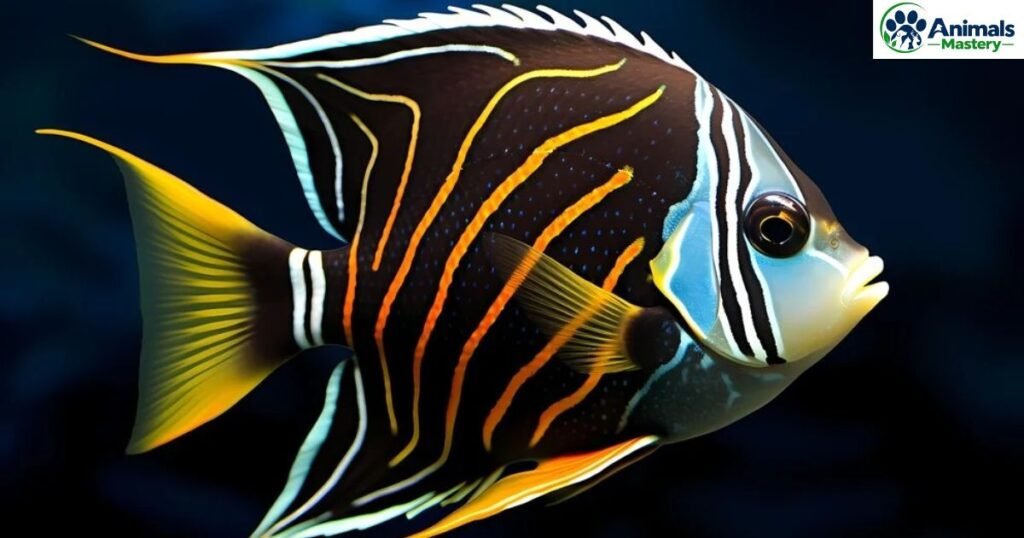
The angelfish adds another layer of intrigue. As they navigate the complexities of their environment, they showcase a social structure that includes intricate mating dances and parental care of their young.
These behaviors highlight their intelligence and reveal the delicate dance of survival in the underwater world. Each angelfish species boasts unique traits and adaptations, making them a topic of endless exploration for marine biologists and enthusiasts alike.
Porcupine
Scientific Name: Erethizontidae / Hystricidae (Families)
Class: Mammalia
Diet: Herbivore
The porcupine stands out for its unique defense mechanism and for its intriguing social behavior. Known for their quills, sharp barbed spines that can deter predators, porcupines are primarily nocturnal and, surprisingly, quite social.
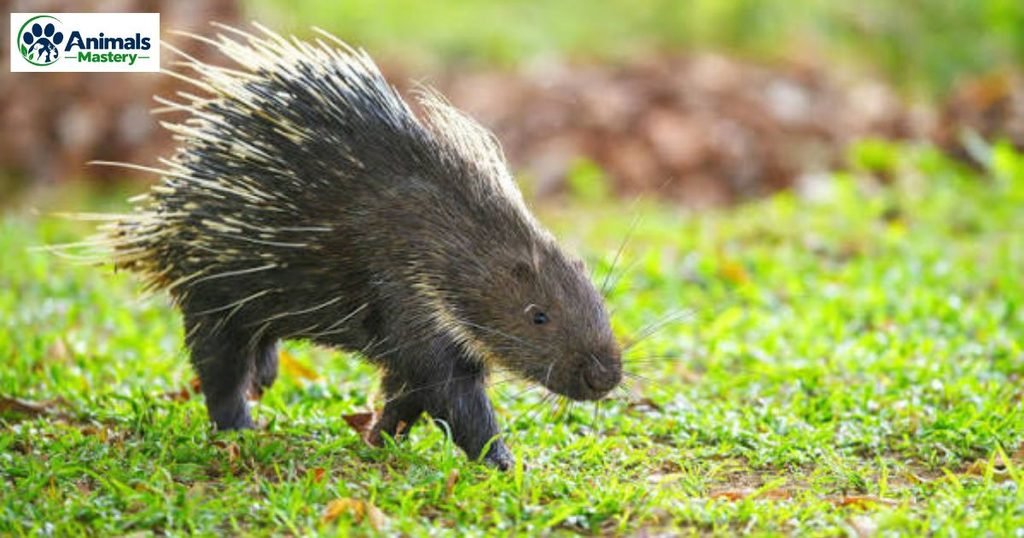
These creatures often engage in playful behaviors and form strong bonds with their offspring, showcasing a nurturing side that contrasts with their prickly exterior. Porcupines have a varied diet that includes bark, leaves, and fruits, which they forage for during their nightly escapades.
This herbivorous diet and their slow metabolism play a role in their long lifespans, often reaching up to 15 years in the wild. Their quills serve as a defense mechanism and reflect their evolutionary adaptations, as different species have evolved unique patterns and forms, highlighting the rich diversity within this seemingly straightforward category of animals.
Jellyfish
Scientific Name: Medusozoa (Subphylum)
Class: Scyphozoa (true jellyfish)
Diet: Carnivore
The jellyfish is an ethereal creature that floats gracefully through the ocean’s depths. Despite its delicate appearance, the jellyfish is a master of survival, with some species capable of living for centuries. This ancient organism has been around for over 500 million years, making it one of the planet’s oldest life forms.
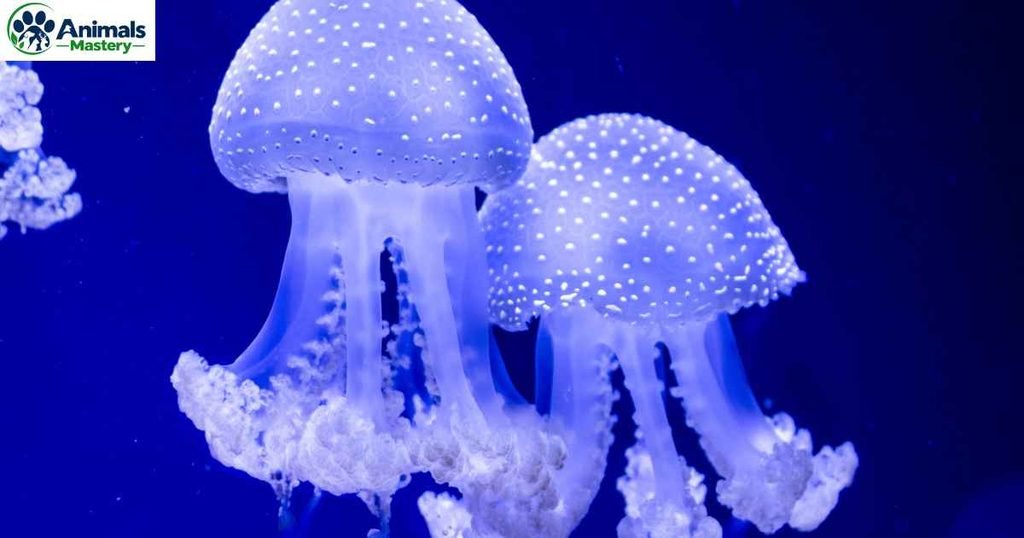
Its gelatinous body allows it to drift seamlessly with ocean currents and serves as a survival adaptation, helping to escape predators. An interesting aspect of jellyfish is their remarkable bioluminescence.
Researchers are studying jellyfish for their potential in medicine; their unique proteins could lead to breakthroughs in understanding cellular processes and even developing new medical treatments.
Wolverine
Scientific Name: Gulo gulo
Class: Mammalia
Diet: Carnivore
The wolverine stands out as a fierce and resilient animal, despite its unassuming size. Often mistaken for a small bear or large weasel, this tenacious mammal is renowned for its incredible strength and determination.
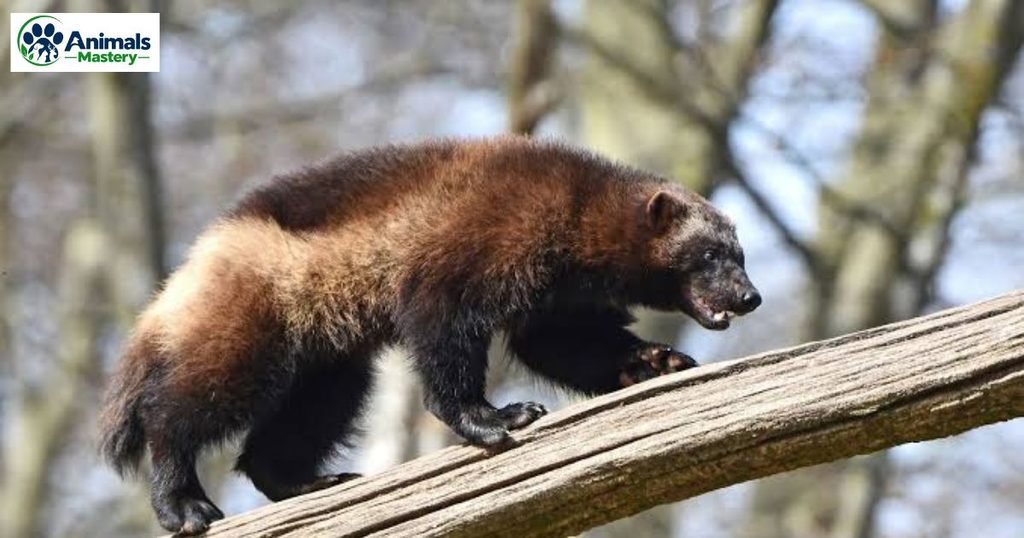
Wolverines thrive in harsh, cold environments, showcasing an unparalleled adaptability that speaks volumes about survival instincts in the wild. Their thick fur isn’t just for show; it provides essential insulation against the bitter cold while also allowing them to navigate through deep snow with remarkable agility.
Read Other Animals with their fascinating abilities and habitats
- Scavenger birds play a vital role in nature’s cleanup crew, feeding on carrion and animal remains that would otherwise spread disease across ecosystems. This guide rounds up over 20 of the world’s most notable scavenger birds, from vultures and condors to lesser-known species, with insights into their habitats, feeding habits, and unique adaptations.
- Fish with big lips stand out for their oversized, often colorful mouths used for feeding, communication, or attracting mates. This guide covers 20 striking big-lipped fish species, along with their habitats and what makes their lips so distinctive.
- Snakes with triangular heads often signal venomous species, since the shape typically houses enlarged venom glands behind the eyes. This guide covers 15 species with identification tips to help you tell dangerous snakes apart from harmless look-alikes.
- Most muscular animals rely on dense, powerful muscle mass for strength that far outweighs their size, from raw lifting power to explosive speed. This guide covers 19 of the world’s most muscular animals, highlighting what makes each one so physically dominant.
- Animals with long tails use them for balance, communication, defense, or grip, depending on the species and their environment. This guide covers 23 long-tailed animals with interesting facts about how each one puts its tail to use.
- Animals like weasels share that same long, low-slung body and quick, agile hunting style suited for tight spaces. This guide covers 30 weasel-like species, from close mustelid relatives to look-alikes, with facts on their habitats and behavior.
Final Thoughts on Animals with 9 Letters
The journey through the realm of nine-letter animals reveals not just the wonders of nature and the interconnection between all living beings. Each example, from the majestic armadillo to the fascinating flamingo, highlights the intricate balances within ecosystems.
These animals play crucial roles in their habitats, and recognizing their importance reminds us of our responsibility to protect their environments. As stewards of nature, we must actively engage in efforts to safeguard these species for future generations. Together, let’s make a commitment to celebrate and protect our planet’s rich biodiversity!
FAQs
What Types of Animals have Names with Nine Letters?
Common examples include alligator, antelope, and butterfly.
Can you Provide a List of Nine-Letter Animals?
Yes, some include kangaroo, flamingo, and raccoon.
Are there any Aquatic Nine-Letter Animals?
Yes, examples are alligator and catfish.
Is there a specific region where nine-letter animals are more common?
Not specifically; animals with nine letters can be found worldwide across various habitats.
Are there any fictional nine-letter animals?
Yes, some creatures from folklore or fiction, like hippogriffs, also fit the nine-letter criterion.