Top 17 Viviparous Animals: Definition, Examples, Interesting Facts and Pictures
A world where most animals bear live young, nurturing them within their bodies until they are ready to face the outside world. This is the reality for many fascinating viviparous animals, from mammals to certain fish.
We will explore top 17 Viviparous Animals, their definition, showcase some remarkable examples and share compelling facts about these unique species.You’ll appreciate the complexities of nature’s designs and understand why studying viviparous animals is vital for biological conservation.
What Does Viviparous Mean?
Viviparous animals give birth to live young instead of laying eggs. The babies develop inside the mother’s body, where they get nutrients directly from her through a placenta or similar connection.
Once they’re ready, they’re born fully formed rather than hatching from an egg. Most mammals, including humans, reproduce this way, but a few reptiles and even some insects do too.
Types of Reproduction in Animal
Animals reproduce in three main ways.
- Oviparous animals lay eggs that develop and hatch outside the mother’s body, like birds and most reptiles.
- Viviparous animals give birth to live young that developed inside the mother, getting nourishment directly from her.
- Ovoviviparous animals fall in between: eggs develop and hatch inside the mother’s body, but the babies rely on the egg’s yolk for nutrients rather than a direct connection to her, and are then born alive.
Ovoviviparous vs. Viviparous Animals
It’s easy to mix up ovoviviparous and viviparous animals since both give birth to live young. The difference comes down to how the babies are nourished before birth.
Viviparous animals get nutrients directly from the mother through a placenta, similar to how human babies develop.
Ovoviviparous animals develop inside eggs that stay inside the mother’s body, feeding off the egg’s yolk until they hatch internally and are born alive.
Some sharks and lizards are ovoviviparous rather than truly viviparous, which is why you’ll sometimes see conflicting information about their reproduction online.
List of Viviparous Animals
Below is the list of viviparous animals:
- Aphids
- Seals
- Dogs
- Elephants
- Monkeys
- Sharks
- Cats
- Giraffes
- Rabbits
- Horses
- Rats
- Dolphins
- Apes
- Green Anaconda
- Cows
- Viviparous Lizards
- Deer
Aphids
- Scientific Name: Myzus persicae
- Family: Aphididae
- Class: Insecta
- Diet: Herbivore, feeds on plant sap
Aphids are fascinating creatures, particularly because of their unique viviparous reproduction method. Unlike many insects that lay eggs, these small pests give live birth to nymphs, a trait that allows them to rapidly adapt to changing environments.
This remarkable approach not only ensures the survival of their kind but also cements their status as a thriving species on our planet. By releasing live young into an already accommodating ecosystem, aphids can exploit available resources without the lag time associated with traditional egg-laying.
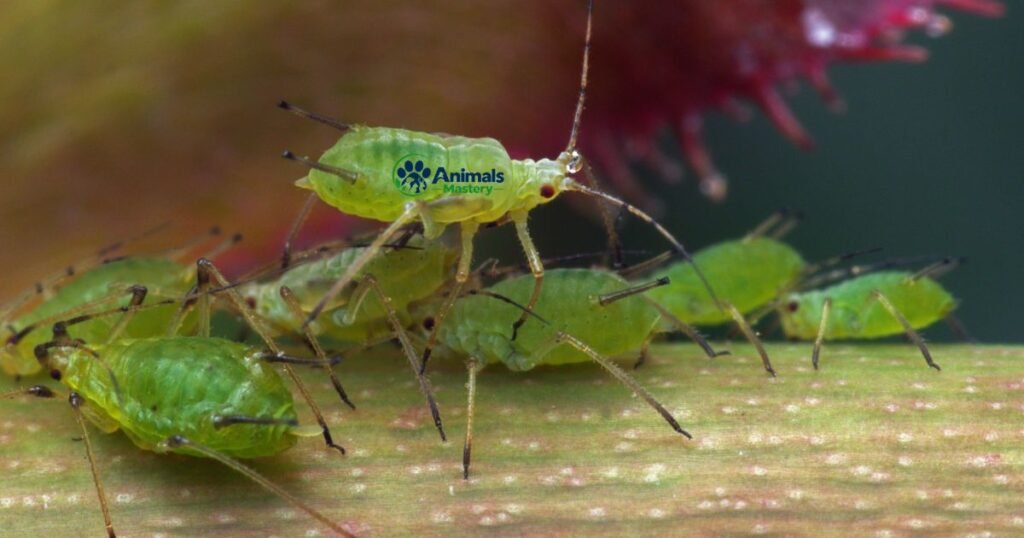
The asexual reproduction of aphids further turbocharges their population growth. In optimal conditions, a single female can produce dozens of nymphs within a week, leading to explosive population surges. This rapid reproduction capability enables them to overrun crops and plants, making them a significant concern for farmers and gardeners alike.
Aphids can switch between sexual and asexual reproduction depending on environmental stresses, showcasing their incredible adaptability. This dual strategy not only enhances their survival chances but also raises questions about the delicate balance between pest control and conservation efforts.
Seals
- Scientific Name: Phoca vitulina
- Family: Phocidae
- Class: Mammalia
- Diet: Carnivore, eats fish, squid, and crustaceans
Seals, as viviparous animals, showcase a fascinating adaptation to the marine environment through their unique reproductive strategies. Unlike many other animals that lay eggs, seals give birth to live young, which allows for greater survival rates in often harsh sea conditions.
The nurturing bond between a seal pup and its mother is profound; after giving birth, the mother will nurse her pup with nutrient-rich milk, fostering rapid growth and development. This aspect of their parental care is critical, especially in the early weeks, when the pups rely entirely on their mother’s warmth and sustenance to thrive.
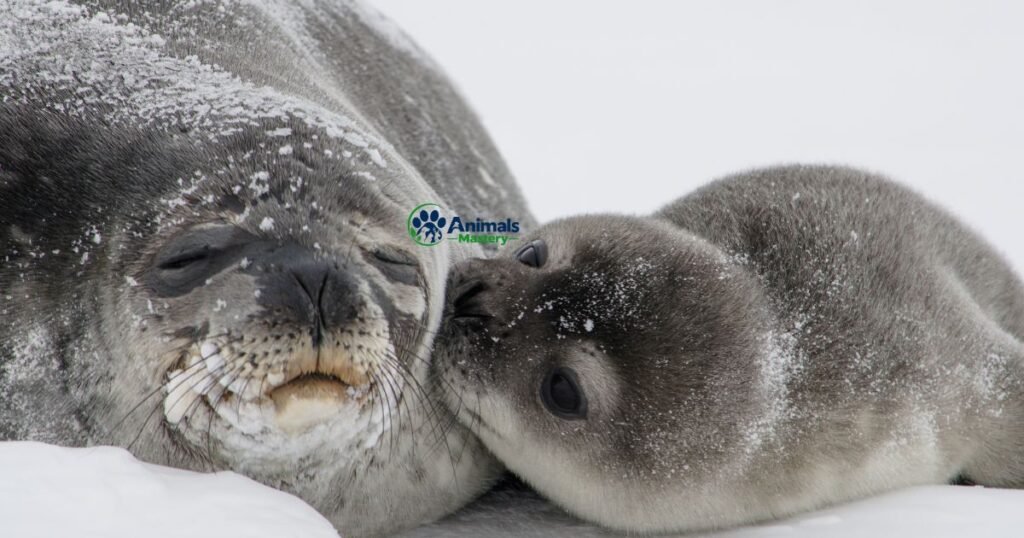
While many marine mammals exhibit parental care, seals stand out with their interspecies variations in nurturing techniques. Some species are known to leave their pups on ice floes, only returning to nurse them periodically.
This strategy provides the young ones with an opportunity to strengthen their instincts and swimming skills while still being nourished by their mother’s milk. Such complexities in their reproductive behaviors reveal the adaptability and resilience of seals in a dynamic ocean landscape, making them a compelling subject of study in marine biology.
As climate change threatens their habitats, understanding their viviparous nature and the intricacies of their parental care may be vital for conservation efforts aimed at preserving these remarkable marine mammals.
Dogs
- Scientific Name: Canis lupus familiaris
- Family: Canidae
- Class: Mammalia
- Diet: Omnivore, typically fed commercial dog food (meat-based)
Dogs exhibit a fascinating reproductive strategy that ensures the nurturing of their offspring within the mother’s womb, leading to live birth. As canids, they share evolutionary roots with several other animals like foxes, despite thousands of years of domestication. This form of reproduction offers a protective environment for developing puppies, allowing them to mature more fully before entering the world.
Canine gestation lasts approximately 63 days, during which the mother dog undergoes significant physiological changes to support the growth of her litter.

The development of puppies during gestation is a remarkable journey. In the early weeks, the embryos are tiny and vulnerable, but by the end of the gestation period, they become fully formed, ready for their first breaths.
This close maternal bond not only provides physical sustenance but also initiates crucial social behaviors essential for the puppies’ future interactions.
Elephants
- Scientific Name: Loxodonta africana
- Family: Elephantidae
- Class: Mammalia
- Diet: Herbivore, feeds on grasses, leaves, bark, and fruit
Elephants are fascinating creatures, not only due to their intelligence but also because of their unique reproductive traits. Their tough, wrinkled hide also places them among the more resilient thickest skin animals in the world. Their long gestation period, which can last up to 22 months, sets them apart in the animal kingdom.
This extended time allows for the development of their large brains and complex social skills, essential for survival in their intricate herd structures. A newborn elephant is a vibrant participant in the social dynamics of the herd, establishing bonds that will last a lifetime.
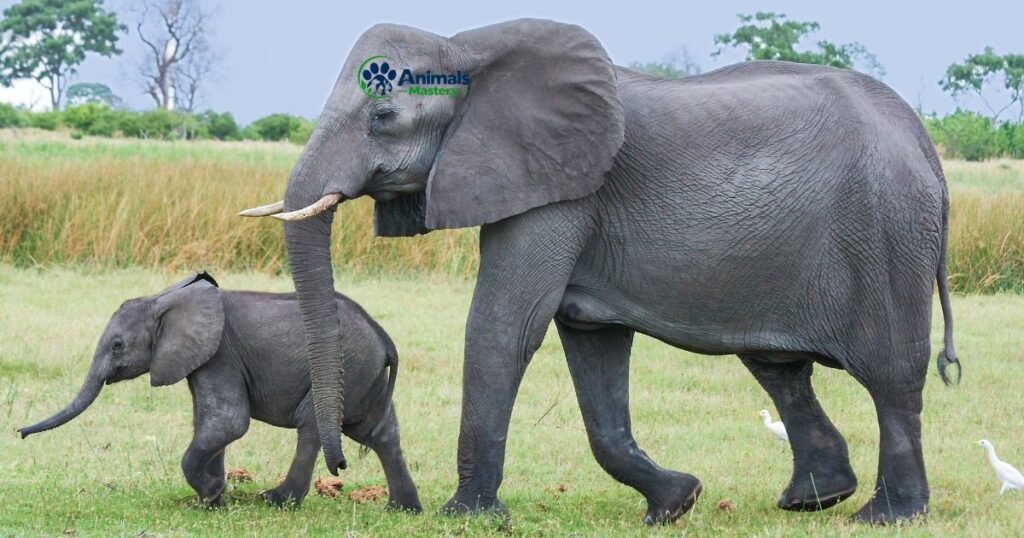
The viviparous reproduction of elephants emphasizes the deep maternal care they exhibit. Mothers are the backbone of their family groups, nurturing and teaching their young with great dedication. This maternal instinct is often supported by other females in the herd, showcasing remarkable cooperative behavior.
As they navigate the challenges of their environment, elephants demonstrate a profound understanding of social relationships, relying on communication and empathy. Their complex social structures reveal not just the importance of survival, but also the richness of emotional connections in the animal world, making elephants truly extraordinary beings.
Monkeys
- Scientific Name: Macaca mulatta
- Family: Cercopithecidae
- Class: Mammalia
- Diet: Omnivore, eats fruit, seeds, insects, and small invertebrates
Monkeys offer a unique glimpse into the complexities of social structures and familial bonds in the animal kingdom. Unlike many other mammals, monkeys exhibit viviparous reproduction, giving birth to live young and emphasizing the importance of maternal care.
Mothers are pivotal in their infants’ early development; they not only provide nourishment but also impart essential survival skills through playful interactions and early socialization. Each interaction between a mother and her infant builds a foundation for future learning and integration into the larger troop.
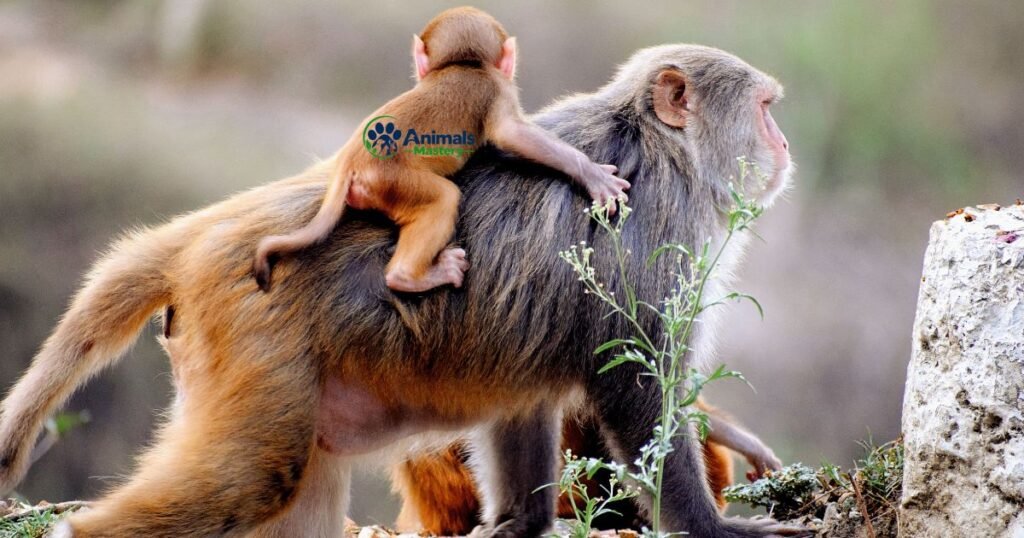
Communal care is a hallmark of monkey societies. In many species, it’s common for group members to engage in caretaking behaviors, from grooming to babysitting. This social fabric not only strengthens bonds within the troop but also enhances the overall success of infant development, as young monkeys learn to thrive in a multi-layered support system.
As they grow, the lessons learned through these multifaceted interactions help shape their roles in the troop, influencing everything from foraging strategies to social hierarchies. The intricate dance of maternal and communal care reveals just how pivotal social dynamics are in the nurturing of the next generation of monkeys.
Sharks
- Scientific Name: Carcharodon carcharias
- Family: Lamnidae
- Class: Chondrichthyes
- Diet: Carnivore, eats fish, seals, and other marine animals
Sharks are often misunderstood as mere ocean predators, but their reproductive strategies offer a fascinating glimpse into their evolutionary adaptability. Among the diverse shark species, some are viviparous, showcasing a type of reproduction that includes live birth and intricate internal embryonic development.
This unique reproductive method allows pups to grow inside the mother’s body, receiving nourishment much like mammals through a placental structure.
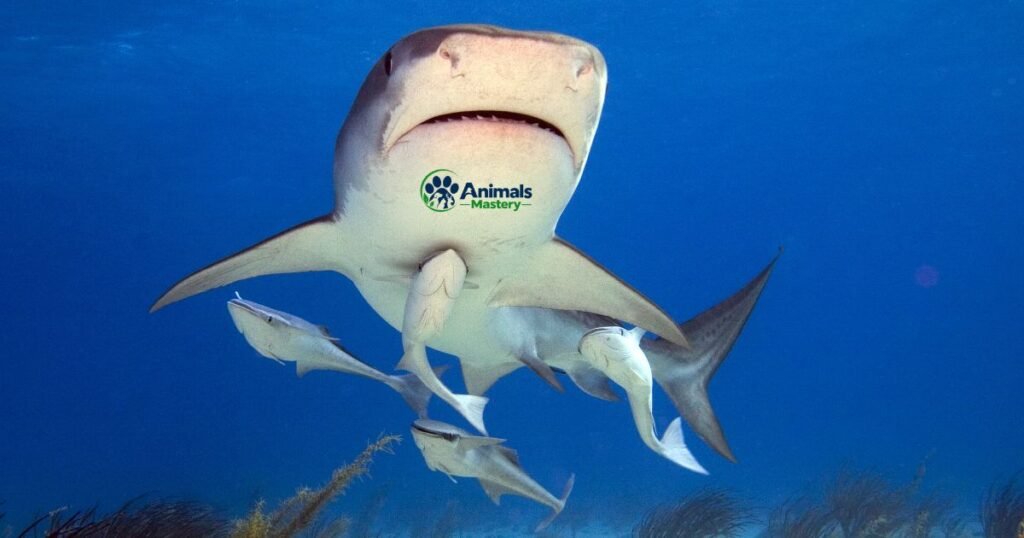
Viviparous sharks, such as the hammerhead and bull shark, demonstrate a remarkable evolutionary leap, fostering a closer maternal bond and increasing the survival chances of their young.
Unlike their oviparous counterparts, which lay eggs, these sharks provide a protective environment that shields developing embryos from external threats. This adaptation not only enhances the survival rate of offspring but also highlights the diverse strategies within shark reproduction that make these creatures so resilient in various marine habitats.
Cats
- Scientific Name: Felis catus
- Family: Felidae
- Class: Mammalia
- Diet: Carnivore, typically fed commercial cat food (meat-based)
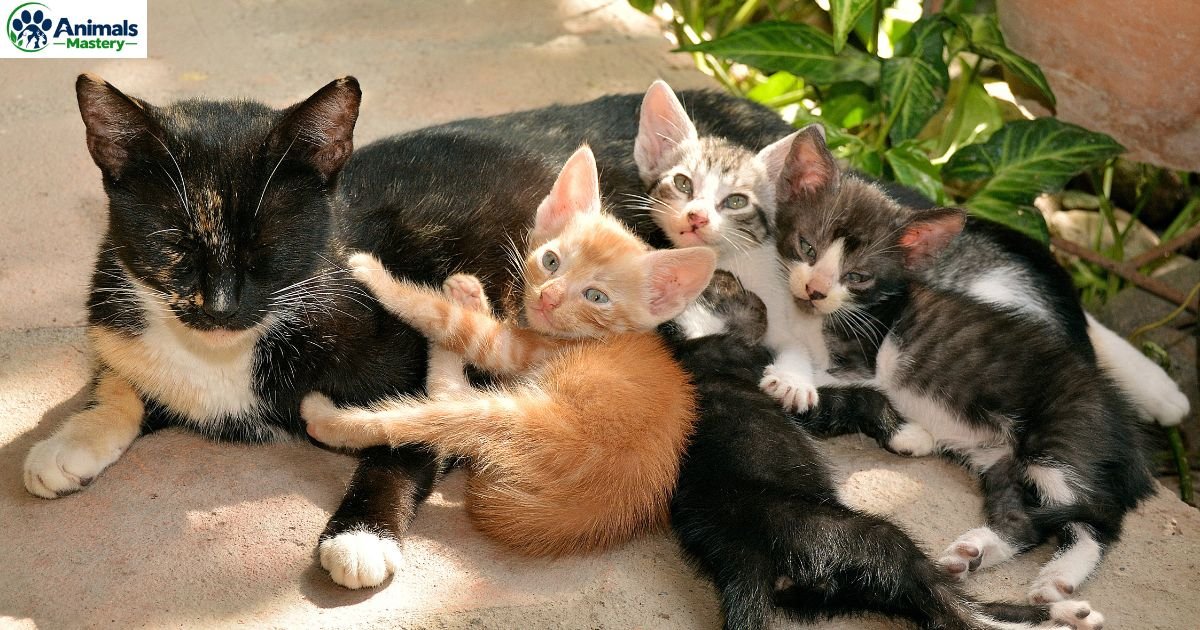
Cats, those enigmatic companions that have captivated human hearts for centuries, exhibit fascinating biological traits, particularly in their reproduction. As viviparous creatures, cats give birth to live young, which is a marvel of evolutionary adaptation.
The gestation period for a cat typically spans about 64 to 67 days, but this intriguing timeframe can fluctuate based on various factors, including the breed and health of the mother. Observing a pregnant cat presents a unique opportunity to witness the subtle changes in her behavior as she instinctively prepares for motherhood.
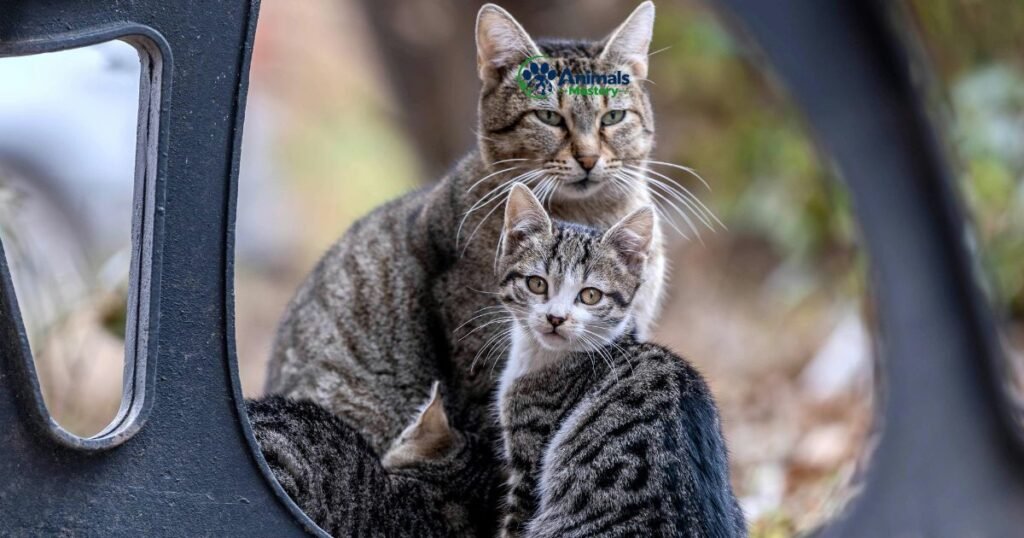
Maternal care in cats is a study in dedication and instinct. After giving birth, a queen (as female cats are called) fiercely protects her kittens, providing them with warmth and nourishment through nursing. Their remarkable ability to groom and stimulate their young not only ensures survival but fosters vital bonding, setting the stage for the kittens’ social and emotional development.
This early nurturing phase significantly influences the kittens’ future behavior and interactions, emphasizing the delicate balance of instinct and learned behavior in feline life. In exploring the complexities of cat reproduction and maternal care, one can’t help but appreciate the intricate web of life that these graceful creatures weave.
Giraffes
- Scientific Name: Giraffa camelopardalis
- Family: Giraffidae
- Class: Mammalia
- Diet: Herbivore, feeds mainly on acacia leaves
Giraffes, those towering icons of the African savanna, are not just remarkable for their height but also for their unique approach to reproduction. As viviparous mammals, giraffes give live birth, a beautiful process that emphasizes the profound connection between mother and calf.
After a gestation period of about 15 months, a single calf is typically born, standing on its legs and ready to explore its surroundings within moments. This immediate mobility is crucial, as it enhances the calf’s chances of survival in a predator-rich environment.
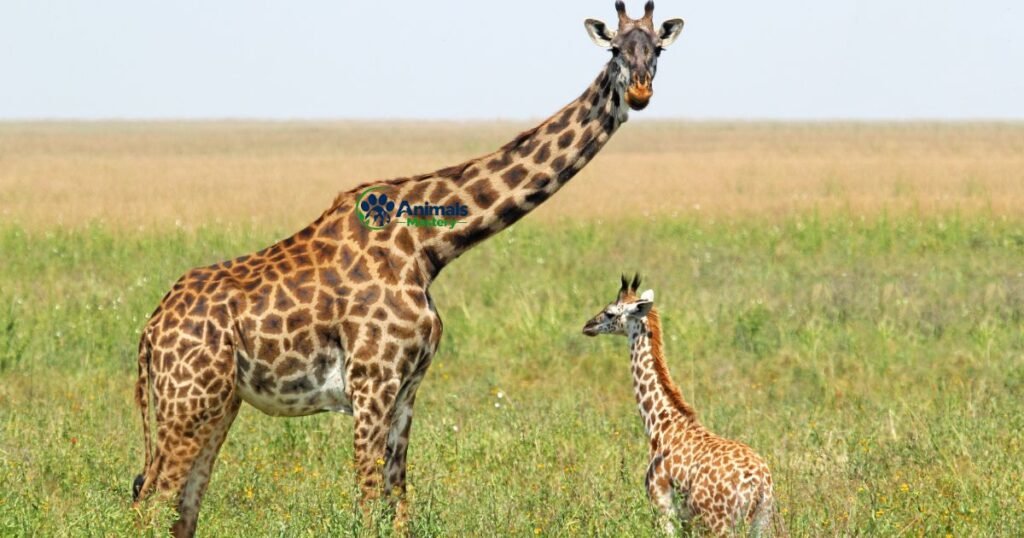
Maternal care in giraffes is a fascinating aspect of their behavior. Mother giraffes are remarkably attentive, often staying close to their young and teaching them essential survival skills. Over the first few weeks, a calf will adopt a close bond with its mother, learning to feed and recognize threats.
As they grow, mothers may even initiate a form of “babysitting,” where they watch over multiple calves, showcasing a communal approach to nurturing in the wild.
Rabbits
- Scientific Name: Sylvilagus floridanus
- Family: Leporidae
- Class: Mammalia
- Diet: Herbivore, feeds on grasses, clover, and vegetables
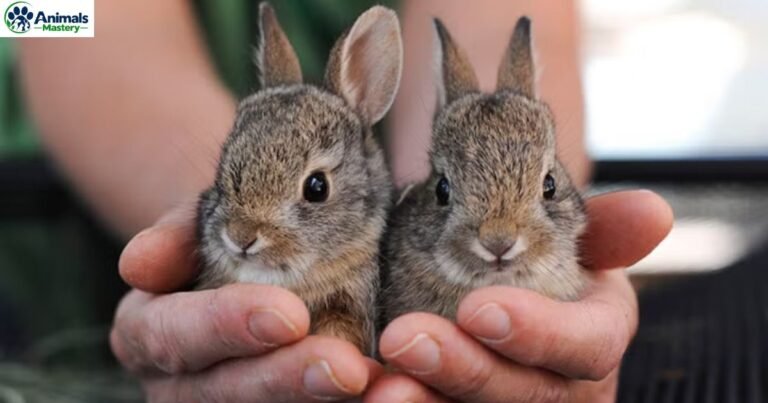
Rabbits are fascinating creatures, particularly in their unique approach to reproduction. As viviparous animals, they give live birth, a trait that ensures their young are developed enough to thrive shortly after entering the world.
What sets rabbits apart is their ability to employ delayed implantation, a fascinating adaptation that allows them to time the birth of their kits with environmental conditions. This means that once mating occurs, the fertilized egg can remain in a suspended state within the mother’s body for several weeks, only implanting when conditions are optimal for survival.
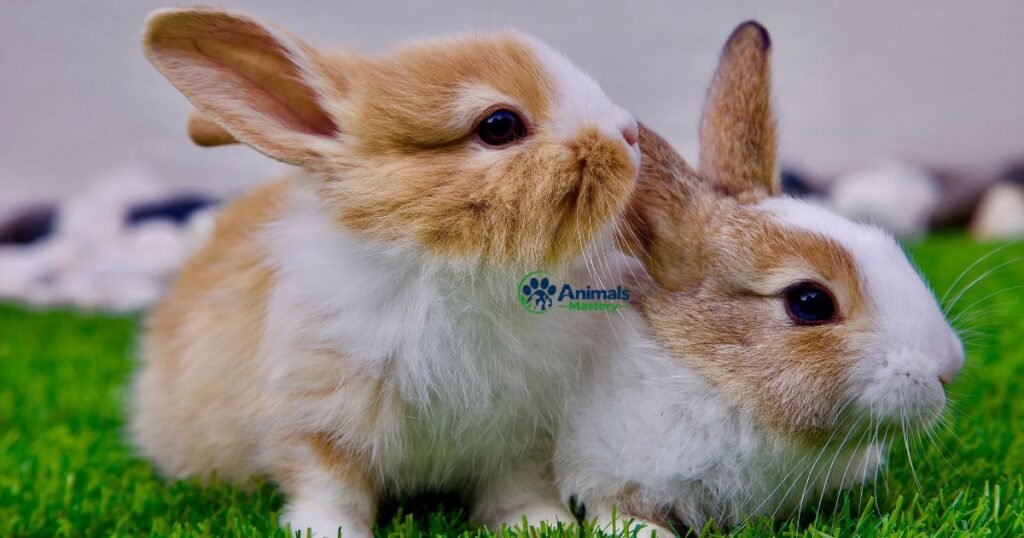
Maternal care in rabbits is also noteworthy; mothers are known for their meticulous nurturing. After a brief gestation period, a doe will carefully construct a nest using fur plucked from her own body, providing warmth and security for her newborns.
Rabbits often nurse their kits only once a day, a strategy that not only conserves the mother’s energy but also minimizes the scent left at the nest, reducing the risk of attracting predators.
This remarkable blend of reproductive strategy and maternal instinct highlights the adaptability and resilience of rabbits, making them a captivating subject for animal behavior enthusiasts.
Horses
- Scientific Name: Equus caballus
- Family: Equidae
- Class: Mammalia
- Diet: Herbivore, feeds on grasses, hay, and grains
Horses, as viviparous creatures, exhibit a fascinating journey of reproduction that reflects their adaptability and resilience. Their raw physical power also places them among the most muscular animals in the world. A typical gestation period lasts about 11 months, during which the foal develops intricately within its mother.
The foal’s development is an extraordinary blend of instinct and learning. Within hours of birth, a foal can stand and walk, an evolutionarily driven adaptation crucial for survival. This rapid progression allows the young horse to join its mother in grazing and escaping potential predators.
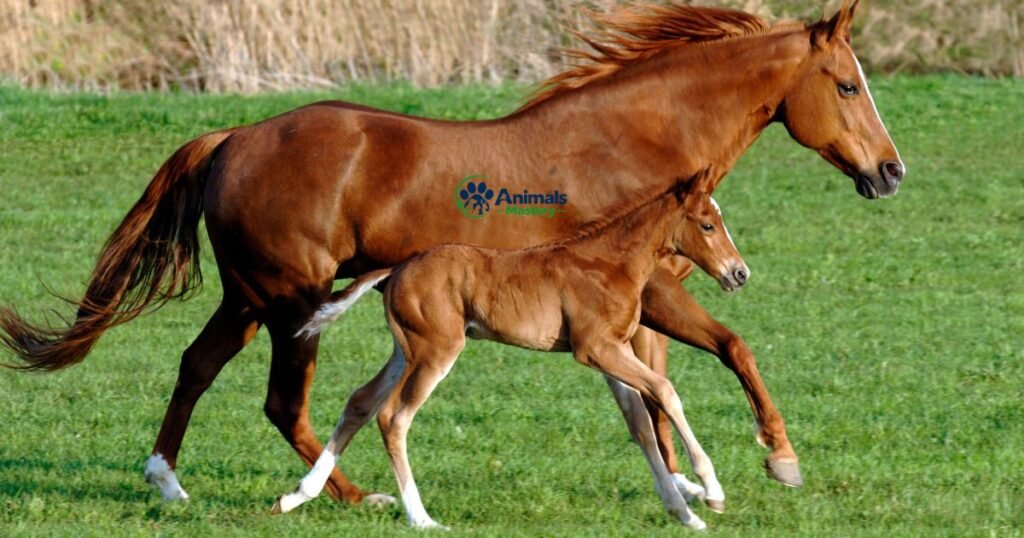
This prolonged phase allows for crucial growth and learning, as the mare prepares not just for the birth but also for the challenges of nurturing a new life in the wild or on a ranch.
Each stage of foal development reveals unique traits and behaviors influenced by a combination of genetics and environmental factors, highlighting the incredible bond between mare and foal.
This intimate connection is not just a survival necessity but also shapes the foal’s future personality and temperament, illustrating the profound impact of early experiences in the equine world.
Rats
- Scientific Name: Rattus norvegicus
- Family: Muridae
- Class: Mammalia
- Diet: Omnivore, eats grains, fruit, insects, and food scraps
Rats are fascinating creatures that continue to intrigue scientists and casual observers alike, especially when it comes to their viviparous reproduction. Unlike many small mammals, rats give live birth after a gestation period of about three weeks, which allows for a remarkable alignment between reproductive efforts and environmental conditions.
What sets rats apart is not just their rapid reproduction but also the level of maternal care they exhibit. Mother rats meticulously tend to their young, often giving birth to litters of 6 to 12 pups, which rely heavily on her for warmth and nourishment in their early days.
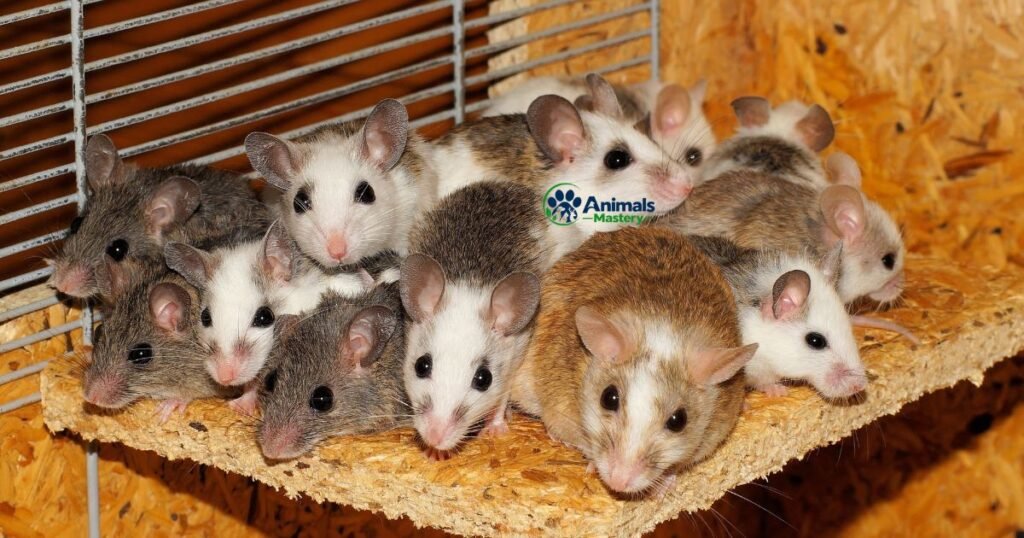
This swift reproductive cycle ensures that rat populations can bounce back quickly, making them resilient survivors in various habitats.
This nurturing behavior underscores a sophisticated social structure, as maternal care not only ensures the survival of the immediate offspring but also facilitates the development of social skills essential for their future interactions.
In a world where adaptability is key, the combination of live birth and attentive maternal care makes rats not only prolific but also surprisingly complex creatures worthy of our understanding.
Dolphins
- Scientific Name: Tursiops truncatus
- Family: Delphinidae
- Class: Mammalia
- Diet: Carnivore, eats fish and squid
Dolphins are one of the few marine mammals exhibiting viviparous reproduction, giving live birth rather than laying eggs. This fascinating reproductive strategy not only showcases their evolutionary adaptation to aquatic life but also emphasizes the crucial role of maternal care.
After an extended gestation period, which can last from 10 to 16 months depending on the species, a mother dolphin gives birth to a single calf, often in shallow water, where they can better navigate their new environment together.
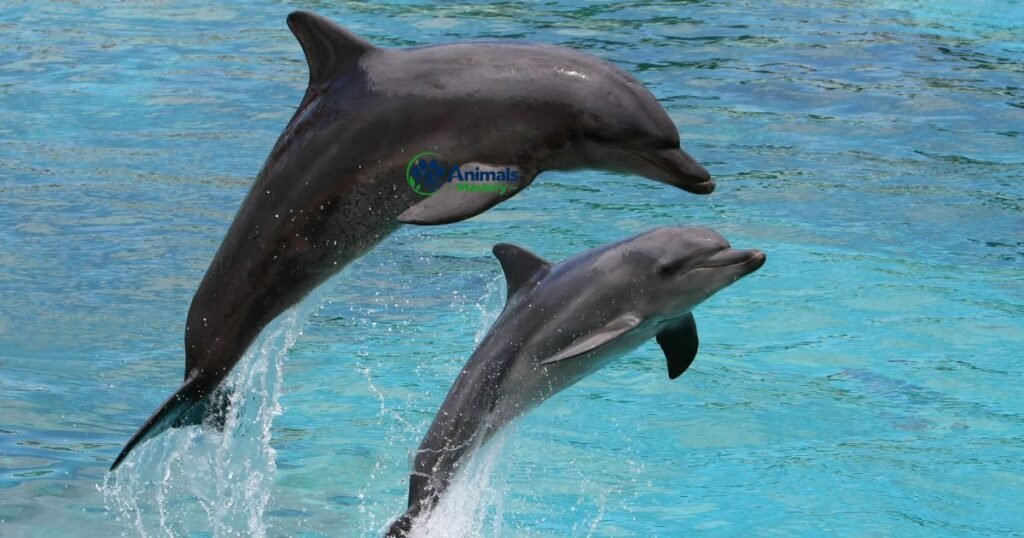
The bond formed during this early stage is profound; mothers are known to nurse their young for up to two years, often aiding in their socialization and teaching essential survival skills.
Dolphins possess highly developed social structures, and this maternal care extends beyond individual calves, with pods often working collectively to raise young dolphins. Such cooperation reflects the intelligence and emotional depth of these creatures, challenging traditional views and inviting deeper exploration into their complex social lives.
Apes
- Scientific Name: Pan troglodytes
- Family: Hominidae
- Class: Mammalia
- Diet: Omnivore, eats fruit, leaves, insects, and occasionally meat
Apes exhibit a fascinating blend of social intricacy and maternal devotion, distinguishing them within the primate family. Through viviparous reproduction, mother apes carry their young for an extended gestation period, which ranges from about six to eight months depending on the species.
This lengthy period is not just a biological necessity; it allows for the development of complex cognitive skills and social behaviors that are crucial for survival in dynamic environments.
The maternal care displayed by apes goes beyond mere nurturing. Mothers actively engage in social learning, teaching their young essential skills that will aid in foraging, communication, and even the use of tools.
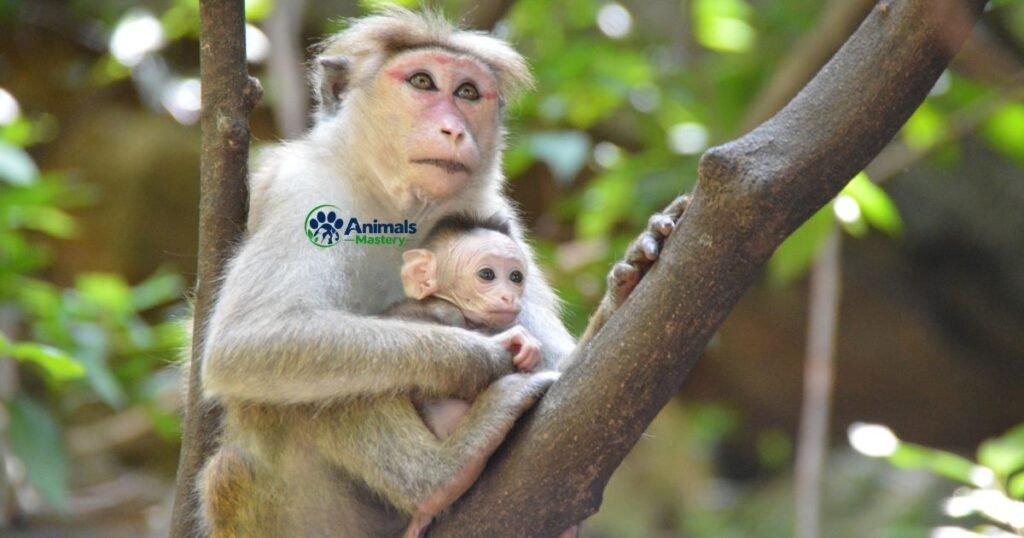
This transfer of knowledge, often seen in species like chimpanzees, creates a culture that is passed down through generations, highlighting the depth of their social interactions.
As they navigate the challenges of their habitats, apes not only rely on instinct but also on accumulated wisdom, showcasing a remarkable interplay between biology and social structure.
Green Anaconda
- Scientific Name: Eunectes murinus
- Family: Boidae
- Class: Reptilia
- Diet: Carnivore, eats fish, birds, and mammals
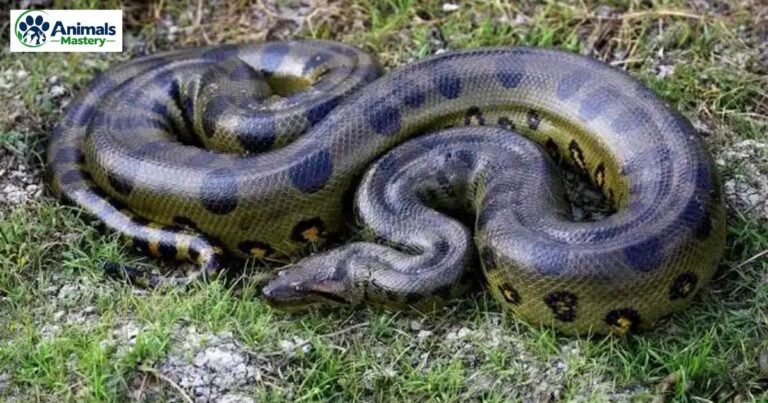
The Green Anaconda is a stunning yet often misunderstood marvel of the animal kingdom, particularly known for its unique viviparous reproduction method. Unlike many reptiles that lay eggs, this impressive snake gives birth to live young, a fascinating adaptation that enhances neonate survival rates in its challenging aquatic habitats.
This method allows the babies to thrive in a less vulnerable state, starting life in a serpentine world teeming with predators.
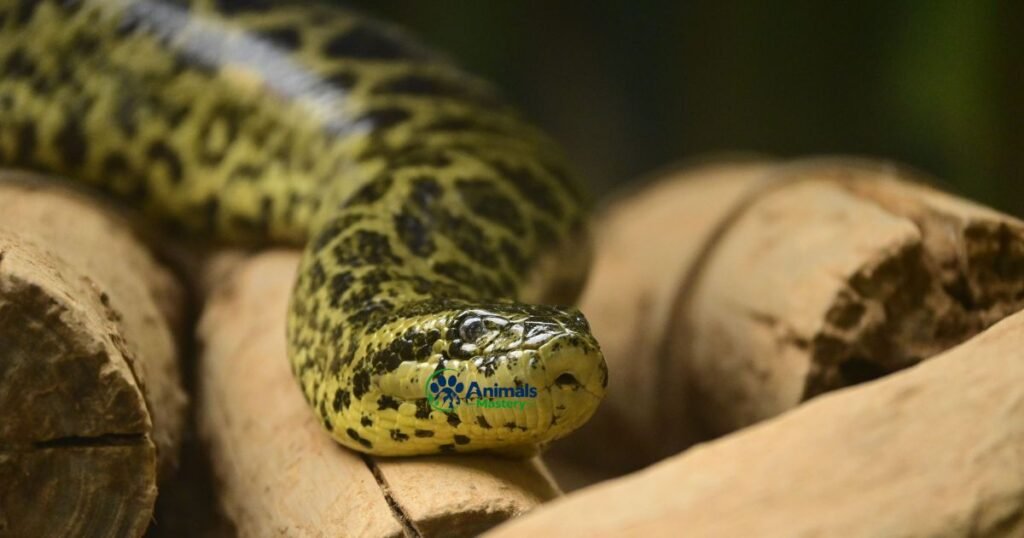
Upon birth, a neonate anaconda can reach lengths of up to two feet, ready to navigate their swampy surroundings. This immediate independence equips them with better survival chances, as they can swiftly evade danger and establish themselves in the food chain.
With an extraordinary capacity to grow beyond 20 feet, the Green Anaconda’s life cycle showcases nature’s brilliance in facilitating both reproduction and resilience, highlighting the intricate balance of life in the lush ecosystems of the Amazon.
Cows
- Scientific Name: Bos taurus
- Family: Bovidae
- Class: Mammalia
- Diet: Herbivore, feeds on grasses and hay
Cows are fascinating creatures with an intricate social structure that mirrors many aspects of human interactions. They thrive in herds, where they establish strong social bonds, often forming lifelong relationships with their peers. This camaraderie ensures not only emotional support but also collective vigilance against predators.
Their viviparous reproduction method allows cows to give live birth, fostering an environment where maternal care is paramount. The nurturing instinct of a mother cow is remarkable; she not only provides sustenance through her milk but also teaches her calf essential survival skills in their early months.
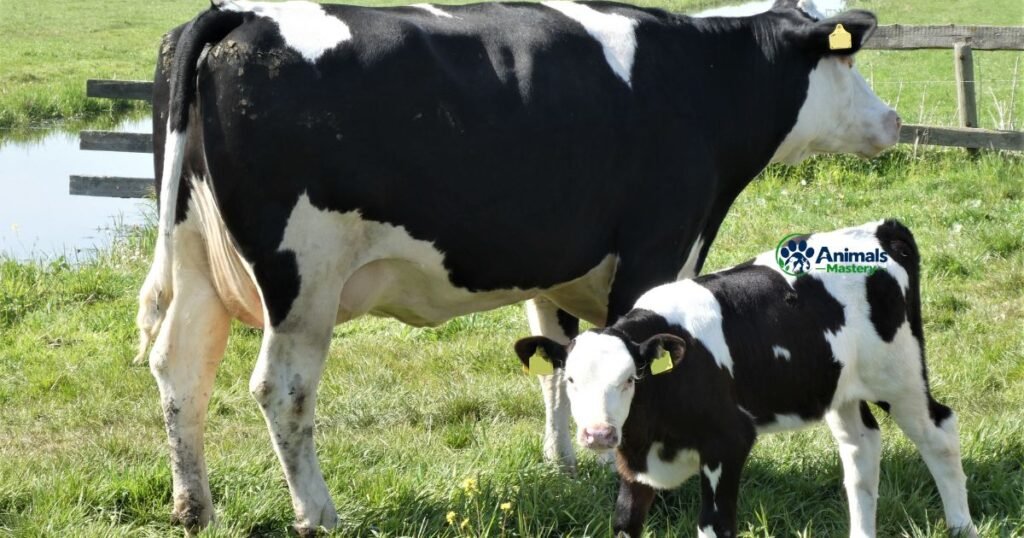
Cows play a crucial role in agricultural ecosystems. Beyond providing meat and milk, they contribute to soil health through their grazing habits, which aid in seed dispersal and nutrient cycling. The ways in which they interact with their environment showcase the interconnectedness of animal and plant life.
Observations of their behavior can offer insights into not only animal welfare but also sustainable farming practices. Understanding cows’ emotional depth and social intelligence allows us to appreciate them beyond their economic value, recognizing them as integral members of the agricultural community.
Viviparous Lizards
- Scientific Name: Zootoca vivipara
- Family: Lacertidae
- Class: Reptilia
- Diet: Carnivore, eats insects and small invertebrates
Viviparous lizards, unlike their egg-laying counterparts, showcase a fascinating method of reproduction that involves live birth and internal development. This remarkable adaptation not only enhances their survival in harsher climates but also allows for a more nurturing approach to offspring care.
The Common Lizard, a prime example of this reproductive strategy, demonstrates how viviparity can significantly influence the lizard’s range and habitat preferences. By bearing live young, these reptiles can thrive in environments where temperatures may not support the incubation of eggs.
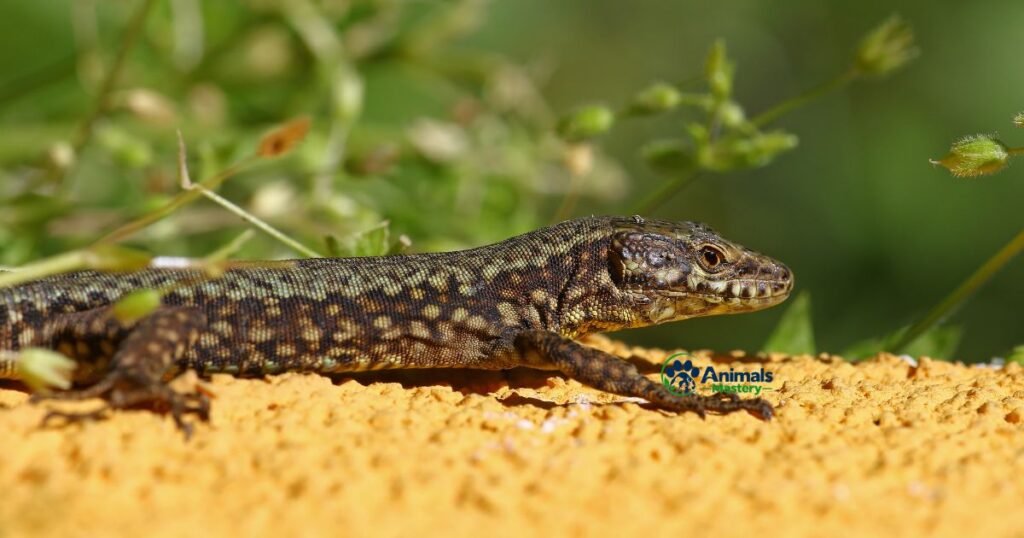
The evolutionary adaptations of viviparous lizards extend beyond reproductive methods; they also manifest in their physical traits and behaviors. The energy invested in live birth often results in more developed hatchlings that can fend for themselves almost immediately. This contrasts with oviparous reptiles, where young are often vulnerable post-hatching.
The internal development of embryos allows for a more stable environment, reducing the risks associated with fluctuating climates. This unique reproductive strategy not only captivates researchers but also offers a glimpse into the incredible adaptability of reptiles in the face of environmental challenges.
Deer
- Scientific Name: Odocoileus virginianus
- Family: Cervidae
- Class: Mammalia
- Diet: Herbivore, feeds on leaves, twigs, and grasses
Deer are remarkable creatures, exemplifying the beauty of viviparous reproduction, where mothers nurture their young through gestation until they are ready for life on their own. The fawn, often born in spring, is equipped with a stunning coat of spots that serve as natural camouflage, helping it blend seamlessly into its surroundings.
This ingenious adaptation not only provides safety from predators but also showcases the delicate balance of nature, where life thrives against all odds.
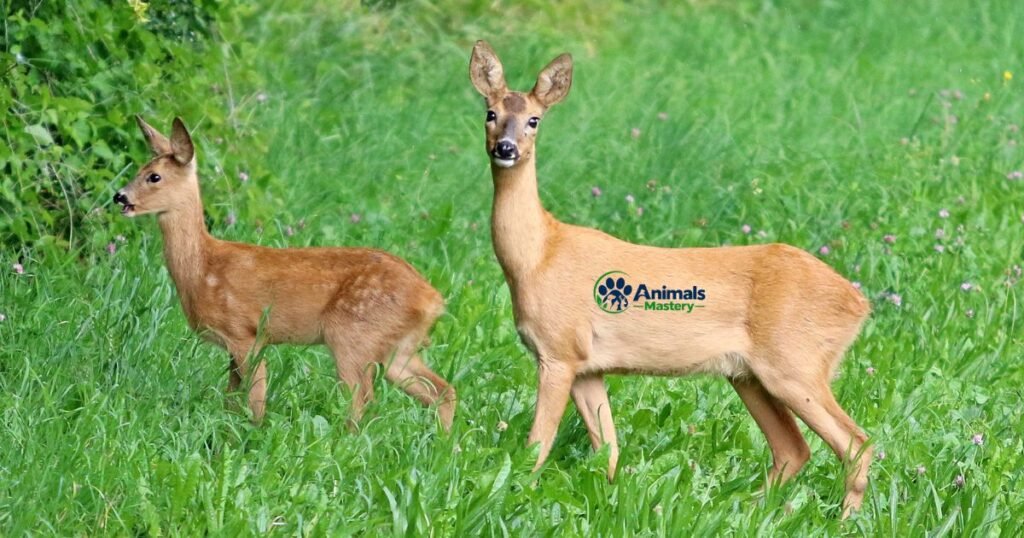
Maternal care in deer is profound and instinctual. Mothers exhibit a strong bond with their fawns, often keeping them hidden in tall grass while they forage nearby. This protective instinct is crucial, especially during the vulnerable early days of the fawn’s life.
As the fawn grows, the mother gradually encourages independence, teaching essential survival skills while still ensuring the young one is equipped to navigate the complexities of their habitat.
More Fascinating Animal Facts to Explore
If viviparous animals fascinate you, it’s worth exploring the flip side of live birth in our guide to ovoviviparous animals, where offspring develop inside eggs that hatch internally before birth.
Cats, one of the viviparous species covered here, are also known for their meticulous self-grooming, a habit that rivals some of the cleanest animals in the world.
And giraffes, known for their live births and towering calves, are featured for an entirely different trait in our piece on animals with long legs. Together, these connections show how a single species can be fascinating for more reasons than one.
Final Thoughts
The study of viviparous animals reveals a complex interplay of evolution and adaptation that is essential for survival in a variety of environments. These animals provide valuable insights into reproductive strategies and ecological balance, showcasing the incredible diversity life on Earth has to offer.
By appreciating and understanding these unique creatures, we can foster greater awareness of their challenges and contributions. Whether you’re a budding naturalist or a seasoned biologist, exploring the lives of viviparous animals can open new avenues of inquiry.
Join the journey of discovery and consider how you can support efforts to safeguard these remarkable species.
FAQs
What is a Viviparous Animal?
A viviparous animal gives birth to live young rather than laying eggs. Most mammals, including humans, are viviparous.
What is an Oviparous Animal?
An oviparous animal reproduces by laying eggs, with the embryo developing outside the mother’s body. Birds, reptiles, amphibians, and most fish are oviparous.
What are 5 Examples of Oviparous and Viviparous?
Oviparous: chicken, frog, turtle, snake, and butterfly.
Viviparous: human, dog, cat, elephant, and cow.
What is the Main Difference Between Oviparous and Viviparous Animals?
Oviparous animals lay eggs, while viviparous animals give birth to live young that develop inside the mother’s body.
Are Humans Viviparous?
Yes. Humans are viviparous because babies develop inside the mother’s uterus and are born alive.