Top 11 Shocking Animals That Eat Their Young (Facts and Pictures)
Imagine a world where a parent might turn on its offspring, not out of malice, but as a survival tactic. The concept of animals that eat their young can seem both disturbing and fascinating.
This article will uncover the top 11 species of animals that eat their young that exhibit this behavior, highlighting the complex motivations behind it.
By exploring these examples, we can gain insights into the harsh realities of nature and the lengths to which animals will go to ensure their own survival.
List of Animals That Eat Their Young
Here is the list of animals that eat their young:
- Lion
- Polar Bear
- Chicken
- Chimpanzee
- Sand Tiger Shark
- Blenny Fish
- Prairie Dog
- Hamster
- Sand Goby
- Bullfrog
- Praying Mantis
Lion
- Scientific Name: Panthera leo
- Family: Felidae
- Class: Mammalia
- Diet: Carnivore, feeds on large mammals such as zebra, wildebeest, and buffalo
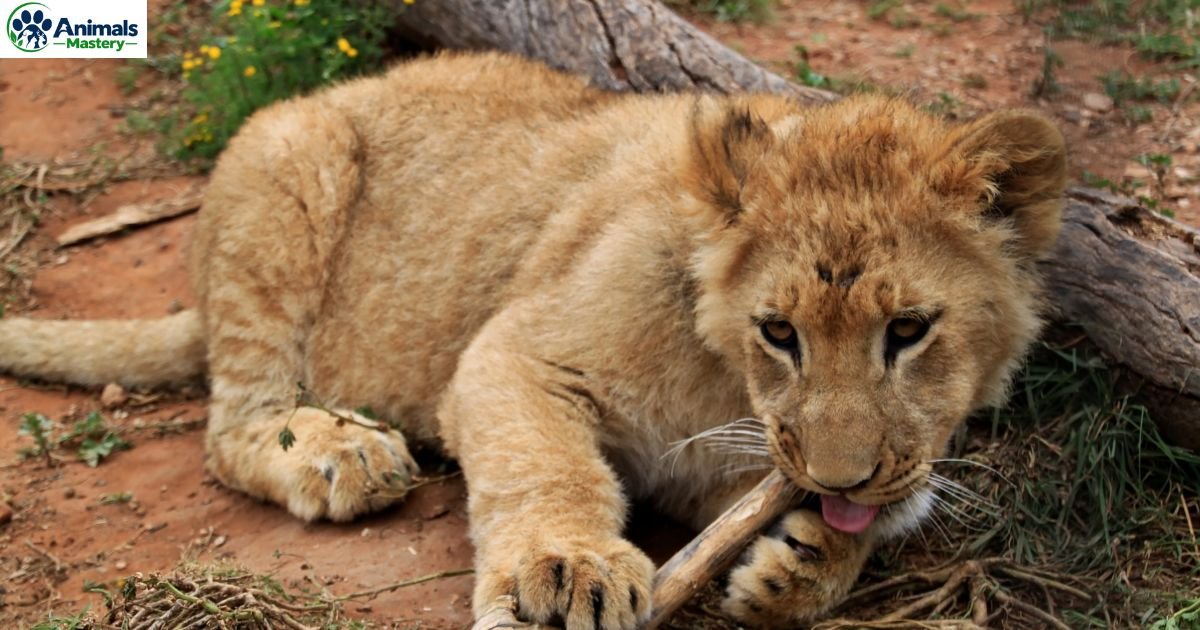
Among lions, infanticide is most commonly linked not to the lioness herself but to incoming males who take over a pride. When a new dominant lion ousts the previous pride leader, he will often kill any existing cubs sired by his predecessor, a brutal but calculated survival strategy rooted in natural selection.
By eliminating cubs that don’t carry his own genes, the new male ensures that the pride’s limited resources are directed toward offspring that will carry his bloodline forward. This act also brings the lionesses back into estrus more quickly, since a nursing mother won’t mate again until her cubs are weaned or lost, allowing the new leader to father his own litter without delay.
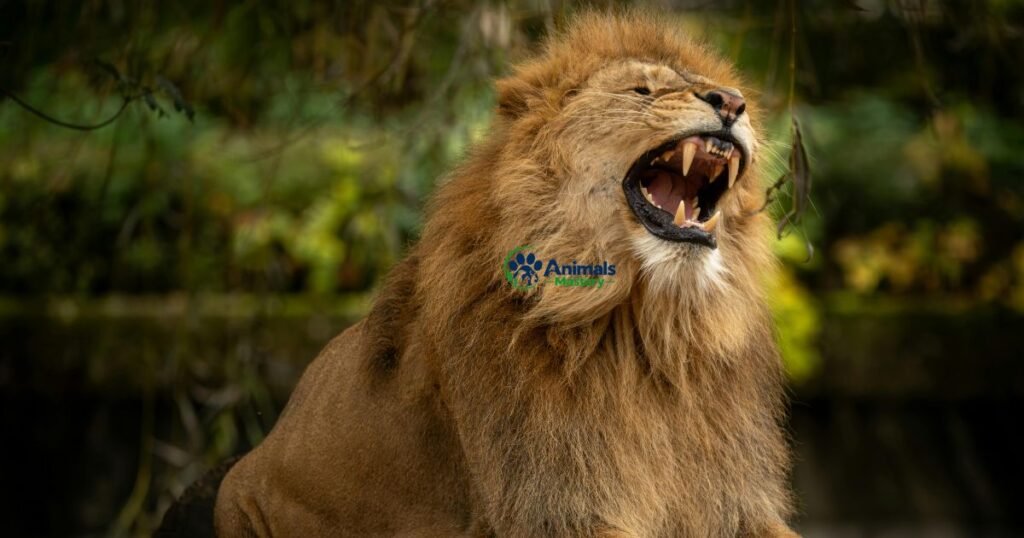
Food scarcity compounds this pressure: in prides already stretched thin during lean seasons, cubs that aren’t biologically tied to the reigning male become an unsustainable drain on the group’s survival.
While it may appear merciless, this behavior reflects nature’s uncompromising logic, a system where genetic continuity and the strength of future generations take precedence over the lives of the vulnerable, reinforcing the lion’s place as one of the animal kingdom’s most striking examples of survival driving even its darkest instincts.
Polar Bear
- Scientific Name: Ursus maritimus
- Family: Ursidae
- Class: Mammalia
- Diet: Carnivore, feeds mainly on seals
In the stark, icy realms of the Arctic, polar bears face a relentless struggle against food scarcity, a predicament that has driven some to a startling behavior: cannibalism. As climate change decimates their hunting grounds and seals, primary sources of nutrition, become harder to find, these majestic creatures sometimes turn on their own.
The fierce competition for dwindling resources profoundly impacts cub survival rates. Young polar bears, dependent on their mothers for sustenance during their formative months, are particularly vulnerable.

This instinctual response underscores a grim aspect of natural selection; those bears that can adapt to desperate circumstances may secure their survival at the expense of their kin.
When environmental pressures force adult bears into a desperate state, the consequence is not just a threat to food availability but also to the future of the species.
As survival instincts shift toward an “every bear for itself” mentality, the harsh realities of their environment reshape social structures and survival strategies in the animal kingdom.
Chicken
- Scientific Name: Gallus gallus domesticus
- Family: Phasianidae
- Class: Aves
- Diet: Omnivore, eats seeds, insects, and small invertebrates
Chickens, often seen merely as a source of protein on our plates, exhibit fascinating maternal instincts that merit deeper appreciation. A hen meticulously prepares her nesting area, displaying behaviors that echo the nurturing traits of many mammals.
This dedication goes beyond mere instinct; it highlights a complex social structure within flocks that revolves around kinship and protection. Under conditions of environmental stress, like overcrowding or lack of resources, these instincts can unravel, leading to unexpected behaviors such as cannibalism among hens.
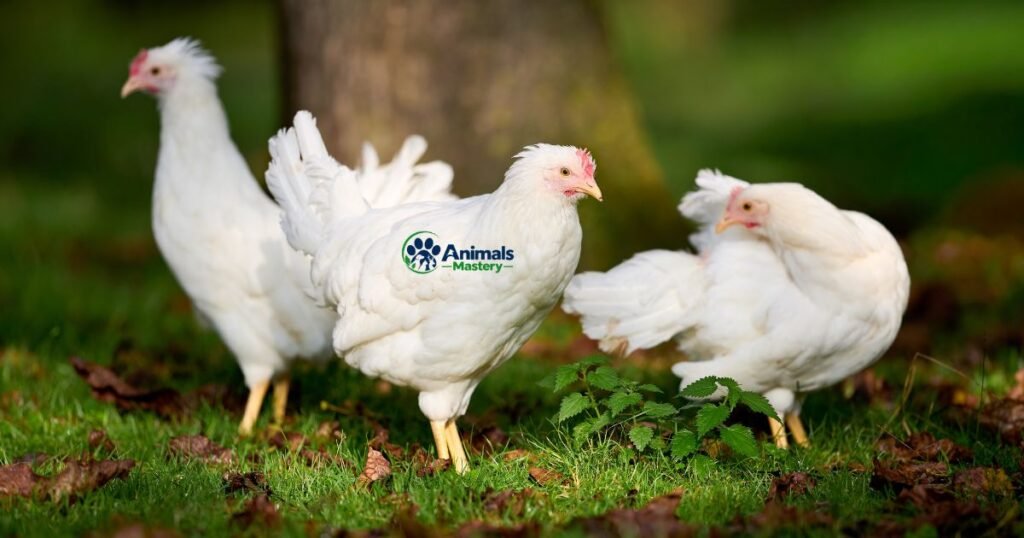
Rather than simply being a mindless act of aggression, these behaviors reflect a desperate adaptation to survival where the social bonds are compromised.
In the realm of poultry husbandry, understanding these dynamics is crucial for fostering healthier flocks. By designing environments that reduce stressors, farmers can enhance the well-being of chickens, allowing their natural maternal behaviors to flourish.
Chimpanzee
- Scientific Name: Pan troglodytes
- Family: Hominidae
- Class: Mammalia
- Diet: Omnivore, eats fruit, leaves, insects, and occasionally meat
Chimpanzees display a fascinating blend of complex social behaviors, particularly when it comes to maternal strategies within their communities. One striking aspect is maternal infanticide, an alarming yet sometimes necessary survival strategy.
In times of malnutrition or social instability, mothers may resort to this troubling behavior to ensure their own survival and that of their surviving offspring. While this may seem brutal, in chimpanzee society, the harsh realities of resource scarcity often dictate such extreme choices, shedding light on the raw instincts that govern their lives.
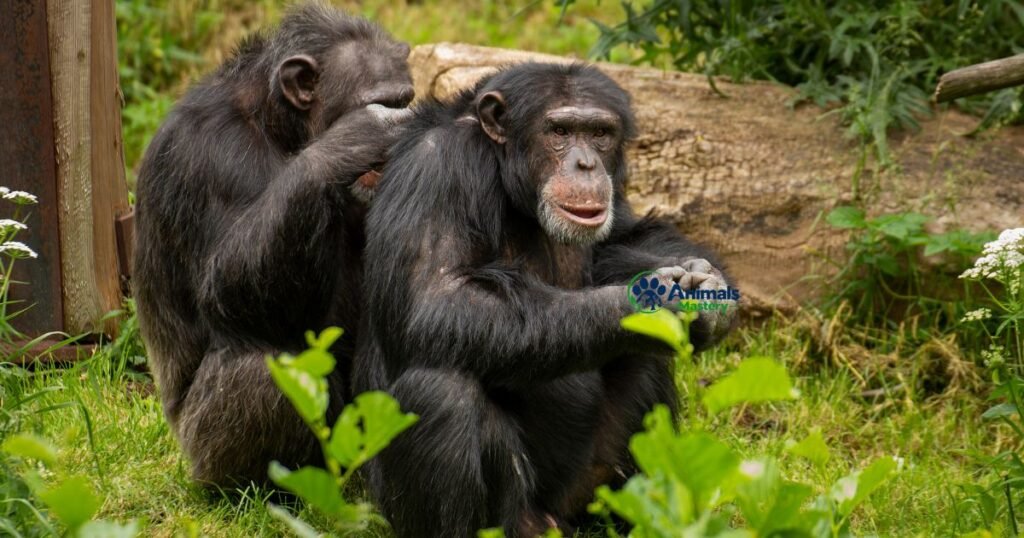
The social dynamics of chimpanzee communities further enhance the intricacies of their maternal roles. Females are often agents of stability, forging strong bonds and nurturing relationships that can stabilize their social structure.
These bonds are tested during periods of stress, where competition for dwindling food resources can lead to heightened tensions. Under duress, the very relationships that typically support their survival may fracture, leading to an increase in aggressive behaviors, including maternal infanticide.
Sand Tiger Shark
- Scientific Name: Carcharias taurus
- Family: Odontaspididae
- Class: Chondrichthyes
- Diet: Carnivore, eats fish, squid, and crustaceans
The Sand Tiger Shark (Carcharias taurus) is a marvel of the ocean, notable not just for its jagged teeth and formidable size but also for its intriguing reproductive strategy. Amid the delicate balance of marine ecosystems, this species exhibits a fascinating behavior known as intrauterine cannibalism, or adelphophagy.
As embryos develop within the mother’s womb, the stronger ones consume their weaker siblings, showcasing a brutal yet effective method of natural selection. This embryonic competition ensures that only the fittest pups are born, equipped for survival in a world where every moment matters.
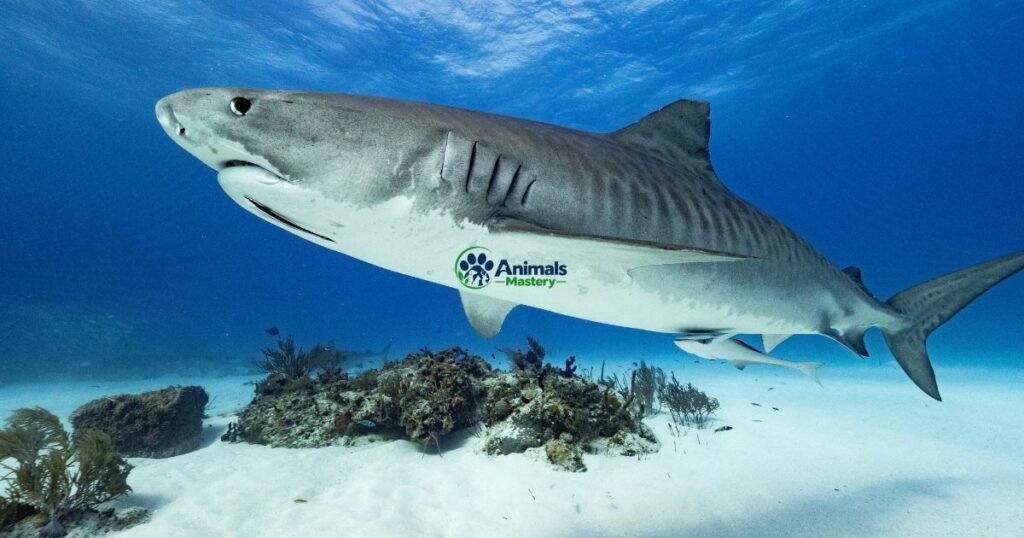
What makes this process even more captivating is its implication for evolutionary success. By optimizing the genetic fitness of its offspring, the Sand Tiger Shark exemplifies a harsh, yet essential, reality of life in the wild.
This competition not only shapes individual survival but also enhances the resilience of the species as a whole.
Blenny Fish
- Scientific Name: Blenniidae
- Family: Blenniidae
- Class: Actinopterygii
- Diet: Omnivore, eats algae, small invertebrates, and plankton
Blenny fish embody a fascinating and somewhat unsettling aspect of marine biology: filial cannibalism. In times of resource scarcity, these fish exhibit a peculiar maternal behavior where mothers consume some of their own offspring.
While this might seem harsh, it’s a survival strategy that optimizes the remaining brood’s chances of thriving. By reducing competition, a mother can ensure that her healthier fry have a better chance of success in the wild, ultimately enhancing her genetic legacy.
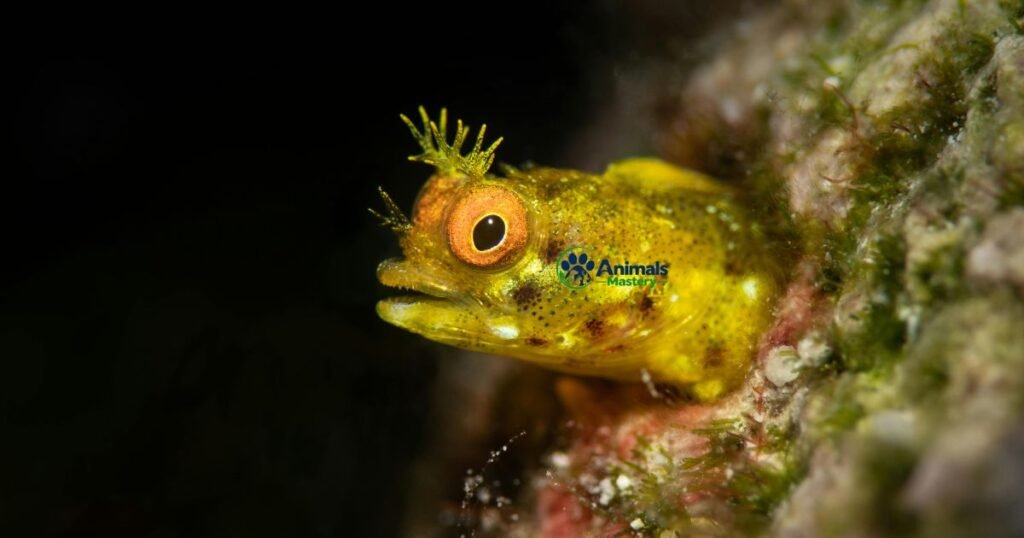
This behavior also reshapes our understanding of parental investment in the animal kingdom. Rather than being strictly nurturing, maternal strategies can diverge dramatically based on environmental pressures.
The blenny’s approach to ensuring survival highlights a complex interplay between instinct and circumstance, prompting further exploration into how such decisions impact evolution.
Prairie Dog
- Scientific Name: Cynomys ludovicianus
- Family: Sciuridae
- Class: Mammalia
- Diet: Herbivore, feeds on grasses and roots
Prairie dog infanticide is a well-documented phenomenon among biologists studying rodent social behavior, and it’s surprisingly common, some studies suggest up to half of prairie dog litters lose at least one pup to it.
Unlike predator-driven cub loss in larger mammals, this behavior is largely self-inflicted within the colony: closely related females, including mothers, aunts, and sisters, will kill and sometimes consume the pups of other family members, and occasionally their own.
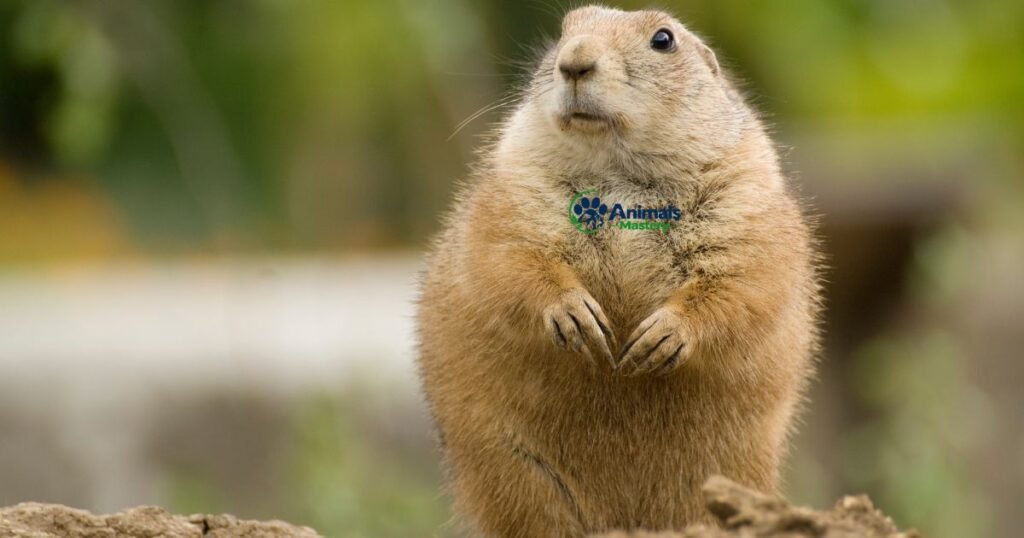
Food scarcity plays a central role, as prairie dog colonies can grow dense enough that available burrows and forage can no longer support every litter, pushing dominant females to eliminate competition before it depletes shared resources.
Overcrowding compounds this pressure, since prairie dog towns can house hundreds of individuals in tightly packed burrow systems, intensifying competition for space, food, and breeding territory.
Hamster
- Scientific Name: Mesocricetus auratus
- Family: Cricetidae
- Class: Mammalia
- Diet: Omnivore, eats seeds, grains, vegetables, and occasionally insects
Hamsters, often cherished as endearing companions, exhibit behaviors influenced by a mix of instincts and environmental contexts. One particularly striking phenomenon is filial cannibalism.
While it may seem shocking, this behavior can be understood as a survival instinct born from maternal stress and environmental pressures. A mother hamster, facing threats or insufficient resources, might consume her young to boost her own chances of survival or to ensure that the remaining pups have the best shot at thriving in a harsh environment.
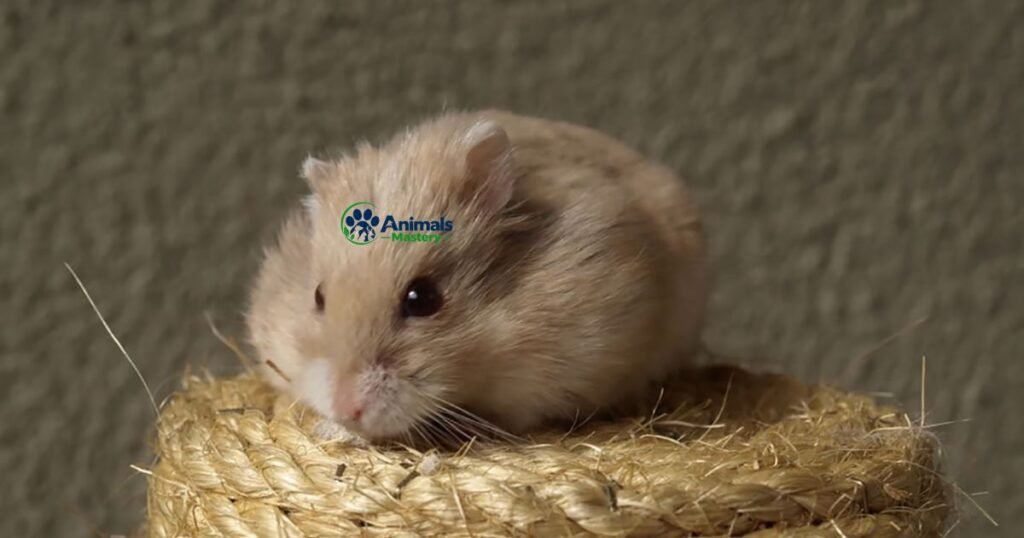
Maternal behavior in hamsters is often a delicate balance between nurturing and instinctive self-preservation. When environmental stressors, like predation or lack of food, overwhelm a mother, she may prioritize the healthiest offspring.
Sand Goby
- Scientific Name: Pomatoschistus minutus
- Family: Gobiidae
- Class: Actinopterygii
- Diet: Carnivore, eats small crustaceans and invertebrates
In the dynamic ecosystems of sandy shorelines, the Sand Goby employs resource optimization strategies that not only ensure its survival but also illustrate the fascinating complexity of parental behaviors among sea creatures.
These small fish, often overlooked due to their inconspicuous nature, exhibit a remarkable form of parental cannibalism. While this may seem counterintuitive, it serves a dual purpose: providing necessary nutrients to the parents while simultaneously serving as a means of population control.
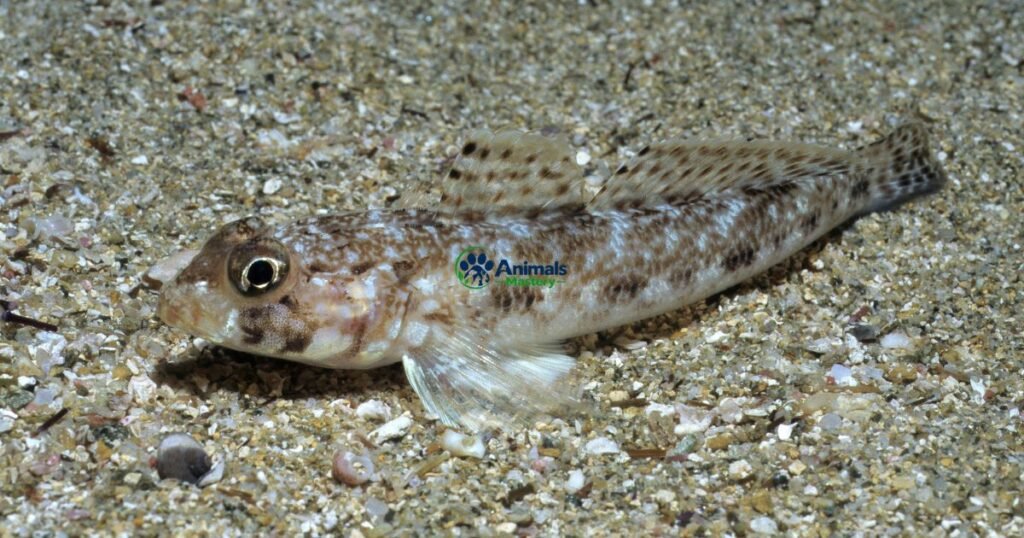
By consuming weaker offspring, parents can enhance the overall health and viability of the remaining brood, a striking example of natural selection in action.
This behavior challenges traditional views on parenting in the animal kingdom. Typically, parents are seen as nurturers, but the Sand Goby flips this narrative, transforming survival into a strategic gamble. This act of self-preservation reflects the harsh realities of life where resources are scarce and competition is fierce.
Bullfrog
- Scientific Name: Lithobates catesbeianus
- Family: Ranidae
- Class: Amphibia
- Diet: Carnivore, eats insects, small fish, and other amphibians
Bullfrogs exhibit a fascinating survival strategy that sets them apart in the amphibian world: cannibalism. This behavior often emerges during times of resource scarcity, with larger bullfrogs consuming smaller ones to ensure their own survival and maintain their dominance within an ecosystem.
This ruthless but effective method might seem grim, yet it plays a crucial role in regulating the bullfrog population. By feeding on their kind, these amphibians adapt to fluctuating resource availability, ensuring that only the strongest individuals thrive.
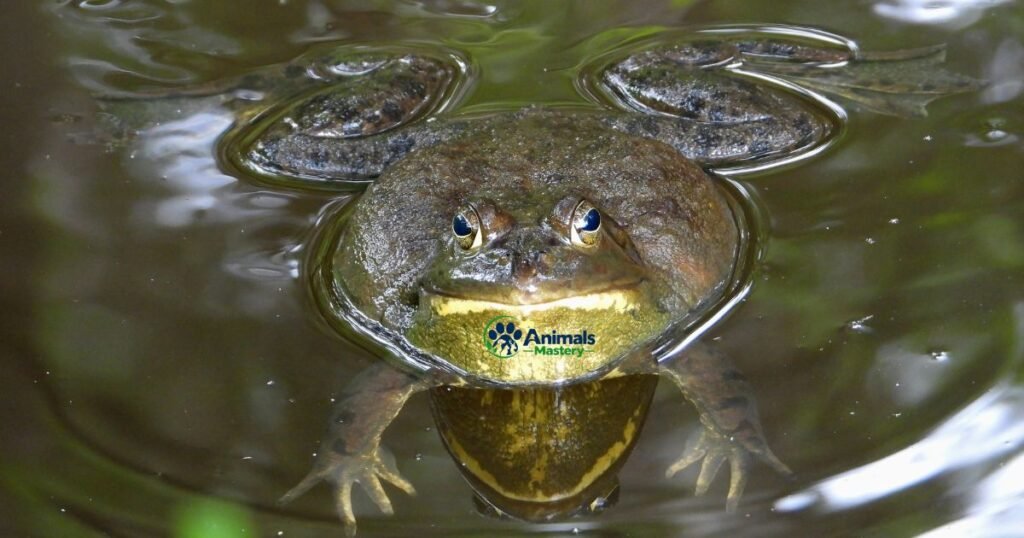
Bullfrog cannibalism isn’t just about survival; it’s also an ecological balancing act. In environments facing shifts in food supply, this behavior can actively control the population density of bullfrogs, preventing overpopulation that could lead to habitat degradation.
As fascinating as this strategy is, it raises compelling questions about the ecological roles of predators and prey, urging us to reconsider how we understand interconnectedness in nature.
Praying Mantis
- Scientific Name: Mantis religiosa
- Family: Mantidae
- Class: Insecta
- Diet: Carnivore, eats insects and other small invertebrates
The Praying Mantis is often seen as a marvel of nature due to its unique predatory skills and striking appearance, but it also engages in some surprising behaviors that reveal its cunning survival strategies.
One of the most intriguing aspects is matriphagy, where the female consumes her mate following copulation. While this might seem gruesome, it serves as a survival strategy; the nutrients gained from the male can boost reproductive success and ensure the offspring thrive in a resource-scarce environment.
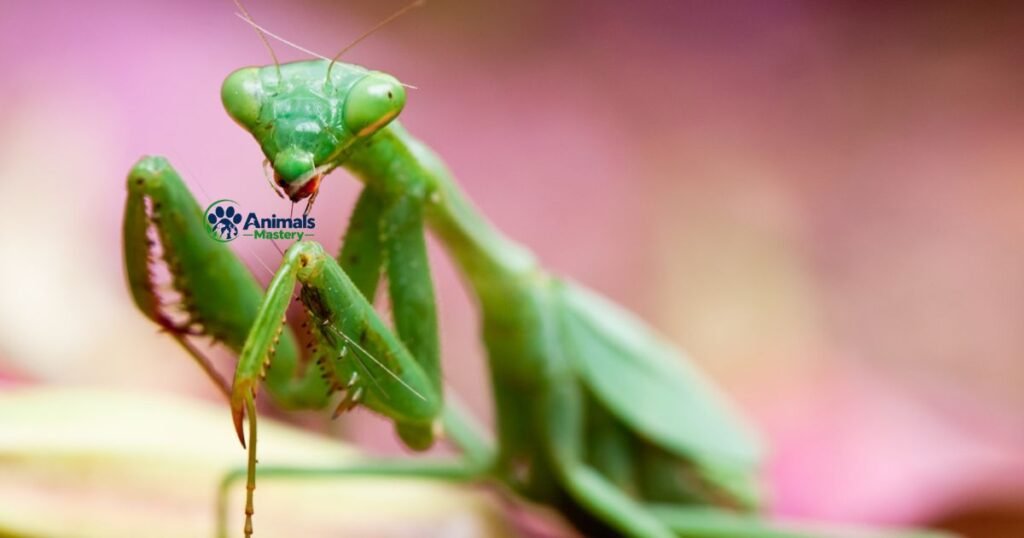
Cannibalism in the Praying Mantis goes beyond mating behavior. During times of resource scarcity, even the younger mantids are not exempt from this carnivorous behavior, as they may resort to feasting on their siblings or peers.
This brutal yet pragmatic approach underscores a deep evolutionary adaptation, an understanding that in the harsh tapestry of life, the strong must sometimes consume the weak to survive.
The Praying Mantis’s ability to navigate such stark realities not only captivates our imagination but also invites us to reflect on the complex patterns of survival in the natural world.
Related Animal Facts Worth Exploring
The lion’s dramatic pride takeovers aren’t its only defining trait, its iconic mane, and the science behind why males grow one, is covered in depth in our guide to animals that have manes.
Prairie dogs, meanwhile, share their burrowing lifestyle and colony structure with several other animals like groundhogs, despite their more complicated family dynamics.
And the bullfrog’s cannibalistic tendencies are just one side of this amphibian, its aquatic adaptations are explored further in our roundup of animals with webbed feet.
Each of these links offers a fuller picture of animals whose survival strategies go well beyond what’s covered here.
Final Thoughts
The practice of filial cannibalism among various animal species; animals that eat their young, highlights the complex and sometimes harsh realities of survival in the natural world.
While it may seem unsettling to human observers, these behaviors often serve critical roles in their ecosystems, whether through population control or resource allocation.
Each species, from the parental instinct of lizards to the reproductive strategies of certain fish, demonstrates a unique adaptation to their environments. Understanding these instincts can foster a greater appreciation for the intricate balance of nature.
FAQs
Do Lions or Tigers Eat their Young?
Lions and tigers generally do not eat their own young. However, infanticide can occur in some circumstances, particularly when a male lion takes over a pride.
Which Animals Eat their Own Breeds?
Some animals known to eat their young include hamsters, mice, rats, pigs, fish, insects, and certain reptiles. This behavior is usually linked to stress, lack of food, or other environmental pressures.
Which Animals do not Eat Their Young?
Most mammals, birds, and other animals do not normally eat their young. Lions, elephants, giraffes, and many primates typically protect and care for their offspring.
Which Animal Eats its Mother Immediately after Birth?
Some matrifagous spiders, such as certain social spiders, have young that consume their mother after hatching. This behavior is called matriphagy.
Why do Animals Eat Their Own Young?
Animals may eat their young because of food shortages, stress, illness, overcrowding, or poor environmental conditions. In some species, it can also be a natural reproductive strategy.
What do you call an Animal that Eats its Young?
There is no special general term for an animal that eats its young. The behavior is called filial cannibalism or, more broadly, cannibalism.