20 Most Anxious Animals in the World (With Pictures)
An animal so anxious it can’t relax in its own habitat. The Top 20 Anxious Animals in the World takes you on a journey through the quirks and traits of the most neurotic species out there.
Exploring their anxiety not only captivates our curiosity but also raises awareness about the impact of the environment and stress on wildlife. Discover the most anxious animals and know why understanding their mental state matters for conservation and empathy towards all living beings.
What We Mean by “Anxious”?
When we talk about “anxious” animals, we refer to species exhibiting heightened stress responses or behavioral traits indicative of unease in their environment. This anxiety might manifest through fidgeting, vocalizations, or even avoidance behaviors, reflecting their innate survival instincts.
Just like humans, animals can experience feelings of dread or nervousness, often shaped by their habitats and social structures.
Signs of Anxiety in Animals
Anxiety in animals often manifests through subtle cues that can easily go unnoticed by their guardians. Understanding the signs of anxiety in animals is essential for their well-being.
- Freezing or hiding: common in prey animals like rabbits, deer, and mice when they sense a threat
- Excessive vocalization: barking, chirping, or bleating beyond what’s typical for the species
- Repetitive behaviors: pacing, feather plucking (parrots), over-grooming (cats), or circling
- Changes in appetite or digestion: stress-related loss of appetite is common in both wild and domestic animals
- Physical tells: flattened ears, tucked tails, dilated pupils, or a lowered body posture
These signs vary by species, and a behavior that signals anxiety in one animal (a rabbit thumping its foot) may mean something entirely different in another.
List of Anxious Animals in The World
Below is the list of 20 most anxious animals in the world:
- Dogs
- Cats
- Squirrels
- Horses
- Ostriches
- Elephants
- Chimpanzees
- Foxes
- Cheetahs
- Goats
- Ferrets
- Mice
- Rabbits
- Chickens
- Rats
- Parrots
- Deer
- Opossums
- Toads
- Sheep
Dogs
- Scientific name: Canis lupus familiaris
- Family: Canidae
- Class: Mammalia
- Diet: Omnivore
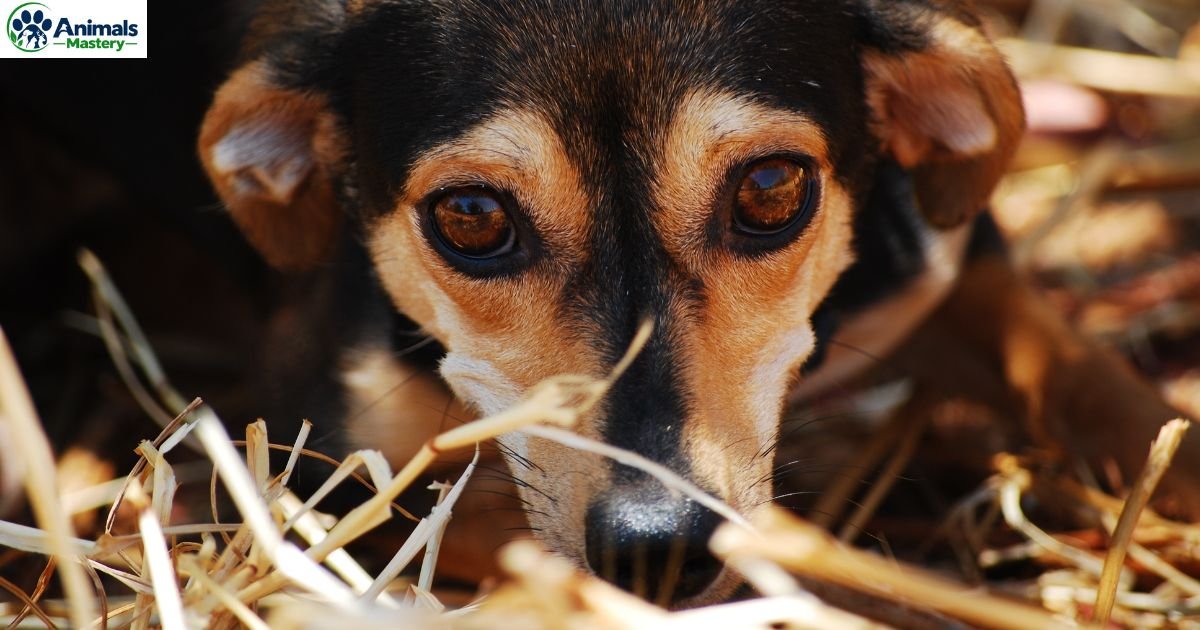
Dog anxiety is a complex issue that many pet owners grapple with, especially when it comes to separation anxiety. The instinctual bond between dogs and their humans means that leaving them alone can trigger profound stress.

This anxiety can manifest in various ways, from destructive behavior to incessant barking, making it vital for owners to recognize the signs early. Understanding a dog’s unique triggers, whether it’s a specific noise, lack of interaction, or even changes in routine, can pave the way for effective management strategies.
Creating an enriched environment is one of the best ways to help alleviate canine stress. Puzzle toys, interactive games, and consistent exercise can distract anxious pups and provide mental stimulation, reducing feelings of loneliness and fear.
Addressing dog anxiety is not just about minimizing stress, but also about fostering a deeper connection between you and your furry friend. Our guide to scary animals in the world to learn about species known for their powerful defenses, hunting abilities, and unique survival traits.
Cats
- Scientific name: Felis catus
- Family: Felidae
- Class: Mammalia
- Diet: Carnivore
Cats, often perceived as aloof and independent, can experience profound anxiety, particularly in response to environmental changes. Moving to a new home, introducing another pet, or even rearranging furniture can turn a relaxed feline into a bundle of nerves.
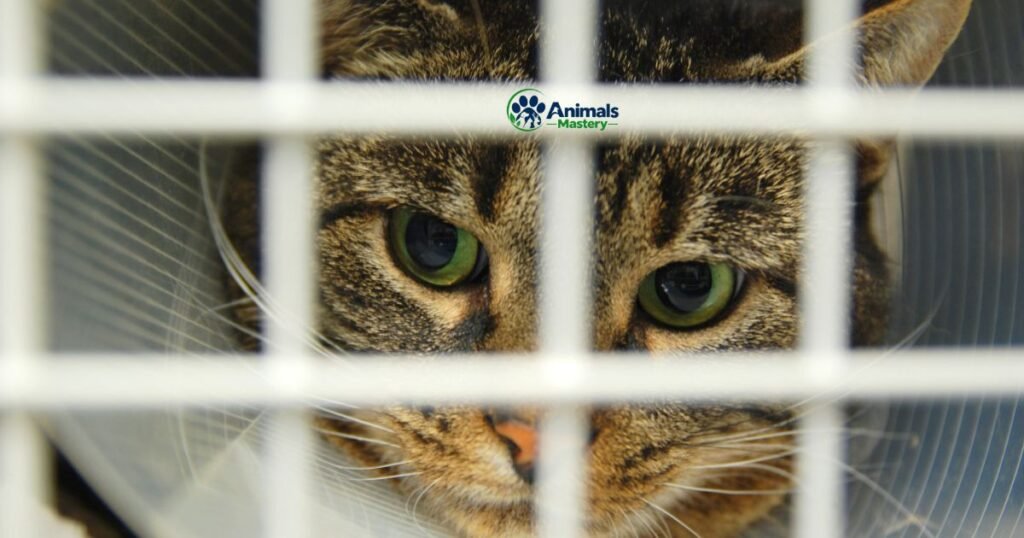
To mitigate cat anxiety, early socialization is essential; kittens exposed to varied experiences develop a more resilient temperament as adults. This foundational period allows them to adapt better to the unpredictable nature of life alongside humans.
Understanding your cat’s unique stress triggers is crucial to providing them with a comfortable environment. These triggers can range from loud noises to unfamiliar visitors, and recognizing them can help avert anxiety-driven behaviors.
Interestingly, cats are naturally among the cleanest animals in the world, so when their meticulous grooming turns excessive or compulsive, it’s often one of the clearest signs something is wrong.
Squirrels
- Scientific name: Sciurus carolinensis (Eastern Gray Squirrel)
- Family: Sciuridae
- Class: Mammalia
- Diet: Omnivore
Squirrels are fascinating creatures, and their anxiety can often be seen as a clever survival mechanism. These small animals are acutely aware of their surroundings, constantly scanning for predator threats; a moment’s distraction could mean the difference between safety and becoming a meal.
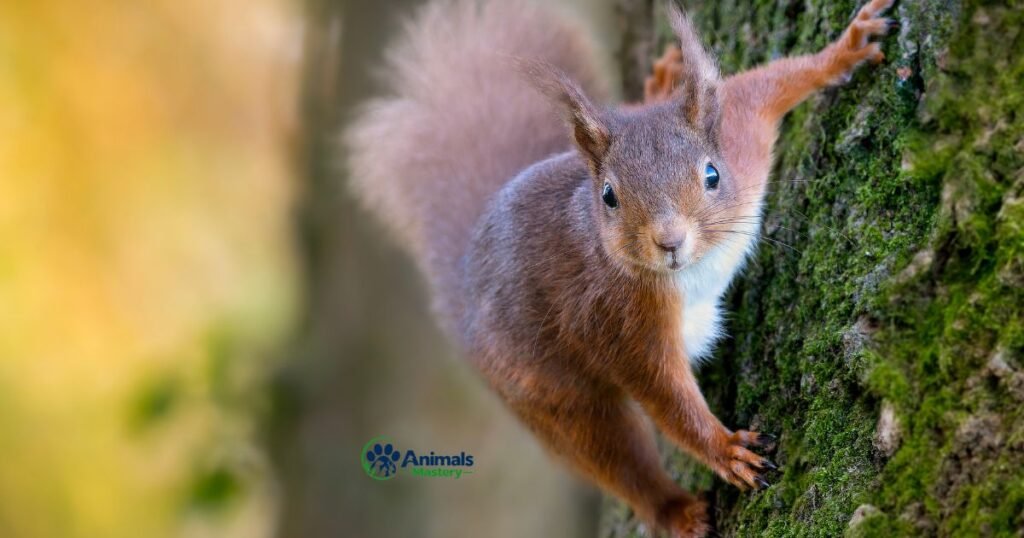
Their anxiety also plays a pivotal role in their survival strategies, particularly in scatter-hoarding. As they gather food for the winter, their nervousness leads them to stash nuts in numerous locations, rather than in a single cache.
While this method may seem inefficient, it serves as a safeguard against food scarcity and the risk of losing their entire stock to thieves or unpredictable environmental changes. Each buried nut represents a fragile act of hope in a world where anxiety may very well dictate their fate.
Horses
- Scientific name: Equus ferus caballus
- Family: Equidae
- Class: Mammalia
- Diet: Herbivore
Horses are inherently social animals, relying on herd behavior for safety and emotional stability. When an individual horse is anxious, it can set off a ripple effect throughout the group, turning a tranquil pasture into a scene of chaos.

Understanding the stress triggers that lead to anxiety, such as loud noises, sudden movements, or unfamiliar environments, can empower owners to create a supportive atmosphere.
Desensitization techniques have proven effective in mitigating anxiety, slowly exposing horses to their triggers in a controlled manner. Coupled with positive reinforcement, this approach helps horses build confidence over time.
By implementing these strategies, equine caretakers can turn anxious horses into self-assured members of their herd, enhancing not only their well-being but also the overall dynamics of the group.
Ostriches
- Scientific name: Struthio camelus
- Family: Struthionidae
- Class: Aves
- Diet: Omnivore
Ostriches, known for their impressive stature and unique adaptations, exhibit anxious behaviors primarily as a survival strategy. When faced with potential predator threats, these large birds often rely on their powerful legs to flee at incredible speeds. When escape seems implausible, they exhibit fascinating camouflage tactics.
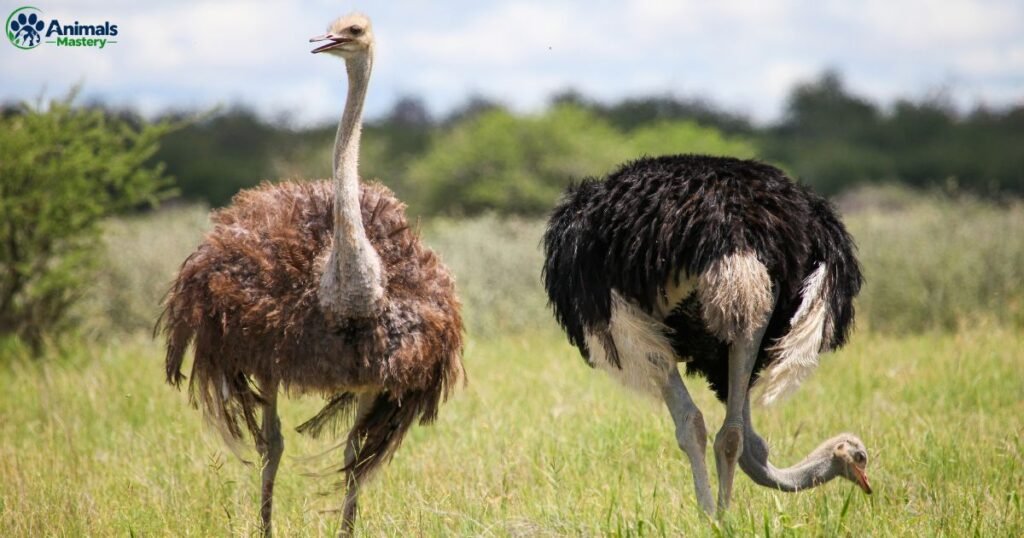
By dropping to the ground and stretching their necks along the soil, they blend into the landscape, effectively evading detection. This remarkable instinct not only showcases their adaptability but also highlights the intricate dance between predator and prey in the savannas.
Their communal behavior serves two purposes: it fosters a sense of security among the flock while also enhancing their collective survival instincts. When one ostrich senses danger, it can warn the others, reducing panic and facilitating a more coordinated response.
Elephants
- Scientific name: Loxodonta africana / Elephas maximus
- Family: Elephantidae
- Class: Mammalia
- Diet: Herbivore
Elephants, known for their impressive emotional intelligence, exhibit signs of anxiety that can stem from factors like habitat loss and chronic stress. These magnificent creatures thrive on social bonds, often forming deep connections within their herds.
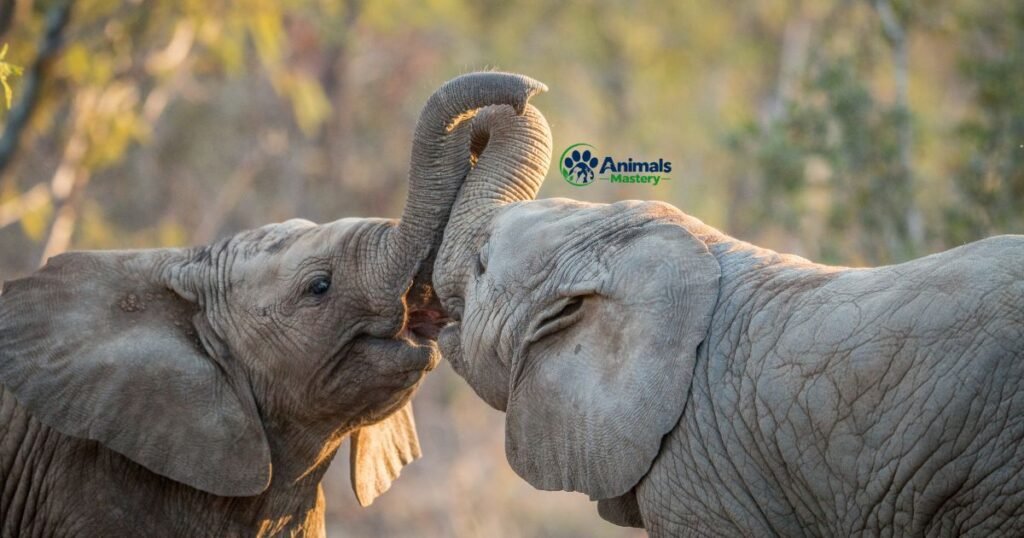
When their environments are disrupted, whether through poaching or deforestation, the resulting habitat loss can lead to feelings of isolation and stress, mirroring the complex emotional landscapes we experience as humans.
Recent studies reveal that anxious animals elephants can display behaviors such as heightened aggression or withdrawal, underscoring their sensitive nature. This anxiety not only impacts individual elephants but also disrupts the cohesion of their social structures.
The intricate relationships they nurture among family members are critical for their well-being, and the loss of these connections can create a ripple effect of distress throughout the herd.
Chimpanzees
- Scientific name: Pan troglodytes
- Family: Hominidae
- Class: Mammalia
- Diet: Omnivore
Chimpanzees, known for their intricate social dynamics, exhibit anxiety that closely mirrors human emotional responses. The bonds formed within their troops are critical, and disruptions, such as habitat loss, can lead to heightened stress levels that affect their well-being.
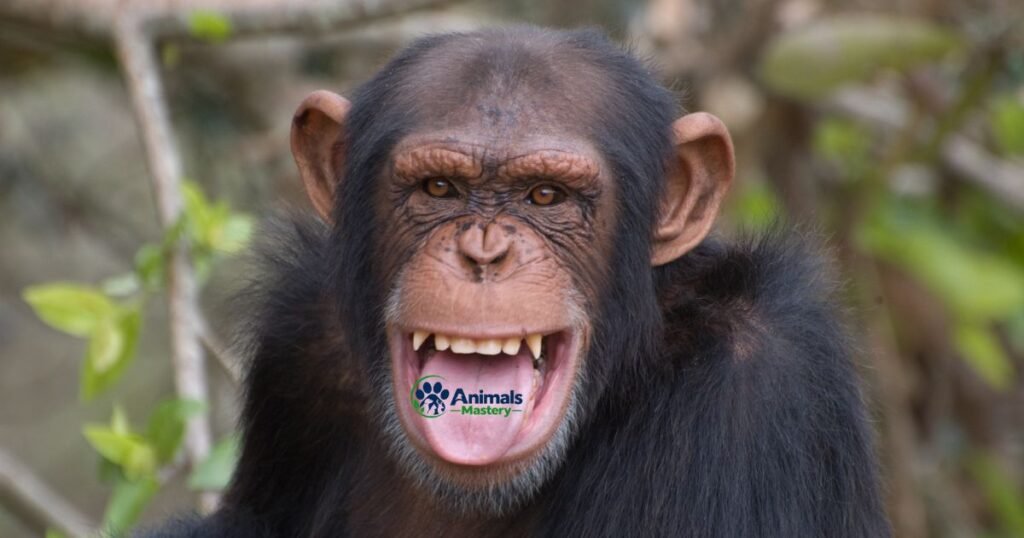
When a troop’s environment is compromised, whether through deforestation or human encroachment, the ensuing chaos can amplify social tensions, leading to increased anxiety among individuals.
Grooming behavior, a fundamental aspect of chimpanzee interactions, serves as a soothing ritual that helps alleviate anxiety. By engaging in grooming, chimpanzees not only strengthen social bonds but also promote mental health within their communities.
Foxes
- Scientific name: Vulpes vulpes (Red Fox)
- Family: Canidae
- Class: Mammalia
- Diet: Omnivore
Urban environments have transformed the way foxes adapt and survive, leading to an intriguing phenomenon termed “fox anxiety.” As urban stressors like noise, pollution, and human activity infiltrate their habitats, these clever canids exhibit heightened anxiety, often altering their natural behaviors.

The fragmentation of their once-cohesive territories forces foxes to navigate through unfamiliar and often hostile landscapes, increasing their vulnerability and reliance on decreased prey availability.
Their adaptability not only highlights their resilience but also prompts an urgent conversation about the balance between urban development and wildlife preservation, encouraging us to rethink our relationship with nature in metropolitan settings.
Cheetahs
- Scientific name: Acinonyx jubatus
- Family: Felidae
- Class: Mammalia
- Diet: Carnivore
In the wild, the sleek and swift cheetah epitomizes grace under pressure, but within the confines of captivity, their inherent anxiety often surfaces in troubling ways. Cheetah anxiety can stem from a lack of stimulation and space, disrupting their emotional welfare.

Unlike their counterparts in the grasslands of Africa, captive cheetahs are prone to high stress levels, which can inhibit behaviors essential for their health, like play and exploration. This stress is not merely an inconvenience; it poses a significant threat to their reproductive success, as anxiety can lead to hormonal imbalances that affect mating and breeding.
The bond between cheetah siblings often weakens in captivity due to fear and environmental factors, limiting their natural social structures that promote emotional well-being. To combat this, zoos and sanctuaries are increasingly adopting enrichment strategies, mimicking elements of their natural habitat to alleviate stress.
Goats
- Scientific name: Capra aegagrus hircus
- Family: Bovidae
- Class: Mammalia
- Diet: Herbivore
In the world of goats, anxiety can often manifest in various behaviors that are not only fascinating but also deeply revealing about their social nature. Stress triggers for these animals can include changes in their environment, a shift in their social bonds, or even the presence of unfamiliar stimuli.
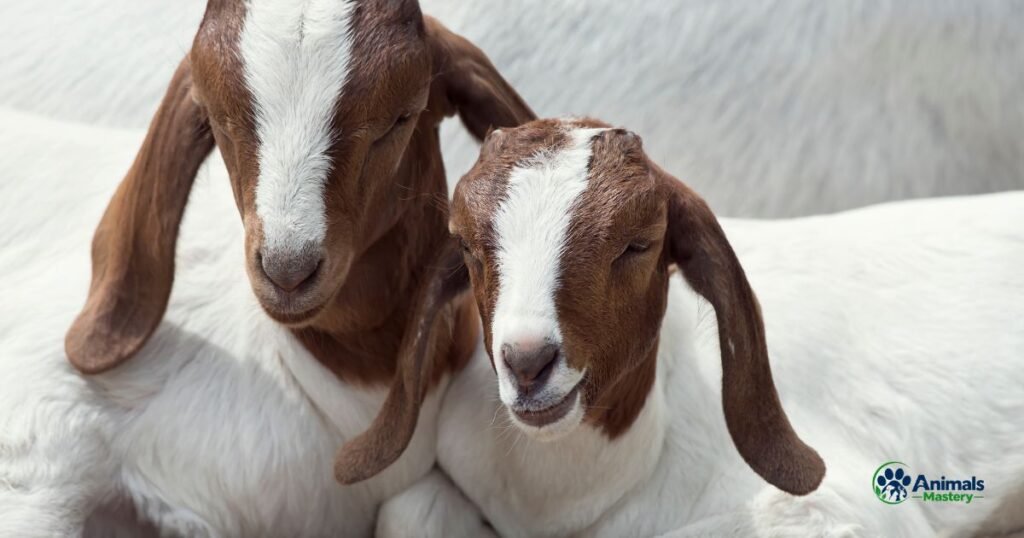
Goats, being herd animals, thrive in groups, and any disruption to their social structure can lead to increased anxiety. This highlights the importance of understanding their intricate social dynamics, as a strong bond within the herd helps mitigate fear and fosters a sense of security.
Goats exhibit a distinct flight response when faced with stressors, a behavior that is instinctual for their survival. Rather than confronting threats, they often choose to flee, demonstrating their preference for safety in numbers. This instinct can be heightened in more anxious animals individuals, who may react more dramatically than their more composed counterparts.
Ferrets
- Scientific name: Mustela putorius furo
- Family: Mustelidae
- Class: Mammalia
- Diet: Carnivore
Ferrets are incredibly social creatures, yet they often experience anxiety in various situations, particularly during social interactions, a trait they share with their close relatives, animals like weasels, who exhibit similarly alert, high-strung temperaments as part of the Mustelidae family.. Their natural curiosity makes them engaging companions, but unexpected changes can trigger stress.

Introducing a new pet or altering their routine may lead to noticeable shifts in behavior. Owners should closely observe their ferrets’ body language; a hunched posture or rapid darting can signal discomfort.
Understanding these stress signals is crucial for creating a calm environment for your fuzzy friend. Engaging with them through slow introductions and maintaining a consistent routine can help reduce their anxiety levels. Providing enrichment activities, like toys and tunnels, can foster confidence.
Mice
- Scientific name: Mus musculus
- Family: Muridae
- Class: Mammalia
- Diet: Omnivore
In the intricate world of mice, anxiety is more than a mere emotional state; it’s a survival strategy woven into the fabric of their existence. These small creatures exhibit remarkable stress responses, with their acute sensory awareness acting as an early warning system.

When faced with threats, mice quickly retreat into their burrows, showcasing their instinctual mechanism for escaping danger, a defensive instinct shared by many animals that eat mice as predators themselves, who rely on similar vigilance to survive their own food chain. This behavior highlights not just their individual tactics, but also how their survival is closely tied to the environment they inhabit.
Social bonds among mice can both alleviate and exacerbate anxiety. While they thrive in colonies, building complex social structures that provide comfort and support, the presence of dominant individuals can intensify social anxiety. Studies have shown that when mice feel secure within their social groups, their stress responses lessen, enabling them to forage more effectively and explore their surroundings with newfound confidence.
Rabbits
- Scientific name: Oryctolagus cuniculus (European Rabbit)
- Family: Leporidae
- Class: Mammalia
- Diet: Herbivore
Rabbits, as prey animals, possess a unique set of behaviors driven by their instinctual need for safety. Their heightened sensitivity to environmental changes can trigger what is known as “rabbit anxiety.” This stress response often manifests in behaviors such as thumping, hiding, or even aggressive chewing, which they employ as survival tactics.

To truly understand a rabbit’s mental state, it’s crucial to consider their perspective; even subtle shifts in their surroundings can evoke significant stress.
Establishing consistent routines is essential for mitigating anxiety in rabbits. Regular feeding times and predictable interactions create a sense of security, helping them feel more at ease in their environment. Enhancing their habitat with cozy hiding spots and soft bedding can cater to their innate security needs.
Chickens
- Scientific name: Gallus gallus domesticus
- Family: Phasianidae
- Class: Aves
- Diet: Omnivore
Chickens, often underestimated as simple farm animals, exhibit a complex set of behaviors that reveal their anxious nature, particularly influenced by social hierarchies. In a flock, pecking order determines not only access to resources but also individual stress levels. A lower-status chicken may display signs of anxiety, such as persistent vocalizations or withdrawal, indicating its discomfort in navigating the intricate social landscape.
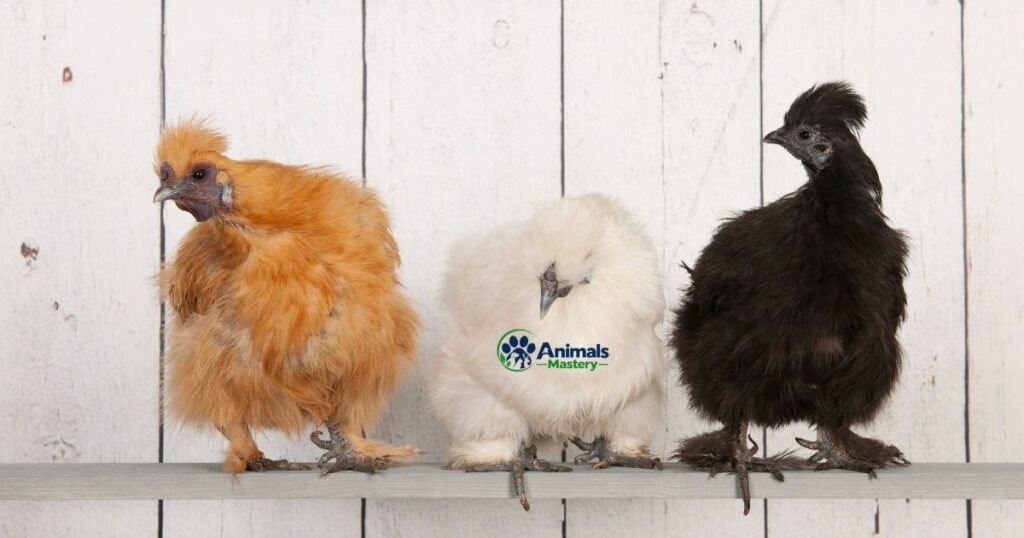
Environmental changes can exacerbate this anxiety, leading to significant stress for these feathered creatures. For instance, a sudden alteration in habitat, like introducing new birds or shifting their living conditions, can trigger chaos in an otherwise stable flock.
Such disruptions aren’t merely physical; they resonate through the chickens’ social framework, amplifying their vocalizations and heightening their unease.
Rats
- Scientific name: Rattus norvegicus (Brown Rat)
- Family: Muridae
- Class: Mammalia
- Diet: Omnivore
Rats, often misunderstood in the animal kingdom, exhibit complex emotional lives that mirror human experiences, particularly concerning anxiety. Their social behavior is a fascinating tapestry woven from strong social bonds, where interactions among peers can significantly influence their emotional well-being.

A recent study revealed that rats experience anxiety not just as individuals but within the context of their social groups, showcasing their capacity for empathy. When one rat feels threatened, others may instinctively rally to provide comfort, demonstrating how their social dynamics can serve as a coping mechanism against stress.
The presence of another rat can help alleviate feelings of anxiety. For example, when placed in unfamiliar environments, rats tend to seek out companions, highlighting the importance of social support in their lives.
Parrots
- Scientific name: Psittacus erithacus (African Grey Parrot)
- Family: Psittacidae
- Class: Aves
- Diet: Herbivore
Parrots are intelligent, social beings that thrive on interaction and mental stimulation, yet many find themselves in distressing situations that lead to anxiety. One common manifestation of parrot anxiety is feather plucking, a behavior often rooted in boredom or lack of environmental enrichment.

These vibrant creatures, with their profound emotional needs, require a constantly engaging habitat where they can explore, play, and interact. Without adequate stimulation, they can develop harmful habits that not only impact their appearance but also their overall well-being.
Creating a sanctuary that fosters social interaction is crucial for alleviating parrot anxiety. Engaging with them through play or providing opportunities for social bonding allows these birds to express their natural behaviors. Incorporating a variety of toys, foraging activities, and even mirrors can significantly mitigate feelings of isolation and restlessness.
Deer
- Scientific name: Odocoileus virginianus (White-tailed Deer)
- Family: Cervidae
- Class: Mammalia
- Diet: Herbivore
Deer possess an intricate system of anxiety responses shaped by their keen flight instincts. When a potential predator approaches, these animals become hyper-vigilant, showcasing their exceptional ability to detect subtle changes in their environment.
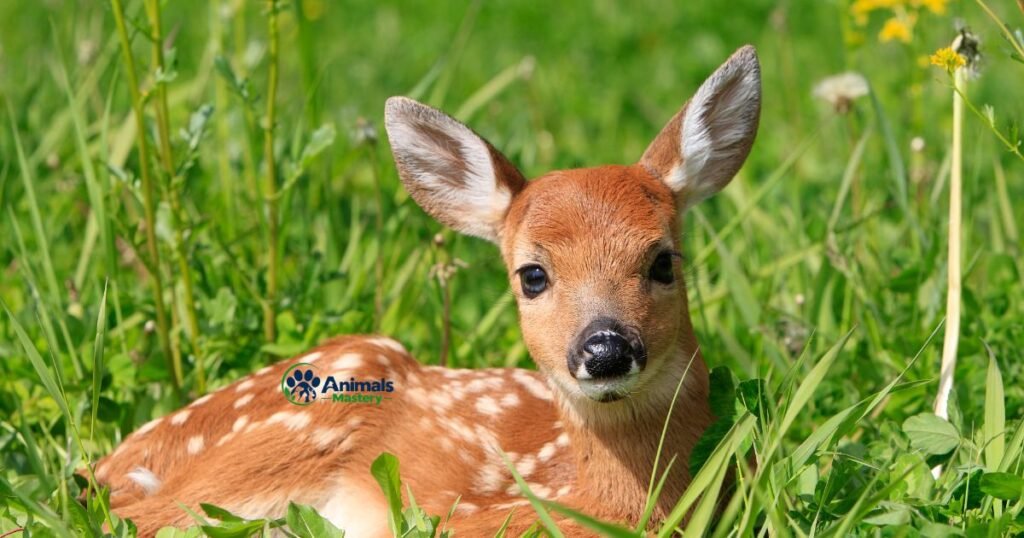
This acute sensitivity influences their foraging patterns; for instance, deer often choose feeding areas that provide dense cover, allowing them to stay alert while they graze. This protective behavior not only aids their survival but highlights the balance they maintain between nourishment and safety.
Research suggests that deer anxiety can also be impacted by human activity. Urbanization and increased human presence alter their natural habitats, forcing these creatures to adapt their foraging and social behaviors. In areas with high human traffic, deer may display heightened anxiety, opting for nocturnal feeding to avoid encounters. This shift not only affects their feeding cycles but also sparks questions about their long-term resilience.
Opossums
- Scientific name: Didelphis virginiana (Virginia Opossum)
- Family: Didelphidae
- Class: Mammalia
- Diet: Omnivore
Opossums are fascinating creatures that grapple with an inherent anxiety, a unique survival tactic manifested in their remarkable ability to enter a state of tonic immobility. When threatened, these marsupials may play dead, appearing to be lifeless in a dramatic display to deter predators.

This coping mechanism not only helps them evade danger but also highlights their delicate role in ecosystems, where they serve as scavengers, keeping environments clean by consuming pests and decomposing matter.
Opossum anxiety serves a dual purpose. It cultivates a mysterious charm that elevates their ecological significance, as their very presence in our backyards often indicates a healthier balance in nature. With their ability to withstand various diseases, including those that affect other wildlife, opossums contribute to the stability of other animal populations.
Toads
- Scientific name: Bufo bufo (Common Toad)
- Family: Bufonidae
- Class: Amphibia
- Diet: Carnivore
Toads are often misunderstood, seen as mere garden dwellers, yet they harbor fascinating survival strategies that speak to their resilience. When threatened, many toads exhibit an intriguing behavior known as playing dead, a defense mechanism that allows them to evade predators by mimicking the lifeless state of their surroundings.
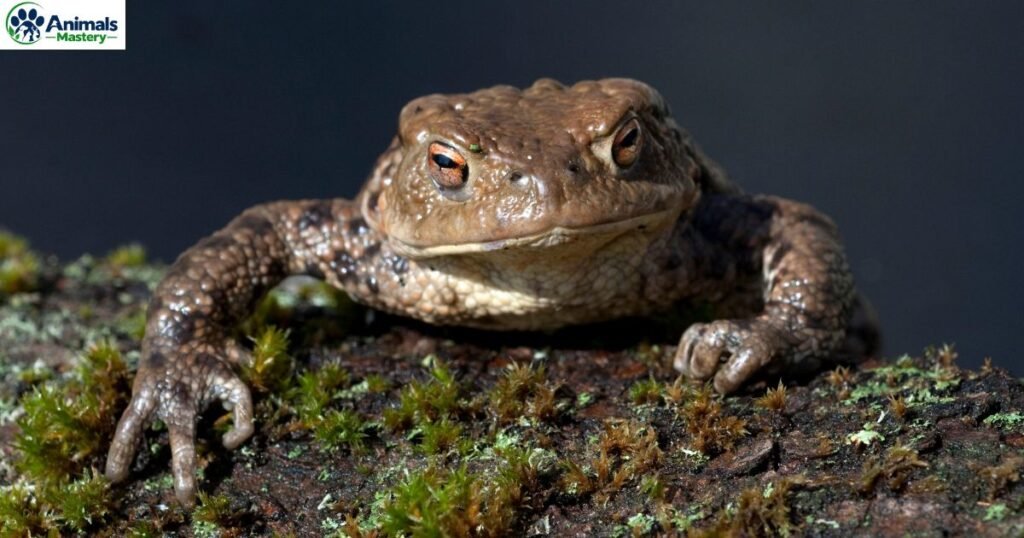
This tactic can prompt a predator to lose interest, allowing the toad to escape unharmed. The act of playing dead not only showcases their ingenuity but also their instinctual understanding of the ecological balance they inhabit.
Another remarkable aspect of toad anxiety lies in their adept use of camouflage. Their mottled skin patterns, often blending seamlessly with leaf litter or rocky terrain, reveal an astonishing evolutionary adaptation aimed at survival. This ability to remain hidden not only shields them from keen-eyed hunters but also highlights the nuanced relationship between environment and behavior in the animal kingdom.
Sheep
- Scientific name: Ovis aries
- Family: Bovidae
- Class: Mammalia
- Diet: Herbivore
Sheep anxiety reveals a fascinating interplay between social dynamics and environmental factors. These highly social animals thrive in flocks, exhibiting remarkable flock behavior that helps shield them from threats.
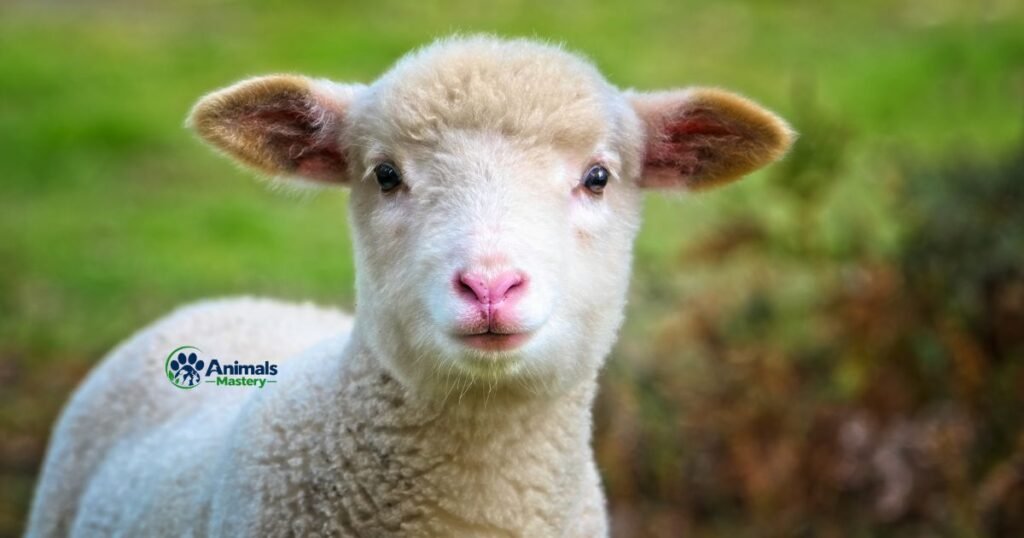
When separated from their group, they experience significant distress, revealing their deep-rooted need for companionship. This separation anxiety not only affects their mental well-being but can also impact their physical health, leading to issues like decreased appetite and stress-related illnesses.
Sheep possess a form of social intelligence that enables them to recognize individual flock members. This capability underscores the importance of stable social structures within their environment. When unfamiliar stimuli, such as loud noises or changes in habitat, are introduced, these factors can elevate environmental stress, causing heightened anxiety levels among sheep.
Quick Comparison Table
| Animal | Primary Stressor | Common Anxiety Behavior |
|---|---|---|
| Dogs | Separation, loud noises | Whining, pacing, destructive chewing |
| Cats | Environmental change, new people/pets | Hiding, over-grooming |
| Squirrels | Predators, food scarcity | Freezing, erratic movement |
| Horses | Sudden noise/movement, isolation | Bolting, pawing, sweating |
| Ostriches | Confinement, perceived threats | Kicking, running in circles |
| Elephants | Loss of herd members, captivity | Swaying, rocking, distress calls |
| Chimpanzees | Social conflict, captivity | Rocking, over-grooming, self-directed behavior |
| Foxes | Human proximity, unfamiliar terrain | Skittishness, avoidance |
| Cheetahs | Captivity, competition from other predators | Pacing, digestive stress |
| Goats | Herd separation, sudden change | Bleating, stamping |
| Ferrets | Unfamiliar environments, boredom | Excessive sleeping, defensive hissing |
| Mice | Predators, overcrowding | Freezing, hiding, barbering (over-grooming) |
| Rabbits | Predators, handling | Thumping, freezing, hiding |
| Chickens | Predators, flock disruption | Alarm calls, feather pecking |
| Rats | Novel environments, handling | Freezing, bruxism (teeth grinding) |
| Parrots | Isolation, boredom | Feather plucking, screaming |
| Deer | Predators, human proximity | Bolting, stotting (stiff-legged jumping) |
| Opossums | Threats, confrontation | Playing dead, drooling |
| Toads | Handling, habitat disruption | Puffing up, freezing |
| Sheep | Isolation from flock, predators | Stamping, huddling, bleating |
Can Anxious Animals Be Helped?
In most cases, yes. For domestic anxious animals like dogs, cats, and rabbits, a stable routine, safe hiding spots, and regular exercise help lower baseline stress, and persistent cases can benefit from a vet or veterinary behaviorist’s guidance.
Captive wild animals, like elephants and chimpanzees, tend to do best with enrichment that mimics natural behaviors and stable social groupings, while for animals still in the wild, simply minimizing human contact goes furthest.
Across species, the common thread is predictability: animals that can anticipate what happens next, and retreat when they need to, consistently show fewer signs of anxiety.
Final Thoughts
The world of anxious animals reminds us that stress and anxiety are not human experiences alone; they permeate the entire animal kingdom. Understanding their behaviors can deepen our appreciation for wildlife while highlighting the importance of protecting their habitats.
As we strive to support animal welfare, let us be mindful of the emotional lives of these creatures. Together, we can contribute to a more compassionate world for all living beings.
FAQs
What is the Most Anxious Animal in the World?
A domestic cat is considered the most anxious animal in the world, particularly a cat that has experienced trauma or inconsistent environments. Cats can exhibit signs of anxiety through behaviors like excessive hiding, grooming, or vocalizing.
What makes Animals Anxious?
Animals can experience anxiety due to a variety of factors that often mirror the stresses humans face. Environmental changes, such as moving to a new home or experiencing unfamiliar noises, can trigger anxiety in pets. Social dynamics, including changes in the household like a new family member or the loss of a companion, can heighten their stress levels.
Which Animal is the Most Stressed?
Determining which animal is the most stressed can be quite complex, as stress responses vary widely among species and even individuals. However, studies suggest that animals in captivity often experience higher levels of stress than their wild counterparts. For example, elephants in zoos may exhibit signs of stress such as pacing and over-grooming, largely due to limited space and social structures that don’t mimic their natural environments.
Are Dogs Anxious Animals?
Yes, dogs can be anxious animals. Like humans, they experience a range of emotions, including anxiety, which can manifest in various ways. Situational triggers, such as loud noises, changes in their environment, or separation from their owners, often contribute to their anxiety. Certain breeds are also more predisposed to anxiety due to their temperamental traits.
Which Animals Feel Fear?
Fear is a fundamental emotion experienced by many animals across various species, allowing them to respond to threats and enhance their chances of survival. Mammals, birds, reptiles, and even some fish exhibit signs of fear when faced with potential dangers.
What Animal Symbolizes Anxiety?
One animal often associated with anxiety is the rabbit. Rabbits are known for their quick movements and tendency to freeze at the slightest sign of danger, mirroring the heightened alertness and fear that can accompany anxiety.
Which Animal has No Fear?
While no animal is entirely devoid of fear, certain species exhibit remarkably low levels of fear or aggressive behaviors that might seem fearless. Honey badger is known for its tenacity and fearlessness in the face of predators much larger than itself.
What animal represents anxiety?
The rabbit is the most widely recognized symbol of anxiety, because its constant vigilance, twitchy alertness, racing heartbeat, and freeze-or-flee reflex mirror how anxiety feels. Mice and deer the “deer in headlights” freeze are close runners-up, while more distinctive options include the moth circling restlessly, like intrusive thoughts and the hummingbird rapid heartbeat, busy mind.