Top 17 Most Ambitious Animals With Amazing Abilities
A world where ambition isn’t just a human endeavor but a driving force across the animal kingdom. The “Top 17 Most Ambitious Animals” showcases those astonishing species that defy expectations through their relentless determination.
These animals challenge the very notion of what it means to be driven, whether it’s for food, territory, or social status. You’ll learn about the surprising traits and behaviors that make these creatures stand out, inspiring us to tap into our own ambitions.
List of Most Ambitious Animals
Here is the list of most ambitious animals:
- Arctic Tern
- Mountain Goat
- Ants
- Honeybee
- Camels
- Wolf
- Bowerbirds
- Salmon
- Sea turtles
- Beavers
- African Wild Dogs
- Whales
- Buffalo
- Octopus
- Cheetah
- Arctic Fox
- Chimpanzee
Arctic Tern
- Scientific Name: Sterna paradisaea
- Class: Aves
- Diet: Carnivore
The Arctic Tern is often celebrated for its remarkable migratory feats, yet its resilience and adaptability paint a broader picture of survival in a changing world. Journeying an average of 44,000 miles annually, these graceful birds traverse from the icy shores of the Arctic to the temperate waters of the Antarctic, making it the longest migration of any animal on the planet.
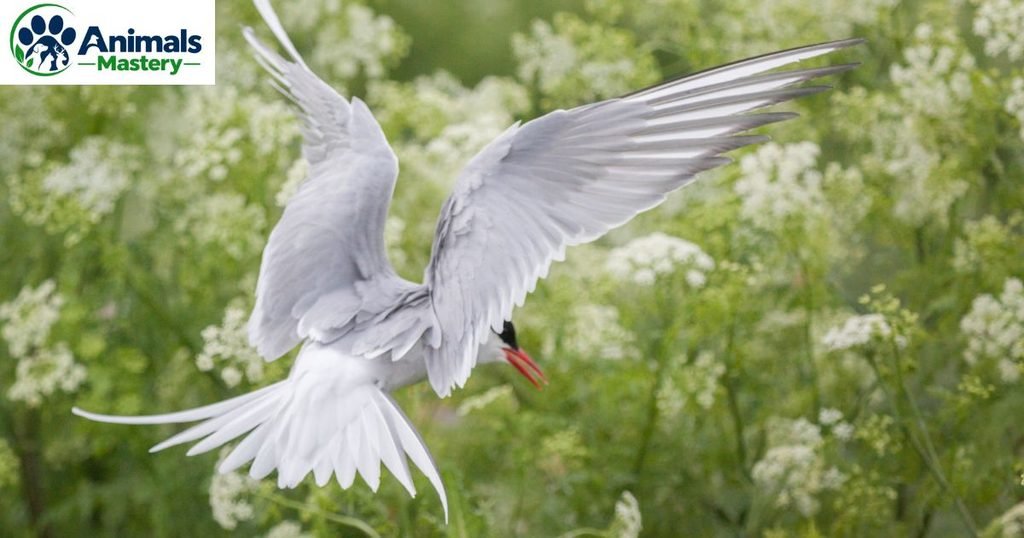
The Arctic Tern’s future hangs in the balance. Climate change, habitat loss, and rising sea levels pose significant threats to their breeding grounds and food sources. As these birds navigate an increasingly unpredictable environment, their plight serves as a poignant reminder of the fragile state of our planet’s biodiversity.
Conservation efforts focused on protecting their breeding sites and migration pathways have never been more critical, emphasizing the role of the Arctic Tern as a harbinger of ecological health.
Penguins, penguins are remarkable seabirds that have adapted to life in some of the world’s harshest environments.
Mountain Goat
- Scientific Name: Oreamnos americanus
- Class: Mammalia
- Diet: Herbivore
Mountain goats, with their iconic shaggy white fur and impressive climbing abilities, have adapted remarkably to their rugged habitats. Unlike true goats, they belong to the Bovidae family and are perfectly designed for life in the steep, rocky terrain of North America’s mountainous regions. Their specialized hooves feature a unique structure of hollow, rubbery soles that provide exceptional grip on treacherous surfaces.
The mountain goat’s social structure is fascinating. Females tend to form smaller herds, often including their young, while males generally roam alone or in bachelor groups. This behavior underscores a unique strategy for survival; by staying together, females can more effectively protect their offspring against threats. During mating season, solitary males will cautiously approach female groups, showcasing agility and strength to win favor.
Ants
- Scientific Name: Formicidae
- Class: Insect
- Diet: Omnivore
Ants, often underestimated, are remarkable architects of their ecosystems. With over 12,000 species identified, their adaptability shines in diverse environments, from arid deserts to tropical rainforests. These tiny engineers construct intricate underground cities, employing teamwork and communication that rival even our most advanced technologies. Each colony operates with an innate sense of purpose, showcasing a decentralized system where the collective effort leads to extraordinary outcomes.
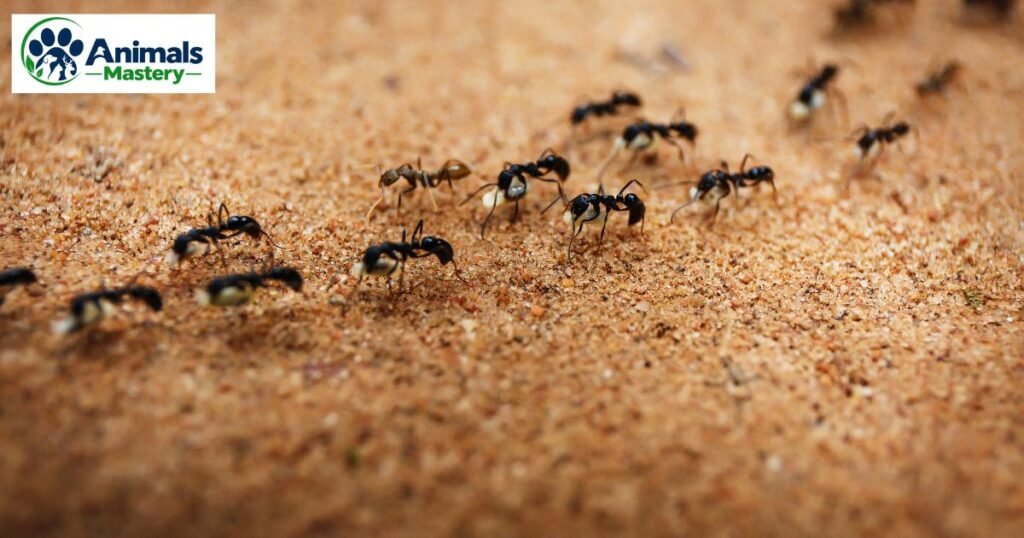
Beyond their architectural feats, ants play a crucial role in nutrient cycling and soil health. Their foraging habits aerate the ground, promoting plant growth and enriching soil fertility. Additionally, many species engage in mutualistic relationships, such as tending to aphids for their sugary secretions, which highlights a sophisticated understanding of symbiosis.
Honeybee
- Scientific Name: Apis mellifera
- Class: Insecta
- Diet: Herbivore
The honeybee, often celebrated for its role in pollination, is a remarkable creature that encapsulates the intricate relationship between nature and agriculture. Beyond its famed production of honey, the honeybee also operates within a highly structured social system, showcasing an efficiency that rivals human industry. Each hive functions like a bustling metropolis, where thousands of individual bees work harmoniously for the collective good, demonstrating an unparalleled level of communication and organization.
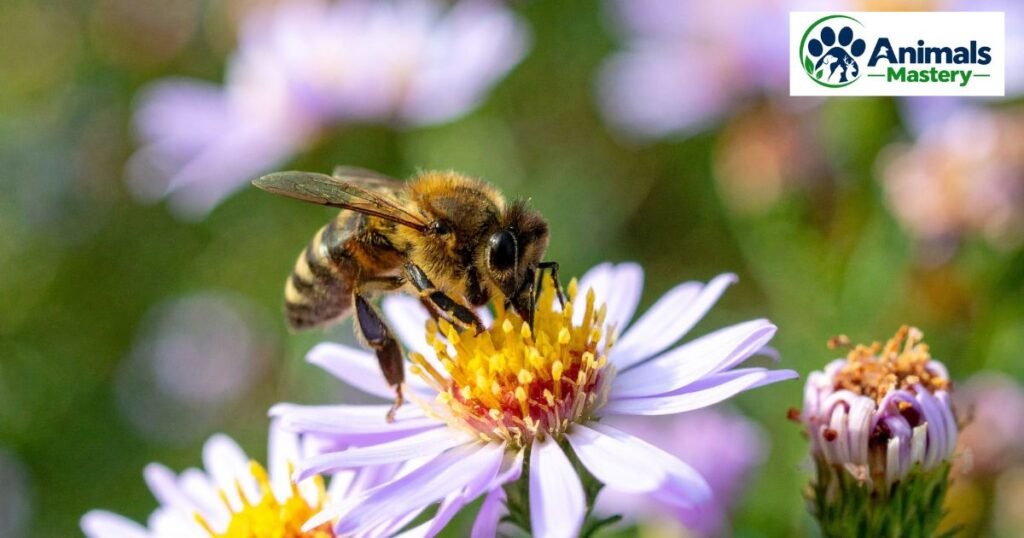
Recent studies reveal that honeybees possess a unique form of intelligence, exhibiting problem-solving skills that were once thought only to be present in higher mammals. The honeybee’s symbolic significance extends beyond its ecological contributions; it embodies the delicate balance of ecosystems and acts as a poignant reminder of our responsibility to protect biodiversity.
Camels
- Scientific Name: Camelus
- Class: Mammalia
- Diet: Herbivore
Camels, often referred to as the “ships of the desert,” possess fascinating adaptations that have long intrigued both scientists and travelers. Their ability to endure extreme heat and go for days without water is truly remarkable. Camels can lose up to 25% of their body weight due to dehydration without suffering any negative effects, a feat that highlights their extraordinary physiological resilience. Notably, their unique blood cells are oval-shaped, allowing for efficient circulation and the capability to expand significantly in response to hydration.
Camels play a pivotal role in the cultures and economies of many desert-dwelling communities. They are not just modes of transportation; they provide milk, which is rich in nutrients and considered a delicacy in various regions. Their wool is used for clothing, and their meat serves as a vital protein source. Beyond their practical uses, camels are often symbols of endurance and adaptation, inspiring art and folklore that capture the spirit of survival in harsh environments.
Kangaroo Rat, Like camels, kangaroos are also well adapted to survive in challenging environments, making them fascinating examples of animal resilience.
Wolf
- Scientific Name: Canis lupus
- Class: Mammalia
- Diet: Carnivore
The wolf, a creature steeped in legend and lore, embodies both fierce independence and intricate social structures. Often regarded as a symbol of wildness and untamed nature, wolves challenge our perceptions of family dynamics. Within their packs, hierarchical relationships are meticulously woven, showcasing a blend of leadership and cooperation that can teach us much about our own social interactions.
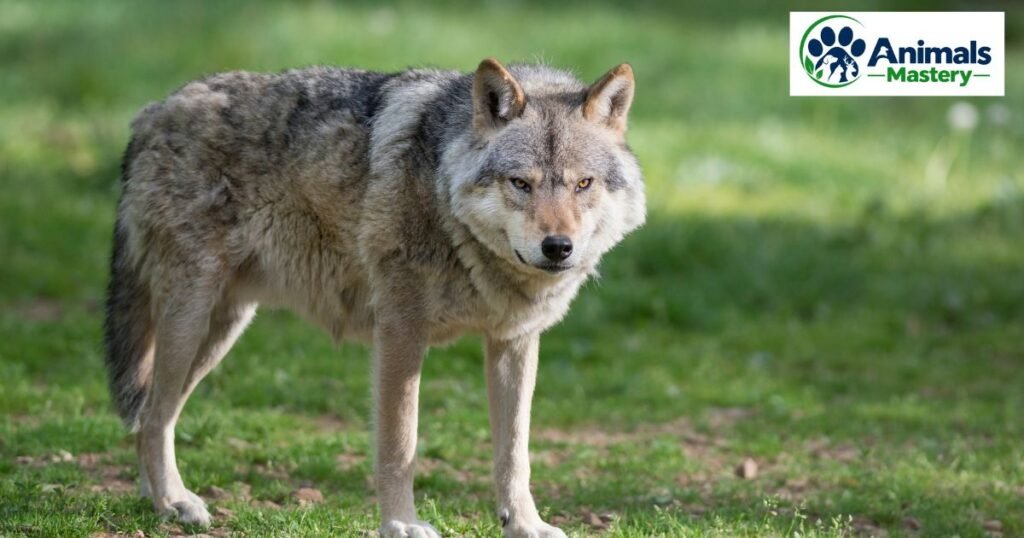
As apex predators, wolves play a crucial role in maintaining the balance of their habitats, an enduring reminder of nature’s delicate equilibrium. This vital role in their ecosystems, paired with the deep cultural significance they hold across various societies, invites us to reflect on our relationship with nature and our responsibility to preserve the intricate web of life they represent.
Bowerbirds
- Scientific Name: Ptilonorhynchid
- Class: Aves
- Diet: Omnivore
Bowerbirds are nature’s master architects, known for their unique courtship rituals that defy conventional mating behaviors in the animal kingdom. These remarkable birds create elaborate structures called bowers, which are not used for nesting but as display platforms to attract females. Each male species has its own style, ranging from the intricate, decorated bowers adorned with colorful objects to the simpler versions relying on the artistry of construction alone.
The most fascinating aspect of bowerbirds is their keen sense of aesthetics. They exhibit a preference for certain colors and materials, often meticulously selecting items such as flowers, shells, or even human-made debris to adorn their bowers. The bower itself becomes a canvas of identity, reflecting individual creativity and adaptability in a rapidly changing environment.
Salmon
- Scientific Name: Salmo salar
- Class: Actinopterygii
- Diet: Carnivore
Salmon, often hailed as a superfood, offers a delightful blend of rich flavor and exceptional health benefits. This migratory fish not only boasts an impressive Omega-3 fatty acid profile, crucial for heart health and cognitive function, but also mirrors a seasonal rhythm, reflecting the vibrant ecosystems it inhabits.
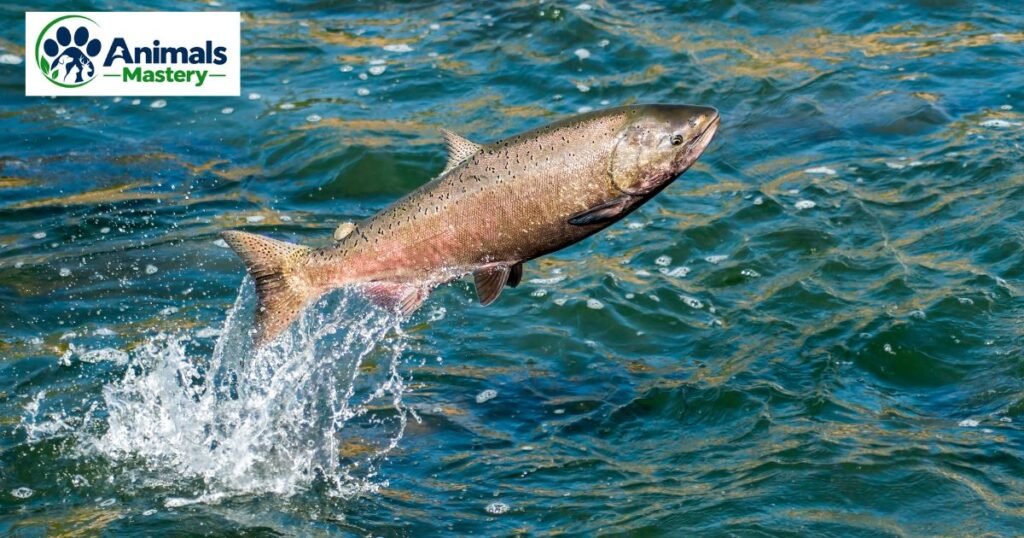
The farming of salmon has transformed the global market, raising crucial questions about sustainability and environmental impact. While wild-caught salmon offers the purity of its natural habitat, farmed varieties can introduce complexities such as overfishing and habitat destruction. As consumers become more discerning, the story behind each salmon fillet enhances its appeal, inviting us to make informed choices on our plates.
Sea turtles
- Scientific Name: Chelonioidea
- Class: Reptilia
- Diet: Omnivore/Herbivore
Sea turtles, the ancient mariners of our oceans, are remarkable creatures that have navigated the seas for over 100 million years. These majestic reptiles embody resilience, facing threats from climate change to habitat destruction. Their life cycle is a fascinating journey; after hatching, tiny hatchlings make a perilous dash to the ocean, often encountering predators and pollution along the way.
The critical role sea turtles play in maintaining the health of marine ecosystems. Their grazing habits help regulate seagrass beds, promoting biodiversity and providing essential habitats for myriad marine species. The nutrient-rich waste they produce enriches coastal waters, fostering a vibrant underwater community. As advocates for ocean health, sea turtles remind us of the interconnectedness of life and the importance of conservation efforts. We also safeguard the delicate balance of our aquatic environments, ensuring that future generations can marvel at the beauty of these ocean giants.
Beavers
- Scientific Name: Castor canadensis / Castor fiber
- Class: Mammalia
- Diet: Herbivore
Beavers are fascinating architects of the animal kingdom, renowned for their instinctual mastery in creating complex dam systems. These industrious creatures can transform their environment, turning a flowing stream into a serene pond that supports a rich tapestry of life. Their dams not only serve as homes but also play a crucial role in the ecosystem by regulating water flow and enhancing biodiversity. The ponds they create provide habitat for countless species, from fish to amphibians, demonstrating how beavers act as ecological engineers.
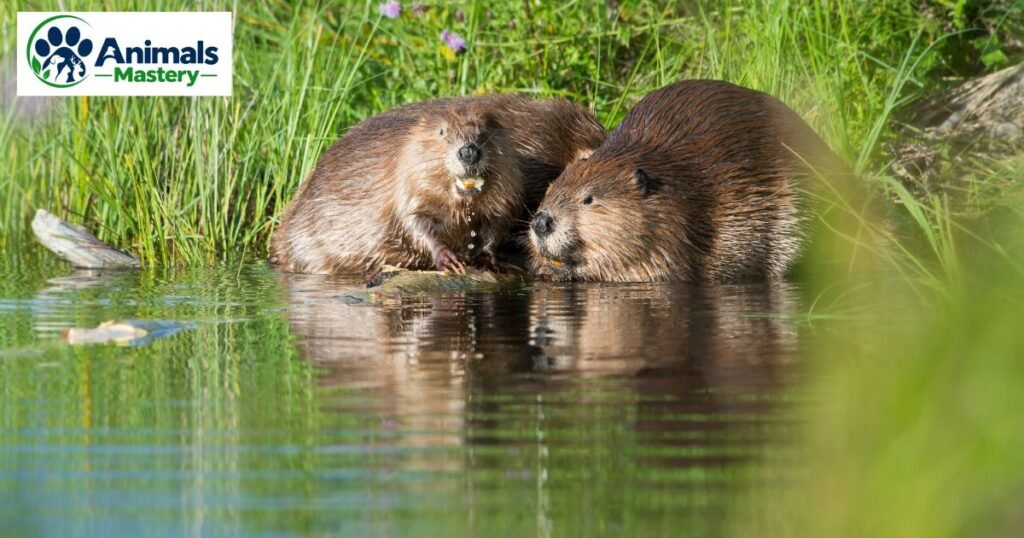
Beyond their ecological significance, beavers are also emblematic of resilience and adaptation. Despite facing habitat loss and challenges from human encroachment, they continue to thrive in various environments, showcasing their remarkable ability to adapt. Their unique behaviors inspire countless studies in biomimicry, influencing sustainable design and water management solutions in urban planning.
African Wild Dogs
- Scientific Name: Lycaon pictus
- Class: Mammalia
- Diet: Carnivore
The African Wild Dog, also known as the painted wolf, is a marvel of evolution. With their unique mottled coats of yellow, black, brown, and white, they stand out not just visually but also socially. Operating in packs that showcase sophisticated social structures, these canines exemplify cooperation. Their hunting strategy is nothing short of remarkable; they employ a testament to teamwork that often sees them running down prey over several miles, taking turns to tire it out.
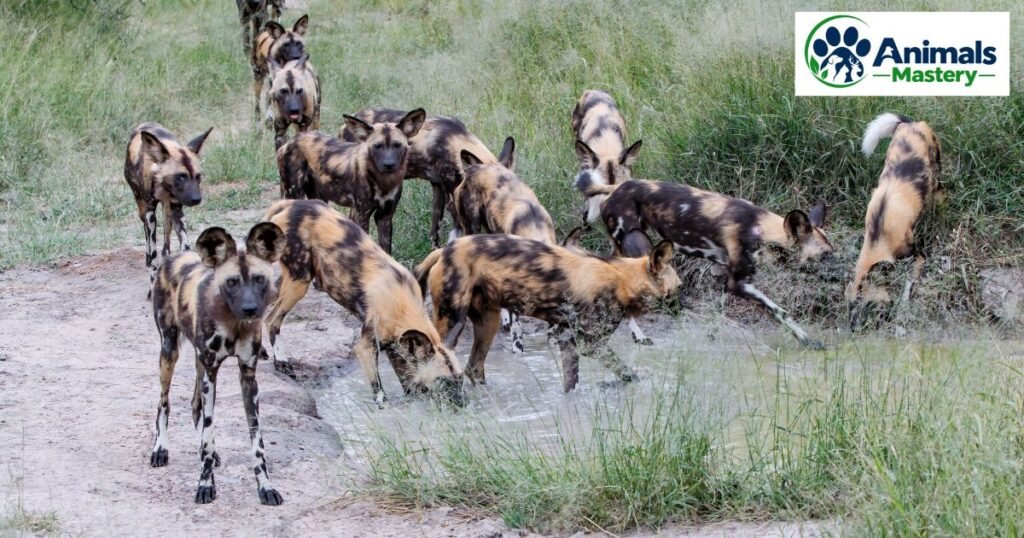
One of the most striking features of African Wild Dogs is their vocal communication. Their ability to emit a range of sounds, including high-pitched squeaks and twittering calls, fosters a deep connection within the pack, allowing them to coordinate movements seamlessly. Despite their impressive hunting skills, these dogs face grave threats from habitat loss and conflict with humans, leading to their status as endangered.
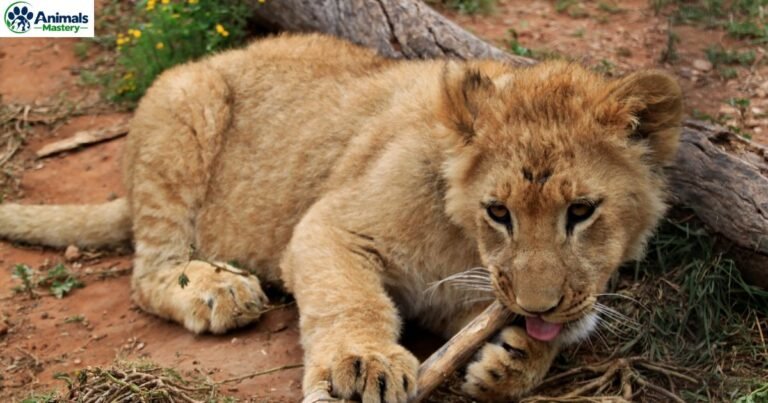
Lion, African wild dogs are highly social predators, much like lions, relying on teamwork and cooperation to survive and hunt successfully.
Whales
- Scientific Name: Cetacea
- Class: Mammalia
- Diet: Carnivore
Whales, the gentle giants of the ocean, play a crucial role in maintaining marine ecosystems. Their immense size and migratory patterns facilitate nutrient cycling, as their waste enriches the waters, fostering plankton growth that supports entire food webs. The songs of humpback whales not only serve as communication tools but also demonstrate a complex cultural dimension, as these melodies evolve over time and can even spread across populations.
Modern technology has unveiled the startling intelligence of whales, showcasing their complex social structures and emotional depth. As climate change and human activity threaten their habitats, the plight of these magnificent creatures invites us to reevaluate our connection to the ocean. Protecting whales is not just about preserving an awe-inspiring species; it’s about safeguarding the health of our planet for future generations.
Buffalo
- Scientific Name: Syncerus caffer / Bubalus bubalis
- Class: Mammalia
- Diet: Herbivore
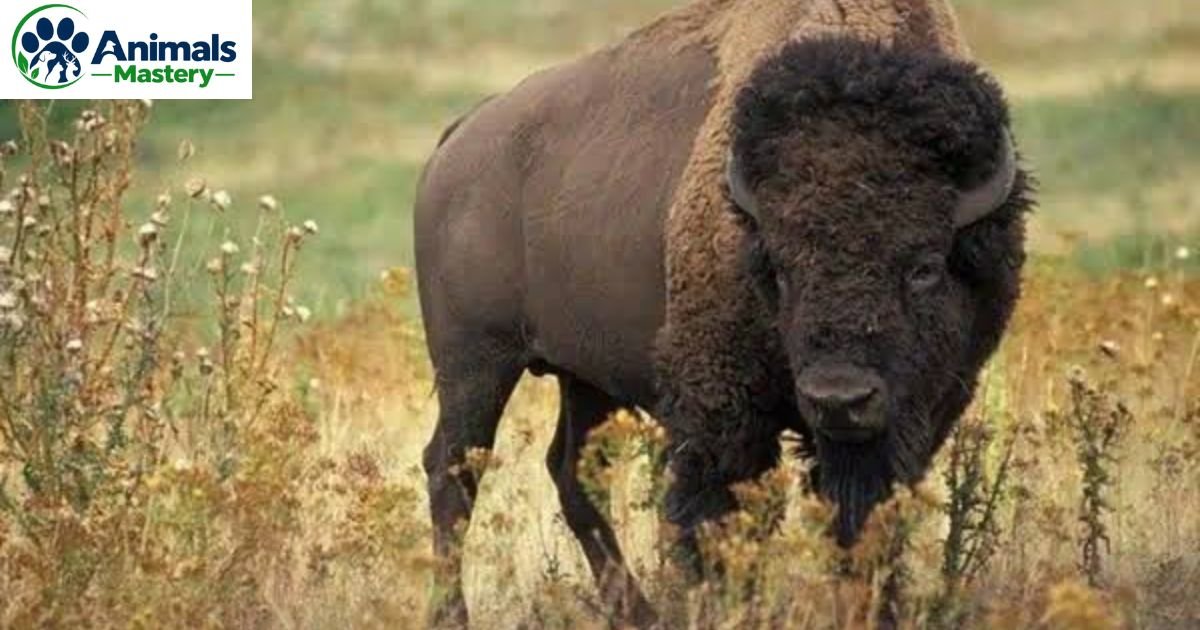
Buffalo, often overshadowed by its glitzy neighbor, Niagara Falls, possesses a unique charm that captivates those willing to explore beyond the surface. The city’s architectural heritage is a testament to its wealth in the late 19th century, showcasing stunning structures like the Frank Lloyd Wright-designed Darwin D. Martin House. This architectural gem serves as a reminder of Buffalo’s innovative spirit and artistic legacy, offering a glimpse into a world where design and functionality coexisted beautifully.
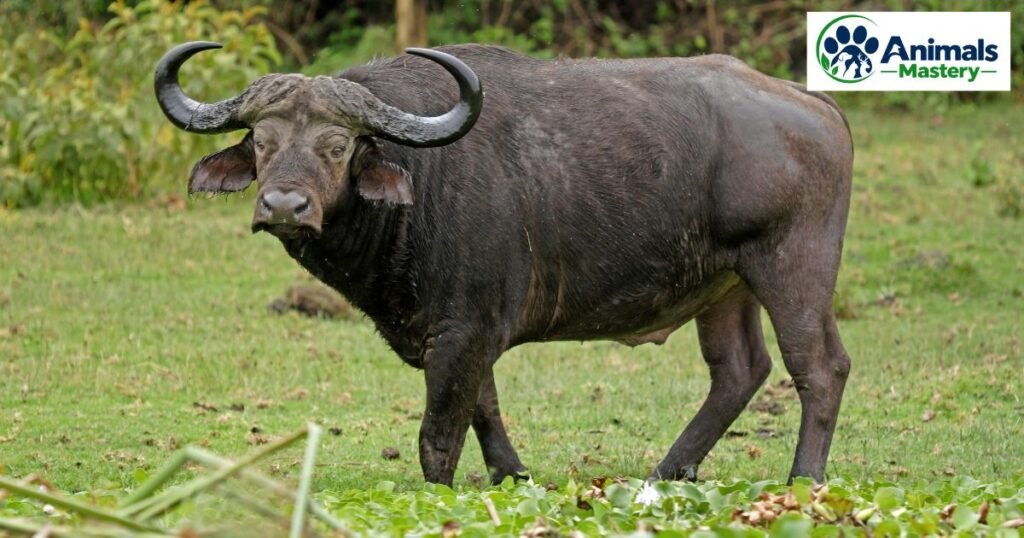
Culinary enthusiasts will find Buffalo’s food scene a delightful journey, steeped in tradition yet bursting with modern flavors. Famous for its chicken wings, the city has elevated this comfort food into a culinary art form, where local restaurants experiment with bold sauces and innovative recipes.
Octopus
- Scientific Name: Octopus vulgaris
- Class: Cephalopoda
- Diet: Carnivore
The octopus, with its eight agile arms and remarkable intelligence, challenges our understanding of marine life. Often labeled as a solitary creature, the octopus exhibits a rich inner world demonstrated by its ability to solve complex puzzles and navigate intricate mazes. This remarkable problem-solving capability suggests not only intelligence but also a level of curiosity that leaves researchers pondering the depths of its consciousness.
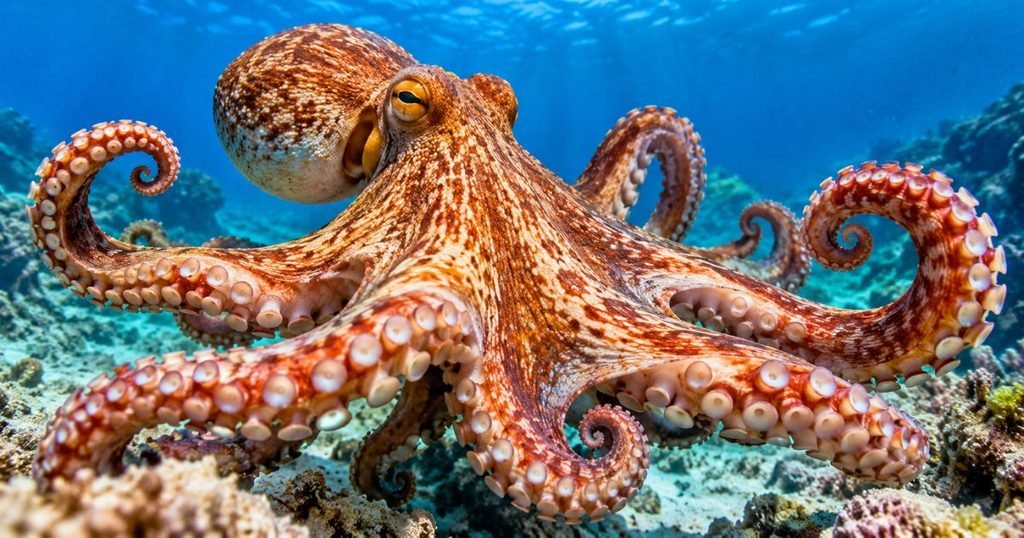
In the vibrant underwater realms, the octopus employs a suite of mesmerizing survival tactics, such as color-changing camouflage and rapid jet propulsion. These adaptations not only aid in evading predators but also illuminate the intricate dance of evolution, showcasing the creature’s remarkable versatility.
Cheetah
- Scientific Name: Acinonyx jubatus
- Class: Mammalia
- Diet: Carnivore
The cheetah, an icon of speed and agility, boasts an evolutionary design that makes it the fastest land animal, capable of reaching speeds up to 70 miles per hour in short bursts. This remarkable speed isn’t just for show; it’s a highly adaptive trait that helps it hunt agile prey like gazelles in the African savannah. Their specialized muscles and lightweight frame allow for those breathtaking sprints, but they can only maintain such incredible speed for a mere 20 to 30 seconds before overheating.
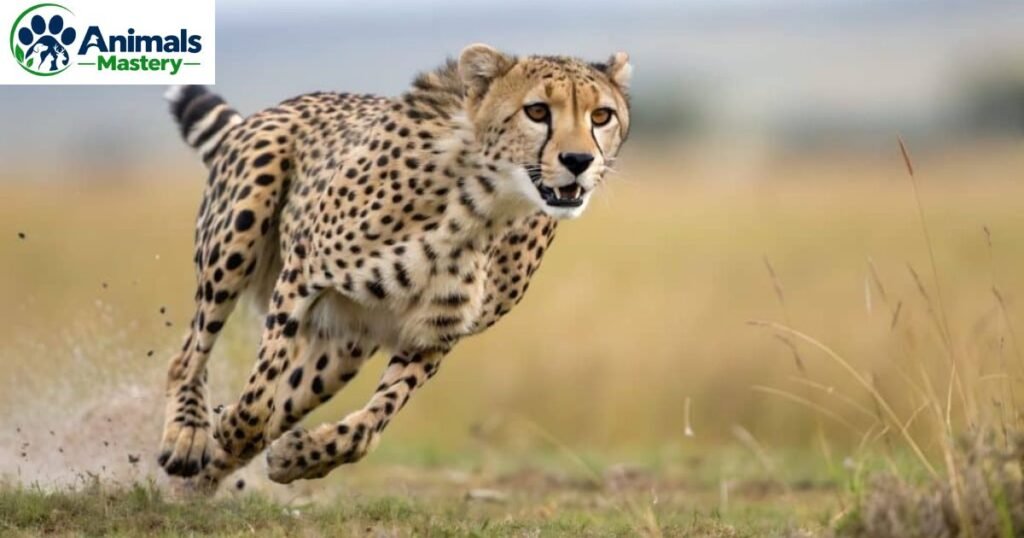
Their physical prowess, cheetahs possess a strikingly social behavior that sets them apart in the feline family. While most big cats are solitary, cheetah males often form small groups called coalitions, typically consisting of brothers. This social structure enhances their hunting success and territory defense, revealing a side of these sleek hunters that many may not be aware of.
Arctic Fox
- Scientific Name: Vulpes lagopus
- Class: Mammalia
- Diet: Omnivore
The Arctic fox, with its enchanting coat shifting from brown in summer to a pristine white in winter, is a master of adaptation. This small mammal thrives in some of the planet’s harshest climates, demonstrating an incredible ability to survive temperatures that plunge well below freezing.
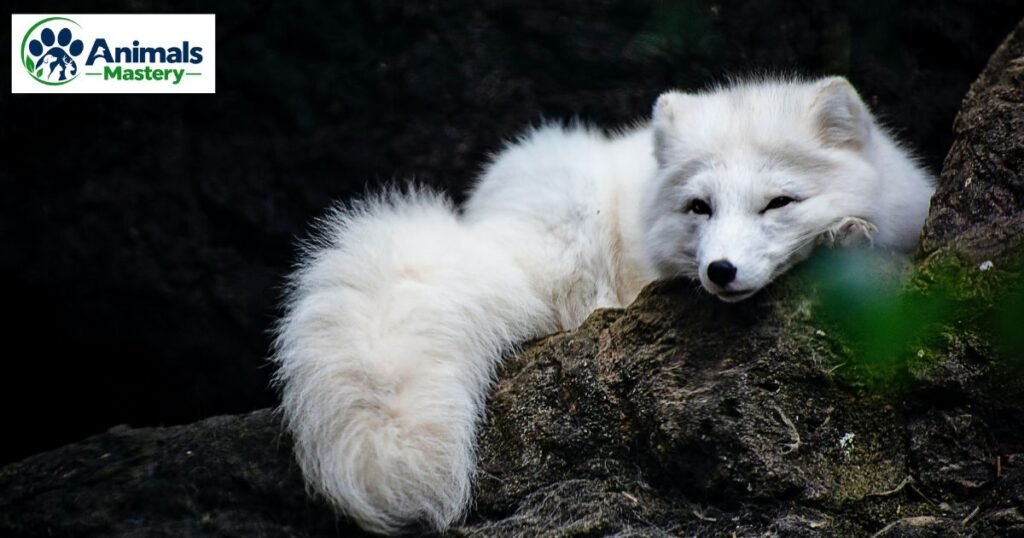
Many animals hibernate or migrate, the Arctic fox remains active, employing clever tactics to find food. They are known to utilize their acute sense of hearing to locate hidden prey beneath the snow, often outsmarting larger predators like polar bears by scavenging on leftovers and even stealing from other animals. This adaptability highlights the fox’s role in the delicate balance of Arctic ecosystems, where its presence is vital for the health of smaller prey populations and the overall biodiversity of its habitat.
Chimpanzee
- Scientific Name: Pan troglodytes
- Class: Mammalia
- Diet: Omnivore
The chimpanzee, often seen as our closest living relative, offers remarkable insights into the complexities of social behavior and cognition. These intelligent primates display a wide range of emotions, from joy to grief, showcasing their ability to form deep social bonds. Observations reveal that chimpanzees use tools with impressive skill, using sticks to fish for termites and stones to crack nuts, illustrating their problem-solving capabilities and cultural transmission of knowledge.
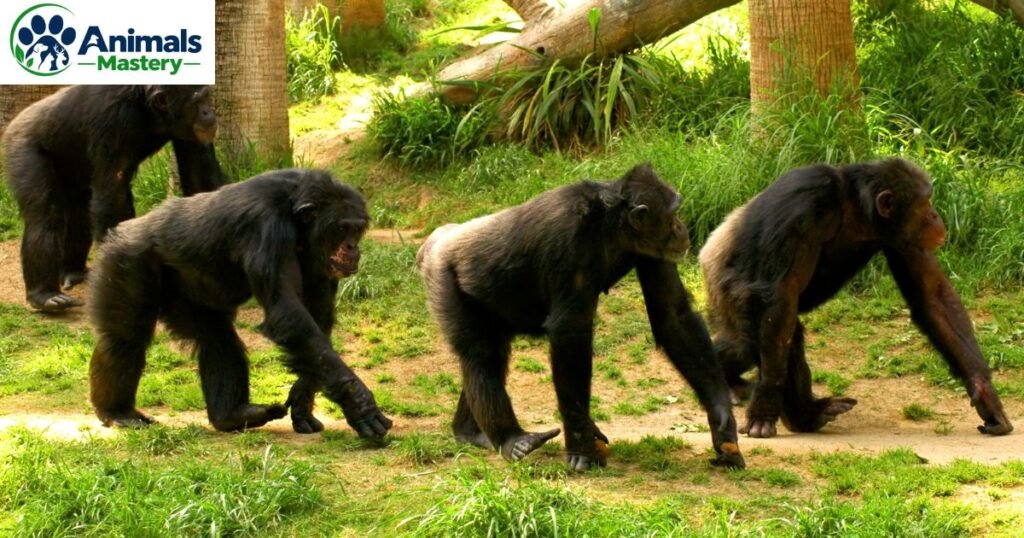
Beyond their tool-making talents, chimpanzees engage in sophisticated communication. They express themselves not just through vocalizations but also through gestures and facial expressions, creating a rich tapestry of social interaction that rivals human communication. Recent studies indicate that they can even recognize themselves in mirrors, suggesting a level of self-awareness that challenges our understanding of consciousness.
Expand Your Animal Knowledge
While reading about Most Ambitious Animals, you may also be interested in unusual genetic conditions found in wildlife. Our guide to animals with Down syndrome explains the science, myths, and facts behind these rare conditions.
Many Most Ambitious Animals are mammals that care for and protect their young. Explore our guide to viviparous animals to learn how live-bearing species reproduce and adapt to different environments.
Ambition in animals is often linked to survival, persistence, and problem-solving. Continue with our guide to anxious animals to see how different species respond to stress and environmental challenges.
If you enjoy wildlife lists like Most Ambitious Animals, check out our collection of animals with 9 letters. It’s a fun way to discover unique species while improving your animal vocabulary.
Not all determined animals are mammals. Explore our guide to examples of reptiles to learn how reptiles use unique survival strategies to thrive in a wide range of habitats.
Looking for more wildlife discoveries? Our guide to birds with 4 letters introduces interesting bird species with fun facts and colorful pictures that are perfect for nature lovers.
If you’re interested in animal well-being after reading about Most Ambitious Animals, explore our guide to dental disease in cats for practical information on recognizing symptoms and maintaining your pet’s oral health.
Many mammals share similar appearances but very different behaviors. Read our guide to animals that look like muskrats to compare fascinating species and learn what makes each one unique.
Determination and intelligence often go together. Check out our article on Are Kangaroos Smart Animals to discover how kangaroos solve problems, communicate, and adapt to their environment.
Conclusion
The journey through the lives of the 17 Most Ambitious Animals highlights the remarkable strategies and perseverance that define the natural world. Whether it’s the tenacity of a lioness hunting for her pride or the innovative methods of a crow using tools, each story offers valuable insights into ambition’s role in survival.
These animals demonstrate that ambition is not merely a human trait but a universal quality vital for success in the wild. As we reflect on these extraordinary examples, let their determination inspire us to pursue our aspirations with equal fervor.
FAQs
Which is the Most Ambitious Animal?
Chimpanzees are considered one of the most ambitious animals because they show strong problem-solving skills, strategic thinking, cooperation, and determination to achieve their goals.
What Animal is Lazy but Strong?
Sloths have powerful limbs and claws, allowing them to hang effortlessly from branches for hours, which is essential for their survival in the dense jungle canopy.
What Animals can Fly?
The most well-known fliers are birds, which possess lightweight bones, feathers, and specialized muscles that allow for efficient flight.
What animal has the highest IQ ever?
Determining which animal has the highest IQ is complex, as intelligence varies widely across species and is often measured differently. However, some of the top contenders include dolphins, primates (especially chimpanzees), and certain bird species like the African gray parrot.
What is the no. 1 smartest animal?
The “smartest” animal can be quite subjective, as intelligence manifests in various ways across species. However, many researchers point to dolphins as one of the leading contenders. Their advanced communication skills, social structures, and ability to solve problems showcase a level of cognitive complexity that is truly impressive. Dolphins have demonstrated self-awareness in mirror tests, which is often used as a benchmark for intelligence.