Top 15 Animals Like Groundhogs You Should Know About (Pictures Included)
If you thought groundhogs were unique, wait until you discover their animal counterparts! Known for their groundhog day fame, these creatures are part of a fascinating group of animals that share similar behaviors and habitats.
In this article, we’ll uncover the top 15 animals like groundhogs, revealing how they contribute to their ecosystems and what makes them special. By the end, you’ll not only learn about new animals but also appreciate the burrowing lifestyle even more.
What Makes an Animal Look Like a Groundhog?
When considering what makes an animal resemble a groundhog, it’s essential to look beyond mere physical features like size and fur color. Groundhogs, known for their stocky bodies and short legs, share similarities with other burrowing mammals, such as the marmot and certain species of prairie dogs.
These animals have evolved similar traits, a phenomenon known as convergent evolution, where unrelated species develop comparable features to adapt to their environments.
Behaviorally, these creatures also mirror groundhogs in significant ways. They are social animals that often live in colonies, using complex burrow systems to escape predators and maintain their homes.
List of Animals Like Groundhogs
Here is the list of animals like groundhogs:
- Prairie Dogs
- Beavers
- Capybaras
- Voles
- Marmot
- Chipmunks
- Rabbits
- Wombat
- Pika
- Nutria
- Badgers
- Rock Hyrax
- Muskrat
- Gophers
- Squirrels
Prairie Dogs
- Scientific name: Cynomys ludovicianus (Black-tailed Prairie Dog)
- Family: Sciuridae
- Class: Mammalia
- Diet: Herbivore
Prairie dogs and groundhogs, though often mistaken for one another, highlight fascinating aspects of life among burrowing rodents. Both species thrive in social structures, forming communal living groups known as coteries for prairie dogs and often solitary or family groups for groundhogs.
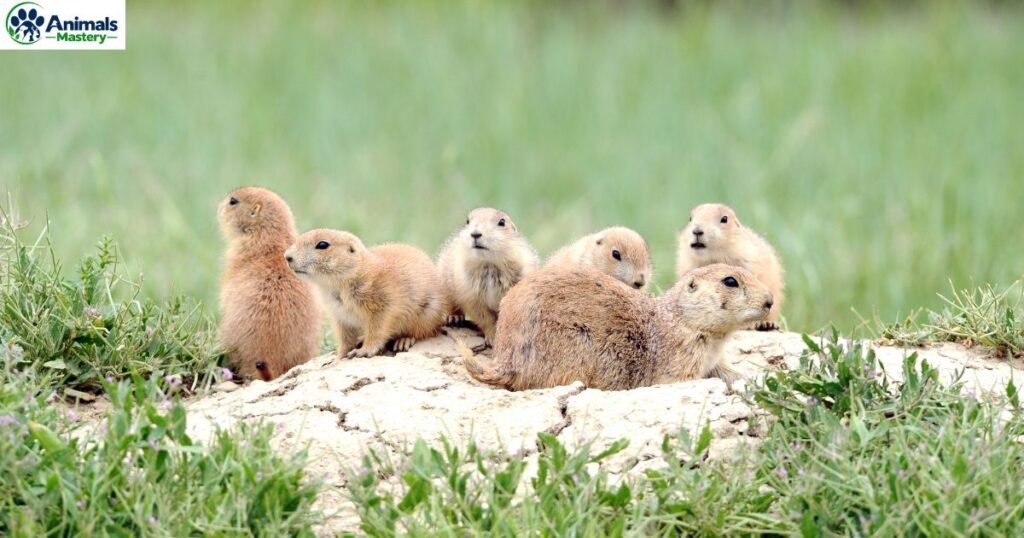
These social dynamics play a crucial role in their survival, fostering complex communication systems where chirps and barks serve as predator warning calls. Such vocal interactions create a vigilant community, ensuring that each member remains aware of potential threats while practicing cooperative behavior in caring for their young.
Prairie dogs, often referred to as keystone species, contribute to soil aeration and the overall health of wildlife habitats through their intricate burrow systems. These tunnels not only provide shelter for other animals but also promote interdependence among species, supporting a diverse ecosystem.
Beavers
- Scientific name: Castor canadensis (North American Beaver)
- Family: Castoridae
- Class: Mammalia
- Diet: Herbivore
Groundhogs and beavers are renowned as nature’s engineers, drastically altering their environments to create flourishing ecosystems. Beaver dams, for example, not only provide homes for these industrious rodents but also create expansive wetlands that support a diverse array of plant species and wildlife.
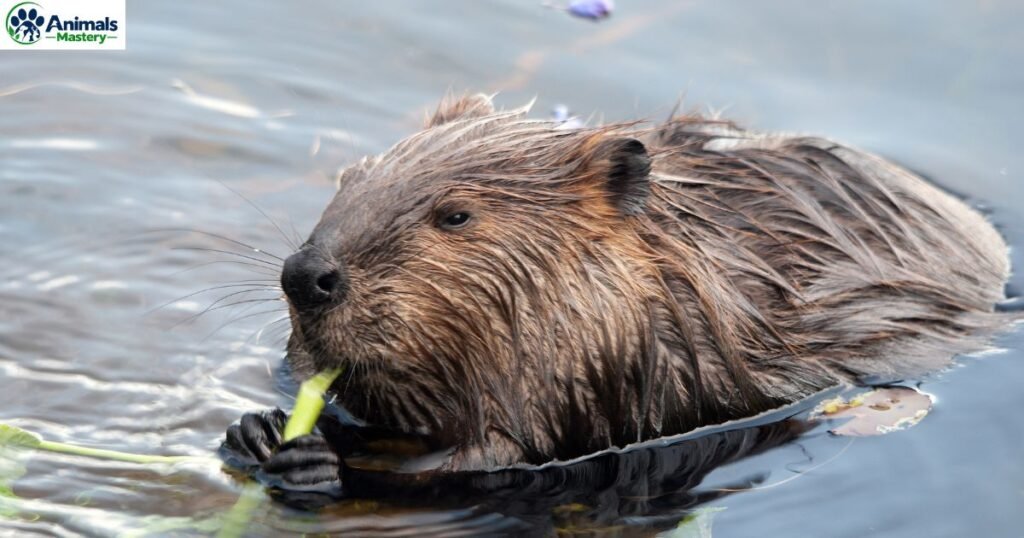
This transformation of the landscape fosters biodiversity, allowing insects, birds, and mammals to thrive in a habitat rich in resources.
Beavers demonstrate impressive teamwork, employing their sharp intelligence to collaborate on dam construction. Their tail slaps signal warnings, echoing the cooperative effort needed to sustain their communities.
Capybaras
- Scientific name: Hydrochoerus hydrochaeris
- Family: Caviidae
- Class: Mammalia
- Diet: Herbivore
Capybaras and groundhogs, while distinct in habitat and behavior, share intriguing similarities that highlight the fascinating intricacies of their social dynamics. As the largest rodents in the world, capybaras are native to South American wetlands, where their semi-aquatic lifestyle allows them to thrive.
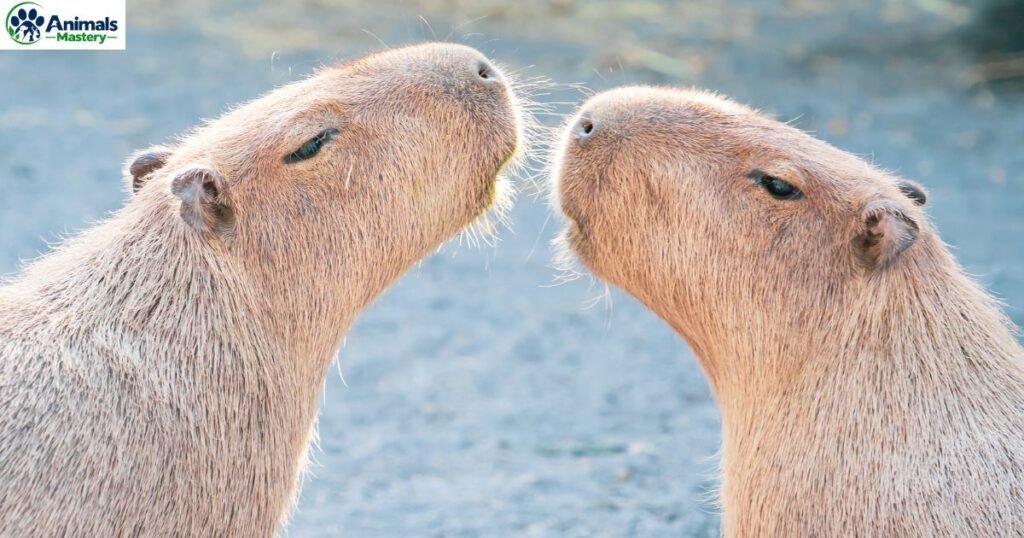
These gentle giants live in tight-knit communities, often seen lounging together, basking in the sun, or enjoying a dip in the water. Their laid-back demeanor contrasts with the more solitary groundhog, yet both species exhibit keen social behaviors that underscore the importance of group living for survival.
Both capybaras and groundhogs communicate through a range of vocalizations, including purring and barking, which fosters strong social bonds within their communities. This vibrant social behavior not only enriches their interpersonal relationships but also plays a critical role in ecosystem health; their interactions contribute to the balance of flora and fauna in their respective environments.
Voles
- Scientific name: Microtus arvalis (Common Vole)
- Family: Cricetidae
- Class: Mammalia
- Diet: Herbivore
Voles, often mistaken for their larger relatives like groundhogs, play a crucial role in maintaining the ecological balance within their habitats. These small mammals are significant contributors to soil aeration through their extensive tunnel systems, which enable root growth for various plant species.
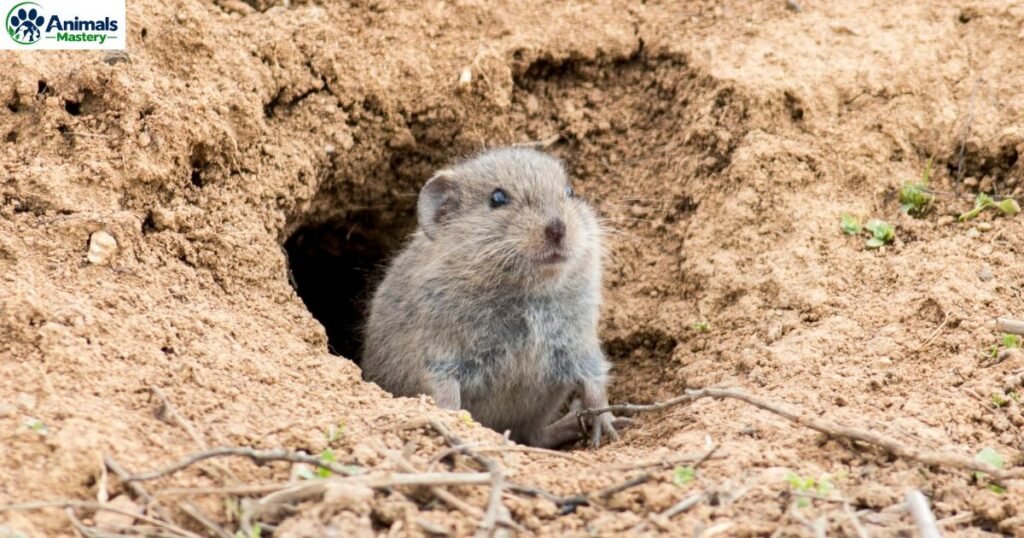
By munching on grasses and roots, voles shape the landscape and serve as a crucial food source for a variety of animals that eat mice and other small rodents, including hawks, foxes, and snakes, creating a vibrant cycle of life in their ecosystems.
Despite their often-maligned reputation for garden damage, voles exhibit fascinating social behavior, with some species forming tight family units, while others prefer a solitary existence reminiscent of groundhogs.
Marmots
- Scientific name: Marmota marmota (Alpine Marmot)
- Family: Sciuridae
- Class: Mammalia
- Diet: Herbivore
Marmots, often mistaken for their close relatives the groundhogs, showcase a fascinating blend of social behavior and survival strategies in their mountainous habitats. These stocky rodents thrive in familial groups, where their intricate social structure allows for efficient colony communication.
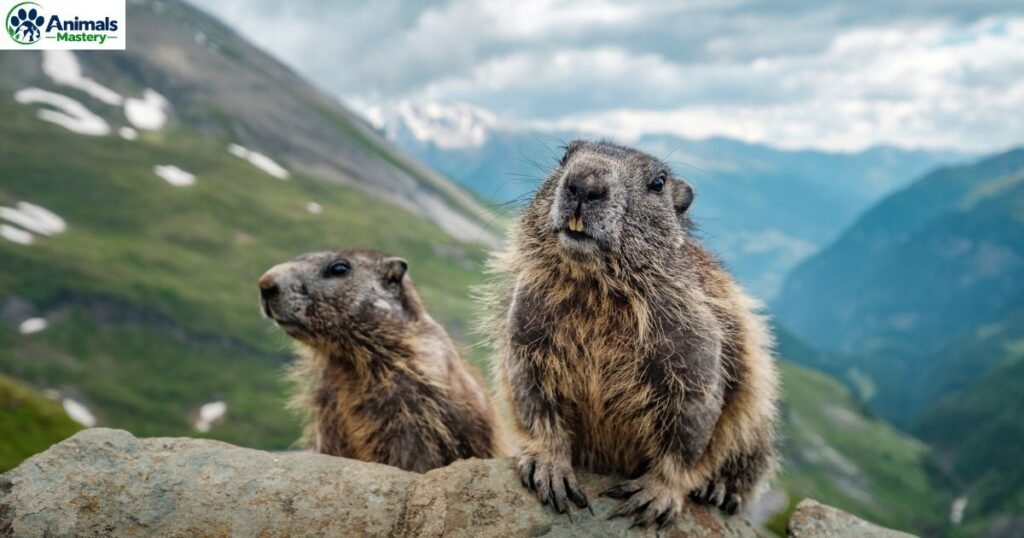
High-pitched whistles serve not just as playful banter but also as critical predator alerts, helping the entire colony stay vigilant against threats. This vocal exchange fosters remarkable social cooperation, essential for their collective survival in the wild.
Marmots rely on a herbivorous diet rich in plants, grasses, and herbs, with favorites like dandelions and clover prominently featured. Their foraging is not just beneficial to their own survival; it also plays an ecological role in soil aeration and promoting plant growth, thus impacting the delicate balance of mountain ecosystems.
During harsh winters, marmots retreat to their insulated dens for hibernation, carefully building energy reserves to last through the cold months.
Chipmunks
- Scientific name: Tamias striatus (Eastern Chipmunk)
- Family: Sciuridae
- Class: Mammalia
- Diet: Omnivore
Groundhogs and chipmunks, both members of the sciuridae family, exemplify the fascinating interconnectedness of species within their ecosystems. As small mammals, these critters play crucial roles as seed dispersers, ensuring the growth of plants that form the backbone of their habitats.
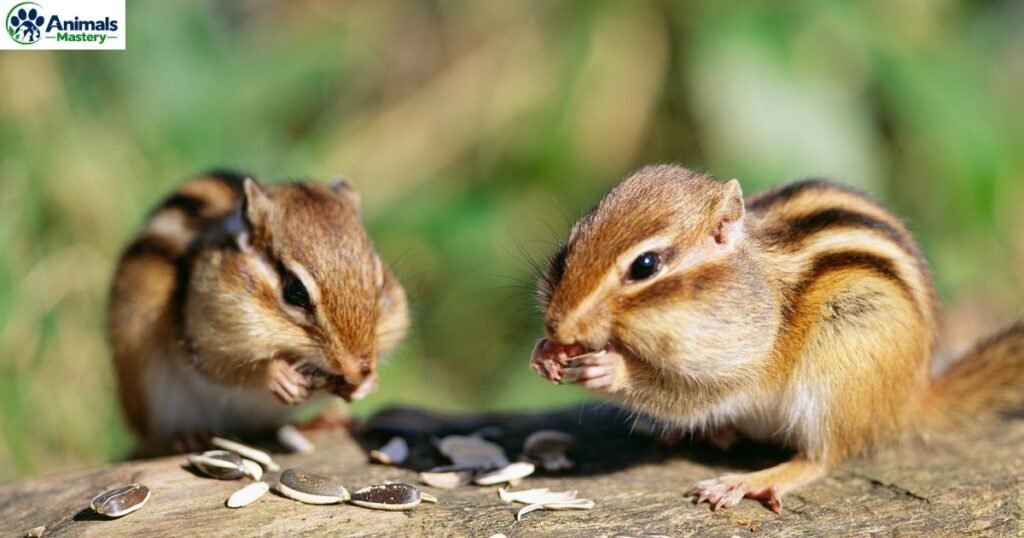
With their characteristic stripes, chipmunks showcase not only an eye-catching aesthetic but also an essential adaptation for camouflage, helping them evade predators. Their playful behavior often draws attention, revealing a complex social structure where vocal communication serves as a key tool for survival, enabling them to warn others of incoming threats.
Chipmunks exhibit remarkable intelligence and adaptability in their foraging habits. Chipmunks are notorious for their food hoarding, skillfully storing seeds for winter survival in intricate burrow systems. This behavior not only secures their own food supply but also inadvertently aids the ecosystem by promoting plant diversity through their forgotten caches.
Rabbits
- Scientific name: Oryctolagus cuniculus (European Rabbit)
- Family: Leporidae
- Class: Mammalia
- Diet: Herbivore
Rabbits and groundhogs may seem like distinct creatures at first glance, yet they share fascinating similarities. Both are burrowing animals, expertly crafting intricate underground tunnel systems that provide crucial protection from predators.
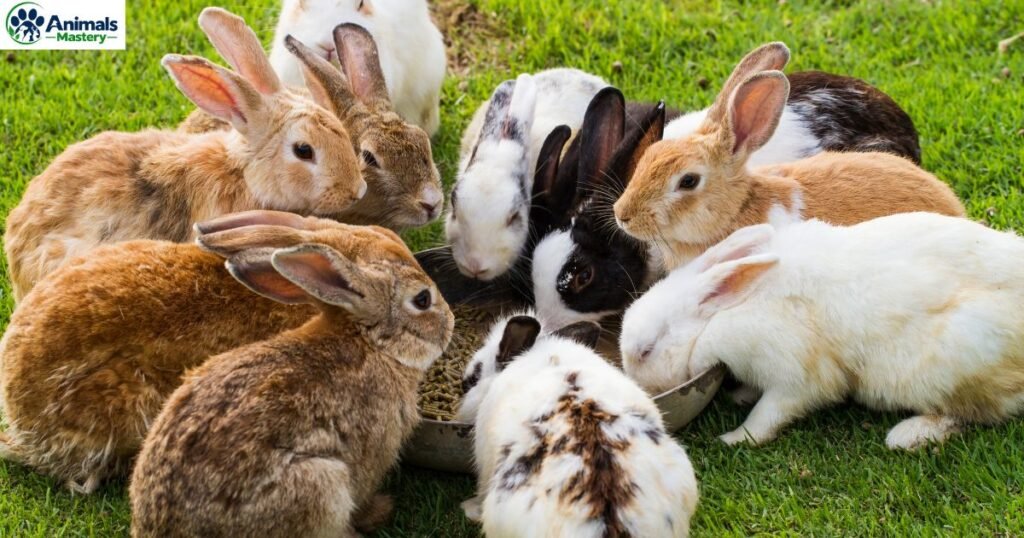
These burrow systems not only serve as safe havens but also play a pivotal role in soil aeration and promoting biodiversity, enhancing the health of meadows and urban gardens alike. Such environmental contributions become increasingly vital as climate change impacts ecosystems.
Groundhogs often inhabit sprawling colonies. Rabbits also exhibit playful behavior and strong social bonds, often engaging in spirited games that reinforce their social hierarchies and group cohesion. This blend of social dynamics illustrates that both species thrive in communal settings.
Wombat
- Scientific name: Vombatus ursinus (Common Wombat)
- Family: Vombatidae
- Class: Mammalia
- Diet: Herbivore
Wombats and groundhogs, while worlds apart geographically, offer a striking example of convergent evolution, unrelated animals developing similar traits to solve similar problems, a pattern you’ll also notice among animals like foxes. Groundhogs belong to the rodent family Sciuridae, while wombats are marsupials.
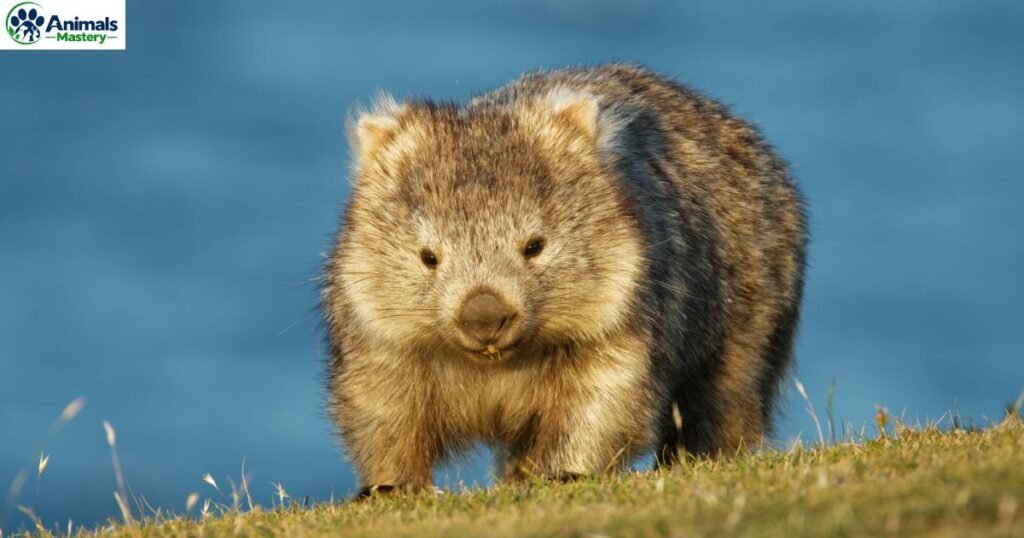
Despite this evolutionary gap, both species independently developed stocky bodies, powerful digging claws, and a burrowing lifestyle suited to life underground. Groundhogs thrive in North America’s diverse ecosystems, while wombats carve their niche across Australia’s rugged terrain, illustrating how similar environmental pressures can shape very different lineages into remarkably similar forms.
Groundhogs often lead a solitary lifestyle, except during mating season, while wombats display a more communal aspect among their burrows. This difference in social behavior could impact their roles within their respective environments, prompting questions about how such traits evolve under varying ecological pressures.
Pika
- Scientific name: Ochotona princeps (American Pika)
- Family: Ochotonidae
- Class: Mammalia
- Diet: Herbivore
Pikas, often mistaken for groundhogs due to their similar stout bodies and rounded ears, occupy a unique niche among small herbivorous mammals in the rugged, rocky mountain habitats of North America.
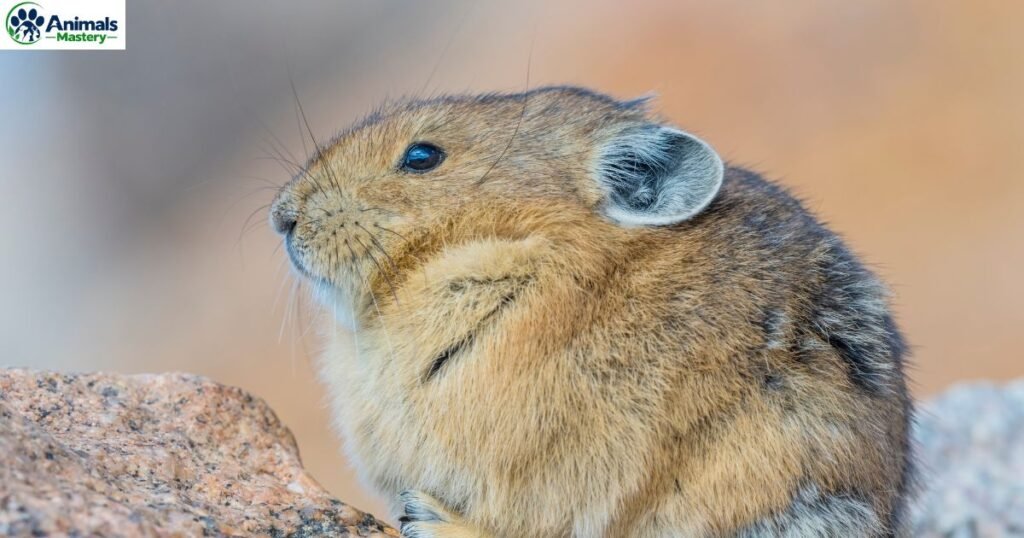
Unlike their more well-known cousins, pikas are found in high-altitude environments, where their cold-climate adaptation allows them to thrive despite the chilling temperatures. Their lack of a tail makes them even more distinctive, while their energetic behavior and vocalizations highlight their spirited nature.
These adorable critters are not just fascinating for their appearance, but also for their ecological role. Pikas engage in food hoarding, scurrying about in the summer to collect vegetation that they will rely on during winter’s harsh conditions. Their reliance on specific habitats makes them sensitive indicators of climate change; as rising temperatures push them to higher altitudes.
Nutria
- Scientific name: Myocastor coypus
- Family: Myocastidae
- Class: Mammalia
- Diet: Herbivore
Groundhogs and nutria may seem like unlikely relatives in the animal kingdom, but both share remarkable adaptations that reflect their unique lifestyles. Groundhogs, also known as woodchucks, are renowned for their burrowing abilities. Nutria, or coypu, have made headlines for their ecological impact in wetlands.
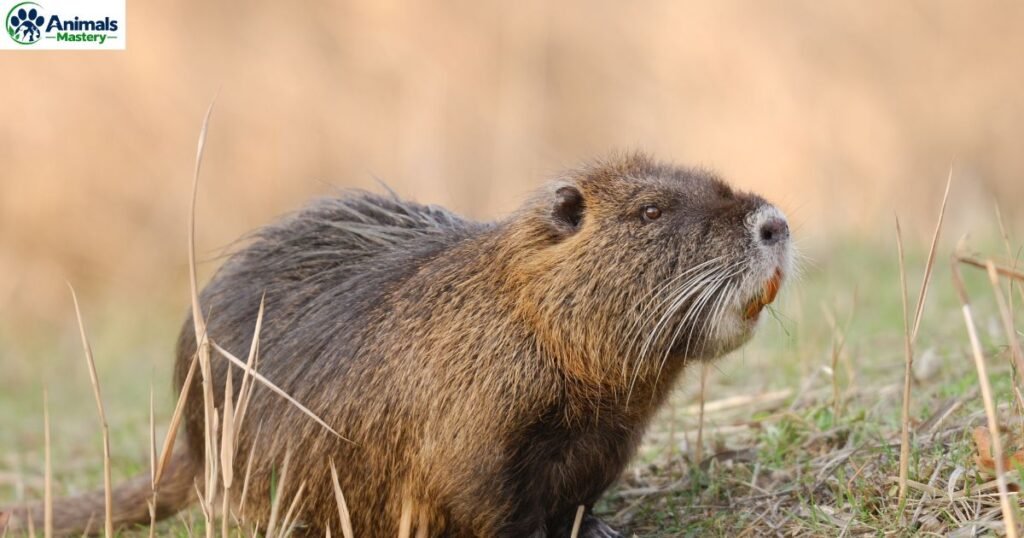
With their distinctively large bodies and webbed feet, these semi-aquatic rodents excel at manipulating their environment, often leading to both the nurturing and damaging of their marshy ecosystems. As they feed on aquatic plants, they inadvertently help control overgrowth, but their prolific breeding can quickly turn them into invasive species, posing a challenge for conservationists.
Badgers
- Scientific name: Meles meles (European Badger)
- Family: Mustelidae
- Class: Mammalia
- Diet: Omnivore
Badgers and groundhogs, though not closely related, both illustrate how burrowing mammals shape the ecosystems around them. Groundhogs belong to the rodent family Sciuridae, while badgers are mustelids, part of the weasel family within order Carnivora, but both have independently evolved into skilled diggers.
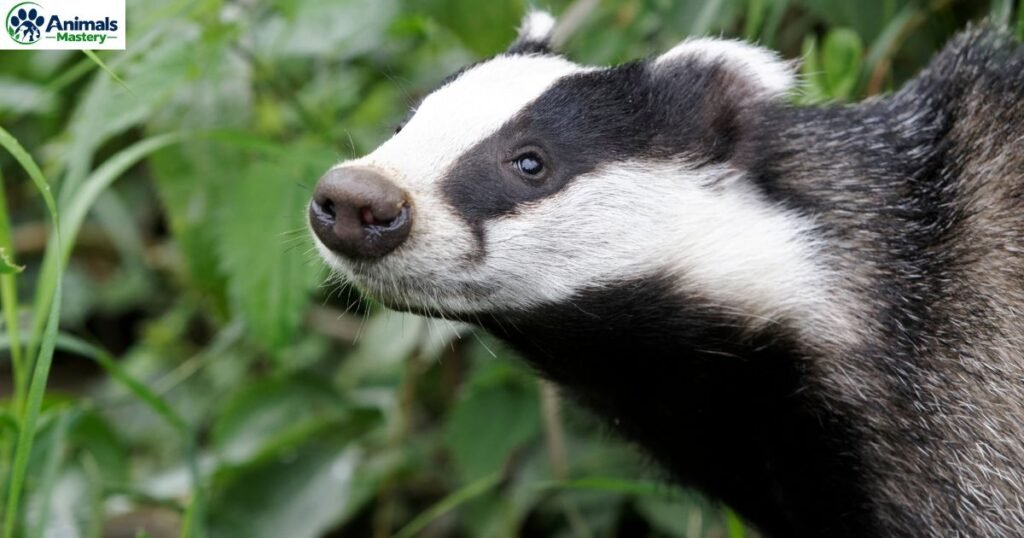
Easily recognized by their striking black-and-white facial markings, badgers exhibit impressive environmental adaptability. In woodlands or grasslands, they carve extensive burrow systems that not only serve as their homes but also provide refuge for countless other species. By living in small family groups, these animals foster social behavior that enhances predator protection, allowing them to thrive despite threats in their habitats.
Badgers are omnivores with a broad diet that shifts with the seasons, insects, small mammals, and roots one month, fruit and eggs the next. Groundhogs stick to a strictly herbivorous diet of grasses, clover, and garden vegetables, showing that dietary flexibility isn’t the only path to survival.
The Rock Hyrax
- Scientific name: Procavia capensis
- Family: Procaviidae
- Class: Mammalia
- Diet: Herbivore
The rock hyrax, a fascinating creature reminiscent of groundhogs, occupies a unique evolutionary lineage that connects it to both elephants and manatees. Found primarily in rocky habitats across Africa, the Middle East, and regions surrounding the Mediterranean, these stout-bodied mammals are well adapted to their rugged environments.
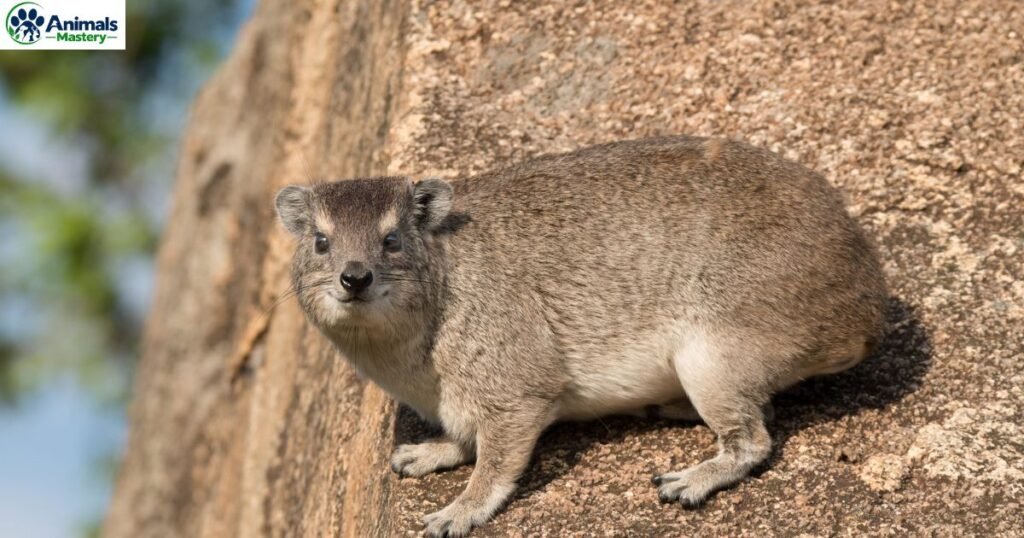
Their short legs aid in navigating the steep rocky outcrops where they often make their homes, providing added protection against predators. Social behavior is a defining feature of rock hyrax communities, with groups of up to 50 individuals thriving together.
Communication among them is intricate, involving a series of clicks and whistles that serve as warning calls to alert others of danger. This sophisticated social structure indicates a high level of intelligence, as they not only work together to forage for grasses, leaves, and fruits but also maintain complex family dynamics.
Muskrats
- Scientific name: Ondatra zibethicus
- Family: Cricetidae
- Class: Mammalia
- Diet: Herbivore
Muskrats play a pivotal role in transforming wetlands and marshes into vibrant ecosystems. These semi-aquatic rodents utilize their keen swimming abilities and paddle-like tails to navigate aquatic environments, constructing elaborate lodges and burrows that provide shelter not only for themselves but also for a myriad of other species.
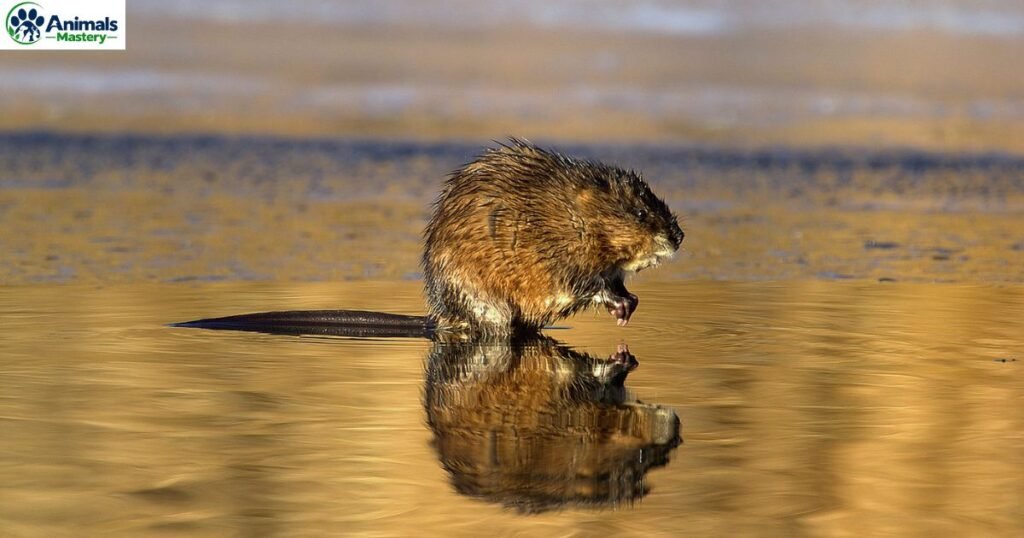
The landscape they create through their continuous burrowing and foraging supports biodiversity, offering a thriving habitat for animals ranging from aquatic wildlife to migratory birds.
Their herbivorous diet predominantly consists of aquatic plants, but muskrats are opportunistic feeders. They indulge in a variety of small fish and invertebrates when the opportunity arises, showcasing their adaptability in fluctuating food availability. Positioned in the food chain, muskrats serve as a crucial prey species for predators like herons and foxes.
Gophers
- Scientific name: Thomomys bottae (Botta’s Pocket Gopher)
- Family: Geomyidae
- Class: Mammalia
- Diet: Herbivore
Groundhogs and gophers, both fascinating burrowing mammals, play pivotal roles in maintaining soil health and promoting biodiversity in their ecosystems. Equipped with powerful claws, these groundhog relatives are adept at creating intricate tunnel networks and underground burrows that not only serve as their homes but also aerate the soil and improve water drainage.
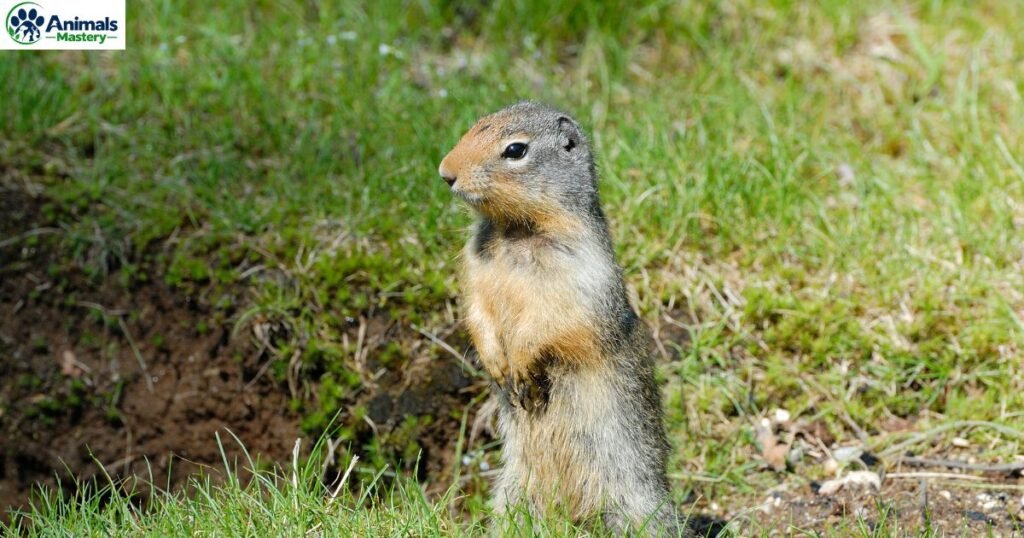
This unseen world below our feet fosters an environment ideal for plant growth, as well as a thriving community of organisms like ants and beetles, which benefit from the enriched soil they help create.
The foraging behavior of gophers and groundhogs is integral to their ecosystems. By digging up roots, tubers, and various plant materials, they inadvertently assist in soil turnover and nutrient cycling, which supports healthy vegetation above ground.
Squirrels
- Scientific name: Sciurus carolinensis (Eastern Gray Squirrel)
- Family: Sciuridae
- Class: Mammalia
- Diet: Omnivore
Squirrels and groundhogs, both agile rodents, highlight the fascinating spectrum of adaptation in the animal kingdom. While groundhogs are burrowing champions, primarily occupying urban areas and parks, squirrels display remarkable agility in trees, making them masters of arboreal navigation.
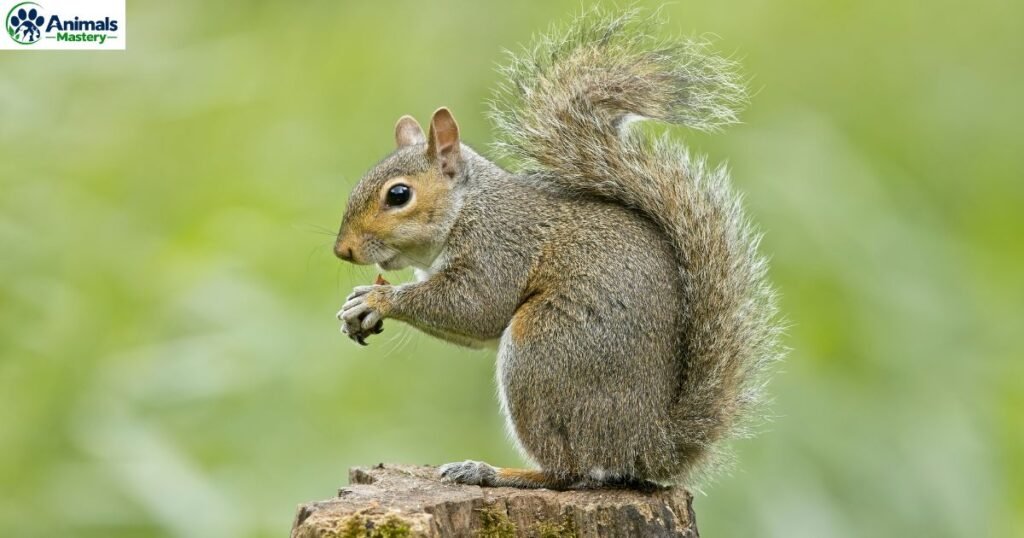
Their differing strategies also reflect their intelligence and problem-solving skills. Squirrels have demonstrated an impressive ability to navigate complex urban landscapes, showcasing their adaptation to human environments. Their social dynamics, including flicking tails and chattering communication, reveal a vibrant social structure that helps them thrive.
Grooming is another important part of squirel life, helping them stay parasite-free and regulate body temperature, a habit shared by many of the cleanest animals in the world, which rely on similar self-care routines to survive. Recent studies have noted that squirrels can recognize human faces, enhancing their survival strategies in urban wildlife settings.
Groundhog vs. Look-Alikes: Key Differences
While all these animals share a passing resemblance to groundhogs, their family trees, diets, and social lives tell a very different story.
Here is a closer look at the key differences between them:
| Animal | Family | Diet | Social structure | Habitat |
|---|---|---|---|---|
| Groundhog | Sciuridae | Herbivore | Solitary | Open fields, meadows |
| Prairie dog | Sciuridae | Herbivore | Colonial (coteries) | Grasslands |
| Marmot | Sciuridae | Herbivore | Colonial | Mountains |
| Chipmunk | Sciuridae | Omnivore | Solitary | Woodlands |
| Squirrel | Sciuridae | Omnivore | Loosely social | Trees, urban parks |
| Beaver | Castoridae | Herbivore | Family units | Wetlands, rivers |
| Capybara | Caviidae | Herbivore | Large groups | S. American wetlands |
| Vole | Cricetidae | Herbivore | Varies by species | Grasslands, gardens |
| Muskrat | Cricetidae | Herbivore | Family groups | Marshes, wetlands |
| Rabbit | Leporidae | Herbivore | Social, warrens | Meadows, gardens |
| Wombat | Vombatidae (marsupial) | Herbivore | Communal burrows | Australian terrain |
| Pika | Ochotonidae | Herbivore | Solitary/ territorial | Rocky, high altitude |
| Nutria | Myocastidae | Herbivore | Family groups | Wetlands |
| Badger | Mustelidae (carnivore) | Omnivore | Small family groups | Woodlands, grasslands |
| Rock hyrax | Procaviidae | Herbivore | Groups up to 50 | Rocky outcrops |
| Gopher | Geomyidae | Herbivore | Solitary | Fields, farmland |
Final Thoughts
The world of animals like groundhogs is rich and diverse, showcasing a variety of fascinating species that share similar habitats, diets, and behaviors.
From the playful prairie dogs to the elusive marmots, these creatures remind us of the incredible adaptability found in nature. Each of these animals plays a unique role in their ecosystem, contributing to the balance of life in their respective environments.
Understanding their similarities and differences enhances our appreciation for wildlife and encourages conservation efforts. As you explore the habitats of these animals, consider taking action to protect their environments to ensure they thrive for generations to come.
FAQs
What other Animal Looks Like a Groundhog?
Several animals resemble groundhogs due to their stocky bodies and thick fur. One notable example is the woodchuck, which is another name for the groundhog itself. The marmot, particularly the yellow-bellied marmot, shares similar physical traits and habitat preferences.
What are Groundhogs Mistaken for?
Groundhogs are often mistaken for other rodent species, particularly the beaver and common squirrel. Some people might misidentify them as prairie dogs.
Another common mix-up arises with the woodchuck, which is actually another name for groundhogs.
Is a Groundhog a Rodent?
Yes, a groundhog is indeed a rodent. Specifically, it belongs to the family Sciuridae, which includes squirrels and marmots. Groundhogs are also known as woodchucks and are characterized by their stocky bodies and strong limbs, adapted for burrowing.
Are Marmots and Groundhogs the Same?
Marmots and groundhogs are closely related but not the same. While they share physical traits and behaviors, their habitats and social structures can be quite different.
Marmots typically live in mountainous regions and are more social, often forming colonies. Groundhogs are generally solitary and prefer open fields and gardens.
What is a Groundhog’s Worst Enemy?
Groundhogs face several threats in their environment, but their worst enemy is arguably humans. Urban development and habitat destruction significantly reduce their natural living spaces, while agriculture poses risks as they can be considered pests by farmers trying to protect their crops.
Do Groundhogs Bite?
Yes, groundhogs can bite, particularly if they feel threatened or cornered. These animals are not typically aggressive but will defend themselves when they sense danger. If a person tries to capture or handle a groundhog, there’s a risk of being bitten.