Top 19 Most Muscular Animals in the World With Images
The world of the Most Muscular Animals, revealing astonishing feats of strength and agility. Understanding these muscle marvels highlights the wonders of evolution and inspires us to appreciate the diverse strengths found in the animal kingdom. Join us as we delve into the characteristics that make these creatures the true titans of the wild.
List of the Most Muscular Animals in the World
Here is the list of most muscular animals.
- Grizzly Bear
- Rhinoceros
- Lion
- Belgian Blue
- Green Anaconda
- African Elephant
- American Bison
- Giraffe
- Tiger
- Musk Ox
- Boer Goat
- Hippopotamus
- Draft Horse
- Indian Bison (Gaur)
- Mountain Gorilla
- Chimpanzee
- Red Kangaroo
- Beluga Whale
- Bulldog
Grizzly Bear
- Scientific Name: Ursus arctos horribilis
- Class: Mammalia
- Diet: Omnivore
Grizzly bears, with their majestic stature and fierce presence, are often seen as symbols of wilderness and resilience. Yet, beneath their rugged exterior lies a complex social structure rarely discussed.
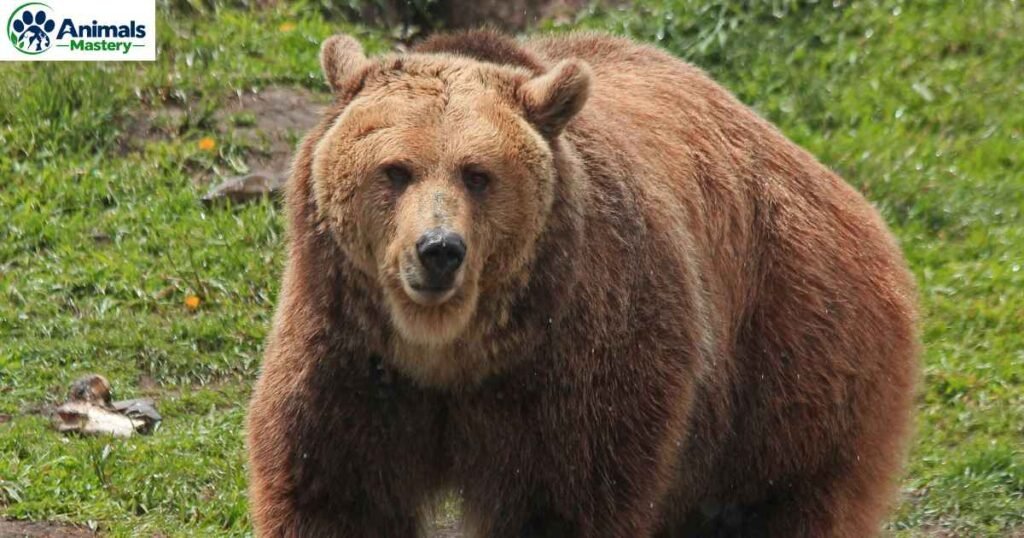
Contrary to the common perception that grizzlies are solitary creatures, recent studies indicate that these powerful mammals exhibit fascinating social behaviors, particularly around food sources. Mothers and their cubs display intricate communication through vocalizations and body language, fostering a nurturing bond that enhances the cubs’ survival in the wild.
Social dynamics, the ecological importance of grizzly bears cannot be understated. As apex predators, they play a vital role in maintaining the balance of their ecosystems. Their foraging habits, such as digging up roots and scattering seeds, contribute to soil health and plant diversity.
Rhinoceros
- Scientific Name: Rhinocerotidae
- Class: Mammalia
- Diet: Herbivore
The rhinoceros, often perceived as a symbol of brute strength, embodies a rich tapestry of ecological significance that extends beyond its formidable presence. These majestic creatures play a crucial role in their habitats, acting as “ecosystem engineers.”
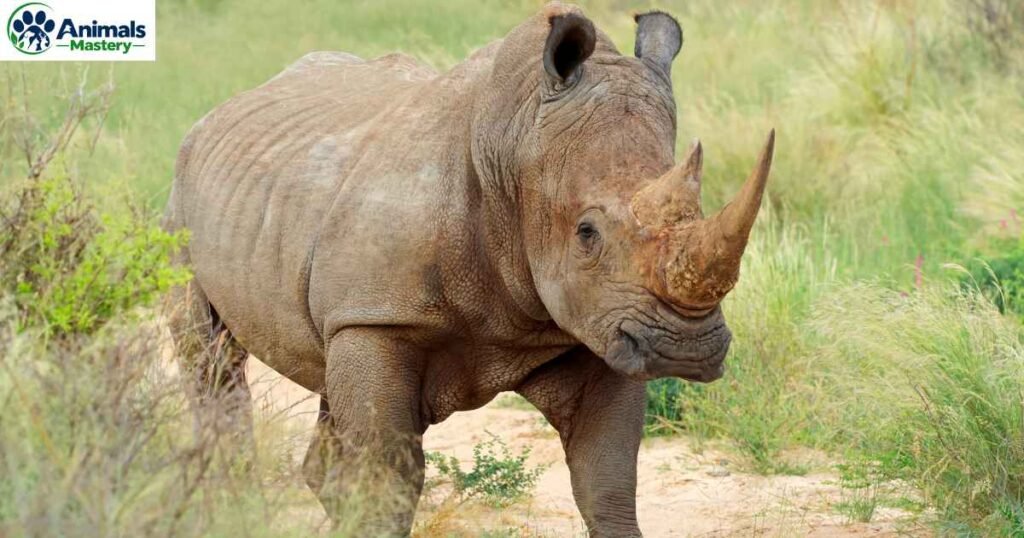
By grazing on grasses and browsing on shrubs, rhinos help maintain the balance between different vegetation types, which in turn supports a diverse array of wildlife. Their foraging behavior creates pathways that other animals use, fostering a vibrant ecosystem.
The plight of the rhinoceros is a poignant reminder of the fragility of nature amid human activity. Poaching and habitat loss have led to alarming declines in their populations, with some species teetering on the brink of extinction.
Lion
- Scientific Name: Panthera leo
- Class: Mammalia
- Diet: Carnivore
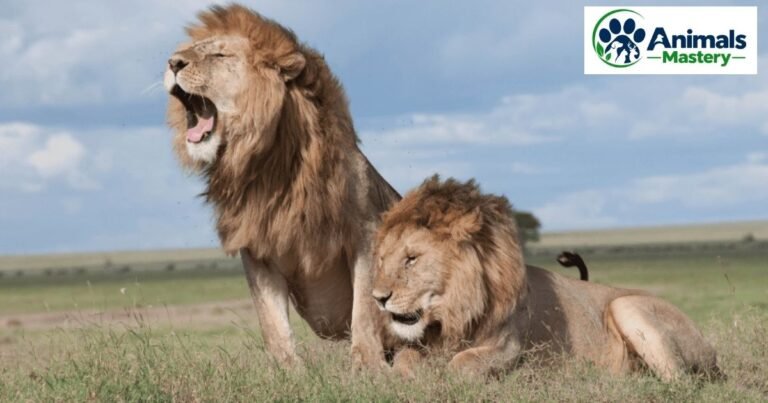
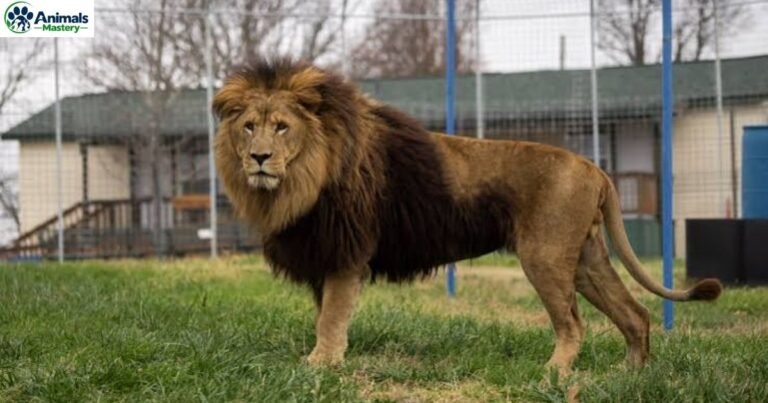
The lion, often referred to as the king of the jungle, encapsulates a paradox of power and vulnerability. While their majestic manes and commanding roars exude a sense of unrivaled dominion, these apex predators face an existential crisis in the wild.
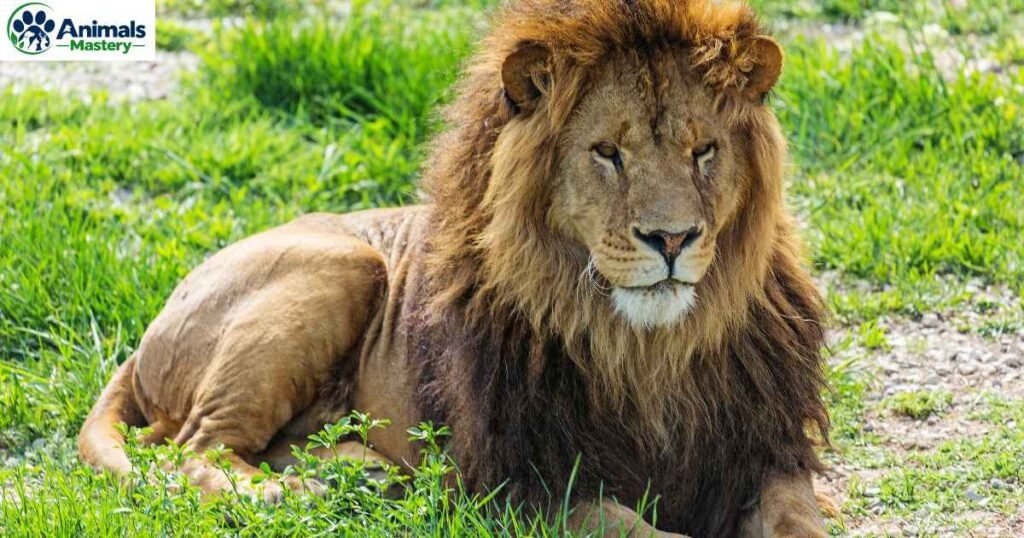
When a transient male takes over a pride, he often resorts to infanticide killing the cubs of the previous leader to assert dominance and ensure his genetics prevail.
A unique aspect of lion society is their intricate social structure, where females, primarily lionesses, are the driving force behind hunting and nurturing. This matriarchal hierarchy for the Most Muscular Animals, not only challenges traditional notions of power but also underscores the importance of cooperation and community in survival.
Belgian Blue
- Scientific Name: Bos taurus
- Class: Mammalia
- Diet: Herbivore
The Belgian Blue is not just a breed; it’s a marvel of agricultural innovation, embodying the delicate balance between nature and selective breeding.
Known for its striking blue-grey coat and impressive muscle definition, this breed has gained immense popularity not just in Belgium but across the globe. Their remarkable growth rate and efficiency make them a farmer’s dream, particularly in beef production, where they yield more meat with less feed compared to traditional breeds.
The breed’s muscularity comes from a natural mutation in the myostatin gene, which inhibits muscle growth regulation. This unique trait of Most Muscular Animals, although beneficial in many aspects, raises ethical considerations regarding animal welfare.
Green Anaconda
- Scientific Name: Eunectes murinus
- Class: Reptilia
- Diet: Carnivore
The Green Anaconda, often lauded as the world’s largest snake by weight, embodies a fascinating ecosystem role in the wetlands of South America.
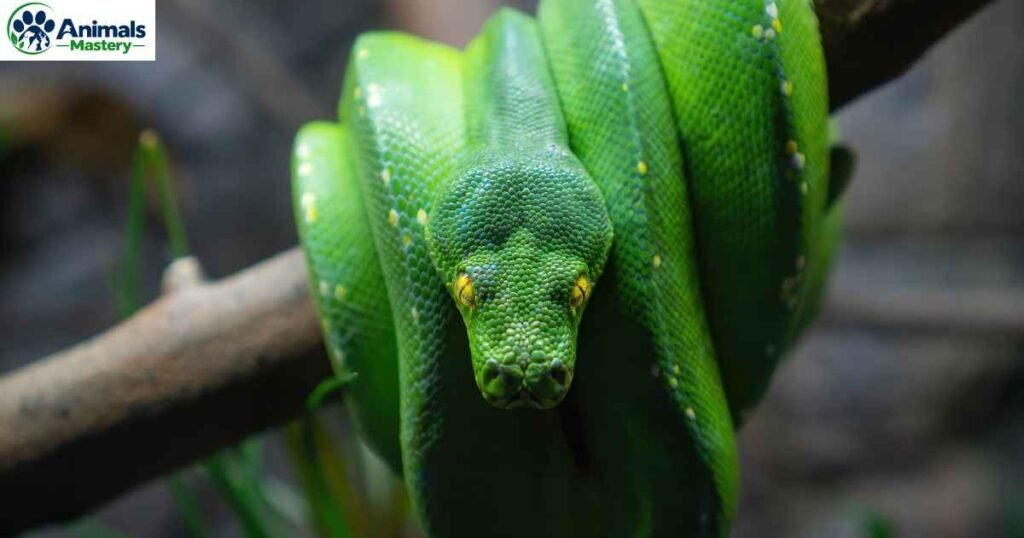
Other large snakes that might be secretive, the Green Anaconda tends to bask in the sun, merging its formidable presence with the lush landscapes of rivers and swamps.
This serpent’s hunting strategy is as intelligent as it is powerful; it employs stealth and strength to ambush its prey. Conveniently camouflaged among the water plants, this giant can strike with surprising speed, coiling around prey to subdue it before dragging it underwater to drown.
African Elephant
- Scientific Name: Loxodonta africana
- Class: Mammalia
- Diet: Herbivore
The African elephant, the world’s largest land mammal, embodies a unique blend of majesty and vulnerability.
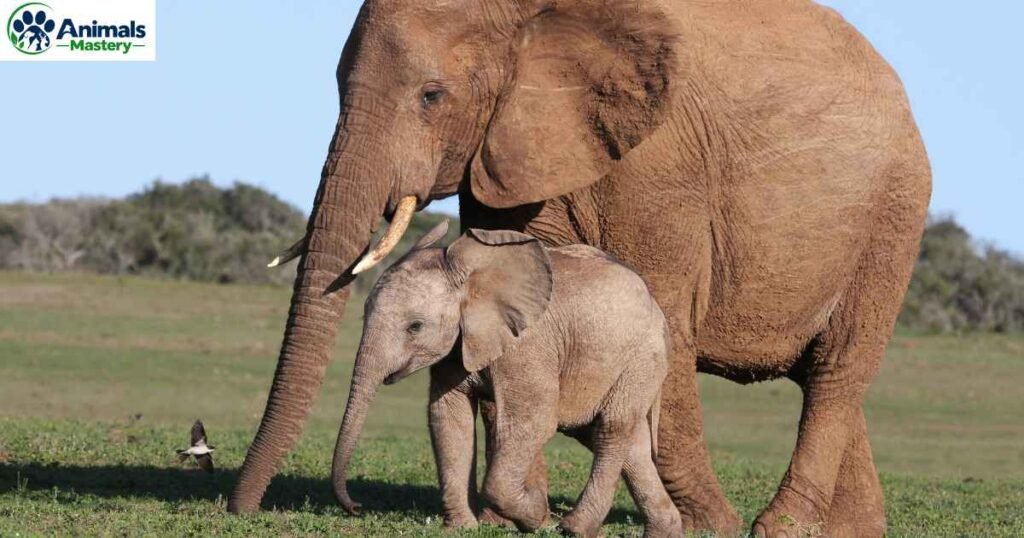
Their complex social structures reveal a deep emotional intelligence; matriarchs lead herds, drawing on decades of experiences to navigate their habitats, find water sources, and evade dangers.
Observing these creatures in the wild can be a profound reminder of the interconnectedness of life, as their migrations shape ecosystems, creating and maintaining the biodiversity of the regions they inhabit.
American Bison
- Scientific Name: Bison bison
- Class: Mammalia
- Diet: Herbivore
American bison, often symbolizing the untamed spirit of the Great Plains, hold a unique ecological and cultural significance that goes far beyond their imposing size.
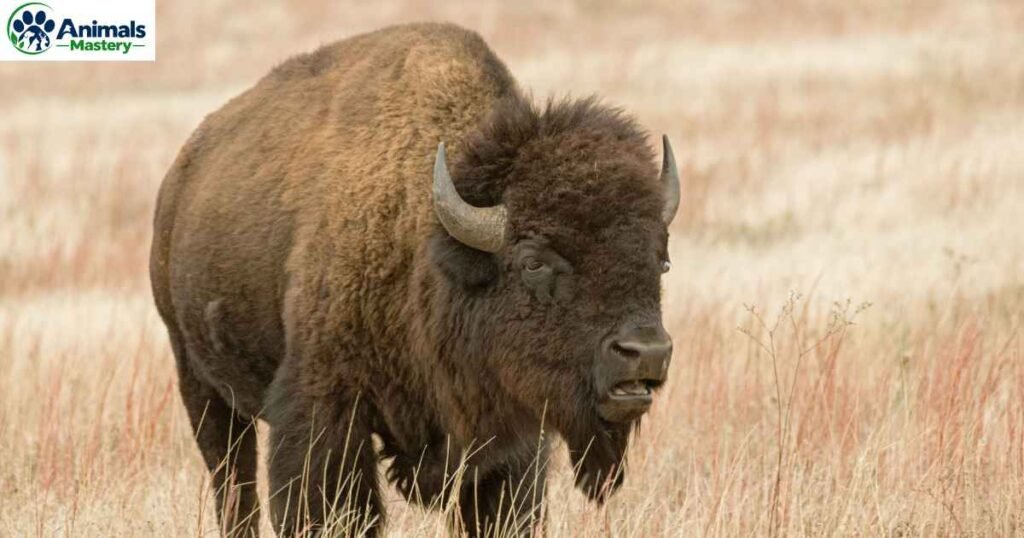
These mammals can weigh up to 2,000 pounds and stand over six feet tall at the hump, but their role in the ecosystem is even more remarkable.
Bison are considered “keystone species” because their grazing habits shape the grassland environment, promoting new plant growth and providing habitats for numerous other wildlife. As they roam, they create shallow depressions in the ground that retain water, which can become vital sources for other animals during dry spells.
Giraffe
- Scientific Name: Giraffa camelopardalis
- Class: Mammalia
- Diet: Herbivore
The giraffe, with its towering neck and distinctive patterns, offers more than just a striking presence in the savannah.
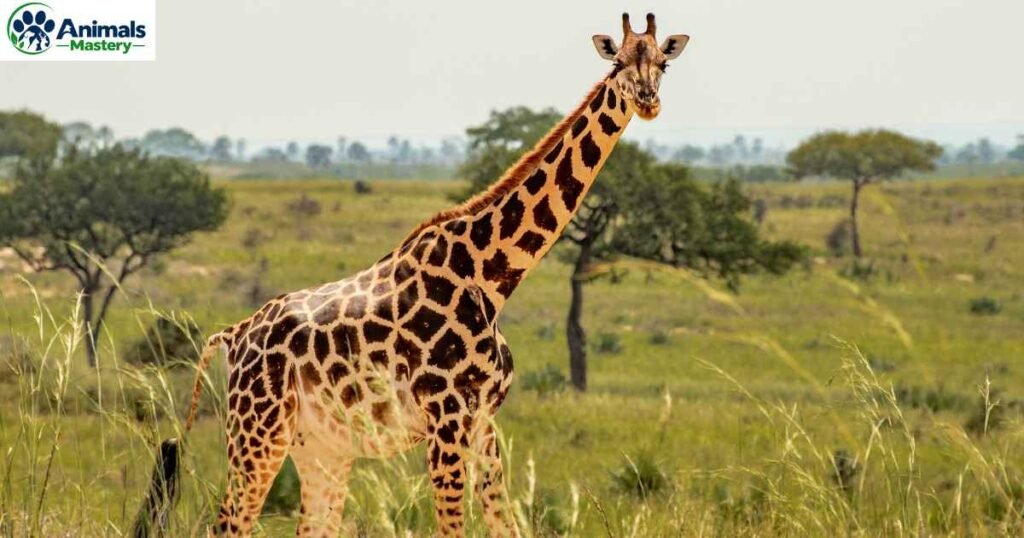
This unique adaptation allows giraffes to reach the tender leaves of acacia trees, giving them access to food sources that many other herbivores can’t exploit. But their height isn’t just for feeding; it’s a dual-purpose tool.
During mating seasons, males engage in a behavior known as “necking,” where they swing their necks to deliver powerful blows to rivals, an impressive display of strength and a means to establish dominance. Socially, giraffes showcase a fascinating blend of companionship and individuality.
Tiger
- Scientific Name: Panthera tigris
- Class: Mammalia
- Diet: Carnivore
Tigers, the largest of the big cats, are not just solitary predators but also symbols of strength and resilience in many cultures.
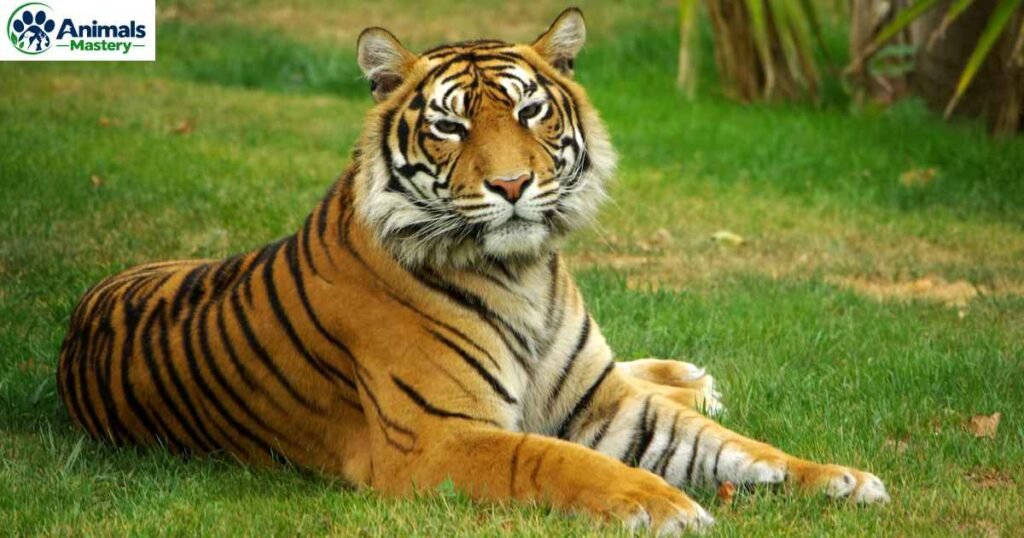
These majestic creatures have developed remarkable adaptations that allow them to thrive in varying environments, from the cold forests of Siberia to the tropical jungles of Southeast Asia. Tigers are also considered as the worlds cleanest animal.
Their distinctive orange coat, adorned with characteristic black stripes, serves as both a camouflage and a testament to the animal’s evolutionary prowess, allowing them to ambush prey with stealth and agility.
Musk Ox
- Scientific Name: Ovibos moschatus
- Class: Mammalia
- Diet: Herbivore
Musk oxen, with their prehistoric appearance and dense coats, evoke images of ancient tundras and icy landscapes. These remarkable herbivores possess an impressive adaptation: their thick fur, known as qiviut, provides astonishing insulation against frigid temperatures.
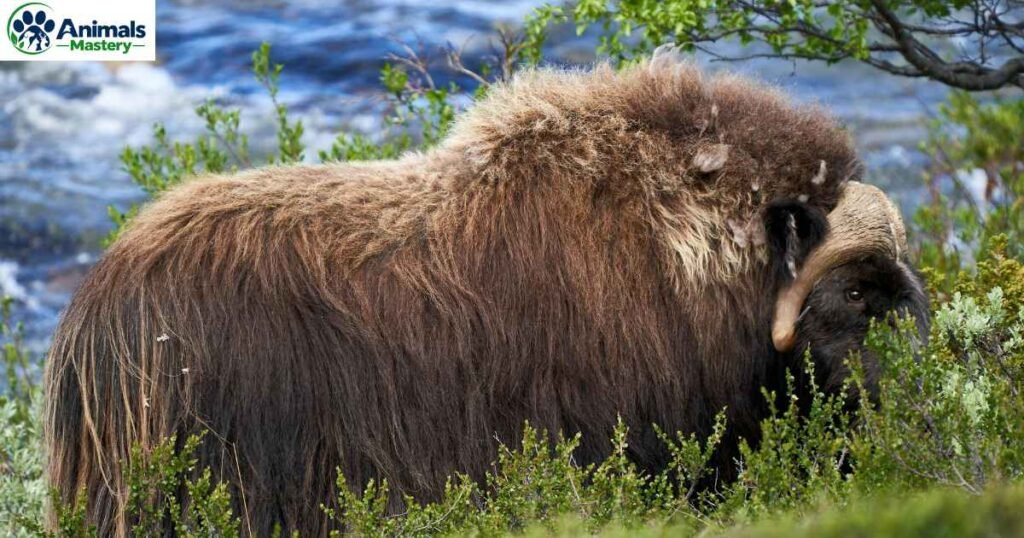
This fine undercoat, shed annually, is not only a marvel of natural engineering but highly prized in the textile world for its softness and warmth, making it a sustainable luxury.
Farmers trained in ethical harvesting practices have begun to tap this natural resource, fostering a unique blend of conservation and commerce. Socially, musk oxen present a fascinating study in herd dynamics.
Boer Goat
- Scientific Name: Capra aegagrus hircus
- Class: Mammalia
- Diet: Herbivore
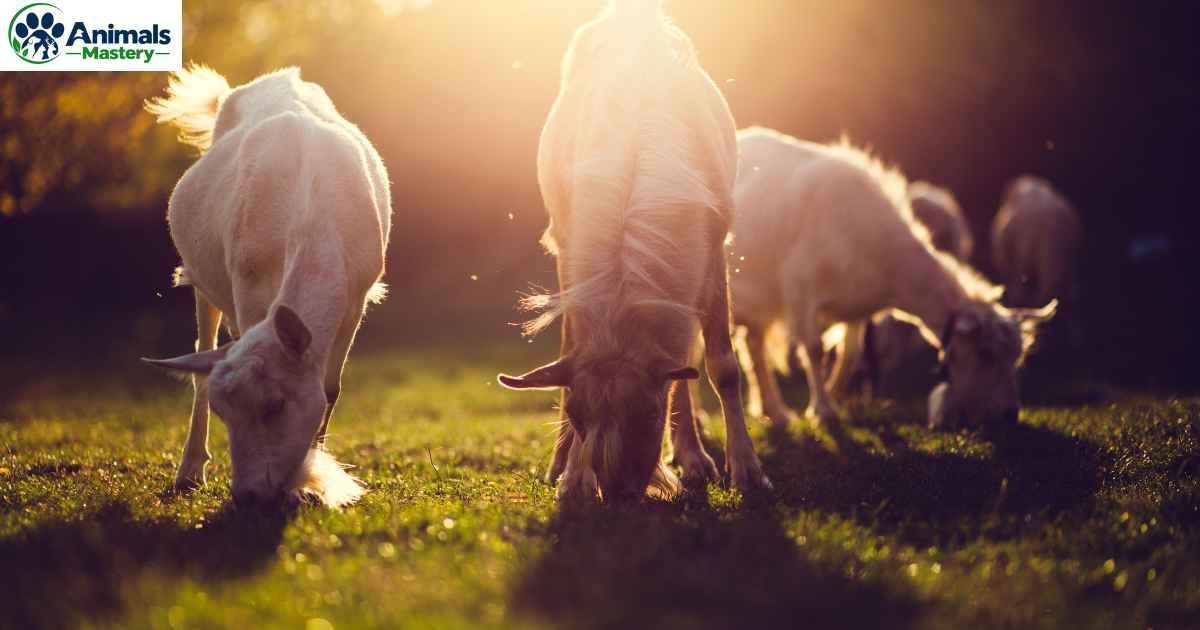
The Boer goat, renowned for its muscular build and rapid growth rate, is more than just a livestock choice; it symbolizes a revolution in sustainable farming practices.
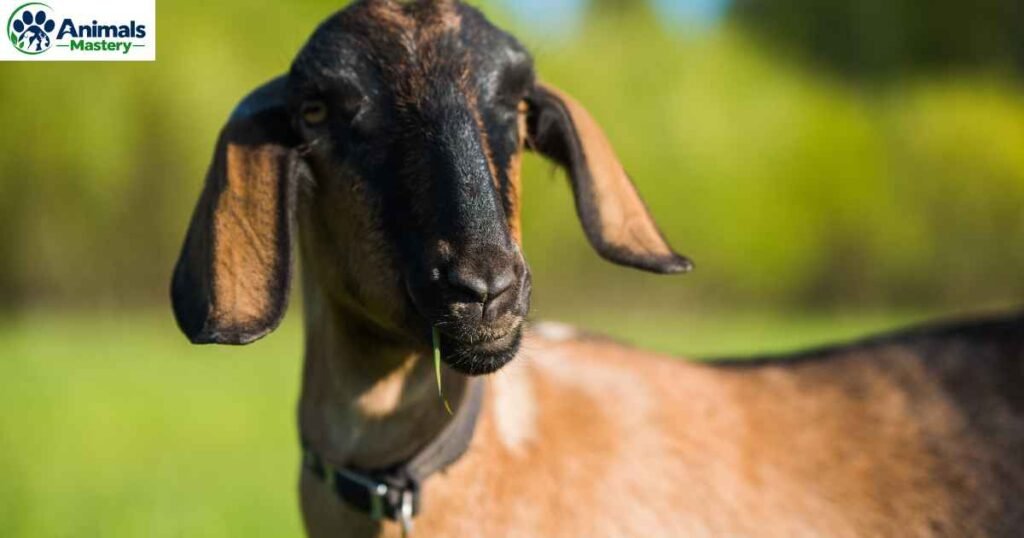
From South Africa, these goats were bred specifically for meat production, yet they also excel in adaptability, thriving in diverse climates and terrains. This resilience makes them ideal for farmers looking to diversify their livestock without high maintenance costs.
The Boer goat’s friendly disposition is not only charming but also enhances its utility as a family-friendly farm animal. Their social nature encourages herd dynamics that can improve overall farm health through reduced stress levels.
Hippopotamus
- Scientific Name: Hippopotamus amphibius
- Class: Mammalia
- Diet: Herbivore
The hippopotamus, often perceived as a lumbering giant, possesses a duality that is both fascinating and daunting.
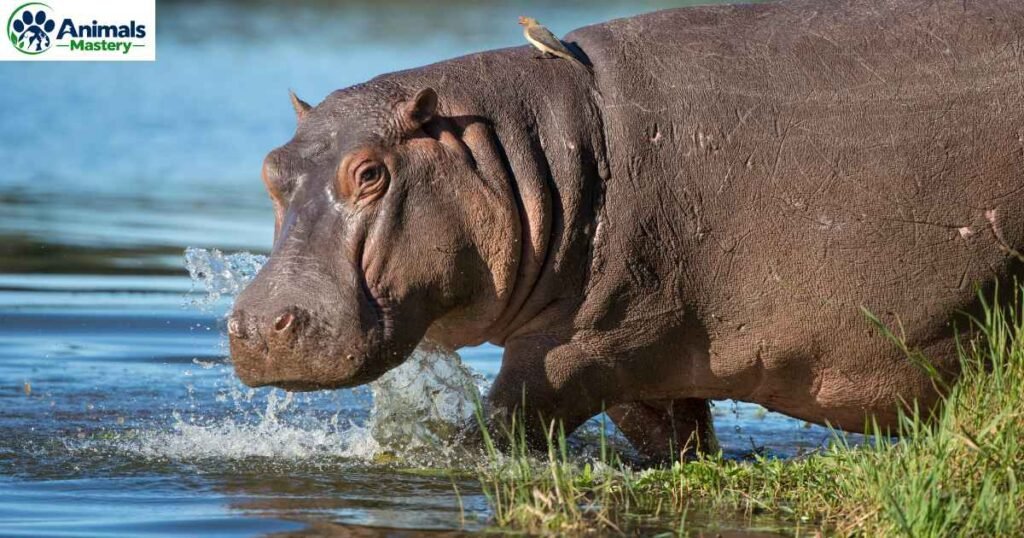
While their rotund bodies may suggest a gentle nature, hippos are among the most dangerous animals on the African continent.
They can run surprisingly fast on land, reaching speeds of up to 19 miles per hour. This capability, combined with their territorial instincts, makes them a formidable presence in their aquatic habitats.
Draft Horse
- Scientific Name: Equus ferus caballus
- Class: Mammalia
- Diet: Herbivore
Draft horses, often seen as gentle giants, possess a remarkable blend of strength and temperament that sets them apart in the equine world.
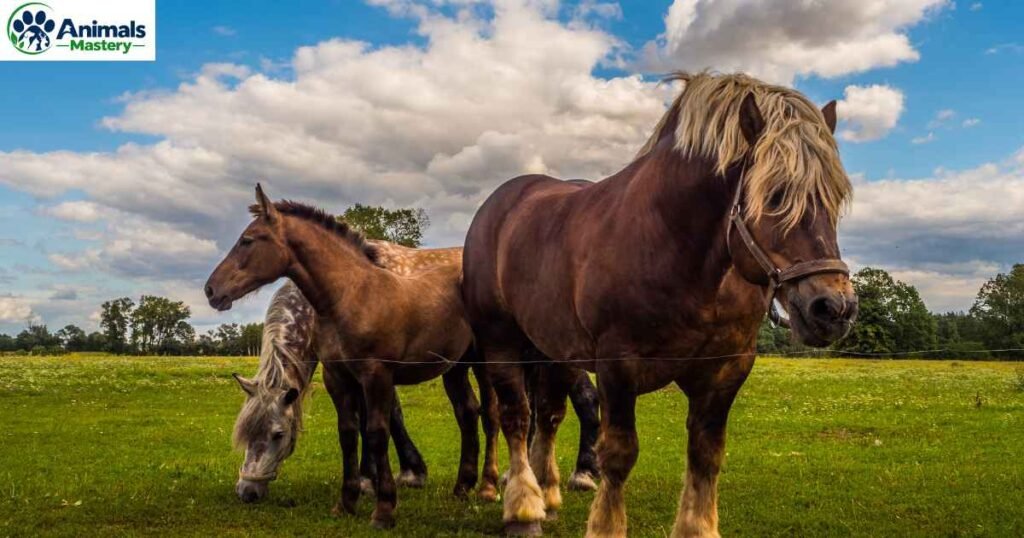
Their muscular build and unparalleled power make them indispensable in agricultural activities and heavy hauling, yet their docile nature endears them to families and equestrian enthusiasts alike.
Beyond their physical prowess, draft horses also present a unique opportunity for human-animal connection. Their calm demeanor invites novice riders and children to bridge the gap between human and animal, creating strong bonds that extend beyond traditional riding experiences.
Indian Bison (Gaur)
- Scientific Name: Bos gaurus
- Class: Mammalia
- Diet: Herbivore
The Indian Bison, or Gaur, is not just any large herbivore; it’s a remarkable symbol of strength and resilience found in the dense forests of South Asia.
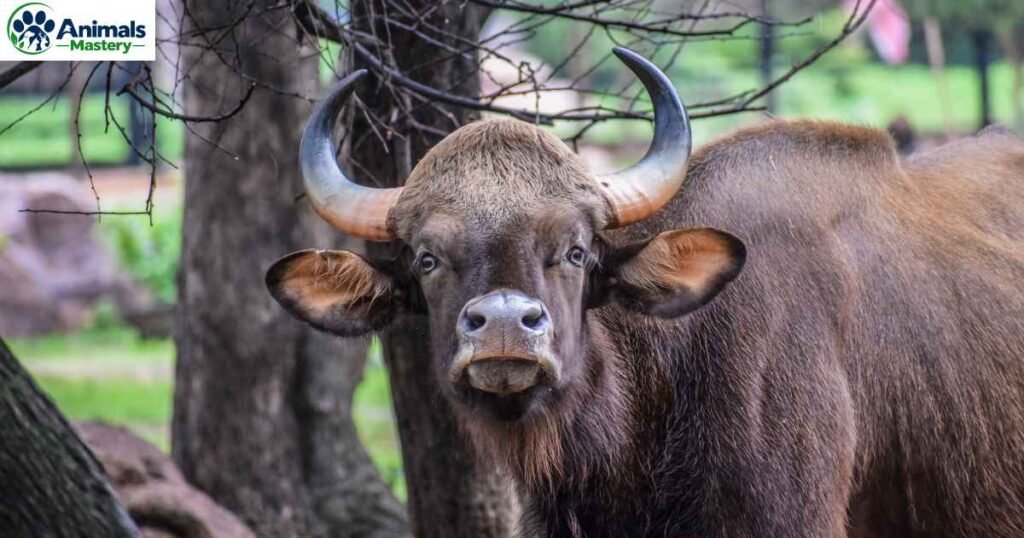
With its impressive stature standing up to six feet tall at the shoulder it commands attention as it roams gracefully through its habitat.
What sets the Gaur apart isn’t merely its size but its striking coat that transitions from a deep mahogany brown to a lighter tan. This distinctive coloration not only aids in camouflage but also plays a role in social signaling among individuals, enhancing their complex social hierarchies.
Mountain Gorilla
- Scientific Name: Gorilla beringei beringei
- Class: Mammalia
- Diet: Herbivore
Mountain gorillas, found in the lush cloud forests of the Virunga Massif across Rwanda, Uganda, and the Democratic Republic of Congo, are far more than just gentle giants.
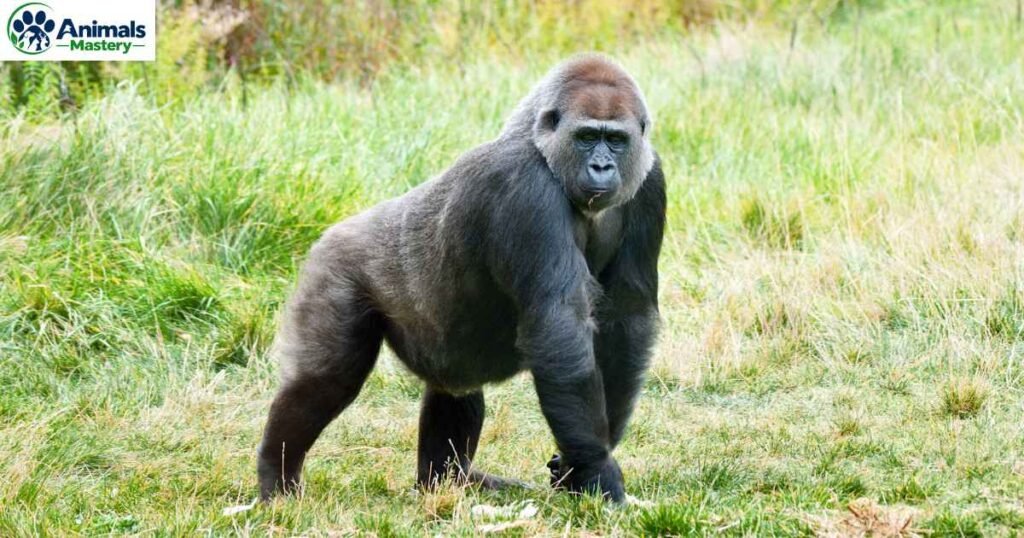
Their complex social structures and emotional depth reveal a sophisticated society thriving in a fragile ecosystem. Notably, these magnificent creatures exhibit a range of responses to their environment, from nurturing their young with remarkable tenderness to displaying playful interactions that echo their familial bonds.
Observing these behaviors in their natural habitat offers a profound window into the emotional lives of non-human animals, inviting us to reconsider our relationship with wildlife.
Chimpanzee
- Scientific Name: Pan troglodytes
- Class: Mammalia
- Diet: Omnivore
Chimpanzees, our closest living relatives, possess an extraordinary blend of intellect and emotion that challenges traditional views of animal behavior.
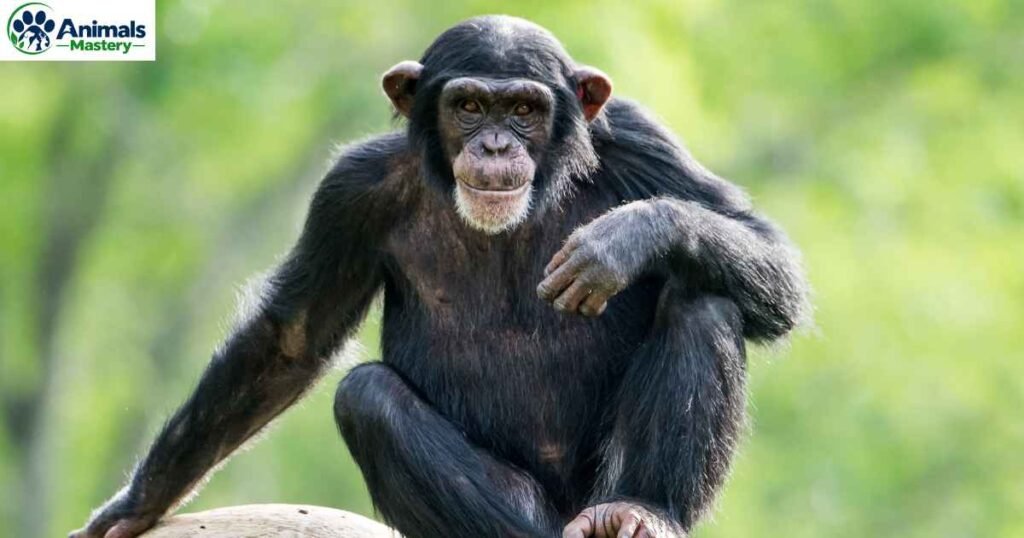
Recent studies reveal that these primates display advanced problem-solving skills and tool use, showcasing capabilities once thought exclusive to humans.
Observations of chimpanzees fashioning tools from sticks to extract termites demonstrate not just skill, but a cultural transmission of knowledge within their communities, as younger individuals learn from their elders.
Red Kangaroo
- Scientific Name: Osphranter rufus
- Class: Mammalia
- Diet: Herbivore
The Red Kangaroo, Australia’s iconic marsupial, embodies resilience and adaptation, thriving in the harsh yet beautiful landscapes of the Outback.
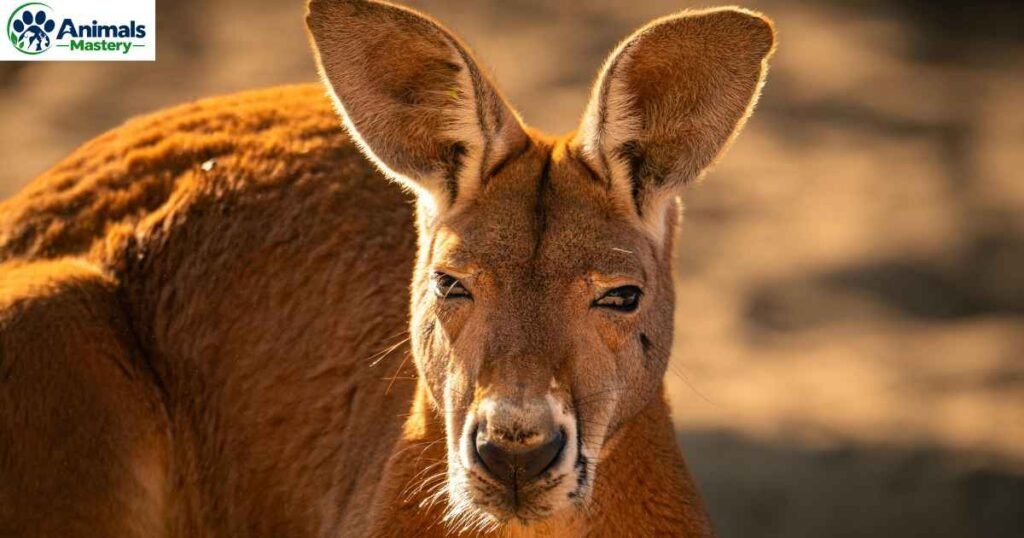
With their powerful hind legs, these kangaroos can cover vast distances in search of sparse vegetation and water, showcasing an incredible ability to move swiftly across Australia’s arid terrain.
Their unique mode of locomotion, a series of bounding leaps, reflects not just agility but also an efficient way of conserving energy, allowing them to traverse the rugged environments with ease. Beyond their physical prowess, Red Kangaroos play a critical role in their ecosystem. As herbivores, they contribute to seed dispersal, promoting the growth of various plants essential for biodiversity in their habitat.
Beluga Whale
- Scientific Name: Delphinapterus leucas
- Class: Mammalia
- Diet: Carnivore
Beluga whales, often called the “canaries of the sea” due to their wide range of vocalizations, hold a unique position in marine ecosystems.
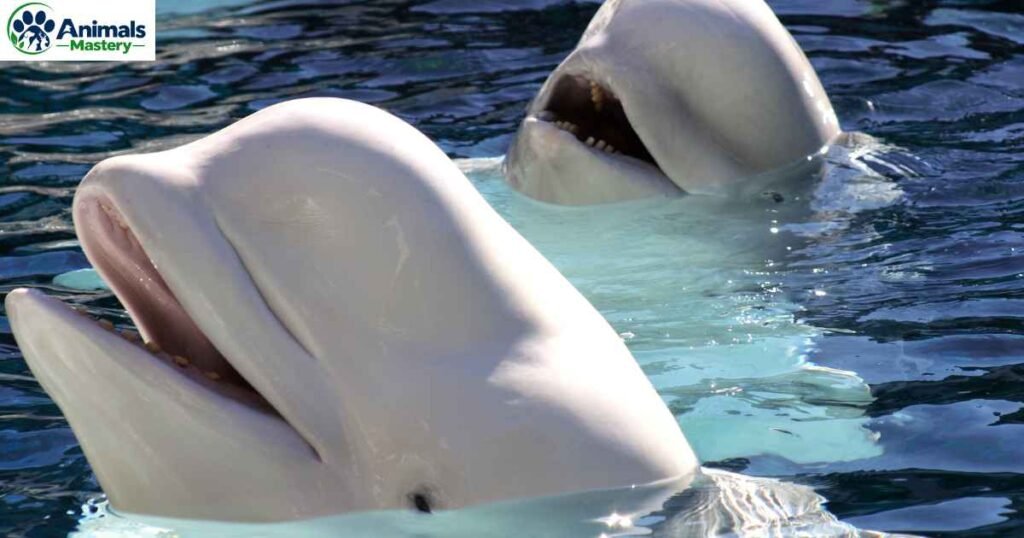
Their melodic calls echo through Arctic and sub-Arctic waters, providing scientists with valuable insights into underwater communication and social structures.
These intelligent creatures exhibit a remarkable adaptability to their harsh environments, utilizing sea ice not only as a hunting ground but also as a platform for social interactions and maternal care.Beyond their stunning white appearance, belugas possess a complex emotional connectivity that can rival that of some terrestrial mammals.
Bulldog
- Scientific Name: Canis lupus familiaris
- Class: Mammalia
- Diet: Omnivore
Bulldogs exude a unique charm that captivates not just dog lovers but also casual admirers. With their stocky build and distinctive wrinkled faces, these dogs offer a blend of strength and gentle affection.

Surprisingly, their laid-back demeanor often masks an underlying resilience, a trait bred into them for centuries. Originally developed for bull-baiting, the bulldog has transformed into a beloved companion, embodying both grit and loyalty in every way of their stout tail.
Their physical appearance can be imposing, bulldogs are known for their affectionate nature, often forming deep bonds with their families. They thrive on human interaction, making them exceptional therapy dogs, providing comfort and companionship.
Conclusion
The world’s Most Muscular Animals, showcase the incredible diversity and adaptations present in nature. From the powerful biceps of the gorilla to the sleek, formidable physique of the cheetah, each species exemplifies strength in its own unique way.
These animals not only reflect the wonders of evolution but also inspire us with their sheer power and agility. Understanding the muscularity of these beings helps us appreciate the balance of ecosystems and the roles these creatures play within them.
FAQs
Which Animal has the most Muscle?
The animal with the most muscle in absolute terms is the sperm whale. These incredible marine mammals can weigh up to 45 tons and have a large portion of their body made up of muscle, which aids in their powerful swimming abilities.
Which is the most Muscular Animal on Earth?
When discussing the most muscular animal on Earth, the title often goes to the *gorilla*. These incredible primates possess both impressive strength and muscular physique, allowing them to exhibit remarkable feats of power and agility.
What Animal is Unbeatable?
When considering what animal might be deemed “unbeatable,” it’s important to recognize that “unbeatable” can mean different things depending on the context. In terms of strength and size, the blue whale is often regarded as the largest and most powerful animal on Earth.
Who is the King of the Animal?
The title “King of the Animal” is often attributed to the lion, primarily due to its majestic presence, strength, and social structure within prides. Lions are revered for their powerful roars and impressive manes, which symbolize courage and nobility.