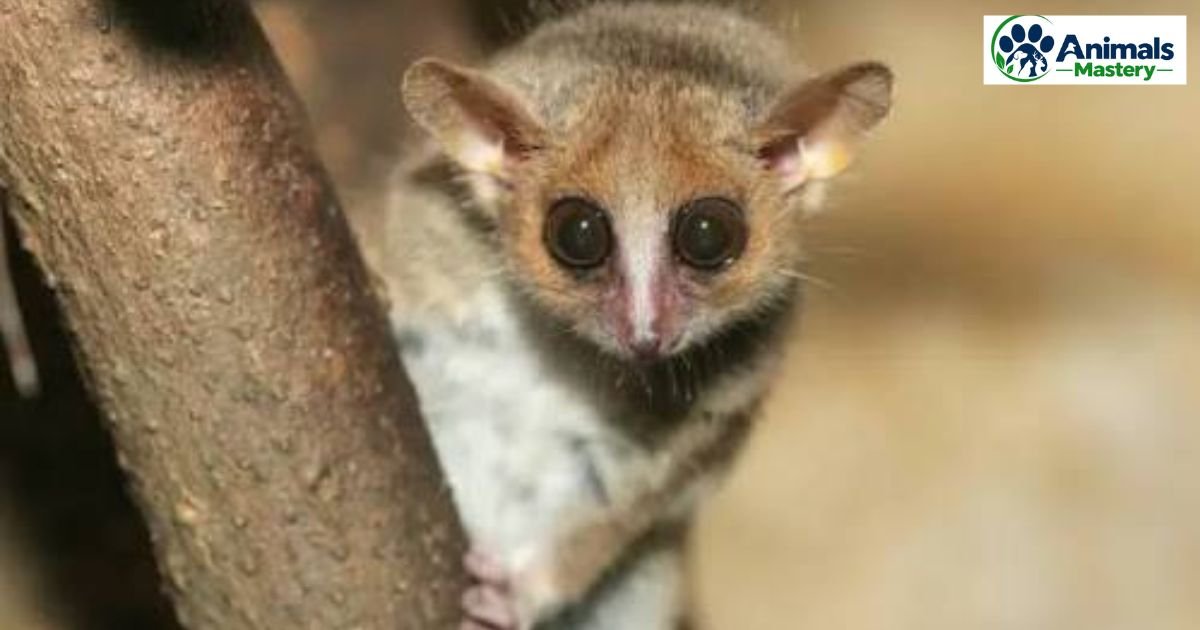
Top 13 Small Animals With Big Eyes (With Images)
In Top 13 Small Animals With Big Eyes (With Images), we shine a spotlight on these adorable animals that enchant us with their sweet, expressive faces.
Understanding these animals brings joy and also highlights the incredible diversity of life forms around us. By the end of this article, you’ll gain a deeper appreciation for these little giants and the roles they play in nature.
List Of Small Animals With Big Eyes
The following list features small animals with large, expressive eyes:
- Galagos
- Dragonfly
- Slow Lorises
- Goldfish Telescope
- Tree Frogs
- Gecko
- Tarsiers
- Zebra Hind Spiders
- Chameleons
- Little Owls
- Sugar Glider
- Margay
- Japanese Dwarf Flying Squirrel
Galagos
- Scientific Name: Galagidae
- Class: Mammalia
- Diet: Omnivore
Excellent night vision: Galagos, often referred to as bushbabies, are enchanting primates known for their strikingly large eyes that are perfectly adapted for nocturnal life. With excellent night vision, these small creatures can navigate the darkness of their forest habitats with ease, using their acute sense of hearing to locate food and communicate with one another.
Their eyes not only reflect their charming appearance but also showcase their evolutionary adaptation, allowing them to thrive in an environment where visibility is limited.
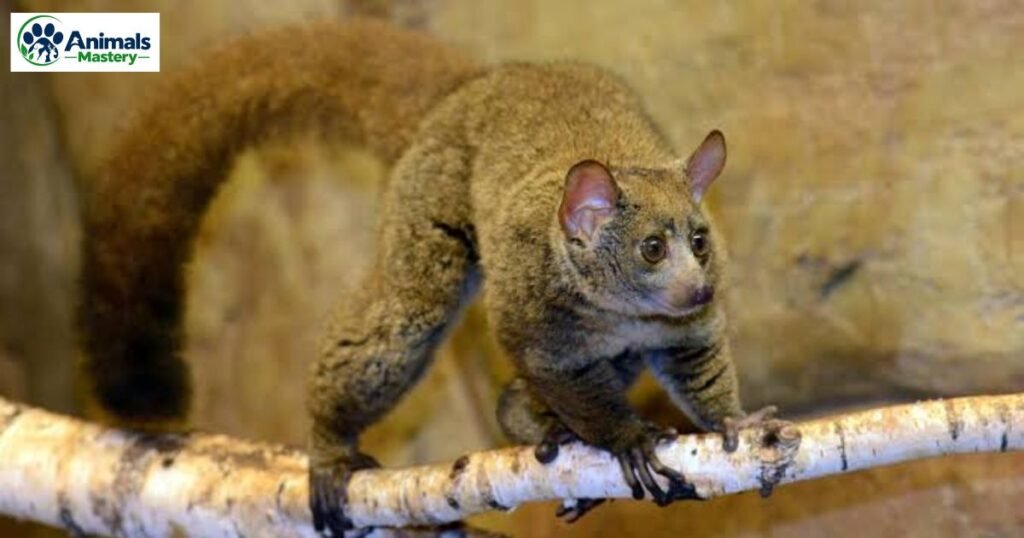
Leaps between tree branches: Galagos, often affectionately referred to as bushbabies, are fascinating small primates native to Africa, renowned for their impressive leaps between tree branches. With their enormous, expressive eyes, these nocturnal creatures have evolved to be masters of the night, showcasing remarkable adaptations for their environment.
Their large eyes are not just for show; they provide exceptional night vision, allowing them to navigate the dark canopies in search of insects and fruits.
Communicates through vocal calls: Galagos, also known as bush babies, are intriguing members of the primate family renowned for their strikingly large eyes. These nocturnal creatures hail from Africa, where they have adapted to life in the trees.
Their exceptional night vision is a result of their large eyes, enabling them to see in low light conditions. Communicating through vocal calls, galagos express a variety of emotions and needs, often using different pitches and tones to convey messages to each other in the dense African forests.
Dragonfly
- Scientific Name: Anisoptera
- Class: Insecta
- Diet: Carnivore
Nearly 360° vision: The dragonfly is a true marvel of nature, exemplifying the perfect blend of beauty and functionality. These agile insects possess nearly 360° vision, allowing them to spot predators and prey from almost any angle. With their multifaceted eyes, which contain up to 30,000 individual lenses, dragonflies can detect motion and changes in light that are imperceptible to many other creatures.
This remarkable visual capability gives them an edge as agile hunters, swooping down on prey with precision and speed.
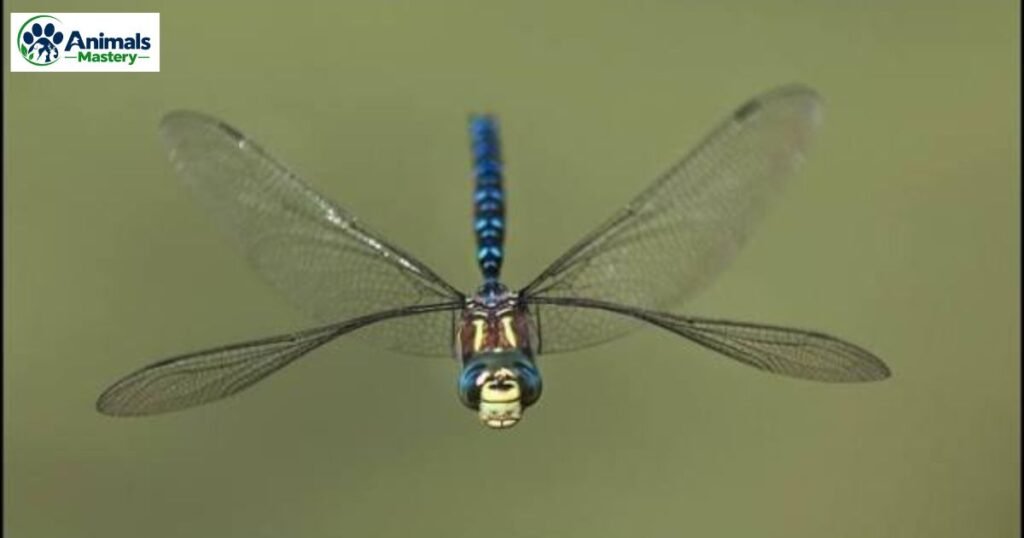
Up to 30,000 eye lenses: Dragonflies, with their mesmerizing presence, stand out among the myriad of small animals boasting extraordinary eyes. These remarkable insects possess up to 30,000 eye lenses, allowing them to have a nearly panoramic view of their surroundings.
This intricate optical system not only enhances their ability to detect movement, making them formidable hunters, but also creates a kaleidoscope of colors that dazzles onlookers. Imagine a creature that can see in almost every direction simultaneously, honing in on prey with uncanny precision.
Controls insect populations: The dragonfly stands out among the top small animals with big eyes, not just for its striking appearance but also for its vital role in ecosystems. With their enormous multifaceted eyes, dragonflies possess exceptional vision, enabling them to spot prey and predators alike from great distances.
This remarkable eyesight allows them to excel as hunters, controlling insect populations that can otherwise overwhelm gardens and agricultural fields. A single dragonfly can consume thousands of mosquitoes in a day, making them natural pest regulators.
Slow Lorises
- Scientific Name: Nycticebus
- Class: Mammalia
- Diet: Omnivore
Strong nocturnal vision: Slow lorises are among the most enchanting small animals with big eyes, showcasing a unique blend of charm and adaptability. Their large, round eyes are not just for show; they possess strong nocturnal vision that allows them to navigate the shadows of their native Southeast Asian forests with ease.
This remarkable adaptation helps them locate food like fruits, insects, and small animals even in complete darkness, giving them a significant advantage as nocturnal foragers.
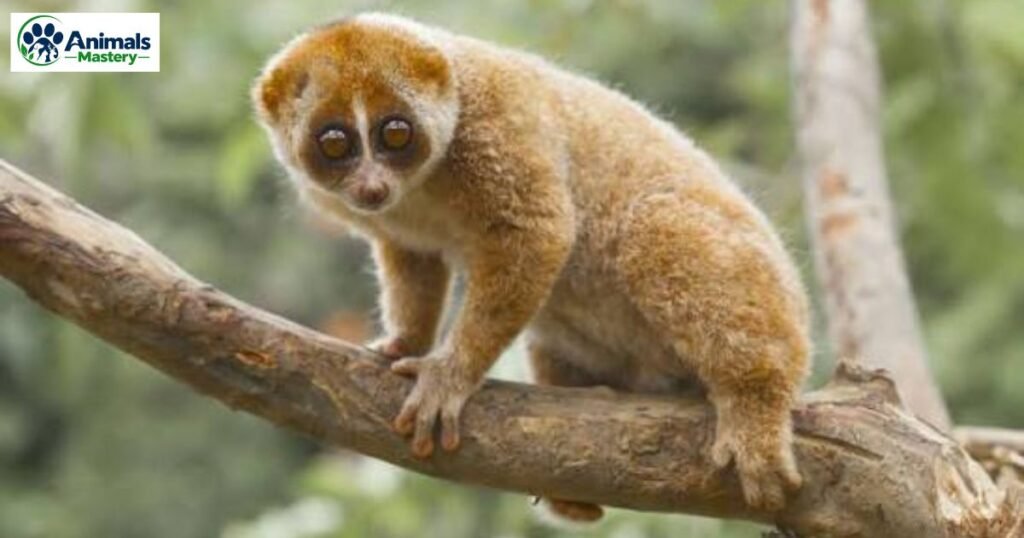
Produces venomous bites: The slow loris, with its large, expressive eyes, captivates all who observe its unique charm. Native to the forests of Southeast Asia, this adorable primate doesn’t just rely on its endearing looks; it also possesses a fascinating defense mechanism.
When threatened, the slow loris can produce venomous bites by secreting toxins from its elbow glands, creating a cocktail of chemicals that can cause pain and allergic reactions in potential predators. This unusual adaptation not only helps it ward off threats but also adds an intriguing layer to its already complex biology.
Native to Southeast Asia: Slow lorises, native to Southeast Asia, are a fascinating blend of charm and mystery. With large, expressive eyes that seem to peek into your soul, these nocturnal primates captivate anyone who glimpses their gentle demeanor. Their unique ability to move slowly and deliberately contributes to their enigmatic presence, making them stand out among small animals.
Despite their undeniable cuteness, slow lorises face significant threats due to habitat loss and the illegal pet trade, prompting urgent conservation efforts.
Goldfish Telescope
- Scientific Name: Carassius auratus
- Class: Actinopterygii
- Diet: Omnivore
Distinctive protruding eyes: The Goldfish Telescope stands out not only for its stunning orange and gold hues but also for its distinctive protruding eyes, which offer a unique perspective on underwater life. These fascinating physical traits give them a charming appearance that captures the hearts of aquarists.
Their bulging eyes provide a wide field of vision, allowing them to navigate their environment with surprising agility, despite their seemingly limited mobility. Observing their playful antics as they dart through the tank is endlessly entertaining, turning the ordinary aquarium into a lively spectacle.
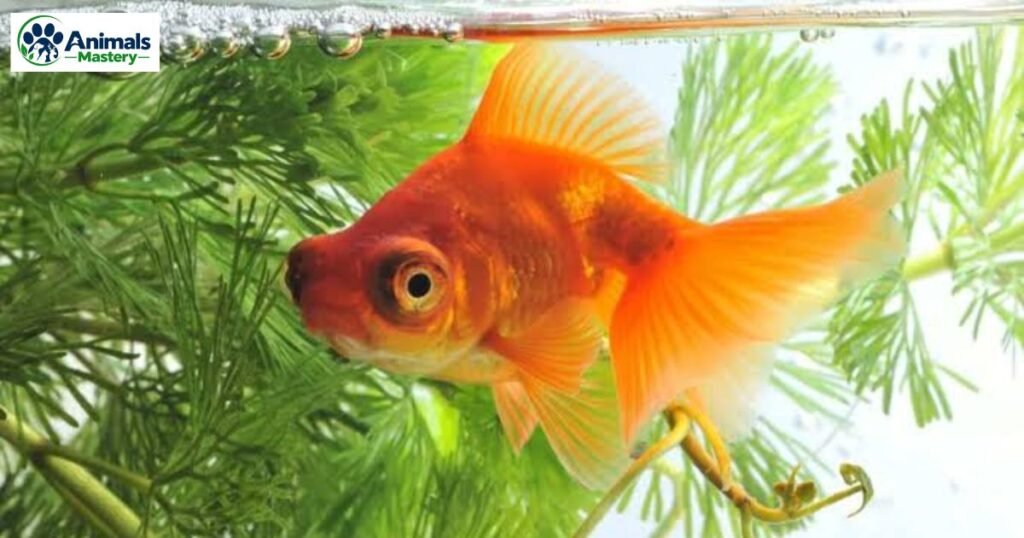
Developed through selective breeding: The Goldfish Telescope, a mesmerizing aquatic companion, is an extraordinary example of how selective breeding can yield stunning results. Known for its prominent, protruding eyes, this unique goldfish variety adds an enchanting element to any aquarium.
These eyes, often compared to telescopes, not only enhance their appearance but also contribute to their intriguing behavior, as they navigate their environment with curiosity. The vibrant colors and flowing fins complement their captivating gaze, making them a favorite among aquarists seeking both beauty and charm.
Sensitive to poor water quality: Goldfish Telescope, with their striking bulging eyes, are a delightful addition to any aquarium, captivating observers with their unique appearance. These aquatic wonders are not only fascinating for their looks but also require attentive care, as they are particularly sensitive to poor water quality.
Maintaining a stable habitat is crucial for their health, as fluctuations can lead to stress, which may exacerbate their susceptibility to disease. Their charming demeanor holds a mirror to their environment; vibrant colors and active swimming can signify a well-kept tank, while dullness or lethargy can be a warning signal for owners.
Tree Frogs
- Scientific Name: Hylidae
- Class: Amphibia
- Diet: Carnivore
Excellent low-light vision: Tree frogs, with their vibrant colors and strikingly large eyes, epitomize the charm of small creatures. These amphibians are not just delightful to observe; their large, bulging eyes serve a crucial purpose. Adapted for nocturnal life, they boast excellent low-light vision that allows them to navigate their surroundings effortlessly when darkness falls.
This adaptation is essential for spotting both predators and potential mates, ensuring their survival in the wild.
Skilled tree climbers: Tree frogs, with their vibrant colors and striking proportions, serve as a prime example of how size is not a determinant of impact. Their big, bulging eyes offer an enchanting view and are crucial for their survival, enhancing their ability to spot predators and prey from afar.
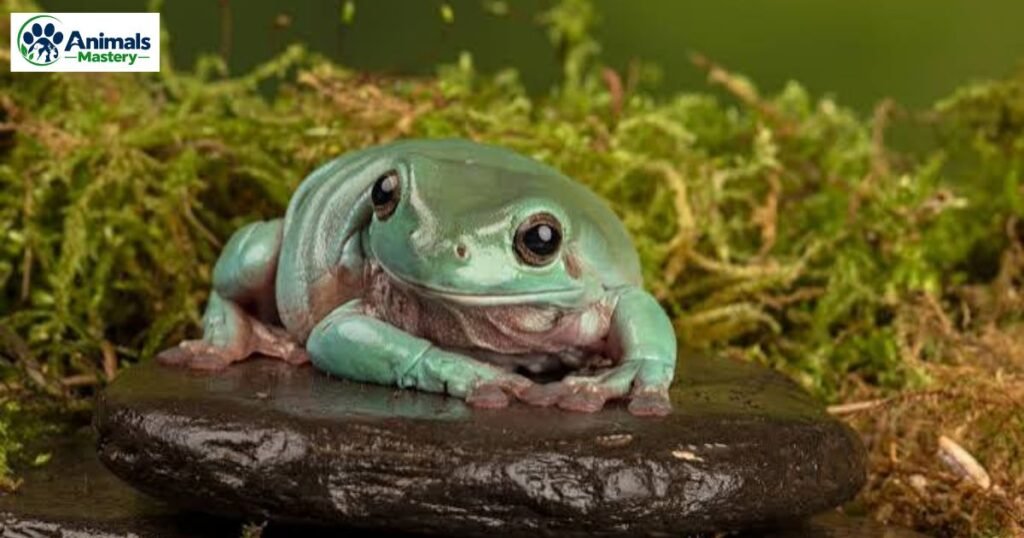
These skilled tree climbers utilize their specialized toe pads, which allow them to leap and navigate through densely layered canopies, showcasing agility that belies their small stature.
Males attract mates with calls: Tree frogs, often known for their vibrant colors and distinct vocalizations, are a delightful addition to the small animals with big eyes category. These amphibians, particularly males, attract mates with their enchanting calls, which can vary widely depending on the species.
Their enlarged eyes not only provide excellent night vision but also create a captivating gaze that hints at their playful, yet elusive nature. Living in lush environments, tree frogs utilize their bumpy skin and camouflaging abilities to blend seamlessly into the foliage, making them both enchanting and hard to spot.
Gecko
- Scientific Name: Gekkonidae
- Class: Reptilia
- Diet: Carnivore
Excellent night vision: Geckos exemplify a unique adaptation among small animals, boasting excellent night vision that helps them navigate their nocturnal environments with ease. These fascinating lizards possess large eyes, often adorned with striking colors and patterns, which not only enhance their depth perception but also allow them to spot prey in low light conditions.
Their eyes are equipped with a special layer of cells that increases sensitivity to light, making them formidable hunters during twilight and nighttime hours.
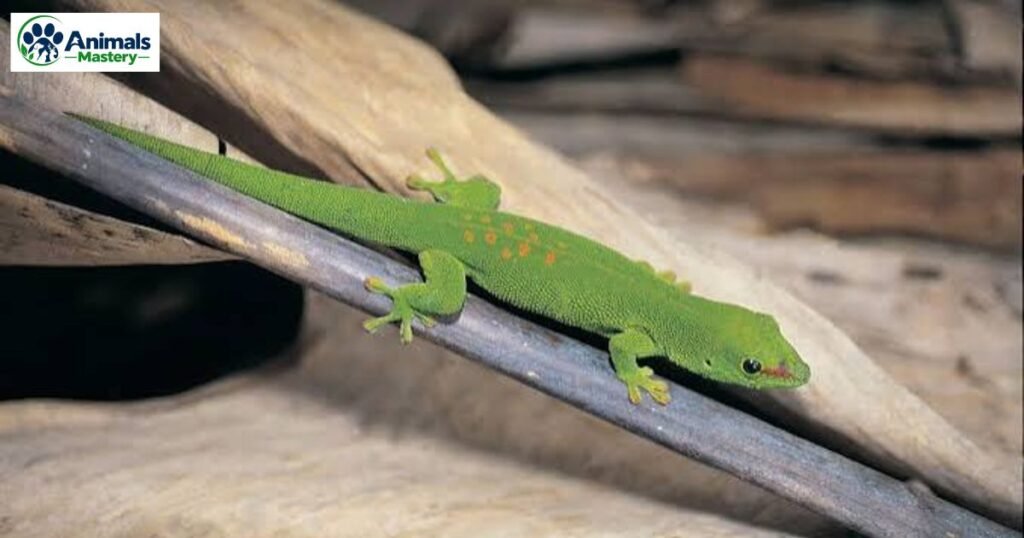
Detects tiny movements: Geckos are remarkable creatures, not just for their incredible ability to climb walls, but also for their captivating large eyes. These small reptiles possess a keen sense of sight that allows them to detect tiny movements, making them expert hunters in their nocturnal habitats.
Their eyes are designed uniquely, featuring a transparent spectacle that protects them while enhancing their vision in low-light situations. This adaptation grants geckos the advantage in spotting both prey and predators alike, showcasing nature’s brilliant engineering.
Can shed its tail: Geckos, often overshadowed by more commonly known pets, are fascinating creatures that charm with their vivid colors and, notably, their strikingly large eyes. These little lizards possess a unique ability to shed their tails in response to threats, a clever defense mechanism that allows them to escape predators.
This not only highlights their resilience but also gives them a second chance at life literally. The regenerated tail may not be as vibrant as the original, yet it serves its purpose, allowing geckos to continue their intriguing exploration of the world with a unique adaptability.
Tarsiers
- Scientific Name: Tarsiidae
- Class: Mammalia
- Diet: Carnivore
Extremely large eyes: Known for their extremely large eyes, tarsiers are fascinating nocturnal primates that bring a unique charm to the animal kingdom. These small creatures, native to Southeast Asia, rely on their remarkable vision to navigate the dark jungles, hunting insects and small vertebrates.
Their eyes, which can be as big as their brains, are more than just a quirky feature; they symbolize evolution’s marvelous adaptations. The large eyes enable tarsiers to spot movement in low-light conditions, making them highly efficient hunters in their nighttime realm.
Rotates head nearly 180°: Tarsiers are fascinating primates known for their strikingly large eyes, which can take up nearly half of their head. These nocturnal creatures possess an incredible ability to rotate their heads nearly 180°, allowing them to survey their surroundings without moving their bodies.
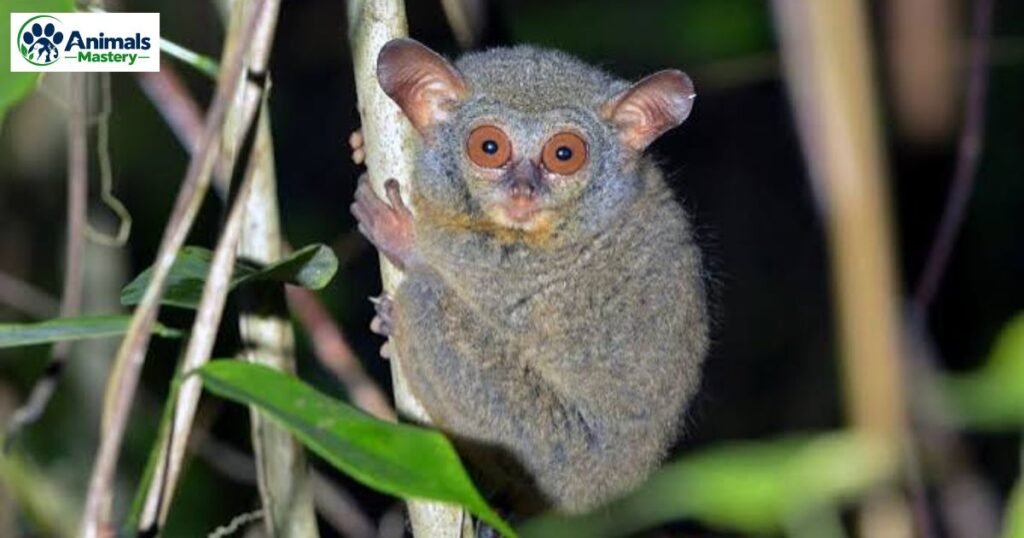
This unique adaptation not only enhances their ability to hunt insects and small vertebrates in the dark but also adds an almost otherworldly quality to their appearance.
Hunts at night: Tarsiers are fascinating primates that bring a unique charm to the animal kingdom with their almost cartoonish, oversized eyes. These nocturnal hunters have developed extraordinary adaptations for their nighttime pursuits, enabling them to spot even the faintest movement in the dark.
Their eyes are not just large for aesthetic appeal; they provide exceptional depth perception and night vision, crucial for navigating their dense tropical forest habitats while hunting insects and small vertebrates.
Zebra Hind Spiders
- Scientific Name: Salticus scenicus
- Class: Arachnida
- Diet: Carnivore
Excellent depth perception: Zebra hind spiders, known scientifically as Colomberus vagans, captivate both entomologists and casual enthusiasts alike with their striking appearance. These diminutive arachnids showcase a unique pattern resembling that of a zebra, which aids in their remarkable camouflage against predators.
Their large, bulbous eyes offer excellent depth perception, allowing them to navigate their environment with agility and precision. This ocular feature is essential for hunting, as they often leap significant distances to capture unsuspecting prey, showcasing a fascinating blend of stealth and skill.
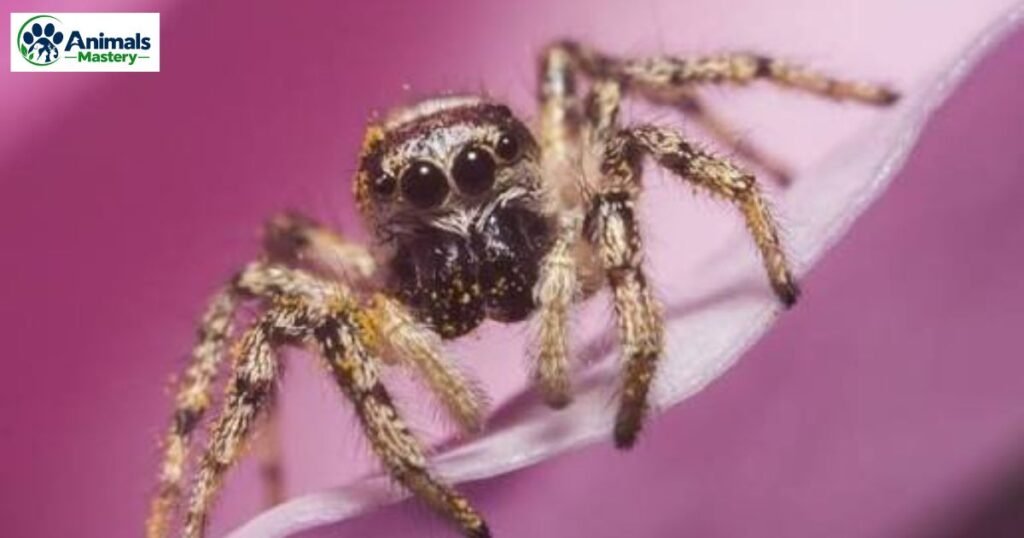
Powerful jumping hunters: Among the mesmerizing wonders of the animal kingdom, the Zebra Hind Spider stands out as a true marvel. These powerful jumping hunters, adorned with striking black and white stripes, embody a captivating blend of beauty and efficiency.
Their large, expressive eyes are not only mesmerizing but also essential for their keen hunting skills. Equipped with extraordinary vision, they can spot potential prey from impressive distances, allowing them to execute breathtaking leaps with remarkable precision.
Uses striped body markings for protection: The Zebra Hind Spider, with its distinctive striped body markings, is a striking example of nature’s art, serving not just for aesthetics but also for protection. These markings help them blend seamlessly into their surroundings, offering a clever tactic against predators in their grassland habitats.
Their large, expressive eyes, adapted for keen vision, enhance their ability to spot potential threats and prey alike, making them agile hunters despite their small size.
Chameleons
- Scientific Name: Chamaeleonidae
- Class: Reptilia
- Diet: Carnivore
Independently rotating eyes: Chameleons are a mesmerizing example of nature’s ingenuity, particularly with their independently rotating eyes that provide an extraordinary field of vision. This unique adaptation allows them to survey their surroundings for both predators and prey without moving their heads, offering a 360-degree awareness of their habitat.
Their vibrant colors and spectacular skin changes are often highlighted, but the charm of their large, expressive eyes cannot be overlooked. These captivating features not only enhance their hunting capabilities but also contribute to their social interactions, as they communicate emotions through subtle eye movements and color changes.
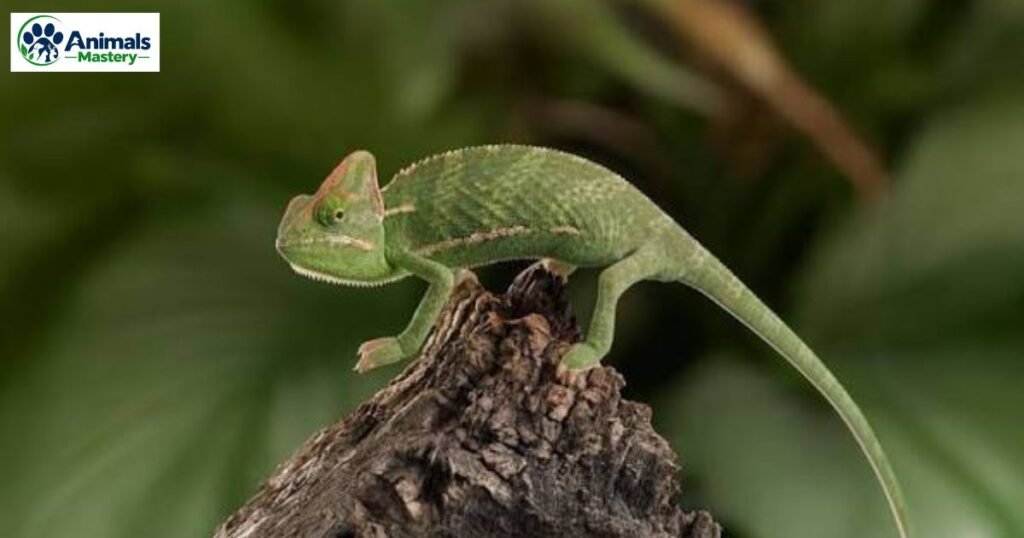
Wide panoramic vision: Chameleons are remarkable not just for their color-changing abilities but also for their astonishing eyes, which showcase the beauty of adaptation in nature. These small creatures possess independently moving eyes, allowing them to enjoy a wide panoramic vision, an evolutionary trait that enhances their ability to spot predators and prey in their surroundings.
Each eye can rotate in different directions, providing a nearly 360-degree field of view, which is vital for their survival in dense, leafy environments.
Precisely targets insect prey: Chameleons are remarkable not just for their color-changing abilities but also for their astonishing eyes, which showcase the beauty of adaptation in nature. These small creatures possess independently moving eyes, allowing them to enjoy a wide panoramic vision, an evolutionary trait that enhances their ability to spot predators and prey in their surroundings.
Each eye can rotate in different directions, providing a nearly 360-degree field of view, which is vital for their survival in dense, leafy environments.
Little Owls
- Scientific Name:Athene noctua
- Class: Aves
- Diet: Carnivore
Excellent night vision: Little owls, with their striking big eyes and adorable demeanor, are a captivating representative of the small animal kingdom. These nocturnal hunters possess excellent night vision, allowing them to spot prey in the dark with remarkable precision.
Their eyes, which dominate their facial features, are not just for show; they enable these owls to navigate and thrive in dimly lit environments, making them efficient predators of insects and small mammals.
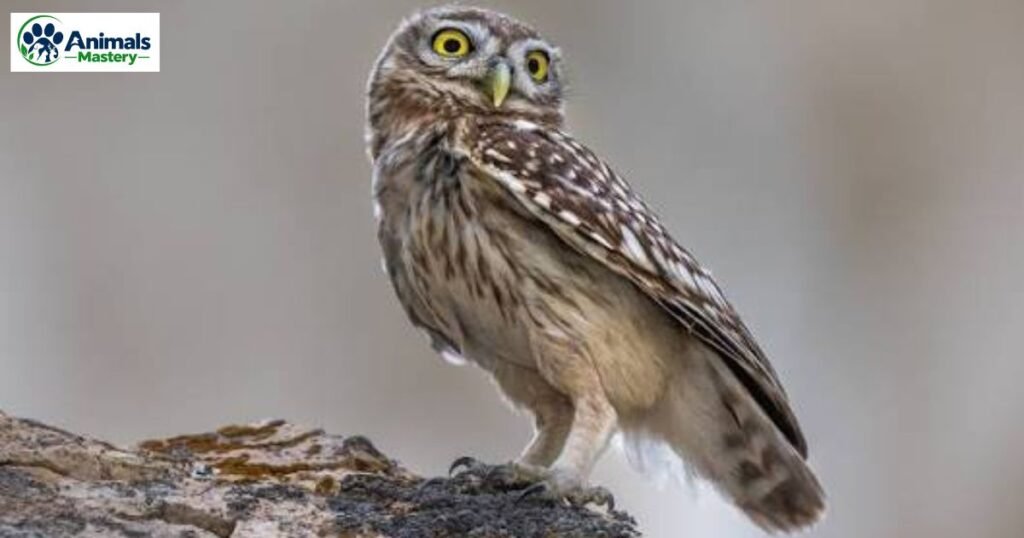
Adaptable to urban areas: Little Owls are a fascinating species that exemplify the charm of small animals with big eyes. Their large, round eyes are not just for show; they provide exceptional night vision, allowing these adorable birds to hunt effectively in dim light.
Known for their adaptability to urban areas, Little Owls have found homes in parks and gardens across cities, thriving alongside human development. This resilience highlights the surprising ways wildlife can coexist with urban life, inspiring conservation efforts to support their habitats.
Skilled small-animal hunters: Little Owls, with their strikingly large eyes, are more than just adorable creatures; they embody the essence of skilled small-animal hunters. Found across diverse habitats, these enchanting birds possess an extraordinary ability to spot even the tiniest movements in their surroundings, thanks in part to their exceptional eyesight.
This visual prowess aids them in tracking down small prey, making them fascinating subjects for birdwatchers and nature enthusiasts alike.
Sugar Glider
- Scientific Name: Petaurus breviceps
- Class: Mammalia
- Diet: Omnivore
Large nocturnal eyes: The sugar glider, a delightful marsupial native to Australia and New Guinea, embodies the charm of small animals with big eyes. Its large nocturnal eyes, perfectly adapted for low light, allow these creatures to glide effortlessly between trees while searching for food.
This exceptional vision coupled with their ability to glide, thanks to a membrane stretching from wrist to ankle, makes them fascinating to observe in the wild or as pets.
Glides between trees: The sugar glider is a small marsupial that captivates with its expansive, expressive eyes, perfectly adapted for nighttime exploration. As it glides between trees, this agile little creature embodies a sense of freedom and grace, making it a favorite among pet enthusiasts.
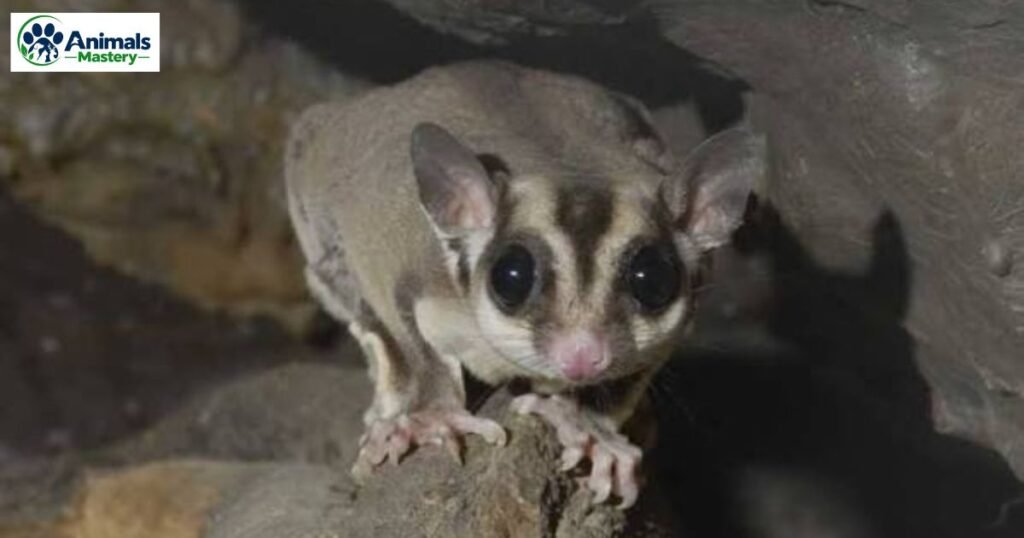
Their large, dark eyes are not just charming; they provide exceptional night vision, crucial for navigating the canopy of their forested habitats.
Highly social mammal: The Sugar Glider is a standout among small animals, not just for its large, expressive eyes but also for its remarkable social nature. As a highly social mammal, it thrives on companionship, making it an ideal pet for those who can provide it with the attention it craves.
Known for their incredible ability to glide between trees with a special membrane stretching from their wrists to ankles, these little creatures are a marvel of evolution, showcasing agility that belies their petite size.
Margay
- Scientific Name: Leopardus wiedii
- Class: Mammalia
- Diet: Carnivore
Excellent low-light vision: The Margay, often mistaken for its larger cousin, the Ocelot, showcases an enchanting combination of features that make it stand out in the wild. Its large, expressive eyes are not just for show; they grant it excellent low-light vision, allowing this agile little feline to navigate the dense jungles of Central and South America with ease.
The Margay’s unique ability to mimic the vocalizations of other animals aids in its stealthy approach to prey, making it an elusive hunter.
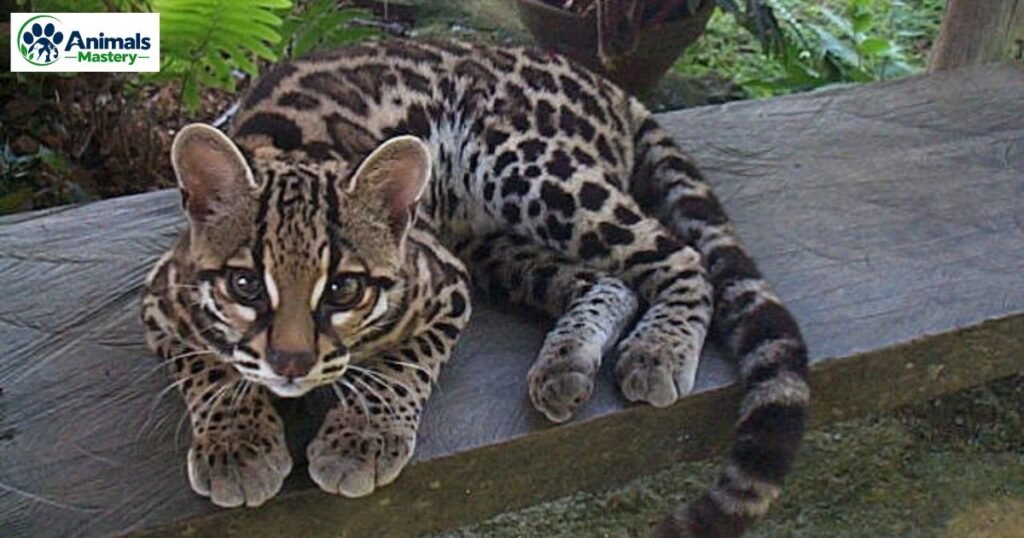
Highly agile tree climber: The Margay is a fascinating small wild cat that captivates many with its strikingly large, expressive eyes, perfectly adapted for night hunting. This highly agile tree climber boasts an impressive ability to navigate the forest canopy with grace, thanks to its flexible ankle joints that allow it to descend headfirst from branches, a skill rarely seen in other felines.
The Margay’s keen eyesight plays a crucial role in its nocturnal lifestyle, enabling it to spot prey while remaining hidden among the leaves.
Controls rodent populations: The Margay, a small wild cat native to Central and South America, boasts strikingly large eyes that almost seem oversized for its sleek body. These captivating features not only enhance its adorable appearance but also facilitate exceptional night vision, crucial for its nocturnal lifestyle.
As a skilled hunter, the Margay plays a vital role in controlling rodent populations, helping to maintain ecological balance within its forested habitat. Their ability to traverse the trees with agility and grace further underscores their unique adaptations for survival.
Japanese Dwarf Flying Squirrel
- Scientific Name: Pteromys momonga
- Class: Mammalia
- Diet: Herbivore
Strong night vision: The Japanese dwarf flying squirrel, a tiny yet enchanting creature native to the forests of Japan, captures the heart of any nature enthusiast with its large, expressive eyes and agile movements. These squirrels are not just adorable; they possess strong night vision that allows them to navigate their arboreal habitat under the cover of darkness.
This unique adaptation ensures they can evade predators and forage efficiently for food, with their diet primarily consisting of fruits, nuts, and tree sap.
Glides between trees: The Japanese Dwarf Flying Squirrel, a delightful little creature endemic to Japan, boasts an enchanting ability to glide between trees, making it a marvel of agility and grace. With large, expressive eyes that seem to capture the essence of curiosity and wonder, this nocturnal mammal navigates its arboreal habitat with ease.
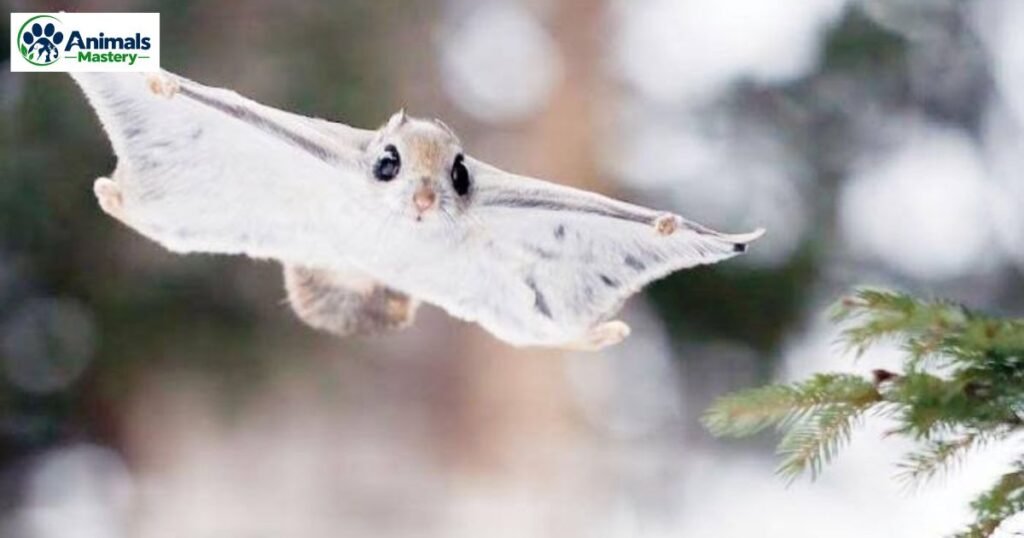
Unlike other squirrels, its specialized skin membrane stretches from its wrists to its ankles, allowing it to soar gracefully from branch to branch, evoking a sense of magic in the forests of Japan.
Helps disperse seed: The Japanese dwarf flying squirrel, a charming nocturnal creature, showcases not only its adorable appearance but also its vital role in its ecosystem. These small mammals are remarkable gliders, capable of soaring through the trees thanks to a membrane stretching from their wrists to their ankles.
As they navigate their arboreal habitat, they help disperse seeds, ensuring the health and regeneration of Japan’s forests. This natural seed dispersal is critical, particularly in maintaining biodiversity and supporting various plant species that rely on these squirrels as part of their life cycle.
Uncover More Fascinating Animal Secrets
- Several Animals Like Foxes belong to the canine family and live in diverse habitats.
They can be found in forests, deserts, grasslands, and even urban environments.
Their intelligence and adaptability help them survive in different conditions. - Many predators are Animals That Eat Mice, including owls, snakes, cats, and foxes.
Mice provide an important food source for numerous animals in different ecosystems.
These predators help naturally control mouse populations. - Different Birds With Long Legs have unique adaptations based on their habitats and lifestyles.
Some use their legs for wading through wetlands, while others run across open land.
These adaptations help them survive and find food efficiently.
Final Thoughts
The world of small animals with big eyes is not only captivating but also showcases the incredible diversity of nature. From the playful bush baby to the adorable Japanese dwarf flying squirrel, each creature brings its own charm and unique characteristics.
Observing these animals reminds us of the beauty that exists in our environment, often hiding in plain sight. As we continue to learn about and appreciate these enchanting beings, let’s also focus on conservation efforts to ensure their habitats remain safe and healthy.
FAQs
Why do Animals like Tarsiers and Galagos have such Big Eyes?
Tarsiers and galagos have giant eyes because they are nocturnal creatures that need to gather as much light as possible in the dark. Their massive eyes act like night-vision goggles to spot tiny insects.
How do Dragonfly Eyes Differ from Vertebrate Big-Eyed Animals?
Dragonflies possess compound eyes made up of tens of thousands of tiny lenses that cover almost their entire head. This setup gives them a nearly 360-degree field of vision to track fast-moving prey in flight.
What makes the Goldfish Telescope Unique among Aquatic Pets?
The goldfish telescope is famous for its enlarged, protruding eyes that stick out prominently from the sides of its head. These distinct eyes develop as the fish grows from fry into adulthood, though their vision is notoriously poor. Due to their impaired sight and delicate eye structure, they require tanks without sharp decorations.
Can Chameleons and Geckos Move their Large Eyes Normally?
Chameleons have specialized turret-like eyes that can move independently in two different directions at the same time. This adaptation lets them scan for danger and prey simultaneously before focusing both eyes on a target. Geckos lack eyelids entirely and use a clear scale to protect their large eyes.
Why do Nocturnal Creatures like Little Owls and Margays need Large Eyes?
Little owls and margays rely on oversized eyes to maximize low-light collection during nighttime hunting in dense forests or open fields. Their large pupils and high density of light-sensitive cells provide superior night vision compared to diurnal species.