Top 31 Animals With 5 Letters (With Images)
In our exploration of the Top 31 Animals With 5 Letters (With Images), you’ll discover that these succinctly named creatures pack a punch when it comes to their unique characteristics and habitats.
This fun and visually engaging article invites you to learn about some lesser-known species that still make a significant impact on our ecosystem. By the end, you’ll have a whole new appreciation for these five-letter marvels.
List of Animals with 5 Letters
Here are some animals known by five-letter names:
- Zebra
- Mouse
- Skunk
- Quail
- Coral
- Snail
- Koala
- Robin
- Panda
- Shrew
- Prawn
- Lemur
- Finch
- Guppy
- Aphid
- Betta
- Skink
- Roach
- Otter
- Siren
- Leech
- Tetra
- Porgy
- Snake
- Midge
- Krill
- Gecko
- Perch
- Platy
- Louse
- Coati
Zebra
- Scientific Name: Equus Quagga
- Class: Mammalia
- Diet: Herbivore
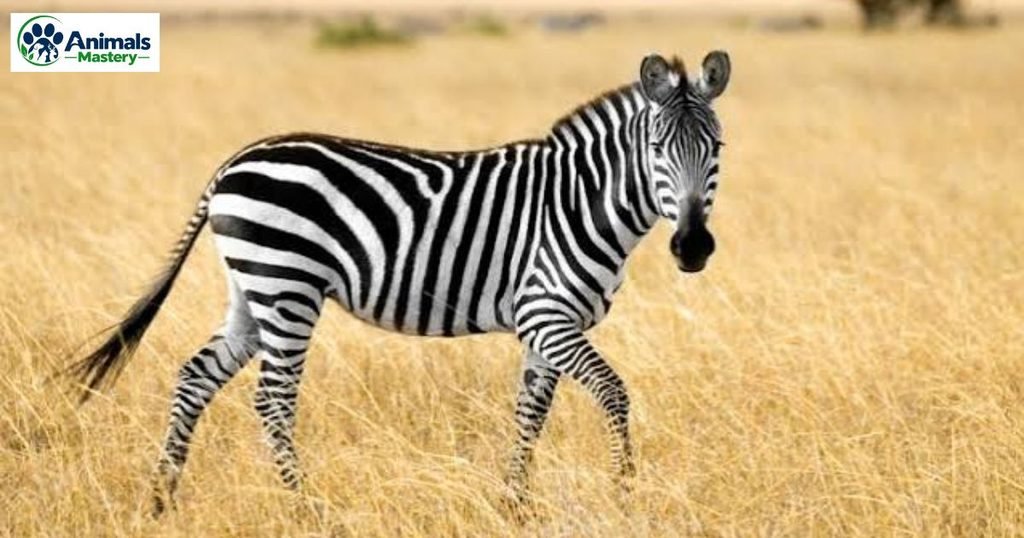
Unique stripe patterns: Zebras are more than just striking black and white striped animals; they possess a myriad of intriguing traits that set them apart in the animal kingdom. Their unique stripe patterns are not just for show; they play a crucial role in social interaction and camouflage. Each zebra has a distinct pattern, much like human fingerprints, which fosters identity and recognition among members of the herd.
This fascinating feature also aids in confusing predators, as the stripes create an optical illusion when the herd is in motion.
Herd-based social behavior: Zebras, often characterized by their striking black-and-white stripes, showcase fascinating herd-based social behavior that is essential for their survival. Living in groups called harems, these social animals rely on strong bonds within family units for protection against predators and for support during migration.
Each zebra has a unique stripe pattern, which helps them recognize and bond with one another in the sometimes chaotic chaos of the savannah.
Strong maternal protection: Zebras are fascinating creatures, not only for their striking black and white stripes but also for their complex social structures. Within their herds, strong maternal protection plays a crucial role. Mothers are fiercely devoted to their young, often forming protective bonds that ensure their foals are safe from predators.
Mouse
- Scientific Name: Mus Musculus
- Class: Mammalia
- Diet: Omnivore
Ultrasonic communication: Mice are fascinating creatures that exemplify the intricacy of animal behaviors, particularly their use of ultrasonic communication. Unlike many mammals, mice can emit sounds at frequencies above the range of human hearing, allowing them to communicate effectively without drawing attention from predators.
This unique ability plays a crucial role in their social interactions, mating rituals, and even territory establishment. Observing mice in their natural habitat reveals a world brimming with life and subtle cues of interaction that we often overlook.
Powerful sense of smell: Mice, often underestimated, are fascinating creatures with a powerful sense of smell that plays a crucial role in their survival. This keen olfactory ability allows them to detect food, identify predators, and communicate with others in their species.
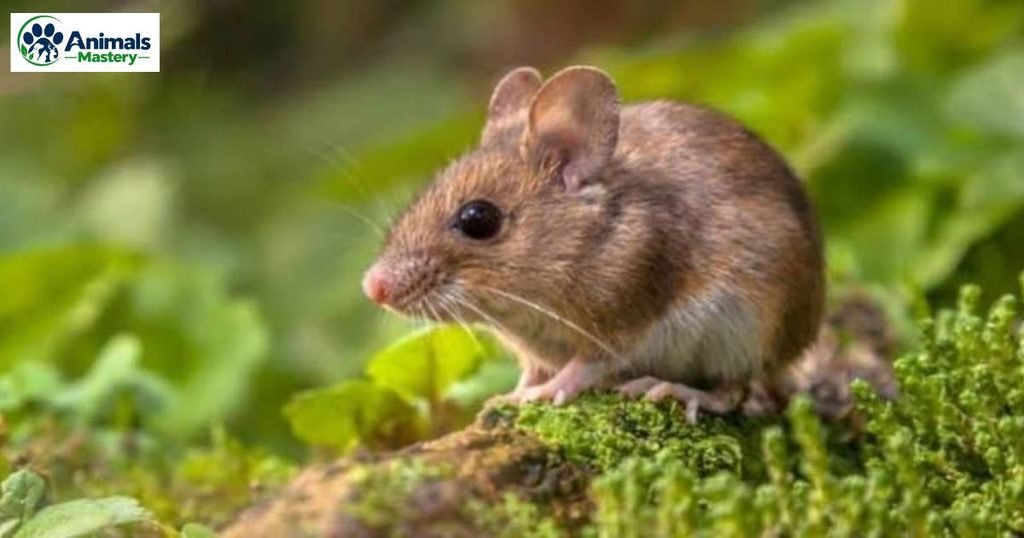
Their petite size and adaptability enable them to thrive in diverse environments, from rural farmlands to urban spaces. Often portrayed as mere pests, mice are intelligent and social animals, showcasing complex behaviors and even forming bonds within their colonies.
Complex social behavior: Mice are not just common household pests; they exhibit complex social behavior that fascinates researchers. These tiny creatures often live in groups, forming intricate social networks that highlight their intelligence and adaptability.
Their communication methods, ranging from ultrasonic vocalizations to pheromonal signals, allow them to coordinate within their communities, enhancing survival.
Skunk
- Scientific Name: Mephitidae
- Class: Mammalia
- Diet: Omnivore
Precise defensive spraying: Among the fascinating five-letter animals, the Shunk stands out due to its unique behavior and remarkable adaptation. Known for its precise defensive spraying, the Shunk has evolved a powerful mechanism to deter predators and potential threats.
This instinctual behavior not only proves effective against attackers but also serves as a communication tool among its species, adding layers to their complex social interactions.
Natural pest control: The world of five-letter animals is surprisingly rich, showcasing a diverse array of species that contribute significantly to our ecosystems. Among these, the shunk, or more commonly known as the skunk, stands out not just for its distinctive coloration and unique scent, but also for its role in natural pest control.
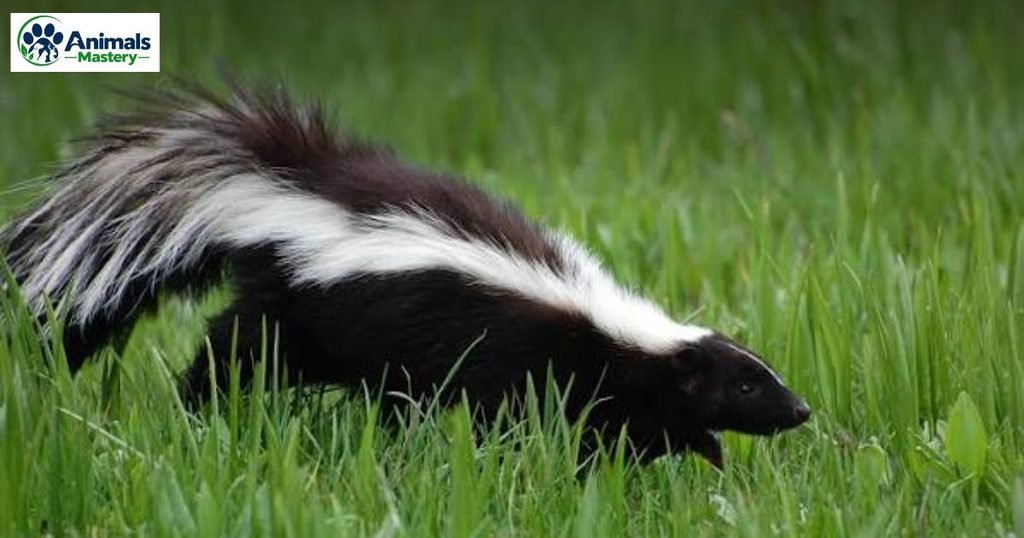
By feasting on insects and small rodents, skunks help maintain ecological balance, ensuring that pest populations don’t overwhelm their habitats.
Scent-based communication: Animals with five-letter names often display fascinating traits that capture our curiosity, and they often utilize unique methods like scent-based communication to connect with one another. For instance, the skunk, a master of olfactory offense, uses its notorious spray not only as a defense mechanism but also in social interactions.
Through scent, skunks convey important messages about territory and mating, offering a remarkable example of how odors play a pivotal role in the animal kingdom.
Quail
- Scientific Name: Coturnix Coturnix
- Class: Aves
- Diet: Omnivore
Tight covey formation: Quail are remarkable birds that exhibit a unique social behavior, particularly evident in their tight covey formation. This grouping not only provides safety in numbers from predators but also enhances their social structure and breeding success.
When quail feel threatened, they instinctively huddle together, creating a compact unit that can confuse hawks and other aerial hunters. Their camouflage, combined with this strategic collective behavior, showcases their evolution and adaptation in the wild.
Distinctive calls: Quail are remarkable little birds that often go unnoticed in the wild. Known for their distinctive calls, these avian creatures create a melodious backdrop that enchants anyone wandering through their habitats.
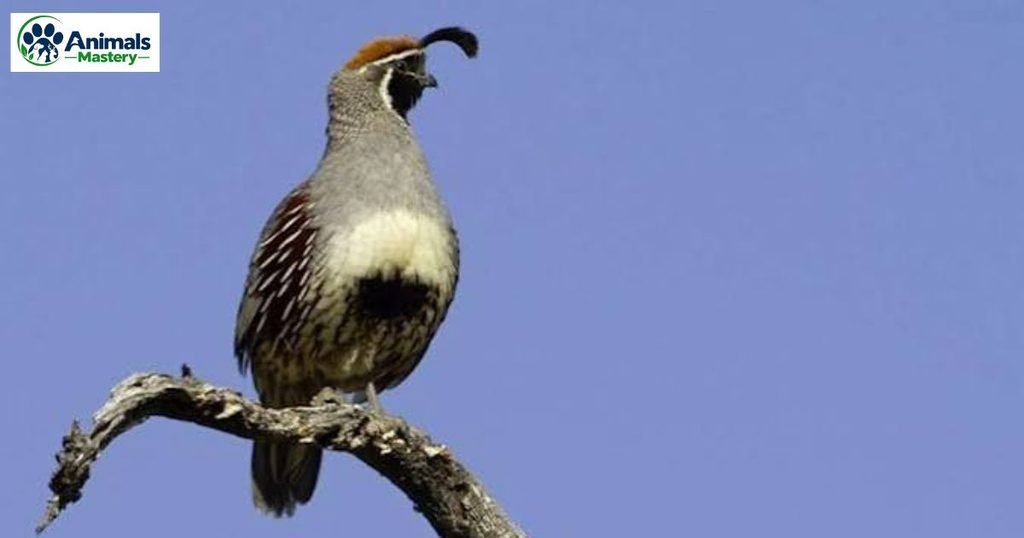
Their vocalizations serve as a means of communication, they play a vital role in mating rituals, signaling their readiness and attracting potential partners. Observing a quail in the wild, with its plump body and unique feather patterns, is a reminder of the vibrant life thriving just beyond our backyards.
Shared parental care: Quails are fascinating creatures, especially notable for their unique approach to parenting. Unlike many other birds, quails exhibit shared parental care, where both males and females actively participate in nurturing their young.
This collaborative approach not only enhances the survival rates of their chicks but also showcases a remarkable level of cooperation in the animal kingdom. In a world where competition often reigns, quails remind us that teamwork can be equally vital.
Coral
- Scientific Name: Anthozoa
- Class: Anthozoa
- Diet: Carnivore
Algae-based symbiosis: Coral reefs are vibrant ecosystems formed through algae-based symbiosis, where tiny coral polyps and photosynthetic algae, known as zooxanthellae, come together in a mutually beneficial relationship.
This unique partnership not only provides corals with the nutrients they need to thrive but also produces the stunning colors that can be seen in marine environments. As we explore the underwater world, it’s fascinating to note that coral reefs support over 25% of all marine species, despite covering less than 1% of the ocean floor.
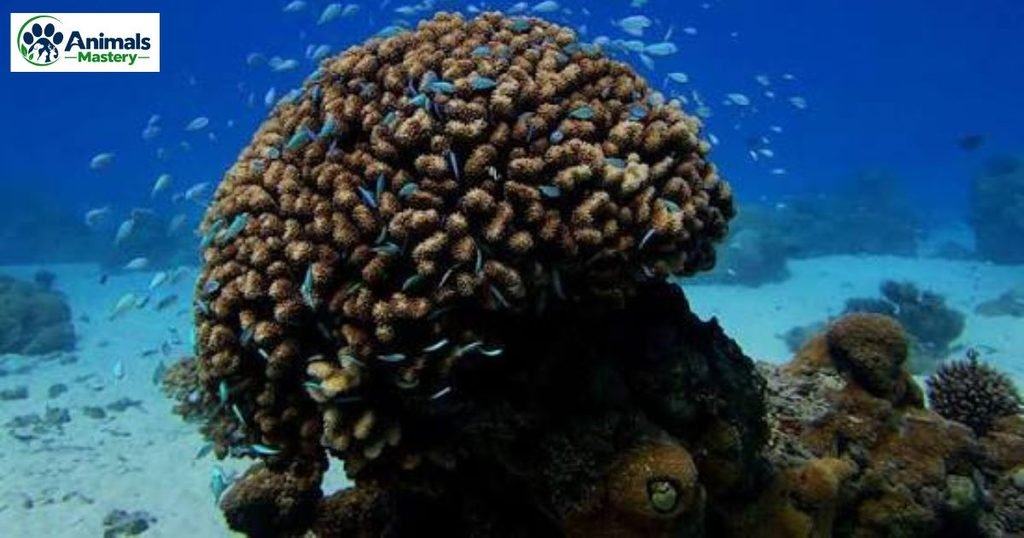
Reef formation: Coral reefs are often described as the rainforests of the sea, teeming with life and biodiversity. These stunning underwater structures are primarily built by tiny coral polyps, which create limestone skeletons over millennia. They provide essential habitat for countless marine creatures, and coral reefs play a critical role in reef formation by acting as natural barriers, protecting coastlines from erosion and storm damage.
Coastal protection: Coral reefs, often dubbed the rainforests of the sea, serve as crucial coastal protectors by buffering shorelines from erosion and extreme weather. These vibrant ecosystems are not only home to a myriad of marine creatures but also play a fundamental role in maintaining biodiversity.
Among the diverse range of animals that thrive in these environments, five-letter species such as otter, crab, and shark each contribute uniquely to the health of coral reefs.
Snail
- Scientific Name: Gastropoda
- Class: Gastropoda
- Diet: Herbivore
Protective mucus secretion: The snail is an intriguing creature that captures the imagination with its delicate form and unique life processes. One of the most fascinating aspects of snails is their protective mucus secretion.
This slimy layer is not just there for aesthetics; it serves multiple functions, such as facilitating movement over various surfaces, protecting against predators, and retaining moisture in their bodies. Without this mucus, snails would struggle to navigate their environments and could easily succumb to dehydration.
Extended dormancy: The humble snail, often overlooked, showcases a fascinating survival strategy known as extended dormancy. This natural marvel can enter a state of hibernation to evade harsh environmental conditions, effectively pausing life until favorable circumstances return.
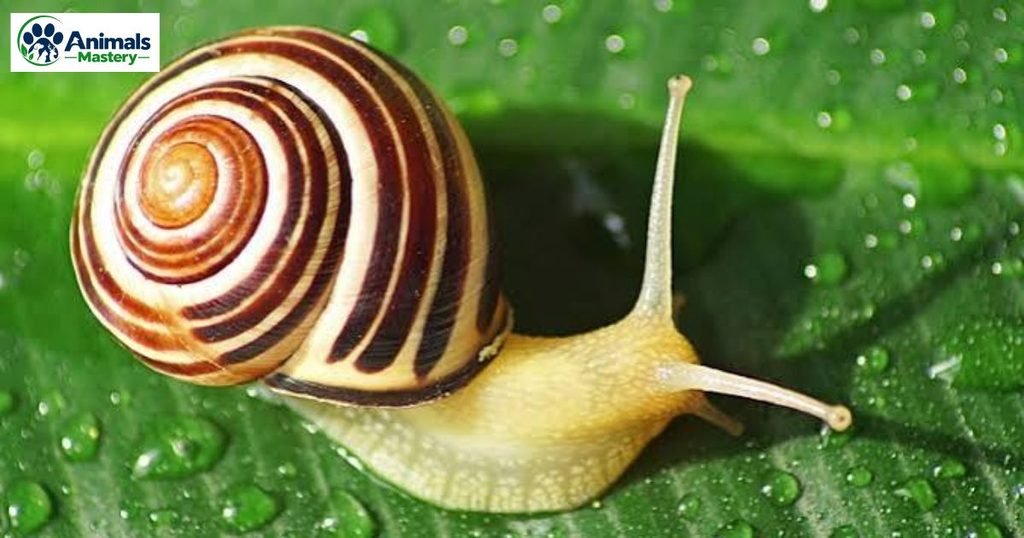
This ability not only aids in preserving energy when resources dwindle but also ensures that snails can thrive in fluctuating ecosystems. Imagine the resilience of these creatures, bearing their homes on their backs as they navigate the landscape at a leisurely pace.
Hermaphroditic reproduction: Among the fascinating creatures on our list is the snail, a unique animal that often goes unnoticed in the hustle of nature. Snails are particularly intriguing because of their hermaphroditic reproduction; each individual possesses both male and female reproductive organs. This remarkable adaptation allows them to mate with any other snail they encounter, enhancing their chances of procreation in varying environments.
When conditions are right, these little mollusks can lay hundreds of eggs, leading to a rapid increase in their populations.
Koala
- Scientific Name: Phascolarctos Cinereus
- Class: Mammalia
- Diet: Herbivore
Eucalyptus specialization: The koala stands out for its cuteness and for its remarkable adaptation in the wild. This iconic marsupial is a master of eucalyptus specialization, relying almost entirely on eucalyptus leaves for sustenance. This diet isn’t just a choice; it’s a fascinating example of evolutionary adaptation.
While many animals avoid these leaves due to their toxicity, koalas possess a unique digestive system that allows them to detoxify and extract essential nutrients. This specialization helps them thrive in their native Australian habitats, making them a prime example of how niche feeding can shape an animal’s lifestyle.
Low-frequency communication: The koala, often seen as an emblem of Australian wildlife, captivates not just with its adorable appearance but also with its unique communication methods. These marsupials engage in low-frequency communication through low-pitched bellows, which can resonate over long distances, a clever adaptation for their forested environment.
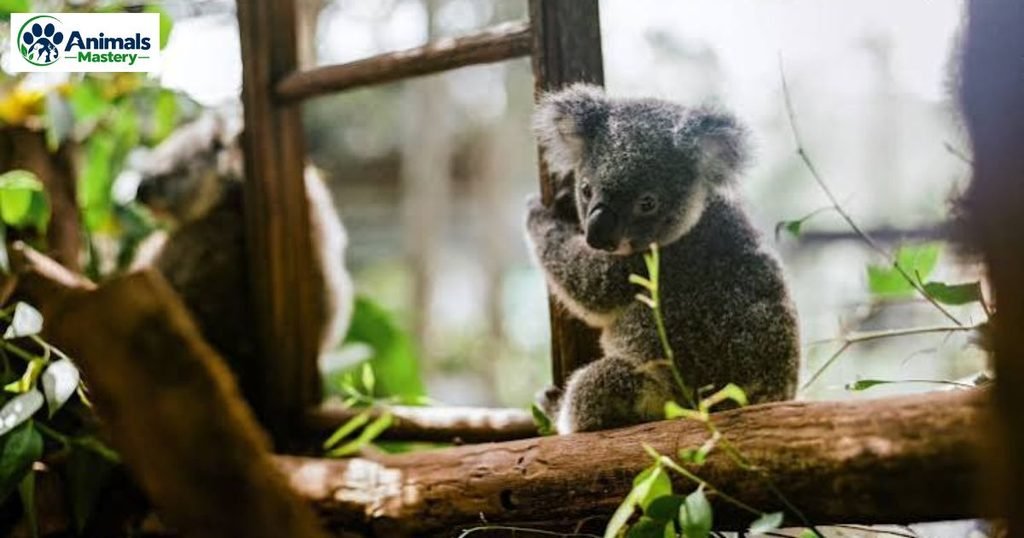
This acoustic strategy allows koalas to maintain social bonds and establish territory without the need for visual cues, making them fascinating subjects of study in behavioral ecology.
Specialized digestion: The koala is a fascinating creature, renowned for its adorable appearance and specialized lifestyle. This marsupial, native to Australia, thrives primarily on eucalyptus leaves, which are notoriously toxic to most animals.
Their unique digestive system is specially adapted to detoxify and break down these fibrous leaves, showcasing the incredible diversity of survival strategies in the animal kingdom. With a slow metabolic rate, koalas spend much of their day resting, often up to 20 hours conserving energy as they digest their nutrient-poor diet.
Robin
- Scientific Name: Turdus Migratorius
- Class: Aves
- Diet: Omnivore
Advanced food detection: The robin, a charming songbird, is more than just a harbinger of spring; it showcases advanced food detection abilities that are quite remarkable. These agile foragers possess excellent eyesight, allowing them to spot insects hidden beneath leaf litter with astonishing precision. Its keen auditory senses also play a pivotal role, as robins can detect soft rustling sounds made by potential prey.
As they hop along the ground, they not only exhibit a delightful hopping pattern but also utilize their incredible skills to thrive in diverse environments.
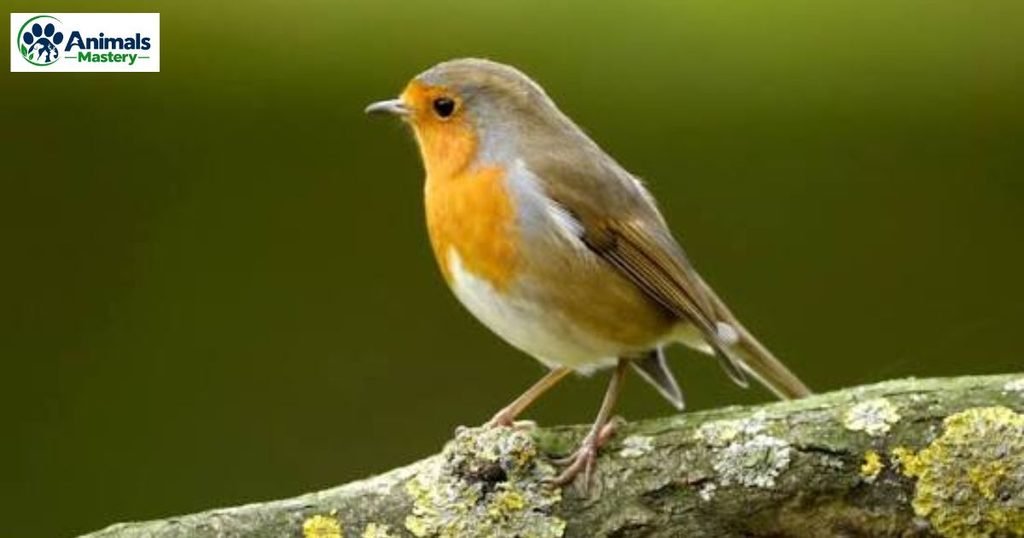
Seed dispersal: The charming robin, often a herald of spring, plays a crucial role in its ecosystem beyond its melodious song. This 5-letter bird is renowned for its vibrant orange breast, but its true significance lies in its contribution to seed dispersal.
As robins feast on berries, they inadvertently transport seeds far and wide, aiding in forest regeneration and maintaining biodiversity. The digestion process helps soften the seeds, allowing for successful germination in new locations.
Territorial singing: Robin, a quintessential symbol of spring, epitomizes the charm of the animal kingdom with its striking red breast and melodic voice. Known for its territorial singing, the male robin claims its domain by belting out a series of beautiful tunes, often early in the morning or late in the evening. This behavior not only helps in attracting mates but also fortifies its claim against rival males, creating a rich tapestry of sound that fills the air during breeding season.
Panda
- Scientific Name: Ailuropoda Melanoleuca
- Class: Mammalia
- Diet: Herbivore
Bamboo specialization: The giant panda, one of nature’s most beloved creatures, showcases a remarkable adaptation known as bamboo specialization. This herbivore has evolved to thrive almost exclusively on bamboo, which constitutes about 99% of its diet.
While this remarkable diet allows them to maintain a unique ecological niche, it also presents challenges; pandas must consume large quantities up to 40 pounds a day to meet their nutritional needs. This dependency on a single food source makes them particularly vulnerable to habitat loss and climate change, emphasizing the importance of conservation efforts.
High-volume feeding: Pandas, with their iconic black-and-white fur and gentle demeanor, are renowned not just for their adorable appearance but also for their fascinating feeding habits. These giant bears are masters of high-volume feeding, consuming an astonishing amount of bamboo about 28 to 40 pounds a day.

This dietary fixation poses unique challenges, as they must spend a significant portion of their day foraging and munching to meet their nutritional needs. Their specialized digestive systems, however, have evolved to extract very little energy from the fibrous plant, making efficient foraging crucial for their survival.
Strong habitat dependence: Pandas exemplify a remarkable case of strong habitat dependence, thriving exclusively in the bamboo forests of the mountainous regions of China.
Their unique dietary requirements make them particularly vulnerable; while they consume vast quantities of bamboo, their specific habitat is dwindling due to climate change and human encroachment. This dependency is a striking reminder of how specialized adaptations can both enrich an animal’s life and limit its survival prospects.
Shrew
- Scientific Name: Soricidae
- Class: Mammalia
- Diet: Carnivore
Venomous saliva: The shrew, a fascinating creature often overshadowed by larger mammals, showcases a unique aspect of nature’s diversity. With its small size and elusive behavior, the shrew houses a remarkable secret: its saliva contains venom.
This venomous saliva helps the shrew immobilize its prey, which primarily consists of insects and worms. Such an adaptation not only showcases evolutionary ingenuity but also highlights how even the tiniest of animals have evolved complex survival strategies.
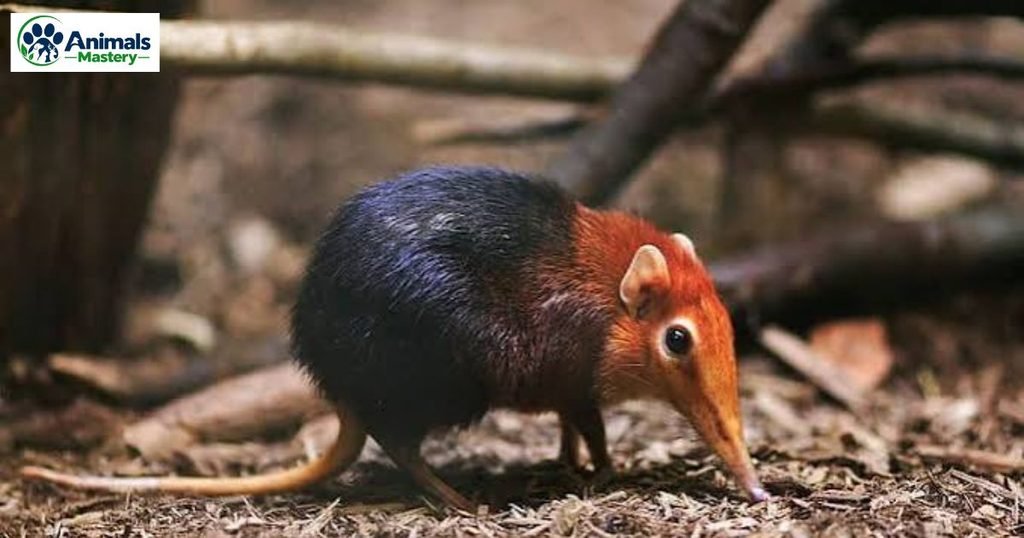
Extreme metabolic demands: Shrews, often overlooked in the animal kingdom, showcase remarkable adaptations due to their extreme metabolic demands. These tiny mammals, residing in various habitats, are voracious insectivores, consuming up to their body weight in food daily. Their high-energy lifestyle necessitates constant foraging, illustrating how survival strategies are often dictated by physiological requirements.
Unlike many other small mammals, shrews have a unique ability to maintain a high body temperature, which allows them to remain active even in colder climates.
Insect population control: Shrews, often overlooked in the animal kingdom, serve a vital role in ecosystems through their aggressive insect population control. These small, mouse-like mammals are not just cute; they play a significant part in maintaining the balance of their habitats by relentlessly hunting down insects, worms, and other small invertebrates.
A single shrew can consume up to three times its body weight in food daily, making it an unsung hero in the fight against pests that can otherwise wreak havoc on gardens and crops.
Prawn
- Scientific Name: Caridea
- Class: Malacostraca
- Diet: Omnivore
Color-changing signals: Prawns, often misunderstood, showcase remarkable traits that extend beyond their culinary appeal. These crustaceans employ color-changing signals, not just for camouflage, but also as a means of communication within their social structures.
When threatened by predators or during mating rituals, they can shift hues, displaying a fascinating array of colors that captures the attention of both potential mates and rivals. This adaptive behavior emphasizes the complexity of their interactions, revealing a vivid underwater society engaged in constant dialogue.
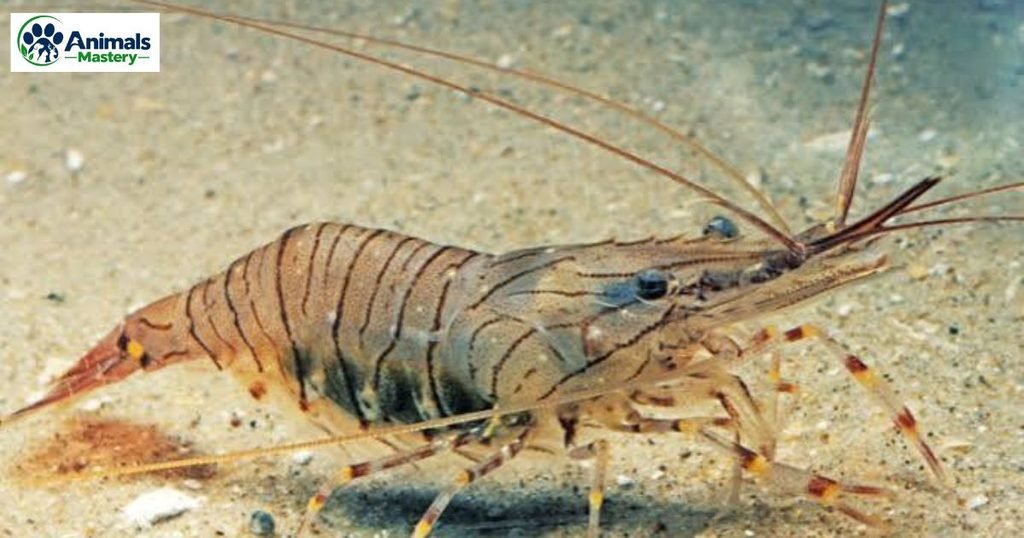
Habitat adaptability: The prawn, an aquatic marvel, demonstrates remarkable habitat adaptability, thriving in both freshwater and saltwater environments. This versatility not only highlights the resilience of prawns but also underscores their ecological significance. Their ability to inhabit diverse aquatic ecosystems from mangroves to open ocean enables them to play critical roles in food chains, serving as both predators and prey.
This adaptability is mirrored in many five-letter animals, each exhibiting unique survival strategies that allow them to flourish in varying conditions.
Aquatic nutrient recycling: Prawns play a fascinating role in aquatic nutrient recycling, serving as both a food source and a scavenger in their ecosystems. Their ability to consume decomposing organic matter helps maintain a balanced environment, effectively turning waste into energy. This not only supports their own growth but also benefits the entire aquatic food web, highlighting their importance in maintaining ecological harmony.
Lemur
- Scientific Name: Lemuroidea
- Class: Mammalia
- Diet: Herbivore
Matriarchal social structure: Lemurs are a fascinating example of a species deeply rooted in their matriarchal social structure. These unique primates, native to Madagascar, are known for their close-knit family units where females dominate social hierarchies. This matriarchal behavior contrasts starkly with many other animal societies, leading to intriguing dynamics in their grooming, feeding, and mating patterns.
Female lemurs often assert their authority by leading the group to resources and making critical decisions, showcasing the strength and intelligence inherent in their social systems.
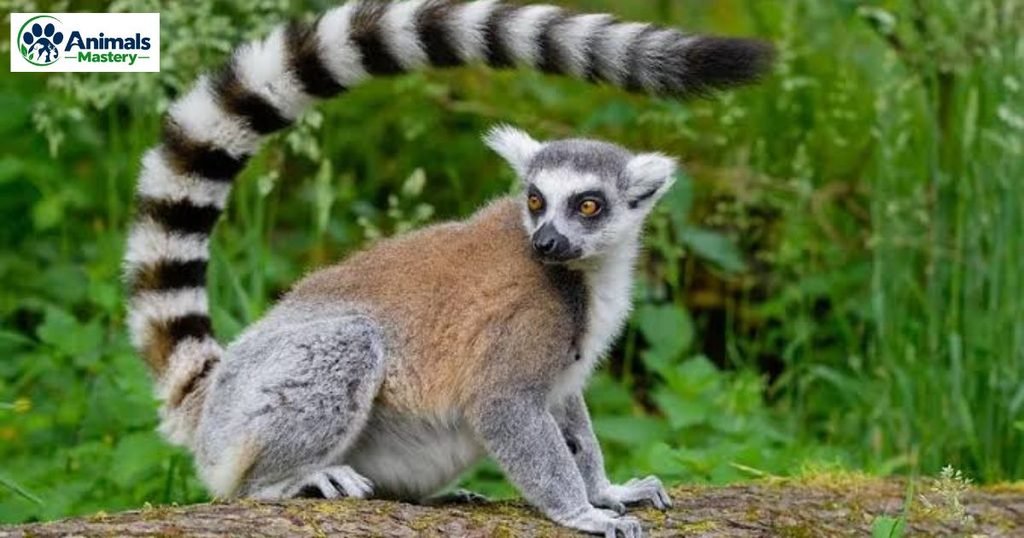
Complex vocalizations: Lemurs stand out among the world’s fascinating fauna, particularly for their complex vocalizations. These primates, native to Madagascar, are not just adorable; they possess a unique array of sounds for communication. From alarm calls to mating calls, each vocalization plays a crucial role in maintaining social bonds within their matriarchal groups.
Vertical clinging and leaping: Lemurs are fascinating creatures, uniquely adapted to their environment with remarkable behaviors like vertical clinging and leaping. These primates, primarily found in Madagascar, have evolved specialized limb structures that allow them to navigate their arboreal habitats with astonishing agility.
Their strong hind limbs enable them to launch themselves from tree to tree, making it easy to evade predators and forage for food in the dense canopy.
Finch
- Scientific Name: Fringillidae
- Class: Aves
- Diet: Herbivore
Seed-cracking beak: The finch, a charming little bird often found flitting about gardens and parks, showcases a fascinating adaptation: its seed-cracking beak. This remarkable feature allows finches to thrive in various environments by accessing a wide range of seeds, from tiny grass seeds to larger sunflower kernels.
The diversity among finch species, each with its unique coloration and beak shape, highlights nature’s ingenuity in adapting to different ecological niches. Watching these tiny aviators work tirelessly to crack open their food is a delightful reminder of nature’s delicate balance.
Adaptive diversification: Among the myriad of creatures gracing our planet, the finch stands out as a paragon of adaptive diversification. With their vibrant plumage and varied beaks, finches have evolved into numerous species, each perfectly suited to its environment.
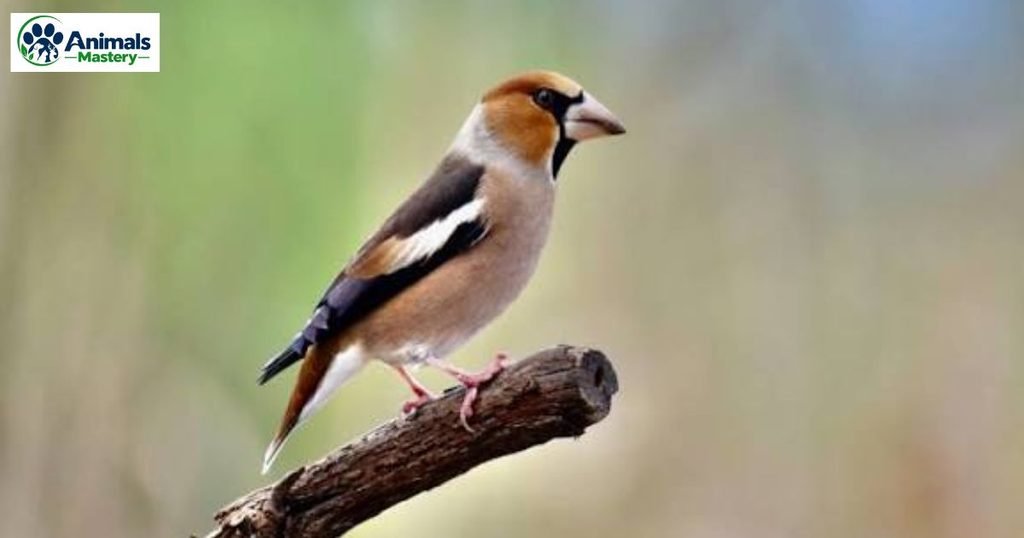
This remarkable adaptability showcases nature’s ingenuity; for instance, the Galápagos finches are famous for their beak shapes, each optimized for different food sources. Such evolutionary strategies highlight the interconnectedness of ecosystems and the profound effect of environmental pressures on species development.
Complex courtship songs: Among the fascinating five-letter animals, the finch stands out not just for its vibrant plumage but also for its remarkable complex courtship songs. These melodious tunes serve as both a mating call and a means of establishing territory, showcasing the finch’s intelligence and adaptability.
Each species has its unique song, often learned through a mix of instinct and social interaction, capturing the essence of their habitat and the vibrancy of their lives.
Guppy
- Scientific Name: Poecilia Reticulata
- Class: Actinopterygii
- Diet: Omnivore
Vibrant color patterns: Guppies stand out in the animal kingdom, not only for their vibrant color patterns but also for their charming behaviors. As one of the most popular freshwater fish, these small creatures can transform any aquarium into a kaleidoscope of hues, showcasing combinations of blues, reds, and greens.
Their adaptability to various water conditions allows them to thrive in home aquariums, making them a favorite for both novice and experienced fish keepers.
Rapid reproduction: Guppies, vibrant and lively little fish, are a perfect example of nature’s wonders when it comes to rapid reproduction. A single female guppy can produce dozens of fry every month, making them not only fascinating pets but also a staple for aquarium enthusiasts looking to populate their tanks quickly.
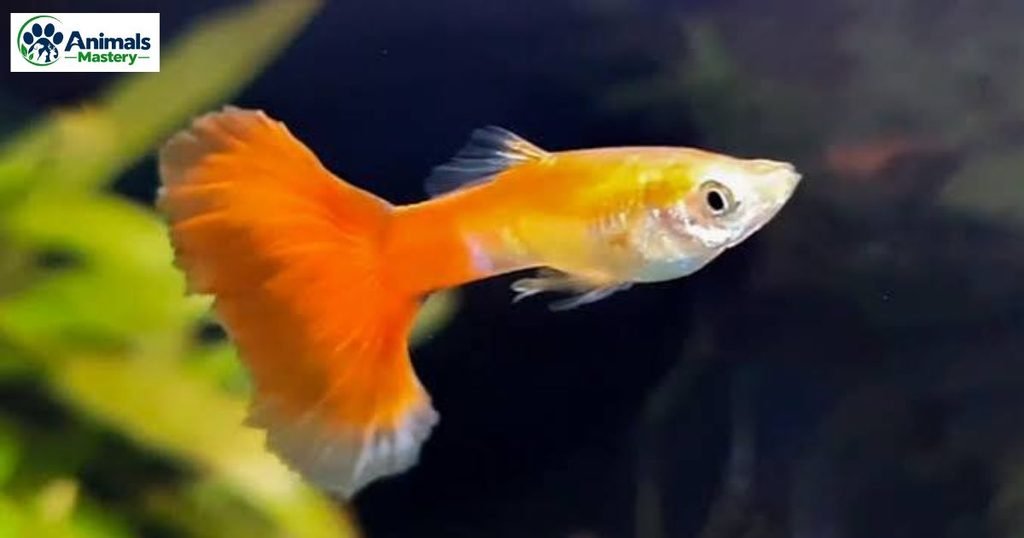
Their bright colors and energetic behavior bring enthusiasm to any aquatic setting, while their adaptability allows them to thrive in various environments, making them a favorite among fish hobbyists.
Environmental adaptability: Guppies are a fascinating example of environmental adaptability among five-letter animals. These small, vibrant fish not only bring a splash of color to aquariums but also showcase remarkable resilience in varying habitats.
Their capability to thrive in different water conditions from freshwater streams to brackish waters makes them ideal for novice aquarists and experienced breeders alike. Guppies have evolved to survive and reproduce in diverse environments, underscoring nature’s clever mechanisms for survival.
Aphid
- Scientific Name: Aphidoidea
- Class: Insecta
- Diet: Herbivore
Extremely rapid reproduction: Aphids are a fascinating aspect of the animal kingdom, especially noted for their extremely rapid reproduction rates. Some species can give birth to live young in a matter of days, often leading to explosive population growth in a short time.
This reproductive strategy not only ensures their survival in various environments but also marks them as vital players in the ecosystem. As both pests and prey, aphids significantly influence the dynamics of plant health and the food web.
Plant-sap feeding: Aphids, those minute insects often found clinging to tender plant shoots, are masterful at plant-sap feeding. These tiny creatures, typically no more than a few millimeters in size, play a crucial role in the ecosystem.
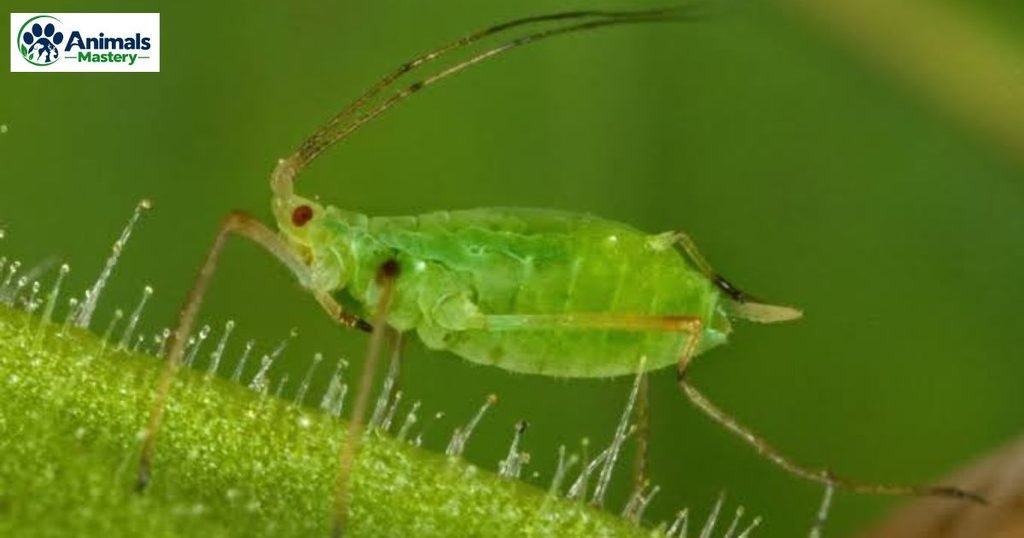
By sucking the vital fluids from plants, they can inadvertently shape the health of entire gardens and agricultural areas. While often considered pests, aphids are also prey for various beneficial insects, such as ladybugs, creating a delicate balance in nature.
Disease transmission: Aphids, small yet significant, play a dramatic role in the ecosystem, particularly in agriculture. These tiny sap-suckers can transmit a range of diseases to plants, making them a double-edged sword in nature.
They’re often seen as mere nuisances, their ability to affect crop yields profoundly showcases their importance in the food web. Understanding aphids and their impact on plant health can lead to innovative solutions in pest management, reducing chemical use and promoting biodiversity.
Betta
- Scientific Name: Betta Splendens
- Class: Actinopterygii
- Diet: Carnivore
Territorial aggression: The Betta fish, known for its vibrant colors and flowing fins, is a prime example of beauty in the animal kingdom. This fascinating creature exhibits strong territorial aggression, especially when males confront one another.
Such behaviors are not merely survival instincts; they also reveal the elaborate social structures these fish navigate. As a hobbyist, understanding this aggression can lead to better tank management essential for fostering a harmonious aquatic environment.
Labyrinth organ: The Betta fish, often celebrated for its vibrant colors and flowing fins, is a unique creature fascinating to aquarists and casual fish enthusiasts alike. One of its most remarkable adaptations is the labyrinth organ, allowing it to breathe air directly from the surface, which is essential in its natural, often oxygen-poor habitats.
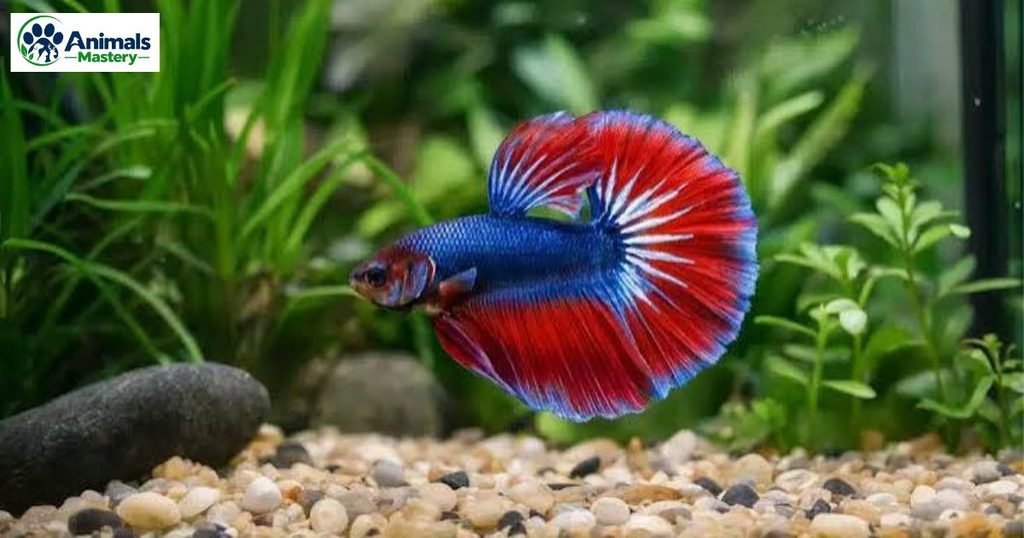
This organ enables Bettas to thrive in shallow waters, making them resilient survivors. However, this adaptation requires careful management in captivity; providing ample surface area and maintaining clean water conditions are crucial for their health.
Bubble-nest construction: Among the fascinating residents of the aquatic world, the Betta fish stands out not just for its vibrant colors but also for its intriguing behaviors. Known for their elaborate bubble-nest construction, male Bettas create intricate floating nests of air bubbles to attract females during mating.
This unique display highlights their commitment to reproduction and showcases their ability to engineer a safe environment for future offspring. Observing a Betta at work can be a mesmerizing experience, as each carefully placed bubble signifies a potential future champion of the vibrant aquarium.
Skink
- Scientific Name: Scincidae
- Class: Reptilia
- Diet: Carnivore
Burrowing adaptations: Skinks are fascinating creatures that easily capture the interest of animal lovers and researchers alike. These agile lizards boast burrowing adaptations that enable them to thrive in a variety of environments.
Their sleek, elongated bodies and small limbs make them proficient diggers, allowing them to escape predators and regulate their body temperature in fluctuating climates. The flat, smooth scales of skinks not only aid in streamlined movement through soil but also reflect their evolutionary success.
Blue-tongue defense: the skink stands out not just for its unique appearance but also for its remarkable defense mechanisms. The blue-tongue skink, for instance, employs a striking visual tactic when threatened. By displaying its vibrant blue tongue, it can startle predators and give itself crucial seconds to escape.
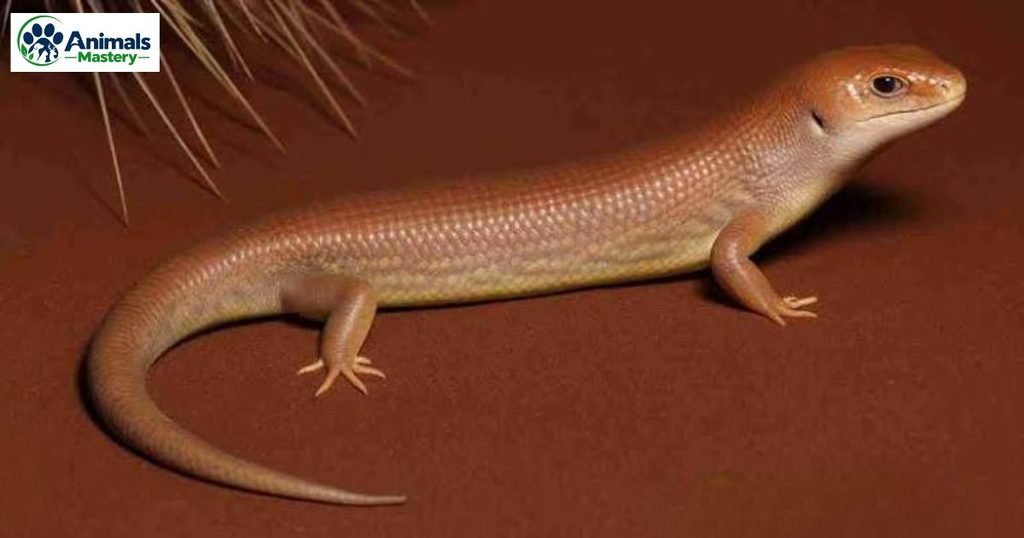
This vivid warning signal is a fascinating example of how coloration can play a pivotal role in survival strategies within the animal kingdom.
Live-birth specialization: Skinks, a fascinating group of lizards, exemplify the remarkable diversity found in the animal kingdom, especially with their unique live-birth specialization. Unlike many reptiles that lay eggs, some skink species have evolved to give birth to live young, adapting seamlessly to their environments.
This evolutionary trait not only enhances survival rates but also influences their habitats and behaviors. As these small reptiles thrive in various ecosystems, they engage in clever foraging strategies, showcasing their adaptability.
Roach
- Scientific Name: Blattodea
- Class: Insecta
- Diet: Omnivore
Exceptional survival ability: The roach stands out not only for its unappealing reputation but also for its exceptional survival ability. These resilient creatures can withstand extreme conditions that would spell doom for many other species. Roaches are known for their impressive adaptability, thriving in diverse environments, from urban landscapes to damp forests.
Their physiological features, such as a rapid reproduction cycle, allow them to bounce back from nearby threats almost instantaneously.
Organic decomposition: Roaches, often perceived as pests, play a crucial role in organic decomposition. These resilient creatures are nature’s recyclers, breaking down decaying organic matter, which enriches the soil and enhances nutrient cycling.
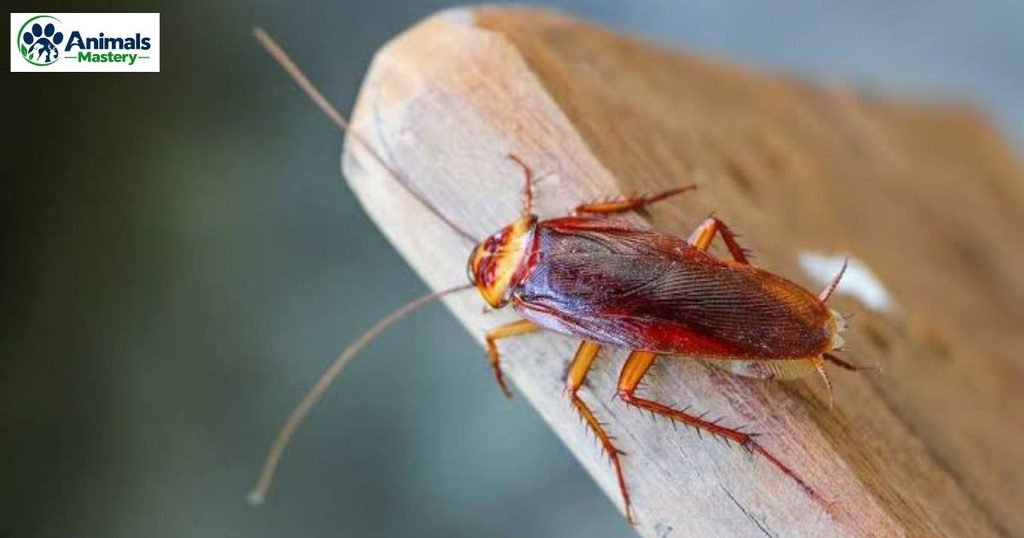
Their ability to thrive in various environments, from urban alleys to dense forests, showcases their adaptability and resilience, challenging our perceptions of what it means to be a survivor in the animal kingdom.
Nutrient recycling: Roaches, often seen as pests, play a crucial role in nutrient recycling in their ecosystems. These resilient insects consume organic waste, decaying plants, and even detritus, breaking them down into smaller particles that enrich the soil. By participating in this natural process, they contribute significantly to the health of their environments, often unnoticed but vital nonetheless.
Otter
- Scientific Name: Lutrinae
- Class: Mammalia
- Diet: Carnivore
Sophisticated tool use: They showcase sophisticated tool use, a trait less common in the animal kingdom. For instance, sea otters, with their dense fur and buoyant bodies, have been observed using rocks to crack open shellfish, demonstrating not only problem-solving skills but also the ability to pass this behavior on to younger generations, highlighting their complex social learning.
Strong social bonding: Otters are not just adorable aquatic mammals; they exemplify the power of strong social bonding in the animal kingdom. Living in family groups called rafts, otters engage in playful behavior that helps reinforce their relationships.
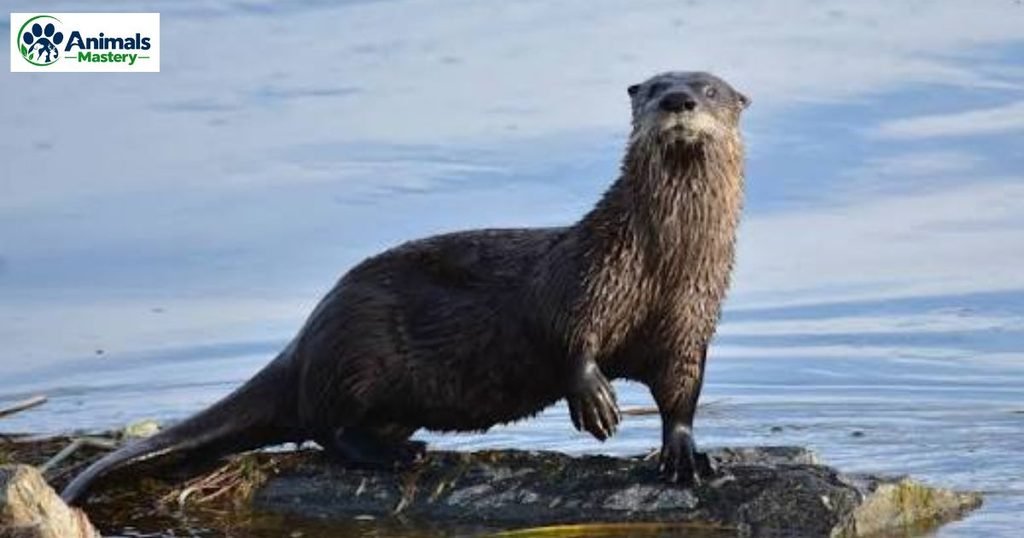
This unique social structure allows them to collaborate effectively while hunting and navigating their habitats. Their use of tools, such as rocks to crack open shellfish, showcases not only intelligence but also a learned behavior shared through social interaction.
Aquatic hunting skills: Otters are fascinating creatures, showcasing remarkable aquatic hunting skills that set them apart in the animal kingdom. These playful mammals are not only agile swimmers but also demonstrate impressive intelligence while foraging for food.
Often seen using tools, they crack open shellfish by striking them against rocks, showcasing their adaptability and problem-solving abilities. This unique behavior highlights an important aspect of otter life survival is not just about strength but also about using the environment creatively.
Siren
- Scientific Name: Sirenidae
- Class: Amphibia
- Diet: Carnivore
External gills: This fascinating creature, often overlooked, is a type of salamander known for its external gills that resemble flowing feathers, giving it a whimsical look. These gills are not just for show; they play an essential role in respiration, allowing the Siren to thrive in nutrient-rich waters.
Unlike many amphibians that transform from aquatic to terrestrial forms, Sirens retain their juvenile gill stage throughout their lives, showcasing a remarkable evolutionary adaptation.
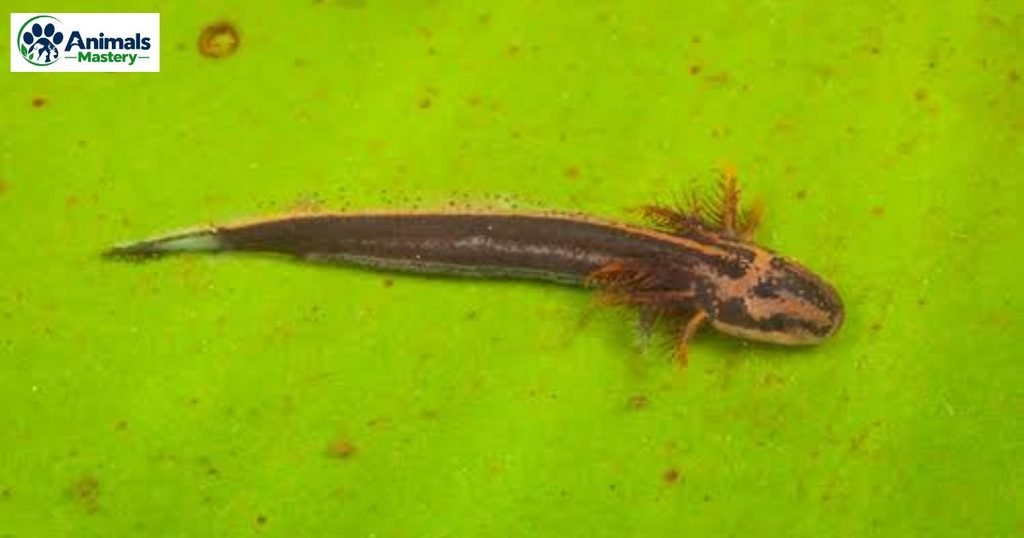
Drought dormancy: Take the Siren, for instance a captivating creature often overlooked. Belonging to the amphibious family, these remarkable beings exhibit unique adaptations for survival, particularly in regions prone to drought.
Their impressive drought dormancy allows them to endure long periods without water, entering a torpid state until the rains return.
Low-oxygen adaptation: The Siren, a fascinating amphibian, exemplifies incredible low-oxygen adaptation. Found primarily in the freshwater systems of North America, this five-letter creature can thrive in murky waters where oxygen levels are often depleted.
Leech
- Scientific Name: Hirudinea
- Class: Clitellata
- Diet: Carnivore
Specialized suckers: The leech, often misunderstood, offers a fascinating glimpse into the world of specialized suckers. Found in both freshwater and terrestrial environments, these segmented worms utilize their unique anatomy to latch onto hosts and extract blood.
Their ability to adapt and thrive in various ecosystems astounds researchers, making them a subject of ongoing study.
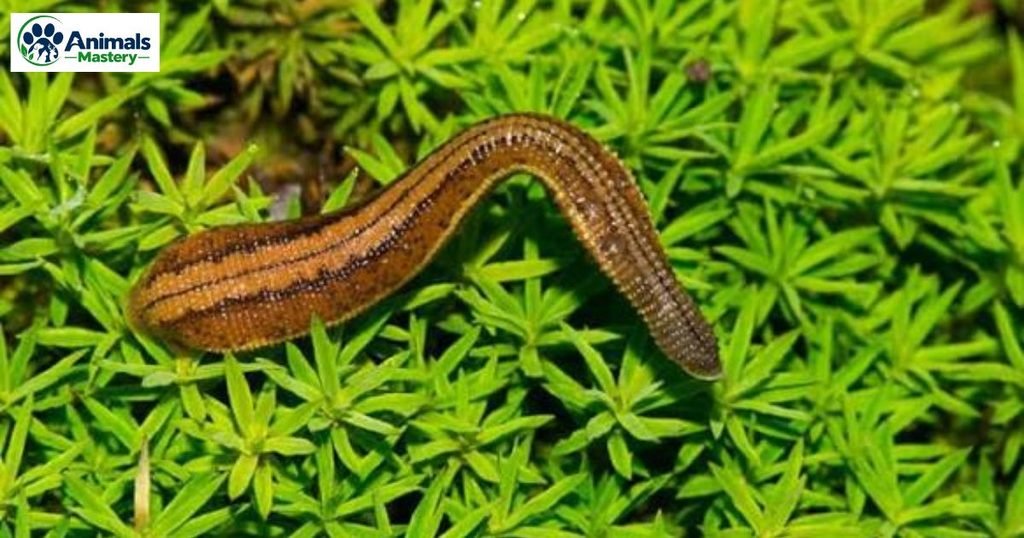
Regenerative ability: Leeches are fascinating creatures not just for their unique appearance but also for their remarkable regenerative ability. Capable of regrowing lost segments, these eight-legged wonders have long intrigued scientists.
Their regeneration process is driven by a specific group of cells that can morph into various tissue types, allowing them to heal quickly and adapt to their environment.
Predatory and parasitic lifestyles: Leeches are fascinating creatures that exemplify the delicate balance of nature’s predatory and parasitic lifestyles. Found in freshwater habitats, these elongated invertebrates feed on the blood of various animals and play pivotal roles in maintaining ecological health.
Their ability to adapt and thrive in diverse environments showcases the complexity of their survival strategies, merging both predator and parasite roles.
Tetra
- Scientific Name: Characidae
- Class: Actinopterygii
- Diet: Omnivore
Coordinated schooling: Among the top contenders, the tetra stands out as a fascinating gem in the aquatic world. Known for their vibrant colors and coordinated schooling behavior, these small, tropical fish are not only visually appealing but also highly social. Observing a group of tetras move in synchrony is a spectacle, showcasing their natural instincts to avoid predators and enhance their survival.
This synchronized movement creates a mesmerizing ballet in the water that aquarium enthusiasts crave.
Striking iridescence: Tetra fish are a dazzling example of nature’s artistry, showcasing striking iridescence that captivates aquarists and casual observers alike. These freshwater fish, found primarily in South America, populate both rivers and streams, often forming extraordinary displays when swimming in schools.
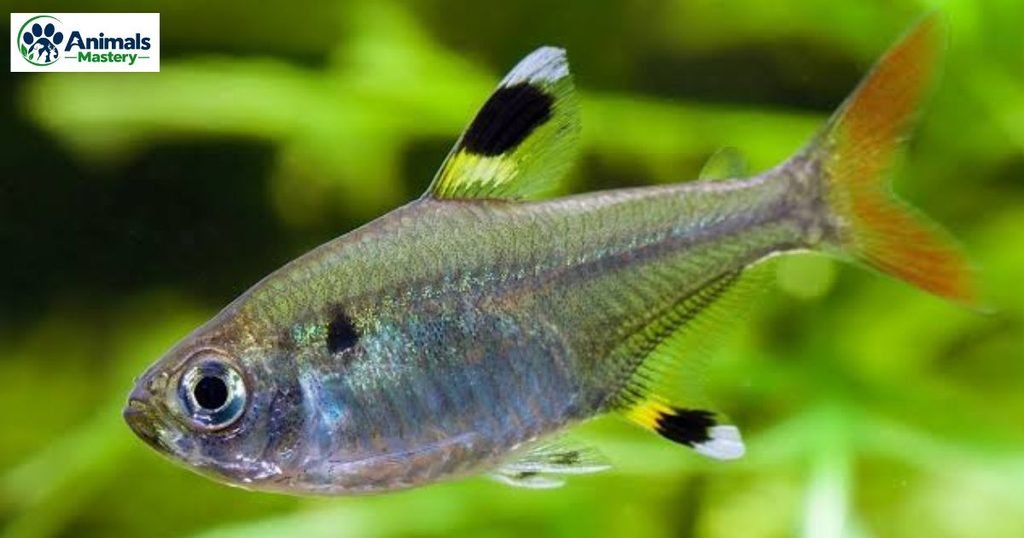
Their vibrant colors, ranging from electric blues to fiery oranges, not only enhance their beauty but also serve as a defensive mechanism against predators, providing a visual distraction.
Social communication: Tetras are not just colorful inhabitants of aquariums; they are also fascinating examples of social communication among fish. Their ability to school together harmoniously reveals a complex language of body movements and color changes, which can indicate stress or excitement.
Observing these little fish as they dart through the water offers insights into how social structures form in aquatic environments.
Porgy
- Scientific Name: Sparidae
- Class: Actinopterygii
- Diet: Omnivore
Coastal schooling: , the Porgy stands out not just for its name but also for its fascinating behavior. These coastal schooling fish thrive in warm waters, often gathering in large groups that dance through the sunlit shallows. Their shimmering scales reflect the light, creating a mesmerizing underwater spectacle.
Watching a school of Porgy glide through the sea can evoke a sense of wonder and connection to marine life, reminding us of the delicate balance within ocean ecosystems.
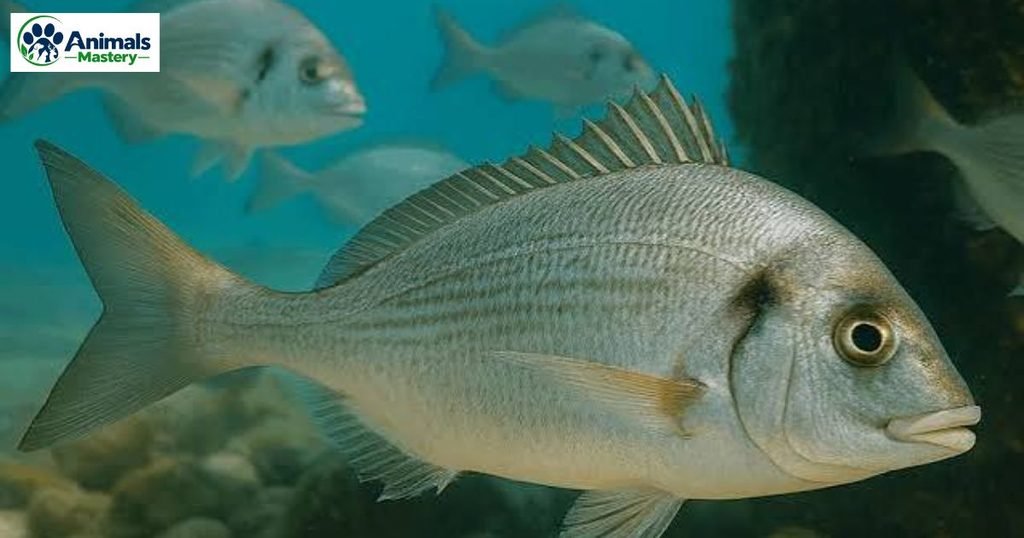
Benthic feeding: These fish, belonging to the Sparidae family, are known for their benthic feeding habits, scouring the ocean floor for crustaceans and mollusks. This behavior not only highlights their adaptability as predators but also plays a pivotal role in maintaining the health of marine ecosystems by controlling prey populations.
Marine food-web importance: Porgy, a member of the Sciaenidae family, is a fascinating fish that plays a critical role in marine ecosystems. Their presence in the marine food web illustrates the intricate interdependence of species; as bottom feeders, they consume various invertebrates, helping to regulate populations of benthic organisms.
This, in turn, supports the health of seagrass and coral reef habitats, which serve as vital shelters and nurseries for many other marine creatures.
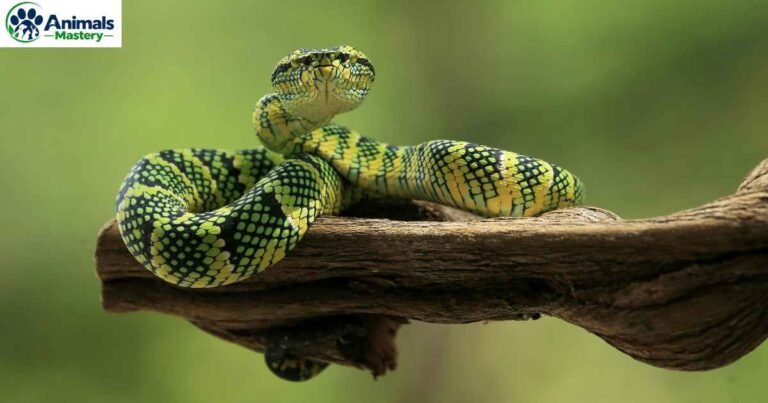
Snake
- Scientific Name: Serpentes
- Class: Reptilia
- Diet: Carnivore
Infrared heat detection: Snakes are fascinating creatures, often misunderstood and shrouded in myth. One of their most remarkable adaptations is infrared heat detection, allowing them to sense the body heat of their prey even in darkness. This unique ability enables these reptiles to hunt effectively at night, making them formidable predators.
Specialized predation: Snakes are fascinating creatures that embody specialized predation, adapting their hunting techniques to a variety of environments. With a streamlined body and unique physical traits, they’re masters of stealth, often employing ambush tactics to seize unsuspecting prey.
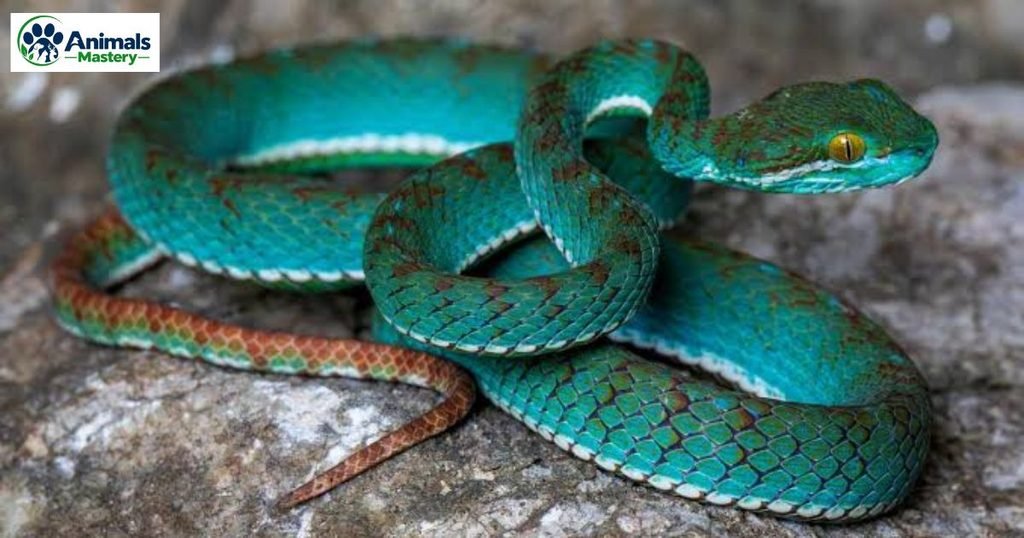
For instance, the sidewinder, one of the desert-dwelling vipers, skillfully navigates sandy terrain, using specialized locomotion that minimizes contact with the hot ground.
Rodent population control: Sleek and often misunderstood, snakes are fascinating creatures that play a crucial role in maintaining ecological balance. By preying on small mammals, they contribute significantly to rodent population control, preventing these species from overwhelming ecosystems.
Beyond their predatory prowess, snakes exhibit an incredible variety of colors and patterns, making them a subject of endless fascination for nature enthusiasts and researchers alike.
Midge
- Scientific Name: Chironomidae
- Class: Insecta
- Diet: Herbivore
Aquatic larval survival: Midges, often overlooked in the animal kingdom, play a fascinating role in aquatic ecosystems. These tiny insects, part of the Chironomidae family, have adapted remarkably to their environments. Their larval stage thrives in freshwater habitats, where they exhibit remarkable resilience.
The aquatic larval survival of midges is supported by their ability to withstand varying oxygen levels and survive in highly polluted waters, a feat not often seen in larger species.
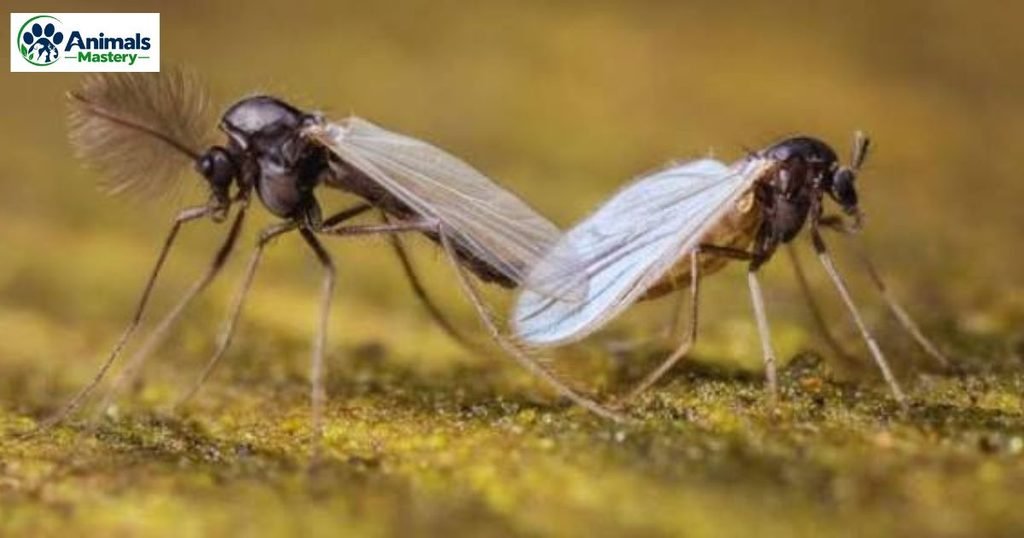
Water-quality indication: Midges, often overshadowed by their more famous insect relatives, play a crucial role in aquatic ecosystems, serving as vital water-quality indicators. Their presence and abundance can reveal a lot about the health of freshwater environments.
These tiny, often overlooked insects thrive in clean waters, making their populations a reliable gauge of ecological balance.
Essential prey species: These tiny insects play a crucial role as essential prey species in various ecosystems. Their abundance in wetlands makes them vital for supporting a plethora of wildlife, including birds, bats, and fish, all of whom depend on midges for sustenance.
Observing how these minuscule creatures contribute to the food web can deepen our appreciation for biodiversity and ecosystem health.
Krill
- Scientific Name: Euphausiacea
- Class: Malacostraca
- Diet: Omnivore
Massive oceanic swarms: These diminutive creatures form massive oceanic swarms, sometimes numbering in the millions, creating an awe-inspiring spectacle beneath the waves. They vital for their ecological role, serving as a primary food source for larger species such as whales, seals, and penguins, they play a key role in carbon cycling, helping regulate climate by sequestering carbon deep in the ocean.
Marine food-web foundation: Krill are not just tiny shrimp-like creatures; they are a vital cornerstone of the marine food web. Serving as the primary food source for a diverse range of marine species, including whales, seals, and various fish, krill play an indispensable role in maintaining ecosystem balance.
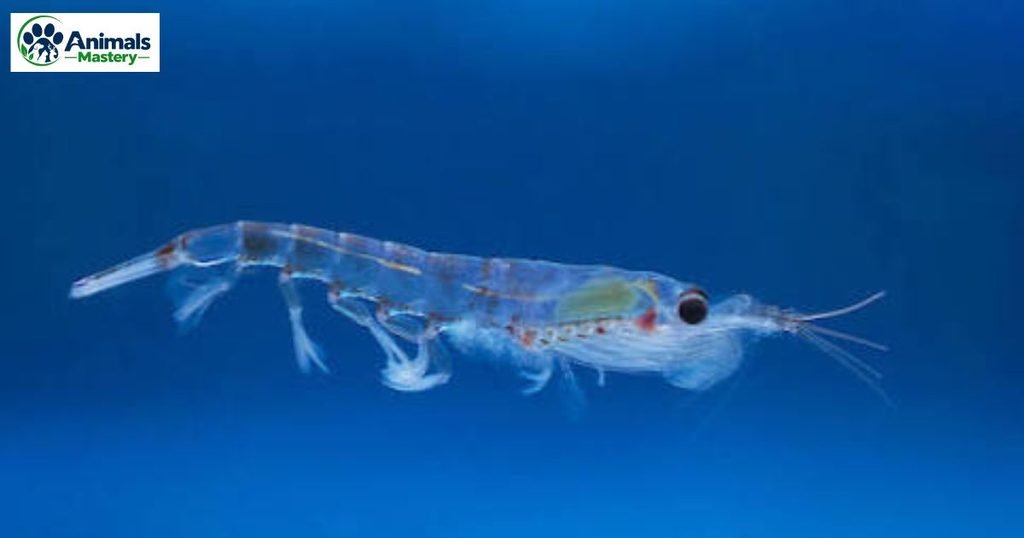
Their overwhelming abundance in oceanic waters showcases their importance, illustrating how a small creature can have such a profound impact on larger biodiversity.
Extreme cold adaptation: Krill, small yet mighty crustaceans, play a critical role in marine ecosystems, particularly in extreme cold environments like the Antarctic. These tiny animals serve as a vital food source for larger species, including whales, seals, and seabirds. Their remarkable adaptation to frigid waters allows them to thrive where few others can, showcasing nature’s ingenuity.
With bodies designed for buoyancy and feeding in ice-laden waters, krill exemplify extreme cold adaptation in a way that fascinates ecologists and marine biologists alike.
Gecko
- Scientific Name: Gekkota
- Class: Reptilia
- Diet: Carnivore
Adhesive toe pads: The gecko, a fascinating member of the reptile family, showcases nature’s ingenuity with its unique adhesive toe pads. These specialized structures allow geckos to traverse vertical surfaces and even hang upside down, making them remarkable climbers.
These toe pads are lined with microscopic hairs called setae, which take advantage of van der Waals forces, enabling the gecko to stick to a variety of surfaces without any sticky substances.
Vertical climbing: the gecko stands out for its impressive ability to engage in vertical climbing. These small yet agile lizards possess unique toe pads that enable them to scale smooth surfaces with ease, defying gravity as they traverse walls and ceilings.
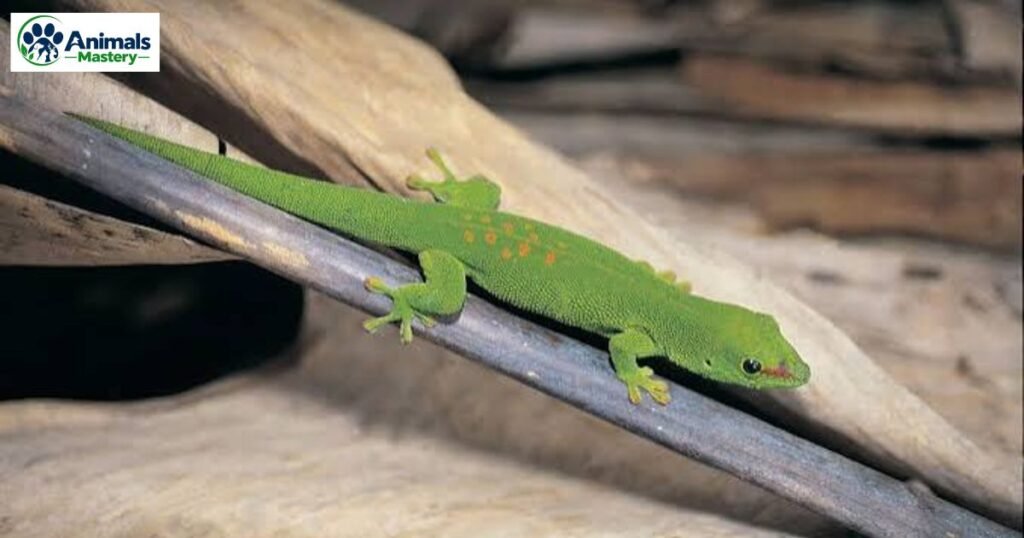
Their fascinating adhesive properties come from microscopic hairs on their feet, allowing them to grip surfaces without the need for extra energy, making them masters of their domain.
Tail autotomy: One of their most intriguing adaptations is tail autotomy, a stunning survival mechanism. When threatened, these lizards can detach their tails, allowing them to escape potential predators.
This amazing feat doesn’t come without its costs, though; while the gecko can grow a new tail over time, the regrown appendage often lacks the intricate structures of the original.
Perch
- Scientific Name: Perca
- Class: Actinopterygii
- Diet: Carnivore
Efficient fish predation: Perch exemplifies efficient fish predation, showcasing not only speed but also strategic hunting techniques. These sleek, agile fish have evolved to thrive in a variety of aquatic environments, from tranquil lakes to flowing rivers.
Their keen eyesight and sharp spines make them adept at ambushing smaller fish, demonstrating nature’s balance of predator and prey.
Protective schooling: Perch, among the diverse group of five-letter animals, embodies the beauty of adaptive behavior in aquatic ecosystems. Known for their vibrant colors and agility, these fish often engage in protective schooling, a survival strategy that not only shields them from predators but also enhances their chances of finding food.
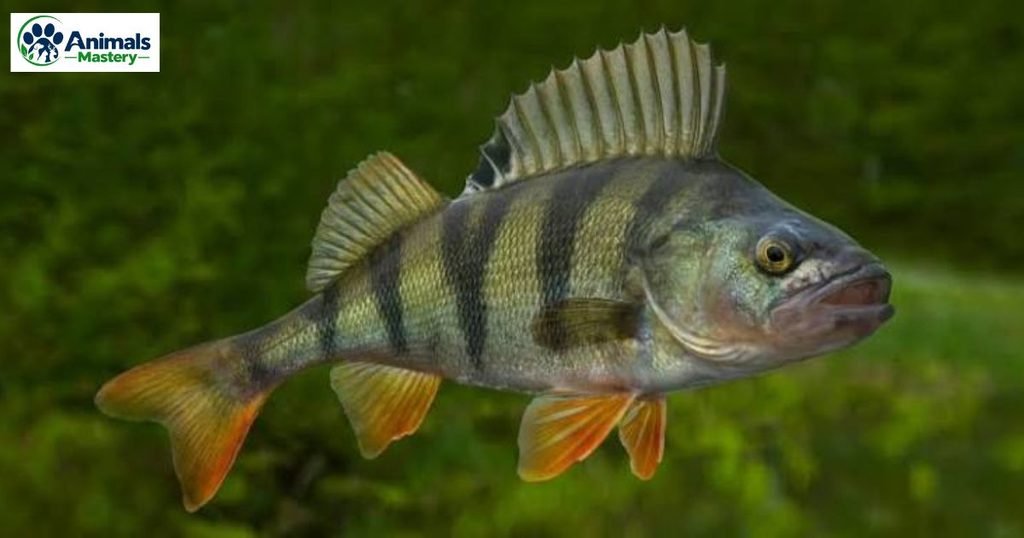
Observing a school of perch gliding through the water is a mesmerizing sight, as they display a coordinated dance, communicating through subtle movements that signify danger or comfort.
Seasonal spawning: These striking creatures are known for their seasonal spawning habits, often occurring during late spring when water temperatures begin to rise. Males, adorned in brilliant hues, perform a captivating dance to attract females, creating an underwater spectacle that is as mesmerizing as it is crucial for their life cycle.
This seasonal event not only ensures the continuation of their species but also highlights the interconnectedness of aquatic ecosystems.
Platy
- Scientific Name: Xiphophorus Maculatus
- Class: Actinopterygii
- Diet: Omnivore
Live-bearing reproduction: the fascinating creatures in the animal kingdom, the Platy, or Platies, stand out due to their vibrant colors and diverse patterns. These small, freshwater fish are renowned for their live-bearing reproduction, making them a favorite among aquarium enthusiasts.
Unlike many species that lay eggs, Platies give birth to fully formed fry, allowing for immediate engagement in a nurturing environment.
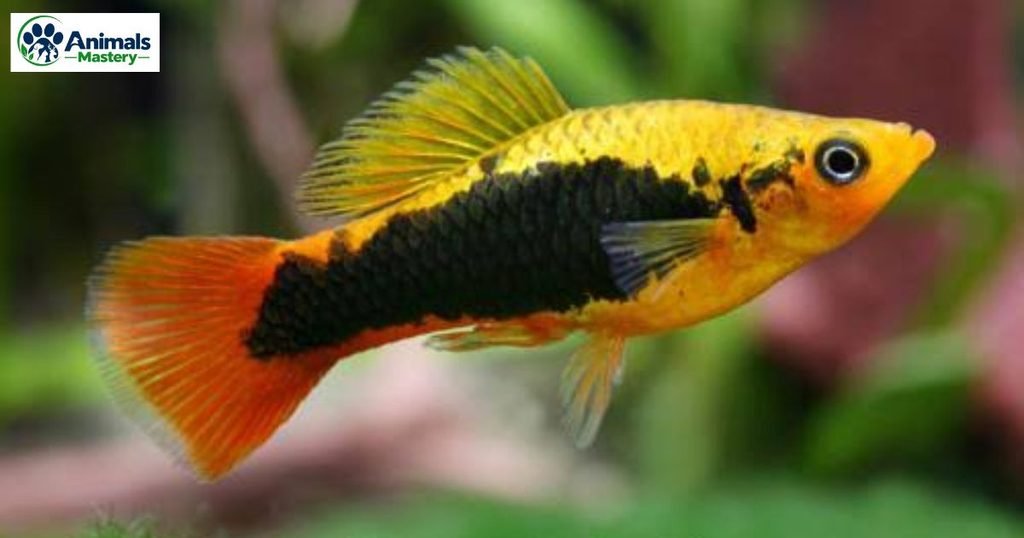
High adaptability: Platies are remarkable fish known for their high adaptability, thriving in various freshwater environments. Their vibrant colors and peaceful nature make them popular in home aquariums. Platies can coexist with a range of species, and their hardy constitution enables them to flourish even in less-than-ideal conditions.
Peaceful community behavior: the fascinating five-letter animals, the platy short for the platypus stands out for its unique blend of characteristics. This semi-aquatic mammal, known for its duck-bill, lays eggs like reptiles while nursing its young like a mammal.
In the wild, platys exhibit peaceful community behavior, often found foraging in small groups along rivers and streams. Their tranquil demeanor makes them an intriguing subject for observation, whether in the natural habitat or in aquariums.
Louse
- Scientific Name: Phthiraptera
- Class: Insecta
- Diet: Carnivore
Host-specific specialization: Lice, often viewed merely as pests, showcases fascinating host-specific specialization. These tiny parasites have evolved to thrive in unique niches on their hosts, exhibiting remarkable adaptations tailored to their particular living environments.
For instance, head lice have developed intricate claws that allow them to grip tightly to human hair, ensuring that they can effectively feed on blood while enjoying a secure perch. This specialization highlights the complex relationships between species and their hosts, showcasing an evolutionary dance that transcends mere survival.
Clinging claws: The fascinating world of five-letter animals showcases a remarkable diversity, revealing adaptations that often go unnoticed. Take the louse, for instance; these tiny creatures, with their clinging claws, are expertly adapted for a life spent nestled in the fur or feathers of their hosts.
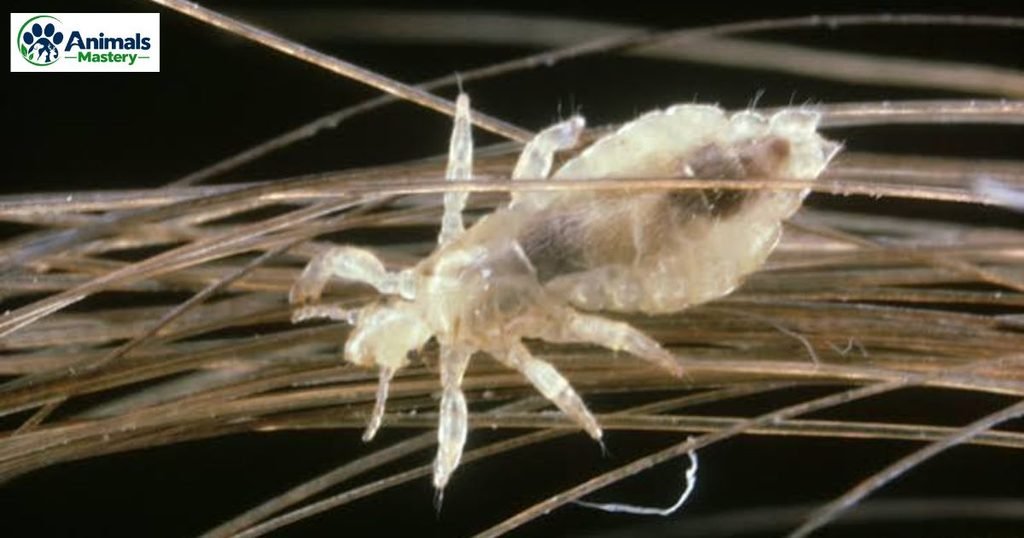
Despite their minuscule size, lice play a crucial role in the ecosystem, acting as indicators of their host’s health and environmental conditions.
Rapid reproduction: Louses might not top everyone’s list of favorite creatures, but they certainly hold a unique place in the animal kingdom. These tiny, wingless insects are notorious for their rapid reproduction, with a single female louse capable of laying dozens of eggs, or nits, each day.
This exceptional breeding ability allows them to thrive in a variety of environments, often colonizing human hosts with astonishing speed.
Coati
- Scientific Name: Nasua Nasua
- Class: Mammalia
- Diet: Omnivore
Matriarchal groups: the coati stands out for its distinctive appearance for its fascinating social structure. Living in matriarchal groups, coatis showcase a dynamic where females lead and nurture their young, often involving both mothers and older siblings.
This social hierarchy allows for a sense of community and collaboration that enhances their survival in the wild, particularly in their native habitats across Central and South America.
Exceptional smell: Coatis, fascinating members of the raccoon family, are known for their long snouts and exceptional sense of smell. This keen olfactory ability allows them to not only forage for food but also to communicate with one another through scent markings. Often found in tropical regions, these social creatures thrive in groups, showcasing their playful nature as they navigate their lush habitats.
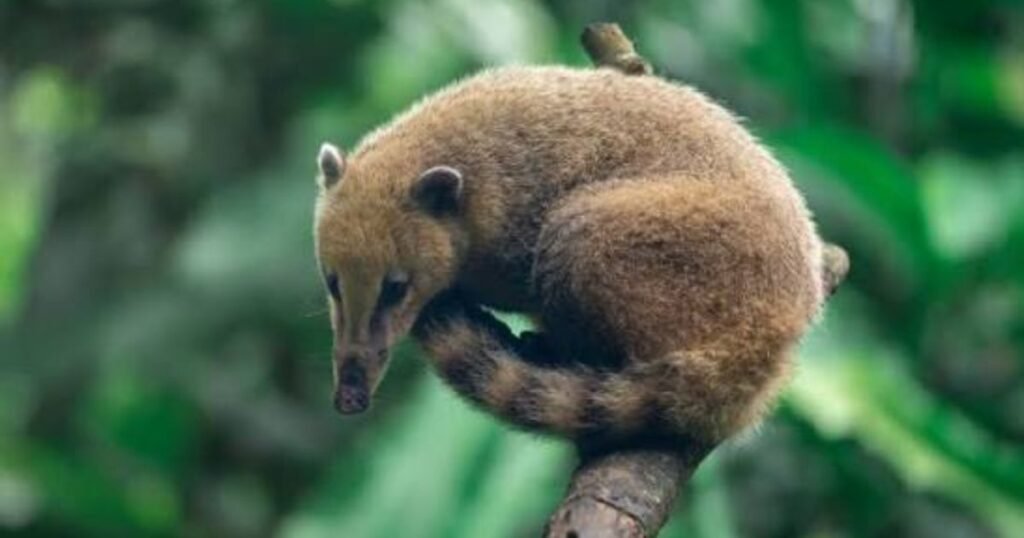
While their striking appearance grabs attention, it’s their intelligence that truly distinguishes them, as they utilize tools to access food, demonstrating a level of problem-solving that is rare among mammals.
Strong climbing ability: Coatis, often overlooked in discussions about intriguing wildlife, are fascinating creatures with a strong climbing ability. These agile mammals, native to Central and South America, have adapted well to various environments, often seen foraging with their long snouts for insects and fruits.
Their social nature makes them a joy to observe, as they often move in groups, displaying remarkable coordination as they navigate both ground and trees.
Learn More About Similar Animal Species
- Wolves, jackals, coyotes, and other Animals Like Foxes share several recognizable characteristics. Pointed ears, narrow faces, and alert expressions often give these animals a similar appearance. Their lifestyles and social behaviors can be very different.
- Wetlands and open landscapes are home to many striking Birds With Long Legs. Species such as storks, cranes, and flamingos use their long limbs to move with ease. Their body structure helps them adapt successfully to their preferred environments.
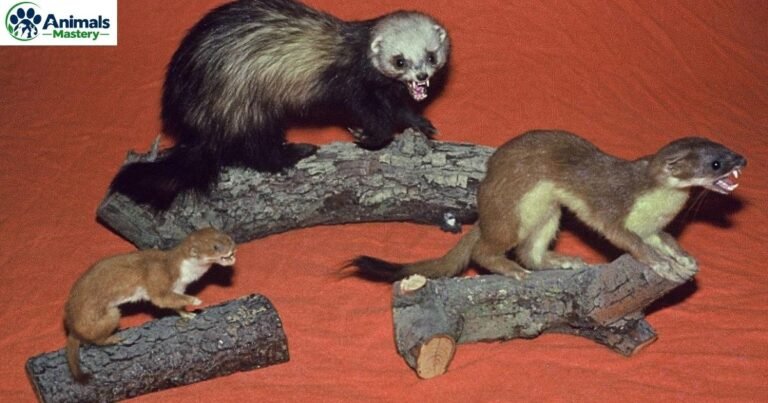
- Ferrets, minks, martens, and stoats are among the fascinating Animals Like Weasels found in different parts of the world. Their slim bodies and quick movements make them well suited for hunting and exploring. Despite their similarities, each species has its own distinct habits and habitat.
Final Thoughts
The exploration of the top 31 animals with five letters has showcased the fascinating diversity of the animal kingdom. Each of these creatures, from the quick fox to the playful otter, captures a unique aspect of nature that can intrigue us all.
Learning about these animals not only enhances our vocabulary but also deepens our appreciation for wildlife. Whether you’re a curious student, a trivia enthusiast, or simply a lover of animals, there’s something for everyone in this list.
FAQs
Which of these 5-Letter Animals Live in Water?
Several animals on your list live entirely in water or wet places. The Guppy, Tetra, Porgy, and Perch are fish that swim in rivers or the sea. The Leech, Platy, and Krill also live in water, while the Siren is an aquatic salamander with tiny front legs.
Which of these Animals are Dangerous or Cause Harm?
A few animals here can hurt people or crops. The Louse and Aphid are tiny bugs that damage plants or feed on blood. The Skunk sprays a stinky fluid when scared, and the Coral Snake is a very venomous reptile with bright warning colors.
Which of these Animals are Mammals?
Your list contains several warm-blooded mammals that have fur and feed milk to their young. The Koala, Panda, Lemur, Skunk, Otter, Coati, Mouse, and Zebra are all mammals. They range from tiny mice to large black-and-white pandas.
Which of these Animals can Fly or Glide?
Birds and flying bugs are part of your 5-letter list. The Quail, Robin, and Finch are small birds with wings and feathers. Midge and Roach are flying insects, though many roaches mostly crawl on the ground.
Which of these Animals Live in Trees?
Tree-dwelling animals spend most of their lives high above the ground. The Koala climbs eucalyptus trees in Australia, and the Lemur leaps through the trees of Madagascar. The Finch also builds its nests high up in the branches for safety.