Top 34 Amazing Animals That Start With A (Facts & Pictures)
You think the animal kingdom starts and ends with your backyard pets, think again! There’s a plethora of remarkable animals that start with A, each contributing to the planet’s rich tapestry of life.
In this article, we’ll unveil 34 astonishing species of remarkable animals that start with A, shedding light on their unique adaptations and behaviors. You’ll not only learn something new but also gain insight into the importance of preserving these amazing animals and their habitats.
List of Animals That Start With A
Below is the list of animals that start with A:
- Arctic Fox
- Antelope
- Alpaca
- American Alligator
- Ape
- Angelfish
- Armadillo
- Anteater
- African Elephant
- Aardvark
- Albatross
- American Robin
- Asian Elephant
- Anaconda
- Axolotl
- African Penguin
- Atlantic Salmon
- American Toad
- Ant
- Anglerfish
- African Grey Parrot
- Arctic Hare
- Arctic Wolf
- Adélie Penguin
- Asiatic Black Bear
- American Bulldog
- Akita
- African Wild Dog
- Atlantic Cod
- American Cocker Spaniel
- Aye-aye
- Aoudad Sheep
- Arapaima
- Avocet
Arctic Fox
- Scientific Name: Vulpes lagopus
- Family: Canidae
- Class: Mammalia
- Diet: Omnivore, eats lemmings, birds, eggs, and carrion
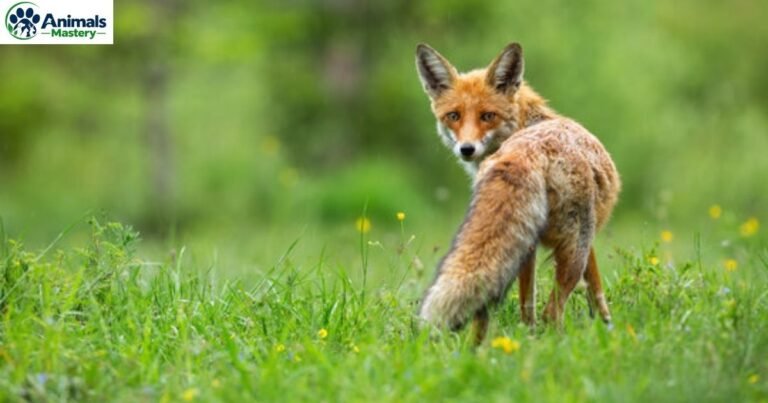
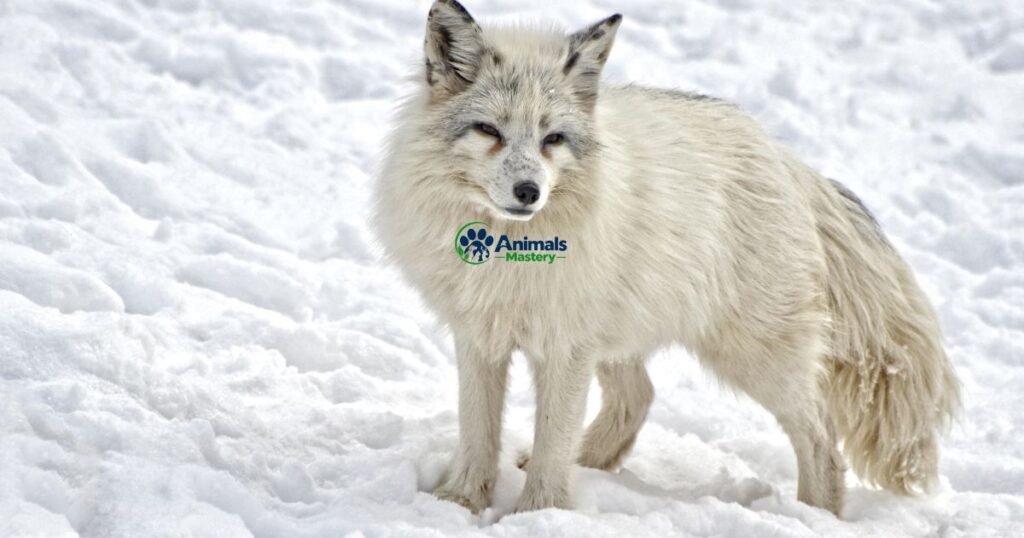
The Arctic fox is a remarkable example of nature’s ingenuity, expertly adapted to one of the planet’s harshest environments. Sporting a thick fur coat that shifts in color with the seasons, this small mammal blends seamlessly into its snowy surroundings during winter months and takes on a brown hue in the summer.
This natural camouflage not only helps it avoid predators but also aids in its hunting strategy, allowing the Arctic fox to stalk unsuspecting prey like lemmings and birds.
With the effects of climate change increasingly threatening their habitat, these resilient creatures are facing challenges that could jeopardize their survival. As the Arctic warms and their icy landscapes diminish, the competition for resources intensifies, pushing the Arctic fox to the edge.
Understanding the intricacies of Arctic adaptation, from their insulating fur to their resourcefulness in finding food, can inspire conservation efforts aimed at safeguarding these enchanting foxes and their precarious environment.
The fate of the Arctic fox serves as a poignant reminder of the interconnectedness of climate and wildlife, urging us to take action before these marvels become mere memories.
Antelope (Impala)
- Scientific Name: Aepyceros melampus
- Family: Bovidae
- Class: Mammalia
- Diet: Herbivore, feeds on grasses and shrubs
The impala, a striking member of the antelope family, epitomizes agility and grace on the African savanna. Renowned for their remarkable speed and impressive leaping ability, these animals can clear distances of up to ten feet in a single bound, an essential trait that aids in predator evasion.
This ability is especially crucial in grassland ecosystems where threats like lions and cheetahs lurk, ready to capitalize on the slightest misstep of their prey.
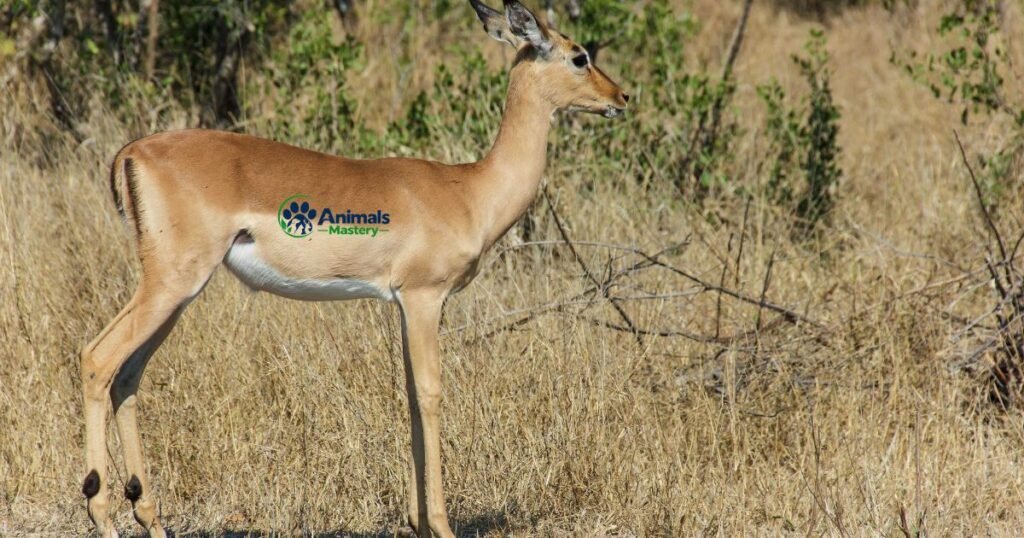
Beyond their physical prowess, impalas exhibit fascinating herd behavior. They are social animals that form large groups, sometimes consisting of hundreds of individuals. This not only enhances their chances of survival through collective vigilance but also allows for intricate social dynamics and interactions within the herd.
The presence of different age groups, including young and older impalas, creates a vibrant community where the young learn vital survival skills through observation and experience, ensuring the species thrives amidst the challenges of their environment.
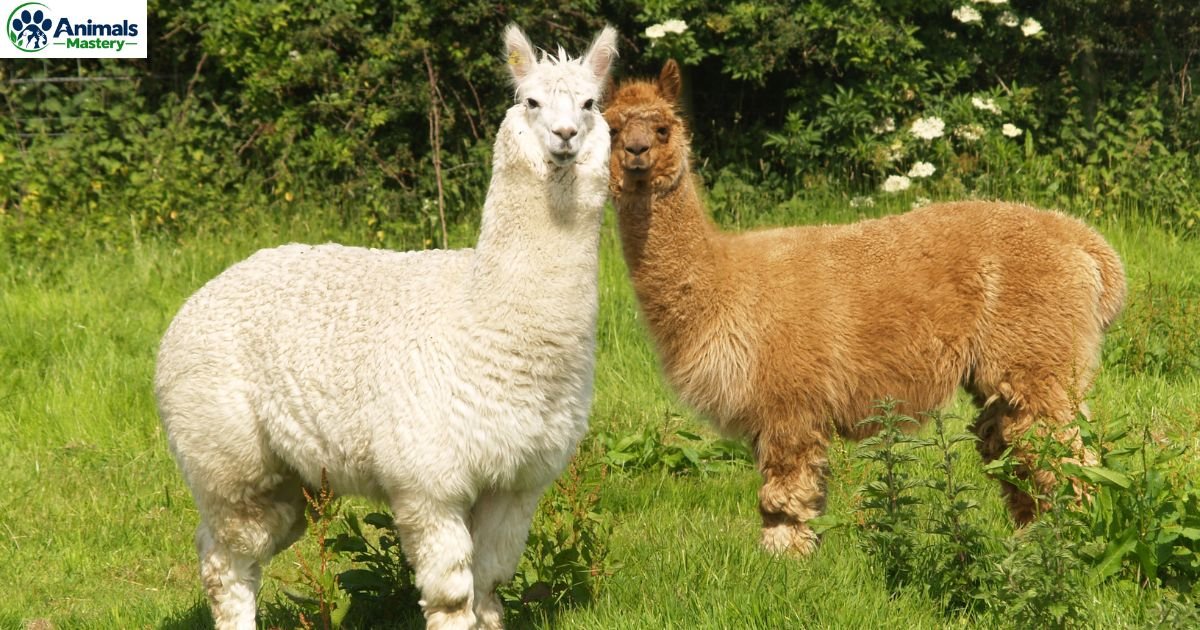
Alpaca
- Scientific Name: Vicugna pacos
- Family: Camelidae
- Class: Mammalia
- Diet: Herbivore, feeds on grasses and hay
Alpacas are truly fascinating creatures, renowned for their luxurious fiber that has captivated the textile industry. Unlike sheep wool, alpaca fiber is both softer and warmer, making it an ideal sustainable material for everything from scarves to blankets.
This gentle nature extends beyond their wool; alpacas are known for their calm demeanor and social behavior, often forming strong bonds with each other as well as with humans.
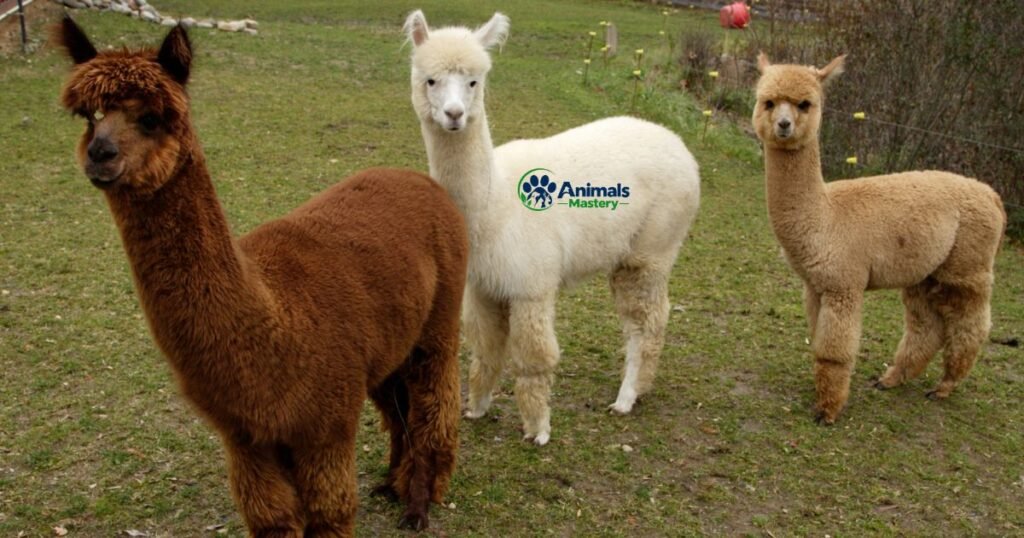
Communication among alpacas is subtle yet compelling, relying on a series of hums, clicks, and body language to convey emotions and establish social hierarchies. Their ability to interact harmoniously within a herd speaks volumes about their intelligence and social structure.
As sustainable livestock, alpacas require less land and water compared to conventional farm animals, making them a greener choice for agricultural practices.
American Alligator
- Scientific Name: Alligator mississippiensis
- Family: Alligatoridae
- Class: Reptilia
- Diet: Carnivore, eats fish, birds, and mammals
The American alligator is a fascinating creature that plays a pivotal role in its ecosystem, particularly through the creation of alligator holes. These aquatic marvels serve as essential habitats for various other species, especially during dry spells when water sources are scarce.
The complex nature of their vocal behavior reveals a high level of social interaction and sophistication in these reptiles, making their breeding season a fascinating time for observers and researchers alike.
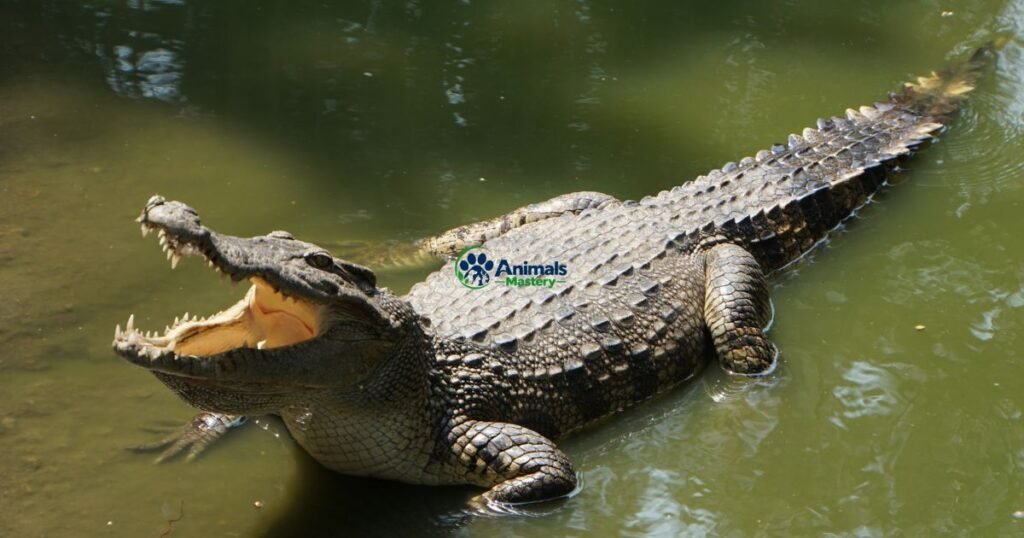
By maintaining wetland areas, alligators help ensure the health of diverse flora and fauna, effectively acting as engineers of their environment.
During the courtship season, male alligators engage in elaborate displays to attract females, including low-frequency vocalizations that can resonate through water for miles. These sounds are not merely calls; they serve as a sonic advertisement of fitness and dominance.
The intricate dynamics of alligator communication contribute to the stability of their populations and the broader ecological community they support.
Ape (Chimpanzee, commonly referenced species)
- Scientific Name: Pan troglodytes
- Family: Hominidae
- Class: Mammalia
- Diet: Omnivore, eats fruit, leaves, insects, and occasionally meat
Ape behavior showcases some of the most fascinating aspects of animal life, particularly with regard to cognitive abilities. Unlike many other species, apes have demonstrated remarkable problem-solving skills.
Studies reveal that they can craft tools from their environment, using sticks to extract ants or modify leaves for drinking. This ingenuity not only highlights their tool use but also points to a level of self-awareness seldom seen in the animal kingdom.
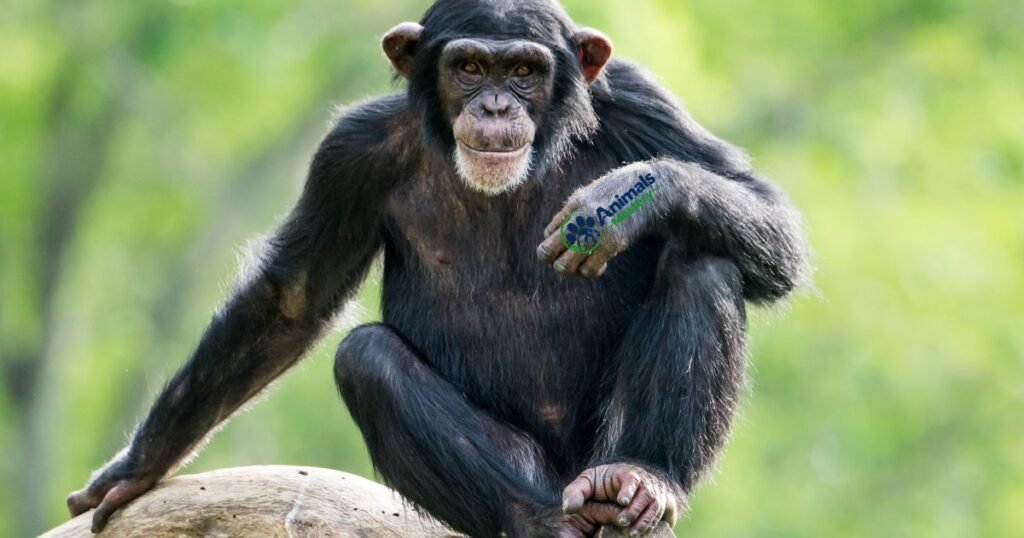
The social intelligence of apes is impressive. They engage in intricate social networks, forming strong bonds and even exhibiting empathy towards one another. When a fellow ape is in distress, others may exhibit comforting behaviors, signaling deep emotional connections.
This demonstrates that their societal interactions are not merely instinctual but involve sophisticated understanding and emotional depth, which adds layers to our appreciation of their complexity in both solitary and social settings.
Angelfish (Freshwater Angelfish)
- Scientific Name: Pterophyllum scalare
- Family: Cichlidae
- Class: Actinopterygii
- Diet: Omnivore, eats small invertebrates, algae, and plant matter
Freshwater angelfish are renowned not only for their striking appearance but also for their complex social behaviors that create an intriguing dynamic in any angelfish aquarium. These cichlids exhibit a clear social hierarchy, which is often established through subtle displays of dominance and aggression.
During the courtship displays leading up to breeding, angelfish reveal yet another layer of their fascinating behavior. Colorful dances, fin flaring, and even gentle nudges can be witnessed as potential mates assess each other.
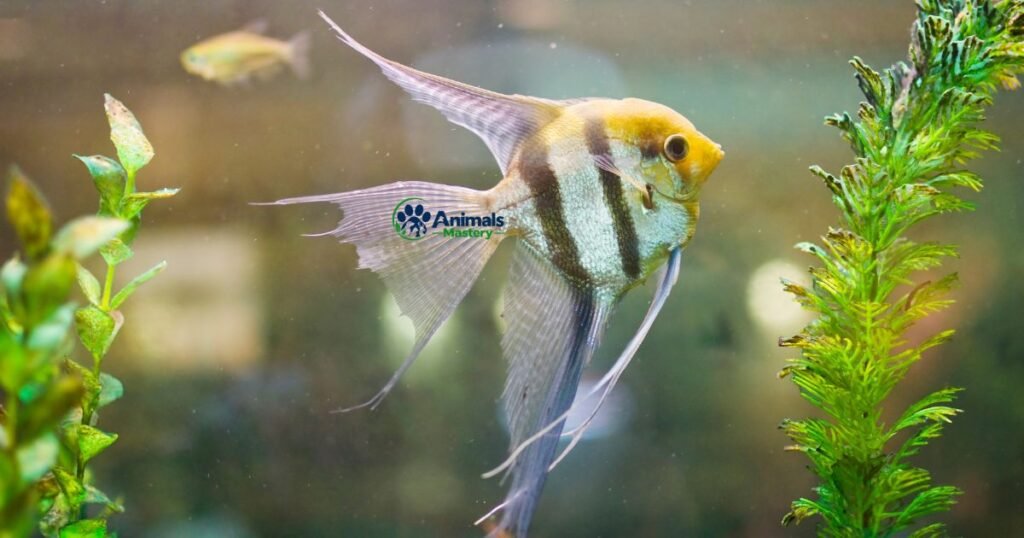
Observing them can be a captivating experience; you’ll notice larger fish asserting their status, while smaller individuals frequently adopt a more submissive role. This social structure becomes particularly apparent when multiple angelfish are housed together, adding an element of drama and interaction that can keep enthusiasts enthralled.
Their territorial nature comes into play during this phase, often resulting in the establishment of nests in specific corners of their habitat. Maintaining a harmonious environment requires careful attention, as conflict can arise if territories overlap.
Armadillo (Nine-banded Armadillo)
- Scientific Name: Dasypus novemcinctus
- Family: Dasypodidae
- Class: Mammalia
- Diet: Omnivore, eats insects, grubs, and some plant matter
The nine-banded armadillo, with its unique protective armor, is a fascinating creature that often goes overlooked. This remarkable animal has evolved a tough, segmented shell made of bone and keratin, providing crucial protection against predators.
It’s not just a defensive mechanism; this armor allows the armadillo to lead a life of burrowing, foraging, and exploration without the constant threat from larger threats.
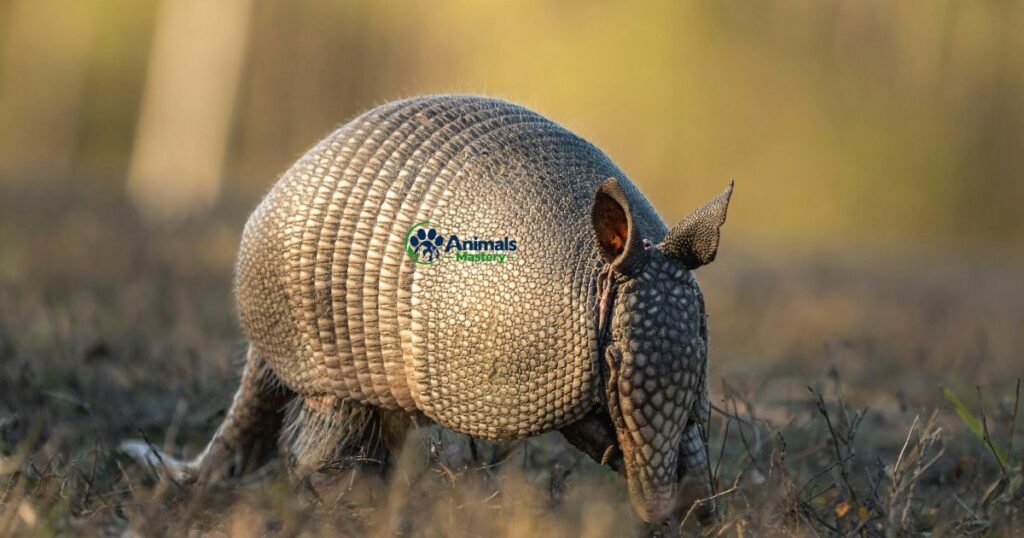
One of the most intriguing aspects of the nine-banded armadillo is its ability to give birth to identical quadruplets, a rarity in the animal kingdom. These tiny replicas emerge from a single fertilized egg, showcasing nature’s incredible versatility in reproduction. This unique reproductive strategy contributes to the species’ success, as a single female can contribute four offspring to the population at once.
The armadillo’s burrowing behavior not only aids in hunting for insects and grubs but also creates vital underground habitats that benefit various other species, making the armadillo an essential part of its ecosystem.
Anteater (Giant Anteater)
- Scientific Name: Myrmecophaga tridactyla
- Family: Myrmecophagidae
- Class: Mammalia
- Diet: Carnivore, eats ants and termites
The giant anteater, with its distinctive elongated snout, is a solitary marvel of the animal kingdom. This fascinating creature has evolved perfectly to thrive on a diet primarily of ants and termites, using its remarkably long tongue, which can extend up to 16 inches, to extract these insects from their nests.
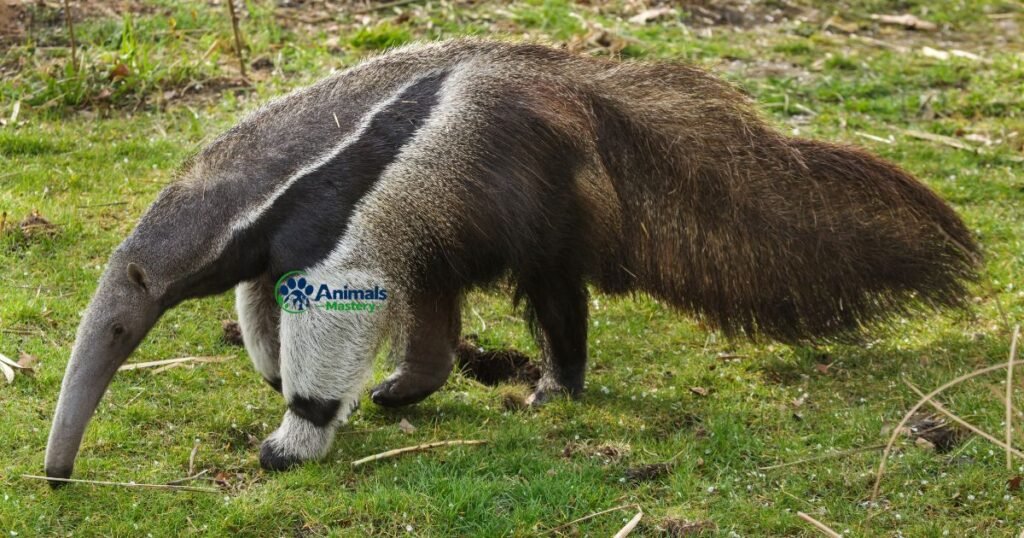
Unlike many other mammals, the anteater’s specialized adaptations allow it to consume up to 30,000 insects in a single day, showcasing nature’s ingenuity in ecological balance.
Beyond their peculiar feeding habits, giant anteaters play a crucial role in insect population control. By keeping ant and termite numbers in check, they contribute significantly to maintaining the health of their ecosystems, fostering biodiversity. Their foraging habits aerate the soil, creating healthier habitats for various other species.
African Elephant (African Bush Elephant)
- Scientific Name: Loxodonta africana
- Family: Elephantidae
- Class: Mammalia
- Diet: Herbivore, feeds on grasses, leaves, bark, and fruit
The African Elephant, particularly the African Bush Elephant, boasts a remarkable social structure that is vital for its survival. Matriarchs lead herds, usually consisting of multiple related females and their young, reinforcing bonds through nurturing behaviors.
This close-knit community not only aids in the upbringing of calves but also enhances their problem-solving abilities. Their social interactions include low-frequency rumbles, which serve as a sophisticated form of communication over long distances, showcasing their intelligence and emotional depth.
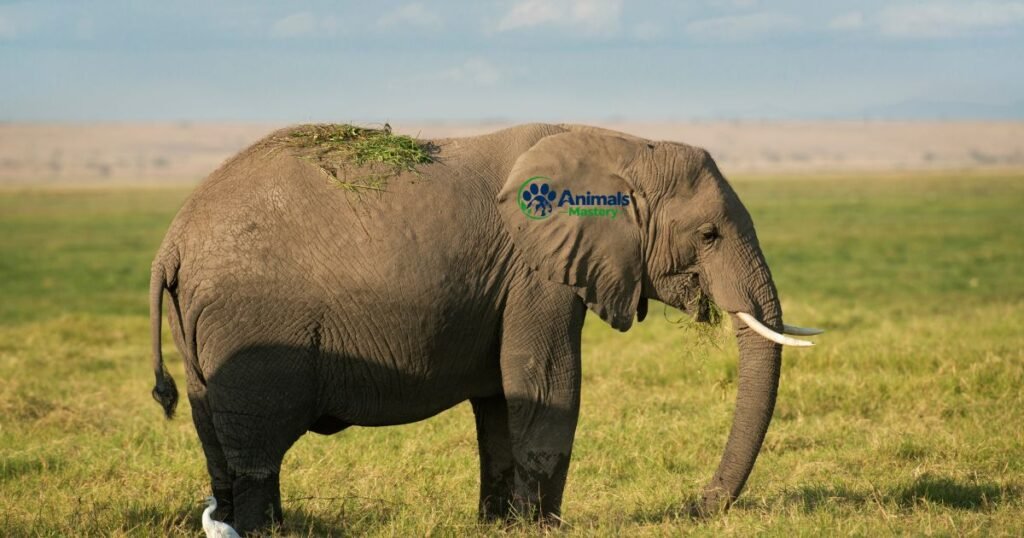
These magnificent creatures face pressing threats due to habitat loss and poaching. Conservation efforts are crucial, as they strive to maintain not only the population but also the complex social dynamics that critically define these elephants. Engaging local communities in conservation initiatives can create a sustainable balance between human activity and wildlife preservation.
Understanding the African Elephant’s unique social structure and their impressive cognitive skills underscores their importance in the ecosystem, emphasizing that protecting them means safeguarding a rich tapestry of life that depends on their existence.
Aardvark
- Scientific Name: Orycteropus afer
- Family: Orycteropodidae
- Class: Mammalia
- Diet: Carnivore, eats ants and termites
The aardvark, a unique creature native to Africa, plays a fascinating role in its ecosystem. This nocturnal forager is primarily known for its diet, consisting mainly of termites and ants. Using its elongated snout and powerful claws, the aardvark burrows into the ground, unearthing these insect colonies with impressive efficiency.
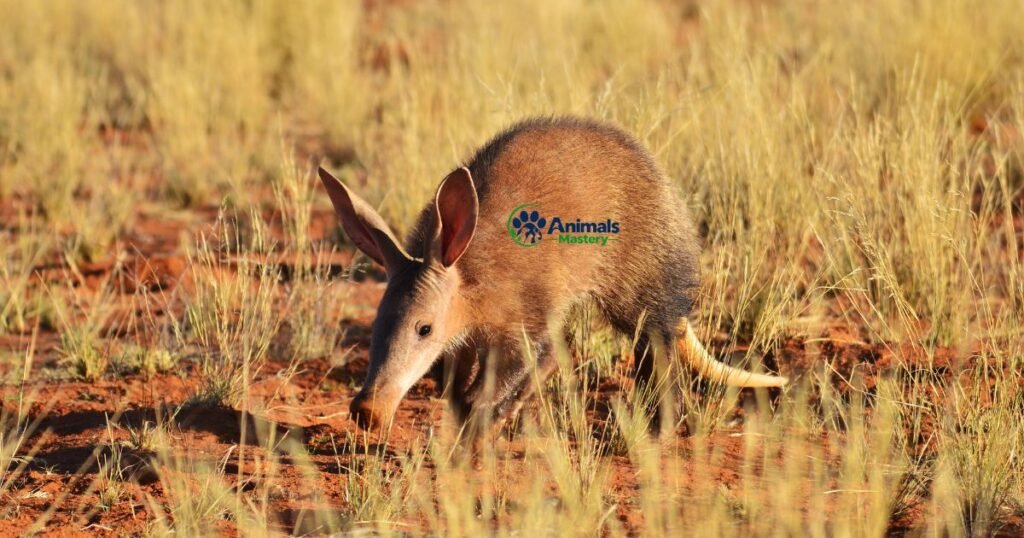
This not only provides a meal for the aardvark but also contributes to the ecological balance by controlling insect populations.
The aardvark’s digging habit creates underground passages that benefit other species in the ecosystem. These burrows can serve as shelters for small mammals and even reptiles, highlighting the aardvark’s indirect contribution to biodiversity.
As they forage and dig, they aerate the soil, enhancing nutrient cycling and promoting plant growth. This often-overlooked creature demonstrates how interconnected life is in the wild, combining simple survival with a broader ecological purpose.
Albatross (Wandering Albatross)
- Scientific Name: Diomedea exulans
- Family: Diomedeidae
- Class: Aves
- Diet: Carnivore, eats squid, fish, and crustaceans
The Wandering Albatross, renowned for its incredible wingspan that can exceed 12 feet, embodies the essence of grace and mastery in flight. These magnificent seabirds are not just magnificent gliders; they are also adept at conserving energy, allowing them to travel thousands of miles across the ocean with seemingly effortless elegance.
Their specialized wings are perfectly adapted for dynamic gliding, enabling them to soar for hours without flapping, riding the currents of the wind.
Witnessing their courtship rituals offers a captivating glimpse into a love story that endures, echoing across the vast, open seas.
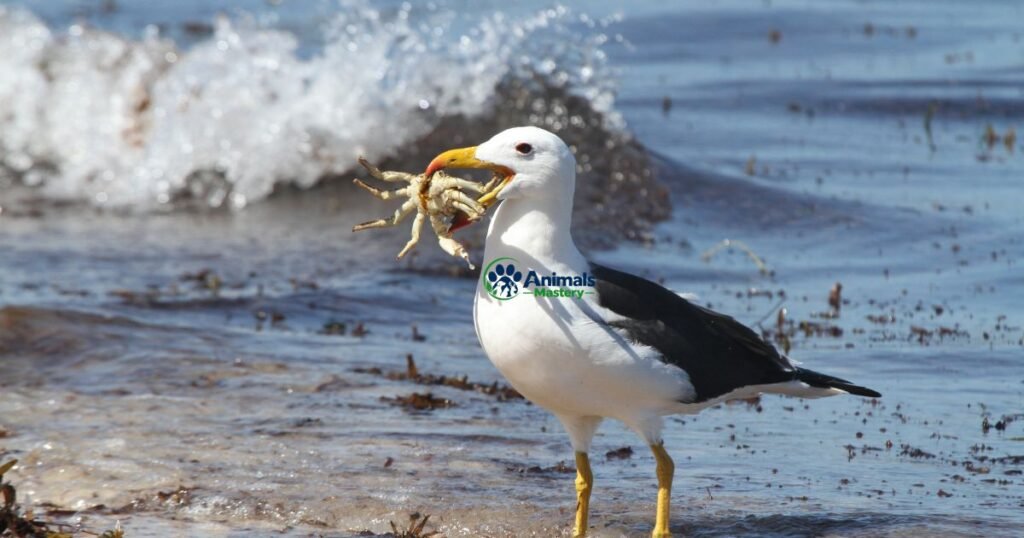
Albatrosses are notable for their complex social structures and deep monogamous bonds. Once they find a mate, typically during elaborate courtship displays that involve synchronized soaring and clacking beaks, they remain together for life.
These partnerships are essential for rearing their young, as both parents share in the responsibilities, providing a nurturing environment that reflects their commitment to family and survival in the often harsh marine landscape.
American Robin
- Scientific Name: Turdus migratorius
- Family: Turdidae
- Class: Aves
- Diet: Omnivore, eats earthworms, insects, and fruit
The American Robin is a quintessential songbird of North America, distinguished by its vibrant orange belly and cheerful melodic calls. Renowned for their seasonal migration, these birds travel thousands of miles to find suitable nesting grounds in spring, showcasing their incredible navigational abilities.
The lush melodies of the American Robin serve as a soundtrack to these seasonal changes, igniting a sense of nostalgia and connection with the rhythms of the earth.
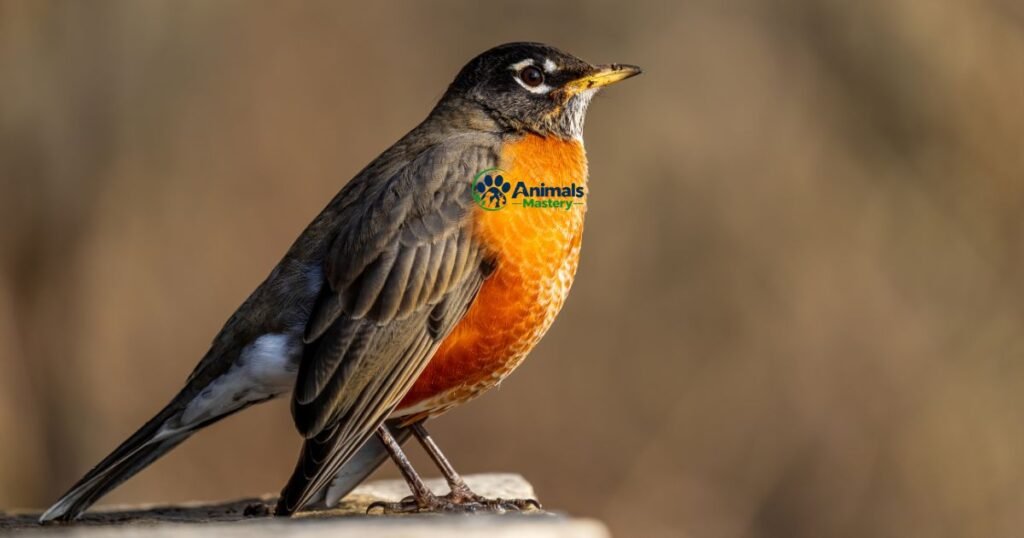
Their adaptability extends beyond migration patterns; American Robins are known for their diverse diet, which includes fruits, berries, and insects. This versatility not only fuels their energetic lifestyle but also plays a crucial role in seed dispersal, aiding the growth of native plants and contributing to ecological balance.
Observing the American Robin in different seasons reveals fascinating behavioral shifts. During the warmer months, these songbirds are often seen hopping across lawns, searching for earthworms after a rain shower. As autumn approaches, they gather in large flocks, signaling their imminent migration and reminding us of the cycles of nature.
Asian Elephant
- Scientific Name: Elephas maximus
- Family: Elephantidae
- Class: Mammalia
- Diet: Herbivore, feeds on grasses, bark, and fruit
Asian elephants exemplify a fascinating blend of social complexity and intelligence, showcasing strong social bonds that span family groups and even allied herds. These majestic creatures exhibit a remarkable sense of empathy, often nurturing and protecting their young and elderly.
The depth of their social connections reveals a sophisticated emotional landscape, as they engage in comforting behaviors during times of distress.
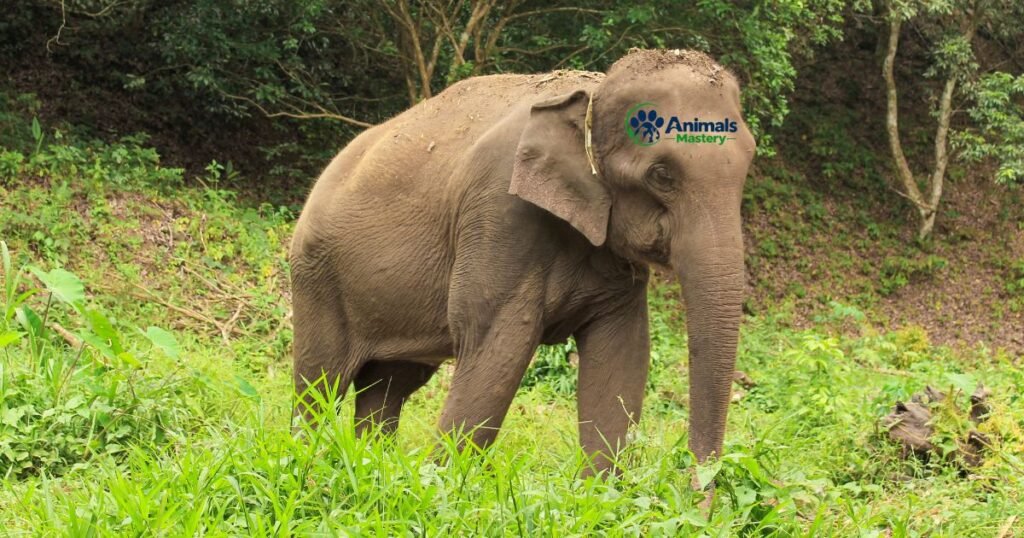
Communication among Asian elephants is equally captivating, primarily through infrasound, a low-frequency vocalization that travels long distances. This unique form of communication allows them to maintain contact with distant relatives, demonstrating their awareness of, and connection to, a larger ecosystem.
Their impressive tool use, whether manipulating branches to swat flies or digging for water, highlights their cognitive abilities. Such behaviors challenge preconceived notions of animal intelligence and deepen our appreciation for the intricate lives of these remarkable beings.
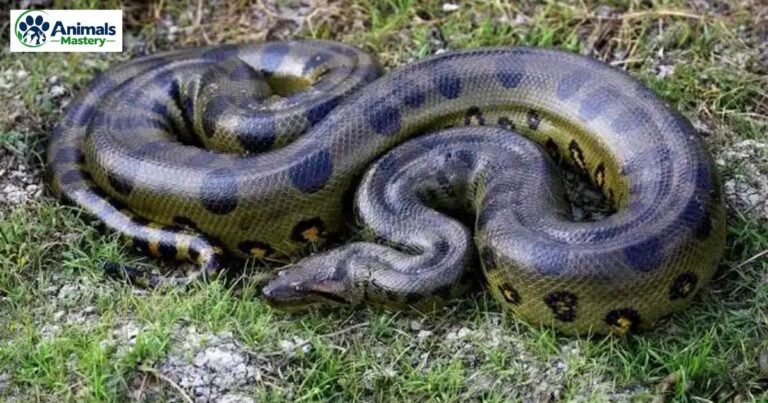
Anaconda (Green Anaconda)
- Scientific Name: Eunectes murinus
- Family: Boidae
- Class: Reptilia
- Diet: Carnivore, eats fish, birds, and mammals
The green anaconda, a true titan of the snake world, exhibits fascinating semi-aquatic hunting techniques that set it apart from other reptiles. Its sheer length rivals the proportions seen in our roundup of animals with long tails, even though most of its body isn’t technically tail.
These serpents thrive in the murky waters of the Amazon Basin, where their incredible underwater adaptation allows them to stealthily ambush prey.
During the mating season, males engage in fierce competition, often forming what’s known as “breeding balls,” where multiple males attempt to mate with a single female.
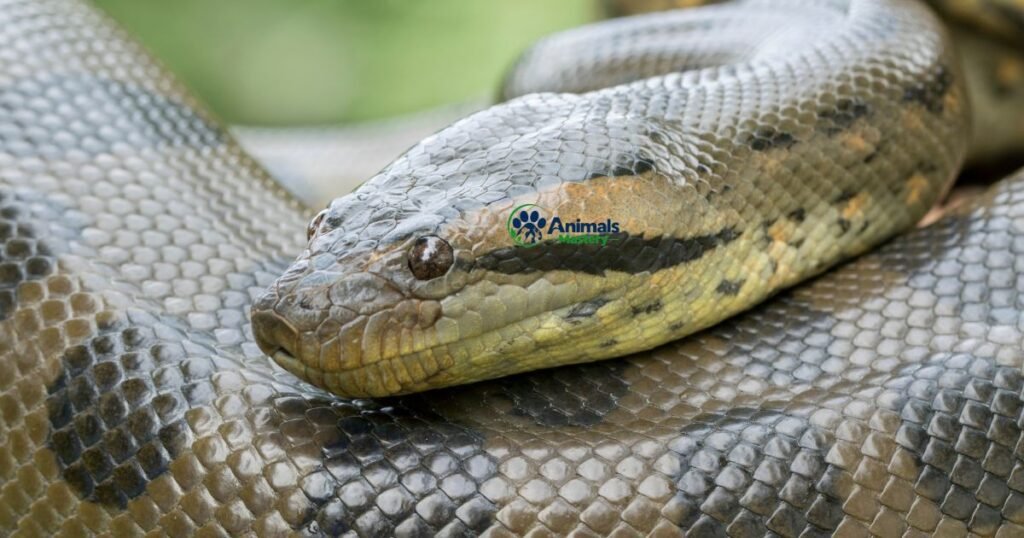
With remarkable sensory adaptations, the anaconda can detect movements of unwary animals near the water’s surface, striking with lightning speed to seize its meal.
What makes the anaconda particularly intriguing is its pronounced sexual dimorphism. Females can grow significantly larger than males, a rare trait among reptiles. This disparity is not just a matter of size; it plays a crucial role in their breeding behavior.
Understanding these dynamics highlights not only the anaconda’s place in the ecosystem but also the complexities of its reproductive strategy, emphasizing the delicate balance of nature in the flooding lowlands of South America.
Axolotl
- Scientific Name: Ambystoma mexicanum
- Family: Ambystomatidae
- Class: Amphibia
- Diet: Carnivore, eats small fish, worms, and insects
The axolotl, a fascinating amphibian native to Mexico, is renowned for its remarkable ability to regenerate lost body parts. Unlike most creatures that undergo metamorphosis, the axolotl displays neoteny, meaning it retains larval features throughout its life.
This phenomenon allows them to maintain their external gills, those feathery appendages that give them a whimsical appearance while efficiently absorbing oxygen from their aquatic environment.
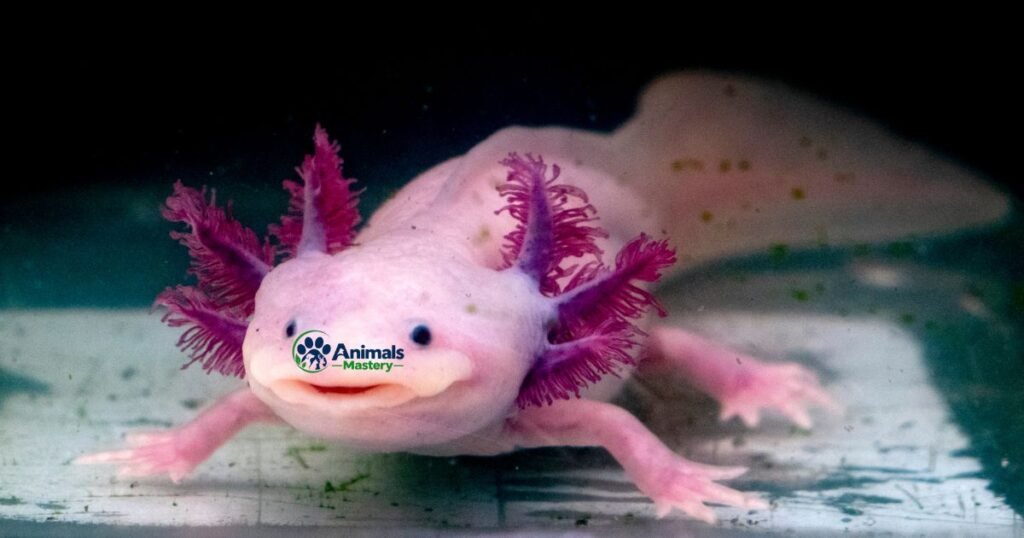
Scientific research into the axolotl has opened exciting avenues for understanding regeneration and tissue engineering. Unlike human tissues, the axolotl’s cells can rebuild limbs, heart, and even parts of the brain with remarkable precision.
This exceptional capability not only captivates biologists but also sparks interest in therapeutic applications for injuries and degenerative diseases in humans. With their unique biology, axolotls stand as living symbols of nature’s ingenuity and the potential for regeneration.
African Penguin
- Scientific Name: Spheniscus demersus
- Family: Spheniscidae
- Class: Aves
- Diet: Carnivore, eats fish and squid
The African Penguin, a unique species endemic to the southwestern coasts of Africa, exhibits remarkable warm-climate adaptation traits. Unlike their icy relatives, these charming birds thrive in warmer environments, relying on their unique feathers for insulation while swimming in temperate waters.
Conservation efforts are vital not only to ensure the survival of this charismatic species but also to safeguard the intricate web of life in their habitats. Engaging in initiatives such as habitat restoration and responsible fishing practices can make a significant difference in securing a future for these delightful birds.
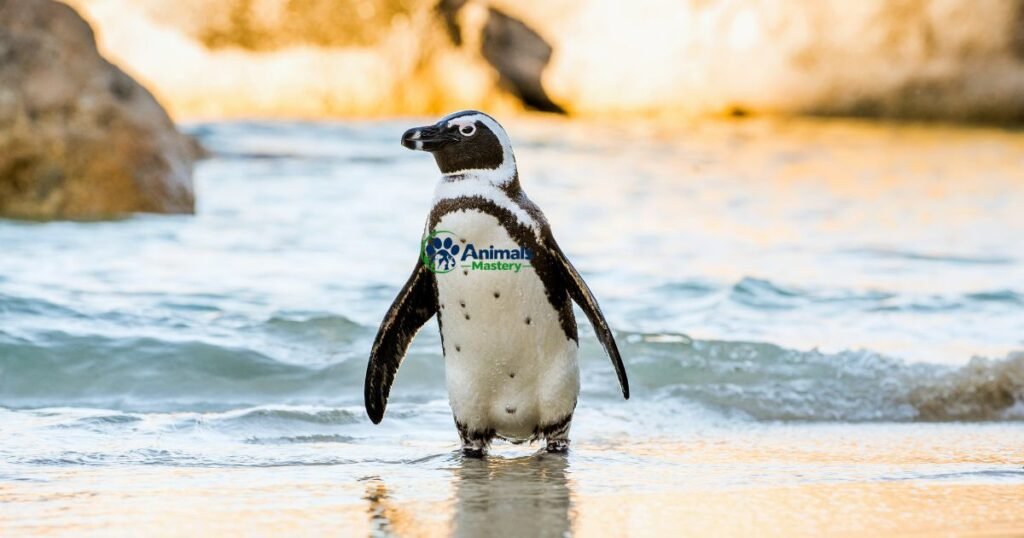
Their distinct braying call adds a quirky touch to their personalities and serves as a vital form of communication within their social colonies, helping to maintain strong bonds among members and coordinate activities, especially during the breeding season.
The African Penguin faces daunting conservation threats, primarily from habitat loss, oil spills, and dwindling fish stocks due to overfishing. These challenges highlight the delicate balance of marine ecosystems and the crucial role penguins play as indicators of ocean health.
Atlantic Salmon
- Scientific Name: Salmo salar
- Family: Salmonidae
- Class: Actinopterygii
- Diet: Carnivore, eats small fish, insects, and crustaceans
The Atlantic salmon, a remarkable fish known for its extraordinary migration pattern, embarks on a journey that can span thousands of miles. Each year, these resilient creatures travel from the open ocean back to the freshwater rivers where they were born, showcasing an innate navigational prowess.
Innovative conservation strategies are being implemented worldwide, focusing on restoring rivers and creating sustainable practices to ensure these majestic fish thrive for generations to come.
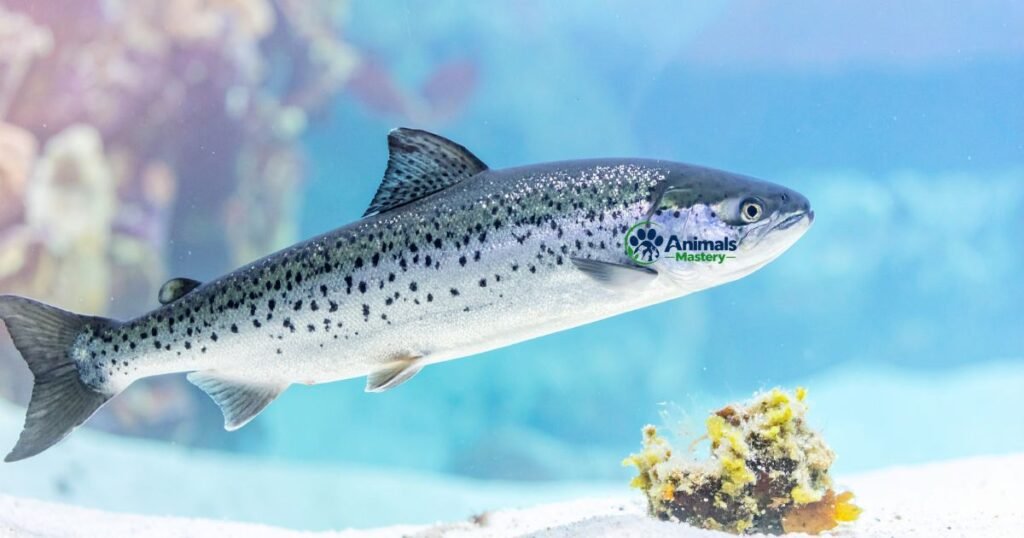
This incredible spawning ritual not only highlights their survival instincts but also emphasizes the delicate ecosystems of aquatic habitats. Understanding their migration cycle provides critical insights into how environmental changes affect their populations.
In the face of climate change and habitat destruction, conservation efforts for Atlantic salmon have become vital. These fish depend on clean, unpolluted waters in which to spawn, and disturbances in their freshwater habitats pose a significant risk to their life cycle.
By valuing the Atlantic salmon and its role in the ecosystem, we foster a deeper connection to our natural world and promote a commitment to safeguarding it.
American Toad
- Scientific Name: Anaxyrus americanus
- Family: Bufonidae
- Class: Amphibia
- Diet: Carnivore, eats insects, worms, and small invertebrates
The American Toad is a remarkable example of adaptability, thriving in diverse habitats from woodlands to suburban backyards. Known for their warty skin and unique vocalizations, these toads play a vital role in the ecosystem, particularly in insect control.
With their impressive capacity to consume a variety of pests, including mosquitoes and beetles, they serve as natural controllers, promoting a healthier environment.
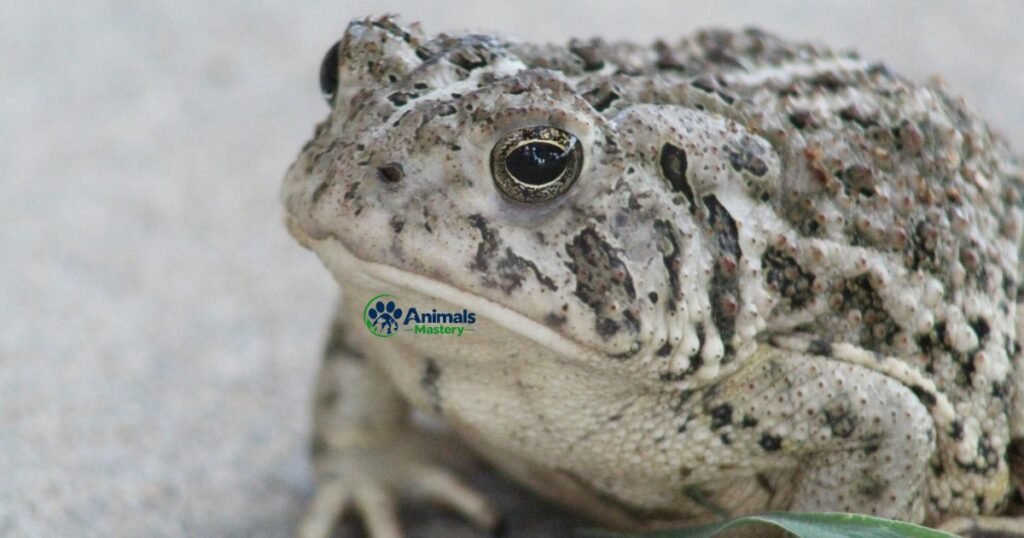
One of the most intriguing aspects of the American Toad is its array of defense mechanisms. When threatened, they can secrete toxic secretions from their skin, deterring potential predators. This capability not only safeguards their survival but also makes them an essential indicator species, reflecting the health of their ecosystem.
As their population dynamics often mirror environmental changes, monitoring these toads can provide valuable insights into habitat quality and biodiversity. In fostering awareness of the American Toad’s role, we can appreciate not just their charm but also their significance in maintaining ecological balance.
Ant (Black Garden Ant)
- Scientific Name: Lasius niger
- Family: Formicidae
- Class: Insecta
- Diet: Omnivore, eats nectar, small insects, and other food scraps
Ants are marvels of nature, epitomizing the complexities of social organization in the animal kingdom. These tiny insects operate within highly structured colonies, often comprising thousands of individuals, each performing specialized roles.
This cooperative behavior is not merely instinctual; studies have shown that their collective intelligence enables them to solve problems and adapt to environmental changes, showcasing a unique form of social learning.
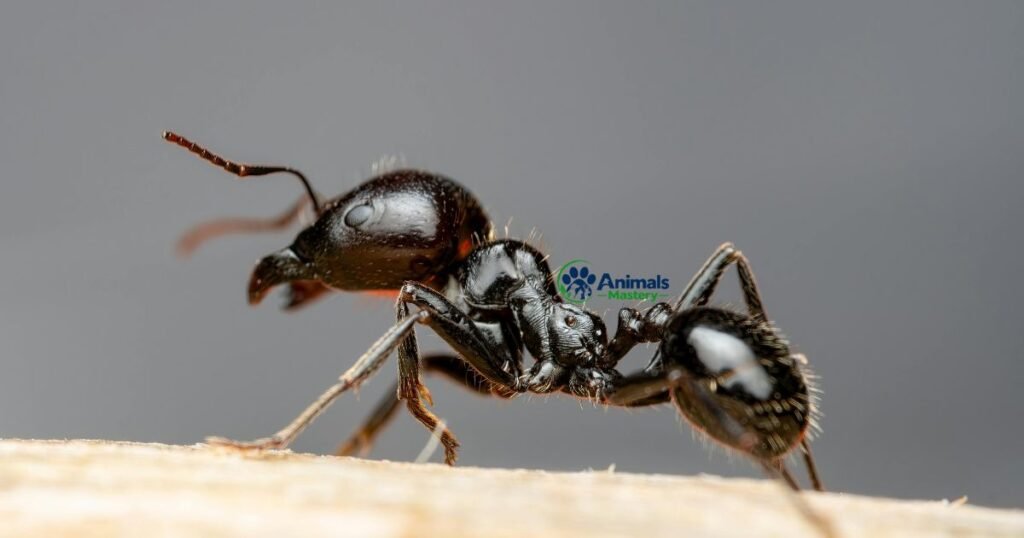
One of the standout features of ants is their pheromone communication. By releasing specific chemical signals, ants can convey important information, such as the discovery of food or the presence of a threat. This intricate language allows them to coordinate efforts, demonstrating how individual actions contribute to the greater good of the colony.
Such remarkable capabilities not only highlight the ants’ survival strategies but also provide insights into the potential applications of biological principles in human organizational structures. Their world is a testament to the power of teamwork and communication in overcoming challenges, inspiring researchers and nature enthusiasts alike.
Anglerfish (Humpback Anglerfish)
- Scientific Name: Melanocetus johnsonii
- Family: Melanocetidae
- Class: Actinopterygii
- Diet: Carnivore, eats fish and other prey lured by its bioluminescent lure
The anglerfish is a fascinating example of deep-sea adaptation, renowned for its unique bioluminescent lure, which dangles like a tantalizing bait in the icy darkness of the ocean depths. This remarkable appendage is not merely for show; it plays a crucial role in the survival strategy of these predators.
This bizarre relationship is a testament to the extremes of adaptation in the animal kingdom, showcasing nature’s incredible ingenuity in ensuring survival and reproduction in the most unlikely of settings.
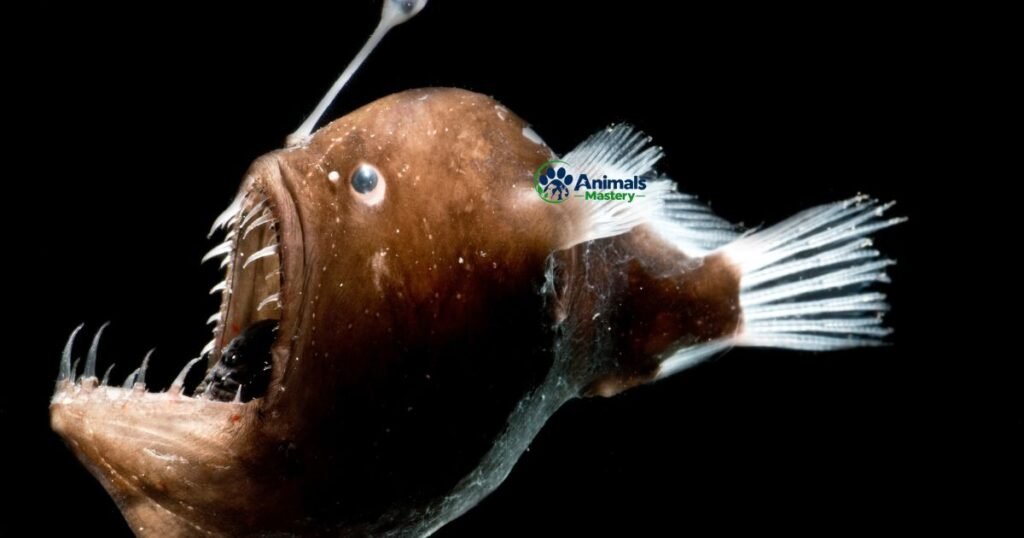
The glow attracts unsuspecting prey, drawn in by the flickering light, only to find themselves in the grip of a voracious anglerfish with an impressive set of teeth. This predatory feeding method highlights the anglerfish’s efficiency as a hunter, perfectly suited to its challenging environment.
What makes the anglerfish even more intriguing is its striking sexual dimorphism. In many species, males are significantly smaller than females, a stark contrast that illustrates a fascinating reproductive strategy. The male anglerfish often fuses to the female, becoming a permanent sperm provider while she thrives in her predatory role.
African Grey Parrot
- Scientific Name: Psittacus erithacus
- Family: Psittacidae
- Class: Aves
- Diet: Omnivore, eats seeds, nuts, fruit, and occasionally insects
The African Grey Parrot is often celebrated for its remarkable cognitive abilities, which position it among the most intelligent avian species. Known for their exceptional speech mimicry, these parrots can imitate human voices and various sounds with astonishing clarity, allowing them to engage in what seems like meaningful conversation.
As awareness grows about their psychological needs and social behaviors, protecting their natural habitats becomes vital not just for their survival but also for the preservation of their intricate intelligence.
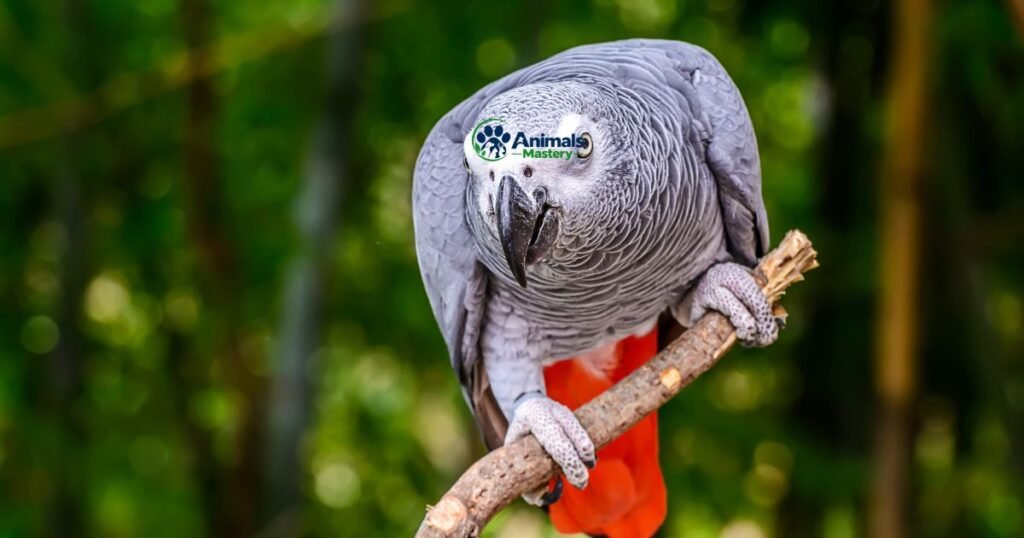
Their aptitude for learning new words and phrases is not merely parlor trickery; it underscores a complex brain capable of problem-solving and emotional understanding, fostering a deeper bond with their human companions.
The significance of the African Grey Parrot extends beyond its conversational skills. In the wild, these birds face considerable threats from habitat loss and illegal trapping, making conservation efforts critical.
Each African Grey Parrot is a reminder of the delicate balance between human interaction and conservation, urging us to appreciate these magnificent creatures in a broader ecological context.
Arctic Hare
- Scientific Name: Lepus arcticus
- Family: Leporidae
- Class: Mammalia
- Diet: Herbivore, feeds on woody plants, mosses, and lichens
The Arctic hare, a remarkable inhabitant of the frozen tundra, exemplifies the art of camouflage in its stark white fur, which seamlessly blends with the snow-covered landscape. This adaptive coloration not only serves as protection against predators, like the Arctic fox and snowy owl, but also enhances their ability to forage for food in a snowy environment.
Their playful interactions, observable during social foraging, showcase a level of intelligence and community bonding that adds depth to their existence.
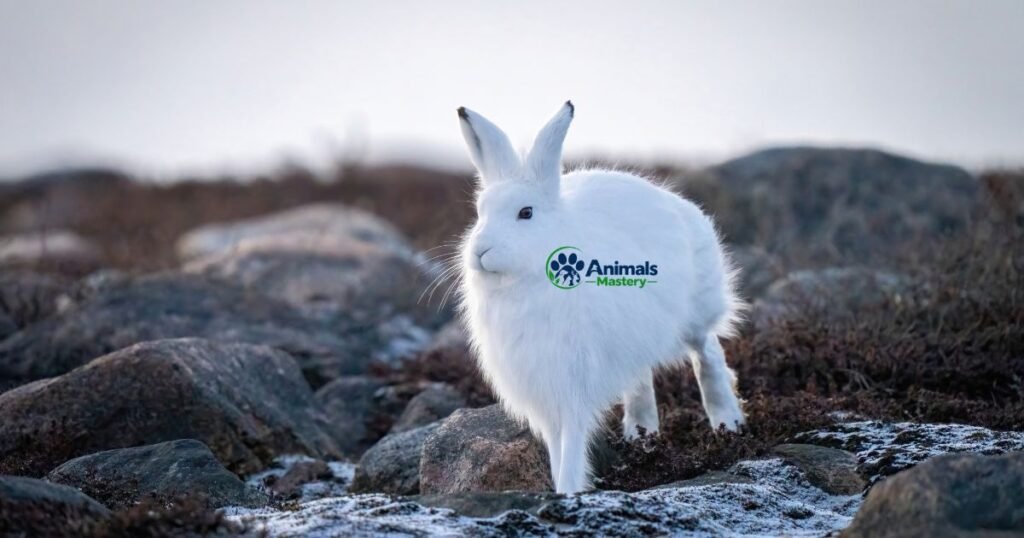
As they transition to a brown hue in the summer months, their Arctic adaptation highlights the delicate balance between survival and seasonal shifts.
Beyond their impressive physical traits, Arctic hares display intriguing social behaviors. These creatures often form small groups, reducing individual risk during foraging by confusing potential predators with their numbers and coordinated movements.
Arctic Wolf
- Scientific Name: Canis lupus arctos
- Family: Canidae
- Class: Mammalia
- Diet: Carnivore, eats musk oxen, Arctic hares, and caribou
The Arctic wolf is a remarkable example of nature’s adaptability, thriving in harsh, frigid environments. With its thick insulating coat, this striking creature is not just designed for warmth; it also plays a crucial role in camouflage against the stark white backdrop of its icy habitat.
As the Arctic ecosystem changes, these wolves exemplify resilience and adaptability, embodying the spirit of survival in one of the planet’s most extreme climates.
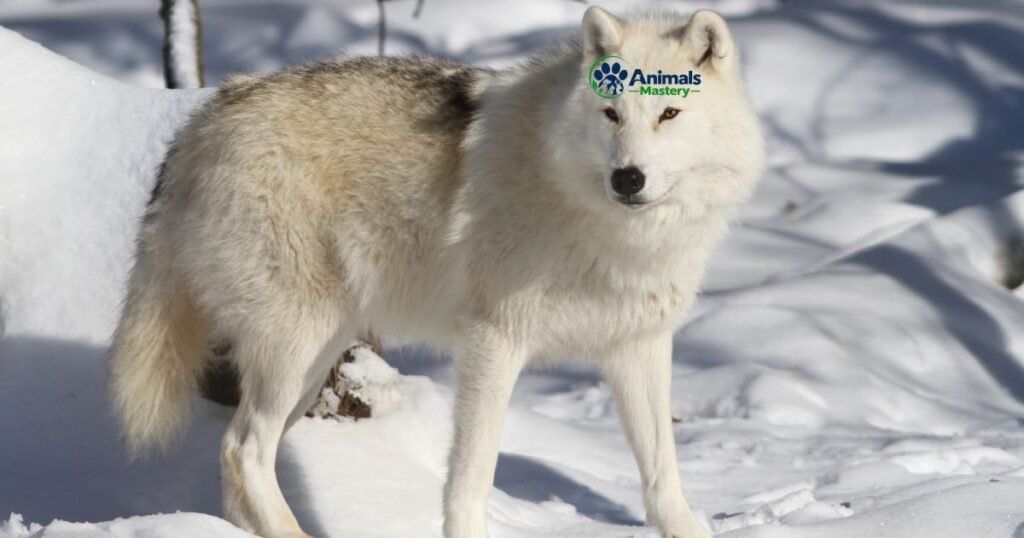
Unlike other wolf species, Arctic wolves often face more challenging conditions in the absence of larger prey, encouraging them to adapt their hunting strategies. This leads to fascinating variations in their social structure, as they often rely on family groups for cooperative hunting, maximizing their efficiency while minimizing energy expenditure.
Living in tight-knit family units allows Arctic wolves to exhibit incredible teamwork. They communicate with a variety of vocalizations, body language, and even scent markings, fostering strong bonds within their packs. This social structure not only enhances their hunting success but also strengthens their capacity to raise pups in an often unforgiving environment.
Adélie Penguin
- Scientific Name: Pygoscelis adeliae
- Family: Spheniscidae
- Class: Aves
- Diet: Carnivore, eats krill and fish
The Penguin, a remarkable inhabitant of the icy landscapes of Antarctica, showcases extraordinary swimming ability that sets it apart from other penguin species. Capable of diving to depths of over 500 feet, these agile swimmers use their streamlined bodies to navigate through frigid waters with impressive speed and grace.
Parental care is equally striking; both male and female share responsibilities in incubating eggs and feeding the chicks, a behavior that strengthens their social bonds and increases survival rates among their young.
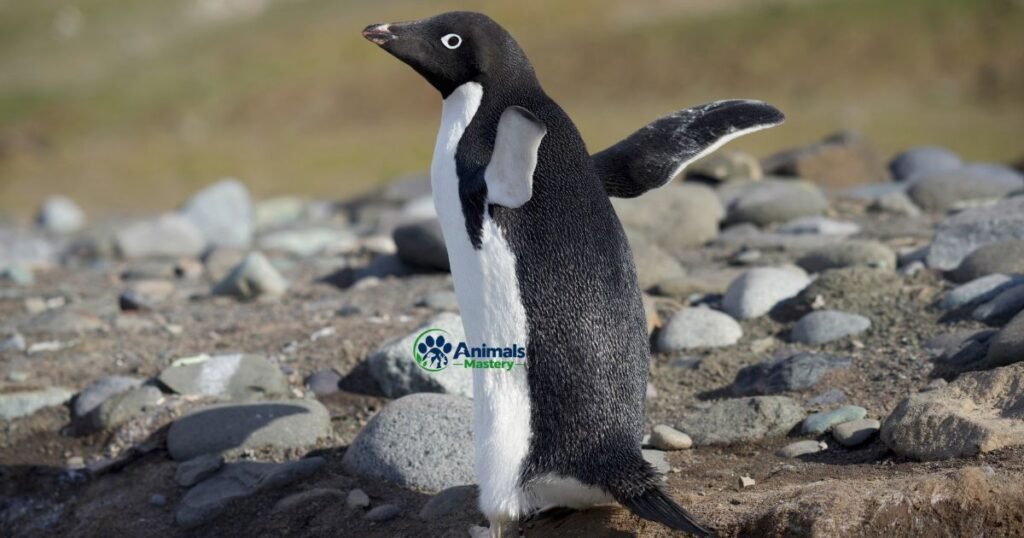
Their ability to swim not only aids in hunting for krill and small fish but also serves as a critical survival tactic against predators lurking below the ice.
What makes the Adélie Penguin particularly fascinating is its exceptional social coordination, especially during breeding season. These birds form large colonies that can number into the thousands, displaying remarkable teamwork as they build their nests from pebbles on rocky shores.
The choice of breeding sites is crucial, their preference for stable ice areas ensures protection from predators and harsh weather, highlighting an essential aspect of their survival strategy in one of the planet’s most extreme environments.
Asiatic Black Bear
- Scientific Name: Ursus thibetanus
- Family: Ursidae
- Class: Mammalia
- Diet: Omnivore, eats fruit, nuts, insects, and small animals
The Asiatic black bear, commonly known as the moon bear for its distinctive crescent-shaped white marking on its chest, showcases a fascinating blend of arboreal behavior and social communication. Found primarily in the forests of Asia, these bears are adept climbers, often spending significant time in trees.
An often-overlooked aspect of the Asiatic black bear’s ecological role is its contribution to seed dispersal. As they feast on a variety of fruits, they inadvertently aid in maintaining forest health by spreading seeds throughout their habitat.
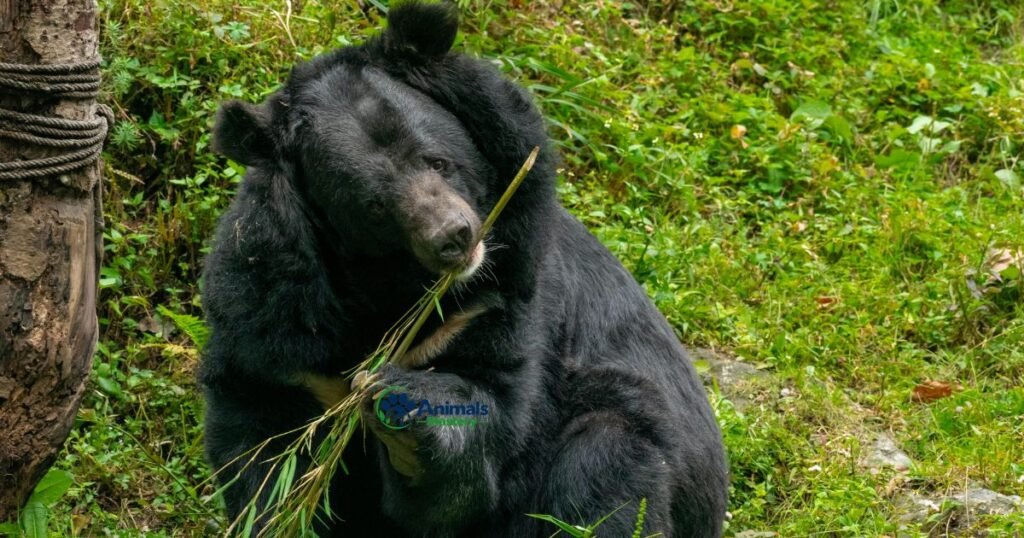
This arboreal lifestyle not only aids in foraging for fruits but also provides a safe haven from predators. The bears exhibit intriguing social dynamics, engaging in vocalizations and body language that strengthen bonds within their groups, especially during mating seasons.
The damage to their populations due to habitat loss and poaching highlights the importance of conservation efforts not just for their survival, but for the ecosystems they support.
Protecting these majestic creatures ensures that the delicate balance of their environment is preserved, allowing future generations to marvel at the intricate relationships within the wild.
American Bulldog
- Scientific Name: Canis lupus familiaris
- Family: Canidae
- Class: Mammalia
- Diet: Omnivore, typically fed commercial dog food (meat-based)
The American Bulldog embodies strength and loyalty, making it a cherished family companion. Their robust, muscular frame rivals the build of some of the most muscular animals in the animal kingdom. Known for their robust build, these dogs are not only physically impressive but also remarkably intelligent.
Their protective nature shines through as they form strong bonds with their families, serving as vigilant guardians while simultaneously being affectionate playmates.

One fascinating aspect of the American Bulldog is their versatility. Whether participating in agility training or simply enjoying a romp in the backyard, they thrive on physical activity and mental challenges.
This active engagement helps foster their loyalty, enhancing the bond they share with their owners. Their gentle demeanor around children makes them an ideal fit for families, seamlessly blending guardian instincts with loving companionship.
To truly appreciate the American Bulldog, consider how they reflect the values of strength and protection, all while nurturing a deep-seated loyalty. With their unique character traits, they remind us that true companionship goes beyond mere presence; it involves an unwavering commitment to the well-being of their family.
Akita
- Scientific Name: Canis lupus familiaris
- Family: Canidae
- Class: Mammalia
- Diet: Omnivore, typically fed commercial dog food (meat-based)
The Akita, a remarkable Japanese breed, boasts an intriguing blend of loyalty and independence that captures the hearts of dog lovers worldwide. Known for their protective nature, Akitas are not just devoted companions but also vigilant guardians of their families.
This nurturing yet strong-willed demeanor reflects their heritage, as they were originally bred to hunt and guard in the harsh mountain terrains of Japan.
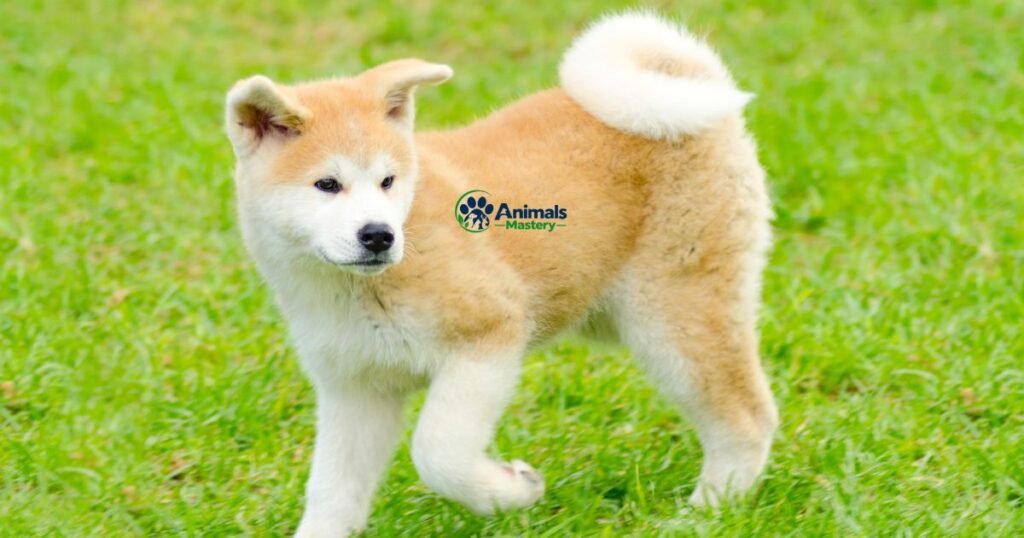
Beyond their impressive physical presence, Akitas display a unique personality that can be both endearing and challenging. Their independent streak often requires an experienced owner who understands the nuances of training and socialization.
This breed’s loyalty isn’t just about protection; it often manifests in deep emotional bonds with their humans, making them incredibly sensitive to their owners’ moods. Embracing an Akita means inviting a loyal companion into your life, one that thrives on companionship, yet treasures their autonomy.
African Wild Dog
- Scientific Name: Lycaon pictus
- Family: Canidae
- Class: Mammalia
- Diet: Carnivore, eats antelope and other medium-sized mammals
The African Wild Dog, also known as the Painted Wolf, exemplifies the power of pack cooperation in the animal kingdom. These remarkable canines are not just known for their unique coat patterns but also for their extraordinary social intelligence.
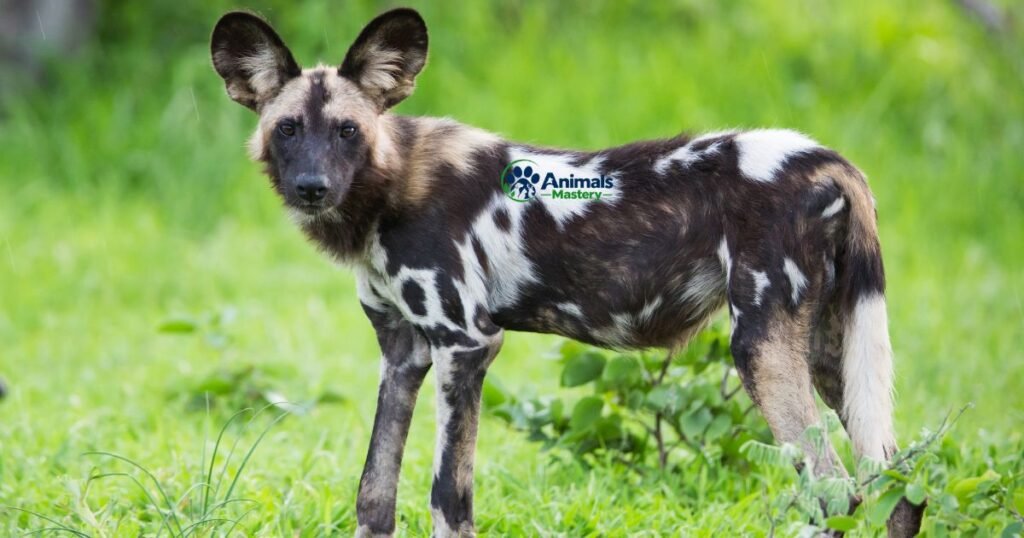
Within their packs, which typically range from 2 to 27 members, every dog has a role that contributes to the group’s success, especially during hunts. This teamwork allows them to achieve remarkable feats of endurance, often chasing down prey over long distances in high temperatures, while individual animals might not have the stamina to do so alone.
Conservation efforts for the African Wild Dog are critical, as their numbers have dwindled due to habitat loss and conflicts with humans. Their complex social structures and cooperative hunting strategies make them integral to the ecosystems they inhabit.
Atlantic Cod
- Scientific Name: Gadus morhua
- Family: Gadidae
- Class: Actinopterygii
- Diet: Carnivore, eats fish, crustaceans, and mollusks
The Atlantic cod, a cornerstone species in the marine ecosystem, epitomizes the delicate balance of oceanic life. Known for its distinctively large head and barbell chin, this fish plays a crucial role as a predator, maintaining the populations of smaller fish and invertebrates.
The impact of overfishing on Atlantic cod is not just a concern for marine biologists; it has ripple effects throughout the ecosystem, disrupting food webs and altering habitat dynamics.
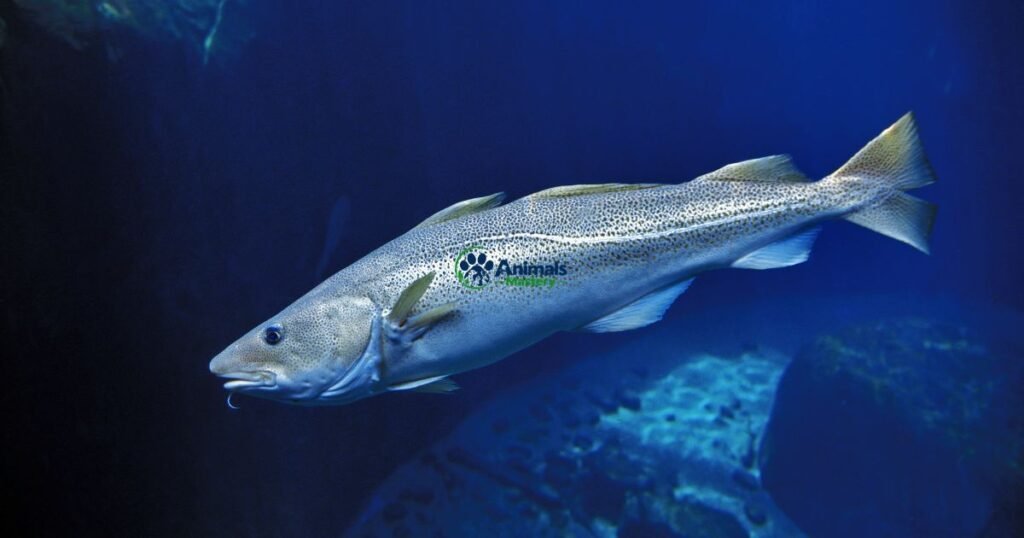
Its versatile diet primarily consists of crustaceans, mollusks, and smaller fish, showcasing the Atlantic cod’s adaptability in diverse marine environments. This voracious predator has faced significant challenges due to overfishing, leading to drastic declines in its populations.
Conservation efforts are now more critical than ever as scientists push for sustainable fishing practices and the protection of spawning grounds. By understanding the role of the Atlantic cod within its habitat, we can appreciate the importance of preserving not just this iconic species but the health of the entire marine ecosystem.
As efforts ramp up to restore cod populations, the future of the ocean hangs in the balance, encouraging a collective responsibility to foster a thriving aquatic world.
American Cocker Spaniel
- Scientific Name: Canis lupus familiaris
- Family: Canidae
- Class: Mammalia
- Diet: Omnivore, typically fed commercial dog food (meat-based)
The American Cocker Spaniel is a breed synonymous with affection and charm, making it a beloved choice for families across the country. With their friendly temperament, these dogs easily integrate into various lifestyles.
When it comes to grooming needs, the American Cocker Spaniel does require regular attention, especially to maintain the luscious coat that so often captures hearts. Grooming sessions can become bonding experiences, as they enjoy the love and attention from their owners.
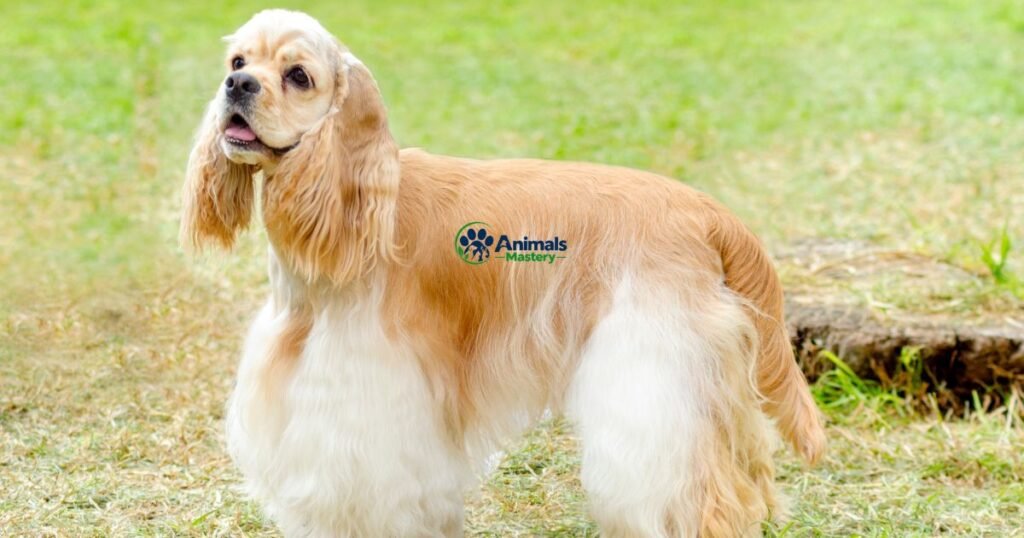
Their playful nature often brings joy to homes, making them more than just pets; they quickly become cherished family companions. Notably, their signature floppy ears aren’t just adorable; they also reflect a lineage rooted in hunting, as these pups were originally bred for bird hunting.
Although their playful energy is unmatched, they also have moments of calm, offering cuddles after a day filled with activity. With the right care and attention, these enchanting animals will flourish in any loving household, proving that they are more than just a pretty face; they embody loyalty and affection that last a lifetime.
Aye-aye
- Scientific Name: Daubentonia madagascariensis
- Family: Daubentoniidae
- Class: Mammalia
- Diet: Omnivore, eats insect larvae, seeds, fungi, and nectar
The aye-aye is a truly unique creature, often referred to as a “nocturnal lemur” of Madagascar, with a distinctive set of adaptations that make it one of nature’s most fascinating examples of evolutionary specialization. Its elongated middle finger, which is almost entirely dedicated to probing tree bark, allows it to engage in a behavior known as percussive foraging.
The aye-aye taps on surfaces to find hidden insects, listening carefully for the echoes that betray the presence of edible larvae beneath the wood. This exceptional skill highlights not just a unique feeding strategy but also the intricate relationship between the aye-aye and its forest habitat.
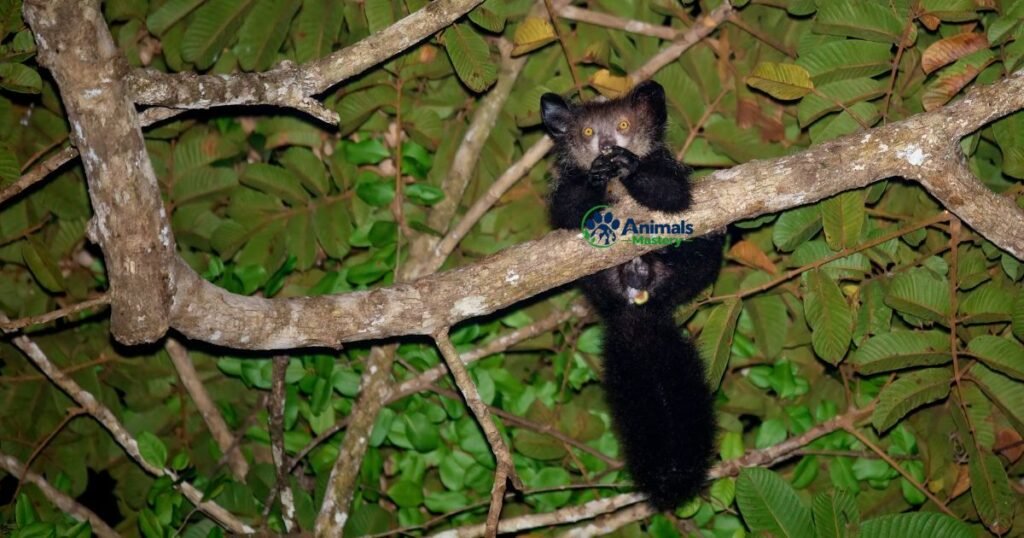
Sadly, the aye-aye faces significant threats due to habitat loss and local superstitions that label it as a harbinger of bad luck. Conservation efforts are crucial to ensure the survival of this remarkable species, as it’s an integral part of Madagascar’s biodiversity and a symbol of the delicate ecosystems that depend on such specialized animals.
The plight of the aye-aye reflects a broader narrative about conservation, urging us to appreciate the peculiarities of wildlife and the roles they play in maintaining ecological balance. Advocating for sustainable practices and raising awareness can help preserve not only the aye-aye but the vibrant tapestry of life it represents.
Aoudad Sheep (Barbary Sheep)
- Scientific Name: Ammotragus lervia
- Family: Bovidae
- Class: Mammalia
- Diet: Herbivore, feeds on grasses and shrubs
The Aoudad sheep, or Barbary sheep, are remarkable creatures that thrive in the harsh, arid landscapes of North Africa.
Males also sport a distinctive mane-like tuft, a feature explored in more depth in our piece on animals that have manes. Their distinct curved horns and impressive adaptability allow them to navigate rocky terrains and extreme temperatures with ease.
These animals exhibit fascinating herd behavior, often forming tight-knit groups that enhance their chances of survival by providing protection against predators.
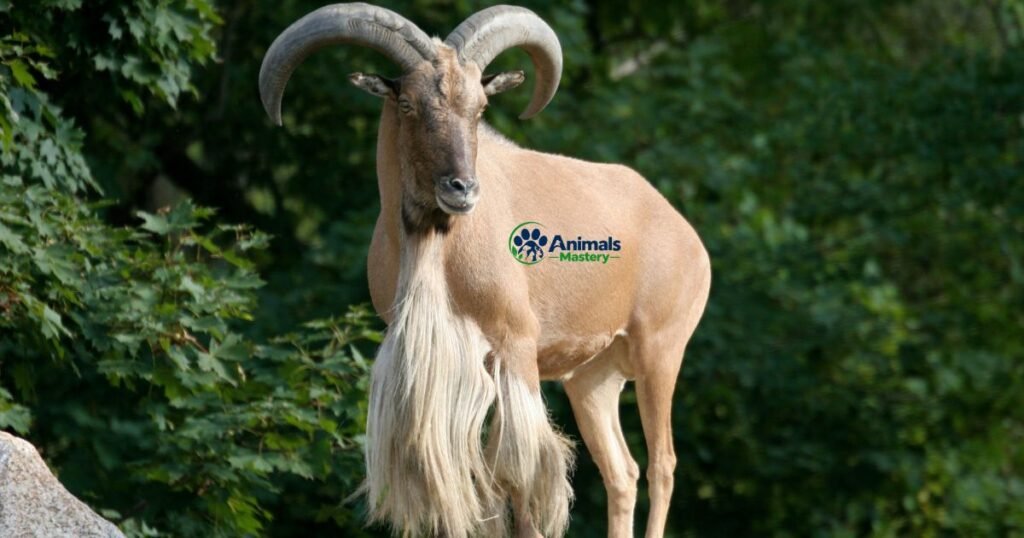
Aoudads have evolved to efficiently conserve water and energy, an essential adaptation in their arid habitats. Their diet primarily consists of tough grasses and shrubs, showcasing their ability to thrive on limited resources.
Observing these sheep, one might marvel at their agility and social dynamics, as they communicate through a series of vocalizations and body language, ensuring cohesion within their herds. Understanding the Aoudad not only highlights the beauty of biodiversity but also underscores the resilience inherent in nature.
Arapaima
- Scientific Name: Arapaima gigas
- Family: Arapaimidae
- Class: Actinopterygii
- Diet: Carnivore, eats fish, birds, and small mammals
The Arapaima gigas, often hailed as a “living fossil,” is a remarkable air-breathing fish found in the Amazon Basin. With its impressive size, reaching lengths of up to 15 feet, this ancient creature has evolved into a symbol of the rich biodiversity of the region.
Unlike many other fish, the Arapaima has a unique adaptation: it possesses both gills and a modified swim bladder, allowing it to breathe air effectively. This remarkable feature is essential for survival in the low-oxygen waters of the Amazon, where it primarily feeds on fish and other aquatic organisms.
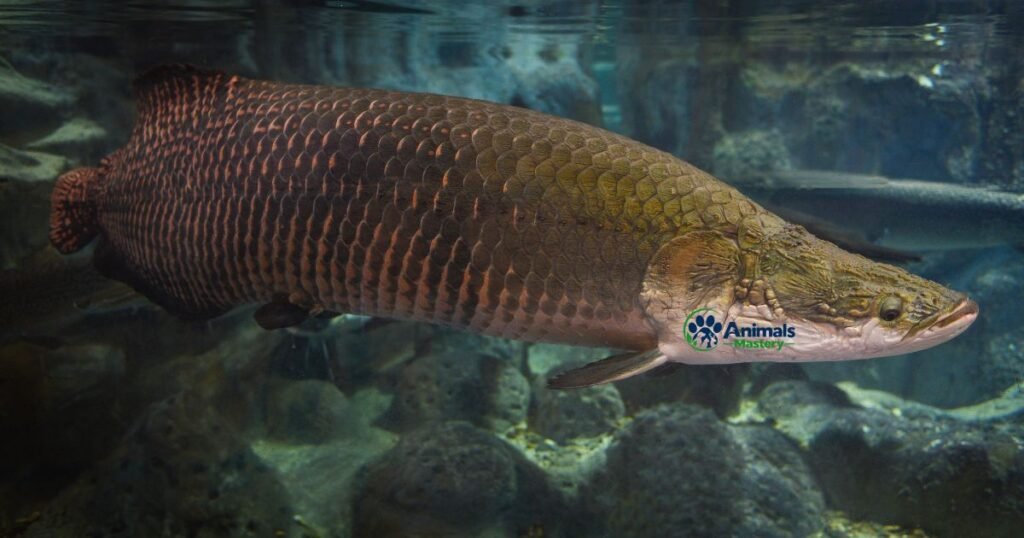
The conservation status of the Arapaima gigas is a pressing concern. Overfishing and habitat destruction have led to a significant decline in their population, prompting environmentalists to advocate for protective measures. Efforts to promote sustainable fishing practices are crucial to ensure that this iconic species continues to thrive in its native habitat.
By fostering awareness and respect for the delicate ecosystems within the Amazon, we not only protect the Arapaima but also safeguard the diverse life forms that rely on this intricate web of existence. This fascinating fish serves as a reminder of the interconnectedness of nature and the importance of conservation efforts in preserving our planet’s unique biodiversity.
Avocet (Pied Avocet)
- Scientific Name: Recurvirostra avosetta
- Family: Recurvirostridae
- Class: Aves
- Diet: Carnivore, eats small crustaceans, insects, and worms
The Pied Avocet, a striking wading bird, stands out not only for its elegant black-and-white plumage but also for its remarkably upturned bill, perfectly adapted for its unique foraging behavior.
Its webbed feet are just as essential to this lifestyle, placing it among the many animals with webbed feet built for wading and swimming. Found predominantly in wetland habitats, these birds deftly sweep their bills through shallow waters, filtering out small invertebrates and crustaceans.
This distinctive feeding technique not only highlights their adaptability but also underscores the delicate balance of life in their ecosystems, where food availability can dictate entire populations.
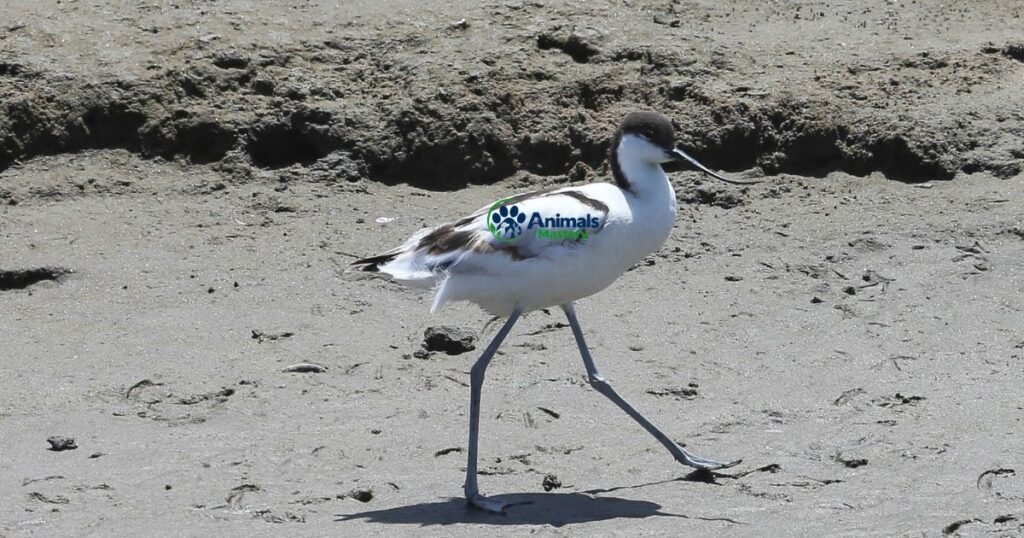
In addition to their fascinating foraging habits, Pied Avocets exhibit monogamous pairs, often engaging in elaborate courtship displays that enhance their bond. This commitment to pair formation ensures successful breeding and nurturing of their young, as both parents take turns caring for the chicks.
Their presence in wetland environments serves as a reminder of the interconnectedness of species, where each bird plays a vital role in the health and sustainability of its habitat. Observing these graceful birds can deepen our appreciation for the intricate dynamics of nature.
More Wild Adaptations Worth Exploring
The Arctic Fox, Arctic Wolf, and African Wild Dog are all canids at heart, sharing many of the same cunning survival instincts explored in our guide to animals like foxes.
The African Elephant’s thick, wrinkled hide also places it in good company with some of the thickest skin animals in the world.
And the Aardvark’s tireless digging and burrowing lifestyle echoes the habits of several other animals like groundhogs, despite the two species being entirely unrelated.
Each connection is a reminder that shared traits often stretch across very different corners of the animal kingdom.
Final Thoughts
The world of animals that start with A is both diverse and fascinating. From the awe-inspiring Arctic fox to the majestic albatross, each creature brings unique traits and stories to our planet.
Exploring these animals not only enhances our understanding of biodiversity but also reminds us of the importance of protecting these remarkable species and their habitats.
As we continue to uncover the wonders of the animal kingdom, let’s celebrate and appreciate the incredible life forms that share our world. Dive deeper into the beauty of wildlife and consider how you can contribute to conservation efforts today!
FAQs
Which Animals Start with A?
Some animals that start with A include alligator, antelope, armadillo, aardvark, alpaca, albatross, anaconda, and axolotl.
What are Cute Animals that Start with A?
Cute animals starting with A include alpacas, axolotls, Arctic foxes, African pygmy hedgehogs, and agoutis.
What is an Animal with 7 Letters?
There are many 7-letter animal names, including elephant, giraffe, penguin, dolphin, and leopard.
What Animal Begins with K?
Animals beginning with K include kangaroos, koalas, kiwi, kingfishers, kookaburra, and kudu.
What Animals have 12 Letters?
Examples include hippopotamus, rattlesnakes, grasshoppers, salamanders, chimpanzees, and caterpillars.