Top 17 Thickest Skin Animals In The World (With Pictures)
Imagine walking through a world where your skin is a shield against every attack. For a select group of animals, this is a daily reality thanks to their extraordinary adaptations.
We will take a closer look at the top 17 Thickest Skin Animals, exploring their unique traits and the reasons they evolved this way.
Join us on a journey through nature’s toughened wonders and discover how these resilient beings play crucial roles in maintaining the balance of their ecosystems.
List of Thickest Skin Animals In the World
Here is the list of animals with thickest skin in the world:
- Walrus
- Honey Badger
- Manatee
- Wild Boar
- Grizzly bear
- Elephant
- Cape Buffalo
- Sperm Whale
- Crocodile
- Bison
- Rhinoceros
- Hippopotamus
- Blue whale
- Armadillo
- Whale Shark
- Giraffe
- Camel
Walrus
- Scientific Name: Odobenus rosmarus
- Family: Odobenidae
- Class: Mammalia
- Diet: Carnivore, feeds mainly on clams and other mollusks
The walrus, a remarkable marine mammal, boasts one of the thickest skin animals in the animal kingdom, an impressive adaptation to its frigid Arctic habitat. This protective layer, often measuring up to 3.5 centimeters thick, serves a dual purpose: it not only insulates against the biting cold but also protects the walrus from sharp ice and potential predators.
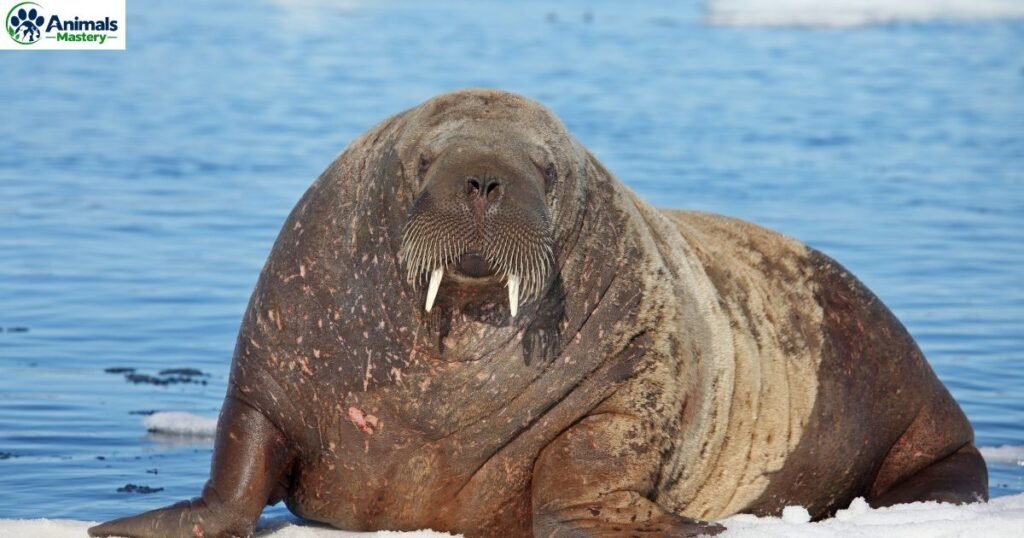
Beneath the skin, a substantial layer of blubber can reach astonishing thicknesses, providing both energy reserves and buoyancy while swimming.
What sets the walrus apart is its unique ability to thrive in harsh environments where few other creatures can. Their skin is not just a barrier against the cold; its texture allows for enhanced mobility on ice and in water.
The skin’s rich blood supply aids in thermoregulation, enabling these magnificent creatures to maintain body heat even in icy waters. In this way, walruses exemplify the marvels of evolution, showcasing how thick skin and blubber are vital adaptations for survival in one of Earth’s most extreme ecosystems.
Honey Badger
- Scientific Name: Mellivora capensis
- Family: Mustelidae
- Class: Mammalia
- Diet: Carnivore, eats insects, small mammals, reptiles, and honey
The honey badger, renowned for its tenacity and ferocity, showcases a remarkable defense mechanism that is often overlooked: its thick skin. This formidable feature acts as a natural armor, allowing the honey badger to withstand attacks from predators that would easily overpower other animals.
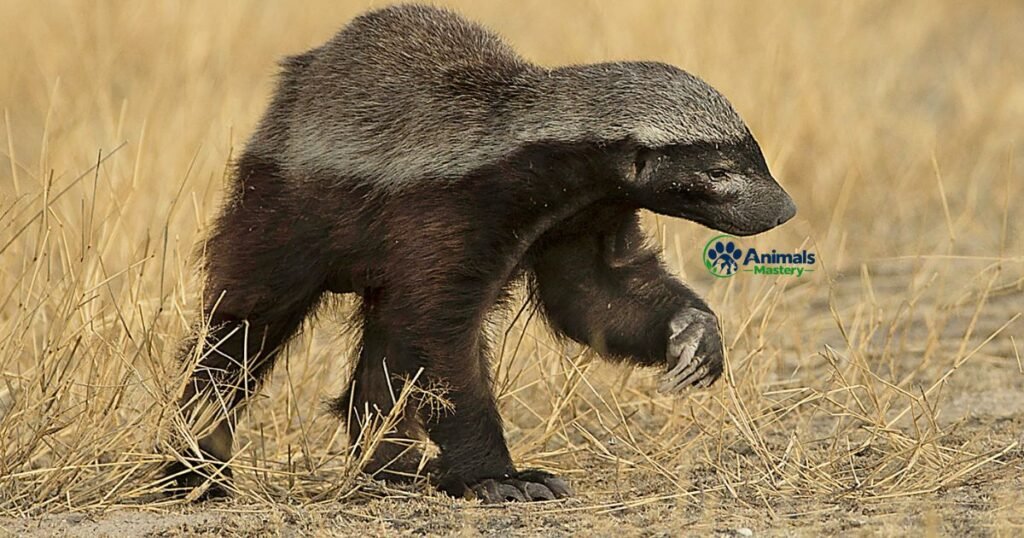
The thick skin is not just a protective measure; it also contributes to the honey badger’s reputation as one of nature’s most resilient creatures. This resilience is complemented by an impressive ability to endure bee stings. When raiding beehives, the honey badger’s skin mitigates the effects of multiple stings, enabling it to feast on honey without significant consequence.
The honey badger’s thick skin serves as a symbol of its unyielding spirit in the animal kingdom. Unlike many predators that rely solely on speed or strength, the honey badger combines its armored exterior with clever tactics, making it a formidable foe in any encounter.
This duality of defense and strategy invites us to rethink our perceptions of survival, it’s not only about physical traits, but also about the cunning that lies beneath. The honey badger’s unique blend of toughness and brainpower sets a high bar for resilience, reminding us that true strength often comes from adaptation to one’s environment.
Manatee
- Scientific Name: Trichechus manatus
- Family: Trichechidae
- Class: Mammalia
- Diet: Herbivore, feeds on seagrasses and aquatic plants
Manatees, often affectionately dubbed “sea cows,” boast remarkably thick skin that serves multiple critical functions in their aquatic environment. This protective layer, which can measure up to four inches in some areas, acts as a barrier against predators and environmental stresses.
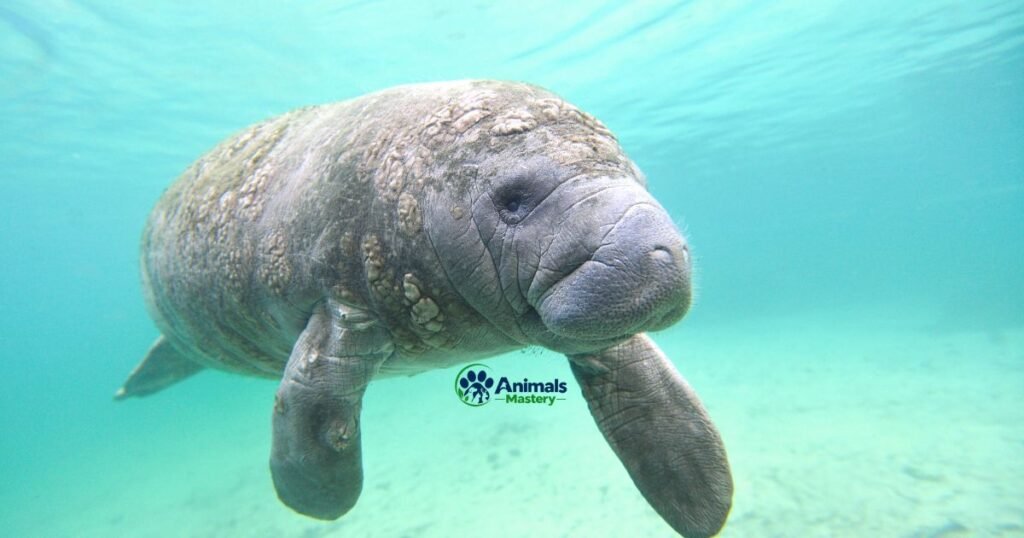
The skin plays a vital role in thermoregulation, helping these gentle giants maintain their body temperature in the varying climates of their habitats. As they dwell in shallow coastal areas, their thick skin offers insulation from cooler waters, allowing them to thrive even as temperatures fluctuate.
Their skin’s unique composition creates a dynamic ecosystem for algae and barnacles, which can often be seen adorning their backs. These organisms not only impact the superficial aesthetics of the manatee’s appearance but also reflect its health and adaptability in the wild. In turn, the algae provide a potential food source for manatees, showcasing a fascinating symbiotic relationship that highlights the intricate connectivity within marine ecosystems.
Every aspect of a manatee’s thick skin, from its protective function to its role in thermoregulation and ecological interactions, underscores their resilience in the face of environmental challenges.
Wild Boar
- Scientific Name: Sus scrofa
- Family: Suidae
- Class: Mammalia
- Diet: Omnivore, eats roots, fruits, insects, and small animals
Wild boars are remarkable examples of nature’s ingenuity,the thickest skin animals. Their thick skin serves as a formidable natural armor against predators. This tough exterior is not merely a result of evolutionary chance but a vital adaptation to the harsh environments they inhabit.
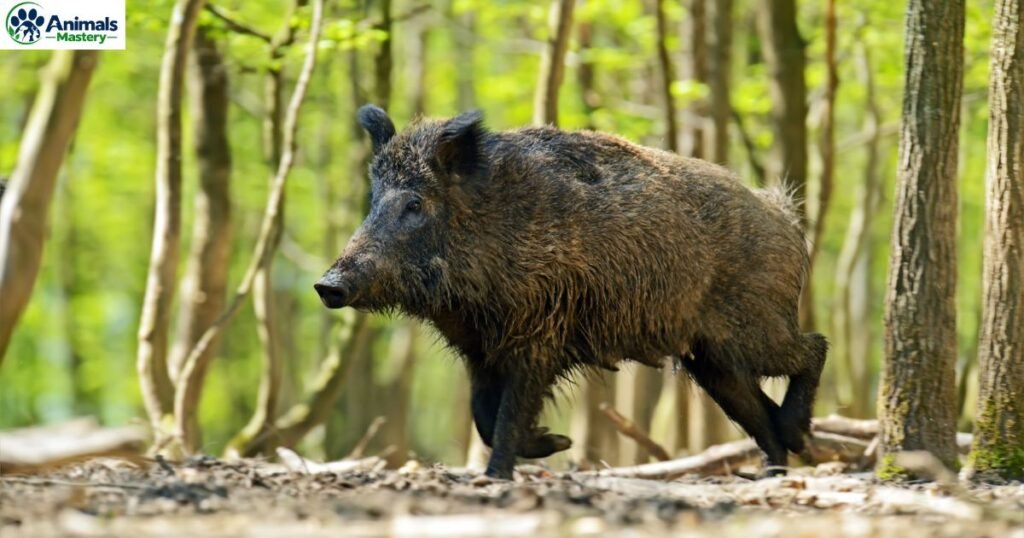
Thick skin allows them to withstand not only physical attacks from predators but also the abrasive terrain of their forest habitats, providing a level of protection that smaller animals could only dream of.
The wild boar’s thick skin plays a crucial role in their behavior. It gives them the confidence to forage in areas that other animals might shy away from, whether it’s rooting through underbrush or exploring rocky terrains.
Their skin, coupled with an acute sense of smell, helps them to thrive despite the constant threat of predation, proving that this adaptation is a key factor in their survival strategy. The resilience of wild boars highlights the intricate balance between physical adaptations and environmental challenges, demonstrating how evolution continuously shapes the animal kingdom.
Grizzly Bear
- Scientific Name: Ursus arctos horribilis
- Family: Ursidae
- Class: Mammalia
- Diet: Omnivore, eats berries, fish, roots, and small mammals
The grizzly bear, a symbol of wilderness, possesses remarkably thick skin that serves as its natural armor. This impressive feature, which can average up to two inches in thickness, not only protects these magnificent creatures from the harsh realities of their environment, like bites and scratches from predators and rough terrain, but also plays a crucial role in thermoregulation.
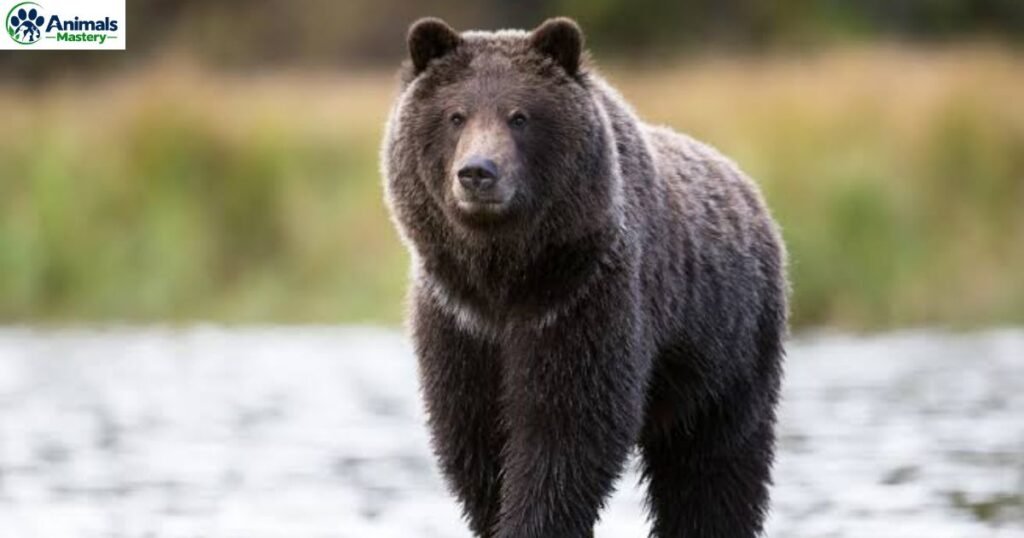
The combination of thick skin and a layer of insulating fat underneath allows grizzly bears to thrive in diverse climates, from snowy mountains to dense forests, showcasing their remarkable resilience.
The grizzly bear’s thick skin is a testament to the evolutionary pressures faced by these powerful animals. This natural armor enables them to forage for food with greater confidence, allowing them to tackle sharp objects in search of roots or to engage with other wildlife while defending territory.
In the grand tapestry of nature, the grizzly bear stands out not just for its size and strength but for its unparalleled adaptability, proving that resilience can often be found in the most unexpected forms. Through the lens of their thick skin, we gain insight into the survival strategies that underpin the very essence of life in the wild.
Elephants
- Scientific Name: Loxodonta africana
- Family: Elephantidae
- Class: Mammalia
- Diet: Herbivore, feeds on grasses, leaves, bark, and fruit
Elephants are renowned for their impressive thick skin, which can measure up to an inch in certain areas. This remarkable adaptation not only serves as a protective barrier against predators and environmental hazards but also plays a pivotal role in thermoregulation.
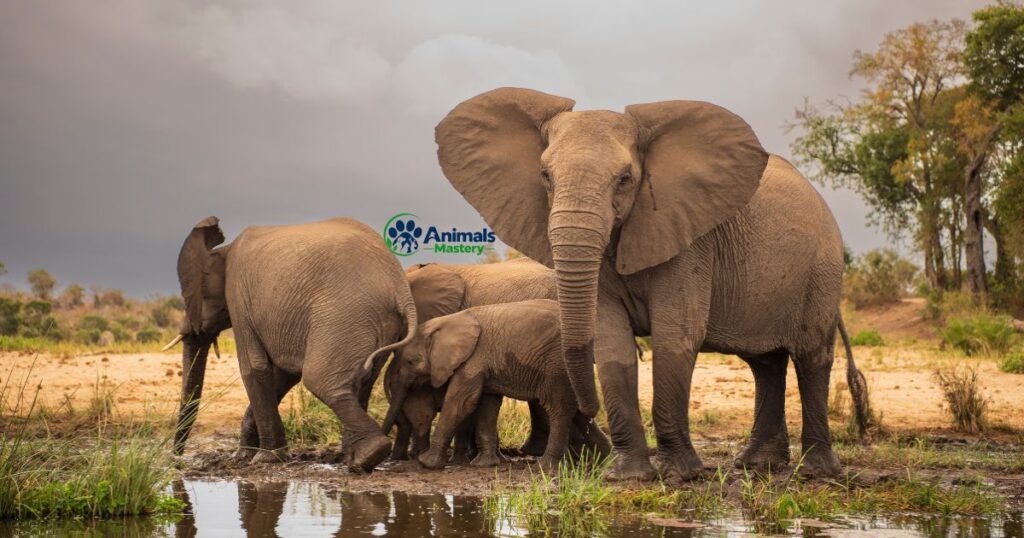
When the African sun beats down, these giants rely on the natural cooling mechanics of their skin. By bathing in mud, they create a layer that not only keeps them cool but also protects against harmful UV rays, effectively acting as nature’s sunscreen.
The mud has a unique composition rich in minerals, which contributes to the overall health of their skin. The ritual of mud bathing also serves social functions, as elephants engage in playful interactions while maintaining their skin.
It’s fascinating to consider how this simple act is intertwined with their survival, social bonding, and resilience. The thick skin of elephants is not just a protective measure; it embodies a sophisticated interplay of health, social behavior, and adaptation to their environment.
Cape Buffalo
- Scientific Name: Syncerus caffer
- Family: Bovidae
- Class: Mammalia
- Diet: Herbivore, feeds on grasses
The Cape buffalo boasts as one of the thickest skin animals in the animal kingdom, an evolutionary trait finely tuned for survival in the harsh African savanna. This protective barrier not only deters minor predators but also serves as a formidable defense against larger threats such as lions and hyenas.
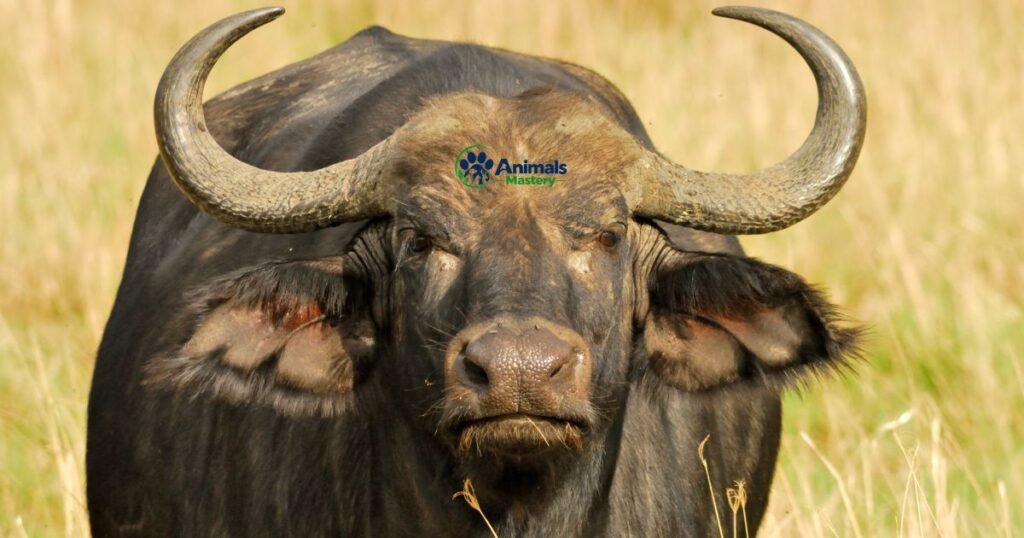
The buffalo’s thick, tough hide, often exceeding an inch in portions, is not just armor; it also hosts a complex microbial ecosystem that may aid in healing and resilience against infections.
As social animals, Cape buffaloes rely heavily on their herd for mutual protection. When faced with predator threats, individual members form a tight circle, using their bulk and defensive strategies to shield vulnerable calves and weaker individuals. This cooperative behavior underscores their adaptability in a landscape where survival is a constant battle.
Sperm Whale
- Scientific Name: Physeter macrocephalus
- Family: Physeteridae
- Class: Mammalia
- Diet: Carnivore, feeds mainly on squid and fish
The sperm whale, known for possessing one of the thickest skins in the animal kingdom, showcases remarkable deep-sea adaptations that allow it to thrive in the most challenging oceanic environments.
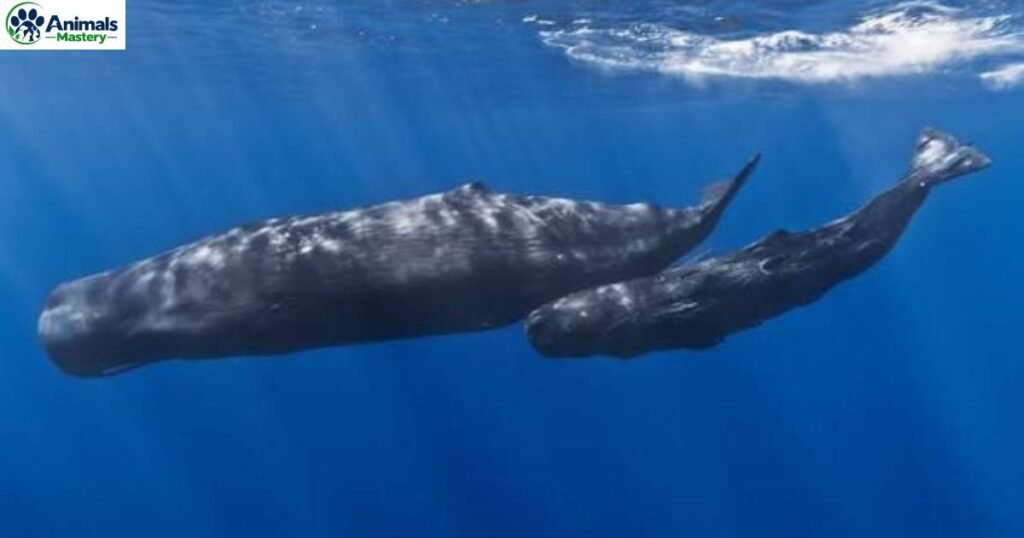
Its skin, measuring up to 10 inches in thickness, not only provides protection from predators but also acts as an insulator, supporting its ability to dive to staggering depths of over 3,000 feet. This unique layer of skin, coupled with a thick layer of blubber, ensures that the sperm whale can maintain its body temperature in the frigid waters while navigating the dark, pressure-filled depths of the ocean.
Beyond its protective features, the sperm whale’s thick skin is an evolutionary response to its predatory lifestyle. As these majestic creatures hunt giant squids and other elusive prey, their robust skin serves as a shield against not only physical impacts but also potential infections from bites and abrasions.
Crocodile
- Scientific Name: Crocodylus niloticus
- Family: Crocodylidae
- Class: Reptilia
- Diet: Carnivore, eats fish, birds, and mammals
Crocodiles are remarkable creatures not just for their predatory prowess but also for their thick skin, a fascinating adaptation that serves multiple functions. Their skin is embedded with osteoderms, bony deposits that act as natural armor, providing protection against both environmental threats and physical damage.
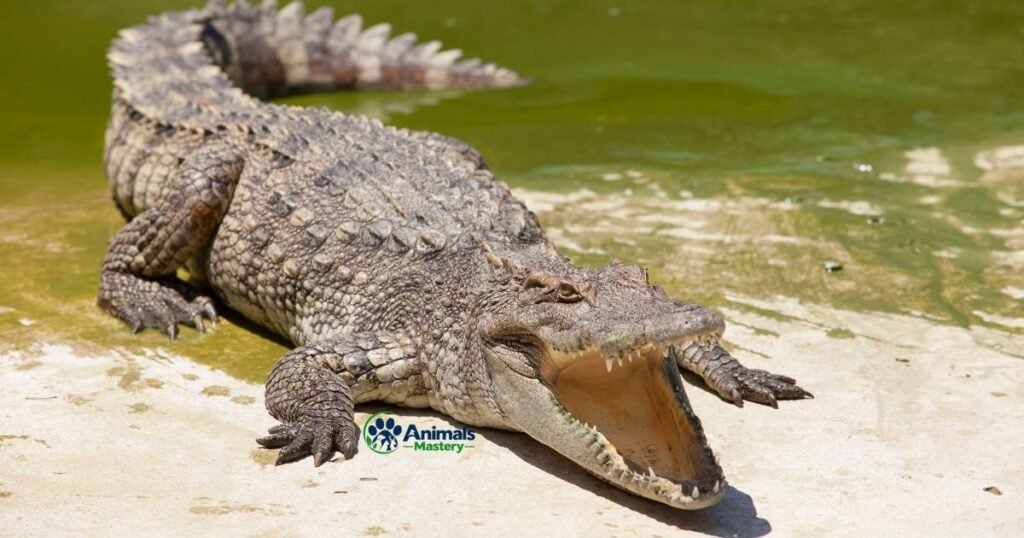
This unique structure not only enables crocodiles to withstand harsh conditions but also plays a role in their thermoregulation, helping them manage heat in their often-sweltering habitats.
Crocodile skin is more than just a protective layer; it’s a sensory marvel. The numerous sensory organs embedded in their skin allow these reptiles to detect subtle changes in their surroundings, from vibrations in the water to tiny shifts in temperature.
This advanced sensitivity, combined with their armored exterior, makes crocodiles stealthy predators, enabling them to ambush prey with lethal precision.
Bison
- Scientific Name: Bison bison
- Family: Bovidae
- Class: Mammalia
- Diet: Herbivore, feeds on grasses and sedges
Bison possess some of the thickest skin in the animal kingdom, often exceeding 2 inches in certain areas. This remarkable natural armor serves multiple purposes, including protection against predators and extreme weather conditions.
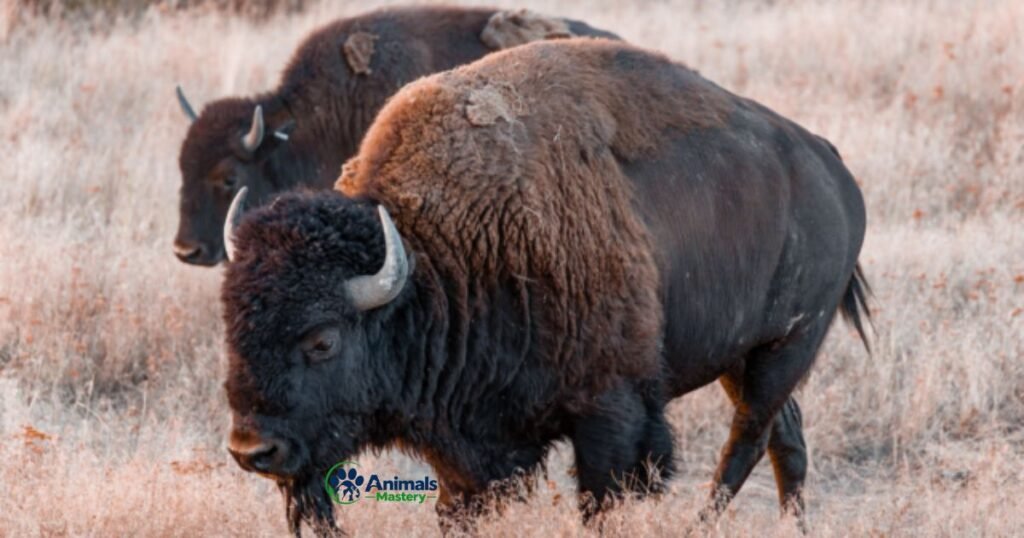
Beyond just a physical barrier, their skin acts as a first line of defense against biting insects, which can be a significant nuisance in the grasslands. The thick hide, layered with coarse hair, creates a hostile environment for pests like flies and ticks, allowing bison to thrive in their natural habitats without being overwhelmed by these irritants.
The social behavior of bison enhances their survival, intertwining their thick skin with community dynamics. Living in herds provides safety in numbers, as the strength of collective vigilance allows individual bison to navigate threats more effectively.
Their social interactions, from nurturing calves to forming protective circles against predators, underscore the importance of not just individual resilience but also community cohesion.
Rhinoceros
- Scientific Name: Ceratotherium simum
- Family: Rhinocerotidae
- Class: Mammalia
- Diet: Herbivore, feeds on grasses
The rhinoceros, often celebrated for its massive bulk and imposing presence, garners fascination not just for its size but for its remarkably thick skin, which acts as a natural armor. Measuring up to two inches in thickness in certain areas, this rugged exterior is not merely for show; it serves multiple functions.
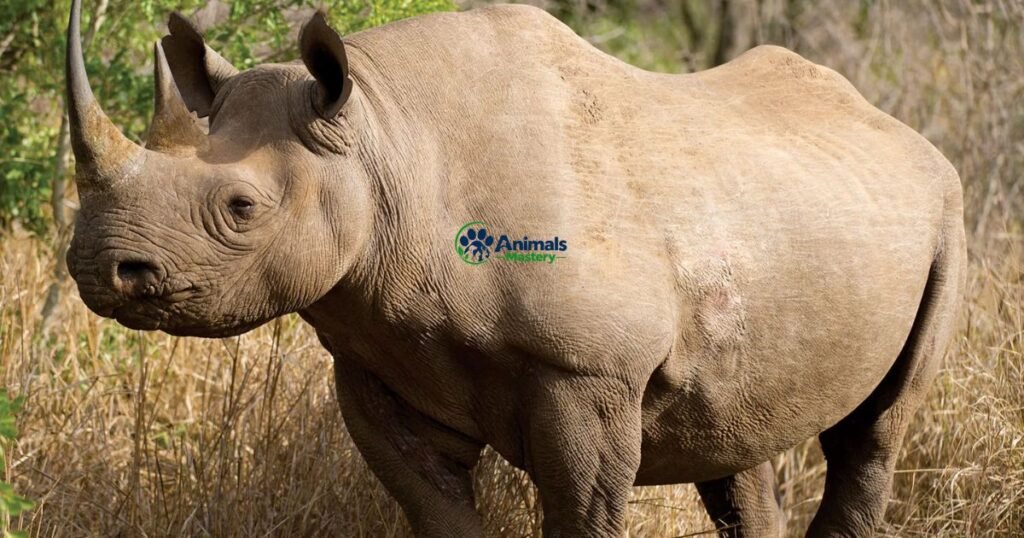
The skin’s texture, resembling corrugated armor, helps protect the rhinoceros from the harsh elements and predators, while also assisting in temperature regulation, a critical factor for these magnificent beings living in often sweltering environments.
Rhinoceroses often indulge in mud baths, a behavior that seems purely hedonistic but is deeply rooted in survival. When coated with mud, their skin benefits from additional protection against sunburn and irritants while also aiding in cooling their body temperature.
This natural sunscreen, bolstered by their thick skin, fosters a unique relationship with their habitat, showcasing an animal perfectly adapted to thrive in the wild.
Hippopotamus
- Scientific Name: Hippopotamus amphibius
- Family: Hippopotamidae
- Class: Mammalia
- Diet: Herbivore, feeds on grasses
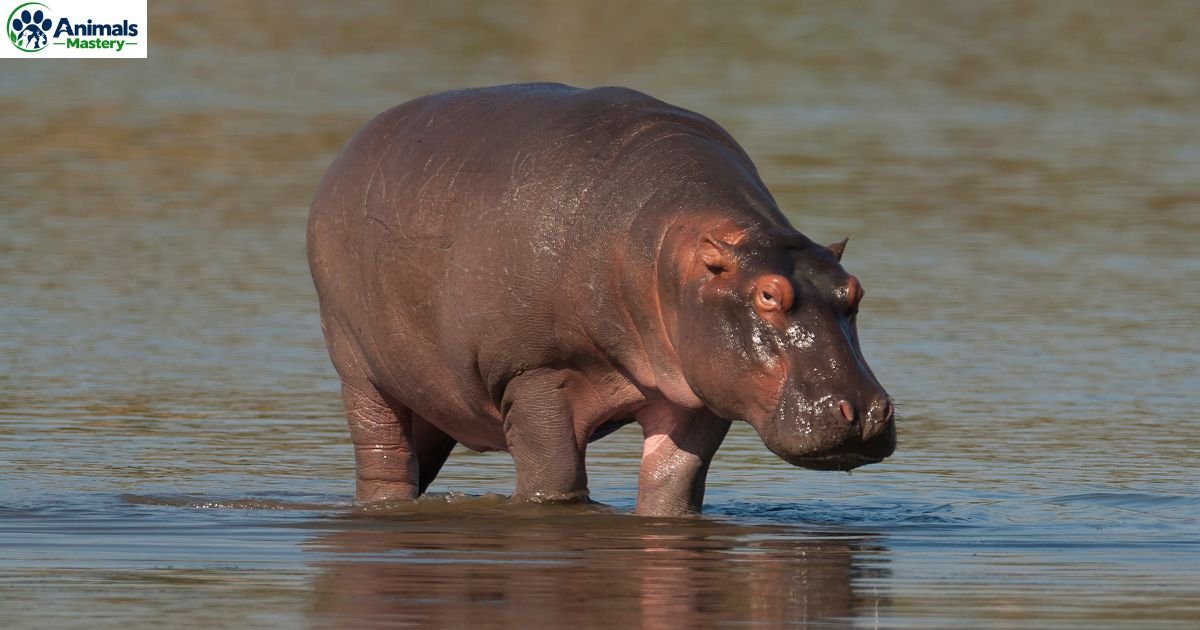
The hippopotamus, a colossal beast residing predominantly in African rivers and lakes, boasts one of nature’s most extraordinary defenses: its thick skin. This impressive layer can reach about two inches in thickness, serving not only as armor against rival hippos and potential predators, but also as a natural barrier against the sun’s harsh rays.
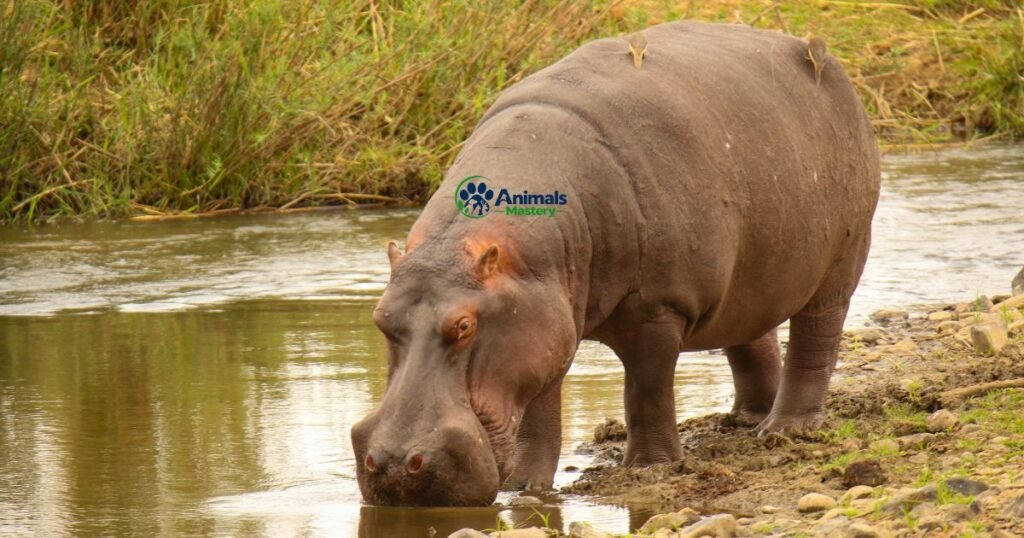
Hippos secrete a reddish fluid often referred to as “blood sweat,” which is not sweat at all but a combination of oils and pigments that functions as a natural sunscreen. This unique adaptation protects their sensitive skin from UV damage while keeping it hydrated.
Beyond aesthetics, the hippopotamus’s thick skin presents a fascinating case study in evolutionary resilience. This adaptation is essential for surviving in their semi-aquatic habitats, where exposure to sunlight can lead to severe skin issues if not properly managed. This “sweat” has antimicrobial properties, further safeguarding hippos from infections that can arise in the muddy waters they inhabit.
As these majestic creatures bask under the sun, their thick skin becomes a symbolic testament to survival, demonstrating how evolution crafts ingenious solutions that equip animals with the tools they need to thrive in their environments.
Blue Whale
- Scientific Name: Balaenoptera musculus
- Family: Balaenopteridae
- Class: Mammalia
- Diet: Carnivore, feeds mainly on krill
The blue whale, the largest animal on the planet, boasts an impressive layer of thick skin that plays a vital role in its survival. Beneath this skin lies a substantial layer of blubber, which can measure up to 30 centimeters thick.
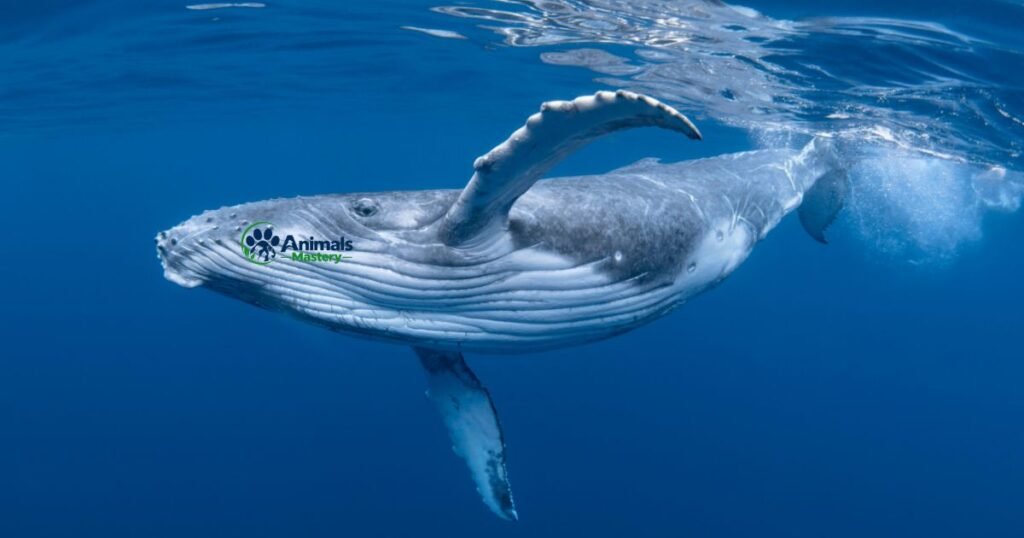
This blubber serves not only as insulation for thermal regulation in icy waters but also as an energy reserve during long migratory journeys. As these magnificent creatures travel thousands of miles in search of food, their thick skin and blubber work synergistically to maintain body heat, allowing them to thrive in various oceanic environments.
What’s fascinating about the blue whale’s adaptation is how its skin also facilitates communication and navigation. The smooth, resilient texture of their skin helps reduce drag, allowing these giants to glide effortlessly through the water.
This remarkable adaptation not only conserves energy but also enhances their ability to send and receive sound waves, an essential feature for communication in the vast depths of the ocean.
Armadillo
- Scientific Name: Dasypus novemcinctus
- Family: Dasypodidae
- Class: Mammalia
- Diet: Omnivore, eats insects, grubs, and some plant matter
The armadillo, often overlooked in the animal kingdom, showcases an extraordinary example of evolution with its thick skin and protective armor made up of bony plates. This unique structure is primarily composed of keratin, the same protein that makes human hair and nails, providing a formidable defense against predators.
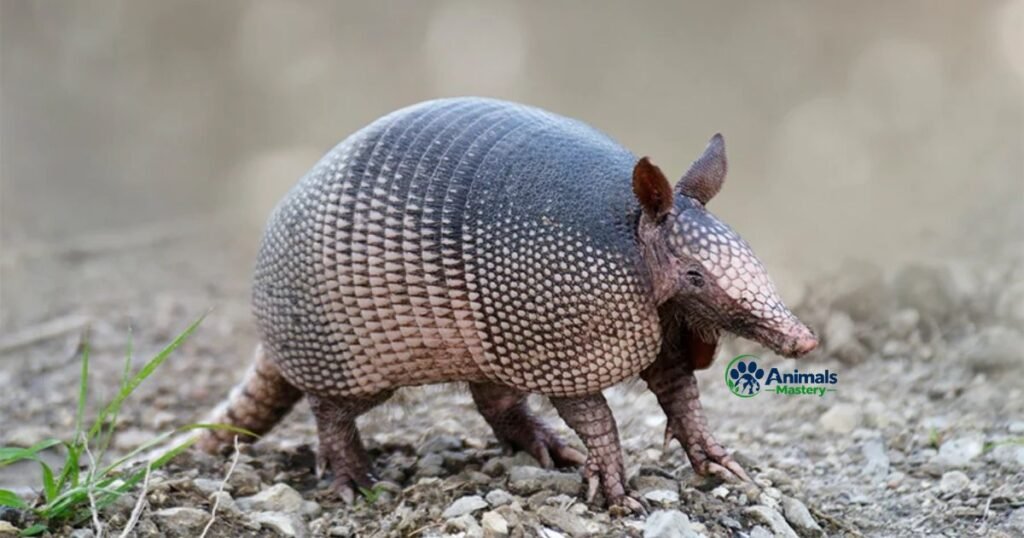
When threatened, the armadillo can curl into a ball, effectively using its tough, scaly exterior as a shield. This remarkable behavior not only deters small attackers but also highlights the armadillo’s ingenious survival strategies.
These little armored wonders aren’t just tough on the outside. Their skin houses many sensory receptors, allowing them to navigate and locate food sources despite their heavy armor. This duality of protection and awareness is key to their survival in diverse habitats, from forests to grasslands.
The armadillo’s thick skin has sparked interest in biomimicry, inspiring innovations in protective gear for humans, showcasing how nature’s designs can inform technology. Through a deeper understanding of the armadillo’s adaptations, we can appreciate the intricate relationships between physical traits and survival in the wild.
Whale Shark
- Scientific Name: Rhincodon typus
- Family: Rhincodontidae
- Class: Chondrichthyes
- Diet: Carnivore, filter feeder that eats plankton and small fish
The whale shark, with its impressive thick skin, is a marvel of marine adaptation. This gentle giant, which can grow up to 40 feet in length, boasts a unique outer layer composed of dermal denticles, small, tooth-like structures that provide both protection and hydrodynamic benefits. These denticles not only deter parasites and reduce drag while swimming but also enable the whale shark to glide effortlessly through its oceanic habitat.
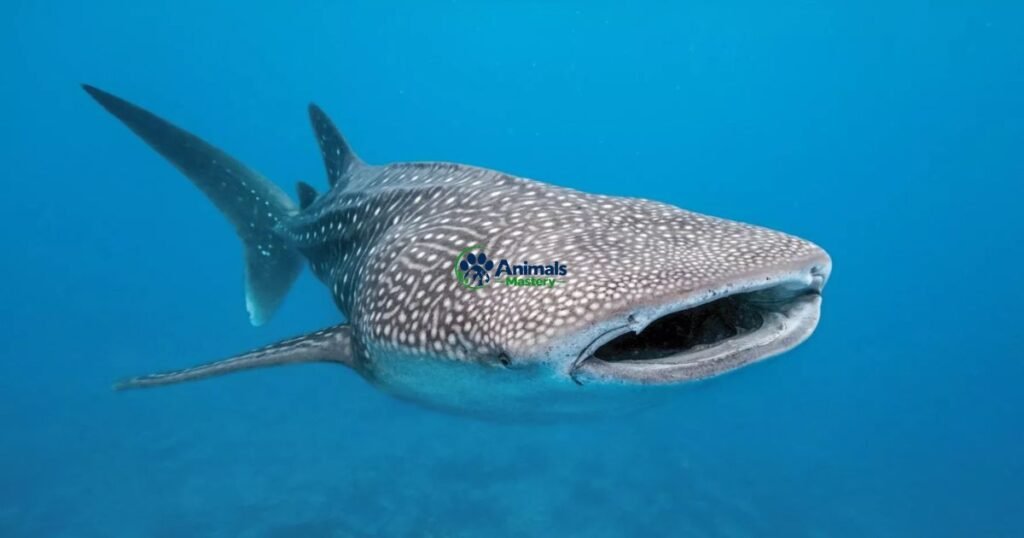
Feeding primarily on plankton, the whale shark has adapted its massive mouth to strain these tiny organisms from the water, showcasing an extraordinary balance between size and efficiency. This remarkable adaptation allows it to thrive in nutrient-rich waters, where plankton blooms occur.
The interplay between its thick skin, denticles, and feeding strategy makes the whale shark a fascinating study in evolutionary success, illustrating how form and function are intertwined in the marine world. As researchers continue to explore these gentle giants, the depths of their incredible adaptations reveal secrets that enhance our understanding of oceanic ecosystems.
Giraffe
- Scientific Name: Giraffa camelopardalis
- Family: Giraffidae
- Class: Mammalia
- Diet: Herbivore, feeds mainly on acacia leaves
Giraffes, the towering giants of the savannah, possess an extraordinary adaptation in their thick skin that goes beyond mere protection from the elements. This unique feature serves as a vital defense against harsh sunlight, minimizing the risk of sunburn in their vast, exposed habitat.
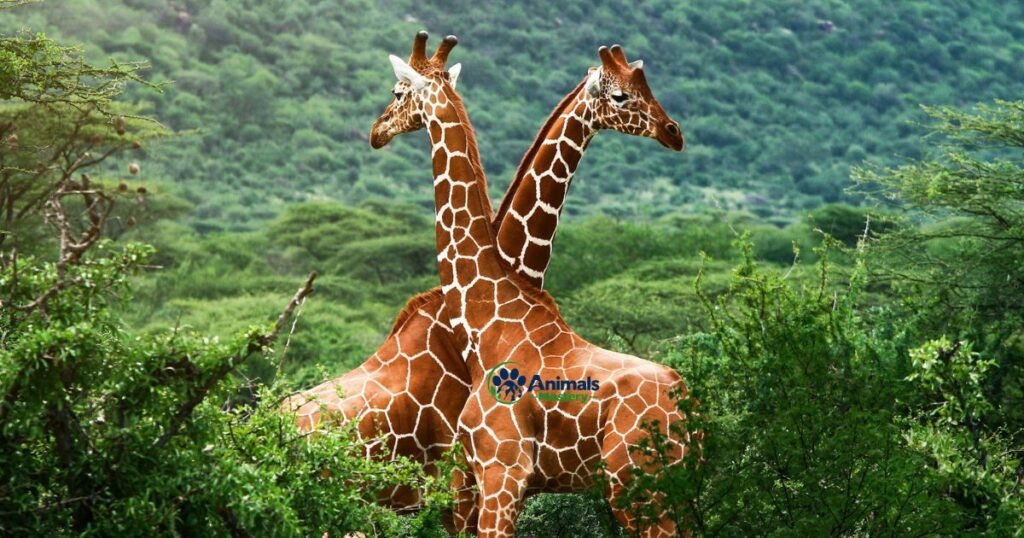
With skin that can be up to 0.5 inches thick, giraffes not only shield themselves from UV rays but also maintain a stable body temperature during the sweltering daytime heat.
Their skin texture plays an intriguing role in individual recognition within these social animals. The distinct patterns of spots aren’t just for camouflage; they facilitate social interactions by allowing giraffes to identify one another from a distance.
Each pattern is unique, much like human fingerprints, which fosters a sense of community and helps maintain social bonds in their sprawling herds. This remarkable blend of practicality and social nuance showcases the giraffe’s evolution as a master of the savannah’s challenges.
Camel
- Scientific Name: Camelus dromedarius
- Family: Camelidae
- Class: Mammalia
- Diet: Herbivore, feeds on grasses, grains, and desert vegetation
Camels are renowned for their thick skin, a remarkable adaptation that plays a crucial role in their survival in the harsh desert environment. This tough exterior not only acts as protection against the abrasive sand and extreme temperatures but also serves as a vital element in thermoregulation.
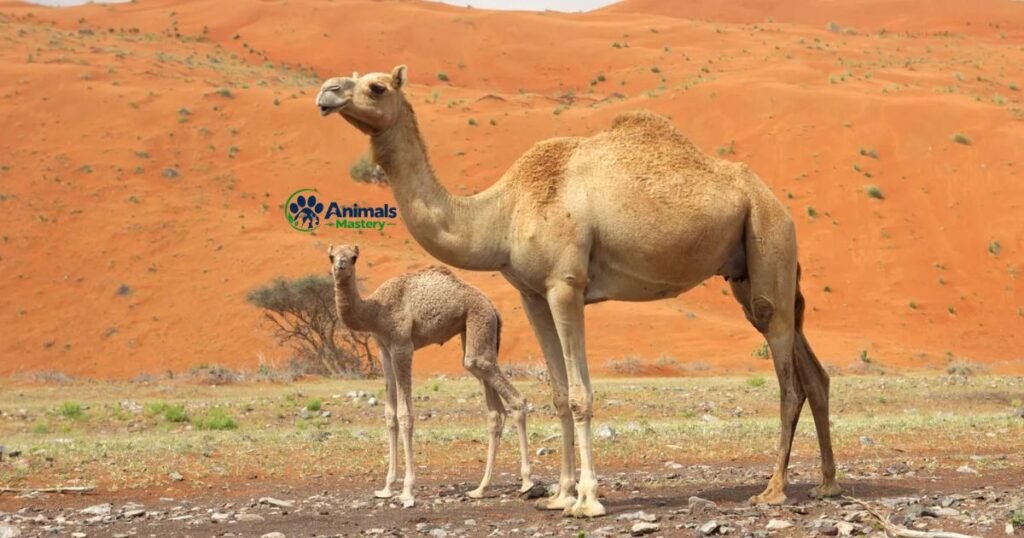
The camel’s skin can absorb sunlight without overheating, allowing them to conserve precious water resources while navigating the scorching heat.
A camel’s fat is stored in its hump rather than its body, which helps to insulate the animal from the sun while maintaining its body temperature. This unique anatomical feature further enhances their efficiency in water conservation, as they can withstand dehydration far longer than many other mammals.
The thick skin, combined with their physiological traits, underscores the camel’s extraordinary ability to thrive in a climate where most would perish, making them a true marvel of evolutionary adaptation.
More Animal Facts Worth Exploring
Thick skin is just one adaptation nature has perfected — plenty of other animal facts reveal just as much ingenuity.
Elephants, rhinos, hippos, bison, and grizzly bears, all covered above for their tough hides, also rank among the most muscular animals in the world, showing how armor and strength often go hand in hand.
Elephants take things further, using dust and mud baths as part of a grooming routine that earns them a spot among the cleanest animals in the world.
And the honey badger’s rubbery hide is just one trick up its sleeve, a trait it shares with fellow animals like weasels known for punching well above their weight.
Final Thoughts
Thick-skinned animals exemplify the wonders of evolution and the diverse strategies employed by various species to navigate their habitats. With their formidable exterior, these animals offer valuable insights into the balance between strength and vulnerability in nature.
Their presence is vital for maintaining ecological stability, highlighting the importance of protecting their environments. As we learn more about these fascinating creatures, it becomes clear that safeguarding their futures is essential for our planet’s health.
FAQs
Which Animal has the Thickest Skin?
The animal with the thickest skin is the hippopotamus. Their skin can reach up to 2 inches (5 centimeters) in thickness and serves as a protective barrier against environmental threats and parasites.
What Animal has the Toughest Skin?
The animal with the toughest skin is often considered to be the armadillo. Their skin is made up of bony plates covered by a tough outer layer, which offers significant protection against predators and environmental hazards. This unique armor-like feature allows armadillos to survive in various habitats, from grasslands to forests, by making it difficult for other animals to bite or injure them.
How Thick is Elephant Skin?
Elephant skin is remarkably thick, averaging about 1 to 2 inches (2.5 to 5 cm) in thickness. In some areas, such as near the back and the trunk, it can be even thicker, reaching up to 3 inches (7.5 cm).
What is a Pachyderm Animal?
A pachyderm is a term used to describe a group of large, thick-skinned mammals, which traditionally includes elephants, rhinoceroses, and hippopotamuses. The name “pachyderm” comes from the Greek words “pachys,” meaning thick, and “derma,” meaning skin.
How Thick is Hippo Skin?
Hippo skin is remarkably thick, typically measuring between 2 to 6 inches (5 to 15 centimeters) in depth, depending on the region of the body.
Is Human Skin Thicker than Pig Skin?
Human skin is generally thinner than pig skin. The average thickness of human skin varies between 1 to 4 millimeters, depending on the body part, with areas like the palms and soles being thicker. In contrast, pig skin can be significantly thicker, often averaging around 2 to 5 millimeters, and can even exceed this in certain areas.