

Explore Top 6 Animals That Are Deaf (With Images)
Deafness is often seen as a limitation, but for certain animals, it’s merely a different way of thriving. In Explore Top 6 Animals That Are Deaf , we delve into the lives of these remarkable creatures, showcasing their adaptations and survival strategies.
This journey will not only surprise you but also inspire you to reconsider the role of hearing in the lives of various species. By the end of this article, you’ll gain a new appreciation for how hearing loss can shape behaviors and environments in the animal kingdom.
List Of Animals That Are Deaf
Here is a list of deaf animals found around the world:
- Spiders
- Earless Seals
- Salamanders
- Cephalopods
- Naked Mole-Rats
- Armadillos
Spiders
- Scientific Name: Araneae
- Class: Arachnida
- Diet: Carnivorous
Effectively Deaf: Spiders, often misunderstood as fearsome predators, have a unique way of navigating their world. While many exhibit acute sensory adaptations, fascinatingly, they are effectively deaf.
Instead of relying on auditory cues, these arachnids depend on vibrations and visual stimuli to communicate and detect prey. Their specialized hairs can pick up subtle movements, allowing them to thrive even without a conventional sense of hearing.
Vibration Detection: Spiders exemplify this fascinating adaptation; they primarily rely on vibration detection to navigate their world. These arachnids can sense the slightest tremors through specialized hairs on their bodies, alerting them to the presence of prey or potential threats.
This extraordinary capability allows them to thrive in diverse environments, turning what could be a vulnerability into a unique strength.
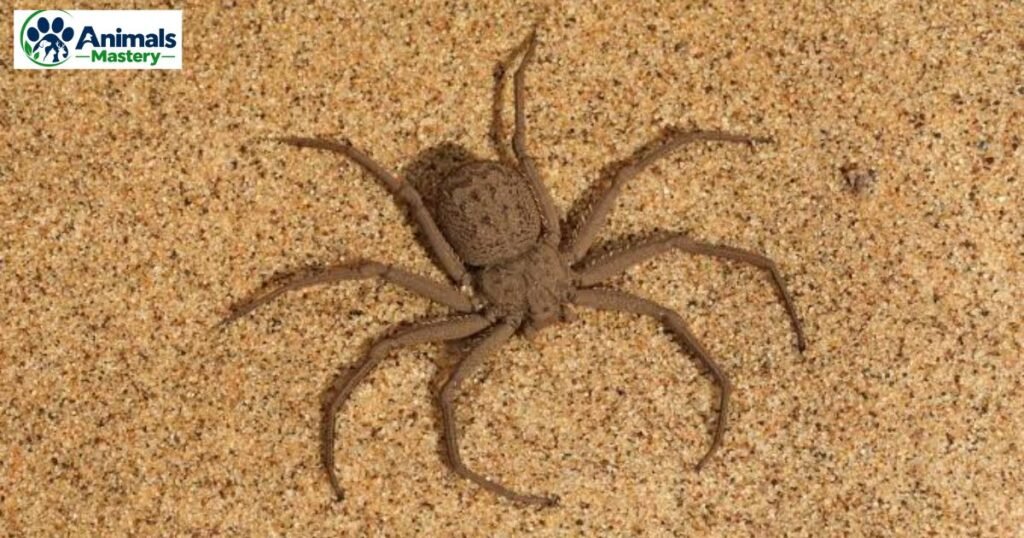
Specialized Sensory Hairs: While many are familiar with the idea that spiders are deaf, the truth is even more fascinating. These remarkable arachnids utilize specialized sensory hairs across their bodies to detect vibrations in the air, enabling them to sense movement and potential prey.
This alternative mode of “hearing” showcases nature’s adaptability, allowing spiders to thrive in environments where traditional auditory senses might be a disadvantage.
Web Vibration Sensing: Spiders have an extraordinary way of navigating their world, often relying on web vibration sensing rather than traditional hearing. While humans might find the idea of a deaf spider odd, these arachnids possess an acute ability to detect the subtlest vibrations in their silk threads.
This skill helps them identify potential prey and notice lurking threats, demonstrating how evolution can craft alternative survival strategies when hearing is not an option.
Earless Seals
- Scientific Name: Phocidae
- Class: Mammalia
- Diet: Carnivorous
Heightened Sense of Touch: Earless seals, also known as phocids, are fascinating creatures that highlight nature’s adaptability. These marine mammals have evolved to thrive in their aquatic environments despite their lack of external ears, which enhances their streamlined bodies for efficient swimming.
Their absence of visible ears doesn’t mean they are entirely devoid of hearing; instead, they possess a heightened sense of touch, allowing them to perceive vibrations in the water. This adaptation is essential for communication and navigation, especially in the deep, often murky ocean.
Water-Vibration Detection: Earless seals, often referred to as true seals, exemplify the remarkable adaptations of marine mammals. While they lack external ears like many land animals, these fascinating creatures have evolved unique methods of communication and navigation in their underwater world.
Relying on water-vibration detection, earless seals can sense the subtlest of movements around them, allowing them to detect predators, prey, and even fellow seals, all through the nuances of sound and pressure changes in their environment.

Visual Communication: Earless seals, also known as true seals, have adapted to a life in icy waters without relying heavily on sound. Instead, these fascinating marine mammals utilize visual communication to navigate their environments and interact with one another.
With large, round eyes and expressive body language, earless seals convey emotions and signals through postures and movements, proving that vibrancy can thrive even in silence.
Body-Language Signals: Earless seals, also known as true seals, possess a fascinating adaptation that speaks volumes about their unique communication methods. Lacking external ears, these aquatic mammals rely heavily on body-language signals to convey emotions and intentions, creating a rich tapestry of interactions beneath the waves.
Their streamlined bodies allow for agile movement, while subtle gestures often hint at social dynamics within pods, revealing how effectively they navigate their environment without relying on sound.
Salamanders
- Scientific Name: Caudata
- Class: Amphibia
- Diet: Carnivorous
No External Ears: Salamanders are fascinating creatures, often overlooked in discussions about animal communication. With no external ears, these amphibians rely heavily on vibrations and chemical signals to interact with their environment. This unique adaptation allows them to thrive in diverse habitats, from lush forests to quiet ponds.
By sensing ground vibrations through their skin, they navigate and communicate effectively, showcasing an extraordinary form of sound perception that challenges our traditional understanding of hearing.
Skin Sensitivity: Salamanders, often celebrated for their vibrant colors and unique life cycles, exemplify how skin sensitivity plays a critical role in their survival. Unlike many animals, these amphibians rely heavily on their permeable skin to absorb moisture and chemical signals from their environment.
This heightened sensitivity lends them an acute awareness of their surroundings, compensating for their inability to hear. In a world where auditory signals are critical for communication, salamanders showcase a fascinating adaptation that allows them to thrive without conventional hearing.
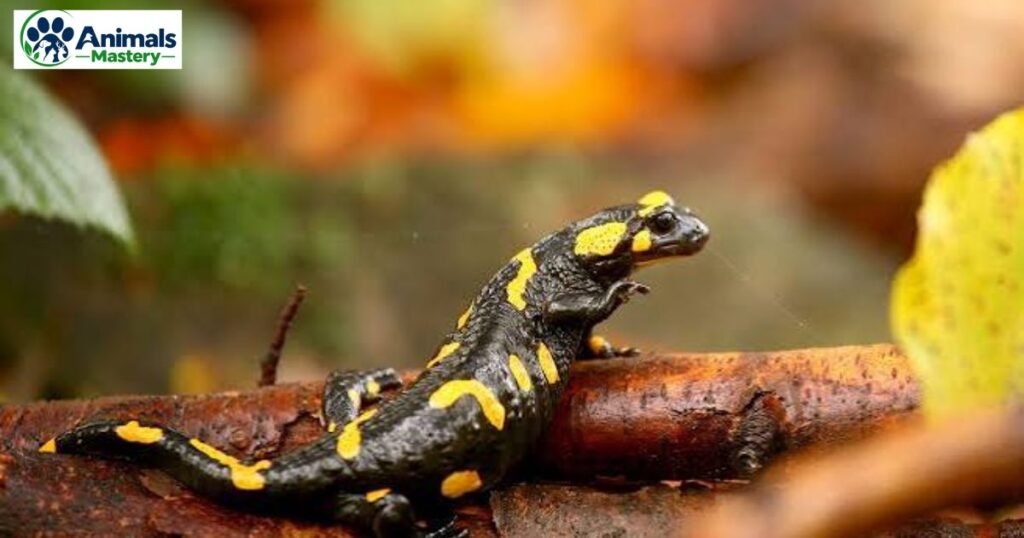
Vibration Detection: Salamanders, often overlooked, possess a fascinating ability to thrive in silence. Unlike many animals, these amphibians rely heavily on vibration detection rather than sound to navigate their environments.
This unique adaptation allows them to sense movement and communicate through subtle vibrations in the ground or water, showcasing an extraordinary way of perceiving the world around them.
Color Signaling: Salamanders, fascinating amphibians often overlooked, engage in a variety of unique behaviors, including color signaling. This vibrant display is not merely for aesthetics; it plays a crucial role in communication, especially when enticing mates or warding off predators.
While these creatures rely heavily on visual cues, they are also part of a larger group of animals that navigate their worlds without the sense of hearing.
Cephalopods
- Class: Cephalopoda
- Diet: Carnivorous
Completely Deaf: Cephalopods, often celebrated for their intelligence and complex behaviors, face unique challenges in communication and perception. Interestingly, many cephalopods, including squids and octopuses, are completely deaf in the traditional sense; they lack the inner ear structures that mammals use to perceive sound.
They navigate their underwater world through an array of sensory modalities, including advanced vision and touch.
Visual Communication: Cephalopods are fascinating creatures that rely heavily on visual communication to navigate their underwater world. Unlike many other animals, these highly intelligent mollusks like octopuses, squids, and cuttlefish lack the ability to hear sound in the traditional sense.
They use intricate color changes and body postures to convey messages, whether to signal mating intentions, warn off predators, or assert dominance.
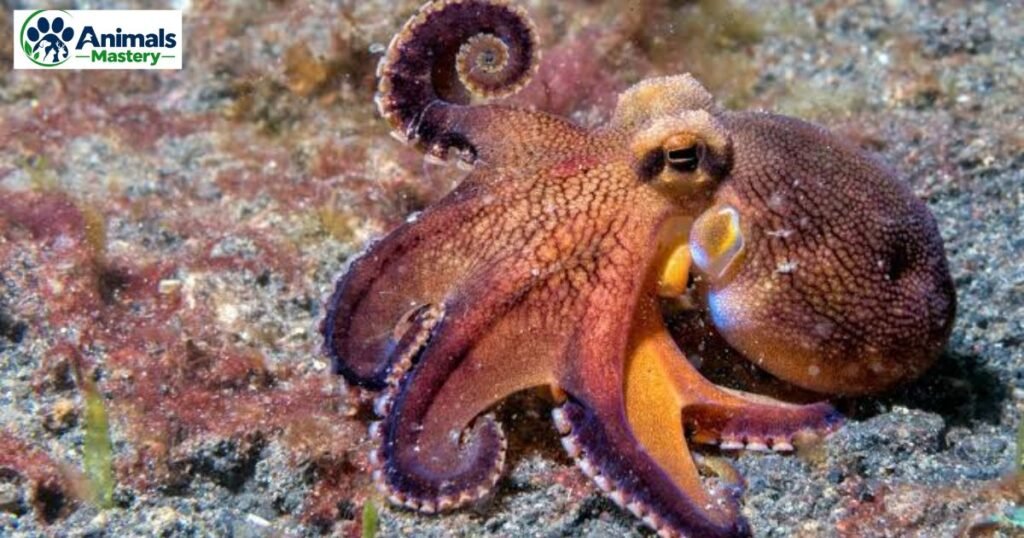
Chemical Signaling: Cephalopods, including octopuses and squids, are fascinating creatures that have adapted to their environments in unique ways. Interestingly, they lack traditional hearing capabilities; their perception of sound is primarily through vibrations in the water.
Instead of relying on auditory signals, these highly intelligent animals employ chemical signaling to communicate, using a complex system of color changes and body language to relay their emotions and intentions. This chemical communication is crucial for mating, social interactions, and evading predators.
Color and Texture Changes: Cephalopods, like octopuses and cuttlefish, are fascinating not just for their intelligence but also for their remarkable ability to change color and texture. These creatures possess specialized skin cells called chromatophores, allowing them to blend seamlessly into their environments.
This ability serves as an intricate form of communication and camouflage, highlighting their exceptional adaptation in the ocean’s depths. These vibrant displays can shift in an instant, conveying mood or signaling to potential mates.
Naked Mole-Rats
- Scientific Name: Heterocephalus glaber
- Class: Mammalia
- Diet: Herbivorous
Almost Completely Deaf: Naked mole-rats, fascinating creatures of the underground, are part of a unique company of animals that are almost completely deaf. This remarkable adaptation allows them to thrive in their dark subterranean environments, where sound-based communication is less advantageous. Instead, these intriguing rodents rely on tactile cues and pheromones to navigate their complex social structures.
Their deafness doesn’t hinder their ability to work harmoniously in colonies, showcasing the power of alternative communication strategies.
Vibrational Communication: Naked mole-rats, known for their unique adaptations, thrive in the harsh underground environments of East Africa. These creatures particularly fascinating is their reliance on vibrational communication, a method that compensates for their deafness.
Living in colonies, they utilize ground-borne vibrations to relay messages about danger, food, and social interactions, creating a complex social structure despite their auditory limitations. This method underscores an extraordinary evolutionary adaptation, showcasing how creatures can thrive without conventional senses.
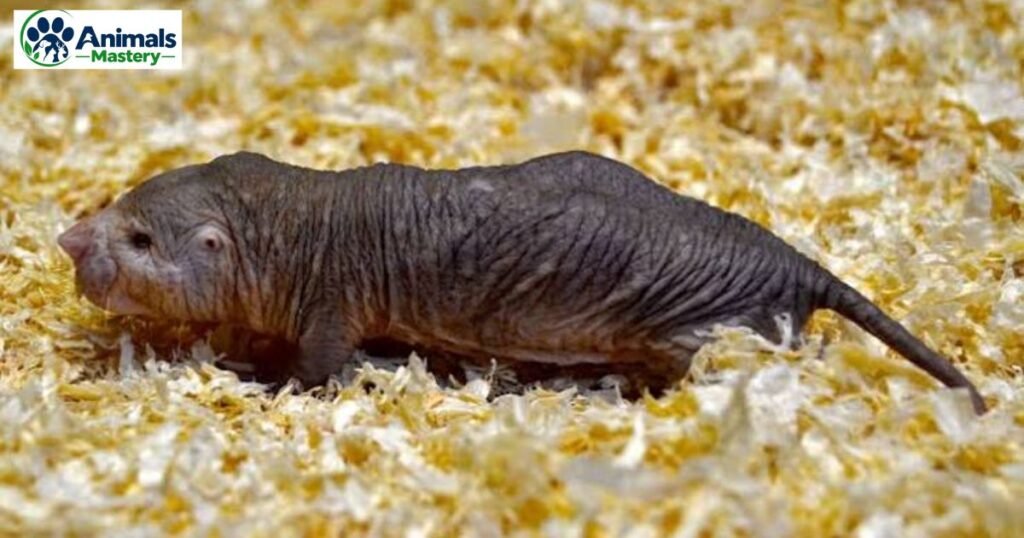
Scent Marking: Naked mole-rats, with their unique adaptations to social living, showcase how evolution shapes communication in the animal kingdom. These fascinating creatures rely heavily on scent marking to convey messages within their colonies. Unlike many mammals that use sound for interaction, naked mole-rats have evolved to thrive in the dark and noisy tunnels of their underground homes.
This reliance on olfactory cues reinforces the strength of their social structure and cohesion, as they can identify colony members and assert dominance through intricate scent trails.
Subterranean Social Cooperation: Naked mole-rats are fascinating creatures that redefine our understanding of social structures in the animal kingdom. Known for their remarkable subterranean social cooperation, these critters live in colonies of up to 300 individuals, where roles are strictly divided between the queen, workers, and breeding males.
Their unique, hairless appearance might not win them any beauty contests, but their social dynamics rival even the most complex of human societies. In a world where most animals rely heavily on sound for communication, naked mole-rats have adapted to their underground lifestyle by developing a mix of tactile and chemical cues, displaying an extraordinary level of adaptability.
Armadillos
- Scientific Name: Cingulata
- Class: Mammalia
- Diet: Omnivorous
Largely Deaf: Armadillos are fascinating creatures, not only for their unique armor but also for their largely deaf nature. These mammals rely heavily on their other senses to navigate their environment, particularly their keen sense of smell and sight.
While they may not hear well, their ability to dig and burrow quickly helps them evade predators. This adaptation has made armadillos masters of survival in diverse habitats, from grasslands to forests.
Acute Sense of Smell: Armadillos, known for their unique armor-like shells, may be part of an intriguing group of animals that are notably deaf. While these creatures lack auditory sensitivity, they compensate with an acute sense of smell, allowing them to navigate their environments effectively.
This ability not only aids in locating food, such as insects and worms, but also helps them recognize potential threats, showcasing how adaptation can manifest in diverse ways.

Strong Sense of Touch: Armadillos, often characterized by their distinctive armor-like shells, possess a strong sense of touch that compensates for their limited hearing. These fascinating creatures rely heavily on their tactile sensitivity to navigate their surroundings and locate food.
Their elongated snouts and sensitive whiskers help them dig and forage, showcasing how a strong sense of touch can be crucial for survival in a world where auditory cues are muted.
Earth-Vibration Detection: Armadillos, often recognized for their unique armor-like shells, have developed fascinating adaptations to thrive in their environments. One intriguing aspect of their biology is their reliance on Earth-vibration detection rather than conventional hearing.
This adaptation allows armadillos to sense movements in their surroundings, alerting them to potential threats like predators. While they may appear to be predominantly deaf, their sensitivity to vibrations helps them navigate and survive in diverse habitats, from grasslands to forests.
Dive Deeper Into the Animal Kingdom
- Many Animals with Long Tails depend on their tails for survival and everyday activities.
A tail may help an animal climb trees, maintain balance, or escape from predators.
The shape and function of the tail often vary depending on the species. - Learning about Birds With Long Legs reveals the incredible diversity of the bird world.
Some species are graceful waders, while others use their powerful legs for running.
Their distinctive appearance and adaptations make them fascinating creatures to explore. - Many Cleanest Animals in The World also keep their nests, dens, or living spaces well maintained. Certain species avoid contaminating areas where they sleep, eat, or raise their young. Such behaviors demonstrate the importance of cleanliness in the animal kingdom.
Conclusion
The exploration of the top six animals that are deaf known for their deafness reveals a fascinating world that challenges our perceptions of communication and survival. These animals remind us that adaptations take many forms, and being deaf can lead to unique strategies for interaction and navigation within their environments.
Their stories encourage us to rethink how we define normal as well as the importance of every species in our ecosystem. By studying their behaviors and interactions, we can appreciate their resilience and the diverse ways they communicate.
FAQs
Can Earless Seals Hear Underwater even Though they Lack External Ear Flaps?
Yes. They do not have external ears, but they hear very well underwater. Sound vibrations travel through dense bone in their lower jaw directly to their inner ears.
How do Spiders Detect Sound if they are Completely Deaf to Airborne Noises?
Spiders lack ears, but they feel vibrations. Tiny hairs on their legs called trichobothria pick up air currents and ground vibrations to sense approaching danger or prey.
Do Naked Mole-Rats Communicate using Sound if they cannot Hear Normally?
Naked mole-rats actually hear low-frequency sounds quite well, despite their tiny ear openings. They use soft chirps and squeaks to talk to each other in their dark tunnels.
Are Cephalopods like Octopuses and Squids Totally Deaf to Ocean Sounds?
They do not hear traditional sound waves, but they sense low-frequency vibrations. An organ called a statocyst helps them feel deep rumblings and changes in water movement.
Why do Armadillos have Poor Hearing when they Rely on a Keen Sense of Smell?
Armadillos have small ear canals and poor hearing because they evolved to focus on smell and touch. They root in the dirt for insects, so smelling food is much more important than hearing it.