

Dogs Ear Mites vs. Ear Infection 101: Signs, Symptoms and When to See Your Vet
As a dog owner, you’ve probably noticed your pup shaking their head or scratching their ears. Ear mites and ear infections are two common culprits.
Recognizing the signs of each can save your dog from unnecessary pain and ensure they receive the proper care. This article will explore the dogs ear mites vs ear infection, empowering you to make informed decisions for your pet’s health.
Dogs Ear Mites vs. Ear Infection
Ear mites and ear infections share several symptoms, which is exactly why they’re so often confused. But the cause, discharge, and treatment differ in ways that matter for getting your dog the right care.
Here’s a quick side-by-side comparison table of dogs ear mites vs ear infection to help you spot the difference at a glance.
| Ear Mites | Ear Infection | |
|---|---|---|
| Cause | Parasites (Otodectes cynotis) | Bacteria, yeast, allergies, foreign objects |
| Most common in | Puppies, cats/dogs in shared households | Dogs of any age, especially floppy-eared breeds |
| Discharge | Dark, dry, crumbly (coffee-ground-like) | Waxy, wet; yellow, brown, or bloody |
| Contagious to other pets | Yes | No |
| Odor | Mild or absent unless secondary infection sets in | Often strong, foul smell |
| Typical treatment | Topical parasiticides (ivermectin, milbemycin, pyrethrin drops) | Ear cleaning plus antibiotic or antifungal drops; oral meds for chronic cases |
What are Ear Mites?
Ear mites, tiny parasites that thrive in a dog’s ear canal, are a common issue, particularly in puppies. These minuscule creatures feed on the wax and oils in the ear, leading to irritation and discomfort.
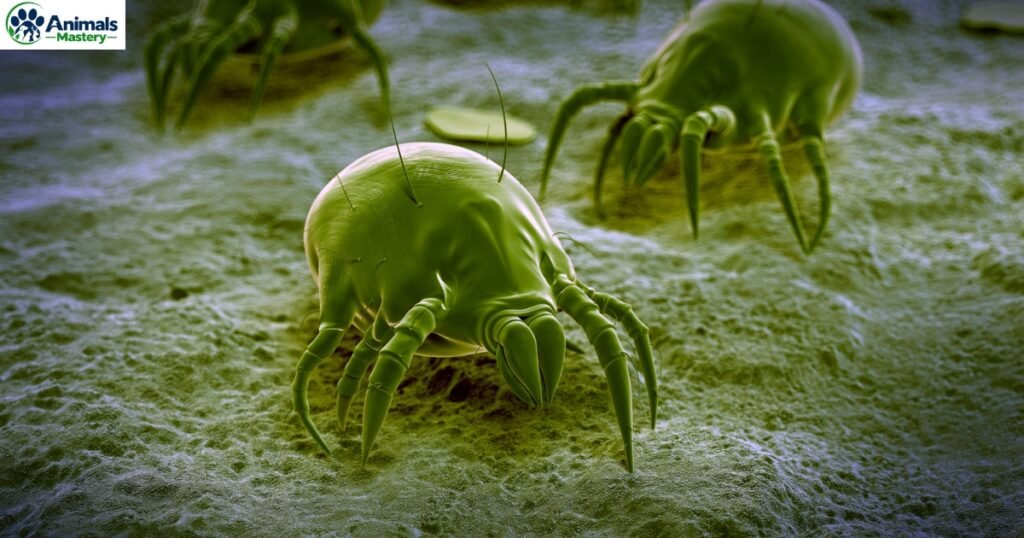
Their presence can often be mistaken for an ear infection due to similar symptoms like excessive scratching, head shaking, and dark, crumbly debris in the ear.
How can I tell if my Dog has Ear Mites?
Observing your dog for signs of ear mites is crucial for their comfort and health.
- Head Shaking & Scratching: Frequent head shaking combined with persistent ear scratching is often the first clue something’s irritating your dog’s ears.
- Dark, Dry Discharge: The most telling sign of mites specifically is dry, dark, crumbly debris resembling coffee grounds, a texture that sets it apart from the wetter discharge typical of infections.
- Sores Around the Ears: Keep an eye out for sores around the ears, as excessive scratching can lead to these painful skin lesions and increase the risk of a secondary infection.
- Mild Redness & Inflammation: Some inflammation is common, but it’s usually milder than what you’d see with a full-blown infection, unless mites have gone untreated for a while.
Since mites are contagious to other pets in the household, it’s worth checking any other cats or dogs for the same symptoms. Cats are known for their meticulous self-grooming habits and are often ranked among the cleanest animals in the world, which is part of why ear mite infestations in cats can sometimes go unnoticed until they groom less due to discomfort.
What are Ear Infections in Dogs?
Ear infections in dogs can be a silent yet significant health concern, often overlooked until they cause your pet noticeable discomfort. These infections typically occur in the ear canal and can stem from a variety of sources, including bacteria and yeast overgrowth, which thrive in warm, moist environments. A dog’s anatomy can predispose them to these issues, especially breeds with floppy ears. This is especially true for Domestic Dogs which provide a perfect breeding ground for harmful microorganisms.

Allergies are another critical component, as many dogs suffer from environmental or food-related sensitivities that lead to itchy ears and subsequent infections. Foreign objects lodged in the ear canal, like grass seeds or dirt, can also exacerbate the problem, leading to chronic discomfort and more severe health problems if left untreated.
What do Ear Infections in Dogs Look like?
When dogs suffer from ear infections, their discomfort often manifests in noticeable behaviors. Do check for the following indicators:
- Strong Odor & Wet Discharge: A foul smell paired with wet, waxy discharge (yellow, brown, or bloody) is a hallmark of infection rather than mites.
- Redness & Swelling: The skin inside the ear canal often looks visibly inflamed, sometimes swollen enough to narrow the canal.
- Pain on Touch: Dogs may flinch, pull away, or whimper when their ears are touched, a sign the infection has progressed beyond mild irritation.
- Balance problems & Head Tilt: A noticeable tilt to one side or trouble keeping balance suggests the infection may have reached the inner ear.
- Abnormal eye movements: In some cases, you might observe your dog’s eyes darting back and forth, a condition known as nystagmus, which can accompany severe ear infections and impact their overall well-being.
Recognizing these signs early can make a significant difference in your dog’s health. If you notice any combination of these symptoms, it’s crucial to consult a veterinarian for a comprehensive evaluation and prompt treatment.
Why is a Veterinary Exam Necessary?
A veterinary examination is essential not only for accurate diagnosis but also for implementing a tailored treatment plan.
Here are key reasons why seeking professional help is pivotal:
- Accurate Diagnosis: Only a vet can determine whether the issue is due to mites, bacteria, or a combination of factors.
- Targeted Treatment: Different conditions require specific medications; misdiagnosing could lead to ineffective treatments and prolonged suffering.
- Underlying Health Issues: A veterinary exam can reveal underlying conditions, such as allergies or immune system disorders, that may complicate ear health.
How are Ear Infections in Dogs Treated?
Treatment depends on what’s driving the infection. Vets typically start with a thorough ear cleaning to clear out debris and discharge, followed by a course of antibiotic or antifungal drops, depending on whether bacteria or yeast is the culprit.
Dogs with recurring infections tied to allergies may need oral medication, dietary changes, or long-term management of the underlying allergy. In severe or chronic cases, your vet may run a culture to identify the exact organism and choose the most effective medication.

Never use leftover ear medication from a previous infection without checking with your vet first, the wrong treatment can make things worse.
When Should I Contact my Vet?
Recognizing the right time to contact your vet can save your dog from discomfort and potential complications. Consider these key signs to determine when to contact your vet:
- Persistent head shaking
- Visible dirt or dark debris in the ear canal
- Unusual or foul ear odor
- Redness or swelling in or around the ears
- Signs of discomfort, such as whimpering or reluctance to touch their ears
- Excessive scratching at the ears
- Signs of pain when the ear is touched
- Tiny black specks resembling coffee grounds in the ear discharge.
- Skin irritation or rash due to constant scratching.
- Hair loss around the ears from persistent scratching or biting.
- Persistent scratching around the ears
- Discharge that is dark and waxy or bloody
- Sudden changes in behavior, like increased lethargy
Acting quickly when you see these symptoms allows for more effective treatment, whether your dog is battling ear mites or a more serious infection.
Preventing Ear Problems in Dogs
A little routine care goes a long way. Dry your dog’s ears thoroughly after baths or swimming, since trapped moisture creates the perfect environment for yeast and bacteria. Breeds with floppy ears (like Cocker Spaniels or Basset Hounds) benefit from more frequent ear checks, as reduced airflow makes them more prone to infection.

If your dog has known allergies, managing them with your vet’s guidance can significantly cut down on ear flare-ups. And a monthly at-home ear check, looking for odor, redness, or discharge, helps you catch problems before they escalate.
Conclusion
Understanding the dogs ear mites vs ear infection is vital for effective treatment and care. Ear mites can lead to incessant scratching and discomfort, while ear infections may result in more severe symptoms, including swelling and discharge.
Early detection and accurate diagnosis will pave the way for the right course of treatment. Keeping your dog’s ears clean and monitoring for symptoms can help prevent these issues from arising.
Don’t hesitate to reach out to your veterinarian for guidance and support to keep your dog’s ears healthy and infection-free!
Frequently Asked Questions
What Happens if Ear Mites go Untreated in Dogs?
If ear mites go untreated in dogs, they can lead to significant discomfort and pain for your pet. These parasites cause intense itching, which may result in frequent scratching, head shaking, and inflammation of the ear canal. Over time, this can lead to more severe infections, possibly causing hearing loss or other complications.
What Kills Ear Mites on a Dog?
To effectively kill ear mites in dogs, veterinarians often recommend topical treatments such as pyrethrin-based ear drops or prescription medications like ivermectin or milbemycin. It’s essential to follow the vet’s instructions for application and dosage to ensure complete eradication.
How to tell if a Dog has Ear Mites or an Ear Infection?
To determine if a dog has ear mites or an ear infection, observe their ears closely. Ear mites often cause intense itching, leading the dog to shake its head or scratch its ears frequently. In contrast, an ear infection may result in redness, swelling, or discharge that could be brown or yellowish.
Can I use Home Remedies for Ear Mites?
Yes, you can use home remedies for ear mites, but it’s essential to approach the situation carefully. Common home remedies include using a mixture of mineral oil or olive oil with a small amount of apple cider vinegar.
While home remedies can provide temporary relief or assist in minor cases, it’s important to remember that ear mites can cause serious discomfort and health issues for your pet.
Can Humans catch Ear Mites from Dogs?
No, humans cannot catch ear mites from dogs. Ear mites, specifically Otodectes cynotis, are highly adapted to living in the ears of animals like dogs and cats. While they can cause discomfort and irritation in pets, they do not survive well on humans due to the differences in our skin and ear environment.
Are Ear Mites Painful for Dogs?
Yes, ear mites can be painful for dogs. These tiny parasites irritate the ear canals, causing inflammation and discomfort. If left untreated, it can lead to more severe infections, exacerbating the pain and distress for your furry friend.