

Dental Disease in Cats 101: Silent Signs to Watch for and How to Help
Dental disease in cats is far more common than many owners realize, affecting 85% of felines by just two years old. From painful infections to loose teeth, dental issues are more common than you might think in our furry companions.
This article will delve into the alarming prevalence of dental diseases, focusing on gum disease and its implications for your pets. By raising awareness of these conditions, you’ll be better equipped to recognize the signs and take proactive steps in caring for your cat’s dental health.
By the end, you’ll be equipped with the knowledge you need to help your cat maintain a healthy mouth and a happy life.
What Causes Dental Disease in Cats?
Many cats are predisposed to genetic factors that make them more susceptible to dental issues, meaning regular dental care is crucial, even for those that seem healthy.
Plaque & Tartar
Dental disease in cats often starts with the build-up of plaque and tartar, which can quickly escalate into more serious conditions.
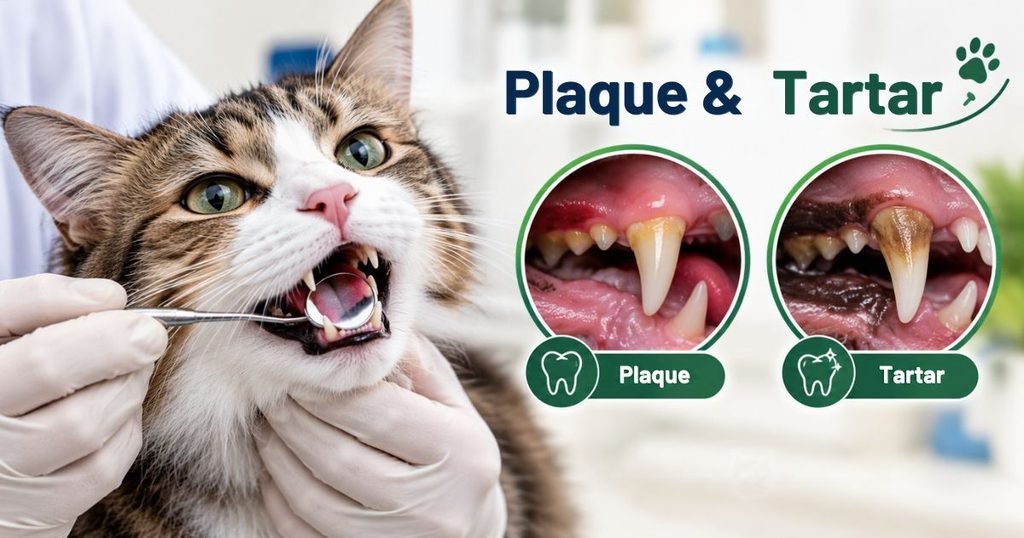
A diet lacking in dental health-friendly ingredients can contribute to this accumulation, as soft foods may not provide the necessary abrasion to keep teeth clean.
Tooth Resorption
Tooth resorption is another alarming phenomenon, where the cat’s body essentially begins to absorb the tooth structure itself.
This painful condition can often go unnoticed until it progresses significantly, leading to severe discomfort for the cat.
Feline Stomatitis
Feline stomatitis, a severe inflammatory condition, can drive even the most gentle cats to resist food and exhibit signs of distress.
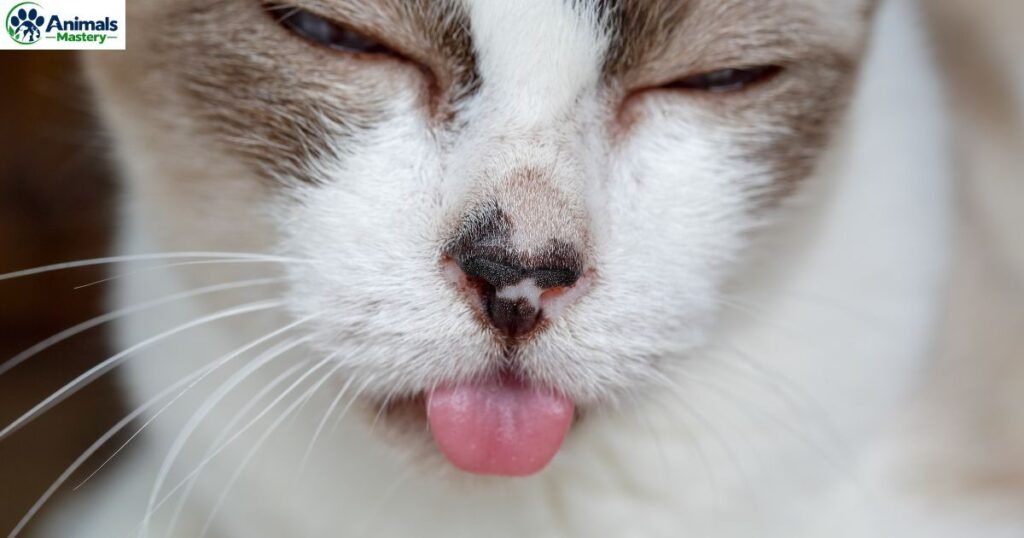
It’s a reminder for owners to stay vigilant about oral health and consult a veterinarian at the first sign of trouble, as the delicate balance of a cat’s well-being often hinges on their dental status.
Broken/Damaged Teeth
Another critical aspect is the risk of broken or damaged teeth, typically occurring due to rough play or chewing on hard objects.
These injuries can lead to painful infections if not promptly addressed.
Mouth Tumors
Mouth tumors can also cause significant dental issues, compromising the overall health of a cat’s mouth and negatively impacting its quality of life.
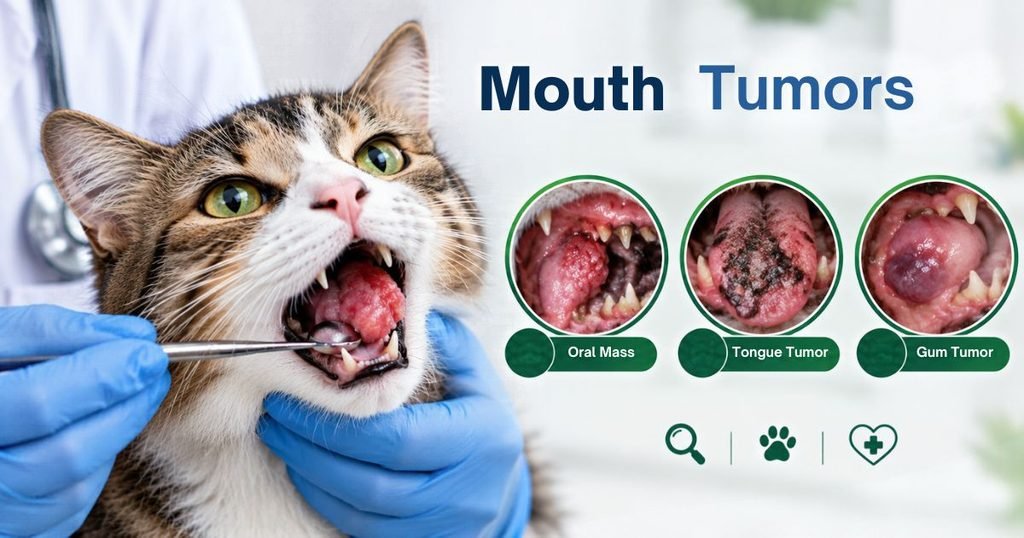
Regular veterinary check-ups and proactive dental care can help catch these conditions early, ensuring that your feline friend maintains a healthy, pain-free smile.
Malocclusion
Dental disease in cats often springs from a combination of factors, with malocclusion playing a significant role. When a cat’s teeth do not align correctly, it can lead to uneven wear, trapping food and bacteria that contribute to plaque and tartar buildup.
This misalignment not only influences their chewing efficiency but also heightens the risk of pain and infection, making routine dental care essential for prevention.
Pain & Infection
Cats are masters at hiding their discomfort, so signs of dental disease can easily be overlooked. The subtle shift in their eating habits or occasional pawing at their mouths can indicate underlying issues.
How Can I Tell if My Cat has Dental Disease?
Cats are masters at hiding pain and illness, often masking discomfort until it becomes severe. When it comes to dental disease, early detection is crucial, yet challenging.
Subtle symptoms can hide beneath the surface. Being observant of behavior changes is key.
Behavior Changes you May Notice
Behavior changes can often be the first indicators that your cat may be suffering from dental disease. By observing these subtle shifts in behavior, you can take proactive steps to address potential dental issues before they escalate.
Consider these behavioral changes as potential indicators of dental disease:
- Eating less or refusing food
- Pawing at mouth or face
- Increased isolation or withdrawn behavior
- Signs of discomfort while chewing
- Drooling or bad breath
- Reduced Grooming: Cats are usually meticulous self-groomers, among the cleanest animals in the world, so neglecting their usual grooming routine is a red flag worth watching.
- Dropping Food: Frequently dropping kibble or wet food while eating.
- Chewing Difficulty: Showing reluctance to chew hard food items or favoring softer textures.
Recognizing these signs early can lead to timely veterinary intervention, sparing your cat further discomfort and preventing more serious health complications down the road.
Visible Changes You can See (or Smell)
Recognizing dental disease in your cat can often be a matter of keen observation. Look out for visible changes that may indicate trouble; these subtle signs can be your first clue.
- Tartar Buildup: Yellow or brown crust along teeth.
- Red / Swollen Gums: Inflammation that can worsen over time.
- Drooling / Blood in Saliva: Signs of infection that require immediate attention.
- Loose or Missing Teeth: Look for gaps or wobbly teeth.
- Facial Swelling: Check for asymmetry or noticeable puffiness.
- Weight Loss: Monitor their eating habits and check for any reluctance to chew.
- Difficulty eating: Watch for excessive pawing at the mouth or reluctance to chew hard food.
One of the most telling signs is bad breath; not just a mild odor, but a noticeably foul smell that seems to linger. This could be your cat’s way of signaling that something more serious is brewing below the surface.
Even if your cat appears to be fine, subtle changes can speak volumes. If you notice any of these signs, it’s crucial to consult with your veterinarian. Catching dental disease early can make a world of difference in your cat’s health and happiness.
How do Veterinarians Diagnose Dental Disease in Cats?
During routine checkups every 6–12 months, veterinarians employ a comprehensive physical exam to gauge a cat’s overall health, with a keen focus on oral health.
Dental Exam
A thorough dental exam often reveals signs of plaque buildup, gingivitis, or more severe periodontal disease that might otherwise go unnoticed.
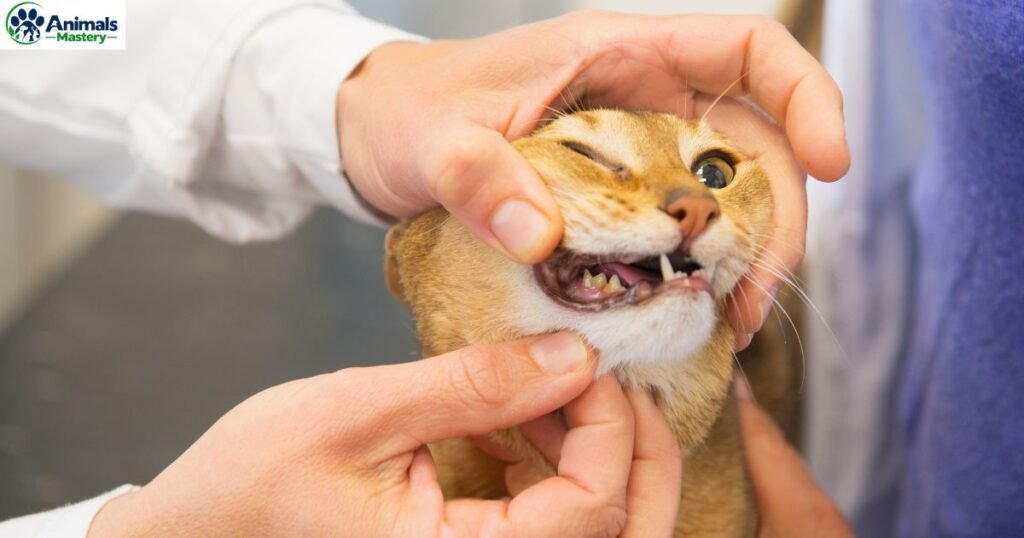
During these examinations, vets may utilize tools like dental explorers to detect hidden dental issues, providing deeper insights into a cat’s oral condition.
Dental X-rays
To truly understand the underlying issues, procedures like dental X-rays become invaluable.
These images can reveal hidden problems below the gum line, such as bone loss or abscesses, which are often missed during a visual inspection.
Anesthesia
Anesthesia plays a critical role in this process, allowing for a complete and safe examination of a cat’s mouth.
While the thought of anesthesia may worry pet owners, it is essential for obtaining accurate diagnoses without causing undue stress to the animal.
Bloodwork
Veterinarians may conduct bloodwork to assess the cat’s overall health, ensuring that they are fit for any necessary procedures or treatments.
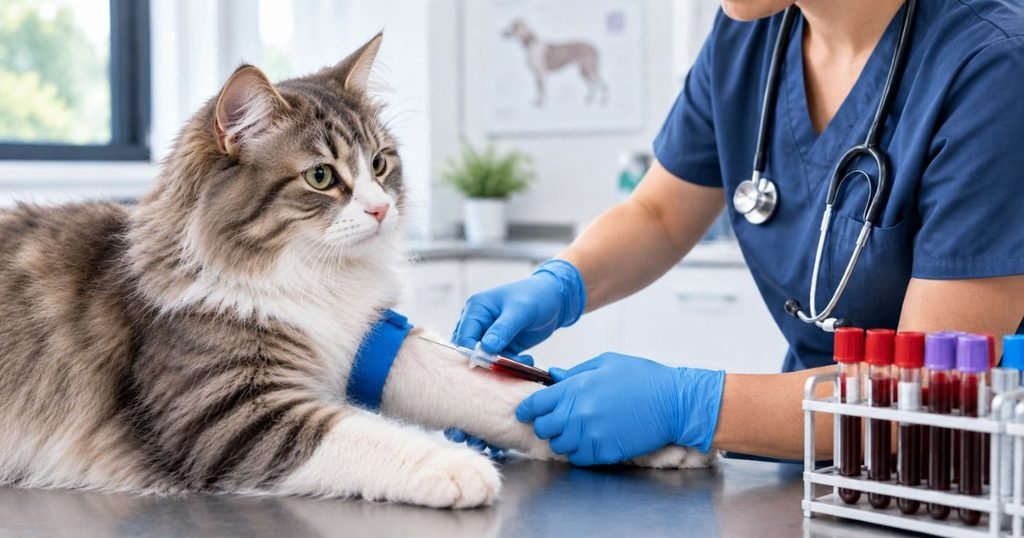
This combination of methods not only enhances the accuracy of the diagnosis but also paves the way for a tailored treatment plan that addresses the unique needs of each feline patient.
Below-Gumline Disease
While visible signs such as gingivitis or tartar buildup can be observed, the real concern often lies below the gumline.
This is where below-gumline disease can wreak havoc, leading to conditions like periodontal disease that may not be apparent without advanced diagnostic tools.
Treatment Planning
After identifying the severity and type of dental disease, veterinarians develop a personalized treatment plan tailored to each feline patient.
This may involve a combination of professional cleaning, periodontal therapy, or even surgical interventions, depending on the degree of damage and the cat’s overall health.
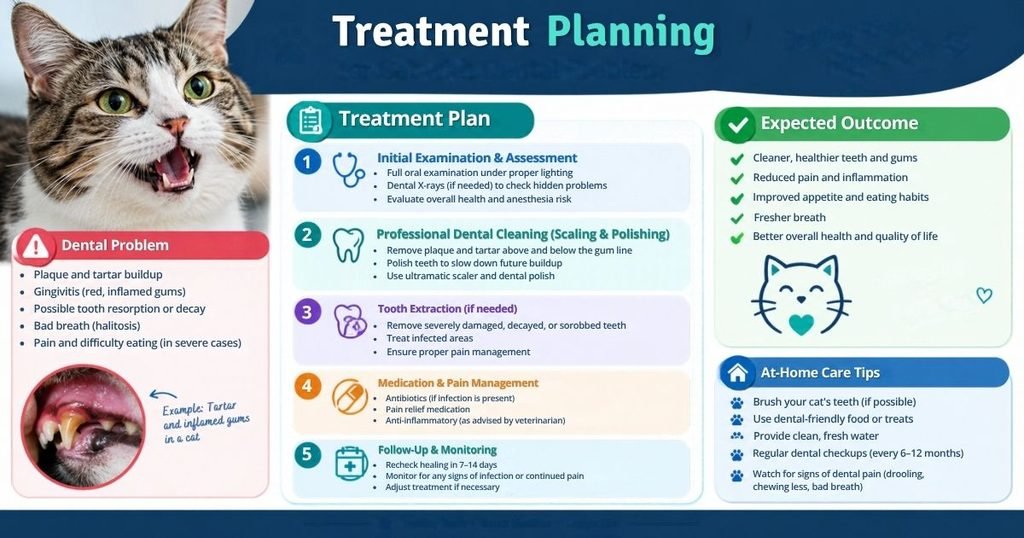
Treatment planning is not merely reactive; it often incorporates strategies for prevention and regular dental care, empowering pet owners to maintain their cat’s oral health.
How is Dental Disease Treated in Cats?
Treating dental disease in cats often begins with a thorough assessment by a veterinarian, who may recommend a Professional Dental Cleaning.
This procedure isn’t just a luxury; it plays a crucial role in preserving your cat’s overall health.
Plaque and Tartar Removal
During the cleaning, plaque and tartar removal are performed under anesthesia to ensure a deep, effective cleaning that home brushing simply can’t achieve.
Tooth Extraction
In cases where dental disease has progressed, tooth extraction may be necessary.
While the idea of extractions can be daunting, it’s important to understand that removing severely affected teeth can significantly improve your cat’s quality of life, alleviating pain and discomfort.
Pain Medication & Antibiotics
Depending on the severity, veterinarians might recommend a combination of pain medication and antibiotics.
Pain relief is crucial, as dental discomfort can significantly affect a cat’s quality of life and appetite.
Stomatitis Medication
For more severe cases, especially those involving stomatitis, specialized stomatitis medication may be introduced.
This condition creates painful inflammation in the mouth, often requiring a tailored treatment plan that could involve corticosteroids or other anti-inflammatory medications.
Root Canal
Root canal can be a life-saver for felines suffering from severe tooth decay or infections.
This procedure not only preserves the tooth but also alleviates pain, allowing your cat to maintain a better quality of life.
By addressing the underlying issue, typically an infection or inflammation, root canals can prevent further complications and help avert the need for extraction.
Mouth Tumor Removal
In more severe cases, particularly involving oral tumors, mouth tumor removal may become necessary. These tumors can lead to significant discomfort and even impact a cat’s ability to eat or drink properly.
Early detection and intervention are crucial, as they can drastically increase the chances of a successful outcome. Post-operative care often includes pain management and follow-up visits to ensure healing, reinforcing the importance of routine dental check-ups.
By prioritizing dental health, cat owners can help their pets enjoy a longer, healthier life, free from the burdens of dental disease.
What Can You Do to Help Prevent Dental Disease in Cats?
Engaging your vet in discussions about your cat’s specific dental needs can provide tailored strategies for maintaining their oral health.
Regular Dental Checkups & Teeth Brushing
One of the most effective ways to combat dental disease in your cat is through regular dental checkups every 6–12 months. Just like in humans, early detection is crucial for effective treatment. During these visits, your veterinarian can identify issues such as gingivitis or plaque buildup before they escalate.

Establishing a routine of regular teeth brushing at home is vital. Start slowly to acclimate your feline friend to the process, using a soft-bristled toothbrush and a toothpaste specifically designed for cats.
VOHC-approved Products
Pairing this with VOHC-approved products, like dental treats or water additives, can further enhance your cat’s oral hygiene.
These products are scientifically formulated to minimize plaque and tartar build-up, making dental care both effective and enjoyable for your pet.
Dental Treats and Food
One of the most effective ways to prevent dental disease in your cat is by incorporating dental treats and food specifically designed for oral health.
Look for treats that contain ingredients like baking soda or enzymes, which actively combat bacteria in the mouth.
Making these treats a regular part of your cat’s diet not only satisfies their cravings but also serves a functional purpose in maintaining their dental hygiene.
Water Supplements
In addition to dental treats, consider enhancing your cat’s water supply with dental-focused supplements.
These supplements can help reduce tartar and plaque, giving your pet an extra layer of protection with each refreshing sip.
While these should not replace traditional cleaning methods, they can be a valuable complement to your routine.
More Animal Groups
If you enjoyed discovering Are Kangaroos Smart Animals, explore our guide to viviparous animals. Kangaroos are marsupials that give birth to live young, making them part of this fascinating group of mammals with unique reproductive traits.
Curious about unusual animal conditions after reading Are Kangaroos Smart Animals? Our guide to animals with Down syndrome explains the science behind genetic disorders in animals and separates common myths from verified facts.
Intelligence and behavior often go hand in hand. After learning Are Kangaroos Smart Animals, explore our guide to anxious animals to see how different species respond to stress, danger, and changes in their environment.
If you enjoy educational wildlife lists like Are Kangaroos Smart Animals, check out our collection of animals with 9 letters. It’s a fun way to discover new species while expanding your animal vocabulary.
Although kangaroos are mammals, comparing them with other animal groups is equally interesting. Visit our guide to examples of reptiles to learn how reptiles differ from mammals in behavior, body structure, and reproduction.
Want to keep exploring the animal kingdom after reading Are Kangaroos Smart Animals? Our guide to birds with 4 letters features short-named bird species, fun facts, and colorful pictures that are perfect for wildlife enthusiasts.
Consistent Dental Care
Finally, consistency is key; establishing a habit of brushing your cat’s teeth, even if just a few times a week, can dramatically improve their oral health over time.
By integrating these practices into your cat’s daily care, you’re investing in their long-term well-being, ensuring they enjoy a healthy, happy life.
Conclusion
In conclusion, dental disease in cats is a significant health concern that can lead to serious complications if left untreated. Regular dental check-ups and cleanings are crucial for maintaining your cat’s oral health and preventing painful conditions.
Owners should pay close attention to their pets’ dental hygiene, including daily brushing and providing dental-friendly treats.Recognizing the early signs of dental disease can make a lasting difference in your cat’s overall well-being. Make dental care a priority, and take the first step by scheduling a vet visit today.
FAQs
How Long can a Cat Live with Dental Disease?
A cat with dental disease can live for several years, but its overall health may gradually decline. Dental issues can lead to pain, infections, and complications affecting vital organs if left untreated. Prompt veterinary care can help manage the condition and improve quality of life.
What is the Silent Killer of Cats?
The silent killer of cats is often chronic kidney disease (CKD). This condition gradually diminishes kidney function over time, often going unnoticed until it reaches an advanced stage. Symptoms may include increased thirst, weight loss, and vomiting, but these can be subtle and easily overlooked by pet owners.
Can Cats Recover from Dental Disease?
Yes, cats can recover from dental disease, particularly if it’s caught early. Treatment usually involves professional dental cleanings and, in some cases, extractions of severely affected teeth. Maintaining regular veterinary check-ups and practicing good dental hygiene at home can help prevent future issues. With proper care, many cats can enjoy a healthy mouth and better overall well-being.
How Painful is Dental Disease in Cats?
Dental disease in cats can be quite painful, often leading to significant discomfort and affecting their overall well-being. Cats may exhibit signs of oral pain, such as difficulty eating, drooling, or changes in behavior like irritability. Additionally, the buildup of plaque and tartar can progress to more serious conditions, such as gingivitis or tooth loss, intensifying their distress.
How to Stop Dental Disease in Cats?
To stop dental disease in cats, regular dental care is essential. Start by brushing your cat’s teeth with feline-specific toothpaste, ideally several times a week. Provide dental-friendly treats or toys that promote chewing and help reduce plaque buildup.
At what Age do Cats get Dental Problems?
Cats can start experiencing dental problems as early as three years of age, though it can vary based on diet and overall health. By the age of five, up to 85% of cats may show some signs of dental disease, such as tartar buildup or gingivitis.