Top 12 Fascinating Animals With Shells (With Pictures)
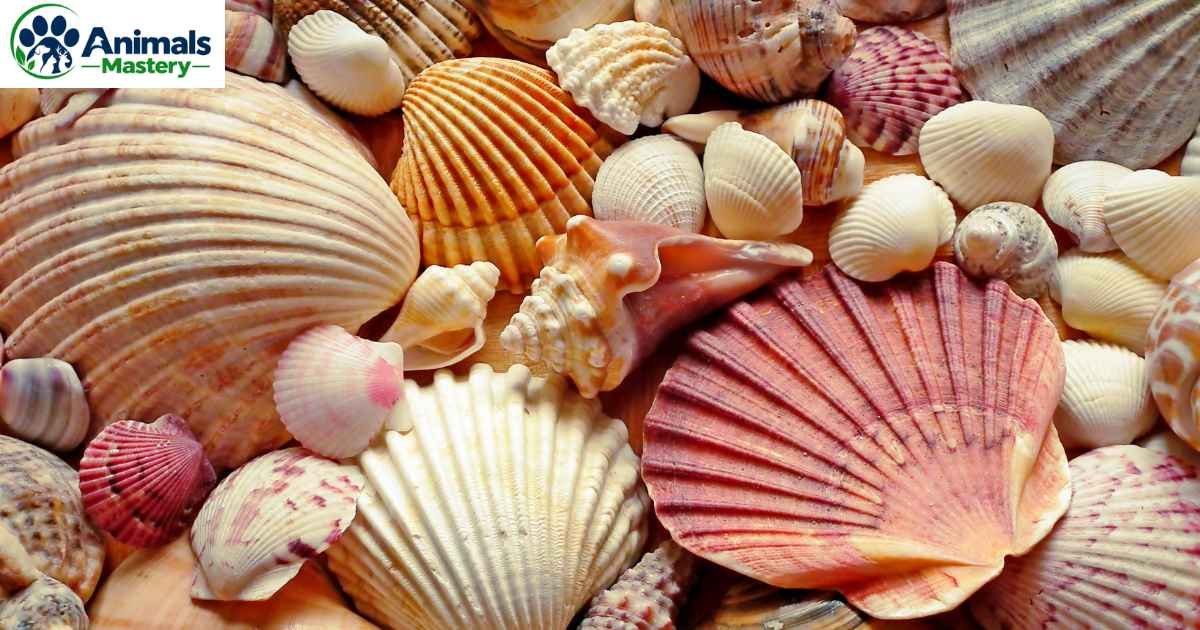
Animals with shells are not only fascinating but also essential to their ecosystems. From the mighty sea turtle to the humble snail, these shelled wonders play crucial roles in biodiversity and environmental balance.
We’ll explore the diverse world of shelled animals and uncover their incredible adaptations, habitats, and the challenges they face today.
List of Animals With Shells
Here is a list of animals that have shells or hard protective coverings:
- Texas Ironclad Beetle
- Conch
- Horseshoe Crab
- Nautilus
- Nine-Banded Armadillo
- Garden Snail
- Giant Clam
- King Crab
- Pond Slider
- Gopher Tortoise
- Oysters
- Common Snapping Turtle
Texas Ironclad Beetle
Scientific Name: Zopherus nodulosus haldemani
Class: Insecta
Diet: Herbivore/Detritivore
The Texas Ironclad Beetle is a marvel of nature, encapsulating resilience and adaptability in its tough exterior. Found primarily in the arid regions of Texas, this little creature showcases an impressive defense mechanism: its exoskeleton can withstand not only extreme weather but also the pressures of predation.

The toughness of the beetle’s body allows it to thrive in environments that would be inhospitable for many other species, making it a true survivor in the Lone Star State’s diverse ecosystems.
What sets the Texas Ironclad Beetle apart isn’t just its impressive durability but also its fascinating mating rituals. Males often engage in elaborate displays to impress potential mates, showcasing their strength in a competition of endurance.
Conch
Scientific Name: Strombidae
Class: Gastropoda
Diet: Herbivore
The conch shell, often associated with tropical paradises and beach getaways, holds a fascinating duality as both a culinary delight and a cultural symbol.

In many Caribbean cultures, the conch is more than just a tasty treat; it embodies the spirit of local traditions, featured prominently in gatherings, festivals, and everyday life.
The preparation of conch fritters or salads is an art, interwoven with family recipes passed down through generations, each bite echoing stories of resilience and community.
Horseshoe Crab
Scientific Name: Limulus polyphemus
Class: Merostomata
Diet: Omnivore
Horseshoe crabs, with their ancient lineage dating back over 450 million years, are often described as “living fossils.”

These unique creatures possess blue blood, rich in a substance called hemocyanin, which makes them invaluable in the medical field. When exposed to contaminants, this blood coagulates, serving as a crucial tool for ensuring the sterility of vaccines and medical equipment.
Yet, despite their significance, horseshoe crabs face increasing threats from habitat loss and overharvesting, raising urgent questions about biodiversity and the ethical implications of biomedical advancements.
Nautilus
Scientific Name: Nautilus pompilius
Class: Cephalopoda
Diet: Carnivore
The Nautilus, a marine marvel, embodies the elegance of simplicity and the complexity of evolution.
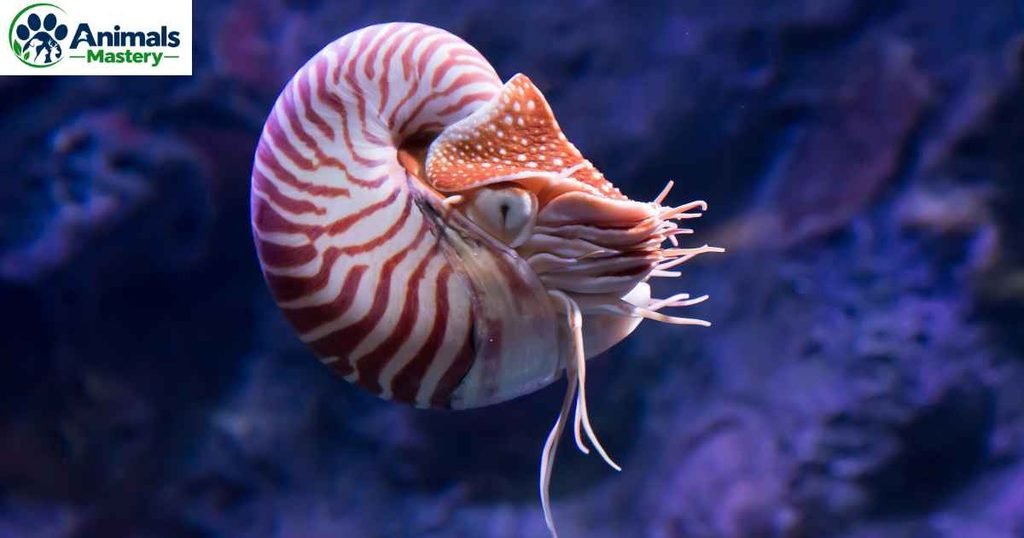
Its spiral shell, a stunning example of the golden ratio, not only serves as a protective home but also optimizes buoyancy.
As it grows, the Nautilus adds chambers, allowing it to adapt to different marine depths over its lifetime. This unique growth pattern echoes the philosophy of incremental improvement, a reminder that progress often occurs in stages, requiring patience and insight.
Nine-Banded Armadillo
Scientific Name: Dasypus novemcinctus
Class: Mammalia
Diet: Omnivore
The nine-banded armadillo, often recognized for its unique armor and curious demeanor, plays a fascinating role in various ecosystems across the Americas.

Unlike many mammals, these creatures have a remarkable ability to thrive in diverse habitats from the swamps of the southeastern U.S. to the dry landscapes of South America.
Their distinctive shells, composed of bony plates covered in tough skin, serve as both protection and a key identifier. This adaptation not only defends them from predators but also allows them to curl up tightly when threatened, transforming into a living ball of armor.
Garden Snail
Scientific Name: Cornu aspersum
Class: Gastropoda
Diet: Herbivore
The garden snail, often seen as a mere garden pest, possesses a surprisingly intricate life that invites curiosity far beyond its humble reputation.

With its coiled shell serving as both a home and a protective barrier, this unassuming creature embodies the art of adaptation.
Snails are herbivores, primarily grazing on tender leaves and decomposing plant matter, and they play a crucial role in nutrient recycling, turning your garden into a thriving ecosystem. Observing their slow but deliberate movements can teach us the value of patience, a lesson often overlooked in our fast-paced lives.
Giant Clam
Scientific Name: Tridacna gigas
Class: Bivalvia
Diet: Omnivore
The giant clam, a remarkable marvel of the marine world, can weigh over 500 pounds and grow to nearly four feet wide, making it one of the largest bivalve mollusks on the planet.

What many don’t realize is that these majestic creatures play a vital ecological role in coral reef health. By filtering vast amounts of water, giant clams can improve water clarity and quality, fostering a more vibrant underwater ecosystem for countless marine species.
Their intricate symbiosis with photosynthetic algae allows them to thrive in nutrient-poor waters while contributing oxygen and essential nutrients back into their surroundings. The Giant Grouper, often regarded as a marine giant, showcases nature’s incredible design with its remarkable size and strength.
King Crab
Scientific Name: Paralithodes camtschaticus
Class: Malacostraca
Diet: Carnivore
King crab, often regarded as the crown jewel of seafood, boasts a flavor and texture that elevates any dining experience.

Its sweet, rich meat holds a unique status among crustaceans, primarily attributed to the cold, pristine waters where it thrives.
This habitat not only contributes to its exceptional taste but also plays a crucial role in its seasonal behavior. Harvesting king crab is a delicate balance of tradition and modern techniques, with fishermen often facing perilous conditions in their search for this marine delicacy.
Pond Slider
Scientific Name: Trachemys scripta
Class: Reptilia
Diet: Omnivore
Pond sliders, known for their striking colors and lively personalities, are increasingly becoming popular pets beyond their natural habitats.

Often found basking in the sun near waterways, these turtles are a testament to adaptability. Their vibrant patterns serve not only as camouflage among aquatic plants but also as a means of social signaling, revealing a rich tapestry of interaction within their species.
Keeping a pond slider requires understanding their complex needs, especially when it comes to habitat.
Gopher Tortoise
Scientific Name: Gopherus polyphemus
Class: Reptilia
Diet: Herbivore
The gopher tortoise, found in the southeastern United States, is a fascinating and important species that plays a much bigger role in its ecosystem than its own needs would suggest.
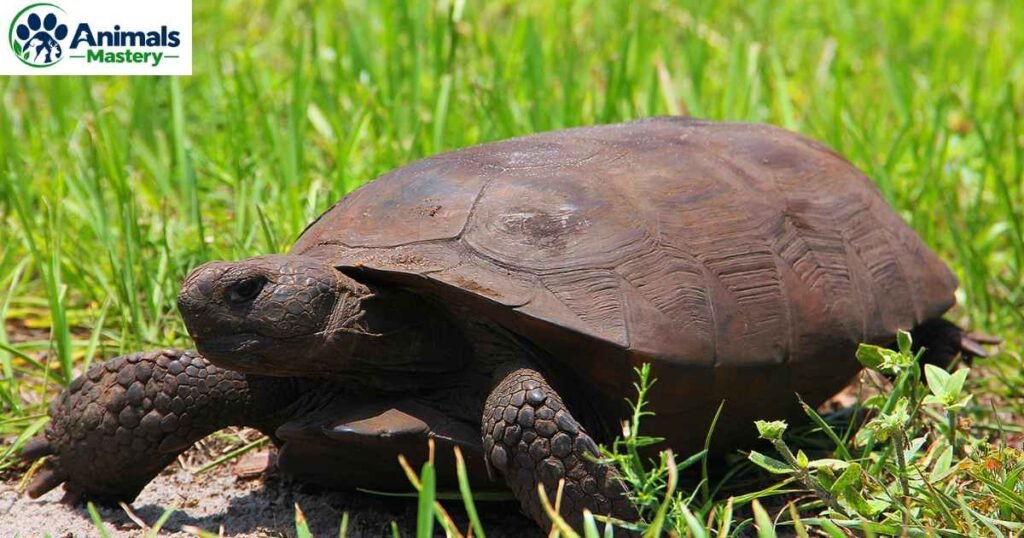
Famous for its ability to dig burrows, this tortoise can create tunnels that are up to 40 feet long. These complex underground homes provide shelter and a controlled environment for many other animals, including rabbits, snakes, and various insects.
By supporting biodiversity in this way, the gopher tortoise acts as a silent creator of the ecosystems in which it lives.
Oysters
Scientific Name: Ostreidae
Class: Bivalvia
Diet: Herbivore
Oysters are often celebrated for their briny flavor and luxurious texture, but their ecological significance is equally intriguing.

As natural filter feeders, oysters play a crucial role in maintaining the health of marine ecosystems. A single oyster can filter up to 50 gallons of water a day, removing pollutants and excess nutrients.
This unique ability helps combat issues like algal blooms, making them not just a culinary delight but also a vital component of coastal health.
Common Snapping Turtle
Scientific Name: Chelydra serpentina
Class: Reptilia
Diet: Omnivore
The Common Snapping Turtle, often misunderstood due to its fierce appearance, plays a crucial role in maintaining the health of aquatic ecosystems.
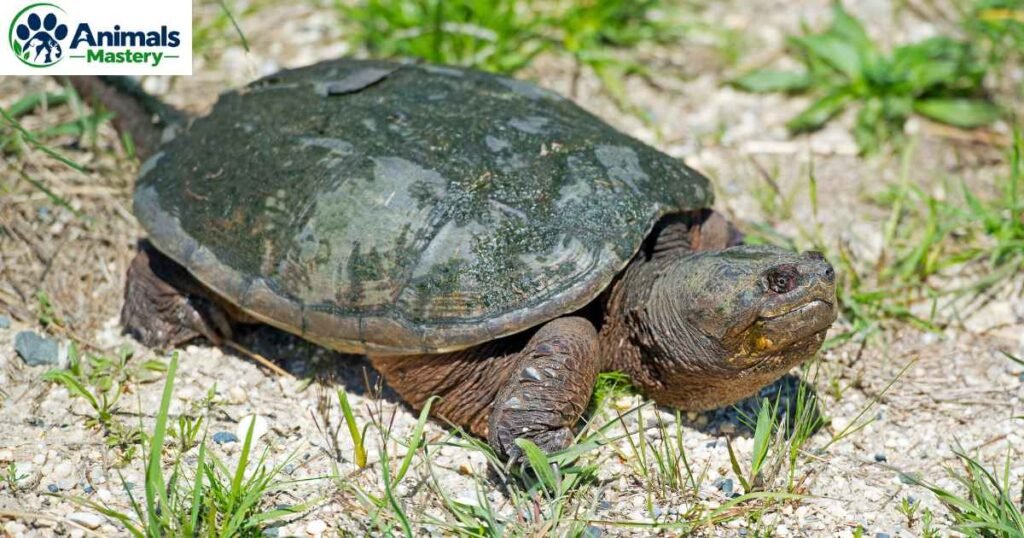
Found primarily in freshwater habitats across North America, these turtles are not just resilient survivors; they are essential scavengers that help control algae and aquatic plant populations.
Their formidable beak and powerful jaws can seem intimidating, yet they are typically quite shy, preferring to remain submerged, lurking just out of sight.
Conclusion
Animals with shells play a crucial role in our ecosystems, providing not only a protective barrier for themselves but also serving as vital components within their habitats.
From the intricate designs of seashells to the robust exoskeletons of land tortoises, these creatures showcase the diversity and ingenuity of nature.
FAQs
What is an Animal that has a Shell?
One well-known animal that has a shell is the turtle. Turtles belong to the order Testudines and are easily recognized by their hard, protective shells that encase their body.
What are the 3 Rarest Seashells?
The three rarest seashells are the Conus gloriamaris, commonly known as the Glory of the Seas cone, the Cymatium parthenopeum, or the Emperor’s whelk, and the Nautilus pompilius, known for its beautiful coiled shell.
What is an Animal with a Shell Called?
An animal with a shell is commonly referred to as a “shelled animal” or more specifically, a “mollusk” if it falls under that classification. Mollusks are diverse and include creatures such as snails, clams, and octopuses, all of which possess hard outer shells for protection.
What is a Small Animal with a Shell?
A small animal with a shell can be exemplified by the common snail. Snails belong to the class Gastropoda and are known for their distinctive coiled shells.