Top 21 Animals With 7 Letters With Pictures and Fun Facts
In this article, Top 21 Animals With 7 Letters With Pictures, we will explore a curated list of these intriguing creatures, each boasting a unique blend of beauty and mystery. From the playful otters to the majestic penguins, these animals are a testament to nature’s creativity.
Animals with 7 letters in their names come from different parts of the world and include many unique species with fascinating features. As you read on, you’ll gain not only amazing facts but also striking visuals that will deepen your appreciation for these seven-letter wonders.
List of Animals With 7 Letters
Here is a list of animals whose names contain seven letters.
- Gorilla
- Buffalo
- Octopus
- Meerkat
- Gazelle
- Axolotl
- Penguin
- Raccoon
- Giraffe
- Termite
- Manatee
- Leopard
- Echidna
- Hamster
- Ostrich
- Narwhal
- Haddock
- Muskrat
- Cheetah
- Pelican
- Gharial
Gorilla
- Scientific Name: Gorilla beringei
- Class: Mammalia
- Diet: Herbivore
Largest primates: Gorillas, the largest primates on Earth, embody strength and intelligence in equal measure. With their intricate social structures and deep familial bonds, these gentle giants are often misunderstood.
Living in complex family groups led by a dominant silverback, gorillas exhibit nurturing behaviors that underscore their gentle nature, despite their imposing size. Observing them in the wild can reveal a rich tapestry of emotions and interactions that challenge the notion of traditional primate behaviors.
98% DNA shared with humans: Gorillas, often regarded as the gentle giants of the animal kingdom, share an astonishing 98% of their DNA with humans, illuminating the deep evolutionary connections between our species.
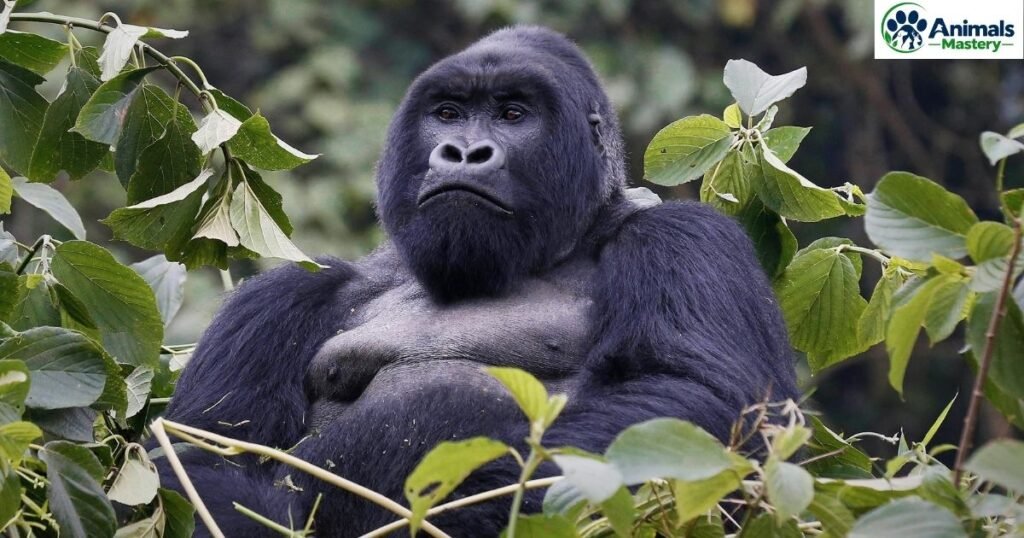
This remarkable genetic similarity not only emphasizes the importance of conservation efforts but also invites a deeper understanding of their complex social structures. Living in tight-knit family groups, gorillas exhibit rich emotional lives, showcasing behaviors that illustrate empathy.
Herbivorous diet: Gorillas stand out in the animal kingdom not only for their impressive size but also for their complex social structures and behaviors. These gentle giants primarily thrive on a herbivorous diet, consisting mainly of leaves, stems, and fruits.
This diet reflects their role in the ecosystem as vital seed dispersers, helping to maintain the health and diversity of their forest habitats. Observing their foraging habits provides a fascinating glimpse into their adaptability and intelligence, as they skillfully navigate their environment in search of sustenance.
Buffalo
- Scientific Name: Syncerus caffer
- Class: Mammalia
- Diet: Herbivore
Weigh up to 2,000 lbs: Buffalo, a majestic creature often associated with the American plains, can weigh up to 2,000 lbs, making it one of the largest terrestrial animals in North America. These incredible mammals boast a unique blend of strength and grace, often roaming in herds that communicate through low grunts and snorts.
Understanding their social structure provides insights into their behavior; they have a well-defined hierarchy that helps maintain harmony within the group.
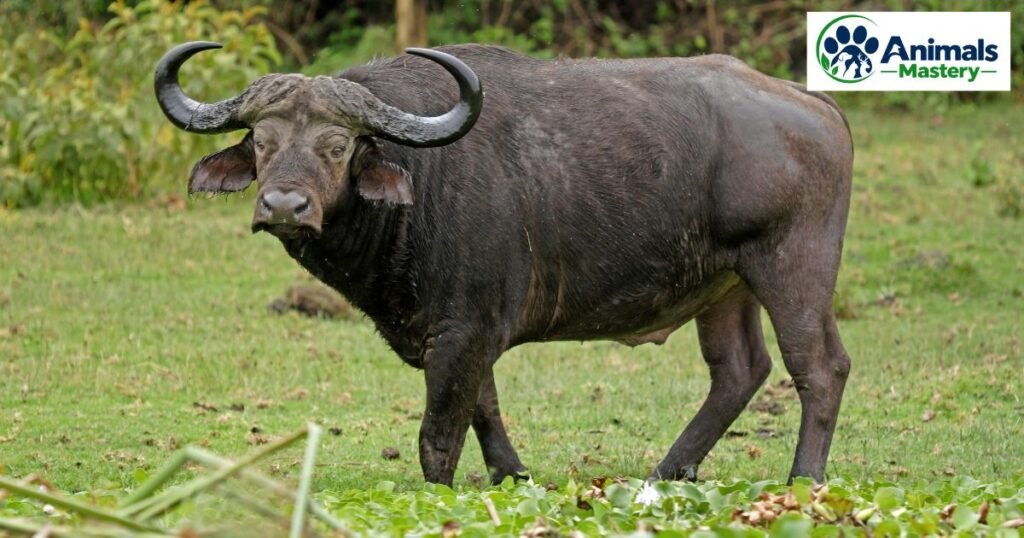
Run up to 35 mph: Buffalo are fascinating creatures, often celebrated for their robust stature and historical significance in North America. These magnificent animals can run up to 35 mph, a surprising speed considering their hefty frame, allowing them to escape predators or traverse open plains efficiently.
Their adaptability to diverse habitats is equally remarkable; from rolling grasslands to harsh deserts, buffalo thrive where many other species struggle.
Live in herds: Buffalo are fascinating creatures that embody the essence of the wild, often seen roaming vast grasslands in majestic herds. Their social nature and strong familial bonds reveal a captivating aspect of wildlife behavior. Living in herds not only provides safety in numbers, but it also fosters nurturing relationships and coordinated movements, making these animals a symbol of resilience and community.
Octopus
- Scientific Name: Octopoda
- Class: Cephalopoda
- Diet: Carnivore
Highly intelligent: The octopus stands out as one of nature’s most intriguing creatures, fitting perfectly into our list of seven-letter animals. Highly intelligent, these remarkable cephalopods exhibit problem-solving skills that rival those of many mammals.
Their ability to navigate complex environments, open jars to access food, and even escape from enclosures showcases their remarkable cognitive abilities. This intelligence is supported by a large brain relative to their body size, making them not only clever but also incredibly adaptable.
Three hearts: The octopus, a marvel of the marine world, stands out not just for its unique appearance but also for its remarkable biology. With three hearts pumping blue blood, this enigmatic creature epitomizes adaptability in its habitat.
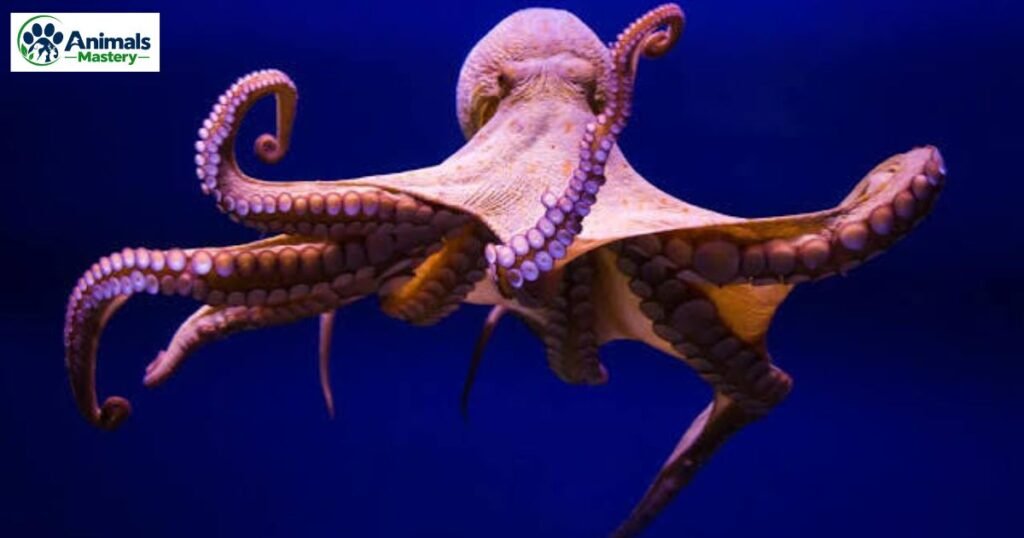
Each heart has a specialized role; two manage the flow to the gills, while the third circulates blood to the rest of the body, allowing the octopus to thrive even in oxygen-depleted environments. Its incredible intelligence, rivaling that of some mammals, is showcased through problem-solving abilities and complex behaviors, making it a fascinating subject of study.
Changes color and texture: The octopus is a marvel of the ocean, renowned not only for its intelligence but also for its incredible ability to change color and texture. This remarkable skill is primarily used for communication and camouflage, allowing these cephalopods to blend seamlessly into their surroundings or signal to potential mates.
Meerkat
- Scientific Name: Suricata suricatta
- Class: Mammalia
- Diet: Omnivore
Live in groups: Meerkats, known for their spirited behavior and social structure, are fascinating creatures that thrive in the arid landscapes of southern Africa. Living in groups called clans, these remarkable animals exhibit cooperative breeding and complex social hierarchies, often working together to raise their young and keep an eye out for predators.
Their highly alert posture standing on their hind legs allows them to survey their surroundings for danger, showcasing an ability to balance vigilance with community engagement.
Use sentinels: Meerkats stand out in the animal kingdom, not just for their striking appearance but also for their remarkable social behaviors. These fascinating creatures function as sentinels, taking turns standing guard while the rest of the clan forages for food.
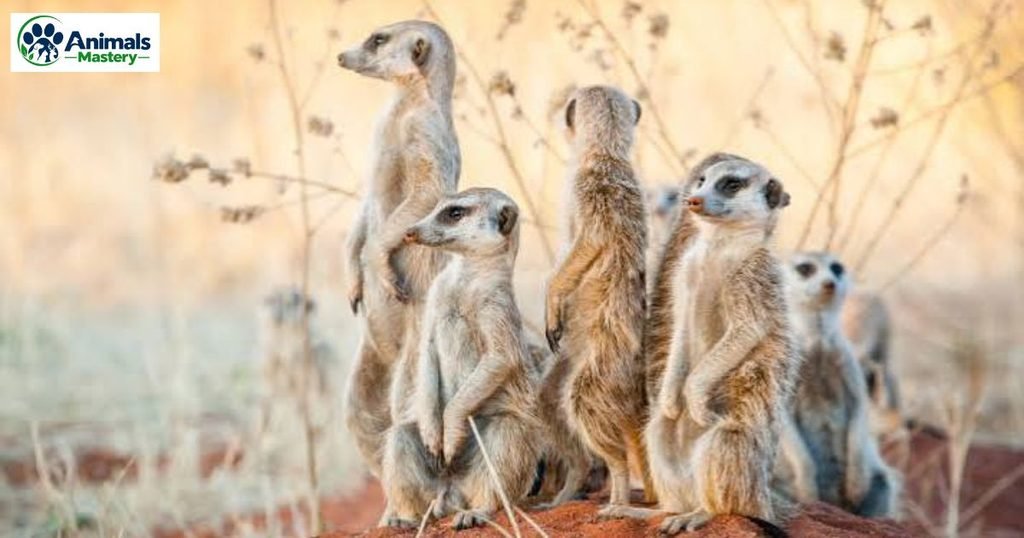
This cooperative dynamic showcases their strong community bonds, as each meerkat plays a vital role in maintaining the group’s safety. Their iconic upright posture, with alert eyes scanning the surroundings, adds to their charm and makes them a favorite among wildlife enthusiasts.
Strong digging ability: Meerkats, often found in the arid landscapes of southern Africa, are not just known for their endearing postures and social structures; they also exhibit an incredible strong digging ability. This skill is vital for their survival, allowing them to burrow deep into the ground to escape predators and store food.
Their keen sense of teamwork shines when they dig together in intricate tunnels, showcasing a remarkable example of social behavior in the animal kingdom.
Gazelle Animal
- Scientific Name: Gazella
- Class: Mammalia
- Diet: Herbivore
Leap up to 10 feet: Gazelles epitomize grace and agility, capable of leaping up to 10 feet in a single bound. These remarkable animals showcase their unique adaptations through impressive speed and flexibility, making them one of the most fascinating creatures in the animal kingdom. Oftentimes, they exhibit a stunning display of behavior, such as prancing away when threatened, which combines beauty with survival instinct.
Reach 50 mph: The gazelle, a symbol of grace and agility, is truly a marvel of the animal kingdom. With long, slender legs and lightweight bodies, these remarkable creatures can reach impressive speeds of up to 50 mph when evading predators.
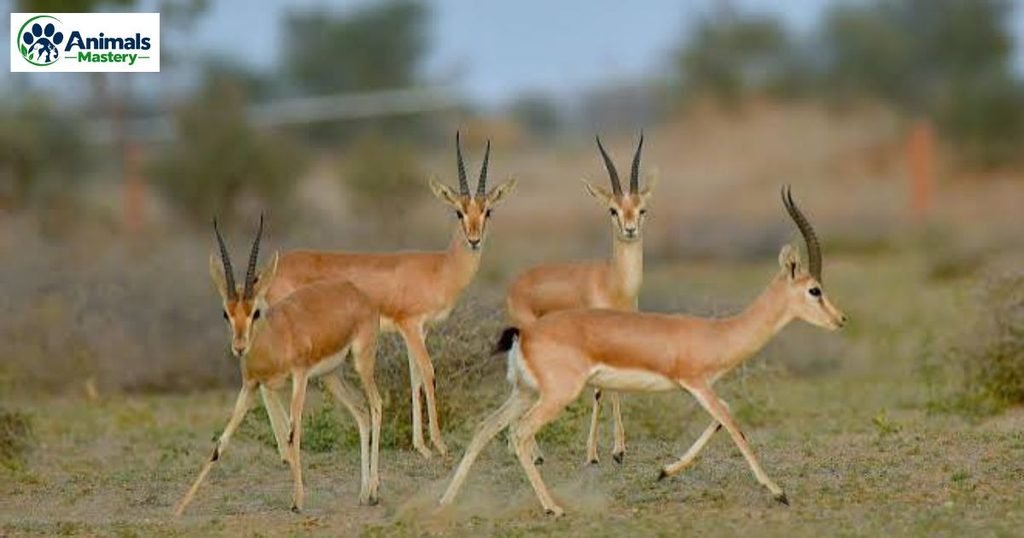
This extraordinary speed, combined with their remarkable vision, allows gazelles to detect threats from great distances, giving them a crucial edge in the wild.
Use stotting: The gazelle, a graceful and swift antelope, is renowned for its unique locomotion technique known as stotting. This behavior involves the gazelle leaping high into the air, a display of strength and agility that not only showcases its physical prowess but also serves as a strategic warning to potential predators.
By exhibiting stotting, gazelles communicate resilience, letting predators know that they are fit and difficult to catch, which often leads to the predator losing interest.
Axolotl
- Scientific Name: Ambystoma mexicanum
- Class: Amphibia
- Diet: Carnivore
Regenerates body parts: The remarkable creatures in the animal kingdom, the axolotl stands out not only for its unique appearance but also for its extraordinary ability to regenerate body parts. This aquatic salamander retains its juvenile features throughout its life, a phenomenon known as neoteny, resulting in external gills and a playful demeanor.
Unlike many other species, axolotls can rebuild not just limbs but also vital organs, such as the heart and spinal cord.
Critically endangered: The axolotl stands out among the world’s unique creatures, not only for its remarkable regenerative abilities but also as a symbol of conservation efforts in Mexico. Critically endangered in the wild due to habitat loss and pollution, this enchanting amphibian is found primarily in the canals of Xochimilco.
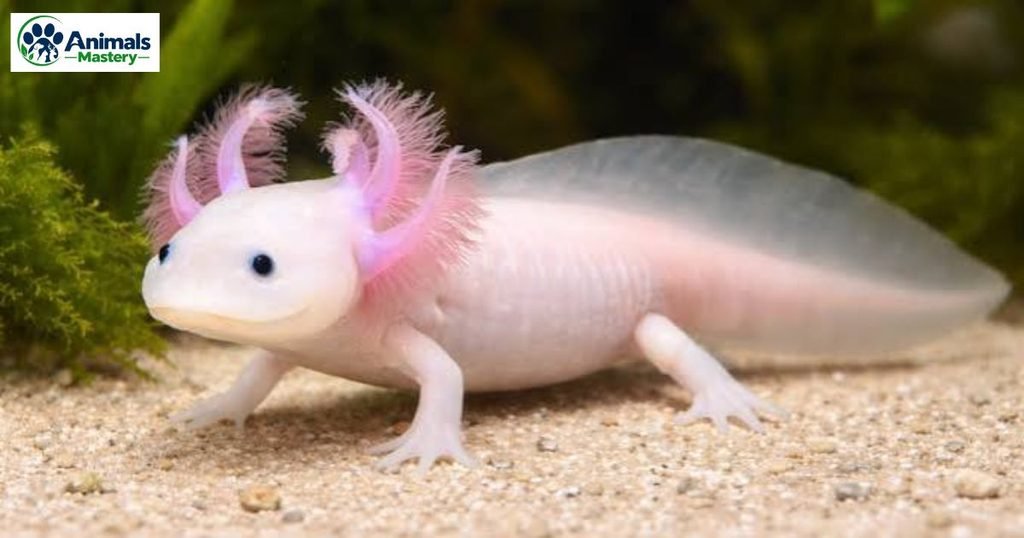
Captivating enthusiasts with its wide grin and feathery gills, the axolotl has captivated aquarists and scientists alike, sparking interest in biodiversity and preservation.
Remains larval: The axolotl, a fascinating amphibian, captivates enthusiasts not just for its unique appearance but also for its extraordinary life cycle. Unlike most amphibians that undergo metamorphosis, the axolotl remains larval throughout its life, retaining its gills and aquatic habitat. This neotenic trait allows it to thrive in water while showcasing a stunning array of colors, from wild-type greens to striking leucistic variations.
Their regenerative abilities also set them apart, as they can regrow lost limbs and even parts of their heart and brain, a feature that has intrigued scientists and prompted studies into regenerative medicine.
Penguins Animal
- Scientific Name: Spheniscidae
- Class: Aves
- Diet: Carnivore
Excellent swimmers: The 21 remarkable seven-letter animals, the penguin stands out not just for its charm but also for its exceptional adaptations. These flightless birds are excellent swimmers, gliding gracefully through the icy waters of the Southern Hemisphere.
Their sleek, streamlined bodies and strong flippers make them agile in pursuit of fish, showcasing a level of grace that often surprises observers. Interestingly, despite their clumsy movement on land, penguins can dive to impressive depths, revealing an underwater world they navigate with remarkable efficiency.
Dive over 1,800 feet: The remarkable animals with seven letters, the penguin stands out with its charming waddle and striking black-and-white plumage. These flightless birds are not just adorable; they’re also extraordinary divers.
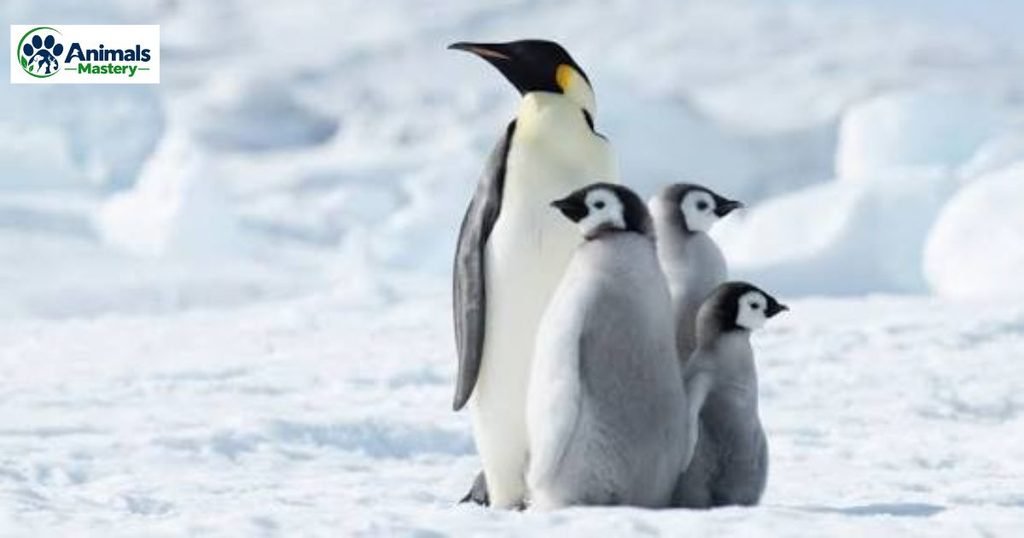
Some species can dive over 1,800 feet in search of food, showcasing their incredible adaptation to life in icy waters. When they plunge into the depths, they are equipped with specialized lungs that allow them to hold their breath for extended periods, rivaling even the most skilled underwater hunters.
Waterproof feathers: The captivating world of penguins showcases their unique adaptation in the harsh, frigid environments they inhabit. With their waterproof feathers, these remarkable birds glide effortlessly through icy waters, a feature that not only aids in swimming but also helps maintain body temperature.
Their streamlined bodies and exceptional diving skills allow them to hunt for fish and krill, showcasing a grace that belies their waddling movements on land.
Raccoon
- Scientific Name: Procyon lotor
- Class: Mammalia
- Diet: Omnivore
Dexterous paws: Raccoons, with their characteristic masked faces and dexterous paws, are fascinating creatures that display remarkable adaptability. Their ability to manipulate objects with surprising skill enables them to access food and navigate complex environments, showcasing a level of intelligence that sets them apart in the animal kingdom.
These nocturnal foragers are not just scavengers; they have a keen problem-solving ability that often leads them to explore human habitats with curiosity and caution.
Excellent problem-solvers: With their nimble paws and keen curiosity, they are excellent problem-solvers, frequently seen manipulating lids, locks, and other barriers to obtain food. This dexterity isn’t just for show; studies reveal that raccoons can remember solutions to tasks for up to three years.
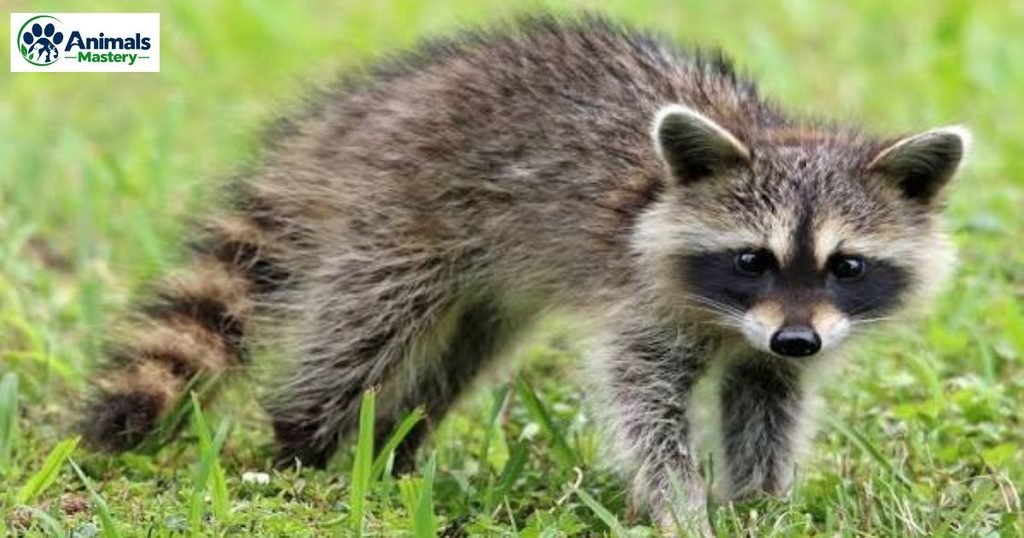
Their adaptability to diverse environments from urban neighborhoods to lush forests demonstrates their ability to thrive and innovate in varying conditions.
Highly adaptable: Raccoons are the quintessential urban survivors, embodying the essence of being highly adaptable. With their dexterous paws and inquisitive nature, they can often be seen rummaging through trash cans or exploring backyards, showcasing their intelligence and resourcefulness.
Their distinctive black mask and ringed tail make them instantly recognizable, yet their behaviors reveal the complexities that make them fascinating creatures.
Giraffe
- Scientific Name: Giraffa camelopardalis
- Class: Mammalia
- Diet: Herbivore
Low-frequency humming: The giraffe, with its towering neck and unique coat patterns, truly embodies the wonders of evolution. Often seen grazing on treetops, these gentle giants have adapted to their environment in fascinating ways, such as their low-frequency humming.
This soft, resonant vocalization often goes unnoticed, yet it plays a vital role in their social interactions, allowing them to communicate over long distances in the savanna.
Powerful heart: The many fascinating creatures in the animal kingdom, the giraffe stands out not only for its towering stature and unique patterns but also for its remarkable biology. With its powerful heart, the giraffe needs this organ to pump oxygen-rich blood up a long neck that can reach over five meters.
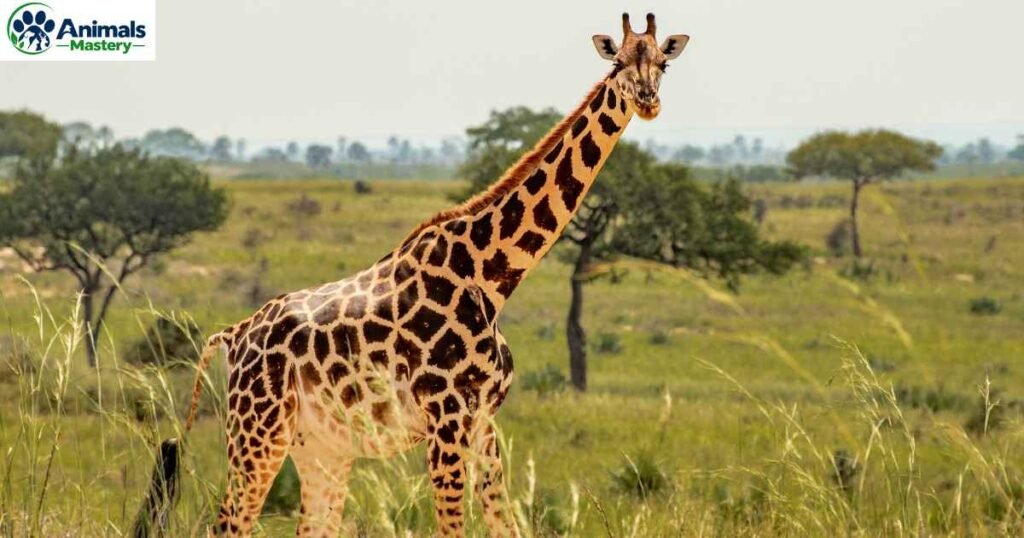
Reaches high leaves: Giraffes are truly remarkable creatures, known for their stunning height and unique adaptations. With their long necks reaching high leaves, they effortlessly graze on foliage that many other herbivores simply can’t access.
This adaptation not only provides them with a rich diet but also allows them to thrive in diverse habitats, primarily savannas and woodlands. Their extraordinary height gives them an advantage in spotting predators from afar, making them masters of survival.
Termite
- Scientific Name: Isoptera
- Class: Insecta
- Diet: Herbivore
Digests cellulose: These tiny insects are nature’s recyclers, specifically skilled at digesting cellulose, the main component of wood and plant matter. This ability not only aids in breaking down dead trees and plants but also enriches the soil, promoting healthy ecosystems.
Their structured colonies reflect sophisticated social behavior, highlighting a communal effort that can transform landscapes over time.
Aerates soil: Termites, often overlooked, play a crucial role in their ecosystems by aerating soil. As they burrow and consume organic material, these industrious insects enhance soil structure, allowing air and water to penetrate more effectively.
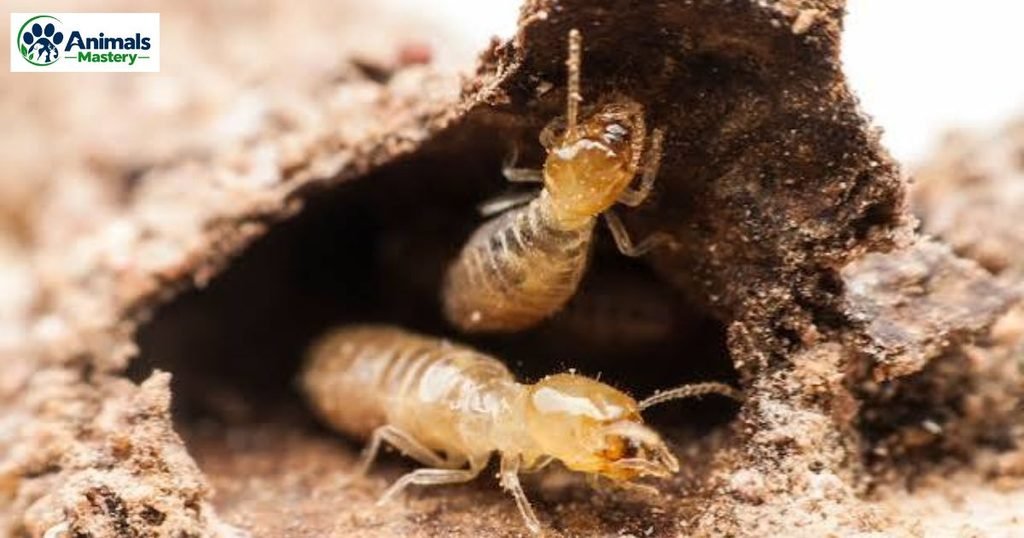
This natural aeration process fosters healthy plant growth, as it improves root development and nourishes the surrounding flora with vital nutrients released during decomposition.
Builds large mounds: Termites, often underestimated in the animal kingdom, are fascinating not only for their role in ecosystems but also for their intricate social structures and impressive architectural abilities. These small yet mighty insects build large mounds that can tower several feet high, often housing millions of individuals.
Their mounds serve as complex societies, complete with temperature regulation systems, nurseries for young termites, and even fungi gardens, where they cultivate organisms for food.
Manatee
- Scientific Name: Trichechus
- Class: Mammalia
- Diet: Herbivore
Holds breath 20 minutes: The manatee, often called the sea cow, is not only a gentle giant of the waterways but also an extraordinary swimmer, capable of holding its breath for up to 20 minutes while it glides gracefully through its aquatic habitat.
These herbivorous mammals primarily graze on seagrasses and are known for their slow, leisurely movements, which can often mislead observers into underestimating their size and strength.
Eats aquatic plants: Manatees, often referred to as sea cows, are gentle giants that roam the warm, shallow waters of rivers and coastal areas. Known for their slow movements and playful nature, they primarily feast on a diet of aquatic plants, making them crucial to their ecosystems.
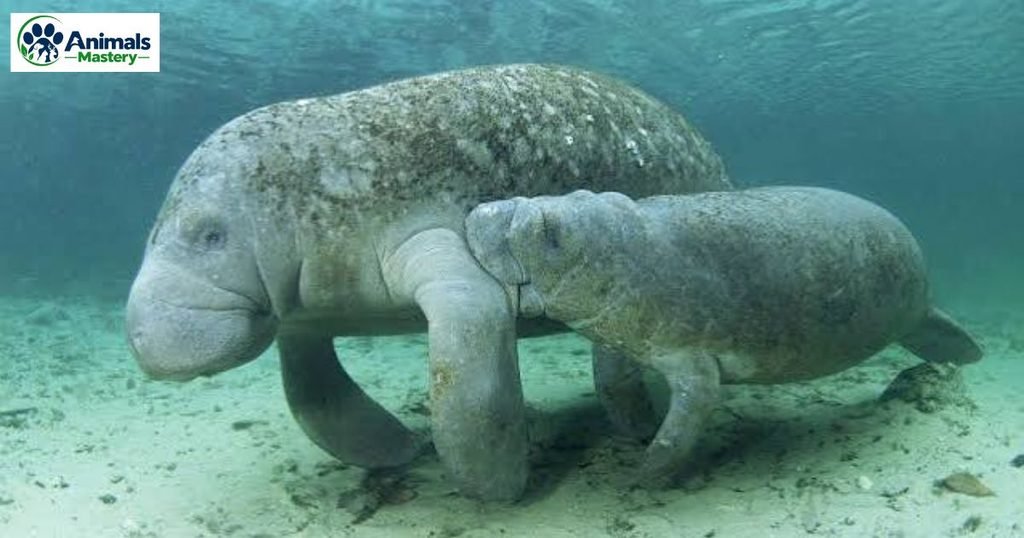
These herbivorous mammals can consume up to 150 pounds of seagrass and other vegetation daily, showcasing their role in maintaining healthy waterways and preventing algal blooms.
Supports seagrass health: Manatees, often referred to as sea cows, play a vital role in maintaining the health of underwater ecosystems, particularly seagrass beds. By grazing on these aquatic plants, manatees help to promote new growth and prevent overgrowth, which can ultimately support a diverse array of marine life.
Their gentle grazing habits stimulate seagrass health, ensuring that these essential habitats remain vibrant and capable of supporting various species, from fish to crustaceans.
Leopard
- Scientific Name: Panthera pardus
- Class: Mammalia
- Diet: Carnivore
Excellent camouflage: The leopard, a striking member of the big cat family, is renowned not only for its majestic presence but also for its incredible adaptability. With excellent camouflage, these solitary hunters can seamlessly blend into their surroundings, whether in dense forests or savannah landscapes. Their unique spotted coat is not merely for show; it serves a crucial purpose, enabling them to stalk their prey without being detected.
Highly adaptable: The leopard is a prime example of nature’s artistry and adaptability, showcasing its prowess in various habitats across Africa and parts of Asia. Known for its striking coat, the leopard’s rosettes not only serve as camouflage in the dappled light of the forest but also reflect its highly adaptable nature, allowing it to thrive in a range of environments from dense jungles to arid savannahs.
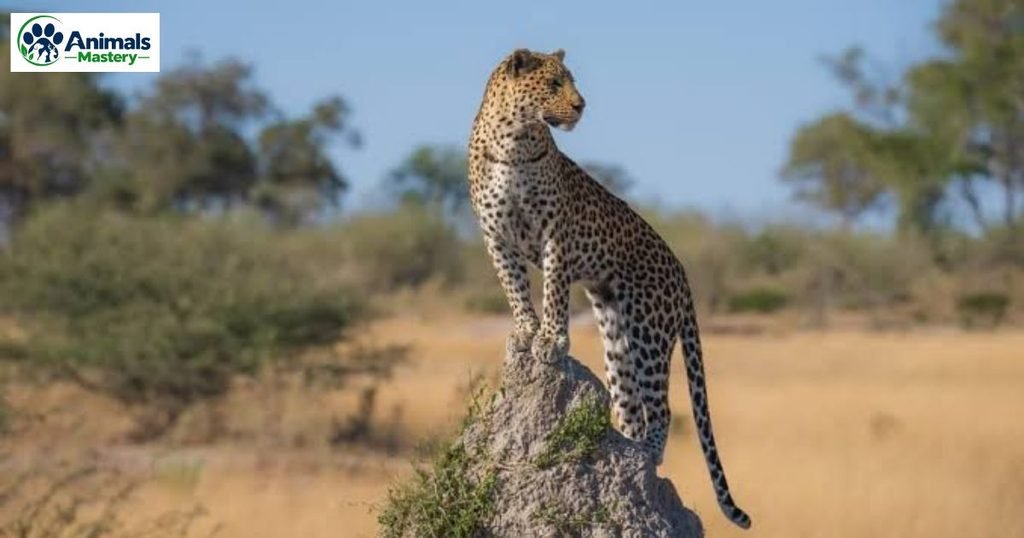
This incredible flexibility is mirrored in its diet, as leopards are opportunistic hunters that can tackle prey ranging from small rodents to large ungulates, demonstrating their resourceful survival instincts.
Stores prey in trees: One of the most intriguing aspects of their hunting strategy is their ability to store prey in trees. This remarkable adaptation serves a dual purpose: it protects their hard-earned meals from scavengers and allows them to take their time while feasting on their catch. In the dense jungles and savannas they inhabit, the leopard’s strength and agility enable it to haul hefty prey up into the branches, keeping it safe and fresh.
Echidna
- Scientific Name: Tachyglossidae
- Class: Mammalia
- Diet: Carnivore
Lays eggs: The echidna, a fascinating member of the monotreme family, stands out not only for its unique reproductive method but also for its distinct appearance. This egg-laying mammal, often referred to as the spiny anteater, is characterized by its spiky exterior and elongated snout, giving it a quirky charm.
Unlike most mammals that give live birth, the echidna’s ability to lay eggs adds a prehistoric allure, reminiscent of a time when reptiles and mammals were closely intertwined in evolutionary history.
Long specialized tongue: Echidnas, often overlooked in discussions about unique wildlife, boast a fascinating adaptation: their long specialized tongue, which can extend up to 18 centimeters. This remarkable feature allows them to efficiently forage for ants and termites, their primary diet.
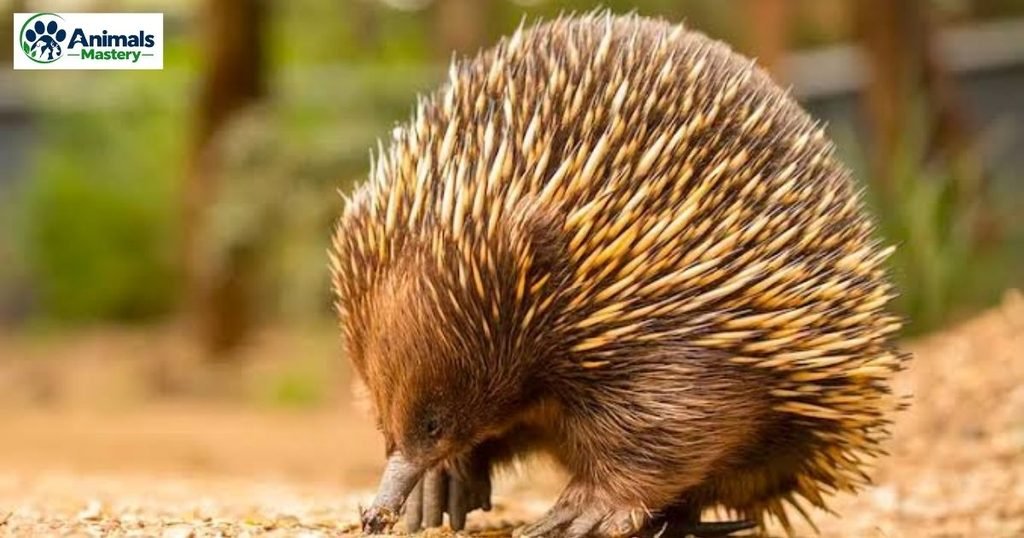
Unlike their more famous relative, the platypus, echidnas have a spiny exterior and lack a bill, showcasing the variety within monotremes, a rare group of egg-laying mammals.
Uses electroreception: Known for its spiky exterior, this monotreme uses electroreception to detect prey hidden beneath the soil. This remarkable ability allows the echidna to sense the electrical signals emitted by its food, primarily ants and termites, enhancing its foraging success.
Imagine navigating the dark underworld of the earth, relying on these subtle electrical cues to guide your meal, a true testament to nature’s ingenuity.
Hamster
- Scientific Name: Cricetinae
- Class: Mammalia
- Diet: Omnivore
Expandable cheek pouches: These tiny creatures, with their adorable faces and expandable cheek pouches, can store food in a way that ensures they have enough sustenance for later. Their natural instinct to hoard food reflects their survival skills honed through generations, allowing them to thrive in the wild.
This behavior translates seamlessly into their pet-care culture, where owners often find themselves amazed by how much a hamster can fit into its cheeks.
Mostly nocturnal: Hamsters are fascinating little creatures known not just for their adorable appearance but also for their intriguing behaviors. These mostly nocturnal animals come alive when the sun sets, demonstrating playful antics that can be quite entertaining for their owners.
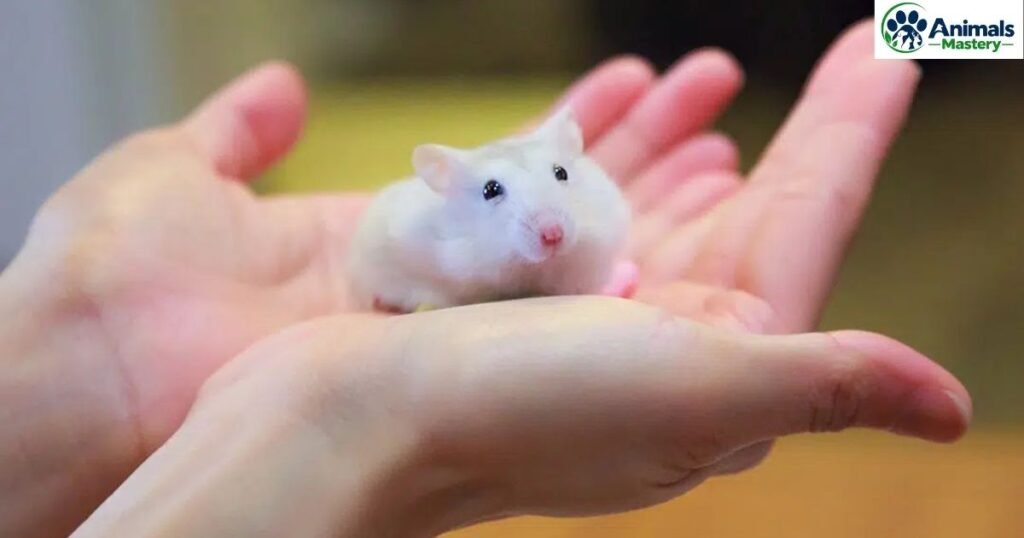
Their natural inclination to burrow and explore makes them curious companions as they scamper around their habitats during the night.
Over 18 species: Hamsters, often small and fluffy, belong to a fascinating family of over 18 species that have captivated pet lovers around the world. These little creatures are not just cute; their social behaviors and adaptability make them intriguing subjects for animal enthusiasts.
For instance, the adorable Campbell’s dwarf hamster, with its playful demeanor, can be found in a variety of colors, adding a splash of vibrancy to any pet collection.
Ostrich
- Scientific Name: Struthio camelus
- Class: Aves
- Diet: Omnivore
Runs up to 45 mph: The ostrich, a remarkable creature native to Africa, is not just notable for its size but for its astonishing speed. This flightless bird can run up to 45 mph, showcasing an athleticism that rivals some of the fastest animals in the world. Its powerful legs are designed for swift sprints, allowing it to evade predators in the wild.
This speed, coupled with its height often reaching up to 9 feet makes the ostrich a unique spectacle that commands respect in its natural habitat.
Powerful defensive kicks: The ostrich stands out for its impressive size for its remarkable adaptations that serve it well in the wild. With a powerful set of legs, an ostrich can deliver defensive kicks that are strong enough to fend off predators like lions and hyenas.
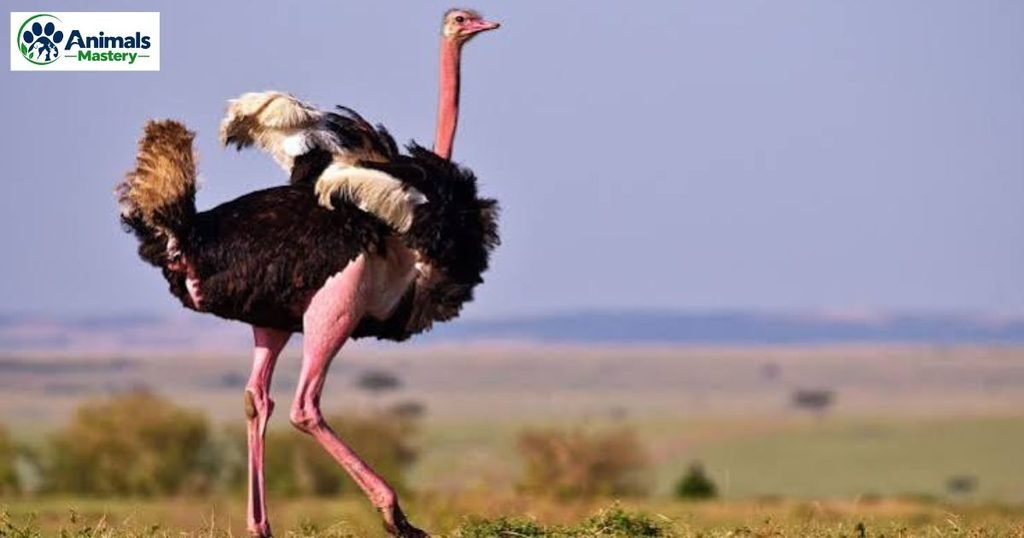
Their ability to run at speeds of up to 45 miles per hour makes escaping threats easier, showcasing a fascinating blend of strength and agility that few other birds possess.
Very large eyes: The ostrich, renowned for being the world’s largest bird, boasts very large eyes that help it spot predators from afar. These magnificent creatures, native to Africa, can sprint up to 45 miles per hour, showcasing a blend of elegance and speed that captivates wildlife enthusiasts. Their long, powerful legs, coupled with a surprisingly agile body, allow them to navigate their arid habitats with grace.
Narwhal
- Scientific Name: Monodon monoceros
- Class: Mammalia
- Diet: Carnivore
Tusks reach 10 feet: The narwhal, often dubbed the unicorn of the sea, is a remarkable marine mammal recognized for its long, spiral tusk that can reach lengths of up to 10 feet. This tusk, actually an elongated tooth, serves multiple purposes, from breaking through ice to possibly being a sensory organ.
Beyond their striking appearance, narwhals inhabit the frigid Arctic waters, demonstrating resilience in one of the world’s most challenging environments. Their ability to dive deep over 1,500 meters exemplifies not just their physical prowess but also the mystery surrounding these elusive creatures.
Deep Arctic diver: This elusive marine mammal is well-known for its long, spiral tusk, which is actually an elongated tooth that can grow up to ten feet long. Remarkably, narwhals are deep Arctic divers, capable of plunging to depths of 1,500 meters (almost 5,000 feet) in search of their favorite prey, such as fish and squid.
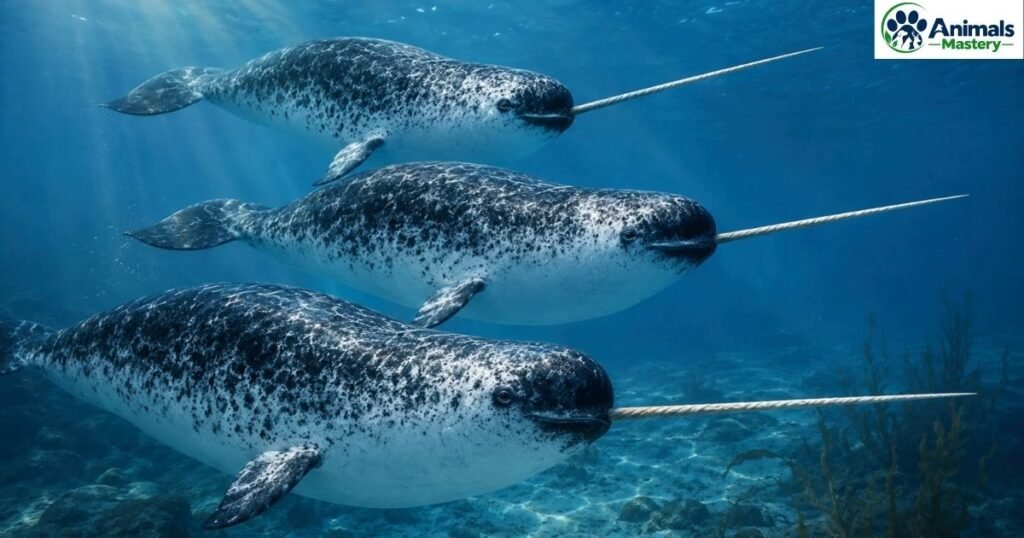
Their unique adaptations, including the ability to hold their breath for up to 30 minutes, make them adept hunters in a harsh environment.
Climate-sensitive species: With its long, spiral tusk actually an elongated tooth this marine mammal plays a vital role in the Arctic ecosystem. As the climate warms and sea ice diminishes, narwhals face numerous challenges, from dwindling food sources to increased vulnerability to predators.
These enigmatic creatures are not just fascinating for their unique appearance; they symbolize the growing impact of climate change on oceanic biodiversity.
Haddock
- Scientific Name: Melanogrammus aeglefinus
- Class: Actinopterygii
- Diet: Carnivore
Distinctive dark stripe: Haddock is not only notable for its culinary appeal but also for its distinctive dark stripe running along its side, which sets it apart from other fish in the cod family. This stripe serves a purpose beyond aesthetics; it plays a role in camouflage, helping haddocks blend into their surroundings while hunting or evading predators.
With their mild flavor and flaky texture, haddocks are a favorite in various cuisines and can be found swimming in the cooler waters of the North Atlantic.
Produces low-frequency sounds: Haddock, a popular fish known for its delicate flavor, plays a pivotal role in marine ecosystems. Haddock produces low-frequency sounds, which is a communication method utilized to attract mates and communicate with fellow fish.
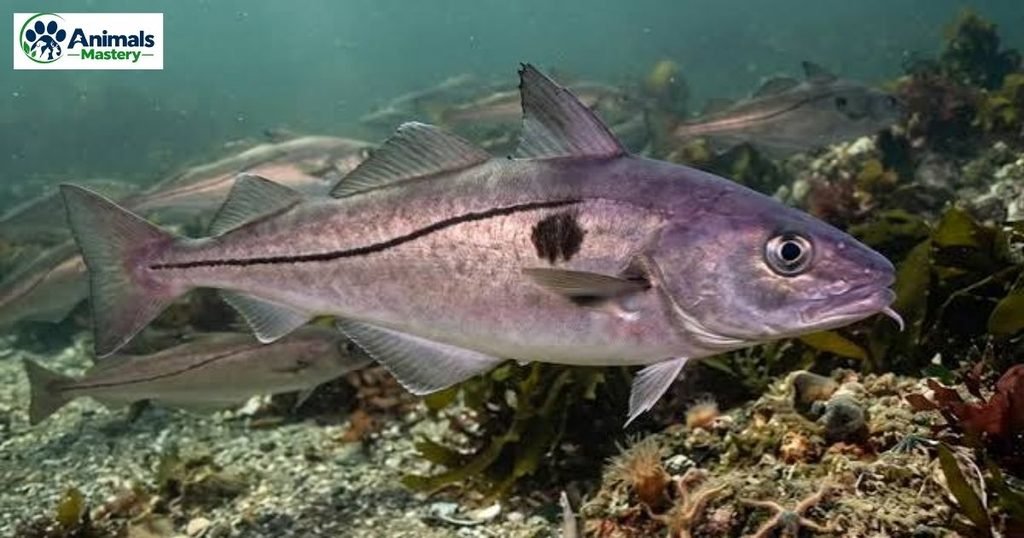
This unique behavior highlights the complex social dynamics that exist beneath the waves, showcasing that even creatures we often take for granted have intriguing facets to their existence.
Forms large schools: Haddock, a popular fish known for its mild flavor and flaky texture, thrives in the cold waters of the North Atlantic. Typically found near the ocean floor, haddock form large schools, enhancing their chances of survival against predators while also making them a favorite among commercial fishers.
These fish not only play a vital role in marine ecosystems but also contribute significantly to local economies through sustainable fishing practices.
Muskrat
- Scientific Name: Ondatra zibethicus
- Class: Mammalia
- Diet: Omnivore
Excellent swimmers: The Top 21 animals with seven letters, the muskrat stands out not only for its name but also for its remarkable adaptations. These creatures are excellent swimmers, possessing webbed feet and a streamlined body that allows them to glide effortlessly through water.
Often found in wetlands and marshes, muskrats play a critical role in their ecosystems by creating burrows that serve as habitats for various species.
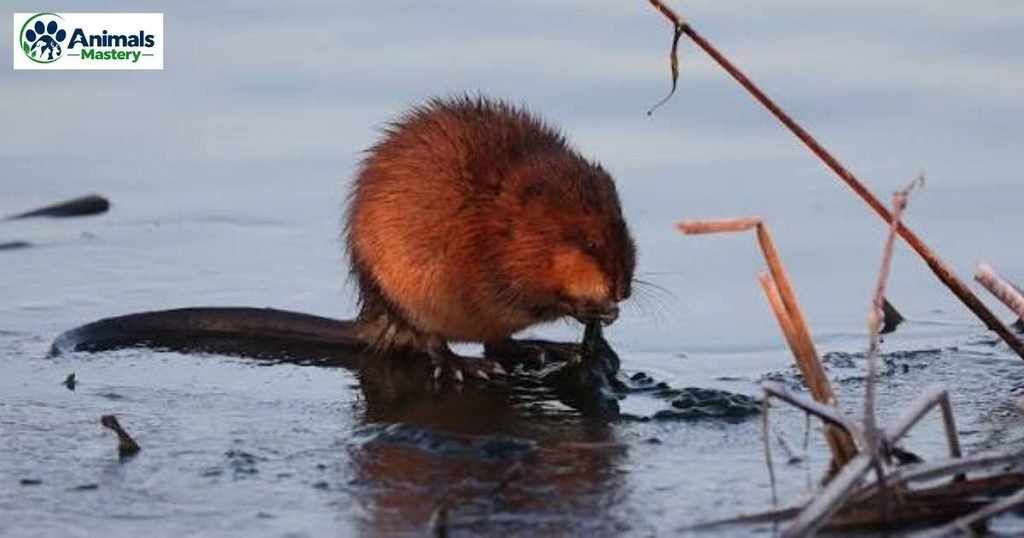
Builds lodges: Among the lesser-known players in the animal kingdom, the muskrat stands out for its remarkable ability to adapt and thrive in freshwater ecosystems. These industrious creatures construct intricate lodges from mud, reeds, and grasses, showcasing their impressive engineering skills. Each lodge serves not only as a home but also as a sanctuary where they can raise their young safe from predators.
Supports wetland health: Muskrats are fascinating creatures, often overlooked in the vast tapestry of wildlife. As semi-aquatic rodents, they play a crucial role in maintaining the health of wetland ecosystems. Their burrowing and feeding habits help to create open water areas, supporting a variety of aquatic plants and providing habitats for other species.
By foraging on vegetation, muskrats also help control plant growth, ensuring a balanced environment that promotes biodiversity.
Cheetah
- Scientific Name: Acinonyx jubatus
- Class: Mammalia
- Diet: Carnivore
Fastest land animal: The cheetah, renowned as the fastest land animal, embodies grace and speed. With its distinctive black tear stripes and a slender body, this feline can reach speeds of up to 75 miles per hour, making it an exceptional sprinter.
Its long, muscular legs and flexible spine allow for rapid acceleration, a crucial adaptation for hunting in the wild. While many marvel at its speed, the cheetah’s unique hunting technique is equally fascinating.
Flexible spine: The cheetah stands out not only for its remarkable speed but also for its unique physical adaptations, such as a highly flexible spine. This evolutionary feature allows for an extraordinary range of movement during sprinting, enabling a cheetah to stretch its body and cover more ground in a single bound.
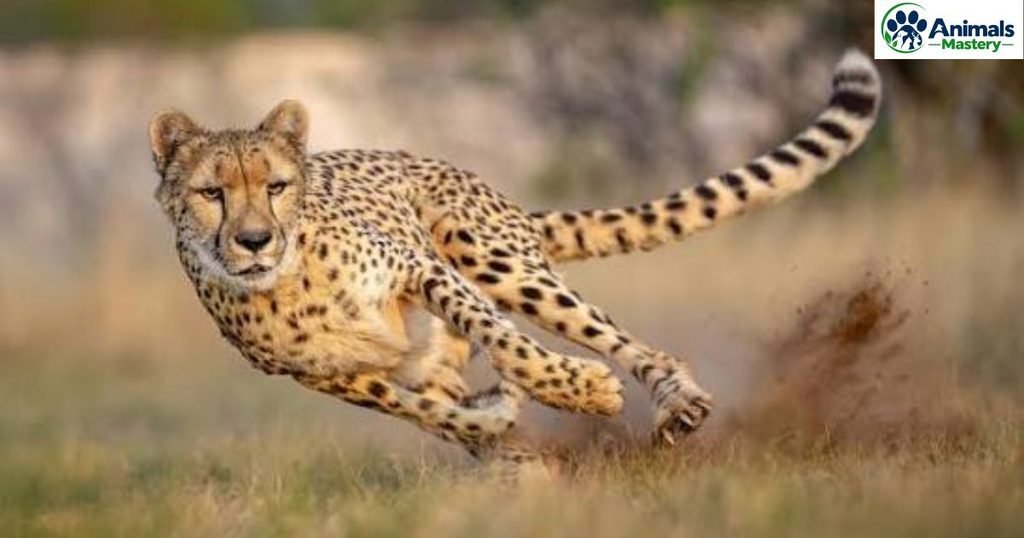
Unlike other big cats, the cheetah’s lightweight build and long legs make it an apex predator on the African savanna, capable of reaching speeds up to 75 miles per hour.
Forms family coalitions: The cheetah is a remarkable creature, renowned for its dazzling speed and unique social structure in the animal kingdom. Unlike many big cats, cheetahs often form family coalitions, which are essential for their survival in the wild. These small groups, typically consisting of brothers or mothers with their cubs, work together to hunt and protect their territory.
Their cooperative behavior not only enhances their hunting success but also fosters a strong bond among the members, showcasing a fascinating contrast to the solitary nature of other feline species.
Pelican
- Scientific Name: Pelecanus
- Class: Aves
- Diet: Carnivore
Huge throat pouch: The pelican, a marvel of nature, showcases one of the most unique adaptations in the animal kingdom: its huge throat pouch. This remarkable feature, which can hold up to three gallons of water, is not just for show. During feeding, pelicans use their pouches to scoop up fish and drain excess water, showcasing a fascinating blend of efficiency and grace as they dive into the water.
Cooperative hunter: These birds are not just striking in appearance; they exhibit remarkable behaviors that pique the interest of wildlife enthusiasts. One of their most captivating traits is their status as cooperative hunters.
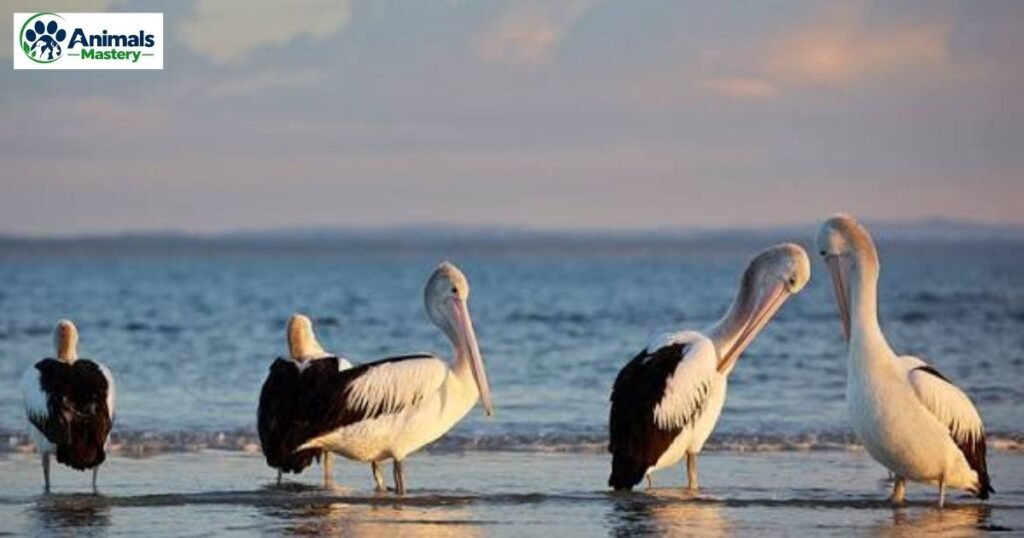
Pelicans often work together in groups to herd fish into shallow waters, showcasing a level of social coordination rarely seen in the avian world. This teamwork not only ensures a bountiful catch but also highlights the intelligence and adaptability of these birds.
Long-distance migrant: Known for its impressive wingspan and distinctive bill, this bird is not just a pretty face; it’s a long-distance migrant that navigates vast stretches of water with incredible precision. Pelicans travel thousands of miles each year, migrating to warmer climates for breeding and feeding.
Their ability to soar gracefully on thermal currents while scanning for fish showcases their well-adapted hunting techniques.
Gharial
- Scientific Name: Gavialis gangeticus
- Class: Reptilia
- Diet: Carnivore
Long narrow snout: The gharial, with its distinct long narrow snout, stands out as one of nature’s most fascinating reptiles. This critically endangered crocodylian, primarily found in the rivers of India and Nepal, has evolved to thrive on a diet mainly consisting of fish.
Its unique jaw structure, lined with sharp, interlocking teeth, perfectly adapts it for catching slippery prey. Unlike other crocodile species, gharials are non-aggressive towards humans, making them a rare gem among their kin.
Fish-catching specialist: The gharial, with its long, slender snout, is a true fish-catching specialist of the rivers in the Indian subcontinent. Adapted to a piscivorous diet, these crocodilians possess razor-sharp teeth ideal for snatching slippery prey, primarily fish.
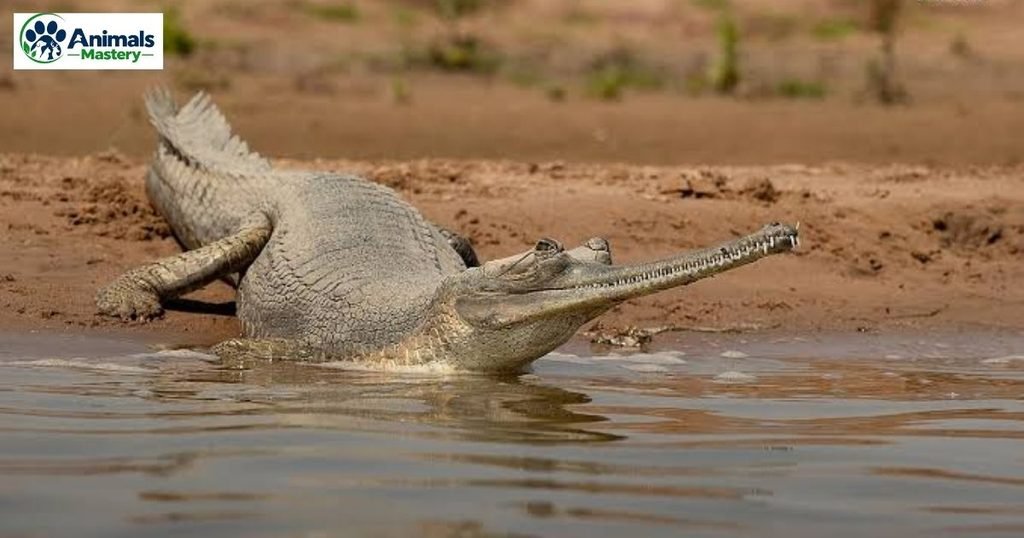
Unlike many other reptiles, gharials are harmless to humans, focusing solely on their aquatic meal. Their unique morphology makes them one of the most specialized predators in freshwater ecosystems, showcasing nature’s incredible adaptability.
River ecosystem indicator: The gharial, a unique member of the crocodilian family, is not just a remarkable sight with its elongated snout and distinctive appearance; it serves as a vital river ecosystem indicator. Found primarily in the rivers of the Indian subcontinent, this endangered species thrives in clean, flowing waters, a testament to the health of its environment.
For conservationists, tracking gharial populations provides crucial insights into river quality and biodiversity, as their presence often correlates with a thriving aquatic ecosystem.
Unusual Animals with Incredible Features
- Some of the thickest skin animals combine durable skin with powerful bodies and other defensive characteristics. These features help them cope with predators, rough environments, and demanding lifestyles. Their impressive protection highlights the many survival strategies found in nature.
- The world’s Most Muscular Animals have evolved powerful bodies suited to demanding lifestyles and environments. Some depend on explosive strength, while others rely on endurance and sustained physical power. Their remarkable abilities make them among the most impressive examples of strength in nature.
- The fascinating group of Animals That Walk on Two Legs includes creatures from many different habitats. Some walk upright regularly, while others stand or move on two legs only occasionally.
Their body structure and balance are specially adapted to support this unique movement. - Discovering Birds With Long Legs reveals a wonderful variety of shapes, sizes, and behaviors.
Some species move slowly and carefully, while others are built for fast running. Their impressive legs are an important feature that helps them thrive in nature. - Learning about Animals That Eat Mice provides insight into the natural balance of ecosystems.
Predators play an important role by controlling rodent populations in different habitats. Each species uses its own unique strategy to hunt, catch, and consume mice. - You enjoyed exploring animals with 7 letters, don’t miss our guide to chubby animals. It features a collection of adorable species with round, fluffy, or stocky appearances, along with fun facts that make learning about wildlife even more enjoyable.
Final Thoughts
The diverse world of animals with seven letters reveals not only the richness of our planet’s biodiversity but also the fascinating ways these creatures adapt and thrive. From the majestic giraffe to the playful dolphins, each species contributes uniquely to the tapestry of life.
Exploring these 21 animals has hopefully piqued your curiosity and inspired you to learn more about the natural world.
Animals with 7 letters in their names include a wide variety of mammals, birds, reptiles, fish, and insects. These animals are perfect for word games, educational activities, and anyone who wants to expand their wildlife knowledge while learning fun and interesting facts.
FAQs
Which of these Animals Possesses three Hearts and Blue Blood?
The octopus stands out for its strange blue, copper-based blood. Two of its hearts pump blood to the gills. The third heart circulates it to the rest of its body.
How do Axolotls Defy the Typical Rules of Animal Aging?
Axolotls exhibit neoteny by remaining in their larval form for life. They retain their gills and stay aquatic instead of undergoing a standard amphibian metamorphosis. They also possess the incredible ability to regrow entire missing limbs.
What makes the Echidna One of the Oddest Mammals on Earth?
The echidna is an evolutionary anomaly because it lays eggs instead of giving birth. It belongs to a rare group of mammals called monotremes. It also lacks nipples and secretes milk directly through its skin.
Why is the Narwhal often called the Unicorn of the Sea?
The narwhal is famous for the long spiral tusk protruding from its head. This tusk is actually an overgrown, highly sensitive tooth containing millions of nerve endings. It helps the whale detect changes in its ocean environment.
How does the Gharial Differ from Standard Crocodiles and Alligators?
The gharial is easily recognized by its extremely long, ultra-thin snout. This specialized jaw contains over one hundred teeth perfectly adapted for catching fish. It makes the reptile a highly efficient aquatic hunter but clumsy on land.
Can you name 7 wild animals?
Here are seven wild animals that inhabit various ecosystems around the world. First, the majestic lion represents the African savannah, known for living in social groups called prides. Second, the elusive snow leopard roams the mountainous terrains of Central and South Asia, expertly adapting to its cold environment.