Explore 21 Animals With 8 Letters (Pictures Included)
In our journey to Explore 21 Animals With 8 Letters (Pictures Included), you’ll not only discover unique species but also learn intriguing facts about their habitats and behaviors.
This captivating exploration will expand your animal knowledge while providing stunning visuals to enhance your experience. Get ready to dive into a world where words and wildlife intersect.
List of Animals With 8 Letters
Animals That Have 8 Letters in Their Names:
- Tortoise
- Mosquito
- Squirrel
- Stingray
- Anaconda
- Flamingo
- Pangolin
- Kangaroo
- Aardvark
- Porpoise
- Starfish
- Elephant
- Scorpion
- Reindeer
- Antelope
- Platypus
- Seahorse
- Chipmunk
- Capybara
- Tarantula
- Hedgehog
Tortoise
- Scientific Name: Testudinidae
- Class: Reptilia
- Diet: Herbivore
Lives over 150 years: Tortoises are remarkable creatures known for their longevity, often living over 150 years, which positions them among the longest-lived animals on the planet. This incredible lifespan is not just a testament to their hardy nature but also reflects their slow metabolism and resilient adaptations to various habitats.
They serve as living symbols of wisdom and endurance, often reminding us of the slow, steady pace of life in a fast-paced world.
Has a strong bony shell: The tortoise, a fascinating creature, has a strong bony shell that serves as both armor and refuge, embodying resilience and longevity. This iconic adaptation not only protects it from predators but also allows the tortoise to thrive in diverse environments, from arid deserts to lush forests.
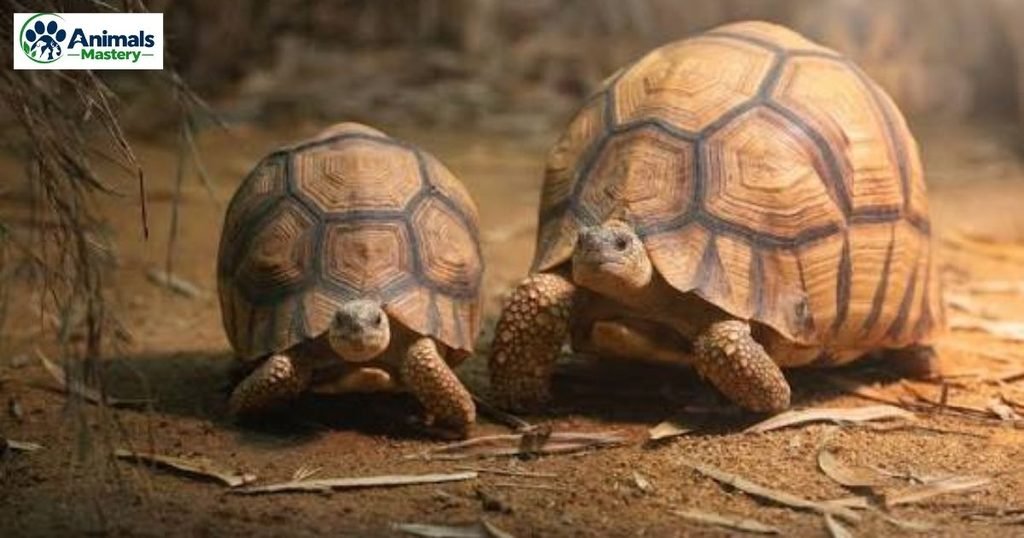
With over 300 species worldwide, tortoises display remarkable variations in color and size, ranging from the tiny rayed tortoise to the formidable Galápagos giant tortoise.
Survives scarce food: The tortoise, a remarkable creature among the 21 animals with eight letters, exemplifies resilience in harsh environments. With a slow metabolism that allows it to survive on scarce food, this ancient reptile has mastered the art of endurance.
Its dome-shaped shell not only serves as armor but also reflects an evolutionary strategy that has kept it safe from predators for millions of years.
Mosquito
- Scientific Name: Culicidae
- Class: Insecta
- Diet: Omnivore
Females bite for eggs: Among the 21 eight-letter animals, the mosquito stands out for its intriguing life cycle and ecological role. What many don’t realize is that it’s the females that bite for eggs; their blood meals provide essential nutrients for developing offspring. This behavior not only facilitates their reproduction but also intertwines them with various ecosystems, acting as a food source for numerous predators, including birds and bats.
Some live in the Arctic: They are notorious for their irritating bites, and they serve as essential pollinators, helping to sustain various plant species. While many associate them with warm climates, some mosquitoes have adapted to thrive in extreme conditions, demonstrating resilience.
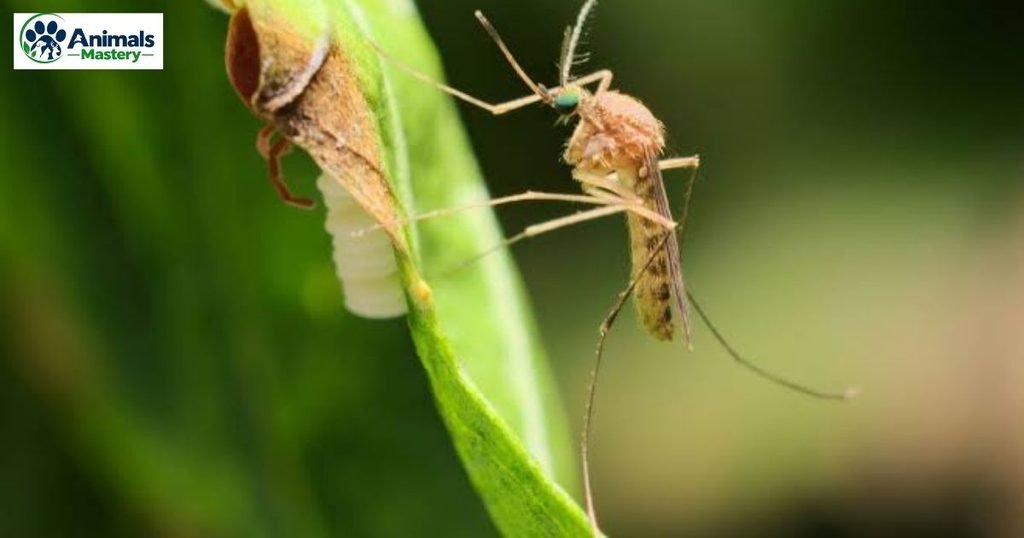
For instance, certain species can endure freezing temperatures and even hibernate in the Arctic, exhibiting adaptability that elevates their survival strategy.
Detects carbon dioxide: These small insects have evolved unique adaptations that allow them to detect carbon dioxide released by mammals, guiding them to their next meal. This remarkable ability highlights their role in the delicate balance of nature, where they serve both as prey and predators.
Despite their notoriety for disease transmission, understanding the ecological significance of mosquitoes invites a deeper appreciation of their place in the animal kingdom.
Squirrel
- Scientific Name: Sciuridae
- Class: Mammalia
- Diet: Omnivore
Remember food locations: Squirrels are often overlooked as mere tree-dwellers, but their impressive adaptability and intelligence truly set them apart in the animal kingdom. These agile creatures are known for their remarkable memory, particularly when it comes to remembering food locations.
They meticulously bury nuts and seeds throughout their territory, employing a sophisticated mental map to return to these hidden treasure troves later. This behavior not only showcases their cognitive abilities but also plays a crucial role in forest ecosystems by promoting seed dispersion and plant growth.
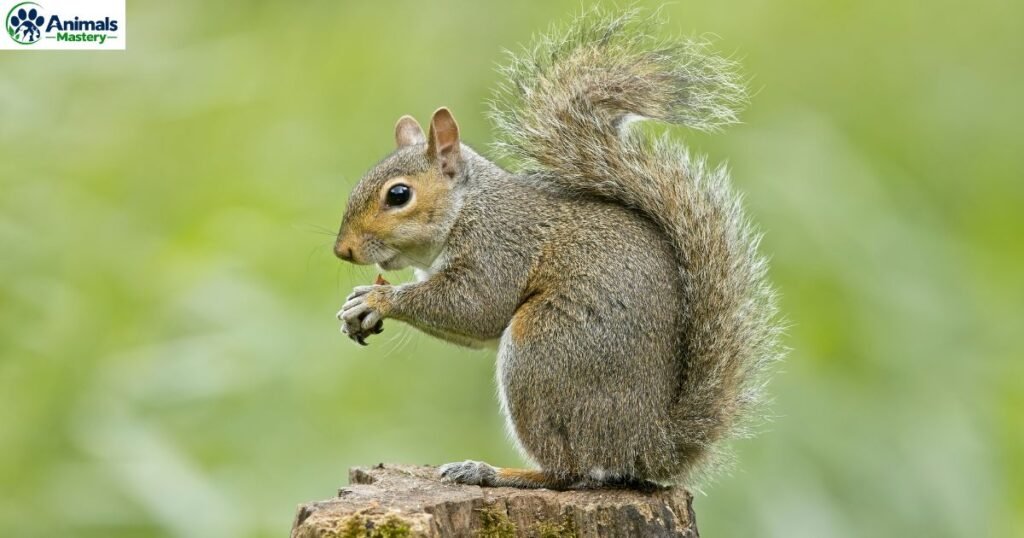
Has 200+ species: Squirrels, with their playful antics, are just one fascinating representative of the animal kingdom boasting 8-letter names. With over 200 species, these small mammals showcase a remarkable adaptability, inhabiting diverse environments from urban parks to dense forests.
Their bushy tails not only aid in balance as they navigate treetops but also play a crucial role in communication and signaling to fellow squirrels.
Helps spread seeds: Squirrels, with their lively antics and fluffy tails, play a crucial role in forest ecosystems. As they forage for nuts and seeds, these agile creatures help spread seeds across vast areas, promoting plant diversity and forest regeneration.
This seed-dispersing behavior is vital for the health of many habitats, illustrating that a seemingly simple animal can have profound ecological impacts.
Stingray
- Scientific Name: Dasyatidae
- Class: Chondrichthyes
- Diet: Carnivore
Camouflages on the seafloor: Stingrays are an incredible example of nature’s artistry, often blending seamlessly into their surroundings with remarkable camouflage. This ability allows them to hide from both predators and unsuspecting prey on the seafloor.
Their flat bodies, adorned with muted colors, mimic sandy textures, making them almost invisible when they lie motionless on the ocean floor. This clever adaptation highlights the intricate relationships within marine ecosystems, where survival often hinges on the art of disguise.
Detects electrical signals: These flat-bodied fish glide gracefully through the water, using their unique adaptations to thrive in diverse aquatic environments. One of their most remarkable characteristics is their ability to detect electrical signals emitted by other animals, thanks to specialized organs called ampullae of Lorenzini.
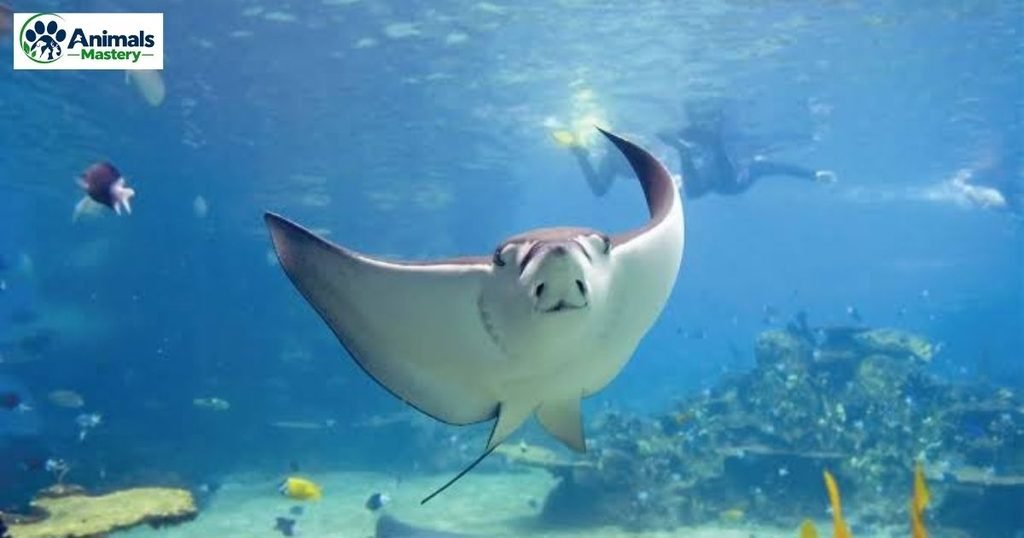
This sensory enhancement allows stingrays to hunt efficiently, even in murky waters where visibility is limited.
Uses its barb for defense: Stingrays are fascinating creatures, blending grace and mystique in their underwater world. With their flat, disc-shaped bodies, they glide effortlessly across the ocean floor, displaying a unique beauty that often goes unnoticed.
While many may appreciate their fluid movements, the stingray is equipped with a formidable defense mechanism: its barb. This sharp, venomous spine can deliver a painful sting to potential predators, showcasing how evolution has armed these gentle giants with both elegance and protection.
Anaconda
- Scientific Name: Eunectes
- Class: Reptilia
- Diet: Carnivore
Can exceed 20 feet: The anaconda, a magnificent serpent that can exceed 20 feet in length, captures the imagination with its formidable presence. Found primarily in the lush waterways of South America, this snake exemplifies the wonders of adaptation in the animal kingdom.
Its camouflage and constricting prowess allow it to thrive in the diverse ecosystems of rainforests and swamps, showcasing the intricate balance of life underwater and on land.
Hunts by constriction: The anaconda, renowned for its immense size, is particularly a master of stealth and patience in the wild. As a formidable predator, it hunts by constriction, wrapping its massive body around unsuspecting prey, tightening its grip until the victim succumbs.
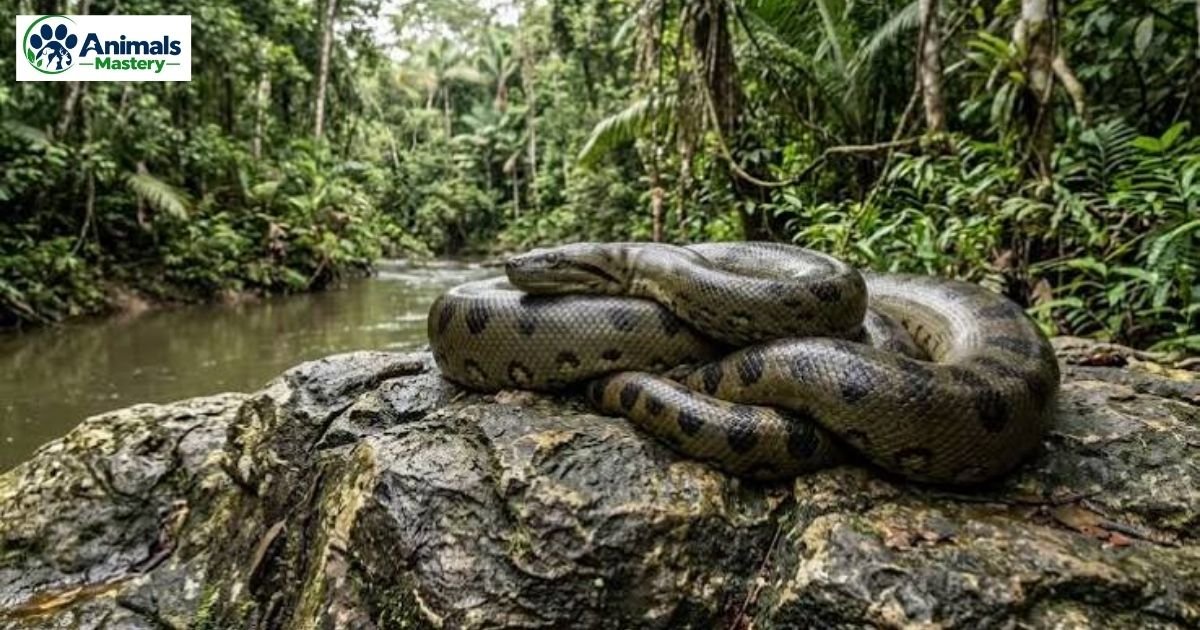
This method not only showcases its strength but also how the anaconda has evolved to thrive in its aquatic habitat, relying on the element of surprise to ambush animals that venture too close.
Thrives in water: The anaconda, renowned for its immense size and strength, thrives in water-rich environments, such as the Amazon River Basin. This amphibious predator primarily hunts by ambushing its prey, demonstrating a remarkable adaptability to aquatic life.
Pictures depict the anaconda coiled around river vegetation or floating gracefully in the water, showcasing its serpentine elegance. Its ability to blend into the murkiness of riverbeds makes it an unparalleled hunter, capable of taking down animals as large as capybaras and even deer.
Flamingo
- Scientific Name: Phoenicopteridae
- Class: Aves
- Diet: Omnivore
Pink color comes from diet: Flamingos are fascinating creatures, instantly recognizable by their striking pink color, which is a result of their diet. They primarily feed on algae and crustaceans rich in carotenoids, pigments that their bodies convert to the vibrant shades we admire.
This unique dietary influence highlights the intricate relationship between an animal and its environment, demonstrating how food sources can shape physical characteristics and behaviors.
Lives in large colonies: These elegant birds live in large colonies, often numbering thousands, which provides both safety and social interaction. Their vibrant color comes from the carotenoid pigments in the algae and crustaceans they consume, showcasing a beautiful example of how diet can affect physical appearance.
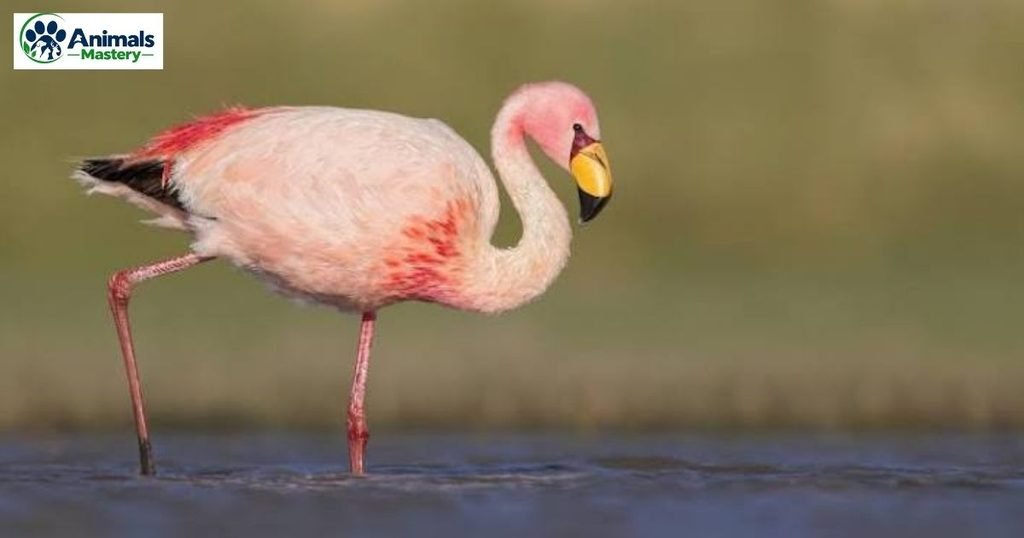
Observing these majestic birds in their natural habitat allows us to witness the complex social structures and behaviors that flourish within their colonies.
Uses filter feeding: Flamingos are mesmerizing creatures, known not just for their vibrant pink plumage but also for their unique feeding technique. These incredible birds use filter feeding, sweeping their beaks upside down through the water to capture tiny organisms, such as shrimp and algae. This process sustains them helps in maintaining the balance of their wetlands, showcasing their vital role in the ecosystem.
Pangolin
- Scientific Name: Pholidota
- Class: Mammalia
- Diet: Carnivore
Has armored scales: The pangolin is one of the fascinating creatures on the planet, known for its unique armor of scales made from keratin, the same material found in human nails. These nocturnal mammals are not only equipped to protect themselves from predators; their scales also play a fascinating role in their survival strategy. When threatened, a pangolin can roll into a tight ball, effectively becoming a living fortress.
Curls into a ball: Pangolins, fascinating creatures draped in armor-like scales, are unique among mammals. When threatened, they curl into a ball, utilizing their tough keratin plates as a protective barrier. This instinctual behavior not only showcases their remarkable adaptation but also highlights the vulnerabilities these gentle creatures face due to poaching and habitat loss.
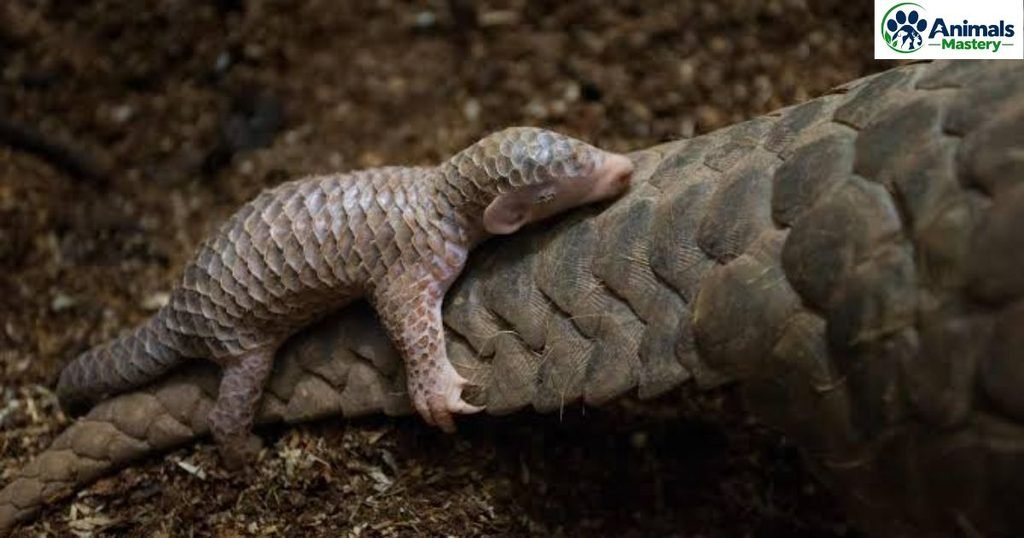
Eats ants and termites: The pangolin, often referred to as the world’s most trafficked mammal, possesses a unique charm that belies its plight. This fascinating creature, covered in scales, uses its remarkable tongue sometimes longer than its body to feast primarily on ants and termites.
As it digs into termite mounds or ant hills, the pangolin showcases a behavior that emphasizes its ecological role as a natural pest controller, helping to maintain the balance in its habitat.
Kangaroo
- Scientific Name: Macropodidae
- Class: Mammalia
- Diet: Herbivore
Hops up to 40 mph: Kangaroos are fascinating creatures, renowned for their incredible agility and unique method of locomotion. These marsupials can hop up to 40 mph, an impressive speed that helps them escape predators in the vast Australian outback. Their powerful hind legs serve as remarkable springs, enabling agile maneuvers that are both swift and graceful.
But there’s much more than speed that defines these iconic animals; their social structures are equally intriguing, often found in groups known as mobs, which provide safety and social interaction in the wild.
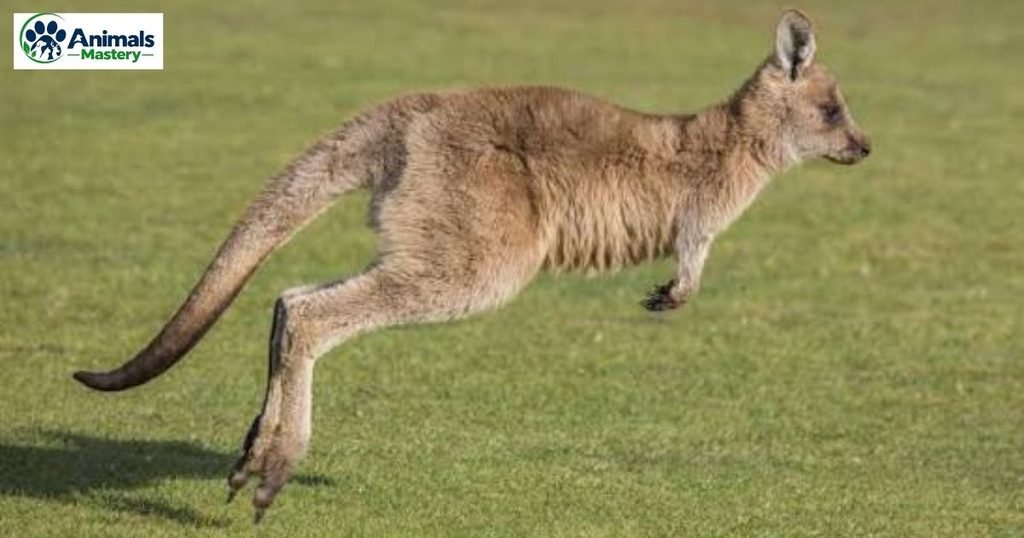
Uses elastic tendons: Kangaroos, with their remarkable use of elastic tendons, illustrate nature’s ingenuity in energy efficiency. These fascinating marsupials are not just iconic Australian symbols; they have evolved to exploit their elastic tendons, allowing them to cover vast distances with minimal energy expenditure.
This adaptation is particularly advantageous in their arid habitats, where long hops help them traverse the sparse landscape in search of food and water.
Lives in mobs: Kangaroos are fascinating creatures known for their unique social structures; they live in mobs, creating dynamic communities that enhance their survival. These groups help them protect against predators and teach younger kangaroos essential skills for foraging and navigating their environment.
Each mob has its own hierarchy, and within this social fabric, individuals develop strong bonds, which can impact their behavior and interactions.
Aardvark
- Scientific Name: Orycteropus afer
- Class: Mammalia
- Diet: Carnivore
Eats ants and termites: The aardvark, an intriguing creature native to Africa, is most noted for its distinctive long snout and powerful claws, perfectly designed for its diet. This fascinating mammal primarily eats ants and termites, using its keen sense of smell to detect underground nests.
With a tenacious digging ability, the aardvark can excavate these insect colonies with surprising speed, providing an extraordinary glimpse into the unique adaptations that enable it to thrive in its environment.
Can eat 50,000 insects nightly: Aardvarks, with their distinctive long snouts and robust bodies, are fascinating creatures that represent the unique biodiversity of Africa. Known predominantly for their nocturnal habits, these remarkable animals can consume an astonishing 50,000 insects nightly, primarily feasting on ants and termites.
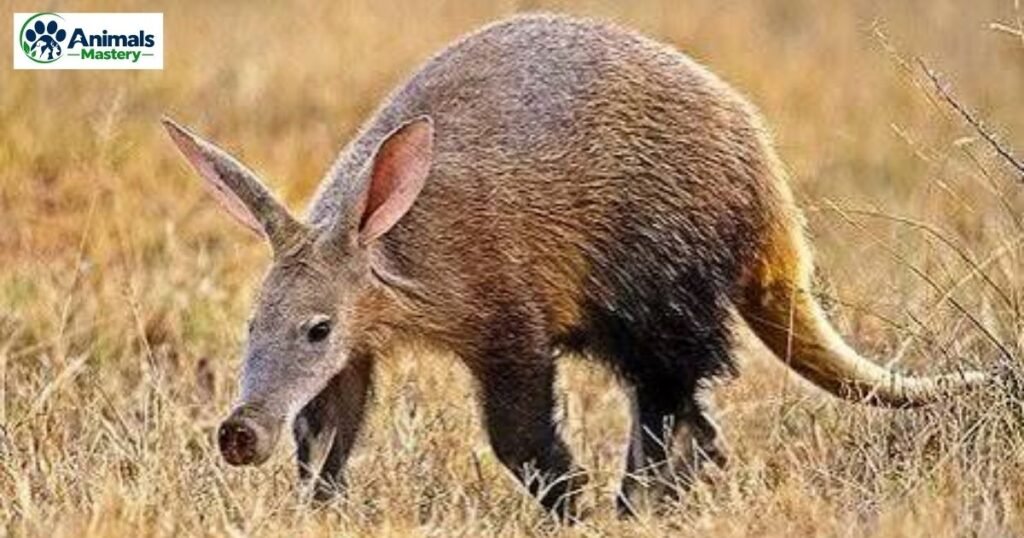
Their specialized diggers’ claws enable them to excavate vast mounds, showcasing their impressive adaptation to an insect-heavy diet.
Digs large burrows: The aardvark, a fascinating creature native to Africa, is remarkable not only for its peculiar appearance but also for its impressive behaviors. Its penchant for digging large burrows allows it to create elaborate underground homes, which serve as havens from predators and harsh weather. These burrows can stretch several feet deep, showcasing the aardvark’s powerful claws and strong digging abilities.
Porpoise
- Scientific Name: Phocoenidae
- Class: Mammalia
- Diet: Carnivore
Has a short snout: With their playful nature and intelligence, porpoises are a fascinating example of marine life. Recognizable by their short snout and sleek bodies, these mammals often swim alongside boats, delighting onlookers with their acrobatics. Unlike their dolphin cousins, porpoises possess a more rounded head and a smaller fin, which sets them apart in the diverse world of aquatic animals.
Uses high-frequency sounds: Among the fascinating creatures in the animal kingdom, the porpoise stands out not only for its playful nature but also for its remarkable communication skills. These intelligent mammals use high-frequency sounds to navigate and hunt, showcasing an acoustic sophistication that rivals human technology.
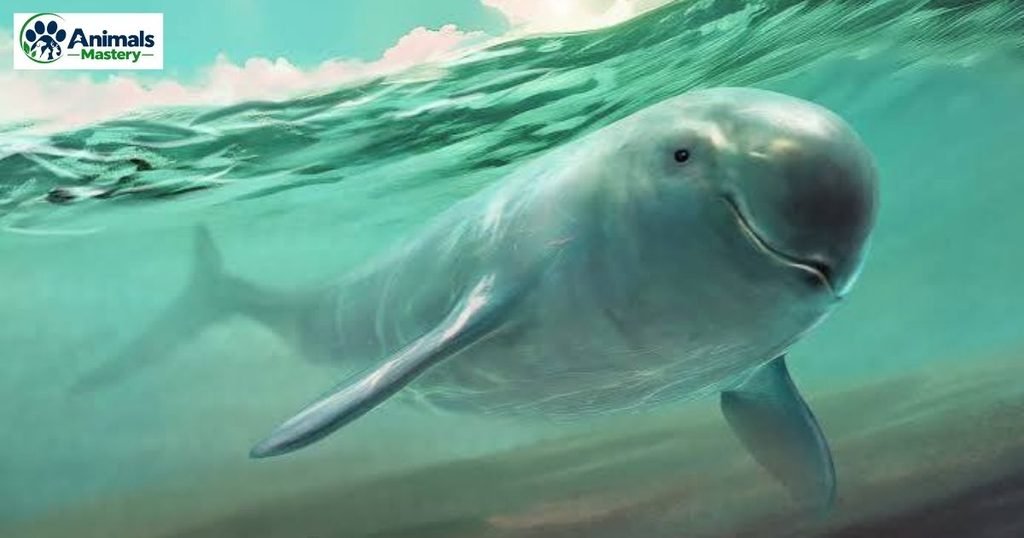
Their echolocation abilities allow porpoises to thrive in murky waters, demonstrating evolutionary adaptations that capture the imagination.
Lives in small pods: Porpoises, often mistaken for dolphins, are remarkable creatures that thrive in small pods, showcasing their social nature. These intelligent marine mammals communicate through a series of clicks and whistles, creating a rich tapestry of sounds that help them navigate the ocean and coordinate hunting efforts.
Living in coastal waters, porpoises play an essential role in maintaining the balance of their underwater ecosystems by preying on fish and squid, thus contributing to marine biodiversity.
Starfish
- Scientific Name: Asteroidea
- Class: Asteroidea
- Diet: Carnivore
Regenerates lost arms: Starfish, often overlooked in the marine world, are fascinating creatures that regenerate lost arms with remarkable efficiency. This unique capability not only enhances their survival but also invites curiosity about their intricate biological systems.
When a starfish loses an arm, it triggers a complex series of cellular processes that allow the regeneration of not just the arm but potentially even an entire new starfish from just a single limb.
Uses a water vascular system: Starfish, or sea stars as they’re often called, showcase a fascinating adaptation with their unique water vascular system. This remarkable feature operates through a network of canals and tube feet, allowing these echinoderms to move gracefully along ocean floors while also aiding in feeding and respiration.
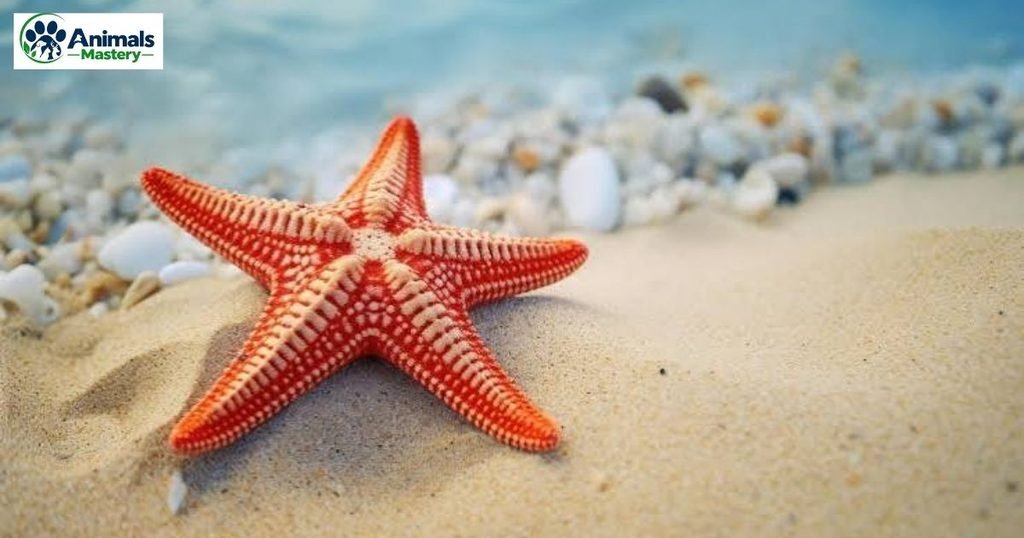
Unlike most animals, starfish can regenerate lost limbs, a trait that not only serves as a survival mechanism but also captivates marine enthusiasts and researchers alike.
Has tube feet: Starfish, often referred to as sea stars, are fascinating creatures that inhabit ocean floors worldwide. These remarkable animals possess tube feet, which are part of a unique water vascular system that allows them to move gracefully and capture prey.
With the ability to regenerate lost limbs, starfish demonstrate an incredible resilience that captivates researchers and marine enthusiasts alike. Their vibrant colors and varied textures create a stunning array of visual diversity, making them a favorite subject for underwater photography.
Elephant
- Scientific Name: Elephantidae
- Class: Mammalia
- Diet: Herbivore
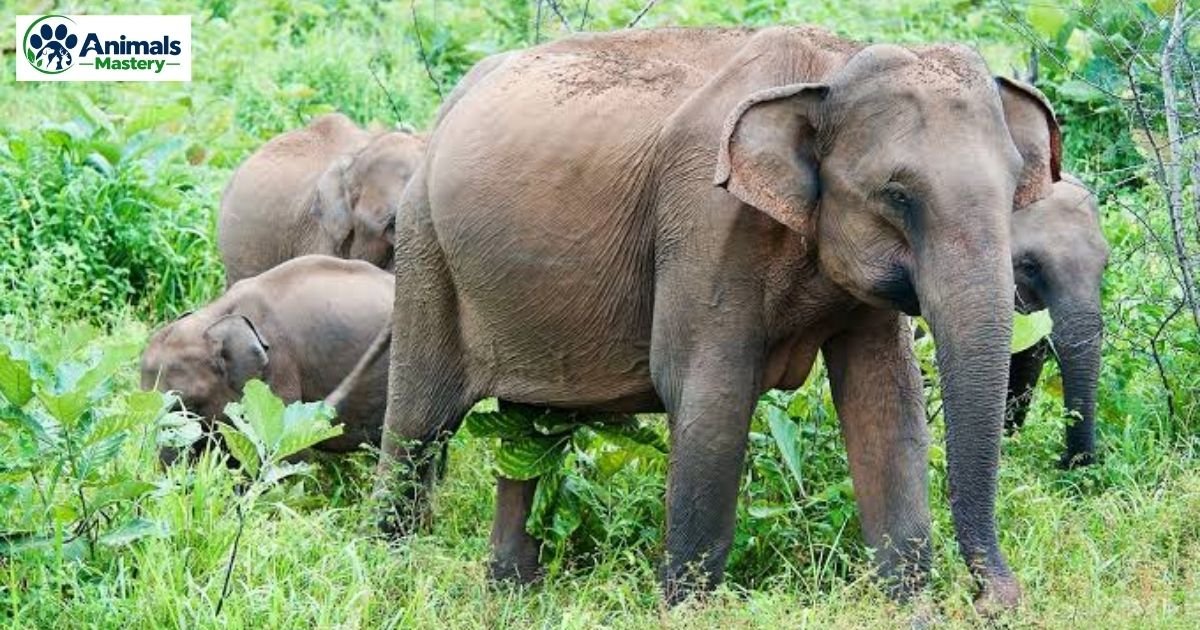
Lives in matriarchal herds: The elephant, a magnificent creature, is known for its intelligence and deep emotional bonds. Residing in matriarchal herds, these gentle giants follow the lead of an experienced female, ensuring the survival and cohesion of the group. This social structure allows for the nurturing of strong familial ties, as younger elephants learn critical survival skills from older members.
The matriarch not only leads the herd but also maintains intricate social relationships, showcasing the complexity of their communication through rumbles, trumpets, and body language.
Uses infrasound communication: The elephant’s capacity to communicate using infrasound sets it apart in the animal kingdom. These majestic creatures emit low-frequency sounds that travel over vast distances, allowing them to connect with others in their herd even when separated by miles.
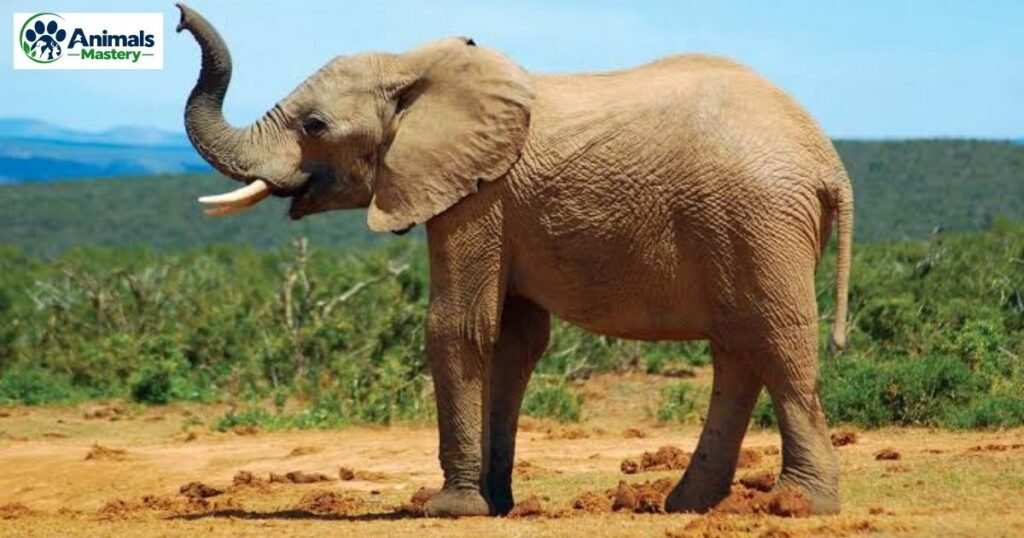
This form of communication is not just intriguing; it serves essential purposes like coordinating movements, signaling distress, or guiding young calves.
Shapes its ecosystem: Elephants, often regarded as nature’s architects, play a profound role in shaping their ecosystems. By uprooting trees and creating pathways, they promote new growth and diversified habitats for other species. Their massive footprints create water holes that nourish numerous animals during dry spells, highlighting the interconnectedness of life in their environment.
This profound impact underscores the importance of conserving these majestic creatures, as their absence would unravel the delicate balance they maintain.
Scorpion
- Scientific Name: Scorpiones
- Class: Arachnida
- Diet: Carnivore
Over 400 million years old: The scorpion, an intriguing creature that has thrived for over 400 million years, is a testament to resilience and adaptation. These arachnids, often found lurking in the shadows, embody a fascinating blend of beauty and danger.
With their elongated bodies, segmented tails, and pincers poised like miniature grappling hooks, scorpions have developed a unique form of predation that has allowed them to survive in diverse environments, from arid deserts to lush forests.
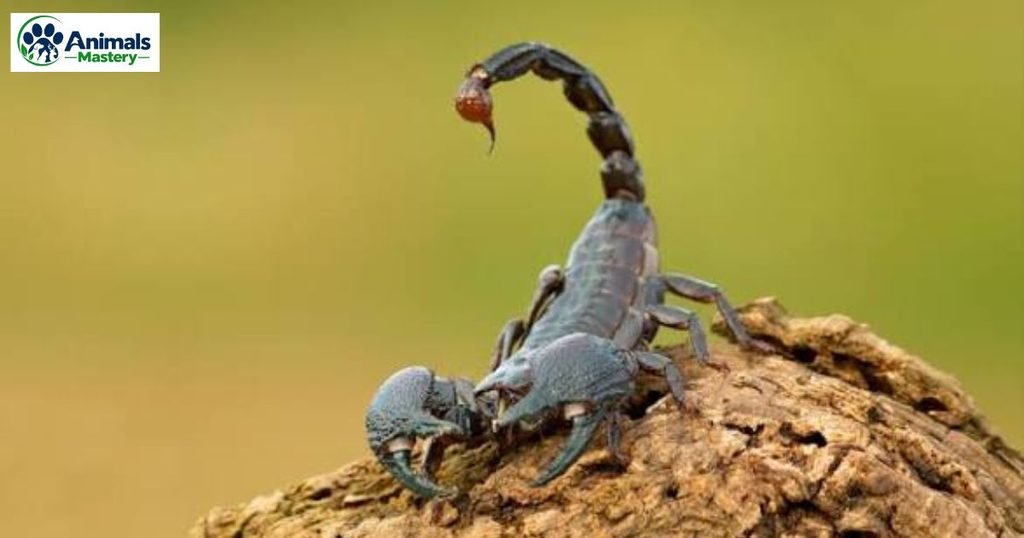
Glows under UV light: Scorpions are fascinating creatures, not just for their predatory prowess but also for their unique biological traits. One of their most captivating features is their ability to glow under UV light, a characteristic that helps them navigate their environment and detect prey.
This bioluminescence is a result of a substance found in their exoskeleton, which reflects ultraviolet rays, creating a mesmerizing light display in the dark.
Survives without food: The scorpion is a fascinating creature that thrives in some of the harshest environments on Earth. Known for its resilience, the scorpion can survive without food for extended periods, sometimes up to a year, depending on the species and environmental conditions. This incredible survival mechanism is linked to its slow metabolism, allowing it to withstand long intervals without sustenance, a remarkable trait in the animal kingdom.
Reindeer
- Scientific Name: Rangifer tarandus
- Class: Mammalia
- Diet: Herbivore
Both sexes grow antlers: Reindeer are captivating creatures, known for their stunning adaptations to the harsh Arctic environment. Both sexes grow antlers, a rarity in the animal kingdom that adds to their unique charm. These magnificent animals not only have a pivotal role in indigenous cultures but are also essential to the ecosystem, serving as grazers that help maintain the balance of Arctic vegetation.
Their ability to traverse snowy terrains is a testament to their evolutionary prowess, enabling them to thrive in regions where few others can survive.
Find food under snow: Reindeer, known for their impressive antlers and endurance, are fascinating creatures that thrive in harsh Arctic environments. Their natural adaptation allows them to find food under snow, utilizing their keen sense of smell to detect lichen and moss hidden beneath the surface.
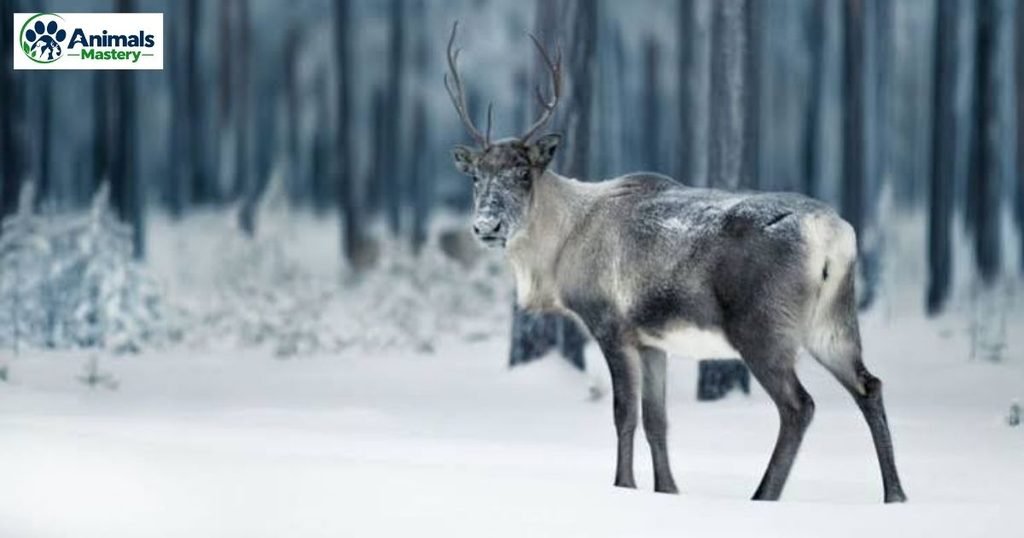
This ability not only sustains them through the frigid winters but also highlights the incredible resilience of wildlife in extreme conditions.
Adapted to Arctic cold: Reindeer, also known as caribou in North America, are remarkable creatures uniquely adapted to Arctic cold. Their thick fur provides insulation against freezing temperatures, while their large, rounded hooves are perfectly designed for traversing snowy landscapes.
These magnificent animals are not only essential to the ecosystems they inhabit but also to the cultures of indigenous peoples, who rely on them for food, clothing, and transportation.
Antelope
- Scientific Name: Alcelaphinae
- Class: Mammalia
- Diet: Herbivore
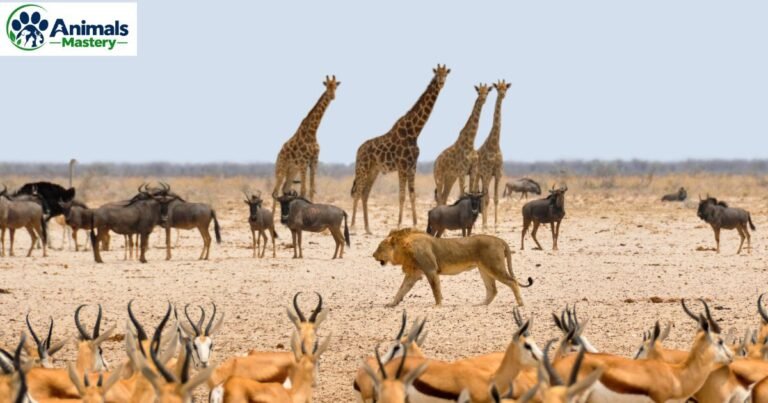
Some leap 10 feet: Antelopes are fascinating creatures that exemplify agility and grace in the animal kingdom. With their slender bodies and powerful legs, some species can leap up to 10 feet high, making them adept at escaping predators.
This extraordinary ability not only showcases their physical prowess but also serves as a crucial survival tactic in the wild. Spotting an antelope bounding gracefully across the savanna is nothing short of mesmerizing, and their impressive jumps are a reminder of nature’s incredible adaptations.
Lives in herds: Antelopes are fascinating creatures that epitomize grace and agility, embodying the spirit of the wild. As social mammals, they thrive in herds, providing them with safety from predators and fostering strong social bonds within their group. This herd behavior not only enhances their chances of survival but also plays a crucial role in their mating rituals and nurturing of young ones.
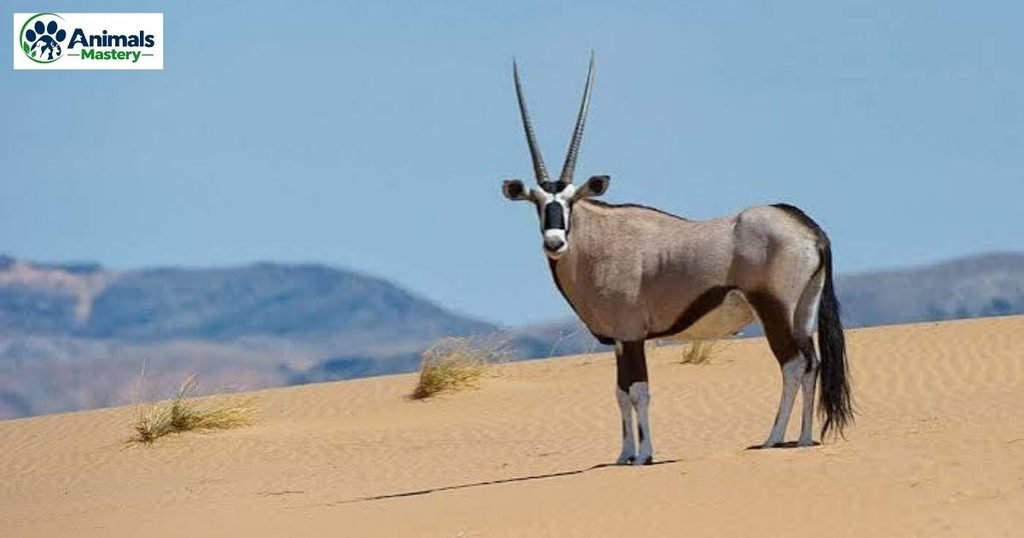
With diverse species such as the impala and springbok, antelopes showcase a stunning range of colors and adaptations suited for various ecosystems.
Supports food chains: Antelopes, with their graceful movements and striking features, play a crucial role in their ecosystems. As herbivores, they are integral to the food chain, providing vital sustenance for predators like lions and hyenas. Their grazing habits help maintain the health of grasslands, promoting biodiversity and preventing overgrowth that can choke out other species.
Platypus
- Scientific Name: Ornithorhynchus anatinus
- Class: Mammalia
- Diet: Carnivore
Lays eggs: The platypus stands out in the animal kingdom not only for its unique appearance featuring a duck-bill and webbed feet but also for its remarkable reproductive trait: it lays eggs. This mammal, native to Australia, challenges the conventional traits of warm-blooded creatures by being one of only five existing monotremes, a group that represents an evolutionary bridge between reptiles and mammals.
The way a platypus nurtures its young further fascinates scientists; after laying eggs, the mother incubates them in her burrow and, upon hatching, feeds them with milk secreted from her skin, showcasing an extraordinary blend of behaviors.
Detects prey electrically: The platypus, a unique marvel of evolution, stands out not just for its curious appearance but also for its incredible hunting skills. This semi-aquatic mammal employs an extraordinary method to detect prey electrically.
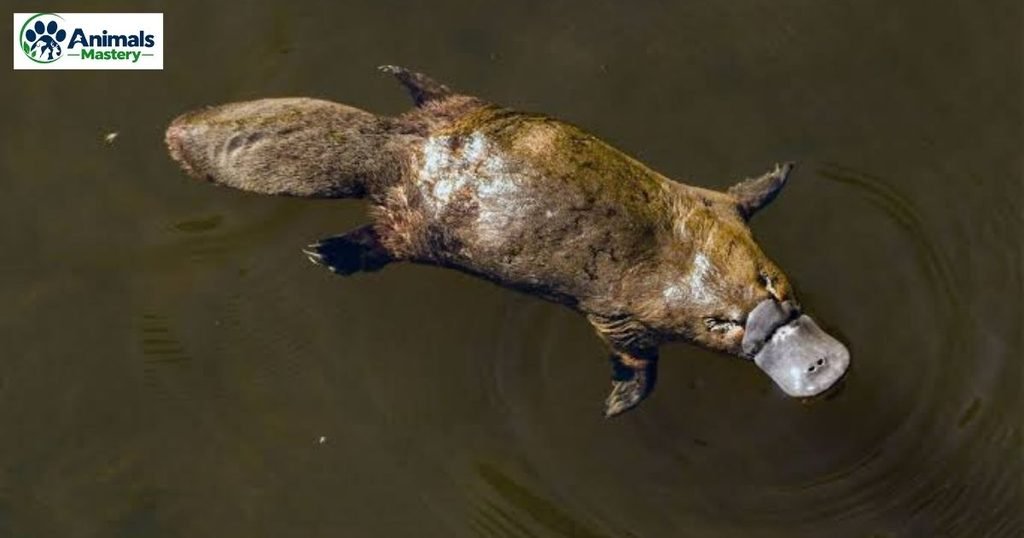
With specialized receptors in its bill, the platypus can sense the faint electrical signals emitted by its underwater prey, such as shrimp and small fish. This skill enhances its foraging capabilities, especially in murky waters where visibility is limited.
Males have venomous spurs: The platypus, one of nature’s most peculiar creations, stands out not just for its duck-bill and webbed feet but also for a surprising trait: males have venomous spurs. Found in the rivers and streams of Australia, this fascinating creature is a monotreme, meaning it lays eggs instead of giving birth to live young.
This unique reproductive method connects the platypus to ancient ancestors, offering a glimpse into the evolutionary past.
Seahorse
- Scientific Name: Hippocampus
- Class: Actinopterygii
- Diet: Carnivore
Males carry young: The seahorse, a marvel of the marine world, stands out not just for its unique appearance but also for its remarkable reproductive role. In a fascinating twist of nature, it is the males that carry the young, securing their place in the pantheon of animal caregivers.
This extraordinary adaptation challenges traditional gender roles in the animal kingdom, providing a fresh perspective on parenting. Seahorses are often seen clinging to coral and seagrass, showcasing their signature upright swimming style while expertly camouflaged against their surroundings.
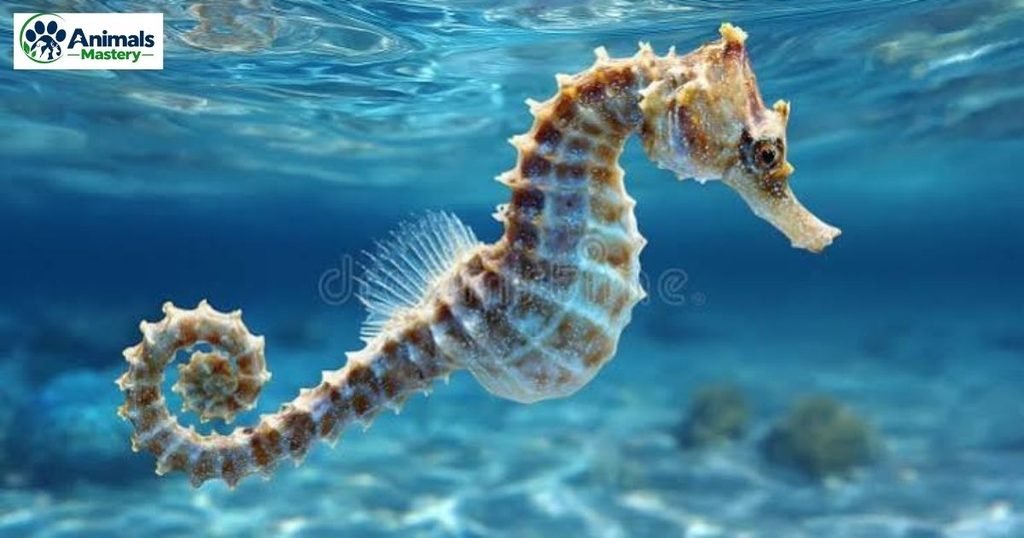
Can change colors: The seahorse stands out not just for its unique appearance but also for its remarkable ability to change colors. This fascinating adaptation allows them to blend into their surroundings, evading predators while communicating with potential mates. Their extraordinary camouflage capabilities are a vivid reminder of nature’s creativity.
Such adaptations ignite curiosity about the seahorse’s intricate behaviors, especially as they engage in courtship dances that can be as enchanting as their vibrant hues.
Uses its tail to anchor: The seahorse, a marvel of the underwater world, showcases a unique blend of elegance and adaptability. With its prehensile tail, it uses its tail to anchor itself to seagrasses or coral, offering both stability and protection from currents. This fascinating behavior reflects its gentle nature and dependence on its environment traits that many might overlook in these delicate creatures.
Chipmunk
- Scientific Name: Tamias
- Class: Mammalia
- Diet: Omnivore
Stores winter food: One of their most intriguing behaviors is the way they store winter food, showcasing their exceptional foresight and adaptability. As they scurry around, gathering nuts, seeds, and fruits, chipmunks utilize their cheek pouches to transport snacks back to their burrows, effectively preparing for the colder months ahead.
Uses high-pitched calls: These small, energetic creatures utilize high-pitched calls to communicate with one another, creating a lively symphony of sounds that fills the forest. Their agile movements and ability to hoard nuts for winter make them a fascinating study in preparation and survival.
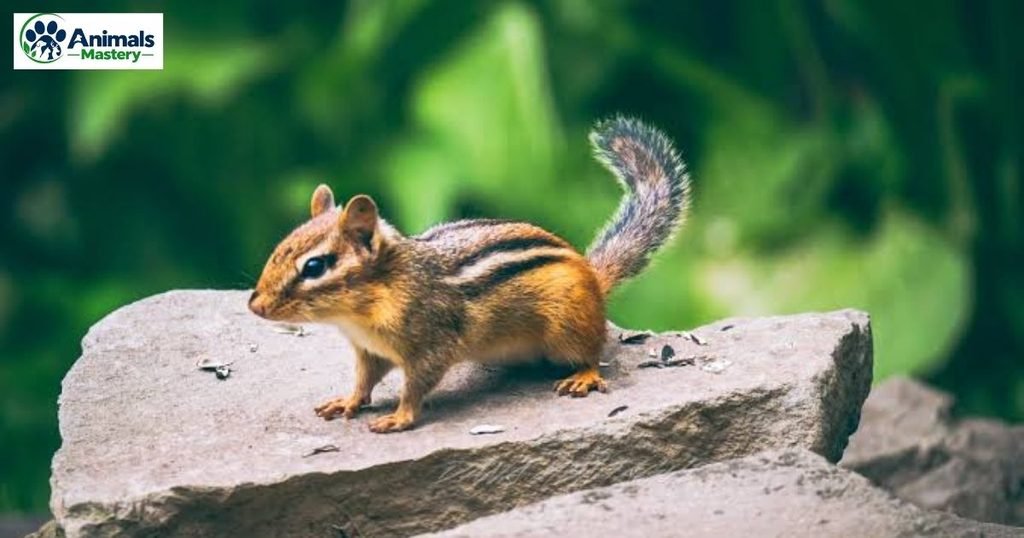
Observing chipmunks can give insights into their social structures, as they often express a range of emotions through squeaks and chirps.
Has striped camouflage: The chipmunk, a charming little creature, showcases nature’s ingenuity with its distinctive striped camouflage. This clever adaptation not only provides it with the perfect disguise against potential predators but also helps it blend seamlessly into its forest surroundings. Often seen darting between trees or foraging for acorns, the chipmunk’s lively antics and cheeky demeanor endear it to wildlife enthusiasts.
Capybara
- Scientific Name: Hydrochoerus hydrochaeris
- Class: Mammalia
- Diet: Herbivore
Largest rodent: The capybara stands out as the largest rodent in the world, effortlessly radiating charm with its gentle demeanor and sociable nature. Often found lounging near water bodies, these semi-aquatic giants thrive in groups, highlighting their strong social bonds. Observing a capybara in the wild evokes a sense of tranquility, as they bask under the sun or greet other species like birds and monkeys, fostering a unique ecosystem of cohabitation.
Excellent swimmer: Capybaras, the world’s largest rodents, are not just known for their charming demeanor but also their remarkable swimming abilities. Their webbed feet make them excellent swimmers, allowing them to glide effortlessly through water.
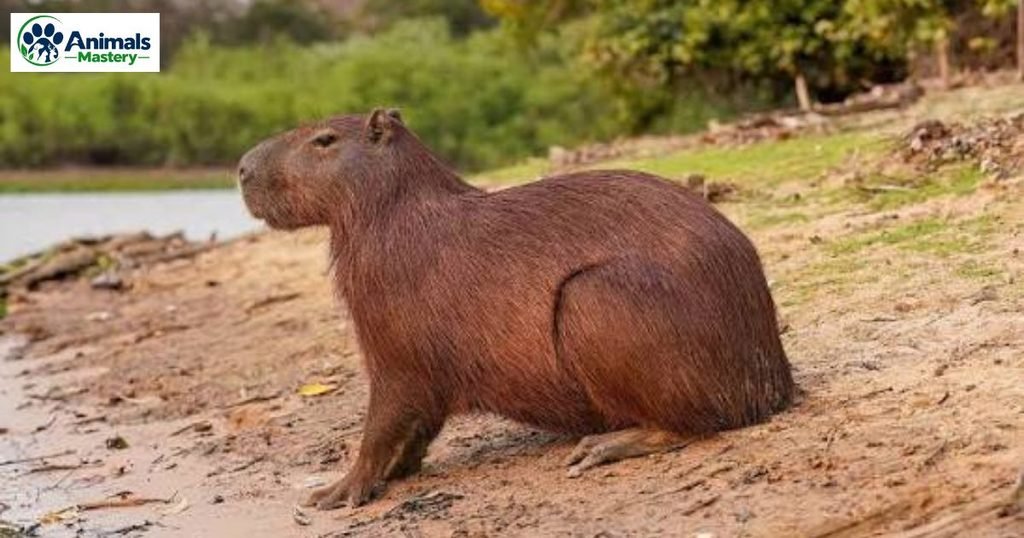
This aquatic prowess is vital for escaping predators, as capybaras often inhabit habitats near rivers and lakes in South America. Observing their graceful movements in the water evokes a sense of tranquility, showcasing a unique blend of playfulness and serenity in their behavior.
Lives in groups: The capybara offers a fascinating glimpse into the social structures of wildlife. These remarkable creatures thrive in groups, often numbering up to 20 individuals. Living in such close-knit communities not only enhances their safety from predators but also strengthens social bonds and facilitates intricate communication among members.
Their playful interactions and grooming sessions illustrate a level of social harmony that captivates both researchers and animal lovers alike.
Tarantula
- Scientific Name: Theraphosidae
- Class: Arachnida
- Diet: Carnivore
Can live over 20 years: Tarantulas, often misunderstood, are fascinating creatures that can live over 20 years. These eight-legged marvels, with their thick fur and intimidating appearance, are more than just a source of fear; they are skilled hunters and vital components of their ecosystems.
Contrary to popular belief, most species are relatively docile and prefer to retreat rather than attack, showcasing complex behaviors that reveal their adaptability and intelligence.
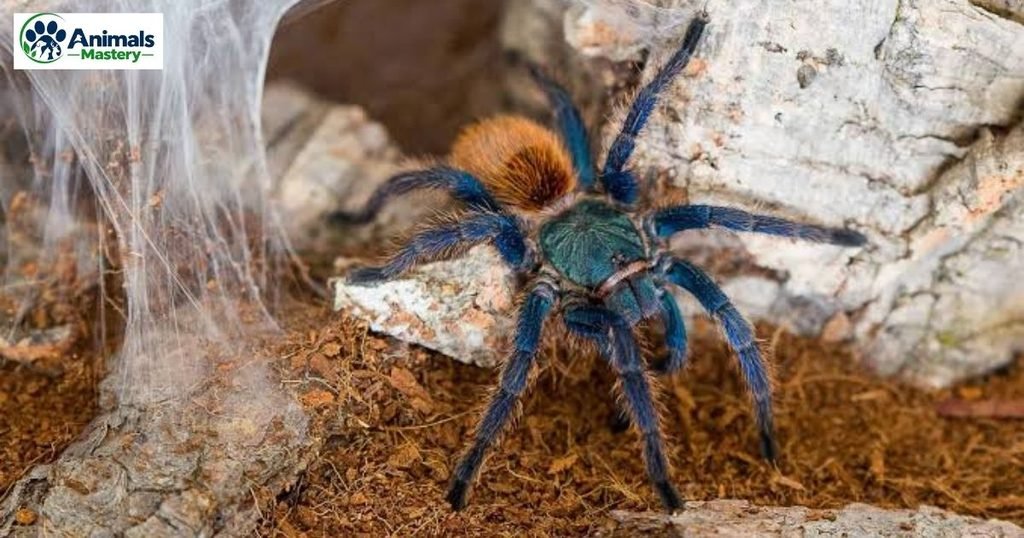
Builds silk-lined burrows: The tarantula, a fascinating creature often misjudged as fearsome, plays a significant role in its ecosystem. These eight-legged wonders build silk-lined burrows that serve dual purposes both as cozy retreats and as traps for unsuspecting prey. Each burrow symbolizes a carefully crafted habitat where the tarantula can thrive in safety and comfort, reflecting nature’s intricate designs.
Does not spin webs: The tarantula, often feared yet fascinating, is a prime example of nature’s complexity. These eight-legged marvels do not spin webs like other spiders; instead, they thrive in a variety of habitats, relying on their keen senses and burrowing abilities to hunt.
Their vibrant colors and impressive size make them a captivating subject for wildlife enthusiasts, revealing a world that’s both eerie and awe-inspiring.
Hedgehog
- Scientific Name: Erinaceinae
- Class: Mammalia
- Diet: Omnivore
Eat many insects: Hedgehogs are fascinating creatures that epitomize resilience in the wild. These spiky mammals primarily thrive on a diet that consists of a variety of insects, which they adeptly hunt down with their keen sense of smell. From worms to beetles, hedgehogs play a crucial role in controlling insect populations, showcasing their place in the ecosystem as natural pest managers.
Has excellent hearing: The hedgehog, a charming creature often mistaken for just a spiny ball of quills, has fascinating adaptations that set it apart in the animal kingdom. With excellent hearing, hedgehogs can detect even the faintest rustle in the underbrush, making them adept at locating their next meal of insects and worms.
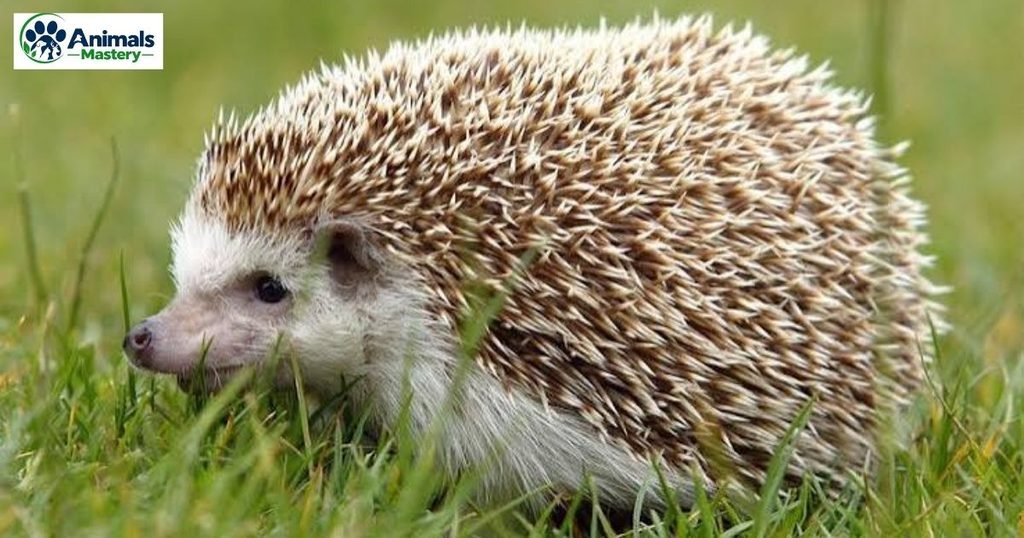
This heightened auditory ability allows them to navigate and thrive in their nocturnal lifestyle while avoiding potential predators.
Curls into a ball: The hedgehog, a fascinating creature, captivates with its unique defense mechanism: when threatened, it curls into a ball, showcasing its spiky armor. Beyond being adorable, these nocturnal animals play a vital role in pest control, feasting on insects and small invertebrates that might otherwise invade our gardens.
Fascinating Animals Worth Exploring
- Exploring snakes with triangular heads reveals a fascinating range of species and adaptations. Their distinctive appearance can help researchers and observers recognize differences between various snakes. Learning about them also highlights the remarkable variety found among reptiles.
- Exploring animals that walk on two legs reveals remarkable differences in anatomy and movement. From hopping birds to upright mammals, each species has developed its own method of staying balanced. Their unique locomotion makes them especially interesting members of the animal kingdom.
- Learning about Animals Like Foxes is a great way to discover more remarkable members of the canine world. Each species has developed its own hunting methods, communication styles, and survival strategies. Together, they show the amazing variety found among fox- like animals.
- If you enjoyed learning about animals with 8 letters, continue your wildlife adventure with our guide to animals that start with F. It features fascinating species, fun facts, and colorful pictures, making it a great resource for expanding your animal knowledge while exploring the alphabet.
- Regular grooming is one reason some species are considered among the Cleanest Animals in The World. They may lick, bathe, preen, or otherwise care for their bodies throughout the day. These natural routines can help remove debris and unwanted parasites.
- f you enjoyed exploring animals with 8 letters, why stop there? Check out our guide to animals with 7 letters to discover more fascinating species, expand your vocabulary, and enjoy another fun alphabet-based wildlife collection filled with interesting facts and pictures.
- Exploring Animals with Long Tails reveals a wide variety of creatures from different parts of the world. From agile tree-dwellers to powerful land animals, each species has unique characteristics. Their impressive tails are just one of the many adaptations that help them thrive.
- If you enjoyed discovering animals with 8 letters, expand your wildlife knowledge with our guide to examples of reptiles. You’ll learn about a variety of fascinating reptile species, their unique characteristics, habitats, and the traits that make them an important part of the animal kingdom.
Final Thoughts
To sum up, our journey through 21 extraordinary Animals With 8 Letters has showcased the incredible variety that nature has to offer. Each animal, from the clever octopus to the powerful jaguar, plays a vital role in their ecosystems, reminding us of the interconnectedness of life.
These creatures highlight the importance of biodiversity and the ongoing efforts required to safeguard them for future generations. As we conclude, let’s take a moment to reflect on our responsibility in preserving these amazing beings.
FAQs
Which Animal on this List is a Critically Endangered Mammal known for its Protective Scales?
The Pangolin. It is the only mammal covered in hard keratin scales and is heavily poached for traditional medicine, making it critically endangered.
How do the Marine Animals on this List Breathe Differently from Each Other?
Porpoises breathe air through a blowhole, stingrays and seahorses use gills to extract oxygen from water, and starfish absorb oxygen directly through their skin.
Which of these Animals are Marsupials, and where are They Natively Found?
The Kangaroo is the only marsupial listed, and it is native to Australia. The platypus is also Australian but is an egg-laying monotreme.
What is the Main Structural Difference Between the Two Arachnids Listed, the Scorpion and the Tarantula?
Scorpions have grasping pincers and a segmented tail with a venomous stinger. Tarantulas lack stingers and pincers, relying instead on large fangs and irritating body hairs.
Which Rodents on this List are known for being the Largest and the most Adapted for Defense?
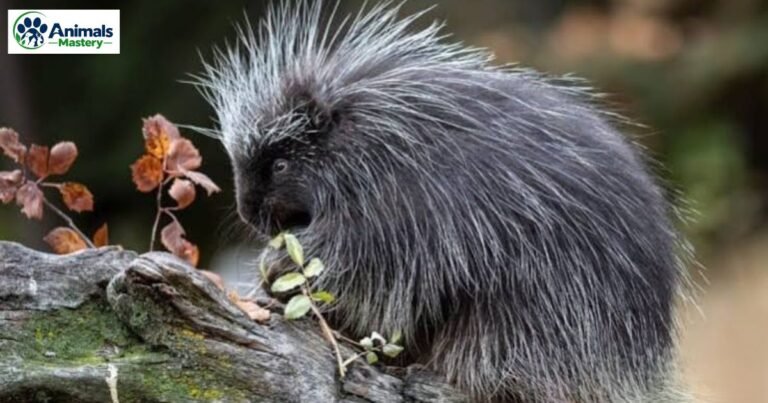
The Capybara is the world’s largest living rodent, while the Porcupine is the rodent most adapted for defense due to its sharp, protective quills.